


Tesla's Workforce Haircut Takes 9 Percent Off the Top

Tesla CEO Elon Musk announced a restructuring of the ambitious but troubled automaker on Tuesday, laying out a plan that will see 9 percent of the company’s workforce laid off.
Calling the decision “difficult, but necessary,” Musk said the cuts will come almost exclusively from its salaried workforce, leaving production workers in place. The company’s production targets for the Model 3 sedan haven’t changed, he insists.

For All Its Talk of Mobility, Ford Says It's Fine With FCA and GM Leading the Robocar Pack
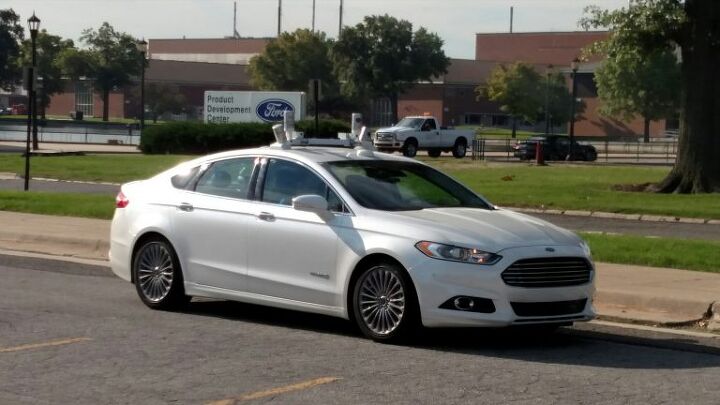
If recent statements from Ford Motor Company were any indication, you’d think we were living in some futuristic society where our grandparents drove Nucleons and the need for a personal vehicle was almost nil. Yes, too much “mobility” talk gets under the skin.
That said, it’s Ford’s domestic rivals who are actually building and fielding production vehicles that drive themselves — and setting up businesses and partnerships that could make the automakers a bundle on the side. By next year, both General Motors and Fiat Chrysler could have self-driving vehicles roaming America, earning their companies money.
Be our guest, Ford claims. There’s bigger things to worry about.
Rare Rides: A Tale of Fisker Karma (Part I)

To my recollection, we’ve only had one EV-type vehicle thus far in the Rare Rides series, and it was Toyota’s ill-fated and corporately sabotaged RAV4 EV. That changes today, with another plug-in vehicle that crashed and burned.
Today’s Rare Rides is the first installment in a three-part trilogy of the life and times of the Fisker Karma.

Trade War Watch: Japan Gets Vocal Over U.S. Tariff Threats
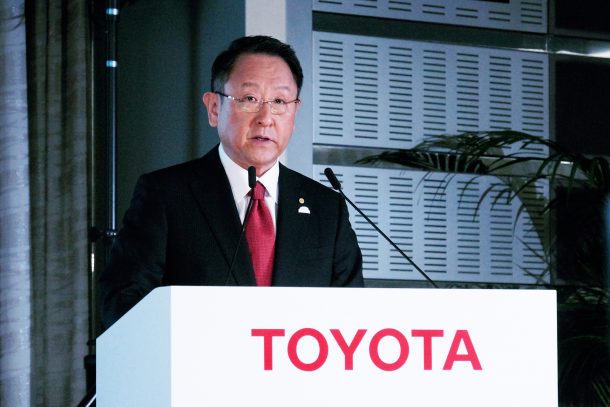
While the Japanese government has walked on eggshells when discussing trade issues that are transforming the globe into an angry beehive, the nation’s automakers have been more forthright. However, they’re both getting increasingly vocal as the situation escalates.
As the United States and Japan head into trade discussions scheduled for July, it’s beginning to look like everyone will come out swinging — especially when it comes to the automotive industry. Last month, the White House launched a national security investigation into car and truck imports that could lead to new tariffs on some of Japan’s biggest U.S.-bound exports.
Japanese Finance Minister Taro Aso was uncharacteristically negative toward the current U.S. trade policy during a Group of Seven finance leaders’ gathering held last week. “It’s deeply deplorable,” Aso said. “Inward-looking policies involving one-sided, protectionist measures benefit no country.”

Even Europe Has No Use for a Range Rover Evoque Three-Door

The most attainable Range Rover, and easily the least desirable, will no longer be offered sans rear doors. While the five-door Evoque soldiers on for the 2019 model year alongside its ridiculous convertible sibling, the automaker says there will no longer be a three-door available anywhere on the planet.
It’s just the latest evidence that automakers aren’t interested in shelling out for seldom bought body styles just to satisfy a handful of nonconformist buyers.
Your Future Honda EV Might Have a General Motors Battery
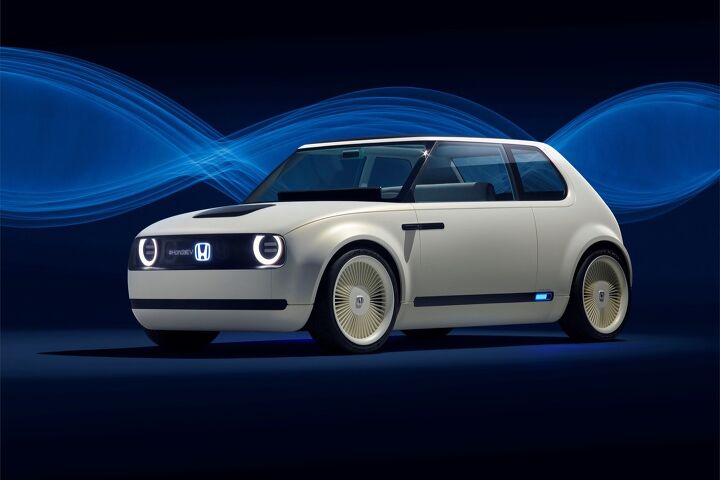
Not if you’re planning on leasing a Clarity Electric, of course, though future iterations of Honda’s greenest model could use what General Motors is pushing. Which is: a far more energy dense battery.
On Thursday, the two automakers announced a partnership to develop smaller, longer-ranged batteries for use in electric vehicles, primarily those sold in North America. Once the two achieve a breakthrough, GM will become Honda’s supplier.
GM to Europe: Don't Be so Down on Diesel

Even though General Motors gleefully offloaded its European division to the French, it still maintains a slight presence in the region. A powertrain engineering center in Turin, Italy remains in the GM fold, which gave the automaker an opportunity to dish on a much-maligned propulsion source: diesel fuel.
Hey, this stuff’s still useful, the automaker’s CEO of global diesel development, Pierpaolo Antonioli, told an uncertain European crowd this week.
QOTD: Can You Build an Ideal Crapwagon Garage? (Part IV: Wagons)

So far in the Crapwagon Garage QOTD series, we’ve covered hatchbacks, sedans, and pickup trucks. For the fourth installment in the series, we take the best qualities of all three of those previous vehicles.
What do you get when you affix a hatchback to a sedan, and add the covered rear bed area from a truck? A wagon, of course.
Freeing Up Factories: Toyota to Consolidate Electronics Operations Within Denso

Toyota Motor Corp. says it had reached an agreement to consolidate all of its core electronics component operations within Denso. The move should allow Toyota to free up resources to compete more effectively in the new vehicle technology field.
Japan’s largest automaker noted it still has to discuss the logistics of transferring production of parts produced at its Hirose plant, near Toyota’s global headquarters, before the end of next year. But Denso, the company’s largest supplier, has already agreed to the core concept of the deal. By 2022, Denso will have taken over the mass production of all electronics components used in Toyota’s vehicles.
Chrysler's Not Dead, It's Just Wounded

Rampant speculation on the Chrysler brand’s demise was premature. During a Q&A session in Italy on Friday, Fiat Chrysler Automobiles CEO Sergio Marchionne announced that the brand has a future, but it won’t be as big as it once was.
Already, the brand pales in comparison to even the recent past. In 2005, Chrysler sales in the United States topped 600,000 vehicles (we all remember those Sebrings), and the brand plateaued above 300,000 annual sales in the period spanning 2012 to 2015. Last year’s tally? Just over 188,000 sales — not surprising, given its lineup now consists of a single, aging large sedan and a modern minivan. U.S. sales are down 9 percent over the first five months of 2018.
Marchionne’s remarks proved an earlier Bloomberg report true: Chrysler will become a North American brand. And Fiat? Sorry, it doesn’t look like it’s going to work.
Expect a Future Fiat Chrysler With a Lot Less Fiats and Chryslers: Report

Fiat Chrysler Automobiles CEO Sergio Marchionne, due to retire in less than a year’s time, will lay out the automaker’s future on Friday. Well, the next five years of its future — and we all know how malleable those plans can be.
According to a Bloomberg report, sources with knowledge of the plan say the near future contains far fewer Chryslers for those living outside the U.S., and no Fiats for those who are.
QOTD: Can You Build an Ideal Crapwagon Garage? (Part III: Trucks)

It’s time for the third installment of our Crapwagon Garage QOTD series. The first part was all about the hatchbacks, while the second entry focused solely on sedans.
In today’s section of the garage, vehicles with open beds fill our peripheral vision. They are, of course, pickup trucks.
'They Will Grow Older': Jaguar's Product Boss Is Damn Sure Millennials Will Eventually Choose Self-Indulgence
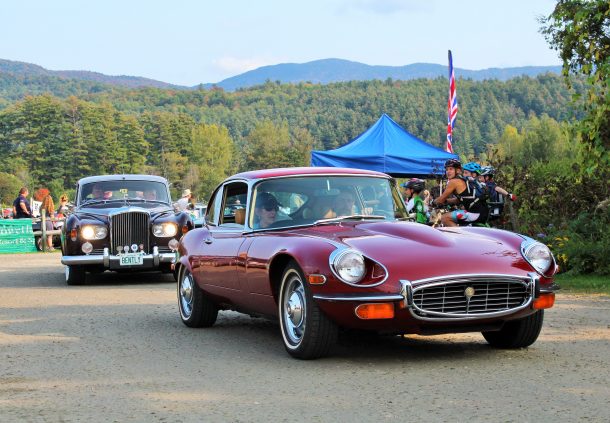
Teen car culture is dying a swift death, The Atlantic claims, but Jaguar Land Rover’s head of product strategy feels the youngsters of today will eventually outgrow their desire for hassle-free autonomous commute pods.
As a great Jaguar print ad in the 1990s once stated, “Live Vicariously Through Yourself.”
In Hanno Kirner’s mind, this mantra will guide more than a few Millennials to take over the driving duties and indulge their innermost desires. It had better.
Buy/Drive/Burn: Sporty Liftbacks Hailing From 1994
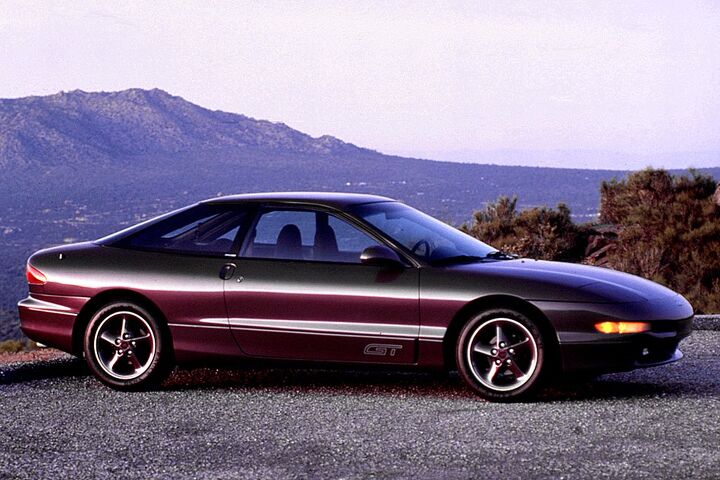
Today’s edition of Buy/Drive/Burn was inspired by our previous Question of the Day on hatchback crapwagons.
In the North American vehicle timeline, the fading days of the Personal Luxury Coupe (PLC) saw the rise of a different kind of two-door for the masses. Gone was the upright formal vinyl roof, opera lamps, and trunk. En vogue was a sporty fastback profile and a strut-supported liftgate. Attainable and economic sporty driving is the name of the game, and our front-drive trio was right in the heat of things in 1994.
QOTD: Can You Build an Ideal Crapwagon Garage? (Part II: Sedans)

In the first installment of the Crapwagon Garage QOTD series, we asked all of you to submit value-priced used hatchbacks which were near and dear enough to earn one of the limited spots available.
Moving away from the hatch and liftback body style, today we turn our virtual attention to the sedan section of the Crapwagon Garage.
The 'Electric Revolution' Can't Happen Without Cobalt, and We're Already Running Out

As we hurl ourselves into the the glistening, unknown future, we are continuously confronted with new obstacles. While we’re good at coming up with solutions to new problems, there are plenty of important questions left hanging in the air as technology pushes us onward. Why do we keep working longer hours as more things become automated? How to we ensure that sentient machines do not decide to kill us? Why are there still so many people that use the speaker function on their phones in public places?
In the automotive realm, autonomous driving and battery technology are the golden geese of progress right now. While driving aids are becoming ever-more impressive, truly self-driving cars are a little further out than most manufacturers would like to admit. Meanwhile, electric automobiles are already here and tangible as hell. You could have one tomorrow if you wanted.
The issues associated with autonomous vehicles are beyond complex. In addition to deciding how to develop the technology effectively, a myriad of questions exist as to the legal ramifications of its implementation and how its very existence could change society. Electric cars are more straightforward, and the problems they face are predominantly logistics oriented. But they’re about to face a monumental hurdle in a few years.
Germany to Cities: Go Nuts With the Diesel Bans, Starting Now

It’s open season on compression ignition vehicles in the Fatherland. The birthplace of the diesel engine now says German cities can implement diesel driving bans whenever, and wherever, they want.
The Friday ruling by the country’s top court comes after a lawsuit against Germany and four other European Union member states by the EU, the result of higher-than-allowed air pollution levels in numerous urban areas.
“Thanks, dad,” the country’s auto industry must be thinking.
Baby Steps: Nissan Seeks Stronger Ties With Renault, Merger Remains Possible

Carlos Ghosn, chairman of the Renault-Nissan-Mitsubishi Alliance, has made it clear that his ideal solution for all three automakers is to stop pussyfooting around and enter into a full-on merger. Officially, there’s no deal in the works. “Any discussion about a share transaction involving Renault, Nissan or the French state is pure speculation,” explained alliance spokesman Jonathan Adashek earlier this month.
Unofficially, things are quite different. Renault and Nissan are both committed to maintaining a healthy and strong relationship, but the French government is hesitant to even suggest the possibility of abandoning its stake in Renault. For political reasons, it can’t seem as if the company is being relinquished to Japanese interests vis-à-vis a corporate takeover. Therefore, an accord has to be reached to provide Renault with some level of autonomy — or a lie has to be crafted to make it look that way.
While Ghosn previously denied any possibility of a merger, he began claiming it was a very real possibility this year. Having already developed a structure that would see management of Renault, Nissan, and eventually Mitsubishi Motors overseen by a Dutch foundation based in Amsterdam, the chairman suggested it (or something like it) could also serve as a mediator for their integration as a singular global automotive group. But the French Ministry for the Economy and Finance said that wouldn’t be a possibility. So what’s the solution?
Baby steps.
War Footing: Toyota CEO Unleashes 'Seven Samurai' in Bid for Survival
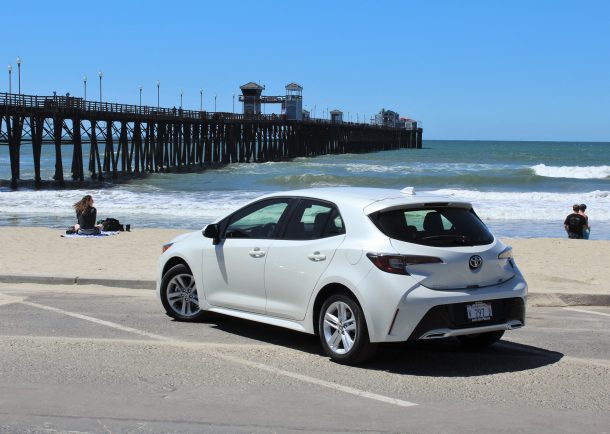
You need cash if you’re going to make it in this industry, and Toyota CEO Akio Toyoda wants more of it. The automaker’s top executive, who characterizes the dangers facing his company in the same manner of a military general defending the Japanese mainland, has launched an all-out assault on what he fears is Toyota’s biggest threat: unnecessary expense.
“With our rivals and the rules of competition also changing, a life-or-death battle has begun in a world of unknowns,” Toyoda said during a fiscal update last week. “Cost reduction is crucial. It is a fight to restore our original strength.”
To shore up his business’s finances in preparation for new investments, Toyoda has seven warriors ready to slash costs wherever savings can be found.
Rare Rides: The Terradyne Ghurka Is Ready for War
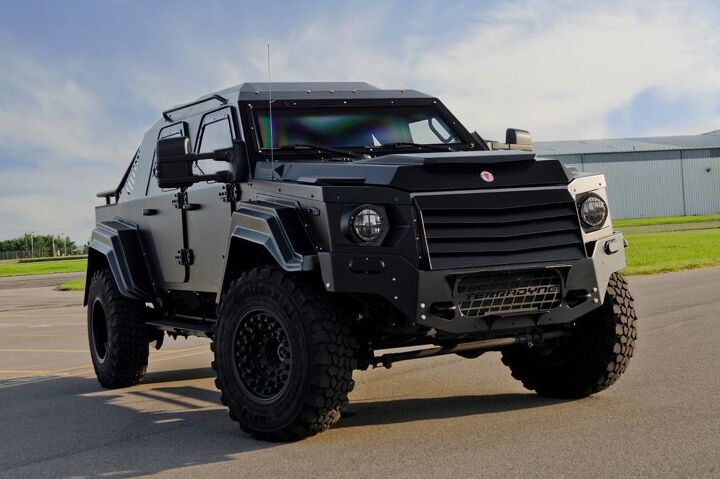
Rare Rides has previously covered various sedans, coupes, convertibles, and a truck or two. And those types of vehicles are all well and good, so long as you don’t encounter an insurgency on your way to the grocery for milk and bread. But what if you do encounter such an enemy force?
Well, the Terradyne Ghurka’s got you covered.
Automakers to White House: Make a Deal With California on Fuel Economy

Despite pressuring Donald Trump to lower corporate fuel economy mandates since practically day one of his presidency, automakers are now urging caution. The U.S. Transportation Department has drafted a proposal that would freeze vehicle requirements at 2020 levels through 2026, the Environmental Protection Agency’s lead administrator made a public case for rolling back mileage targets, and the White House seems ready to help car companies lower the bar.
Automakers seem to have won, so why the change of heart?
As Deaths Climb, Safety Advocates Want Renewed Action on Push-button Ignition Danger

It’s a minor annoyance when you’re taking exterior photos of a car in a public place. You leap out to take that perfect shot, leaving the engine running, and no sooner have you walked a couple of paces when the vehicle emits a loud, obnoxious beep. Or perhaps a few. Everyone looks in your direction.
That’s a safety feature, as the car’s key fob rests safely in your pocket at that particular moment. The car isn’t sure what you’re up to — it just knows you left the vehicle running, and that could be a bad thing. While it’s an annoyance for a photographer, it’s there to prevent unpleasant incidents, including death by carbon monoxide exposure.
With push-button ignitions now present in half of new vehicles, safety groups continue pressing for an industry-wide solution to a problem we’ve known about for years: drivers inadvertently leaving their vehicles running in the garage.
The New Plan: Tesla Undergoing Management Weight Loss Program, Reducing Overhead

On Monday, Tesla CEO Elon Musk told employees the company intends to “flatten” its structure. That translates into fewer management executives as the automaker hires as many line workers as possible. Neither should come as a shock to those paying attention. Tesla Motors has bled high-ranking executives for a while now, and the autonomous assembly system that was supposed to revolutionize production hasn’t appeared yet.
Flattening the company’s management structure may be less about cutting costs and more about having no one to fill empty seats. That said, Musk’s announcement placed an emphasis on improving the company’s finances — echoing statements made during an earlier conference call that created some public relations hiccups. So the restructuring plan could be Tesla performing double duty.
“To ensure that Tesla is well prepared for the future, we have been undertaking a thorough reorganization of our company,” Musk said in his memo to staff.
Toyota Wouldn't Dream of Ditching Passenger Cars, Has Fingers Crossed It Can Woo Ford Buyers
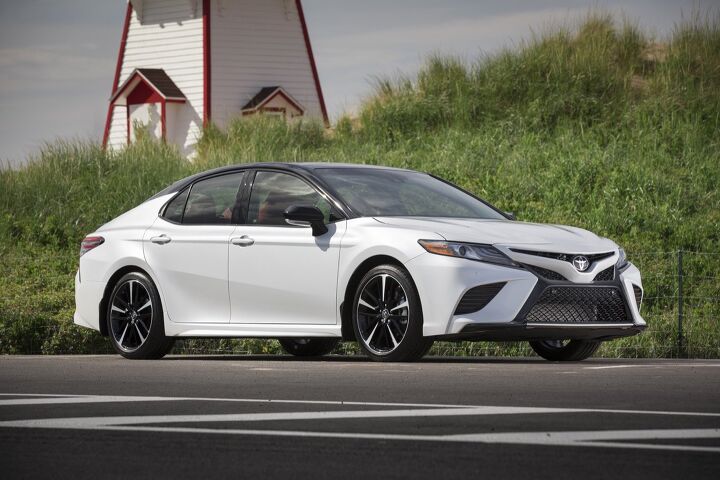
While fewer competing models in a given segment stands to benefit any automaker left in that realm, Toyota isn’t sure just how loyal Ford car owners are to the Blue Oval brand.
Behind the scenes, there’s surely much licking of chops, but Toyota Motor North America CEO Jim Lentz wasn’t forthcoming with conquest predictions when he talked with Automotive News TV this week. One thing was clear, however. Toyota will remain a full-line brand for the foreseeable future, and the automaker stands to field a more car-heavy product mix for some time to come. And it’s just fine with that.
Sergio CONFIRMED as Trump's 'Favorite' Auto Exec, Hackett and Barra DESTROYED

Ten automotive executives met with President Donald Trump this week, hoping to find ways to increase domestic production and mitigate the coming changes to corporate fuel economy regulations. The meeting, held in the White House’s Roosevelt Room, included General Motors’ Mary Barra, Ford’s Jim Hackett and Fiat Chrysler’s Sergio Marchionne. While a large portion of the event was spent discussing the administration’s attempt to roll back established fuel economy rules, Trump was focused on returning manufacturing jobs to the United States.
The president noted that FCA’s decision to spend $1 billion in order to expand truck assembly in Michigan made Marchionne more appealing than his contemporaries. “Right now, he is my favorite person in the room,” Trump said.
Mazda Taps Americas Boss As New CEO; No Shortage of Risk Lies Ahead
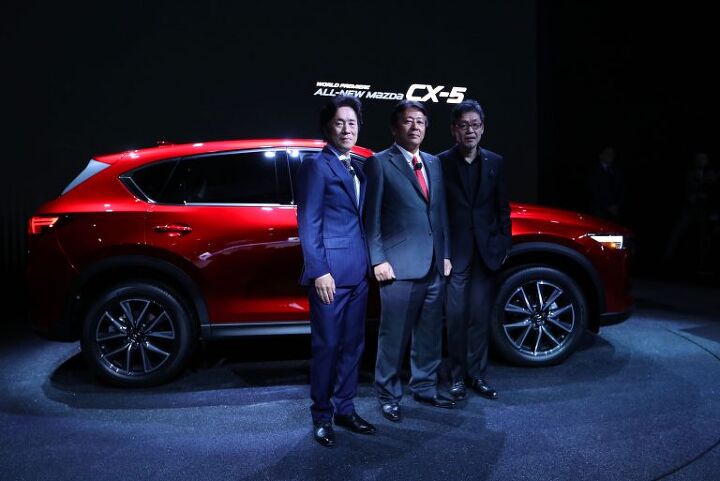
The man who spent the last five years overseeing Mazda’s North American operations will soon lead the company. Akira Marumoto, 60, takes the helm of the automaker on June 26th, the company announced Friday.
The moves comes as Mazda prepares to introduce a revolutionary type of gasoline engine, the Skyactiv-X, in the hopes of proving its complete reliance on internal combustion cars does not make it a dinosaur.
Trimming the Range: Toyota Adding Base LE Trim to C-HR

Like ‘em or not, compact crossovers are here to stay — and are in fact set to become the sole opening dish at the Blue Oval. Toyota has its own stable of mini-utes, including the alarmingly styled C-HR, a machine that currently sets an opening bid of $22,500 as its base sticker price.
Seeing potential opportunity to plumb a bit further into the market, it appears that Toyota is adding a cheaper model for 2019, one which explores the $20,000 price bracket.

Losing the Pricey German Three: Audi Joins Mercedes-Benz, BMW in Pulling Out of Detroit Auto Show

The 2019 North American International Auto Show will be decidedly less Germanic than in years past. On Thursday, Audi announced plans to ditch the upcoming Detroit show, joining its two premium German rivals in steering clear of the wintry venue.
It’s the latest blow for a marquee auto show currently in the process of reinventing itself amid declining relevance and automaker interest.
Ford CEO Vague on Car Replacement Plans; Lincoln Continental's Future Still in Limbo

Anyone hoping to glean specifics about upcoming products during Ford Motor Company’s annual shareholder’s meeting likely walked away unsatisfied. During the Thursday meeting, the company’s leaders touted Ford’s plan to freshen its lineup and align its products with changing American tastes.
Killing off the Fiesta, Focus, Fusion, and Taurus was necessary, CEO Jim Hackett claimed, adding that the decision doesn’t mean the company plans to leave those buyers in the lurch.
“We want to give them what they’re telling us they really want,” he said. “We’re simply reinventing the American car.”
Ford Suspending F-Series Production After Supplier Fire, Other Automakers Affected
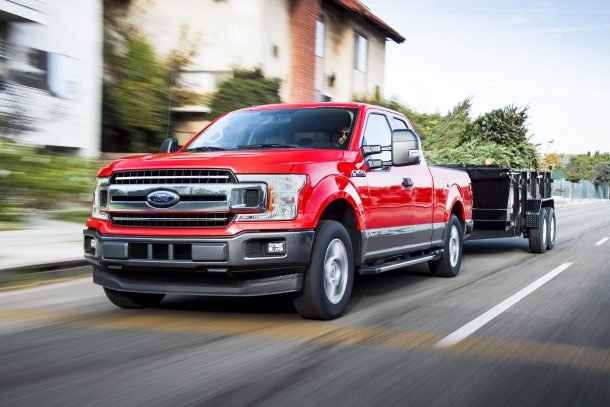
As we told you yesterday, Ford announced it will temporarily halt production of the F-150 and Super Duty after a fire at Meridian Magnesium Products of America knocked out a key supplier. While the Blue Oval isn’t the only automaker affected by the supply shortage, as General Motors, Fiat Chrysler, BMW, and Mercedes-Benz also report the likelihood of production interruptions, Ford has the most to lose.
Taking the company’s most profitable vehicle out of the mix for a few weeks is a big deal. During a bad month, Ford might sell around 50,000 F-Series trucks in the United States. But a good month can see around 90,000 deliveries, so an unplanned idle probably has the automaker tugging at its collar a little. Fortunately, Ford currently has a 84-day supply of F-series pickups. That doesn’t mean it won’t feel the pinch if the wait on parts takes longer than expected.
The factory shutdown affects F-150 production at the Ford Kansas City Assembly Plant, which Ford said will last until at least May 14th. Super Duty lines at Kentucky Truck and Ohio Assembly have also shut down. Ford’s Dearborn Plant is expected to go down temporarily in the near future.
So, how far have the ripples spread?
If and When French Cars Return to America, Thank Canada

QOTD: What's the Optimal Manufacturing Mix for Profitability?

In last Wednesday’s Question of the Day post, we asked you to build the perfect manufacturer lineup. As you responded and built your hodgepodge lists of desirable present day cars from various manufacturers, capitalist and commenter Dal20402 had something else on his mind: profitability.
Propulsion, platforms, and product planning are on the agenda today. What combination is the most profitable?
Shocking? Many Buyers Aren't Quite Sure What a Hybrid Car Is

The first mass-market hybrid in the Western World, the Honda Insight, debuted while we were still worrying whether Y2K would lead us back into the Stone Age. Some days, I wonder whether we’d be better off if it had.
Regardless of my personal feelings about humanity and societal progression, we’ve had nearly two decades to familiarize ourselves with the gas-electric powertrain, but apparently not everyone got the message. A recent survey of 1,000 drivers shows there’s still plenty of confusion over what a hybrid car is actually capable of.
Time to Retool: Toyota to Dump a Billion Loonies Into Ontario's RAV4 Plants

Toyota Motor Corp. is upgrading plants in Ontario to ready them for the next generation of the RAV4. The investment goes toward the retooling of two separate assembly lines at an estimated cost of one billion Canadian dollars (or roughly $780 million USD). While Toyota Motor Manufacturing Canada Woodstock will continue building the standard version of the crossover, TMMC Cambridge will handle the hybridized variant.
As a result, assembly of the Toyota Corolla will be moved out of Ontario and into Alabama, where the automaker is building a new facility via it’s recent partnership with Mazda. A portion of the funds going toward the project will also be reserved for research and development within the province.
Detroit Auto Show Organizers Leaning Towards an October Date, but GM Wants June

Hoping to restore some of the event’s lost relevance, the organizers behind the North American International Auto Show will soon decide whether to move the Detroit carfest to a more palatable month.
The Detroit Auto Dealers Association began looking at ways to boost interest earlier this year, following Mercedes-Benz’s announcement that it would not attend the 2019 show. Not long after that, BMW said it also planned to take a pass. Bleeding automakers and facing a growing threat from digital media, the event’s increasingly grim situation called for desperate measures.
It’s now looking like next year’s show will indeed be the last one staged in January. However, General Motors has its own idea for how to spruce up the show — one that involves the entire city.
Germany to Continue Probing Winterkorn and VW, but Does That Mean Anything?

Germany intends to stay on ex-Volkswagen Group CEO Martin Winterkorn after news broke Thursday that the former top executive faces criminal charges in the United States.
The indictment, filed under seal in March, was opened in a U.S. District Court in Detroit on Thursday during VW’s annual meeting in Germany. “If you try to deceive the United States, then you will pay a heavy price,” said U.S. Attorney General Jeff Sessions. “Volkswagen’s scheme to cheat its legal requirements went all the way to the top of the company.”
However, the burden of tangible justice will likely fall on Europe. Germany doesn’t make a habit of extraditing citizens for trial, and it’s still conducting its own investigation into VW Group’s emissions-cheating scandal — which it intends to continue.
“Our investigation strategy does not change just because the Americans have filed charges against Winterkorn,” a spokesman for the prosecutors’ office of Brunswick said on Friday. You’ll have to excuse us for not having much faith Germany’s justice system, as its current strategy appears to involve conducting as many raids as humanly possible without any results.
Porsche Reportedly Working on a Two-door Version of a Four-door Car (Don't Worry, There's a Four-door 'Coupe' SUV, Too)
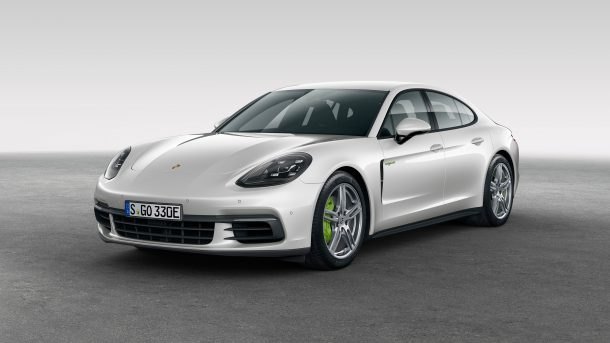
The auto industry has become so unconventional, so bizarro world, that I became momentarily confused after reading a report that Porsche has a Panamera coupe in development.
Automakers don’t develop new coupes. They develop slightly more curvaceous versions of four-door crossovers and SUVs and call them coupes, but they’re certainly not coupes. Thus, I found myself picturing a curvaceous four-door liftback version of a curvaceous four-door liftback. Reality bent and flexed around me and the universe crumbled.
That’s apparently what Porsche is up to, though, and it’s looking like the two-door version of the Panamera — if built — will serve as a spiritual successor to the long departed 928.
Buy/Drive/Burn: The 1993 C-body Showdown to End All Showdowns
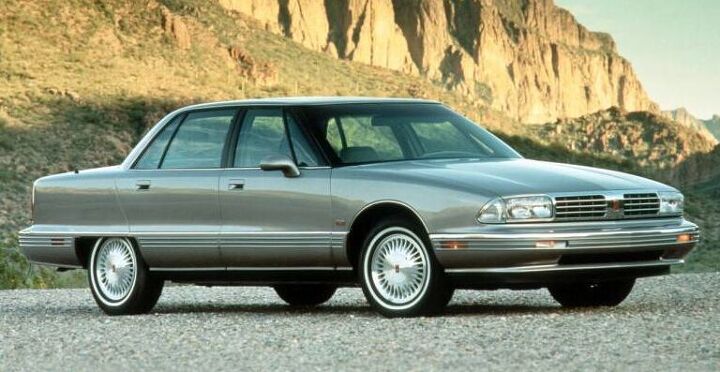
I’ve been saving this one for a while on my Big List of Buy/Drive/Burns. The year is 1993, and you’re shopping the large front-drive sedan offerings from General Motors (rear-drive provides less traction and is archaic). Making a stop at the Oldsmobile, Buick, and Cadillac showrooms, three ruched leather and wood tone sedans await you in top-spec trim. Let’s go.
Two Large Front-drive Cars Buck the Sales Trend
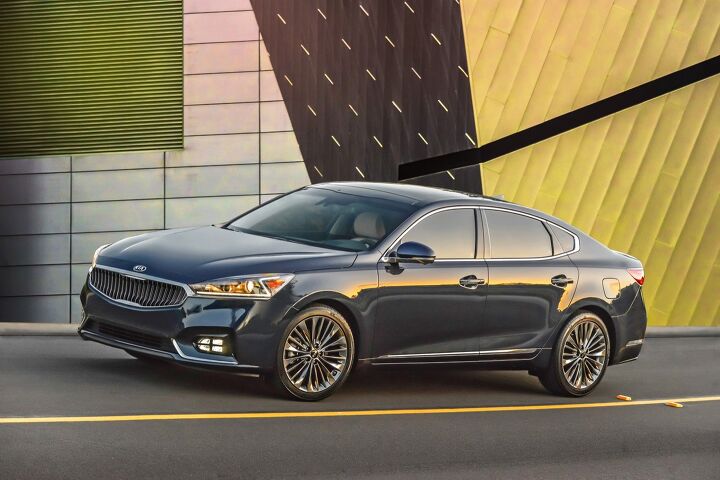
April wasn’t a hot month for auto sales, what with two less selling days than the same period last year. Overall, the industry was down nearly 5 percent last month, with — in many cases — only the hottest-selling models, many of them recently revamped SUVs, posting a net gain.
April held some surprises, though, and one had to do with a pair of vehicles that should be on their way to the funeral home. That is, if all automakers acted on what they saw in the tea leaves. Certain automakers, Toyota and Kia among them, aren’t quite as eager to hop onto the all-crossovers-and-trucks bandwagon. Because of this, there’s still choice for someone looking for a large, front-wheel-drive sedan with plenty of content, but not luxury vehicle levels of it.
These people actually exist, albeit in ever smaller numbers. And these people apparently like what they see in two particular models.
QOTD: Can You Build an Ideal Manufacturer Lineup?

The news lately has been plenty full of speculation and angry comments about Ford’s decision to kill off anything with a trunk (save the Mustang, for now).
Generally, the consensus among the B&B seems to be that Ford is making an ill-advised and short-sighted decision. Well, today’s your chance to build your own lineup of profitable, future-proof vehicles in a game I just invented.
U.S. Auto Sales Brand-by-Brand Results: April 2018 (a Best Guess Tally)

This marks the first full 30 days since General Motors deemed us slovenly journalists unworthy of a monthly sales report. We’ll live, of course, as estimates are a wonderful thing. To be fair, their move wasn’t entirely without precedent: the industry used to report sales on a 10-day cycle, then twenty, before finally settling on a monthly statement.
As for concrete numbers, all other OEMs are still providing them (for now). Given the sea of red in some corners, there are a few who probably wish they weren’t.
The End of Ford Cars: What's in It for Us
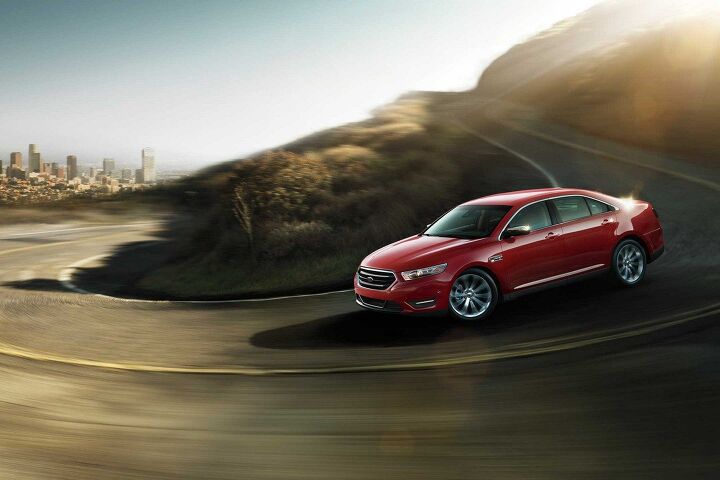
Ford recently announced the elimination of the traditional car from its North American lineup. Within two or three model years, no four-door Ford will be available with a trunk. No Fusion, no Focus, no Fiesta, no Taurus. The demand-driven logic behind the decision is clear. Cars have declined from 35 percent of Ford sales as recently as 2012, to 23 percent last year.
The company does not report profitability by nameplate, but we can safely assume their declining contribution to net income has been even more dramatic. So Ford’s decision was predictable, if seemingly dispassionate. Less predictably, a relatively healthy automaker is executing a long-term strategic shift. In public. Before the market forced it to.
Herein lies the real story.

Ford's Plan to Buy Towering Detroit Pigeon Coop Isn't BS

There’s been much made about Ford’s secret/not-so-secret plan to purchase a major chunk of Detroit’s Corktown neighborhood, including its greatest landmark — the monstrous, long-abandoned Michigan Central Station. Until now, however, the only words we had to go on were whispered by sources who preferred to keep their names out of the media.
Thankfully, Edsel B. Ford II decided to pipe up today.
Buy/Drive/Burn: 2018 High-end Luxury SUVs for Over $100,000

Obviously the B&B are all about brand-new imported luxury SUVs, as their great value, utility, and long-term prospective ownership costs put them in a class all their own.
Trolling opener aside, we’re going to talk about expensive SUVs today. Up for grabs are three contenders around the $140,000 price point, from Range Rover, Mercedes-Benz, and BMW.
Fulminating Over Ford

Ford announced yesterday, via a filing with investors, that by 2020 there will only be two conventional cars (or gas-fueled cars, at least) in its lineup. Those models will be the venerable Mustang and the upcoming Focus Active.
I wrote our news hit on it, and in my rush to get it online, I perhaps wasn’t as in-depth with context as I could’ve been. I’d like to make up for that by digging more, both into the greater context of what’s a tectonic shift in product portfolio for a major, full-line automaker, and flesh out my thoughts on what it all means.

Ford Crossover Company? Report Says Ford to Swap Cars for CUVs [UPDATED]
![Ford Crossover Company? Report Says Ford to Swap Cars for CUVs [UPDATED]](https://cdn-fastly.thetruthaboutcars.com/media/2022/07/19/9194803/ford-crossover-company-report-says-ford-to-swap-cars-for-cuvs-updated.jpg?size=720x845&nocrop=1)
You like Fusions, Foci, and Fiestas? Well, you better get to shopping. Pretty soon, Ford’s car lineup will be down to just two – the Mustang and the upcoming Focus Active.
Yes, you read that correctly.
The Blue Oval automaker is going all in on trucks and crossovers, as well as electrified vehicles, as it plans to remake three-fourths of its lineup by 2020. This all comes from a Q1 earnings report.
Turfed Cadillac Boss Weighs in on Decision (and So Does Lutz)

Controversial decisions that ruffled the feathers of dealers and brand faithful alike defined the Johan de Nysschen era at Cadillac. Project Pinnacle left the brand’s dealers in revolt, forcing changes and delays in the streamlining, brand-boosting strategy. Meanwhile, many still feel Cadillac is not a marque for Manhattan — the brand’s new home — and that a keeping-up-with-the-Germans product strategy takes the division too far away from its heritage. GM executives may not share those sentiments.
For de Nysschen, the decision to place GM Canada head Steve Carlisle in charge of Cadillac is purely a business decision. He admits he didn’t fulfill the requirements laid out by his superiors.
As Midsize Sales Slide, Hyundai Throws the 2018 Sonata Hybrid Into the Price Chopper

Really, what else could Hyundai do? Hybrids aren’t the sole domain of traditional sedans anymore, let alone cars in general, and with green competition on the rise, something needed to be done to sweeten the pot.
The 2018 Sonata Hybrid, arriving roughly a half year after the mid-2017 debut of the refreshed 2018 gas-only model, offers buyers an extra 2 mpg on the highway, but that isn’t enough to fend off competition from the likes of Toyota and Honda (among others). As sales of almost all midsize sedans roll downhill, it’s growing harder and harder to justify a large price premium for green technology. Sonata volume declined 27.7 percent in the U.S. over the first quarter of 2018.
Interested in the new Sonata Hybrid? Put some cash back in your wallet, and try not to think about the Honda Accord Hybrid.
Green Oval? Ford Claims Top MPG Marks for Upcoming F-150 Diesel
Ford Motor Company claims its 3.0-liter Power Stroke diesel V6, due to appear under the hood of the F-150 starting in May, blows the competition out of the water in terms of fuel economy. The automaker now cites an EPA-estimated 30 mpg highway figure for its light-duty diesel pickup, beating Ram’s 3.0-liter EcoDiesel in pump-passing power.
The real test, however, comes later this year, when General Motors debuts its own light-duty Duramax mill — a Flint-built diesel inline-six of unannounced power and efficiency.
Buy/Drive/Burn: The 2018 Mid-size Import Sedan Showdown

This will be our third Sedan Showdown in a row. Kicking us off were some basic full-size models, and through the “Not nice enough!” complaints, the Charger took home the win. Giving the people what they want, we turned the budget up to $45,000 and presented some luxury full-size sedans instead. Again, FCA took home a win; the Chrysler 300 easily overpowered the base Lincoln Continental, and pipped the top-trim Buick LaCrosse.
All the while, this third commenter-sourced trio waited in the wings, ready to pounce. Smaller than our previous two sets of cars, Bumpy ii wants to see you squirm and set fires. You ready? This couple is.
Movin' Out - Johan De Nysschen Leaves Cadillac Immediately [UPDATE]
![Movin' Out - Johan De Nysschen Leaves Cadillac Immediately [UPDATE]](https://cdn-fastly.thetruthaboutcars.com/media/2022/07/19/9195197/movin-out-johan-de-nysschen-leaves-cadillac-immediately-update.jpg?size=720x845&nocrop=1)
There’s a Billy Joel lyric about trading a Chevy for a Cadillac. That same song talks about movin’ up and movin’ out.
Well, under Johan de Nysschen’s leadership, Cadillac traded Detroit for New York City for its global headquarters, saw global sales rise to levels not seen in 30 years thanks to China, and implemented a new naming strategy.
Now de Nysschen is moving out himself — he will be replaced by Steve Carlisle, who will be serving as the new senior vice president and president for Cadillac. Carlisle leaves GM Canada, where Travis Hester replaces him as president and managing director. Hester was formerly vice president of global product programs.
QOTD: Are We Going to Get a New Lexus SC300?
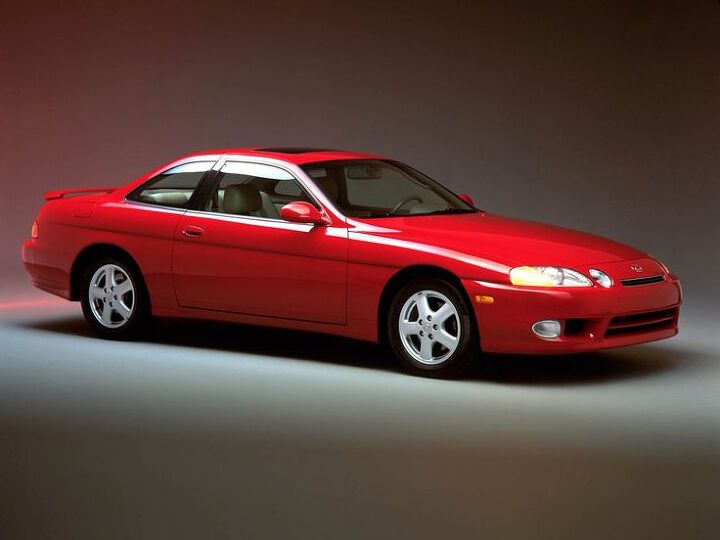
Yesterday, Matt Posky penned an article about the upcoming Toyota Supra, which will resurrect the sporty and historical nameplate from the slumber its had since all the way back in 1996.
I think we should spend some time today speculating on what other plans Toyota might have for their new, German-influenced sports coupe.
Is Mitsubishi Finally Poised for a Comeback?

While Mitsubishi Motors isn’t in the same dire straits it once was, the brand has only recently stopped hemorrhaging sales after doing so for over a decade. After losing half of its annual volume between 2002 and 2004, Mitsubishi trudged further into delivery darkness during the recession — finally dragging itself back into the light after SUV sales improved. Unfortunately, its image has not been so quick to recover and volume has a long way to go before anyone at the company will be celebrating.
However, the brand has a lot of closeted fans over the age of 30 in the United States. There was a time when Mitsubishi offered affordable transportation that you could happily live with and a handful of fun models for those interested in hooliganism. People who remember driving those vehicles don’t see Mitsubishi as a lost cause, but as a formerly important automaker that has seriously lost its way.
Fortunately, the brand now has the means to find itself. With help from the Renault-Nissan Alliance and its own parent company, Mitsubishi Motors may even be poised for a comeback. Last year the company sold 103,686 vehicles inside the United States, a feat which hadn’t been replicated since 2007 when the brand was still losing sales like they were socks in a dryer.
Musk Opens Up Over Model 3 Progress, Television Cameras Enter Fremont Facility

Tesla Motors is months behind schedule. Despite promises that Model 3 production would be humming along by the end of last year, the automaker has found itself bogged down by all kinds of delays. In March, the company’s problems were exacerbated by a voluntarily recall on 123,000 Model S sedans and another high-profile crash involving its Autopilot system.
This has shaken investors’ previously unwavering faith in Tesla, and forced a significant dip in its overall share price. Last month, the company’s stock valuation took a hit that it’s just now starting to come back from. But Tesla CEO Elon Musk knows he cannot simply dazzle shareholders with new ideas and promises, and has been camping out at the factory in Fremont, California, to prove his resolve and engage in some on-sight troubleshooting.
While he has mentioned his office sleeping-bag before, we actually got to see it in a recent interview he had with CBS This Morning host Gayle King — along with the rest of the factory. Musk invited CBS to come and see the plant and discuss Tesla’s current status, providing a rare glimpse of the facility. Normally, the automaker is incredibly strict in terms of who it allows inside and no network television crew has ever been able to film the assembly process.
GM Cuts Half of Lordstown Plant's Workforce as Chevrolet Cruze Sales Slide
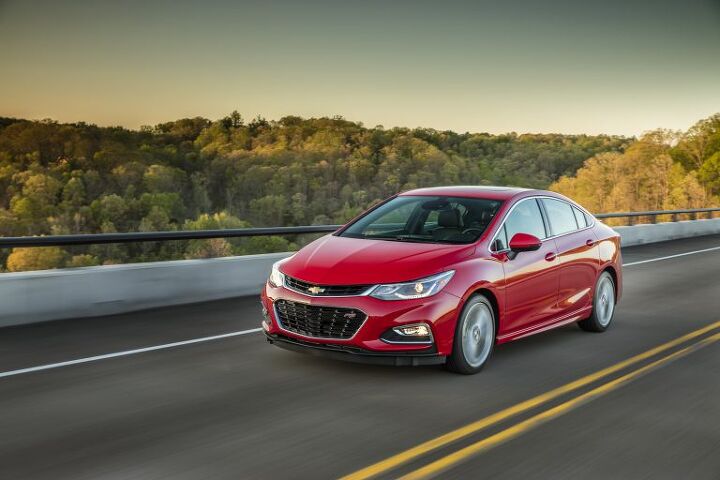
General Motors summoned all 3,000 of its Lordstown Assembly employees to the Ohio plant this afternoon, and half left the meeting with an uncertain future.
The automaker said it plans to cut the second shift at the plant, just a year after GM scrapped the third shift in the face of declining compact car sales. Lordstown, which opened in 1966, builds only the Chevrolet Cruze.
QOTD: Which Newer Vehicles Will End up as Overpriced "Collectibles"?

There are a lot of charlatans on the internet, and some members of this special category of people want you to purchase their car as an investment. Anyone who’s browsed the sale ads knows the type of person I’m referring to here:
“No joyrides!”
“Very rare, collectible car!”
“Special opportunity!”
“No lowballers, I know what I got.”
Of course, what they’ve usually “got” is a vehicle priced firmly in loony bin territory. Today we want to know: In the near future, which newer vehicles will be worth far less than what these opportunistic sellers are asking?
Volkswagen 'Considering' Replacing CEO Matthias Mller With the Diess Man

Volkswagen Group is thinking about replacing chief executive Matthias Müller with the head of its VW brand, Herbert Diess. According to inside sources, however, the decision already appears to have been made. When questioned about staffing changes, the company said it was “considering evolving the leadership structure” as it relates to the the management board — which could extend to a change in CEOs.
An automaker typically wouldn’t even hint at such a thing if it wasn’t already a done deal. That means Müller is almost guaranteed to be moving on soon, bringing his extended history with the company to a close. A true company man, Matthias completed a tooling apprenticeship at Audi in 1977, before a reprieve where he left to study computer engineering. Returning to the brand in 1984, Müller moved up the ranks swiftly — eventually becoming CEO of Porsche in 2010 and replacing Martin Winterkorn as Volkswagen AG’s CEO during 2015’s diesel emissions scandal.
While his contract is good until 2020, the company could still press for an early retirement. In fact, some reports even have Müller removed from his post already.
The British Car Market Is Flushing Itself Down the Loo; Industry to Follow?

After four years of consecutive growth, the United Kingdom’s automotive market has tanked for 12 months straight. The culprit is, of course, dwindling diesel sales.
Thanks to European governments latching onto the fuel as the cleaner alternative to “petrol” throughout the 1990s (subsequently incentivizing the fuel as a way to meet aggressive CO2-reduction targets), diesel-powered autos accounted for roughly half of all new auto sales between 2009 and 2017 . But diesel is now “evil” and everyone in Europe has started avoiding it.
In March, diesel sales declined by 37.2 percent — leaving the once dominant fuel with just 32 percent of the new car market. Unsurprising, as the new trend in Europe is the widespread (future) banning of the fuel in city centers. April’s sales are expected to be even lower, as the British government’s new taxes on diesel vehicles come into effect. Those fees and a weakened pound, which practically everyone has attributed to Brexit, forced new car sales in the UK down by 16 percent.
Breaking Up Isn't Hard to Do: Fiat Chrysler Announces Parts Division Spin-off

As Magneti Marelli prepares for its 100th birthday next year, the Italian parts supplier can expect to mark the occasion while newly single.
In a bid to streamline its operations, Fiat Chrysler Automobiles has announced it is moving forward with a plan to spin off the weighty subsidiary. The split should be complete by the end of this year or early next.
March 2018 U.S. Auto Sales: Ford EcoSport Still Climbing, but so Are Other Mainstream Subcompact Crossovers

The Ford EcoSport, a new (to North America) subcompact crossover hastily inserted at the bottom of the Blue Oval’s lineup, went on sale in January of this year. No TTACer who sat in the vehicle at the North American International Auto Show in Detroit walked away impressed, and it was odd to see a new model introduction go without the obligatory first drive event.
Still, the vehicle, which starts at a hair under 20 grand and carries a 1.0-liter three-cylinder as a base powerplant, isn’t being ignored by the buying public. March EcoSport sales in the U.S. topped that of the well-regarded — but not especially capacious — Mazda CX-3. Still, as all things truck continue to garner ever greater market share in the U.S., the little Ford faces a difficult upward climb.


Recent Comments