


What's Wrong With This Picture: Two Mules, One Market Edition
As we’ve already seen, BMW is building a record number of variants of its next-generation 3 Series, including “GT” hatchback and X4 “Sport Activity Coupe.” But as this photo shows, there is at least one other Dreier bodystyle that we hadn’t heard about yet: the long wheelbase sedan (top). Given the brand’s post-Bangle swing towards extreme styling consistency, the decision between a LWB 3 series and a 5 series seems to have serious head-scratching potential… but it’s not something we’ll have to worry about. The LWB sports sedan will only be sold in China, according to Auto Motor und Sport, where upmarket buyers favor chauffeurs… even in the Ultimate Driving Machine.

Toyota's Land Cruiser Grounded After 2021
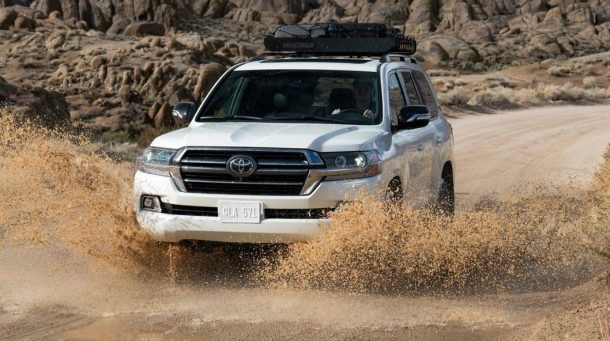
Toyota’s Land Cruiser is soon to be a casualty of technological advancement, after rumors of the venerable SUV being dropped were confirmed by Car and Driver when they spoke with a partner in a large dealer franchise who said that 2021 would be the end of the road for this premium SUV. This seems to confirm some earlier reporting we shared from Motor Authority.

BMW Presented Golden Button Award by YouTube

BMW videos on YouTube accessed by more than one million subscribers have earned the German automaker a coveted Golden Button Award.
A Crossover With No Name Is Cadillac's Hedge Against an Oilless Future

Everyone else is doing it. And, if lawmakers on this side of the Atlantic start going the way of their European counterparts, traditional American luxury will need a shot of cleanliness. Even if they don’t, a fickle U.S. public might suddenly fall in love with the green lifestyle and give a big middle finger to internal combustion road cruisers.
Not wanting to be left without a savior in this future scenario, and needing some electric American prestige to sell to discerning Chinese buyers, Cadillac unveiled this piece of emissions-free hardware on the eve of the North American International Auto Show. It’s not vaporware, General Motors insists.

A Cheaper Audi EV's on the Way: Report

Customers won’t get a chance to buy an Audi E-tron SUV until next year, but, if money’s tight, they might want to hold off for a while. The German brand’s first electric utility vehicle (seen above) arrives in the second quarter of 2019, carrying a base price of $74,800 — at least once the launch editions clear out. More E-trons will follow, including a Sportback version of the SUV and a top-flight GT sports sedan.
Green, but still requiring plenty of green to plunk one in your driveway. Audi apparently has a solution for budget-minded premium EV shoppers, and it plans to make it happen with help from Volkswagen.
Volkswagen's Not Ruling Out an Electric Tie-up With Ford
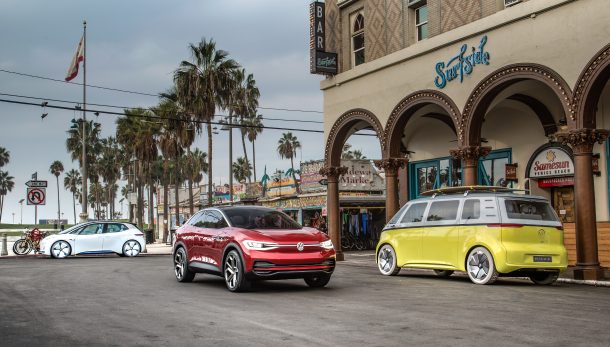
Pretty much everything is on the table at this point. At least, that’s the way it looks to industry observers. The partnership announced between Ford and Volkswagen back in June has the potential to birth any number of outcomes — from jointly developed commercial vehicles (the initial aim), to badge-swapped overseas small cars, autonomous vehicle hardware, and perhaps even borrowed electric vehicle architecture.
As it prepares the launch of its MEB-platform electric vehicles, Volkswagen’s not saying “no” to letting Ford have a piece of the action.
Here's Ford's Plan to Replace All the Cars It's Killing Off in North America
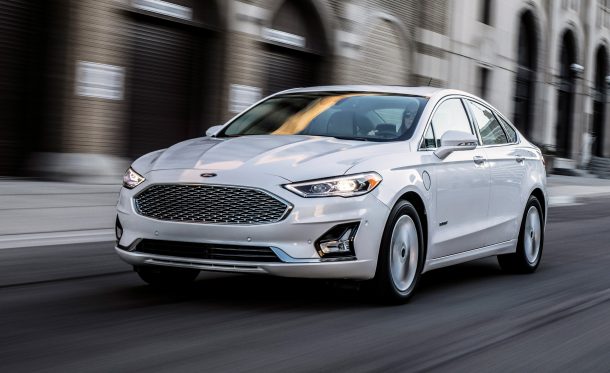
Earlier this year Ford announced the impending removal of all passenger cars from its lineup, save the Mustang and — if we’re creative about what qualifies as a car — the lifted Focus Active. However, the automaker says it intends to fill the void over the next five years.
Speaking at a press event leading up to the Woodward Dream Cruise, an annual Detroit event celebrating classic automobiles, Ford product chief Hau Thai Tang said the brand plans to add nine nameplates by 2023 — effectively replacing the Fiesta, Focus, Fusion, Taurus, C-Max, and Flex, while adding in three additional models.
Before you start getting over-excited about the potential return of the Ford Fairlane or Torino, seven of these vehicles fall into the pickup or utility segment. That leaves two open spaces for prospective sedans or, more likely, quirky electrics.

Ford's Baby Bronco Sounds More Like a Butch Escape
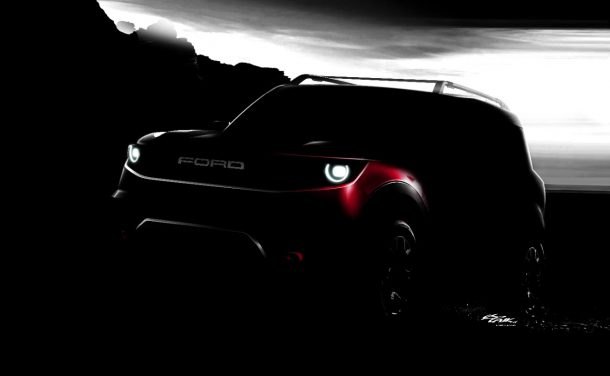
Frankly, it’s doubtful many people imagined anything else.
Not content with just foisting a new Bronco on us (while keeping the design under wraps for an infuriating length of time), Ford will debut a new small SUV alongside the returning nameplate. Just don’t expect any sharing between the two.
According to a Ford exec, the “Baby Bronco” will do its best to mimic old Broncos of yore, despite sharing parts with the Escape and Focus. A body-on-frame bruiser this ain’t.
Amid a Flurry of Model Changes, Land Rover's 'Road Rover' Is No Sure Thing
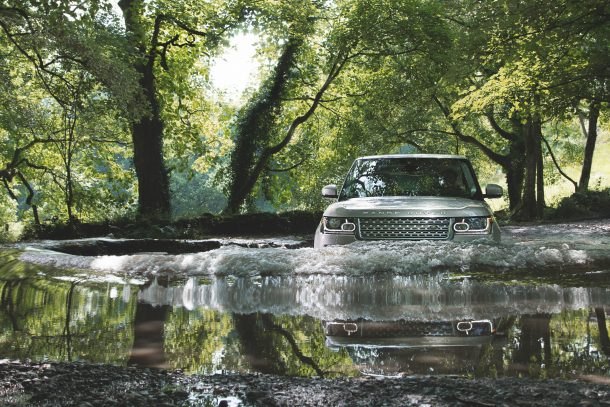
Jaguar Land Rover’s mysterious Road Rover name, now trademarked, has been the subject of speculation ever since the British automaker began tossing it around in internal communications. As the company prepares a slew of new or redesigned models based largely around a versatile new architecture, the name has cropped up again.
It seems “Road Rover” won’t appear on the flanks of the mystery vehicle, even if it is built.
The Ford Fusion Will Ride Again, but You Might Not Recognize It: Report
The attractive Ford Fusion seems to be on track to linger around a bit longer than its passenger car stablemates, even in its current form. Focus, Taurus, and Fiesta production should wrap up by the middle of next year, with the Fusion’s end date currently shrouded by haze. All signs point to the current midsize sedan ending its run in 2021.
But that doesn’t mean there isn’t a new Fusion waiting to replace it.
2021 Dodge Charger and Challenger: Out With the New, In With the Old (Platform)?
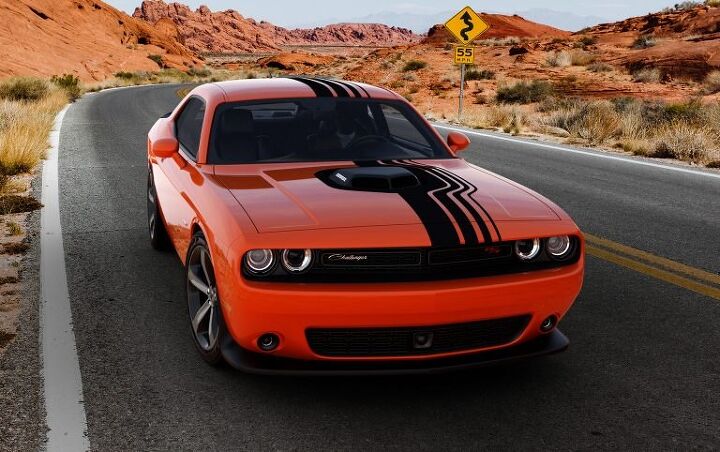
When the first LX-platform Chryslers appeared in late 2004, buyers who had long grown wary of the automaker’s products took solace in the fact that the new 300 and Dodge Charger/Magnum borrowed so many components from bedmate Mercedes-Benz.
While not a direct carryover, the front and rear suspension, floorpan, and five-speed automatic transmission (among other items) all boasted German heritage. DaimlerChrysler found itself with a hit on its hands. Thirteen years later, after many updates and styling refreshes, LX cars still trundle off Fiat Chrysler’s Brampton, Ontario assembly line and into the waiting arms of North American traditionalists.
It was long expected that, after FCA hit snooze on a planned 2019 platform swap, we’d see new underpinnings for the old rear-drivers by 2021. Hold your horses, says CEO Sergio Marchionne.
Now That the XC40's a Hit, Volvo Wants More Small Cars

Volvo, back from near death and feeling pretty pleased with itself, wants to capitalize on the modular platform found beneath the XC40 compact crossover. With 80,000 orders for the new-for-2018 ‘ute under its belt, the Chinese-owned Swede plans to spawn more models and reassert itself in the small car space.
On Thursday, the company said it would throttle up production of the XC40 at its Belgian assembly plant, which will soon boast quite a bit of usable space. The S60 sedan’s headed to South Carolina later this year. Meanwhile, the V60 wagon sibling will move most of its production to a Swedish plant.
What does this mean for the United States? Perhaps more than you’d expect.
The Ford Explorer-Mustang Meld EV Rides on a Focus Platform: Report

Ford’s upcoming “ Mustang inspired” electric crossover, which appeared (or didn’t, really) in a video shown the Detroit auto show, stands to ride on a new architecture that doesn’t bring to mind either the Mustang or the Explorer.
While a new report doesn’t provide us with an OEM-sourced image of the 2020 crossover, which may carry the Mach 1 name, it gives as sense of what to expect in terms of size.
Mercedes-Benz Building Compact EV for Global Market as EQ 'Brand' Grows Murkier
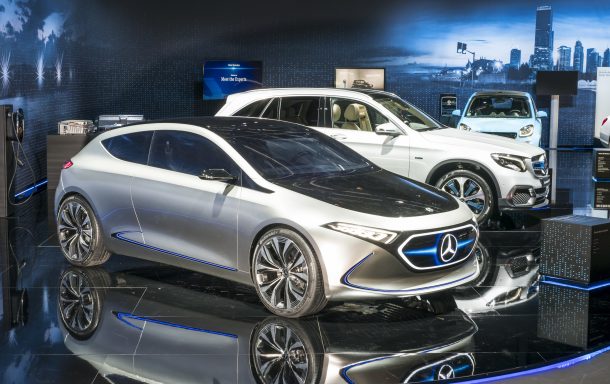
Daimler AG has announced an investment of 500 million euros ($589 million) for its plant in Hambach, France, to start production on a compact electric car for the Mercedes-Benz EQ brand. Known as “Smartville,” the complex was purpose built in the 1990s to supply the automaker with the first batch of Smart ForTwos and has been humming along ever since.
While numerous outlets have billed the model as a “Tesla fighter,” the rumor mill claims this vehicle is quite a bit smaller than the Model 3. That sounds reasonable enough, considering the new model would be produced in the same facility as the electric ForTwo and cabrio. However, the multi-million dollar investment will presumably go toward expanding the factory and procuring the EQ its own assembly line. We’ve heard nothing about the new Mercedes being a rebranded Smart vehicle.
There are actually a lot of gray areas to navigate here. While Mercedes spent a lot of time billing EQ as an electrified subsidiary, it’s already tacking the name onto electric Smart cars. The nomenclature now seems intended for any Daimler model with an electric powertrain, plus cleverly styled concept vehicles. Spyshots of the EQC sport utility vehicle, Mercedes’ first official entry into its broader EV effort, show the heavily camouflaged vehicle looking very much like the standard GLC-Class — not the concept EQs we’ve seen in the past.
Spied: Chevrolet's Butch New 2019 Blazer
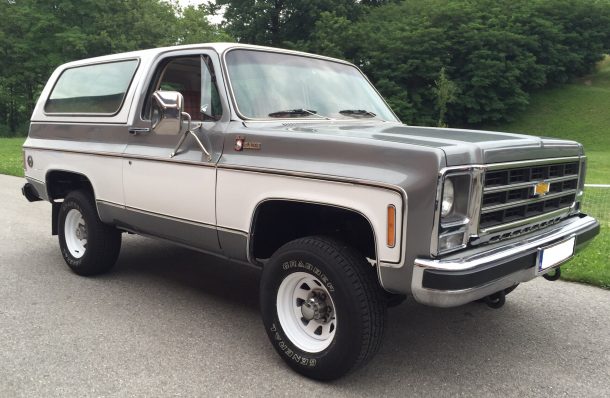
Oh man, they even got the paint right. Who knew retro design cues could feel so authentic?
Hold on, that’s not the upcoming midsize Chevrolet Blazer — it’s a 1979 model (in alluring Cheyenne trim). Obviously, General Motors expects the public to hold fond memories of the Blazers of yesteryear, otherwise it wouldn’t affix the brawny, rugged name to its newest crossover. Yes, crossover. The Tahoe, which replaced the two-door K5 Blazer back in the mid ’90s, remains the top choice for drivers looking for bowties and body-on-frame construction.
However, there’s plenty of space between the newly downsized Equinox and sprawling Traverse. Into the breach drives the Blazer.
Ford's New Focus Platform Is a Cash Saver

Beneath the recently unveiled next-generation Ford Focus is an architecture that stands to proliferate through the Ford ranks, underpinning models as large as the Ford Edge.
While American consumers won’t see the new Focus until the latter half of 2019, well after buyers in Europe and China (where the U.S.-bound model will be built), the unnamed platform, which barely got any type of billing during the model’s reveal, stands to bring Ford’s front-drive vehicles into the third decade of the 20th century.
Are Americans Ready for a Volkswagen Pickup? VW Aims to Find Out

Buyers in foreign markets enjoy far greater midsize pickup choice than their counterparts in North America. Besides the usual products from General Motors and Ford ( the latter of which we’re only just being introduced to), there’s offerings from Mitsubishi, Fiat, even Volkswagen. Has decades of full-size truck dominance made North America too unforgiving for smaller entries? Sales of the Toyota Tacoma, Nissan Frontier, and Chevrolet Colorado say otherwise.
There’s midsize ground to be gained here, but no new model faces a guarantee of success. Volkswagen, which sells the body-on-frame Amarok (seen above) overseas, apparently wants to find out how Americans would feel about a smaller, lighter entry in the midsize pickup game. According to sources, it wants to find out this week.
Volkswagen Strips Down Its Vizzion, Promises a Semi-conventional Sedan

Volkswagen’s Vizzion of the future — a fully autonomous concept car with an all-knowing hologram chauffeur and suicide doors — just came back down to Earth. The sedan will now start life as a normal car, albeit one with two electric motors and all-wheel drive.
Positioned as the flagship of Volkswagen’s upcoming line of I.D.-badged electric models, the Vizzion is on track to start production in 2022. With this car, VW gains a lower-priced alternative to vehicles like Tesla’s Model S and Porsche’s Mission E.
2019 Volkswagen Touareg: The SUV That's Too Exclusive for America

Ahead of its premiere at the Beijing auto show this spring, the next-generation Volkswagen Touareg has appeared in an official teaser video wearing next to nothing, as far as camo goes.
Crisp lines and upmarket styling cues set this VW utility vehicle apart from, say, the three-row Atlas, which is all we’ll ever see of a midsize vee-dub ute on this side of the ocean. That’s because the all-new 2019 Touareg is just not suited for life in America. Many would say its predecessor wasn’t, either.
Decision on Fiat 500-based Jeep Model Looms

The emergence of Jeep as a global brand with lofty sales ambitions means satisfying everyone, everywhere, no matter what the location or income of the would-be buyer. While Fiat Chrysler feels there’s definitely room to go bigger and pricier in the United States (we’re still waiting on that six-figure Grand Wagoneer), there’s also a desire to go smaller in overseas markets.
We’re talking sub-Renegade. And it just so happens Jeep has access to the platform underpinning the tiny Fiat 500 city car and plucky/adorable Fiat Panda that would make just such a model possible.
The question for Jeep is: does it really want to go there?
Why Bring Back the Insight? Because a Hybrid Civic Just Isn't Done
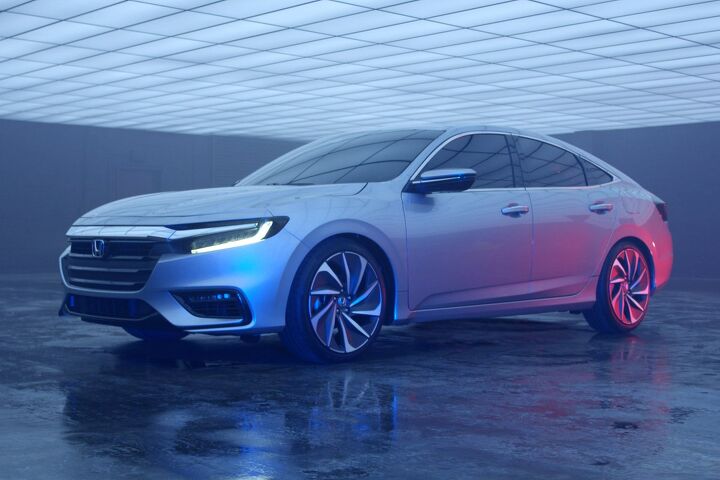
Honda raised a few eyebrows by announcing the return of the Insight hybrid for 2019, this time as a larger and plusher four-door sedan. While the model holds the title of America’s first hybrid car, its groundbreaking status didn’t carry over into the model’s second generation, which, despite selling better than the two-seater first-gen model, quietly (and slowly) disappeared from the market after its 2014 discontinuation.
The automaker sold three “new” 2014 Insights last year, and 67 the year before.
Throughout the second Insight’s run, and continuing through 2015, the Civic Hybrid was also available to lower-end electrified car shoppers. Which begs the question: why didn’t Honda just make a hybrid version of its wildly popular 10th-generation Civic?
Oh no, Honda couldn’t do that.
Mitsubishi's Still Hot on Trucks, but Man, That Outlander Sport's Gonna Get Old
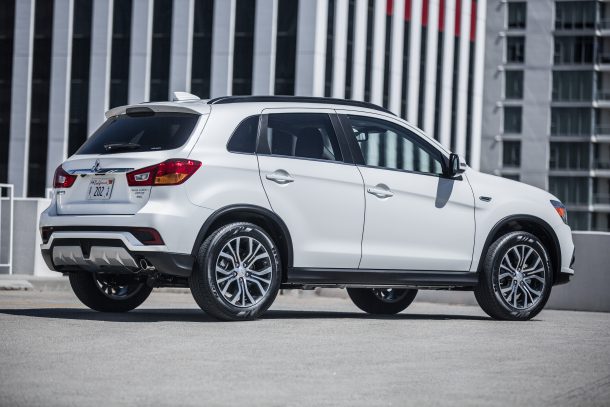
As we’ve told you before, Mitsubishi’s acceptance into the massive Renault-Nissan fold spells new opportunities for the struggling brand. Platform and technology sharing, affordably developed new models, no further risk of bankruptcy — the future looks a lot brighter than it did just a couple of years ago.
Among those potential new products is a pickup truck — a segment Mitsu’s courted in the past, with varying degrees of success. Apparently, the brand’s urge to join the growing pickup field hasn’t waned, but the timeline for another new product — a downsized Outlander Sport — now appears less urgent than it once did.
Join the Club: Infiniti Becomes the Latest Automaker to Go 'Electric'

There’s that misleading word again. At this week’s North American International Auto Show, Infiniti promised it would only field new products featuring some sort of electrified propulsion starting in 2021, thus joining half the automotive universe in promising an “electric” future.
In reality, this means each new model appearing after the target date will launch with at least a hybrid variant in tow. In Infiniti’s case, it means a handful of fully electric vehicles, plus the use of a novel Nissan technology that sees a gasoline engine running at all times.
Volkswagen Confirms an I.D. Crozz-based Crossover, a Future Chattanooga Resident

It’s hard picturing the world automakers have painted for us. You know the one — it’s the exciting, progressive near-future vision in which electric crossovers sprout from everywhere all at once, instantly winning the approval of a populace hooked on the convenience of gasoline.
With the all-electric vehicle’s market share hovering at just over half of one percent in the United States, it’s difficult to imagine the needle budging significantly by 2020. Or even 2025. Still, an ever-increasing number of automakers are promising exactly this. Volkswagen’s among them, announcing at this week’s L.A. Auto Show that its horribly named I.D. Crozz concept will form the basis of a new crossover that arrives stateside in 2020, followed two years later by a reborn electric Microbus (or I.D. Buzz, in VW parlance).
Mitsubishi's Future: Go Big on SUVs, but a Sedan and Pickup Remains a Possibility

It’s hard to go anywhere without hearing it. Co-workers whispering at the water cooler, long waits at the drive-thru window while the staff argues amongst itself. It’s hard to get a word in edgewise.
People are talking about Mitsubishi.
If you’ve called #fakenews on this, well, you’re right. But that isn’t to say no one’s talking about the down-on-its-luck automaker, which recently saw salvation at the hands of the Nissan-Renault Alliance. There’s more vehicles coming to the threadbare brand and, while the company’s focus remains on lucrative SUVs, that doesn’t mean Mitsubishi won’t flesh out the lineup with something traditional.
Any New Beetle Will Be Rear-wheel-drive, Says Volkswagen Chairman
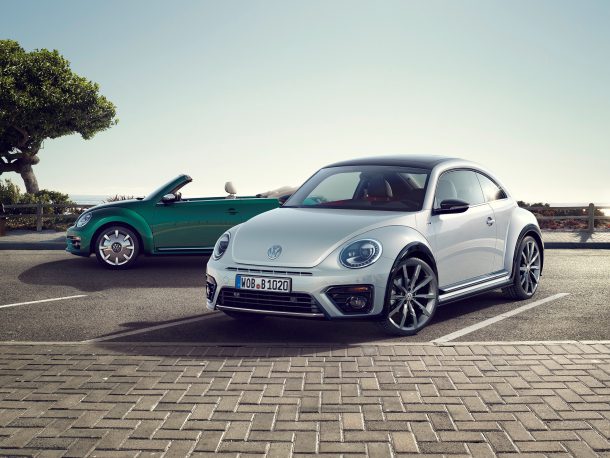
We’ve been talking about the next Volkswagen Beetle — well, a few of us have — ever since the restyled two-door dropped the “New” moniker and flatted out its roofline a tad.
While the 2012 reshaping gave the model a new lease on life, it also seemed to be the plucky coupe’s end point, stylistically speaking. Where do you take a model from there, without erasing the retro charm that wooed buyers in the late 1990s? Maybe it was time for the model to die. Not surprisingly, reports arose last year claiming the Beetle had a date with the chopping block.
And yet, that rumor never really went anywhere. The model remains, its official future still in limbo. However, it seems Volkswagen brass is coming around to the idea that the Beetle deserves a permanent place in the company’s lineup, though not in the layout we’ve grown accustomed to.
Any new New Beetle will be rear-wheel drive, says VW chairman Herbert Diess.
As It Awaits New Models, Chrysler Does What It Can With the 300

If Chrysler’s model lineup was a parade, you wouldn’t have to wait long before crossing the street. With just two models on offer — the Pacifica minivan and elderly 300 full-size sedan — following the ill-fated 200’s demise, the Chrysler brand’s U.S. sales volume has fallen to a six-year low.
Plans are afoot to repopulate the meager stable, but the first of two new models — both crossovers — won’t arrive until the end of the decade. In the meantime, the only “new” product you’ll see is a refreshed 300. After a $3,345 price cut for 2018, the 300 appears destined for more buyer enticements in 2019.
The Pressure's On: Hyundai Motor America's Newly Minted CEO Needs to Turn It Around
After Hyundai’s American division canned former CEO David Zuchowski for failing to meet internal sales targets last December, it’s no mystery what Job One is for the new guy.
Kyung Soo Lee, a 61-year-old veteran of the company who started his career back in 1982, takes the helm of a troubled ship next week, Hyundai announced Thursday. As president and CEO, Lee (Kenny to his friends) is responsible for reversing a dismal sales trend that sunk his predecessor, as well as the company’s U.S. fortunes.
Hyundai Rolls Out Green Roadmap, Promises Three EVs by 2022 and an Electric Kona Next Year

Hyundai isn’t about to let Tesla hog all the eco glory. The automaker has announced a near-term roadmap for green vehicle production, promising 31 hybrid, plug-in hybrid, electric, and fuel cell models by 2020, shared between the Hyundai, Kia, and Genesis brands.
Having already joined the fray with its compact Ioniq, offered in hybrid, plug-in, and EV flavors, the company wants a larger presence in the fledgling (but growing) EV scene. To this end, it’s planning long-range, high-end EVs built on a dedicated platform, as well as a much-needed crossover that dispenses with gas stations altogether. The Kona, which arrives in the U.S. in gas-powered guise this winter, serves as a body donor.
Will a 242-mile electric crossover give Elon Musk reason to sweat?
With the Clock Ticking, Mitsubishi's Passenger Car Future is Still a Blank Slate
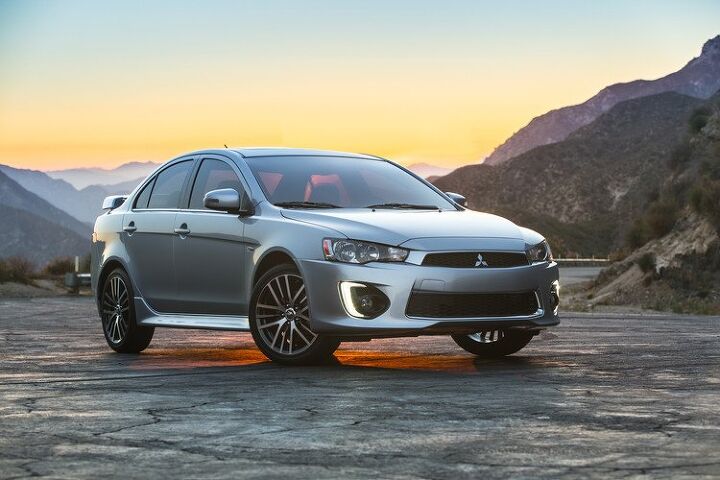
If you were to walk into a Mitsubishi showroom in the United States today, you’d be treated to two passenger cars, two utility vehicles and promises of more utility vehicles to come. Why, the 2018 Eclipse Cross is on the way! You know, the compact crossover named after a entry-level sports car?
If you’re looking for a Mitsubishi-branded car with more than three cylinders that won’t be extinct in a few months, you’re out of luck. In fact, if you’re hoping for any word on whether the brand will ever bring a new car to North America, you’ll have to wait until this fall, around the same time the long-in-the-tooth Lancer bows out of the U.S. market.
Former Product Chief Nair to Head Ford North America; Armstrong Moves Up
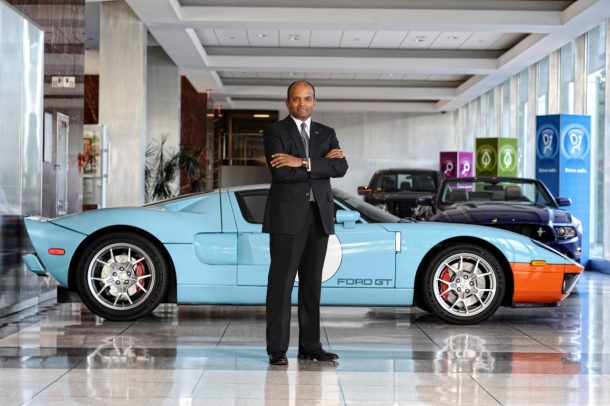
After Monday’s corporate shakeup at Ford Motor Company, which saw former CEO Mark Fields replaced with Jim Hackett and the elevation of Joe Hinrichs and Jim Farley up company ranks, the automaker has announced more appointments.
To fill the job left by Hindrichs, who moved from president of Ford North America to head of global operations, Ford has named its product development boss and chief technical officer as a successor. Raj Nair, 52, will officially take on the role June 1st, reporting to Farley, Ford’s new head of global markets.
Below Nair, a slew of changes are afoot.
With Nothing Electric in Its Lineup, Subaru Considers an Easier Solution

With the exception of Mazda and — until its Outlander PHEV finally lands on U.S. shores — Mitsubishi, Subaru remains one of very few automakers to completely eschew electrified powertrains.
Despite lacking any fully electric, plug-in hybrid or hybrid model (the unloved Crosstrek Hybrid met a quiet death last year), Subaru’s U.S. customer base continues to expand at a rapid clip, but a gas-only strategy can’t survive forever. Environmental regulations the world over insist Subaru should follow the lead of its rivals and build something without pistons.
Well, Subaru plans to. However, unlike many of its rivals, the automaker has indicated it might take a different path towards this goal.
Mazda Keeps Certifying the Mazda 2 With CARB, But Why?
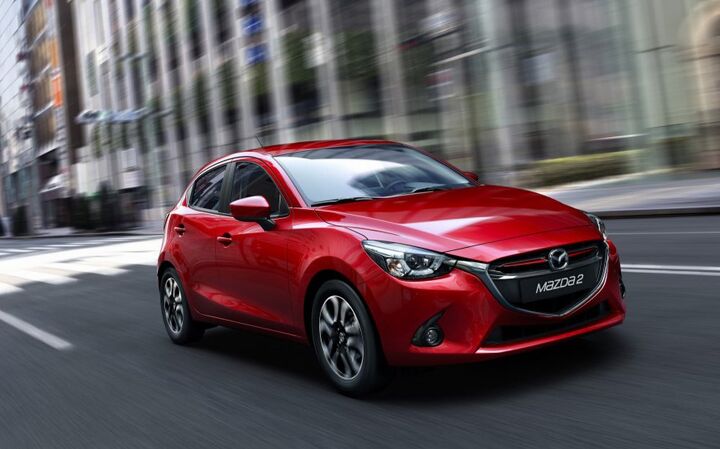
It was January of 2015 and I was standing in a small venue in Montreal. The space was dark save some access lighting and red spotlights pointed at a sheet-covered car.
A few moments later, the sheet was pulled off, and Mazda Canada announced the 2016 Mazda 2 would be coming to The Great White North.
Eleven months later, Mazda Canada would reverse that decision, citing other all-new products — namely the CX-3 and MX-5 — requiring Mazda’s full attention. After all, the small automaker didn’t want to spread itself too thin, and it wasn’t like the previous-generation Mazda 2 set the sales charts on fire — on either side of the border.
In America, Mazda North America Operations had zero intention of selling the subcompact in any region other than Puerto Rico. Yet, year after year since the model went on sale in other global markets, Mazda continues to certify the Mazda 2’s emissions system with the California Air Resources Board, effectively making it eligible for retail sale in any of the 13 “CARB states” and District of Columbia.
Meanwhile, Mazda says it still has no intention to sell the Mazda 2 in America. What’s going on? We reached out to Mazda to get an answer.

Model Confusion, Losses and a Distinct Lack of SEX at Tesla

Tesla CEO Elon Musk isn’t getting any. By that we mean profits, as the electric automaker reported a $397 million first-quarter loss yesterday, adding to the red ink spilled in the previous quarter.
While the company’s revenue rose 18.4 percent in Q1 and deliveries climbed 12 percent, spending on Model 3 production more than offset the increase in cash flow. Musk took the loss in stride, playing the long game in a quarterly investors call, and claimed a combination of higher production numbers and lower operating costs will send those gray clouds packing.
Finances aside, the conference call yielded far more interesting topics, including details of the upcoming Model Y. Also, it seems people are becoming confused by Tesla’s naming strategy, and Musk has no one but Ford — and a dirty mind — to blame.
It's Looking More Likely That the ES is the New Lexus GS
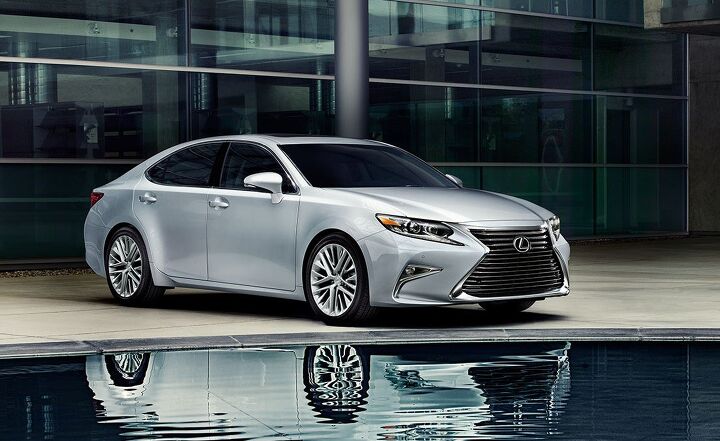
In a manner of speaking, that is. A recent report cast doubt on the future of Lexus’ rear-drive performance sedan, the GS, claiming that development of a next-generation model was off the table. That would make next year the GS’ last.
While Lexus wouldn’t confirm the report, a spokesperson’s choice of words was enough to add to the rumor. In a marketplace that’s big on SUVs and downright miserable to cars, it would make sense for Lexus to get ahead of the “too many cars” problem faced by the likes of Hyundai and pare down its lineup.
Now, another report says Lexus will call on a different model to fill the gap.
Mercedes-Benz's Smallest Droptop Ready for a Date With Death: Report

Remember when the boxy little Mercedes-Benz SLK roadster bowed with its innovative retractable hardtop back in 1997? The model provided Germanophiles with an alternative to the BMW Z3 and gave the brand a healthy injection of youthful, downmarket sportiness.
Well, the recently refreshed two-seater — which adopted the SLC moniker for 2017 — seems to be running on a combination of gasoline and borrowed time.
Audi and Volkswagen Promise Production of Two Sporty Crossover EVs
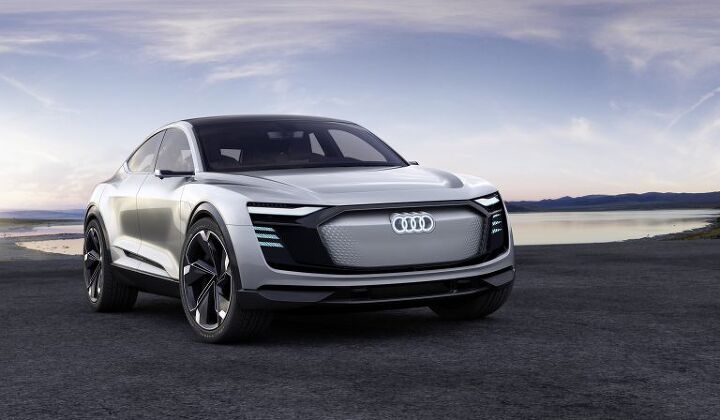
If the future is electric, it’s also crossover heavy. Volkswagen and Audi plan to dominate two tiers of that fledgling segment by the turn of the next decade with the production version of two crossover EVs revealed today.
The selection of the Auto Shanghai 2017 show for the unveiling wasn’t a fluke of timing. Both automakers plan to field a slew of electric models in China, while saving certain high-profile products for North American and European markets.
Bet on these two models eventually making the cut.
GM Executives Aren't Worried About Buick's Future After Opel Sale

General Motors’ sale of Opel to France’s PSA Group sparked much debate on what the European division’s loss would mean for Buick, which holds strong product ties with the German manufacturer.
The new Buick Regal, which bowed today in liftback and wagon bodystyles, shares its architecture with Opel’s new-for-2017 Insignia. At the 2018 model’s Detroit-area launch, GM’s executives downplayed the impact on its Buick division, claiming there’s no disruption in sight for the brand.
Opel Insignia Sports Tourer Previews the Next Buick Regal Wagon, Minus the Cladding

Longer, sleeker, and lighter than before. That’s the gist of General Motors’ next-generation Opel Insignia, the Euro midsizer that provides the template for Buick’s upcoming Regal.
Long in the tooth and a little cramped, the Regal is poised to shed its cloak of invisibility by adopting the Insignia’s E2XX platform and most of its styling cues for the 2018 model year. Expect greater interior volume, up to 440 pounds of weight loss, and an available V6 powerplant.
Oh, and expect a wagon, according to a TTAC source. And not just any wagon — a faux crossover that GM, crossing its fingers, hopes can lure buyers away from the overstocked buffet of lifted utility options.
Alfa Romeo and Jeep Will Share a Platform to Save FCA Some Dough
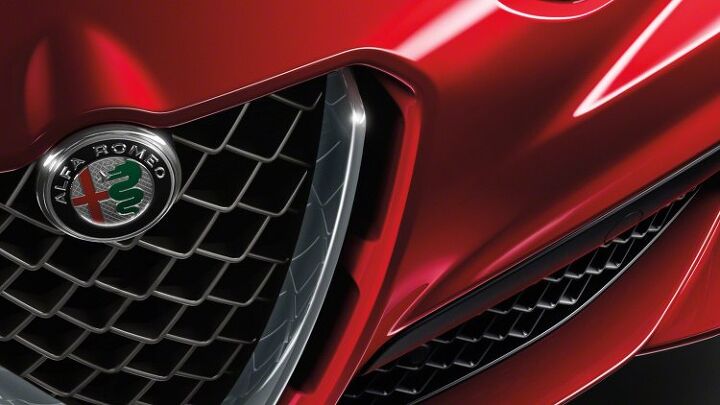
Relaunching Alfa Romeo has been an expensive undertaking for Fiat Chrysler Automobiles, and the brand continues to hemorrhage cash while FCA scrambles to get the Giulia and upcoming Stelvio into driveways. While discussing the company’s fourth-quarter earnings, CEO Sergio Marchionne confirmed that Alfa was a financial vortex last year and will remain that way until Americans see more than just the occasional 4C cruising down the boulevard.
It cost a fortune to develop the Giorgio platform that underpins the new Alfa models — Marchionne claims FCA spent $2.7 billion on the relaunch. To recoup some of those expenses, the brand is going to share its fancy new bones with Maserati, Dodge, and Jeep vehicles.
Ford Bronco Will Be More 4Runner Than Wrangler Competitor, Redditor Details
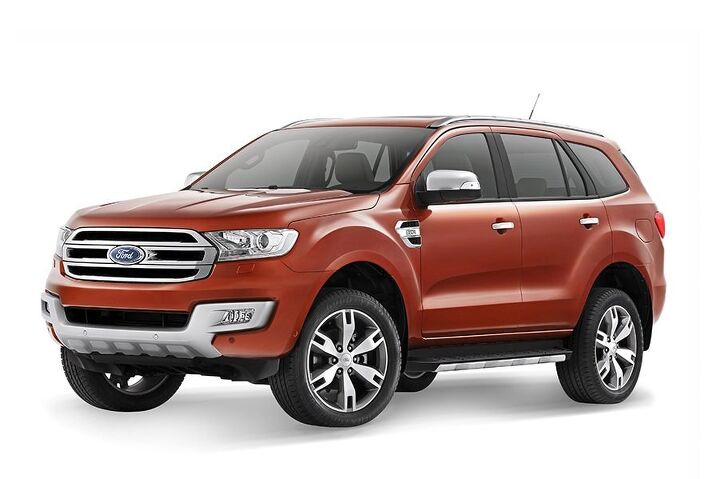
Update: TTAC has received information refuting the claims below. You can read the update here.
While Ford finally confirmed the return of the Ford Ranger and Bronco at the North American International Auto Show earlier this week, the automaker remains stingy with details on the reborn models.
Ford aficionados — and Bronco lovers especially — want to know if the resurrected nameplates will offer the same magic as their dear, departed forebears. Perhaps eager to quench the public’s thirst for information, a shadowy Ford employee posted juicy — and potentially disappointing — details during a Reddit AMA.
Say Goodbye to Rear-drive Chevrolet Sedans - Again! - in 2017
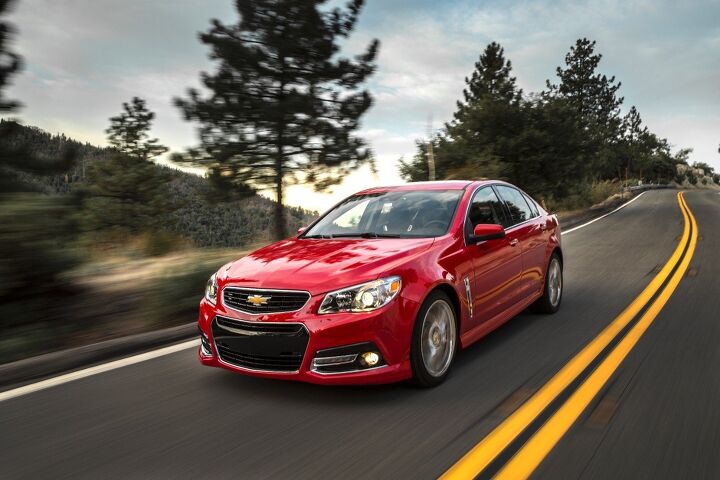
Unless your local police force harbors a crop of non-conformists, it’s easy to believe rear-drive Chevrolet sedans bowed out in the 1990s.
Of course, that’s not true. General Motor’s Australian Holden division saw fit to continue sending a limited number of rebadged Commodore sedans our way, long after the Impala and Caprice faded into the history books. Gussied up with a few tell-tale styling cues, the Commodore easily morphed into the performance-oriented Chevrolet SS and fleet-only Caprice PPV. Both models sell in limited numbers on this side of the Pacific, but not for long.
With Holden poised to pull the plug on Australian manufacturing later this year, the old-school Commodore has only months left to live. That means the exotic, badge-engineered American brothers will cease to exist after the 2017 model year.
Jeep's High-end Wagoneer, Grand Wagoneer Won't Be Unibody After All
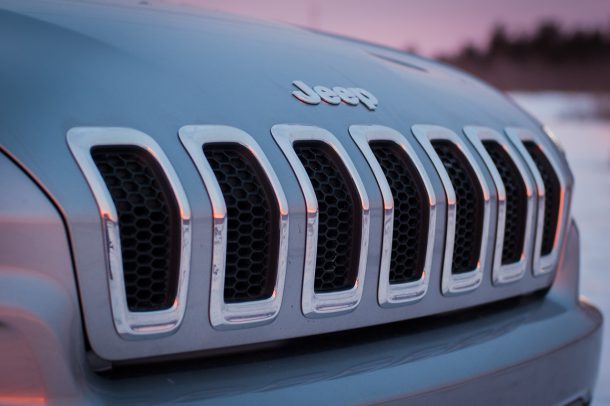
After claiming that the upcoming Jeep Wagoneer and Grand Wagoneer SUVs would use a variant of the next-generation Grand Cherokee’s unibody platform, Fiat Chrysler Automobiles has changed its mind.
Speaking at the North American International Auto Show, FCA CEO Sergio Marchionne said the top-end SUVs will instead adopt body-on frame architecture. The change tosses the vehicles’ lofty predicted price ceiling — $140,000, according to Jeep boss Mike Manley — in the trash heap.
Faraday Future's FF 91: A Closer Look at the Biggest Question Mark in the Industry
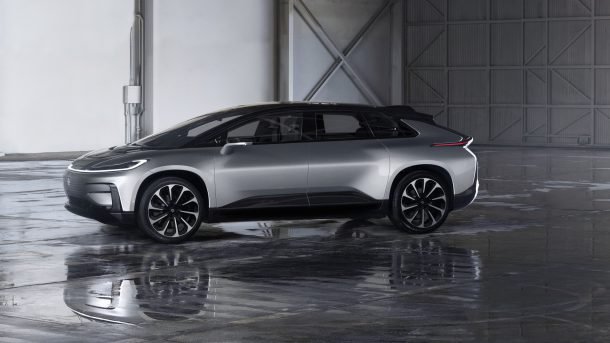
One year after Faraday Future (FF) revealed its futuristic and racy FFZERO1 concept, the company has pulled back the curtain on its first production car.
The FF 91 is cut from cloth similar to the recently revealed Lucid Air. Both cars are being built by California-based, Chinese-backed companies. And both are scheduled to follow Tesla into the EV Super Sedan market as Trump’s first term hits its midpoint.

Mercedes-Benz to Add a Third Small Sedan, Report Says

How many small sedans from one manufacturer can the market handle?
That’s the question being asked in the wake of a report that claims Mercedes-Benz has a new small sedan planned for both overseas and North American markets. According to Autocar, the German automaker will soon debut an A-Class sedan to fill the narrow gap between the CLA and C-Class.
Low-end Mercedes buyers are about to be spoiled for choice.
Volkswagen Teases Another Latter-day Hippie Mobile, Hopes You'll Forget That Diesel Brouhaha
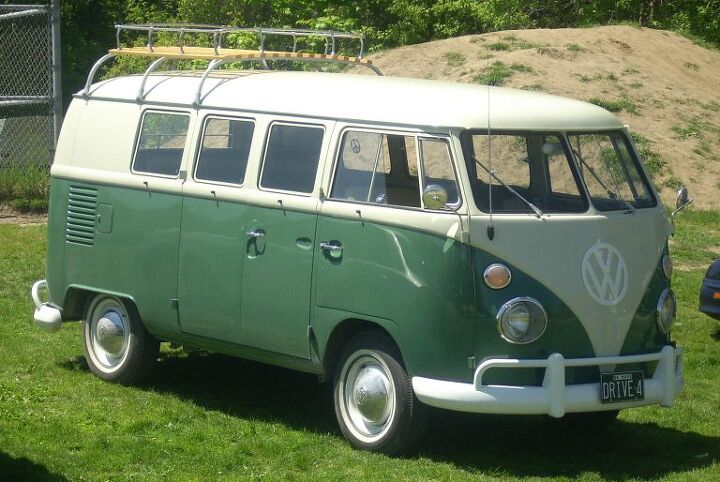
For a solid 15 years — longer than the combined duration of World War I, II, and Korea — Volkswagen has made a habit of teasing consumers with boxy concepts that draw inspiration from the company’s far-out Microbus of yesteryear.
It doesn’t matter whether the automaker is flying high, like it was at the turn of the century (and decade), or digging itself out of a scandal, like it is now. There’s always a piece of flower power vaporware lurking nearby, ready to trigger increasingly distant memories of a free-wheeling, free-love past.
We’ve been tentatively promised some sort of modern-day Microbus since the New Beetle still seemed somewhat new, but to no avail. Well, times are changing, and along with it, technology. But VW’s tactics aren’t.
Renault-Nissan Takeover Gives Mitsubishi a Chance to Dump Its Most Embarrassing Product

After inking the deal that brought Mitsubishi Motors under his corporate umbrella, Nissan-Renault chairman Carlos Ghosn said the acquisition would have a “massive” impact on the struggling automaker.
By sharing the alliance’s technology, platforms and engines, Mitsubishi can look forward to a brighter, product-filled future, he claimed. Full integration is still years away, but a new report sheds some light on the first all-new product born of the $2.29 billion deal.
Conflicting Information Leaves Subaru BRZ Future In Doubt
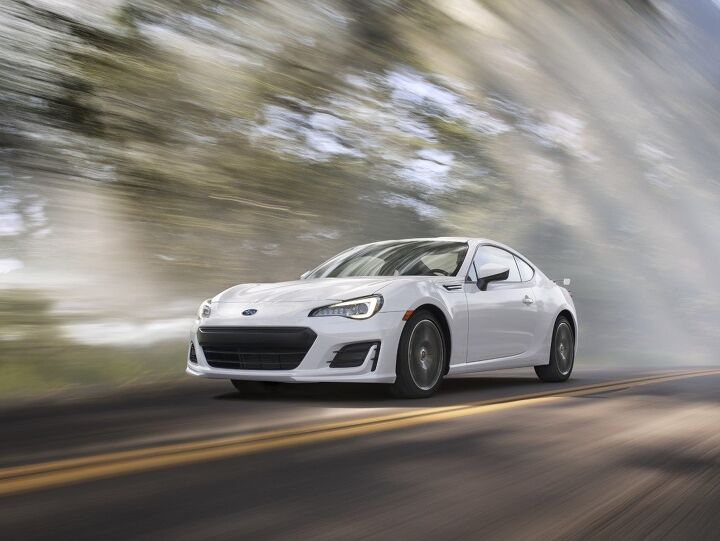
The Subaru BRZ has been struggling along since hitting its sales peak in 2013, and its recent refresh hasn’t done much to help it rebound on the sales charts.
Now, thanks to conflicting information from Subaru itself, the future of the rear-drive coupe is as clear as San Francisco Bay at 7 a.m.

Fiat Chrysler Isn't in a Hurry to Update the Ram Heavy Duty: Report
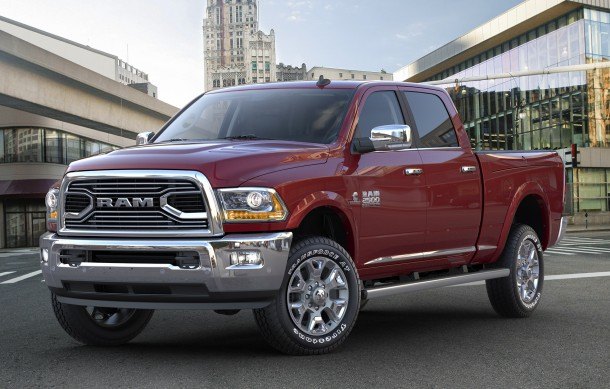
Another week, another pushed-back launch date for a next-generation Fiat Chrysler Automobiles product.
Last week, supplier sources claimed the range-topping Jeep Grand Wagoneer SUV was on hold, but this morning brings news of a delay for the next-generation Ram Heavy Duty truck line.
Toyota Shakes up Lineup With New Engines, Transmissions, Hybrid Systems

(Update: Specifications for the 2.5-liter engine have been added.)
Dynamic Force. It sounds like the name of a military offensive from the early 2000s, but it’s also the name of Toyota’s next-generation gasoline powerplants.
The automaker has revealed the first of a slew of new engines that should power 60 percent of its vehicles within five years. Oh, and there’s new transmissions and hybrid components to go with them.
Jeep Grand Wagoneer Reportedly on Hold as FCA Figures Out How Exactly to Do This

Fiat Chrysler Automobiles has high hopes for the upcoming Jeep Grand Wagoneer and its ability to challenge Range Rover and Mercedes-Benz for premium SUV buyers. The proposed model’s $140,000 price ceiling keeps FCA execs up at night in giddy anticipation.
However, there’s a problem: Before FCA hoists that sparkling and lucrative cherry atop its Jeep sundae, it first needs to build the damn thing, and that’s easier said than done.
Which is why the Grand Wagoneer — the three-row ultra-lux SUV that Lee Iacocca could only dream of — is on hold.
Next-generation Ford Fiesta Debuts, But Doesn't Tell All
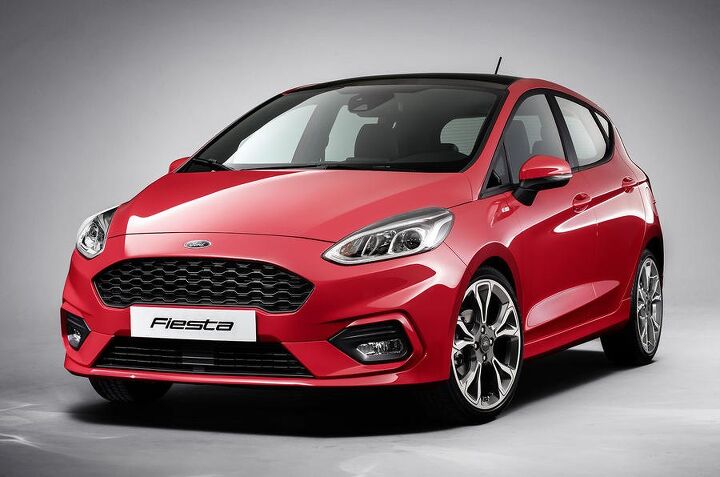
The next-generation Ford Fiesta had its coming out party at a corporate event in Cologne, Germany today, and there’s no mistaking the updated B-segment runabout.
Ford clearly wasn’t willing to mess with the exterior too much, but changes abound on the 2018 model year Fiesta. That includes an industry-first advancement made to its available three-cylinder motor.
Alfa May Let Other FCA Brands Borrow Its RWD Platform
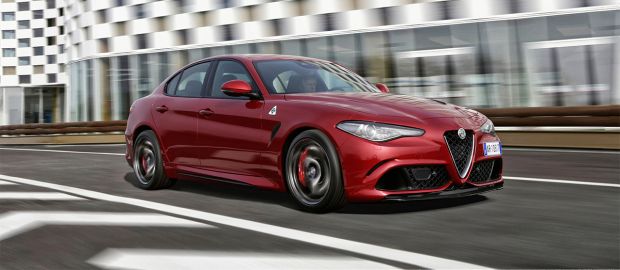
As the season for giving approaches, Alfa Romeo is saying it might gift its rear-drive Giorgio platform to other Fiat Chrysler vehicles.
Last week, at the Los Angeles Auto Show, Alfa’s Reid Bigland not-so humble bragged to journalists that the platform is so good it would actually be difficult not to share it across brands.
Volkswagen Figures It Can Keep Its Favorite Platform Around Basically Forever

In automotive terms, Volkswagen’s go-to MQB platform might end up having a lifespan somewhere between a Fox and a Panther.
Eager to stretch its meager dollars to Gumby-like proportions, the embattled automaker has announced that the platform underpinning most of its vehicles won’t die after two generations. Nah, let’s make it three, VW brand chief Herbert Diess said.
That means some vehicles, such as the stalwart Golf, will eventually ride on a platform old enough to drink in the United States.
FCA Isn't Willing to Let Go of Its Rear-drive Cars Just Yet: Report
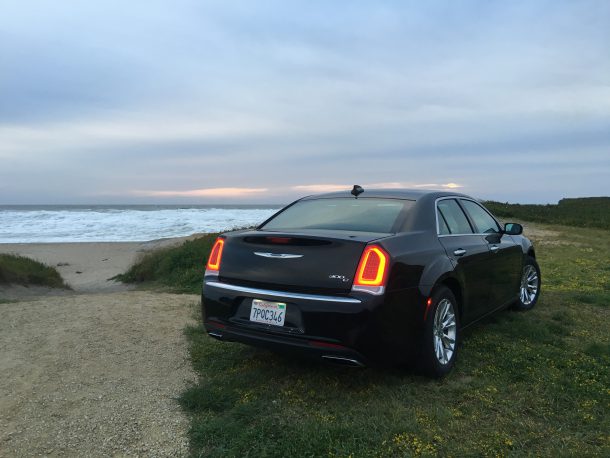
Fiat Chrysler Automobiles sure loves its aging rear-wheel-drive LX platform, so much so that it might just keep it around for an extra two years.
According to Automotive News, sources claim the Dodge Charger, Challenger and Chrysler 300 will forgo their planned platform swap in 2018 and soldier on until at least 2020. If true — and FCA’s lack of allegiance to long-term product plans lends it credence — that means no major redesign for the models until 2021.
It’s good news for lovers of the current generation models, but it’s yet another sign that the Chrysler 300 may be doomed.
Ford is Going to Kill the Flex, but What About the Lincoln MKT?
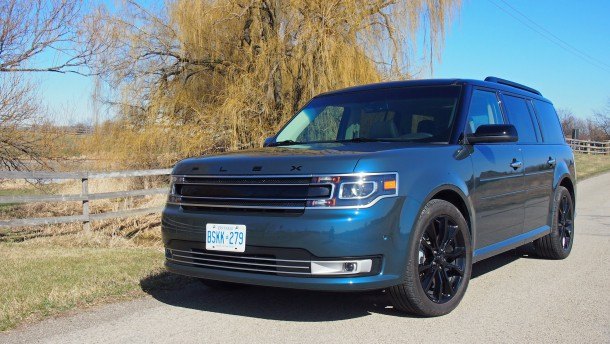
For the second time in a month, a union official’s loose lips has spilled information on a looming change in Ford’s lineup, only this time the product news isn’t an addition — it’s a funeral.
Yes, if the report is true — and Ford isn’t confirming it — the mighty Ford Flex will bow out of existence in 2020, leaving fans of the polished brick heartbroken. Still, there’s a mystery as to the fate of its leviathan-like platform mate, the Lincoln MKT.
Buick's $37,000 GL8 Minivan is Hiding a 30-Year-Old Secret

It’s no secret General Motors’ Buick division does the majority of its business in China. The tri-shield brand offers up six separate nameplates in North America for 2017 while giving customers in China the choice of 10 (or 11, depending on how you count them) different nameplates.
One of the models Buick offers in China that it doesn’t offer here is this: the Buick GL8 — and it has a 30-year-old secret beneath its newly redesigned skin.
Ghosn Puts on Third 'Mr. Chairman' Hat as Nissan Officially Takes Control of Mitsubishi

Mitsubishi has officially tied the knot with its savior, making Renault-Nissan chairman Carlos Ghosn the only automotive executive in the world (and possibly the galaxy) to head three companies.
The $2.29 billion deal gives Ghosn’s Renault-Nissan alliance a 34 percent controlling stake in Mitsubishi — a financial lifeline for the struggling, scandal-plagued automaker. Already, the company’s new chairman (and demoted former chair) have big, big plans for the Mirage maker.
Nissan-sized plans.
Toyota Mulling a Hot Hatch, But Is the Yaris the Right Choice?
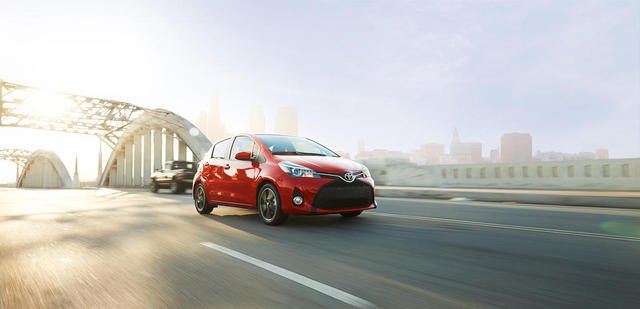
Toyota doesn’t immediately spring to mind when a buyer thinks of driving excitement. Far from it, in fact.
While the brand carries an enviable reputation of reliability, strong resale value and general popularity, it suffers in the performance and youthful appeal department. That could change, with Auto Express reporting that Toyota could build on its return to the World Rally Championship with a production hot hatch.
Volkswagen Golf R, Honda Civic Type R, Ford Focus RS…Toyota Yaris?
Mysterious Lynk & Co Brand Teases a Real Car Ahead of Debut

When word of Lynk & Co first trickled out, the yet-to-be-revealed global car brand sounded exactly like a garden variety mobility company. Oh, there’ll be ride-sharing and apps and all that, we thought.
Then the brand revealed that an actual real, physical vehicle is on the way. Developed from Volvo’s Compact Modular Architecture (CMA) platform, the model will debut on October 20. And while we have some teaser images, the company — a subsidiary of Chinese Volvo parent company Geely — remains maddeningly vague about what its future.





Recent Comments