


Toyota to Offer Two Three-Row EVs in the States

Toyota hinted at a new electric Highlander variant earlier this month, but its most recent announcement confirms another three-row electric SUV. Yesterday, the Japanese auto giant said it would build a new EV at its Princeton, Indiana facility and noted that it would inject $1.4 billion to modernize the plant.

Would You Rather? Honda CR-V vs Toyota RAV4
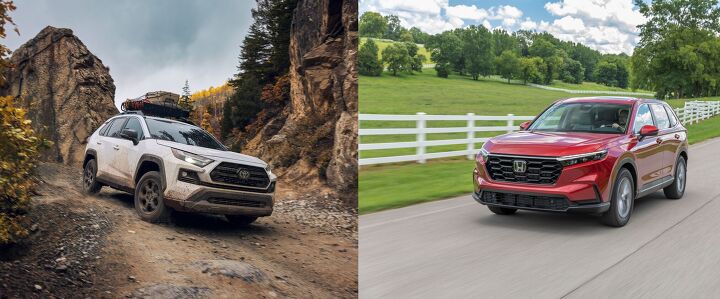
We’re introducing a new segment where we intentionally pit two vehicles against each other that are exceedingly difficult to choose between. The idea is to create a would-you-rather situation where we compare the strengths and weaknesses of both models and take input from our readers.
Our first match-up is an incredibly tough one, because these are some of the best-selling vehicles in all of North America that aren’t pickup trucks — the Honda CR-V vs the Toyota RAV4.

2024 Toyota Tacoma Hybrid Pricing and Specs Revealed
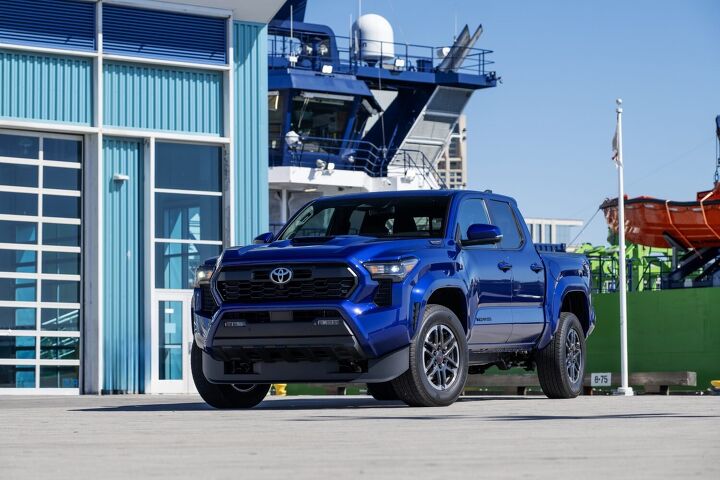
Toyota has released details on the Tacoma Hybrid, showing it will start at $47,795 as part of the TRD Sport trim. While that’s nearly $7,000 more than the gasoline variant of the TRD Sport, it does come equipped with the more powerful i-Force Max powertrain.
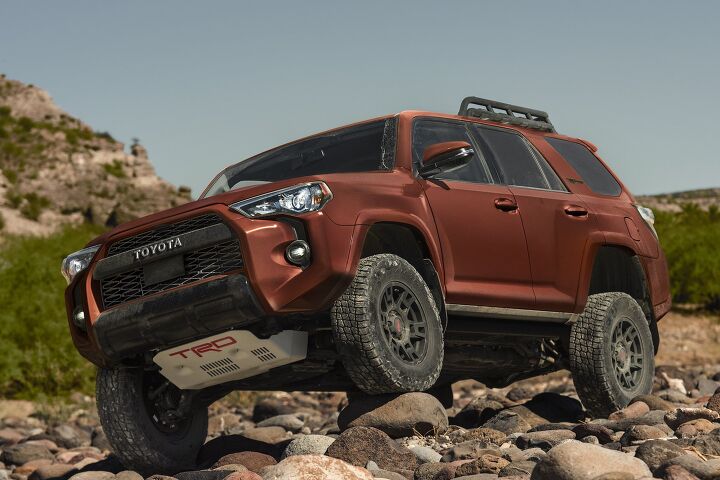
This is the All-New 2025 Toyota 4Runner
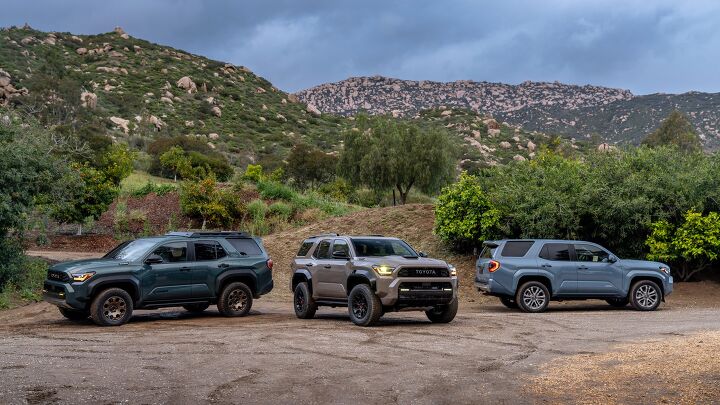
You’d have been easily forgiven if you believed Toyota would never update the 4Runner, but here we are, 15 years after the current model debuted, talking about an all-new SUV. The 2025 4Runner represents a significant step forward for the legendary off-roader, and despite what you might think about turbos and hybrid powertrains, it looks absolutely legit.
Toyota Again Teases the new 4Runner Ahead of Today's Reveal
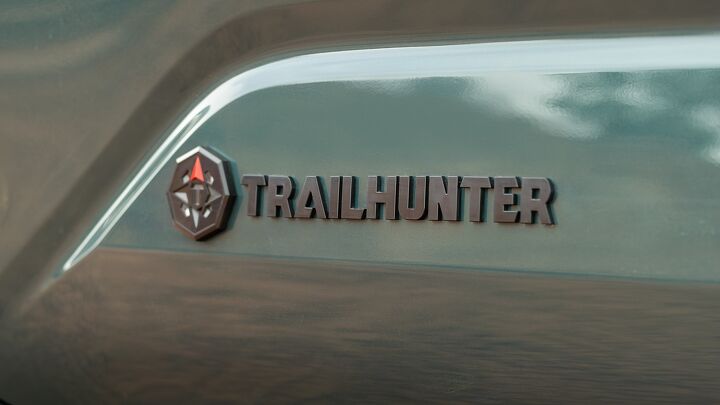
The current Toyota 4Runner has been on sale long enough that it’s almost old enough to drive itself, but the automaker is finally giving us an update for the 2025 model year. In addition to an expected move to an available hybrid powertrain for the iconic off-roader, it will also get a roll-down rear window and a significantly upgraded infotainment system. Toyota hasn’t slowed the drip of teases leading up to the official reveal, and the latest confirms that we’ll see a new Trailhunter trim similar to the one offered for the 2024 Tacoma.
Toyota's Already Offering a Huge 2024 bZ4X Lease Discount in New York
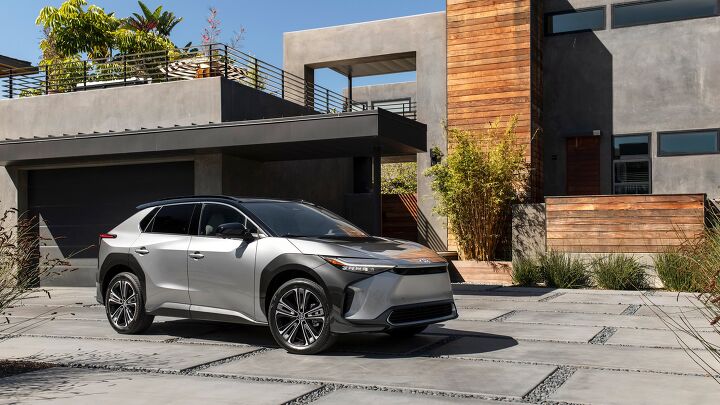
Toyota, a noted EV skeptic, finally delivered the bZ4X crossover in 2023. Despite it only having been on sale for one year, the automaker is already offering discounts on the new 2024 model, cutting $10,000 off the top for lease clients in New York.
QOTD: Ready for the Next Toyota 4Runner?
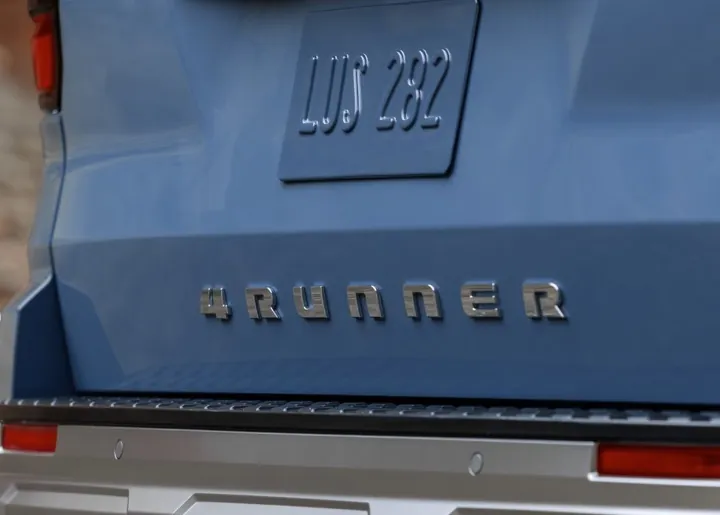
Vehicle launches happen all the time. But only a select few seem to be highly anticipated.
Any time the Ford Mustang or Chevrolet Corvette gets updated, for example. Or something bread and butter like the Honda Accord or Toyota Camry.
Another example -- the return of the Ford Bronco in 2021.

Window Shop: Toyota Teases 4Runner – Again
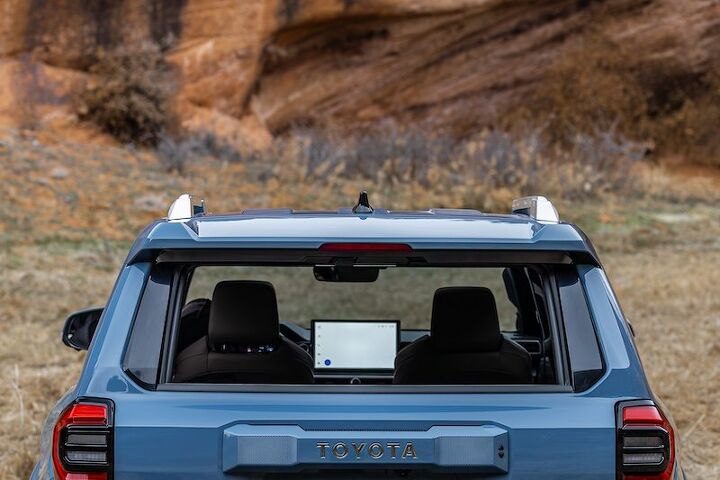
If it weren’t for teaser shots about hotly anticipated models from different brands, car corners of the internet wouldn’t have much to talk about on some days. Fortunately, the news keeps rolling from Toyota, who’ve released a telling photo of the upcoming 4Runner – along with a suggested release date.

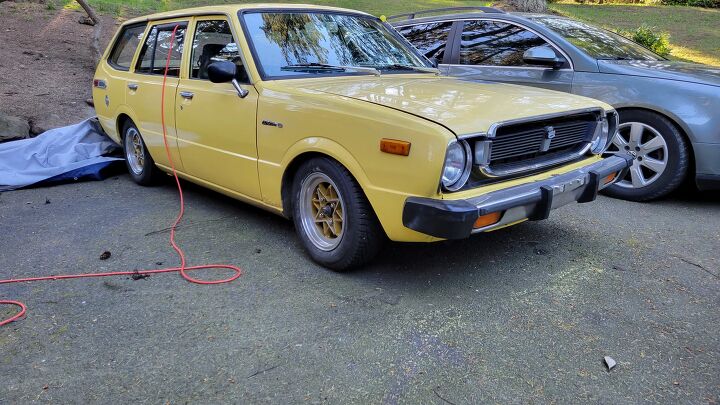
2025 Toyota 4Runner Officially Teased
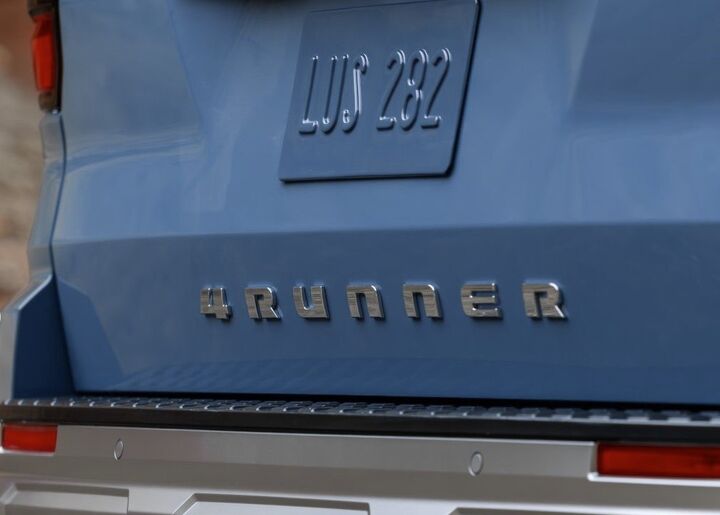
Toyota has officially previewed the redesigned 4Runner for the first time via Instagram. But the photo in question doesn’t offer much information beyond the model wearing its name at the bottom of the rear hatch and getting some new taillights. There’s likewise a contrasting bumper, which may just end up being an option. However, Toyota offering up a teaser for the 2025 model year should also indicate that the much-anticipated SUV’s formal debut is likely right around the corner.
Toyota's EV Battery Production Efforts are Looking Up
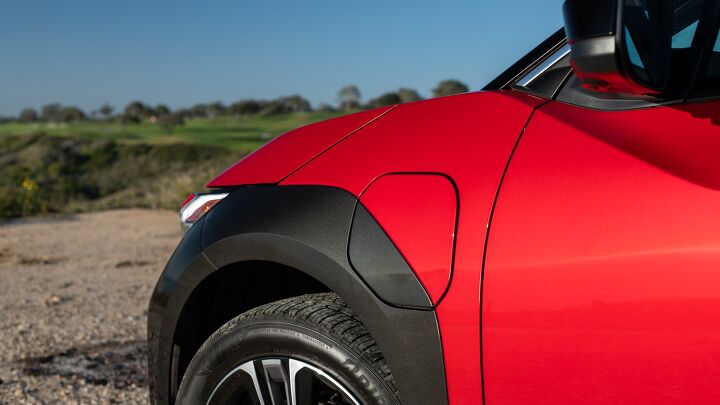
Toyota may be pushing hard toward more diverse propulsion options instead of solely focusing on EVs, but that doesn’t mean it’s not looking for ways to make headway on electrification. The Japanese auto giant recently announced its acquisition of Primearth EV Energy from Panasonic, which it said would give it a significant boost toward EV battery mass production.
Used Car of the Day: 1991 Toyota Supra
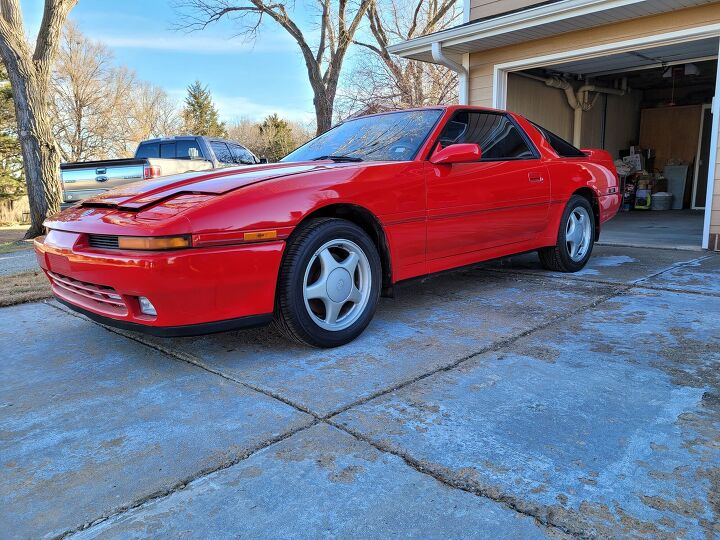
Our team is busy grinding away in the blog mines, so we've been quiet this morning. We'll start your afternoon off with a treat: A clean-looking 1991 Toyota Supra.
Deez Nuts: Toyota Recalls 381,000 Tacoma Trucks
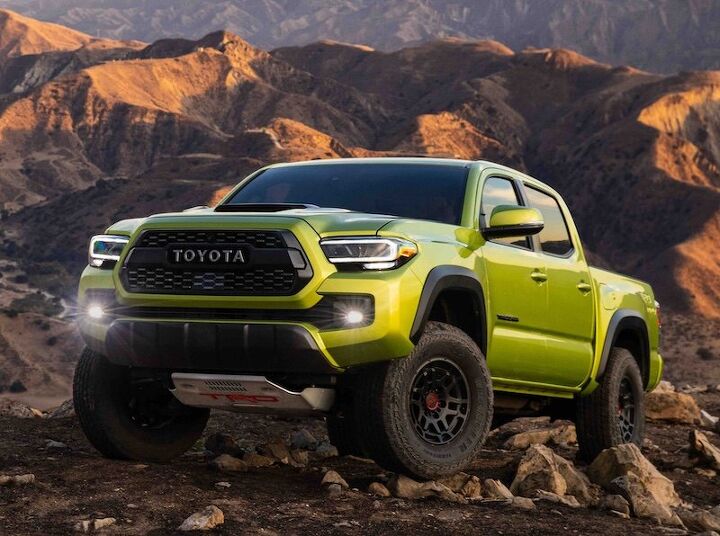
The hackneyed old joke of a ‘loose nut behind the wheel’ causing a crash may be even more worn out than your author’s favorite Cole Haan loafers, but a manufacturing issue involving potential loose nuts on the axles of certain Toyota Tacoma pickup trucks is a very real problem which has led to a large recall.
Toyota Launches a Few Recall Campaigns
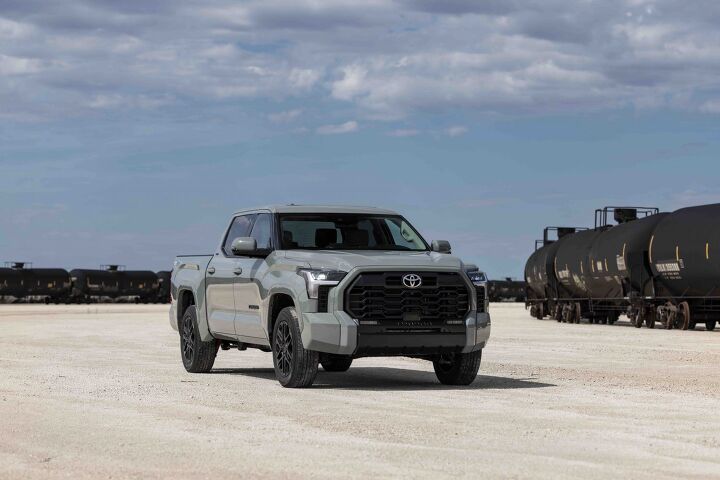
Toyota is in the middle of a sizable recall relating to the 10-speed automatic transmission from Aisin used on several of its larger models. The campaign encompasses roughly 280,000 vehicles split between the 2022-2024 Toyota Tundra (including the hybrid variant), 2023-2024 Sequoia, and 2022-2024 Lexus LX 600. Concerns revolve around the possibility of the gearbox not disengaging properly when placed into neutral.
Carbon Negative: Toyota Working On a Carbon Capture Filtration System
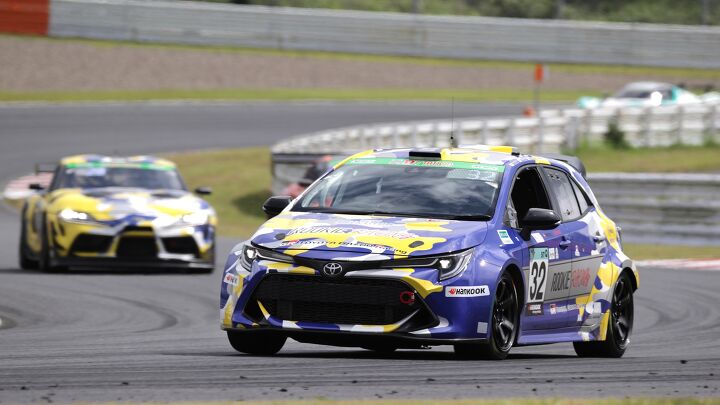
Toyota has taken an all-around beating for its decision to focus on a diverse array of alternative fuels and electrification options instead of going all-in on EVs, but that approach has started to look more prudent as other companies struggle with slower-than-expected growth. The Japanese auto giant has developed hydrogen powertrains and been a staunch supporter of hybrid technologies, and now it is testing a new engine that can remove carbon from the air.
Are Plug-In Hybrids the Future?
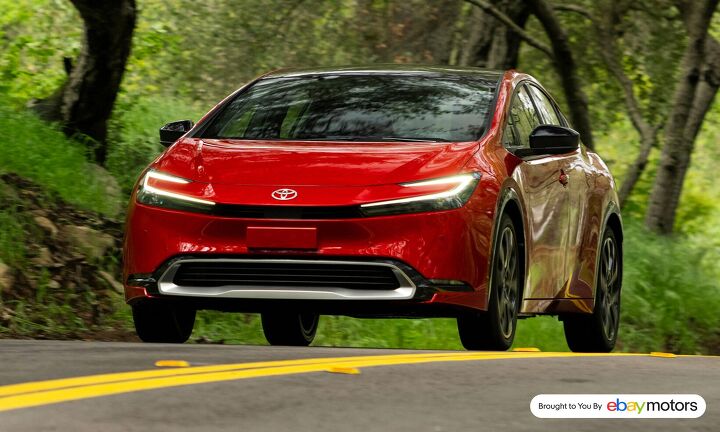
On today's podcast, we ponder if plug-in hybrids are the future, talk Tesla and Ram, and ruminate on our first races attended as fans.
2023 Toyota Prius Prime Review - Time For Me To Fly
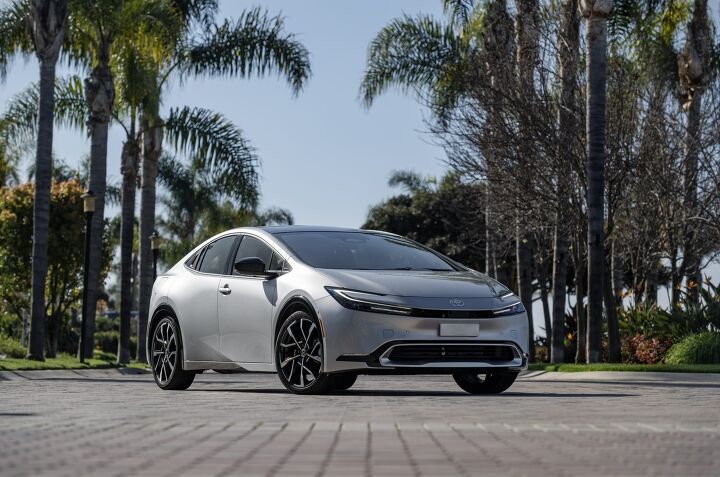
No doubt you’ve seen it, whether here on TTAC, other websites or magazines (GASP! You actually read something other than TTAC!), or on the roads. One of the most daringly styled, attractive new cars on our roads wears a badge that has, for over two decades, been nothing but an ugly duckling camped out in the left lane at well less than the speed limit.
Well, our ugly duckling has grown into a swan. The 2023 Toyota Prius Prime is still a mileage champ, but it now has power and styling to befit its avian glow-up. The thing with swans is, well, they crap all over the place. Is this new Prius Prime a plugged-in pile of dung on a freshly-waxed showroom floor, or is it a genuinely graceful bird spreading its’ wings?

2023 Toyota Prius Limited Review – Finally a Worthy Choice
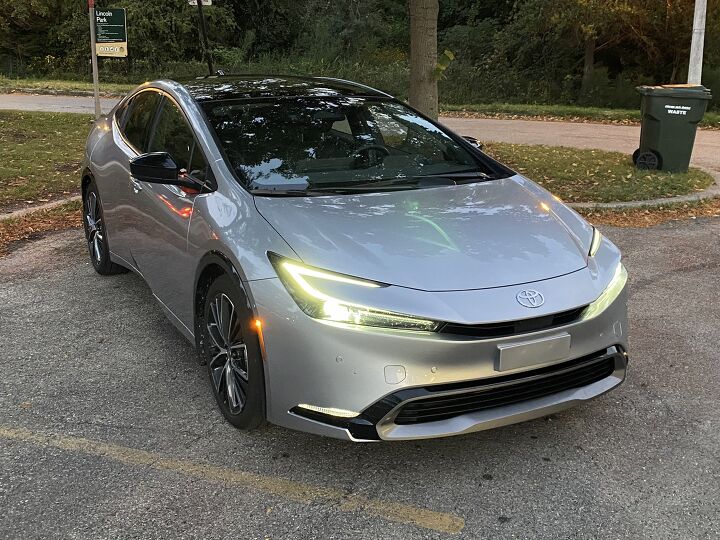
The Toyota Prius was once reviled by most enthusiasts and often the butt of jokes, even in pop culture. Prius drivers were stereotyped as left-lane camping, NPR-listening, Green Party-voting smug virtue-signalers.
Gone in Thirty Seconds: Super Bowl LVIII Auto Commercial Pre-Game Roundup
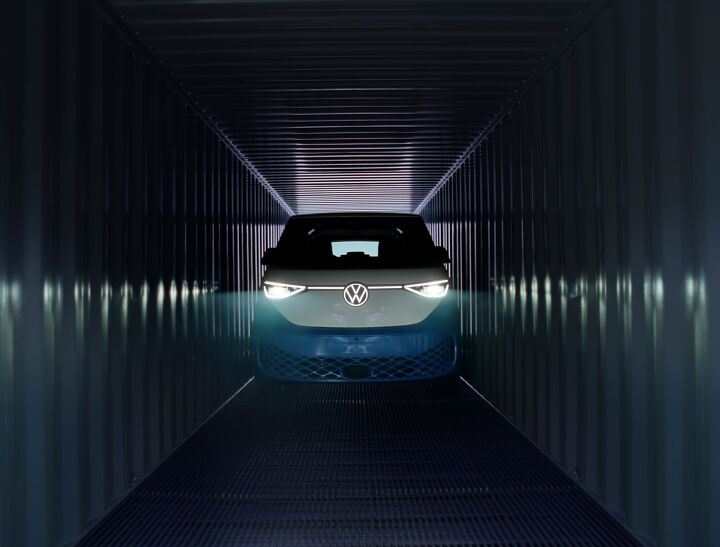
Football and marketing - does it get any better? In this era of fragmented streaming services, there are precious few moments of what was once dubbed Must See Tee Vee where one be assured hundreds of million eyeballs will be glued to the same message simultaneously. We likely will never have another shared broadcast moment like the finale of M*A*S*H, so The Super Bowl is it.
European Emissions Regulations Drive the Toyota GR Yaris' Price Up By Almost 100 Percent
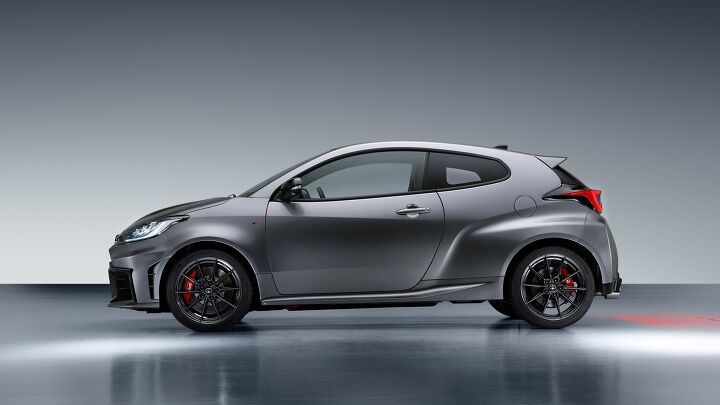
Europe has, and will likely remain, far more aggressive with emissions-cutting measures than we are here in the United States. Strict climate-related regulations on the Old Continent mean that gas vehicles – even those that we consider relatively efficient here – are extremely expensive and difficult to find. That’s how the 2024 Toyota GR Yaris, a car powered by an (admittedly powerful and turbocharged) three-cylinder engine, costs nearly double its sticker price in France.
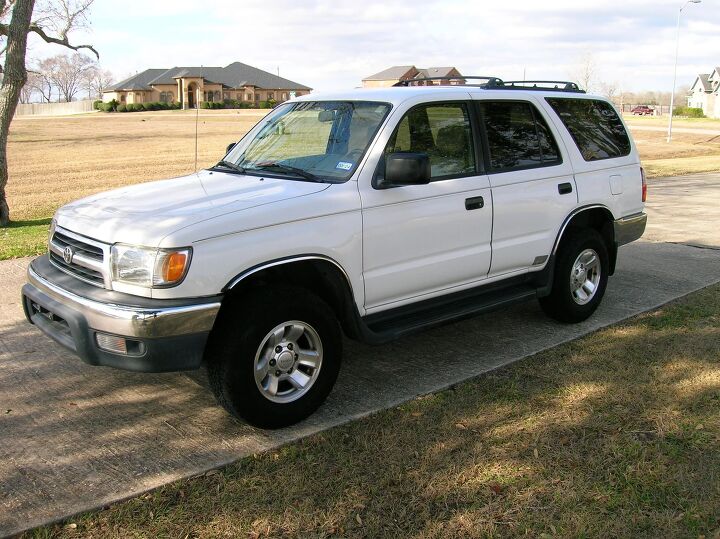
Drive Notes: 2024 Toyota Sequoia TRD Pro
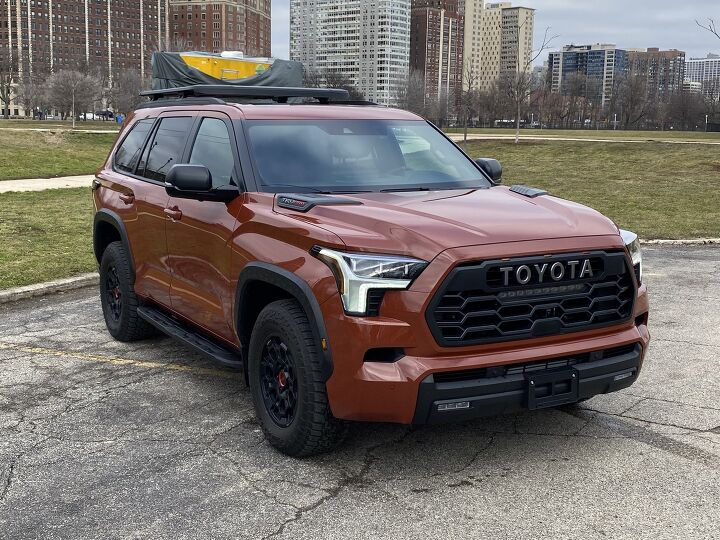
Two Drive Notes for the price of one this week, due to travel last week.
Up today: The 2024 Toyota Sequoia TRD Pro.
Toyota Tacoma Fuel Economy Numbers Confirmed by Canadian Ratings Agency
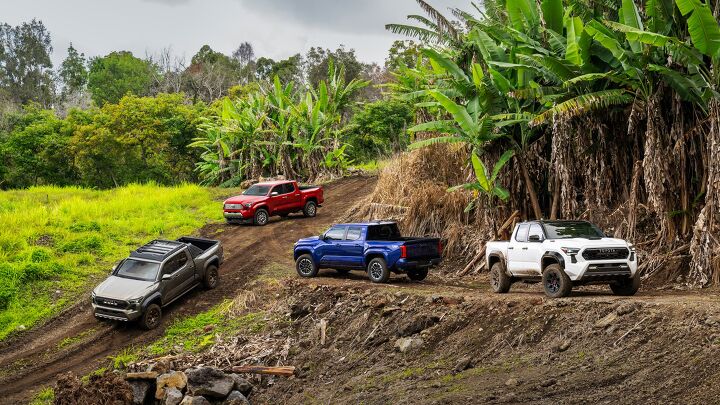
The all-new 2024 Toyota Tacoma is starting to land on dealers’ lots, but the EPA hasn’t released fuel economy figures for the truck. Natural Resources Canada has posted its estimates, however, and they’re in line with the numbers seen on window stickers in the United States.
2024 Toyota Grand Highlander Hybrid Max Review - Yeah, It Is That Good
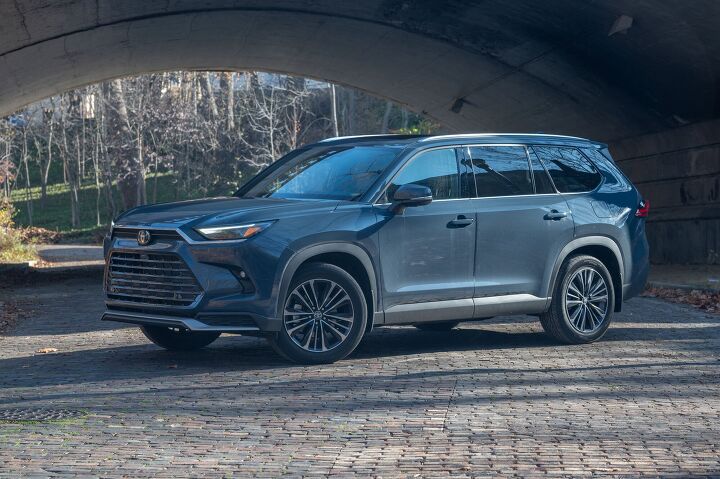
God knows I’m a big proponent of the minivan. I’ve owned a few, though my rapidly-emptying nest no longer requires the flexible cargo area behind the seats that roughly resembles a small airport hangar. It’s hard to argue against the versatility of the big square box where stale french fries and the dreams of DINKs go to die.
Used Car of the Day: 1988 Toyota MR2
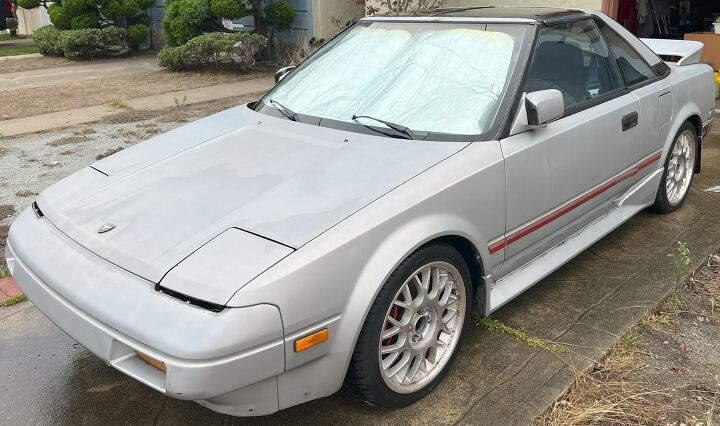
Today we bring you a 1988 Toyota MR2. I had forgotten this generation of the MR2 existed.
Toyota Rumored to Debut Performance Automatic Transmission for GR Models Next Month
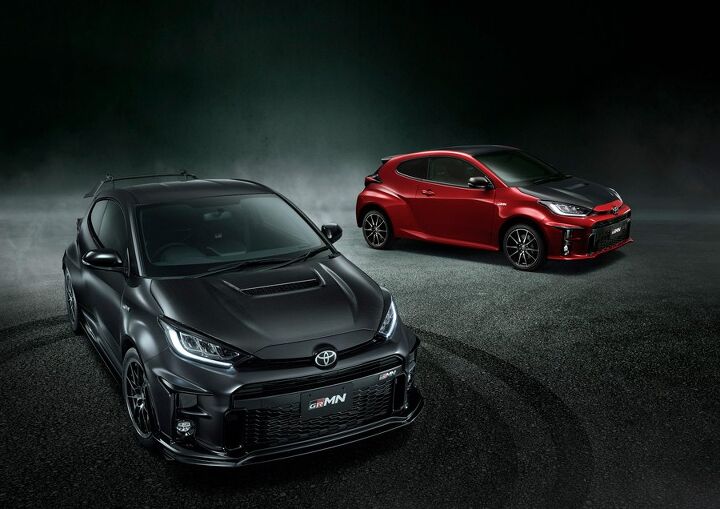
With Toyota discussing its desire to build an automatic transmission dedicated for performance applications, driving enthusiasts around the world are eager to find out when the unit will be affixed to the GR Yaris. Meanwhile, Americans want to know when it will be adapted for the GR Corolla and prospective performance products Toyota may actually sell in the United States. There has been no shortage of rumors, with one of the most recent suggesting Toyota’s newest “Direct Automatic Transmission” (DAT) will debut during the 2024 Tokyo Auto Salon. Production is supposed to commence at roughly the same time.
Used Car of the Day: 2004 Toyota MR2 Spyder
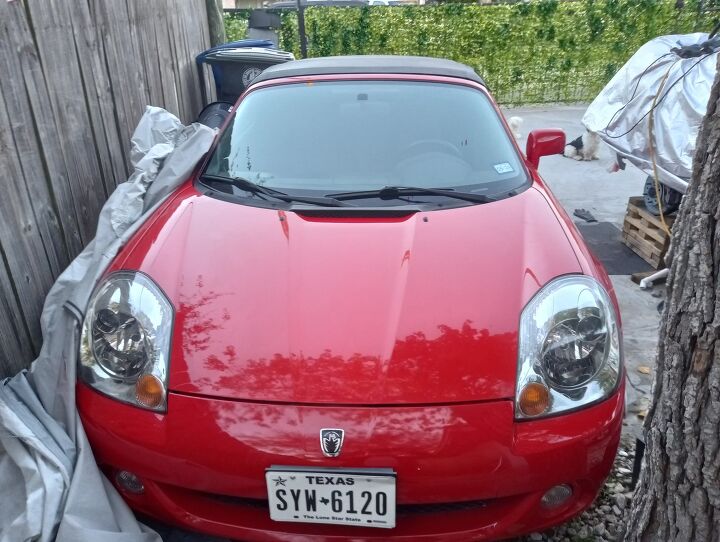
Today, in the dead of winter, we present to you a convertible. It's a 2004 Toyota MR2 Spyder.
More Than a Million Toyota and Lexus Models Recalled for Airbag Sensor Issue
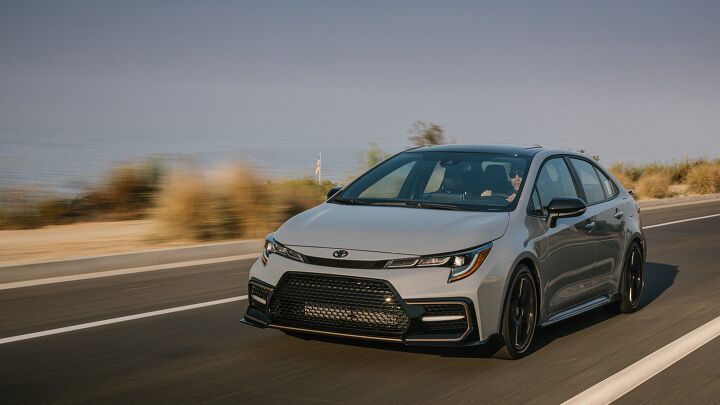
Despite having been around for decades, vehicle airbags are not infallible or immune to manufacturing defects. There was the massive and ongoing Takata airbag recall, and automaker continue issuing recall actions to correct or prevent failures of airbag sensor systems. Toyota is the latest, as its most recent action involves around 1.1 million vehicles from between 2020 and 2022 for malfunctioning airbag sensors.
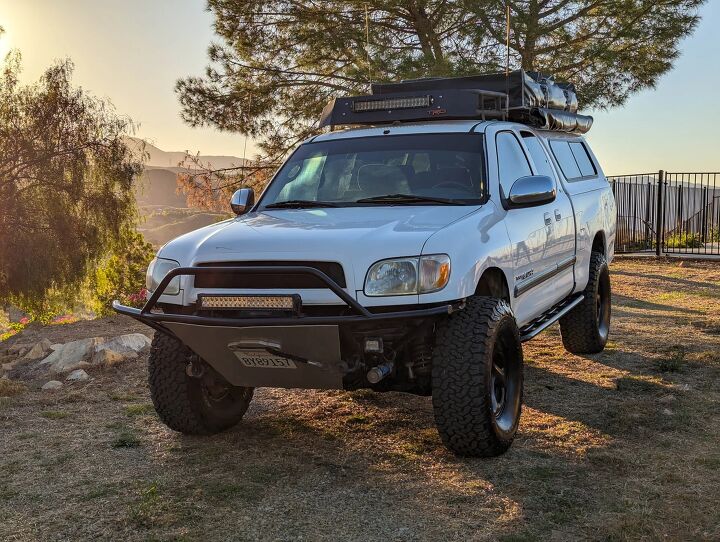
Toyota Re-Launched Land Cruiser “70” in Japan
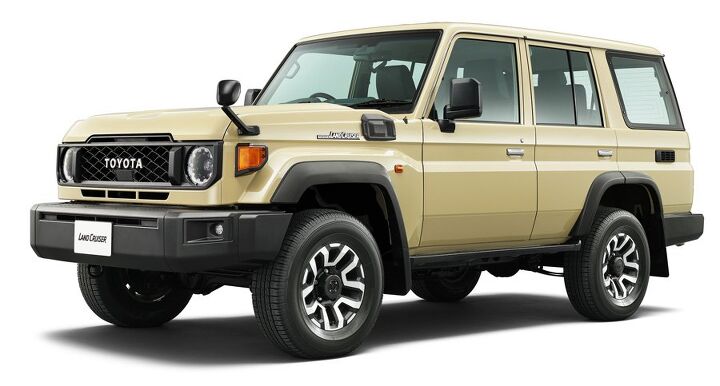
But we can all go pound sand in North America, unfortunately. Such are the joys – and challenges – of our global marketplace. Nevertheless, off-road gearheads in other parts of the world will be able to avail themselves of this tremendously square beast, showing up for duty with a 2.8L turbodiesel.
2024 Toyota Tacoma Sees Some Sizable Price Bumps
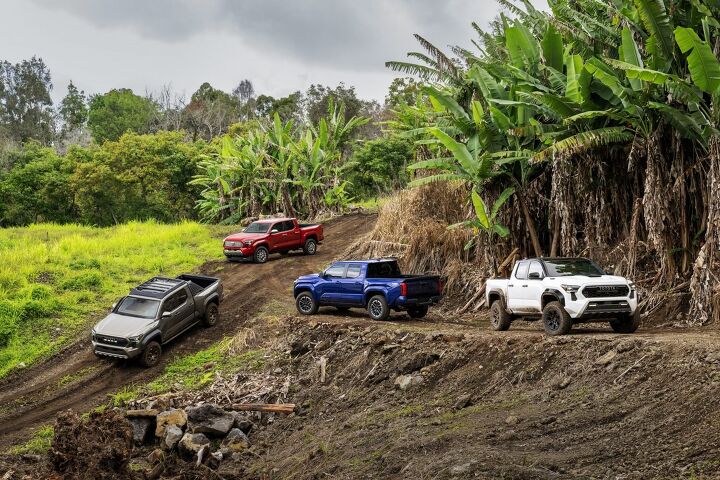
Despite Toyota having revealed the redesigned mid-sized Tacoma pickup for the 2024 model year last spring, the company has waited until now to announce pricing. That may have been because the brand’s best-selling truck is accompanied by some unhappy price increases. Though the pickup has also been modernized, potentially softening the blow for some who liked the vehicle’s reputation for reliability and simply thought it was a little rough around the edges.
Toyota Financial Ordered to Pay $60M Penalty
In yet another chapter of dealers (and their financial arms) behaving badly, Toyota Motor Credit has been levied $12 million civil fine and also order to fork over $48 million in restitution after a court found the organization played fast and loose with some rules.
2023 Toyota Corolla Cross Hybrid Review - The Un-Car
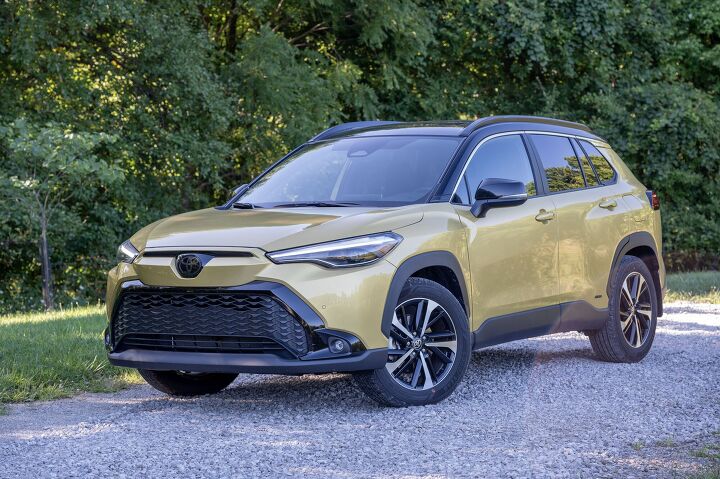
“We don’t have Coke. Is Pepsi okay?” has become something of a meme lately, where consumers, thwarted in their attempts to acquire what they desire, are offered something less than. And for the record, I’m a Coke person, though Wilford Brimley’s favorite chronic disease has pushed me toward the Coke Zero end of the bubbly drinks spectrum.
Toyota Rolls Out Crown Signia
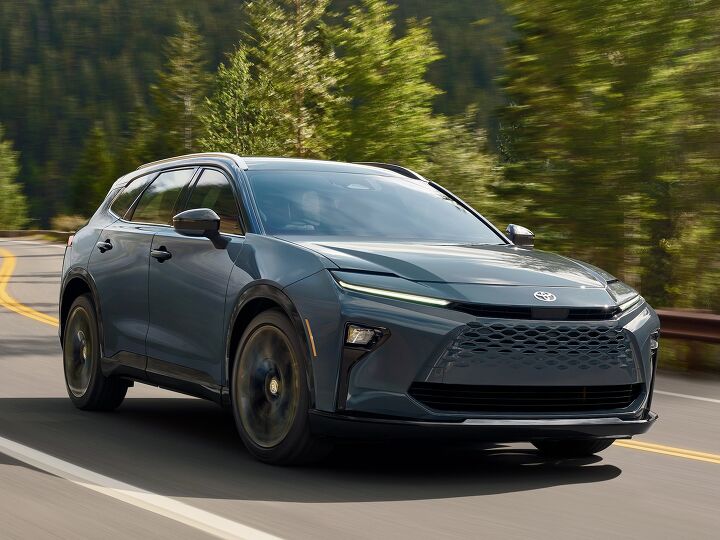
Making good on its promise to show an SUV variant of its new Crown sedan, Toyota introduced the Crown Signia yesterday at an event in Los Angeles.
Toyota Unveiled the 2024 Camry as a Hybrid-Only Affair

We’re not even out of 2023 yet, but we’re already talking about 2025 model-year vehicles. Toyota recently revealed a new version of the iconic Camry sedan for 2025, which will let go of the car’s powerful V6 option in favor of hybrid power, more tech, and top-notch safety equipment. The car goes on sale in spring 2024.
Toyota Applied for "Land Cruiser FJ" Trademark in Japan
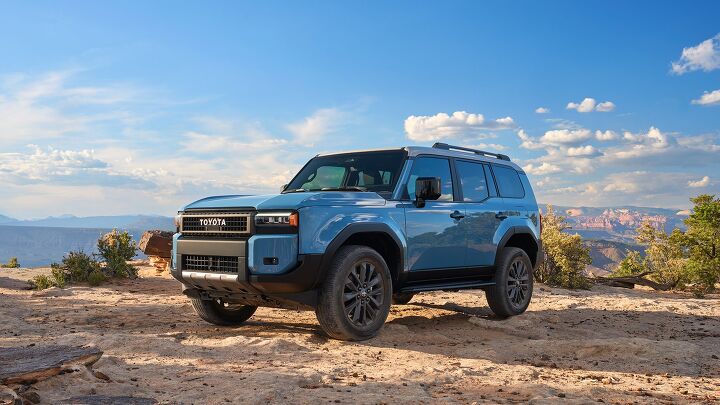
Companies file trademark applications all the time to protect product names and other concepts, but the applications don’t always mean that something new is coming. That said, a recent Toyota trademark application in Japan spotted by Land Cruiser forum members has sparked heated conversation around what might be coming.
Toyota Crown SUV Bows November 14
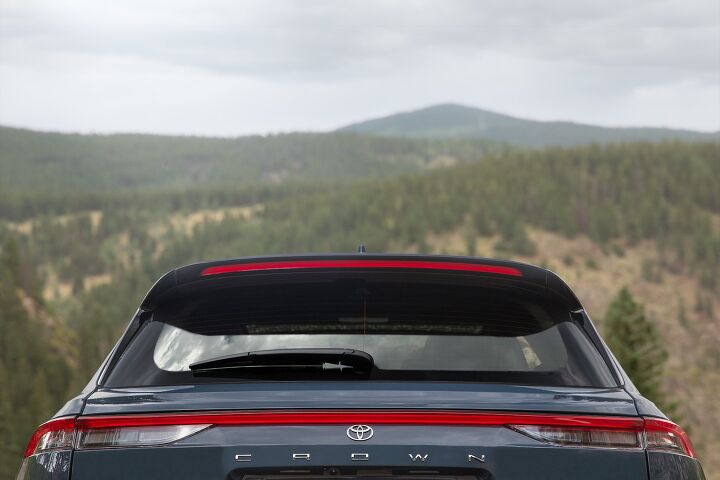
It seems the buzz and speculation a few days back about the possibility of an SUV being birthed from the Toyota Crown nameplate was right on the money. If all goes as planned, it’ll be shown at the L.A. Auto Show later this month.
Used Car of the Day: 1986 Toyota Mk2 Celica Supra
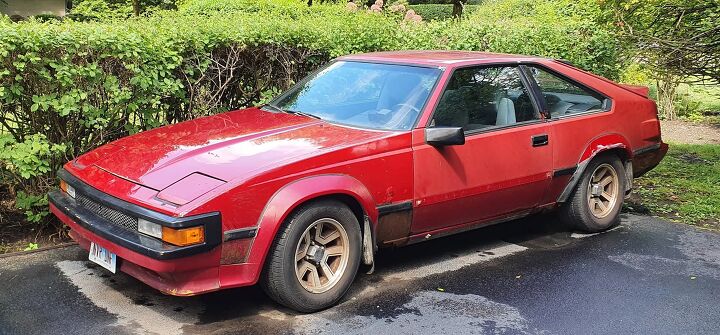
We're sticking around Chicagoland for the second day in a row. Today I bring you a 1986 Toyota Mk2 Celica Supra.
Toyota Recalled More Than Two Million RAV4s for 12-Volt Battery Fire Risk

Toyota is recalling a significant number of RAV4s for an odd problem with replacement 12-volt battery sizes. The automaker recently announced a recall of around 1.85 million units in the U.S. and an additional 306,000 vehicles in Canada and Mexico. Vehicles from between 2013 and 2018 are involved in the action.
Report: Toyota Boosts Wages Ahead of UAW Ratification Votes

While the United Automobile Workers (UAW) are preparing to vote on contract proposals offered by Ford, General Motors, and Stellantis, non-union Toyota is increasing hourly wages. Hourly compensation has increased for the automaker’s U.S. manufacturing, distribution center, and logistics employees. It’s also offering more paid time off than before and reducing the time it takes for workers to reach top-tier compensation.
Considering Toyota had already issued two pay bumps for 2023, seeing a third is a bit of a surprise and likely has everything to do with the results of the UAW strike.
The Toyota FT-Se Concept Probably Isn’t the Next MR2

The Toyota FT-Se Concept that debuted at the Japan Mobility Show recently probably isn’t going to be the MR2 successor everyone has been hoping it would be. But there is reason to believe it actually might evolve into a production model you may someday drive.
Toyota Previews Builds for SEMA 2023
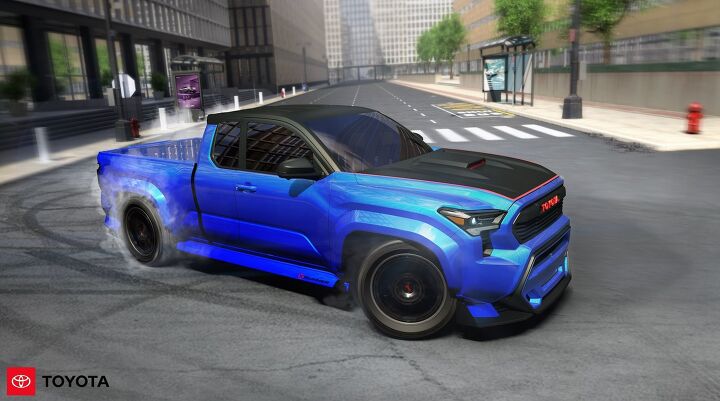
The announcements from auto manufacturers about what they’ve in the pipeline for this year’s SEMA Show in Las Vegas continue apace, with Toyota promising a quartet of builds – plus a few packages that consumers will be able to actually buy.
Used Car of the Day: 1993 Toyota 4Runner
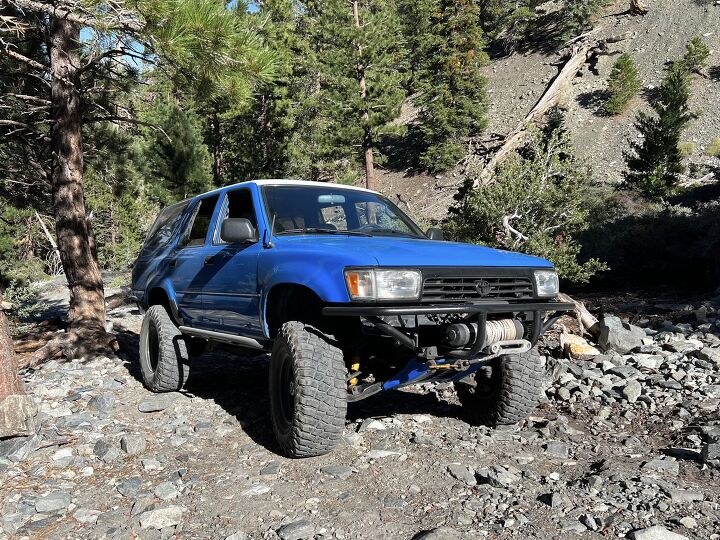
Today's UCOTD is a pure off-road rig. It's a 1993 Toyota 4Runner SR5 with a new engine.
Ask the Engineer: What Do You Want to Know About the New Land Cruiser?

Toyota surprised everyone with the return of the Land Cruiser, and by all accounts, this new model is poised to become an instant classic. And while plenty of info was released about this iconic off-roader, we’re sure you have plenty of questions.

Toyota Recalling Over 750,000 Highlander SUVs in the United States

On Thursday, Toyota Motor Corp. confirmed plans to recall the Highlander SUVs over an issue that could cause the front bumper to loosen. The vast majority of the impacted models are parked inside the United States with additional recalls planned for Canada and Mexico.
Toyota Assembly Plant in Texas Turns Twenty
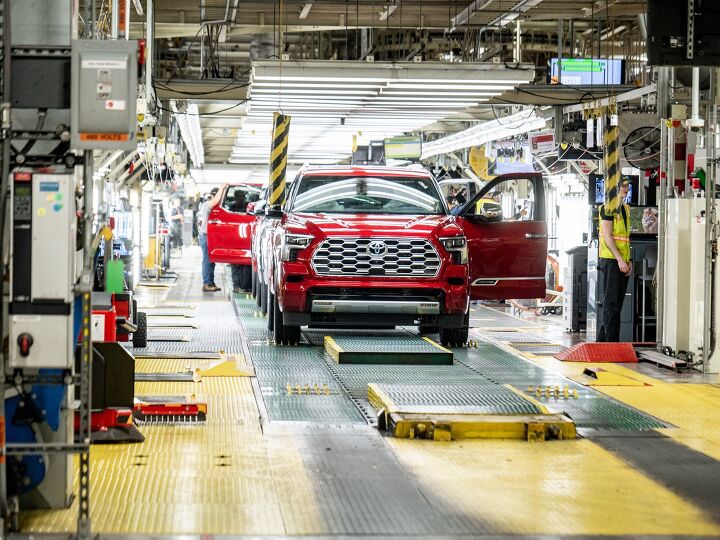
Whilst we don’t generally run news of this sort, it is worth noting that this month represents a full two decades since Toyota put shovels in the ground to build what would become their San Antonio truck plant, a spot which currently cranks out Tundra and Sequoia machines.
Toyota Teases Yet Another Crossover

It seems Toyota is bent on covering every single niche in the crossover segment, currently slinging vehicles ranging from the pert Corolla Cross to the jumbo Grand Highlander. Now, another bundle of joy is on the way – but they’re not telling us its name.
Rental Review: 2023 Toyota Corolla LE, Aged Basic Transportation
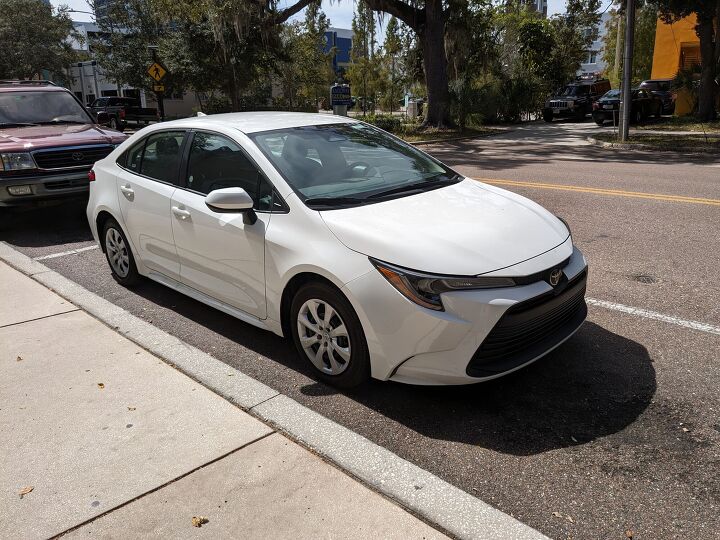
I spent a few days in the Florida sunshine this week, behind the wheel of a most basic 2023 Corolla LE. It's a design that's been with us for a few years now, a sedan shape so common that it’s totally unnoticeable. Unfortunately, driving it was an experience I don't care to repeat.

Is This the Revised 2025 Toyota Camry?
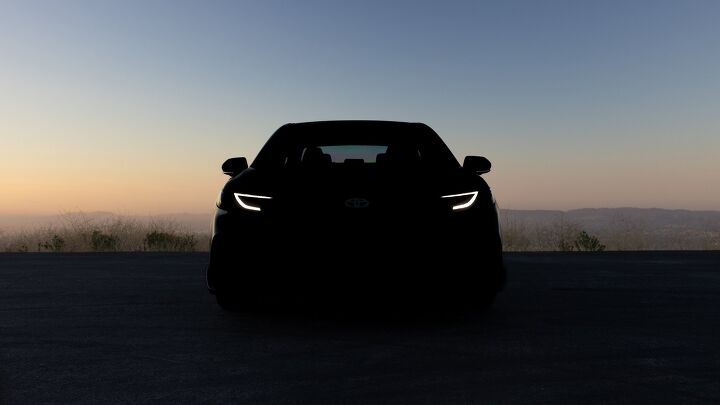
“A new dawn is coming,” or, at least, a new Camry from Toyota. Probably. The automaker issued a cryptic teaser for a car with the question, “Can you guess what’s on the horizon?” And, while there’s no official confirmation that it’s a Camry, the car is the most likely candidate for an overhaul.
Retro Styling Kit Appears for the Toyota Tacoma
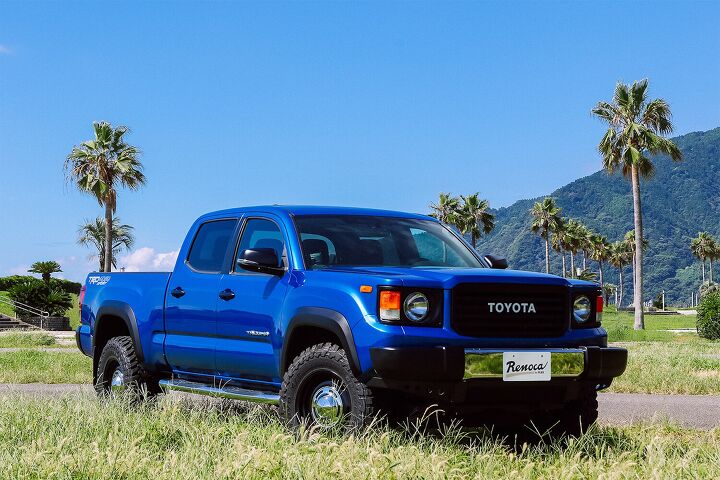
If you’ve always wanted your last-gen Toyota Tacoma to look like a Land Cruiser from the 1980s, a company based in Japan has just the solution for you.
Used Car of the Day: 2012 Toyota FJ Cruiser TTSE
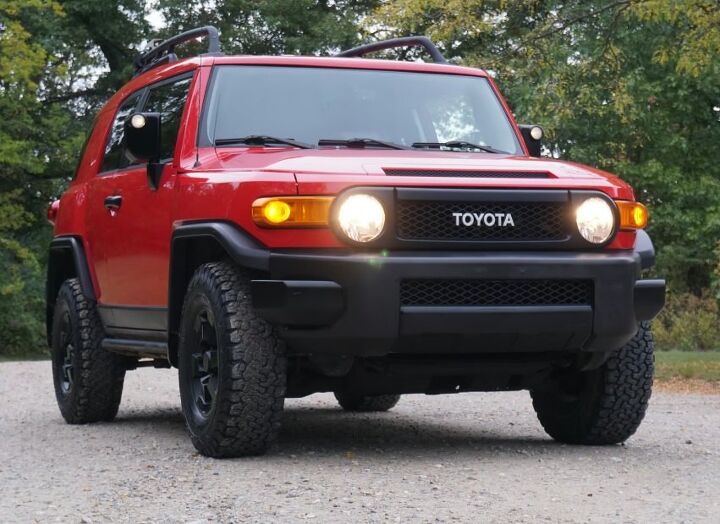
Today's UCOTD is a special 2012 Toyota FJ Cruiser. It's a Trail Teams Special Edition.
Toyota is Closing in On an Automatic Transmission for GR Yaris
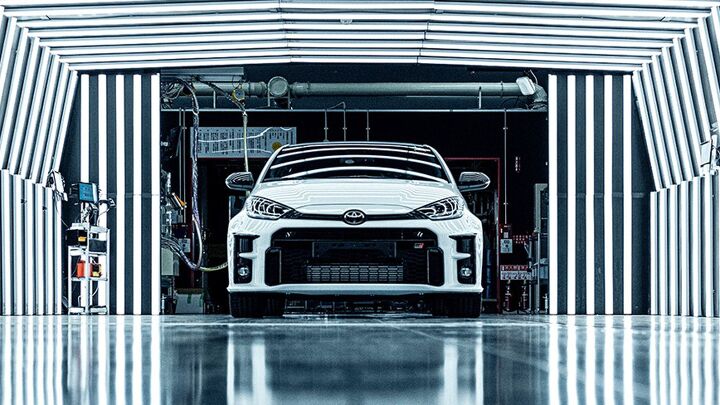
Look, we can be elitist enthusiasts about many things, but screaming into the void about how manual transmissions are the only “true” option is pointless and wrong. There are plenty of people who have legitimate reasons why owning and driving a manual-powered car would be impossible, and Toyota seems to recognize that – at least with one of its vaunted GR performance cars.
Used Car of the Day: 2001 Toyota MR2 Spyder
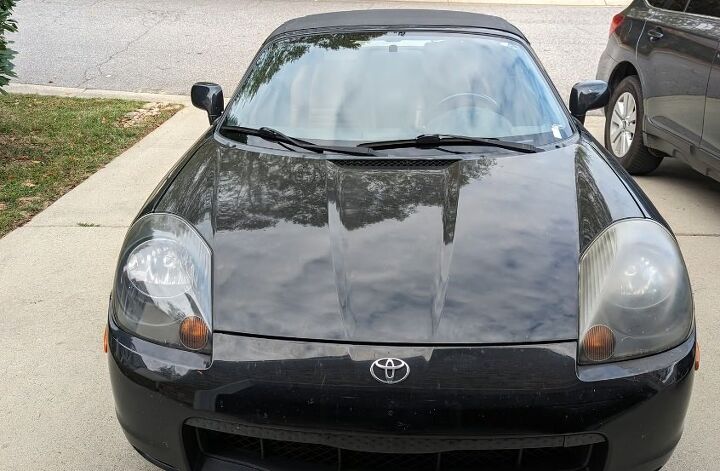
We're going back to the convertible well today with this 2001 Toyota MR2 Spyder.
2023 Toyota Corolla Hybrid Review – Sensible Shoes
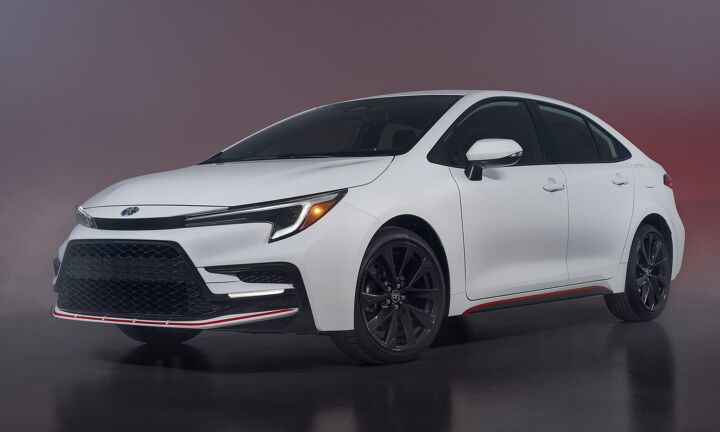
I’ve had, for whatever reason, a consistently unfavorable view of Toyota’s Corolla for quite some time.
Not an anti-Corolla bias, mind you. I kept an open mind every time I drove one. And every time I did, I felt let down. And that was before I compared the car to its rivals, such as the usually solid Honda Civic or the ever-improving Hyundai Elantra.
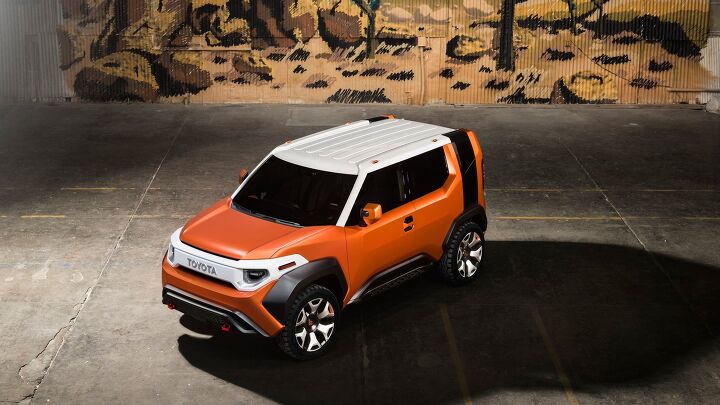
Toyota Trademark Could Preview Cool New EVs
Toyota 4Runner Fans Will Have to Wait Until 2025 for an Overhaul
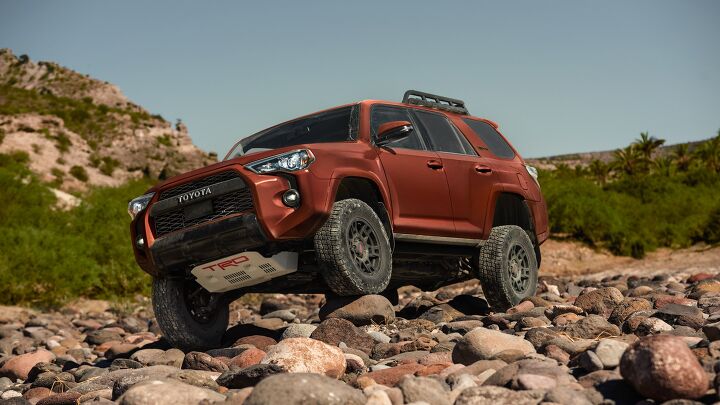
The Toyota 4Runner may be a formidable off-roader with legendary capability and longevity, but the fifth-generation model introduced way back in 2009 is far from modern or refined. That won’t change for 2024, as Toyota is not giving the 4Runner a makeover like it did the Sequoia, Tacoma, and Tundra.
Toyota Announces an Ultra-Plush Tundra 1794 Limited Edition for 2024
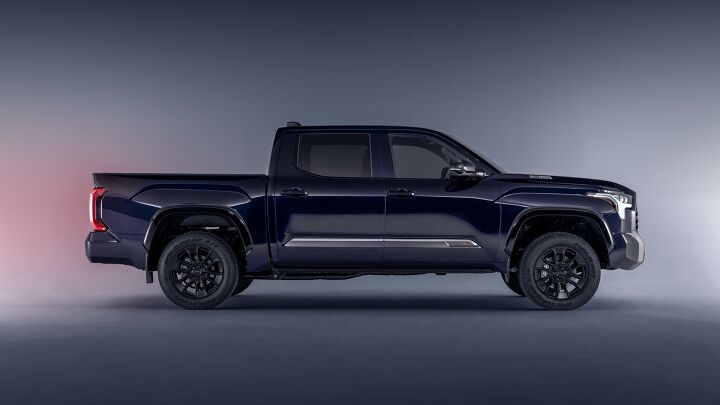
Automakers have capitalized on the American truck craze with ever more expensive luxury and off-road models. Toyota hasn’t gone as overboard as most, but its recent redesign of the full-size Tundra ushered in a new era for the auto giant. The 1974 Edition has long been a plush, leather-packed entry near the top of the Tundra lineup, but Toyota announced a new Limited Edition variant that pushes the 1794 deeper into premium territory.
2024 Toyota GR Corolla Pricing Revealed, New Trim and Performance Parts

Pricing for the 2024 Toyota GR Corolla has dropped. But that probably won’t matter much due to the fact that the model will undoubtedly be subjected to horrid dealer markups. Though that issue may be improving as Toyota ramps up production and adds a new trim that’s clearly targeting how most people were already configuring the rally inspired hatchback.
Toyota May Have Leaked the 2025 Camry UPDATED
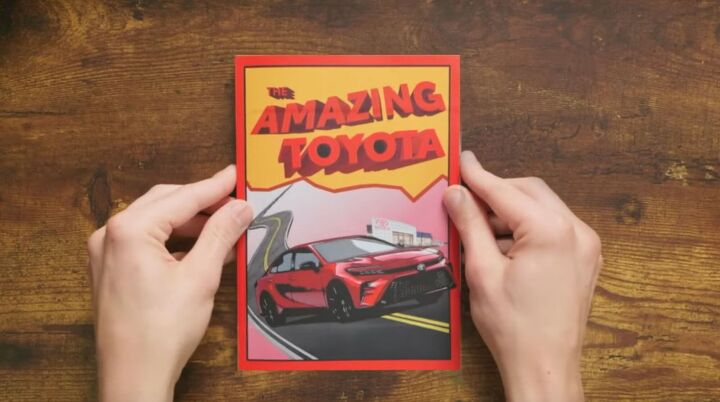
Toyota may have revealed the design of the next Camry sedan in an unrelated video. The supposed leak comes via a rather straightforward clip from the automaker explaining the difference between buying and leasing. It uses the Camry as its demonstration vehicle, usually represented by die-cast toys scaled to fit in the palm of the hand.









Recent Comments