


Rare Rides Icons: The Cadillac Eldorado, Distinctly Luxurious (Part XXIII)
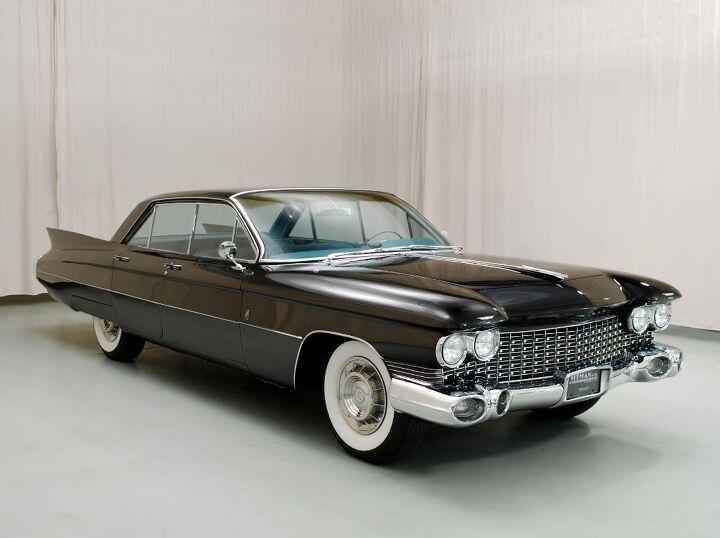
Last week we reviewed the dramatic and super finned exterior design of the 1959 Eldorado, in its two-door Seville hardtop coupe format. While its less popular convertible sibling Biarritz received matching styling in all ways except its roof, there was exclusive and different styling reserved for the third type of Eldorado: the four-door Brougham. Assembled by hand in Italy at Pininfarina, the large sedan was very rare, a last-of-type, and was a sneak peek of future Cadillacs.

Rare Rides Icons: The Cadillac Eldorado, Distinctly Luxurious (Part XXII)
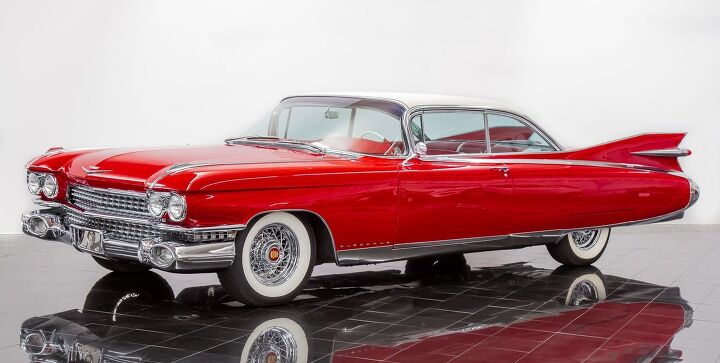
In our last installment of the Cadillac Eldorado saga, we covered the engineering and equipment advancements that arrived with the fourth generation in 1959.…
Read more
Rare Rides Icons: The Cadillac Eldorado, Distinctly Luxurious (Part XXI)
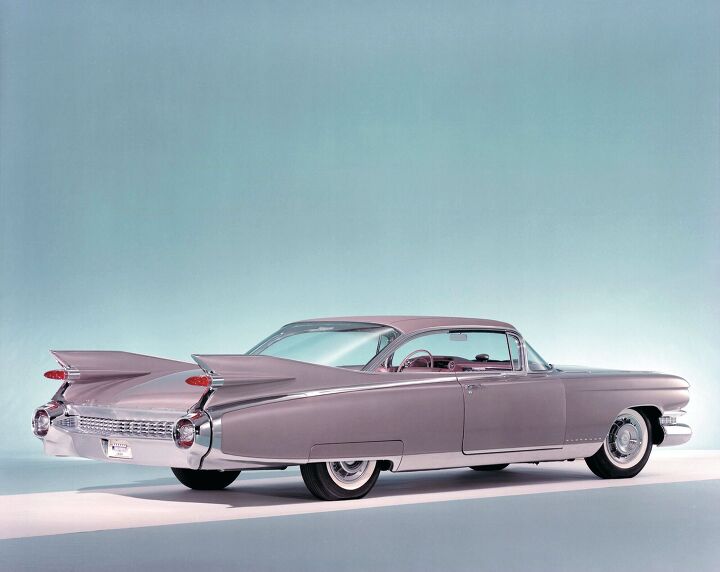
It was time for a new styling theme at Cadillac in 1959, when lead designer Harley Earl reached mandatory retirement age. Bill Mitchell, longtime right hand man and team succeeded Earl and implemented immediate styling changes. Some of those - like huge fins - were to compete with Chrysler and Imperial designs, but others were an effort at streamlining and modernization; moving away from post-War looks. Today we’ll take a look at the changes underneath these grandiose and (often) pink metallic bodies.
Rare Rides Icons: The Cadillac Eldorado, Distinctly Luxurious (Part XX)
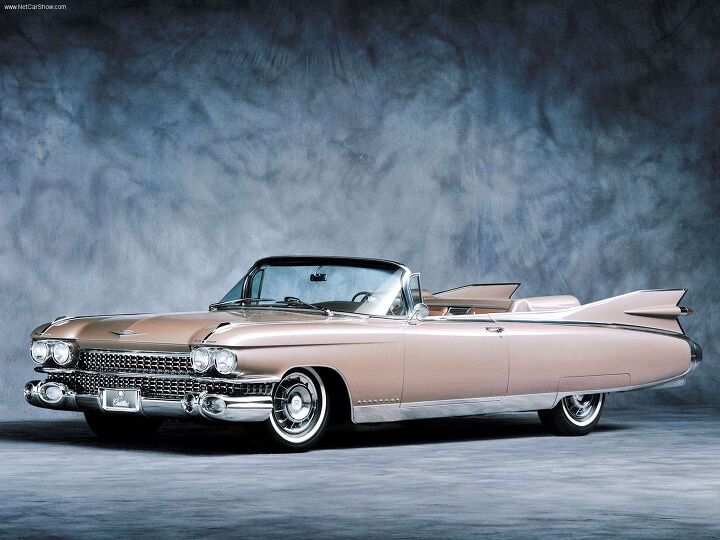
For our 20th installment in the Cadillac Eldorado series, we turn the page to 1959 and a new generation of Cadillacs. After the great success and model expan…
Read more
Rare Rides Icons: The Cadillac Eldorado, Distinctly Luxurious (Part XIX)
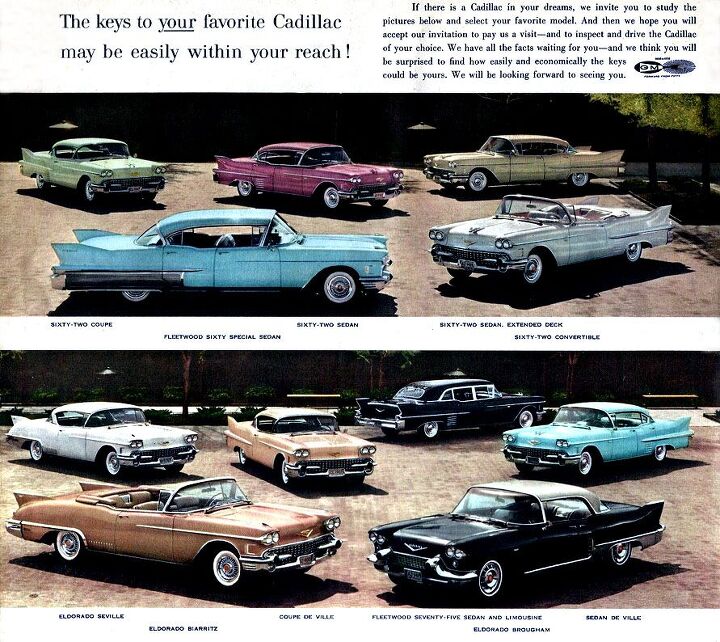
We’re back with more Cadillac Eldorado today, in our final entry on the third generation models. We spent our last installment reviewing the special and sometimes troublesome engineering that was standard on the Brougham. Since then, I discovered this April 1957 edition of The Cadillac Serviceman, GM’s in-house magazine publication for its dealer service centers. Twelve clearly scanned pages of technical and service detail await you! After reading, return here and learn about the changes made to the Eldorado line in 1958.
Rare Rides Icons: The Cadillac Eldorado, Distinctly Luxurious (Part XVIII)
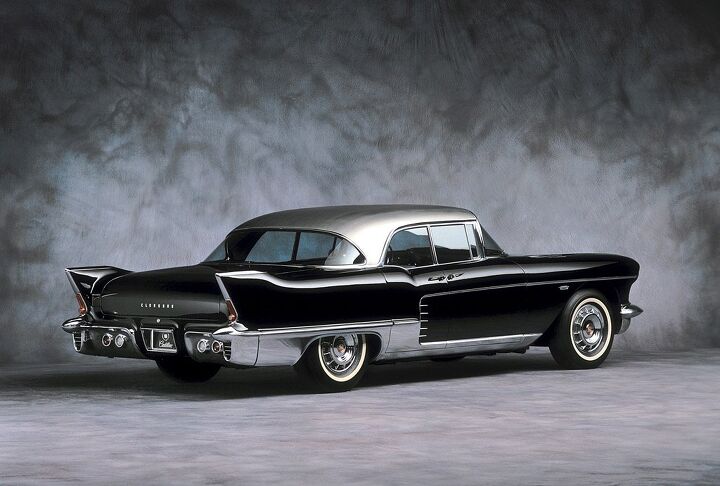
We’re back with more Cadillac Eldorado coverage this week. In our last installment (over a month ago) we reviewed the interior accouterments of the Eldorado Brougham that were far beyond the standard Eldorado. Aside from its coach door hardtop body style, the other area where the Brougham went its own way was in engineering. And some of that engineering was of the experimental variety. What could go wrong?
Cadillac's New Electric V-Series Concept is Far From a Silent EV

It was easy to make fun of Dodge and the “fake” exhaust it chose to employ on the new Charger EV, but it’s no longer the only one trying to capture the thrill of a performance gas engine with a silent electric powertrain underneath. We’ve seen “exhaust” systems for the Mustang Mach-E that mimic a V8 sound, and now, Cadillac’s getting in the game with a new concept car. While we haven’t seen a complete picture of the new electric Opulent Velocity concept, the automaker’s short teaser film let us hear the car, which sounds somewhere between a spaceship and an eight-cylinder’s roar.

Rare Rides Icons: The Cadillac Eldorado, Distinctly Luxurious (Part XVII)
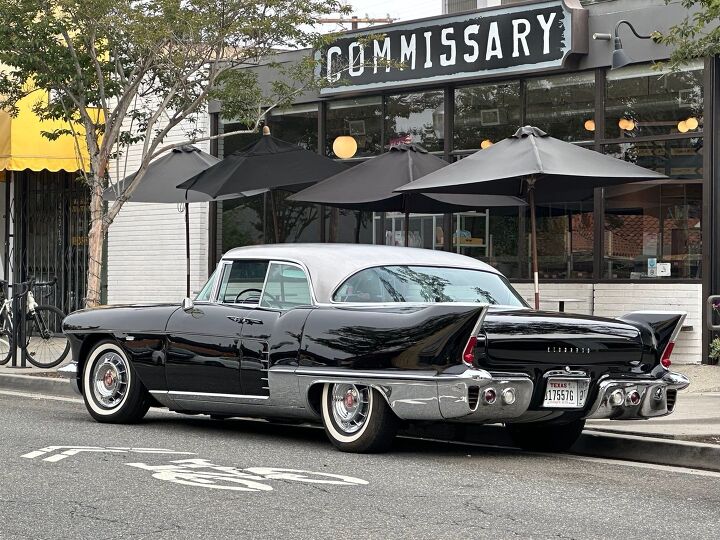
In our last installment of Rare Rides, we checked out the interior changes Cadillac’s engineers and designers made for the new and improved third generation Eldorado in 1957. And while the interior of the standard Eldorados that year was largely shared with the rest of the Cadillac lineup, there was an exception: Eldorado Brougham. Like we saw previously with the Brougham’s mix-and-match approach in use of old and new exterior styling cues, the interior went its own direction as well.
Rare Rides Icons: The Cadillac Eldorado, Distinctly Luxurious (Part XVI)
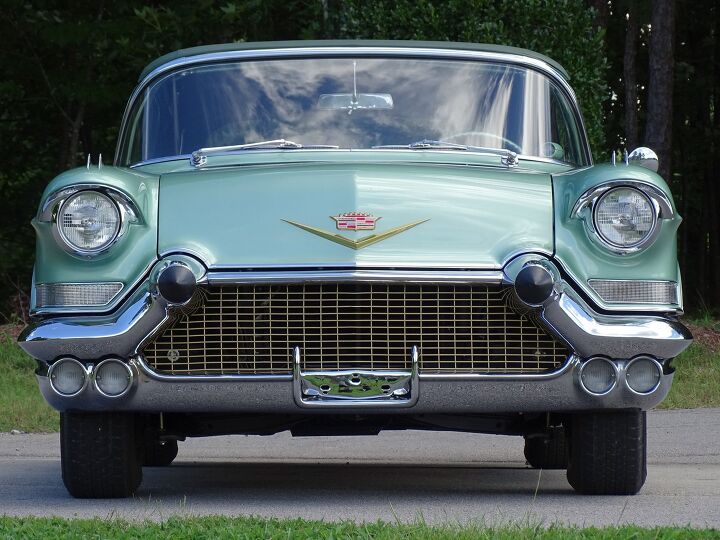
We spent our last installment reviewing the more modern exterior styling of the 1957 Eldorado Seville, and new-yet-dated looking Eldorado Brougham. Those two followed our coverage of the Eldorado Biarritz, which was unable to adopt Cadilac’s 1957 roof and pillars design because of its canvas roof. This week we step inside the Eldorado, and see how removed it was from the 1956 models.
Junkyard Find: 1995 Cadillac Sedan DeVille St. Tropez Edition

Special editions! Who doesn't love big Detroit sleds with exclusive badging, say a numbers-matching Phoenix Open Cutlass Supreme or a genuine Frank Sinatra Imperial? Those special editions are even more exclusive when created by a dealership, and that's what we've got for today's Colorado Junkyard Find.

Rare Rides Icons: The Cadillac Eldorado, Distinctly Luxurious (Part XV)
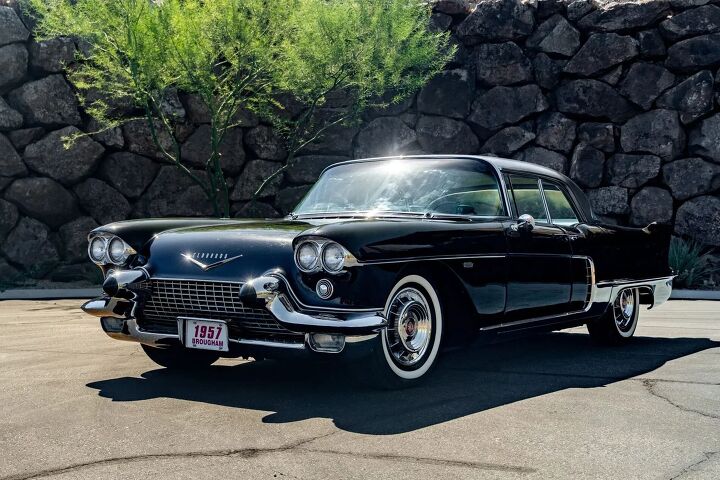
Last week in our Cadillac Eldorado saga, we covered the visual updates in the new-for-’57 Eldorado Biarritz. Part of a styling revision across the line at Cadillac that year, the Eldorado in particular drifted away from the bulbous fenders and tall hood shapes that were a hallmark of post-WWII American car design. But there were two more Eldorados in 1957! One of them looked more daring than the Biarritz, and the other looked almost like it was from the past.
Rare Rides Icons: The Cadillac Eldorado, Distinctly Luxurious (Part XIV)
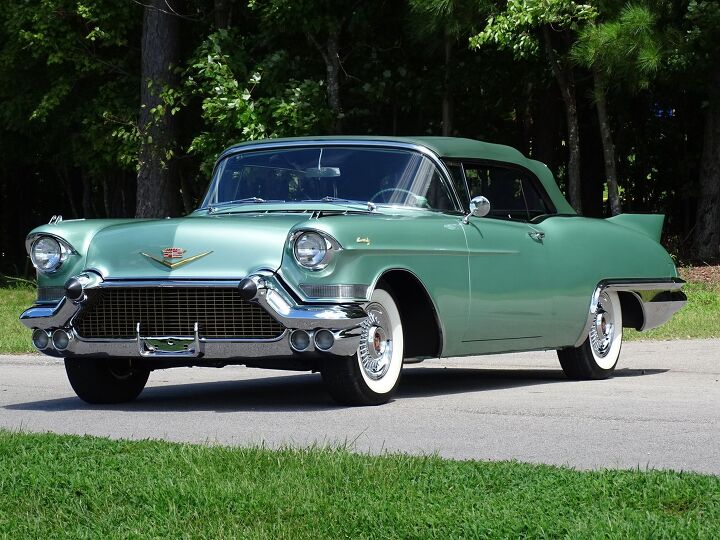
As we learned in our previous installment, the third generation Eldorado debuted in 1957 with a daring new X-frame chassis design. Launched across the entire Cadillac lineup that year, the X-frame would become controversial in short order due to safety concerns in side-impact crashes. Up top, Cadillac decided to make less controversial styling changes on the 1957 Eldorados. Designers advanced a styling theme that would reach its fin-happy and chrome bedazzled crescendo a couple of years later.
Cadillac to Refresh the CT5-V and CT5-V Blackwing for 2025
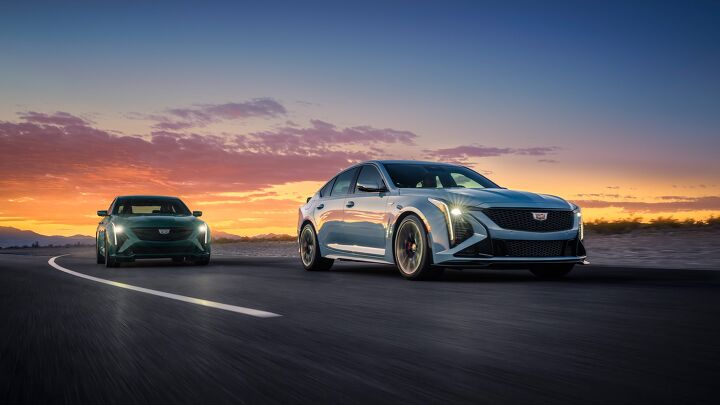
Cadillac will soon be an electric automaker, but before it’s got some tricks left before it makes the leap completely. The company recently revealed the 2025 CT5-V and CT5-V Blackwing with refreshed exterior styling, an updated interior and new features.
Rare Rides Icons: The Cadillac Eldorado, Distinctly Luxurious (Part XIII)
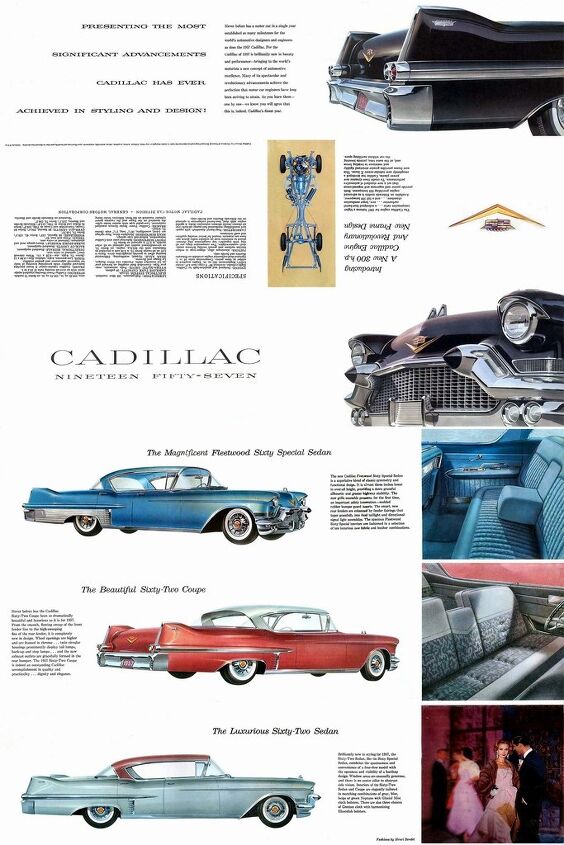
As we learned in our last installment, the Cadillac lineup was revised visually for 1957, and would be revised again in 1958 once quad headlamps became legal. Fins grew, hoods smoothed, roofs leaned backward, and there were more Eldorado variants than ever before. But styling and lineup changes weren’t the only new features in 1957: Cadillac was also eager to tout its Standard of the World engineering, safety, and engine advancements!
Rare Rides Icons: The Cadillac Eldorado, Distinctly Luxurious (Part XII)
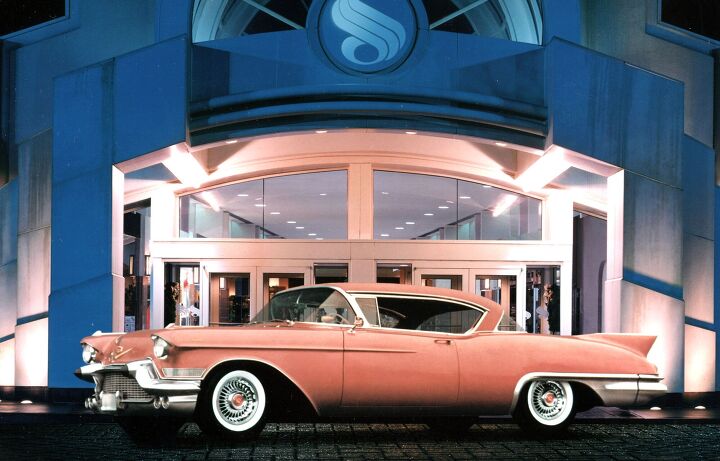
The second generation Cadillac Eldorado was met with immediate sales success after its repositioning from a halo vehicle to a more affordable upmarket trim package in 1954. Expanding upon the success in its third and final model year, the second-gen Eldorado sprouted a new body style (a hardtop coupe) called Seville in addition to the mainstay convertible sibling christened Biarritz. In 1958 it was time for all-new Eldorado(s), in a moment that would see the nameplate expand into a small lineup in two very distinct price brackets. Time for model range detail!
Rare Rides Icons: The Cadillac Eldorado, Distinctly Luxurious (Part XI)
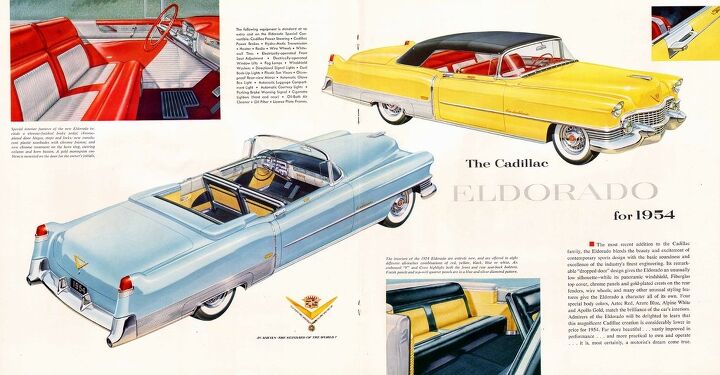
The product people at Cadillac made a crucial decision early in the Fifties with regard to the positioning of the second generation Eldorado: It would be less expensive, and less special. The unique content of the exclusive limited-run 1953 Eldorado meant it had a stratospheric price that put it out of reach for the vast majority of consumers. The subsequent 1954 Eldorado appeared with a more reasonable price, and was a fancy trim package atop the new Series 62 convertible. Sales skyrocketed, and the trajectory for the remainder of the second generation was set!
Q-Tip: Cadillac Introduces 2026 Vistiq
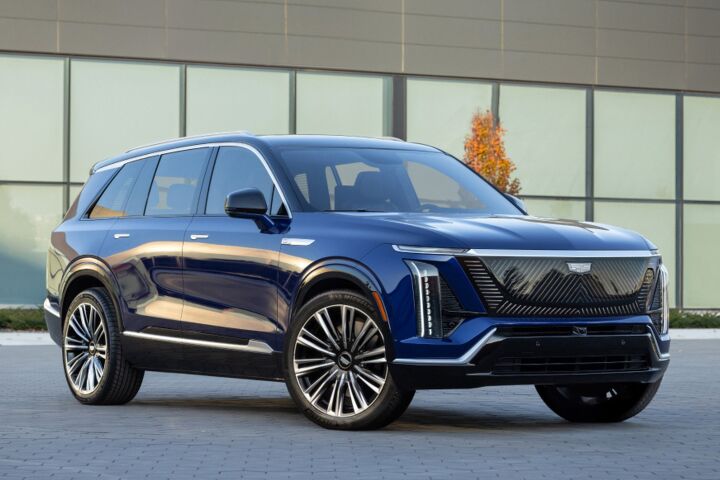
The onslaught of all-electric vehicles into the Cadillac lineup continues unabated with the introduction of this, the three-row Vistiq.

Rare Rides Icons: The Cadillac Eldorado, Distinctly Luxurious (Part X)
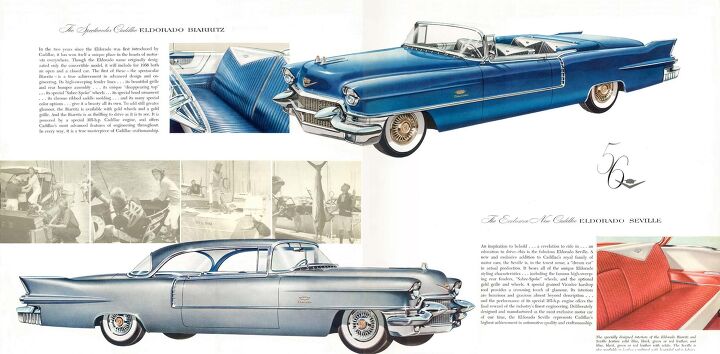
When it debuted in its second generation guise for the 1954 model year, the Cadillac Eldorado changed its approach from low-production halo car to expensive trim package. The new take and lower price resonated with consumers and sales jumped immediately. Boldened, in 1955 a refreshed Eldorado appeared with a new rear end treatment that featured large fins not found on other Cadillac models. Upon the Eldorado’s return to (partially) unique styling, sales nearly doubled. Cadillac wanted more, and so for its final second generation outing in 1956 Eldorado was expanded into a new body style and two luxurious new trim names.
Rare Rides Icons: The Cadillac Eldorado, Distinctly Luxurious (Part IX)
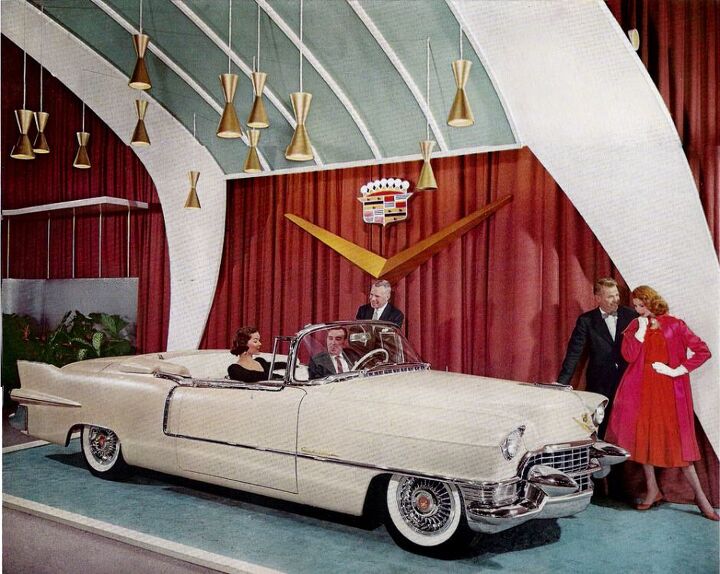
We return to our Rare Rides Eldorado coverage this week, after a thorough review of the exterior and interior of the new-for-’54 Eldorado. The new model was meant to continue the excitement of the limited-run, very expensive 1953 Eldorado at a price that was notably more affordable to the American luxury car buyer. A more cynical take on a halo convertible, the 1954 went without any unique styling and instead focused on trim and badges to differentiate it from the garden variety Series 62 convertible upon which it was based. Normally this is the point where we’d talk about trims, but there weren’t any at the second Eldorado’s debut. It was not until after the model became a sales success that Cadillac debuted more variants.
Cadillac Confirms the Compact 2025 Optiq Electric SUV
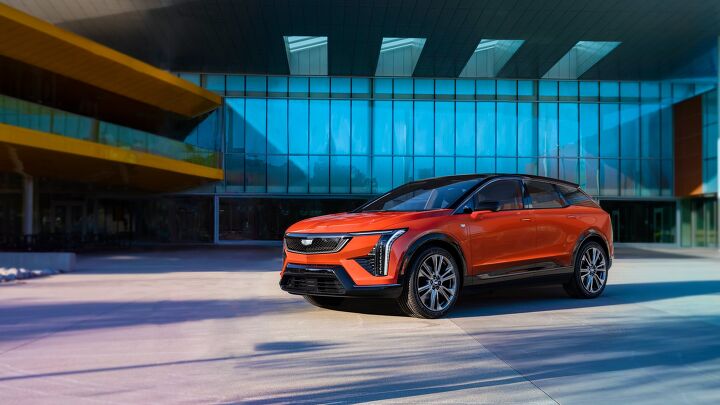
Thanks to GM’s investments in electrification, Cadillac is accelerating its EV development and has confirmed another new gas-free model coming in 2025. The Optiq will enter the automaker’s lineup as a compact electric SUV, slotting in beneath the Lyriq and flagship Escalade IQ.
Rare Rides Icons: The Cadillac Eldorado, Distinctly Luxurious (Part VIII)
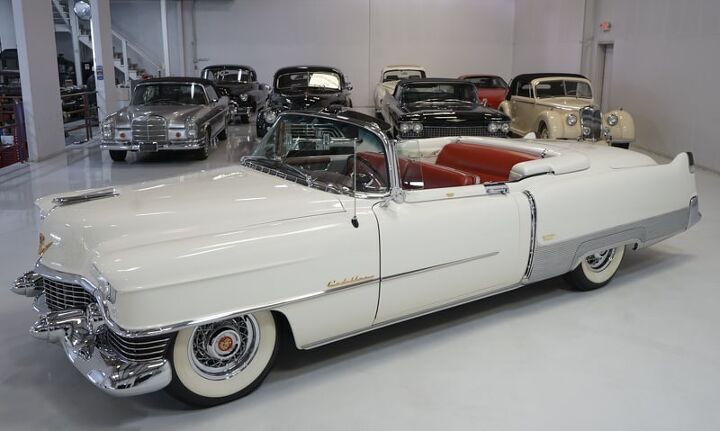
In our last installment of Rare Rides Icons, we noted exterior visual differences between the Eldorados of 1953 and 1954. While the first Eldorado wore bodywork unique to the model, the second generation relied on trim and some badging to justify its price increase over the lesser Series 62. Today we slide into the Eldorado’s leather-clad interior to see how things fared in the transition to a mass-produced model.
Rare Rides Icons: The Cadillac Eldorado, Distinctly Luxurious (Part VII)
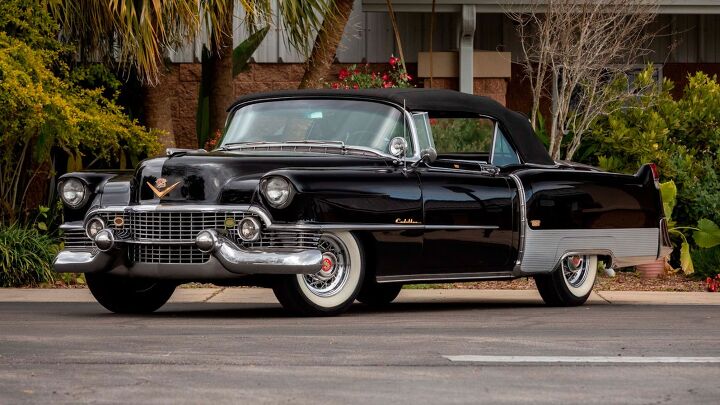
We return to the Cadillac Eldorado saga today by popular demand. In our last entry, we delved into the engineering and platform changes that arrived for the entire Cadillac line in 1954. In short, the same C-body platform continued in use for Series 62, Sixty Special, and Eldorado with new bodywork and additional standard features. Eldorado was repositioned in ‘54 to become mass market, and lost its unique styling. That meant visual differences between it and the lesser Series 62 convertible were down to pieces of trim.
GM Returns to Europe With Electric Crossovers
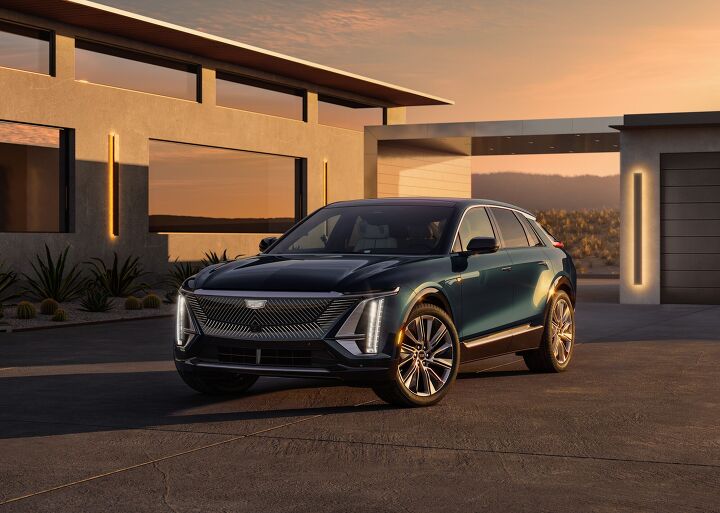
In 2017, General Motors sold Opel and Vauxhall to Frances PSA Group — which later merged with Fiat Chrysler to form Stellantis — basically ending its involvement with the European market. However, the company vowed a return in 2023 and that’s now taking place in Switzerland.

FIA Approves Andretti and Cadillac for Formula One
The Federation Internationale de l'Automobile (FIA) has confirmed that Andretti Formula Racing LLC has been granted approval to join Formula One. While Micheal Andretti first announced plans to have the family racing team join the F1 grid in 2022, FIA hadn’t taken the matter under serious consideration until the following year.
The FIA officially launched an application process to identify prospective teams by early 2023. Knowing that F1 was eager to continue drawing fans in the United States, Andretti immediately announced a partnership with Cadillac. We previously speculated that being backed by General Motors would make all the difference for Andretti Autosport.
2023 Cadillac Escalade V-Series Review – The Fun of Wretched Excess
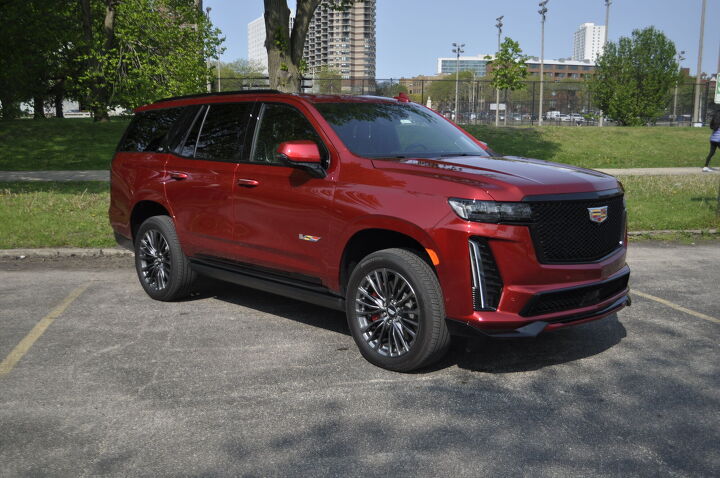
No one, but no one, needs a 2023 Cadillac Escalade V-Series.
Sure, some folks can make a reasonable argument for needing a large SUV for towing or hauling people and stuff. Far fewer people who drive these things need them rather than want them, but there is a use case.
Not for the V.

Rare Rides Icons: The Cadillac Eldorado, Distinctly Luxurious (Part VI)
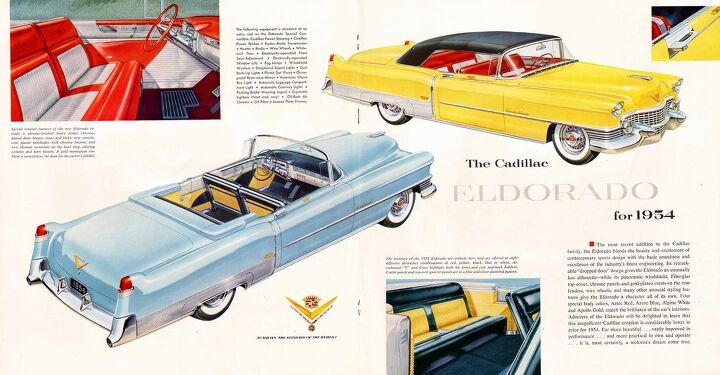
As we learned in our last installment, when the second generation Eldorado debuted in 1954 it was repositioned at Cadillac. No longer was it an ultra expensive and largely hand-built conveyance for a select few who could afford it. Rather it appeared as a sort of premium trim package on top of the company’s bread and butter Series 62. No unique body panels, no special interior design, no single-model windshield. Was there much left to differentiate Eldorado from its sibling?
Cadillac Reveals Details on the 2025 CT5
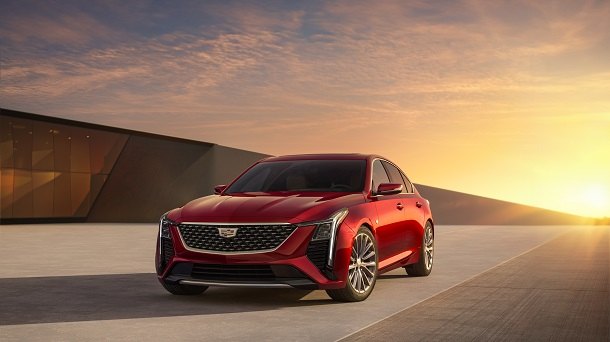
The Cadillac CT5 is getting an overhaul for 2025, bringing revised interior and exterior styling, new tech, and more standard safety features. The car’s powertrain remains unchanged, and there’s no word yet on a performance variant, but the updated sports sedan should still be compelling enough to be competitive in the new world of electrification.
Rare Rides Icons: The Cadillac Eldorado, Distinctly Luxurious (Part V)
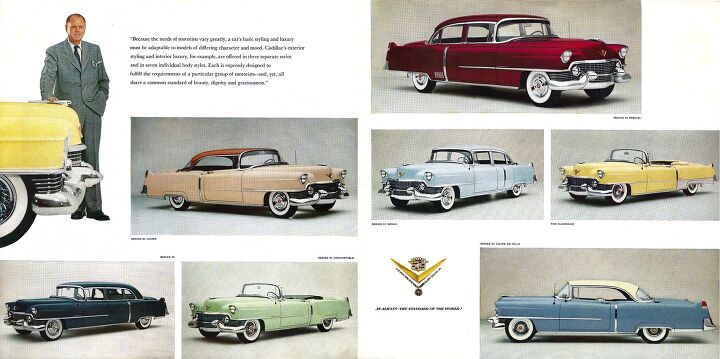
Of the three high-dollar, limited-production two-door convertibles GM debuted in 1953, Cadillac’s Series 62 Eldorado was far and away the most expensive. With its drop-door styling, a loaded interior covered in additional leather, and a sky-high $7,750 price tag, Eldorado was out of the reach of the majority of consumers. And though it sold only 532 examples, GM felt the model’s future was bright. That is if they could just cut the asking price down to something more reasonable. Enter the all-new 1954 Eldorado, swimming in a sea of fins.
Rare Rides Icons: The Cadillac Eldorado, Distinctly Luxurious (Part IV)
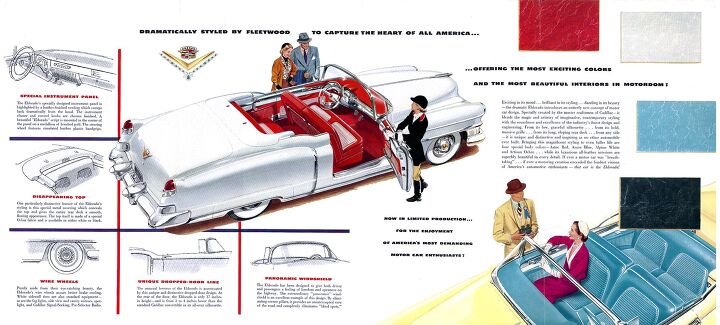
In our last Eldorado entry, we discussed the exterior differences between Cadillac’s standard Series 62 convertible and the limited production Eldorado. Visual differences were few, and limited to a revised window line via “drop door” sheet metal, and a wraparound windshield that was fitted only to the Eldorado in ‘53. There were interior differences too, though they didn’t quite add up to the “specially designed instrument panel” claim in the marketing.
Rare Rides Icons: The Cadillac Eldorado, Distinctly Luxurious (Part III)
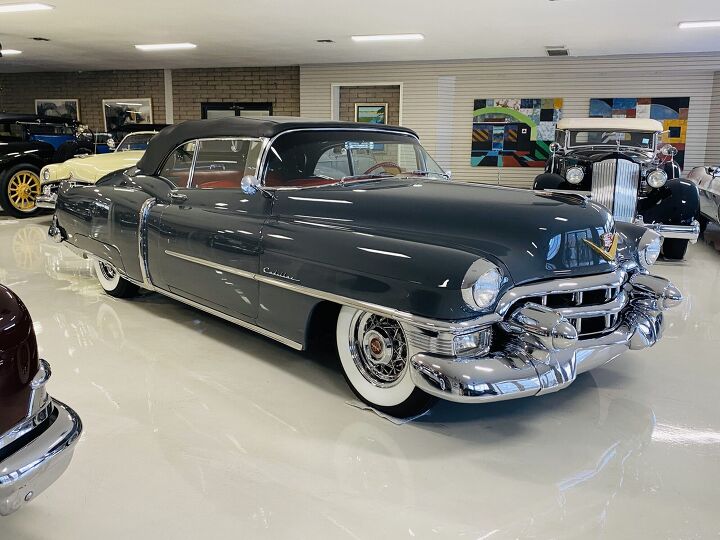
We discussed the engineering underneath 1953’s trio of high-end halo convertibles from Buick, Oldsmobile, and Cadillac last week. All three used different wh…
Read more
2023 Cadillac CT4 V-Series Blackwing Review – Here to Play
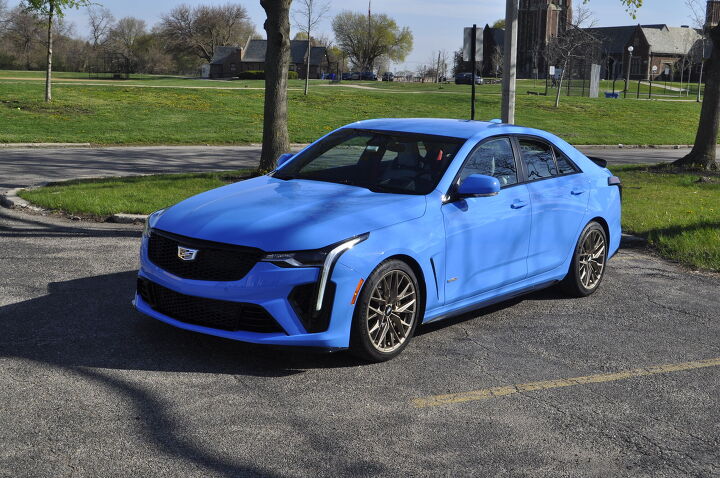
At first, I didn’t like the 2023 Cadillac CT4 V-Series Blackwing. I found it a little too stiff riding and I wasn’t sure the chassis was as well sorted as it should be.
Then I found the space to open it up. Whoo boy.
My initial take faded away as I realized that this is a car that needs to be allowed to play.
Rare Rides Icons: The Cadillac Eldorado, Distinctly Luxurious (Part II)
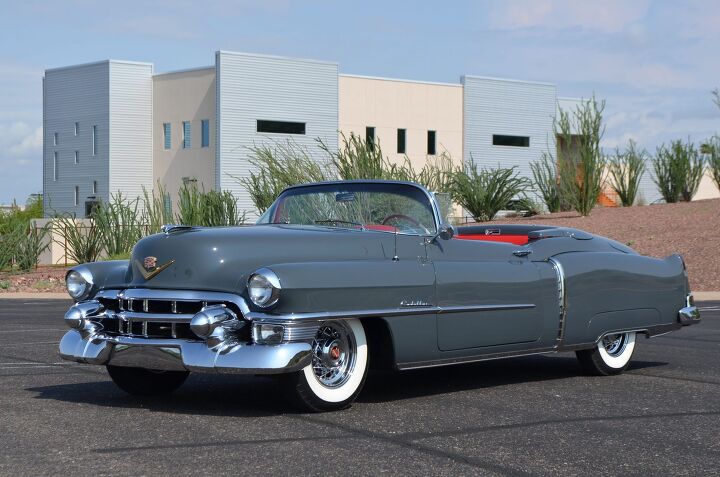
We began our journey through 50-plus years of the Cadillac Eldorado last week. Conceived as a new high-end convertible in the years leading up to the personal luxury car, the Series 62 Eldorado “sports convertible” wore unique sheet metal to all other Cadillac models in 1953. Joined that year by the Oldsmobile Ninety-Eight Fiesta and Buick Roadmaster Skylark, the trio represented GM’s new high-cost, low-volume halo convertible experiment. Unlike later examples of two-door vehicles from the three most expensive GM brands, these three were not the same underneath.
2023 Cadillac CT4 Review – The Cure for the Common Bimmer?
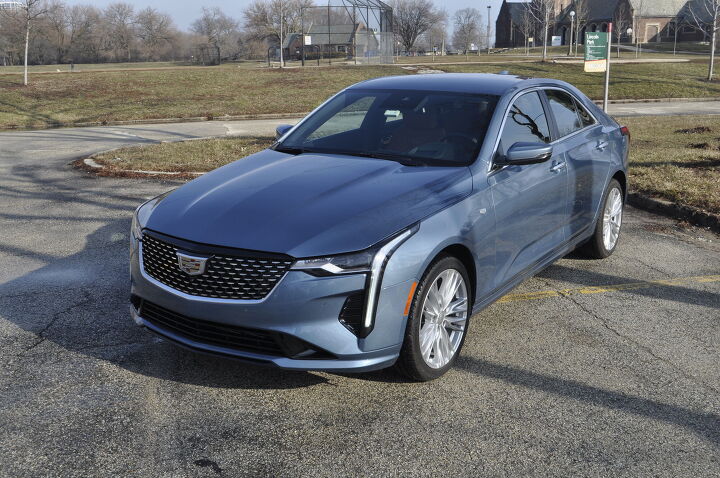
Last week I wrote about a BMW 3-Series that reminded me of Bimmers of the past, at least in terms of being fun to drive. I also pointed out that it was a relative bargain.
The 2023 Cadillac CT4 heard that and said “hold my beer.”
Rare Rides Icons: The Cadillac Eldorado, Distinctly Luxurious (Part I)
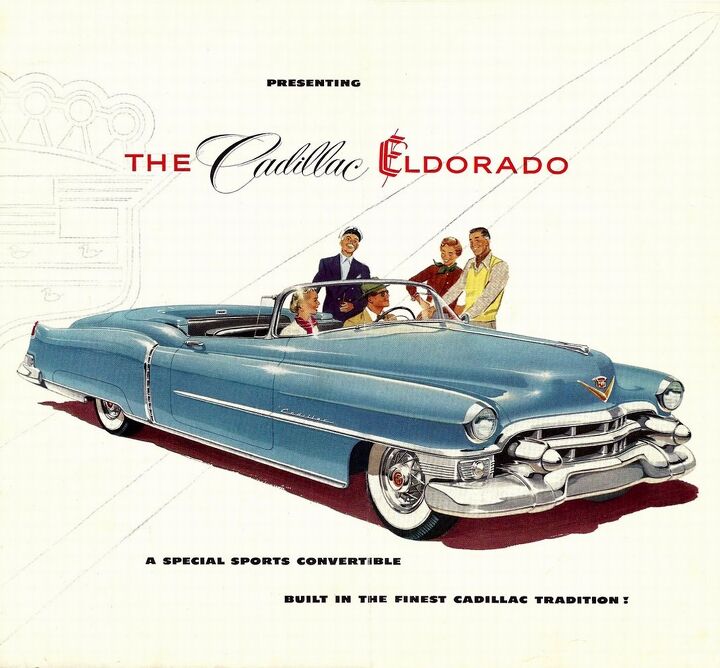
After completing our extensive Rare Rides Icons coverage of every Lincoln (Continental) Mark between 1939 and 1998, it seems only fair we cover the Mark’s arch-rival in a similar fashion. Though the General Motors competition arrived long after the Continental name was applied to a Lincoln, its history is equally varied and interesting. Come along as we learn about another luxurious subject: the Cadillac Eldorado.
The 2025 Cadillac Escalade IQ Gets Impressive Tech and a Six-Figure Starting Price
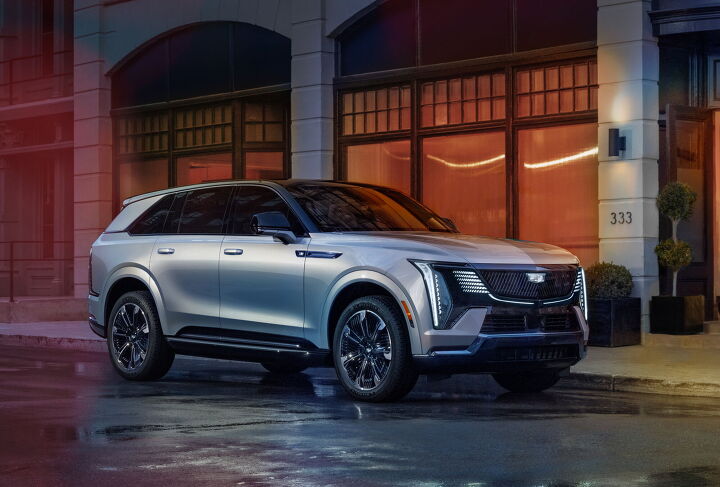
There are Cadillacs, and then there’s the Escalade. The hulking luxury family hauler has been around since the late 1990s and has become a showcase for the automaker’s technology and design prowess, but GM is going electric, and a three-ton V8-powered SUV doesn’t fit with that vision. Of course, Cadillac couldn’t just drop the Escalade, so it’s going electric with the 2025 Escalade IQ, an impressive and expensive EV that looks every bit as deluxe as its liquid dinosaur-guzzling counterparts.
QOTD: Can the Cadillac Celestiq Compete?
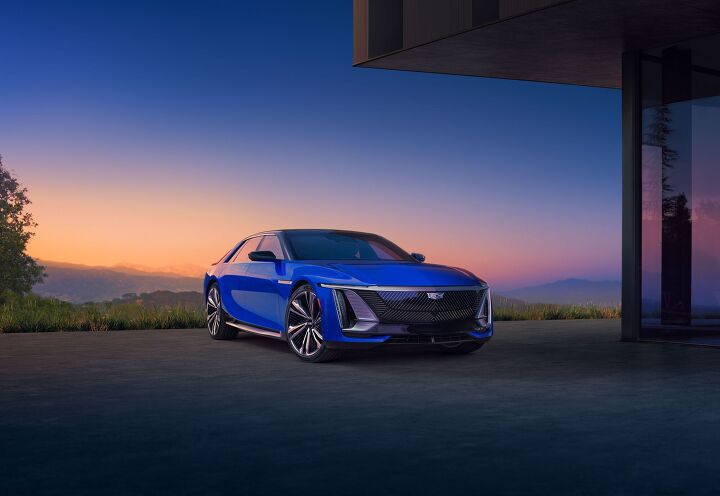
The official Cadillac Celestiq pricing is out, and the car will start at around $340,000.
Cadillac Escalade IQ Reveal Set for August
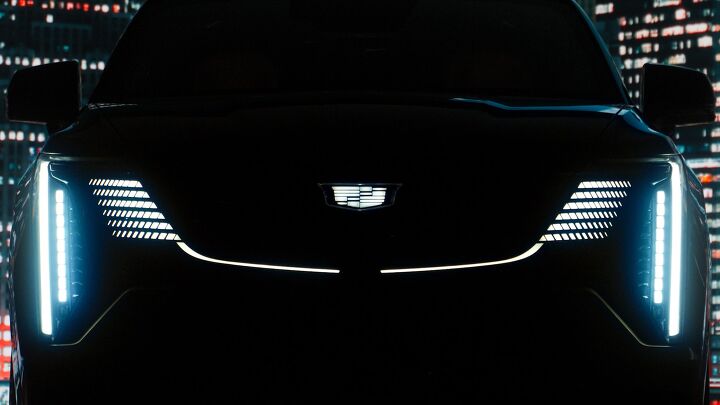
GM is making good on its promise to exit this decade with Cadillac offering a portfolio of fully electric vehicles. To date we’ve seen the Lyriq and uber-lux Celestiq; next up, the Escalade IQ.
Escalade IQ on the Horizon at Cadillac
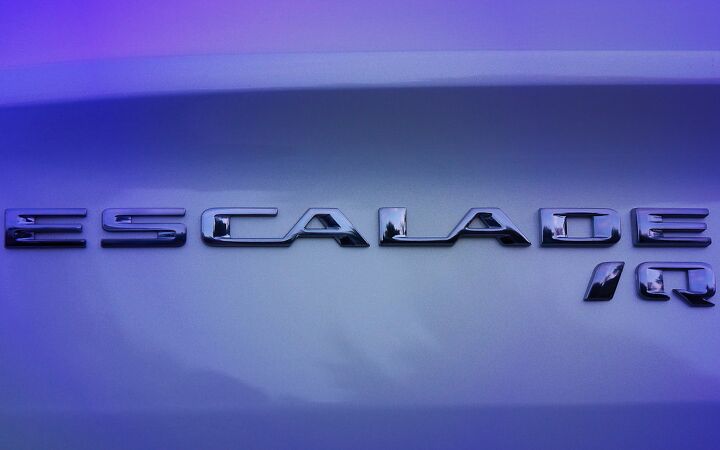
Readers who are fully caffeinated will recall Cadillac’s promise to exist this decade as a purveyor of electric-only vehicles. With the Lyriq already out in the wild and Celestiq in the hopper, plus a mysterious Vistiq and Lumistiq waiting in the wings, it doesn’t take an MBA in marketing to figure out Cadillac’s new naming scheme.
Except for one: Escalade. There’s a ton of brand equity in that name, so changing it to Escaladiq would likely cause weeping in the corner offices of RenCen. How about Escalade IQ, then?
Cadillac Super Cruise Mini Review
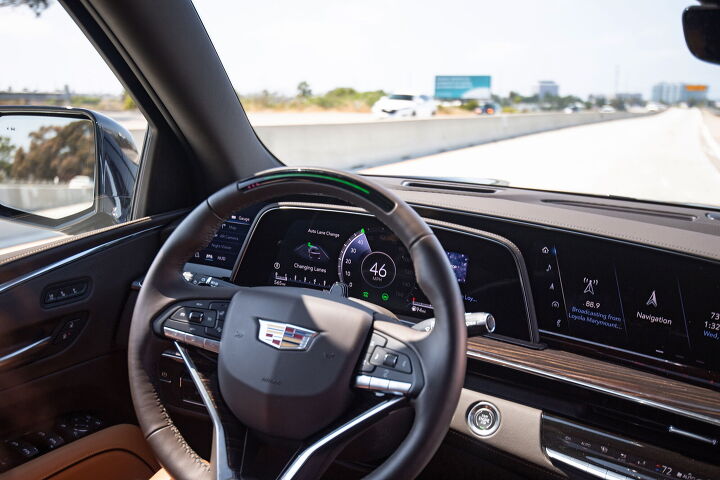
I’ve tested Cadillac’s Super Cruise twice this year, and I had my first taste of Ford’s BlueCruise autonomous system last year.
As a journalist who covers the automotive industry, I have plenty of opinions about autonomous driving – mainly, I don’t believe we’ll see full Level 5 anytime soon. As a journalist who’s also been able to actually test AV systems, I have come to the conclusion that for now, at least, using an AV system leaves you with very mixed feelings. Especially if you’re a car enthusiast and not someone who merely uses your car as a means of conveyance.
Cadillac's Accessories Website Hints at Upcoming Lyriq-V

The Lyriq is just reaching owners’ driveways, but we’re already hearing rumors that Cadillac is brewing a hotter Lyriq-V. Cadillac Society reported that the automaker is overhauling the Lyriq trim structure for 2024 and found that the automaker’s accessories website contains parts for a Lyriq-V.
QOTD: Checking in on Hands-Free

I or another staffer has probably asked this QOTD before, and it will probably come up again, but hands-free driving is fresh in my mind.
Used Car of the Day: 2005 Cadillac XLR

Do you want a Cadillac Corvette but your bank account isn't fat? Take a gander at this XLR.
Andretti Global, Cadillac Team Up for Shot at F1

Cadillac announced today that it is going to pair with Andretti Global to make a run at competing in Formula 1.
Watt's Up for the Week of 12/16/2022

As the best-selling vehicle in the U.S. and very nearly a brand (if not an entire economy) unto itself, major news about the Ford F-series pickup is almost always going to be the most significant automotive news of a given week – but, while there is huge F-150 news this week, the Blue Oval brand is going to have to take a back seat to this shocker: For the first time in well over a decade, the cost of making an EV battery has gone UP.

TTAC Throwback: 1983 Eldorado Biarritz

For generations of drivers, a Cadillac Eldorado was the ultimate expression of prestige and luxury. Driving one meant you were a person of affluence and good taste.


Opinion: Cadillac is Making a Mistake With the Ultra Luxurious 2024 CELESTIQ, a $300,000-plus Liftback

As we just reported, Cadillac has just released some more information about their upcoming flagship, the elegantly named and always capitalized CELESTIQ. Set to arrive for the 2024 model year, Cadillac promises its new halo five-door will be unlike any EV ever built previously, and single-handedly restore Cadillac to its former “Standard of the World” status. I really don’t think so.
Cadillac Celestiq & Rolls-Royce Spectre: Huge EVs With Price Tags to Match
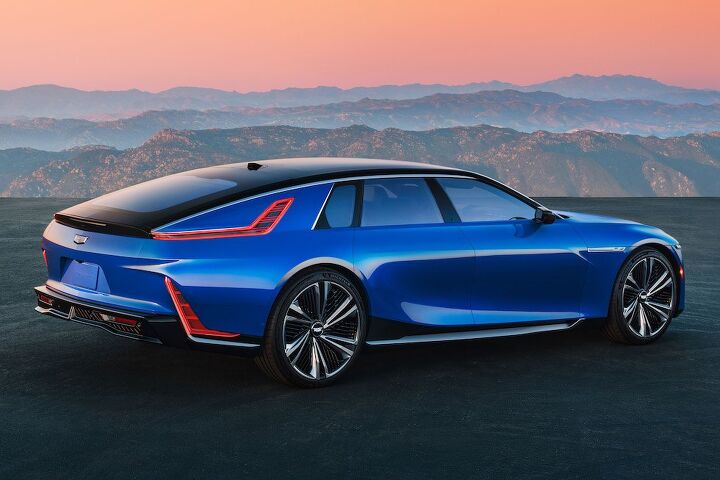
It isn’t every day that Cadillac and Rolls-Royce release – within hours of each other – vehicles which may very well be going toe-to-toe for the same moneyed customer. If you’re a one percenter with designs on placing an enormous EV in yer fleet (one that is decidedly not an SUV), then there soon will be a brace of new options.
TTAC Rewind: 2015 Cadillac XTS Vsport

Hey, Editor Tim here -- we're trying something new. Keep an eye out each Sunday morning for a review from the past, chosen more or less arbitrarily, for you to peruse over your morning coffee.
QOTD: Which Celestiq Trim Should Be Which?

Earlier this week, we reported on GM filing for four trademarks for trim levels for the upcoming Cadillac Celestiq.
We mentioned that it was unclear which trim level would be which.
GM Files For Trademarks For Four Cadillac Celestiq Trims
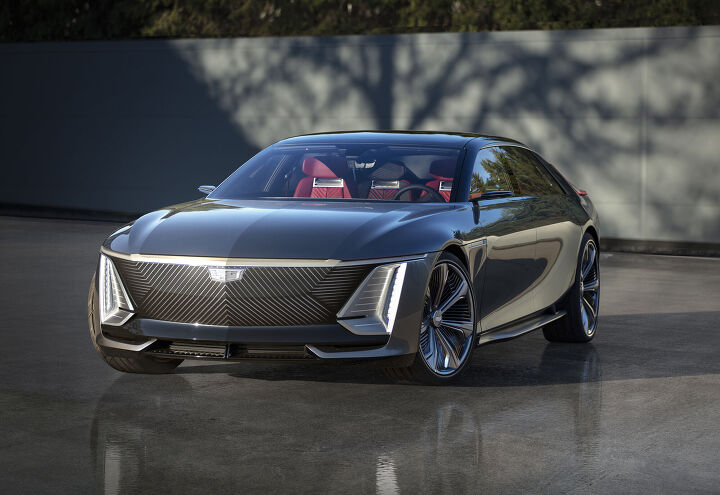
General Motors has filed for four trademarks with the United States Patent and Trademark office.
The trademarks are believed to be related to trim-level names for the upcoming Cadillac Celestiq EV.
Report: GM Requiring Customers to Spend $1,500 for OnStar

General Motors is reportedly making OnStar standard equipment for all new Buick, Cadillac, and GMC models. However, it's also been alleged that the company will be forcing customers of those brands into a three-year subscription for the "Connected Services Premium Plan" that'll cost roughly $1,500 and represent the latest example of how automakers are leveraging subscription fees to improve their overall profitability.
Cadillac Celestiq Restoring Brand's Moxie
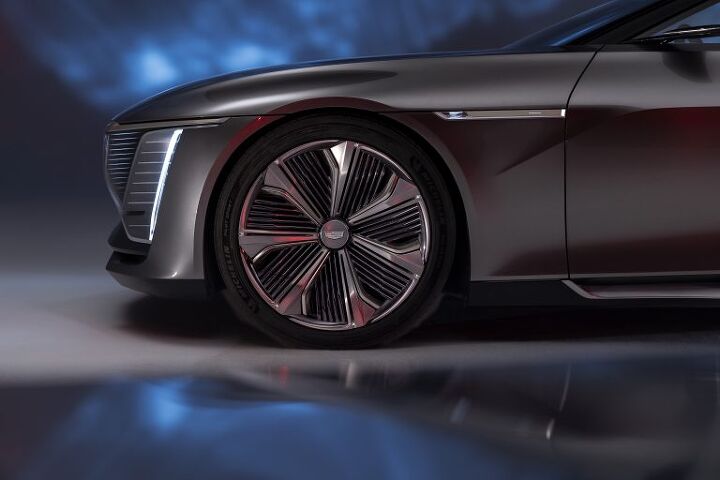
Cadillac has been meticulously stoking the fires of the hype train of the Celestiq to ensure the model has a full head of steam before its debut on July 22nd. The forthcoming flagship model is rumored to become the most expensive product in the luxury brand’s 120-year history and will bring back a level of opulence not seen on American cars since the golden era of the 1950s.
Frankly, it sounds like General Motors may be setting expectations a little high — especially since the last handful of Cadillacs haven’t exactly been able to check the luxury box with the kind of gusto necessary for a nameplate that’s supposed to specialize in providing exactly that. The brand’s best offerings now tend to be focused more on performance than comfort and are accompanied by sporting names that include terms like “Blackwing” and “V.” But that may soon change if the latest teasers of the Cadillac Celestiq are anything to go buy, as the company seems to be returning to its roots.
General Motors Eyes AI for Vehicle Inspections

General Motors is looking into using artificial intelligence — AI — as part of its vehicle-inspection process.
GM has made an investment in Israeli startup UVeye, a company that makes vehicle diagnostic systems.
Cadillac EVs May Be Bound for Europe

In 2017, General Motors bowed out of the European market. The tactical retreat came after nearly two decades of struggling to make the region profitable and freed up cash the company could use to expand more profitable endeavors located elsewhere. This basically entailed widening its footprint in China, eliminating modestly sized passenger vehicles from its North American lineup, and setting aside any extra money for electric vehicle development. However, the automaker’s Western clientele has been slower to embrace EVs than hoped, even with gas prices becoming astonishingly high, and market analysts expect the United States to be the very last developed nation to see alternative powertrains go mainstream.
One possible solution for this conundrum is to sell those all-electric vehicles elsewhere — namely Europe.
Abandoned History: General Motors' Turbo-Hydramatic Transmissions (Part III)
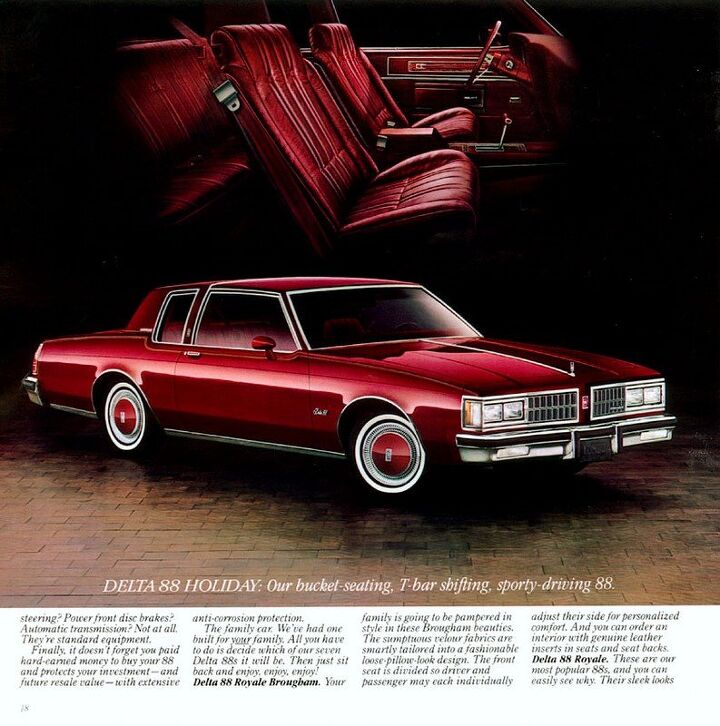
We return to the Turbo-Hydramatic once more today, and our third installment sees us at a critical point in the timeline of the automatic transmission. Fuel economy pressure from the government and performance demands of the consumer increased considerably in the intervening years since the THM’s debut in 1964. That meant the creation of lighter, more compact, and cheaper versions of the Turbo-Hydramatic compared to its flagship shifter, the THM400. GM branched out into the likes of the THM350, THM250, and the very problematic THM200.
In 1987, GM stepped away from the traditional THM naming scheme and switched to a new combination of letters and numbers. Number of gears, layout, and strength combined to turn the THM400 into the 3L80. But the hefty gearbox was already limited by then to heavier truck applications; passenger cars moved on to four forward gears after the dawn of the Eighties.
Abandoned History: General Motors' Turbo-Hydramatic Transmissions (Part II)
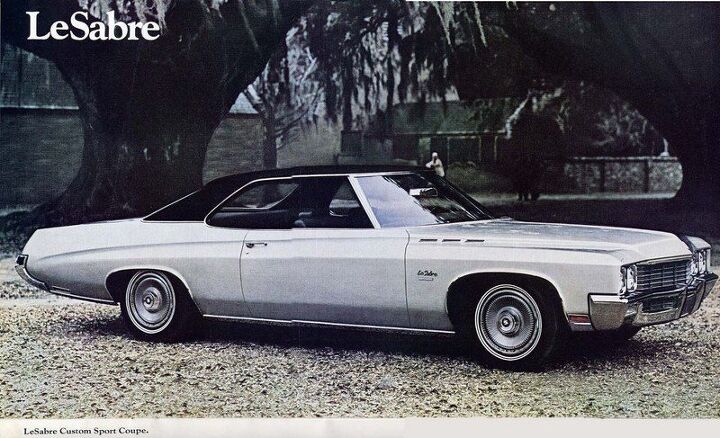
Our Abandoned History coverage of the Turbo-Hydramatic transmission series continues today. The THM was a singular solution to two different automatic transmissions in use by Oldsmobile, Cadillac, and Buick in 1963. Turbo-Hydramatic arrived at a time of modernization for the automatic, which prior to the mid-Sixties was regarded as inefficient and less than smooth.
The THM400 was the 1964 replacement for the Hydra-Matic and Buick’s Dynaflow and established itself as a smooth and reliable gearbox. It proved useful in a variety of luxury and heavy-duty applications and shrugged off weight and torque easily. In short order, it took off as the transmission of choice for various small manufacturers outside of GM. However, no matter how excellent the THM400 was, it found itself squeezed by a drive toward greater fuel efficiency. It was also a bit hefty to be of broad use in smaller or lighter passenger cars. GM needed more Turbo-Hydramatics!
2023 Cadillac Escalade-V: Blackwing All the Things

It appears that Tim “The Toolman” Taylor has a product-planning position at Cadillac.
That’s because, apparently, someone decided that just what the Escalade needed was “more power.”
A lot more power.
Abandoned History: General Motors' Turbo-Hydramatic Transmissions (Part I)
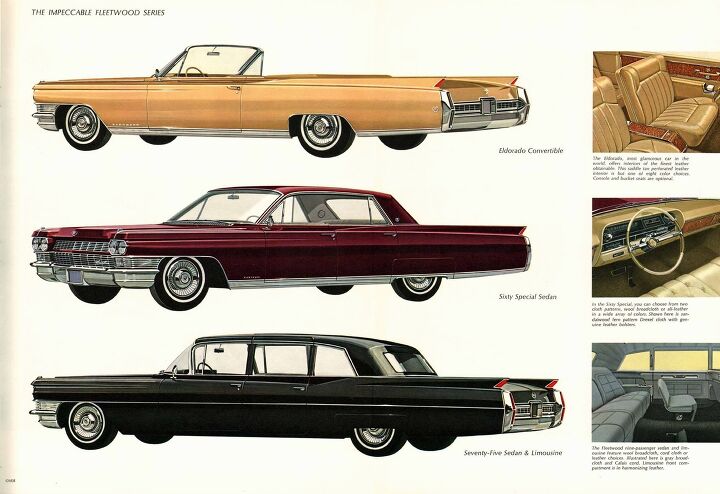
A few weeks ago, we concluded Abandoned History’s two-part coverage of the Chrysler UltraDrive transmission. Within the comments was a request for more transmission coverage of an equally abandoned nature. Let it be so! Come along as we discuss the vast automatically shifted expanse that was the Turbo-Hydramatic transmission family, by General Motors.
Junkyard Find: 1985 Cadillac Cimarron

Way back in 2007, I kicked off the Down On the Street series (which was supposed to be a one-time reference to the title of a Stooges song beloved by me and the late Davey J. Johnson) with the first of what would turn out to be hundreds of interesting street-parked cars: a 1984 Cadillac Cimarron d’Oro. That led to something of a Cimarron obsession, and I’ve spent the past 15 years documenting every semi– intact Cadillac J-Body I find during my junkyard adventures. You’d think they’d all have been crushed by now, but such is not the case; I found this loaded Brown Overload Edition ’85 in a yard near Pikes Peak earlier this year.









Recent Comments