

Report: Biden Admin May Link Semiconductor Subsidies to Unions
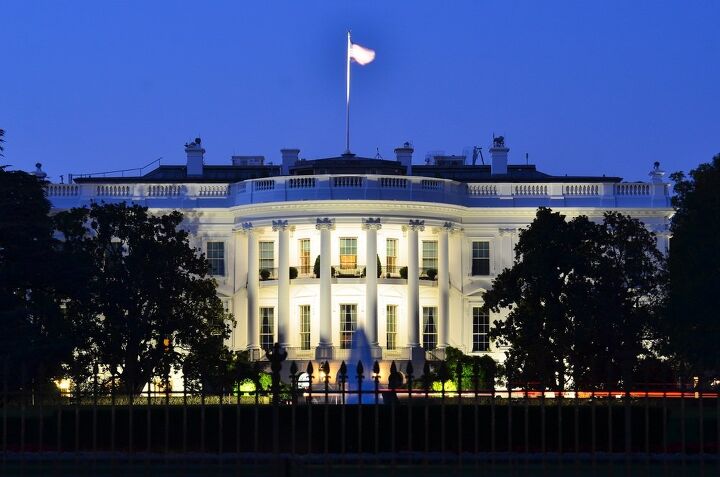
Despite the semiconductor shortage having encouraged the automotive sector to repeatedly idle factories, word on the ground is that things are becoming more stable. Companies are seeing less production downtime overall and workers are reporting more reliable working conditions across the board. However, several automakers have continued to express concerns (e.g. Volvo), alleging that chip shortages could stretch deep into 2022, while the U.S. government ponders how to advance chip production in-country and become less dependent on Asian suppliers.
Commerce Secretary Gina Raimondo has been touring Michigan, meeting with union members and industry heads, and plans to urge Congress to move on a $52 billion in funding bill aimed at boosting domestic production. We’ve questioned the efficacy of the CHIPS Act before, primarily in relation to how the subsidies would be allocated. But there are new concerns that the plan will mimic the Biden administration’s EV subsidies by spending heaps of taxpayer money and giving union-backed organizations a larger cut.

Tread Lightly! Clears Hey Joe Canyon Trail

Tread Lightly!, with the help of partners and volunteers, cleared 11 miles of tamarisk from Hey Joe Canyon, an off-road trail in Moab, Utah. The Easter Jeep Safari stewardship project was completed during the event.

Pandemic Changes Car Buying Plans, Or Has It?

The pandemic has changed car buying plans for nearly three out of four shoppers who intended to buy in the next six months. New research from Comscore Automotive Data Mart, cited in a story today by Auto Remarketing, indicated the pandemic tops the concerns of four out of ten who had intended to buy.
Hyundai Blue Link Connects Owners and Insurance
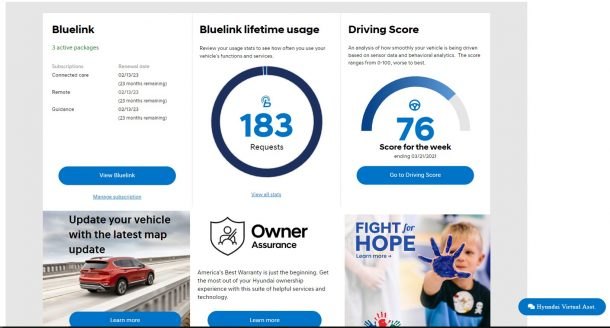
Hyundai Blue Link, a connected-car service first offered in 2018, can now be used to save on auto insurance. Hyundai’s usage-based insurance (UBI) program and Driving Score promotes safe, efficient driving habits. Through Verisk, a global data analytic firm, Hyundai drivers can opt-in to share their driving quirks. Receiving substantially lower insurance rates is the hope of most drivers.
QOTD: What New Vehicle Would You Picture Yourself In?

Jan, Toyota’s innocuous ad spokesperson, poses our question of the day (QOTD) to picture yourself in a new Toyota. We’re asking, what new vehicle of any make would you picture yourself in? Assuming, of course, dealers still exist.
Welcome to Electric Avenue — More Chargers on the Way
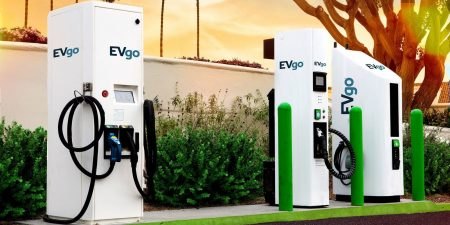
The Electric Highway Coalition, a consortium of six utility companies, will provide a network of 20-30 minute DC fast chargers for EV drivers, as reported by Electrek. Each of the utilities will be responsible for providing EV charging within their service areas, with most sites located along major highways for easy access and adjacency to other amenities.
GM Hypes Norway's EV Leadership

Actor Will Farrell describes Norway’s EV leadership in one of the more amusing Super Bowl commercials, and how General Motors is looking to change all that here at home.
Customized Jeeps From the Factory?

Customized Jeeps direct from the factory? That could be a possibility.
Fiat Chrysler Automobiles is building a $23 million vehicle customization facility with Jeep Wrangler and Gladiator production nearby at their Toledo Assembly Complex.
Confirmed: Chevrolet's Bolt Loses Its Full Tax Credit In April, but Not the Doomed Volt
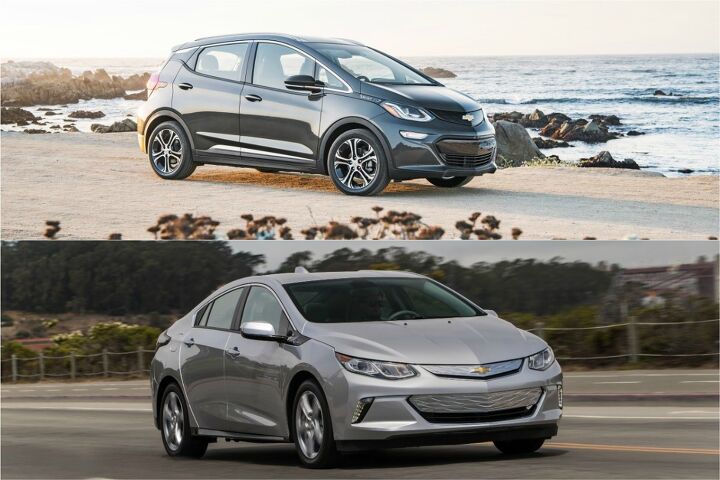
Good news for would-be Volt owners? Not really. Chevrolet’s soon-to-be-discontinued plug-in hybrid won’t live long enough to suffer the indignity of a halved federal EV tax credit. It’s dead in March, though remaining examples of the car everyone should want will no doubt linger on lots through the spring.
On Wednesday, General Motors announced, as expected, that it became the second automaker to pass the federal government’s 200,000-vehicle threshold, kicking off a three-month countdown to a chopped incentive.

Forget Diesel - Tough Times Now Lie Ahead for the European Plug-in Crowd

The European new car market is in a period of extreme flux. Once-dominant diesels are on the way out thanks to new regulations, looming bans, and cancelled tax incentives, with electrified vehicles poised to take over the high-MPG role.
But not everything’s rosy in the clean, green market on the other side of the Atlantic. A new, more accurate way of measuring fuel economy went into effect last month, and governments — as well as automakers — suddenly realized certain vehicles weren’t as clean as initially thought. Looking to buy a plug-in hybrid in the UK? Say goodbye to that juicy government incentive.
Suing for Incentives: Tesla Doesn't Like the Way Ontario's Treating It

In June, Ontario — the place just over yonder from Detroit and Buffalo — switched governments for the first time in 15 years. As part of his planned overhaul of the province’s finances, newly minted leader Doug Ford announced the cancellation of an electric vehicle rebate program that handed up to $14,000 to buyers of green cars.
Hardly an appropriate use of taxpayers’ dollars in a place where the debt’s approaching a third of a trillion dollars, the government implied. Ford axed the rebate last month, with buyers allowed to accept the former perk until Sept. 10th. Sorry — almost all buyers.
From the 'Not Surprising' Files: There's Finally Cash on the Hood of New Toyota Camrys
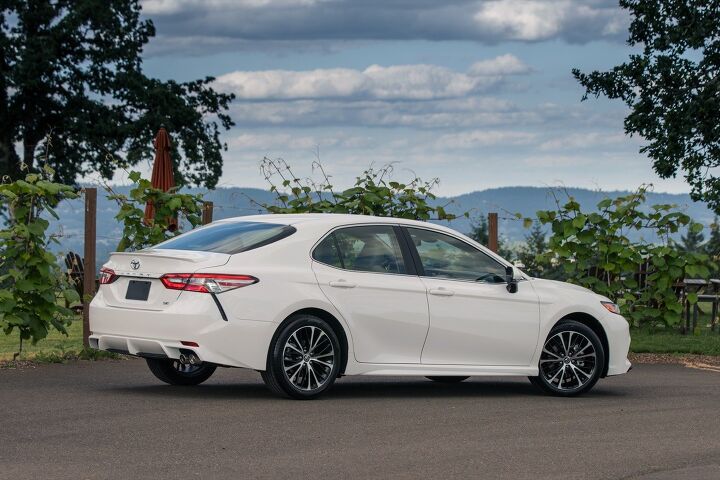
Toyota resisted the urge for some time. However, the reality of falling sales numbers meant the automaker had to finally pull out its wallet and start incentivising the country’s best-selling midsize sedan.
We told you earlier this month that Camry sales aren’t enjoying the same buoyancy seen after the release of the new-for 2018 model in the latter part of last year. Possibly as a result, Toyota’s discounts, initially available only to Camry lessees, now migrate to buyers.
Tax Credit Blues: Automakers Grimly Await a Looming Phase-out

Should Tesla hit its vaunted 5,000-Model-3s-per-week production target at the end of this month (a figure that means nothing if it can’t be sustained over the long term), the electric automaker faces another hurdle: the impending phase-out of the $7,500 federal EV tax credit.
While Tesla isn’t the only automaker staring down the barrel of this incentive loss, it’ll be the first to cross that line. Estimates place the phase-out point in July, though the taps only begin turning off two quarters after the automaker hits the 200,000 plug-in vehicles mark. Unlike some of its its electric rivals, however, the impact on Tesla won’t be as painful.
Incentives, Old Model Keep Interest in Ram 1500 Alive as Fuel-sipper V6 Remains in Hiding

What happens when you launch your first all-new full-size pickup in a decade with only one of the three planned engines ready to go? Fiat Chrysler’s finding out with its 2019 Ram 1500, which entered production at the dawn of the new year. Five months later, and there’s still no mild hybrid Pentastar V6 or similarly electrified 5.7-liter V8.
The 2019 model’s off the launch pad, but hasn’t cleared the tower. Thankfully for the brand, FCA saw fit to keep the older generation in production, satisfying buyers who like lower MSRPs and available six-cylinder powerplants. That doesn’t help would-be buyers who keep showing up at FCA dealers in search of a thrifty new Ram, however.
Nissan Turning Down the Flow From North American Assembly Plants

A larger-than-average new vehicle inventory, compounded by a change in strategy and dismal April sales figures, means fewer vehicles leaving Nissan assembly plants in the United States and Mexico in the foreseeable future.
The automaker plans to cut production by as much as 20 percent in the hopes of firming up its bottom line.
Canada's Largest EV Market Quietly Rolls Back Massive Government Subsidy (Again)

Ontario, that strange land located between Detroit and Buffalo (and elsewhere, too) became the largest Canadian market for electric vehicles in 2017. There was good reason for it, too. Imagine walking into a dealer showroom, eyeballing a flashy luxury car, and suddenly your local political representative rushes in and hands you a check for $14,000, no strings attached.
Thanks, fellow taxpayers!
This subsidy is what buyers of Tesla Model S and X vehicles, retailing for over six figures (Canadian MSRP), enjoyed in Ontario until very recently. It’s important to note, though maybe not to certain folks, that the province holds the world’s largest sub-sovereign debt, most recently tagged at $311 billion, and pays over a billion dollars a month to service the interest on that debt.
Sorry, Ontario Tesla buyers. The party’s over. Again.
Pricing Announced for 2019 Ram 1500, Rebates Abound for 2018 Models

Ram announced pricing today for its snazzy new 1500 pickup and, while the relentless upward march of MRSPs continues unabated, starting prices may not have risen as much as you may think.
Critically, Ram also saw fit to release the costs for upgrading to their intriguing eTorque Hemi, a power team that promises the trucker’s holy grail – extra low-end grunt for hauling and increased fuel economy on the highway.
Hewing to another law of retailing, while base prices for the 2019 model haven’t moved the needle significantly from last year’s sticker, 2018 models now enjoy large rebates in some markets.

Ford EcoSport Hits Dealers With Big Lease Incentives in Tow
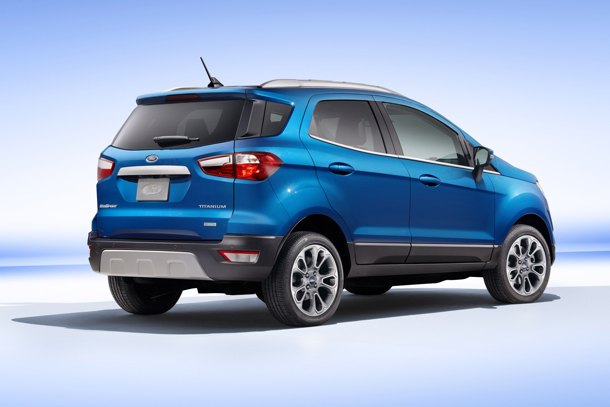
To put it mildly, the TTAC crew has been less than enthusiastic about the 2018 Ford EcoSport ever since Ford Motor Company announced the overseas subcompact crossover would come to America, filling a gap at the bottom of Ford’s utility lineup. Having not driven one, we’ll hold off on any assumptions about the model’s abilities or quality.
But it’s interesting to note, as EcoSports arrive on dealer lots across the U.S., that Ford’s giving the model a helping hand right out of the gate.
Flush With 2017 Models, Nissan Throws Incentives at Sales Staff

Expect your local Nissan salesman to work extra hard for that pre-Christmas sale. That’s because Nissan, which can still boast a year-to-date sales increase in the United States, isn’t exactly overflowing with 2018 models.
Inventory of 2017s remains higher than the automaker would prefer, meaning it needs to do something to move old stock out before the end of the year. But rather than heap more factory bonuses on its vehicles (the company’s incentive spending is second only to Kia in the industry), Nissan figures it’s a better deal to throw incentives at the salesperson.
“Happy holidays. Can I interest you in a new Rogue? Seriously, how ’bout that Rogue?”
With These Sales, It's No Wonder Porsche Wants a Plug-in 911
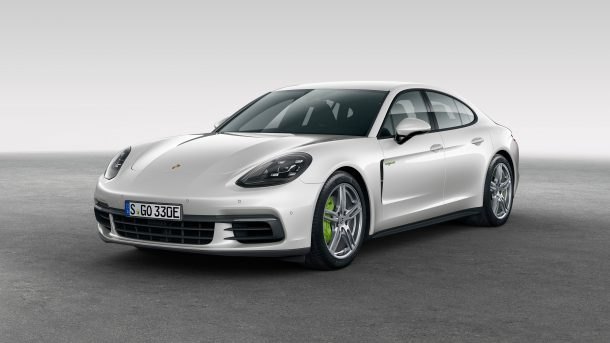
It’ll be a long time before Porsche removes any hint of internal combustion from its beyond-iconic 911. The flat-six is safe for the next decade or so.
However, Porsche CEO Oliver Blume says the company wants a plug-in hybrid version, hopefully by 2023 — when the next-generation model reaches its mid-cycle update. “It will be very important for the 911 to have a plug-in hybrid,” Blume told Automotive News last week. There’s no stamp of approval yet, but Blume feels the German automaker “will go for it.”
This shouldn’t come as a surprise. If European sales of the recently introduced Panamera E-Hybrid are any indication, an electrified 911 is an insurance policy that’s sure to pay off.
Forget Standing Outside the Apple Store, There's Deals to Be Had at the Dealership

Black Friday, the strange and alluring date that compels companies to push certain deals in a bid to firm up the bottom line, doesn’t end when the clock strikes twelve. Nor do the savings only apply to bizarrely non-car-related items that can leave readers of certain websites scratching their heads. Automakers, for example, regularly push Black Friday savings through to the end of the month.
With a handful of days remaining, there’s no shortage of car companies ready and willing to dent your new vehicle’s hood with a bag of cash. So, if you’re in the market, put down that bamboo oil diffuser and let your mind (and wallet) roam. Here’s what might be on offer at your local dealer.
There Might Be a Hidden Deal Waiting at Your Jaguar Dealer

It’s the miserable month of November and Jaguar, like other automakers, wants those pesky unsold 2017 models off its dealer lots. Specifically, it wants a sporty model whose sales cooled off over the summer to vamoose. Be gone.
To make it happen, Jaguar has sent bundles of cash, possibly via Royal Mail, to its U.S. dealer network. Should your dealer prove to be of the generous type, there could be $30,000 in savings to be had.
Dueling Houses: EV Tax Credit Stays Put in Senate Tax Bill
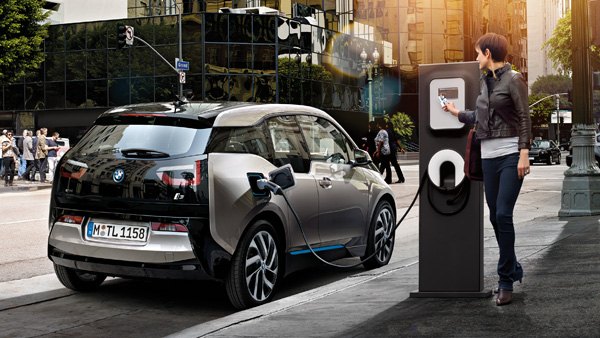
There’s renewed hope among electric car aficionados this morning. That’s because a tax plan unveiled by the U.S. Senate Thursday keeps the cherished (among some circles, anyway) EV tax credit alive, according to details released last night.
Should this part of the Senate’s tax reform proposal make it through to law, EV buyers could continue erasing $7,500 from the window sticker of their gas-free car.
With the EV Tax Credit Threatened, Where Do Green Car Sales Stand Today?

General Motors doesn’t want it gone, highly indebted Tesla certainly doesn’t want it gone, but House and Senate Republicans would love to see the $7,500 EV tax credit die a quick death. In a sweeping tax proposal introduced last week, the credit’s nowhere to be seen.
The problem, according to many green car and auto industry proponents, is that the U.S. EV market would quickly join the tax credit in going belly-up. There’s a movement afoot to save the incentive (and the fledgling market along with it).
Assuming the credit goes the way of disco (and state-level incentives aside), electric cars would be forced to stand on their own environmental merit. It’s something free-market capitalists would love to see, but would it really spell doom for the segment? That depends on who you ask. But it might be helpful to take a look at where the segment stands right now.
Say Goodbye to EV Tax Credits Under New GOP Tax Plan

It’s the last thing Elon Musk wants to hear and it’s likely not something General Motors will be too pleased about. Contained within the tax plan introduced by House Republicans Thursday is the elimination of a huge driver for electric vehicle sales — the $7,500 EV tax credit.
Automakers, and especially the two mentioned above, already stood to lose their credits in the near future (there’s a 200,000-vehicle-per-manufacturer cap), but the new tax bill would see the buyer incentive permanently removed, not renewed, as many had hoped. Such a move could slam the brakes on a still-fledgling segment in the U.S.
Don't Expect Any Rebadged Nissans or Co-developed Cars in Mitsubishi Showrooms Anytime Soon

Last year, Nissan answered Mitsubishi’s prayers by purchasing a majority stake in the struggling Japanese automaker. The company had started out strong in North America at the dawn of the 20th century, with U.S. sales topping 345,000 in 2002. Six years later, volume had fallen by nearly 85 percent.
Mitsubishi was a dead brand walking, at least on these shores.
Now adopted by a wealthy parent, Mitsubishi has access to Nissan’s technology and platforms, but don’t expect the two automakers to start joint production of new products anytime soon. Only two new models — one with a horrible name, the other a long-delayed niche vehicle — will appear in showrooms before the end of the decade.
Still, Mitsubishi is planning for a 30-percent bump in U.S. sales by early 2020. Product isn’t the sole player in the company’s new growth strategy.
Automakers Bolt From the Gates With Post-Harvey Discounts

There was quite a debate occurring in TTAC’s private Slack channel yesterday — a conversation sparked by knowledge of a new discount from Fiat Chrysler Automobiles extended to those who lost insured vehicles in Hurricane Harvey.
The timing of the offer — CarsDirect claims the deal was valid as of August 28th, even as images and video of the waterborne and helicopter rescues of Houston-area residents filled television screens and social media — raised an eyebrow. How soon is too soon? It would seem the main concerns of impacted residents over the past couple of days included finding food and shelter, reconnecting with loved ones, and perhaps picking up the pieces in both flood- and wind-damaged communities. Not shopping for a new vehicle online.
The nature of the offer sparked further debate. Affected residents in certain Texas and Louisiana counties can show a copy of their insurance claim form to receive $500 off the purchase or lease of a new FCA vehicle, certain models (like the Jeep Wrangler, Chrysler 200, SRT models, and Alfa Romeo Giulia Quadrifoglio) not included. Buyers can combine the offer with other applicable discounts.
$500 off that new Grand Cherokee? Whoo-wee, you might say. At what dollar amount does a post-disaster offer change from feeling like an opportunistic sales grab and more like a gesture of kind-hearted humanitarian assistance? Or is this just cynical thinking — should we regard any offer as a sign of generosity? It’s certainly not a new practice for any automaker. On and on it went.
Of course, any conclusion comes down to the individual. But this morning we heard FCA isn’t alone in offering deals to Harvey victims.
Cash: Not Coming to an Alfa Hood Near You
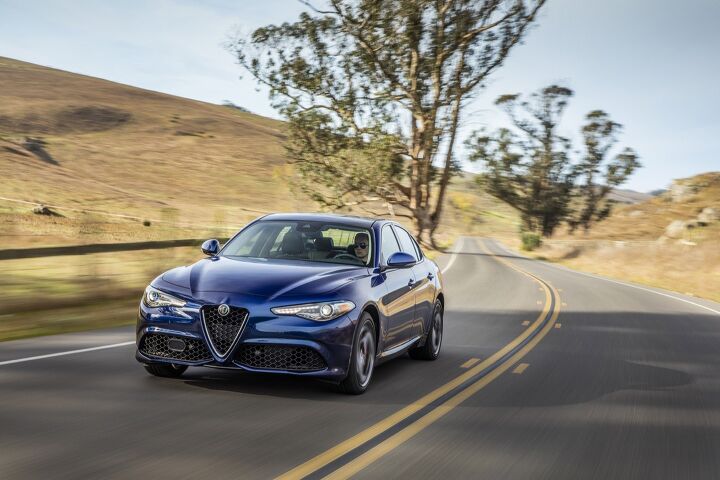
The Alfa Romeo brand is an odd duck, and not just because of its “exotic” status or its on-again, off-again history in the United States. Italian car fans love it. Design enthusiasts drool over it. Performance enthusiasts and sports sedan traditionalists pine for a finely balanced, twin-turbocharged Giulia Quadrifoglio. Concerned friends warn them that other, perhaps safer options exist. Money lenders with soft hearts try to raise concerns about reliability.
Love it or fear it, Fiat Chrysler Automobiles has high hopes for the Alfa brand in the U.S. but, unlike FCA boss Sergio Marchionne, top American brass are hesitant to put a number to their hopes. For now, Alfa remains a brand without numerical expectations. And that’s the reason you won’t find incentives heaped on Alfa models in the near future.
Buying an Electric Vehicle Just Got Cheaper (Again) in Texas

The State of Texas arouses visions of oil-rich tycoons with dysfunctional families, a fierce adherence to individual liberties, and vast quantities of trucks bearing the names High Country, Longhorn, Laramie, and King Ranch. While agriculture and industry play a major role in the state’s economy, not every vehicle in the Lone Star State’s fleet relies on gas or diesel.
With numerous major urban centres and a good economy, electric vehicles have made inroads in Texas over the past several years. Soon, a resurrected incentive could light a fire under EV sales. Well, except for one brand.
Canadian Province to Become Used Nissan Leaf Dumping Ground
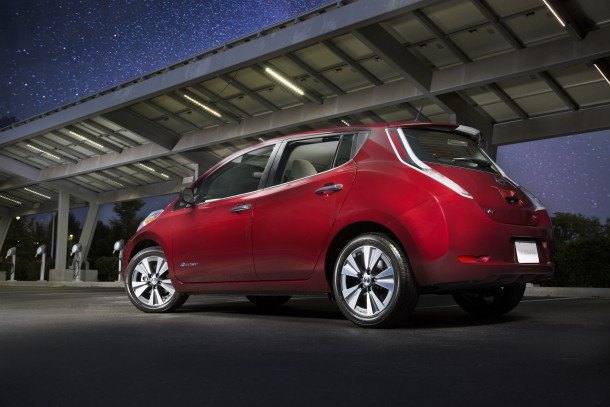
The Nissan Leaf, which burst onto the scene in late 2010 as one of the first mass-market electric vehicles, hasn’t changed much since its introduction. Until very recently, driving range sat well below the three-figure mark. And as its technological edge dulled, the Leaf gained a reputation as one of the fastest-depreciating vehicles on the market.
If you find yourself living in a certain jurisdiction, Nissan and a mid-level government has now made a purchase of a used Leaf far more attractive than it once was. Message to the U.S. and the rest of Canada: Quebec wants your old Leafs.
Subaru Incentives? Maybe You'll Soon Get A Deal On An Outback Or Forester

Although Subaru is selling more new vehicles than ever before, particularly in North America, the automaker’s run of record profits came to end in the fiscal year ending March 31, 2017. Subaru made money, no doubt, but Subaru’s operating profit was down 27 percent compared with the prior year.
Subaru’s revenue grew 3 percent while global volume rose 11 percent to more than 1 million vehicles, according to Automotive News. That’s the kind of information that matters to investors.
As for consumers, it’s the information from Subaru CEO Yasuyuki Yoshinaga that matters most. Saying the U.S. market has peaked, Yasuyuki Yoshinaga claims, “The market environment has increasingly become tougher.” In a tougher market, Subaru’s largest market, an automaker must either give way or make way.
Subaru’s decision? “We will carefully examine the situation and will take the necessary steps to maintain our sales, including incentives,” Yoshinaga says.
You heard right. Subaru, notorious for limited supply and limited scope for deal-making, might just offer you a bit of a discount on your next Outback or Forester.

There Are Hardly Any Chevrolet Impala Buyers, But The Few Remaining Impala Buyers Are Willing To Pay

We knew General Motors’ strategy for the tenth-generation Chevrolet Impala would be different when the big sedan was launched in 2013. No longer intended to be the fleet queen and a hugely discounted showroom sedan, the tenth-gen Impala moved upmarket.
Consequently, sales decreased, and did so in dramatic fashion. The Impala’s U.S. volume in 2014 was down by more than half compared with 2007 output. Sales continued to fall, with the Impala’s 2016 calendar year result of 97,006 U.S. sales representing the sixth consecutive year of decline.
The Impala’s numbers are getting lower. Much lower. After averaging more than 8,000 monthly Impala sales in 2016 and nearly 10,000 per month as recently as 2015, Impala volume has cratered in early 2017. Only 3,213 Impalas were sold in the United States in April 2017, down 73 percent compared with the Impala’s April average over the last five years.
But don’t assume the scarcity of Impala sales will translate to an abundance of deals at your local Chevrolet dealer. Impalas are thin on the ground, and GM isn’t playing games with incentives.
Auto Industry Has Its Fingers Crossed for Trump's $1 Trillion Infrastructure Plan: Toyota Exec

As automakers dial back sales projections in a year that’s seen a rough start, the industry could be holding out hope for a legislative solution to lagging demand.
Toyota North America CEO Jim Lentz made this claim during the opening of the company’s expanded Ann Arbor research and design center on Thursday, adding that incentivizing new vehicles to draw down bulging inventories can’t continue forever. In his view, automakers are keeping extra vehicles on hand for a reason, not just because production hasn’t adjusted for slow sales.
Lentz, like other auto executives, is hoping for a sales bump in the event the Trump administration green-lights its proposed $1 trillion infrastructure plan.
Lenders Snatch Back the Piggy Bank After Taking a Hit on Auto Loans

April was the fourth consecutive month to see U.S. auto sales underperform compared to 2016, leading many to speculate that the long-awaited slump has finally arrived. New car sales aren’t the only thing slipping, as used vehicle values — diminished by a flood of off-lease stock and new car incentives — is on the same downward trajectory.
At the same time, the country’s biggest auto lenders have taken a look around and do not like what they see. No bank wants to be stuck with a low-value repossessed car, so purse strings are tightening across the United States. Securing that next loan just became harder.
Of course, this is the last thing any automaker wants to hear.
As It Awaits a Replacement, Nissan's Fastest-Depreciating Model Sweetens the Pot

How do you keep a very long-in-the-tooth model alive when competitors have bypassed it in terms of technology and practicality? Offer sweet deals, obviously.
Nissan’s venerable Leaf, which saw its first U.S. sales in late 2010 and still hasn’t confirmed a North American successor, needs all the help it can get. Not only are electric cars a tough sell in America, but the Leaf faces a growing crop of rivals that top its paltry driving range by roughly 2:1.
Nissan wants to know: would you feel differently if it was much, much cheaper?
The New Buick LaCrosse Is Already Fading Into Obscurity, Except On Dealer Lots

In 2016, as General Motors launched an all-new Buick LaCrosse for the 2017 model year, sales of the LaCrosse fell to an all-time annual low.
But wait a second. Transition years are difficult for any model. Clearance of the outgoing model ends, production of the new model is ramping up, availability at dealers is limited, and the product mix is often skewed toward less affordable models.
Nevertheless, cognizant of the fact that 2016 wasn’t likely to be a great year for the Buick LaCrosse, it’s still easy to declare that 2016 was an awful year for the Buick LaCrosse. Sales were 70-percent lower last year than in 2005, when U.S. LaCrosse sales peaked. Even compared with 2014, U.S. LaCrosse sales were nearly chopped in half in 2016.
And at the current pace, 2017 will be much, much, much worse.
Cheap Leases, Free Cash and Slashed Stickers as GM Tries to Move Slow-selling Passenger Cars

Pity the poor passenger car. Once on top, now increasingly being spoke of in sentences that use the word “endangered.”
If last month’s sales figures tell us anything, it’s that the current trend towards spacious crossovers and SUV shows no signs of abating. With the segment now relegated to second-class status, passenger car makers face rising inventories and a growing need to sweeten the sales pot.
General Motors recently idled some plants and cut shifts to draw down a glut of unsold vehicles, but February’s dismal sales did nothing to help. Well, it’s March now, so bring on the crazy sales!
Waste of Base: Deals Don't Always Extend to Base Models
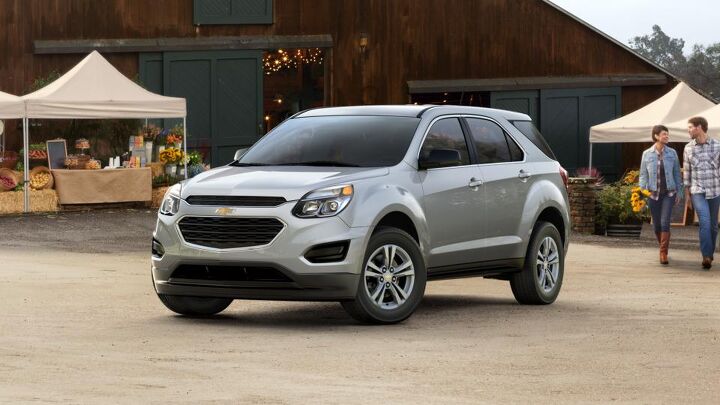
Most readers are aware of my unbridled enthusiasm for base model cars. Sure, there are a few luxury models that spring to mind where it’s imperative buyers select the top trim, lest they run the risk of an arch nemesis pulling alongside them in an Escalade Platinum when they are piloting a lowly Escalade Luxury.
Thing is, it behooves the frugal customer to pay attention before they sign the note on a set of base wheels. For years, commercials told us “ America Runs on Dunkin” when we all know that America Runs on Monthly Payments. Most shoppers have a monthly or biweekly figure in mind and, examined through that lens, base cars aren’t always the best deal.
Now Volvo Wants to Be Volkswagen Owners' New Best Friend
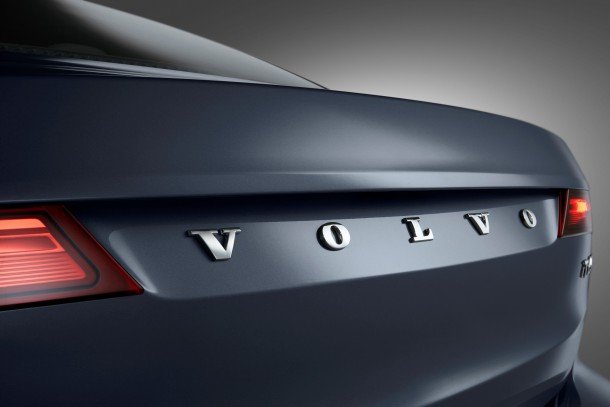
First it was Hyundai flinging special discounts in the direction of imminently carless Volkswagen diesel owners. Now Volvo has added its name to the list of automakers attempting to woo this unique crop of vehicular nomads.
The approval of Volkswagen’s massive settlement deal with U.S. owners and environmental regulators on Tuesday is apparently a sales opportunity not to be missed, but Volvo is approaching it from a different direction than Hyundai.
Hyundai Makes Volkswagen TDI Owners a Deal They Hopefully Can't Refuse
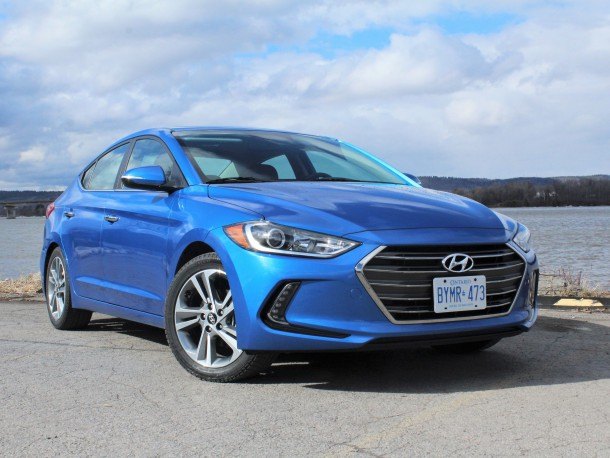
Feeling burned by your former suitor? Want to get even with the German who caused you so much trouble and heartache?
Hyundai wants disenfranchised Volkswagen diesel owners to run into the warm arms of their caring South Korean friend and has a tailor-made deal ready to rope them in.
Commence operation “V-Plan.”
Incentives Hit Post-Recession High as Market Cools

It’s increasingly looking like 2015 will be a high-water mark for U.S. auto sales, with September sales stats showing a cool-down in the new car market.
Faced with a long-predicted slump — the duration of which is still anyone’s guess — and growing competition over remaining market share, automakers have boosted incentive spending to its highest level since the depths of the recession.
Fiat Slashes Trims and Prices as Buyers Vacate Brand
Massive Nissan Leaf Group Buy Kiboshed by Manufacturer
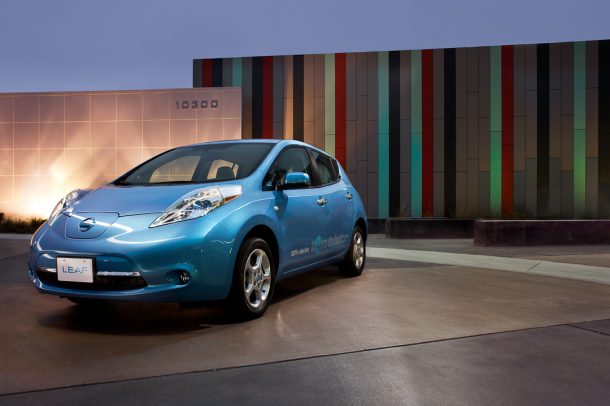
Just north of the Vermont border, you’ll find 3,712 very disappointed would-be Nissan Leaf owners.
A Montreal-based group seeking a low-priced bulk buy of Nissan’s electric car has had their dreams dashed by Nissan Canada, after the automaker seemed to grow wary of the group’s size, Quebec’s La Presse reports.
Off-Lease Vehicles Are Flooding Lots, so Where's the Drop in Used Car Prices?
One- to three-year-old-vehicles are pouring back onto dealer lots, but the predicted drop in used vehicle prices hasn’t happened yet.
Consumer choices (meaning: trucks, trucks, trucks) and the high value of returning vehicles are keeping used prices near record levels, but analysts still expect a drop later this year, Automotive News reports.
Nissan's Push for Greater Market Share Comes With a Big Cost
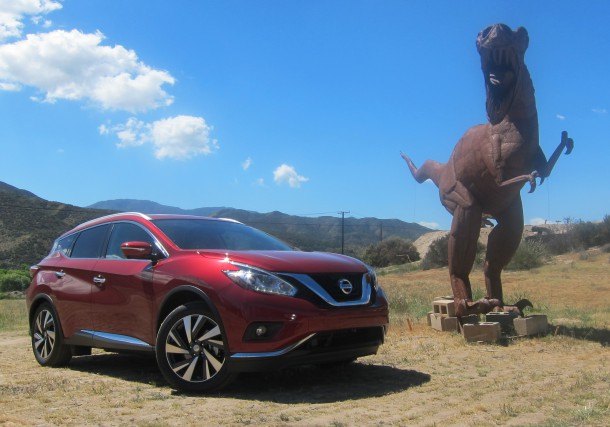
Nissan is closing in on its goal of owning 10 percent of the North American market, but it opened itself up to plenty of risk along the way.
The surging automaker beat rival Honda in sales during the first half of this year, but only because of boosted incentives and increased fleet sales, Bloomberg reports. Big volume doesn’t always mean big profits.
After the Fall: New Vehicle Sales Predicted to Dip Next Year, Bottom Out in 2019

After riding the sales roller coaster to dizzying, record-breaking heights, it’s only natural that consumers will bring automakers back down to reality.
This year will be a high water mark for new vehicle sales in the U.S., according to a new study by consulting firm AlixPartners (via Automotive News). Sales are forecasted to hit 17.8 million vehicles this year, but a downturn is on the way, and the industry won’t start to see a rebound until the coming decade.
Please Buy Me: Cadillac to Ditch ATS Base Engine, Slash Trims, Boost Value

The Cadillac ATS has a fever, and the only cure — according to Cadillac — is more value.
Hoping to reverse a sales slide that’s plagued the automaker’s smallest sedan since its debut, Cadillac plans to simplify the model’s configurations and pack each trim level with more goodies, according to a report in Automotive News.
This BMW Dealer is Giving Away Cars Right Now
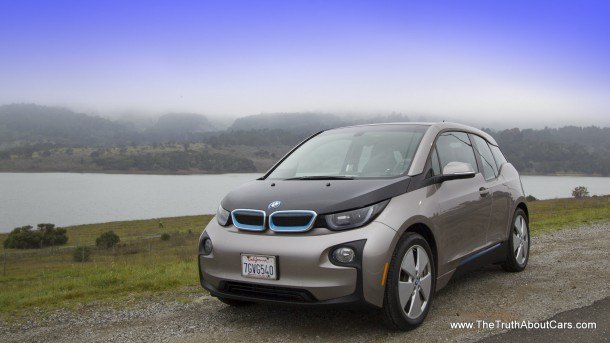
Have you been considering a new BMW but only have enough coin to buy one of Bavaria’s finest? At least one BMW dealer in the U.S. might have a solution.
If you don’t mind buying a new BMW that’s been languishing on the lot for a year, Century West BMW will throw in a lease on a BMW i3 on the house.

Michigan Lures Tremec Transmission Plant, HQ to the Detroit Area
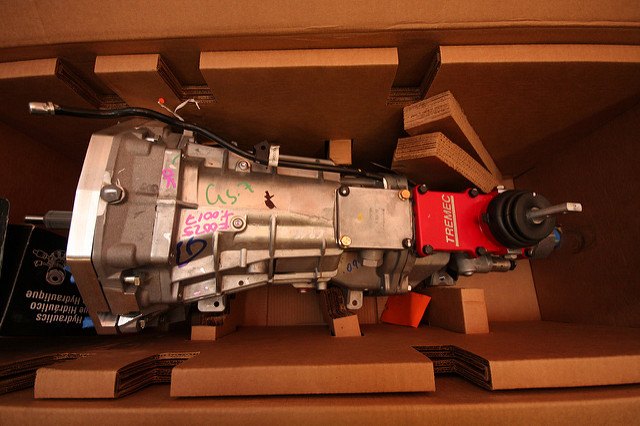
A major automotive supplier plans to build a production facility in the Detroit area and make it the base for its U.S. operations.
Tremec Corp., best known for its high-performance transmissions, plans to invest $54 million in a multi-purpose facility in Wixom, Michigan, according to Crain’s Detroit Business. Besides production of transmissions and powertrain components, the facility will host Tremec’s sales and technical operations, and serve as its American headquarters.
'Project Pinnacle': Cadillac Promises a New Sales Experience, but Dealers Are Wary

It’s D-Day, so what better time to dish details on Cadillac’s secretive Project Pinnacle?
The luxury automaker plans to completely revamp how its dealers interact with customers — a strategy that even changes how its salespeople dress, according to a draft document obtained by Automotive News.
Under Project Pinnacle — the brainchild of brand president Johan de Nysschen — U.S. dealers will be grouped into five tiers based on expected sales. When the operation kicks off on October 1, car shoppers can expect a higher-end experience at their local Caddy dealership. Get ready to be coddled.
After Sales Tanked in May, GM Becomes 'Incentive Santa' in June
Summer’s here, and it’s never been a better time to please, please buy one of our cars, General Motors wants buyers to know.
The automaker plans to roll out a host of incentives during the month of June, Automotive News reports, to make up for a month that saw combined sales at all of its divisions sink 18 percent year-over-year.
Rebuilding Volkswagen's Reputation - Hard or Downright Impossible? An Expert Weighs In

Decades of feel-good corporate outreach and a hug-worthy relationships with buyers didn’t stop potential customers and veedub diehards from fleeing Volkswagen after the diesel stink bomb went off in Wolfsburg.
Like a husband of 50 years caught cheating with his wife’s sister, the intentional deception behind the diesel emissions scandal shattered the hard-earned trust between the company and its consumers. Thanks to that, Volkswagen’s sales trajectory now mimics that of a very leaky submarine.
Could Volkswagen have managed the scandal better, and can the company rebuild that lost trust?
According to the consumer opinion-tracking Reputation Institute, the answers to those questions are “you bet” and “yeah … it’s gonna take a loooong time.”
BMW, Suffering From Premium Irish Flu, Taking Action on Inventories
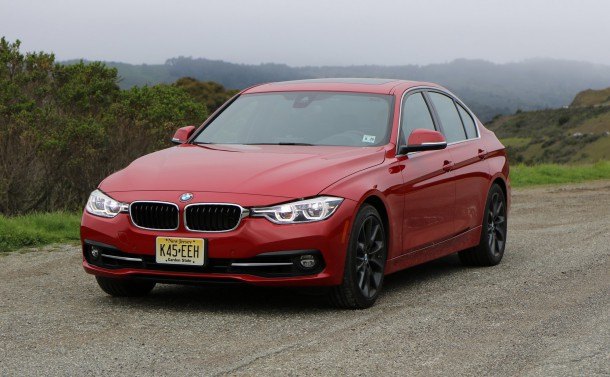
BMW went on a mad rager last year as it did everything it possibly could to claim the U.S. luxury sales crown from Mercedes and Lexus — and now katzenjammer is in full effect.
The premium German brand is looking at piled-up stocks of cars sitting on dealer lots. Predictably, those dealers aren’t happy, and BMW is trying to inject some saline to recover.
"Too Bad About That Old Diesel, Can I Interest You in Something New?"

Will Volkswagen TDI owners who opt for a buyback be soured on the brand, or can they be lured into a new model?
It’s a big question for dealers, who could stand to benefit from the dealership traffic they’ll see when Volkswagen’s buyback program gets up and running later this year.
Meow, Nissan: Automaker Slaps Tesla in New Leaf Ad

Nissan is trying to play Tesla’s lengthy Model 3 waiting list to its advantage.
A print ad that landed in the country’s most-read newspapers this morning is playing up the Model 3’s wait times, according to Automotive News, and encouraging EV buyers to go the faster route by buying a Leaf.
There’s nothing subtle about the ad, which would have been green-lit by Nissan’s intimidating sales and marketing head Christian Meunier. Since taking on the role in January, Meunier has laid out an aggressive marketing strategy, meaning the Leaf spot could be the first of many cheeky ads.
Tiny Vehicle's Thirst Means a Supersized Headache for Mitsubishi
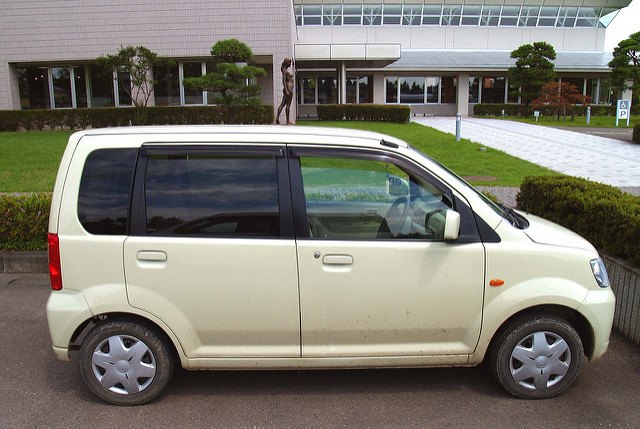
Mitsubishi Motors has some ‘splaining to do after fuel economy figures for its tiny overseas eK wagon were proven to be false.
The automaker overstated gas mileage by five to 10 percent over the last three model years, Bloomberg reports, allowing the minicars to be classified as greener than they actually were.
Powered by small-displacement three-cylinder engines, the vehicles are called “kei cars” in Japan (no, not K-cars).
There's a (100-Mile) Ford in Your Future, But That's About It
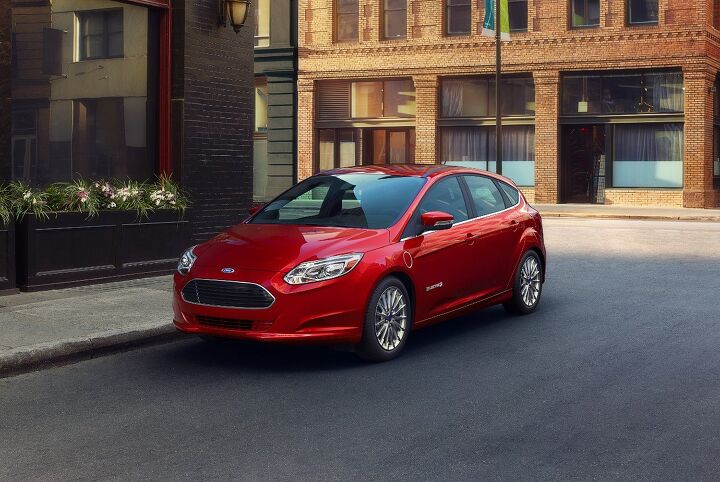
Ford Motor Company is hitting the brakes in the electric vehicle range war.
While competitors like Tesla and General Motors are busy preparing EVs with ranges of 200 miles or more, Ford is staying put at the 100-mile line, Automotive News has reported.
Though it plays well in the plug-in hybrid game with models like the C-Max and Fusion Energi, the automaker’s only “pure” EV — the Focus Electric — has lingered near the back of the pack in terms of range since debuting in 2012.
OFFICIAL: 2017 Lincoln Continental Gets $45,485 MSRP, Pre-Orders Open Now

UPDATE: Other sites seem to have received some additional information from dealers. It has been added below the jump.
Those looking to put down money on one of the most storied nameplates in Lincoln’s history will have to shell out $45,485, which includes destination and delivery, for the privilege.
For that near-as-makes-no-difference $50,000, Lincoln will build you a Continental Premiere with a 3.7-liter V6 engine that sends power to the front wheels.
Juggling Act: Tesla Will Have to Deal With a Tax Credit Gap

Much to the delight of EV fanatics and sandal enthusiasts around the world, Tesla reported last week that 325,000 people had placed refundable $1,000 deposits on its Model 3 sedan. Even pessimistically projecting a defection rate of 25 percent, that’s still nearly a quarter of a million cars which need to be built and delivered starting late next year.
Industry analysts have nattered at length about the logistics of the mass order and Tesla’s ability to pull it off. However, there is a new obstacle on the horizon, this time involving the core reason many have given for reserving a Model 3: tax credits.
TrueCar Employees Hit With Layoffs Amid Revamp

When TrueCar president and CEO Chip Perry announced a revamp of the car-shopping site, he failed to mention one big change: layoffs.
According to a source and confirmed by TrueCar, an undisclosed number of the company’s employees — mostly located at its headquarters in Santa Monica — received layoff notices yesterday.







Recent Comments