


Real Fake News: Donald Trump and Where Japanese Manufacturers Choose to Build Their Cars

On Monday, President Donald Trump requested that Japanese automakers consider assembling their vehicles in the United States. “Try building your cars in the United States instead of shipping them over. That’s not too much to ask,” Trump told Japanese auto executives during this week’s visit. “Is it rude to ask?”
While the internet response was to immediately scoff at how little Trump knew about the industry (Japanese companies have been building automobiles in North America for decades), the reality was far more nuanced.
Taken in the broader context, Trump actually said, “Several Japanese automobile industry firms have been really doing a job. And we love it when you build cars — if you’re a Japanese firm, we love it — try building your cars in the United States instead of shipping them over. Is that possible to ask? That’s not rude. Is that rude? I don’t think so.”

Nissan and Subaru Faulted for Decades of Improper Inspection Procedures
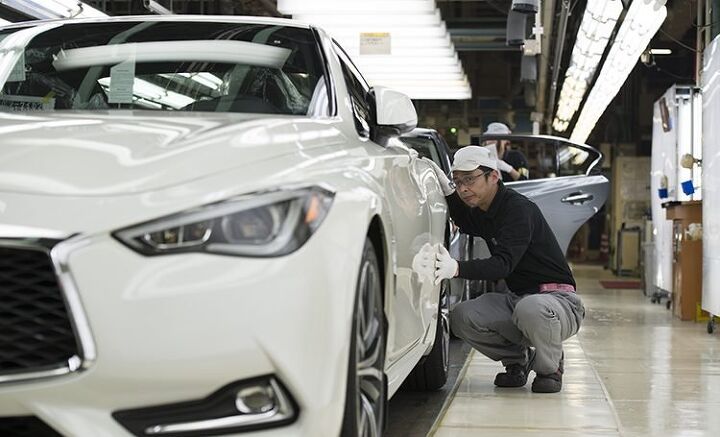
Japan appears to be having a problem with its quality control. Nissan Group is conducting updated inspection procedures after details emerged that it allowed uncertified employees to conduct final vehicle checks. However, the Japanese government continues to find issues with the automaker’s practices, forcing it to temporarily suspend new vehicle registrations.
Early reports from an external investigation commissioned by Nissan suggest the certification problem may have begun in 1979.
Subaru faces a similar plight. With Nissan’s inspection issue looming larger than anticipated, Subaru has admitted to following improper procedures for its domestic products. On Friday, the carmaker said final inspections at its main plant have occasionally been handled by employees not listed as certified technicians. The problem has persisted for more than 30 years, according to the manufacturer.
Toyota TJ Cruiser May Reach Production If the World Proves Itself Worthy

Toyota is parading the TJ Cruiser concept around the Tokyo Motor Show, taking the public’s temperature on how it might be received as a production model. The vehicle itself is an amalgamation of a traditional sport utility vehicle and ultra-practical cargo van. With an emphasis of being simple, rugged, and sensible, it’s everything a specific subset of enthusiasts have been clamoring for.
We already hinted at our approval of the general idea with our own Tahoe Grande concept — a hypothetical model merging the dynamic features of Chevrolet’s Tahoe SUV and the unparalleled practicality of the family-friendly Dodge Caravan. It was pure sex and so is the Toyota TJ Cruiser, sagaciously speaking.
Toyota Reportedly Plans to Slash Half of Its Japanese Lineup Over Eight Years
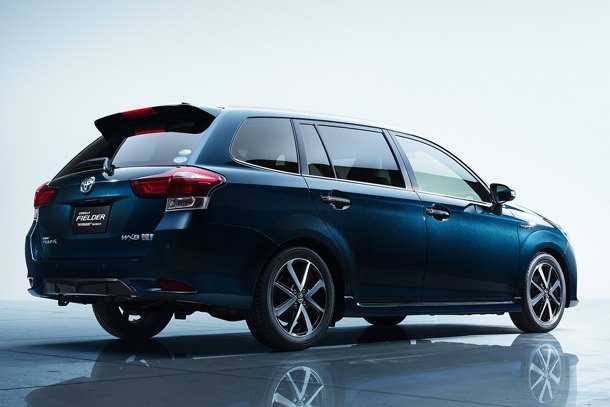
Toyota Motor Corporation is considering the possibility of cutting its home market product lineup by half.
Toyota currently markets more than 60 models in Japan, but there’s no expectation that the brand will suddenly cull its lineup to just 30 models by 2018. It will be a very long process, and it’s one that is likely to have minimal impact on the United States.
But which models are likely to go first? Perhaps one of the ten vans on offer.

Dear God, Toyota is Building a Souped-up Prius

Toyota is attempting to morph itself into an edgier, bolder, and sexier brand — to varying degrees of success. However, much of the company’s makeover has been purely cosmetic. The exception is Gazoo Racing, the automaker’s motorsport division and new in-house performance arm behind Toyota’s GR-series passenger cars.
Interestingly, Gazoo literally means “image” in Japanese and some of the upgraded models have been about little else. Still, some of the limited edition cars look like hoonable maniacs when compared to the base unit. The supercharged Yaris GRMN (Gazoo Racing Masters of Nürburgring) with over 200 horsepower is a prime example.
Aiming to go more mainstream, Toyota has decided to unfurl a range of GR and GR Sport models that won’t be handicapped by limited production numbers. Among them is the bewildering Prius Prime GR Sport, a hot hatch variant of the economy-minded hybrid. Toyota has officially lost its mind.
We'll Tell You One More Time: The Mazda CX-8 Is Not Coming to America
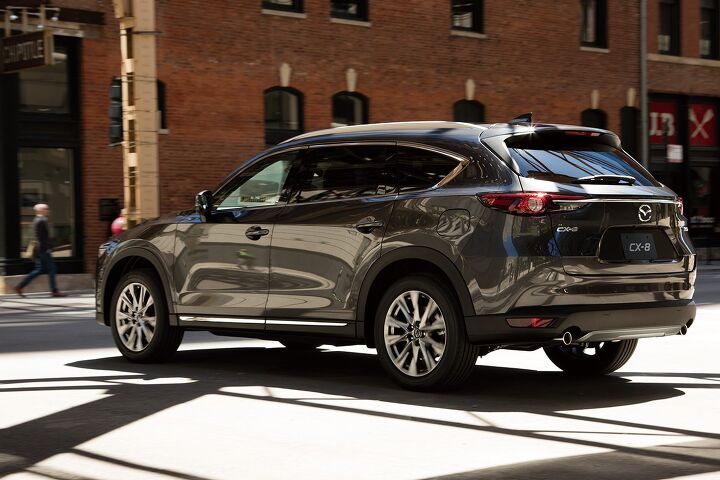
We’ve told you before. Now, with the Mazda CX-8 making its proper debut, we’ll tell you one more time after yet more confirmation from Mazda.
The Mazda CX-8 is not coming to America.
Mazda has its reasons.
Government Intervention is Intentionally Killing the Japanese Kei Car

Anyone with an interest in odd cars probably has at least a passing fascination with Japanese kei cars. As a member of that small subset of enthusiasts, I have a long-held fantasy that involves owning a Suzuki Alto Works, Daihatsu Mira Turbo, Honda Today, or Honda Acty. But the closest North America ever got was the i-MiEV, which Mitsubishi stretched a few inches to comply with U.S. crash ratings — nullifying its official status as a kei.
Sure, most kei cars are utter garbage from a driving perspective, but their utilitarian quirkiness and microscopic road-presence are difficult to replicate on anything other than a moped. They’re also stupidly affordable, which is one of the reasons they’ve persisted in Japan.
However, that’s beginning to change now that their home country has begun taxing them into extinction. The miniature breed, brought to life specifically so budget-minded motorists can have a vehicle and always find parking, lost roughly 25 percent of its yearly volume since Japan targeted them in 2014 — resulting in a sudden annual deficit of nearly 550,000 pint-sized vehicles.
All of the New 2018 Toyota Camrys Sold in America in July Were Japan Imports
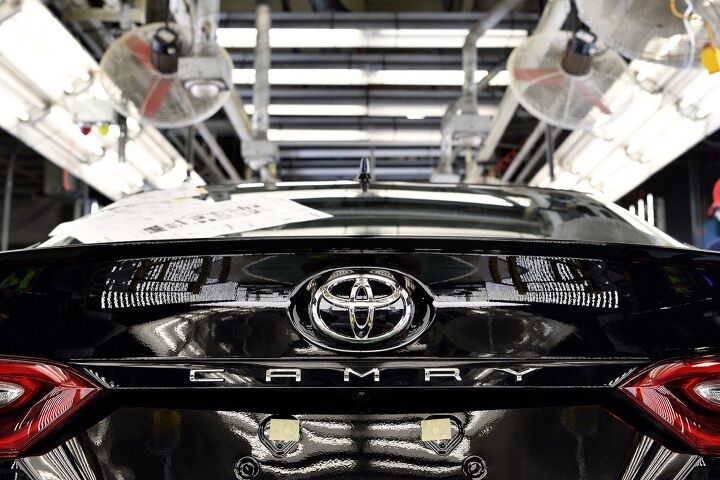
We learned early in July that many of the early 2018 Toyota Camrys available in Toyota’s U.S. showrooms wouldn’t be built in Toyota’s Georgetown, Kentucky, assembly plant.
Through June, not a single one of the 2016 and 2017 Camrys sold in America were imported. But all of the 2018 Toyota Camrys sold in July came across the Pacific from Japan.
Granted, most of the Camrys leaving Toyota showrooms are still old new Camrys, not new new Camrys.
And Now It's Obvious Why the Mazda CX-8 Won't Be Imported to America
First, we heard about the Mazda CX-8.
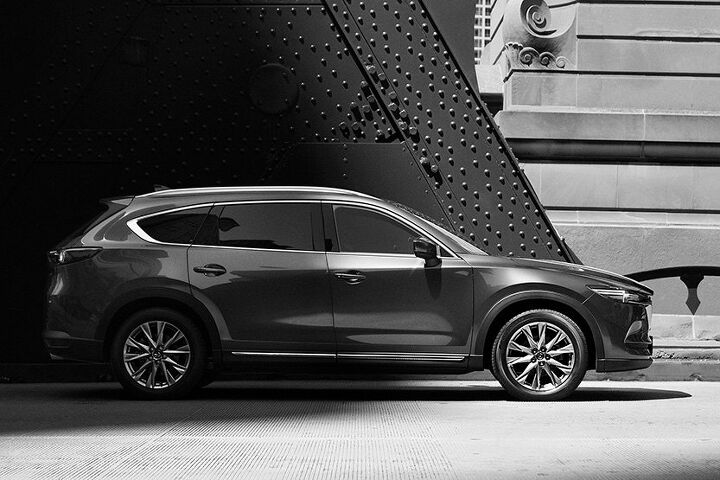
Then the Mazda CX-8 was spotted on the streets of Chicago, Illinois. Which is in the United States.
And then Mazda confirmed that the CX-8 would most definitely not be exported from Japan. As the CX-4 was a China-oriented model, the CX-8 would be geared towards a Japanese market for which the CX-9 is just too big. But then we heard the Mazda CX-8 might be exported from Japan, but only to Australia.
And now, with official imagery, it’s not difficult to understand why Mazda USA has no need for the CX-8. It looks almost exactly like a CX-9 with six fewer inches of length, five fewer inches of width, and a marginally lower roofline.
Americans do not need a smaller Mazda CX-9.
Infiniti Is Poised to Overtake Acura in America's Auto Sales Race for the First Time Ever
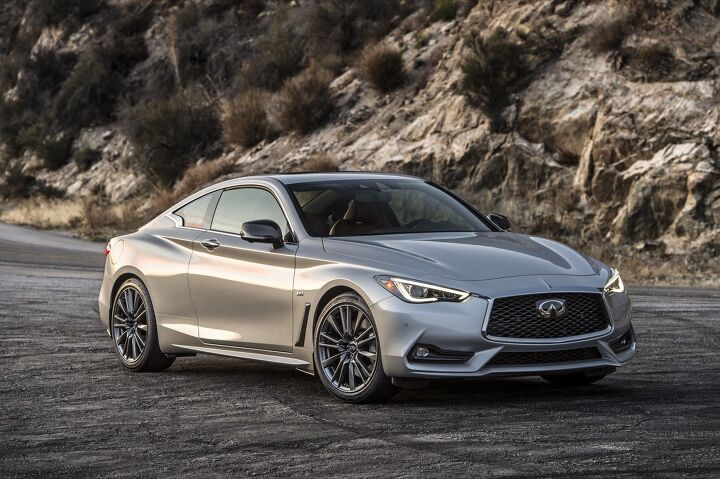
They’re always bridesmaids, never the bride.
But after holding down the fort as America’s second-best-selling Japanese premium brand since surrendering to Lexus some two decades ago, Acura is now about to be bumped from its maid of honor position.
Scottie Pippen? Acura is quickly becoming Toni Kukoc.
After a record U.S. sales performance in 2016, Infiniti sales are rising faster than any other auto brand in America save for four niche-market luxury contenders. After trailing its Acura compatriot for 28 years, it’s past time for Infiniti to catch the bouquet.
Want a Truly Japanese 2018 Toyota Camry? Examine VINs Closely for the Next Few Months

As all-new 2018 Toyota Camrys begin to trickle into Toyota’s U.S. dealers over the coming weeks, take a close look at the VIN.
It’s viewable through the windshield on the driver’s side. See that first number? It’s likely a 4, which means this Camry was built in Georgetown, Kentucky.
But there’s a chance that the VIN on the new 2018 Camry sitting on your local Toyota dealer’s lot doesn’t begin with a number at all.
You’re looking at the once-coveted J-VIN. Ooh la la.
QOTD: The Most Daring Automaker of the 1990s?
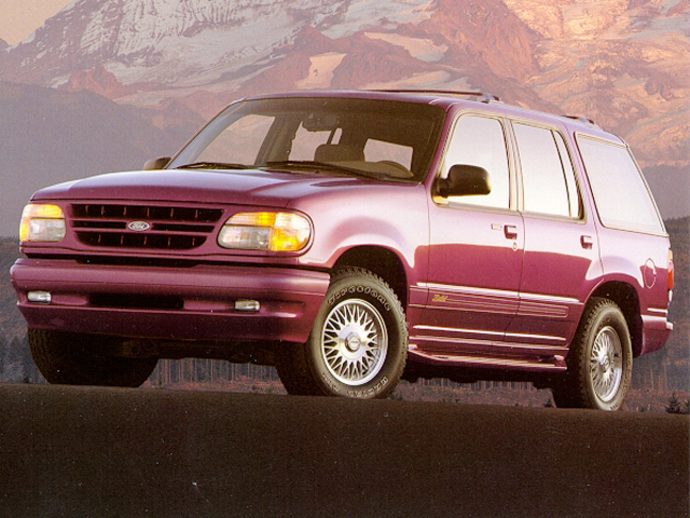
Back in late May of this year, I inquired which modern automaker was the most daring. While I posited it could be Nissan or Volvo, many of you replied it was actually Dodge, followed by Kia and Mazda.
This week, let’s turn back the clock a couple of decades and see if all our answers require a bit of reworking. We’re off to everyone’s favorite car decade, the 1990s. Which automaker was most daring in the era of the neon and teal fanny pack? I’ll give you two specific model examples, much like I did before.

Chrysler Will Stay Alive in Japan (Where It's Almost Dead): FCA
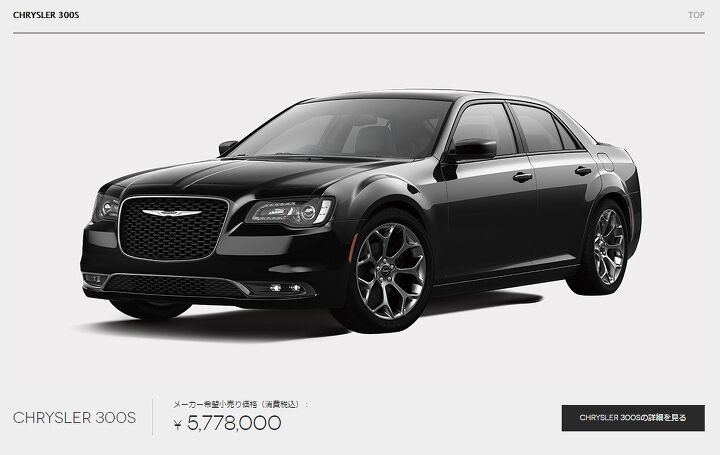
We all remember former Chrysler Corporation chairman Lee Iacocca railing against the Japanese for their uber-expensive land and not-so-open borders. Well, Jeep sales are slowly picking up in that Detroit Three-averse country, but one storied American brand isn’t doing so hot.
Chrysler. Sure, the brand isn’t doing all that great in its home country, either, what with only two models to show for itself. Still, Japanese buyers seem particularly unimpressed with the sole model Chrysler has to offer it.
Still, even with nearly nonexistent sales, Fiat Chrysler Automobiles isn’t about to throw in the towel just yet.

Rare Rides: In Memoriam, Toyota Century
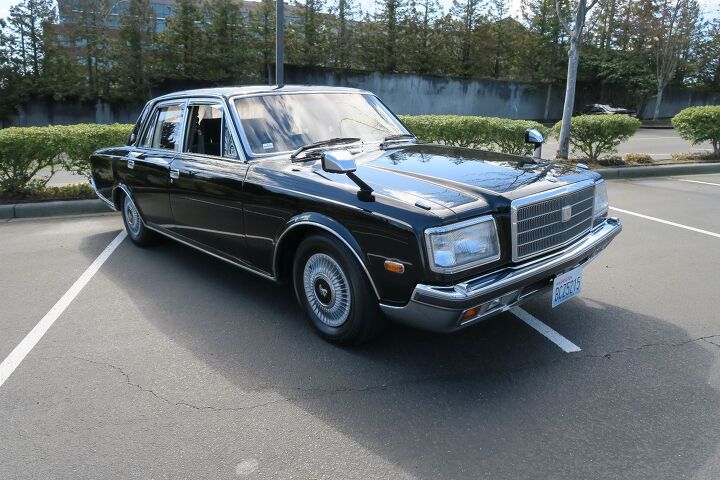
Heads of state and other dignitaries typically like to ride around in large, sedan-shaped vehicles. Offerings like the Mercedes-Benz S-Class and contemporary Rolls-Royce sedans have long been the go-to around the world. Of course, there are exceptions. For places like the United States, national pride dictates an American-made Cadillac or Lincoln.
The Japanese also have a strong sense of national pride, and for decades there was only one vehicle appropriate for heads of state and CEOs — the Toyota Century.
Now it’s gone.
Mitsubishi Electric Fined Millions for Role in Auto Parts Bid-rigging Conspiracy
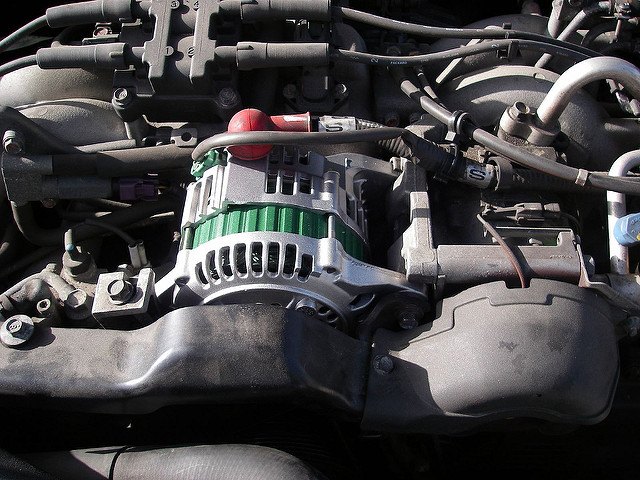
A major auto industry supplier has found itself on the receiving end of a multi-million-dollar fine north of the border, following an investigation into an international bid-rigging conspiracy.
The Ontario Superior Court of Justice leveled a fine of $13.4 million against Mitsubishi Electric on Tuesday for its role in the illegal agreement. The supplier pleaded guilty to three charges, making it only the most recent Japanese supplier to face expensive justice for landing a juicy — but dodgy — parts contract.
Here's Why Japanese Automakers Keep Sending Hydrogen-powered Cars to North America

The United States and Canada don’t have much of a hydrogen fueling infrastructure to speak of, but Japanese automakers continue sending fuel cell vehicles across the ocean anyway. Vehicles like the Honda Clarity and Toyota Mirai have been touted as the environmental saviors of tomorrow but, with the exception of California, there really isn’t a place for them in the North America of today. So why do Japanese manufactures continue to bother with hydrogen?
The main reason is because Japan has bought into a future that America doesn’t seem interested in. With three of its automakers already producing fuel cell cars, the government as adopted a fairly aggressive plan to adopt hydrogen for homes, business, and cars by 2030 — meaning the U.S. probably won’t see these vehicles vanish anytime soon.
Japan Says There's Nothing Closed About Its Barrier-filled Automotive Market

Japan has, once again, scoffed at U.S. demands for better access to its car market on Friday, setting the tone for next month’s unproductive talks on bilateral trade and economic relations between the two countries. U.S. Vice President Mike Pence and Japanese Deputy Prime Minister Taro Aso are supposed to hash things out in April but, before they’ve even managed to exchange pleasantries, the table is being set for failure.
If you’re wondering who is to blame, there are plenty of places to point the finger. The U.S. government complained to the World Trade Organization on Wednesday, claiming there are “a variety of non-tariff barriers [that] impede access to Japan’s automotive market.”
Today, Japan’s Chief Cabinet Secretary, Yoshihide Suga, offered his rebuttal to reporters. “We do not impose import tariffs on cars, and we do not impose any non-tariff barriers,” he said.
Japan's Captive Import History of Masquerading Marques
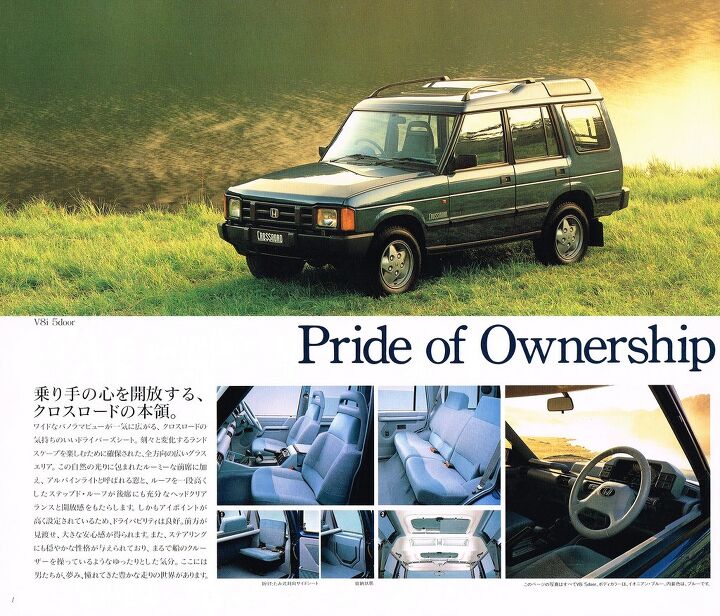
The Japanese market is notorious for being closed to the outside world. It has forced successful U.S. companies to abandon the country, as Ford did recently, and propped-up sales of niche producer Porsche to outstrip sales of corporate giant General Motors. At first glance, it would seem Japanese buyers just don’t want cars built by companies outside the Land of the Rising Sun.
On this side of the Pacific, imports are so popular that domestic manufacturers attempted to make them their own multiple times. We’ve had Opels called Pontiacs and Buicks, Mitsubishis masquerading as Dodges, Toyotas and Suzukis selling as Geos, and Isuzus branded as Chevrolets.
But has it ever gone the other way? Have Japanese brands ever tried to appropriate the automotive culture of other countries to move the metal?

The Problem Isn't Tariffs, Japan Just Hates American Automobiles
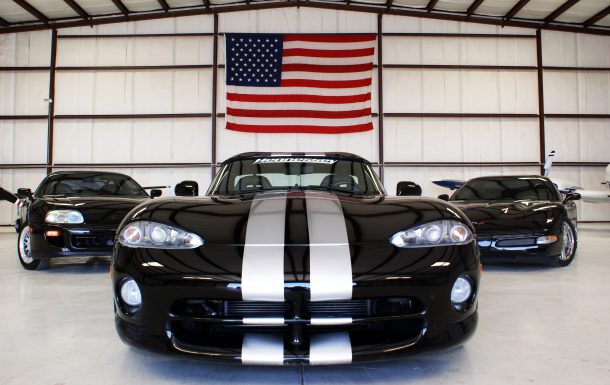
Japanese cars gradually overcame the stigma of being low-quality, unreliable trash piles after entering the U.S. market decades ago. Imports became commonplace during the 1970s and Japan’s cars began setting the new benchmark for automotive quality while Ronald Reagan was in office.
The inverse can be said of American cars being sold in Japan, and it’s a well-documented and long-running annoyance for the American automotive industry. In January, a frustrated President Donald Trump complained that Japan does “things to us that make it impossible to sell cars in Japan, and yet, they sell cars [in the United States] and they come in by the hundreds of thousands on the biggest ships I’ve ever seen.”
Though the statement could be taken as contentious, as Japan does not impose any tariffs on U.S. cars, the country also exported 1.6 million vehicles to the States while America sold fewer than 19,000 back in 2015. Something is definitely amiss, and while it might not be as simple a reason as Japan hating our cars, that’s still a large part of it.
Your Next Honda Civic May Come From Japan, Of All Places
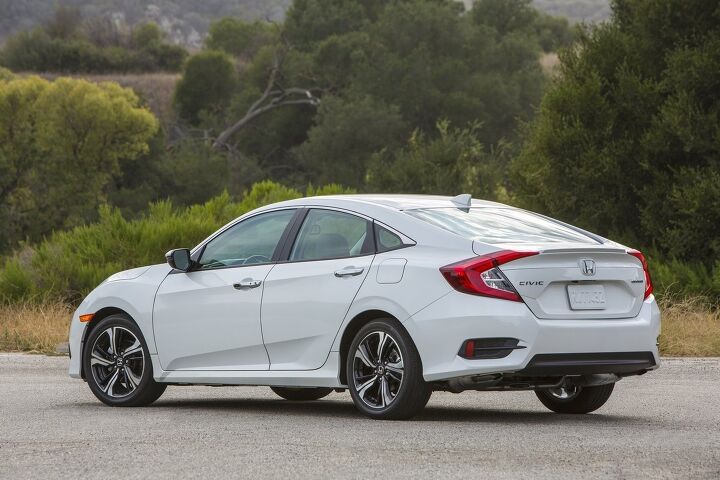
The first Honda Civic made its way to the United States during the Nixon administration. Honda began building Civics in the United States in 1986. Two years later, Honda of Canada Manufacturing began Civic production, as well.
In 2016, with an assembly plant in Greensburg, Indiana, and Alliston, Ontario, Honda is building more than 38,000 Civics per month in North America.
Yet seven years after Honda discontinued the Civic in its Japanese home market, Civic production is returning to Japan.
Civic sales resume in Japan this summer, and some of those Japanese-built Civics, Automotive News reports, might make their way to America.
NAIAS 2017: Look Over Here, Please, We Beg You! Lexus Hopes 2018 LS Returns Flagship to Relevance

It wasn’t long ago that Lexus could reliably sell 20,000-plus LS sedans in the U.S. each year. Certainly, the model’s pre-recession sales performance fell under the heading of “reliable,” with over 35,000 sold in 2007.
Ever since great economic upheaval sent American buyers fleeing in increasing numbers into the arms of crossovers and SUV, the Lexus sedan that created tsunami-like ripples through the luxury car field in 1990 has seen its customer base erode. Just 5,514 U.S. buyers saw fit to take an LS home in 2016.
Could a redesign bordering on the radical be the medicine the LS so desperately needs?
Is Infiniti's Variable Compression Turbo the Holy Grail of Power and Efficiency?

It was 1998 and my friend Tom had just picked up a 1991 Eagle Talon TSI AWD.
“Ok, go ahead and floor it, but don’t rev it past 5,000 rpm,” Tom said.
I mashed the throttle and … nothing happened.
We were moving, but it was at the pace of a Toyota Corolla and nowhere near the rate of acceleration promised by the 2.0-liter turbo’s claimed 195 horsepower.
Disappointed, I left my foot on the throttle for a few seconds. Suddenly, I heard the whistle of the spooling turbo and a sudden shove of boost kicked in.
Four-cylinder turbo engines from the ‘90s were all similar to this. While they generated relatively big power at the top end, they also suffered from massive turbo lag and had fuel economy similar to a much larger V8.
Nissan’s new Variable Compression Turbo engine promises big power, minimal turbo lag, and decent fuel economy using some new trickery.
Is this the holy grail of turbocharged motors?

Japan Wants U.S. Marines to Ride Into Battle in a Mitsubishi

What a difference seven decades make. In the early 1940s, Mitsubishi Zeroes of the Imperial Japanese Navy tangled with U.S. Grumman Wildcats and Hellcats in the skies over the west Pacific. Now, the aircraft’s builder wants the U.S. Marines to sign up for its amphibious assault vehicle.
Japan is getting into the arms export game after scrapping a law forbidding it, with Mitsubishi Heavy Industries now in talks with a U.S. company to partner on the vehicle, Reuters reports.
2017 Mitsubishi Outlander PHEV Again Postponed, Won't Arrive Until Next Summer
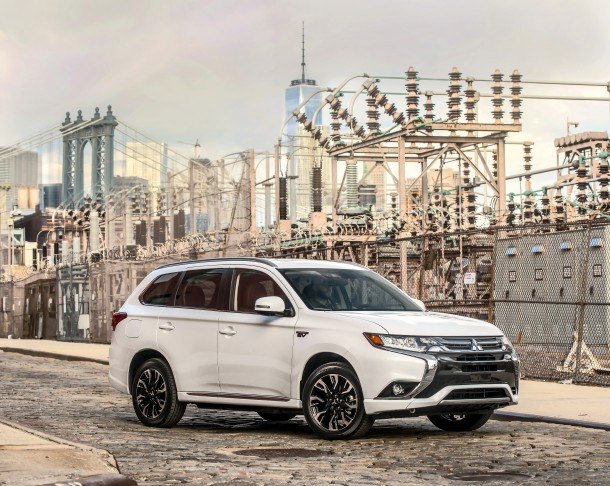
The long-anticipated Mitsubishi Outlander plug-in hybrid, expected later this year, has once again been postponed for the U.S. and Canada.
This is at least the fifth time it’s been delayed in North America since its 2013 Japan-market launch. Mitsubishi’s U.S. market public relations manager, Alex Fedorak, confirmed the latest delay.
“Following a thorough evaluation process, we have determined that, in order to meet a level of competitiveness that will exceed customer expectations in the United States, the launch of the Outlander PHEV will be delayed until the summer of 2017,” said Fedorak.

Isuzu to GM: 'It's Been Grand, But I'm Dating Someone Else Now' [UPDATE]
![Isuzu to GM: 'It's Been Grand, But I'm Dating Someone Else Now' [UPDATE]](https://cdn-fastly.thetruthaboutcars.com/media/2022/07/19/9219058/isuzu-to-gm-it-s-been-grand-but-i-m-dating-someone-else-now-update.jpg?size=720x845&nocrop=1)
Update: Automotive News is reporting General Motors is now focusing “on the higher end of the market while the Japanese firm sticks to selling vehicles for everyday commercial purposes,” strongly hinting that GM is the one that broke off the collaboration. We’ve added detail below.
After announcing a new bromance with Mazda just over a week ago, Isuzu is calling it quits with its old beau General Motors.
(Or maybe GM caught Isuzu cheating behind its back. Who knows? The relationship dynamics at play between automakers are difficult to flesh out.)
Regardless, midsize trucks — badged as both Isuzus and Chevrolets — will be no more in the Land of Smiles. The duo, which has a truck plant each in Thailand, will decouple their R&D efforts as they move toward engineering new global midsize pickups.

Suzuki Finds Silver Lining in Clouds Around Shizuoka Prefecture

After the Mitsubishi fuel economy scandal triggered a Japan-wide investigation into fuel economy claims, Suzuki is now in a similar situation as its diamond-starred competitor.
But the reasoning behind Suzuki’s misdeed is different: the automaker, it claims, was destitute.
New Mitsubishi R&D Chief to Tackle 'Secretive' Tech Department

A top Nissan executive is packing his bags and getting ready to take on Mitsubishi’s shadowy and scandal-prone technology arm.
Yesterday’s reports proved true, with Mitsuhiko Yamashita, Nissan’s chief technology adviser, announced today as Mitsubishi’s new head of research and development. He will take on the position starting June 24.
There’s a tough job waiting for Yamashita.
Mitsubishi President Resigns Over Fuel Economy Scandal
He’s been with the company since the Plymouth Sapporo/Dodge Challenger era, but Mitsubishi president Tetsuro Aikawa’s tenure comes to an abrupt end in June.
Aikawa stepped down today after less than two years at the helm, the victim of his company’s ongoing fuel economy scandal, according to an announcement from the automaker. Ryugo Nakao, the company’s executive vice-president in charge of quality, is also out the door.
Ghosn on the March: What Does an Alliance Mean for Nissan and Mitsubishi?
Yesterday’s news that Nissan will buy a 34-percent controlling stake in Mitsubishi for $2.2 billion was the latest win for Carlos Ghosn, the man behind the Renault-Nissan Alliance of 1999 and possessor of many fingers in many pies.
Ghosn, CEO of both Nissan and Renault, inked the agreement with Mitsubishi as the other automaker battles a misleading gas-mileage scandal. At a price of 468.52 yen/share, Ghosn’s purchase of new shares was a smoking deal. Mitsubishi shares traded for 1,100 yen just last December.
What becomes of the two companies now? And how will Ghosn’s world-straddling empire benefit by snapping up beleaguered Mitsubishi?
Nissan Wants to Take Control of Mitsubishi Motors: Report

Nissan Motor Company wants to buy a controlling stake in Mitsubishi Motors, according to a report by the Japanese broadcaster NHK.
The deal would see Nissan invest 200 billion yen ($1.84 billion) into the scandal-plagued automaker, giving Nissan control, Bloomberg reports.
The Biggest Safety Recall in History is About to Get Way, Way Bigger

Maybe 2016 isn’t Takata’s year.
The airbag manufacturer at the heart of the largest automotive safety recall in history is poised to double the number of airbag inflators it needs to fix, Reuters reports.
A number of people close to the issue said the beleaguered company will soon announce a massive expansion in the scope of the recall, which has already seen 28.8 million airbag inflators recalled in vehicles from 14 automakers. Another 35 to 40 million units require fixing, the sources say.
'Everything's Fine,' Says Mitsubishi to the EPA
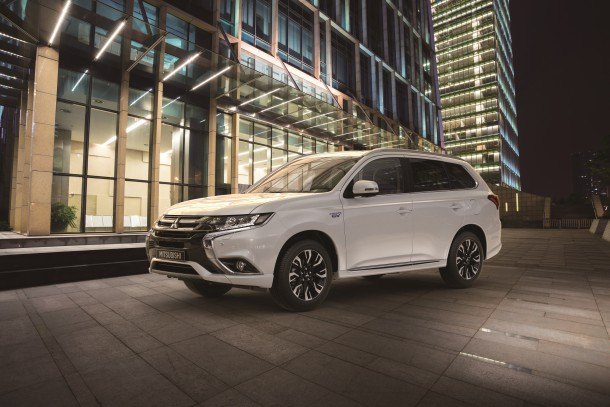
After admitting it fudged fuel economy data for the past 25 years in Japan, Mitsubishi Motors wants the Environmental Protection Agency to know that its U.S. vehicles are A-OK.
The automaker claims it conducted an internal audit on vehicles from model year 2013 to present and contrasted that data with figures it had previously submitted to the EPA. The conclusion? The information’s fine.
Mitsubishi Fudged Japanese Mileage Data Since 1991

Mitsubishi’s fuel economy scandal blew up yesterday after the automaker admitted it has issued misleading mileage data since C+C Music Factory was at the top of the charts.
The scandal that started with inflated mileage numbers on a single minicar one week ago now extends to all Japanese market Mitsubishi vehicles sold over the past quarter century. Reuters is reporting that the automaker compiled fuel economy data using U.S. standards, rather than the Japanese standards that factor in much more city driving.
Japanese Earthquake Disruptions Hit North America; GM Idles Four Plants
Four General Motors assembly plants in the U.S. and Canada will be closed temporarily due to supply chain disruptions caused by last week’s earthquakes in Japan.
The automaker announced today that four plants — Spring Hill, Tennessee; Lordstown, Ohio; Fairfax, Kansas; and Oshawa, Ontario — will be idled for two weeks starting on April 25.
Mitsubishi Mileage Scandal Makes Its Way to the U.S.
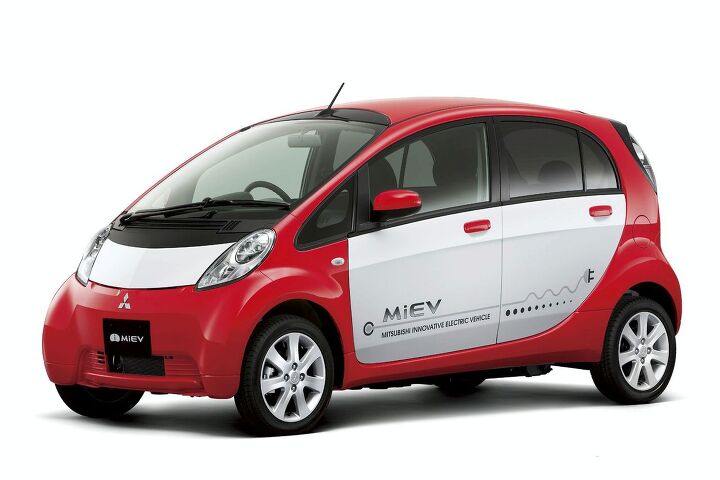
A day after its head office was raided by Japanese Transport Ministry officials, the U.S. is going to put Mitsubishi’s mileage claims under scrutiny.
The scandal began when Mitsubishi admitted it overstated fuel economy numbers on its Japanese market eK mini wagons, but Reuters is now claiming the false data extends to U.S. market vehicles.
Tiny Vehicle's Thirst Means a Supersized Headache for Mitsubishi
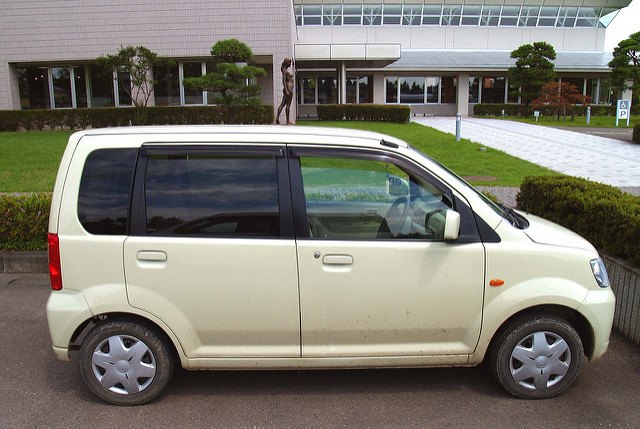
Mitsubishi Motors has some ‘splaining to do after fuel economy figures for its tiny overseas eK wagon were proven to be false.
The automaker overstated gas mileage by five to 10 percent over the last three model years, Bloomberg reports, allowing the minicars to be classified as greener than they actually were.
Powered by small-displacement three-cylinder engines, the vehicles are called “kei cars” in Japan (no, not K-cars).
Takata's $24 Billion Worst-Case Scenario

The cost of a comprehensive recall of all Takata Corporation airbag inflators could sink the company.
A source at airbag manufacturer Takata told Bloomberg that a worst-case scenario — a recall of 287.5 million airbag inflators — would cost the company $24 billion dollars, far more than analysts previously estimated.
The cost would be the equivalent of four times the projected revenue Takata expects for the 2015-2016 fiscal year, or six times the total value of the company’s assets.
NYIAS: The Evolution of GT-R Shown Within One Thousand Square Feet

The newly refreshed 2017 Nissan GT-R on the rostrum drew the focus of many, but it was the five historic vehicles Nissan decided to bring to the New York International Auto Show that shouted for my attention in the crowd.
These five Skylines represent the race-bred heritage of the GT-R, while simultaneously taunting American enthusiasts who could never buy these iconic sports cars when they arrived new to dealerships.

Toyota 86s Scion FR-S in Name Only, Gets Power Bump

Scion’s slow-selling FR-S rear-wheel-drive coupe is about to become Toyota’s slow-selling rear-wheel-drive coupe, and it will be branded with the same moniker as in many other parts of the world.
That’s right: this is the Toyota 86, also known as what it should have been named here in the first place.
First-Ever Honda N600 Gets Restored in New Video Series

As a relative newcomer to the car-building scene, Honda doesn’t quite have the heritage of classics piling up in a dusty warehouse like most other automakers. They do have a legion of rabid fans, however, including one restorer who specializes in very early Honda cars — and found the very first N600 built for the U.S. market.
Honda partnered with that restorer, Tim Mings, and today released the first of a series of videos and features on the restoration of this very special classic on the website Serial One.
Is Mazda Going to Tell the Miata to Put Its Top Back On?
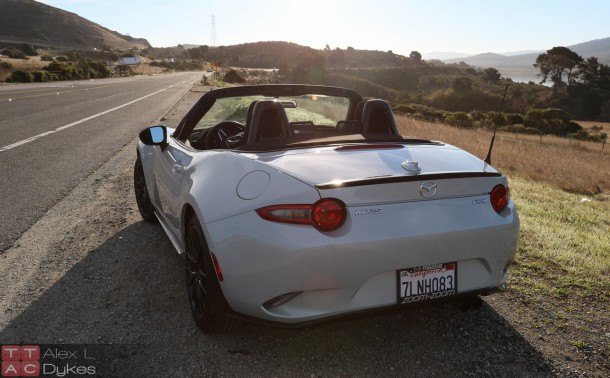
Mazda is teasing a new model reveal for next week’s New York Auto Show, and it could be a MX-5 Miata with more shade.
The invitation to the model’s world premiere later this month asks participants to help Mazda “blow the lid off.” Hmm, let’s think about that one for a minute …
The previous generation MX-5 Miata was available in power retractable hardtop form, but that option died in 2015 when the fourth-generation launched in soft-top guise only.
TTAC News Round-up: Honda Wants a Cheaper Future, Cash for Airbag Woes, and Tesla Races Itself

The world needs to be saved, but who wants to spend more money doing it?
That, cash lands on Takata-plagued dealers, Tesla takes to the track, BMW wants you in and out fast, and Volkswagen dreams of slaying the Prius … after the break!
Lemon or Lemonade: Enter the Imports
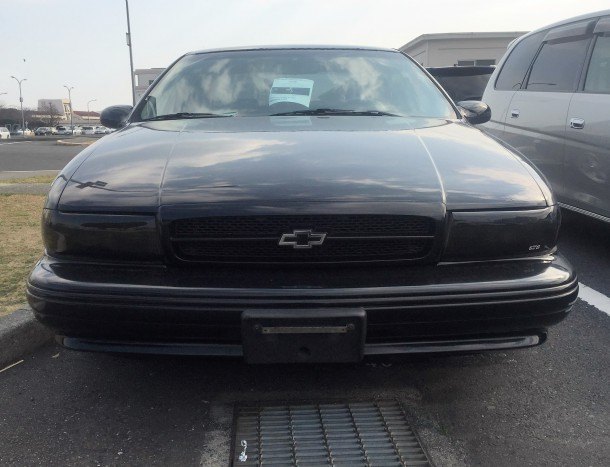
When I started kicking tires and taking photos at the Fleet Activities Yokosuka Lemon Lot, I was hoping to document the dark underbelly of the Japanese Domestic scene. I figured I would find all sorts of bottom dwellers — you know, cars that should have been consigned to the junk pile years ago. That hasn’t been the case.
There are tons of large, respectable people movers on display and next to them are dozens of cheerful, little economy cars. Once in awhile we get a performance car, or at least something that could have been sporty if it had the right options, but I have yet to see any bestickered, black hooded, wanna-be drift cars. Finding interesting cars has been really difficult, so today I will show you something I have hitherto been ignoring – the imports.

Mirror Mirror: Reflections on Driving in Japan

A few weeks ago, one of TTAC’s Best and Brightest asked for my thoughts on driving in Japan. It’s not the first time the topic has come up. There were several comments in response to the series that documented the importation of my Town & Country, but I’ve been content to avoid the subject up ’til now.
I’d like to say I’ve abstained explaining driving in Japan because I believe my silence fosters discussion. But there’s a truer reason: I dread the scrutiny that follows any article about Japan. I know from hard experience that every westerner who has ever set foot in the country is an expert on every subject, and they will come out of the woodwork to dispute everything I say.
Don’t believe me? Wait and see.
An Unexpected Japanese Classic: The Honda Mobilio

It wasn’t supposed to be like this.
The Town & Country I worked so hard to import into Japan was supposed to be my wife’s. I had planned to buy whatever I wanted and, although I hadn’t quite decided on what that was going to be, classic Japanese iron was on my mind. The second-generation Toyota Soarer and the ’90s-era Toyota Celica GT-Four were leading candidates. I was having fun considering other options, too.
A second minivan, however, was not among them.
Lemon or Lemonade?: Zing in Your Thing

I had another opportunity to visit United States Fleet Activities Yokosuka last week and, naturally, I brought along my camera for another visit to the “Lemon Lot.”
While my last visit noted the many people haulers for sale and focused on a pair of cheerful Toyota Fun Cargoes, this time, my attention was drawn to sportier fare.
Lemon or Lemonade?: A Visit to Yokosuka's Vehicle Resale Lot
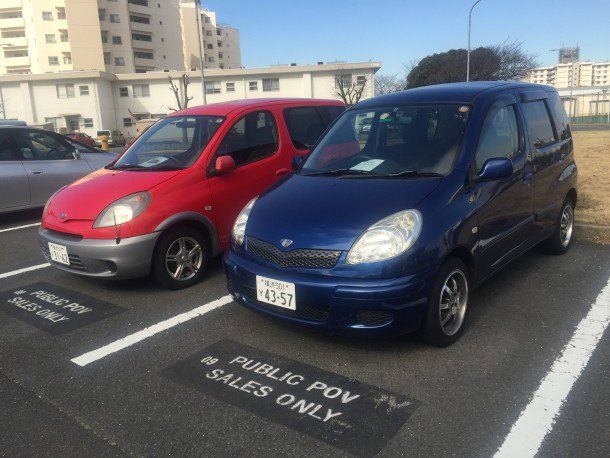
I had the opportunity this week to visit United States Fleet Activities Yokosuka, a U.S. Navy base in Yokosuka, Japan originally established in 1866 by the Japanese Imperial Navy. The facilities are currently used to support and repair U.S. naval vessels assigned to the Western Pacific. On the day of my visit, there was a lot of activity and several warships along the waterfront, but I wasn’t there to enlist.
Instead, my motivation for visiting was much more mundane. I was there to eat tacos and check out the hoopties on the base lemon lot.
Nissan Recalling 870,000 Altimas for Faulty Hood Latches, Again

Nissan announced Friday that it would recall about 870,000 Altimas for faulty hood latches, the third time the automaker has recalled the cars since 2014, according to Reuters.
The affected models are 2013-2015 Altimas, whose secondary hood latches could rust and be ineffective at keeping 20-some square feet of sheet metal from blocking your view of the road.
The automaker attempted to fix the issue in February 2015 and September 2014, but like any good owner of a General Motors 3800 engine will tell you, anything worth doing is worth doing over and over and over again.

NAIAS 2016: 2017 Lexus LC500 - Ur-Lexus for Next Generation?

Four years after Lexus unveiled its LF-LC at the 2012 North American International Auto Show, the automaker announced Monday that it would put into production largely the same car and call it the LC 500.
Powered by a 5-liter V-8 lifted from the RC-F and GS-F, the LC 500 will be the brand’s largest two-door coupe and mostly complete the turnaround by the automaker they started around four years ago.
Seriously, the LC 500 is by the same people who make the ES 350.
TTAC News Round-up: Winterkorn Appears on BI Top 15 List, Oil Near 11-Year Low (Again), and Jeep Goes Online in India
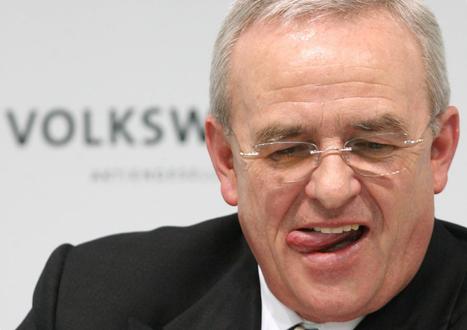
Where do you end up if you’re the former CEO of a company guilty of cheating diesel emissions tests, the fallout of which wipes out billions of dollars of value from said company? Business Insider’s “The 15 biggest career crashes of 2015” list, of course.
That, and Nissan prices the new Sentra, oil is still on a well-lubricated downhill slide, Jeep is now online in India, and more … after the break!
They're All Infiniti QX30s From Here On Out
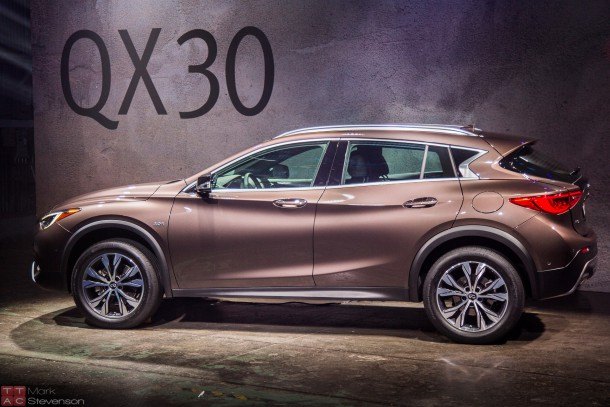
Infiniti finally got our letter that the Q30 and the QX30 looked so much alike that we thought they were the same car.
From here and forevermore they’ll both be known as the QX30, according to the automaker.
Accordingly, the QX30 comes in three flavors: QX30 (nee Q30, or Sedan Spice), QX30 AWD (nee QX30, or Crossover Spice) and a sporty edition QX30S (nee Sporty Spice).
Report: Honda Engineers Berated Takata Before Scandal Erupted
Bloomberg ( via Automotive News) reported that engineers at Honda demanded to know why Takata airbags were injuring drivers and passengers during a 2009 meeting held four months before investigators started their inquiry.
“Why does it explode? I want to know the truth,” an engineer identified as “Otaka” asked Takata’s CEO at the meeting, according to Bloomberg.
Minutes from a July 2009 meeting between Honda executives and Takata officials were made public as part of a lawsuit against the airbag maker.
TTAC News Round-up: Volkswagen Has A Better Slogan and Attitude, BMW Has Less Money, And Honda's Bringing All The Turbos

Volkswagen’s simple, effective and direct slogan “Das Auto” ist kaput after about a decade of ruining our logic and grammar.
That, and BMW gets spanked by NHTSA, drive like it’s 2008, and more … after the break.
TTAC News Roundup: Merry Boozy Christmas; Subaru Can't Make 'em Fast Enough; Nevada's Playing With House Money

You’ve made some bad decisions at the holiday office Christmas party. We’ve all done it. Don’t compound it by using a (probably inaccurate) free breathalyzer that you picked up at a Honda dealer instead of a cab ride.
That, and Subaru is turning production up to “11,” Hyundai was hit hard in China and Nevada’s rolling the dice on electric cars … after the break.
Nissan Wants A Cheaper Z, So The Kids Can Buy Them

The next-generation Nissan Z (which may or may not be: 1. A crossover; 2. Real; 3. Inspired by a bicycle; 4. FWD; 5. All of the above) may be less expensive than the current car, Nissan design chief Mamori Aoki told Dutch newspaper De Telegraaf.
A lower price would appeal to a younger generation who can’t afford the Z’s current $30,000 price tag, Aoki said. Well, yeah.
Interestingly, the report notes that a less-expensive Z could make room for a more powerful Nissan sports car that isn’t called a GT-R. Aoki told the newspaper that the GT-R would remain a flagship performance car that wouldn’t compromise speed for something as silly as price. Wonderful.
Mitsubishi Won't Build Another Montero/Pajero

According to a report last week from Japan’s Nikkei, the Mitsubishi Montero — known as the Pajero in other global markets — is totally, completely, and utterly dead. Mitsubishi will instead focus on crossovers and electrification going forward.
Mitsubishi had teased “The Return of a Legend” earlier this year before the Chicago Auto Show, which many in the automotive press — including TTAC — thought might be a replacement for the flagship SUV. The automaker showed instead its Mitsubishi Concept GC-PHEV.
According to the Nikkei report, Mitsubishi has all but stopped development on a new Montero/Pajero. The large SUV was last redesigned for the 2006 model year, but that generation didn’t make it to the United States.
Report: Nissan, French Government Strike Deal in Renault Spat
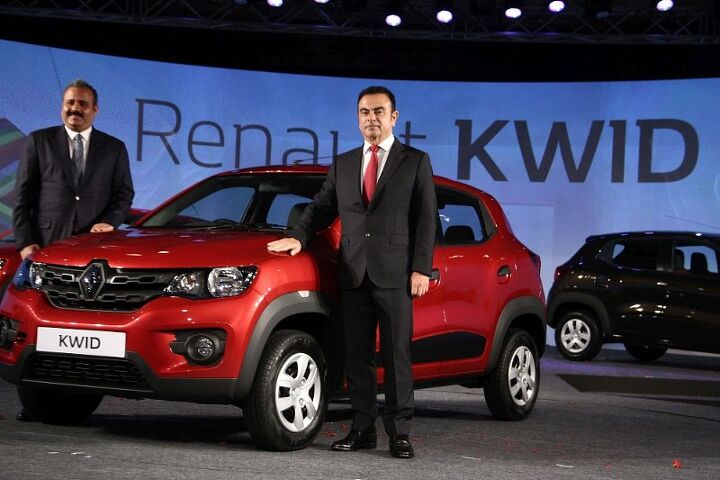
Nissan and the French government struck a deal Friday to end a dispute over how much influence the state has over the carmaking alliance between the Japanese automaker and Renault, according to Renault.
The French government will cap its voting rights between 17.9 percent and 20 percent in non-strategic shareholder decisions, and will preclude “interference” by the government in Nissan by Renault. Renault, which is partially state-owned, is Nissan’s largest shareholder.
Earlier this year, France passed a law that would have given the government increased voting rights in the alliance, perhaps in an attempt to forge a stronger partnership between the two automakers.
Oh, So The Mazda Koeru Might Be a Completely New Car
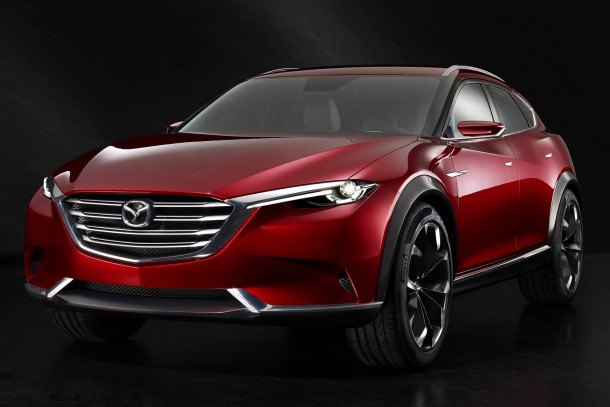
Settling the debate between whether Mazda’s Koeru concept from Frankfurt was a new CX-5 or CX-9 (or CX-7?), CEO Masamichi Kogai told Automotive News that the answer may be “none of the above,” apparently.
On Monday, Kogai said that the Koeru could get the green light as a sporty crossover, sold alongside the CX-5 as a wagon-esque crossover aimed “to generate more driving pleasure,” Kogai told Automotive News.
Media reports on Tuesday likened the lower, fastback, five-door Mazda wagon to a possible Subaru Outback competitor, which completely forgets what an Outback looks like today.
Nissan Announces Proposal To Wrest Power From Renault, Paris
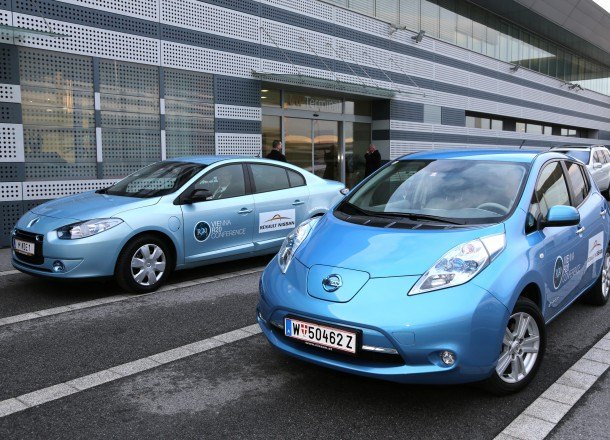
Nissan has announced a proposal which would end Renault’s control of the Renault-Nissan Alliance, and would curtail interferance by the French government.
When we last left off, Nissan was looking to gain a voice in the alliance it made in 1999 with Renault by increasing its stake while mitigating the stake shared between Renault and Paris. The Japanese automaker has held a 15 percent non-voting stake since alliance CEO Carlos Ghosn turned around its fortunes in the early 2000s, as French law prevents affiliates owning less than 40 percent of a French-led company from voting at the shareholders’ table.
Nissan has other ideas.

Mitsubishi Gives Up on I-MiEV in the States, Will Build Any Crossover You Like

Mitsubishi’s sedan offering in the United States may very likely begin and end with its Mirage ( which Mark says they didn’t ruin for 2017) as the company builds more and more crossovers to sell.
“We are strong in SUVs and four-wheel drives. And that is what we would like to focus on as core models in the U.S. market. We have changed direction,” CEO Osamu Masuko told Automotive News. “We are going to allocate more resources to the areas where we are strong in the U.S.”
Mitsubishi will announce a mid-sized crossover to fit between its Outlander and Outlander Sport, which are both due for a redesign in 2017 and 2019 respectively. The automaker is also betting big on electrification: all of its crossovers will either offer a hybrid, plug-in hybrid or all-electric version.





Recent Comments