


QOTD: Which JDM Car Do You Wish Was Sold in North America?
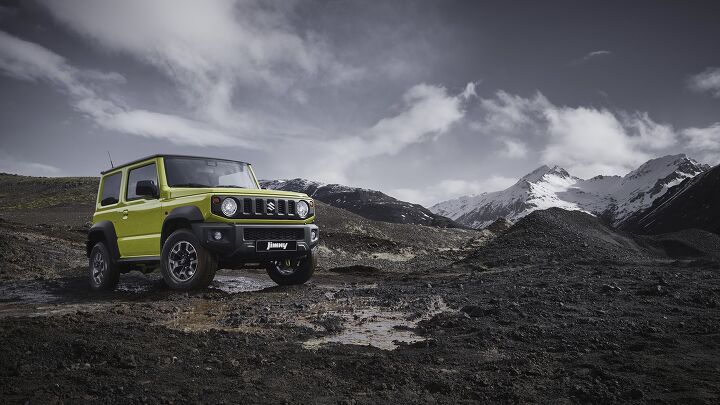
We all know there are certain Japanese Domestic Market (JDM) cars you cannot buy in the United States or Canada. So today's question of the day is a simple one -- which piece of forbidden fruit would you like?

No Markup Necessary: Toyota To Sell the GR Corolla Via Lottery in Japan
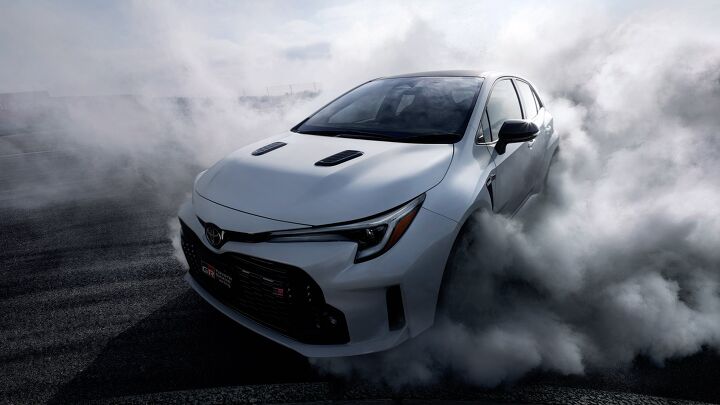
If you’ve even slightly considered throwing your hat in the ring to buy a new Toyota GR Corolla, you probably came face to face with the dual buzzsaws of dealer markups and minimal supply. Toyota Japan has its act much more together and appears to want to do the right thing with its buyers because it recently announced that GR Corollas would be sold through a lottery system.

Toyota and Subaru Recalling EVs Over Loose Wheels
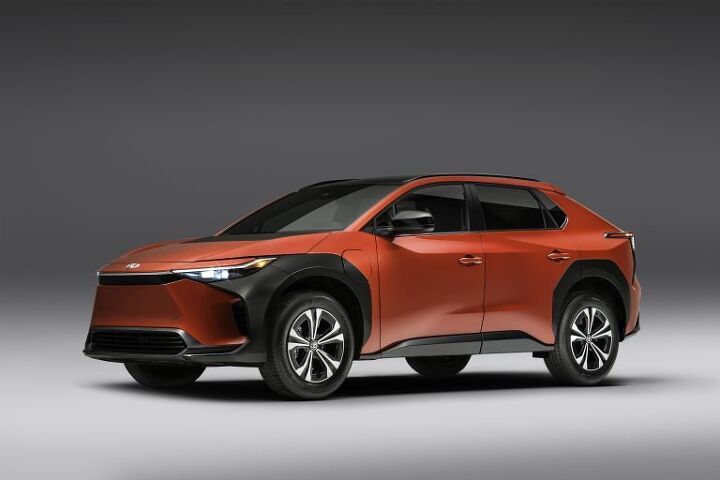
Toyota and Subaru are recalling their new all-electric models, though EV fans will be pleased to know that the issue has nothing to do with the battery packs. Instead, the affected vehicles run the risk of losing their wheels under sudden braking or sharp turns — which I suppose isn’t much of an improvement over the possibility of an electrical fire.
The good news is that the problem is limited almost entirely to demo models of the Toyota bZ4X and Subaru Solterra the companies wanted to use for promotional purposes. While they may eventually have found their way into residential garages, the original intent was to have them attend trade events and serve as test models on dealership lots. That’s likely to remain the plan, too. But only after the automakers comply with the demands of Japanese regulators.

Junkyard Find: 1989 Mazda 626 DX
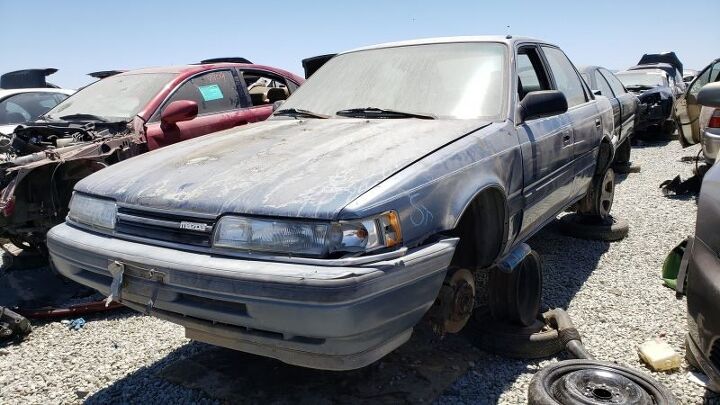
After selling a rear-wheel-drive 626 here starting in the 1978 model year, Mazda introduced a brand-new front-wheel-drive version for 1983. That was the same year the Camry first appeared on our shores, and the cheaper 626 lured many car shoppers away from Toyota showrooms with its impressive list of standard features. The Camry got a major update for 1987, and a new generation of 626 appeared the following year. Here’s one of those cars, photographed in a Northern California self-service yard last winter.
Read more

Junkyard Find: 1990 Subaru Justy 4WD GL
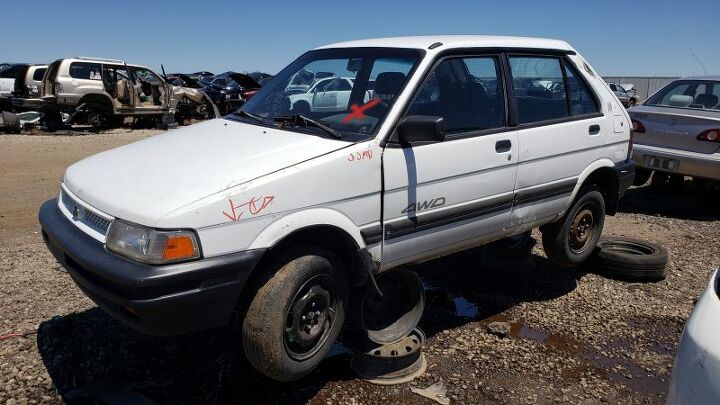
The General began selling the Suzuki Cultus hatchback with Chevrolet Sprint badges here starting in the 1985 model year, with the later versions becoming the Geo/ Chevrolet Metro. Even though gasoline prices had crashed during the middle 1980s, the three-cylinder Sprint sold well enough that Subaru decided to bring their tiny three-cylinder car to our shores. This was the Justy, and I’ve found this ’90 in a self-service yard in Subaru-crazed Denver.
Junkyard Find: 2011 Suzuki Kizashi SE AWD
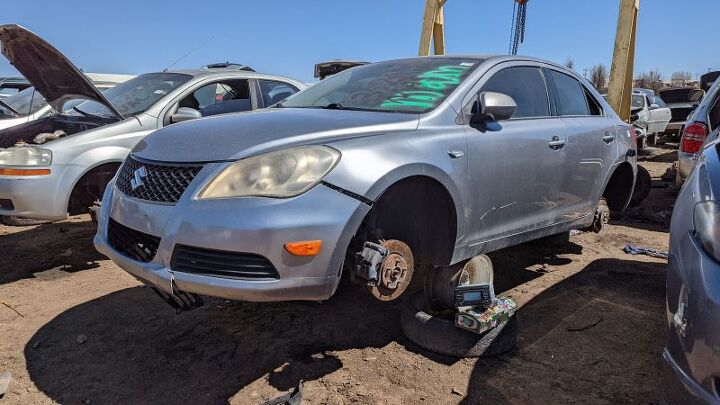
Even though everything in the General Motors universe looked pretty shaky in 2009 and GM-affiliated Suzuki gave up on its attempts to sell Suzuki-badged cars in America in 2013, somehow an interesting new Suzuki midsize sedan managed to appear on our shores for the 2010 model year: The Kizashi. Just under 23,000 Kizashis were sold in the United States and Canada during the car’s 2010-2013 sales run, and I’ve found this clean ’11 in a yard just south of Denver, Colorado.
Junkyard Find: 1990 Lexus LS 400
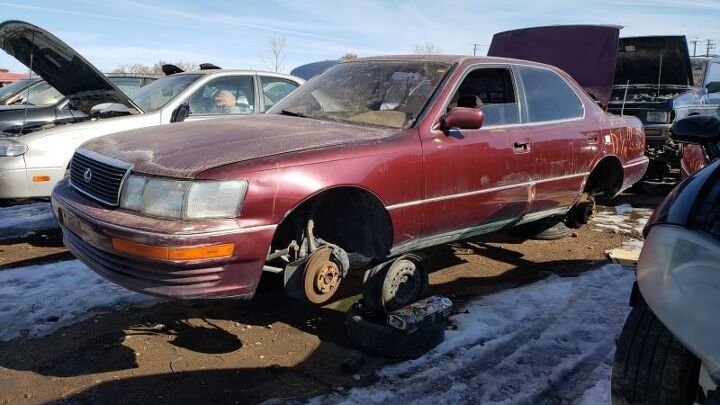
While Honda was the first Japanese car company to have a North American showroom hit with a new luxury brand, the Legend lacked the imposing bulk to really threaten the flagship sedans of competitors based in Michigan and Europe (and, on top of that, it had Accord running gear and Rover DNA). Nissan and Toyota got into the luxury-sedan game here in the 1990 model year, when the Infiniti and Lexus brands had their debuts here with the Q45 and LS 400, respectively.
Junkyard Find: 1980 Datsun 280ZX
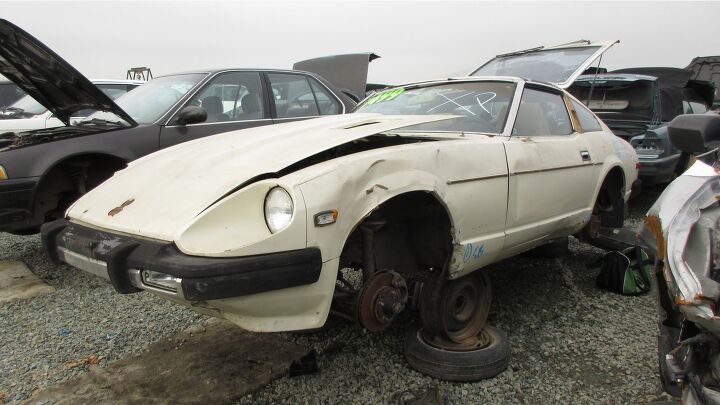
Nissan sold the 280ZX version of the famed Z-Car here for the 1979 through 1983 model years, right up to the end of the Datsun era and the start of the “Name Is Nissan” period we’re in today. These cars don’t have the maniacal following of their 240Z/ 260Z/ 280Z predecessors but sold well when new, so I find the 280ZX to be reasonably easy to find in the big California car graveyards I frequent. Here’s a well-equipped ’80 in Alpine White paint, showing off its T-tops in a San Francisco Bay Area yard a few years back.
Toyota Confronting Widespread Factory Stalls in Asia

Toyota Motor Corp is currently having to contend with idle factories in Asia, reducing the automaker’s estimated output by over 47,000 units this month. Shockingly, it’s not alleged to have anything to do with the semiconductor shortage that’s been wreaking havoc on Western markets.
With chip production having been localized primarily in China and Taiwan, Asian suppliers have had better access to them. But Eastern markets have still been subjected to other routine plant closures due to supply chain restrictions stemming from the pandemic. Existing protocols in China, combined with renewed restrictions in Japan, have created a situation impacting numerous automakers with Toyota announcing this week that it probably won’t reach its goal of manufacturing 9 million cars this year — though it made sure to include the ongoing semiconductor issue as relevant.
Junkyard Find: 1996 Subaru SVX
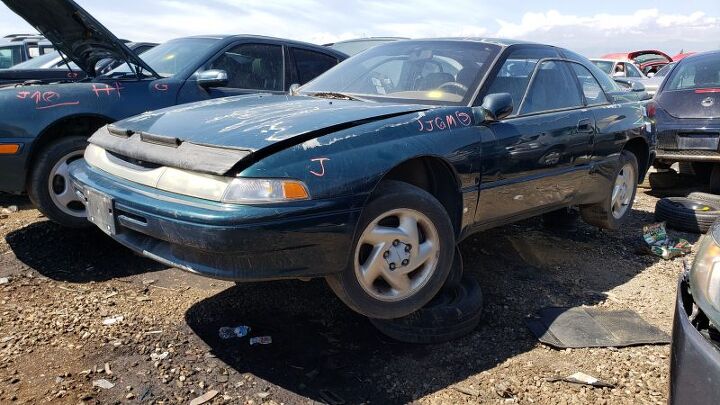
One great thing about living in Colorado, where new residents are issued a dog and a Subaru when they arrive, is that I can find examples of just about every Subaru model sold here since the late 1970s in the local car graveyards. That means that I have plenty of opportunities to observe the gloriously weird SVX, once its street days are finished.
Junkyard Find: 1985 Mazda 626 Luxury Sedan
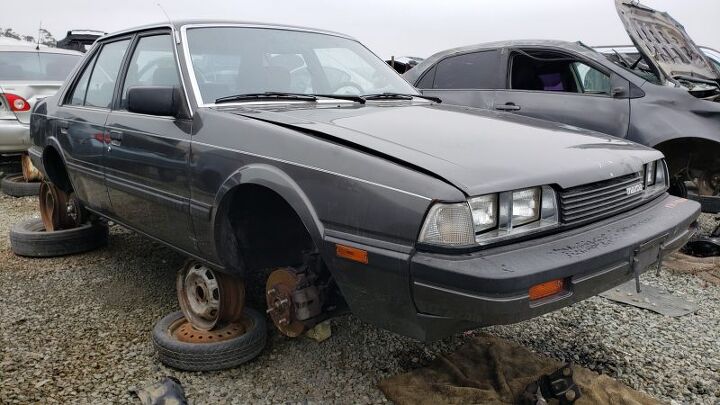
The original Mazda 626, sold here for the 1978 through 1982 model years, was a rear-wheel-drive machine that looked quite European in a Peugeot 504-ish way. Its front-wheel-drive successor was straight-up aimed at gaijin car shoppers who might consider a Camry, Accord, or Stanza, and it came packed with affordable luxury features and cool gadgetry. Here’s an ’85 LX sedan with one of the raddest 1980s audio systems imaginable, found in a Northern California self-service yard earlier this month.
Junkyard Find: 1980 Toyota Celica Supra
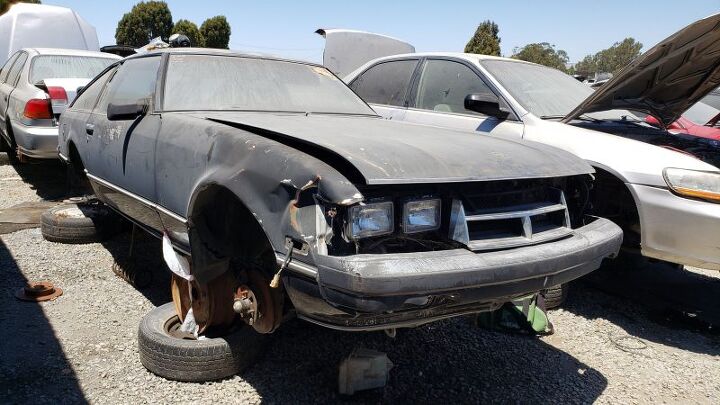
In 1970, Toyota introduced the world to a pair of cars based on a new platform: The Carina sedan and the Celica sports coupe. The Carina was sold in the United States for just the 1972-73 model years and disappeared without a trace, but its Mustang-resembling Celica sibling proved to be a big sales hit on this side of the Pacific. With their truck-appropriate four-cylinder R engines, though, those U.S.-market Celicas of the 1970s were slow and tended to sound like a Hilux groaning up a mountain pass in Waziristan with a load of 15 Red Army-battling mujahideen fighters. So, Toyota widened and lengthened the second-generation Celica, yanked out the truck mill, and dropped in a straight-six. Thus was the Celica XX born in 1978, and when it arrived on our shores in the following year, it had a new name: Celica Supra!
Junkyard Find: 1982 Plymouth Sapporo
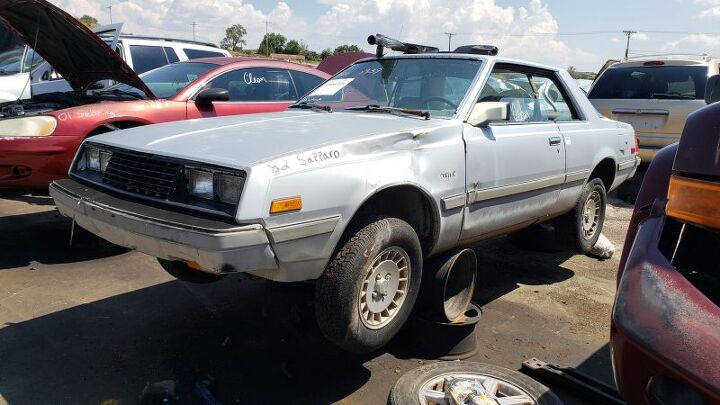
Chrysler began importing rebadged Mitsubishis to North America starting with the Colt in the 1971 model year, with more models being added as the decade progressed. By 1976, Plymouth shoppers could buy a Mitsubishi Lancer Celeste as the sporty Arrow; Plymouth Arrow and Dodge D-50 (later Ram 50) pickups, based on the Mitsubishi Forte, showed up here in 1979. So that those Dodge/Plymouth dealers would have a small personal luxury coupe to sell, the Japanese-market Galant Lambda hardtop was pressed into American service as the Dodge Challenger and Plymouth Sapporo for 1978. Sales continued through 1983, and I’ve found one of those final Sapporos in a yard south of Denver, Colorado.
Read more
Is the Toyota Prius C Better Left in Japan?

While the Toyota Prius was an inarguable success on the North American market, its smaller sibling really only had a few good years before sales figures started trending in the wrong direction. The Prius C attempted to court urbanites (the C stands for city) by offering the same hybrid concept in a smaller package. Unfortunately, Toyota only managed to move around 13,000 between the United States and Canada in 2017 before its discontinuation the following year — leaving us with the standard Prius and the tongue-twisting Prius Prime Plug-in Hybrid.
But the C has since been revised in its native Japan, where it’s called the Aqua, resulting in a slightly roomier automobile with a new high-output bipolar nickel-hydrogen battery that’s supposed to deliver improved responsiveness and range. Considering the escalation of Western fuel prices, we’re wondering if it’s time for the Prius C to make a comeback in our neck of the woods or if it’s better left to cruise around the tight streets of Tokyo where its success is all but assured as the Aqua.
Junkyard Find: 2003 Toyota Prius
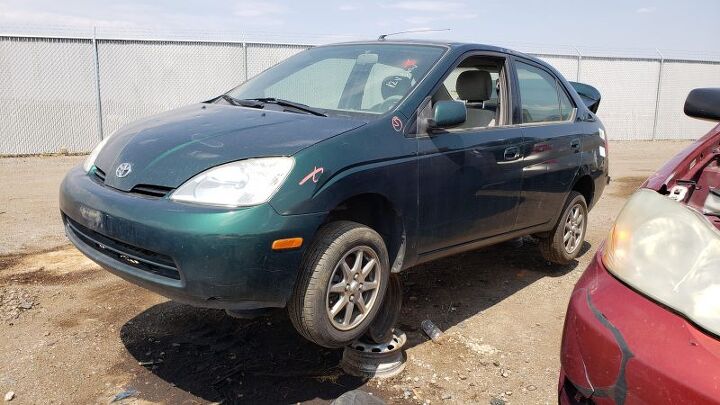
It took many years before the first (non-wrecked) Toyota Priuses began showing up in the big self-service car graveyards I frequent, partly because Toyotas tend to hold together pretty well and partly because buyers of early Priuses seem to be the kind of car owners who obsess over the proper care and feeding of their vehicles. This ’03 Prius in Denver, painted in I Love Gaia Green™ (actually, it’s Electric Green Mica), appears to be one of those well-loved cars that finally just wore out.
Guyton New Mazda North American Ops President

Appointed Mazda North American Operations (NAO) president and CEO, Jeff Guyton replaces Masahiro Moro effective June 24th. Recalled to Hiroshima, Moro becomes the newly-minted Chief Communications Officer.
Guyton’s oversight includes North America, Canada, Columbia, and Mexico, along with US and Mexican vehicle production.

Junkyard Find: 1987 Subaru GL-10 Turbo 4WD Wagon

By the second half of the 1980s, Subaru had moved beyond being known only for tiny, hilarious econoboxes. While American Subaru shoppers could still get front-wheel-drive cheapmobiles at that time, the same showrooms also offered futuristic-looking s ports cars and four-wheel-drive family wagons loaded with luxury features. Today’s Junkyard Find is the swankiest Subaru wagon money could buy in 1987 North America: a GL-10 4WD Turbo, found in a Denver car graveyard last summer.
2021 Acura TLX Type S Picks Up the Pace This Weekend
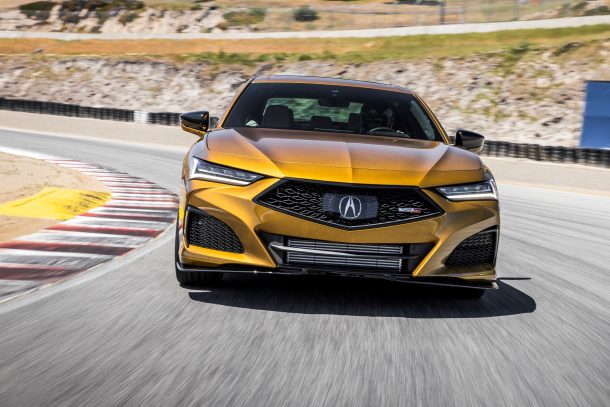
The 2021 Acura TLX Type S will pace the field at the Acura Sports Car Challenge at Mid-Ohio in Lexington, Ohio this weekend. The TLX Type S’ debut is one we reported previously, with more details available now than Acura had previously released.
2022 Acura MDX SUV Insurers' Top Safety Pick

The 2022 Acura MDX SUV’s Top Safety Pick (TSP) from the Insurance Institute for Highway Safety runs counter to all the racing around done in Acura’s commercials. The MDX is the automaker’s third vehicle to receive the IIHS’s highest safety rating, along with the RDX and TLX.
2022 Subaru Solterra ESUV Proclaimed
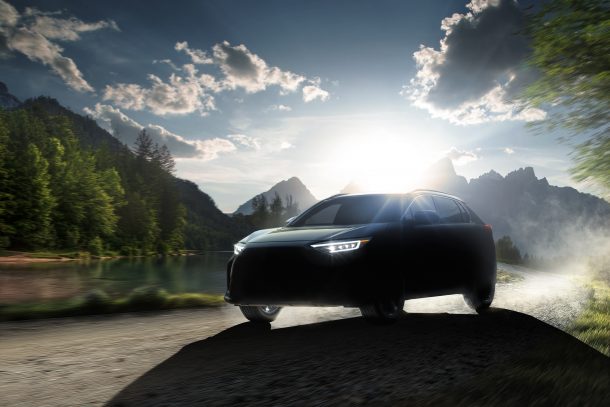
In 2022, the Subaru Solterra electric SUV will go on sale. Another Subaru-Toyota joint venture, it’ll roll on the new e-Subaru global platform.
2013-15 Honda Accords Heading in the Wrong Direction
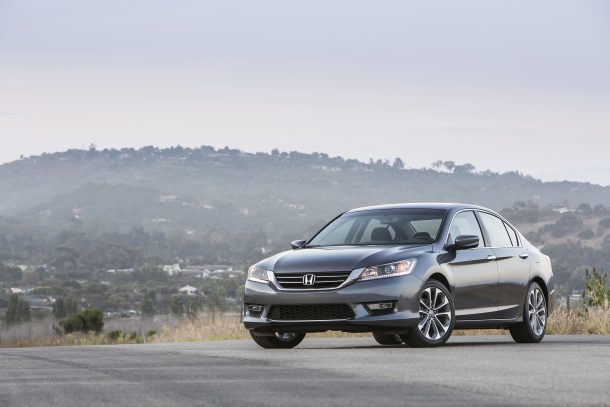
2013-15 Honda Accords are under investigation by The National Highway Traffic Safety Administration (NHTSA) for a steering issue. Allegations of Accords suddenly losing control without warning have led to 107 complaints. According to a Motor1 report, there are as many as 1,120,470 Accords in the US that could be affected.
Tundra Versus the F-150 – What's Wrong With Toyota?
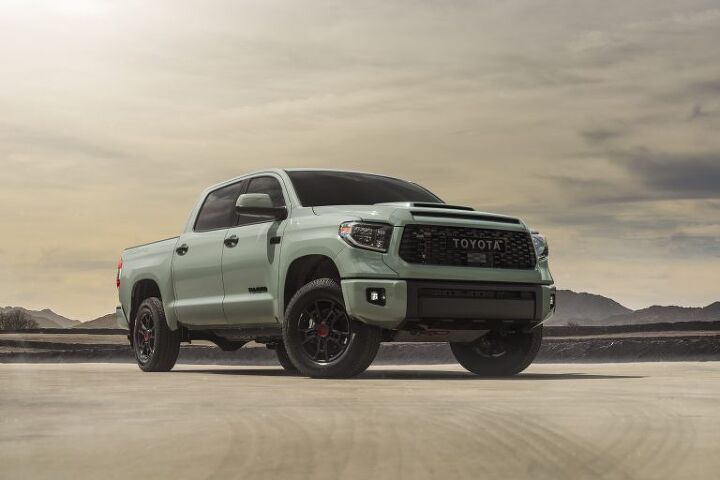
Can the Toyota Tundra go toe-to-toe with the Ford F-150, and does it make sense to try? The F-150 is the most popular vehicle in the U.S., despite a 12 percent drop in sales. Ford still managed to sell 787, 422 F-150s in 2020. Toyota sold a little over 109,000 Tundras in 2020, down two percent from 2019. While that sounds like the Tundra did well, it only outran the Nissan Titan.
Another Takata Airbag Tragedy

American Honda and the National Highway Traffic Safety Administration (NHTSA) confirmed that a defective Takata airbag inflator ruptured in the crash of a 2002 Honda Accord on January 9th in Lancaster County, South Carolina. The ruptured inflator led to the driver’s death.
QOTD: Does Hyundai's 2021 Ioniq Hybrid Deserve Awards?
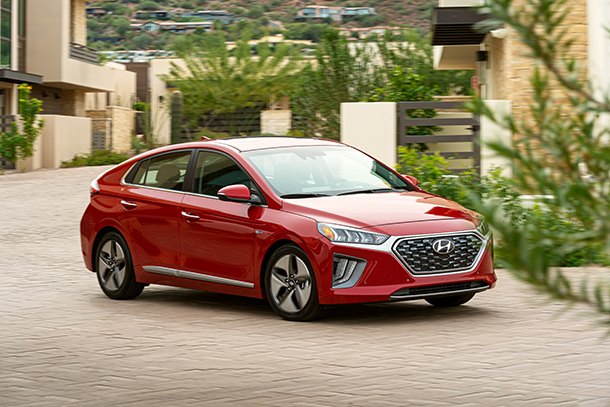
Hyundai’s 2021 Ioniq hybrid and plug-in hybrid received the Best Hybrid Car and Plug-In Hybrid awards from U.S. News & World Report. Our question is, are they the best hybrids or not? Did the right car(s) win?
2022 Nissan NISMO GT-R Special Edition Flaunts Exclusivity

The 2022 Nissan NISMO GT-R Special Edition was unveiled today in Japan. How much more exclusive can a limited-edition sports car be? It turns out this GT-R is pretty distinctive. It’s not just a badge and some decals that sets it apart.
Junkyard Find: 1993 Honda Civic LX Sedan With 351,119 Miles
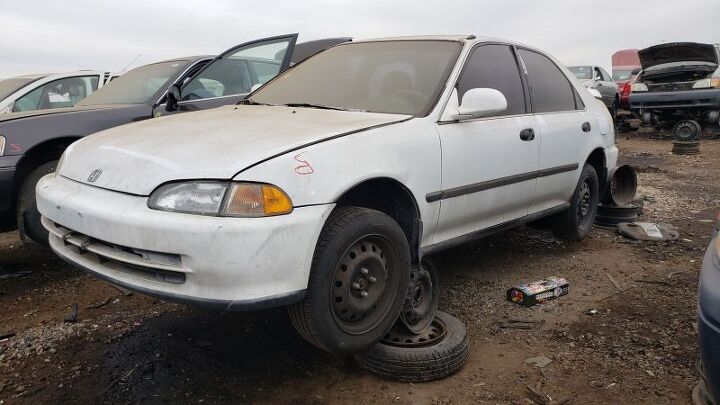
In my search for super-high-mile vehicles in the car graveyards of the land, all the cars I’ve found showing better than a half-million miles on the odometer have been Mercedes– Benzes (other than a 1982 Rabbit Cabriolet showing an implausible 930k miles on what I think was a defective gauge). The most-traveled Honda I’ve documented was a 1983 Accord sedan with 411,794 miles, and today’s Junkyard Find now takes second-place in the Highest Mileage Honda In the Junkyard contest.
Read more
Toyota's Akio Toyoda Chosen 2021 World Car Person of the Year
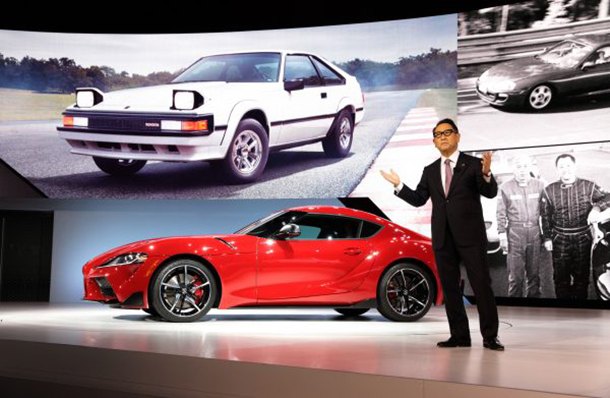
Selected 2021 World Car Awards Person of the Year was Akio Toyoda, Toyota Motor Corporation (TMC) president and CEO.
Jeep Is Thrilled With 15,000 Japanese Customers
American automotive brands have never really caught on with the typical Japanese consumer. While we’ve done numerous dives trying to understand why the gist is that our tastes don’t typically overlap and they generally prefer to buy domestic. Foreign marques are comparatively rare, frequently German, and are generally owned by those looking to flex their status with an imported luxury vehicle.
U.S. brands that were on the market began retreating as they began pulling smaller automobiles from their lineup. But Jeep has stuck it in there and things are reportedly beginning to pay off. The automaker’s distinctive styling seems to be resonating with people in Asia and it’s really the only historically American nameplate that’s managed to find an audience in the Land of the Rising Sun.
Lexus LF-Z is Watts New
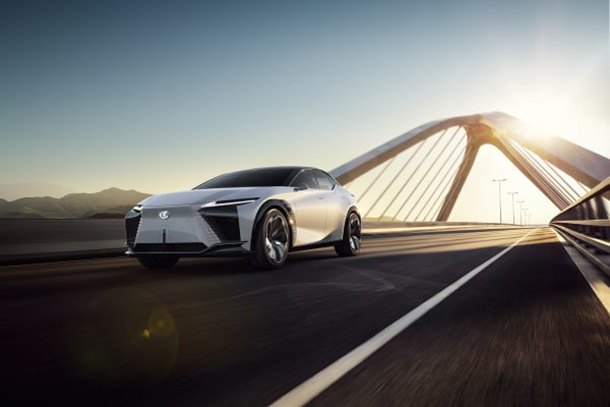
Today, Lexus dropped the LF-Z concept car, stepping on the electric-vehicle (EV) accelerator. By 2025, the company expects to have 20 new PHEV, HEV, and BEV models from which to choose.
2022 400Z HP Revealed?
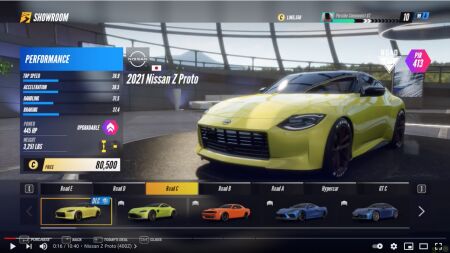
According to Project Cars 3, a video game from Slightly Mad Studios distributed by Bandai Namco, the new Nissan 400Z is shown in their latest downloadable content (DLC) power pack to possess some very serious horsepower.
Honda SENSES Hands-Off Driving in Japan
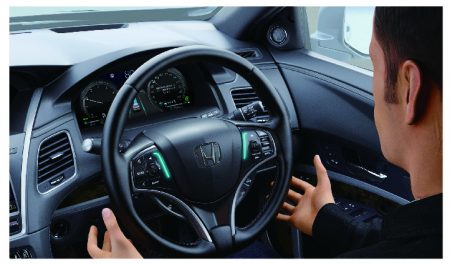
Honda has begun leasing Legend EX sedans with the Honda SENSING Elite safety system in Japan today. The first Level 3 automated technology to be approved in that country, the system includes Traffic Jam Pilot, Hands-Off, and Emergency Stop Assist functions.
What part of autonomous driving is this, being unveiled under the guise of advancing safety and an overarching theme of creating a collision-free society? Honda says Elite is the next generation of Honda SENSING, safety, and driver-assistive tech already available on Hondas worldwide.
2021 Honda CB1000R Black Edition – Ride It Like You Stole It
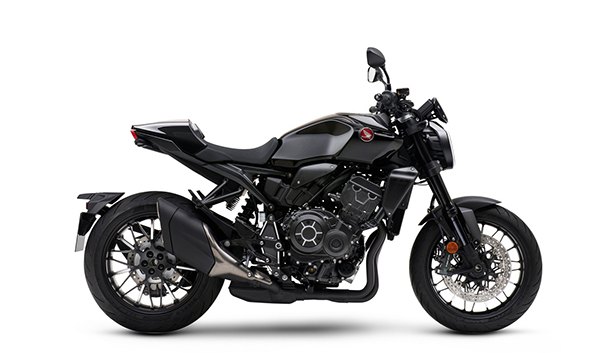
Consider the Honda CB1000R, everything you need and nothing you don’t. Beyond the naked bike school of thought, the CB1000R is unbridled joy, without the race replica look of a sport bike, nor the flash of a cruiser.
2022 Infiniti QX60 Luxo Crossover Announced

Infiniti’s 2022 QX60 has merged a 9-speed automatic transmission with the company’s 295-horsepower, 3.5-liter V6 in the latest SUV in the QX stable.
2022 Mitsubishi Outlander's Amazon Live Reveal Is a First

As the 2022 Mitsubishi Outlander ships to U.S. dealers, there will be a live reveal on Amazon, an auto industry first. On February 16 at 3 p.m. Pacific time, you can see the newly-designed 2022 Outlander.
New Nissan 400Z Spied With Hood Up

In photos obtained by japanesenstalgiccar.com, the Nissan 400Z prototype is seen with its hood propped open, and there it is, a 400 horsepower, twin-IHI turbocharged, VR30DDTT V6 engine. First available in the Infiniti Q50 sedan, a year later in 2016 it was also in the Q60 coupe in 300 and 400 HP versions.
Can 2022 Nissan Frontier Once Again Be in the Mix?
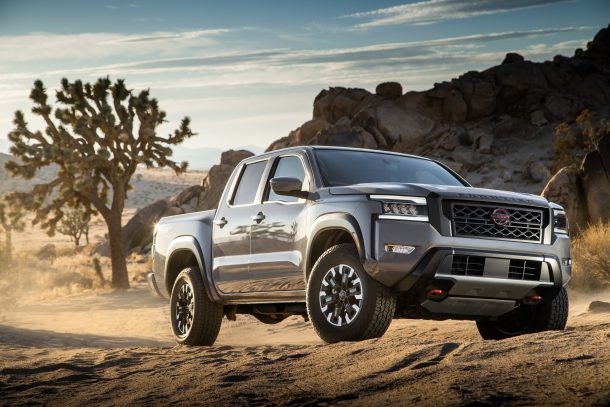
Sixty-two years ago, Nissan, then known as Datsun, introduced the first compact pickup in the U.S. For 2o22, an all-new Frontier looks to reestablish its leadership in the mid-size ranks.
2022 Nissan Pathfinder – Not All Who Wander Are Lost
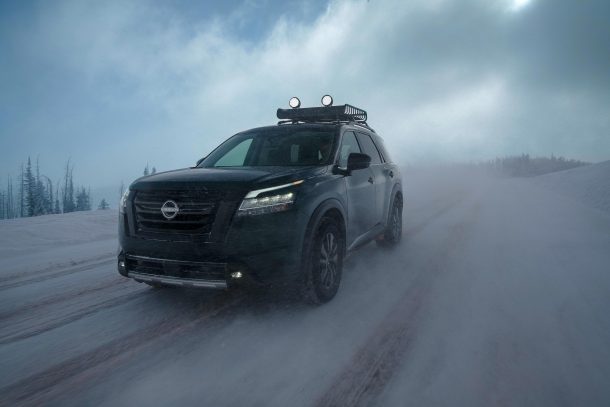
The SUV segment is a high-stakes game, and after years without a fresh entry, Nissan is looking to reassert themselves with an all-new 2022 Pathfinder.
Lamborghini Aventador GT Evolution Gets Kitted

Never mind that the Lamborghini Aventador GT Evo is already fairly exclusive, with only around 10,000 units produced worldwide thus far. If you have one, distinguishing yours from other run-of-the-mill Aventadors is imperative, and that’s why there’s a new body kit from Liberty Walk.
2021 Honda Ridgeline: In Stores Now
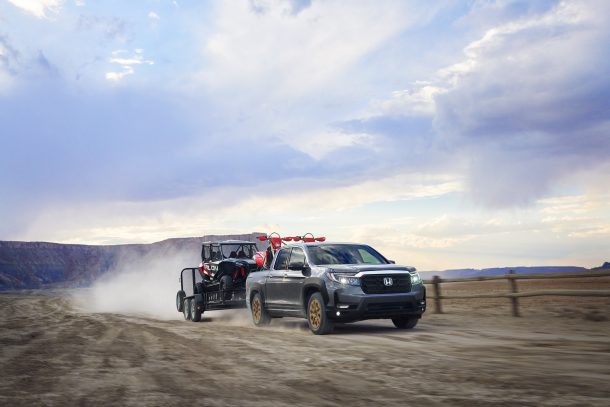
The 2021 Honda Ridgeline arrives at dealerships today, with all-new sheetmetal upfront, a 280-horsepower, 3.5-liter V6, 9-speed automatic, and torque-vectoring all-wheel drive standard across the lineup. The manufacturer’s suggested retail price starts at $36,490, with a destination charge of $1,175.
Ford Bagged Again by NHTSA
In a fight with NHTSA regulators, Ford came out on the short end again, as more Takata airbags were at issue. This time, it will cost the automaker $610 million, of which they will have to carry the cost in its entirety.
Read more
Time for a New Toyota Celica?
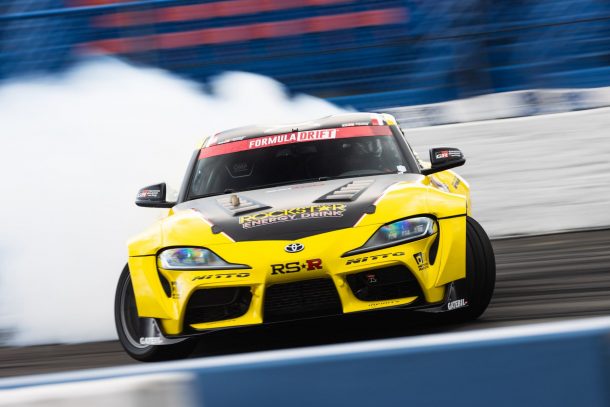
Toyota may have a new Celica in the works, according to gr86.org. While filing a trademark for Celica at this point in time seems to be rights retention more than anything, there is a trademark limitation of three years. After that time, Toyota would be required to re-apply to retain their rights to the iconic name.
Tokyo Auto Salon 2021 Takes Place Virtually

The Tokyo Auto Salon, possibly the most anticipated event among tuner-car enthusiasts, was canceled for 2021. In its place, a virtual event was held this past weekend.
Nissan 400Z Revealed
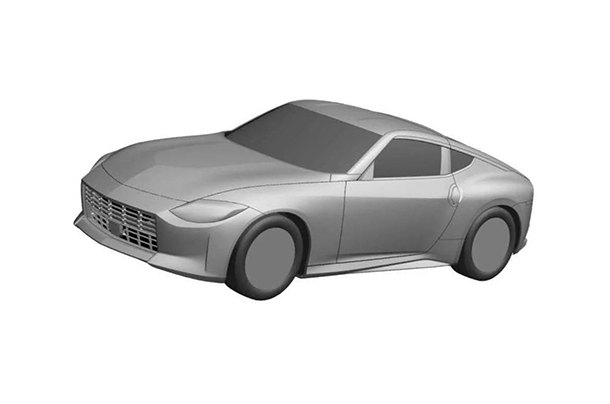
The elusive new Nissan 400Z has been photographed in a recent Nissan patent filing with IP Australia, the first look at what the production model will look like. These images appeared on newnissanz.com.
QOTD: Hybrid Versus Conventional Drivetrains

Which drivetrain would you prefer: The hybrid two-motor setup that Toyota has paired with their 2.5-liter DOHC four-cylinder that puts out 245 horsepower or Kia’s conventional V6 that produces 294 HP?
GM to Build EV Crossovers for Honda, Acura
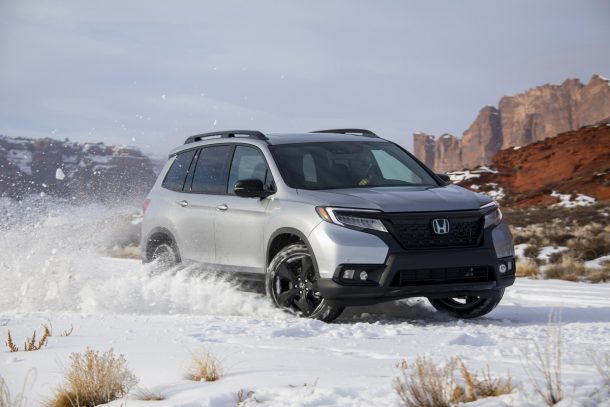
Two Honda battery-electric crossovers will be built by General Motors in the next four years. A Honda will be built at a GM plant in Mexico, and an Acura alongside the Cadillac Lyriq in Tennessee.
Tokyo Auto Salon 2021 Cancelled
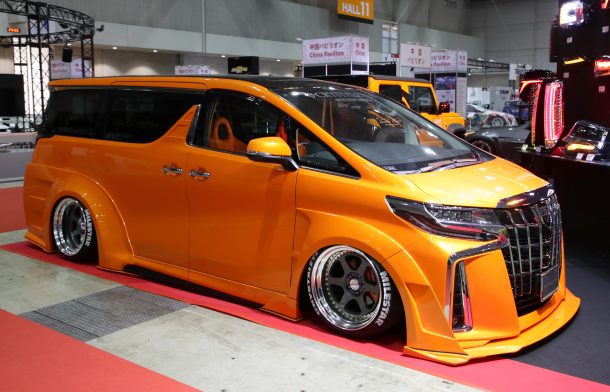
The Tokyo Auto Salon, one of the world’s top shows for modified vehicles, has been canceled. Scheduled to take place January 15-17, 2021, the event was canceled due to concerns over the outbreak of COVID-19.
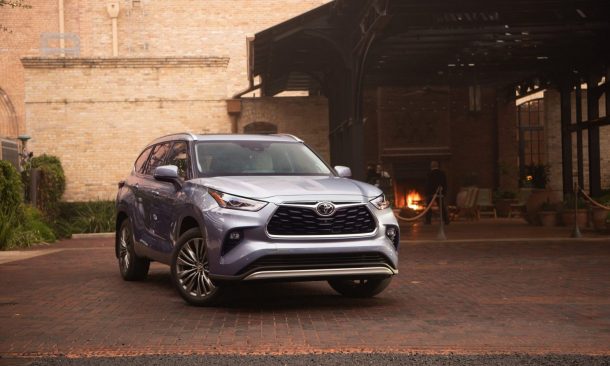
Toyota Trademarks Grand Highlander Nameplate
Carlos Ghosn to Be Flambed by the French

Carlos Ghosn, Renault-Nissan’s former head honcho, will be questioned by investigators in Beirut next month, according to a report from Reuters that appeared in Autoblog. This time it’s not the Japanese applying the pressure, it’s the French.
Fiat's 124 Spider Reaches the End of the Road in 2020

Fiat’s 124 Spider is about to receive its curtain call, and unlike the scene in Don Giovanni where Don meets a horrendous fate and is dragged off to hell, the Fiat 124 Spider is going out without emotion and little fanfare.
Toyota's 2021 GR Supra Sport Top Unveiled
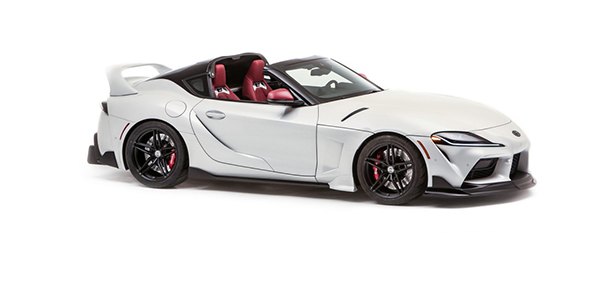
Toyota’s 2021 GR Supra Sport Top unveiling, a part of their SEMA custom vehicle builds, ensures that Toyota’s performance concepts continue to catch the attention of fans of the brand, along with the automotive aftermarket.
2022 Honda Civic Hatchback Reprises Golden Days
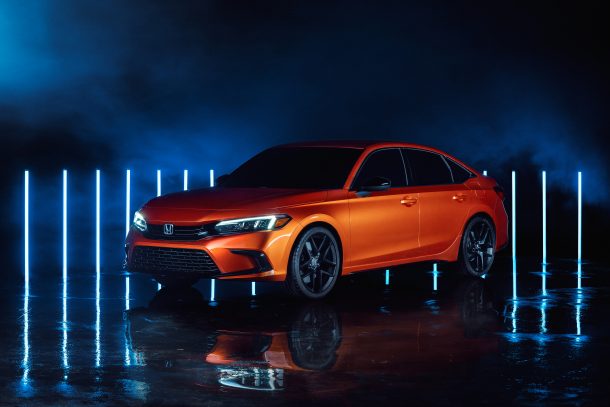
The 2022 Honda Civic hatchback, the sportier sibling to the sedan revealed earlier, has been previewed by spy shots on the Civic XI forum as reported by CNET’s Roadshow. Added to the sedan, the hatchback will join the also likely-planned Si and Type R as the four permutations offered in the U.S.
Nissan's CEO Explains Recovery Plan to Angry Investors

Nissan CEO Makoto Uchida attempted to smooth things over with investors last week by going over his company’s new recovery plan in great detail. As you undoubtedly know by now, the automaker found itself in a less than blissful situation following an ugly internal power struggle that highlighted corporate corruption and a business strategy that seemed like a liability without ideal economic circumstances and the man who penned it running the show.
With its share price already suppressed by worsening sales performance and assumed “management issues” with alliance partner Renault, the internal scandal kicked off by the arrest of former chairman Carlos Ghosn November 2018 is what really sent Nissan’s stock into a tailspin. Shares have lost more than half their value since the incident.
This placed Uchida in the undesirable position of having to explain what went wrong and how to fix it. In the past, Uchida said he’d happily be fired if he can’t turn things around, though that’s usually what happens to CEOs who can’t deliver (or need to be scapegoated and sacrificed on the alter of commerce by their board). Based on comments made at the company’s most recent shareholder meeting, Uchida seems to understand how things work.
“I said, ‘If Nissan’s performance does not improve, please fire me. Please dismiss me,’ ” he reminded the crowd on June 29th. “That’s what I said. And this policy remains unchanged.”
Japanese Automakers Stand to Lose $1.6 Billion From Coronavirus: Analysts
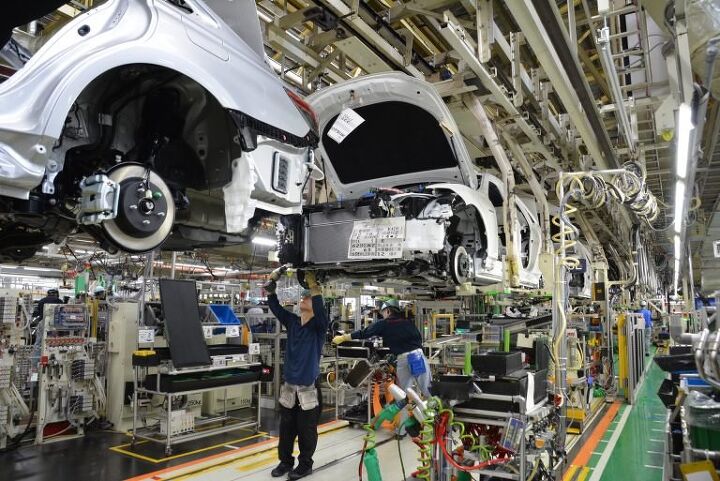
Coronavirus outbreaks are shrinking sales expectations around the globe, but it’s Asia that has the most to lose. We’ve already seen rolling reports of the Chinese market’s virus-related decline — an affliction that’s spilling over into neighboring regions as more people fall ill and others stay home to avoid contagion. Employees, parts, and customers are all in short supply.
Goldman Sachs now predicts global sales will decline 3.5 percent in 2020. It’s a considerably more foreboding estimate than the 0.3-percent contraction predicted just last month, and the decline is presumed to hit Japan the hardest — after China, of course.
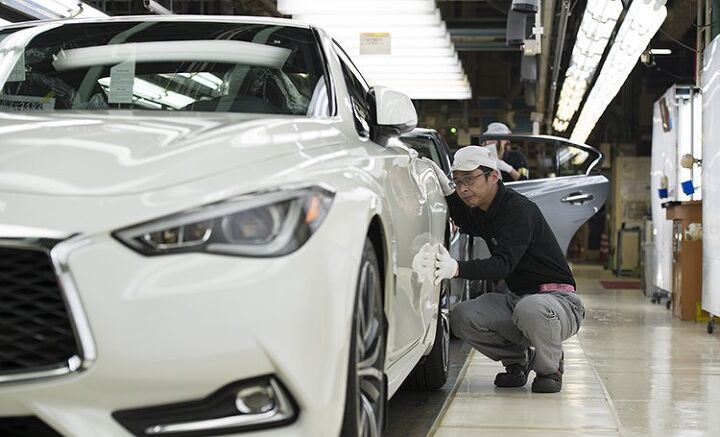
Japan Readies Auto Industry for Coronavirus Complications
Yep, we’re still talking about the damned coronavirus. But how could we not, with the situation being obfuscated from all sides as the outbreak just seems to worsen? Both Japan and South Korea have reported their first deaths relating to the virus; meanwhile, the unsettling theory that 2019-nCoV was created in a Chinese laboratory has grown by leaps and bounds.
While the mainstream media has dismissed this as an unfounded conspiracy, loads of circumstantial evidence published by reputable sources leave one wondering. Our favorite is that the exotic meat market initially pegged as the disease’s point of origin was across the the street from (get this) a viral disease laboratory. Senator Tom Cotton (R-AR) has repeatedly pushed for the virus’ origin to be found, saying “We also know that just a few miles away from that food market is China’s only biosafety level 4 super laboratory that researches human infectious diseases,” only to be framed as an alarmist crank.
There was also a Chinese coverup (similar to SARS) that kicked off when police detained eight doctors in Wuhan for attempting to warn the public of a potential outbreak. The point here is that nobody seems ready to give (or even search for) answers in China. Naturally, this has left people confused and scared, rather than just scared.
Jeep Remains Only 'American Brand' Japan Seems Willing to Tolerate

While I don’t particularly agree with all the criticisms Lee Iacocca has thrown at Japan, his most polarizing claim (published in Playboy, no less) — that its citizens certainly know Jeep because “they saw enough of them in World War II” — has bizarrely continued to ring true. As far as American automotive brands go, Jeep has been Japan’s favorite for a while. And it only needed to tamp down its relationship to “The Big One” slightly to get there.
However, the sales game is always relative.
Despite being one of the fastest-growing brands on the market, Jeep only netted itself 13,360 deliveries in Japan for 2019. But consistent growth since 2013 has to account for something, especially when the overall market is performing so poorly. At the very least, it shows American brands can make some amount of headway on a nut Iacocca believed uncrackable.
Toyota 86 British Green Limited: Another Japan-only Special Edition
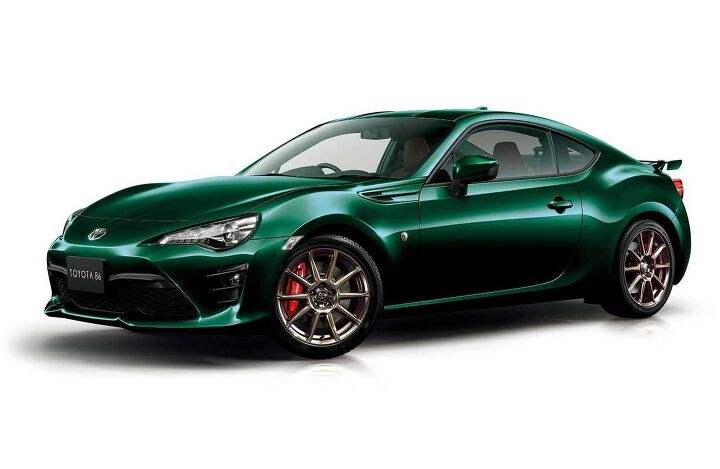
Despite Toyota claiming that the 86 will stick around for a while, everything points to the car being on its last legs. Fortunately, this is usually the point where a manufacturer starts rolling out special editions to retake the public’s interest. Normally, these cars aren’t much to write home about, but every so often one crops up, grabs you by the eyeballs, and never lets go.
Over the next few months, Toyota plans to sell the 86 British Green Limited in Japan and we’re more than a little miffed it isn’t coming our way.
While we doubt sending this particular Toyota to North America would help the 86’s sales in the region, it certainly wouldn’t hurt to have a more appetizing variant. Granted, this author has spot so soft for dark green paint and gold wheels that it could only be compared to a lover’s whisper. But Toyota is offering more than just a basic exterior upgrade.
Toyota's Four-cylinder Supra Staying In Japan For Now
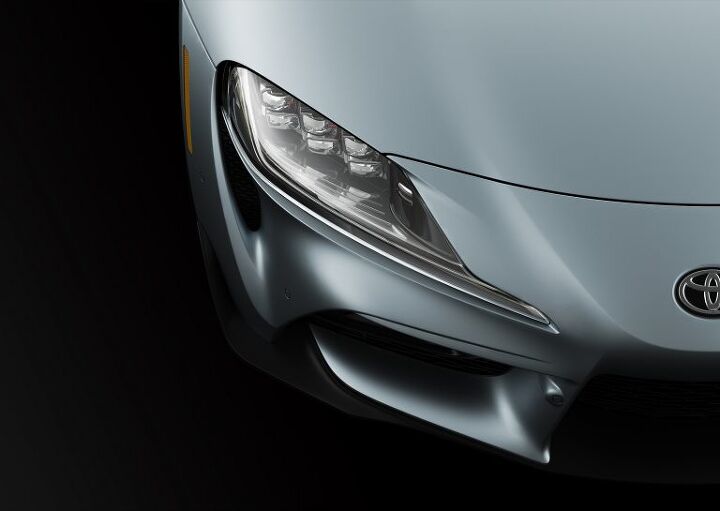
While it wasn’t covered during its North American International Auto Show debut, Toyota will build the 2020 Supra with a 2.0-liter, turbocharged inline-four, in addition to the big 3.0-liter motor we’ve already been promised. According to the manufacturer’s own Supra-centric website, the four banger will come in two flavors — 255 horsepower with 295 lb-ft or torque or a base mill capable of 194 hp and 236 foot-pounds.
Like the 3.0-liter inline six that premiered at NAIAS this week, the smaller Supra engines are also sourced from BMW. Thus far, neither are slated for the U.S. or Canada. Instead, they’ll be installed in the Japanese SZ-R and SZ-trimmed cars. But that doesn’t mean they won’t eventually reach our shores.
Subaru Admits Employees Manipulated Fuel Economy Data
In December of last year, Subaru and Japanese law firm Ohno & Tsunematsu opened an internal investigation to determine if employees tampered with fuel economy ratings for some of its Japanese-market vehicles. The issue arose in the wake of Nissan and Subaru being faulted for decades of improper final inspection procedures at specific plants. While the issue initially seemed relatively benign, subsequent interviews with Subaru employees resulted in confessions that “certain data with respect to fuel economy and emissions may have been altered” during the course of final vehicle inspections.
What originally appeared to be automotive employees taking bureaucratic shortcuts evolved into something a bit more serious. Subaru recently released the results of the investigation and has admitted to falsifying the fuel consumption data of 903 cars assembled at its Gunma Manufacturing Division and Yajima factory. However, the internal probe only encompasses December 2012 until November 2017. All data from before this period is mysteriously absent.
Interesting, considering the suspect employees claim the figure flubbing probably started around 2002.
Nissan Goes on About Inspiration: I'm Skeptical, but Kyoto Craftsmen Are Still Great Artisans
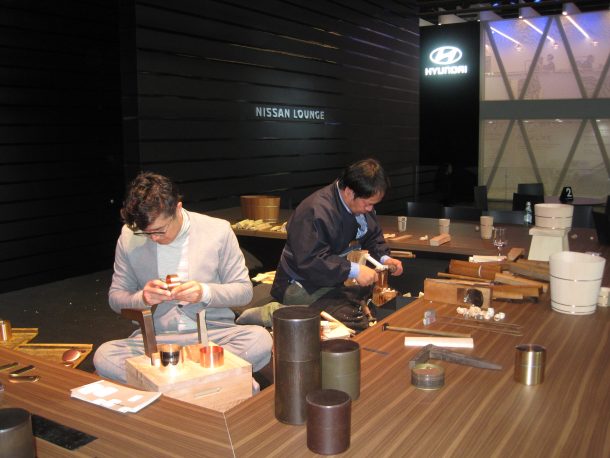
Nissan introduced the Xmotion (pronounced Cross Motion) CUV concept at the NAIAS in Detroit the other day. The company says the Xmotion is inspired by the Yokahama-based automaker’s Japanese heritage, particularly the practice of traditional Japanese crafts. The crossover is said to connect “traditional and modern Japanese craftsmanship and technologies.” Artisanal techniques such as weaving, metalsmithing, and woodworking were used to craft the interior of the Xmotion.
To emphasize that connection, master shokunins from Kyoto’s GO ON consortium of traditional Japanese artisans were brought to Detroit to demonstrate their skills to assembled media and the general public after the big auto show officially opened later in the week.

Nissan Cites Staffing Issues as Cause for Final Inspection Snafu, Subaru Says Sorry
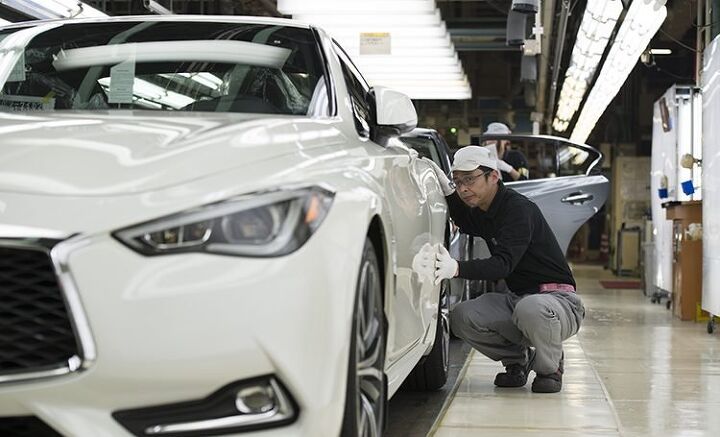
On Friday, Nissan Motor Co. blamed a shortage of key staff for improper final inspection procedures at Japanese assembly plants. The problem, which amounts to little more than not having having a specially certified technician give each vehicle a final once-over, has forced the automaker to recall 1.2 million vehicles within Japan this year. As the mandate applies only to vehicles sold on the nation’s domestic market, no exports to North America are affected.
However, that hasn’t stopped Japan’s government from coming down hard on the company for its bureaucratic misstep. After discovering that uncertified inspectors were signing off on vehicle checks required by the transport ministry, Nissan has been incredibly apologetic. It even launched a full-scale investigation, finding that “nonconforming final inspections” were commonplace by the 1990s at the plants, and could even have existed at one factory since 1979.







Recent Comments