


QOTD: Is the 1Moto Show the Best in the US?

’60 H-D Bobber 113 CI, rigid frame, 4-speed, suicide shift. Harvey Mushman, owner/builder.
The 1Moto Show, the annual showcase for custom motorcycles held in Portland, Oregon, took place April 30-May 2. Is the 1Moto Show the best bike show in the country?

2022 Bentley Continental GT Speed – Loaded Like a Freight Train
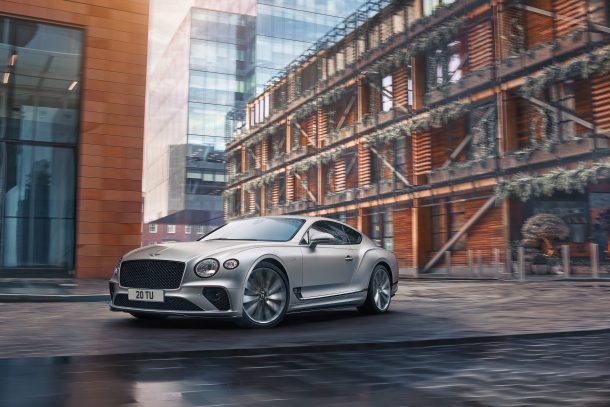
The Bentley Continental GT Speed is 650 HP and 664 ft.-lb. of torque, with an eight-speed, dual-clutch transmission, and all-wheel drive. It’ll do 0-60 in 3.5-seconds, with a top speed of 208 MPH, the third generation of Speed models, details of which were released today.
Grand National Roadster Show a No Go for 2021

The Grand National Roadster Show, and the Sacramento Autorama, both produced by Rod Shows, have been canceled for 2021 due to uncertainty caused by COVID-19 and the lack of clear guidelines on events from the State of California.
Customized Jeeps From the Factory?

Customized Jeeps direct from the factory? That could be a possibility.
Fiat Chrysler Automobiles is building a $23 million vehicle customization facility with Jeep Wrangler and Gladiator production nearby at their Toledo Assembly Complex.
When Cultures Clash: Coach Door Edition Conti Triggers Folks Worried About Suicide

Considering they’re only making 160 of them, the suicide doors on the eighty Coach Door Edition Lincoln Continentals to be sold next year have garnered quite a bit of attention.
The use of rear-hinged doors on vehicles dates to the horse age. It seems that sometime in the 1930s the moniker “suicide doors” was applied to them, apparently due to people’s propensity for falling out of cars in the decades before Ford introduced the seat belt (as an option in 1956). There’s also, at least according to something frequently reproduced online, a connection with gangsters pushing people out of cars — though to my ears, that would be more like homicide doors.
I’m not convinced, though, it’s any easier to fall (or be pushed) out of a car with such doors, other than the fact that aerodynamics will help keep the door open while you’re falling (or being pushed).

King of Egress: Lincoln Stretches 2019 Continental, Swaps Rear Doors for a Limited Few
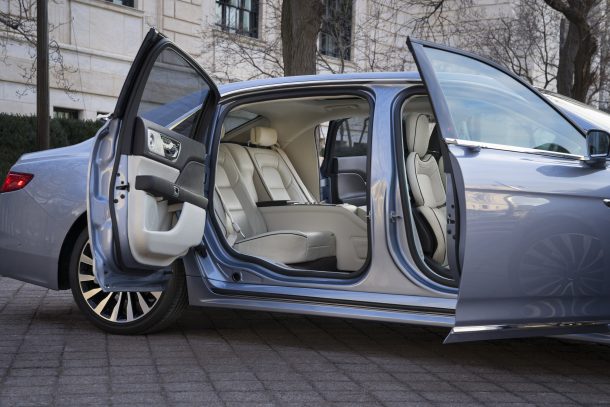
It’s true. You’ll soon be able to slap down a pile of hard-earned cash for a 2019 Lincoln Continental with suicide coach-style doors. Well, 80 of you will.
To mark the 80th anniversary of the Continental nameplate, Lincoln Motor Company went the extra mile for heritage devotees, revealing a limited-edition model that dispenses with front-hinged rear doors and adds half a foot of wheelbase to pull it off. You’ve never had a better look at the Continental’s B-pillar.

Lincoln Teases These, Wants Your Imagination to Run Wild

So many of us want this to be more than just a sick tease that results in nothing new on the showroom floor. Would we buy it even if it wasn’t? That’s debatable.
Regardless, all we have now is the tease, plus plenty of clues. Posted Thursday afternoon to Lincoln Motor Company’s social media accounts, an image of suicide doors — a feature that graced Lincoln Continental sedans from 1961 to 1969 — has appeared, along with a cryptic message.
Honda Teases a Passport That's a Real Honda

The space between compact and midsize crossovers, automakers have discovered, is ripe for the creation of a wholly new segment. A tweener, essentially, that bridges the gap with two rows of seating but more cargo room, power, and (often) luxury than a compact can muster.
Ford learned this long ago with its Edge, and General Motors recently discovered it with the reborn 2019 Blazer. Nissan’s Murano stakes out the same ground, positioning itself as the slightly upscale alternative to the Rogue and Pathfinder. Then there’s the former Hyundai Santa Fe Sport, now just Santa Fe. Not to miss out on an opportunity for big crossover bucks, Honda’s preparing to enter the fray with a new iteration of the Passport.
Unlike the Passport that came before, there’s no Isuzu hiding beneath these clothes.
Spooky: Hispano-Suiza Car Brand Hopes to Return From the Dead

It’s fitting that we’re bringing you this story today. For years, scientists have longed to resurrect a dead corpse, but there’s now a plan afoot to do the same with a long-defunct car brand: Hispano-Suiza.
Known for its production of aircraft engines as much as its series of glitzy, early 20th century automobiles, the original Hispano-Suiza brand ceased to exist in 1968, some 30 years after building its last car. Come next March’s Geneva Motor Show, we’ll see what the founder’ great-grandson has in mind for the brand’s future.
Here's a Solid Reason to Root for Peugeot's Return
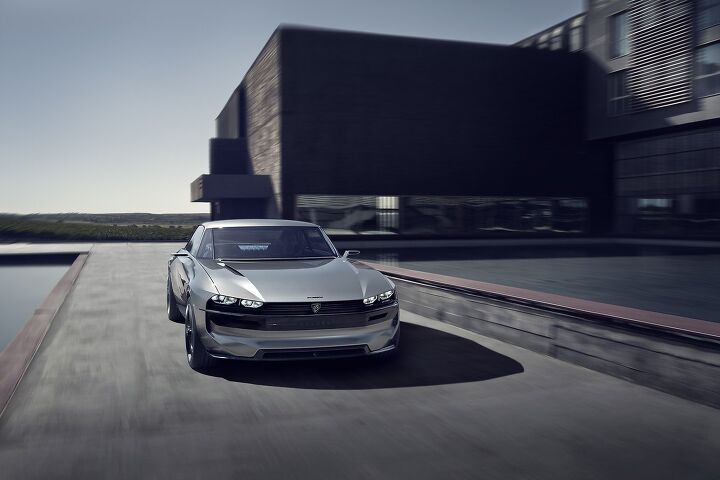
Damn, you’re thinking. If I could get my hands on that. Just think — Italian leather shoes, a sport coat, people wrenching their necks as you drive past, Papa Was a Rolling Stone oozing from the stereo…
Okay, this fantasy has gone too far. The vehicle you see above is Peugeot’s e-Legend Concept, a vehicle that wins the “glimpse of the future” contest hands down. This is the kind of all-electric, all-wheel drive, partially autonomous vehicle we like looking at.
Put the Poncho Away: Volkswagen's Beetle Sees a 'Final Edition' for 2019
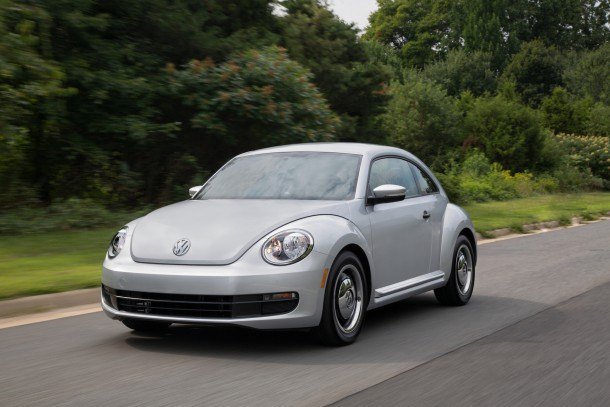
Kiss the never-ending Summer of Love goodbye. Leaves are falling from the trees, there’s a chill in the air, and Becky from Sacramento just left with your best friend — and wallet. After two latter-day revivals, the Volkswagen Beetle, formerly the New Beetle, formerly the Beetle, formerly the KdF-Wagen, looks to be entering its final model year.
There’s no concrete plan to return it to the lineup at any point in the future, either, despite the tie-dyed dreams of certain wistful VW executives. Maybe this truly is the end.
This Is the Closest You'll Get to a New International Harvester Truck

Which is to say, not close at all. The automotive brand born of the farm equipment giant produced its last passenger vehicle — the long-in-the-tooth Scout SUV — for the 1980 model year, five years after its pickup line bit the fertile Midwestern dust. Not long after, International Harvester ceased to exist as an independent brand, shacking up with Tenneco subsidiary I.J. Case after the company hit the skids and sold off its agricultural division. Navistar International Corp. rose from the remaining IH ashes.
The truck you see above is most certainly a Ram HD, but the paint is all International Harvester. You guessed it — the bright minds at FCA have come up with another special edition. By our count, it’s the 987th of the past decade.
Ford: Does This Ass Turn You On?

A lengthy Medium post penned by Darren Palmer, director of product development for Ford’s Team Edison, went live yesterday, no doubt at the request of Ford PR types and company brass. (It was shared on Ford’s media page.)
In it, the Ford product veteran goes on about the challenges facing his team of electric vehicle developers, mentioning, “The stakes are high.” Are they ever. With 16 fully electric vehicles on the way by 2022, joined by 24 electrified vehicles, that’s a heavy plate to carry. Despite having nearly 20 years of hybrid vehicle exposure under its belt, large swaths of the buying public remain confused by electrified powertrains (“Will my PHEV leave me stranded with an empty battery?”) and anxious about EV range. It takes time — a lot of time, apparently — to change hearts and minds. The U.S. EV take rate is less than 1 percent of new vehicle sales.
However, what created a splash on Thursday was not the revelation that building and selling EVs to the American public is hard, but the image accompanying the post.
Niva No More? Lada Concept Vehicle Heralds the Demise of a Communist Classic

We’ve all seen movies set in the perpetually grey, bitterly cold Soviet Union (later Hollywood films featuring Russia were apparently allowed to show sunlight), but if you lived north of the border a few decades ago, it wasn’t just the weather that looked familiar.
Lada Canada imported Iron Curtain cars for two decades (1979 to 1997), offering rudimentary, pinko automobiles to Canadian cheapskates for very few kopeks. Your author recalls entering the high school library at the dawn of the internet age and slowly booting up the Lada Canada website, where a five-door Samara was advertised for $4,995. Few of these showed up on local roads, as Hyundai offered slightly better no-cost transportation options.
However, there was one Lada vehicle that can truly be considered a classic, and it’s the one everyone remembers best. Sadly, after more than 40 years of production, the virtually unchanged Niva (now known simply as the 4×4) seems destined, like the Berlin Wall, to pass into history.
Escorted Out of the Ford Club, Harley-Davidson Goes It Alone

It was always a weird partnership, but, despite ending five years ago, it seems a struggling Harley-Davidson can’t stop thinking about its ex.
For more than a decade, Ford Motor Company sold Harley Davidson Edition F-150s to consumers whose other car was a bike. The “wow” factor varied, as over the years the model morphed from an appearance package to a performance variant to a luxury castle, only to be muscled aside by a growing roster of high-end trims.
Well, Ford and Harley-Davidson are back at it, but it isn’t an official reunion.
Take Your Hands Off Our Heritage, Mustang Fans Tell EV-hungry Ford

Don’t worry, Mustang owners. Ford Motor Company is definitely leaning away from naming its upcoming sporty, “Mustang inspired” electric crossover the Mach 1.
Fans of what will soon be the last remaining Ford car gave the automaker an earful after it teased the model at this year’s Detroit auto show. Hold on there, sailor, the voices cried — you’re telling me the V8-powered fastback of my dreams, the one with an optional Cobra Jet motor, is about to be sullied by a case of name theft? Why not just debut a bicycle called the Thunderbird while you’re at it? The back-peddling began almost immediately.
Now, it seems Ford realizes not everyone is as eager for an all-electric, self-driving (but maybe not completely self-driving, wink, wink) future as CEO Jim Hackett is. The Mach 1 revival seems doomed.
Behave: Jaguar Putting Electric E-Type Into Production
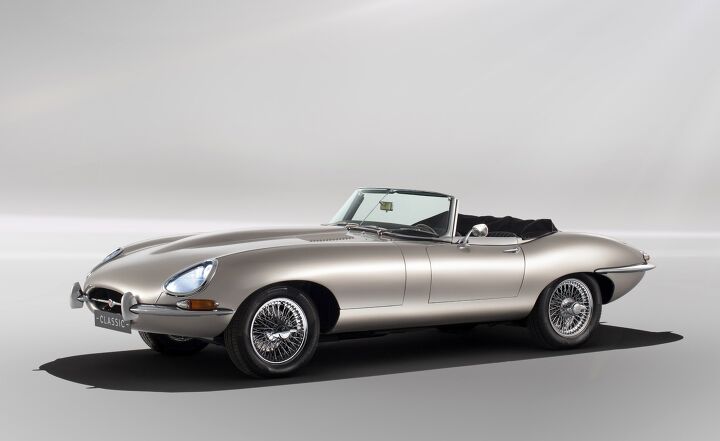
The sexiest car ever built rides again, only this time it won’t emit pollutants from its slender, chrome tailpipes. Jaguar Land Rover Classic, the automaker’s parts and servicing arm for old British tin, has announced a production version of its 2017 E-Type Zero concept will be made available to buyers.
Yes, this is the vehicle that Prince Harry and his bride, Meghan Markle, drove away from Windsor Castle in following their May nuptials.
Boasting a body long considered the equivalent of automotive porn, the E-Type Zero uses a restored E-Type Series I as a starting point. Beneath the car’s shapely flanks, however, it’s strictly 21st Century living.
Red Star for Effort: Gunmaker-built Russian EV Earns Top Marx For Retro Done Right
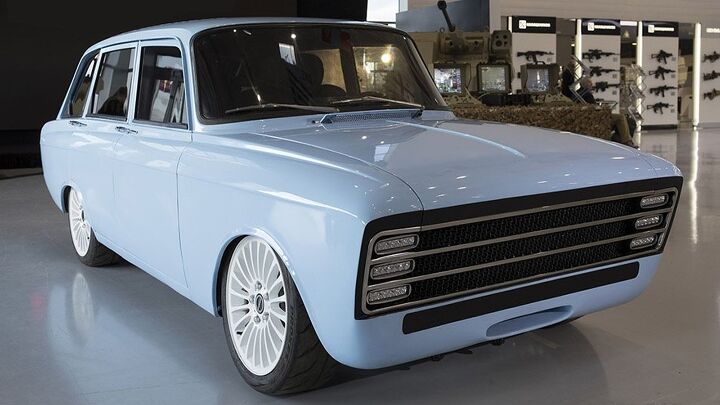
You don’t have to be from a former Eastern Bloc country to feel strange pangs of desire for this Russian one-off. Built by Kalashnikov — yes, that Kalashnikov — the CV-1 concept car features an old body concealing an advanced electric powertrain.
The maker of the AK-47, AK-74, and various other automatic small arms apparently wants to stamp out Tesla’s decadent invasion of the Motherland’s fledgling EV market.
Ford Mustang Cobra Jet Makes Appearance for 50th Birthday, Promises 8 Seconds of Not-that-legal Fun

In 1968, Ford issued a limited number of lightweight, “335-horsepower” Mustangs intended for the drag strip. While street legal, the vehicles were absolute beasts on the track thanks to the implementation of the 428 Cobra Jet engine. The powerplant utilized the racy 427 FE’s intake manifold and added ram-air induction, a functional hood scoop, and an engine bay full other performance modifications. It was serious business and produced far more horsepower than Ford claimed. Most estimates place the initial Mustang Cobra Jet’s output around 410 hp.
It’s now half a century later, and the model 50th anniversary is not an occasion you ignore. Ford chose to bring the Cobra Jet back for the occasion with iconic decals and mechanical upgrades that send it into the past and future, respectively. Unfortunately, onlookers can only enjoy the retro graphics and savage acceleration of this version at the track or in a garage. Because the Cobra Jet is way too extreme to be road legal.

GM's Famed 'Tripower' Is Back… As a Thrifty Four-cylinder

You won’t find three two-barrel carbs atop this Tripower mill. In fact, depending on the engine’s load, you might not even find three cylinders in operation.
General Motors plans to bring back a performance-focused name for its new 2.7-liter turbocharged four, Automotive News reports, giving the automaker a ballsy moniker for the engine it doesn’t want to admit is a four-cylinder.
Mitsubishi Lancer to Return, but Forget About a Sedan
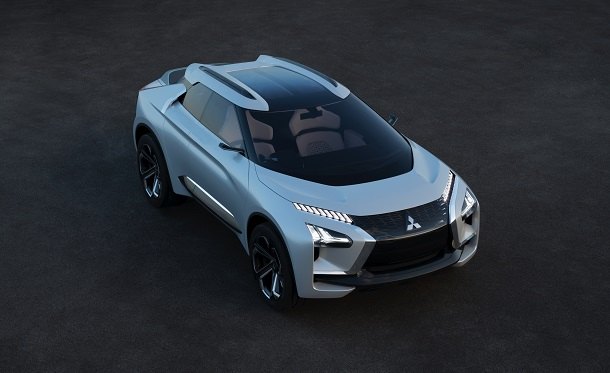
Mitsubishi raised the hackles of former Eclipse owners by naming its latest crossover — the Eclipse Cross — after the defunct sporty coupe. It now seems prepared to do the same to current Lancer owners.
The automaker claims there’s a new Lancer on the way, but it won’t be the same Lancer you fondly recall from years past. The market simply won’t support a traditional sedan or hatch anymore, the brand’s chief operating officer says — at least not with the kind of volume Mitsubishi desires.
No, this new vehicle will straddle the already blurred boundaries between a hatchback and a crossover. Excited yet?
2019 Ford Mustang Bullitt: Five More Horses for the Road

If you’re a superfan of the 1968 film Bullitt, or maybe just of Steve McQueen, prepare to split the difference between the price of a Ford Mustang GT and a Shelby GT350.
The limited-edition 2019 Mustang Bullitt, the third generation of which bowed in Detroit in January, commands a sticker price of $47,495 after delivery, the automaker announced today — positioning it more than $11k above the GT and nearly $11k below the GT350. Of course, neither of those models offer retro-themed flourishes, nor can you order Highland Green paint.
You also get 20 extra horsepower than the GT for all that expense, which is mercifully 5 hp more than the automaker first estimated.
PredictionZ: Nissan Could Be Working on a New Z

Taking all of this with a huge grain of salt, as future plans at many manufacturers are often more fluid than the salty Atlantic Ocean, reports are surfacing of Nissan forging ahead with a new Z. And it’s not a crossover.
According to the UK outlet Autocar, Nissan will display a concept Z at this year’s Tokyo show in October*, with a production version showing up a year later in L.A.

Will Dr. Z Help Build a New Z? Nissan/Mercedes-Benz Rumor Points To a New Nissan Sports Car
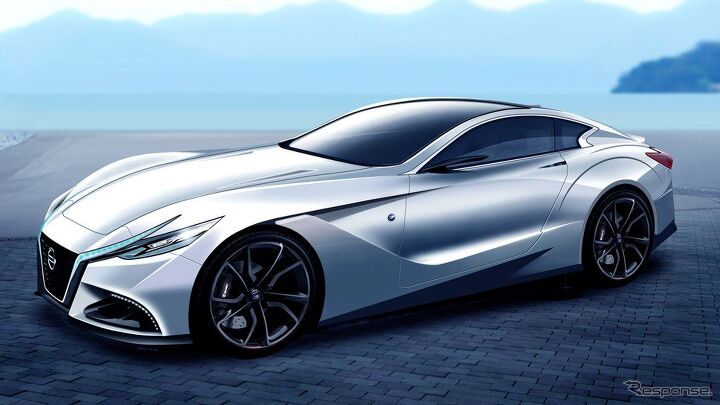
The Nissan Z-car has died once before — in 1996, only to return in 2003 as the 350Z. It’s been suggested that the Z will go the way of the Mitsubishi Eclipse and become yet another crossover. But a rumor out of Japan links Nissan with Mercedes-Benz for a new Z, possibly in time for the model’s 50th Anniversary in 2019/2020.
The Japanese site response.jp (thanks, Google Translate) has posted a rendering of the potential new sports car, showing the company’s corporate V-motion grille lined with LED strips, and a long hood that harkens back to the traditional proportions of the original 240Z.
Any news of the Z returning as a proper sports car instead of a crossover that trades heritage for blandness ( Eclipse Cross, Ford Mach 1) is welcome news indeed.

California Knows How to Party: 2019 Ford Mustang California Special
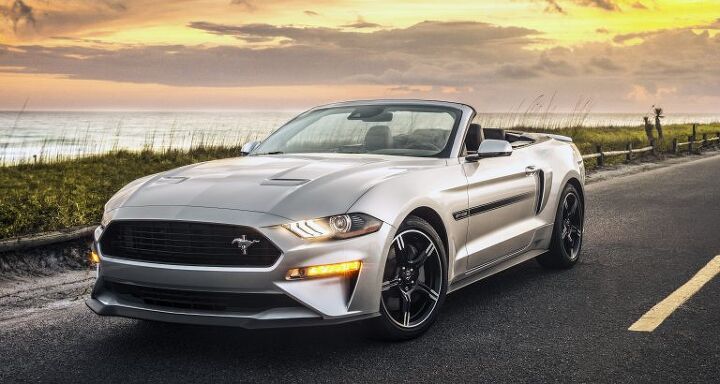
The Ford Mustang, recently made pointier and stripped of its middle-child V6 engine, earns a California Special package for 2019.
On the rare chance that anyone reading this is unfamiliar with the California Special’s history, it emphatically does not include surfing lessons and a being stuck on the 405. Among other items, though, it absolutely features the de rigeur GT/CS stripe because in California, there’s no point in doing something if you don’t shout about it, right?
Volkswagen: Once This Beetle's Gone, It's Not Coming Back

After going from the people’s car to the hippie’s car and, finally, to the car of semi-urban professional couples with no kids, Volkswagen’s retro Beetle has entered the home stretch. Despite a movement within Volkswagen HQ to keep the iconic shape around for a new generation, the German automaker now claims there’s no future for the Beetle.
Yes, once the current model disappears, it won’t crawl back out of the grave as an electric car or any other such thing. Get your tie-dyed shirt ready for the funeral.
Nothing Lasts Forever, but Your Saab Might (if You Sign on to a New Parts Warranty)

One day, if we’re lucky, we’ll see a documentary showcasing old Saabs in their natural habitat. The slinky 9-3 plying the interstate between Burlington, Vermont and the Connecticut coast, a valiant 9000 prowling between a Denver lawyer’s office and home, and a black 900 convertible sneaking up on a rural farmers’ market.
David Attenborough will handle narration duties.
Until that time, we can draw comfort that a conservation program exists to keep this extinct brand on the road. Started last fall by the defunct automaker’s official parts supplier, the warranty program means Saab owners in the United States, Britain, and the brand’s Swedish homeland can look forward to smaller maintenance bills in the future.
Ford Focus RS Ending Production As Clouds Gather Over Model's Future
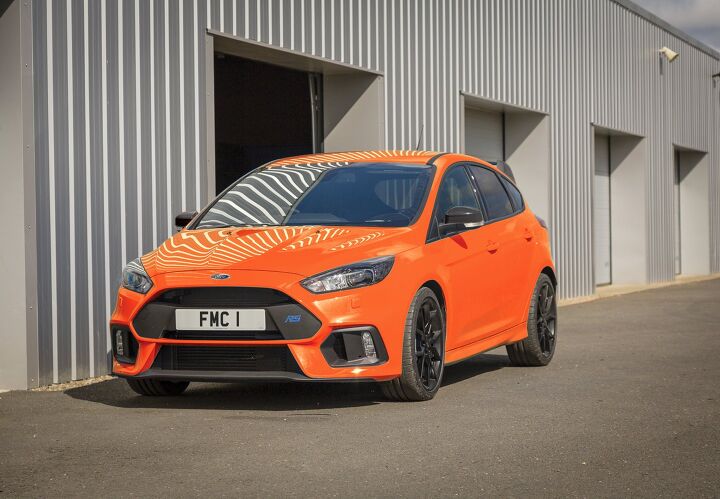
It didn’t enjoy a long life, especially here in North America, and it didn’t make it through that short time span without an embarrassing engine defect, but good luck finding someone who’d turn down a hoon session in a Ford Focus RS.
As the king of all hot hatches, the Focus RS gave enthusiasts a sensible five-door for shuttling their kids to school and the ability to shred four tires into coleslaw on the trip home. Well, get ready to pick up a shovel. The Focus goes into its grave on April 6th, and the model line’s future has never looked shakier.
Jaguar Engages in Yet Another 'Once-in-a-lifetime Project' With D-Type Roadster Revival
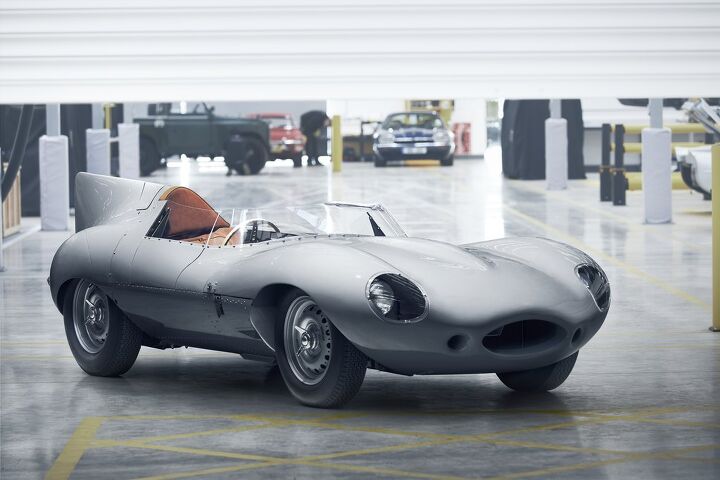
Jaguar has announced the D-Type is re-entering production this week, part of a “once-in-a-lifetime project” designed to get 25 examples of the iconic racer back on the streets. While it’s always exciting to see a venerable model resurface after a six-decade absence, this is nothing new for Jaguar. The company did a limited continuation of the E-Type coupe in 2015, the XKSS in 2016, and a singular electric-powered E-Type prototype in 2017.
That means the “new” D-Type is just another entry in Jaguar Classic’s ultra-premium heritage collection. However, this does not mean the continuation cars aren’t any less cool than a penguin perched atop a glacier adjusting his brand-name sunglasses.
The Nineties Return As Honda Revives 'Passport' Name: Report
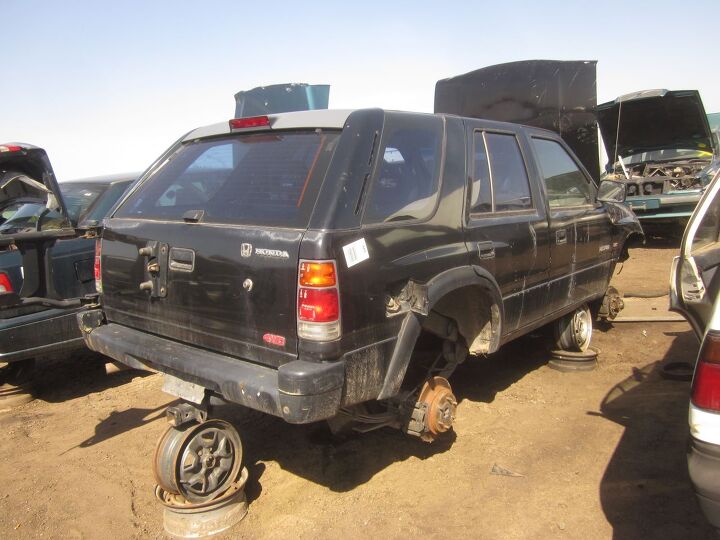
The name of a long-defunct Honda-badged vehicle that was based on an Isuzu and built at a joint Isuzu-Subaru assembly plant will grace a new crossover, a report claims. Yes, it’s looking like Honda applied for a new Passport.
According to Automotive News, sources with knowledge of Honda’s product plans say the Nineties are indeed poised to return. The name will allegedly grace the brand’s upcoming two-row midsize crossover, slated to fill the space between the wildly popular CR-V and the range-topping Pilot.
The Taillight Factor: When Heritage Becomes Dangerous Cargo
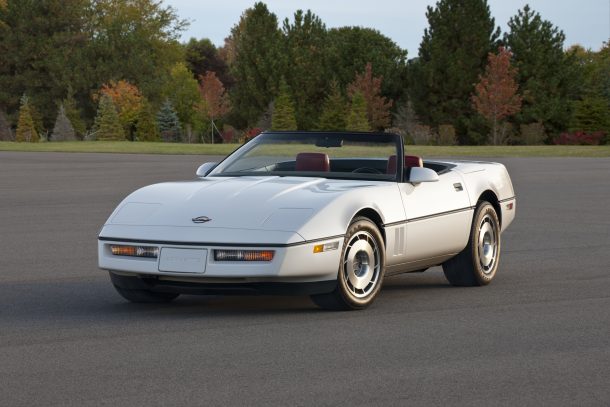
I’ve long said that stereotypes exist for a reason, perhaps to my ever-increasing danger from the “that’s problematic!” crowd. In many cases, however, it’s a false assumption. An unfair one. We’re a society of individuals who do things and like things for a variety of reasons.
Not every Silverado driver is a backwards-thinking hayseed. For from it. In the same vein, not every Challenger owner is a brash, nature-hating blockhead whose intellect never rose above a high school level. Not every Bimmer owner is a terrible boss and womanizer who hasn’t made use of a turn signal since the early 1990s. Not every Journey owner is oblivious to the presence of other, higher-quality vehicles on the market — their dealer just made them an offer they couldn’t refuse.
Still, automotive stigmas exist, and persist. General Motors once found out the hard way that holding on to the past was actually harming the future of its halo car.
Is It Time to Kiss the Jaguar XJ - at Least As We Know It - Goodbye?

The Jaguar XJ, a slinky lineage of high-end saloons known for shuttling around British PMs, fictional heads of MI6, and The Equalizer, might not be around for much longer. At least not in the manner we’re used to seeing it.
British publication Autocar claims the automaker plans to spring a wholly new, “reinvented” flagship model on us before too long, and it won’t have an inline-six, V8, or V12 under the hood. It won’t use any gas at all. Nor will it remain a sedan.
Looking around at today’s vehicular landscape, it may be the only way to save the XJ.
QOTD: Which Cars Failed to Meet the OEM's Hype?
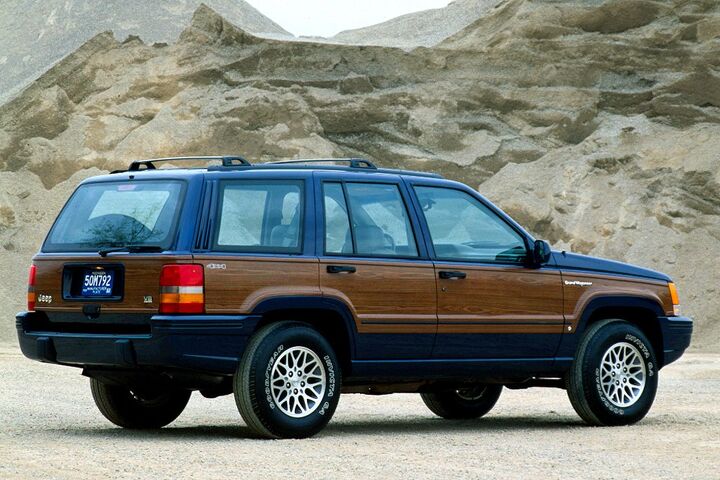
Back in December, Matthew Guy penned an interesting QOTD post soliciting your picks for the most outrageous new car introduction. In the case of the new-for-1993 Jeep Grand Cherokee, Bob Lutz drove Chrysler’s new (and important) SUV up a set of stairs at Cobo Hall and through a plate glass window. History revealed the hype to be justified: the Grand Cherokee became an instant success, finding its way into suburban middle-class driveways across America.
Sometimes, though, the new product doesn’t live up to the manufacturer’s hype before introduction. Let’s talk disappointment.

Nissan Goes on About Inspiration: I'm Skeptical, but Kyoto Craftsmen Are Still Great Artisans
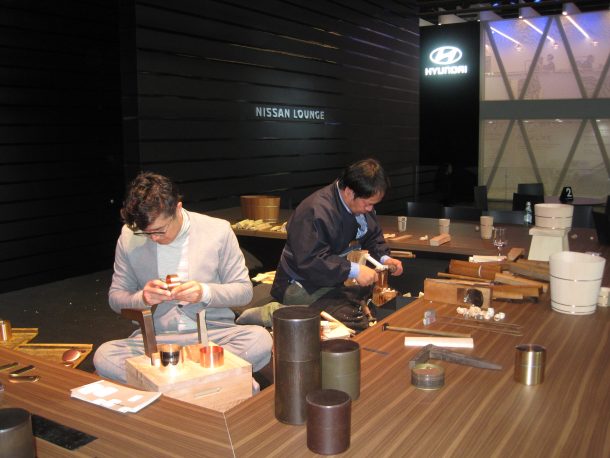
Nissan introduced the Xmotion (pronounced Cross Motion) CUV concept at the NAIAS in Detroit the other day. The company says the Xmotion is inspired by the Yokahama-based automaker’s Japanese heritage, particularly the practice of traditional Japanese crafts. The crossover is said to connect “traditional and modern Japanese craftsmanship and technologies.” Artisanal techniques such as weaving, metalsmithing, and woodworking were used to craft the interior of the Xmotion.
To emphasize that connection, master shokunins from Kyoto’s GO ON consortium of traditional Japanese artisans were brought to Detroit to demonstrate their skills to assembled media and the general public after the big auto show officially opened later in the week.
Even Ford Thinks the Mach 1 Shouldn't Be an Electric SUV…
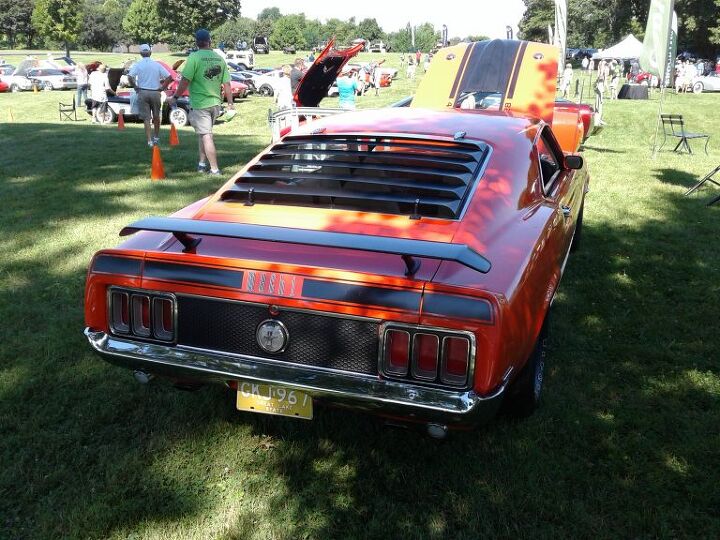
We know it’s a bad idea, you know it’s a bad idea, and as it turns out, even Ford knows using the legendary Mach 1 name on a “performance” battery electric SUV is a bad idea.
Initially, the rumblings were that Ford would revive the Mach 1 name for some kind of hybrid or full-blown battery electric high-performance Mustang. But it is not. Ford’s executive vice president and president of Global Markets, Jim Farley, quickly clarified to assembled media that the new boxy BEV could certainly be related to the Mustang, but would not be a Mustang.
Instead, the badge might live on the back of a new electric performance SUV coming in 2020. But Ford’s North American Product Communications Manager, Mike Levine, began backpedaling shortly after the announcement, following a groundswell of negative opinions. Levine was adamant the company was only considering using the Mach 1 name, claiming the Blue Oval brand would listen to public reaction before making an actual decision.

Ford Resurrects the Mustang Bullitt as Film's 50th Anniversary Nears
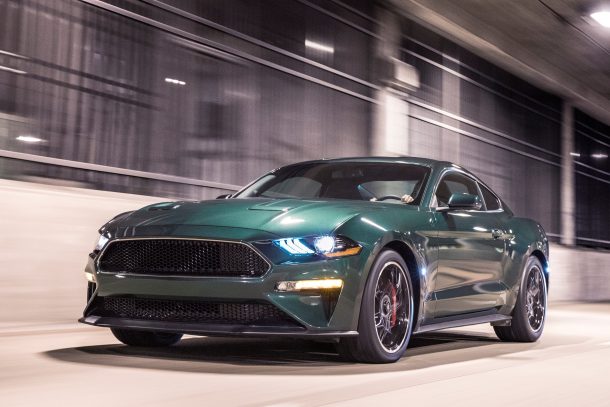
The first Bullitt go-round was a 2001 attempt to upgrade the Mustang GT with a modicum of extra power and a styling nod to an old movie that couldn’t be more forgettable, were it not for a stellar chase sequence. The 2001-2002 Mustang Bullitt, however, couldn’t do anything about its facelifted 1990s sheetmetal, which hardly asks, “Are you going to San Francisco?”
It was the fifth-generation Mustang’s retro design that proved a far more suitable canvas for Ford’s performance brush. Endowed with a more generous helping of brawn, the 2008-2009 Bullitt was a fitting homage to a certain Dark Highland Green ’68 Mustang 390. Still, all good things must come to an end. Or do they?
If you’ve heard rumors recently, consider this a confirmation. The Bullitt is back, just in time for the 50th anniversary of the Steve McQueen flick that made chassis-bending jumps popular a decade before the Duke boys. Driven onto the Cobo Center stage in Detroit by McQueen’s granddaughter, Molly McQueen, the Sunday night reveal of Ford’s turtleneck-and-sport-coat ‘Stang was a pleasant distraction from the automaker’s incessant future-speak.
Mercedes-Benz Cast a 1979 280GE in Synthetic Amber for NAIAS
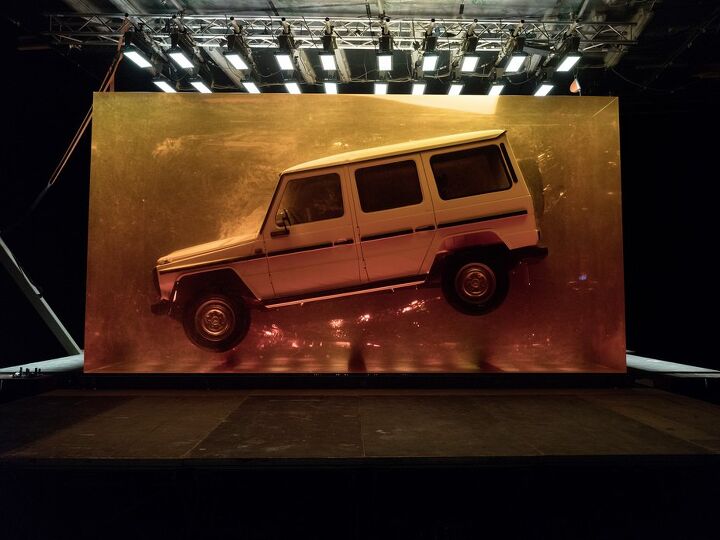
In celebration of the redesigned G-Class, Mercedes-Benz has decided to cast the original G-Wagen in fake amber. The massive instillation is suppose to convey the timelessness of the SUV’s design — which is good, because we don’t think Daimler is going to bother changing the look of the new one all that much.
“The amber cube puts the uniqueness of the G-Class in a nutshell” explained Dr Gunnar Güthenke, head of Mercedes-Benz’s off-road vehicle unit. “Our cult off-road vehicle has been continuously evolving for nearly 40 years – without losing its character or its core values. Its DNA is stronger than time and than any fashion trend. The cube expresses this to stunning effect and thus embodies the objective for advancing the G-Class.”
At Nissan, Defunct Models Never Die - Their Webpages Live on Forever

Like most people, you’re probably thinking of sliding into a brand spankin’ new two-door SUV convertible in the new year. Who isn’t? But the Range Rover Evoque Cabriolet is just too nouveau riche for your discerning tastes; you’re thinking of something less snooty, something more relatable to the common man.
Hey, doesn’t Nissan sell a Murano CrossCabriolet? That sounds more up your street. Grabbing your cup of Swiss Water decaf, you head over to the interwebs to take a gander at the CrossCabriolet. Hopefully there’s still one available in light teal. Well, what do you know? Here’s the webpage, just as you hoped.
Hold on a minute — all of this juicy CrossCabriolet info is written in past tense!
Sick of Electric Cars? Morgan Green-lights Production of One You Might Not Hate
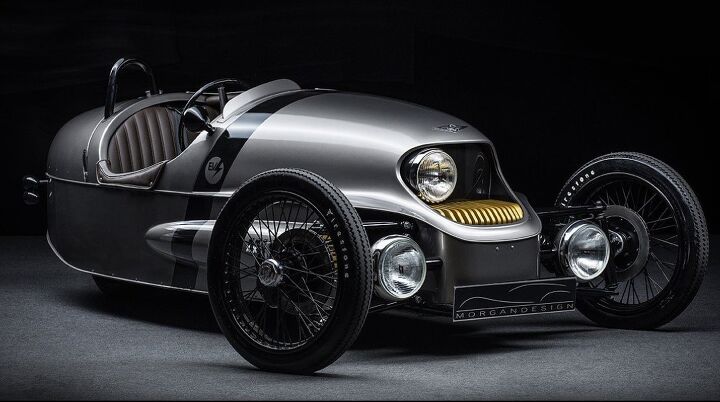
To some, the only thing that beats electric vehicles for soullessness is those pesky autonomous vehicle people who can’t drive adore so much. Morgan, the quirky British automaker best known for giving wood construction and wire-spoke wheels an automotive toehold in the 21st century, doesn’t do soulless.
Surely the company’s EV3, now confirmed for production next year, warrants a look. This isn’t your average Leaf, Bolt, or Model S.
The Dream of the '70s Is Alive… In Minnesota
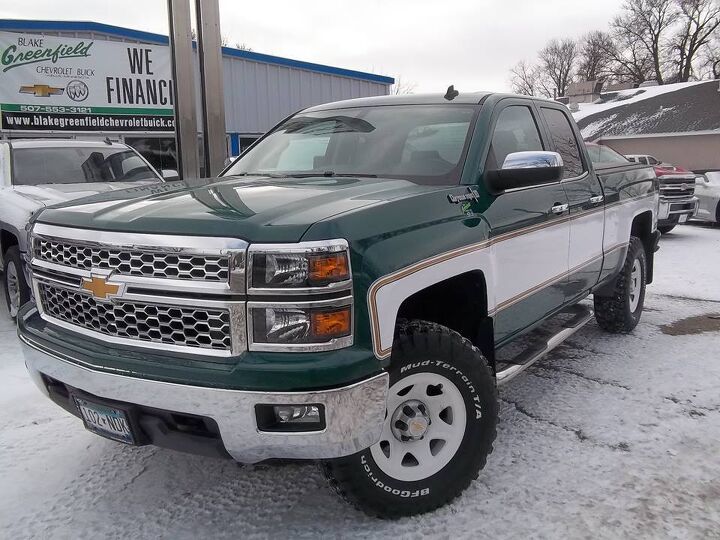
The Wikipedia page for Wells, Minnesota, tells us it’s the birthplace of Secret Service agent Larry Buendorf, best known for collaring Lynette “Squeaky” Fromme before the unhinged former Manson Family member could get the sights of her Colt 1911 on President Gerald Ford.
What the page doesn’t tell you is that the ’70s are back, baby, but only if you live (or take a trip to) Wells, Minnesota. The requirement for this time travel? Ownership — or the purchase — of a late-model Chevrolet Silverado.
MKNothing: Why Lincoln Ditched the Alphabet Soup

The tens of readers who follow my bleatings here on TTAC (Hi, Dad!) may recall my fondness for the Lincoln brand. Having spent my own hard-earned Canadian dollars on two of them, plus encouraging other family members to do the same, I would be lying if I said I’m not rooting for the brand to once again plant its feet firmly in the minds of its target demographic.
For me, the disarmament campaign started when Lincoln began abandoning real names in favor of an alphanumeric (minus the numeric) naming scheme. Turns out, after reading a revealing Automotive News interview with Lincoln’s marketing chief, I’m not the only one who disliked it.
NISMOFest Turns 20: Nissan's Big Bash Celebrates All Things GT-R
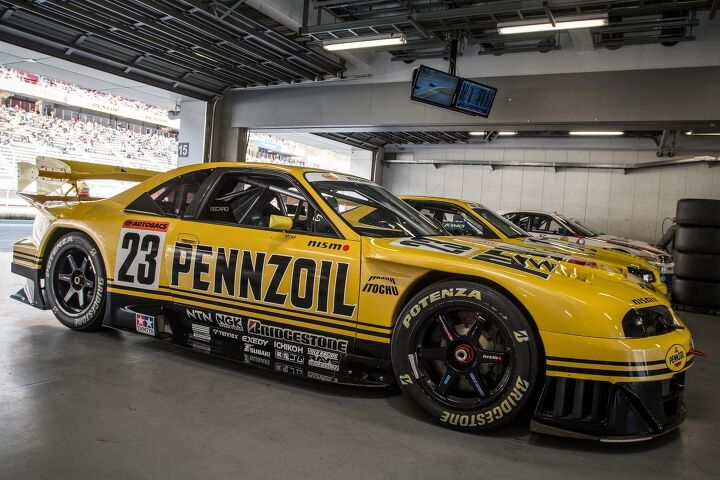
Not long after promising to build new spare parts for the GT-R as part of its NISMO heritage program, the company threw a big bash at the Fuji Speedway circuit in its honor. More than 150 of its cousins showed up.
This is the 20th year for the NISMO Festival, which showcases the Nissan GT-R and the NISMO brand. It’s as if someone sprinkled fairy dust on an old Gran Turismo game and it sprang to life.
Singer Teams With Williams, Cranks Another Porsche to Eleven

Singer Vehicle Design, builder of meticulously re-imagined Porsches, has partnered with the advanced engineering arm of UK’s Williams F1 team. Together, they’ve created an incredible commission for a well-heeled classic Porsche enthusiast. The sales commission was probably pretty good, too.
With a focus on keeping the weight down, this “Dynamics and Lightweighting Study” has resulted in the beautiful machine you see here, cranking out 500 horsepower and weighing less than 2,200lbs.
Confirmed? Ford to Bring Back the Color Green, Along With the Bullitt
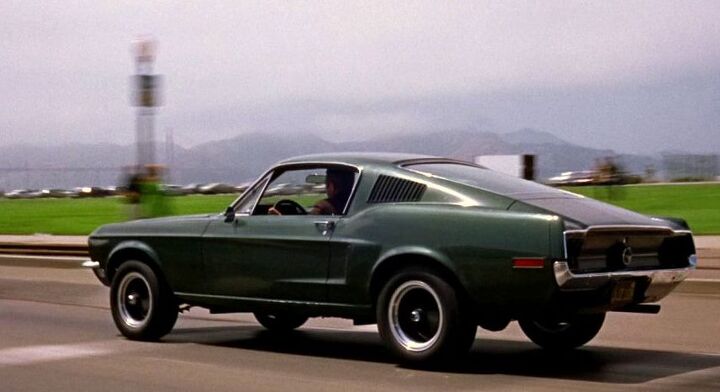
For the 2017 model year, Ford decided to discontinue the color green in the Mustang’s paint palette. Called “Guard,” the tone was a faintly metallic deep green and it was as savory to the eyes as it was rare to see on the street. Fortunately, the automaker is returning the hue to its pony car for 2018. However, it looks like it will only be available on a special edition model known as the “Bullitt” — meaning Steve McQueen’s green machine is also making a return to the lineup.
While not the same 1968 Ford Mustang 390 GT fastback from the titular film, Ford has twice offered homage editions of contemporary models. The first movie-inspired Mustang arrived in 2001, with a second launching in 2008.
Earlier this year, Dwayne “The Rock” Johnson posted a video highlighting his role as Ford’s new brand ambassador, with sketches of the current-generation green Mustang adorned with Bullitt-like trappings seen in the background. It was a clever publicity stunt and we figured it was just a matter of time before the automaker made an announcement.
Cadillac Boss Says Manhattan Move is Working, Despite Sinking U.S. Sales

Cadillac’s controversial 2015 move from its Detroit birthplace to the glittering spires of Manhattan is already showing signs of working, says the brand’s stern and methodical president.
By packing their bags and heading to Soho, Cadillac’s braintrust hoped the brand’s swanky new digs would rub off, distancing it from the likes of GMC and Chevrolet and helping to pull in discerning new customers. So far, Cadillac is — just not in its home country.
McLaren Says It Won't Build a Four-door or SUV, but It Might Make a Stupid 2+2

Here is sentence that nobody has ever uttered: “Honey, you have to take the kids to school in the McLaren today because the Kia is in the shop and it’s our only other mode of transportation.”
Despite this, the automaker that has continuously brought the world road-going hypercars and track day darlings has also considered building a car with a backseat for quite some time. While most supercar manufacturers have at least mulled over something for the entire family, McLaren seems among the worst-suited for the task.
Ford Built a Crib, But Here Are Some Cooler Blue Oval Inventions

By now, you’ve probably read that Ford Motor Company has developed a crib that mimics a late-night car ride. You know, those journeys to nowhere fueled by nothing other than a desperate desire to shut your kid up for a few hours?
Yes, with Ford’s prototype crib, your bundle of joy will be rocked and jostled to sleep while you grab some much-needed shuteye. Your car never needs to leave the garage. Had my parents owned such a thing, it would have curtailed many nocturnal forays in a Lean Burn-equipped Plymouth Volaré that stalled when it reached a stop sign — at least, until the engine temperature rose.
There’s no need for compromised Slant Six engines when Mark Fields is doing the babysitting. You see, Ford’s Max Motor Dreams cot will record the vehicle movements and sounds of your go-to driving route and reproduce them in the comfort of your home. The company even claims that the German-designed cot might see production.
That’s great, but a crib isn’t a vehicle.
So, in light of this static, motorized cot (why didn’t Ford shape it like a Fox-body Mustang?), here are some neat Blue Oval products from yesteryear: one of which will kill you, another that killed one of its two operators, and a final product that could kill your entire neighborhood.
Freaky Friday: Yellow Hatchback Has Entire Town Seeing Red

Today’s the day we celebrate an Irish guy who probably isn’t responsible for banishing snakes from the Emerald Isle, usually by guzzling beer tinted with bowel-loosening amounts of green food coloring.
Across a tiny sea from that land, a much more vibrant color caused the inhabitants of one historic British town to rebel against the tyranny wrought by a compact hatchback. We’re happy to inform you that order has now been restored.
The Mitsubishi Eclipse Returns! (Unrecognizable and in the Wrong Segment)
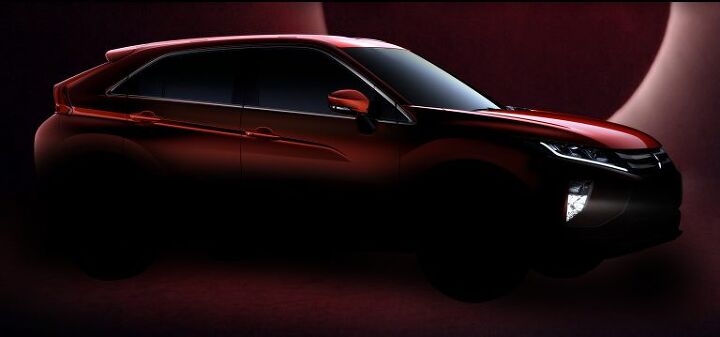
Today, Mitsubishi announced that its next model will be called the Eclipse Cross, acknowledging the defunct sport compact beloved by enthusiasts and teenage girls alike while simultaneously spitting on its memory. “Cross is short for crossover,” Mitsubishi helpfully explained in its announcement, as if anyone would have had trouble piecing that puzzle together.
“Eclipse is a word used to describe an astronomical event,” the Japanese automaker continued. “Marrying stylish coupe lines with the freedom of movement the SUV genre gives, the Eclipse Cross’ beautiful, dynamic form serves to bring about the same sense of excitement and inspiration as the diamond ring seen immediately before and after a total solar eclipse does.”
That’s sounds a lot better than saying it looks a lot like a Honda CR-V with a dash of Outlander.
The Perfect Chrysler Metaphor, Intentional or Not
It was a dark and unexciting night. The setting: my apartment. The time: well, last night.
The hour was was growing late, but going to bed at a normal time on a Friday night — even my definition of a normal time — seemed like an invitation to early onset senility. I’m a human being, dammit, I’m alive, and doing anything — anything — besides refreshing my taxed brain cells seemed like a good plan.
So, a Budweiser was cracked, an old movie was sought out, and my feet soon raised themselves to a comfortable, elevated position. Now, many who aren’t familiar with my history are unaware of a shocking secret — something that could prompt fits of laughter if you’re not ready for the news.
Solid Axles Could Be Coming to the Ford Bronco

In a galvanized country shaken to its core by the looming reintroduction of the Ford Bronco, word comes of a component that could bring off-road prowess to every driveway in the union.
The solid axle.
Ford, which recently announced the official return of the storied 4×4, has reportedly handed over axle duties to Dana, noted supplier of beams to the Jeep Wrangler.
Reborn Volkswagen Microbus Headed to Production: Report

If we’re to believe a source inside Volkswagen, 2022 could bring a latter-day Summer of Love.
The company’s latest Microbus concept — the eye-rollingly named I.D. Buzz — might not stay a concept for long, an insider claims, stirring hope in eco-conscious Germanophiles and fans of the original hippie wagon.
Volkswagen's Last Kick at the Microbus Can: Maybe Call It a Crossover?

It seems that even Volkswagen executives realize you can’t keep showing off different variants of the same concept before the public grows weary of the tease.
At the North American International Auto Show this week, visitors to Detroit feasted their eyes on the eleventy billionth latter-day VW Microbus concept, this time called the I.D. Buzz. Okay, maybe that number is a bit high, but the folks from Wolfsburg have kept up a steady trickle of retro Microbus concepts for 16 years. This time, it’s fully electric. No wheezy four-cylinder (or raucous five) in sight.
Naturally, the automaker hopes this latest concept’s name doesn’t prove a lie, but this latest offering — and the atmosphere around it — feels different. The mood implies it’s now or never for the concept — not just this one-off vehicle, but the concept of a reborn Microbus altogether.
Walter P. Chrysler Museum Closes, But Did It Have To?
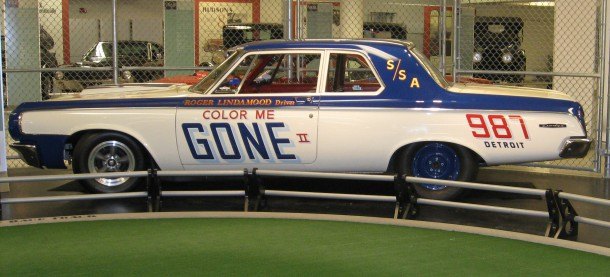
Museums are among my favorite places in the world, but it was difficult to genuinely enjoy my last visit to the Walter P. Chrysler Museum on the Chrysler campus in Auburn Hills. That’s because it was indeed my last visit.
About 15 minutes after I left the museum on December 18th, Fiat Chrysler Automobiles closed it forever and began moving the vehicles to the Highland Park warehouse where Chrysler keeps its corporate car collection. The automaker has said the museum will be turned into office space.
Volkswagen Teases Another Latter-day Hippie Mobile, Hopes You'll Forget That Diesel Brouhaha
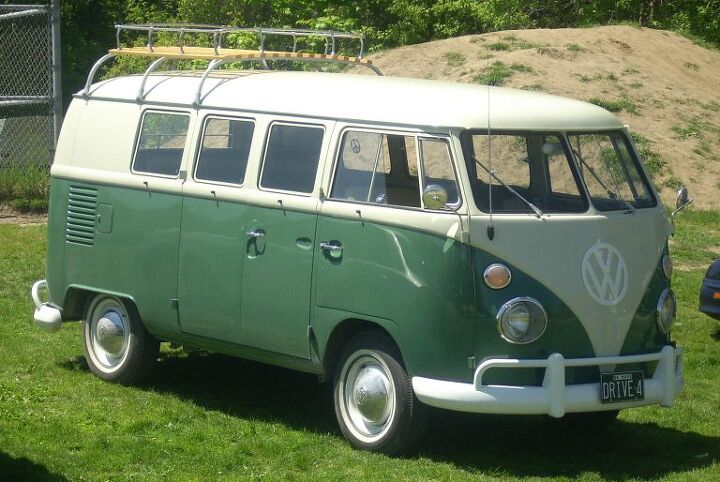
For a solid 15 years — longer than the combined duration of World War I, II, and Korea — Volkswagen has made a habit of teasing consumers with boxy concepts that draw inspiration from the company’s far-out Microbus of yesteryear.
It doesn’t matter whether the automaker is flying high, like it was at the turn of the century (and decade), or digging itself out of a scandal, like it is now. There’s always a piece of flower power vaporware lurking nearby, ready to trigger increasingly distant memories of a free-wheeling, free-love past.
We’ve been tentatively promised some sort of modern-day Microbus since the New Beetle still seemed somewhat new, but to no avail. Well, times are changing, and along with it, technology. But VW’s tactics aren’t.
Aston Martin Brings Back the DB4 GT for the Reasonable Price of $1.9 Million

As things get older they gradually become “priceless.” However, before that happens, there is a long period of grotesquely inflated cost mathematically intertwined with the object’s historical relevance.
When Jaguar announced they would resume production on the 1957 XKSS in 2017, they added up the D-Type’s success at Le Mans, Steve McQueen’s seal of approval, the car’s extremely limited numbers, and the tragic production-ending fire at the Browns Lane factory. A continuation car dripping with so much historical mystique wasn’t going to go cheap. Jaguar sold the nine “new” cars at $1.5 million each.
Aston Martin’s DB4 GT has a similar allure. It’s a low-production high-performance version of an already coveted classic. Even if you are filthy rich enough to own one, it probably exists in a temperature controlled garage next to other massively expensive vintage automobiles you dare not drive. Well, sixty years after being first introduced, Aston Martin plans to build twenty-five new track-only continuations of the DB4 GT.
Marchionne in Talks With NASCAR, Wants Dodge to Return to the Track
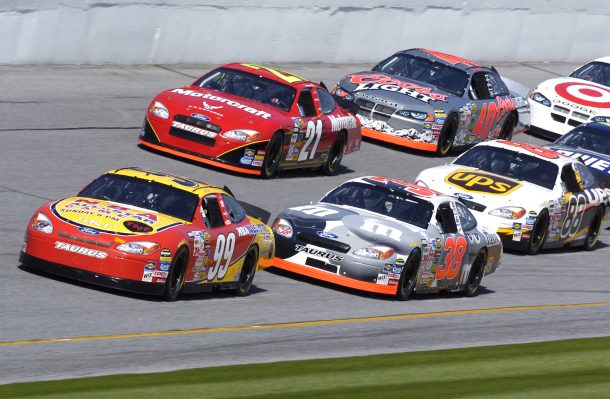
The old NASCAR adage “Win on Sunday, sell on Monday” still temps modern automakers, and Fiat Chrysler Automobiles CEO Sergio Marchionne isn’t immune to its spell.
After pulling out of stock car racing in 2012 to get its financial house in order, FCA now wants to see the Dodge brand back on the track.
Sacrilege? Ram's Crosshair Grille Is an Endangered Species
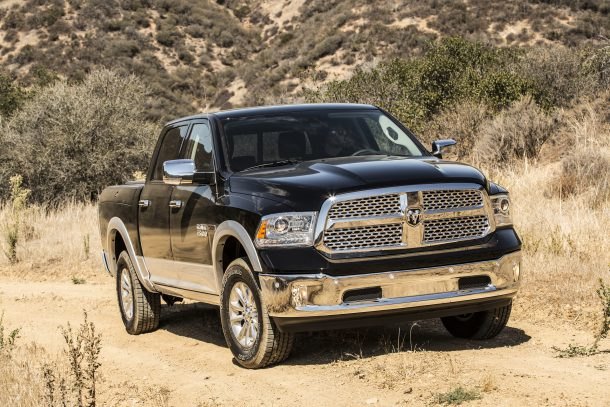
Fearing a backlash from die-hard Ram loyalists, Fiat Chrysler Automobiles executives seem hesitant to move the next-generation 1500 pickup away from the styling that’s made it a bright sales light in the FCA portfolio.
Still, as much as they’d like to avoid it, many say the time has come to drop Ram’s most signature design element — the crosshair grille.
Say Goodbye to the Six-cylinder Ford Mustang: Report

The Ford Mustang entered the world with a 170 cubic inch inline six, but heritage alone likely won’t be enough to keep the six-cylinder ‘Stang alive.
Product information from Ford’s ordering system has appeared online, and a 3.7-liter V6-powered version of the 2018 Mustang is nowhere to be seen.
Bi-Curiosities: Volkswagen's Twin-Engine Terrors
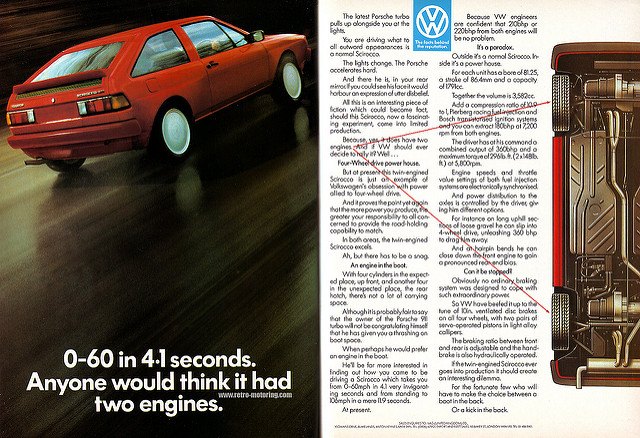
Though today’s hybrids have popularized it, the idea of installing more than one engine in a car to supplement power isn’t particularly new or innovative. In fact, it’s almost as old as the automobile itself.
There are plenty of historical examples of multi-engine cars; probably the most notable are absolute land speed record attempts. Just last week, for example, was the 51st anniversary of the American-made Goldenrod’s 409 mph record, set using no less than four 426 Hemi V8s borrowed from Chrysler.
But even further back, Alfa-Romeo had tried to break the stranglehold of the Silver Arrows in Grand Prix racing by utilizing two straight-eights in a P3 Grand Prix chassis. The solution was innovative, if not particularly successful.
But the exploits of sticking multiple motors in a vehicle to boost power and traction were not limited to exotic racers and record setters. In the 1980s, the concept was reintroduced in a few interesting packages. As it became increasingly clear that Audi’s all-wheel drive would revolutionize the world of rally, Volkswagen Motorsport director Klaus-Peter Rosorius felt Volkswagen shouldn’t play second fiddle to the Quattro.
Instead, they’d play with a second engine.









Recent Comments