


QOTD: What's Going To Happen With The Automotive Industry In 2026?
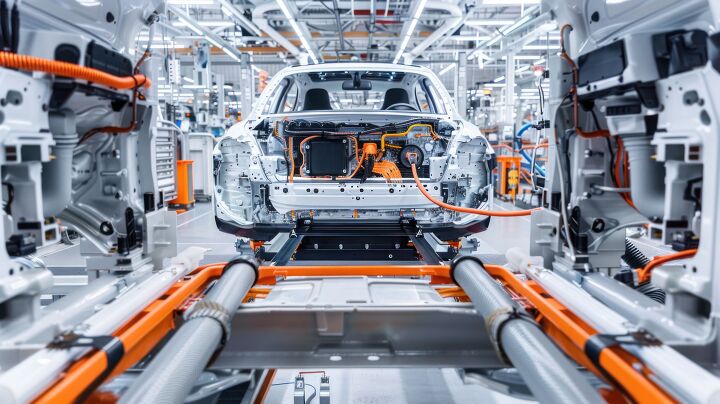
Today is the first business day of the new year. So with 2025 now fully in the rearview mirror and the world returning back to work, I am wondering what will happen in the automotive industry over the next 365 days.

Report: Lead Recycled For Car Batteries Is Poisoning People

According to the New York Times, lead that's being recycled for car batteries is poisoning people.
Ram Confirms Midsize Dakota Pickup Will Be Built Alongside Jeep Gladiator
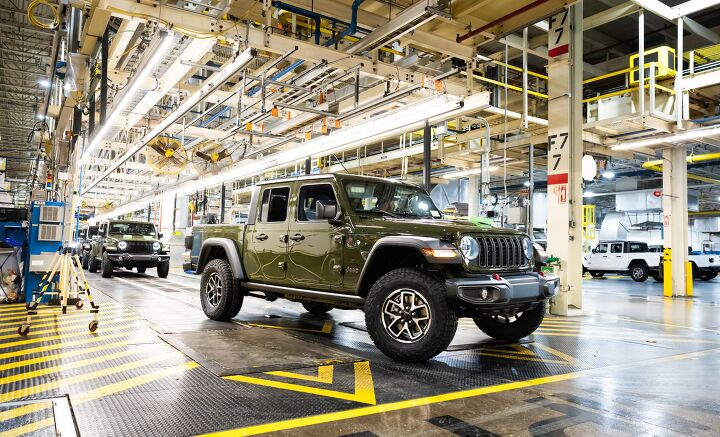
Hidden within Stellantis' billions of dollars in announced factory upgrades was confirmation that Ram's all-new mid-size pickup will be assembled at the Toledo Assembly Complex, home of the Jeep Wrangler and Gladiator.


Early Access Review: "The Last Independent Automaker," Covering Everything AMC
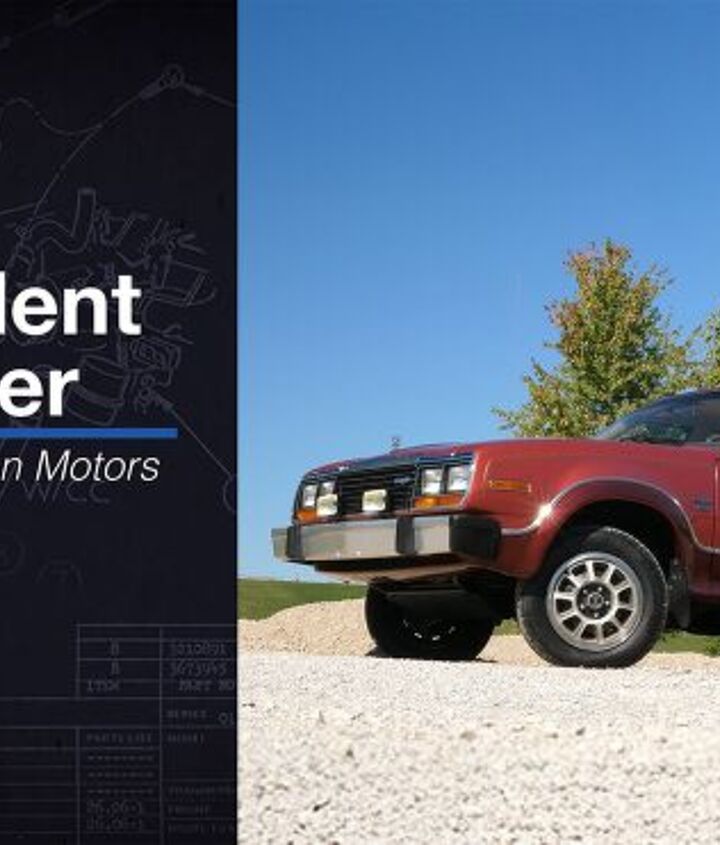
It has been over three years in the making, but the documentary The Last Independent Automaker chronicling the life and times of the American Motors Corporation debuts today on PBS. The team behind the documentary secured over 100 hours of footage from the AMC vaults, scoured hundreds of historical photographs, and interviewed more than 35 people from the AMC sphere.

Survey Labels Automotive Sector As ‘Most Disrupted’ Industry In The World

A recent study from Alix Partners has claimed that the automotive sector is the most "disrupted" business sector going into 2025, based upon executive sentiment. However, this is allegedly not a terrible thing because the report likewise suggests that automakers are among those best suited to adapt to changing business models.

Honda, Nissan Take Next Step Towards Merging
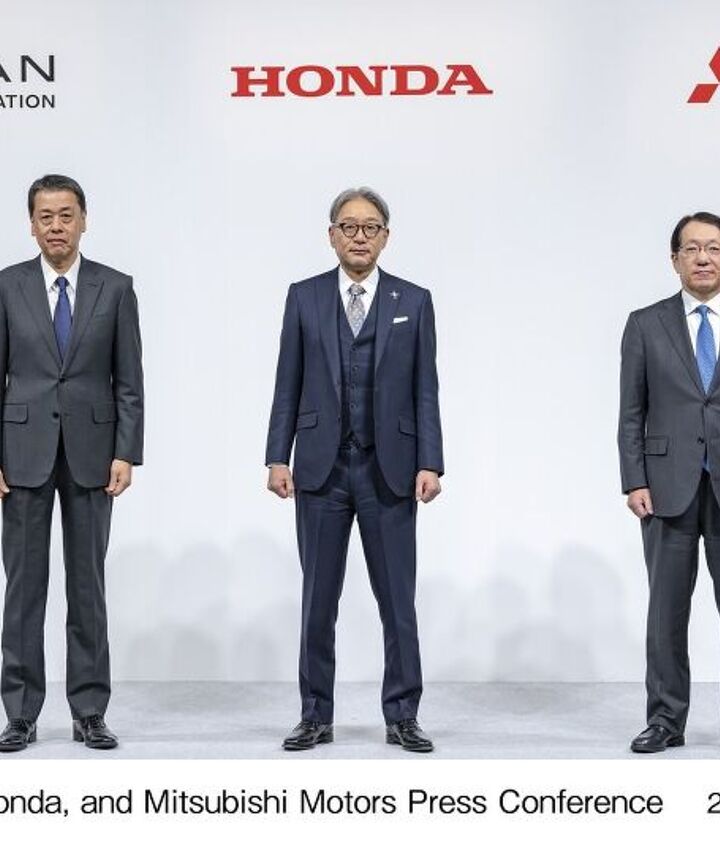
A press release put out by Honda and Nissan confirm the two companies have signed a memorandum of understanding to start discussions about merging.
QOTD: What Do You Predict for 2025?

We took a swing at predictions for 2025 on our podcast today.
Now it's your turn.
Bank Study Suggests Auto Industry Could Get Dicey Next Year

A new study from Scotiabank Economics is suggesting that North America's automotive sector will be heading into a particularly volatile 2025.
QOTD: What's Ahead for the Automotive Industry?

I chatted with Robby DeGraff about it on our podcast, and now it's your turn.
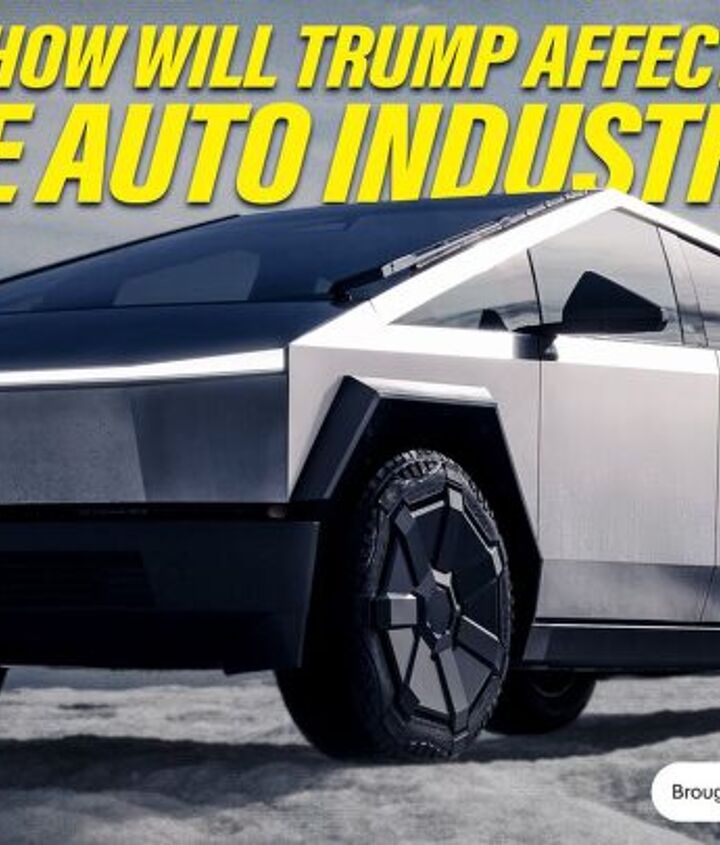
What does Donald Trump's election back to the White House mean for the car business?
Ford Introduces OKRs To Cut Costs, Improve Quality

Ford is revamping its employee bonus system to prioritize cost savings and improve vehicle quality, aligning bonuses with strict performance metrics.
The Lithium Race Has Been Red-Flagged In Argentina
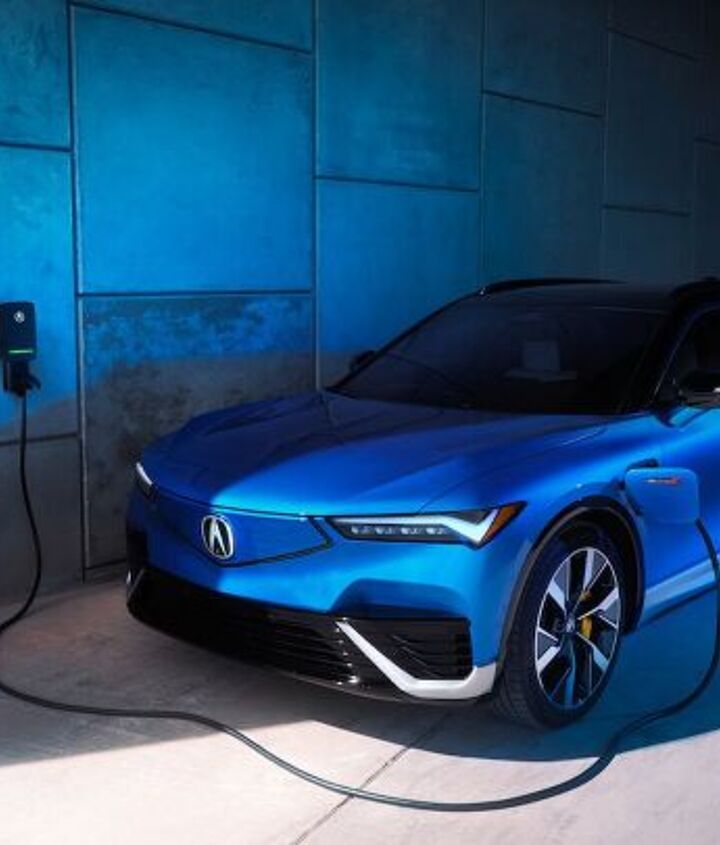
The lithium sector in South America’s "lithium triangle," which spans Argentina, Chile, and Bolivia, has long been central to the global race for extracting the battery metal needed for electric vehicles.
Stellantis Once Again Accused Of Emissions Fraud

An independent foundation in the Netherlands has filed a class action lawsuit against Stellantis, alleging emissions test cheating by one of its predecessor companies, Fiat Chrysler.

Abandoned History: Ford's Cruise-O-Matic and the C Family of Automatic Transmissions (Part VI)
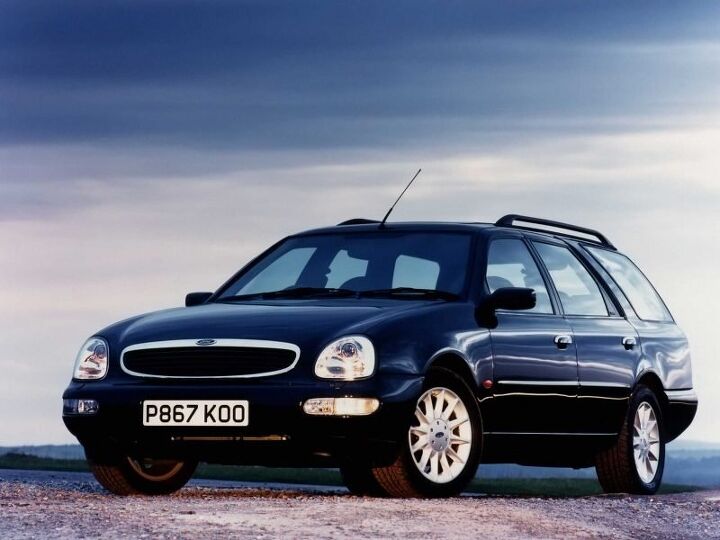
We return to the final entry in our Cruise-O-Matic and C transmission series, at a time when the former’s Fifties-tastic name had faded from the memory of most. The C family was the wave of the future when it arrived as a rework of the Cruise-O-Matic in 1964. The first of the line was the C4, a medium-duty box that was followed two years later by the heavy-duty C6.
Read more
Documentary Series The Last Independent Automaker in Production, Will Chronicle the Life and Times of American Motors Corporation
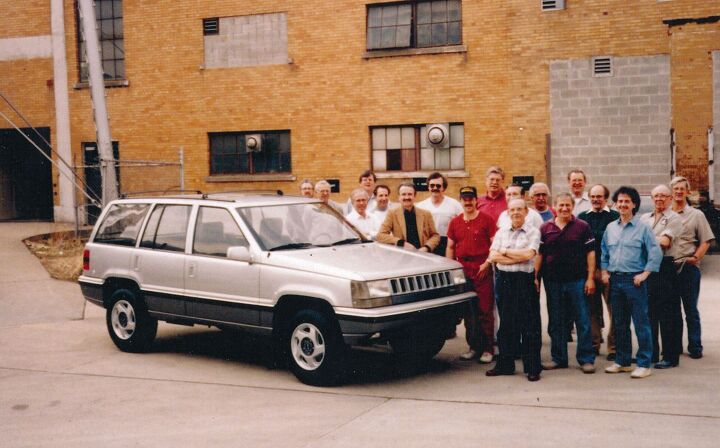
A new documentary is currently in production and promises to be of interest to many of our readership. It’s about everyone’s favorite underdog automaker, American Motors Corporation (1954-1988)! Pride of Kenosha, Wisconsin. The team behind the production of The Last Independent Automaker is assembling a deep dive into the brand’s history, which started in 1954 when car and refrigerator manufacturer Nash-Kelvinator Corporation acquired Hudson Motor Car Company, and formed AMC.
Car Dealers Cheesed Over FTC's Proposed Rule Changes

Federal Trade Commission (FTC) has proposed comprehensive rules changes regarding dealership advertising and how finance and insurance offices are handled. However, dealers, specifically the National Automobile Dealers Association (NADA), aren’t happy with these new ideas and have issued formal challenges to the regulatory scheme.
Rare Rides Icons: The History of Kia's Larger and Full-size Sedans (Part IX)
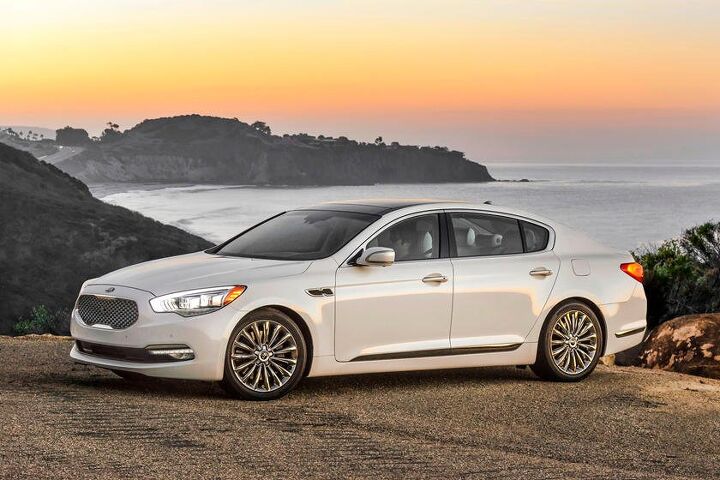
It’s time once again for more Kia large sedan goodness. Like last time, we pick up in the early 2010s. Kia’s second full-size sedan developed under Hyundai’s controllership was the K7, or Cadenza in all markets outside South Korea. Pitched as a value-priced premium front-drive car, it competed against the likes of the Toyota Avalon and Nissan Maxima, but lacked any defined comfort or sporty characteristics. Cadenza also had a bland corporate design courtesy of the company’s new Euro-like styling mission, and former VW designer Peter Schreyer.
Shortly after the Cadenza went on sale, Kia turned its sights toward an even larger sedan: A new rear-drive one to occupy the luxury space, a class above the Cadenza. It was the largest car Kia offered in nearly two decades, the first rear-drive Kia since the (Mazda Sentia) Kia Enterprise of 2002, and the first rear-drive sedan Kia ever sold in the North American market. It’s time for K9.
Abandoned History: Ford's Cruise-O-Matic and the C Family of Automatic Transmissions (Part V)
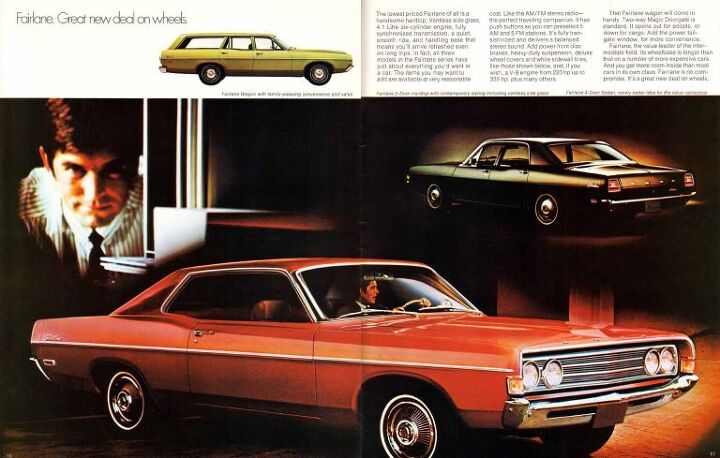
We resume our Ford Cruise-O-Matic transmission coverage today, as the original two- and three-speed automatics of the Fifties transition into the new C family. C transmissions were designed to be lighter (aluminum) and more efficient than their cast iron predecessors. The wonder of alloys!
In our last entry, we covered the first two C transmissions, the C4 (1964-1981) and C6 (1966-1996). Since we’re proceeding chronologically, we step back to Cruise-O-Matic for a moment, and a mix-and-match transmission: FMX.
Rare Rides Icons: The History of Kia's Larger and Full-size Sedans (Part VIII)
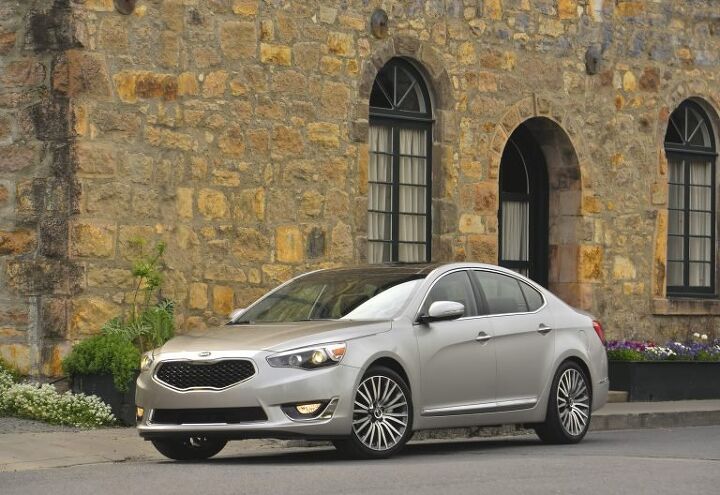
We return to Kia’s large sedan history today, at a point shortly after the launch of the K7. Kia’s full-size front-drive for the 2010s, the K7 was called Cadenza in all export markets, and was a successor to the unfortunately styled Opirus (Amanti in North America). Kia hired Peter Schreyer from his longtime employment at Volkswagen Group in order to usher in a new stylistic era at Kia.
Though it went on sale for the 2010 model year, Kia wasn’t quite ready to send the Cadenza to the North American market. With the market’s general rejection of the Amanti in mind, Kia called on Schreyer to refresh the Cadenza and lux it up before its North American launch.

Abandoned History: The Life and Times of Edsel, a Ford Alternative by Ford (Part I)
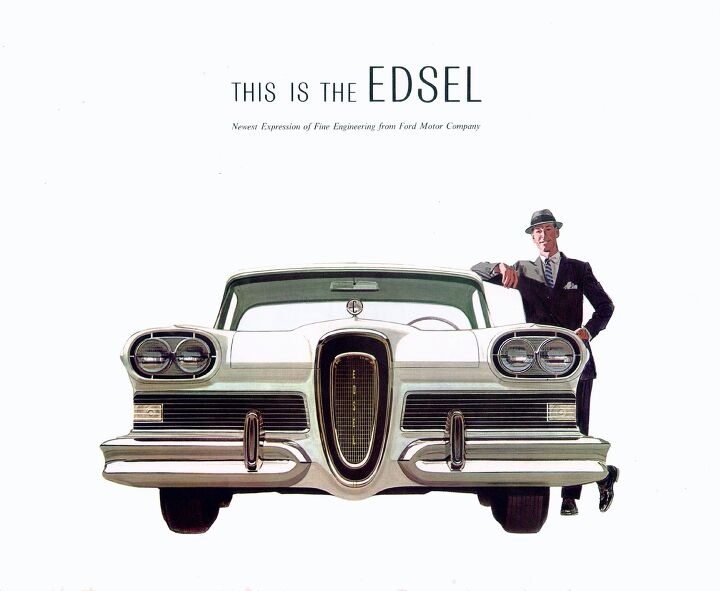
Edsel received an honorary mention a couple of weeks ago, in our current Rare Rides Icons series on the Lincoln Mark cars. Then it was mentioned again the other day in Abandoned History’s coverage of the Cruise-O-Matic transmissions. It’s a sign. We need to talk about Edsel.
Study Claims Gen Z Doesn't Like Buying Cars

Younger drivers have reportedly had it with the dealership experience, with Gen Z even more disenfranchised than Millennials. Though it’s difficult to imagine anybody visiting a showroom within the last 12 months having any other reaction. Incentives are down, prices are up, and there’s a good chance whatever you wanted to buy isn’t going to be on the lot anyway. Someone saying they had an exemplary dealer experience is becoming about as common as people claiming they enjoy going to the DMV.
However, CDK Global Inc. still opted to conduct a survey in the hopes of determining just how much less tolerant younger shoppers might be compared to older generations. The takeaway probably isn’t going to shock you, even if the sheer volume of first-time buyers that don’t care for dealerships might.
Abandoned History: Ford's Cruise-O-Matic and the C Family of Automatic Transmissions (Part IV)
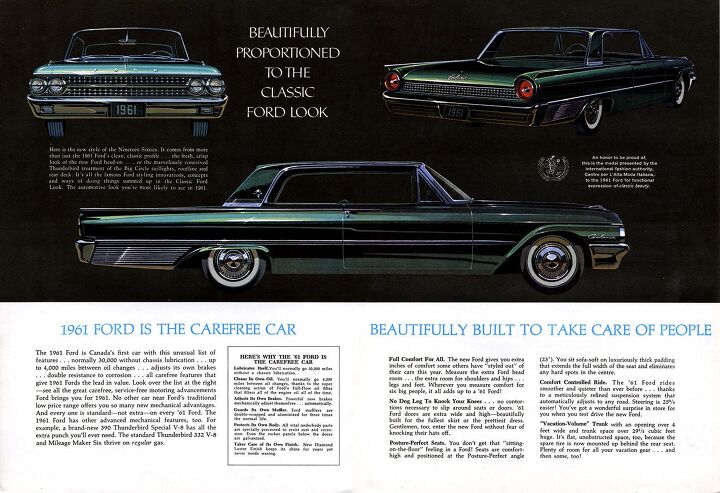
Last time on our Abandoned History coverage of Ford’s historical Cruise-O-Matic automatic transmission, we spent some time in Russia. Communist automaker GAZ liked Ford’s automatic and decided to lightly rework it into their “own” transmission rather than pay Ford to build it under license. The GAZ two- and three-speed automatics remained in use in the company’s passenger cars well into the Eighties, which was a very long time for a late Fifties transmission to live.
Shortly after GAZ made its copies, the real versions of the FX/MX Cruise-O-Matic and Ford-O-Matic were nearing the end of their respective service lives. The two-speed was naturally the first to go.
NHTSA Issues Initial Crash Report for Driver Assist Tech
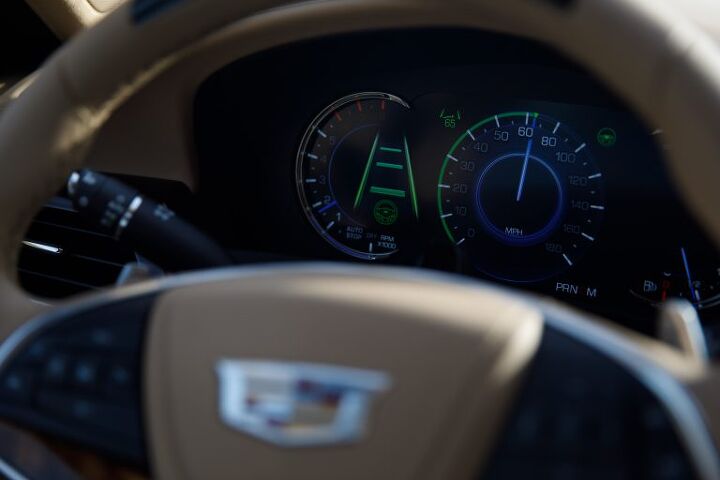
In 2021, the National Highway Traffic Safety Administration (NHTSA) asked manufacturers to begin reporting vehicle accidents where Advanced Driver Assistance Systems (ADAS) and/or semi-autonomous driving aids were engaged. The agency was specifically interested in incidents where such systems were active at least 30 seconds prior to the crash, hoping it might shed some light as to the technologies at play while the industry continues to make it standard equipment.
Abandoned History: Ford's Cruise-O-Matic and the C Family of Automatic Transmissions (Part III)

We pick up our Cruise-O-Matic automatic transmission coverage again today, as Ford’s first mass-produced gearbox found its stride in the Fifties. As consumers turned toward automatic transmissions in their two- and four-door domestic iron, they also turned toward more powerful V8 engines and big chrome bumpers and tail fins. Detroit’s manufacturers had to respond, and Ford’s answer was a second-generation Ford-O-Matic, the FX and MX. Both transmissions were marketed under the new Cruise-O-Matic moniker, while a new generation two-speed auto became the bargain basement Ford-O-Matic.
As we discussed in our last entry, in 1957 and 1958 Ford offered fiddly Keyboard Control. The whiz-bang new feature meant the Cruise-O-Matic was operated by confusingly marked dash-mounted buttons on select Mercury vehicles. And while Keyboard Control was limited to Mercury, an even worse version of the same idea was reserved for Edsel.
Gas War: Automakers Continue Begging Government for EV Incentives

On Monday, General Motors, Ford, Stellantis, and Toyota Motor North America reportedly asked the United States Congress to lift the existing cap on the $7,500 federal tax credit for electric vehicles. Though automakers petitioning the government for free money is hardly new business.
U.S. Asks Mexico to Investigate Stellantis' Labor Practices

The United States has requested that Mexico investigate worker rights violations that were alleged to have taken place at one of the parts factories owned by Stellantis. Officials are curious about what’s been happening at Teksid Hierro de Mexico, a facility located in the border state of Coahuila that’s responsible for manufacturing iron casings, in regard to unionization. According to U.S. officials, this is the fourth such complaint under the United States-Mexico-Canada Agreement (USMCA).
Having supplanted the North American Free Trade Agreement (NAFTA) signed into law by the Clinton administration in 1993, USMCA sought to rebalance trade laws the Trump administration believed had disadvantaged the United States. However, it also sought to advance worker protections in Mexico and give employees an easier pathway toward unionization.
Abandoned History: Ford's Cruise-O-Matic and the C Family of Automatic Transmissions (Part II)
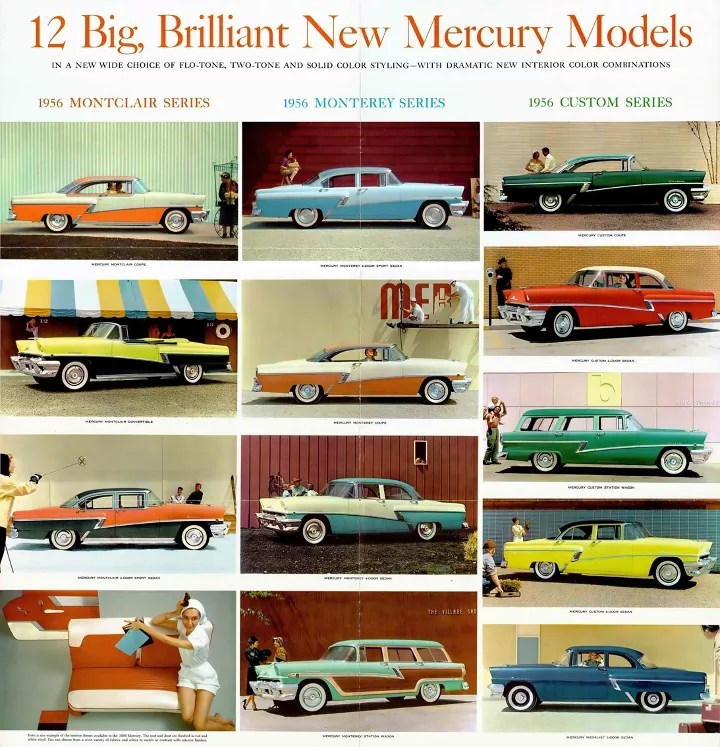
We continue our Abandoned History coverage of the Ford Cruise-O-Matic transmission today, shortly after the three-speed automatic established itself as a reliable motivation source for Ford, Lincoln, and Mercury products. Developed by the Warner Gear division of Borg-Warner, the new automatic caught Ford up to the competition as far as an automatic offering was concerned. Efficient and economical to build, Studebaker got in on the Cruise-O-Matic action for their cars too.
After the box proved itself on Ford and Mercury cars, it spread to the luxurious ’55 Lincoln lineup where it replaced the four-speed GM Hydra-Matic. We pick up there, as efforts got underway to improve upon the original Borg-Warner design and add whiz-bang features. This entry doesn’t end up where you’d expect.
How Shanghai Lockdowns Are Changing the Auto Industry

While the semiconductor shortage was long considered the excuse par excellence for why the automotive sector couldn’t produce enough vehicles during the pandemic, some manufacturers have begun pivoting to blaming supply chains that have been stymied by Chinese lockdowns. Toyota is probably the best-known example. But the matter is hardly limited to a singular automaker and market analysts have already been sounding the alarm bell that strict COVID-19 restrictions in Asia will effectively guarantee prolonged industrial hardship around the globe.
Back in April, Shenzhen was emerging from a month-long lockdown. However, the resulting downtime severely diminished the tech hub’s output which exacerbated global component shortages. While Chinese state-run media claimed regional factories maintained full-scale production during the period, the reality was quite a bit different. Meanwhile, Shanghai has remained under harsh restrictions since March and more look to be on the horizon. As an important industrial center and the world’s busiest port by far, the situation has created an intense backlog of container ships that are presumed to create some of the sustained problems that we’re about to explore.
Rental Review: The 2021 BMW 530i XDrive, Interference at No Cost to You
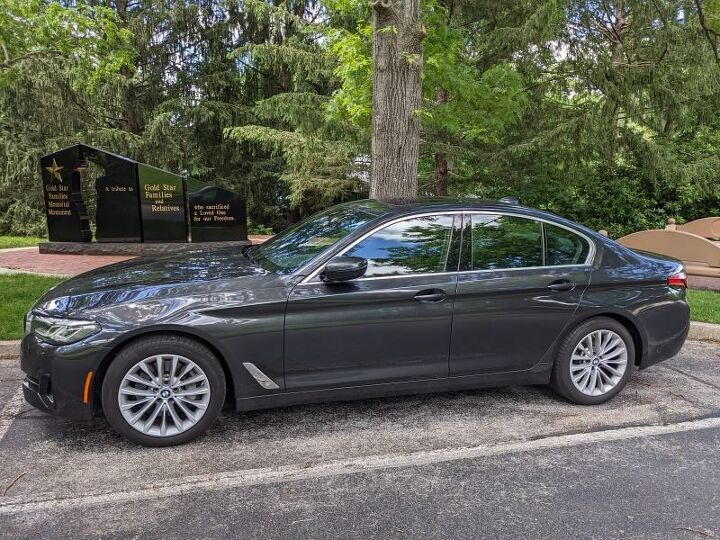
As a fan of the midsize luxury sedan class, it’s sad to see how many manufacturers have given up on the segment. The German trio still has their stalwarts, but Japan gave up in 2020 (RIP Lexus GS), the only American still in the ring is the Cadillac CT5, and its outlier status is accompanied by newcomer Genesis with the G80.
It’s a dying class, which is why your author was especially pleased to spend the Memorial Day weekend with a longstanding headliner of the German luxury sedan genre: A 2021 BMW 5-Series.
Survey Suggests Americans Still Doubt EVs [UPDATED]
While plug-in vehicles are catching on in Europe, representing 21 percent of all new registrations in the first quarter of 2022, they’ve been less popular in the United States. Only about 5.2 percent of American registrations were of the plug-in variety (representing hybrid and purely electric vehicles) during the same timeframe. Despite the industry spending billions to develop and market these vehicles, with some progress being made, the overall take rate within North America remains underwhelming.
Ardent fans of battery based powertrains will undoubtedly disagree. But a couple of studies came out this month that drove the point home. Autolist’s Annual Electric Survey dropped earlier this month, effectively outlining why EVs haven’t been able to make more headway in the states.
Abandoned History: Ford's Cruise-O-Matic and the C Family of Automatic Transmissions (Part I)
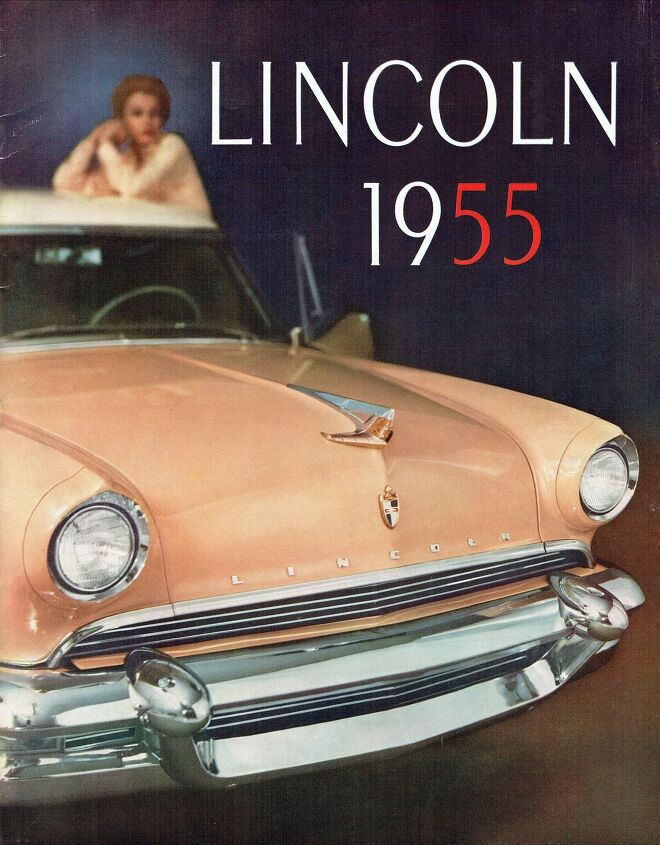
As we finished up our coverage of General Motors’ Turbo-Hydramatic family of transmissions, I asked which gearbox you might like to see covered next by Abandoned History. The comments honed in on Ford, and the various versions of the C family of automatics. Fine by me! Today we head back to the Fifties to learn about the genesis of all the Cs. It was the extremely Fifties-sounding Cruise-O-Matic, built with pride in Cincinnati, Ohio.
Average Age of U.S. Light Vehicles Older Than Ever

S&P Global Mobility has reported that the average U.S. automobile is now 12.2 years old, which it said represented a 2 percent increase since 2021. While relatively modest, the general trend for the last five years has been for vehicles to get older as drivers attempted to milk more life from beleaguered hardware.
Much of this has been attributed to North America’s broadening wealth gap and general improvements in vehicle longevity. If you look back at Department of Transportation data from the 1990s, the average age of a car was under nine years. By 2007, the typical car would see its 10th birthday before scrappage and the number has continued to climb from there. Much of that is due to households having to make do with tighter budgets, which was arguably made easier by modern powertrains that can easily exceed 100,000 miles before needing any serious maintenance.
BMW i4s Shipping With Apple CarPlay, Android Auto After All

Earlier reports that the BMW i4 would ship without Apple CarPlay or Android Auto, with the smartphone-mirroring systems set to be installed via over-the-air updates at a later time, appear to be incorrect.
Detroit Automakers Reinstate Mask Mandates in Michigan

General Motors, Stellantis, and Ford Motor Co. collectively decided to reinstate masking mandates in Michigan over the weekend — stating that the impacted factories were in areas with high levels of COVID-19.
The automakers had lifted mask requirements for employees after the backlash against government-backed restrictions and mandates hit a fever pitch in March. While protests had begun swelling by the fall of last year, the Canadian Freedom Convoy that was forcibility disbanded in February drew national attention to the issue. Despite Detroit manufacturers suggesting they would walk back restrictions (if the Centers for Disease Control and Prevention said it was okay) for months, ditching masks initially involved a series of stipulations about vaccinations and job titles. It wasn’t until public outrage spilled over into the real world that sweeping changes began to occur.
Rare Rides Icons: The History of Kia's Larger and Full-size Sedans (Part IV)
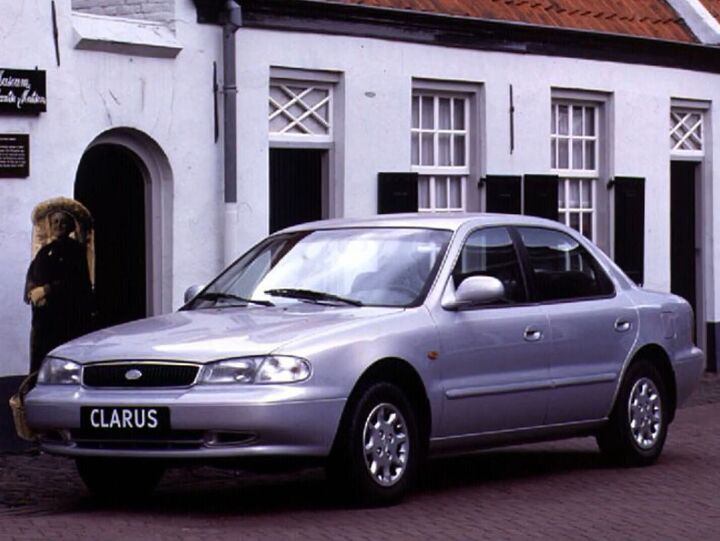
We return to our coverage of Kia sedans today and discuss a midsize from just prior to the flagship Enterprise we discussed last time. Kia offered the first midsize car to bear its branding in 1987 when it introduced the new Concord. Concord was essentially a broughamed, front-rear clip swap take on the GC platform Mazda 626. Mazda discontinued the GC 626 that year and immediately sold the platform and tooling to Kia. A couple of years later, the Concord spawned a lesser sibling called the Capital. Capital looked very similar to the Concord but sold to a more economically-minded customer with its much lower level of equipment and low-powered engines.
When the Capital finished up its run in 1997, it was replaced by a compact car Kia had on sale for a few years already: The Sephia. Sephia wouldn’t do for Concord-level customers though, and upon the sedan’s discontinuation in 1995 they were directed to an all-new Kia. The company was ready with its new midsize to bookend the Concord, and it went on sale the same year. Though the new car was again on a donated platform, it was the first time Kia had some leeway to design a midsize of their own. It’s time to discuss Credos.
Nissan Becomes Profitable Again
The last few years have certainly been interesting for Nissan. After clawing its way back from financial disaster in the early 2000s, the company endured one of the most high-profile and scandal-ridden management shakeups in automotive history by 2018. It also became desperately unprofitable while incurring negative growth, with the remaining leadership deploying an aggressive restructuring plan designed to help get the business back on track.
Those efforts appear to have been successful.
Foxconn Officially Buys Lordstown Assembly
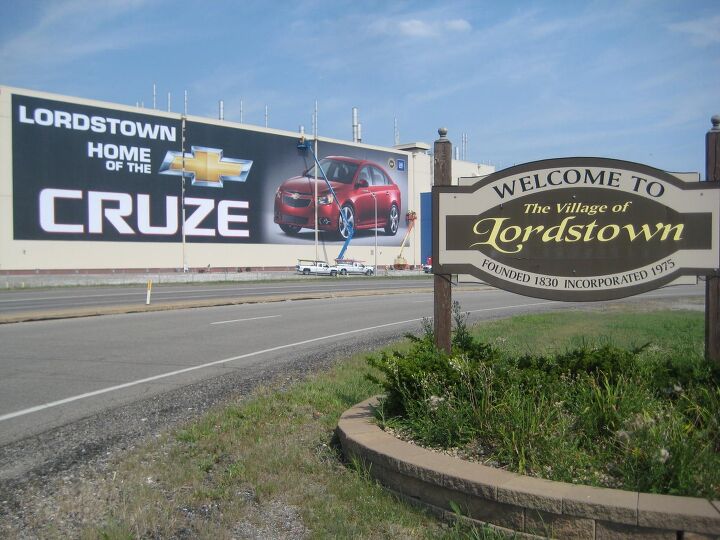
Best known for manufacturing small electronic devices for companies around the world, Foxconn will soon be branching out to assemble automobiles in Ohio. On Wednesday, the Taiwanese Hon Hai Precision Industry Co. (traded as Foxconn) closed on a deal with Lordstown Motors to purchase a 6.2 million-square-foot plant that used to belong to General Motors.
The $230 million deal leaves Foxconn with the facility and 400 Lordstown manufacturing employees it’s supposed to use to assemble the delayed Endurance pickup. Though the long-term plan is to use the plant to become a contract manufacturer akin to Magna Steyr, with an emphasis on all-electric vehicles.
Abandoned History: General Motors' Turbo-Hydramatic Transmissions (Part II)
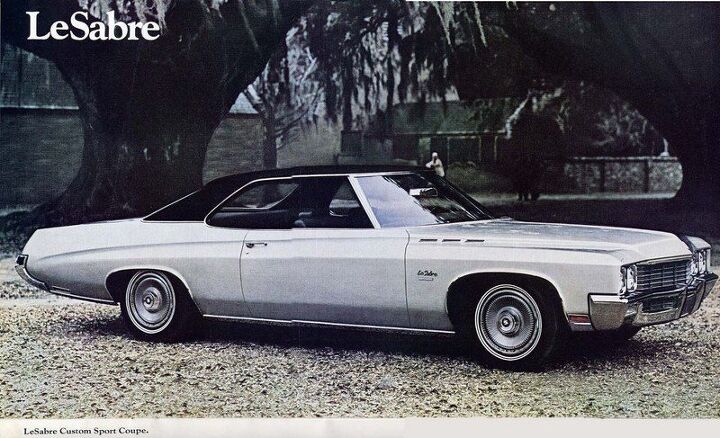
Our Abandoned History coverage of the Turbo-Hydramatic transmission series continues today. The THM was a singular solution to two different automatic transmissions in use by Oldsmobile, Cadillac, and Buick in 1963. Turbo-Hydramatic arrived at a time of modernization for the automatic, which prior to the mid-Sixties was regarded as inefficient and less than smooth.
The THM400 was the 1964 replacement for the Hydra-Matic and Buick’s Dynaflow and established itself as a smooth and reliable gearbox. It proved useful in a variety of luxury and heavy-duty applications and shrugged off weight and torque easily. In short order, it took off as the transmission of choice for various small manufacturers outside of GM. However, no matter how excellent the THM400 was, it found itself squeezed by a drive toward greater fuel efficiency. It was also a bit hefty to be of broad use in smaller or lighter passenger cars. GM needed more Turbo-Hydramatics!
VW Rumored to Revive Scout Nameplate
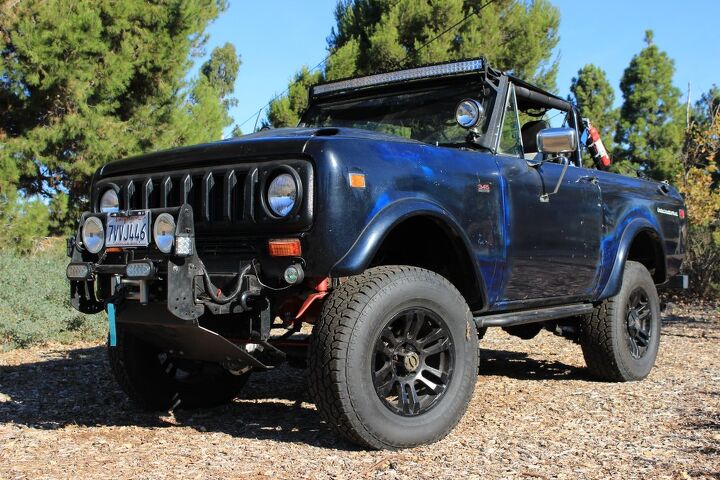
Volkswagen Group is reportedly considering reviving the Scout name for North America. Following the merger of trucking subsidiary Traton and Navistar in 2020, VW found itself in possession of the farm-focused International Harvester. While the brand technically hasn’t existed since 1985, the German company effectively owns its intellectual property — including the Scout name — and is keen to leverage some of its nostalgia for an alleged sub-brand specializing in sport utility vehicles.
Rare Rides Icons: The History of Kia's Larger and Full-size Sedans (Part III)
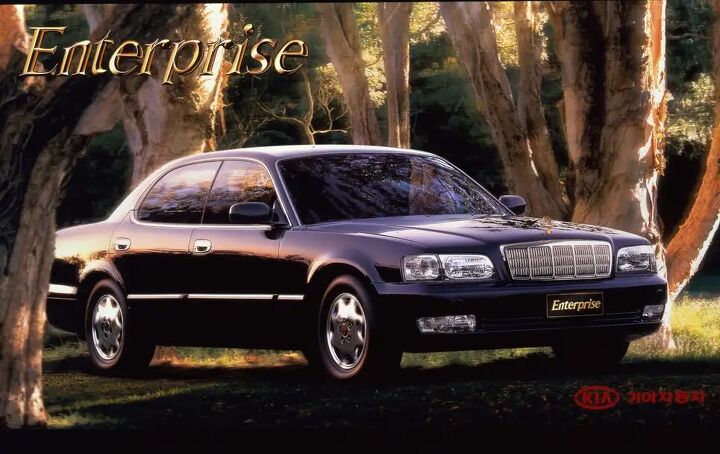
We’ve reached the end of the Nineties in Kia’s midsize-or-more sedan story. It was a time of modernization across Kia’s portfolio, and 1998 and 1999 were years of expansion in particular: Kia introduced an impressive nine all-new models across those two years.
For its larger sedan lineup, the dated Potentia (a rework of the Eighties Mazda Luce) continued on in its popularity in the South Korean market. Potentia was updated from its original 1992 looks for 1998. However, that same year Kia introduced a new large luxury sedan to its lineup. The company once again relied on friendly product partner Mazda. Let’s talk about Enterprise.
Stellantis CEO Says EV Transition Poses Serious Problems

The automotive sector is currently suffering from ongoing component shortages and supply chain bottlenecks stemming from regional restrictions relating to the pandemic. However, it’s assumed that those problems will gradually abate, only to be supplanted by a global deficit of the raw materials necessary for battery production. Analysts have been warning about the shift toward electric vehicles, spurred on by government regulations, for years. But they’re starting to get some company from within the auto industry.
On Tuesday, Stellantis CEO Carlos Tavares suggested that there was a very real possibility that manufacturers could begin confronting serious issues in terms of battery production by 2025 if the shift toward EVs continues at pace. Though his concerns aren’t limited to there being a new chapter in the already too long saga about parts shortages. Tavares is also worried that Western automakers will become overwhelmingly dependent upon Asian battery suppliers which already dominate the global market.
Report: Hyundai May Choose Georgia for EV Plant
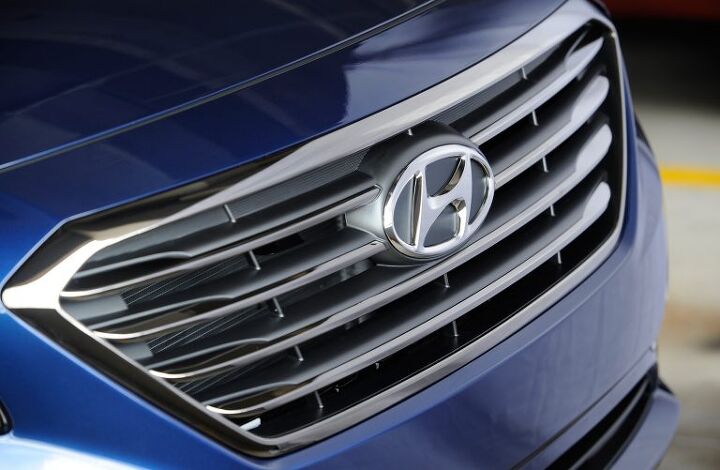
Hyundai Motor Group has been considering where to establish its planned EV manufacturing hub for the United States for roughly a year now and is reportedly zeroing in on the State of Georgia as a final destination. It’s even said to have conducted some preliminary meetings with local leaders about the possibility of breaking ground in an area that could be strategically aligned with its existing facilities – namely Montgomery’s Hyundai Motor Manufacturing Alabama (HMMA) and West Point’s Kia Motors Manufacturing Georgia (KMMG).
Aston Martin Sees CEO Swap
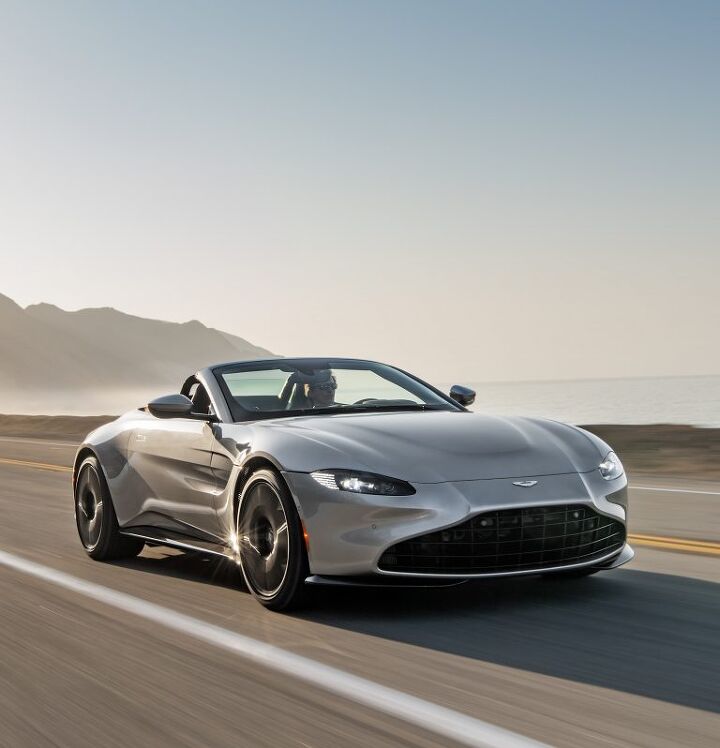
Aston Martin Lagonda will be seeing new leadership. Tobias Moers will be surrendering his role as chief executive to make way for former Ferrari CEO Amedeo Felisa.
While the formal announcement was made on Wednesday, rumors about Moers getting the boot had been circulating ever since Aston Martin Racing head Otmar Szafnauer left the company in January after repeatedly butting heads with executive chairman Lawrence Stroll. Szafnauer was said to have resigned, however, reports suggested that the Canadian financier was displeased with his performance. At the time, there were claims that Moers’ head was next on the chopping block.
Rivian Receiving $1.5 Billion Incentive Package from Georgia
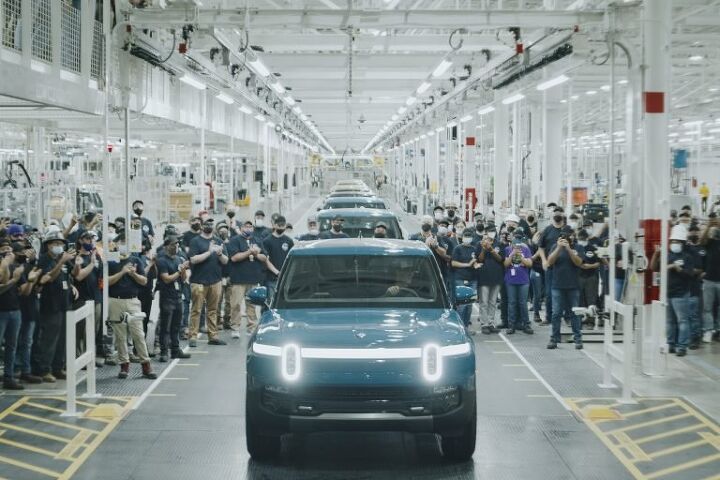
Rivian Automotive Inc, purveyor of the all-electric R1T and R1S, will receive $1.5 billion in incentives from state and local governments to build a new manufacturing facility in Georgia. Eager to become home to the company’s planned $5 billion assembly plant, the state is offering a comprehensive incentive package that includes tax breaks. The government has a few stipulations, however.
Under the new agreement, Rivian’s factory would be required to produce 7,500 jobs and its existing investment target by 2028 to receive the full $1.5 billion. That includes a sizable battery production site and may explain why the state is offering up the largest corporate incentivization package in its history.
Abandoned History: Dodge's Dead Import Trucks (Part III)
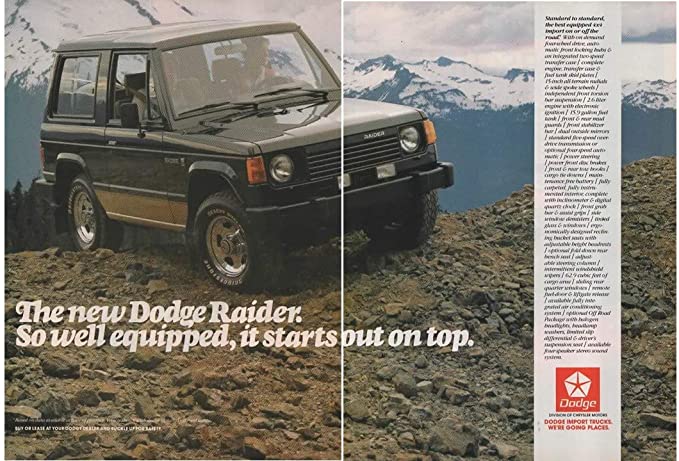
In a captive import enterprise that began in 1979, Dodge sold Mitsubishi’s compact pickup (aka Mighty Max in North America) to compete with the likes of the Ford (Mazda) Courier and the Chevrolet (Isuzu) LUV. Badged as the Ram 50, the truck was sold through two generations, 1979-1986 and 1987-1994. By the Nineties, the second-gen was showing its age, and Dodge decided it would rather focus on its own midsize truck, the Dakota.
But there was another captive import that arrived at the very same time as the second edition of the Ram 50. Say hello to the Raider.
Rare Rides Icons: The History of Kia's Larger and Full-size Sedans (Part II)
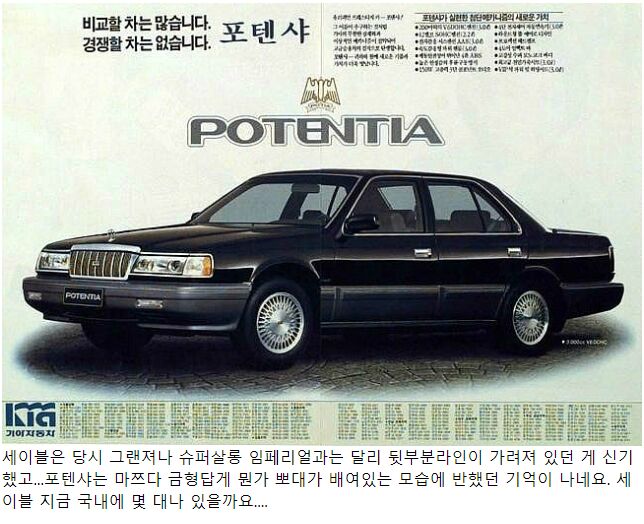
We pick Kia’s large-car story once more today, at a point when the Korean manufacturer was in the midst of establishing itself as a proper full-line automaker, albeit with contributions from various other automotive firms. After Kia built Fiats and Peugeots via knock-down kits, it moved on to a light rework of the early Eighties Mazda 626. It made two cars out of the 626, its first midsize offerings. They were the upscale Concord and lesser (but still sort of upscale looking) Capital. But before we move on to the company’s first truly full-size car, we need to talk about the Mercury Sable for a moment.
Abandoned History: Dodge's Dead Import Trucks (Part II)
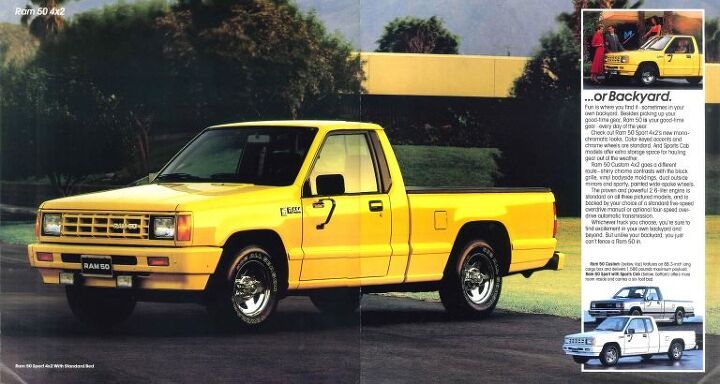
Dodge’s import truck story began in 1979, when the Mitsubishi Forte (or L200) arrived on North American shores, rebadged as the Dodge D-50 and Plymouth Arrow. A captive import like the Colt, the durable Dodge D-50 (later Ram 50) proved itself a solid entrant into the compact pickup truck market. What proved unpopular was the Plymouth Arrow, which did not make it past its initial 1979-1982 outing. The Ram 50 was refreshed in 1982 but was certainly due for replacement in 1987 when the second generation arrived.
VW CEO: 'We Have to Become Relevant in the U.S'

Volkswagen CEO Herbert Diess has explained that the automaker would very much like to get back in to the United States’ good graces now that it has cut ties with Russia. With the future of Europe looking shaky, VW is hoping to maintain its position as the best-selling brand in China and start making inroads in America after burning a few bridges there.
Despite the Dieselgate scandal being seven years in the rearview mirror, the automaker is still coping with the resulting financial penalties and the resulting decision to scale back its U.S. aspirations a tad until its electric models hit the road. But the company has always had an issue understanding what American drivers wanted, resulting in boom and bust phases for the company until it manages to solve the puzzle. The most common issue was an inability to adhere to ever-changing emissions standards. But there are also periods where the manufacturer was snubbed for offering subpar electrical equipment or simply having a lineup that was out of sync with American tastes. But Volkswagen has historically enjoyed a resurgence after making the necessary changes and Diess is hoping for another comeback.
Abandoned History: The Chrysler UltraDrive Transmission (Part II)
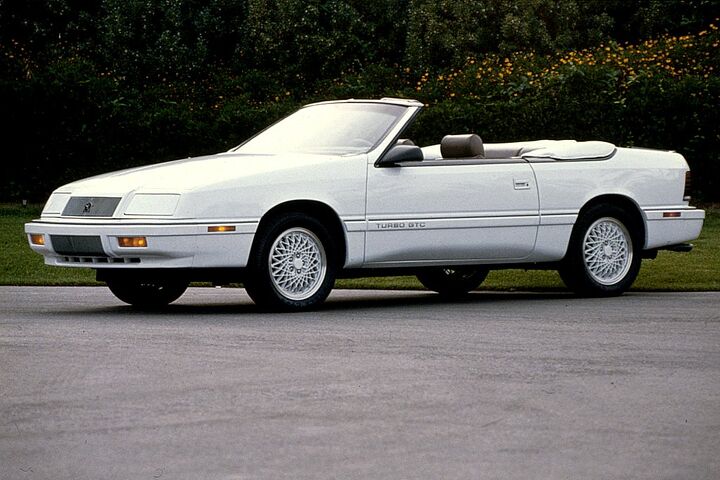
We finish up our Abandoned History coverage of the long-lived UltraDrive transmission today. The pursuit of simplification, modernization, less weight, and better fuel economy lead to the creation of the electronically controlled four-speed A604 marketed as UltraDrive. The idea floated around at Chrysler in the Seventies and then was greenlit and put into production (before it was ready) by an eager Lee Iacocca. A case of unfortunate timing, the new transmission arrived in 1989 at a time when there was almost no exciting news in Chrysler’s product portfolio. Thus the UltraDrive name was coined by marketing, and the new and advanced transmission was featured heavily in the company’s PR materials in 1989 and 1990.
The UltraDrive’s debut version was prone to numerous types of failures because of fluids and sensors, build quality, parts, really everything. But engineers at Chrysler quickly massaged the A604 into the improved 41TE that was ready for use midway through the 1990 build year. UltraDrive was up and running within acceptable reliability standards per Chrysler. Clearly, it was time to create more UltraDrive variations!
2022 New York Auto Show Recap - The City That Never Sleeps Takes a Nap
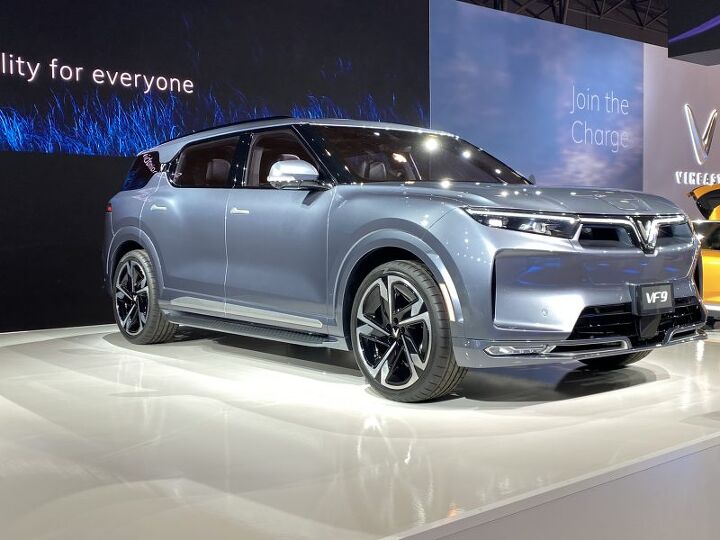
The 2022 New York Auto Show isn’t the first major auto show to be held since COVID-19 shut the world down in March 2020 – Chicago had shows in 2021 and 2022, and Los Angeles was in its usual slot last year. And there was Motorbella in Detroit last summer.
Still, for whatever reason – the loosening of COVID restrictions, the fact it was the first New York show since COVID, the presence of NY-based journos who don’t deign to travel west of the Hudson for those other shows – there was a pre-show feeling that this was it. This would be the show that marked the return of normalcy. Not LA in 2021 or Chicago just a couple of months ago – no, it would be this one.
California Proposal Calls for 68 Percent EV Sales By 2030

Now that the U.S. Environmental Protection Agency (EPA) looks poised to reinstate California’s waiver under the Clean Air Act — allowing the state to establish stricter tailpipe emissions than the federal limits — the coastal region has resumed its quest to abolish gasoline-powered vehicles in earnest. While the California Air Resources Board (CARB) has yet to finalize all the details, the latest proposal calls for strengthened emissions standards for new light-duty vehicles in anticipation of the necessary approvals.
The scheme would require pure electrics and plug-in hybrids (PHEVs) to make up 35 percent of new-vehicle sales for the 2026 model year. By 2030, that number will become 68 percent before hitting 100 percent for MY 2035. CARB said zero-emission vehicles comprised 12.4 percent of the state’s new market in 2021, hinting that the number could have been higher without the Safer Affordable Fuel-Efficient (SAFE) Vehicles Rule Part One having stifled its progress.
Abandoned History: Dodge's Dead Import Trucks (Part I)
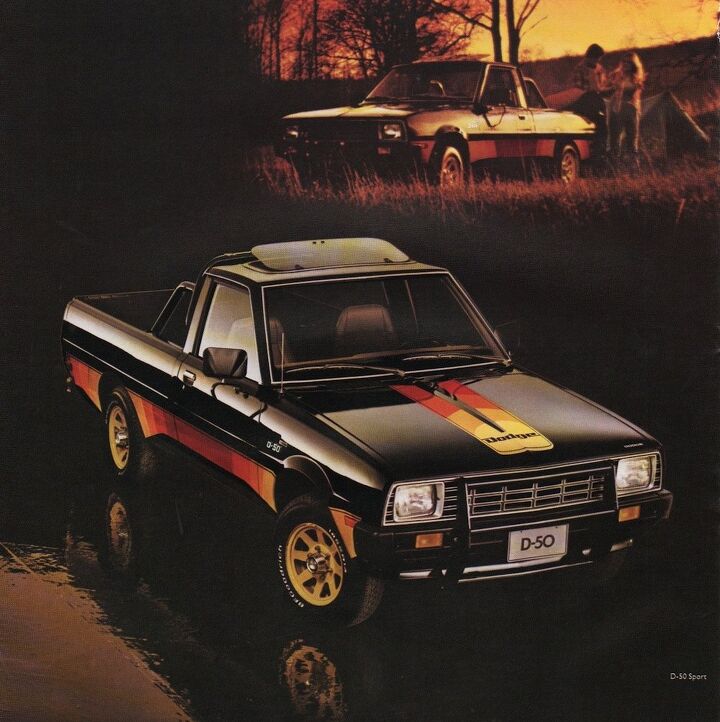
Recently on Abandoned History, we learned about the Colt, a captive import Dodge/Plymouth/Eagle/AMC/Renault sold courtesy of a badge swap on some compact cars from Mitsubishi. During that series’ tenure, one of our readers had a great idea: A separate Abandoned History discussion of the captive import trucks and SUVs in the Dodge portfolio. The time has come!
French Government Claims Stellantis CEO's Pay Is Suspect

France has grown suspicious of Stellantis CEO Carlos Tavares’ compensation, which the government has dubbed irregular and indicative of a need for further financial regulations in Europe. The issue doesn’t appear to have much to do with where the money is coming from, but rather the size of his current payment package.
Tavares oversaw the merger between PSA Group and Fiat Chrysler Automobiles in 2021 while he was still CEO of the former company. Having previously climbed the ranks at Renault, the executive has served as chairman of PSA’s management board since 2014. Now heading Stellantis, Tavares is positioned to receive roughly $20.5 million in compensation for 2021. In addition to that, he’s reportedly eligible for a stock package worth an extra $34.7 million and long-term compensation of about $27.2 million — which the French government believes is too much.
Abandoned History: General Motors' Passport and Asna, Total Brand Confusion (Part II)
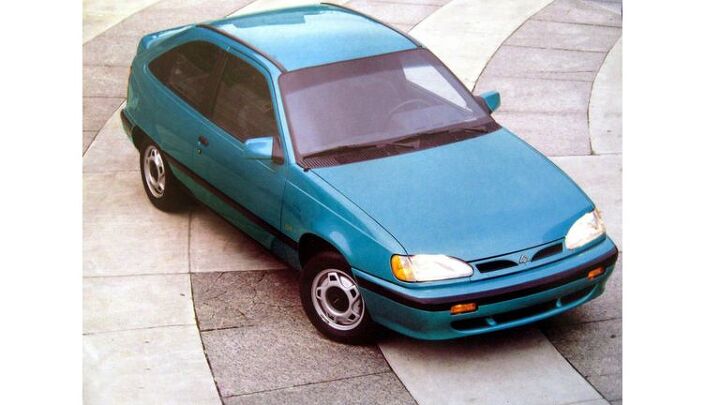
We started our coverage of GM’s Eighties and Nineties branding adventures last week, with the short-lived experiment that was Passport. The dealership network was an amalgamation of GM-owned or influenced brands from Japan, Sweden, and in the case of the Passport Optima, South Korea. Passport lasted from 1987 through 1991 before GM changed directions. In addition to axing an unsuccessful sales channel, Geo and Saturn cars had arrived during Passport’s tenure and made things more complicated. Let’s learn some more about GM’s Canadian dealership networks.
GM Secures Itself Some Cobalt

Automotive manufacturers are currently on a quest to secure supply chains to avoid any future embarrassments relating to absent materials or missing components. If the last few years have taught the industry anything, it’s that it is always better not to get caught with your pants down. So we’re now seeing most of the major players trying to lock down raw materials necessary for battery production as they pitch upward in value in anticipation of numerous firms transitioning to all-electric vehicles.
Cobalt has been of particular interest to automakers and General Motors recently entered into a formal agreement to purchase the chemical element from the Anglo-Swiss commodities trader Glencore Plc.
How Much Are Updated CAFE Standards Actually Going to Save You?

With the United States Department of Transportation having formally announced upgraded Corporate Average Fuel Economy (CAFE) standards starting in 2024, the Biden administration was quick to point out that the decision would likely make automobiles even more expensive than they already are. However, the caveat to this was that it also assumed fuel prices would come down as improved efficiencies reduced North America’s hunger for fuel.
This effectively undoes fueling rollbacks instituted under the Trump administration on the grounds of reducing costs to consumers and cutting regulatory red tape for a prospective future where fuel prices are reduced without the need to spur oil production. But what does that actually mean in terms of dollars and cents?
Chip Shortage Lambasts Europe, Supply Chains Confront New Problems
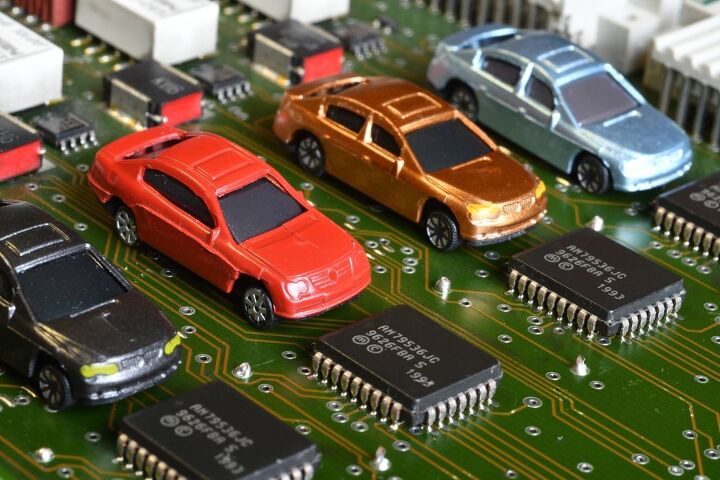
Even though the global semiconductor shortage has been going strong for about two years now, the world has failed to successfully manage the situation. Production stoppages remain relatively common within the automotive sector, with manufacturers continuing to attribute factory stalls to an inability to procure a sufficient number of chips. But the excuse seems to have evolved into a catch-all explanation for supply chain issues that continue that go beyond a single missing component.
That makes it a little hard to determine precisely how much of the ongoing production shortfalls can be pinned on semiconductors. But AutoForecast Solutions (AFS) was keen to take a whack at it and determined roughly 1.4 million vehicles have been removed from the automotive industry’s targeted output for 2022 — that’s on top of the 10.5 million units we lost in 2021. While the issue is indeed global, AFS stated that the last batch of vehicles to get the ax was predominantly from Europe.
Tesla CEO Says Cybertruck, Semis, & Robots Coming in 2023

Last night, Tesla held a “ Cyber Rodeo” to celebrate the Gigafactory that’s opening in Austin, TX. The invitation-only event saw thousands of attendees, fireworks, a drone light show, Elon Musk in a cowboy hat, and a list of manufacturing promises so long that you almost have to believe that one of them will actually come true.
Among these were claims that Cybertruck would undoubtedly enter into production in 2023, along with the similarly delayed electric semi and Roadster. The CEO also touted Tesla’s often-criticized Full Self Driving (FSD) as poised to revolutionize the world after its public beta test is expanded later this year. Robotaxis are also said to be in the works and a humanoid robot, named Optimus, will help usher in “an age of abundance.”







Recent Comments