

Late Christmas for Focus RS Owners as Ford Gifts New Head Gaskets (and Maybe More!)
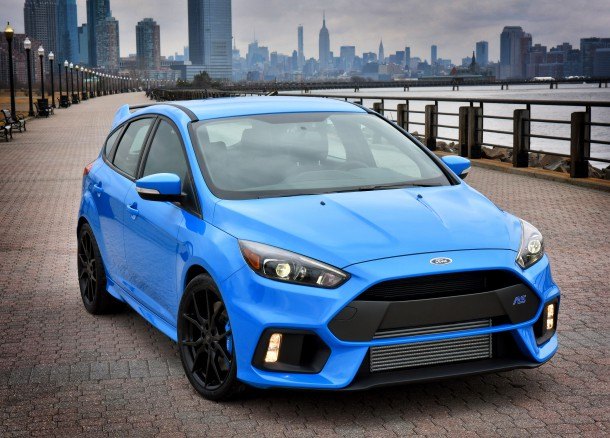
We told you recently of the tsunami of complaints from Ford Focus RS owners swamping the National Highway Traffic Safety Administration — and other agencies — with minor gripes like, say, their brand new car burning engine coolant. Well, there’s a fix afoot.
In a recently released service bulletin, Ford describes the issue plaguing its hottest hatch and vows to replace every cylinder head installed in a Focus RS built between August 3, 2015 to July 6, 2017. That is to say all of them.

Ford Seeking Group of Ranger Owners With Extremely Dangerous Trucks

Some 2,900 Ford Ranger pickups from the 2006 model year pose such a high risk to their owners, Ford Motor Company wants those people to stop driving them immediately. So great is the concern, Ford is recalling vehicles already named in an earlier recall, just so it can identify who the owners are.
Of the 21 deaths and hundreds of injuries reported from exploding Takata airbags, only two fatalities occurred in vehicles not built by Honda. A Ranger airbag explosion in 2015 killed a female driver. Now, the automaker claims it has discovered the July 2017 death of a West Virginia driver was also the result of a Takata inflator — and that both victims’ inflators were manufactured on the same day.
Put 'er in Low: Ford's Crash-diving Transmission Earns Another Investigation
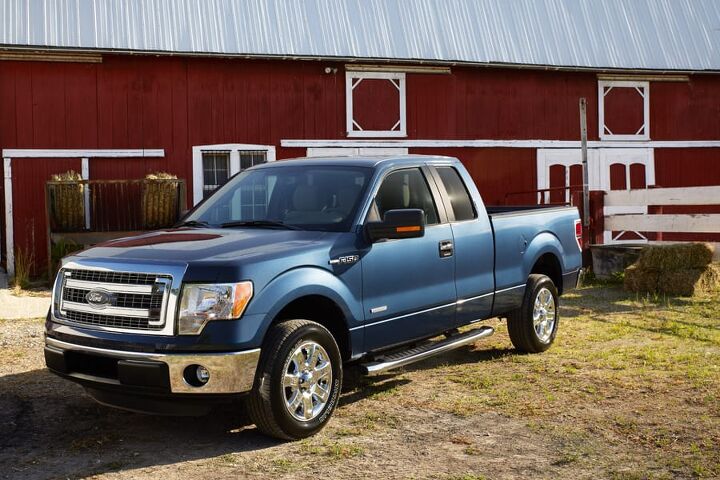
In 2016, Ford Motor Company’s stable of rear-drive vehicles came under scrutiny for six-speed transmissions that couldn’t decide whether to sprint or crawl. Owners reported that their 2011-2012 F-150s, Expeditions, Mustangs, and Lincoln Navigators would, suddenly and without warning, downshifting from upper ratios to first gear, ultimately forcing the automaker to recall some 153,000 of the vehicles in the United States.
It now looks like it didn’t recall enough of them. Dangerous downshifts continue, and not just in vehicles covered by the recall. Another concern is that the problem is reappearing in supposedly “fixed” vehicles.
Alfa Romeo Giulia and Stelvio Recalled for Brake Snafu

Many years of competing in demolition derbies taught me many things, such as the value of not looking over my shoulder while reversing into someone at a high rate of speed and the importance of a good neck brace. I also learned that while one can substitute other liquids for transmission fluid, braking systems don’t play well with any pollutant that’s not designed to be in there.
Alfa Romeo has also discovered this fact, and is now recalling a total of 307 Giulia sedans and Stelvio crossovers from the 2018 model year for potentially contaminated brake fluid.

Canada Slow to Realize Something Might Be Wrong With 2008 Smart Cars

Maybe it’s the Hoth-like climate and the urge to do anything in one’s power to warm it up, but Canada has so far taken a laid-back approach to the fires plaguing older Smart Fortwo models. A big part of the problem is that no one’s telling the country’s transportation regulator about them.
The models bursting into flames in the Great White North are of the same vintage as those which sparked an investigation by the United States’ National Highway Traffic Safety Administration. However, Transport Canada has yet to open a defect investigation of its own.
Yet Another Transmission Shifter Problem at Fiat Chrysler; 1.48 Million Rams Recalled

For a while, it seemed Fiat Chrysler Automobiles’ fancy (and confusing) console-mounted monostable shifters and newer rotary-dial shifters were out to give every FCA executive a headache. Unfortunately for them, there’s new safety issue causing vehicle rollaways, and this time it’s from a seemingly tried-and-true bit of automotive gear.
The traditional column shifter.
FCA is now recalling 1.48 million Ram pickups spanning nine model years to prevent further injuries and accidents.
Takata Problems Force Recall of Ford Ranger (No, Not That One - the Old One)

Ford is recalling the Ranger. No, not the one they’re likely to show on stage at Detroit in about a month’s time. Rather, they’re calling back nearly 400,000 of the old Rangers. You know, the ones they stopped producing way back in the, uh, wow, 2012 model year.
In fact, the recalled units stem from much further back than that, with the company saying it will replace the airbags in 391,394 units of the 2004 through 2006 model-year Ford Ranger. Yes, Virginia, this is another problem related to Takata airbags.
Plus, we just wanted an excuse to run a photo of the old Ford Ranger.
QOTD: Are You Ready For Showroom Neutrality?

You’ve probably heard all the brouhaha lately about “net neutrality” and its recent demise at the hands of Ajit Pai and the FCC. In my opinion, it’s a more complex issue than the multi-million-dollar avalanche of spam support suggests. (You can read more of that opinion here, if you like.) But it does raise some very interesting questions regarding monopolies, infrastructure investment, disruption, and opportunity costs. Some of those questions might be worth considering in the auto-industry context.
The proponents of Net Neutrality believe that your Internet Service Provider should be treated like a public utility or a public-supported railroad. But there’s a flaw in that argument: in most cases, the infrastructure owned by your ISP was built with private funds for private ends. Should that infrastructure be regulated like a utility even though it didn’t start that way?
Let’s expand this heretical line of thinking to something highly applicable to the car biz: Tesla and its dealership problem.

Ford Confirms Focus RS Engine Woes; Company Working on a Fix

It’s not just scorched rubber that’s responsible for the clouds of white smoke surrounding some Ford Focus RS models. The model’s high-output 2.3-liter EcoBoost four-cylinder, credited with turning the staid Focus 5-door into a performance hatch worthy of fanboy lust, seems to have a serious flaw.
Numerous complaints of white exhaust smoke seen during cold startups has forced the automaker to admit there’s a problem with the FoRS. The 2.3-liter is not electing a new Pope, as TTAC’s Matthew Guy quipped this morning — it’s burning coolant.
Nissan Cites Staffing Issues as Cause for Final Inspection Snafu, Subaru Says Sorry
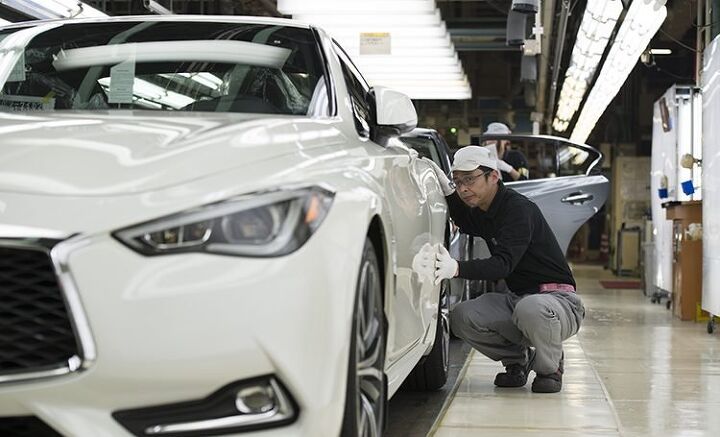
On Friday, Nissan Motor Co. blamed a shortage of key staff for improper final inspection procedures at Japanese assembly plants. The problem, which amounts to little more than not having having a specially certified technician give each vehicle a final once-over, has forced the automaker to recall 1.2 million vehicles within Japan this year. As the mandate applies only to vehicles sold on the nation’s domestic market, no exports to North America are affected.
However, that hasn’t stopped Japan’s government from coming down hard on the company for its bureaucratic misstep. After discovering that uncertified inspectors were signing off on vehicle checks required by the transport ministry, Nissan has been incredibly apologetic. It even launched a full-scale investigation, finding that “nonconforming final inspections” were commonplace by the 1990s at the plants, and could even have existed at one factory since 1979.

The Model 3 Is the Tesla Faithful's Personal Bodhi Tree
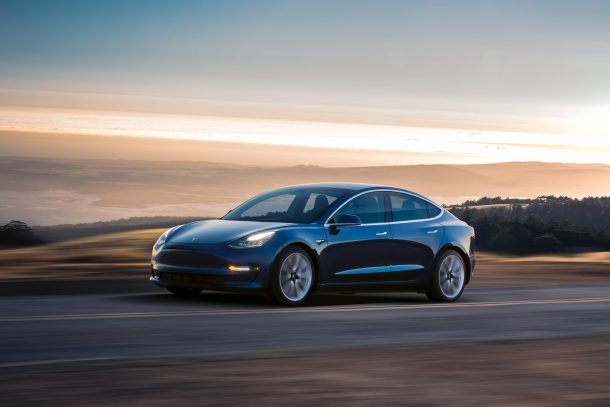
Patience, as we’ve been told, is a virtue. Therefore, the most virtuous individuals occupying the ball of mud we call Earth must be the Tesla faithful currently awaiting their pre-ordered Model 3 sedans. The speed of the vehicle’s launch has been sedate, to say the least. Tesla Motors finds itself plagued by production bottlenecks, which hasn’t helped the already long wait times facing those who dropped a sizable wad of bills just for the privilege of eventually owning its latest model.
However, the lengthy intermission between launch and ownership doesn’t appear to be diminishing their love for the company — a testament to the brand’s difficult-to-tarnish image. Fans of the automaker seem content to wait it out in tranquility like Siddhartha Gautama under the tree of enlightenment.
Nine Speeds and Another Problem for Honda's Gear-iest Transmission

Acura has a tough job ahead of it. As the brand tries to grow volume and retain some of the clout it lost in past years, it finds itself with too many cars and two few SUVs in a market that demands more of the latter, not the former. Meanwhile, the impressive reborn NSX, now a hybrid, hasn’t captured the imagination of sports car fans in the same way as its long-lived predecessor.
Keeping up with — and in some cases, getting in front of — technological trends is part of Acura’s comeback plan. Naturally, in the interest of technological advancement and environmental appeasement, it was necessary to bring a multi-cog automatic transmission on board. However, a series of manufacturer service bulletin point to two potential weak points in the company’s nine-speed.
Nissan Back On Track in Japan, Resumes Vehicle Production
Nissan is resuming production at five of its domestic plants this Tuesday after Japan’s transport ministry finally approved changes to the improper final-inspection procedures that forced a major vehicle recall in October. The issue involved final checks being conducted by uncertified technicians, a procedure only mandated for vehicles sold within the brand’s home country of Japan. Exported vehicles aren’t subjected to it and, so far as we know, didn’t have any problems for having forgone the inspection.
However, JDM production has been suspended since October 19th and Nissan has scrambled to recall 1.2 million vehicles after being required to re-inspect everything built for the Japanese market over the last three years. That’s a large penalty for what amounts to little more than having the wrong guy eyeball a car as it rolls off the assembly line.
Achtung, Baby: BMW Recalls a Million Cars Over Fire Risk
BMW announced Friday it is recalling nearly one million cars and SUVs in North America. The recalls are for two separate issues which may cause the same problem: an under-hood fire.
It looks like the mystery surrounding a rash of widely reported blazes is solved, at least for some vehicles involved.
Tesla's Feverish Production Drive Sometimes Means Partial Assembly at Stores: Report

Never has the air of breathless futurism surrounding Tesla taken such a hit. Following a revealing earning report and numerous reports of continuing production bottlenecks, this week wasn’t a good one for either Tesla shareholders or Model 3 reservation holders.
The electric automaker pushed back its 5,000-vehicle-per-week goal to the end of the first-quarter of 2018, rather than the end of this year. Its 10,000-vehicles-per-week goal remains a question mark. Tesla also announced a decrease in Model S and X production to bolster resources for Model 3 builds. In reporting a quarterly loss of $619 million, Tesla made it clear it’s burning through piles of cash in an attempt to smooth out production line hurdles.
Now, a new report sheds light on the frenetic activity occurring inside its Fremont, California factory. One of the claims certainly won’t soothe those worried about a long-standing Tesla concern: build quality.
Fire 'em Up: Subaru Subwoofers Belt Out Hot Tunes
Look, I’ll take this opportunity and cop to the fact I spent entirely too much money on aftermarket stereo systems when I was a kid. There is a very good chance, actually, that most of my systems were worth many multiples of the car in which they were installed.
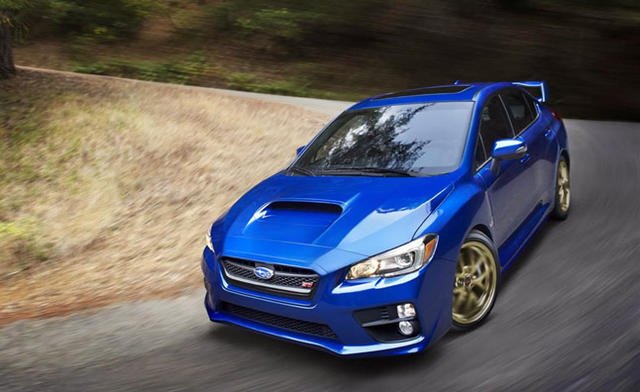
This is why I applaud manufacturers who offer oontz-oontz-oontz levels of tunes as factory options. Subaru did just this on their 2015 WRX and WRX STI. However, it would seem that teenage Matthew was not the only one to haphazardly install speaker wiring, as the Exploding Galaxy has recalled 9,178 Rexys for a fire risk in the factory subwoofer.
NHTSA Probing Ford Fusion Steering Wheel Detachments
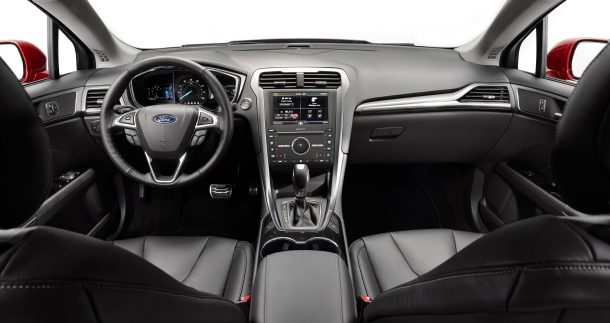
Perhaps more than any other vehicle component, a steering wheel must function properly for the safe operation of a car or truck. Without it, you’re just along for the ride.
That’s why the National Highway Traffic Safety Administration is taking three reports of steering wheels detaching from the column in late-model Ford Fusions so seriously. In one case, the wheel came off in the driver’s hands. The agency has now opened a preliminary investigation into three model years of the Fusion.
In Time for Halloween, Kia to Harvest 340,000 Souls

Halloween is coming up and Kia is getting into the spirit of things by harvesting a few Souls. Over 300,000 of them, to be exact.
According to a report by the National Highway Traffic Safety Administration, a pinion gear in certain 2014 – 2016 Kia Souls and Soul EVs is at risk of separating from the steering assembly.
UPDATE: Hyundai Recalls 443,545 Recalled Cars Over Seatbelt Concerns

(An initial version of this story indicated that the first recall could result in a situation where “fixed” vehicles contained the same safety issue as unfixed vehicles. This is incorrect — Hyundai initiated the second recall after becoming concerned that mechanics working on a fixed vehicle *after* the recall could inadvertently cause a similar safety issue. The story has been updated to reflect this.)
Hyundai finds itself in the unusual position of recalling nearly half a million sedans after an earlier recall designed to prevent seatbelts from detaching from the floor led to concerns that the same thing might happen again.
In late February, Hyundai issued a recall for nearly 978,000 Sonata and Sonata Hybrids across several models years following two crashes where the front seat passenger’s seatbelt failed. Dealers were to inspect the connections between the seat belt linkages and the seat belt anchor pretensioners. However, the first recall didn’t remove all of the future risk.
Despite Falsified Supplier Data, Japanese Automakers Claim Cars Are Safe

Kobe Steel, the disgraced Japanese metal supplier, apparently falsified quality data for its products for over 10 years, the company now admits. Some of those products were sheetmetal and aluminum components used by a slew of automakers, among them American, Japanese, French, German, and Swedish manufacturers.
Makers of trains and airliners also made use of the metals, the strength and durability of which is now in doubt. This week, the European Aviation Safety Agency warned against components made by Kobe Steel.
While Boeing and Airbus inspect their aircraft, automakers are doing the same. Ford has said there’s no reason to be concerned, as Kobe product only went into the hood of a Chinese-market sedan. Now, four other automakers have given their vehicles a clean bill of health.
Nissan Continued Using Uncertified Inspectors After Misconduct Exposed

Nissan Motor Co. has recalled 1.2 million new vehicles it sold in Japan over the last three years after discovering vehicle checks were not being performed by certified technicians. After a lengthy internal investigation, the company stated it continued to conduct unaccredited final checks as recently as last week.
News of the discovery came on Wednesday, more than two weeks after Chief Executive Hiroto Saikawa publicly stated only certified technicians had conducted checks since September 20th. Despite attempts to remedy the widespread issue at its Japanese factories, there were at least two technicians lacking the necessary training and credentials at its Shonan Plant located in Tsutsumicho, near Hiratsuka City.
Automakers Take Stock After Major Metal Supplier Admits Selling Shoddy Aluminum

It’s often hard to remove an ingredient after the cake’s emerged from the oven. Because of this, news of Kobe Steel’s falsified inspection reports no doubt came with a fair bit of nervous collar tugging for executives at several automakers.
The Japanese company, which has subsidiaries in numerous countries, is a go-to supplier for the automotive and aircraft industries, providing steel, copper and aluminum components to companies as diverse as Ford and Boeing. Last week, Kobe admitted to selling substandard (or suspected substandard) materials to 500 companies, among them Ford, Volvo, Toyota, Honda, Nissan, Mitsubishi, and possibly Mazda.
Oh, and Mercedes-Benz, Tesla, General Motors, Hyundai, and Renault.
Maybe you’ve heard of them.
Worried About Exhaust in Your Ford Explorer's Cabin? Ford Might Just Buy It Back

Well, it might if a news crew profiles your SUV. A Maryland couple’s 2016 Ford Explorer, one of many late-model Explorers suspected of emitting high levels of carbon monoxide into the cabin, turned out to be doing just that. However, even after the exhaust leak was confirmed — then fixed — by Ford, peace of mind did not return to Mark and Valentina Shedrick.
With an NBC news team sniffing around and a National Highway Traffic Safety Administration investigation ongoing, the automaker decided to buy back the vehicle. Other owners, including police departments, would likely prefer knowing their vehicle is safe.
The Strange Case of the 2018 Chevrolet Equinox's Wandering Trim
By all accounts, the upgraded and downsized 2018 Chevrolet Equinox is a competitive vehicle in a red-hot segment, priced and optioned to help boost its parent company’s fortunes in a time of falling auto sales.
Too bad they don’t build it anymore.
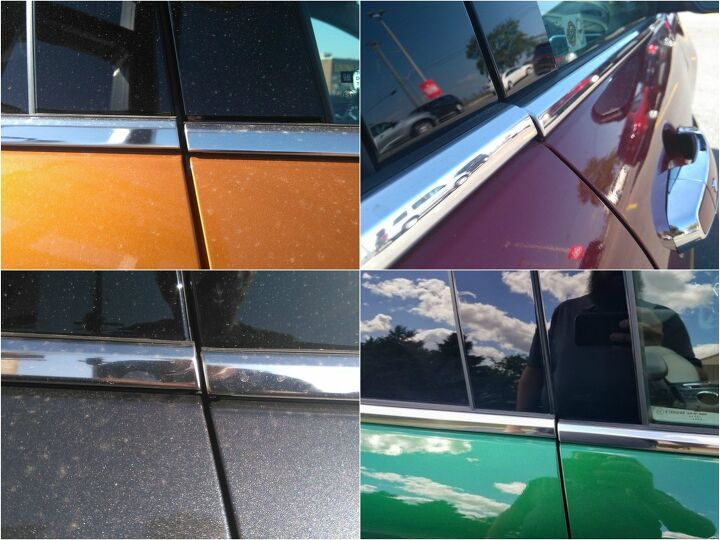
While editing TTAC writer Chris Tonn’s review of a mid-level 2018 Equinox last week, something jumped out from the page. “A close look reveals an inconsistency in the chrome trim surrounding the windows,” Tonn wrote, describing his futile attempts to push the rear door beltline trim back into position.
This jogged my memory. Back in the spring, a 2017 Buick LaCrosse tester displayed the exact same problem, leaving me wondering if it was a fluke issue or indicative of a wider-ranging problem. The suspicion only grew after I dropped the LaCrosse off at a participating dealership. There, I noticed the rear passenger door of a brand new, zero-mile Cadillac CT6 exhibiting worse trim lift than the Buick. (See photo after the break.)
Naturally, I sent the TTAC crew to their local General Motors lot in search of full-size sedans, but the effort went nowhere. Low-volume models, few sitting on lots, and those that were showed no discernable trim lift. Well, with the Equinox, it’s not a needle-in-a-haystack scenario — it’s everywhere.
Hold on, Minivan Enthusiasts - Don't Hoon That Chrysler Pacifica Just Yet
We all know minivans bring out a driver’s inner beast. Here at TTAC, hardly a day goes by where we’re not discussing which minivan is best suited for an impromptu spin around the track. Seriously.
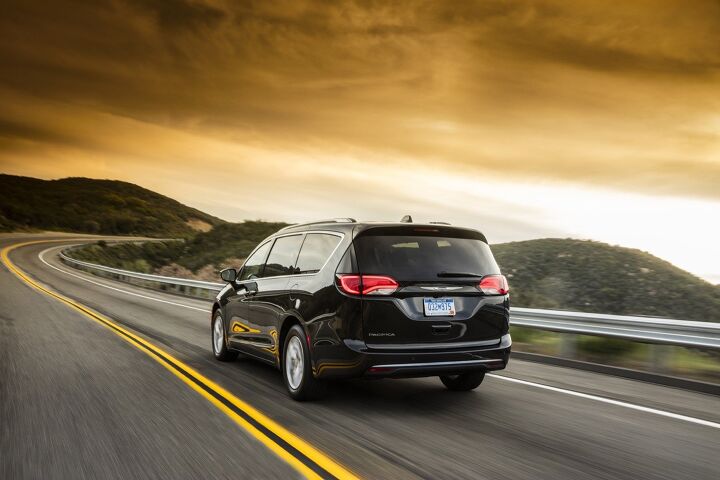
However, if exploring the limits of your minivan’s handling abilities tops your short list of things to do today, Chrysler Pacifica drivers had best hold off — at least if you’ve got a crowded backseat. Fiat Chrysler Automobiles doesn’t want owners driving aggressively until they’ve taken their van in for a voluntary recall.
Freaky Friday: When Your Free Jeep Cherokee Recall Costs $24,000

Lucky is the new car buyer who isn’t saddled with a trip to the dealer for recall work within the first few years of ownership. The modern age provides us with a great many wonderful things — avocadoes year-round, transmission cogs we can count on all 10 fingers, UberEATS — but it hasn’t turned the average vehicle into a paragon of reliability.
Last year, Fiat Chrysler Automobiles issued a recall for 323,400 2014 and 2015 Jeep Cherokees, as well as 2015 Renegades, Chrysler 200s, and Ram ProMasters. FCA threw the 2018 Fiat 500X in there for good measure. The problem stemmed from the automaker’s finicky nine-speed automatic transmission. Thanks to insufficient crimps in the transmission sensor cluster’s wire harness (and the subsequent trouble code sent to the vehicle’s diagnostic system), some owners suddenly found their Jeep, Chrysler or Ram coasting along in neutral — a default position — instead of drive. Can’t have that.
The recall — a minor fix — didn’t seem like a big deal. The vehicles would normally be drivable (for a time, anyway) after the engine was shut off and turned back on again, making a trip to the nearest certified FCA dealership relatively trouble-free. For one Cherokee owner, however, the repair work stood to cost him $2,000 more than what he paid for the vehicle.
Smaller Pickups Outperformed the Big Boys in IIHS Overlap Crash Test

The Insurance Institute for Highway Safety recently ran eight pickups through the small overlap front crash test, which replicates one of the most infamous and deadly of accident types — one where the front corner of a vehicle collides with another vehicle or object. The segment, which the IIHS called “small pickups,” could easily be categorized as midsize. But, with no smaller options currently available in the domestic market, their terminology works well enough.
So, how did the smaller pickups stack up when hurled toward a concrete pylon at 40 miles an hour? A little better than you might expect.
If we were absolutely forced to drive into a brick wall, we’d probably prefer to be seated in a full-size truck — specifically the Ford F-150 SuperCab. But the junior pickup group wasn’t a segment full of deathtraps. In fact, they suffered less structural deformation overall and posed less risk of injury to the lower leg region when compared to their full-size brethren. There were exceptions, however.
The Problem That Won't Go Away: Fatal Jeep Crash Puts Spotlight on Years-old Recall
It Looks Like Ford Has a Problem With Its Nuts

Ford Motor Company finds itself on the receiving end of a lawsuit concerning the simplest part of any car or truck: the lug nuts.
In this case, nuts that swell and delaminate not long after purchase, rendering the vehicle’s lug wrench useless in the event of a flat tire, or when the owners decide to swap their seasonal rubber. The lawsuit, filed by Hagens Berman Thursday in the U.S. District Court for the Eastern District of Michigan, seeks class-action status. Hundreds of claimants have put their name to the suit.
Millions of Ford vehicles dating back to 2010, including the popular Fusion and F-150, feature two-piece lug nuts with a steel core and chrome, aluminum, or stainless cap for appearance purposes, the lawsuit claims. That outer cap can swell, potentially endangering owners’ lives and wallets.
Another Ford Recall: Seats, Seatbelts Could Give Way
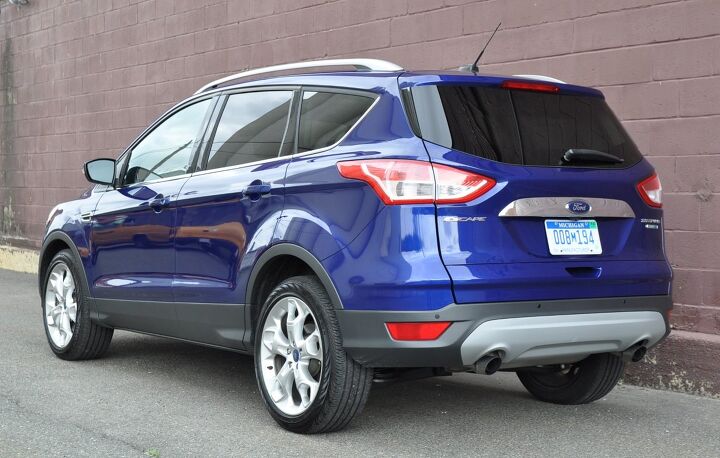
No automaker remains immune from safety recalls, but Ford Motor Company has had a bad go if it, as the British would say. The latest recall, spanning four models, concerns roughly 117,000 vehicles with potentially faulty anchors for the seats, seatbacks and seatbelts — all things you’d want to work properly in the event of a crash.
The automaker, which recently saw a slew of recalls munch heartily on its corporate profits, claims improperly tempered attachment bolts could cause any of the components to give way during a crash, or even a sudden stop.
FCA Recalling 2017 Dodge Challengers Over Rollaway Problem

After a high-profile recall of over 1 million vehicles due to a design flaw associated with the shifter used with the ZF eight-speed automatic transmission, Fiat Chrysler probably felt it was in the clear as far as rollaway risks were concerned. Unfortunately, FCA is now recalling 2017 Dodge Challengers with instrumentation that might erroneously indicate the vehicle is in park — creating another potential rollaway hazard.
The affected vehicles have 5.7-liter V8 engines and eight-speed automatic transmissions. In total, Dodge expects the necessary fix to pertain to 7,802 vehicles in the United States, 390 in Canada, and 119 more outside of North America.
Fiat Chrysler Wades Into Another Massive Recall; This Time It's Fires and Wonky Airbags
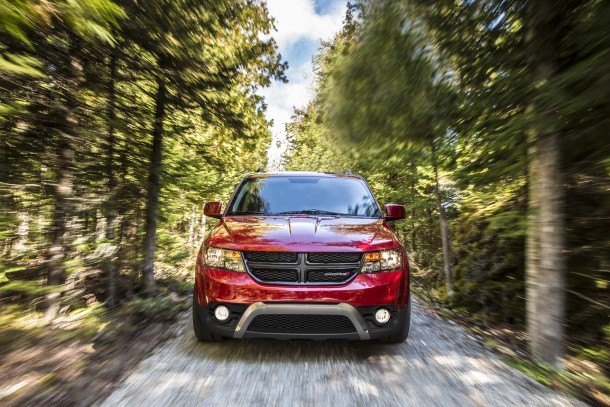
For an automaker desperate to improve its financial standing and attract a corporate suitor, Fiat Chrysler Automobiles’ vehicles have done a good job throwing a wrench into the company’s plans. While there’s nothing unusual about mass recalls these days — hello, Ford — corporate beancounters start sweating when the recall volume passes one million vehicles.
Also, no owner of a particular vehicle likes hearing their car’s driver’s side airbag could deploy at any moment. That’s just one of the issues facing FCA as it calls back 1.33 million vehicles from across the globe.
Recall Watch: At Mazda, It Seems Rust Never Sleeps
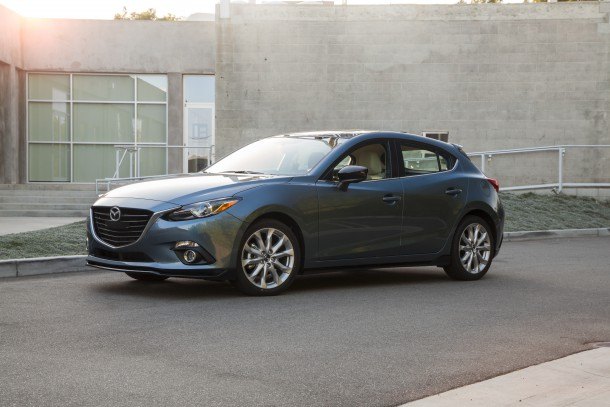
Previous generations of the Mazda 3, while popular, soon became known as much for corrosion as for zoom-zoom potential. Tears of iron oxide poured from rear wheel arches, taillights and center-mounted brake lamps, adding a somewhat tragic element to the models’ insanely happy visage.
Despite efforts to relegate rust issues to the past, Mazda just can’t seem to shake this automotive cancer. Less than a year ago, the automaker was forced to recall a slew of newer models — 2.2 million vehicles in total — after insufficient corrosion protection on hatch lift supports put owners in danger of a sudden head-whacking.
Of course, that was just a couple of months after Mazda recalled six models years of its CX-7 crossover over fears of suspension separation caused by, that’s right, rust.
This time around, it isn’t unprotected body panels or corrosion-prone suspension components causing Mazda grief. Still, rust remains the culprit behind the recently announced recall of more than 307,000 Mazda 3 and 6 vehicles, some 227,814 of which can be found in the United States. In this case, it’s rust that could cause your Mazda to stubbornly stay put, or perhaps take an unexpected, driverless journey.
Ford to Fling Driveshaft Repairs at Transit Owners Until It Figures Out a Solution
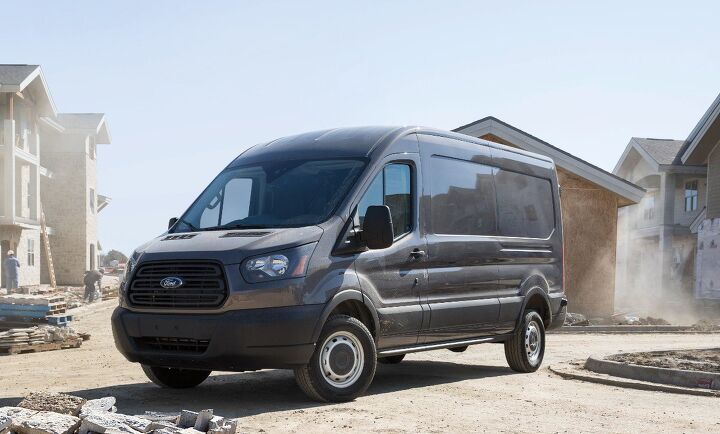
There’s a problem underneath 2015-2017 Ford Transit models and, until the Blue Oval figures out a long-term fix, owners and operators of all Transit variants can expect a new driveshaft flexible coupling every 30,000 miles.
The automaker has announced a safety recall for 402,462 Transits sold in North America in order to prevent instances of driveshaft separation caused by a faulty flexible coupling. Ford seems to have become aware of a looming problem with each vehicle’s driveline, which apparently isn’t nearly as robust as the automaker had hoped.
Fiat Chrysler Shuts Down Pacifica Hybrid Production Amid Safety Recall: Report
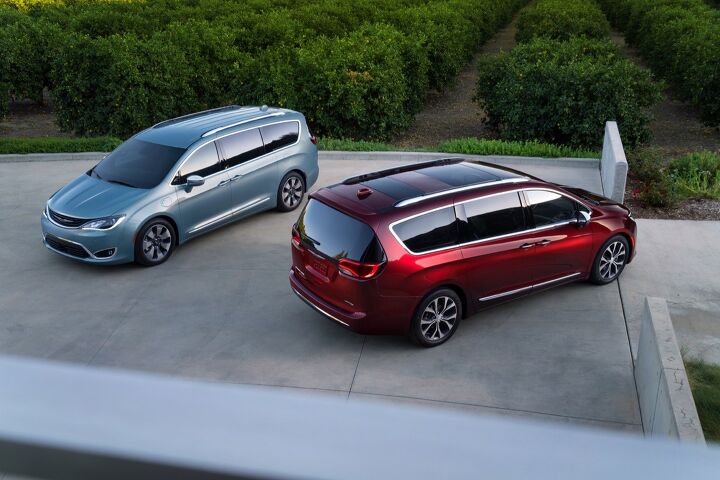
Despite being lauded for its high level of content, smooth ride, and all-electric range, Chrysler’s plug-in hybrid minivan has hit a large roadblock. After voluntarily recalling all Pacifica Hybrids due to a safety defect that could see the minivan go dark at inopportune times, it seems the assembly line has ground to a halt in Windsor, Ontario.
A recall earlier this month saw Fiat Chrysler Automobiles call back 1,368 vehicles in the U.S. and 309 in Canada following complaints of loss of propulsion. The issue reportedly stems from defective inverter diodes. While the wonky electrified powertrain hasn’t resulted in any crashes or injuries, electrified cars that suddenly stop sending current to the motor aren’t something customers or the automaker can tolerate.
It’s a serious stumble for FCA’s green halo car.
Ultra-pricey Fuel Pump Issues Plague Already Tainted Volkswagen Diesels
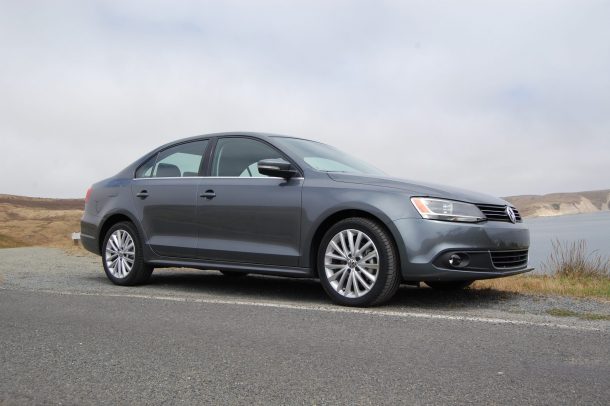
A problem faced by many Volkswagen TDI owners over the past several years has become a thornier issue ever since the company’s diesel debacle.
North of the border, several owners of 2.0-liter diesel models have turned to the media after high-pressure fuel pump failures turned their vehicles into Teutonic paperweights. The problem facing the owners was unique: to have the automaker buy back their vehicles as part of the emissions scandal settlement, the cars needed to be in running order. No longer covered by warranty, the cost to repair a fuel system contaminated by metal fragments was potentially more than the owners would receive in the buyback.
The burning anger is enough to melt snow.
Lawsuit Targeting Ford for Faulty Transmissions Powershifts Into High Gear
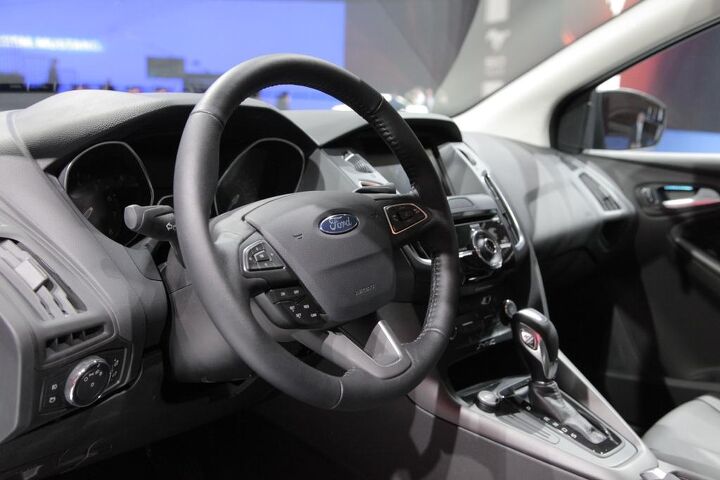
Ford’s dual-clutch PowerShift transmission has made the Blue Oval a number of enemies over the past several years. Now, nearly 7,000 U.S. Ford owners are looking for a pound of flesh.
A lawsuit filed against the automaker is seeking compensation for individual damages claimed by the plaintiffs, all of whom own a 2012-2016 Ford Focus or 2011-2016 Ford Fiesta. The suit, which is just the latest of many, contains a familiar complaint about Ford’s small-car tranny. Basically, that it’s awful, and not even an exorcist can free it from its demons.
Class Action Lawsuit Targets Nasty Mercedes-Benz HVAC Systems
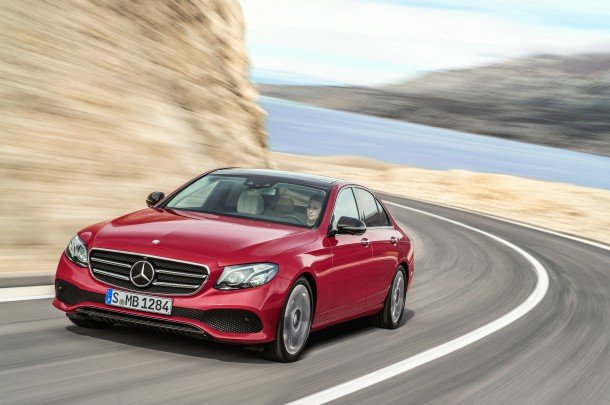
A lawsuit filed by two Georgia Mercedes-Benz owners accuses the automaker of failing to rectify a long-standing HVAC problem and stiffing customers with the bill.
Sunil Amin and Trushar Patel claim the heating, ventilation and air conditioning systems in numerous models dating to the turn of the century are inherently faulty and want Mercedes-Benz and its parent, Daimler AG, to pay damages. They also want the suit to grow into a class action.
The plaintiffs say the issue started a noxious odor emitted from the vehicles’ vents and, despite attempts to have the issue fixed, nothing the automaker has done has made a difference.
NHTSA Opens Investigation Into Hyundai's Theta II Engine Debris Recalls
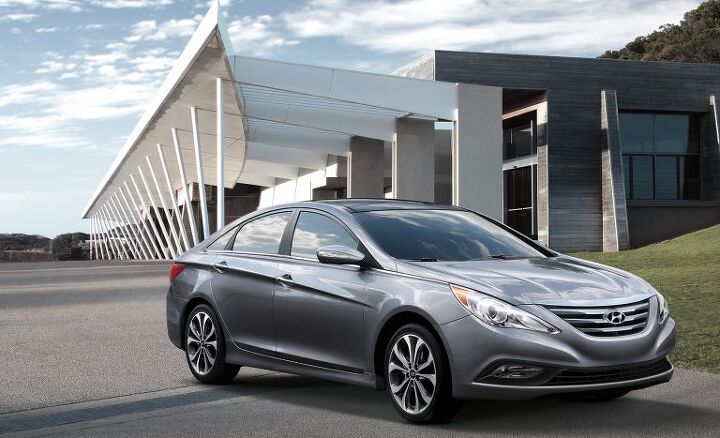
The timeliness of a recall of Hyundai and Kia vehicles equipped with Theta II four-cylinder engines is the focus of a formal National Highway Traffic Safety Administration investigation revealed today.
Metal engine debris resulting from a faulty production process is behind the expansive recall of nearly 1.7 million vehicles, but the NHTSA wants to know if the recall expanded too slowly. Just how much Hyundai knew about the widespread issue is a big question mark, made all the more pressing by the testimony of a company whistleblower.
Feeling Burned by ABC News Report, BMW Fires Back

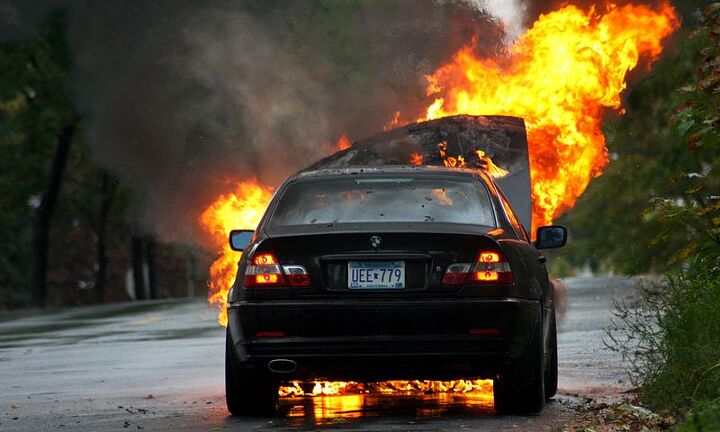
Last week’s ABC News investigation into unrecalled BMW models bursting into flames after being parked raised a number of questions, but didn’t provide viewers with many answers.
While the automaker, like others, has seen its fair share of fire-related safety recalls in recent years, the models involved in the apparent rash of spontaneous fires appear quite diverse — both in model type and age. Any fire can have a number of causes, leading many to see the report as sensationalism, especially after the National Highway Traffic Safety Administration said it couldn’t find a recall-worthy issue behind the blazes.
After taking time to examine ABC‘s findings, BMW decided to speak out.
Spontaneous Combustion of Parked BMWs Get a 'News at 11' Close-up
NHTSA Takes a Dim View of Old GM Headlights… Again
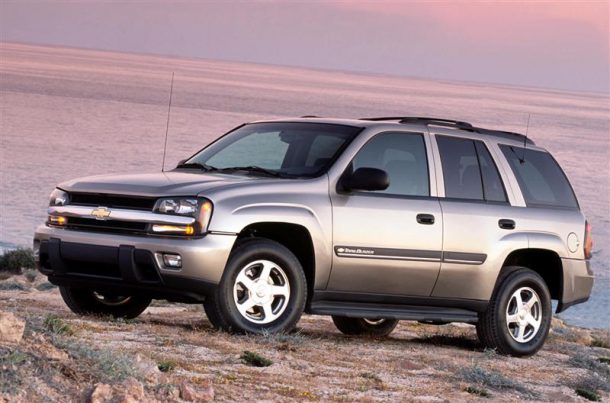
Following a raft of complaints, the National Highway Traffic Safety Administration has once again turned its attention to the headlights of pre-bankruptcy era General Motors vehicles. Apparently, the first two recalls for the exact same problem might not have culled all of the automaker’s wonky low beams.
The 312,000 vehicles involved in the NHTSA investigation span a fateful period for the automaker. While GM’s future at the time wasn’t bright, neither were its low beams. Owners have complained the lights can shut off unexpectedly, sending one driver on a date with a creek.
Repair Costs on the Upswing After Declining for Two Years

Nothing lasts forever, as Axl Rose once said. After flatlining for a couple of years, during which time car owners — on average — saw no increases in repair costs stemming from “check engine” lights, bills are headed back up.
A study looking at average repair costs in 2016 has found that the price of discovering the cause of that dreaded light rose 2.7 percent between last year and 2015. That brings the average repair bill for this type of garage visit to $398. However, not every region of America took a hit.
Owner of Tesla With Cracked A-pillar Gets Action, But No Answers
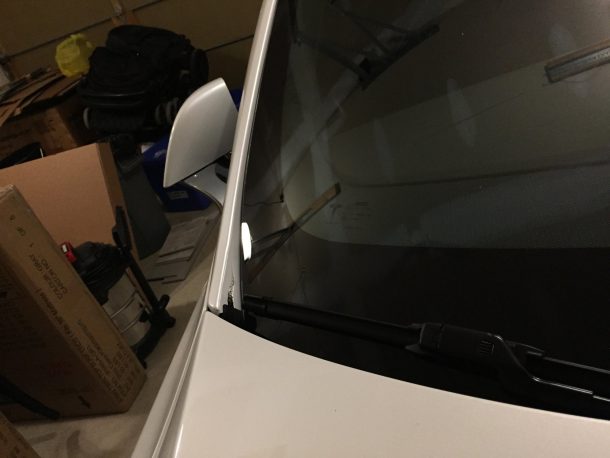
Earlier this month, we detailed the plight of a Toronto-area man whose newly delivered Tesla Model S 90D — a six-figure vehicle boasting cutting-edge technology — arrived from the factory with a sizable crack in the A-pillar.
Because the A-pillar forms part of a one-piece aluminum side member, the defect represented a structural fault that couldn’t be ignored. It wasn’t the kind of PR Tesla wanted, especially as it ramps up production (and stock value) ahead of the Model 3 launch, and it certainly wasn’t something a first-time owner and admitted Tesla fan wanted to find.
After airing his story on the Tesla Motors Club forum, the owner provided TTAC with updates on his vehicle’s status.
Hyundai and Kia to Recall 1.3 Million Vehicles Over Repeat Engine Debris Offense

Hyundai Motor Co. and Kia Motors Corp. have announced plans to recall 1.3 million vehicles in the United States and South Korea for engine defects that could result in stalling. While no automaker wants to face the possibility of a recall, Hyundai Motor Group is already facing a sales slump in both North America and Asia.
Having to waste millions on a recall that further brings the company’s ability to regulate quality into question is the last thing it needs. Last month, Hyundai recalled roughly one million cars seat for a faulty fastener that occasionally caused seat belts to detach in a crash.
Tesla Owner Finds Torn A-Pillar on Freshly Delivered Model S
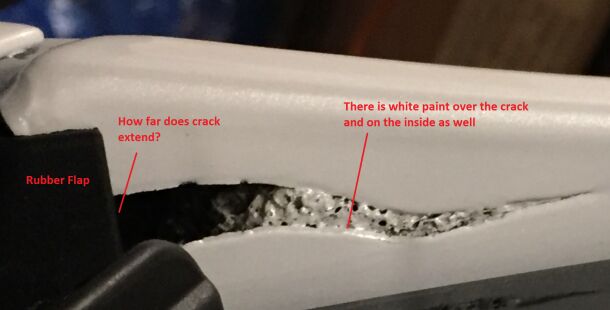
Imagine you’ve just taken delivery of a car with a price tag of $127,100. You’re leasing it for a monthly sum that could pay for a nice two-bedroom apartment in most North American cities.
The A-pillar is torn. Split. Structurally compromised. And it was delivered that way from the factory.
According to one Toronto-area man, that’s the situation he’s facing with a brand-new Tesla Model S 90D.
Ford Recalls F-250s Over Roll-away Issue and Just About Everything With a 1.6-liter Ecoboost for Fires

Ford Motor Company is recalling F-250 pickup trucks sold in North America due to the potential for roll-aways after the vehicle’s automatic transmission is placed in park. This is the third major recall announced by Ford in the last few days. The other two were due to engine fires in 1.6-liter Ecoboost models and faulty door latches on Fiestas, Fusions, and Lincoln MKZs.
The at-risk trucks include 52,600 2017 model year F-250 trucks equipped with 6.2-liter gasoline engines produced at its Louisville, Kentucky assembly plant. So far, Ford has said it is unaware of any injuries or accidents caused by the roll-away issue, though it urges owners to visit their dealer at the earliest opportunity.
Volkswagen's Diesel Fix Has European Customers Wishing They Hadn't Bothered

Volkswagen’s U.S. diesel woes have consumed most of the oxygen in the room for the past year and a half, but Europe has its own issues with the automaker’s emissions-spewing powerplants.
While owners on the continent haven’t had to hand their vehicle over in exchange for cash, the region’s less-stringent environmental laws still require that VW offer a fix for its rigged diesel engines. Good news for air quality, but bad news — apparently — for drivers. Many owners have discovered the fix turns a perfectly fine (though illegal) vehicle into a nightmare.
Somehow, Jalopnik's 2017 Alfa Romeo Giulia Quadrifoglio Didn't Break Down, But It Sure Wasn't Exactly Perfect
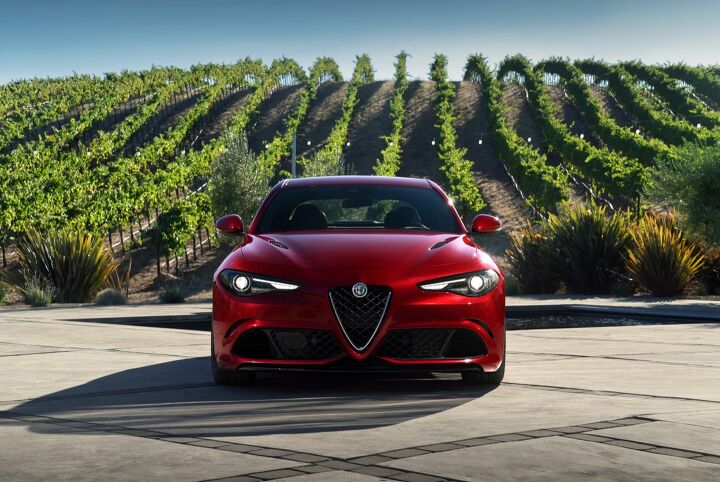
Jalopnik published its review of the 2017 Alfa Romeo Giulia Quadrifoglio (man, Quadrifoglio takes forever to type) and the world discovered that Jalopnik’s Giulia did not require a tow truck.
That sounds terribly sarcastic, but we wouldn’t be compelled to point out the relative reliability of Jalopnik’s Giulia Quadrifoglio (my goodness, Quadrifoglio takes forever to type) if Giulias hadn’t failed so miserably at other prominent publications in the recent past.
Jalopnik’s 2017 Alfa Romeo Giulia Quadrifoglio didn’t struggle with remote starts, spend time getting fixed at a dealer, stall while parking, or die in traffic. Bless its thumping Italian heart. But Jalopnik’s Giulia Quadrifoglio was far from perfect. Editor-in-chief Patrick George says he doesn’t care: “I am willing to do what the Alfisti have done for decades and chalk up most of its flaws to that thing that is so elusive in modern cars: character.”
But George told me yesterday, “It’s not weirdo enthusiasts like me that Alfa Romeo has to convince. It’s normal folks who might otherwise buy a BMW or a Lexus.”
“And they’re not going to put up with these issues.”

Sergio Marchionne Has a Problem With the Ferrari California T, and You're Gonna Hear About It

Several months late to the annual Airing of the Grievances, Ferrari CEO Sergio Marchionne recently took the opportunity to mildly trash one of his company’s products.
The outspoken CEO, who donned the title last year, apparently takes offence to the company’s California T, complaining to reporters at the Geneva Motor Show that the droptop grand tourer just doesn’t feel like it belongs in the stable.
General Motors Not Giving a Damn in Three Photos

It wasn’t long ago that the Detroit Three were fending off the Japanese on home soil as the Land of the Rising Sun cranked out reliable car after reliable car for the American masses. Then came the Koreans — Kia and Hyundai — who brought over cheap metal to win market share but quickly turned around their quality and reliability woes and produced some of the best products in the industry.
So why is it that, after 108 years of building automobiles, General Motors still manufactures abysmal garbage?

Be Glad Your Nissan Frontier Wasn't Built in Spain

European drivers have a problem. Motorists who own Nissan Navara pickups keep finding their trips cut short by an annoying noise: the sound of their trucks splitting in half.
So many Navaras — sold in North America as the Nissan Frontier — are snapping in two due to extreme frame rust that owners are pressuring governments to do something about. Check out these photos if you think it’s an isolated problem.
FCA Vehicles Top Safety Complaints Study; Lauded Electrics Don't Fare Well, Either (UPDATE)

Update: It was brought to our attention by a spokesperson for FCA that iSeeCars.com’s study includes complaints about parts availability for recall campaigns, which in and of themselves are not necessarily safety issue complaints. These complaints can skew the per-model results in a big way. While iSeeCars works out the data, take the results below with a grain of salt as they will more than likely change. —Mark
Update 2: iSeeCars retabulated the data for the below-mentioned study without recall parts availability complaints and came up with the same top 10 results. Still, the fact remains, not all NHTSA complaints are verified; anyone can submit a complaint, regardless of whether they own said vehicle. In 2010, Toyota ran into problems verifying complaints from NHTSA’s database, and Tesla more recently had issues with one particularly problematic complainer … from Australia.
Safety complaints come in all forms, some of them frivolous, but minor annoyances usually fail to make the attention of the National Highway Traffic Safety Administration.
When all safety complaints leveled against a model are weighed against the volume of vehicles sold, potential customers are left with a clearer picture of what headaches they might expect after signing on the dotted line. Meanwhile, automakers could realize they have a problem to fix.
In a recent study based on NHTSA complaints, one brand showed why quality control is key to keeping a loyal customer base, and how problems in the past can haunt a company for years.
What Models Will Safeguard Your Wallet Over Five Years?

It’s normal for many new car buyers to fall out of love with their vehicles once the honeymoon is over and the thrill is gone, though the majority stick with their vehicles for the long haul — well, until the lease period is up, anyway.
The jilted romantics will run to tell Consumer Reports and anyone else in their immediate vicinity about how unsatisfied they are with their car’s finicky infotainment unit and herky-jerky transmission, but their complaints fail to shed any light on costs. Initial quality and customer satisfaction are nice things, but what about the impact on the buyer’s wallet over time?
Kelley Blue Book can provide some advice, as it tallies up the top brands and models based on ownership costs over a five-year period.
No Holding Back: Seat Belt Failures Spark Sizable Ford Recall

Ford Motor Company has announced a recall of 680,000 vehicles to fix seat belts that might not protect occupants during a crash.
The automaker claims two crashes and two injuries are connected to the failure of driver and and front passenger seat belt anchor pretensioners in vehicles spanning four model years.
Rusty Frames Leave Toyota on the Hook for Billions
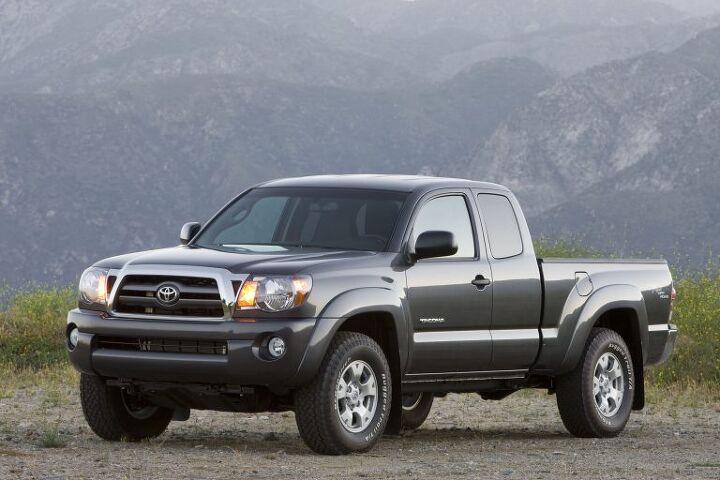
Rust, as Neil Young once said, never sleeps, and neither will Toyota — at least, not until it has fulfilled its 12-year promise to inspect and replace (if necessary) hundreds of thousands of corroded truck frames.
Toyota has agreed to pay up to $3.4 billion to appease owners of several previous-decade truck models who launched a class-action lawsuit against the company. Replacing those severely rusted frames won’t be an easy task, and there could be plenty of vehicles needing a completely new skeleton.
Subaru Steps Up Quality Control After Embarrassing Growing Pains

Remember the I Love Lucy sketch when Lucy gets a job at a factory where she has to wrap chocolates? She’s feeling pretty smug over how well she is performing until they accelerate the line and candies begin spilling out onto the floor and she scrambles around trying to save them all.
Well Subaru is suffering from a similar, less hysterical, problem right now with its own quality control.
Is Your Car One of the Most Dangerous Vehicles on the Road?
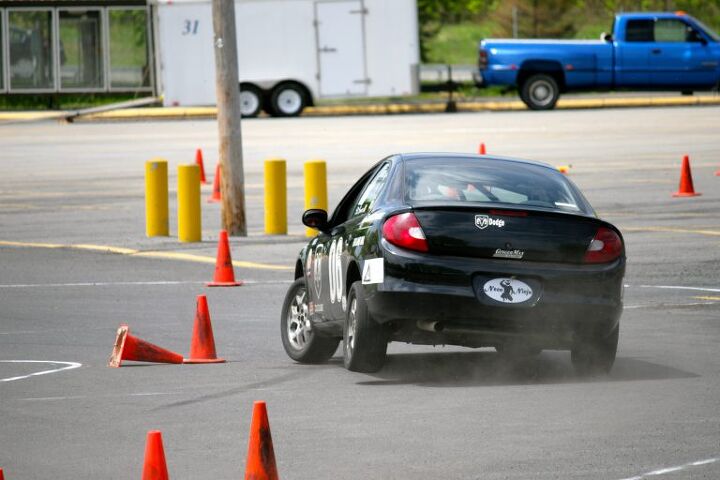
Modern vehicles are, for the most part, a treasure trove of technology designed to keep your sorry butt out of the emergency room, but not every driver enjoys such luxuries.
The average vehicle on the road is 11 or 12 years old, hailing from a time when backup cameras needed to be hand held, side airbags were a new and rare option, and five-star safety ratings weren’t easy to come by — especially in the types of vehicles you see in a Walmart parking lot.
Well, we now have a list of the most dangerous average-age vehicles on the road. Expect to lose some sleep if you’re unlucky enough to have one of these rides sitting in your driveway.
Nissan Owners Are on Their Own After NHTSA Kills Transmission Failure Petition

Nissan owners hoping for relief on a coolant issue that has been causing transmission failures on 2005-2010 Frontier, Pathfinder, and Xterra trucks will be disappointed to find out that the National Highway Traffic Safety Administration has closed a petition to issue a recall. The petition filed by the North Carolina Consumers Council claimed that failures were possible in over 857,000 vehicles.
The Associated Press (via CNBC) reports that the NHTSA declined to investigate further, stating that the majority of the complaints didn’t describe a safety hazard and that further investigation is not warranted, given its “limited resources.”
That means over three-quarters of a million vehicles have ticking transmission time bombs, and the manufacturer’s half-hearted solution seems designed to help very few owners.

Ford Attempts to Douse Its Mustang Fireball Problem

It was a hot summer, but not quite as sizzling as the top-end Mustangs seen enveloped in flames at various U.S. track days.
Ford Motor Company is attempting to put a lid on that burning pot of controversy — and danger — by recalling 8,000 Shelby GT350/R Mustangs for a defect that could be blamed in a number of spectacular fires.




Recent Comments