J.D. Power Survey Finds Quality Control Has Fallen Into the Abyss

J.D. Power has released its Initial Quality Study for 2023 and the big takeaway seems to be that the automotive industry continues to fumble. While manufacturers are bending over backward to implement novel technologies and features, last year’s survey revealed that customers felt vehicular quality reached its lowest level in more than three decades.
It’s even worse this year.

This Is The Chevy Volt's Post-Crash Safety Protocol
TTAC has received the following protocol, developed by GM in the wake of the June Volt fire at a NHTSA facility in Wisconsin, from a GM source and has confirmed its legitimacy with a second GM source. Though the procedure may be refined based on the findings of NHTSA’s latest round of tests, it gives a good picture of what GM currently does to ensure the safety of Volt driver and passengers as well as rescue workers, towing company workers and salvage yards. And, I have to say, it puts some of my fears about this safety scare to rest. It hadn’t occurred to me that GM’s Onstar system could provide opportunities to respond to crashes in real-time, and apparently the system provides a wide variety of data with which GM’s “corporate SWAT team” can tailor its response to any Volt crash event. Hit the jump for the full procedure.

Ford Bronco Owners Noticing Issues With Molded Roof

A few Ford customers are expressing concerns about the quality control of the new Bronco after noticing the molded hardtop seemed to be coming apart prematurely. The issue impacts an unknown number of early vehicles, with only a handful of owners suggesting they’ve noticed anything. However, those that are sounding alarm bells noted that the vehicle seemed put together when they purchased it, with the defects manifesting after a few weeks of regular use.
Problems include the headliner separating from the roof panels and some discoloration at the seams. But the signature defect appears to be scales appearing on the hardtop’s exterior. While smooth to the touch, members of the Bronco6G forum reported that their roofs had developed patterning that resembled snakeskin in some areas — attributing the phenomenon to the outer laminate layer being cast too thin.
2013-15 Honda Accords Heading in the Wrong Direction
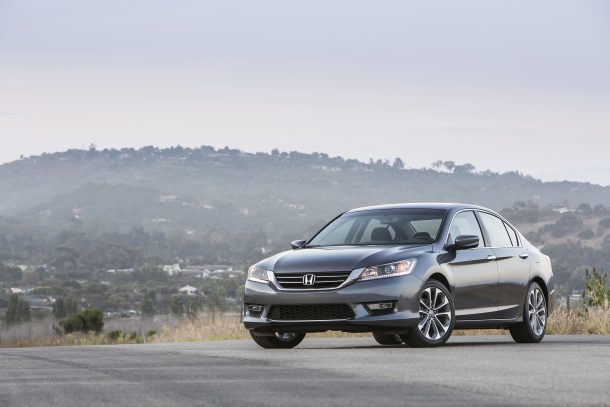
2013-15 Honda Accords are under investigation by The National Highway Traffic Safety Administration (NHTSA) for a steering issue. Allegations of Accords suddenly losing control without warning have led to 107 complaints. According to a Motor1 report, there are as many as 1,120,470 Accords in the US that could be affected.

Tundra Versus the F-150 – What's Wrong With Toyota?
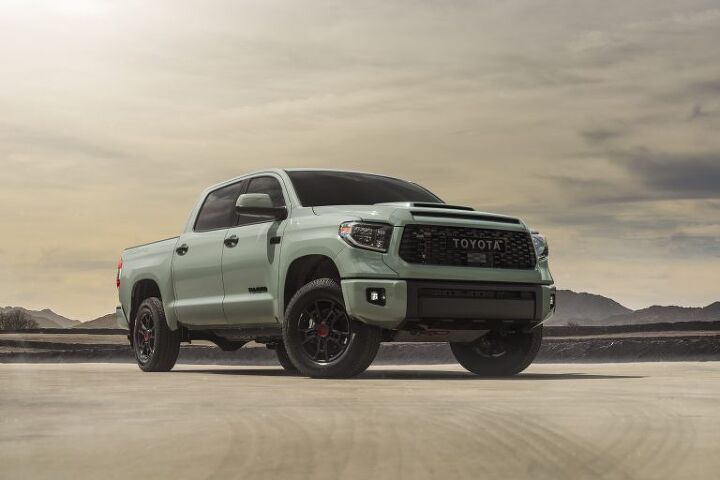
Can the Toyota Tundra go toe-to-toe with the Ford F-150, and does it make sense to try? The F-150 is the most popular vehicle in the U.S., despite a 12 percent drop in sales. Ford still managed to sell 787, 422 F-150s in 2020. Toyota sold a little over 109,000 Tundras in 2020, down two percent from 2019. While that sounds like the Tundra did well, it only outran the Nissan Titan.
Kia 2021 Seltos and 2020-21 Soul Are Flaming Hot

Kia has recalled 2021 Seltos SUVs and 2020-21 Soul wagons with 2.0-liter, four-cylinder engines. 147,249 vehicles are involved. Inconsistent piston ring heat treating may cause engine damage. This can lead to a loss of power, and an increased risk of fires or crashing.
2021 BMW M3 and M4 Competition XDrives Arrive Soon
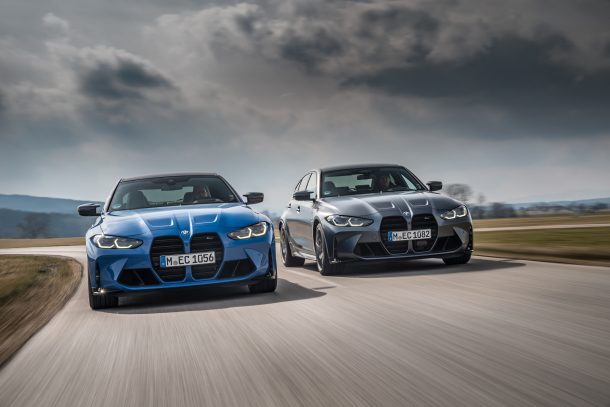
BMW’s 2021 M3 and M4 Competition cars, both endowed with xDrive all-wheel-drive, will arrive in August. Four hundred and seventy-nine lb-ft of torque is on tap.
Mitsubishi Tries Harder in 2021 J.D. Power Study

Mitsubishi Motors’ third-place ranking in the latest J.D. Power Customer Service Index (CSI) indicates the brand is trying harder to improve the experience for service done under warranty and or customer pay. Up one spot from 2020 among non-premium, mass-market nameplates, Mini ranked the highest with a score of 864, Buick ranked second at 859, followed by Mitsubishi at 857, GMC at 856, and Kia in fifth at 855.
2021 Mercedes-Benz Elevates S-Class Standards and Pricing

The all-new 2021 Mercedes-Benz S-Class, the flagship of the line, will arrive in US dealerships in the first half of 2021. Boosting greater comfort, safety, and the overall experience for driver and passengers, the S-Class embodies not only the brand’s flagship, but a 12.9 percent increase from the 2020 S 450 4Matic Sedan, to the 2021 S 500 4Matic Sedan’s starting price of $109,800.
Hyundai Ends Kona EV Sales in South Korea
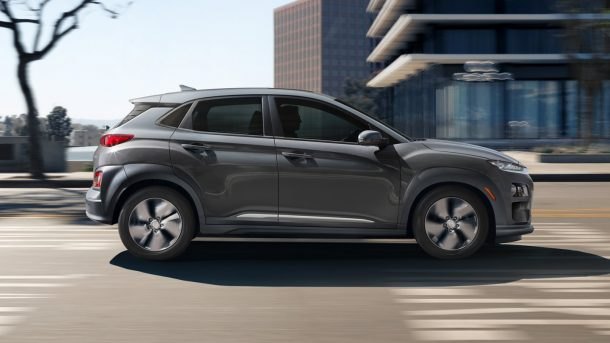
Hyundai Motor Company will end sales of its best-selling electric vehicle, the Kona EV, after a series of fires and faulty braking systems prompted mass recalls in South Korea.
Thousands of Mercedes-Benz GLEs Mysteriously Chilling on North German Runway
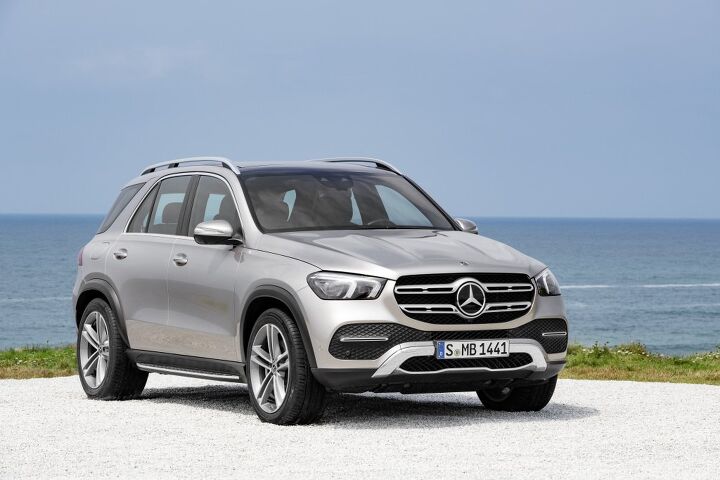
Daimler has been forced to store thousands of vehicles at a former military airport in northern Germany, the result of supplier issues that are stalling deliveries of the updated GLE-Class. While keeping cars on ice until they can be shipped is totally normal, it’s odd to see them lined up on a runway. It makes it look like they’re all about to take to the sky or engage in the most congested drag race in history.
Assembled in Alabama, these SUVs are being held up by unknown supply chain problems. Mercedes-Benz suggested there may be also be problems stemming from the multi-market launch of the updated GLE and a surge in output from the U.S. factory.
Subaru's Sales Success Comes With a Big Side of Trouble

Subaru’s sales in the United States effectively tripled in the past decade, making it the most important market for the brand by a wide margin. However, the automaker has had to expend quite a bit of energy in its home country of Japan to address recalls and regulatory scandals over the last few years.
While the duality hasn’t caused issues on a global scale, many observers wonder how long its good fortune will last. In America, Subaru is a feel-good brand that uses love as a core marketing concept to improve sales. In Japan, it has become synonymous with overworking employees lacking compensation, regulatory scandals, sudden work stoppages, and recalls. Many believe it’s only a matter of time before Subaru of America will have to contend with Japan’s issues, and evidence exists that problems are already beginning to surface in the West.
GM's Side Airbags Are Still Crashing the Party

In a perfect world, a vehicle’s airbags would only deploy in circumstances where the driver, in hindsight, applauds the life-saving buffer’s invention. Not included in that list of circumstances is a spinout, far removed from hard obstacles or other vehicles.
One Chevrolet Camaro ZL1 driver isn’t applauding General Motors after his car’s side curtain airbags made their presence known at 19 mph, free of any impacting object or rollover.

Class-action Lug Nut Lawsuit Falls Apart, Gets Tossed

A group of Ford owners hoping to cash in on bad nuts did not get their day in court. Instead, their proposed class-action lawsuit was tossed out.
We told you about the 120-count complaint against Ford back in 2017, when the well-known firm Hagens Berman — a veteran of auto litigation — announced the lawsuit. Owners complained about swollen, delaminating lug nuts, stating that this led to out-of-pocket costs, safety concerns, and a reduction in their vehicle’s value. After looking at the case, the judge saw no reason to proceed.
Too Warm: Ford Recalls Nearly 900,000 F-150s Over Block Heater Fault

Harnessing the magic of electricity to keep your engine block toasty is a better option than crossing your fingers and saying a silent prayer before turning the key (or pressing the button) on cold mornings. Unfortunately for Ford F-150 owners living in northern climes, the block heater residing beneath their truck’s hood might pose a danger to their vehicle — and perhaps their house.
Hoping to remedy a fire risk, Ford Motor Company has issued a recall on roughly 874,000 late-model F-150s in North America.
DOJ Possibly Investigating Hyundai/Kia Recall Activity
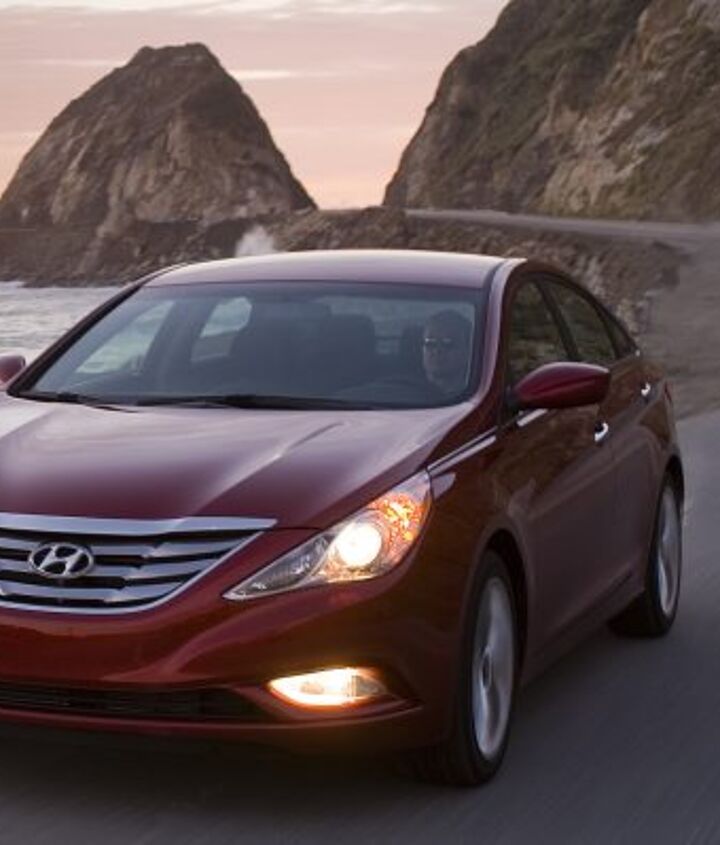
Prosecutors may be looking into a vehicle recall affecting certain Hyundai and Kia vehicles equipped with the company’s turbocharged 2.0-liter and naturally-aspirated 2.4 liter engines. It’s not an investigation to determine if a recall is needed; rather, it’s a look-see to find out if existing recalls were conducted correctly.
It remains to be seen in these early stages if any charges will be filed. If action is taken, however, the fines levied would likely cut deeply into the company’s balance sheet.

Ford's Police Interceptor Utility Off the Hook As Brake Investigation Wraps Up
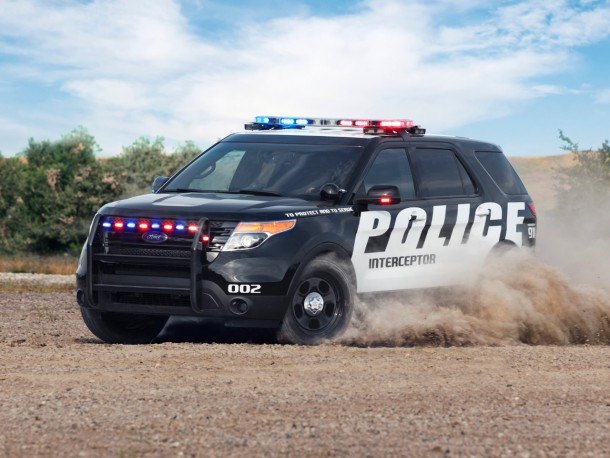
While the National Highway Traffic Safety Administration’s probe into reports of exhaust gasses leaking into the cabin of certain Ford Explorers continues, the company doesn’t have to worry about the brakes on its law enforcement variants anymore.
After launching an investigation into front brake hose failures — at the request of the Sacramento Police Department — in 2015, the NHTSA returned the verdict this week. Nothing inherently wrong with those front stoppers, it said. It seems the Sacramento PD really, really pushes its vehicles in pursuit training.
As Troubles At Home Hit Subaru's Bottom Line, Americans Do Their Duty and Hand the Brand Another Record

Subaru reported an operating loss in its most recent fiscal quarter, with recalls and regulatory scandals in its home market dragging the company into the red. The company said it lost $22 million in the quarter ending September 30th, a departure from last year’s $816.3 million operating profit. Meanwhile, global volume fell 6 percent.
In the company’s largest market — the United States — it was an entirely different scenario, with American buyers conspiring to give the brand its 83rd consecutive year-over-year sales increase. A record for October, too, but that’s sort of a given. Very nice of those buyers, but the credit really belongs to the Ascent crossover.
Fragile Valve Springs Leads to Global Toyota-Subaru Recall

The defunct Scion brand isn’t done making headlines, it seems. The rear-drive FR-S 2+2 sport coupe is among a number of vehicles — mainly Subarus — recalled over valve springs that could break, leading to serious engine damage.
In total, some 400,000 vehicles built between 2012 and 2013 are included in the recall; among them, Subaru BRZs, Foresters, and Imprezas. The Japanese-market Toyota 86 and North American-market Scion FR-S, twins of the BRZ, feature the same 2.0-liter four-cylinder.
Toyota Hopes for New Trial After Judge Awards Crash Victims $208 Million

In the wake of a Dallas County judge’s decision to lower the amount of money awarded to a couple whose children were injured in a 2016 rear-end crash, Toyota Motor Corp. plans to continue fighting to clear its name.
A jury found the automaker at fault back in August, deciding that the seatbacks on the family’s 2002 Lexus ES300 were faulty and that the owners were not warned about the dangers. The family stood to receive $242 million in compensation. Due to monetary caps placed on punitive damages in the state of Texas, the final amount was pared back to $208 million.
Toyota isn’t letting the matter slide into the rear-view. The automaker continues to claim that the car’s seatbacks worked fine — the severity of the impact was to blame.
Gas Up That Focus, Ford Says, As Automaker Launches Recall of 1.5 Million Cars

While Ford unceremoniously ended Focus production in the U.S. earlier this year, the model is trying its best to stay in the public eye. The automaker has announced a recall of nearly 1.5 million Focus vehicles in North America to prevent a stuck purge valve from vacuuming up the 2.0-liter engine’s performance.
As owners await notification, Ford implores them to head to their local gas station and fill’er up.
Following a Week of Toyota Recalls, the C-HR Gets Its Turn

It’s only 700 vehicles from the 2019 model year, but the voluntary recall issued by Toyota today involves the possibility of the rear wheels falling off. That seems a little more concerning than having your Prius go into limp mode.
The issue with the C-HR lies in its rear axle hub bearing bolts, one or more of which may not have received a proper tightening at the factory. Should they come loose while on the road, the C-HR could end up a three-wheeler.
America's Favorite Off-roader Recalled for On-road Danger
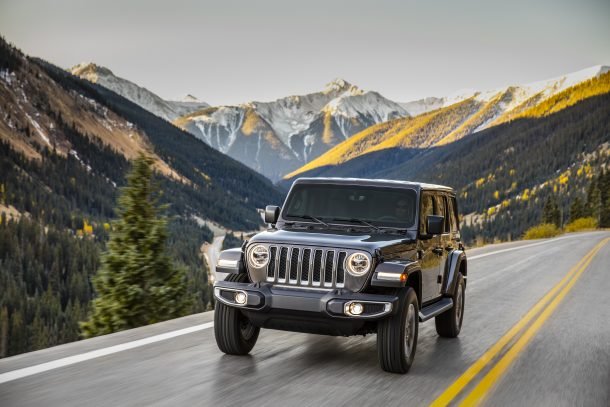
A key component tasked with taming the Jeep Wrangler’s front live axle might not live up to expectations, forcing Fiat Chrysler Automobiles to issue a…
Read more
Times Get Tougher for GM's Chinese Venture As Automaker Orders 3.3 Million Vehicle Recall
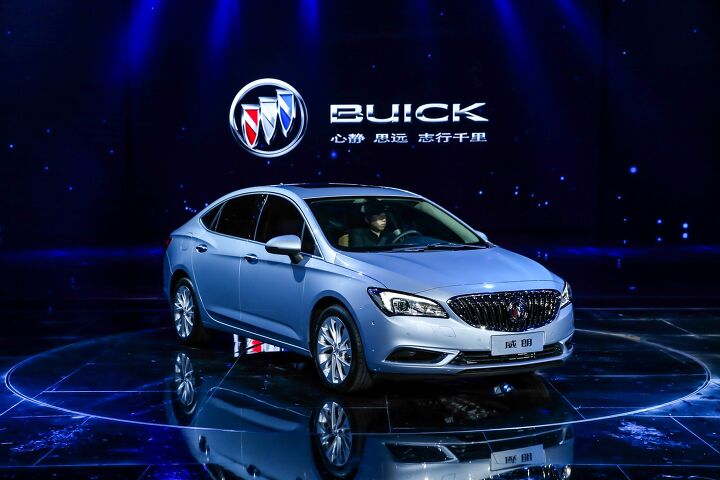
Tariffs and other pressures are weighing on the once blistering hot Chinese new car market, and a suspension issue has now added new storm clouds to General Motors’ formerly sunny skies. The automaker’s Chinese arm, GM Shanghai, has announced the recall of 3.3 million Chevrolet, Buick, and Cadillac models.
Bad news for a foreign company in a suddenly dodgy market.
Let's Applaud These Affordable Cars for Their Tesla Model 3-like Crash Safety
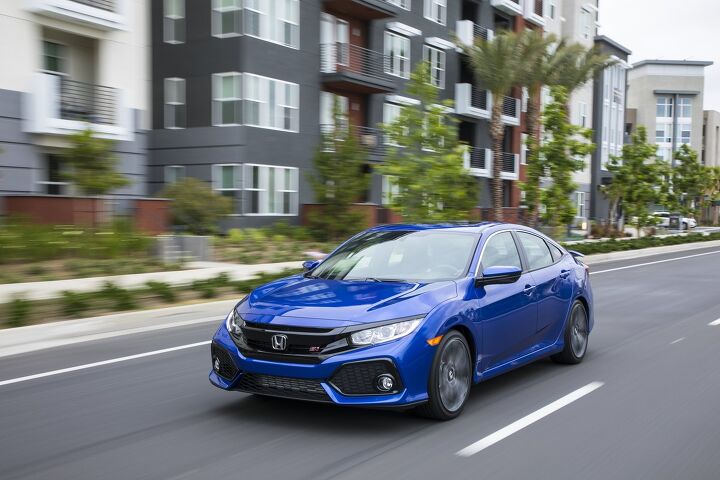
Sorry, was that too snarky? Our headline alludes to the National Highway Traffic Safety Administration’s recent awarding of five stars in all crash test categories to the Tesla Model 3 — a bit of news that’s made the rounds lately. It’s a worthy achievement, so hats off to Tesla for building a car that can take a beating.
However, if you’re still waiting patiently for Tesla to deliver your car, here’s a listing of vehicles costing less than the current “base” Model 3 (the $44,000 Long Range model) that are just as safe in a collision, and are available to buy at a dealership near you. Like, even today.
With Criminal Case Dismissed, General Motors' Ignition Switch Fiasco Nears An End

Four years after launching a massive, incredibly delayed recall aimed at preventing further deaths from its faulty ignition switches, General Motors freed itself from a criminal case launched in the scandal’s wake.
Earlier this week, federal prosecutors in New York wrote U.S. District Judge Alison Nathan, compelling him to dismiss the case. Nathan approved the request, lifting GM free of the caudron. The rationale for dismissing the two criminal charges — concealing evidence from federal officials and wire fraud — comes down to good behavior on GM’s part, something that certainly doesn’t describe its past actions.
Let It Bleed: General Motors Recall Targets ZF Brakes

General Motors has recalled over 210,000 late-model sedans and crossovers in the U.S. and over 19,000 north of the border after discovering the potential for a braking issue. The automaker blames the issue on rear brake calipers supplied by ZF, which can also be found on vehicles built by Volkswagen, BMW, and Audi.
It all comes down to trapped hydrogen gas in the body of the brake piston, which, when released into the brake fluid, makes for a mushy left pedal and reduced rear brake performance.
For What It's Worth, a Kia K900 Front Corner Collision Will Cost You Dearly
There’s a good reason why insurance premiums are rising like your author’s blood pressure while scanning his Twitter feed, and it’s not just because providers really, really like making money. (They do, of course.) Average repair bills in the U.S. rose by about a third in the past three years, mainly due to the proliferation of safety technology, and insurance premiums followed. Country-wide, premiums rose 7.9 percent in 2017.
Cameras, ultrasonic sensors, and radar sensors tend to be located in areas of the vehicle most prone to damage, even in even low-speed collisions, and sturdy, exposed 5 mph bumpers are unfortunately a thing of the past. Many would prefer to see all automakers design their cars with repairs in mind, thus lowering future costs and premiums.
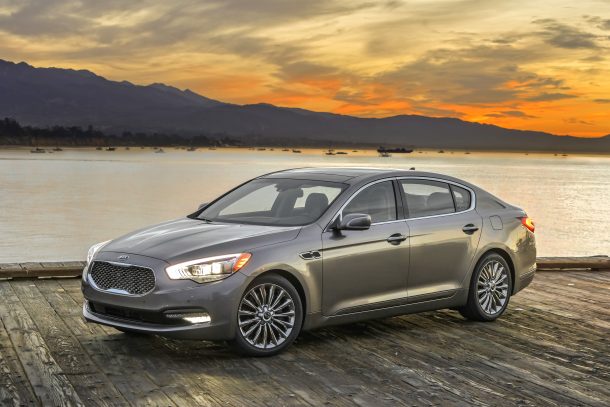
As an example of the headache of repairing technology-festooned vehicles, behold the average front-corner collision repair cost of one rare Korean sedan.
Seatbelt-related Fires Spark Recall of Two Million Ford F-150s

As far as safety recalls go, this one’s pretty sizeable, and it impacts a company that’s seen a lot of money lost on safety recalls in recent years. Ford Motor Company has announced the recall of nearly two million examples of the world’s best-selling vehicle to prevent the seemingly unlikely occurrence of seatbelt-related blazes.
The recall, affecting 1,995,776 trucks in North America — 1,619,112 of them in the United States, is the result of 17 documented fires or reports of smoke in 2015-2018 model year F-150 regular cabs or SuperCrew models sold stateside. Another six incidents took place in Canada.
The fires originated inside the vehicles’ B-pillar, with the seatbelt pretensioner as the source of the issue. While the life-saving device works properly to restrain the front-seat driver and passenger in the event of a crash, it’s what occurs after the device’s deployment that has Ford worried.
You Can't Have an EV for the Masses That Loses Money
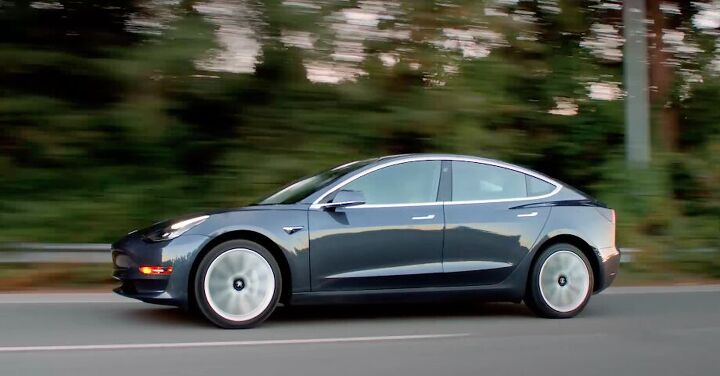
Not without a profitable company, anyway. And Tesla, despite its promise to end the year in a cash-positive state, is not that company. Not yet.
After rolling out a dual-motor Model 3 and its Performance sibling in July, the average retail price of Tesla’s “most affordable” electric car is only going up, frustrating would-be owners waiting for the $35,000 base model. That stripped-down trim won’t appear until the beginning of next year.
When it does, however, Tesla stands to lose nearly $6,000 per vehicle, one investment bank claims.
Because Subaru Can't Turn Back Time, Some Owners Stand to Gain a New Ascent
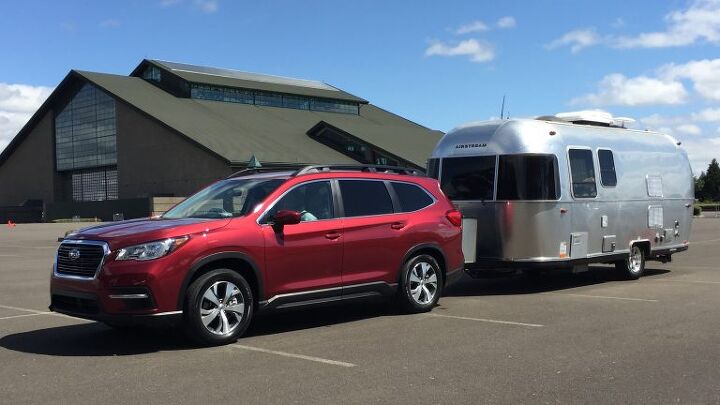
A recall serious enough to necessitate the replacement of a car is rare, but Subaru should be glad it caught the problem before more faulty vehicles left the factory.
Over the course of eight days in July, 293 Ascents from the 2019 model year made it off the assembly line while potentially missing a full complement of welds — hardly something the automaker can just go back and touch up.
Ford to Dealers: We'll Make It Worth Your While to Hunt Down Old Rangers
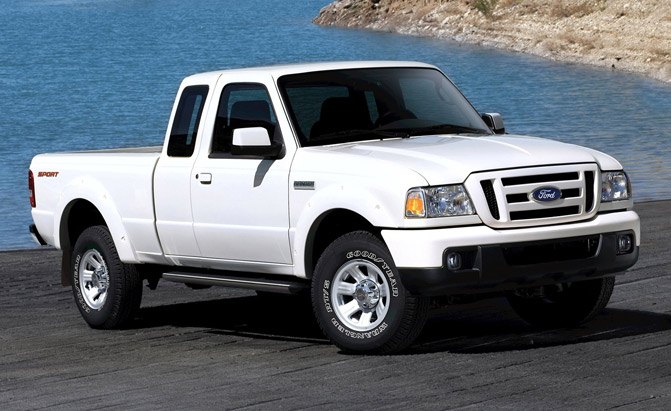
Tuesday was — accidentally, it turns out — all about the Ford Ranger, at least for those with no interest in Tesla and its business machinations. As we await the return of the midsize pickup’s online build and price tool, Ford is taking an unusual step to get old versions of the truck into the repair shop.
The automaker is offering dealers cash for every 2006 Ranger they can track down and pull off the road.
Kia Sorts Out Stinger Paint Issue, Offers Other Stingers for Owners Who Can't Be Bothered
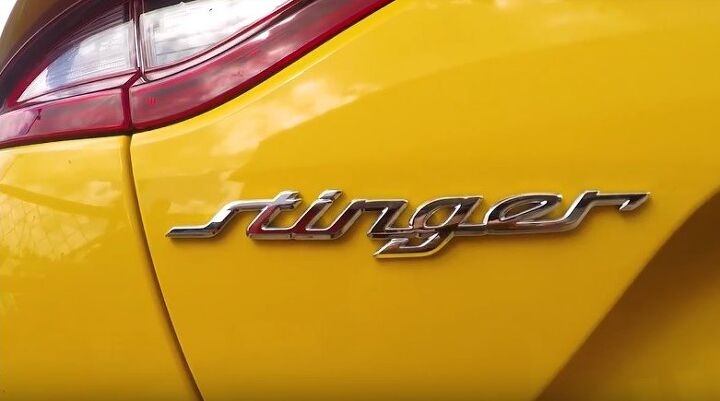
We told you recently about an odd issue Kia’s having with a select group of rear-drive Stinger sports sedans. It seems those painted in eye-catching Sunset Yellow have a tendency to flake and peel — like a Canadian at the beach. In short, the paint won’t stay on, and Kia traced the source back to some oil residue that made its way into the vibrant coating sprayed on a small number of Stingers.
In the U.S., just 400 special edition Sunset Yellow Stingers found buyers, making the issue quite limited in scope, but nonetheless troubling. Buyers won’t be happy once the sedan starts shedding its skin. Luckily, Kia has a plan.
Loosen Your Load: Fiat Chrysler Recalls 1.1 Million Rams For Doing Just That

Fiat Chrysler doesn’t offer a hydraulic lift for its pickup beds, but having the tailgate swing down while the truck’s bouncing along at 75 mph might prove just as effective for rapidly unloading one’s cargo.
After an investigation turned up 5,000 instances of Ram pickups unexpectedly dropping their tailgates, Fiat Chrysler has another seven-figure recall on its hands.
A Foul Wind Blows… From the Toyota Camry's Dash Vents, Lawsuit Claims
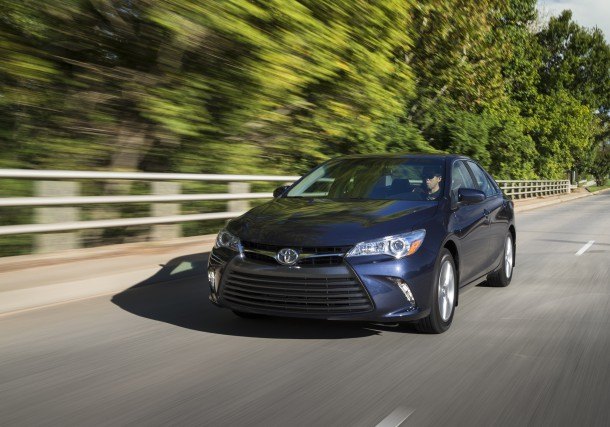
Toyota might have another stinky legal problem on its hands. A proposed class-action lawsuit filed in the US. District Court for the Southern District of Florida claims the automaker committed fraud by failing to properly address an HVAC problem that leaves Camry cabins in an unpleasantly scented state.
Condensation is the culprit in this issue, though the plaintiffs accuse Toyota of covering up the fact that it doesn’t have a solution.
Yet Another Rollaway Recall: Ford Calls Back 550,000 Vehicles for Driverless Journeys
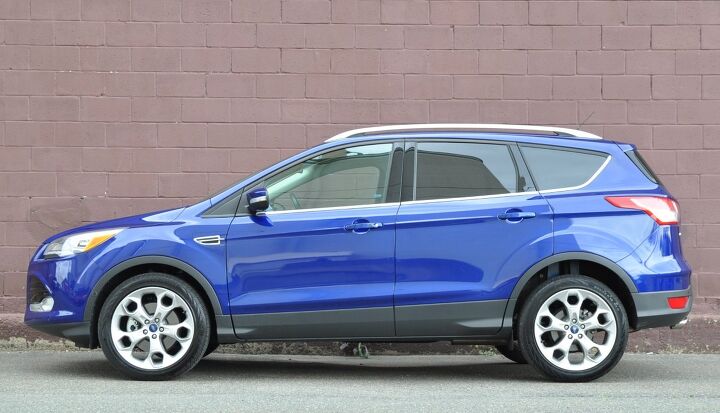
Automatic transmissions that shift into park but don’t actually end up in park are one of the greatest automotive sourges of our time. Of all automakers, Fiat Chrysler and Ford seem to have the worst luck with this.
On Wednesday, Ford Motor Company announced a recall of roughly 550,000 Fusions and Escapes to prevent the vehicles from getting loose, though some wonder why the National Highway Traffic Safety Administration didn’t step in earlier to force the recall.
Kia's Stinger Has a Big Yellow Problem
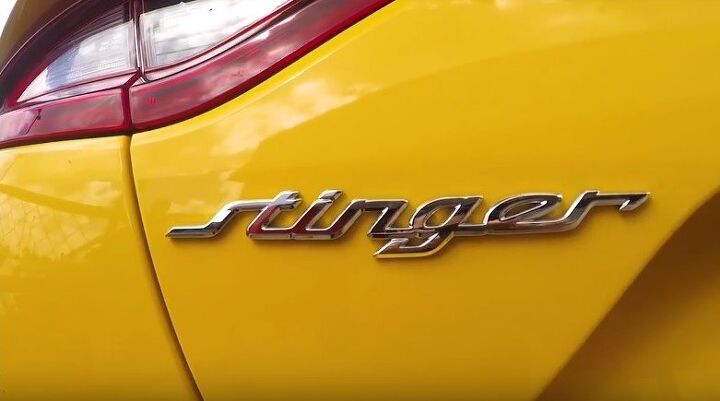
Kia’s Stinger burst onto the automotive landscape in what seems like the rear-drive sedan’s twilight years, enlivening the lower end of the market with its pleasing profile, available twin-turbo V6, and palate of eye-catching colors. It’s one of those colors — Sunset Yellow — that’s causing headaches for the automaker.
Apparently, the Stinger might decide to shed that paint one day.
Did Tesla Skip a Crucial Quality Step on the Model 3 Home Stretch?
A report in Reuters Tuesday sheds light on the frenzied final weeks of Tesla’s all-out push to reach a production target of 5,000 Model 3s per week by the end of June.
Workers claim CEO Elon Musk became agitated whenever the company’s Fremont, California production lines slowed or stopped due to robot issues, employees were pulled off the Model S line to cover Model 3 workers’ breaks, and longer hours with little advance notice became the norm.
Ultimately, Tesla was able to boast of building 5,031 Model 3s in the last seven days of June. But another report raises the question of whether Tesla skipped an important step in the production process in order to reach its goal.
Korea Takes Top Three Spots in Initial Quality Study: J.D. Power

This wouldn’t have happened in the late ’80s, that’s for sure. J.D. Power’s 2018 Initial Quality rankings, amassed from problems reported by owners over the first 90 days of vehicle ownership, shows the area south of the 38th parallel as the Land of Least Annoyance.
The fresh-faced, fledgling Genesis brand took the top spot in this year’s rankings with 68 problems reported per 100 vehicles, followed by Kia in second place (72 problems) and Hyundai in third (74 problems). You might say Hyundai (Motor Group) excelled.
Sick Burn: GM Offers Actress Chevrolet Bolt in Wake of Tesla Fire

Never let a crisis go to waste, goes the saying. In this case, it’s an actress and her husband facing a car shortage and a rival automaker sensing an opportunity for a juicy dig.
Mary McCormack, who appeared on the endlessly referenced political drama The West Wing, tweeted a video of a Model S in flames Friday, claiming the blaze broke out “out of the blue” as her husband’s Tesla cruised through traffic in West Hollywood. She directed her tweet at Tesla.
General Motors has since capitalized on the unsolved blaze, offering McCormack and her husband, identified as director Michael Norris, a new Chevy Bolt.
Take a Look at 2011-2014 Kia and Hyundai Fires, Safety Group Tells NHTSA
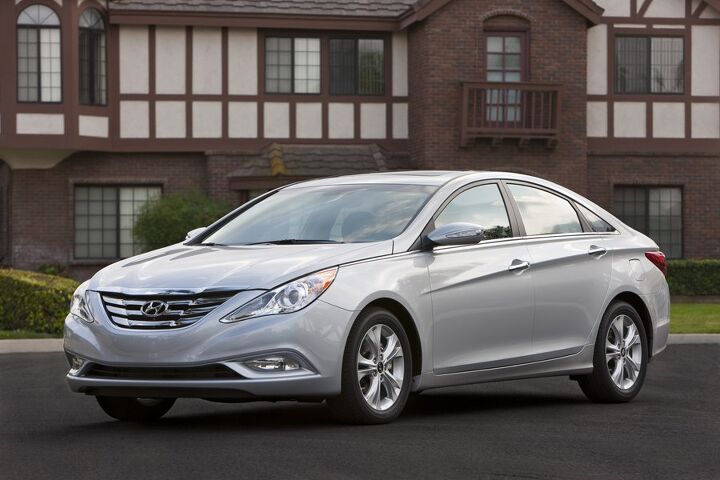
Almost all models occasionally burst into flames for one reason or another, but there’s too many older Kia and Hyundai models catching fire to write it off as a statistical inevitability, the Center for Auto Safety says.
In a letter sent to the National Highway Traffic Safety Administration on Monday, the nonprofit advocacy group used owner-submitted questionnaires from the NHTSA’s own website as proof that something’s amiss with certain 2011-2014 Kia and Hyundai models. 120 reported vehicle fires and 229 cases of melted wires in the engine compartment, smoke, or burning odors should be enough to spark an investigation, CAS said.
Two Aging Midsize SUVs Fail Latest Round of Crash Tests
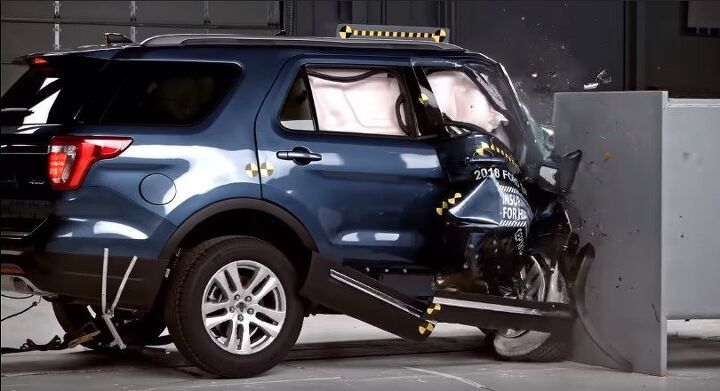
The Insurance Institute for Highway Safety never rests, always thinking up new ways to expose flaws in contemporary passenger vehicles. Lately, the IIHS has begun applying the dreaded small overlap front crash test to the passenger side of new models. There’s a seat on that side for a reason, and it’s not inconceivable that a roadside utility pole or obstruction could take out that corner of the vehicle.
The latest IIHS test put popular midsize crossovers through their paces, exposing serious safety concerns in two models.
Severe Corrosion, Steering Failure Sparks Investigation of Older Mazda 6 Models
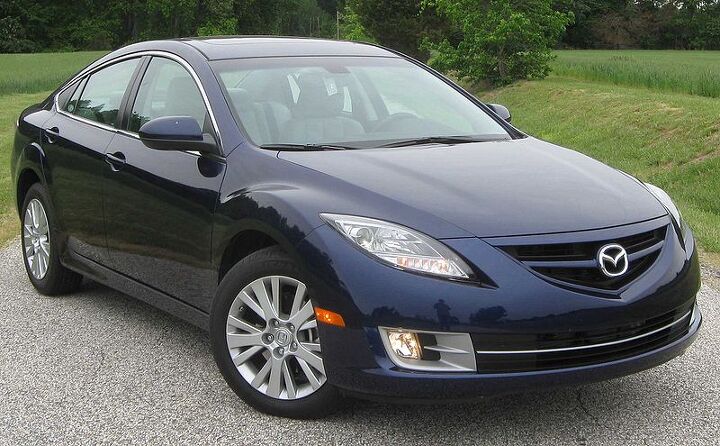
Mazda can’t seem to shake a recent history that saw its vehicles fall victim to the flesh-eating disease in embarrassing numbers. We’ve seen corrosion issues crop up in a myriad of recalls issued by the automaker over the past several years, and it’s raised its flaky brown head once again.
This time, it’s just a preliminary investigation, but probes conducted by the National Highway Traffic Safety Administration have a way of turning into recalls in a hurry. The model in question is the 2009-2010 Mazda 6, and the issue is a subframe that can become so corroded, you might have trouble staying on the road.
Fires, a Paint Plunge, and Rework Aplenty: Report on the Goings-on at Tesla's Assembly Plant Won't Have Elon Musk Smiling

Tesla CEO Elon Musk is a man with a knack for envisioning new and elaborate ways of accomplishing simple tasks, but his factory in Fremont, California — home to three revolutionary electric car models — could use a dose of the Old World. By that, we mean lessons learned by legacy automakers over many decades of mass production.
That’s the takeaway from a scathing exposé published in The Daily Beast, penned by former TTAC managing editor Edward Niedermeyer. Coming on the heels of a CNBC report on fires at the automaker’s paint shop, The Daily Beast‘s piece brings together testimony from current and former employees to paint a picture of what can happen when Silicon Valley startup culture meets the realities of mass auto production.
Bring your safety goggles.
Image Makeover Won't Be Easy, Says Mitsubishi's North American Boss, but at Least People Are Buying Its Cars

Mitsubishi North America CEO Fred Diaz knows people think of his company as a purveyor of vehicles with a singular appeal: their affordability. The flip side of the coin is that people think the brand’s lineup is cheap, in the negative sense. Something must be done.
The regional boss of the automaker with the saddest Detroit auto show display knows that stigmas aren’t erased overnight. But he’s got ideas on how to turn things around. In the meantime, Americans are going out and purchasing ever greater numbers of the company’s cars. Especially last month.
Consumer Reports About-face Brings 'Recommended' Label to Tesla's Model 3
The Consumer Reports review that criticized the Tesla Model 3’s stopping distance and all-consuming touchscreen seems to have sparked CEO Elon Musk’s recent spat with the media, but a change of heart at CR might cause Musk to think twice about his proposed rating site for journalists.
After the automaker improved the model’s 60-0 mph stopping distance by nearly 20 feet (a feat accomplished via an over-the-air software update), the publication bestowed the car with a “recommended” rating, despite lingering concerns over certain features. Maybe the torches-and-pitchforks crowd can clear off CR‘s lawn now.
The Blame Game: Driver Fingers Autosteer as Cop Car Collision Cause

This won’t help our Pravda rating.
Police in Laguna Beach, California told the “media” that the driver of a Tesla Model S that collided with a parked Ford Police Interceptor Utility on Tuesday was operating in Autopilot mode. At least, that’s the driver’s claim.
Images released by Laguna Beach PD reveal a somewhat glancing rear impact, as it seems the police cruiser only slightly intruded into the driving lane. The cruiser, then unoccupied, was totalled, while the insurance company — if past collisions are any indicator — will probably declare the Tesla a write-off.
Right now, there’s no confirmation that autosteer and traffic-aware cruise control was enabled on the Tesla.
Utah Police Docs Add New Detail to Utah Autopilot Crash

The collision earlier this month between a Tesla Model S and a stopped fire truck in Utah didn’t result in serious injuries, but questions remain as to why the vehicle, piloted by a suite of driving aids, didn’t recognize the approaching danger.
Witnesses claim the vehicle didn’t brake in the moments leading up to the impact. The driver, admittedly distracted by her phone (for a period of 80 seconds), only reacted less than a second before impact, police said. Now, thanks to a South Jordan Police Department report obtained by The Associated Press (via The Detroit News), we know a little more about what happened in those last moments.
4,846,885 Vehicles: Fiat Chrysler Launches Massive Recall to Prevent Runaway Cruise Control

In terms of size, this recall is one of the largest from a single manufacturer in recent memory. And the problem it’s designed to fix once served as the plot of a 1990s TV movie I can’t recall the name of.
While there’s only one known incident on its radar, Fiat Chrysler Automobiles has decided to go ahead with a recall of over 4.8 million Chrysler, Dodge, Jeep, and Ram vehicles to prevent them from getting stuck in cruise control.
Jeep Recalling 48,990 Cherokees Over Fire Risk

The 2018 Jeep Cherokee is under recall due to some improperly fitted fuel tubes. As the issue relates to the possibility of a gas leak, this falls under the fire-risk category and should have people freaking out left and right. However, the problem is only associated with Cherokees equipped with the 16-valve 2.4-liter inline-four engine.
FCA’s internal report, according to the recall filing, noted that an investigation revealed “a batch of fuel-supply tubes may have connectors that were incorrectly fitted” on the 2018 model year. Fortunately, the refreshed Jeeps for 2019 don’t appear to be affected.
Them's the Brakes: Musk Promises 'Further Refinement' of Model 3's Binders

If you weren’t on Twitter yesterday, well, you picked a good day to stay away. However, if public battles between an automaker and the media is your thing, coupled with exasperating (and disturbing) displays of tribalism from the manufacturer’s fan base, Monday was a gold mine.
The social media brouhaha was a result of Consumer Reports‘ less-than-glowing review of the Tesla Model 3, which was found to have the worst braking performance of any contemporary car in the publication’s testing catalog. As Tesla disciples circled the wagon (one created a list of “bad journalists”), Tesla CEO Elon Musk responded to CR‘s findings.
Pump the Brakes: Consumer Reports Dings Model 3 For Lackluster Stops

“Lackluster” may be an understatement. In its test of the Tesla Model 3 Long Range model, Consumer Reports discovered plenty of things to like about the California automaker’s smallest electric vehicle, but two large gripes kept the publication from bestowing a coveted “recommended” tag on the sedan.
We’ve complained before — and online videos have aptly demonstrated — about how the Model 3’s massive center screen diverts too much attention away from the road by consolidating simple tasks (like adjusting the dash vents) into the menus and submenus of the vehicle’s interface, and CR‘s opinion was no different. However, the largest issue seen while driving the Model 3 was its lengthy average stopping distance.
The publication went so far as to borrow a privately owned model just to make sure its observations were legit.
Rodents May Have Flavor Fetish For the Wiring Insulation in Newer Vehicles

Shortly after the dawn of new millennium, automakers started implementing bio-plastics made from corn starch, genetically engineered bacteria, or vegetable fats and oils. The rationale for this was that sustainably sourced materials were better for the environment and lowered dependency on petrochemicals. Unsurprisingly, bio-plastics gained in popularity at roughly the same time as ethanol.
Since at least 2010, soy-based bio-plastics have been a popular alternative for wiring insulation in automobiles. But there’s a problem — rodents love how it tastes. This has allegedly resulted in a surprisingly high number of owners reporting that rats chewed through the wiring inside their automobile.
While the problem isn’t entirely new, the frequency of the incidents appears to have been spurred by automakers using more palatable materials. In fact, the issue has grown so bad in recent years, numerous lawsuits have cropped up demanding manufacturers pay for damages. Honda was named in a suit from two years ago involving 2012 to 2015 model year vehicles, and Toyota was hit with one for cars produced between 2012 to 2016.
Unpacking Elon Musk and Tesla's Current PR Problem

It would be unfair to criticize Tesla Motors’ CEO without also illustrating just how important he is to the company. Were it not for Elon Musk, Tesla would have never made it this far. He was not only integral in its foundation but also the driving factor as it picked up investors. While the company was building innovative products, he has kept shareholders looking toward the horizon and keeping the faith.
Unfortunately, 2018 hasn’t been a great year for Musk. While the brand has managed to keep its exceptionally loyal fan base, bad publicity has shaken investor confidence. No automaker is free from ugly stories but Tesla has been deemed semi-miraculous for some time — making any failures that much more glaring. The bar has been set unreasonably high and unkept promises have caused issues. Tesla has itself a PR problem and, like most things, it looks like it’ll be up to Elon to fix it. But it’s going to be a monumental task, Musk is already putting out fires everywhere and the pressure is only expected to build over the next 24 months.
Tesla Model 3 Owners Are Complaining Their Cars Mysteriously Conked Out
It’s been said that the true test of Tesla’s “affordable” Model 3 won’t be the car’s production rate — it will be initial build quality. A slower than predicted production ramp-up is already a reality for Tesla and its hundreds of thousands of reservation holders, but, as the automaker reaches beyond the existing group of well-monied brand diehards, glitches and reliability issues will pose a larger threat to the brand’s reputation.
With the Model 3 now coming off the Fremont assembly line in larger numbers (though not as large as predicted), it seems we have a recurring quality issue, if you want to call it that. Many Model 3 owners — who, for obvious reasons, are not longtime Model 3 owners — are taking to the internet to report a strange problem that leaves their car dead in the water and in need of a tow.
Toyota Discovers Bigger Pistons Aren't Better, Issues Camry Recall

It’s 11:40 a.m. Do you know how large your Camry’s pistons are?
Odds are you don’t, and Toyota isn’t sure it knows, either. That’s why the automaker has issued a small but relatively unusual recall for 1,730 Camrys from the 2018 model year. The issue lies with the installation of pistons built to an incorrect specification.
Essentially, they’re too big for their britches.
Amid Stock Slide, Tesla Issues Largest Recall to Date

Tesla’s once sky-high share price has taken a serious hit in recent days, so news of the electric automaker’s recall of 123,000 Model S vehicles couldn’t have come at a worse time.
Describing the recall as voluntary, Tesla sent emails to owners of all Model S electric cars built before April 2016 to warn of an issue affecting the car’s power steering system. The issue involves corrosion impacting the bolts holding the power steering motor to the rack, which can then shear off — leading to a loss of power steering.
Salty States Get a Ram 1500 Recall of Their Very Own

Mankind’s greatest foe — road salt — can never be fully vanquished, and the latest evidence of its malevolence just cropped up in 20 northern states. Salt, though essential to human life, turns water brackish and wreaks havoc on vehicles — just ask the owners of previous-decade Toyota Tacomas, Nissan Frontiers, and Mazda 3s.
We can now add the 2009-2012 Ram 1500 pickup to the list of vehicles with salt-sullied undercarriages, though this issue, for which Fiat Chrysler is recalling 270,254 vehicles in the U.S., doesn’t result in the vehicle breaking in half (or, in the case of the Mazdas, disappearing into brown dust).
Trusty Column Shifter Can't Be Trusted in These Recalled Rams
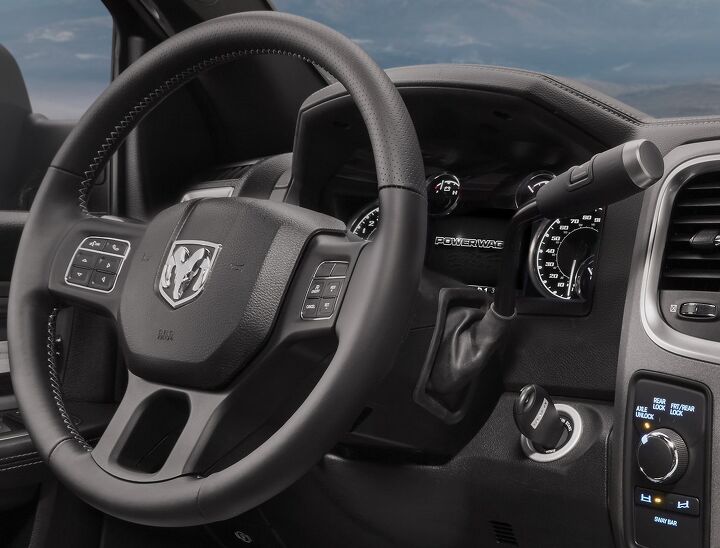
We have a particular fondness for the unintrusive, non-gimmicky column shifter here at TTAC. They’re satisfying to shift, pleasingly retro, and free up space between the front seats for any number of things, including a seat. Column shifters also keep your eyes pointed straight ahead, instead of having them wandering around the console or bottom of the center stack, searching for that newfangled dial shifter or push-button array.
Sadly, the column shifters in more than 228,000 Ram trucks are an invitation to danger. Fiat Chrysler Automobiles has announced a recall of so-equipped models in the hopes of preventing rollaway accidents.
Musk's Tesla Might Make It to Mars, but One Man's Factory-fresh Model S Couldn't Make It to Mom and Dad's

Palo Alto, we have a problem.
That’s essentially the message one Tesla owner had for the automaker, and one I couldn’t stop thinking about during yesterday’s excitement.
You see, on Tuesday, in a feat of technological prowess and bravado, Tesla CEO Elon Musk shot his personal Tesla Roadster into deep space by mounting it atop the final stage of the Falcon Heavy rocket — the latest and certainly greatest space vehicle constructed by Musk’s very own SpaceX.
After becoming the fourth car in space (GM built the first three for NASA’s Apollo program), and the first factory production car to leave Earth’s atmosphere, that Roadster and its dummy astronaut driver are now headed for a point beyond Mars, near the solar system’s asteroid belt. The plan is for the car to orbit the Red Planet, or maybe crash into it, who knows.
Mars is, on average, about 140 million miles from Earth.
However, Kingston, Ontario is a scant 215 miles from Cambridge, Ontario. That’s the distance one Tesla driver was attempted to span when the trip, as Margaret Thatcher would say, went pear-shaped.



Recent Comments