

Subprime Auto Loans Show Increasing Signs of Trouble

We thankfully seem to be coming out of some of the economic challenges brought on by the pandemic, but a new crop of financial hardships is on the horizon. Subprime auto loans, which are issued to people with lower credit scores, are falling into past-due status at an alarming rate, reaching the highest rates of borrowers behind on loans in almost 30 years.

QOTD: Are You Worried About Auto Loans?

We reported on auto-loan delinquencies yesterday since they're at a record high, though subprime loans are the biggest cause for concern.

Auto Loan Delinquencies Reach Record Levels

Delinquencies on automotive loans have surpassed the recession-era highs witnessed in 2009, according to an assessment released by S&P Global Mobility on Monday. Fortunately the wealthy will be largely unaffected by this trend, as the issue is isolated primarily to subprime borrowers. For some strange reason, people with more money are having less trouble paying their bills on time.

QOTD: Should Speeding Fines Be Based on Income?

Here's a weird one -- a wealthy Finnish man is paying an almost $130,000 fine for speeding 20 mph over the limit. That's because that country bases its speeding fines based on the offender's income.
Americans Are Falling Behind On Auto Loans at an Alarming Rate

The economy hasn’t tumbled into the massive recession that some predicted, but there are signs of trouble brewing in the automotive lending industry. At the end of last year, more subprime borrowers were 60 days or more behind on their auto loans than at any point since the Great Recession in 2009.
Average Automotive Pricing Window Continues Shifting Upwards
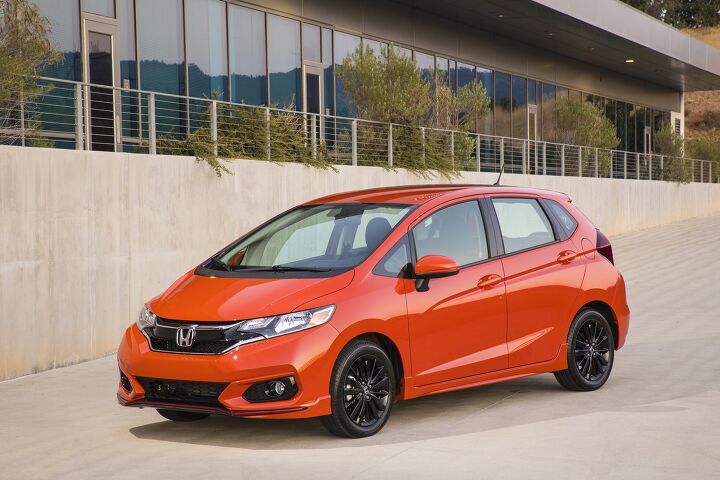
Now that fuel prices are popping off and it’s becoming glaringly obvious that we’re falling into another recession, one would hope that automakers would be prioritizing their more economical models. Unfortunately, most manufacturers operating in North America spent the last decade culling the smallest models from their lineup. Domestic brands took the practice so far that several no longer offer traditional cars, opting instead for compact crossover vehicles yielding higher price tags and broader profit margins. Foreign brands were only marginally more reserved with the ax.
This has helped move the average vehicle transaction price beyond $42,000 in the United States, according to Edmunds, with used rates sitting somewhere around $28,000. Though the cause isn’t entirely down to there being a complete lack of econoboxes on the market. Increased regulations and the industry’s newfound obsession with connectivity/tech have also increased pricing. But it doesn’t change the fact that we’re now confronting a situation where almost nobody is selling the kind of small, affordable vehicles that cater to shoppers needing to be thrifty right when they really need them.
Car Loans Get Longer, Rental Vehicles Get Older

While nobody needs to tell you that the economy isn’t in good health, we should at least hip you to the latest automotive trends relating to the financial purgatory we’re currently living through. Ford sent a memo to dealers last week indicating that it would be removing the minimum FICO requirement for 84-month financing, indicating that the industry may soon normalize auto loans that are even longer than the 72-month whoppers that have grown in popularity over the last several years.
Meanwhile, those needing a vehicle intermittently will find that rental rates have not been declining as hoped. Despite analysts previously suggesting that auto pricing may stabilize through the fall, we now look to be going into the holidays facing familiar high-priced troubles — and there’s really no reason to think that’s going to change after 2022 gets here.
2021 Land Rover Defender Corroded

2021 Land Rover Defender owners, are you unhappy with your SUV’s finish? Heritage Customs will give you corroded parts with real rust.

Pandemic Changes Car Buying Plans, Or Has It?

The pandemic has changed car buying plans for nearly three out of four shoppers who intended to buy in the next six months. New research from Comscore Automotive Data Mart, cited in a story today by Auto Remarketing, indicated the pandemic tops the concerns of four out of ten who had intended to buy.
Vision Problems? Ford CEO Says There Aren't Any

Analysts and investors are quick to point out a key similarity between Ford Motor Company’s stock and the terrain between the Appalachians and Outer Banks, viewed from west to east. Unlike Tesla’s recent share price plunge(s), Ford’s decline has been gradual, remaining stubbornly unaffected by the automaker’s attempts to turn it all around.
While he’s faced questions about his performance before, Ford CEO Jim Hackett is growing frustrated with the idea that, under his leadership, the company is focused too much on the future, with not enough going on in the present.

As Ford Takes a Hit, Hackett Appeals to Trump to End Trade Disputes

Ford’s decision to construct the current-generation F-150’s body purely of aluminum paid off in terms of lightweighting, fuel economy, and sales, but rising commodity costs over the past couple of years eroded some of the financial benefit. There’s far greater headaches facing Ford these days, as the industry grapples with tariffs on not just imported aluminum and steel, but vehicles as well.
A second income-sucking tariff hit in July, when the U.S. applied an import duty of 25 percent on a slew of Chinese goods, prompting China to up its own tariffs on American goods, including automobiles. Ford isn’t having it. Having already lost $1 billion in profit, CEO Jim Hackett has a message for President Trump.
Forget About Getting Your Hands on a Tiny Slice of Volvo

After hiring financial advisors earlier this year, a move many believed was a precursor to an initial public offering (IPO), Volvo parent company Geely now claims the waters are too choppy to float any shares in the resurgent Swedish automaker.
First reported by the Financial Times this past weekend, the Chinese holding company says there’s too many uncertainties and headwinds in the industry right now. Thus, no Volvo stock for you. The biggest uncertainty is the one that’s keeping automakers on edge the world over.
Money Matters: Moody's Downgrades Ford to Near Junk
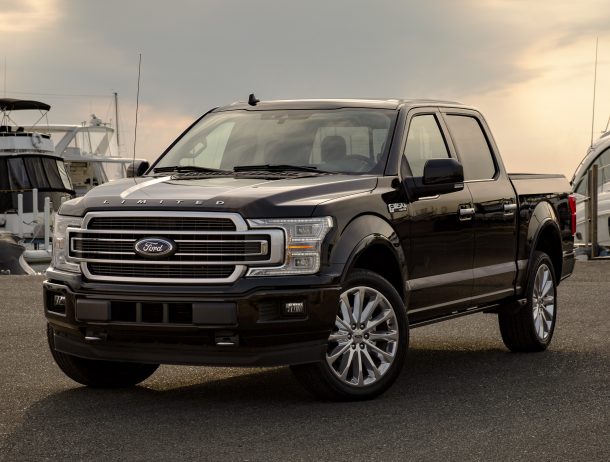
Ford’s been wringing its corporate hands over stock prices for ages. While the market itself is generally rising, the Blue Oval seems to perpetually find itself in Wall Street’s basement. It is arguable that lackluster performance on this front cost Mark Fields his job earlier this year.
Things are not looking up in that department. Yesterday, FoMoCo’s credit rating was cut to Baa3 by Moody’s Investors Service, just a single notch above junk status.

Musk's Tesla U-turn Prompted by Annoyed Saudis and Fearful Fans, Despite Interest From Volkswagen: Reports

Friday night’s not-so-surprising move by Tesla CEO Elon Musk, in which he wheeled around his plan to take the company private like an angry father cutting short a family vacation, has many angles.
First and foremost is the money factor, which matters more than anything else in this drama. According to two new reports, money eventually became available, just not from the sources we were led to expect. And not from sources Musk wanted.
Musk Pulls a Smoking 180, Leaves Go-private Plan in Rear-view

Fear not, there’ll be plenty of moaning about short sellers in the weeks and months — and probably years — to come. Late Friday, Tesla CEO Elon Musk pulled an about-face, issuing a blog post in which he claimed a couple of weeks of study revealed he shouldn’t take his publicly traded automaker private.
Apparently, the trip from “funding secured” to “the funding totally would have been there”* (not a direct quote) takes 17 days.
SEC Gets Serious in Tesla Going-private Probe, Issues Subpoenas: Report
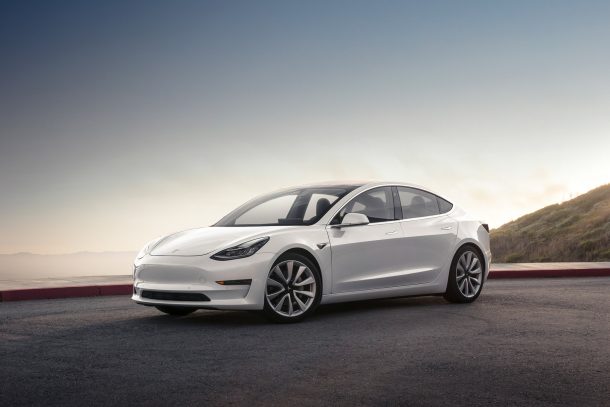
While the U.S. and now Canada enjoy carrying out international diplomacy via tweet, the business world lays out a few ground rules. If you’re the head of a multi-billion dollar publicly traded company, maybe it’s best to not announce your intention to take the company private — while stating there’s funding on hand to pull it off — in a tweetstorm, especially if there aren’t details to back it up. Dry, boring, but concise media releases or regulatory filings alerting shareholders usually do the trick.
After looking into Tesla’s going-private plan, announced August 7th by CEO Elon Musk over Twitter, the U.S. Securities and Exchange Commission now wants hard answers. While it might be willing to overlook the tweet (Musk, a prolific tweeter, previously told investors that announcements could happen this way), the SEC wants Musk to back up his “funding secured” claim. What person, persons, or entity made this deal possible?
Maybe a round of subpoenas will clear things up.
Elon Musk Starts the Week by Putting Out Fires

A truly bizarre rumor is just one of the issues facing Tesla CEO Elon Musk as questions swirl following the August 7th announcement that he wants to take the publicly traded company private.
As the U.S. Securities and Exchange Commission looks into Musk’s claim that there’s “funding secured” for the potential buyout, Musk was forced to confront a claim involving, of all things, a rapper, drugs, and spontaneous tweeting. Always a sideshow with this company…
The financial world, on the other hand, wants to know more about this Saudi business.
Maker of Odd-looking Three-wheeled Car Heads to NASDAQ

A small automobile company headquartered in a city with outrageous house prices wants you to buy shares. Electra Meccanica Vehicles Corp., the Vancouver-based builder of three-wheeled electric vehicles, has announced its listing on the NASDAQ.
The company’s $10 million public offering went live Thursday, listed as SOLO (common shares) and SOLOW (warrants). As you probably figured, Electra Meccanica calls its vehicle the “Solo,” which, as you also probably figured, carries a single occupant.
Looking like all three-wheelers do (strange), the Solo targets the cost-conscious commuter.
Hackett's Much-needed Stock Boost Is Nowhere in Sight
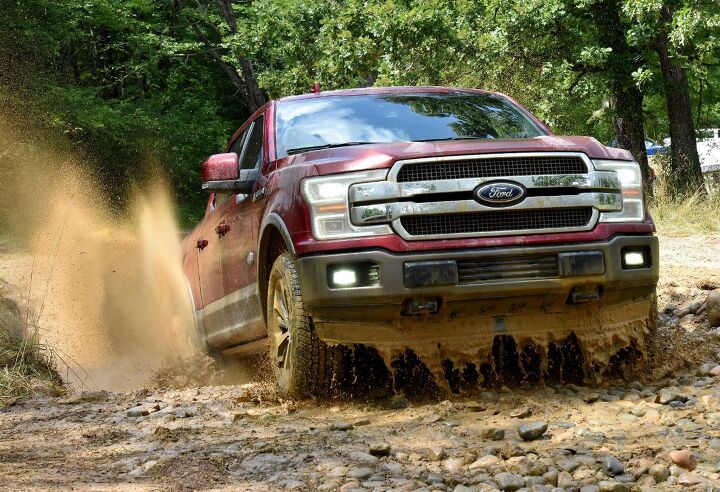
It’s generally agreed that former Ford CEO Mark Fields was shown the door after failing to turn around the company’s steadily declining stock, but his successor hasn’t had any success on that front, either.
Jim Hackett took over in May of 2017 and, despite an ongoing cost-cutting program and numerous new model (and technology) promises, Ford’s share price shows no lift. Wednesday’s earnings call was easily the worst of Hackett’s tenure.
GM Looking at Ways of Squeezing Cash Out of Cruise: Report

The small San Francisco startup bought by General Motors in 2016 could generate a lot of money for the automaker in the near future.
According to sources who spoke to Bloomberg, GM wants to unlock the value of its self-driving Cruise Automation division (officially GM Cruise LLC) — a 50-person company valued at $600 million at the time of purchase. Japan’s SoftBank, which recently pledged a $2.25 billion investment in the division, now values Cruise at $11.5 billion.
To put that figure into context, GM’s market capitalization hovers around $50 billion. The word “Cruise” should be accompanied by an old-timey cash register sound.
Japan's SoftBank Dumps Cash Into America's Autonomous Vehicles, Sets GM Deadline for 2019
Several months after procuring a large ownership stake in Uber, SoftBank has placed $2.5 billion into General Motors’ self-driving program. The automaker intends to begin deploying autonomous vehicles next year and CEO Mary Barra says her company will invest $1.1 billion of its own funds into the effort to ensure the timeline is adhered to.
Thanks to the hefty investment from SoftBank’s Vision Fund, the Japanese holding company now owns roughly 20 percent of General Motors’ tech subsidiary, known as Cruise Automation. While tech firms and automakers have been driving hard to surpass each other in terms of autonomous development for years, GM currently appears to have the most riding on the hardware.
Breaking Up Isn't Hard to Do: Fiat Chrysler Announces Parts Division Spin-off

As Magneti Marelli prepares for its 100th birthday next year, the Italian parts supplier can expect to mark the occasion while newly single.
In a bid to streamline its operations, Fiat Chrysler Automobiles has announced it is moving forward with a plan to spin off the weighty subsidiary. The split should be complete by the end of this year or early next.
Tesla Stock Price Dives After Moody's Downgrades Credit Rating Over Model 3 Delays, Liquidity Concerns
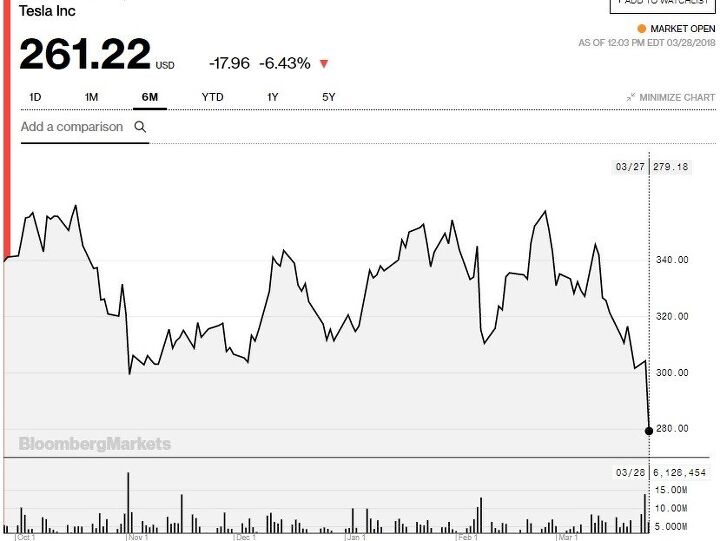
Tesla has been Wall Street’s fair-haired boy as the electric car startup’s share price soared over the past few years. Production figures have not kept pace with Tesla’s market cap, and now problems getting assembly up to speed on the company’s vitally important Model 3 and concerns about its cash burn have resulted in a downgrade of its credit rating from Moody’s Investor Service. That report from Moody’s was issued late on Tuesday.
When trading began on Wednesday morning, Tesla stock opened at $264.76, down 5 percent from the day before. That is almost 14 percent lower than it was at the beginning of the week, and 31 percent lower than in September of 2017, when Tesla’s stock price apparently peaked at $385 a share.

Buy Ford Stock for the F-150 Alone, Morgan Stanley Tells Investors
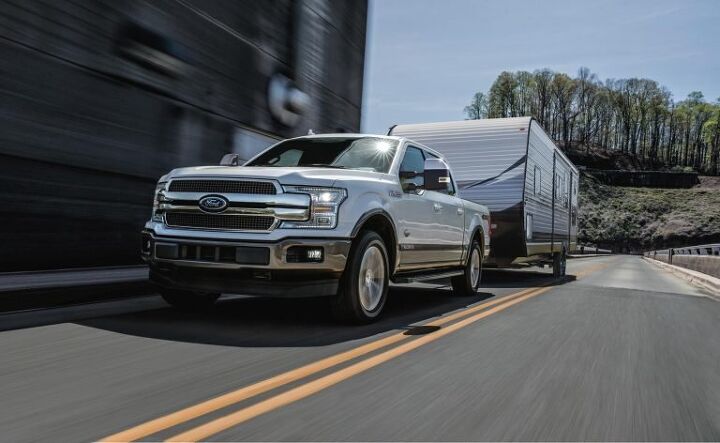
It’s no secret Ford Motor Company cut its previous CEO, Mark Fields, loose after the company’s stock price fell 40 percent during his time at the helm. Eager to attract investors, Fields’ superiors must have looked at General Motors’ and Tesla’s valuation and wondered, Dammit, if a very profitable company and a very unprofitable company can do it, then hell, so should we.
Out the door Fields went. Since taking the big chair in Dearborn, CEO Jim Hackett has pissed off automotive purists with his “future cities” and mobility talk, and word that the Mach 1 will return as an electric crossover hasn’t done anything to endear him to the pony car crowd. The new Mustang Bullitt does not erase this sin.
Animosity aside, Hackett has managed to place a checkmark next to a top item on his to-do list: get Wall Street’s attention.
Fiat Chrysler Was in Geely's Sights Before Daimler Deal: Report
After last week’s announcement of a $9 billion Daimler stock buy-up by China’s Geely Group, an old story is once again rearing its head. Remember last year’s buzz surrounding a possible takeover of Fiat Chrysler Automobiles? The rumors CEO Sergio Marchionne subsequently refuted? Yes, that story.
A new report claims Geely did indeed give FCA the once-over, even engaging in preliminary talks. Obviously, this first date went nowhere, as Geely now owns nearly 10 percent of German auto giant Daimler, not the maker of Jeeps and Rams.
Geely Group Owner Enjoying His 103,619,340 Shares in Daimler

Unlike German auto titans BMW Group and Volkswagen Group, Mercedes-Benz parent company Daimler didn’t have the stabilizing effect of a family or individual with a massive, long-term cache of company shares. That’s no longer the case, as Geely Group owner Li Shufu has announced his purchase of a 9.69 percent stake in the German automaker.
This makes Shufu Daimler’s largest single shareholder.
The Chinese auto tycoon, whose Zheijang Geely Holding Group manages car-producing Geely Group, already owns Volvo Cars and Lotus, and is a major shareholder in truck builder Volvo AB. Always on the hunt for opportunities, the near 10-percent stake in Germany’s largest luxury automaker should give Shufu the partnership he’s looking for.
Chinese Automaker Geely Snapping Up a Near 10-percent Stake in Daimler: Report

Is a seemingly unstoppable Chinese automaker slowly amassing a significant ownership stake in Germany’s Daimler AG? That’s what sources tell Bloomberg.
According to the news outlet, sources claim Geely Auto Group, which owns the Volvo, Lotus, and the mysterious Lynk & Co. car brands, is steadily acquiring a $9.2 billion stake in the German giant. That would give the Chinese a near 10-percent stake in the maker of Mercedes-Benz vehicles.
Are we witnessing the birth of a new alliance?
Ford to Investors: We Have Good News and Bad News

Despite posting a 7 percent increase in revenue and a net income of $2.4 billion (up from a $800 million loss a year ago), Ford’s fourth-quarter 2017 earnings missed analyst expectations. Blame a few key factors.
First, Ford faced an increase in commodity prices, ratcheting up the cost of steel and aluminum. Add to that increased warranty costs, unpleasant foreign exchange rates, and sinking sales in China, and the company’s pretax profit fell 19 percent from a year ago, hitting $1.7 billion.
As the company seeks to convince investors to put its trust in the automaker’s vision, Ford delivered earnings of 39 cents per share, not the 42 cents analysts projected.
Rolling In It: FCA Announces Q4 Earnings

Sticking with its bullish profit predictions for 2018, FCA announced today its fourth quarter earnings for 2017 in which net profits nearly doubled to almost a billion dollars.
With a new Ram 1500 waiting in the wings, the old Ram set to print money while selling alongside the new one, and a healthy Jeep brand serving a public thirsty for crossovers, FCA’s cupboard seems particularly full right about now … so long as the company keeps its focus.
Tesla's New Strategy Includes 'Not Paying' Elon Musk and an Astronomical Share Price
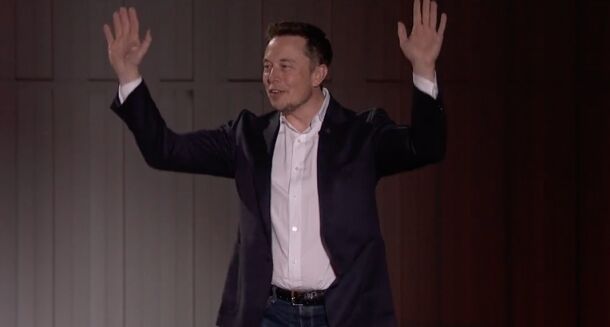
Tesla Motors has announced that its CEO, Elon Musk, won’t be paid unless its already high stock valuation blasts into the stratosphere. The executive’s compensation is now tied to a dozen operational milestones. The first of these requires bringing the company’s current market cap to $100 billion, followed by 11 more set at $50 billion increments.
Agreeing to the program, Musk now has to stay with Tesla until 2028 as both its executive chair and product officer. While this does allow him to bring in another CEO sometime in the future, the company is likely hoping to dispel any speculation that he would abandon the position. It’s good to see Musk putting some serious skin into the game but, as a multi-billionaire, his not being paid unless Tesla’s stock valuation climbs isn’t the biggest threat to his financial security.
We're Not Offloading Any Brands to China: Fiat Chrysler CEO
Last year, following several fruitless attempts to find a merger partner, Fiat Chrysler Automobiles found itself on the business end of a pretty shocking rumor. Apparently, several Chinese automakers were lining up for a chance to buy FCA. Not so, said those automakers, though Great Wall Motors mentioned it totally wouldn’t miss a chance to steal the Jeep brand away from its parent.
While the thought of such an acquisition no doubt inspired nightmares among Jeep fans (and FCA accountants), it was not to be. Not only is the automaker determined to keep a firm hold on its most valuable brand, it’s not planning on offloading any division, CEO Sergio Marchionne now claims.
Tesla's Big Gamble With Other People's Money
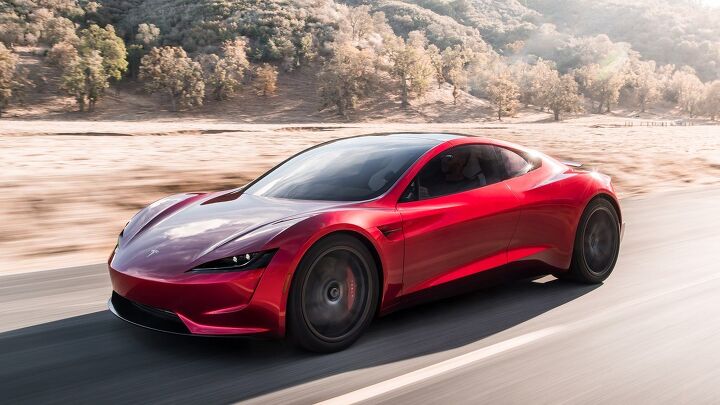
Unless you were living under a rock or on the moon late last week, you know Tesla introduced not one but two concepts on Thursday night — a Class 8 semi truck and a kinda-sorta-maybe Roadster (is it a roadster or a targa? It’ll only cost you a quarter mil to find out).
Since then, many corners of the internet have been yammering about the feasibility of Tesla’s plans, not to mention the wisdom of taking eyes off the very important ball that is the Model 3 in favor of two models that likely won’t appear until the next decade.
France Says 'Au Revoir' to Some of Its Renault Stake
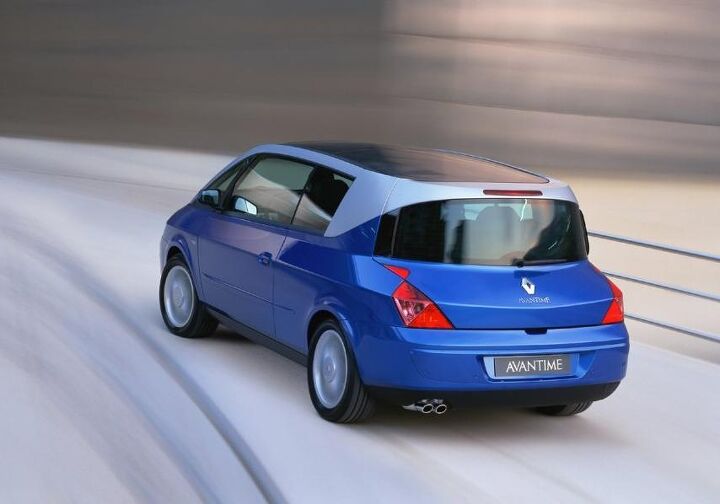
A couple of years ago, the French government increased its stake in Renault to 19.73 percent, boosting its influence and secure double voting rights for longer-term investors – itself included – in an alleged attempt to block a resolution that could’ve reduced its control over the company.
At the time, many viewed it as a challenge aimed squarely at Chief Executive Carlos Ghosn and decried the use of the company as a political football. Today, the French government sold 14 million Renault shares, cutting its stake back to 15 percent.
Ford to Wall Street: Drop Dead
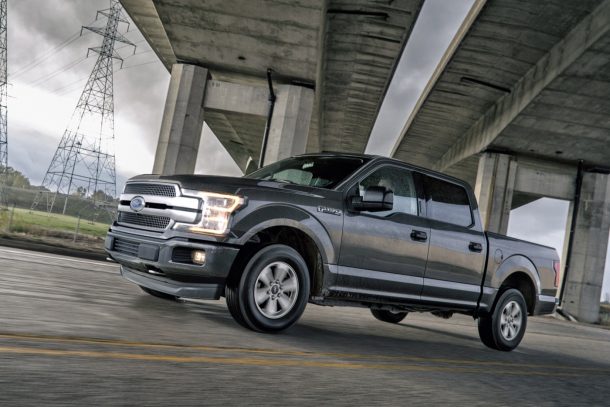
At a Detroit Economic Club event held last night in the Motor City, Blue Oval Chairman Bill Ford opined that Ford Motor Co. may have been too forthcoming with Wall Street in past years.
“In the past, maybe we said too much,” Ford said Tuesday.
Mighty Truck Sales (and Cost Cutting) Fuel Ford's Q3 Income
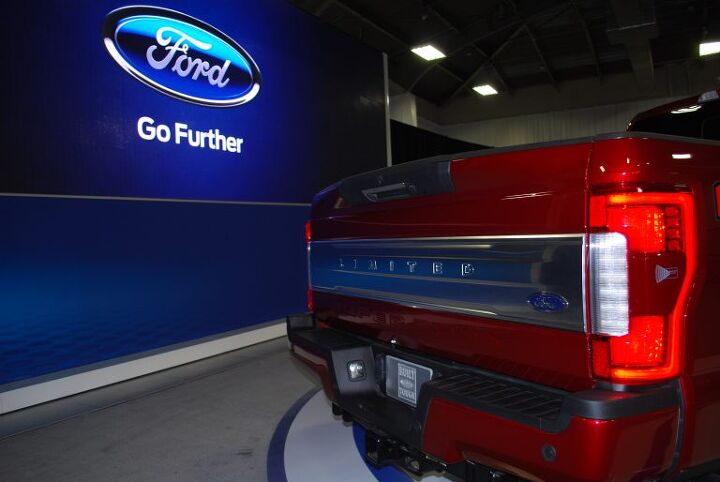
Ford Motor Company’s eagerness to quench North America’s insatiable thirst for light-duty pickups and SUVs drove the company to earn $1.6 billion in the third-quarter of 2017, according to an earnings report from Ford.
Also helping boost the automaker’s bottom line were some tasty foreign tax credits and an accountant’s best friend: cost reductions.
Tesla Delays Big Rig, Tries to Ramp Up Model 3 Production As Report of Hand-built Parts Surfaces

It’s been of week of bad PR and reports that should have Tesla investors tugging their collars and thinking twice, though in Teslaland these well-publicised issues only propel the automaker’s stock even higher.
The company’s electric big rig (aka the Tesla Semi), rumored to have a range of 200 to 300 miles, won’t see the light of day until November 16th, CEO Elon Musk claims. That’s two months after the initial reveal date, which was subsequently pushed back until late October.
The larger problem facing the company is the slow ramp-up of Model 3 production, which kicked off in July, but only resulted in only 220 deliveries by the end of September. The company forecasted 1,500 Model 3s in the month of September, with an expected production rate of 5,000 vehicles per week by the end of the year. Blame the slow trickle of cars on a “manufacturing bottleneck issue,” the company said in a statement.
As Musk attempts to soothe fears, a new report claims the automaker was hand-building parts away from the assembly line even as the high-tech facility was supposed to be cranking out Model 3s at a steady clip. Tesla is not happy about this report.
With the Model 3 Out of the Bag, Tesla Investors Worry (While Musk Won't Stop Talking About 'Hell')

The production Tesla Model 3, revealed in full at a Friday evening handover ceremony, is an impressive vehicle, but it’s also the California automaker’s most important vehicle. With 220 miles of range in stripped-down base trim, or 310 miles for the starting sum of $44,ooo (the only version available at launch), the curvaceous sedan has no shortage of fans. It’s also facing no shortage of threats.
The company’s future as a mass-market “disruptor” of the American automotive landscape hinges on the Model 3’s trouble-free production at Tesla’s Fremont assembly plant, as well as timely deliveries to the half-million reservation holders. Unforeseen quality issues, a breakdown in the supply chain, or worker strife could all conspire to give the vehicle — and company — a black eye.
After a year spent giving investors everything they wished for, the company’s once-skyrocketing stock isn’t on the same firm ground as before. The first trading day after the event reflected this. Investors are nervous about a number of things: the model’s easily inflatable price, the company’s extremely lofty production target, and CEO Elon Musk’s repeated mentions of “hell.”
Fall Guy: Tesla Stock Dives as Storm Clouds Rain on Musk's Parade

If Tesla stock was an airplane, it would have left Earth’s atmosphere sometime this spring. By June, that aircraft — let’s call it the Model P — would have been within striking distance of Mars. Indeed, Tesla investors made out like bandits as the company’s shares soared and its market cap sailed past that of Ford and General Motors, making it the most valuable domestic automaker.
For a while, it seemed nothing could stop Tesla’s meteoric rise. Not labor strife, not worries about the Model 3’s production timeline, not a cracked A-pillar on a freshly delivered Model S, not Model X doors trapping people inside a burning vehicle, not allegations of subpar working conditions, nothing. Tesla may as well have tried buying the rights to the word Teflon.
Well, CEO Elon Musk said it best himself in May. The company’s market valuation was “higher than we have any right to deserve,” he told The Guardian, a month before Tesla shares rose to a record $383.45. As the saying goes, “What goes up…”
American Car Buyers Can't Get Enough of Long-Term Car Loans

The low, low monthly payments offered by spreading the cost of a new or used vehicle across a vast gulf of time is certainly an attractive one, even though the practice is fraught with hidden danger.
For U.S. car buyers, it has also become a very popular one, with data showing just how many people have decided to embrace a 73- to 84-month payment plan. Not only are their spending habits changing, they’re also changing their lender.
Ford to Announce Firing of CEO Mark Fields This Morning: Report
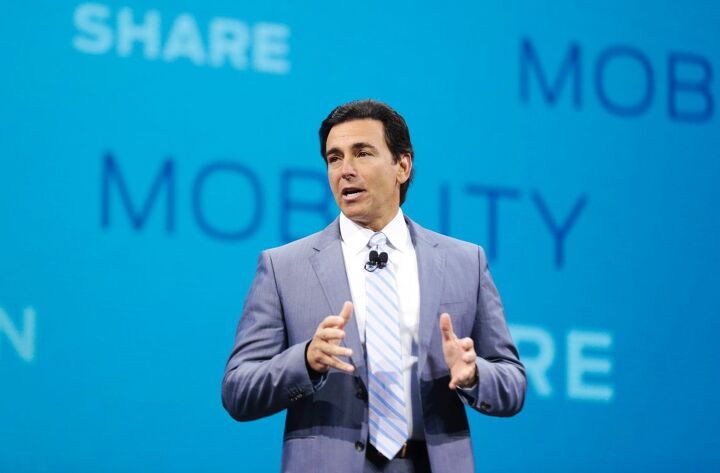
Mark Fields has reportedly been fired from his position as CEO of Ford Motor Company, to be replaced by a man he appointed as head of the automaker’s mobility subsidiary.
According to Forbes, the company will announce the appointment of Jim Hackett as CEO this morning, part of a broader shakeup of the company’s upper ranks. Hackett, former CEO of Steelcase, served on the automaker’s board for three years before being named head of Ford Smart Mobility LLC in March, 2016.
Fields, a 28-year Ford veteran who replaced Alan Mulally in mid-2014, was reportedly booted by the company’s board amid a continued decline in share values. Two weeks ago, the CEO was grilled by board members and shareholders alike over the direction he has taken the company.
Is Aston Martin Finally Ready for Public Trading?
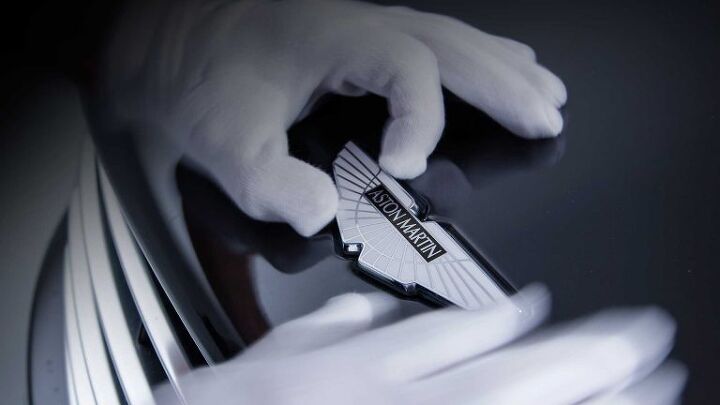
Rumors that Aston Martin is destined for an initial public offering, either eventually or imminently, have persisted ever since former parent Ford offloaded the British luxury marque in 2007.
The brand has come a long way since Ford dropped it off at the orphanage by expanding into new segments, spawning a sub-brand, and entering the non-automotive realms of merchandise and luxury speedboats. As its trajectory increasingly mirrors that of recently spun-off Ferrari, sources claim an IPO is right around the corner.
Ford Plans Salaried Position Cull in North America, Asia
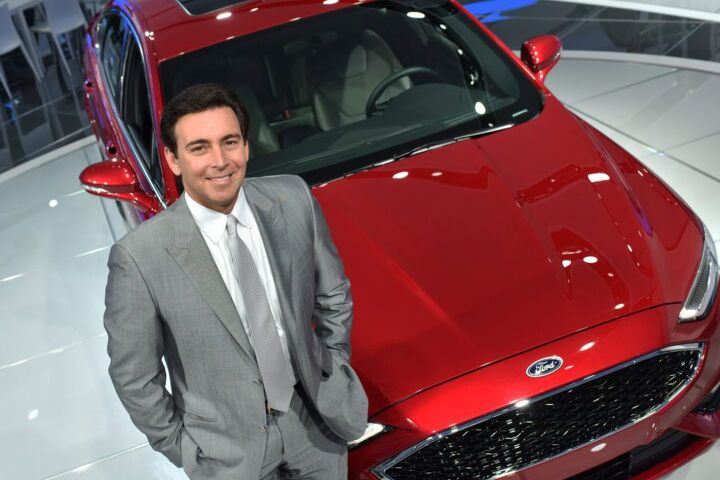
A day after media reports described an impending mass layoff of Ford Motor Company employees, the automaker has clarified who gets to keep a job.
While the scale of the job reductions is less than previously reported — a 10-percent global workforce reduction is off the table — Ford does plan to cull its salaried North American and Asian workforce by one-tenth in a bid to cut costs.
The move comes after last week’s tense shareholders meeting during which investors and analysts grilled CEO Mark Fields over the company’s sinking market valuation. Since taking the helm three years ago, Fields has seen the company’s stock price sink by roughly 40 percent. Hourly workers aren’t affected by the plan, though the same can’t be said for white-collar employees.
Paul Elio Wishes Folks Would Look On the Bright Side

As TTAC reported recently, Elio Motors disclosed in its most recent annual report to the Securities and Exchange Commission it needs an additional $64 million to begin series production of its first vehicle at a former General Motors assembly plant in Shreveport, Louisiana. This is on top of the $312 million it previously stated it required to bring the high-mileage trike to reality.
That isn’t the worst news.
In the filing, Elio Motors announced it was laying off sales and engineering personnel to conserve resources as it focused on securing more financing, primarily through the sale of stock and taking on more debt. An unnamed vendor is also in a payment dispute with Elio Motors, and the company is running a $100+ million deficit.
“Sure, there’s bad news,” Elio said on a phone call with TTAC, “but there’s also good news in the annual report that people are ignoring.”
Heading to Ponderosa? Don't Forget Your Nissan Card

If supermarkets, gasoline retailers and a slew of other automakers can offer branded credit cards, why not Nissan?
The Japanese automaker most closely associated with the word “value” is throwing a perk at its customer base, rolling out a consumer credit card program to turn those fuel and meal purchases into real Nissan cents.
The Nissan Visa card, offered through Synchrony Financial, allows dedicated brand loyalists (with good credit) to collect points towards a new or pre-owned Nissan vehicle, or servicing. While some owners might entertain thoughts of gassing and eating their way into a new Armada, the card’s other features are probably a bigger draw. The fine print, however, might prove less tempting.
Lenders Snatch Back the Piggy Bank After Taking a Hit on Auto Loans

April was the fourth consecutive month to see U.S. auto sales underperform compared to 2016, leading many to speculate that the long-awaited slump has finally arrived. New car sales aren’t the only thing slipping, as used vehicle values — diminished by a flood of off-lease stock and new car incentives — is on the same downward trajectory.
At the same time, the country’s biggest auto lenders have taken a look around and do not like what they see. No bank wants to be stuck with a low-value repossessed car, so purse strings are tightening across the United States. Securing that next loan just became harder.
Of course, this is the last thing any automaker wants to hear.
Detroit Money City: GM Leads the Pack as Ford Profit Sinks
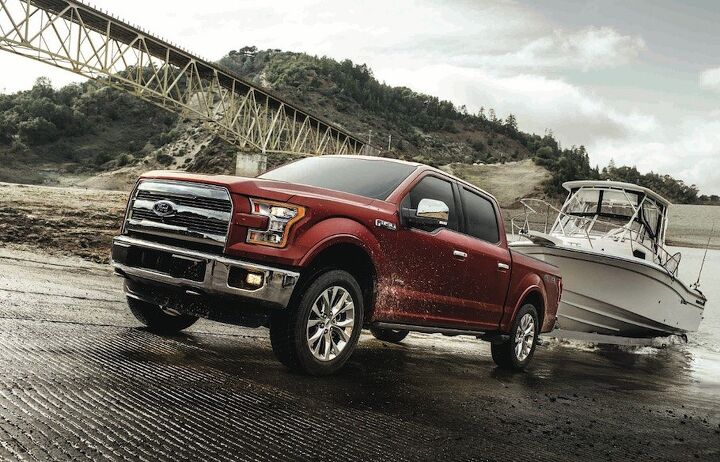
What a difference a few (hundred thousand) recalls make. In a sales market best described as stagnant, a widespread vehicle glitch can dog an automaker’s balance sheet. That seems to be the case at Ford Motor Company, which saw its first-quarter profit fall 35 percent on a combination of factors — not the least of which was a pair of recalls of engine fires and faulty door latches.
Elsewhere in the domestic market, General Motors rode to the financial finish line with a record post-bankruptcy net income while Fiat Chrysler Automobiles climbed further into the black.
Cash-strapped Volkswagen Thinking of Dropping Ducati: Report
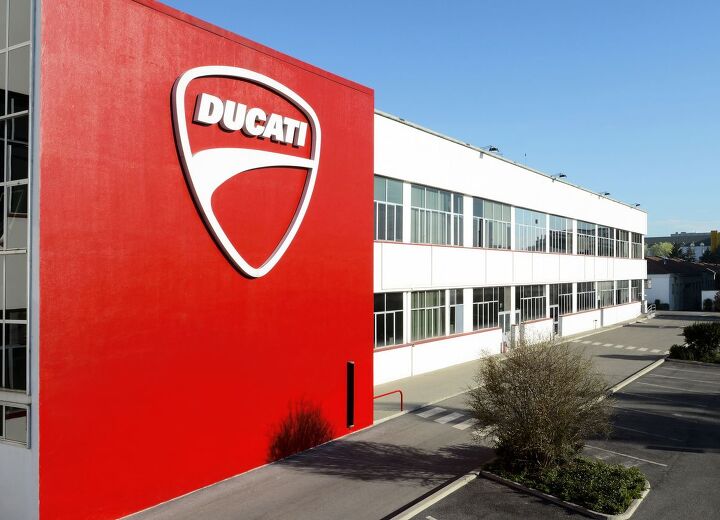
After history’s largest and most expensive automotive scandal forced a sudden pivot at Volkswagen Group — from expansion-minded to profit-focused — the German automaker might let go of a cherished toy.
According to insider sources who spoke to Reuters, VW is exploring the sale of Italian motorcycle manufacturer Ducati as part of a company-wide streamlining effort. After shoveling over $20 billion to the United States in a bid to end its diesel debacle, the company is in full penny-pinching mode.
The revered boutique motorcycle company was a long-awaited feather in ex-VW chairman Ferdinand Piëch’s hat, but after just five years of ownership, it may be time for Ducati to find a new home.
Tesla's Market Value Beats GM's, Making It Number One Among Domestics

Workers are likely spinning in office chairs and there’s probably a second frozen yogurt machine on its way to Fremont as you read this.
After hitting a springboard on Monday morning, Tesla’s stock market value has now surpassed that of the former top-ranked U.S. automaker General Motors. This comes just a day after the electric automaker’s surging shares pushed past Ford, placing it in the number two spot.
There’s nowhere to go except down. What, too cynical?
We're Number Two! Tesla Tramples Ford in Investor Value, Targets GM
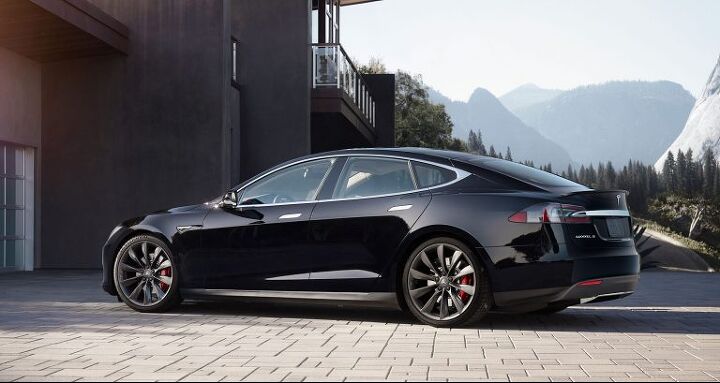
For a car company that sells a tiny fraction of the volume put out by the likes of Ford, General Motors and Fiat Chrysler Automobiles, Tesla’s investors have given the electric automaker clear bragging rights.
Despite generous debt, tight timelines and razor-thin profitability, Tesla’s stock market value sprinted past Ford today, placing it in the number two spot among domestic automakers. The company, which has yet to offer a vehicle most normal Americans can afford, holds a market cap of $47.81 billion at last count.
'Deep Subprime' Auto Loans Are Becoming the New Normal

A third of all subprime car loans are now being categorized into the ominous-sounding “deep subprime” group. The designation has become progressively more inclusive since America clawed its way out of the recession and now accounts for 32.5 percent of all high-risk loans — up from just 5.1 percent in 2010.
While consumers have fallen behind on most subprime auto loans, the deep classification is responsible for the most serious cases of nonpayment. Delinquencies surpassing 60-day periods have tripled since 2012 and indicate little sign of stabilizing.
Volvo Passes Around the Hat Ahead of Possible IPO

Volvo denies that it wants to return to publicly listed status, but a new round of fundraising has many believing the Swedish automaker is about to end its 20-year absence from the stock market.
According to the Financial Times, the Geely-owned company hopes to raise about $500 million from a new batch of preference shares. Unlike the last time it held out its hat, this time Volvo wants Chinese buy-in.
After Opel, Where Will GM's Chainsaw Swing Next?

General Motors isn’t finished slashing products or dialing back plans to bolster its financial standing.
After unloading its near century-long Opel and Vauxhall holdings to France’s PSA Group, a move that came after failed attempts to return the European brands to profitability, GM plans to turn its focus on underperforming products in North America. There’s a chance that a model you hold dear could find its way to the chopping block.
Big Incentives and Bursting Inventory Somehow Leads to Record Income for GM
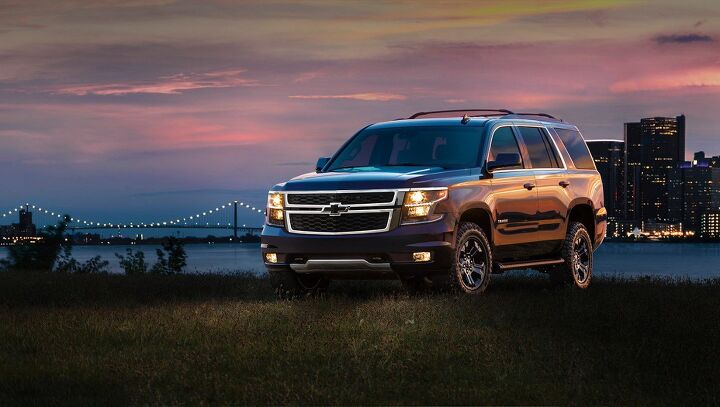
The grim memories of 2008 and 2009 only plague Renaissance Center denizens in the form of night terrors now, as General Motors finds itself on financial ground that’s oddly solid, considering some of the factors effecting the company.
Faced with a slowdown in the automotive market in 2016, the automaker — like so many others —boosted incentives on its vehicles. Meanwhile, the U.S. public’s insatiable thirst for SUVs and crossovers left some of the General’s cars high and dry, sending inventories soaring to very unhealthy levels. While new crossovers were in the pipe in 2016, those lucrative models weren’t scheduled to land until this year. GM’s European division, meanwhile, struggled to rise out of the red.
Despite all of this, the company posted record income and revenue in 2016, according to an earnings report released today.
Tesla Just Can't Catch a Stock Market Break
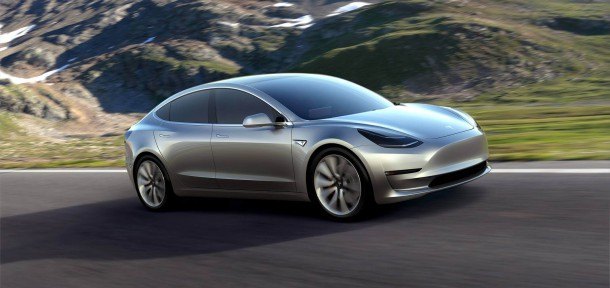
The brief uptick in share price Tesla enjoyed after beating production estimates this week was swiftly erased by a newly critical Goldman Sachs Group.
The investment bank downgraded the company on Thursday, sending its stock back down the hillside, Bloomberg reports. It’s bad news for CEO Elon Musk’s fundraising plans.
Tesla's Production Push Pays Off, But Stock Remains Stagnant
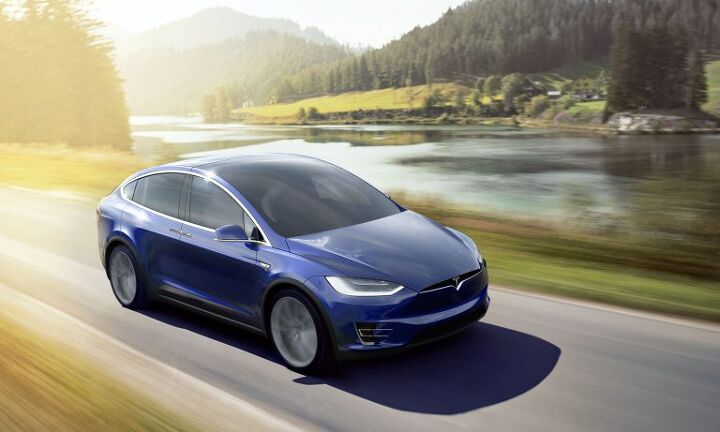
After a second quarter that was anything but hot, Tesla Motors surprised analysts by delivering 24,500 vehicles in the third quarter — a 10,000-unit jump over the previous tally.
The healthy delivery numbers allow CEO Elon Musk to stick to his promise of 50,000 deliveries in the second half of this year, reports Bloomberg. Still, the production boost failed to buoy the company’s stock, meaning Musk’s fundraising plans won’t be easy.
Bring on a Sales Slump, We Can Take It!: GM

General Motors is searching for savings under every RenCen couch cushion as it ramps up a profit-boosting cost-cutting effort.
The automaker has already chopped plenty of what it sees as fat, and is so confident in its streamlining abilities that it now claims it could weather a major plunge in sales. Even, say, a 40-percent dropoff.
For a company that knows all about sales plunges — recent ones, too — this is pretty confident talk. It has to be, as GM wants you — yes, you! — to invest.
McLaren Refutes Reports of Apple Talks, Possible Takeover
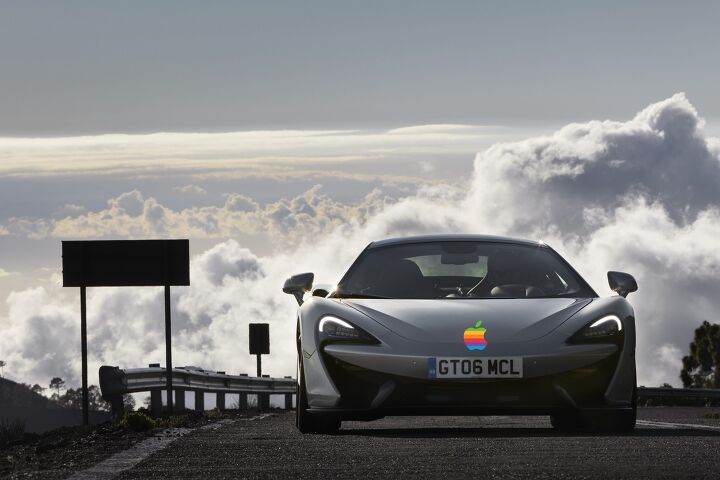
British supercar maker and racecar developer McLaren Technology Group has refuted a report claiming it is talks with tech giant Apple ahead of a possible takeover.A McLaren spokesperson has told Street Insider that the earlier report, published in the Financial Times, is incorrect.
Read more
Volkswagen Sets a New German Record (for Investor Lawsuits)
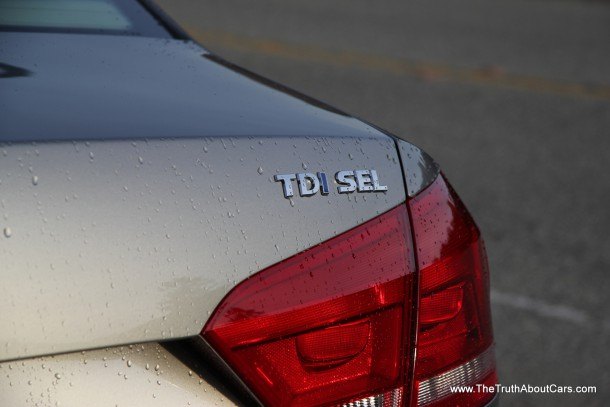
It’s not the podium an automaker wants to find itself on top of.
After marking the first anniversary of its emissions debacle, former “clean diesel” builder Volkswagen finds itself staring down the barrel of $9.15 billion in investor lawsuits, the Wall Street Journal reports.
When it comes to being sued by investors, no German company can match Volkswagen’s performance.
Formula One Takeover Details: Bernie's Still the Boss, New Chairman Announced

New details about the Formula One purchase trickled out last night after the buyer, Liberty Media Corp., agreed a deal to take over the sport.
The U.S.-based entertainment and telecommunications giant will initially pay $4.4 billion for a controlling stake in the franchise, The Guardian reports, and a familiar white-haired figure will keep his job.
Bernie Ecclestone to Stay on as Formula One Boss After Takeover: Report
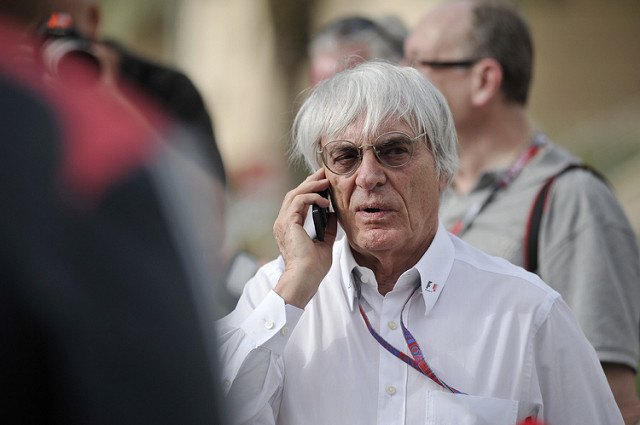
Longtime Formula One chief executive Bernie Ecclestone will remain involved with his beloved sport, even after an imminent takeover by a U.S.-based media company.
Ecclestone, head of Formula One for the past four decades, says he’s been asked to stay on for three years after the takeover, Reuters reports.






Recent Comments