
Connected Vehicle Sales Grow by 20 Percent in 2021

Connected vehicle sales will grow 20 percent in 2021, with a 10.4 percent compound annual growth rate (CAGR) between 2020-2026 according to ABI Research, a tech market advisory group.

Toyota Subsidiary Woven Acquires Lyft Autonomous Division

Toyota’s Woven Planet Holdings has acquired Level 5, Lyft’s self-driving unit. Woven Planet’s deal brings scientists, software engineers, and researchers together as one.
Elon Musk Takes Center Stage on Saturday Night Live
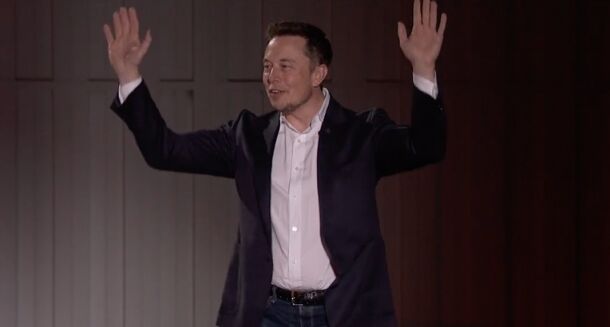
Billionaire Elon Musk will host “Saturday Night Live” on May 8th, the comedy series announced last week. Known for his controversial, biting remarks, the Tesla and SpaceX CEO apparently did not win over any fans among the cast. Cast members were not happy with Musk’s invitation. Social media comments indicated their displeasure.
BrightDrop, General Motors' Shiny New Delivery Business

General Motors has rolled out BrightDrop, moving them further into the business of first-to-last-mile products, software, and services for delivery and logistics.
“BrightDrop offers a smarter way to deliver goods and services,” said Mary Barra, GM Chairman and CEO.
GM Looking at Ways of Squeezing Cash Out of Cruise: Report

The small San Francisco startup bought by General Motors in 2016 could generate a lot of money for the automaker in the near future.
According to sources who spoke to Bloomberg, GM wants to unlock the value of its self-driving Cruise Automation division (officially GM Cruise LLC) — a 50-person company valued at $600 million at the time of purchase. Japan’s SoftBank, which recently pledged a $2.25 billion investment in the division, now values Cruise at $11.5 billion.
To put that figure into context, GM’s market capitalization hovers around $50 billion. The word “Cruise” should be accompanied by an old-timey cash register sound.

Report: Self-driving Uber Vehicle Involved in Fatal Collision Saw, Ignored Pedestrian

The fatal collision between an autonomous Volvo XC90 operated by Uber Technologies and 49-year-old Elaine Herzberg in March could have been prevented, had the vehicle’s software not dismissed what its sensors saw.
That’s what two sources briefed on the issue told The Information, but Uber isn’t divulging what led to the Tempe, Arizona collision. What it will admit to, however, is the hiring of a former National Transportation Safety Board chair to examine the safety of its self-driving vehicle program.
Self-driving Company Waymo to Buy Thousands of High-end, Sporty Jaguar EVs for Taxi Service

Let’s hope future robo-taxi passengers appreciate a sport-tuned suspension and crisp driving dynamics, because there’s a slim chance they’ll notice it when shuttling around in a driverless Jaguar.
On Tuesday, Waymo, autonomous car unit of Google, announced its intent to purchase up to 20,000 Jaguar I-Pace electric crossovers for its future fleet of AV EVs. Fitted with an array of self-driving hardware and software, Waymo says the cars will hit the road in 2020. Testing begins this year, which has us wondering what kind of wait a regular I-Pace customer faces.
Cool It With the Names Already: From Volkswagen, a 'Vizzion' of the Future
You probably remember the old Jerry Seinfeld routine about ridiculous car names.
“Integrity? No, Inte-grah.”
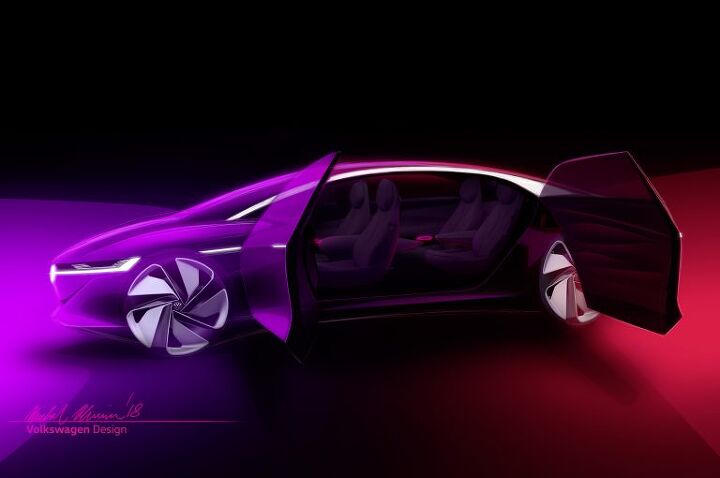
In a just world, Volkswagen’s naming policy for its electric concept cars would see the company hauled before the courts on charges of crimes against the English language. However, it’s mainly a free world, and we’ll just have to grin and bear the fact that VW’s latest concept calls itself the I.D. Vizzion — surely the worst name in a line of upcoming cars that started with the I.D. and moved on to the I.D. Crozz and I.D. Buzz.
Occupants of the Vision Vizzion, should it one day become reality, won’t ever use their hands for steering, but they’ll certainly use them to talk to the car.
Talk to Me, Like Drivers Do: Ford Comes Up With a New Way to Open a Door

The relationship between humans and cars is poised to become quite different in the years to come, or so the automakers warn promise us. Autonomous vehicles will whisk us to whatever destination we desire, simply by inputting our desired address into a navigation system or, perhaps, just by speaking it aloud. Already, the level of communication between humans and the modern car astounds.
We’ve come a long way from Chrysler’s Electronic Voice Alert, that nagging companion of the 1980s.
Now, Ford Motor Company looks ready to take our current relationship to the next level, while putting the human in charge. A U.S. patent published today describes a car that opens its doors only when it hears its master’s voice. And by “open,” we mean wide open, not just unlocked.
No Pedals, No Wheel: GM Unveils Bolt-based Autonomous Fleet
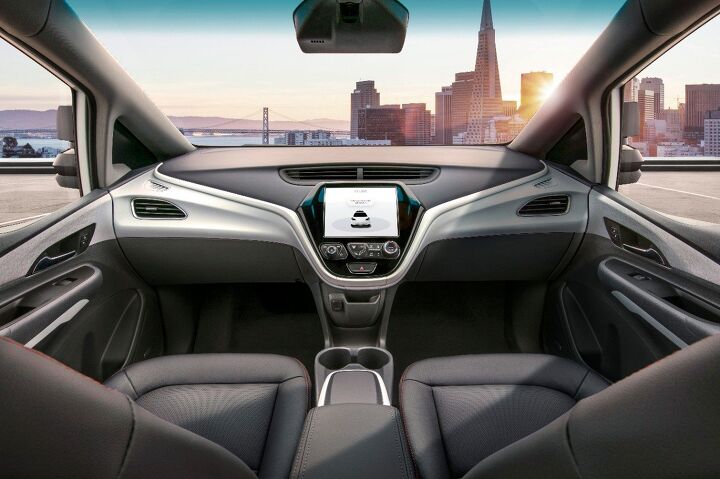
General Motors has showcased its plan to launch public ride-hailing services by teasing a self-driving vehicle with no manual controls whatsoever. The fleet is said to arrive in 2019, which gives us plenty of time to form an angry mob.
On Thursday, the company announced it had submitted a safety petition to the National Highway Traffic Safety Administration requesting that autonomous Chevrolet Bolts be allowed to operate on public roads without adhering to the Federal Motor Vehicle Safety Standards that pertain to actual driving.

Ford CEO Sees a Future for Hands-on Driving, but a New Patent Shows the Company Hedging Its Bets

If you believe certain segments of the media, we’ll soon be able to avoid the drudgery of turning a steering wheel, pressing and releasing pedals, and — gasp! — shifting gears.
The inevitable onset of self-driving vehicles, tech aficionados and urbanists tell us, will bring traffic fatalities down to zero, somehow remove all congestion from the road, and turn our lives into a never-ending sojourn of blissful tranquility. Never again will you take that aimless and unprogrammed late-night drive, just for the hell of it. Never again will you bother with buying and owning a car. Automakers will simply turn their driverless cars loose, emptying driveways while filling streets with hands-off ride-sharing pods.
Not so fast, says Ford’s newly minted CEO.
Android Auto, Apple CarPlay Available to 2016 Ford Owners, If They Want It

It looks like Ford’s offer to update 2016 vehicles equipped with its SYNC 3 infotainment system with free Apple CarPlay and Android Auto connectivity has a lot to do with some recent hires.
The automaker has announced it will allow owners of one-year-old vehicles to install the feature, which comes standard on all 2017 models, at no cost. The offer positions Ford near the cutting edge in automotive technology. For a company seeking a starring role in the tech-heavy mobility realm, this is exactly where it wants to be.
Study: Overall Trust of Autonomous Vehicles Declines, and No One Cares What Generation X Thinks

Poor Generation X. Isolated, ignored and cynical, they brought us great music in the early-to-mid 1990s, but their opinion on self-driving cars and autonomous safety features just isn’t important.
At least, that’s the feeling you get while reading the results of J.D. Power’s U.S. Tech Choice Study. The company polled 8,500 Americans who bought a vehicle during the past five years, asking them how they felt about the emerging technology.
Naturally, large generation gaps appeared, not the least of which was the elimination of Gen Xers in favor of the opinions of Boomers, Generation Y and Z. So, how does the opinions of the largest car-buying cohort compare to that of the newest?
GM's Self-driving Team Fires Back at Tesla With New Autonomous Bolt Video
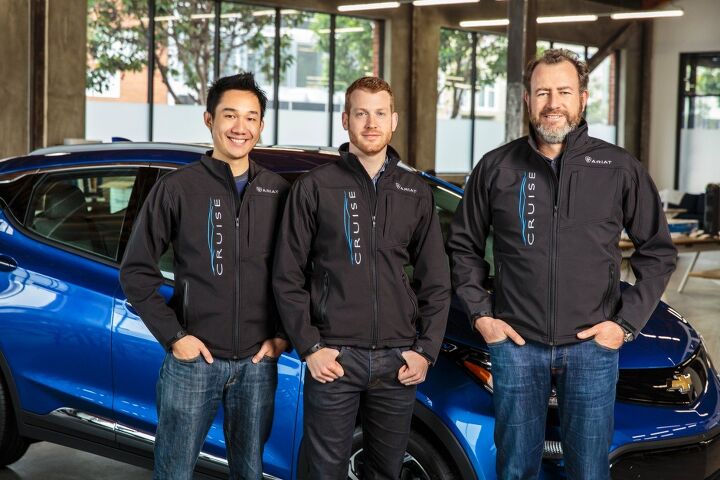
General Motors’ self-driving startup, Cruise Automation, has trickled out dash cam videos of an autonomous Chevrolet Bolt milling around San Francisco since February. The video quality was poor and it wasn’t anything we hadn’t already seen from a self-driving car. Tesla went so far as to call tech startups like Cruise Automation and Otto “small teams of programmers with little more than demoware” and scolded Ford, GM, and Uber for investing billions of dollars into “unproven” projects.
However, Cruise’s most recent video seems to show that it has made some legitimate progress in the last three months. Set at night, the clip shows the self-driving Bolt navigating a dense urban environment while avoiding collisions with cyclists, pedestrians, and even a raccoon.
We have to take General Motors’ word for there being zero human intervention, since we never get a clear view of the steering wheel, but the company has assured us that is the case. We also noticed the Bolt never makes a single right turn on red, even when it seemed safe to do so, and reached out to GM to ask why.
Ford Built a Crib, But Here Are Some Cooler Blue Oval Inventions

By now, you’ve probably read that Ford Motor Company has developed a crib that mimics a late-night car ride. You know, those journeys to nowhere fueled by nothing other than a desperate desire to shut your kid up for a few hours?
Yes, with Ford’s prototype crib, your bundle of joy will be rocked and jostled to sleep while you grab some much-needed shuteye. Your car never needs to leave the garage. Had my parents owned such a thing, it would have curtailed many nocturnal forays in a Lean Burn-equipped Plymouth Volaré that stalled when it reached a stop sign — at least, until the engine temperature rose.
There’s no need for compromised Slant Six engines when Mark Fields is doing the babysitting. You see, Ford’s Max Motor Dreams cot will record the vehicle movements and sounds of your go-to driving route and reproduce them in the comfort of your home. The company even claims that the German-designed cot might see production.
That’s great, but a crib isn’t a vehicle.
So, in light of this static, motorized cot (why didn’t Ford shape it like a Fox-body Mustang?), here are some neat Blue Oval products from yesteryear: one of which will kill you, another that killed one of its two operators, and a final product that could kill your entire neighborhood.
Macchina Brings Car Hacking To The Masses

Tuners and researchers have searched for ways to pull data from cars and modify it ever since the introduction of the first on-board computer in the late 1960s. The advent of fuel injection and computer-controlled engines in the 1990s brought computerized tuning front and center. And while the OBD2 standard — made mandatory in 1996 —standardized the interface and made it easier to read diagnostics and log some parameters, modification and advanced logging was still complicated and expensive.
Professional tools and open source hardware popped up in the past decade to allow deeper access into a car’s electronics, but most ready-made products were still expensive. Open source variants also required knowledge of soldering and programming. Now, Macchina has taken the best of both worlds and packaged it into an inexpensive product that should prove useful for researchers as well as tuners.

Volkswagen's Driverless Creation is Everything That Scares People About Autonomous Cars

Unable to get excited about the vehicle pictured above? Maybe that’s because this Volkswagen concept embodies everything people who don’t want to read about self-driving cars hate.
See, it has a name — Sedric. Which is apparently a combination of three words — “self,” “driving,” and, you guessed it, “car.” It’s just so appallingly cute. Which, like the existential threat to personal freedom that surrounds the technology, is another thing that turns off gearheads when vehicles resembling shapeless computer mouses or refrigerators crop up.
While VW’s concept, which is more of a pod than a car, is meant to herald the company’s autonomous future and serve as the patriarch of the company’s anticipated self-driving offerings, it’s really just a testbed for VW engineers to tinker with. Designed for Level 5 (or “full”) autonomy, Sedric is just the beginning, VW claims. To many, that might sound like a threat.
Old-school Autopilot Users Are Still Crashing for the Same Reasons
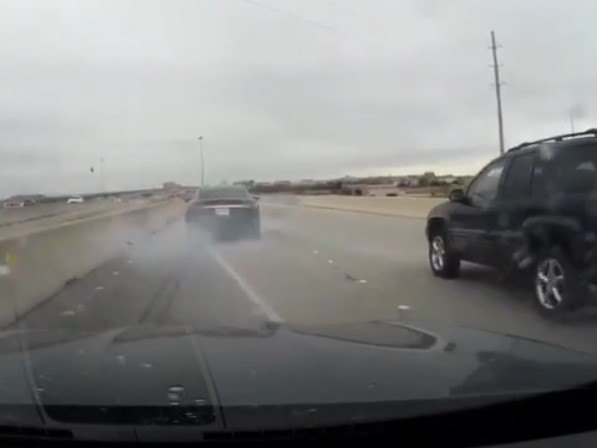
We’ve covered a number of accidents involving Tesla’s nifty but not fully-autonomous Autopilot system already — some unfortunate, one fatal, but mostly just embarrassing.
This video, shot months after Tesla founder Elon Musk hammered home the technology’s limitations as investigations swirled, shows a crash that falls into the latter category. It also perfectly showcases the technological and human failings that have led to Autopilot-related crashes.
New Transportation Secretary Has Obama's Self-driving Guidelines Under a Microscope

Last September, the Obama administration released a list of 15 guidelines to all automakers looking to develop and market a self-driving vehicle. Companies were asked to voluntarily follow the rules and report back to the federal government with useful information. It was a somewhat confusing exercise and raised a flurry of questions and concerns.
At the time, Obama wrote that the rules would provide “guidance that the manufacturers developing self-driving cars should follow to keep us safe.” Not only would the totally voluntary rules show the government that certain vehicles were safe for public roads, but it would show every interested citizen “how they’re doing it.”
That list is now in the hands of newly minted Transportation Secretary Elaine Chao. While the two administrations differ in many areas, Chao seems to be of a similar mind as Obama on the issue of self-driving cars. That doesn’t mean the guidelines won’t change.
GM Lobbyist Says Company Doesn't Push Bills, Lawmakers Disagree
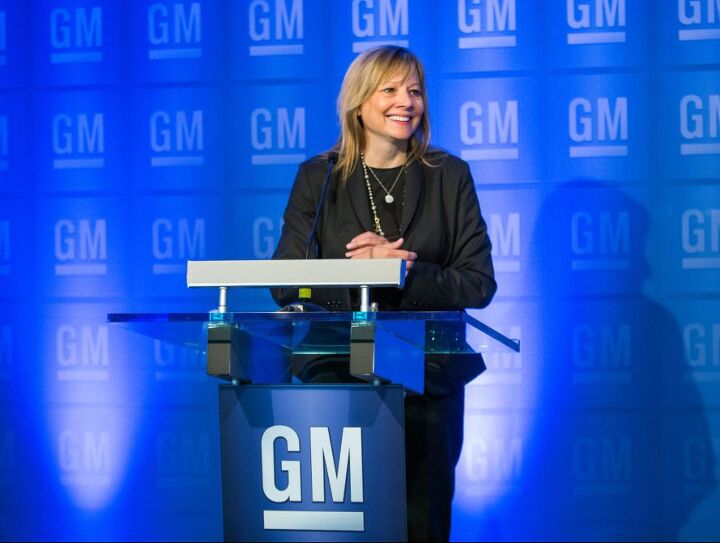
For now, legislation restricting the use of those pesky self-driving cars is mainly up to individual states. Because no one wants an experimental, untested car piloting their local roadways, states have erected legislative safety barriers that, for the most part, restrict pilot projects in certain areas, or on certain roads.
As everyone waits for the National Highway Traffic Safety Administration to make up its mind and put blanket regulations in place, an angry chorus of complaints from Silicon Valley startups is growing louder, accusing state lawmakers of favoring the old guard when it comes to fostering automotive technology.
Only naturally, concerns about corporate money influencing government decisions arose. One automaker’s political action fund seems more active than others
Jaguar and Shell Partner for World's First In-Car Fuel Purchase System

New advancements at Jaguar keep on coming. In addition to the new Ingenium engine we reported on earlier today, Jaguar has also announced an in-car payment system for use exclusively at Shell stations.
Gassing up will soon be such a breeze for Jag owners, they’ll want to do it all the time. Shell no doubt encourages this behavior.

Google Car Staffers Enriched Themselves by Giving Their Boss the Finger

Take the money and run, Steve Miller once said, and boy, did employees at Google’s self-driving car project take that advice to heart.
According to a Bloomberg report, the financial incentive to leave the project and hit the bricks was so great, many realized they couldn’t afford not to quit. And, in the grand tradition of pulling up employment stakes, many enjoyed the fact that their departure cost the company big, big bucks.
In many cases, those employees used the money to become Google competitors.
Undistracted Driver: Waymo's Self-driving Minivans Are Becoming Eerily Competent

According to the California Department of Motor Vehicles and its autonomous vehicle disengagement report, self-driving cars are in need of less and less human intervention.
Waymo, Google’s autonomous driving project, is leading the pack in this regard. The report shows that the number of times test drivers had to take over in Waymo’s vehicles dropped significantly from .80 disengagements per 1,000 miles in 2015 to .20 disengagements per 1,000 miles.

'Startling Paranoia': Ex-Autopilot Director Sued by Tesla, Fires Back
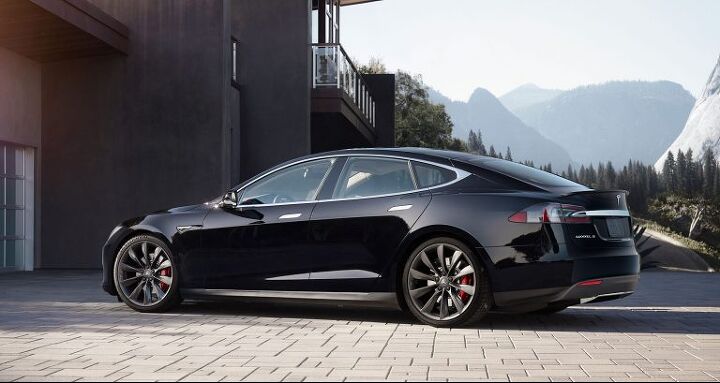
The former director of Tesla’s Autopilot program has choice words for his former employer.
Sterling Anderson is being sued by Tesla for stealing confidential information, which he allegedly put to use at a new autonomous vehicle start-up. According to Bloomberg, the electric automaker isn’t happy about his attempts to hire away Tesla employees, either.
In his response to the suit, Anderson doesn’t have very nice things to say about Tesla.
California Man Claims His Chevrolet Bolt Took Itself for a Ride

(Update: Fred Ligouri from Chevrolet Communications confirmed GM is aware and is currently investigating.)
One Bolt owner thinks Skynet may already be here.
Fresh off it s North American Car of the Year victory (despite being classified as a crossover) and just days ahead of its official media launch next week, something strange happened in Southern California.
This owner alleges his Bolt turned itself on, selected reverse gear, and backed into the work bench in his garage. The incident happened with the car shut down and in Park, both keys in the house, and the owner nearly 40 miles away on business in the family’s third vehicle.

A War Against Self-Driving Cars Just Kicked Off in New York, But It Could Turn Into Grenada

A great philosopher once said that you can’t start a fire without a spark, followed by something about rhythmic movements in unlit spaces.
Well, if there’s a war brewing against autonomous technology and self-driving vehicles, the flashpoint might have occurred in New York — City and State — last week. A large trade group and labor union joined forces in denouncing the driverless scourge headed their way, with one of the groups angling for a 50-year-ban on the automotive heathens.
'Mystery Device' Unlocks and Starts Over 50 Percent of Tested Vehicles
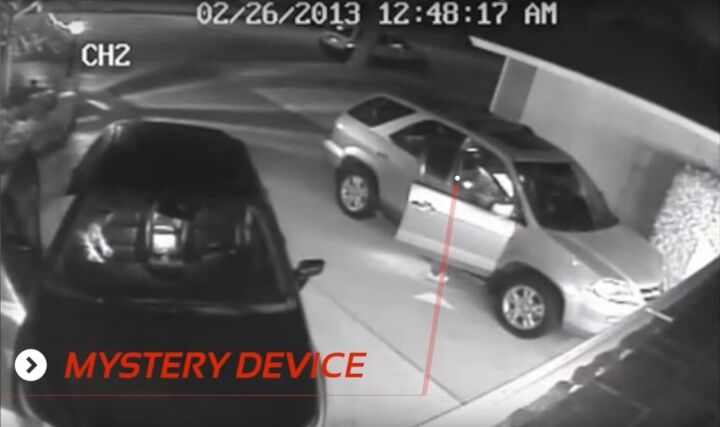
Over the past two years, we’ve brought you in-depth coverage of a crop of shadowy gadgets designed to give thieves access to parked vehicles.
Like most tools of the trade, the gadgets are very similar, using the same principle to achieve the same result — unlocking a parked vehicle by sending signals to the car’s own keyless-entry system. For vehicles with a push-button ignition, the same gadgets can sometimes start the vehicle, giving that thief an instant lifestyle upgrade.
Now, a “mystery device” purchased by the National Insurance Crime Bureau (NICB) has revealed just how vulnerable an average vehicle is to these high-tech slim jims.
GM's 'Super Cruise' Continues Its Slow Plod to Production
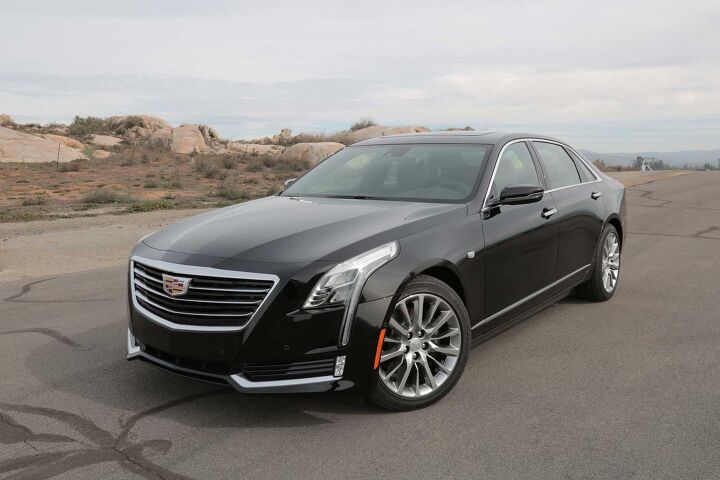
General Motors’ futuristic semi-autonomous driving technology now seems tinged with nostalgia.
The automaker’s “Super Cruise” self-driving function was first announced back in September 2014, but the new model many expected to be launched with the feature — the 2016 Cadillac CT6 — showed up without it.
Now, GM plans to debut the feature next year, and a recently intercepted letter from the federal government shows what to expect from the system.
Comma.ai Bypasses NHTSA, Releases Self-Driving Technology to the Public
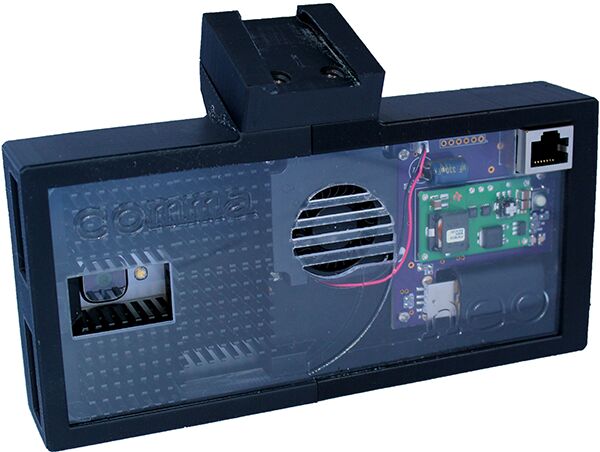
George Hotz has revived his Comma One self-driving technology project — sort of — after the National Highway Traffic Safety Administration shut down the commercial launch of his product earlier this year. Today, Hotz announced he would release the hardware schematics and code for the project for free to the public, targeting hobbyists and researchers.
The code is already up on the Comma.ai github repository, along with a detailed guide and schematics on how to assemble the hardware. Making the project open source and releasing it for free might get NHTSA off his back, so the only question now is how to monetize it in the future.
NHTSA's Cell Phone Proposal is 'Disturbing': Technology Group

There’s no denying that distracted driving is a dangerous epidemic, but consumer and safety advocates are split on the best ways to tackle it.
While the proposed guidelines for mobile device makers issued last week by the National Highway Traffic Safety Administration won applause from safety groups, one consumer technology organization has accused the regulator of overreach.
It’s a “slippery slope” argument, now that the federal government wants mobile devices to operate in the same way as in-car infotainment systems.
NHTSA Wants Your Phone to Know If You're Driving

First, it came for your car’s infotainment interface. Now, the National Highway Traffic Safety Administration is after your phone.
The road safety regulator has proposed a new set of guidelines designed to combat rising distracted driving deaths, and part of it involves making your phone aware of where you’re sitting. Specifically, that seat behind the wheel.
Ford's Next-Gen Driver Assist Will Deny You the Right of Running People Over
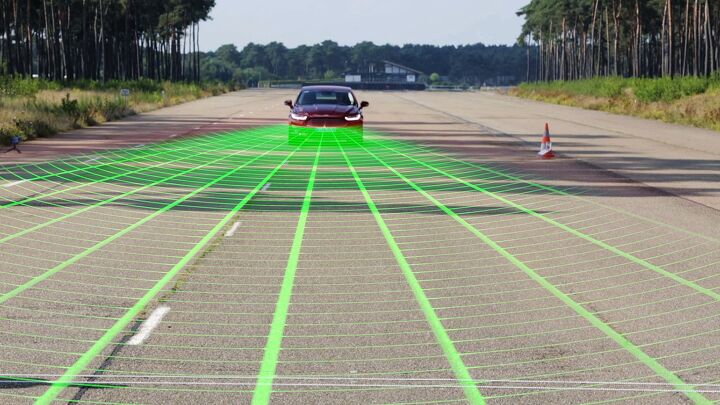
How many times have you nearly backed your car over a child that was too short to see through your rear window? If the answer is more than once, you’re probably getting more than just a little tired of dealing with angry parents.
Fortunately, Ford has announced that its next generation of driver assistance technology will include self-stopping pedestrian detection. The automaker also plans to offer vehicles with enhanced “evasive steering” assist, aided cross-traffic negotiation, and advanced self-parking. While these safety features sound great in theory, they may forbid drivers from using their vehicle as a deadly weapon on public roads — at least on their own terms.
Fisker EMotion: On Four Wings and a Battery Prayer
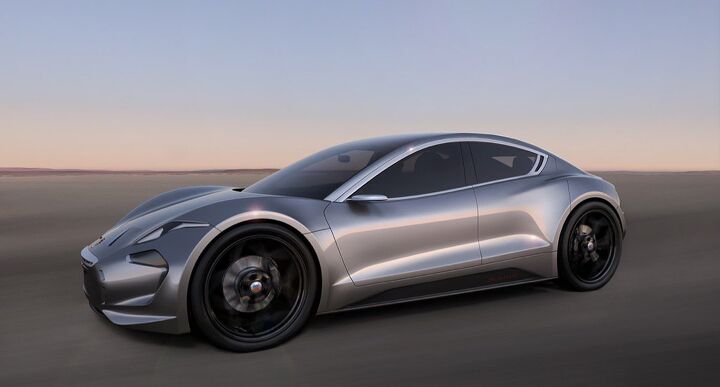
Auto executive and hypeman extraordinaire Henrik Fisker has trickled out details and images of his upcoming electric supercar, the EMotion, but the details simply raise more questions about the vehicle and its technological feasibility.
Eye-rolling name and marketing buzzwords aside, the CEO of the newly formed Fisker Inc. has laid bare the basic abilities of the vehicle, which is expected to debut next year. Boasting a predicted range of 400 miles, the EMotion’s long legs and claimed top speed of 161 miles per hour all depend on a cutting edge technology that some experts say is flawed — at least for use in electric cars.
Fisker, always the optimist, claims this isn’t a problem.
TTAC News Round-up: GM Plans to Sell You Things Inside Your Own Car

General Motors is teaming up with IBM to implement Watson’s artificial intelligence so that it can advertise while you are trying to drive. Your dashboard is about to become a billboard.
That, Uber delivers a truckload of beer using a self-driving vehicle, Mini’s Countryman gains size and compatibility with electricity, and Hyundai’s earnings tank… after the break!
Traffic Lights With Artificial Intelligence Could Help Your Terrible Daily Commute
With the exceptions of a horrible wreck or having a child in the car that you aren’t particularly fond of, nothing drains the enjoyment out of a drive like being stuck in rush-hour traffic. Every second of idling, waiting, and creeping along city streets is another agonizing moment where you could be enjoying a backroad or at home eating dinner.Thankfully, IEEE Spectrum reports that a team of researchers is working to solve this problem with traffic lights that know all and see all.
Read more
Mysterious Lynk & Co Brand Teases a Real Car Ahead of Debut

When word of Lynk & Co first trickled out, the yet-to-be-revealed global car brand sounded exactly like a garden variety mobility company. Oh, there’ll be ride-sharing and apps and all that, we thought.
Then the brand revealed that an actual real, physical vehicle is on the way. Developed from Volvo’s Compact Modular Architecture (CMA) platform, the model will debut on October 20. And while we have some teaser images, the company — a subsidiary of Chinese Volvo parent company Geely — remains maddeningly vague about what its future.
No Car Will Be the New Apple Car

After numerous rumored postponements to the vehicle’s intended release, repeated strategy disagreements, large-scale layoffs, and the loss of key team members assigned to the self-driving vehicle project, it appears that Apple is scrapping the idea of building a car entirely.
According to Bloomberg, hundreds of members of Apple’s Project Titan have been laid off, reassigned to other projects, or have outright quit over the last few months. As a result, the initiative has been embarrassingly “refocused” once again.
The Weird, Complicated Life of the Audi R8 E-tron Silently Comes to an End

Maybe buyers weren’t ready for an electric supercar. Maybe there wasn’t enough hype and star power. Hell, maybe no one knew about it.
Whatever the reason for the Audi R8 e-tron’s lack of sales and visibility, we do know one sure thing about this environmentally friendly phantom — it is stone cold dead.
Musk's Math: Tackling Tesla's Dubious Autopilot Safety Stats

Tesla CEO Elon Musk vigorously defended his Autopilot system when accident reports rolled in earlier this year. Even when a fatal Florida crash was blamed on a temporarily blinded Autopilot, Musk assured citizens, Tesla owners, regulators and everyone else that the semi-autonomous driving system made his vehicles the safest things on the road.
Just do the math, Musk told the skeptics. Well, someone finally has.
'Polished Turd': Docs Show What Ford Engineers and Execs Really Thought About MyFord Touch, Sync

Customers welcomed Ford’s Sync3 infotainment system with all the enthusiasm of a child running across the tarmac to greet a returning serviceman, and with good reason.
The automaker’s MyFord Touch and Sync systems, launched at the beginning of the decade, caused irritated customers to pull out their hair and join together in a 2013 class-action lawsuit. Court documents obtained by The Detroit News now show that the frustration at Ford went all the way to the top.
"…and Re-vulcanize These Tires!" Bentley Spares Owners From the Hassle of Pumping Gas
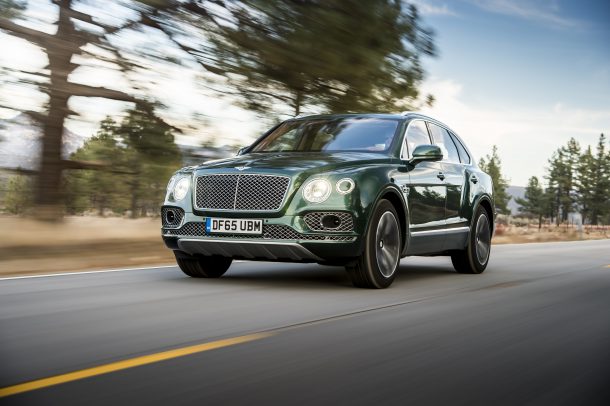
You’re a busy person, and standing at a gas station with a nozzle in your hand is for plebes.
Not to put too much of undergrad term paper slant on it, but that’s what Bentley silently suggests by rolling out a trial fuel delivery service for its owners. The ultra-luxury automaker has teamed up with U.S. tech startup Filld to offer the perk.
Henrik Fisker Returns, Claims His New Electric Vehicle Will Blow Your Mind

Guess who’s back?
Henrik Fisker, the designer-turned-entrepreneur behind the ill-fated Fisker Karma, wants to try his hand at building a green luxury vehicle again.
The Dane wants to erase the cloud of failure that hangs over his name by building a new electric car with a Tesla-beating range, Bloomberg reports. Naturally, his name is all over the new company. In fact, it is the company.
Branching Out, Toyota Will Now Sell You a Robotic Friend
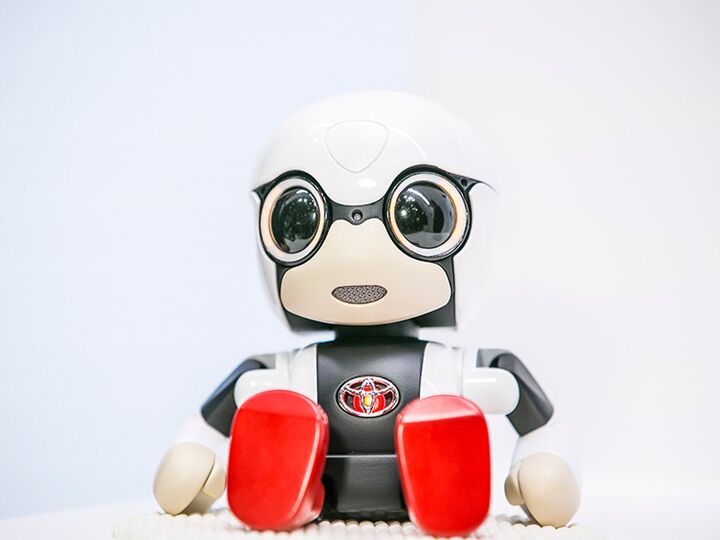
On the surface, it seems creepy and/or pathetic, but it could be a healthy new revenue stream for Toyota.
The automaker plans to begin offering a small, talking robot to Japanese customers this winter — a strategic product for an aging population with a low birthrate, the Wall Street Journal reports.
Kirobo Mini is designed to replace family members you don’t have, which might explain why it will criticize your driving habits.
McLaren Refutes Reports of Apple Talks, Possible Takeover
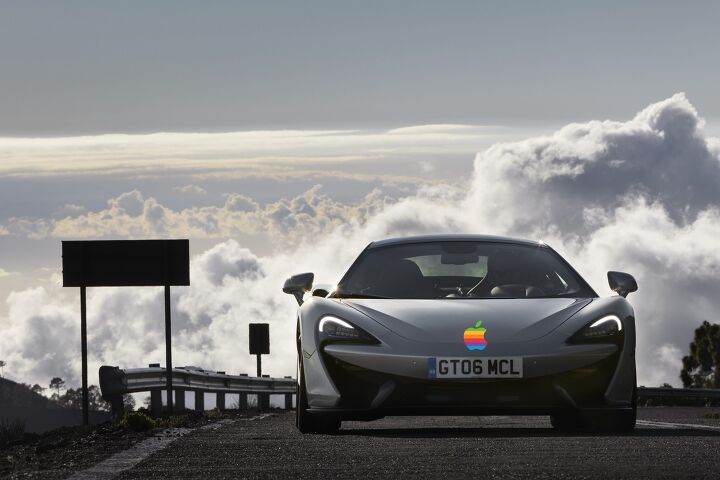
British supercar maker and racecar developer McLaren Technology Group has refuted a report claiming it is talks with tech giant Apple ahead of a possible takeover.A McLaren spokesperson has told Street Insider that the earlier report, published in the Financial Times, is incorrect.
Read more
Tesla, Former Supplier Continue Their Vicious Public Row

Tesla Motors isn’t backing down in its public falling out with Mobileye N.V., and neither is its former supplier.
This week has seen a constant back-and-forth between the two companies after Mobileye claimed it broke ties with Tesla after becoming concerned about the safety of its Autopilot system.
Clearly, it was a messy divorce.
Yes, Your Autopilot-Equipped Tesla Will Film a Crash

It’s common knowledge that Tesla vehicles store and transmit data back to the company’s Fremont, California home base, but a hacker working on a wrecked Model S just discovered something startling.
In an interview published by Inverse (h/t to Hybrid Cars), North Carolina computer programmer Jason Hughes claims that Tesla’s Autopilot system actually records video. While working on a center display unit from a wrecked Model S, Hughes found footage of the vehicle’s crash.
Tesla Investigates Deadly China Collision; Could Be the First Fatal Autopilot Crash

The death of a young Chinese man in a Tesla this past January could be the first fatality linked to a malfunctioning Autopilot system.
Tesla claims it is investigating the crash as the company faces a lawsuit filed by the man’s family, Reuters reports. Unlike a fatal Florida crash in May, this collision has video evidence.
Now a Self-Driving Technology and Mobility Player, Ford Seeks an Edge

Taking to a Dearborn stage on Monday, Ford Motor Company CEO Mark Fields declared, “We are expanding our business to be both an auto and mobility company.” With this statement, Fields has created additional competition. No longer will Ford only be battling traditional auto manufacturers.
Now, the automaker’s competitors include Uber, Lyft, Google, and Apple — each one focused on current and future mobility solutions. How does the company plan to win?

The Anti-Takata: GM Says Airbags in 3.6 Million Vehicles Might Not Deploy

General Motors has a doozy of a recall on its hands after admitting that 3.64 million vehicles in the U.S. are equipped with airbags that might not deploy in the event of a crash.
The automaker has announced a voluntary recall of numerous 2014-2017 models to fix the issue, which can also disable seatbelt pretensioners. There remains a bit of mystery as to the “certain rare circumstances” that can disable the airbags.
ICar or NoCar? Apple Car Project Hit With Layoffs, Future Uncertain

Apple’s self-driving car project seems to have reached the point in a TV show where new actors take on old roles and the script flies out the window.
According to the New York Times, the tech giant’s Project Titan has been hit with a slew of layoffs, leaving several areas of the project boarded up and in the dark.
Is the shadowy Apple car, once the dream of nerds everywhere, powering down?
2017 Porsche Panamera 4 E-Hybrid: The Plug-in That Wants It All

With Porsche’s four-door sedan looking less and less like the Hunchback of Notre Dame, the Paris Motor Show will see Porsche unveil the fourth model in the Panamera line: a plug-in E-Hybrid with all-wheel drive and an electric range of 31 miles (that’s 50 kilometres for the rest of us).
More than just a luxury sportscar with green overtones, Porsche’s new plug-in packs a grab-bag of technology that other Volkswagen Group brands will want to get their hands on.

Does This Ford Patent Spell the End of the Door Keypad?
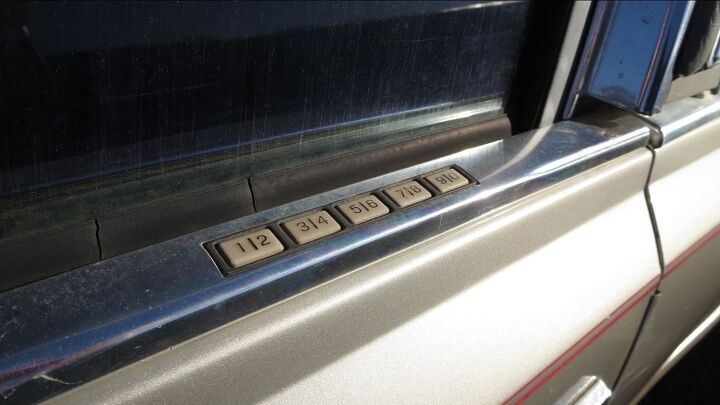
Ford’s electronic keypad is a delightful throwback to the days when drivers would proudly unlock their new Town Car by punching in a code on the window sill, or just below the door handle.
However, a Ford patent published by Autoblog raises the possibility that the automaker might do away with the time-honored feature.
Michigan's Self-Driving Dream Is Now Just a Vote Away
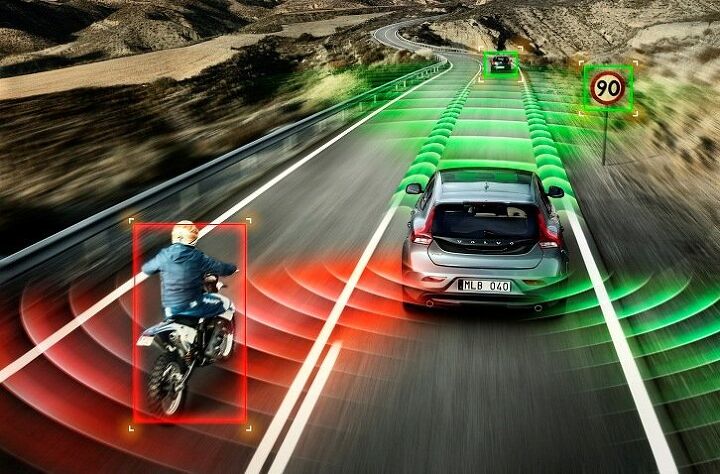
If the House approves it, Michigan will become the first state to allow autonomous vehicles to drive on certain public roads, at any time, for any purpose.
According to the Detroit Free Press, the state Senate has unanimously approved four bills aimed at making Michigan the self-driving mecca of the U.S., giving consent for autonomous vehicles to operate on 122 miles of public roads, not just on closed courses during pilot projects.
The Next Big Thing for Mercedes-Benz Vans: Drones

Mercedes-Benz plans to spend piles of cash figuring out exciting new business models for its vans segment, and one idea involves invading people’s airspace.
Because most of its van buyers are in the delivery business, the German automaker sees benefits in offering a system where part of a parcel’s journey is accomplished using a drone, Reuters reports.
Tesla Will Tweak Autopilot to Reduce Crashes, Liability, Bad Press: Report
Here's the Modern Safety Feature Motorists Hate the Most
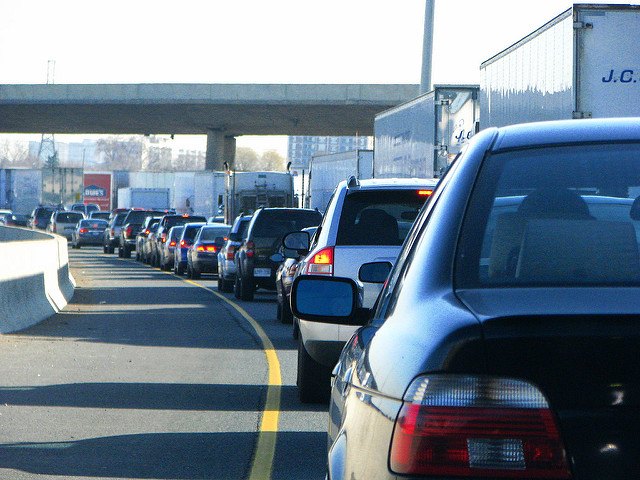
Passenger vehicles have never been safer, with a bevy of high-tech aids available to keep nervous motorists safe, and feeling safe.
For the most part, we enjoy these handy driver’s aids. After all, who wants to end up in hospital, or have their insurance company come collecting for an arm, a leg, and a few other pounds of flesh? However, one safety feature, found on an increasing number of new vehicles, has all the popularity of Chrysler’s grating Electronic Voice Alert of the 1980s.
Fiat Chrysler Cracks Down on Data Violators After Ram/Jeep Theft Ring Bust

A Houston-area vehicle-theft ring that used laptops to enter, then steal, over 100 Jeep and Ram vehicles exposed a serious internal security breach at Fiat Chrysler Automobiles.
Now that two arrests have been made in the case, FCA is talking tough and threatening criminal proceedings against anyone who provides outsiders with key vehicle data, Automotive News reports.
Seat Breaks Down Apple's Walls, Offers CarPlay-Compatible Vehicle App

Apple loves it when people buy its toys, but doesn’t appreciate it when other companies try to muscle into its technology playpen.
Whether the tech giant likes it or not, the Volkswagen-owned Seat brand just became the first automaker to design and market an app that is compatible with Apple CarPlay.
100 Million Volkswagen Group Vehicles Can Be Unlocked With a Cheap Hacking Device

Two decades’ worth of Volkswagen Group vehicles are vulnerable to a simple, cheap hack that can unlock their doors.
A research paper released this week (first reported by Wired) describes how multiple Volkswagen, Audi, Seat and Skoda models built since 1995 can be unlocked using a handmade radio that copies key fob signals.
Audi Develops Suspension That Generates Electricity, Boosts MPG

The search for better fuel economy takes engineers down weird paths, and the latest plan to wring out extra mileage is no different. It involves an unlikely part of the vehicle — the suspension.
Audi just announced a new suspension system that harvests wasted energy and turns it into electricity, capable of adding juice to a vehicle’s 48-volt electrical subsystem.




Recent Comments