
Stop Being So Mean to Diesels, Pleads Jaguar Land Rover Boss
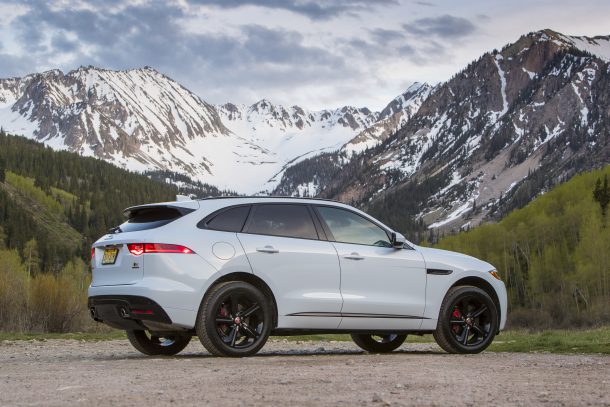
Ralf Speth isn’t having it. Across Europe governments are cracking down on the use of diesel vehicles in a bid to lower air pollution, especially in the Jaguar Land Rover CEO’s own country. London has announced plans to levy stiff charges on anyone driving a diesel-powered vehicle through central areas of the capital starting in early 2019, adding fuel to the anti-diesel fire. Paris, Berlin and Athens also plan to ban the technology.
With compression ignition still a significant part of the automaker’s engine lineup — both in Europe and North America — Speth recently defended the technology’s importance in a finger-pointing spiel. The world needs diesel, he claimed, and the media (and Volkswagen) haven’t done anything to help the situation.

Oil Lamp: Diesel Volkswagens Prove a Hot Sell in April, Boost Company's Fortunes
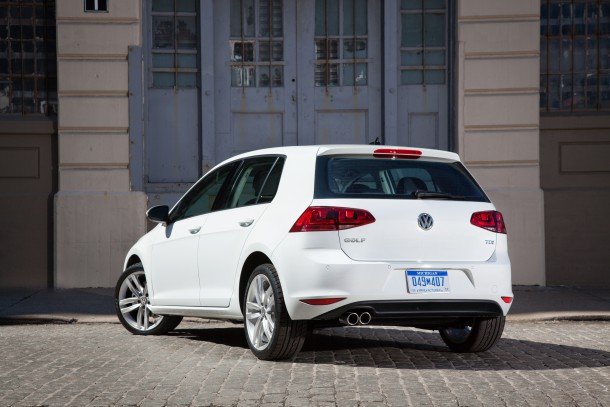
Despite having the worst public image since the Ford Pinto or Chevrolet Vega, Volkswagen’s sidelined 2015 2.0-liter diesel models flew off lots after being approved for sale in mid-April.
A crop of about 11,000 unsold TDIs loitered on dealer lots around the U.S. after being banned from sale by the Environmental Protection Agency in September 2015. In a weak month that saw numerous automakers sink on the sales charts, Volkswagen was a bright light, posting a 1.6-percent increase over April 2016. Much of that success came from still-polluting diesels.
So much for stigma.
Colorado is Smoking Out Coal Rollers; Practice to Be Made Illegal
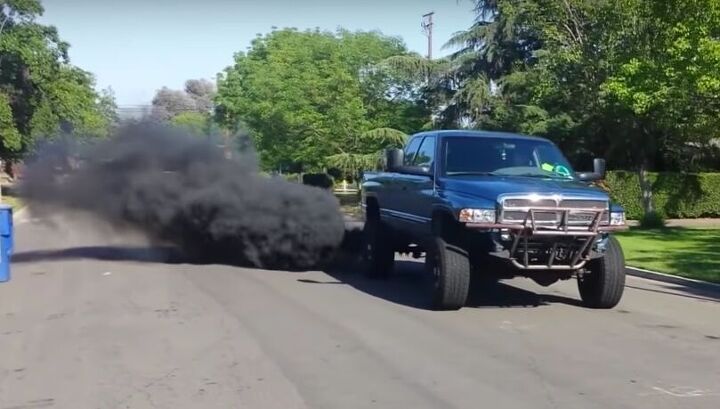
Rolling coal is one of the more contentious forms of automotive customization, primarily because it’s as much associated with vindictive cruelty as it is with having a good time.
In fact, there are probably more videos on YouTube of modified diesel truck owners blasting cyclists, protesters, activists, and EV drivers with sooty smoke than there are not. Over the last few years, rolling coal has become a way for many to showcase their anti-environmentalist and hard-right viewpoints. However, regardless of your politics, being on the receiving end of a diesel truck intentionally running ultra-rich is obnoxious and several states have attempted to ban the practice.
After three failed attempts, Colorado finally managed to pull it off. While earlier attempts fizzled, mainly due to concerns expressed by the Republican-controlled Senate over how regulations might affect the trucking and agriculture industries, a revised bill better addressed those concerns. Now, law enforcement will undergo training to help differentiate between a smoky work truck and those specifically designed to run rich for the purpose of rolling.

Diesel Engines Remain in Next-Generation BMW 3 Series, X3: Report

BMW isn’t known for revolutionary design changes, so it likely won’t be hard to pick the upcoming 3 Series and X3 crossover out of a crowd of domestic and Japanese competitors. Nor will the models’ powerplants see a complete overhaul.
One somewhat surprising claim, given recent events, is that both next-generation models will retain a diesel option in the United States — and a new one, at that.
2017 GMC Canyon SLE Diesel Review - Is Duramax The Answer To The Midsize Truck Conundrum?

You want a pickup truck.
You want a small pickup truck.
Unfortunately, such a thing no longer exists, at least not north of the Rio Grande. You’ve migrated your desire to the “midsize” sector, a class in which the Toyota Tacoma, Nissan Frontier, Honda Ridgeline, and two General Motors candidates offer a quintet of possibilities.
Yet a major issue crops up when you begin comparison shopping and discover three full-size issues standing in the way: strong incentives on full-size pickups, full-size truck fuel efficiency comparable to midsize trucks, and full-size capability and interior volume far exceeding that of midsize pickups.
No wonder 85 percent of pickup buyers opt for a full-size truck. Still, 2016 was the best year ever for the Toyota Tacoma and the best year since 2001 for the Nissan Frontier. 2017 is on track to be the Honda Ridgeline’s best year since 2007. The Tacoma has a legendary reputation for toughness. The Frontier is the small-truck traditionalist’s pickup of choice. The Ridgeline is unusual in almost every way.
What unique attribute does GM’s duo manifest? This 2017 GMC Canyon SLE Crew Cab 4×4 has diesel. Diesel fuel in a diesel engine with diesel towing capacity, diesel fuel economy, and a diesel sound owners of decade-old Jetta TDIs will love.

QOTD: Can GM Be North America's Post-Volkswagen Diesel Answer?

We drove in and around the city in a 2017 GMC Canyon Duramax Diesel for 120 miles, then took a 180-mile journey to Prince Edward Island, and have since driven around that island 120 miles.
The result: 30.2 miles per gallon on the U.S. scale, a miserly 7.8 litres per 100 kilometres. It doesn’t hurt that, around these parts at the moment, diesel costs roughly $0.25 USD less per gallon versus regular.
The 2.8-liter four-cylinder under the hood of this GMC Canyon, with a paltry 181 horsepower but a stump-pulling 369 lb-ft of torque at just 2,000 rpm, is one of a handful of diesels General Motors has installed in U.S. market vehicles. The 6.6-liter Duramax V8 in heavy-duty pickup trucks is the one you hear rumble most often. But GM is also inserting the Cruze’s 240-lb-ft 1.6-liter turbodiesel into the third-gen Chevrolet Equinox and second-gen GMC Terrain.
With diesel engine offerings in two pickup truck lines, a compact car, and a pair of small SUVs, can General Motors — not Mazda, not Mercedes-Benz, not Skoda — be the North American diesel-lover’s answer now that Volkswagen committed its unclean diesel transgressions?
Canadian Volkswagen Diesel Owners Finally Get a Settlement; Dealers Begin Selling 2015 TDIs

April has brought good news to diesel lovers and haters on both sides of the border.
After spending the winter (and the better part of last fall) jealously eyeing their southern neighbor’s buyback and compensation program, Canadian owners can now apply for that longed-for envelope of Volkswagen cash, as well as a one-way-ticket to hell for their emissions-rigged TDI model.
On Friday, the automaker settled court cases in Ontario and Quebec, paving the way for a 2.0-liter diesel settlement program that starts next week. The models involved are the same as in the U.S. — 105,000 units in all — and owners and lessees face similar choices as their American counterparts.
Unlike the recent shadowy roll-out of half-fixed 2015 models in the U.S., several Canadian dealers are proudly advertising the availability of “new” TDIs.
VW Fined Billions of Dollars for What Looks Like the Last Time

Oh my God, it’s finally almost over. After a 10-year conspiracy and almost 600,000 rigged diesel cars, VW’s legal battle with the United States is coming to an end. Volkswagen pled guilty last month to conspiracy to commit fraud and the obstruction of justice after it was caught cheating on emissions tests in 2015, and we’ve been eagerly waiting the verdict and subsequent punishment.
Today, a U.S. judge ordered the automaker to observe three years of probation and shell out a $2.8 billion criminal fine. The sum, which Steph Willems has informed me equates to 135,168 VW Golfs — after delivery and rounding up to the closest car — is in addition to the company’s $1.5 billion in civil penalties, $4.7 billion in mandatory anti-pollution initiatives, and $11.2 billion diesel buyback program.
Volkswagen's Diesel Whistleblower Identified in New Book

While it wasn’t quite on par with the drama of a mob trail, the criminal case of Volkswagen’s diesel emissions scandal possesses a lot of similarities. A break in the case, police raids, a powerful family, an unwillingness to cooperate with authorities, and an informant that made it all possible. But just who was the Henry Hill to Volkswagen’s Lucchese crime family?
According to a new book on the subject, written by New York Times reporter Jack Ewing, VW’s Engineering and Environmental Office head Stuart Johnson was the primary contact for the United States’ regulatory agencies. Johnson was on the front lines of the scandal and was among the first managers the EPA publicly reached out to in September of 2015, but it seems that may have been a ploy not to blow his cover — he had already spoken to the California Air Resources Board a month earlier.
Volkswagen Is Offering Huge Discounts on Repaired 2015 Diesel Models, but Isn't Advertising It

Earlier this year, Volkswagen received the necessary approvals to begin fixing vehicles equipped with 2.0-liter diesel engines that had been modified to circumvent emissions testing. While older VW and Audi models with TDI powerplants continued amassing on vacant lots via its mandatory buyback program, 2015 MY units have begun undergoing engine control module alterations.
Those vehicles are now back on sale and Volkswagen is offering them with a considerable discount attached, though the manufacturer hasn’t made a peep about the deal. Instead, the automaker is leaving it to dealers to break the news — or not.
Fewer Angry Owners as Volkswagen Slogs Through Buyback Demands
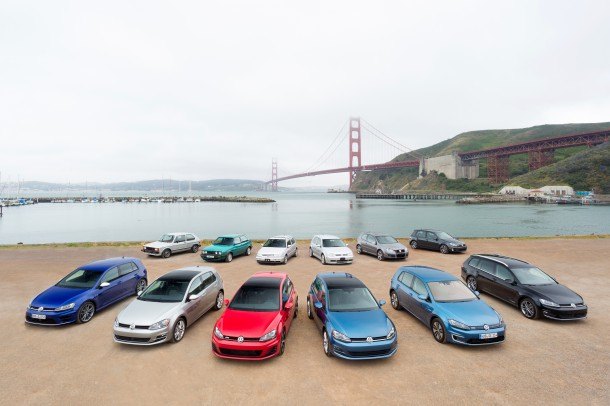
Angry phone calls from Volkswagen diesel owners eager for settlement cash are on the decline, while the amount of money paid for doomed TDI models has ballooned in recent months.
A status update filed by the automaker paints a clearer picture of where the arduous process stood at the end of February, with most of America’s diesel owners opting for a buyback or lease termination in addition to compensation cash.
Still, taking the nearly 500,000 rigged 2.0-liter vehicles off the road hasn’t been an easy one.
Get Ready to Line Up for a 2015 Volkswagen TDI!

If you’ve felt left out of the Volkswagen diesel affair until now, chin up. You’ll soon be able to purchase your very own piece of automotive scandal history.
The Environmental Protection Agency has approved the sale of 2015 Volkswagen Group vehicles equipped with Generation 3 2.0-liter diesel engines, making this the first time any of the half-million-plus sidelined vehicles have been legally available to customers since the scandal began.
The contrarian’s list of unlikely daily drivers just grew a bit longer.
The Numbers Are In: Volkswagen Butchered Its 'Fixed' Diesel Engines
Earlier this week, we reported on an influx of complaints from diesel owners who were required by law to permit Volkswagen to rectify their emission rigged engines. The consensus was that the company has not done a great job. If a veterinarian fixed a pet in the same manner that VW “fixed” these cars, you would probably put it out of its misery and then throttle the vet for butchering your now-ruined family companion.
Owners of the vehicles have complained of units lacking their former oomph, shuddering, stalling, and even being difficult to restart. While not every driver reported identical problems, the majority agreed Volkswagen had ravaged the engines’ ability to make power. At the time, nobody knew exactly how extensive the losses were. But, as the powerband-sapping solution closes in on North America, those numbers have come in.
Volkswagen's Diesel Fix Has European Customers Wishing They Hadn't Bothered
Volkswagen’s U.S. diesel woes have consumed most of the oxygen in the room for the past year and a half, but Europe has its own issues with the automaker’s emissions-spewing powerplants.
While owners on the continent haven’t had to hand their vehicle over in exchange for cash, the region’s less-stringent environmental laws still require that VW offer a fix for its rigged diesel engines. Good news for air quality, but bad news — apparently — for drivers. Many owners have discovered the fix turns a perfectly fine (though illegal) vehicle into a nightmare.
Volkswagen Turned a Defunct Stadium Into a Junkyard and Pontiac Isn't Pleased

After a lengthy death rattle spanning from 2006 to 2012, Michigan’s Pontiac Silverdome finally closed for good in 2013. Its parking lot, however, remains in use thanks to Volkswagen’s legal obligation to buy back scores of diesel cars following its infamous emissions scandal. In stasis since January, the cars have become an unwelcome addition to the deteriorating stadium and the city of Pontiac has opted to sue the property’s current owners for holding them.
While the site’s parking lot is being used for its intended purpose for the first time in years, city officials claim that Triple Investment Group has violated numerous safety codes, zoning ordinances, and a municipal code relating to the proper storage of used vehicles at the property. Six complaints were filed with the 50th District Court in Pontiac on February 27th, roughly a month after hundreds of VWs arrived in the wake of the company’s emission’s crisis.
Now, the doomed diesels number in the thousands.
German Prosecutor Launches Daimler Diesel Fraud Investigation

In a developing story, the Stuttgart prosecutors’ office has launched an investigation into employees of Daimler, parent company and manufacturer of Mercedes-Benz BlueTEC engines. At issue is the (lately) very common Germanic malady of diesel infidelity.

German Audi and VW Offices Raided in Ongoing Diesel Emissions Investigation

As Volkswagen Group’s emission scandal settles down in the United States, things in Europe remain unresolved. German police raided the headquarters of Volkswagen and Audi as part of the never-ending investigations into the company’s diesel cheating.
The German blitz was carefully orchestrated as investigators simultaneously hit Audi’s headquarters in Ingolstadt, the corporate offices at its Neckarsulm plant, and VW’s headquarters in Wolfsburg. Separate spokesmen from VW and Audi confirmed the raids, both adding they’re cooperating with authorities.
Volkswagen Pleads Guilty to Criminal Charges, Will Pay $4.3 Billion Fine

The Volkswagen diesel emissions saga has reached a logical legal conclusion. The automaker entered a guilty plea in a Detroit federal courtroom this morning, admitting to a vast, 10-year conspiracy to fool environmental regulators through the use of emissions-cheating defeat devices.
As penance, Volkswagen AG must now pay $4.3 billion in criminal fines and civil penalties. That sum can now be added to the multi-billion U.S. buyback of hundreds of thousands of 2.0- and 3.0-liter diesel vehicles manufactured since 2009. While the penalties would be a bitter pill for any automaker to swallow, it’s a fraction of the fine allowed under federal guidelines.
Had the court pursued it, it might have sparked a brand fire sale down at Volkswagen Group.
2018 Hyundai Sonata Revealed in Seoul, Hopes to Stimulate Midsize Sales
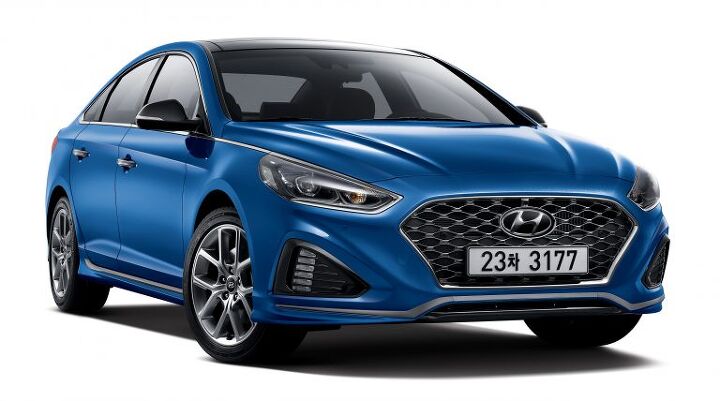
If public backlash against the sixth-generation Sonata, mainly in its home country, caused Hyundai to pour cold water all over the midsize sedan’s edgy design, consider the 2018 Sonata a reaction to its toned-down predecessor.
The refreshed 2018 Sonata unveiled in Seoul, South Korea, today aims to shelter the popular midsize from accusations of “safe” or “boring” styling. While the sedan’s flanks are easily recognized, the previous model’s this-won’t-offend-anyone front fascia has given way to a wholly new design.
Fiat Chrysler Hit With Subpoenas as Feds, States Demand EcoDiesel Answers
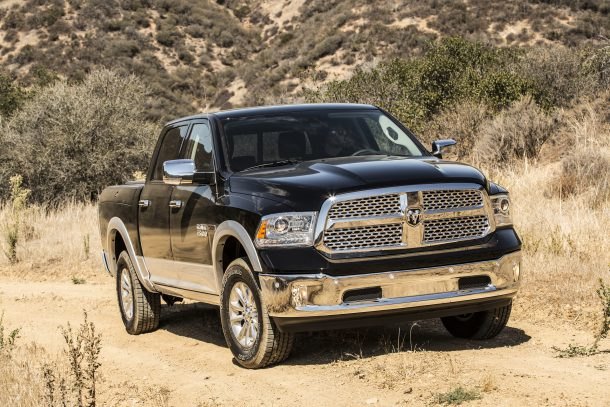
The fallout from the Environmental Protection Agency’s call-out of Fiat Chrysler Automobiles over excess EcoDiesel emissions has now landed in the company’s lap. Or, more specifically, in its mailbox.
In a filing to the Securities and Exchange Commission, FCA revealed it’s been hit with subpoenas from state and federal authorities, including the SEC, Reuters reports.
The need for answers comes after the EPA accused the automaker of failing to declare eight auxiliary emissions control devices installed on its 3.0-liter diesel V6, which the regulator claims emits illegally high levels of emissions. That engine found a home in roughly 104,000 Ram 1500s and Jeep Grand Cherokees.
Volkswagen's Top Emissions Man Pleads 'Not Guilty' in Detroit Courtroom
Based in Germany and nabbed by federal agents in Florida, Volkswagen’s one-time top emissions compliance manager for the U.S. made an appearance in a federal courtroom in Detroit today.
Indicted, along with five others, on charges of conspiring to defraud the U.S. and violating the Clean Air Act, Oliver Schmidt isn’t about to face down hard time without a fight. The executive pleaded not guilty to the charges, reports The Detroit News.
Fired Audi Engine Developer Kept Secret Document That Could Sink CEO

There’s no end to the layers of intrigue swirling around the upper echelons of Audi.
Last week saw four engineers who worked on the company’s emissions-rigged diesel engines fired, with one of them, former engine development chief Ulrich Weiss, claiming in court that CEO Rupert Stadler was privy to the deception.
Audi fired back with a lawsuit threat against one or more individuals for “baseless accusations” and the revealing of internal documents. Now, the German publication Bild has released information on a potentially damning document that was reportedly locked away in Weiss’s safe since 2015 for exactly this purpose.
Weiss pulled out the document in a German labor court Tuesday to prove he’s the “pawn” his lawyer claims.
Audi Boots Top Engineers After One Accuses CEO of Involvement in Diesel Deception

Audi appears to be going on the defensive and closing ranks around its CEO following a tumultuous week filled with accusations and revelations.
Late last week, the automaker fired four top engineers who worked on the brand’s diesel technology, including head of engine development Ulrich Weiss. Germany’s Handelsblatt reports that Weiss, who has been on paid leave since the diesel emissions scandal erupted, presented documents in court that appeared to show CEO Rupert Stadler had knowledge of the defeat devices as early as 2012.
Audi is now seeking charges against one or more individuals for “baseless accusations,” as well as revealing internal documents. Unfortunately for the automaker, another German media outlet has gotten its hands on an infamous PowerPoint presentation.
The Early 1980s Are Back! GM Anticipates Big Demand for Diesels

Volkswagen’s emissions scandal may have killed that company’s diesel presence in North America, but it didn’t kill demand for diesel engines in general — especially ones that don’t pollute like Chernobyl and end up in the trash heap.
At least, that’s General Motors’ take on it. The automaker hopes to fill the void created by VW’s oil-burning absence and, in doing so, score some points with the EPA. With diesel engines now available in five vehicles you won’t see on a worksite (and five more that you would), GM has high hopes it can erase memories of its 1980s diesel woes.
No (Four) Pot of Gold: Some Volkswagen Diesel Owners Are Stuck Between Borders
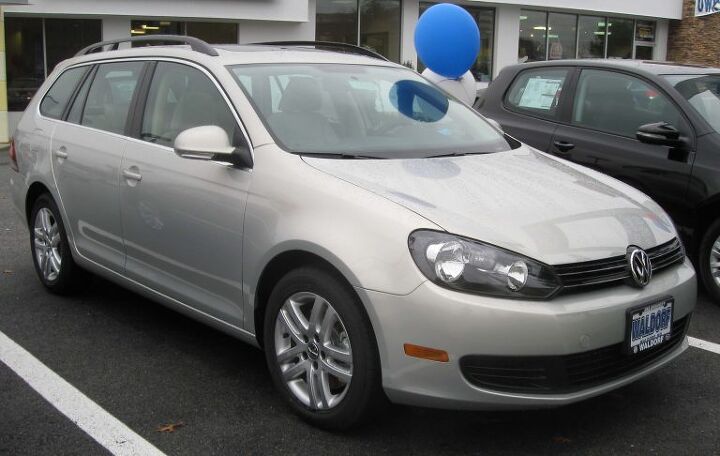
U.S. owners of illegally polluting Volkswagen diesels have already flown to sunny vacation spots or picked up a new vehicle with the help of buyback and compensation checks. North of the border, over 100,000 Canadians who own a 2009-2016 TDI model are waiting for their cut of a $2.1 billion settlement.
However, Volkswagen’s “we’re sorry” gravy train isn’t rolling into everyone’s driveway. Some owners are finding that their vehicles are stuck in a cross-border limbo.
Chevrolet Cruze Diesel Captures All the MPGs, on the Highway at Least
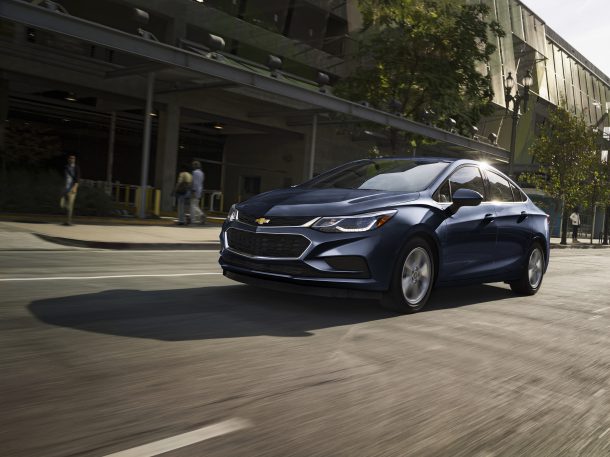
General Motors’ PR team and ad writers basically have their taglines and talking points written for them now that the Environmental Protection Agency has released fuel economy ratings for the 2017 Chevrolet Cruze Diesel.
Rumblings from inside the Renaissance Center late last year caused much speculation as to the oil-sipping model’s thriftiness, and we were told GM was shooting for a 50 mile-per-gallon highway rating.
As it turns out, the Cruze crested that bar with room to spare.
Volkswagen Brass Fights Back After Ex-Chairman Points Finger… at Them
Ferdinand Piëch, former chairman of Volkswagen and grandson of Beetle creator Ferdinand Porsche, is in hot water with his former company.
The ex-chairman resigned in April 2015 — five months before the diesel emissions scandal broke — after the company’s steering committee put his future to a vote. Piëch lost after his rival, then-CEO Martin Winterkorn, saw VW management rally to his side.
A suspiciously hostile divide existed between both men at the time, and recent comments by Piëch may explain why the two doomed executives became such bitter enemies. To say that VW’s supervisory board isn’t happy with his comments would be an understatement.
Fishmonger, Tiny Country Deliver Bad News to Volkswagen

Minus an ongoing criminal probe that has some executives, including the company’s former CEO, sweating bullets, Volkswagen has seen relatively little blowback from the emissions scandal in its home country.
Its emissions-rigged diesel vehicles continue to ply the roadways of the Continent, with nothing like the multi-billion-dollar American buyback scheme in sight. It’s not smooth sailing, however, as some burned customers have decided to come for their own pounds of flesh. This week, a company that knows all about flesh showed up in search of payback.
Volkswagen Stops Its Quest for Tiny Engines With Big Pollution Footprints

Contrary to the popular mantra, there is a replacement for displacement. The problem is tiny engines that harness technology to boost power output aren’t the greenest things on the road. In fact, the emissions created by small two, three and four-cylinder engines are often out of all proportion to the mills’ Lilliputian displacement.
Volkswagen, realizing it’s staring down the barrel of regulatory non-compliance, has vowed to stop searching for the latest gas- and diesel-powered micro-wonder. Small is out. Normal-sized is in.
Volkswagen Criminal Probe Expands to Ex-CEO Winterkorn
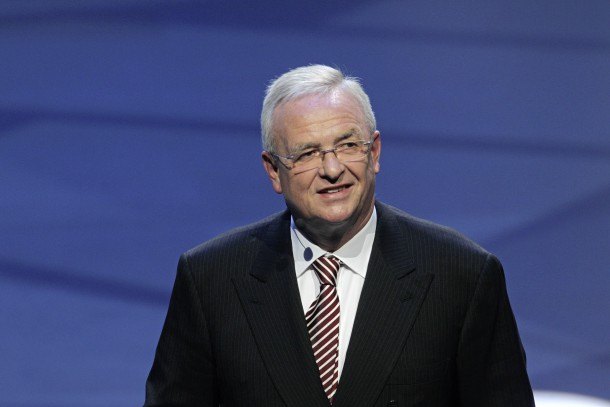
German prosecutors say their investigation into Volkswagen’s dirty dealings now includes the company’s former CEO, Martin Winterkorn.
The long-running probe into the diesel emissions scandal recently expanded from 21 suspects to 37, Reuters reports, placing Winterkorn solidly under the microscope. Winterkorn stepped down just days after the scandal went public in September 2015.
The former top boss recently emerged from the shadows to tell a German committee he knew nothing of the decade-long conspiracy under his watch, though prosecutors suspect he may have known more than that.
Ex-Volkswagen CEO Reappears, Claims He Didn't Know Nuthin'

As far as anyone knows, former Volkswagen CEO Martin Winterkorn spent the last 16 months on a desert island.
After resigning his post in the turbulent days after the diesel emissions scandal went public, Winterkorn stayed out of the spotlight, shying from any public appearances. That is, until now. As indictments land in executives’ laps and top brass grow wary of leaving the country, Winterkorn showed his face to a parliamentary committee in Berlin.
FCA Slammed With Twin Lawsuits While Waiting on EPA Investigation
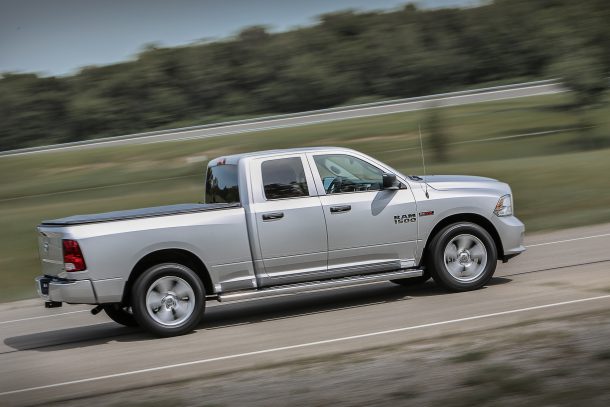
The Environmental Protection Agency alleged last week Fiat Chrysler Automobiles had installed undisclosed emissions software in 104,000 of its diesel vehicles — issuing the company a notice of violation for its Jeep Grand Cherokee and Ram 1500.
While the EPA continues its investigation into whether or not FCA will become the next Volkswagen, Canadian law firm Sotos LLP and America’s Heninger Garrison Davis LLC have coincidentally teamed-up to launch class action lawsuits on behalf of consumers.
Justice Department Launches Criminal Investigation Into Fiat Chrysler's Diesel Devices
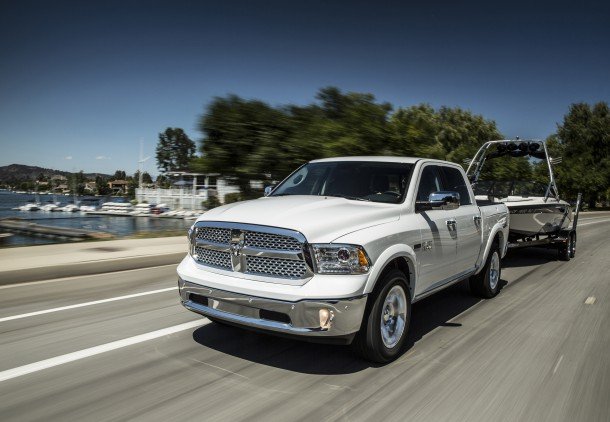
Fiat Chrysler Automobiles started off the week in solid form. It deftly preempted the Detroit auto show by unveiling its futuristic Portal minivan concept at the youthful Consumer Electronics Show a week prior, then dangled a big Mopar tease in front of enthusiasts with its yet-to-be-revealed SRT Hellcat Demon variants of the Dodge Charger and Challenger.
Then, just like that, the Environmental Protection Agency held a media conference and FCA found its legs kicked out from under it. After Thursday’s accusation of emissions violations (via eight undeclared emissions control devices found on 3.0-liter EcoDiesel models), the automaker finds itself playing defense as controversy grows.
As the EPA’s investigation continues, the U.S. Department of Justice has now opened a criminal probe.
Volkswagen Exec Could Get 169 Years; Top Managers Warned Not to Go on Vacation

After a Volkswagen official was collared in Miami while on vacation, other top company officials have been warned to stay close to home.
Oliver Schmidt, who allegedly lied to environmental regulators to cover up VW’s emissions cheating, was arrested by FBI agents Saturday while returning home from a Cuban holiday. According to Reuters, Schmidt, one of six former or current VW managers indicted on multiple charges this week, could face up to 169 years in a U.S. prison if found guilty.
After the FBI’s lucky airport break, a new report suggests top brass in Wolfsburg are feeling penned in. Kiss that winter vacay goodbye.
Sergio Vs. Schneiderman: New York A.G. Dives Into the Fiat Chrysler Emissions Controversy

Well known as a leading voice in the fight against climate change and a host of other progressive issues, New York Attorney General Eric Schneiderman now has Fiat Chrysler Automobiles in his sights.
After yesterday’s bombshell announcement from the Environmental Protection Agency, in which the regulator accused FCA of violating federal laws with its 3.0-liter diesel Jeep and Ram models, Scheiderman revealed that his office will investigate the automaker.
A noted environmental attack dog, Schneiderman isn’t the guy you want on your tail.
Sergio Calls EPA Accusation 'Hogwash,' But Here's What It Could Cost FCA

The Environmental Protection Agency calls the emissions control devices found on diesel Jeep and Ram vehicles a “clear and serious violation of the Clean Air Act” — something the CEO of Fiat Chrysler Automobiles isn’t very happy about.
In their morning announcement, EPA officials claimed the automaker hasn’t done anything to prove the devices found on 2014-2016 EcoDiesel models aren’t regulator-tricking “defeat devices.” According to Brent Snavely of the Detroit Free Press, Sergio Marchionne is mighty steamed, calling the insinuation of cheating “unadulterated hogwash.”
So, what are these eight auxiliary devices, and what penalty could the automaker face if found in violation of the law?
BREAKING: EPA Accuses Fiat Chrysler of Emissions Cheating; Over 100,000 Ram, Jeep Vehicles Implicated

The Environmental Protection Agency has accused Fiat Chrysler Automobiles of installing emissions software in 104,000 diesel Rams and Jeeps that violates the Clean Air Act.
According to the regulator, which made its announcement this morning, FCA failed to declare “eight auxiliary emissions control devices” during the EPA certification process. Those devices were installed on 2014, 2015 and 2016 Jeep Grand Cherokee and Ram 1500 vehicles equipped with the 3.0-liter EcoDiesel V6 engine.
The regulator has sent a notice of violation to the automaker.
Six Volkswagen Executives Indicted by Department of Justice

The United States has now laid charges against six former or current Volkswagen officials for their role in the diesel emissions scandal.
A federal grand jury in the Eastern District of Michigan returned an indictment today, fingering the execs for playing key roles in a decade-long conspiracy to deceive the U.S. government and public. While five of the men live in Germany, one man — Oliver Schmidt, former head of VW’s regulatory compliance department — was nabbed by the FBI in a Miami airport on Saturday while attempting to return to Germany.
As the charges were handed down, the embattled automaker pleaded guilty to three criminal federal counts and agreed to pay $4.3 billion in criminal and civil penalties.
Volkswagen Expected to Plead Guilty, Reach $4.3 Billion Criminal Settlement
Volkswagen has negotiated a conclusive plan with the U.S. Department of Justice for a criminal and civil settlement worth $4.3 billion. While the company has confirmed the status of the settlement, it also stated that the full impact of the deal on its annual finances could not yet be established.
Germany’s largest carmaker said Tuesday that it anticipates a guilty plea in response to the criminal charges against it. It also expects to pay the full settlement over accusations that it intentionally modified over half of a million diesel vehicles with software designed to cheat U.S. emissions standards.
Volkswagen's U.S. Emissions Man Nabbed in Florida, Slapped With Conspiracy Charges
A Volkswagen executive who allegedly spent more than a year throwing up smoke screens around the emissions-cheating automaker has been arrested in sunny Florida.
Oliver Schmidt, a former top emissions compliance manager assigned to the U.S., ran defense for the company in the long run-up to the diesel revelations. As allegations mounted and regulators began asking questions, Schmidt and other company officials blamed phony technical problems for the sky-high emissions levels seen during real-world testing.
According to the New York Times, Schmidt, a German national, was nabbed on Saturday and charged by the FBI with conspiracy to defraud the U.S.
As Volkswagen Exec Heads to the Slammer, an Engineer Awaits His Fate

The first person sentenced in the sprawling Volkswagen emissions scandal is headed to jail in South Korea, but the man who helped design the defeat smog-spewing engines will have to wait for his punishment.
Reuters reports an executive of VW’s South Korean division was handed a sentence of one year, six months today for his side-role in the diesel deception. Meanwhile, a German engineer who was the first employee charged in the scandal will cool his heels a little while longer.
It seems he’s just too useful.
You Won't Find Volkswagen's CEO Anywhere Near the Detroit Auto Show

Volkswagen’s chief executive officer, Matthias Müller, will be taking a pass on the North American International Auto Show this year. VW still needs to settle things with the U.S. Department of Justice, and is desperate to reach a criminal settlement before the Obama administration is replaced by Trump.
Of course, there is also the matter of public embarrassment. At the 2016 NAIAS Müller took some serious heat for telling National Public Radio that Volkswagen did not lie when initially questioned about its emission-cheating diesel vehicles. The CEO may indeed be busy overseeing the criminal settlement with the DOJ, but there has to be a little leftover humiliation from last year’s awkwardness.
Volkswagen Isn't Willing to Buy Back Your Stripped Diesel

If you were considering stripping your Volkswagen diesel prior to returning it, hit the brakes on that project immediately. VW’s nonspecific wording in the buyback terms created a gray area of legality that a few emissions scandal-affected owners decided to test, removing unessential portions of their 2.0-liter TDI-equipped models.
However, after a particularly thorough set of peelings, a federal judge warned opportunistic owners not to strip parts out of their vehicles before attempting to sell them back to Volkswagen through the company’s emissions settlement.
Volkswagen Finally Reaches an Agreement for Its Dirty 3.0-liter Diesels
After a seemingly endless legal drama, Volkswagen AG has reached an agreement with the U.S. owners of roughly 83,000 emissions-cheating VW, Porsche and Audi vehicles equipped with 3.0-liter diesel engines.
Like the earlier settlement for 2.0-liter defeat device-equipped models, this agreement includes a combination of buybacks, fixes and cash payments. Owners of 2.0-liter models have long since counted their “we’re sorry” money, but these buyers will have to wait just a bit longer before finding out what payment to expect for their premium ride.
It’s not a small sum, apparently.
Christmastime in Canada: Volkswagen Showers Diesel Owners With $2.1 Billion
Half a year after an embattled Volkswagen agreed to pay nearly $15 billion in compensation to U.S. diesel owners and regulators, it’s Canada’s turn to dip into the automaker’s sooty wallet.
The company reached a deal today with the 2.0-liter diesel vehicle owners behind a class-action lawsuit. When finalized, the settlement means up to 105,000 bought-back vehicles and more cash added to the company’s penalty pile. $2.1 billion, to be exact, assuming everyone applies for a piece of the pie.
While the cash compensation has the same floor as in the U.S., the payout’s ceiling is lower.
Volkswagen Gets the Weekend to Finalize Emissions Deal
Volkswagen Group has agreed to shell out $200 million into a reserve created to reduce diesel pollution, a stipulation in the pending agreements made over the 3.0-liter diesels that polluted well over the United State’s legal limit.
The finalized agreement between VW and U.S. lawmakers is expected to come by Monday, pending the company’s decision on what to do about the 80,000 Audi, Volkswagen, and Porsche vehicles with emissions-cheating diesel engines still on the road. Legal representatives for the carmaker, affected consumers, and the Justice Department have indicated that negotiations are still progressing, however VW may still have to go to trial if a final agreement isn’t reached soon.
You May Be Within Your Legal Rights to Strip Your Buyback Volkswagen Before Handing It Over
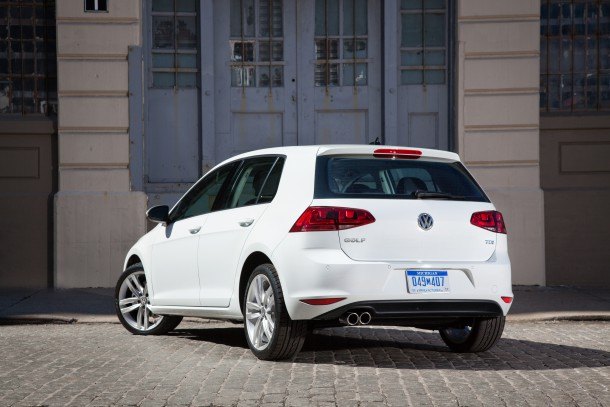
Volkswagen and Audi have begun buying back the thousands of 2.0-liter diesel cars sold involved in its emissions cheating scandal. The deal requires the company to offer buybacks to the 475,000 affected owners. However, the settlement does not carefully outline what condition those returned vehicles have to be in.
Some owners are taking that inch for the full mile and stripping their VWs down before returning them to the company to get their big fat check.
Here's What California Wants Volkswagen to Do With Its Penalty Cash
The California regulator that played an important part in uncovering Volkswagen Group’s emissions cheating plot detailed a list of options on how the automaker will be required to spend the $800 million penance by advancing green tech and nonpolluting cars.
Some of the choices the California Air Resources Board came up with are truly terrible.
2017 Mazda CX-5 Diesel Confirmed - 310 Lb-ft of Torque in an Equinox Fighter Not Named TDI

Chevrolet won’t be the only automaker attempting to woo former Volkswagen TDI owners with a diesel-powered compact crossover. Mazda North America confirmed this afternoon the soon-coming availability of a 2.2-liter turbocharged diesel four-cylinder in the thoroughly refreshed 2017 Mazda CX-5.
Thought to be a sure bet before major setbacks seemed to become insurmountable impediments, we reported earlier this week that the reveal of a new CX-5 would include a diesel engine. Then, in press releases from both Mazda USA and Mazda Canada last night, the 2.2-liter Skyactiv-D was included in the list of otherwise carryover powertrains offered.
Today, at a press conference not 24 hours after a design-oriented reveal of the 2017 CX-5, Mazda made it clear. Consider it confirmed, validated, and verified. Mazda’s best-selling model is about to gain 68 percent more torque.
FCA and Cummins Fingered in Diesel Emissions Lawsuit
A Seattle firm is claiming that Fiat Chrysler Automobiles and Cummins intentionally misled owners of Ram heavy-duty pickups with falsified emission information and substandard diesel motors.
Volkswagen, Feds Reach Fix and Buyback Deal on Remaining Diesels: Report
Volkswagen’s disastrous diesel debacle could nearly be over in the U.S.
Bloomberg has reported that sources close to the issue claim VW and U.S. regulators have agreed on a plan for the roughly 80,000 Volkswagen, Audi and Porsche vehicles equipped with emissions-cheating 3.0-liter engines. Those sources have also revealed how many vehicles will be bought back and scrapped, and how many will live to see another day.
Mazda CX-5 Diesel to Appear in U.S. Next Year: Report

Mazda is remaining tight-lipped, but a new report claims the automaker will debut a diesel-powered CX-5 crossover in the U.S. next year, followed by a oil-burning Mazda 6.
If true, it means Mazda’s years-long effort to bring its overseas powerplants to North America were not in vain.
Uh Oh, the U.S. Found Another Emissions-cheating Device in Audi Vehicles

A U.S. regulator has come across another emissions-cheating device on a Volkswagen Group product. This isn’t more of the same — rather, it’s an entirely different apparatus used on vehicles until well after the company’s diesel emissions scandal became public knowledge.
This isn’t a great time for Volkswagen to be caught with its pants down for not disclosing something they were already in big trouble for. With the company trying to wrap things up with the Department of Justice, the new report from German outlet Bild am Sonntag could sour things.
The Chevrolet Cruze Diesel's Mileage Potential Is All in the Gearing
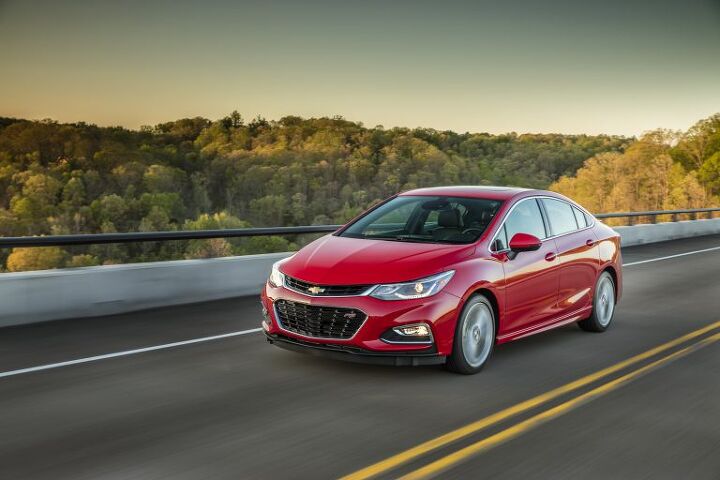
There’s plenty of speculation that General Motors wants to launch the next-generation Chevrolet Cruze Diesel with a highly marketable 50 mile-per-gallon highway fuel economy figure.
“Hybrids are for wimps! Volkswagen just didn’t like you!” the automaker could claim. GM, of course, hasn’t exactly been silent on its grand plan to lure jilted TDI owners to the brand.
Now that specifications have been released for the upcoming oil burner, we can see that a “new” transmission added to the Cruze lineup will play a big role in chasing that mileage crown.
TTAC News Round-up: U.S. Marshals Raid on SEMA Nabs Parts Plagiarizers
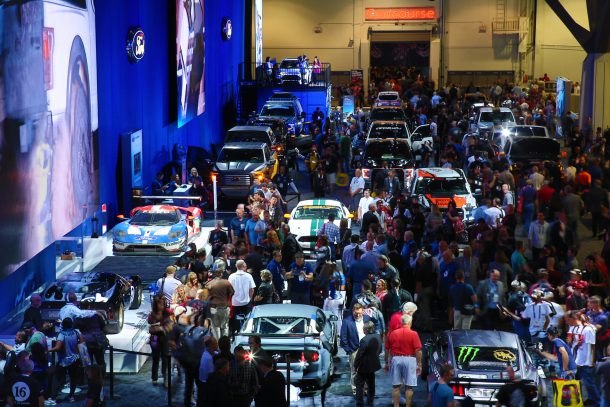
Federal authorities busted numerous nefarious organizations for selling illicit auto parts at the SEMA show this week.
That, the automotive industry loses Martin Leach, endangering lives has led Takata to mull bankruptcy, and VW’s diesel emissions scandal continues as the company races for the finish line… after the break!
As Mazda Talks With Toyota About Electrification, Is Its U.S. Diesel Dream in Peril?

Mazda loves its Skyactiv engine technology, as the high-compression fuel-sippers eliminate the automaker’s need for pricey hybrids or battery electric vehicles.
Boasting an increasingly rare all-gas U.S. fleet, Mazda has said it can handle increasingly stringent fuel economy requirements with improved second-generation Skyactiv engines, including their diesel variants.
It now looks like that plan won’t be enough.
Jaguar Manages Hat Trick, Builds Three of the Most Economical Non-Hybrids Available
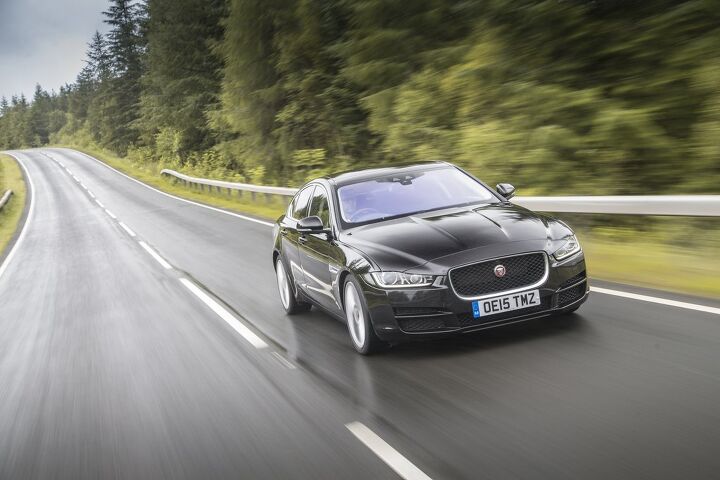
You don’t traditionally associate fuel economy with high-end luxury brands, but Jaguar currently sells three of the most fuel-efficient vehicles on the market, with no electric motors in sight.
The one-time fuel economy laggard is now greener than ever, and it has an engine family with a stupid name to thank for it.
Now Volvo Wants to Be Volkswagen Owners' New Best Friend
First it was Hyundai flinging special discounts in the direction of imminently carless Volkswagen diesel owners. Now Volvo has added its name to the list of automakers attempting to woo this unique crop of vehicular nomads.
The approval of Volkswagen’s massive settlement deal with U.S. owners and environmental regulators on Tuesday is apparently a sales opportunity not to be missed, but Volvo is approaching it from a different direction than Hyundai.
Hyundai Makes Volkswagen TDI Owners a Deal They Hopefully Can't Refuse
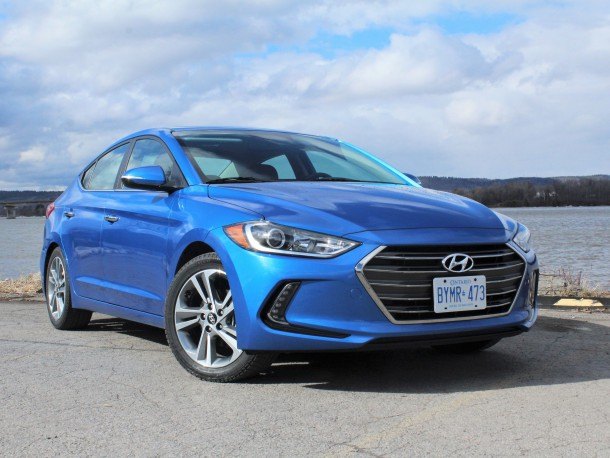
Feeling burned by your former suitor? Want to get even with the German who caused you so much trouble and heartache?
Hyundai wants disenfranchised Volkswagen diesel owners to run into the warm arms of their caring South Korean friend and has a tailor-made deal ready to rope them in.
Commence operation “V-Plan.”
$14.7 Billion: With Volkswagen Deal Done, Judge Wants Owners to Stop Asking for More Dough

Is there something in diesel fuel that makes Volkswagen owners feel they’re extra, extra special? They’re clearly a hard bunch to please, as the judge overseeing the automaker’s U.S. diesel emissions settlement is tired of hearing their demands for more, more, more.
After a year of wrangling, District Court Judge Charles Breyer has approved the $14.7 billion deal, setting in stone the buyback program and cash settlements to owners and U.S. regulators. Sure, the company’s diesel vehicles pump out up to 40 cars’ worth of pollution each, but how much cash are owners expecting to collect?




Recent Comments