Nissan Finds the 2018 Rogue Hybrid, Gives It a Sticker Price
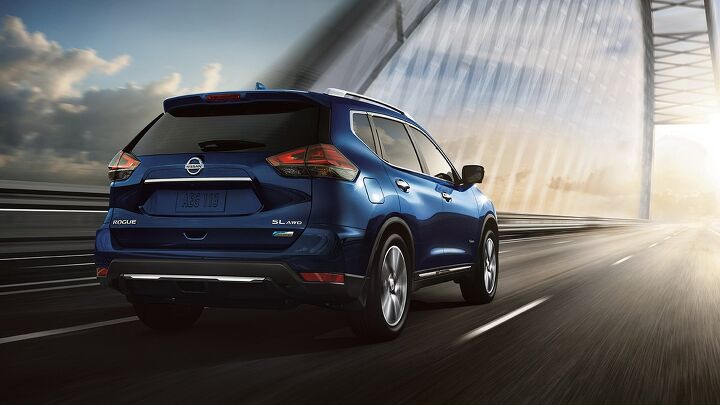
The crossover Rogue Hybrid appeared last year, teaming a 2.0-liter engine and 30kW electric motor that made 176 net horsepower and worked in concert to achieve the magical 35 mpg figure. For what it’s worth, the regular Rogue makes 170 horses out of its 2.5-liter inline-four. We feel confident your day has been enriched with this critical information.
Nissan has now announced pricing for the 2018 model, along with a few tech updates. The sticker jumps northward a few dollars and is similar to its chief rival, the Toyota RAV4 Hybrid — but with one significant difference.

Next-generation Volkswagen Golf to Offer Electric Assist, but Just a Tad

Audi is bullish on 48-volt mild hybrids, and its Volkswagen sister division is no different in wanting to see larger batteries take some of the load off of its internal combustion powerplants.
The automaker announced Thursday that its upcoming eighth-generation Golf will offer a low-cost alternative to purely gas- or diesel-powered motoring. The mild hybrid system appearing on that vehicle, due next year as a 2020 model, will soon spread throughout the VW lineup, the automaker claims.

The Nissan Rogue Hybrid Has Not Disappeared

Nissan’s a big fan of mid-year updates to its vehicles, and last week we told you of the changes coming to the 2018.5 Nissan Rogue Sport. Mainly, more standard safety features and a corresponding uptick in the small crossover’s entry price.
That piece led to the discovery that the model’s larger sibling, the fast-selling Rogue, seemed to have lost its hybrid variant — a model quietly introduced for the 2017 model year. Nissan’s consumer website shows no trace of the gas-electric compact CUV. Meanwhile, a search of Cars.com shows only 11 new Nissan Rogue Hybrids on lots across America, all of them 2017 models.
What’s the deal?
As Midsize Sales Slide, Hyundai Throws the 2018 Sonata Hybrid Into the Price Chopper

Really, what else could Hyundai do? Hybrids aren’t the sole domain of traditional sedans anymore, let alone cars in general, and with green competition on the rise, something needed to be done to sweeten the pot.
The 2018 Sonata Hybrid, arriving roughly a half year after the mid-2017 debut of the refreshed 2018 gas-only model, offers buyers an extra 2 mpg on the highway, but that isn’t enough to fend off competition from the likes of Toyota and Honda (among others). As sales of almost all midsize sedans roll downhill, it’s growing harder and harder to justify a large price premium for green technology. Sonata volume declined 27.7 percent in the U.S. over the first quarter of 2018.
Interested in the new Sonata Hybrid? Put some cash back in your wallet, and try not to think about the Honda Accord Hybrid.
So Long, Pikachu? Toyota Prius' Adventurous Styling Due for a Toning Down
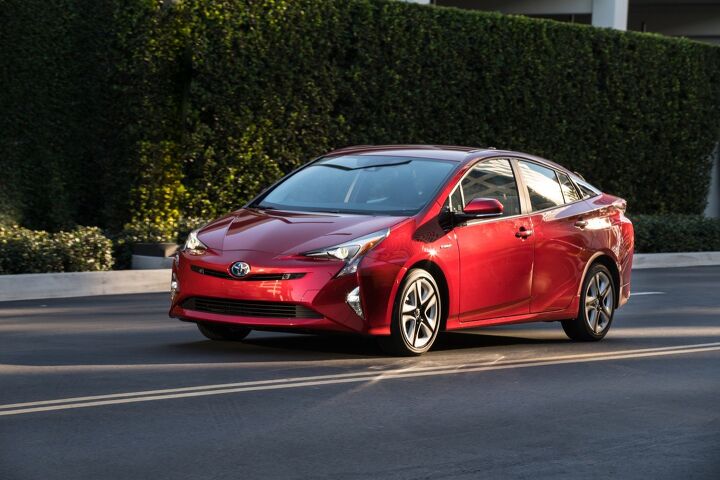
I’ll never forget gazing at the latest iteration of the Toyota Prius for the first time. Much hand waving ensued, along with words to the effect of, “No, this is all wrong.”
Styling is subjective, but as hybrid and electric vehicles enter the mainstream, designers haven’t exactly copied the space-age looks of the fourth-generation Prius. In fact, in a bid to avoid scaring off customers, automakers have charted a course for the safe and non-threatening.
That leaves the Prius as the odd man out — a model enamored with triangular shapes that eyes the Hyundai Ioniq, new Nissan Leaf, and upcoming Honda Insight with worry.
It’s makeover time!
What Becomes of BMW's I-Cars After 2020?
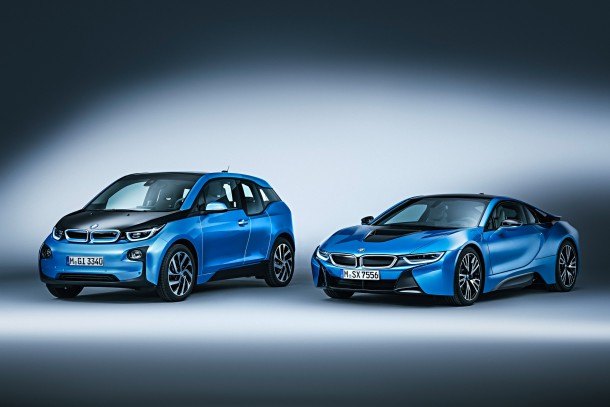
BMW always hinted that the first round of electrified vehicles populating its i sub-brand were developed to dazzle consumers with tech and probe the market’s willingness for EVs. The company is now developing two new models for the group: the iNext crossover and i4 sedan. However, both vehicles are in the midst of development and are likely to take a while to get to market. Furthermore, the brand has said it will use modular architecture kits on all models for at least the next 10 years.
That leaves the i3 and i8 in a slightly awkward position. Launched in 2014, both cars will need to remain relevant over the next few years while BMW preps the next batch of EVs. But the automaker’s continued reliance on flexible platforms that can handle gasoline and/or electric drivetrains isn’t likely to bode well for them in the aftermath. As experiments, neither model is guaranteed to persist far into the 2020s — at least not as we know them today.

Alfa Romeo Giulia Coupe on the Way, Expect Added Power: Report

Alfa Romeo fans, whose passion was hardly diminished by reports of early Giulia reliability issues, will probably be pleased to hear there may be fewer doors and more power coming to the Italian sports model. We’ve heard rumors of a two-door before, but this one adds some extra detail.
According to Autocar, the upcoming Giulia variant adopts more than just a coupe bodystyle. Quicker launches and top-end speed bursts will come by way of a energy recovery system that adds extra muscle to the existing 2.0-liter four-cylinder and 2.9-liter V6.
Prototype No More: 2019 Honda Insight Prepares to Wade Back Into the Hybrid Fray
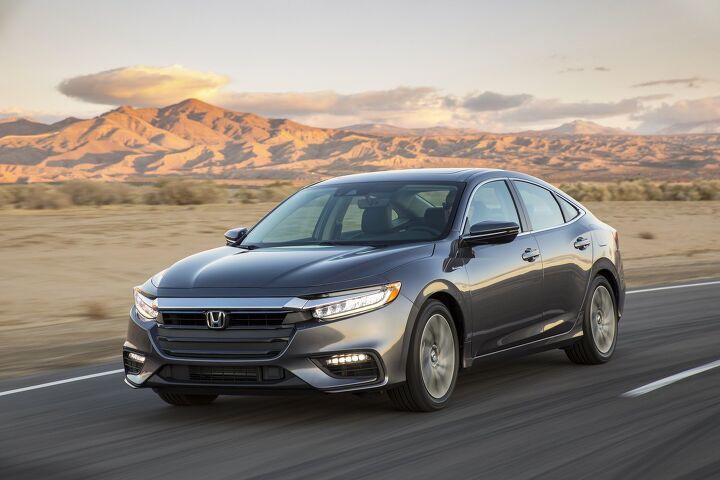
Honda’s remarkably fleshed-out Insight prototype has now emerged in production form, looking remarkably like the prototype. Go figure, that.
With the 2019 Insight now positioned between the compact Civic, from which it borrows a platform, and the midsize Accord, Honda wants to tempt green car buyers with an upscale appearance (and experience) they can’t find in the Toyota Prius line. If Honda’s estimate pans out, the sedan will boast better city fuel economy than the stalwart Prius.
Porsche Clarifies Status of the Electric 911
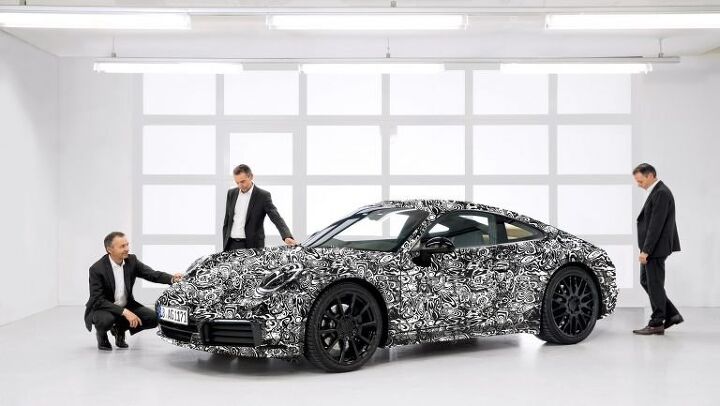
Rumors of an electrified Porsche 911 have been circulating for months — and were eventually confirmed when CEO Oliver Blume claimed the forthcoming plug-in would be the “most powerful” version of the sports coupe the company has ever built. This, of course, stoked new rumors that automaker might decide to make the 911 a fully electric model.
Porsche wants to put those ideas down before they get out of hand. At the company’s annual results conference in Stuttgart, Blume clarified that the 911 would eventually yield a plug-in variant but would never be purely electric. While we advise all automakers to never say never, Porsche does seem to feel as if a battery only edition of the 911 is preposterous. The CEO even warned that the high-performance hybrid wouldn’t appear until some time after the 922 generation had already been in production. “We are waiting for the further evolution in battery technology so you should not expect a plug-in version in the coming years. It’s currently planned when the 992 is refreshed,” he said.
The Thin Green Line: 2018 Honda Accord Hybrid Heads to Dealers, Undercuts Nemesis in Price

The epic battle known as Honda Accord vs. Toyota Camry won’t end until we’re all sitting in the backseat of a driverless electric Ford shuttle bus, content in knowing we’re doing the right thing for society. Future cities, man.
Until then, there’s cars to sell, and nothing motivates buyers like price. As re-skinned and improved 2018 Honda Accord Hybrids head to dealer lots, the automaker has clearly staked itself out as the value green buy, slashing $4,505 from the previous model’s entry price. That puts the hybrid’s chief rival in an unenviable position. A base Camry hybrid now retails for considerably more, but, if overall sales numbers tell us anything, Toyota probably won’t break into a sweat after reading this news.
There's a Ford (SUV) in Your Future: Brand Goes Big on Utilities, Lincoln Might Go All In
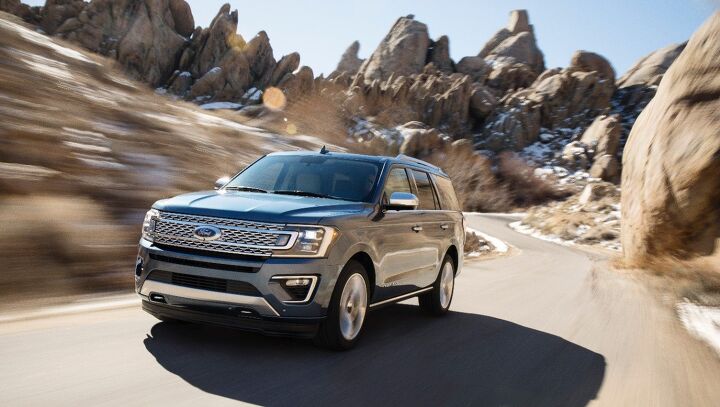
The future is electric, industry leaders tell us, but it will also have room for cargo. Lots and lots of it.
In announcing its near-future product plans on Thursday, Ford Motor Company promised the replacement of “more than 75 percent of its current portfolio” by 2020, with sport utility vehicles filling the sales void created by declining car volume. By the start of the next decade, only 14 percent of sales will come from cars, Ford predicts.
Meanwhile, at Lincoln, there’s good reason to believe the automaker’s luxury brand might enter the coming decade completely carless.
Plug-in Porsche 911 Likely to Be the Most Powerful Porsche 911
Last year, Porsche paraded out its 911 GT2 RS at the Electronic Entertainment Expo and dubbed it the most powerful 911 in history. However, its 640 horsepower will seem tepid when the next-generation 911 debuts. Referred to internally as the 922 series, the model will continue to host turbocharged flat-six engines in conjunction with rear- or all-wheel drive. But Porsche is also working on a plug-in hybrid variant of the car that’s scheduled for 2021.
While the 911 Turbo S is rumored to make around 630 horsepower, Porsche CEO Oliver Blume suggests the PHEV should be able to surpass it by a wide margin when it rolls off the assembly line a few years after the internal combustion cars. Assuming it’s using the same electrical system as the Panamera 4 E-Hybrid, that could tack on another 136 bhp to whatever six the company chooses to install.
2019 Mitsubishi Outlander PHEV: Stealthy Plug-in Due for a Power Boost

Unlike the ad campaign you’ve no doubt seen for the new Eclipse Cross crossover, Mitsubishi’s long-awaited Outlander PHEV plug-in arrived on North American shores with little fanfare. Outlander PHEV sales quietly kicked off in January, years after its overseas debut.
Even though it’s just arrived, news from the Geneva Motor Show tells us there’s changes afoot for Mitsubishi’s sole green model. More grunt is on the way.
Is a Meaner, Greener Ford Focus RS on the Way?

The Dutch seem to think so.
After bowing out of the North American market following a limited-edition run of 2018 models, Ford Focus RS production is expected to wrap up in April. The final versions see a special tune, adding an extra 20 horsepower to the the grippy hatch’s already healthy 350 hp rating. Officially, there’s been no word on a replacement.
Unofficially, how does 400 hp sound?
After a Year's Delay, U.S. Decides All Electric Vehicles Must Make Noise by 2020
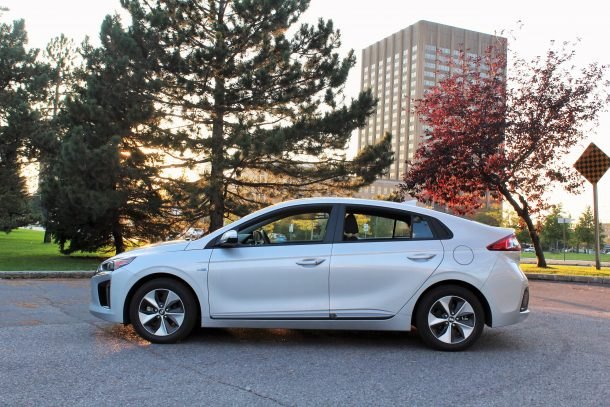
First ordered by Congress in 2010 and delayed endlessly ever since, the U.S. Department of Transportation has finalized a date for the end of “noiseless” electric vehicles and hybrids: September 2020.
That’s a year after the previous deadline, announced in the final days of the Obama administration in November 2016. The National Highway Traffic Safety Administration subsequently froze the date in order to hear arguments from automakers. With that process now wrapped up, the new (and unchanged) rules mean any four-wheeled vehicle with a GVWR of less than 10,000 pounds must emit a pedestrian-warning noise at speeds below 18.6 miles per hour.
Enjoy the “silence” while you can.
After Falling Out of Love, Porsche's Diesel Divorce Is Now Complete
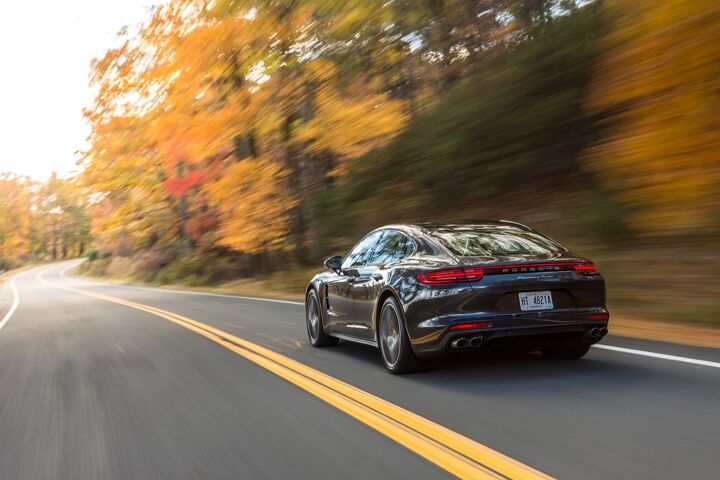
It always felt little odd whenever a diesel-powered Cayenne sidled up to you next to a stoplight. A Porsche that builds SUVs, we used to mull, and diesels, no less!
The public’s discomfort with a German sports car maker entering the utility vehicle field is long gone, and we can now say the same for Porsche’s short-lived dalliance with diesels. The automaker has stated it’s pulling its last remaining oil-burning models off the market.
A new Porsche is born, cleaner, but perhaps no purer.
I Think I8 Can: Will a Refresh and Extra Range Give BMW's Fading Eco Supercar a Boost?
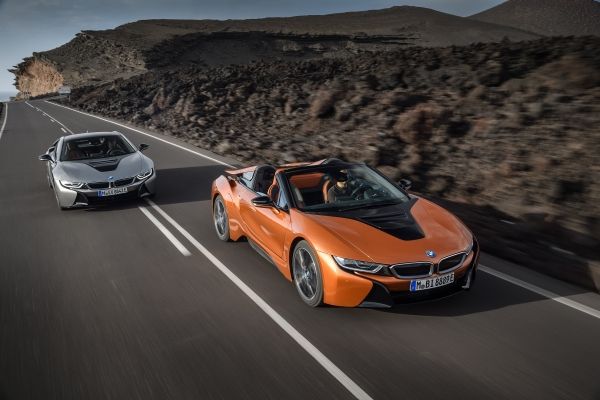
When it went on sale in the latter part of 2014, BMW’s i8 was something of a sensation, though the enthusiasm had as much to do with the car’s jarring design as its technology. I seem to recall Tom Cruise tooling around Dubai in one, possibly in one of the 87 Mission Impossible films.
Boasting scissor type doors, a plug-in hybrid powertrain, a backseat you’d never want to find yourself in, and a sticker price well north of 100 grand, the i8’s time as a media darling wasn’t long-lived. Like a child’s new toy, interest quickly fell away.
There’s two i8s arriving this spring; one a refreshed coupe, the other offering an al fresco motoring experience, sans backseat. Perhaps more importantly, there’s been an effort to fix a serious deficiency in the i8’s green halo: its incredibly limited electric range. Pricing, now released, shows a considerable markup for the drop-top. Can a double-duty lineup, beefed-up eco credentials, and an extra shot of power gild the i8 once again?
Lexus Is Pretty Confident Buyers Will Go Green If They Don't Have to Pay the Price
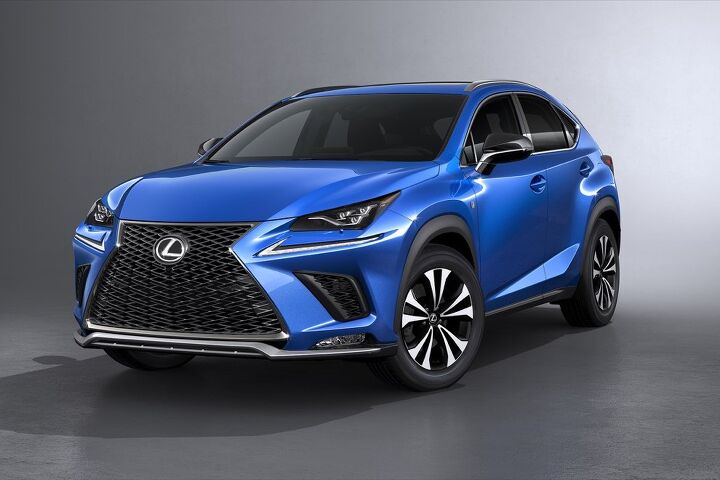
As we told you last fall, Lexus took a hatchet to the price of its hybrid NX crossover for 2018, greatly narrowing the gap between it and its NX300 sibling. The model’s entry price fell by more than $2,000, essentially making the hybrid powertrain a $950 option on an all-wheel drive NX.
It’s not a strategy designed to get more hardcore greenies into Lexus dealers; rather, it’s a way of swaying the modestly eco-minded into springing for that all-important “h.” Despite early signs of success, Lexus is holding off on taking its pricing gambit brand-wide.
2018 Hyundai Sonata Hybrid Gets a Possible Mileage Boost; Plug-in Is Just Happy for the New Face

Hold on a minute, you’re thinking — you’re pretty sure you’ve seen this vehicle before. Yes, you have, as the conventional gas-powered 2018 Hyundai Sonata went on sale last summer with a revamped face, tail, and assorted other goodies.
What didn’t launch alongside the refreshed midsize sedan was its hybrid and plug-in hybrid siblings, which soldiered on with a 2017 face until just now. At the Chicago Auto Show Thursday, Hyundai had the distinct pleasure of pulling the wraps off a body already familiar to the buying public, just with different internals. Don’t worry, though, there’s still something new to talk about.
Why Bring Back the Insight? Because a Hybrid Civic Just Isn't Done
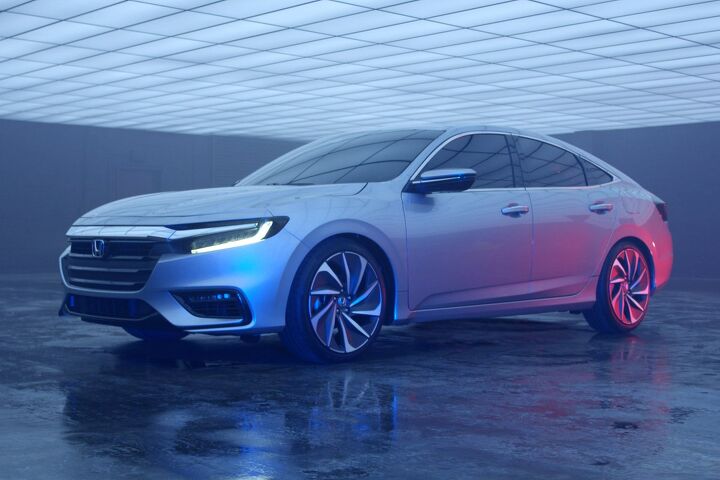
Honda raised a few eyebrows by announcing the return of the Insight hybrid for 2019, this time as a larger and plusher four-door sedan. While the model holds the title of America’s first hybrid car, its groundbreaking status didn’t carry over into the model’s second generation, which, despite selling better than the two-seater first-gen model, quietly (and slowly) disappeared from the market after its 2014 discontinuation.
The automaker sold three “new” 2014 Insights last year, and 67 the year before.
Throughout the second Insight’s run, and continuing through 2015, the Civic Hybrid was also available to lower-end electrified car shoppers. Which begs the question: why didn’t Honda just make a hybrid version of its wildly popular 10th-generation Civic?
Oh no, Honda couldn’t do that.
Europe's Growing Distaste for Diesel Is Great News for Hybrids - and an Opportunity for Toyota
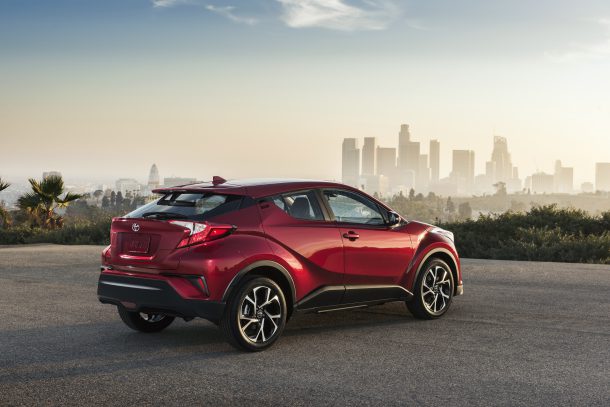
In the first half of last year, the number of new vehicles sold in Europe with a diesel engine under the hood (or bonnet, depending on your port of call) fell below that of gasoline-powered vehicles.
Spurred on by various tax incentives aimed at boosting national fuel economy, diesel’s popularity hit a high water mark in 2011, with 55.7 percent of all passenger cars sold in Western Europe that year leaving the lot with a compression ignition powerplant. However, since Volkswagen’s debacle, automakers, governments, and consumers are having second thoughts about the fuel.
After seeing the diesel take rate fall 17 percent in 2017, Britain anticipates the overall market share for oil burners could hit 15 percent in 2025. Germany, birthplace of diesel fandom, saw sales sink 7 percent last year, now standing at 38.8 percent of new vehicles. The French take rate is now below 50 percent, as well.
Replacing the incentivized high-torque engines isn’t a job that can be handled by gasoline alone, not in that market, anyway, which is where hybrid vehicles come in. For Toyota, this as much a problem as an opportunity — one that could have an impact on North America.
2019 Honda Insight: America's Oldest Hybrid Climbs the Social Ladder
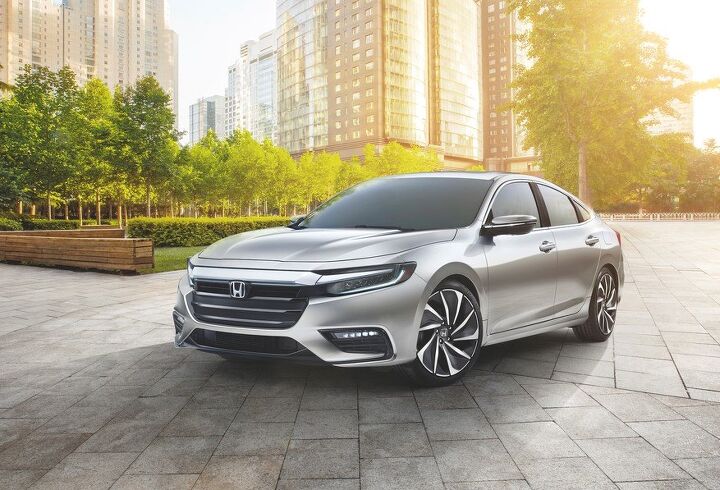
Third time’s a charm, they say, and Honda surely hopes it’s true. As the third iteration of the on-again, off-again dedicated hybrid model, the newly enlarged 2019 Honda Insight is putting on airs and climbing up from the bottom of the automaker’s model lineup.
For the coming model year, the reintroduced Insight will occupy the third rung of the brand’s car portfolio, above the Fit and Civic, but below Accord. Thanks to a pre-Detroit auto show release, we now have a better idea of what’s going on inside the new Insight, as well as under the hood.
Charge It, Jeeves: Bentley to Unveil Bentayga Plug-In Hybrid

Making good on a statement made a year ago, Bentley will show a plug-in hybrid variant of its cross-eyed uniquely styled Bentayga at March’s Geneva Motor Show. This continues its expansion of a model that is already built with a 6.0-liter W12 and, in some markets, a 4.0-litre diesel V8. A gasoline-fuelled V8 is apparently on tap, too.
This will mark the first electrified vehicle for the luxury brand, one better known for bespoke interiors than batteries and kilowatts. Going forward, though, there’s an increasingly excellent chance that electrons will spread like wild kudzu across the model range.
2018: The Year You Might - Just Maybe - Buy Your First (Sort of) Electric Vehicle

The odds are still stacked against such a purchase, but next year stands to become the greatest year yet for vehicles not entirely powered by internal combustion.
In its look at industry trends for 2018, Edmunds reveals a number of no-brainers: the passenger car segment continues its sad decline, luxury SUVs remain a massive growth market, and the amount of new car buyers choosing to lease remains static at 30 percent.
One segment, however, stands to hit the accelerator next year. Green vehicles — covering the hybrid, plug-in hybrid, and electric vehicle segments — will break out of the micro-niche category and catapult firmly into the “niche, but approaching mainstream” realm.
Kia Niro Plug-in Looks to One-up the Toyota Prius Prime in One Key Way

Kia’s well-regarded Niro, the boxy, decent looking hybrid five-door that’s a cross between a crossover and a hatch (it doesn’t offer all-wheel drive), spawns a plug-in sibling for 2018.
Positioned as a mainstream offering for green yet thrifty families, both Niro and Niro Plug-in offer more than 100 cubic feet of passenger volume in an incognito body while delivering fuel economy approaching that of the Toyota Prius. In plug-in form, the Niro travels 26 miles before requiring the assistance of gasoline.
While the Niro Plug-in’s price tops that of a base Prius Prime, we’ve learned Kia has a strategy for scoring value-minded buyers.
Bigger, Classier Honda Insight to Bow in Prototype Form in Detroit
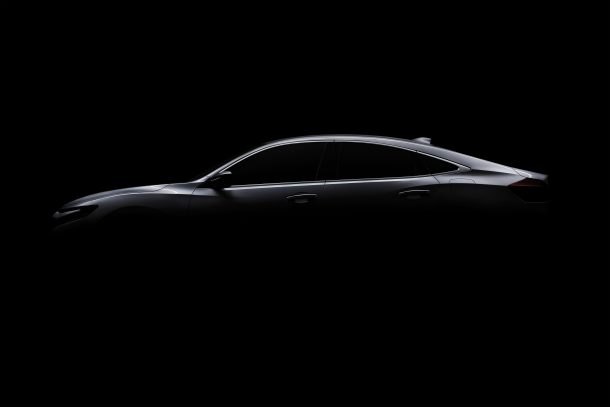
Sitting at the summit of the Honda vehicle range is the Acura NSX — a complex, advanced hybrid two-seater that goes like stink but can’t seem to find many takers. At the bottom, at least until 2014 models dried up sometime in 2015, was the Insight.
Ah, the Insight. The model best remembered as the teardrop-shaped two-seater that gave North America its first taste of hybrid motoring in December 1999 was soon eclipsed in sales by the Toyota Prius. Its main rival never looked back.
After a four-year gap, a second-generation Insight powered back onto the hybrid scene for the 2010 model year. Boasting room for five passengers and a significantly lower fuel economy rating, the follow-up Insight didn’t sent Honda’s sales charts aflame. Volume in 2010 was one-seventh that of the Prius, dropping quickly thereafter.
With a third-generation 2019 model on the way, Honda seems determined to mimic The Little Engine That Could. It’s a bigger and better Insight, the company claims, but will the third time be a charm?
2018 Honda Clarity Plug-In Hybrid First Drive - Star Captain Joins the Team
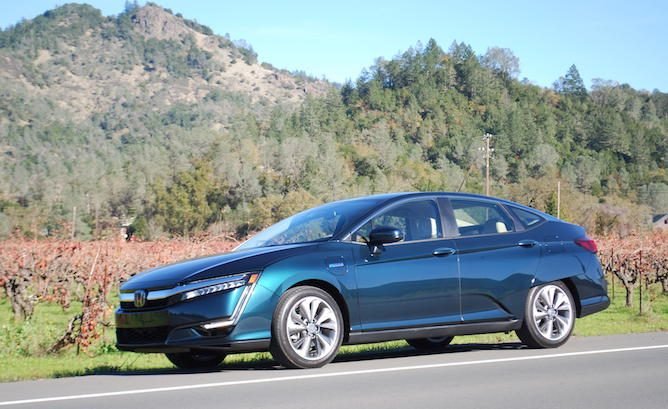
(In keeping with our goal of providing interesting and varied content, we sometimes bring you stories published by TTAC’s sister sites that we feel will satisfy your discerning tastes. This first drive review of Honda’s Clarity plug-in hybrid comes to us from a familiar name. It was first published by Hybrid Cars.)
Honda has rolled out its newest salvo in the effort to wean drivers off gasoline.
In a three-pronged approach, a team simultaneously deploys multiple solutions to solve a particular problem. We see this tactic at work when your humble author tries to assemble furniture or harried parents attempt to get their toddler to eat dinner.
Rather than placing all their eggs in one particular alternative-fuel basket, Honda has decided to pursue a cadre of options: a plug-in hybrid, a battery-powered all-electric, and a hydrogen fuel cell car. So confident are they in their gambit, the company has developed a car that can be equipped with either of these three powertrains.
The machine you see here is the Honda Clarity.
With These Sales, It's No Wonder Porsche Wants a Plug-in 911
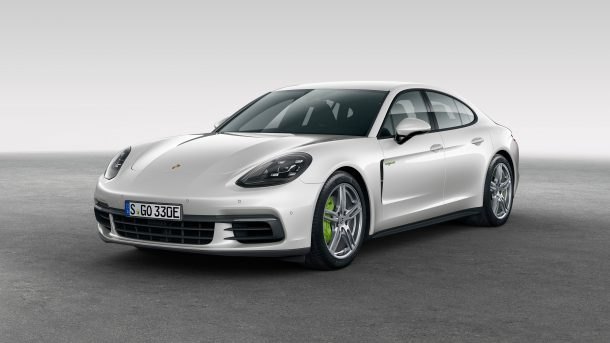
It’ll be a long time before Porsche removes any hint of internal combustion from its beyond-iconic 911. The flat-six is safe for the next decade or so.
However, Porsche CEO Oliver Blume says the company wants a plug-in hybrid version, hopefully by 2023 — when the next-generation model reaches its mid-cycle update. “It will be very important for the 911 to have a plug-in hybrid,” Blume told Automotive News last week. There’s no stamp of approval yet, but Blume feels the German automaker “will go for it.”
This shouldn’t come as a surprise. If European sales of the recently introduced Panamera E-Hybrid are any indication, an electrified 911 is an insurance policy that’s sure to pay off.
2019 Jeep Cherokee Gets New Engine to Go With New Face

We know from spy photos that the refreshed 2019 Jeep Cherokee will (finally) ditch its awkward stacked headlamps, instead adopting a conventional setup that doesn’t make the vehicle look like it’s squinting. The look is more in keeping with the second-generation Compass and Grand Cherokee.
Expect very little outcry over this sensible and long overdue decision.
However, an updated fascia isn’t the only change in store for 2019. The midcycle revamp also brings a new powerplant sourced from the 2018 Jeep Wrangler, documents show.
As Promised, a Plug-in Kia Niro Arrives Before the New Year

It’s strange that the Kia Stinger — an aggressively styled, rear-drive, twin-turbocharged sport sedan — would get so much limelight when there’s a new Kia Niro Plug-in Hybrid to drool over. All right, that’s the one and only joke we’ll have at the well-regarded Niro’s expense. Obviously, there’ll be little cross-shopping between these two models, as both vehicles fulfill very different missions.
The Stinger’s all about letting your hair down and performing a smoke show in your old high school parking lot. The Niro Plug-in is for the rest of the week, when you’re shuttling your kids around and displaying your green bona fides to your upstanding suburban neighbors. And there’s nothing wrong with that.
Recently unveiled at the L.A. Auto Show, the plug-in Niro takes a competent package (one we hesitate to call a “crossover”) and endows it with a healthy dose of all-electric driving range.
BMW Developing Hybrid M Cars, Whether It Wants to or Not

There’s a reason BMW’s M sub-brand is the performance division all other automakers strive to copy. Few letters hold as much clout as “M.” That one little addition to a BMW’s model name promises an overly generous heaping of horsepower, handling, and general sporting prowess.
Continuing to this day, “M” ensures buyers of the presence of a finely-tuned, wildly athletic six, eight, or — once upon a time — 10-cylinder gasoline engine under the hood. Only in recent years has the sub-brand seen new products that threaten to water down the purity of the designation (the X5 M and X6 M), but at least those models stick to the basic power formula.
BMW knows, however, that the gas-only party can’t last forever. The automaker now admits its foray into electrification will not end with its stock models and “i” sub-brand. “M” is poised to get a dose of “e,” and BMW’s not exactly sure how it feels about that.
Another Hybrid Bites the Dust: Toyota Prius V Packs It in After VI Model Years
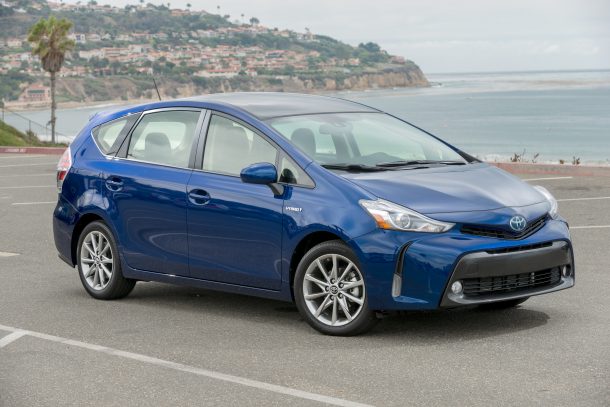
Okay, the “V” stood for “versatility,” but the largest Toyota Prius family member’s obvious usefulness hasn’t earned it a lasting place in the American automotive landscape. After arriving for the 2012 model year, the lengthened hybrid, which boasted 50 percent more interior volume than its Prius sibling, will disappear from the U.S. after 2017.
Early sales of the Prius V significantly bolstered the volume of the hybrid family, which also includes the Vrtucar-approved Prius C. However, the model’s first full year of sales proved to be the V’s high water mark. Sales declined each year thereafter, and much of the blame rests on another vehicle in the Toyota showroom.
New Subaru WRX STI to Deploy Hybrid Technology?
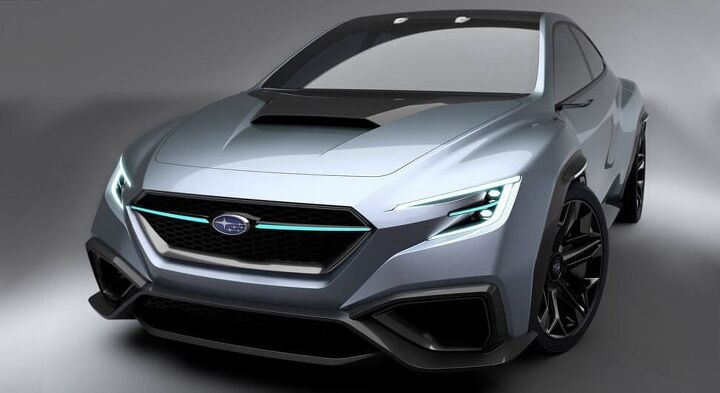
In an effort to reduce emissions, Subaru is putting everything on the table in terms of its performance-focused WRX STI.
Keeping in mind your humble author is directly translating an interview given to a Dutch website (an activity which requires all of his brainpower), it seems there’s more than a passing chance that the next WRX STI will deploy some sort of hybrid technology in a bid to maintain its performance creds.
Nissan Looks Ready to Bring E-Power to Its American Fleet

There’s no confirmation just yet, but all signs are pointing to the eventual introduction of Nissan’s novel e-Power hybrid system in its U.S. lineup.
We say “novel” because the system isn’t like any gas-electric setup currently on the road. Think of it as a way to cheaply reduce emissions without the worries of limited electric range or the expense of bulky battery packs. Instead, think of the car as a little ship.
Low Energi: Production Ends on Ford's C-Max Plug-in, With Hybrid to Follow
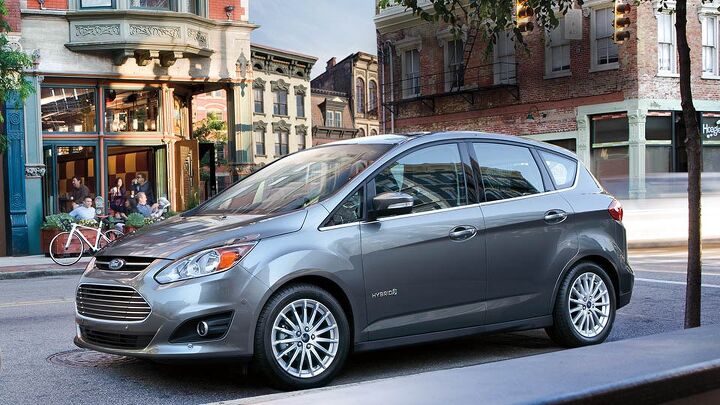
It’s a near-silent swan song for a duo of electrified Ford models. The Ford C-Max, which debuted in late 2012 in both hybrid and plug-in hybrid form, hit its sales peak during its first full year on the market, declining every year since.
As Ford Motor Company shakes up its U.S. production landscape — ironically, to bolster production of trucks and SUVs — the ungainly-looking C-Max is on its way to the cemetery. The automaker has confirmed the ceasing of production of the C-Max Plug-in, with the Hybrid variant to follow in the middle of next year.
Let's Go All the Way: Chevrolet Bolt Increases Its Lead Over Faltering Volt
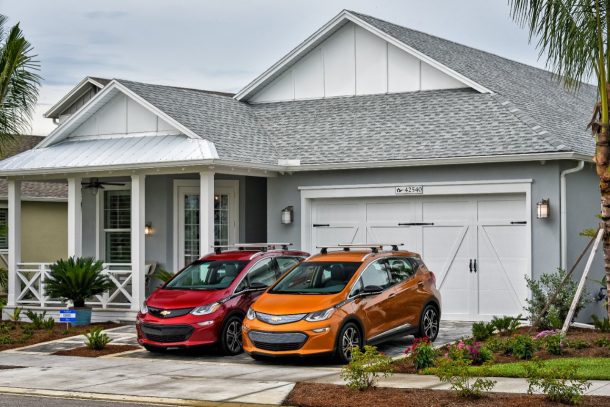
Never mind competing with EVs from other manufacturers. With each passing month, it becomes ever clearer that the all-electric Chevrolet Bolt competes directly with another General Motors stablemate: the Chevrolet Volt.
In October 2017, the Bolt — first sold last December and available nationwide since mid-summer — pushed into second place out of all plug-in vehicles sold in the United States, muscling out the Tesla Model X in the process. In doing so, it increased the sales gap between it and the range-extended Volt.
When buyers hit up a “dinosaur” legacy automaker for a green car, it seems they prefer going all the way — once-revolutionary gas generator be damned.
13 Burning Questions We Have for Volvo's 2020 Polestar 1

By nature, we’re skeptics. It’s in the job description.
Thus, while it’s hard not to fall in love with the idea of Volvo’s new 2020 Polestar 1 offspring — I mean, just look at it — we also know how hard it is to kickstart a new luxury brand, regardless of whether Polestar wants to sit far outside the luxury mainstream or right at the heart of the matter. We can’t help but wonder whether the Polestar 1 is not representative of the ideal luxury brand launch.
As doubters, as pessimists, as cynics, as preternatural killjoys, as wary realists, we have questions about this new upstart premium automotive entity. Many questions.

The Discontinued Lexus CT200h Is Actually Updated for 2018

This is not the Lexus CT200h that was sold in the United States for seven model years.
This is the updated 2018 Lexus CT200h.
Lexus’ U.S. operations no longer wishes to bother with the CT, so 2017 is the end of the line for the hybrid hatch in America. But Lexus’ local discontinuation of the CT comes just in time for Lexus to update the CT200h for other markets.
Polestar 1: It's Here, It's Real, and It's Not a Volvo
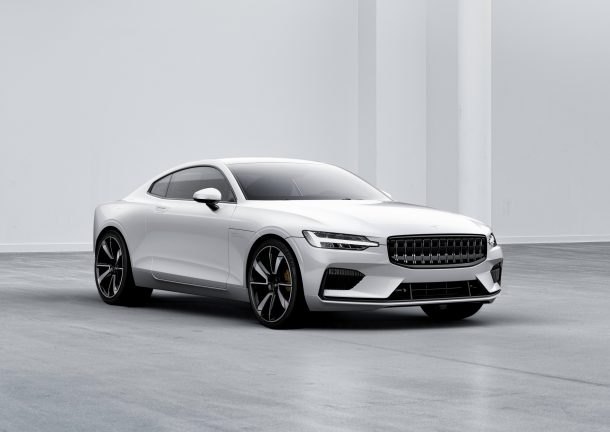
There’s something missing from the efficiently named Polestar 1, the first production vehicle unveiled by the world’s newest car brand: a Volvo badge.
Anyone who’s ever seen Volvo’s 2013 Concept Coupe will surely recognize the similarities between the two vehicles, but the slinky personal luxury coupe seen here is the one you’ll actually see plying a roadway near you, if you’re so lucky. Polestar, once a performance arm of Volvo Cars but now its own standalone subsidiary, plans a range of high-end electrified performance vehicles, of which the Polestar 1 is merely the first.
Packing a 600-horsepower plug-in hybrid powertrain and a body to die for, the 2+2 grand tourer makes great use of its sister division’s architecture, all paid for by corporate overlord Geely. The obvious similarities to the Volvo S90 isn’t an accident, as a bespoke version of that model’s platform lurks beneath its curvaceous flanks. However, that isn’t to say the Polestar 1 is just a Volvo in disguise.
2018 Mitsubishi Outlander PHEV's Arrival Equals Good News and Bad News
Mitsubishi is by no means starting from scratch in the U.S. market — the product lineup is much too stale for that. But with a new marketing agency, Butler Shine Stern & Partners, coming on board and a new crossover, the Eclipse Cross, set to arrive at dealers soon, Mitsubishi is clearly not in the same position in 2017 that it was in 2009.
2017 is set to be fifth consecutive year in which Mitsubishi’s U.S. volume improves and the first year since 2007 in which Mitsubishi sells more than 100,000 vehicles. That’s still a far cry from 2002, when Mitsubishi sold 345,000 vehicles, but Mitsubishi has reasons to be pleased with the growth.
Perhaps more than any other change at Mitsubishi’s U.S. operations, however, the arrival of the plug-in Mitsubishi Outlander symbolizes a new day for Mitsubishi Motors North America. It is, after all, finally here after years of delay, and it’s an exclusive product for Mitsubishi’s dealers, free from direct competition. Yet while the dawn of the 2018 Mitsubishi Outlander PHEV speaks of further commitment to the U.S. market, it’s not by any means about to become a popular vehicle.
The Chevrolet Bolt Is Now Far More Popular Than the Chevrolet Volt
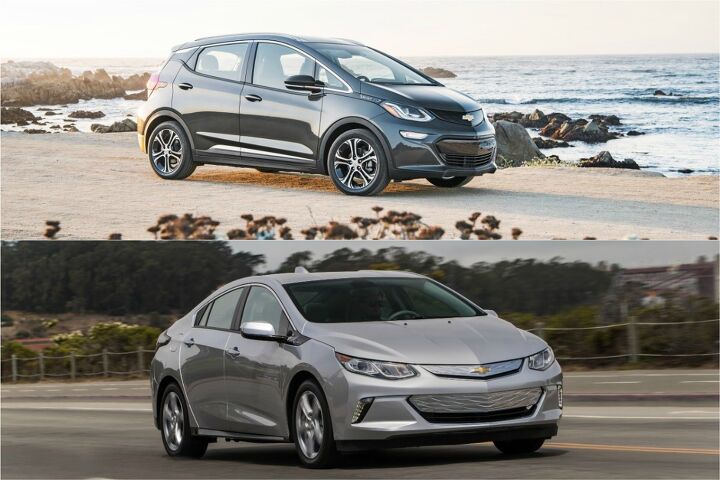
If plug-in hybrids were meant to function as a stop-gap between ICE-powered cars and fully electric cars, it may be time to consider Chevrolet gapless.
The Chevrolet Volt appeared in first-gen form in late 2010. By 2016, with the arrival of a second-generation edition, Volt sales climbed to record levels in the United States, albeit still not at the level GM originally hoped to see.
The Volt was and is a plug-in hybrid, an electric car with a range-extending gas-powered engine.
But with nationwide availability of the Chevrolet Bolt — change that V to a B for pure electricity — we’re now watching as Chevrolet Volt sales tumble. It turns out General Motors now has far more U.S. demand for its electric car than its ICE-accompanying electric car.
GMC Expands Fuel-saving Sierra 1500 Option to the Rest of the USA

As Fiat Chrysler’s Ram division enjoys wearing the full-size pickup fuel economy crown with its now-legal-again 1500 EcoDiesel, and as Ford throws turbo V6s and 10-speed automatics at everything, what’s General Motors supposed to do to greenwash its truck fleet?
Easy. Simply offer customers in all 50 states a rare option previously available only in California.
Finally, Mitsubishi Releases Pricing and Specs for the 2018 Outlander PHEV
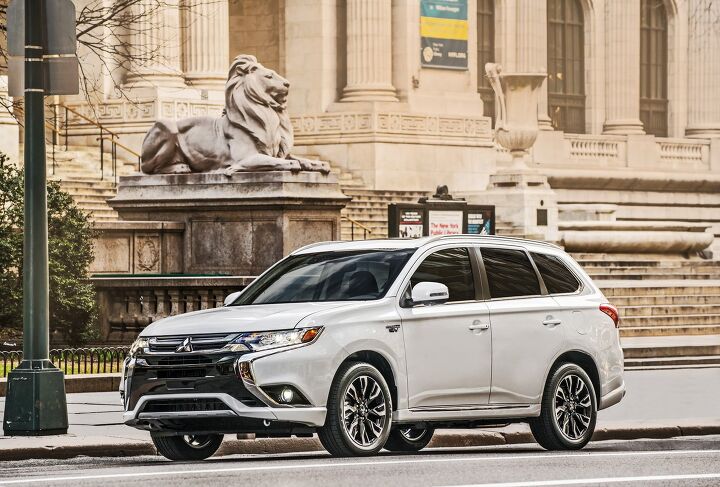
Even though North American Mitsubishi sales have ticked upward in recent years, the current decade has not been kind to the brand. Volume is roughly a quarter of what it was just 15 years ago and the bulk of those deliveries come from the Outlander and Outlander Sport.
When your entire existence hinges on a couple of models, you do what you can to keep them relevant. While plug-in hybrids aren’t exactly a massive sales draw, they’re gaining ground and Mitsubishi’s Outlander PHEV bests most of its EV competition in Europe. Naturally, the automaker deemed it worthy of coming to America (on the slowest boat imaginable).
We know this exciting news probably has you squirming in your chair, covering your mouth as you utter uncontrollable squeaks of joy. But hold on, we haven’t even told you about the price.
Jaguar Isn't Giving Up on Sports Cars, But Don't Expect the Purity to Last

Think of the words “Jaguar” and “sports car” and the mind instantly conjures up images of the flowing XK120 and #NSFW E-Type roadsters of yesteryear, each sporting a properly British straight-six engine under a kilometer-long hood. Okay, okay — the final E-Type variant doubled the cylinder count, but you get the idea.
The tradition of open-top two-seaters continues to this day with the F-Type, albeit with a much more diverse array of engine offerings. As the tech press talks up a future of autonomous people pods, and as crossovers threaten to overwhelm every longstanding brand, Jaguar wants automotive puritans to fear not: the Jaguar sports car isn’t going anywhere.
But that doesn’t mean it won’t change with the times.
The Infiniti QX50 Goes on Hiatus While Infiniti Kills Off the QX60 Hybrid
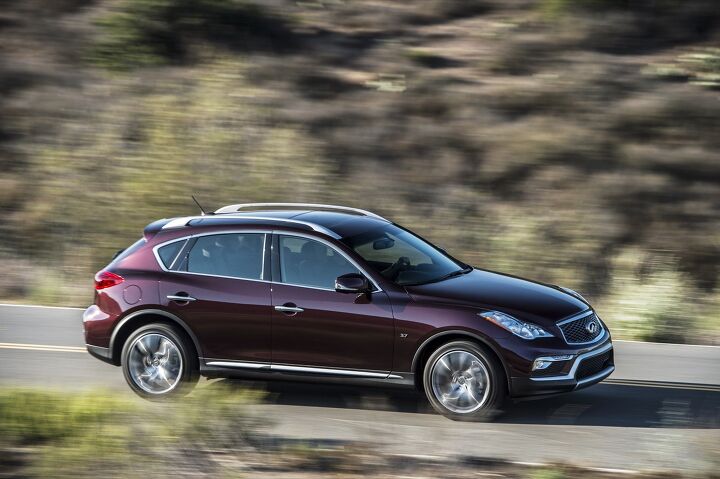
As Infiniti prepares to launch the replacement for the Infiniti QX50 next year, quite likely fitted with a unique new turbocharged engine with continuously altered cylinder compression ratios, the first-generation Infiniti QX50 takes a breather for the 2018 model year.
It may not be a well-deserved break — the QX50, formerly known as the EX35 and EX37, accomplished little for the Infiniti brand in America — but it’s a long overdue pause on Infiniti’s compact crossover.
It’s an odd duck, the QX50. Essentially a fast but outdated wagon, frequently sold in rear-wheel-drive form, the QX50 is still widely available prior to its relaunch for MY2019. The Infiniti QX60 Hybrid, on the other hand, is was the fuel-efficient version of Infiniti’s most popular product. At the end of the 2017 model year, the QX60 Hybrid is dead, Motor Authority reports.
Shrinking Hybrid Premiums: 2018 Lexus NX300h Gets More Equipment, Much Lower Price
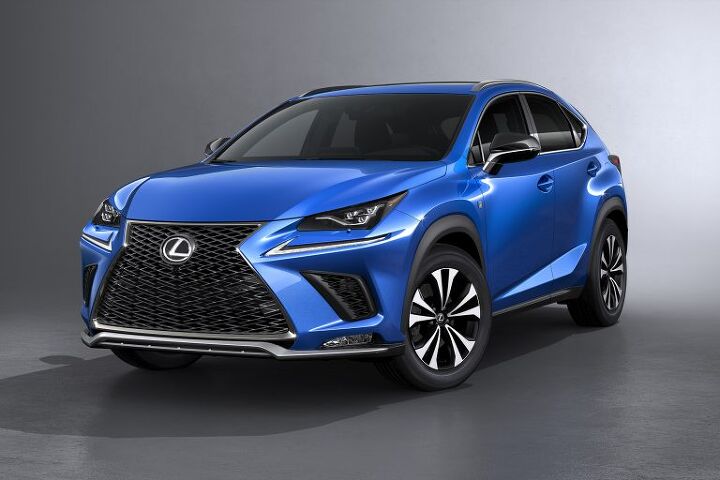
The Lexus NX, set for a MY2018 refresh, is one of America’s three most popular premium brand utility vehicles, but Lexus clearly wants customers to feel even more free to choose the pricier NX hybrid.
For the 2018 model year, CarsDirect has learned that Lexus will include the full compliment of Safety System+ active safety features as standard equipment on both the NX300 (formerly known as the NX20ot) and NX300h, but the hybrid’s additional kit is accompanied by a significant $1,385 price cut.
In fact, with the additional equipment factored in, the price reduction is even more noteworthy. Pre-collision and dynamic radar cruise control were worth $900 on the 2017 Lexus NX300h, which essentially means the NX300h’s base price has been chopped by $2,285.
Perhaps Lexus isn’t content with holding the gold and bronze-medal positions on the luxury SUV/crossover sales leaderboard. Could serious price alterations be what it takes for Lexus to be the builder of America’s two best-selling luxury utility vehicles in 2018?
Lincoln to Become the Next 'Electrified' Premium Brand: Report
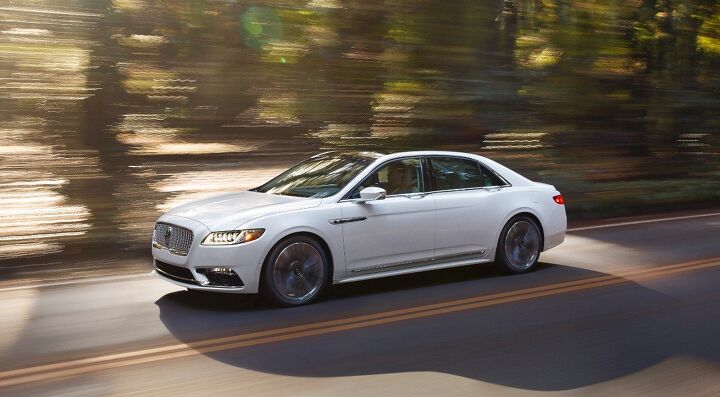
It’s getting to the point that if you’re not a premium automaker promising some sort of brand-wide electric propulsion revolution, you’re not a premium automaker. Volvo has announced it’s going all-electrified (not necessarily electric) in short order. Maserati and Aston Martin are headed in a similar direction.
Is Lincoln the next luxury brand to ditch gas-only powertrains?
Not quite, but Ford’s luxury arm is planning on endowing every model in its lineup with an available hybrid powertrain, according to three sources who spoke to Reuters. It’s a plan very similar to the one Jaguar Land Rover announced just yesterday. While the completion date for Lincoln’s lineup electrification is 2022, the brand might not stop at just hybrids and plug-ins.
Nationwide Availability Means Chevrolet Bolt Has Outsold Chevrolet Volt Two Months Running
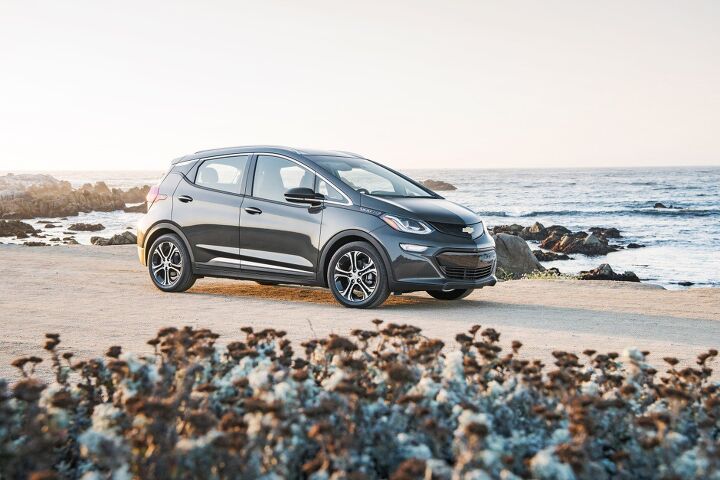
August 2017 marked the second consecutive month in which the Chevrolet Bolt, GM’s all-electric hatchback, generated more U.S. sales than the Chevrolet Volt, GM’s range-extended electric liftback.
Now available across America, the Chevrolet Bolt produced its best sales month to date in August.
The Chevrolet Volt, meanwhile, suffered its fifth consecutive month of decline.
Bolt > Volt?
Toyota Chairman: Shift to Electric Vehicles Will Not Be Rapid
Mazda is planning for the internal combustion engine of 2050. Toyota is applying the Dynamic Force improvements that worked wonders on the 2018 Camry’s fuel economy ratings to V6 and V8 engines.
And electric cars?
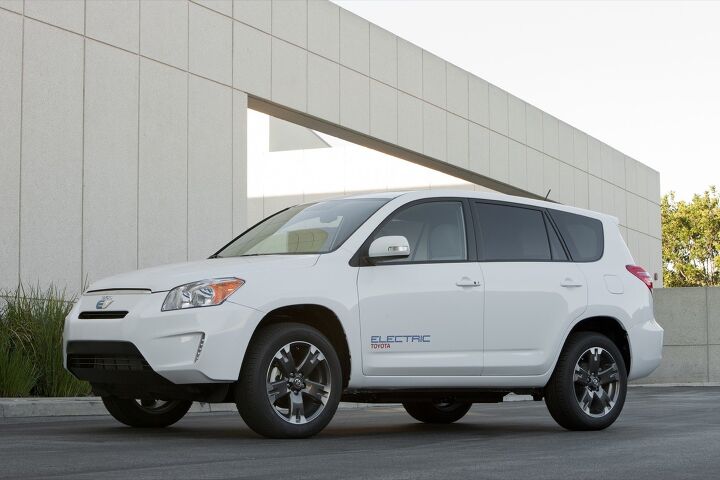
“We’re skeptical there would be a rapid shift to pure electric vehicles, given questions over user convenience,” Toyota chairman Takeshi Uchiyamada tells CNBC.
There is a Toyota electric car in your future, Uchiyamada believes. But more likely than not, it’s not in your near future.
Ford's Planning to Make Its Largest SUVs Greener (and Its Smallest a Lot Greener): Report
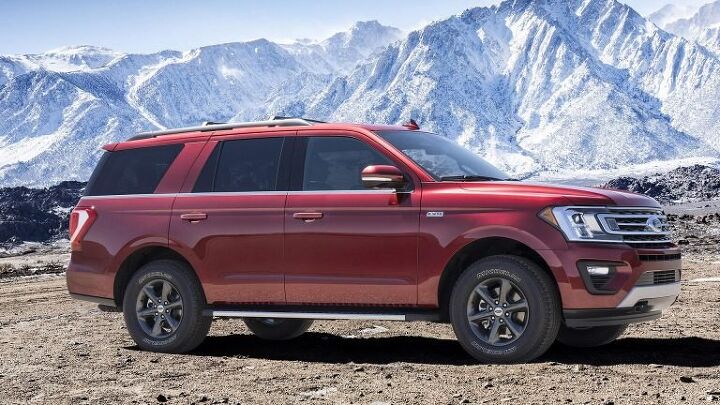
Despite festooning its large utility vehicles with the latest and greatest fuel-saving technologies — turbocharging, dual injection, 10-speed automatics — Ford isn’t finished reducing the thirst of its big SUVs.
According to sources with knowledge of the automaker’s product plans, the push for better MPGs includes giving those gas-fueled engines a break once in awhile. Care for an extra motor in your Expedition or Navigator?
If Current Trends Hold, the Toyota Prius Will Not Be America's Best-selling Hybrid in 2018

If current marketplace trends hold, the Toyota Prius will not be America’s best-selling hybrid by next year.
The steep rate of decline experienced by the Prius in 2017 is no surprise. For one thing, it’s a continuation of the decline we saw earlier in the fourth-gen Prius’ tenure. For another, there are new Prius competitors, such as the Hyundai Ioniq and Toyota’s highly efficient 2018 Camry Hybrid. But the Prius’s rapid slide — sales are down by a third so far this year — is also what Toyota predicted at the turn of the calendar.
Yet even if the rate of Prius decline suddenly and unexpectedly slows, it’s difficult to imagine a scenario in which the Toyota Prius, long the dominant hybrid in America, holds onto its crown as the top seller for long.
The victor in 2018 will, however, almost certainly be a Toyota.
Hyundai Ioniq Sales Are Low, Inventory Ramp-Up Is Slow, Kia Niro Is the One Making Dough

Since arriving early this year, Hyundai Motor America has managed only a meager 4,881 sales of its Prius-fighting Ioniq. Hyundai is certain there are far more Ioniq sales that could occur, however, if only Hyundai had the Ioniqs to sell.
Supply isn’t just tight — the Ioniq Electric is essentially nonexistent at Hyundai’s showrooms in California, the only state where it’s (supposed to be) available.
Yet while Hyundai awaits greater Ioniq inventory, the lack of which is clearly to blame for the low volume to date, it’s becoming increasingly obvious that Kia came out on top in this deal.
Five Island Beaches, One 2017 Ford Fusion Energi – Can It Be Done on EV Power Alone?

The planning session was brief. At TTAC’s virtual HQ, also known as TTAC Slack, Steph Willems, Corey Lewis, and Adam Tonge were busy formulating an idea.
Fascinated by the Cain family’s recent move to rural Prince Edward Island, the guys wondered if, on electric power alone, Ford’s plug-in hybrid 2017 Fusion Energi SE could cross Prince Edward Island from the north side’s Gulf of St. Lawrence to the south side’s Northumberland Strait, which separates Prince Edward Island from mainland Canada.
Sure it can, I said, but that’s too easy. There are many narrow parts of Prince Edward Island. Crossing Rte. 308’s nine miles from Naufrage to Rollo Bay wouldn’t be much of a challenge.
Building on that idea, however, we developed a plan that would grant yours truly a midday office reprieve, or so I thought. From the Cain homestead in Margate, just outside the bustling metropolis of Kensington, I would depart with a fully charged 2017 Ford Fusion Energi and attempt to reach five spectacular beaches along the Gulf of St. Lawrence on PEI’s so-called Green Gables Shore.
Google Maps said I would need to travel 22 miles. The 2017 Ford Fusion Energi has 23 miles of pure EV range. This’ll be a breeze, I thought to myself, and I fled my office and TTAC’s virtual HQ minutes later, thoroughly unprepared for what came next.
Fiat Chrysler Thinks Americans Outside of California Don't Know What the Pacifica Plug-in Hybrid Is

It’s a fact that California contains half of the country’s electric vehicles and a solid chunk of America’s hybrids, but that doesn’t necessarily mean residents of the other 49 states can’t tell a plug-in hybrid from a turnip.
As all-electric range grows, plug-in hybrids have begun eclipsing conventional hybrids in the U.S. marketplace, enticing buyers with the prospect of leaving the gas engine shut off (potentially) for the whole commute. After hopping on the green bandwagon with its Pacifica Hybrid, Fiat Chrysler Automobiles was able to boast of having the only plug-in minivan in North America.
Only, it won’t boast about the “plug-in” part anywhere except California. Nope, you won’t hear the company call it a plug-in in New York City, or Seattle, or Chicago. Not in Vermont or Georgia, either. Apparently those people just can’t handle it.
2018 Volvo XC60 Gains Hot Polestar Variant, but Newly Minted Performance Brand Wants a Super Coupe
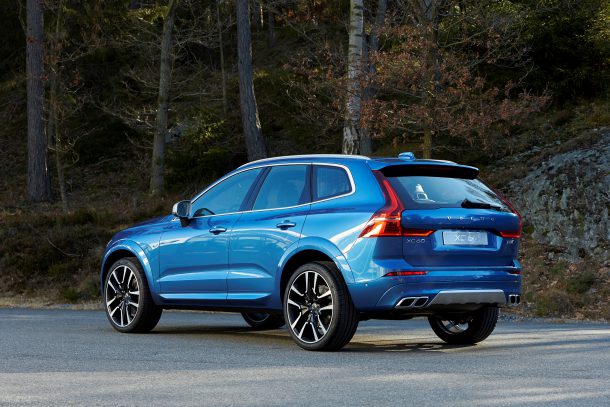
Not only is Volvo updating its aged XC60 crossover for the 2018 model year, it’s also turning up the heat. The handsome next-generation model will gain a Polestar-tuned T8 variant, Volvo’s performance arm has announced, meaning XC60 buyers will have a fourth output choice to select from this fall.
As you’ll recall, Polestar isn’t just a specialty house tasked with tuning Volvo products anymore. The Swedish automaker recently spun off Polestar into its own brand, with the tuning division rebranded as Polestar Engineered. It’s the latter entity that’s tasked with massaging 421 horsepower out of the top-flight hybrid version of the XC60.
However, now that Polestar is in the business of building its own standalone models, crossovers and sedans just won’t cut it. For its first Polestar-badged model, the new automaker wants a big, fast coupe.
Mercedes-AMG Fans Need to Learn a New Number - '53'
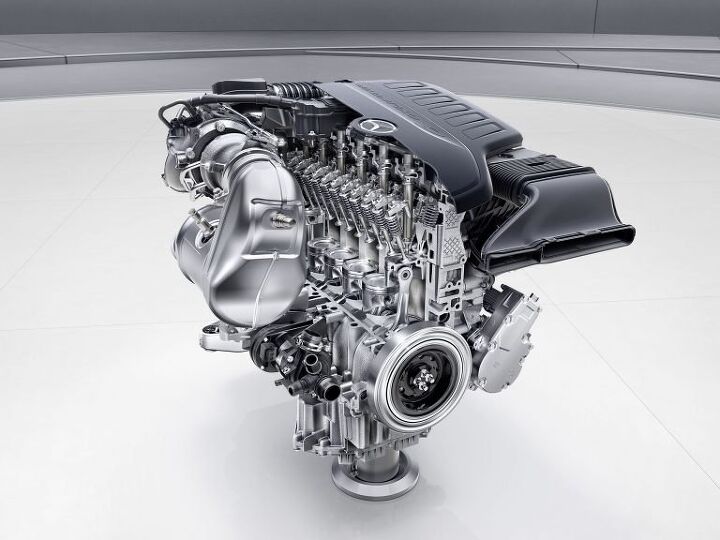
While we knew Mercedes-Benz’s AMG sub-brand had plans to dabble in electrification for upcoming performance models, details of what that could mean for the sub-brand’s products remained pretty thin on the ground.
Daimler R&D head Ola Källenius explained back in January that future AMG-badged vehicles will gradually become “more and more electric.” Never mind the limited-production Project One hypercar that’s in the works — that model is just a plaything for the Dubai set. Well, now we know exactly what AMG has planned for the new rung in its model range, and it indeed makes use of charged particles to lend some extra grunt to the overall package.
It also brings a very sweet inline-six to the table. Baby steps, people.
Get Ready to Hear About the 2020 Ford Mustang All The Time for Three Years
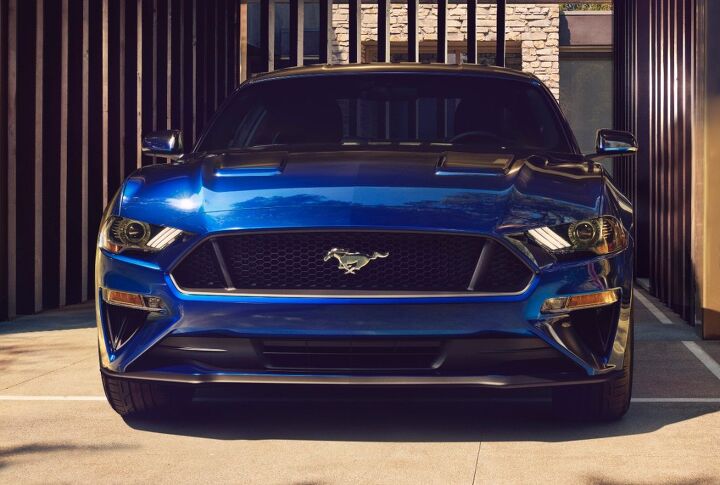
Ford Motor Company, in a tremendously public product planning moment, revealed at the beginning of 2017 that the automaker would produce an F-150 Hybrid, Transit plug-in hybrid, and a Mustang Hybrid by 2020.
Then-CEO Mark Fields said at the time, “Ford is committed to being a leader in providing consumers with a broad range of electrified vehicles.” But now that Ford revealed plans for the 2020 Mustang Hybrid, the Blue Oval has a three-year gap in which to talk about a car that doesn’t yet exist.
How to talk about it now, three years prior to launch? Ford Canada is placing promoted ads on Twitter that are endlessly popping up in my feed.
The Mustang Hybrid is not shown. But the future earns a prominent mention.
Fiat Chrysler Seems to Have Cleared the Pacifica Hybrid Production Hurdle

Conflicting reports claim Fiat Chrysler Automobiles has either restarted, or is poised to restart, production of the Pacifica Hybrid minivan in Windsor, Ontario.
This comes after a tumultuous month for the automaker’s headline-grabbing plug-in minivan. First, a voluntary safety recall saw all Pacifica Hybrids built to date recalled for faulty inverter diodes, following incidents in which several vehicles lost power while underway. The recall then led to the shadowy shutdown of hybrid minivan production.
Fiat Chrysler Shuts Down Pacifica Hybrid Production Amid Safety Recall: Report
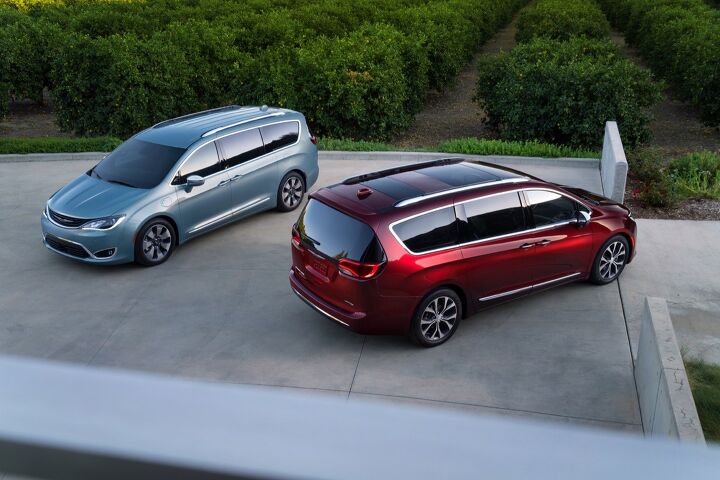
Despite being lauded for its high level of content, smooth ride, and all-electric range, Chrysler’s plug-in hybrid minivan has hit a large roadblock. After voluntarily recalling all Pacifica Hybrids due to a safety defect that could see the minivan go dark at inopportune times, it seems the assembly line has ground to a halt in Windsor, Ontario.
A recall earlier this month saw Fiat Chrysler Automobiles call back 1,368 vehicles in the U.S. and 309 in Canada following complaints of loss of propulsion. The issue reportedly stems from defective inverter diodes. While the wonky electrified powertrain hasn’t resulted in any crashes or injuries, electrified cars that suddenly stop sending current to the motor aren’t something customers or the automaker can tolerate.
It’s a serious stumble for FCA’s green halo car.
Volvo Makes It Official: Polestar to Become a Standalone Brand
Think of it as a green brand known for producing some very blue cars. Polestar, Volvo’s performance wing, will be spun off into an electrified automaker under a new plan from the Swedish car manufacturer.
Expected to do battle with the likes of Tesla and BMW’s i sub-brand, future Polestars — like their gasoline-powered predecessors — will stake out space in the performance arena, only this time in a different niche.






Recent Comments