
2022 Jeep Wagoneer Finally Fully Revealed

The endless tease is over. The Jeep Wagoneer and Grand Wagoneer are finally here.
It feels like we’ve been talking about this vehicle forever. We’ve covered it ad nauseam, I saw an undisguised prototype up close at a (COVID safe) outdoor event hosted by Chrysler last fall, and we’ve debated its merits in Slack more than once. I’ll let you guess which staffer liked/disliked it.

2022 400Z HP Revealed?
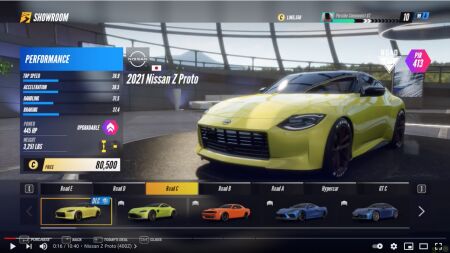
According to Project Cars 3, a video game from Slightly Mad Studios distributed by Bandai Namco, the new Nissan 400Z is shown in their latest downloadable content (DLC) power pack to possess some very serious horsepower.

Honda SENSES Hands-Off Driving in Japan
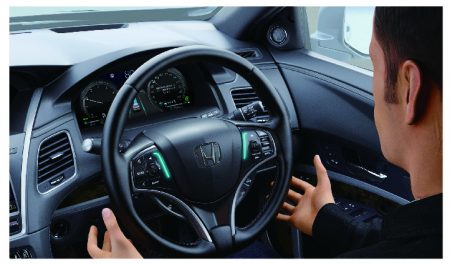
Honda has begun leasing Legend EX sedans with the Honda SENSING Elite safety system in Japan today. The first Level 3 automated technology to be approved in that country, the system includes Traffic Jam Pilot, Hands-Off, and Emergency Stop Assist functions.
What part of autonomous driving is this, being unveiled under the guise of advancing safety and an overarching theme of creating a collision-free society? Honda says Elite is the next generation of Honda SENSING, safety, and driver-assistive tech already available on Hondas worldwide.
Refreshed 2022 Hyundai Kona Adds Length, Power, N Line

Another day, another Zoom presentation to learn about some new hotness.
Today it’s the 2022 Hyundai Kona, which we teased last year, with a side of Santa Fe.
As we noted, the Kona now gets an N Line trim so that the brand can argue that its subcompact crossover can be considered truly “sporty” (we’ll be the judge of the merits of said argument once we drive it), and there are new duds.
McLaren Artura Arrives: Light-weight, High-Price Supercar
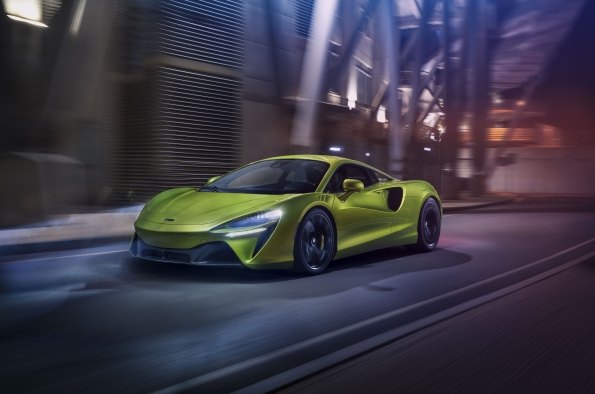
Join us in welcoming another hybrid supercar to the world. Introducing the McLaren Artura.
Yeah, it’s another car (or car company — we see you, Stellantis) with a weird name that sounds vaguely celestial.
New Nissan 400Z Spied With Hood Up

In photos obtained by japanesenstalgiccar.com, the Nissan 400Z prototype is seen with its hood propped open, and there it is, a 400 horsepower, twin-IHI turbocharged, VR30DDTT V6 engine. First available in the Infiniti Q50 sedan, a year later in 2016 it was also in the Q60 coupe in 300 and 400 HP versions.
2022 Cadillac CT4-V and CT5-V Blackwing: Hold That EV Order
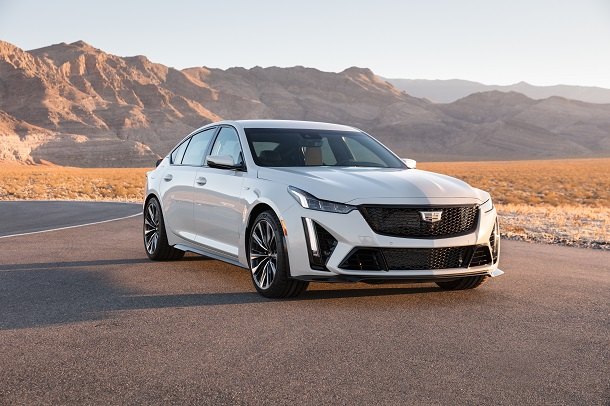
Last week, GM announced plans to go 100 percent EV with its light-duty vehicle fleet in less than 15 years. Tonight, Cadillac took the wraps off two high-performance luxury sport sedans that probably won’t pass too many gas pumps.
Talk about whiplash.
Report: GM Wants to Be Gas-Free by 2040

The Detroit Free Press is reporting that General Motors is looking to be gas-free by 2040. Specifically, GM “aspires” to have light-duty vehicles in all global markets be zero-emission by 2035 and all products and plants be carbon-neutral by 2040.
Mini Has Minor Updates in Store for 2022
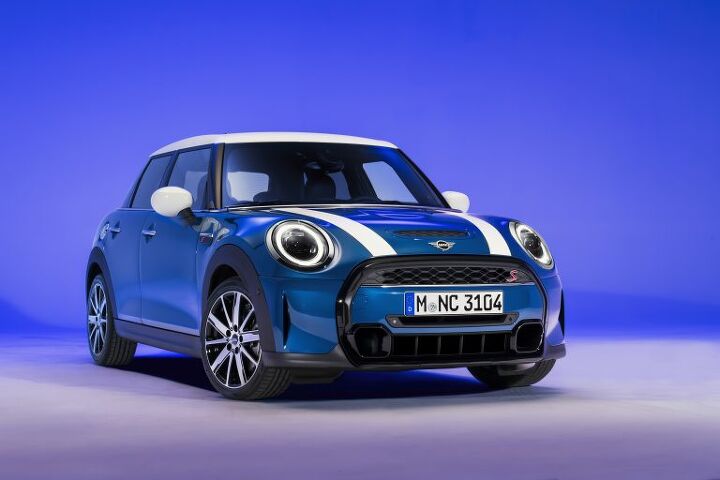
Sorry folks, that headline isn’t some coded reference to the return of a Morris Minor.
No, Mini has unveiled updates from 2022 that the brand calls “significant” but in actuality fall under what we cynical scribes would categorize as a minor refresh.
Adventures in Marketing: BMW Says "OK Boomer" to Its Own Flagship Vehicles

BMW published a four-minute and change ad a couple weeks ago for the start of the virtual CES 2021 show. Though this would not normally be a subject worth covering, this particular ad seems to indicate BMW believes their own E65 7-Series is for ridiculous out of touch Boomers.
Marketing departments always know what they’re doing, right?

Biden Wants American-Built, All-EV Federal Fleet

We asked you a bit ago what the Biden administration might mean for the automotive industry.
We now have a partial answer.
Opinion: It's a Bleak Future for Mitsubishi Cars in North America

Mitsubishi has an important product debut coming up: the all-new 2022 Outlander three-row crossover. In what will be the fourth-generation Outlander since 2001, the 2022 model ditches Mitsubishi’s ancient GS platform the Outlander has used since 2007 and sees a migration over to the same platform as the Nissan Rogue.
I think this is the beginning of the end for Mitsubishi in North America.
GM Teases Part of Its EV Plans at CES

The Consumer Electronics Show, typically held in Las Vegas in January, is virtual this year. Because of the coronavirus, as I am sure you’d expect.
Infotainment Trends Upwards, Along With Distracted Driving?

Ford Bronco Production Delay Update: May 3 is Target Date
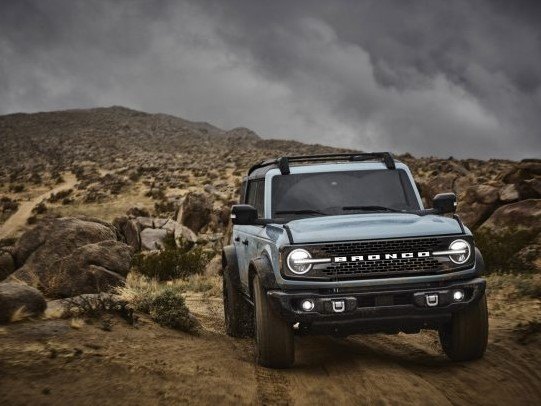
Late last year we reported that thanks to the coronavirus and its impact on suppliers, Ford Bronco production would be delayed, saying “customers will receive a delivery window in May 2021. First customer deliveries will now begin in summer 2021 instead of spring 2021.”
Report: 2021 Jeep Wrangler 392 Rubicon Priced at Nearly $80K

We know the 2021 Jeep Wrangler 392 Rubicon and its 470 horsepower and 470 lb-ft of torque is on its way to market. Now we have an inkling on price.
Apple ICar: The Next Big Thing?

The Auto Enthusiast's Realistic Christmas Wish List for the North American Auto Industry in 2020
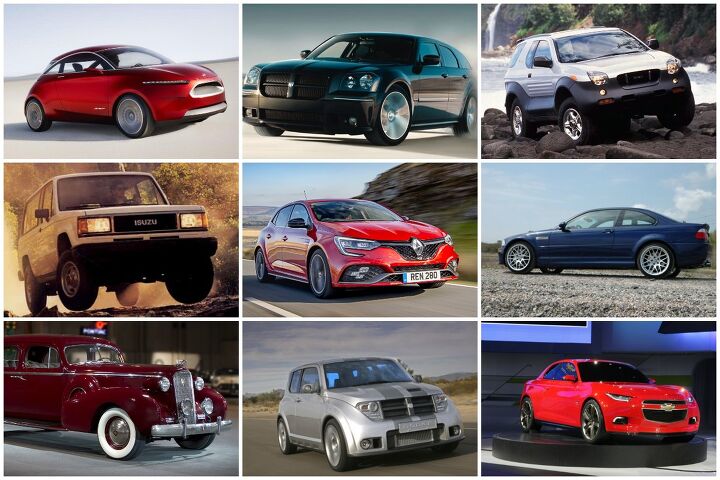
French hot hatches. Affordable full-size wagons. Manual-shift rear-wheel-drive sports sedans under $30,000. Production versions of the Chevrolet Code 130R, Dodge Hornet, and Ford Start. The reincarnation of Isuzu’s VehiCROSS and Trooper. Standard-of-the-world Cadillac sedans and ordinary BMWs that drive as well as modern Cadillacs. A hiatus on coupe funerals.
My unrealistic auto writer’s Christmas wish list could go on forever. Much of it is based on nostalgia. Some of it simply isn’t cognizant of current market trends. A healthy portion of it simply denies the lack of performance-oriented interest among 2020’s car buyers. The remainder shows a lack of gratitude for the spectacular automotive era in which we live.
But what about realistic hopes of what could be gifted to the auto enthusiast community in the new decade?
This is my realistic Christmas wish list for 2020, not for me personally but rather for the North American auto industry as a whole.

2021 Ford Bronco Delayed Until Summer 2021

The automotive world’s most anticipated product is now delayed again. No, not the All-New Ford EcoSport. In a communication to dealerships, Ford confirmed that the 2021 Ford Bronco would be delayed until Summer 2021. The rollout change was forced by COVID-19 challenges that some of Ford’s suppliers are facing. In a communication sent to dealers that a tipster provided to TTAC, Ford also provided an update on some Bronco options.

Opinion: Infiniti is Headed Nowhere Fast, and Needs an Entirely Different Approach

After teasing, promises, and COVID-related delays, the Infiniti QX55 debuted a few weeks ago, as Infiniti eagerly drew direct comparisons between their new “classy” successor and the departed FX35/45. You might remember that shapely SUV headed to its demise in 2017 after it was left to rot for a few years, then renamed QX70. Infiniti chose to ignore its final QX70 name in the press materials and call it FX instead, which says something about their branding strategy, doesn’t it?
Today I’m here to tell you this “new car” is a perfect example of exactly what’s wrong at Infiniti, and the changes needed years ago, not sometime in the future.
Volkswagen Passat Receives Date of Execution; VW Shifts Production Power Away From Lame Sedan


2022 Honda Civic Will Debut on Twitch
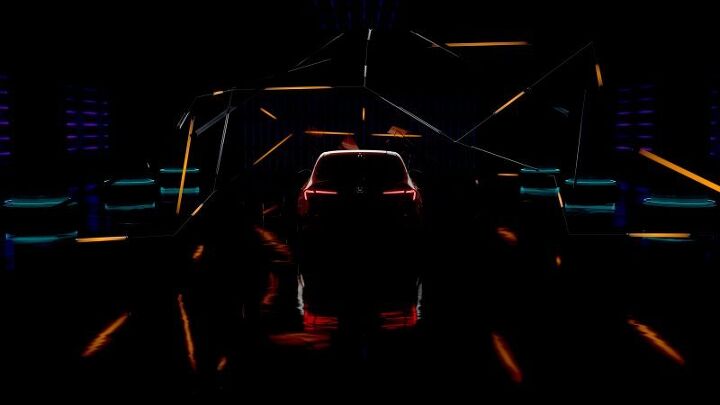
I’ve long resisted being the kind of person who could have The Simpsons “old man yells at cloud” jpeg thrown at me. Figuratively speaking, of course, since you can’t really throw a jpeg.
My reaction to the announcement that the unveiling of the 2022 Honda Civic will take place on Twitch is dangerously close to putting me at risk of having that meme used against me. If I had a lawn, and you were on it, I might start to form the words “get off.”
Ford's Upcoming E-Transit is Kansas City Resident, Means $100M Plant Investment
2021 Land Rover Discovery - British Refreshment

I don’t much care for tea, unless I am sick.
Some folks find it refreshing, though. And tea time is a thing in Britain.
Speaking of British things, the 2021 Land Rover Discovery is refreshed.
Report: Land Rover Considering More Oomph for Defender
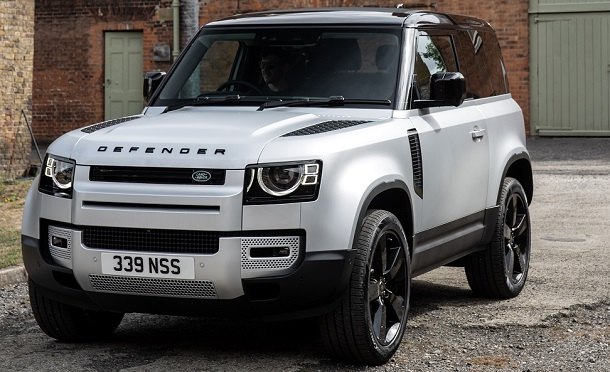
The rumor mill is always, always churning. Some stuff turns out to be true, some not, but some reports catch my eye more than others.
Dropping eight cylinders of fury into the two-door version of the Land Rover Defender 90 is something that gets me to perk up. Even if it’s an unconfirmed rumor as of now.
Subaru BRZ Launch Date Revealed
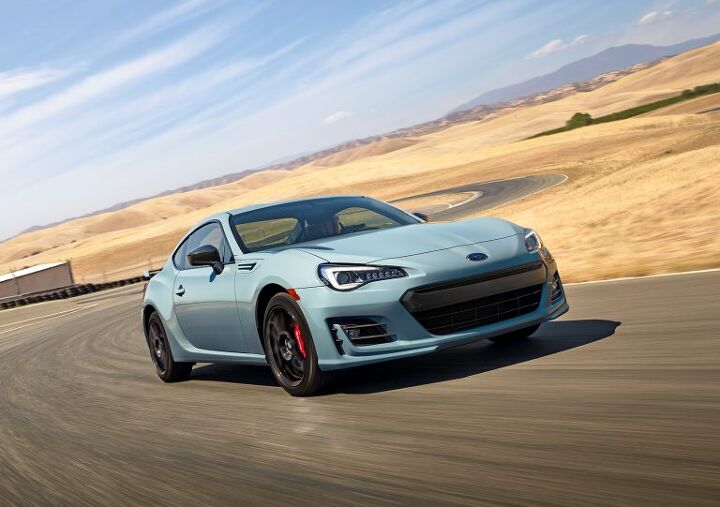
We’ve already reported that a new Subaru BRZ is on the way. Now we have a date for the unveil.
2022 Volkswagen Golf R - Hail the Halo Car
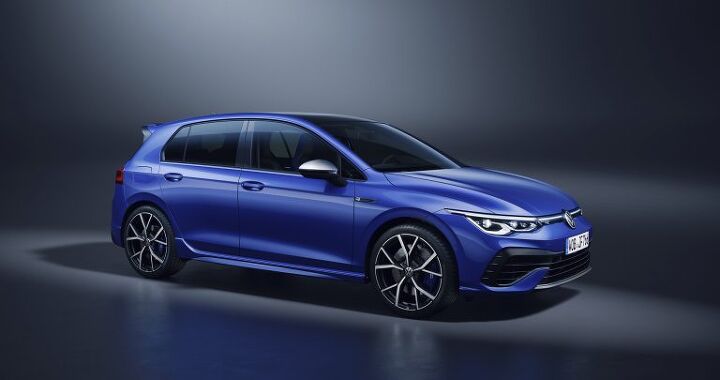
Volkswagen’s Golf R has always sat among the top of the hot-hatch class, along with the Subaru WRX STI and Honda Civic Type R.
And it’s re-done for 2022.
Bugatti Bolide's Claimed Nurburing Time Isn't Real

The Bugatti Bolide Concept, which is a track-focused supercar has impressive numbers. An 8.0-liter W16 engine, 1,824 horsepower, 1,364 lb-ft of torque, a power-to-weight ratio of 0.67 kg/PS, and a weight of 1,240 kilograms — all dazzle.
Another impressive number — the claimed 3:07.1 lap time around LeMans and 5:23.1 around the Nurburgring’s Nordschleife. Problem is, those numbers are based on simulations.
Porsche Has Prolific Plans
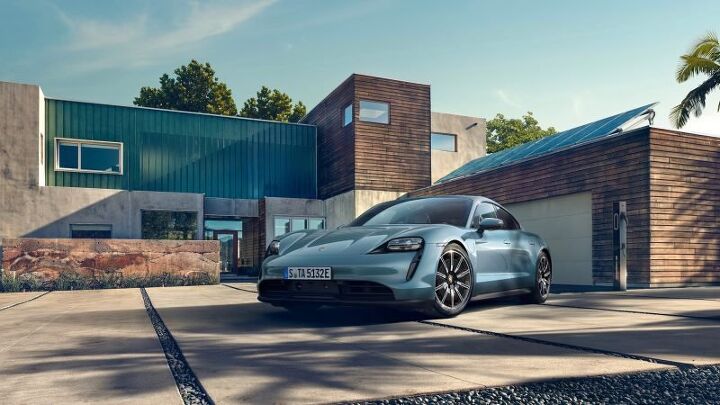
A VIN decoder that has hit one of our parent company’s forums suggests that Porsche has prolific plans for 2021.
2021 Jaguar E-Pace Gets the Knife

The Jaguar E-Pace (which is not the electric one, that’s the I-Pace) gets a refresh for 2021.
Yeah, that’s right. It’s another mild refresh story!
2021 Dodge Challenger to Get More Wide-Booty Bodies
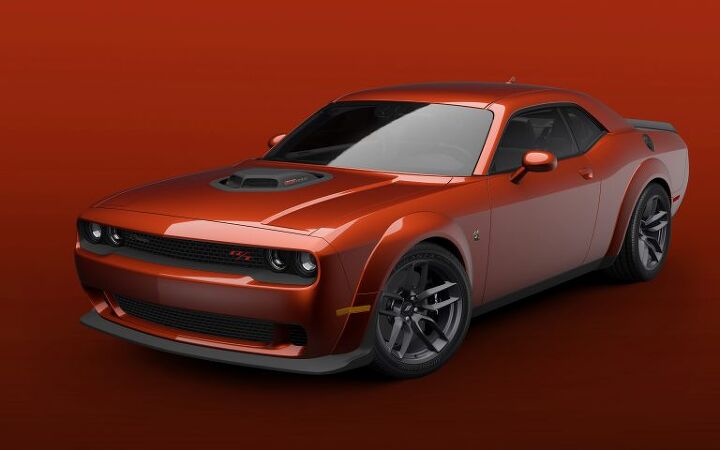
The next Dodge Challenger will have a bit more junk in the trunk, at least in terms of available wide-body options.
No Donut Doors for 2021 Ford Bronco, According to Report
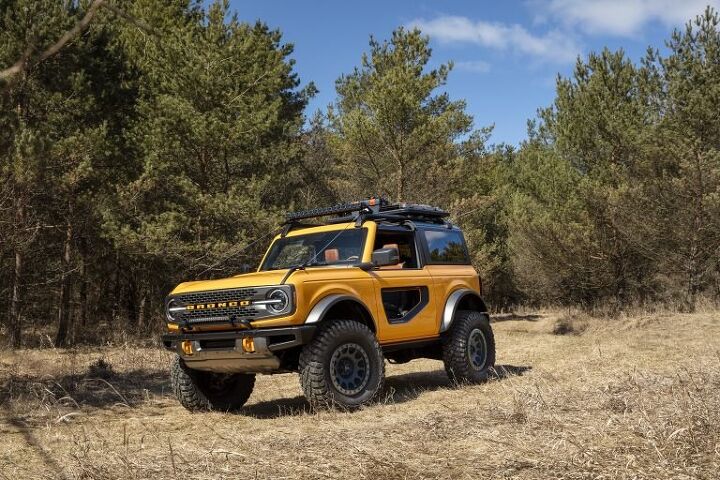
You’ve seen those two-door 2021 Ford Broncos with doors that have a cutout in the middle. They’re called donut doors, because, well, they look like a donut, kind of. They look cool. Unfortunately, they won’t make production for safety reasons, according to a report.
Subaru Forester Expands Engine Options — in Japan
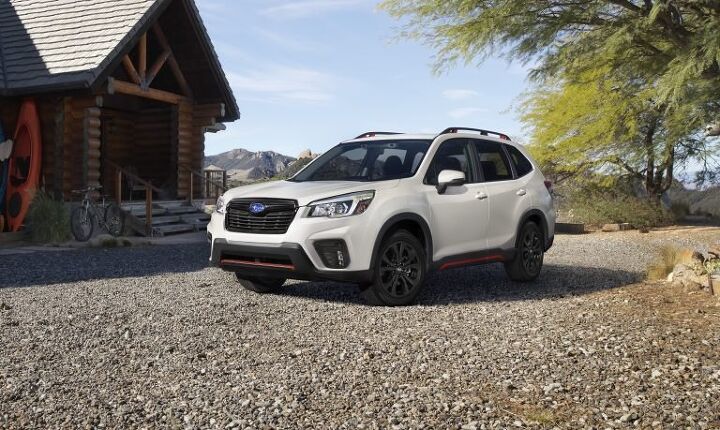
Subaru is adding a 1.8-liter turbocharged four-cylinder to the Forester. Great news if you were verklempt over the discontinuation of the 250-horsepower turbo-four after 2019.
And if you live in Japan.
Holiday Gift Idea: The 2021 Mercedes-Maybach GLS 600
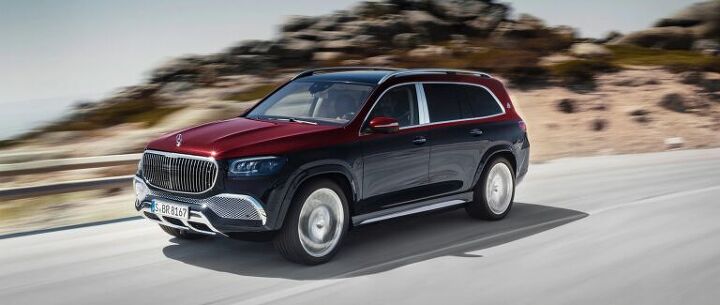
Mercedes-Benz has been committed to building many of its vehicles in North America for some time, and has bestowed an important and ultra expensive new version of the GLS upon its plant in Alabama. At around $200,000, it will be the most expensive passenger vehicle produced in the United States. It’s an on-trend holiday gift for your spouse in The Current Year!
QOTD: What's Your Take on the Hummer?
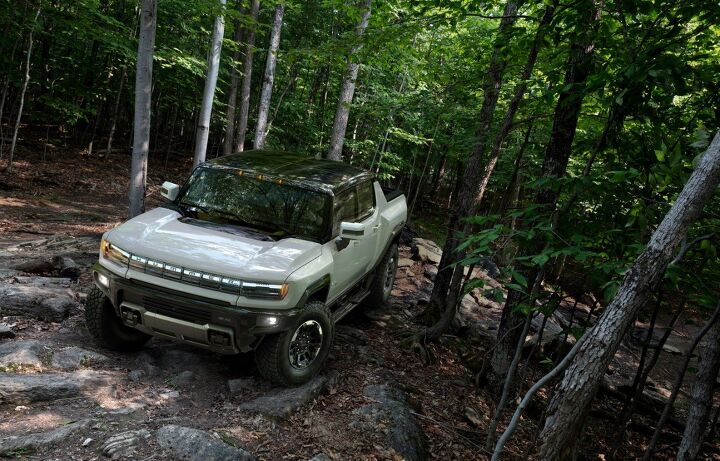
It’s been Hummer week around these parts, as the GMC Hummer EV finally made its debut on Tuesday night. We’ve had a whole slew of stories up — but I wanted to get a sense of what you, the B and B, think of it.
GMC Has No Hummer EV Test Mules Yet

You likely know that lead times in the automotive industry are long when it comes to developing new or significantly redesigned models.
You also likely know that one of the reasons for the long lead times is that automakers spend a lot of time testing prototypes, putting untold numbers of miles on test mules on public roads, at dedicated proving grounds, and in harsh weather environments.
Yet, the newly introduced GMC Hummer EV is just beginning to undergo testing.
Hummer Edition 1 Already Gone

So, you liked that new GMC Hummer EV you saw last night, either on these pages or during the World Series. You want one, and you’ve got the scratch to plunk down over $110K and the patience to wait for the first builds a year from now.
Well, if you’re planning to reserve a Hummer EV Edition 1, if you snoozed, you lost.
2022 GMC Hummer EV: This is It [UPDATED]
Oops: Hummer Leaks Just Hours Before Reveal

Tonight’s a big night for baseball fans — it marks game one of the World Series. This particular WS is one many thought might not happen. GMC is taking advantage of the spotlight on the sport to take the wraps off of the new Hummer EV tonight.
Except an online ad has spilled the beans.
Whoops.
Karma Ahead: Docs Preview Karma's Future
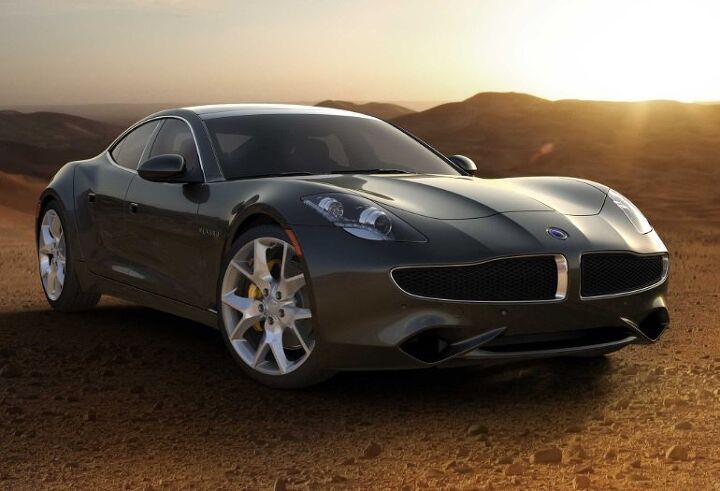
Remember Fisker, which eventually became Karma? Well, the company is still kickin’, and a document made its way to a forum run by our parent company that suggests the company has several vehicles planned for over the next few years. Including, possibly, a pickup truck.
Report: Next Ford Raptor to Be SuperCrew Only
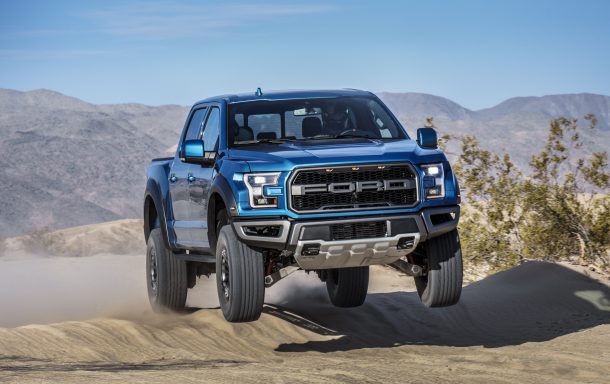
Ford’s Raptor is one tough truck, and it has new competition, thanks to the Ram TRX. Not only that, but the F-150 on which it’s based is new for 2021. So it figures, then, that a new Raptor is on the way.
And this one might be available only in a SuperCrew configuration. Maybe not for the entirety of the model run, but perhaps at least at first.
Could Next Toyota Land Cruiser, If There is One, Get a GR Trim?

The Toyota Land Cruiser is dead. Long live the Toyota Land Cruiser?
The saga of the Land Cruiser is getting confusing. First, we picked up on reporting from Motor Authority that suggested the LC will soon be sent to the great junkyard in the sky, although the Lexus version will soldier on. Part of that report suggested that there is a new generation for the Land Cruiser on the way, but perhaps not to be sold here.
2021 Honda Accord Pricing: Under $25K to Start
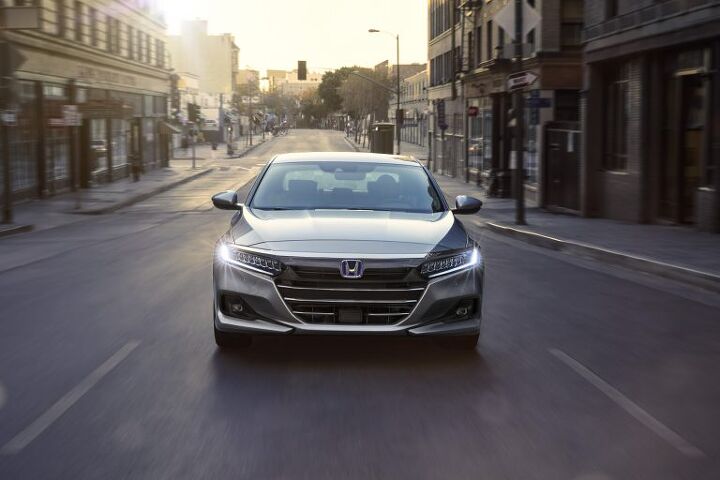
Hi gang! My name is Tim Healey, I am the managing editor of this here site, and I done goofed. Or may have, anyway.
Eclipse Crossing - Here's the 2022 Mitsubishi Eclipse Cross

Sorry, sports-car fans with nostalgia for a certain era – Mitsubishi still insists on using the Eclipse name on a crossover. One that’s now restyled.
A plug-in hybrid version will be offered overseas, but not here. The next Eclipse Cross will go on sale in the States in the first quarter of 2021, following launches in Australia and New Zealand.
Acura MDX Prototype: A Glimpse Into the Near Future
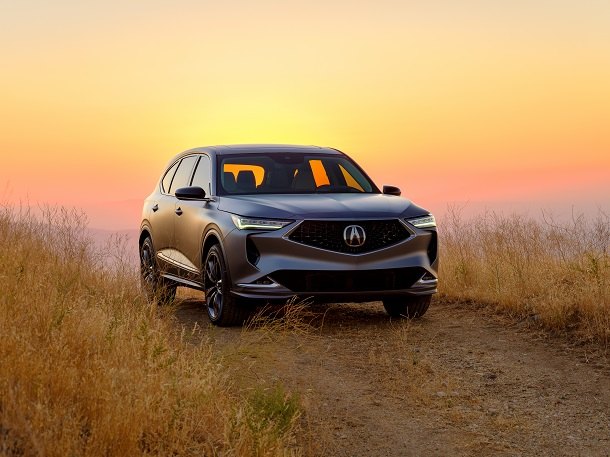
The fourth-generation Acura MDX is here. Sort of.
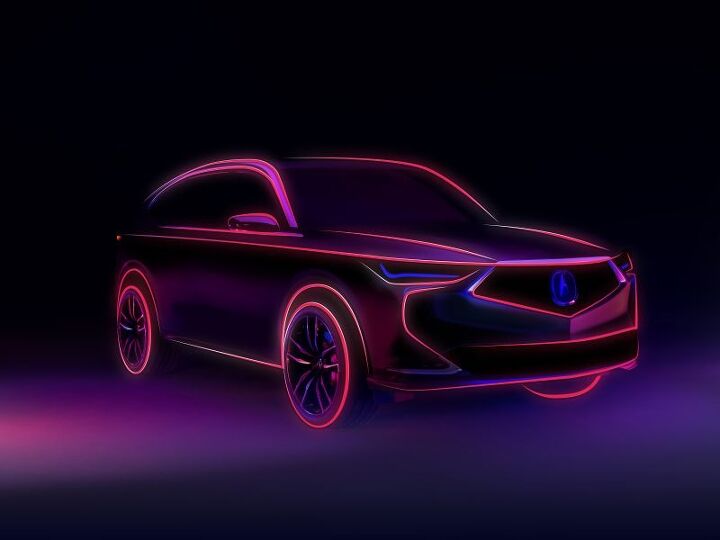
Acura hasn’t actually launched the next MDX, but it has taken the cover off a prototype that previews the upcoming re-done crossover. There is a lot new, as we teased before, but the looks remain relatively familiar.
2022 Volkswagen Taos - VW Fills Another Crossover Niche
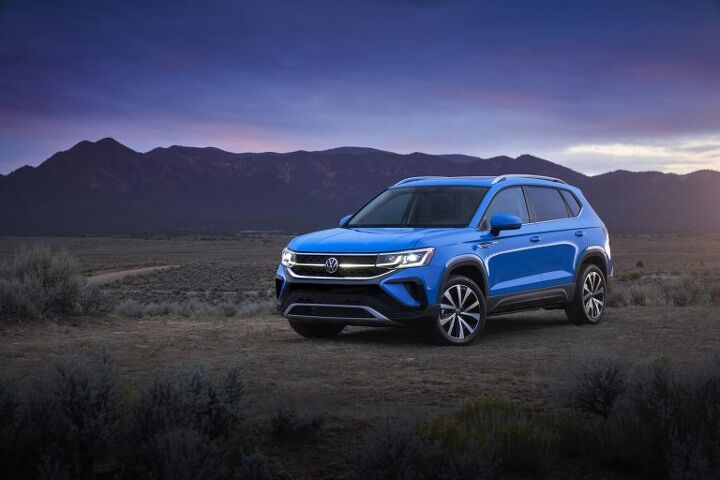
We already mentioned how Volkswagen is being added to the list of automakers using a tourist town in the Southwest to name a crossover and/or SUV. Now we have the full details on the 2022 Volkswagen Taos.
In addition to the Taos, there’s the Dodge Durango, Kia Telluride, Hyundai Santa Fe, Hyundai Tucson, others I am almost certainly forgetting at the moment, and now, the 2022 Volkswagen Taos.
The Audi Albuquerque or Dodge Denver can’t be far behind.
Opinion: Volkswagen Needs to Cancel the Arteon Immediately
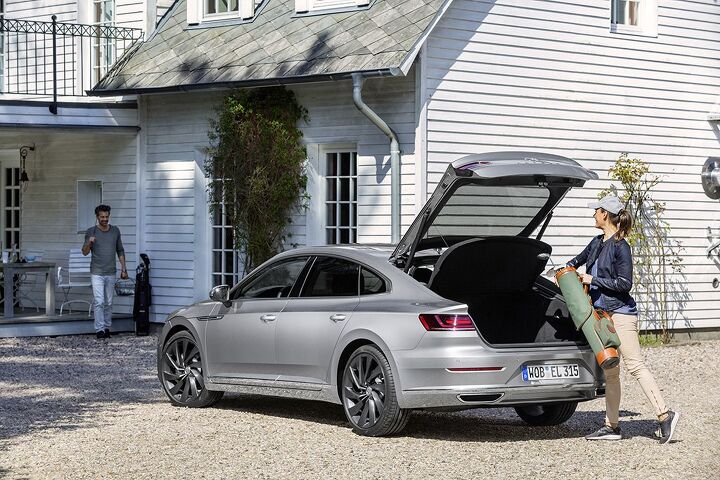
I was thinking about Volkswagen this weekend, as you do. We’ve all seen the recent reports that the company is losing money, betting big on the new electric ID lineup, and about to sell its halo supercar brand Bugatti.
But I think the company has another, product-centric issue in North America as you might’ve guessed by the title above. The Arteon must go.
Honda Dumps Nice Guy Fred Savage, Hires WWE Star Instead
Sayonara Stick Shift: 2021 Honda Accord is Two-Pedal Only
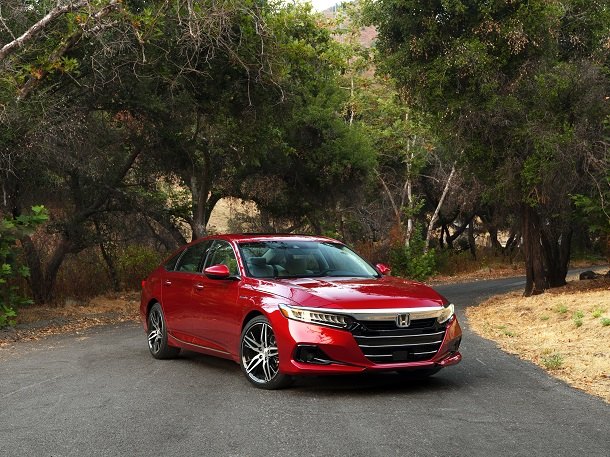
The most interesting thing about the press release for the 2021 Honda Accord is what is NOT in it.
There’s no mention of a manual transmission.
Sad, for three-pedal fans, but not unexpected. The take rate of Accords with manuals had to be minuscule, and few mid-size sedan buyers care about rowing their own. Manuals, in this author’s opinion, are soon to be fully relegated to only sports cars and certain off-roaders.
Bon Voyage: Toyota Land Cruiser Cruises Off Into the Sunset
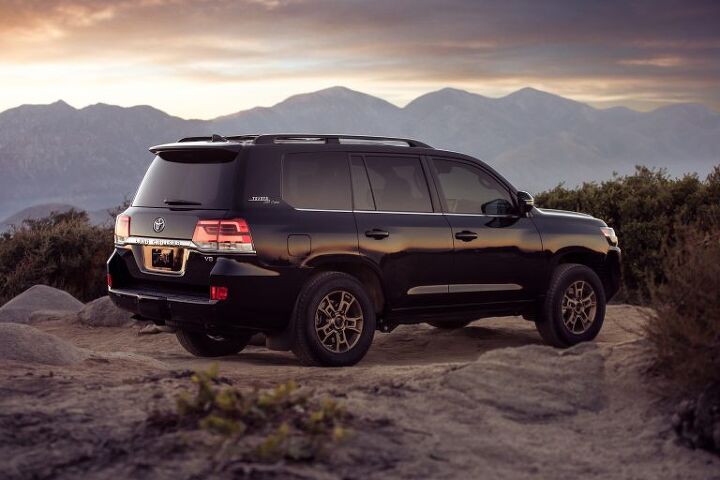
The Toyota Land Cruiser seemed destined to remain on the market, forever unchanged, until the universe collapses into one giant black hole (or whatever would happen – astronomy classes were a long time ago).
Alas, even the Land Cruiser must meet its fate sooner or later. And Motor Authority is reporting that it is sooner, not later.
From City Slicker to Country Boy: 2021 Honda Ridgeline Gets Rugged

As much as we try to cover the news without bias here at TTAC, it would untrue to say that those of us on staff don’t have certain vehicles we like more than others. Our Slack channel is often filled with discussions about how this car or that crossover is good or bad and why. We all have certain vehicles we’d put our own money down on.
Want New Product From Bugatti? Forget About It, Says CEO
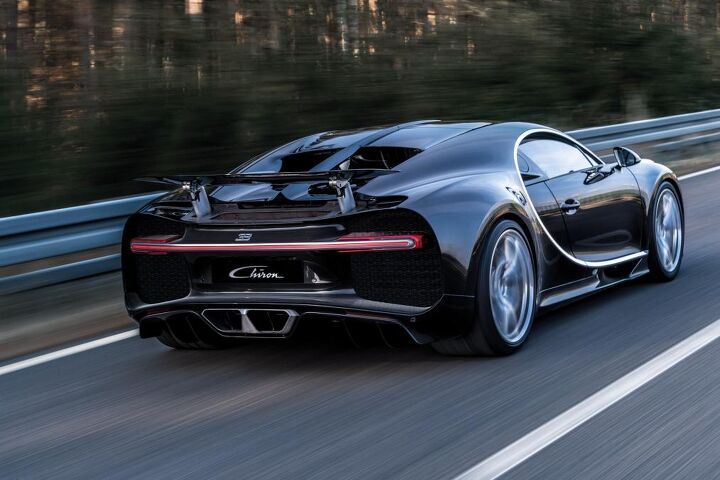
There have been some turbulent times at Bugatti in the second half of 2020. In addition to wearing a For Sale sign over at Volkswagen’s headquarters, the company is discovering that The Current Year just might not be the best time to create a new and super-exclusive hypercar. So it isn’t.
Changes Afoot at Jaguar: XF Retouched, XE and XF Sportbrake Binned

Jaguar has unveiled its short-term product plans, and fans of compact luxury sport sedans, as well as wagon enthusiasts, have reason to weep.
Subaru Sports Coupe Continues: Next Subaru BRZ Spied
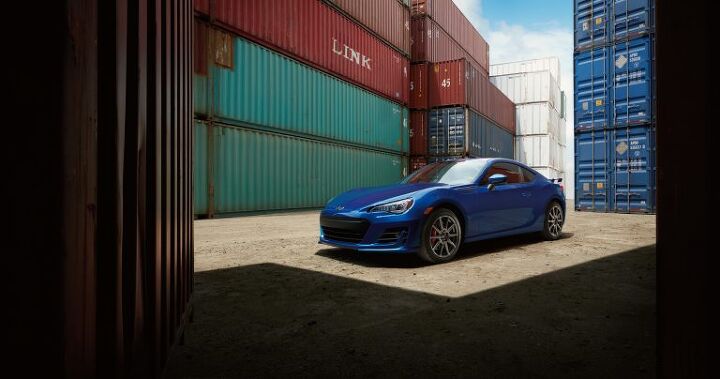
The Subaru BRZ, which shares its bones with the Toyota 86, is a delightful and affordable little sports coupe. It’s also a bit long in the tooth. Never fear, as a 2022 model is on the way.
Tesla Looks to German Acquisition to Increase Battery Production Capabilities

Tesla continues their aggressive plans for dominance in the EV market. As we reported last week, the company has ambitious plans to enter the Indian market next year. While that market will certainly require a cheaper model than what the company sells now, Tesla’s on it. The brand intends to drive toward EV adoption with better, longer-lasting batteries and less expensive models.
And on Friday, word leaked of a deal over in Germany that’s an important part of Tesla’s expansion plan.
Acura MDX Prototype Teases Major Change
More Honda Civic Renderings Hit the Web

We showed you what the next-generation Honda Civic hatchback might look like, based on patent filings unearthed by one of our forums, yesterday, and now our corporate friends have the sedan renders.

Do Your Civic Duty and Peep Your Eyes on What Might Be Honda's Next Hatch

Renderings of the 11th-generation Honda Civic Hatchback have hit the forums, thanks to Honda patent filings, and the changes are minor but give the car a far milder look.
The biggest difference upfront is a narrower grille combined with a larger lower front fascia, basically a flip-flop of the current car.








Recent Comments