TTAC News Round-up: Mitsubishi Has a Plan, Volvo Wants You Online, and FCA Throws Down

Mitsubishi confirms it is going to shoehorn another SUV into its lineup to tempt those utility-hungry Americans.
That, Volvo wants everyone to buy S90s from their beds, Fiat Chrysler isn’t having a dealer’s trash talk, UAW bolsters its ranks, and your gas is going up … after the break!

TTAC News Round-up: Mazda Doesn't Need No Stinkin' Hybrids, Volkswagen Rebuffs Deadline, and March Looks Like a Winner

“Hybrids? Those things that can’t make up their mind on what they want to be in life? Come on!” – Mazda.
That, Volkswagen floors the accelerator past a deadline, March looks like a boffo month for vehicle sales, Audi dials it back a bit, and getting a Tesla Model 3 depends on whether or not you’re in the club … after the break!
Volkswagen Investors Want an Expensive Pound of Flesh

The numbers are big — 278 investors seeking $3.61 billion — but the latest lawsuit leveled at Volkswagen is merely another drop in the penalty bucket for the embattled automaker.
As has been expected for some time, a group of institutional investors from numerous countries is seeking compensation for financial damage caused by Volkswagen’s diesel emissions scandal, Reuters is reporting.
The lawsuit was filed Monday in a Lower Saxony court — the same jurisdiction as Volkswagen’s headquarters — and alleges the automaker breached its duty under capital markets law between the time the “defeat device” was first installed in diesel models and when the scandal went public last September.
TTAC News Round-up: Toyota Brings on Brains, Sergio Leaves the Cake in the Oven, and GM Takes the Stand

The brain trust of yet another artificial intelligence technology startup has been snapped up as automakers prepare for our terrifying, dystopian future.
That, Sergio Marchionne has a sure-fire recipe, jury selection begins in ignition trial, Tesla doesn’t need no stinkin’ successful low-priced car, and GM goes big on commercial sales … after the break!
Volkswagen to Slash Office Jobs by Next Year, Says Report

Like ripples in a pool of sulphur-rich oil, the impact from Volkswagen’s diesel emissions scandal keeps spreading.
In a cost-cutting measure designed to mitigate the growing financial damage caused by the scandal, Volkswagen is planning to cut 3,000 administration jobs in Germany, according to Reuters.
FCA Hands Out Band-Aids, Tourniquetes to Fiat Dealers
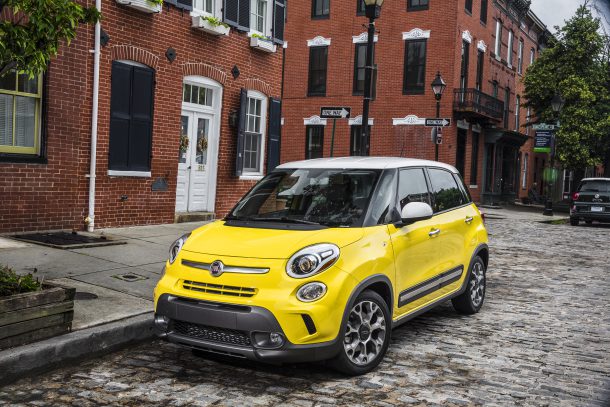
Fiat’s American retailers are struggling to bring in buyers as well as pay the cost of their dealerships, but help is on the way from the parents.
On March 9, Fiat Chrysler Automobiles pitched a plan to stabilize dealers, offering Fiat stores the opportunity to combine their operations with the Chrysler-Jeep-Dodge-Ram dealers many are adjacent to, Automotive News reports.
TTAC News Round-up: Honda Wants a Cheaper Future, Cash for Airbag Woes, and Tesla Races Itself

The world needs to be saved, but who wants to spend more money doing it?
That, cash lands on Takata-plagued dealers, Tesla takes to the track, BMW wants you in and out fast, and Volkswagen dreams of slaying the Prius … after the break!
Unfixable Volkswagen Diesels Could Keep Living the California Dream
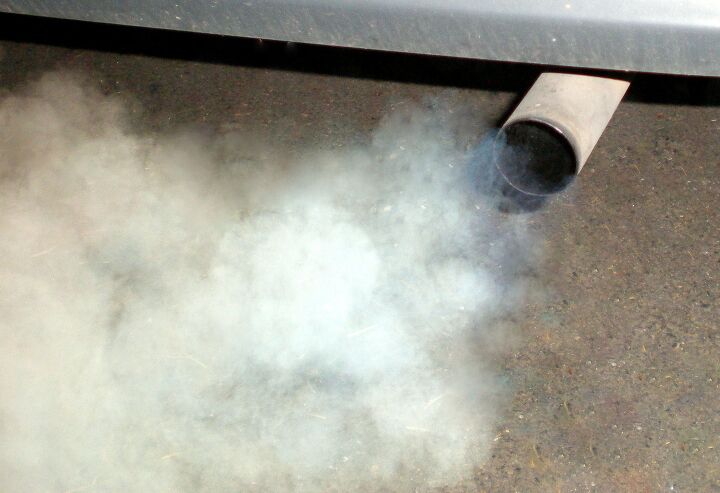
There’s a chance that older Volkswagen TDI models branded as pollution monsters in the ongoing diesel emissions scandal could keep rolling along the avenues and alleyways of the Golden State.
On March 8, California’s air regulator floated the idea that diesels that can’t fully be brought back into compliance with state laws might get a pass, according to Reuters.
Tod Sax, chief of the California Air Resources Board’s enforcement division, admitted that bringing every one of the state’s approximately 82,000 afflicted diesels up to code is probably not possible.
Volkswagen 2-Liter Diesel Fix Plan Won't Be Ready by Deadline
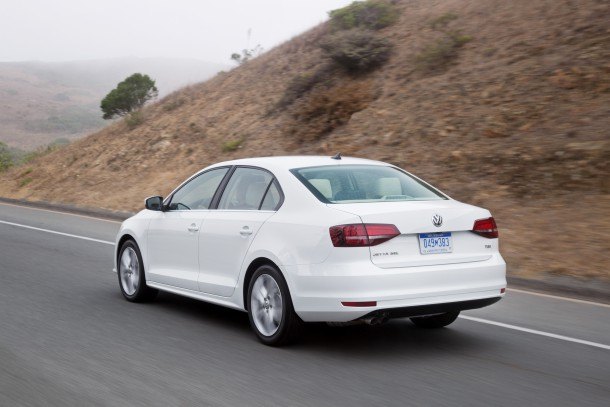
Volkswagen won’t be meeting a March 24 deadline to outline a diesel fix for U.S. regulators, Automotive News reports.
Volkswagen brand chief Herbert Diess made the admission in a German newspaper on March 5, claiming it will take the embattled company months, not weeks, to work out a fix for vehicles affected by the the diesel emissions scandal.
TTAC News Round-up: Volkswagen Sees a Savior, Goodyear Dreams of Spheres, and Toyota Shakes It Up
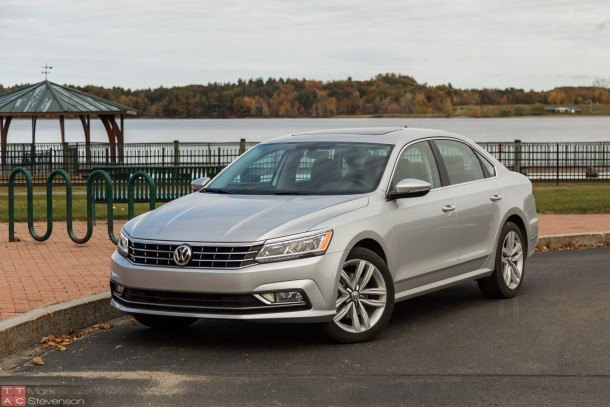
An American man will soon enjoy the task of making people love his controversial company again.
That, Goodyear’s been watching I, Robot, Toyota shatters its corporate structure, sentiment grows for better braking, and the feds say the airbag recall has gone far enough … after the break!
TTAC News Round-up: China Binds Up Holland, BMW Needs New Friends, Young People Dream On
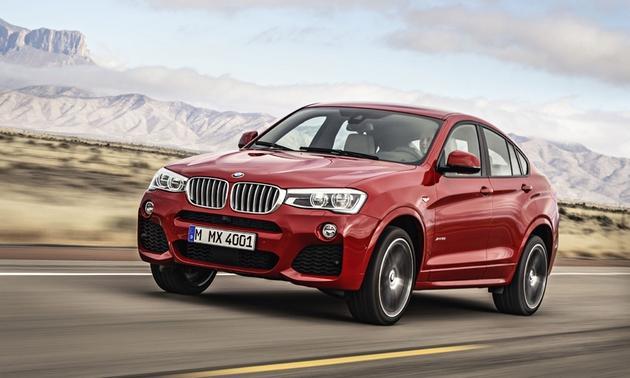
Amsterdam’s port facility is more crowded than a Walmart on Black Friday and it’s all China’s fault.
That, BMW wonders how it all went wrong, Millennials bare their souls to a salesman, Toyota walks down memory lane, and a safety regulator has some explaining to do … after the break!
TTAC News Round-up: Volkswagen Has A Better Slogan and Attitude, BMW Has Less Money, And Honda's Bringing All The Turbos

Volkswagen’s simple, effective and direct slogan “Das Auto” ist kaput after about a decade of ruining our logic and grammar.
That, and BMW gets spanked by NHTSA, drive like it’s 2008, and more … after the break.

Some Volkswagen Goodwill Packages Taking 5 Weeks, Or Longer

Some Volkswagen diesel owners say the goodwill compensation packages they elected to receive four weeks ago, as part of the automaker’s apology to North American consumers, still haven’t arrived in the mail.
According to several owners who wrote on VWVortex, gift cards have taken longer than four weeks — the timeline promised by the automaker — to arrive, if they’ve even arrived at all.
Most of the owners who posted on the forum said that they registered for VW’s goodwill program around Nov. 9, when registrations were initially open.
Cadillac Drafting New Dealer Incentive Program
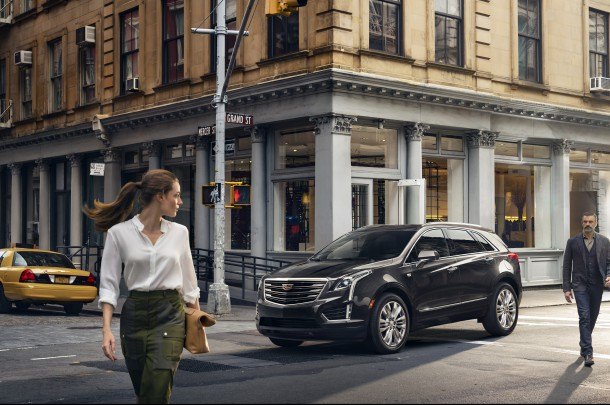
With the CT6 and XT5 hitting the floor soon, Cadillac is working on a new dealer incentive program to encourage improvement of the buying experience at its stores.
Automotive News reports the program could bring as much as $850 million to $1 billion USD “in incremental profit” for the brand’s dealership network over the next four to five years, according to president Johan de Nysschen:
If we want to have a strong brand, we need to have a strong franchise. To do that, it means the dealers are profitable and that they’re able to invest in the business and to build the customer experience.

Discount Hunters Find Silver Lining In Volkswagen's Diesel Clouds

While some declare Volkswagen dead in their betrayed hearts over the recent emissions scandal, others see an opportunity for a discount on a diesel.
Study: Nine Out Of 10 Millennials Consider Car Ownership Important
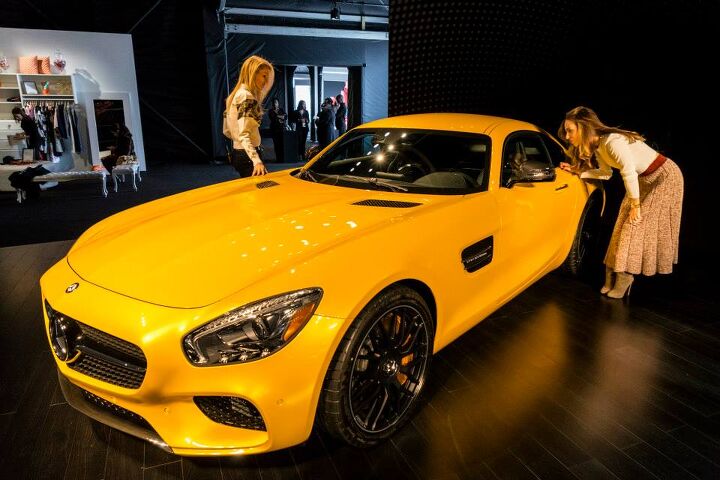
Allegedly, Millennials care only about the latest iPhone, and not the i8. Nine out of 10 Millennials would disagree, and consider car ownership important.
Volkswagen Introducing 'Budget-Car Family' By 2018
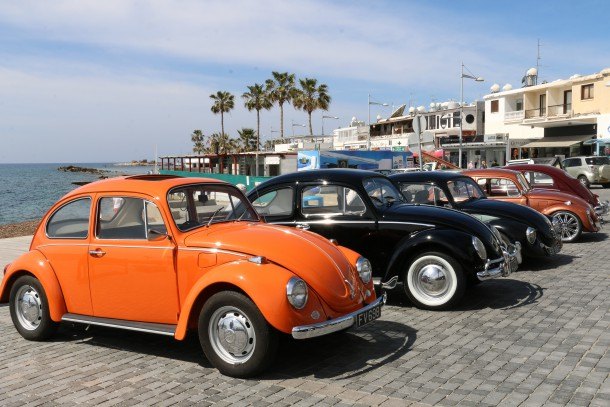
Once upon a time, Volkswagen lived up to its name by providing a low-cost car for the people. Now, the automaker has plans to do so once more.
Uber Bans Drivers, Passengers From Carrying Guns During Rides

Uber drivers and passengers alike are now banned from carrying their guns into town, thanks to a new policy.
Report: NHTSA Failed Consumers Over Automotive Safety

Last Friday, the U.S. Transportation Department’s Office of Inspector General dropped the sledgehammer on the NHTSA over its failings in automotive safety.
Koreans Best Japan In 2015 JD Power Initial Quality Study
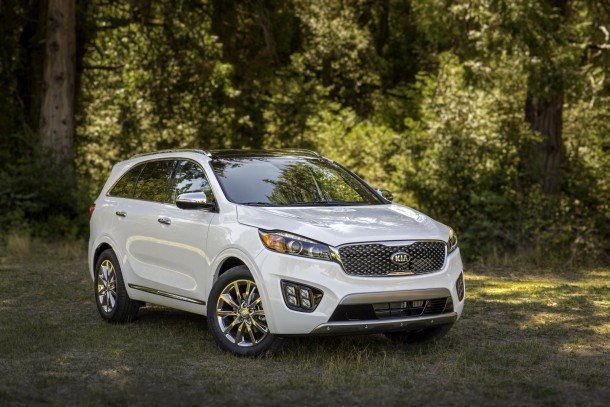
Once one of the bests among the rests, Japanese automakers fell below average in the 2015 J.D. Power Initial Quality Study as the Koreans rise in quality.
Hyundai Struggles Against Infrastructure Issues To Meet Global FCV Sales Target

Global sales of Hyundai’s Tucson Fuel Cell haven’t been able to match sales targets since the FCV’s launch in 2013, though not for a lack of trying.
Volvo Markets Simplified Identity Against Teutonic Complexities

Whereas the Teutonic Trinity of Audi, BMW and Mercedes go for complexity in their offerings, Volvo aims to attract luxury consumers through simplicity.
US House Resolution Would Allow Factory-Direct Turnkey Replica Vehicles

Has the thought of assembling a replica vehicle put you off of buying one? Thanks to Congress, you may soon be able to buy a factory-direct turnkey model.
Attractive Leases Mean Lower Mileage Caps In Exchange For Low Payments

Leases are red-hot these days, but those signing up for temporary ownership of their rides will be facing lower mileage caps in exchange for low payments.
Musk: No Interest In Tesla Battery Swap Facility From Consumers

How many Tesla owners have paid a visit to the automaker’s sole battery-swap station in the world? Not enough to keep the experiment going.
Loing: 2016 Nissan Maxima Aimed At Younger Consumers

Who is the intended audience for the 2016 Nissan Maxima? If you ask the automaker, they’re aiming for younger consumers.
Google Wades Carefully Into Connected-Vehicle Waters With Android Auto

Though Google’s Android OS may be awash with numerous apps, Android Auto goes for a more limited approach in the name of traffic safety.
Android Auto Latest With Difficulty Over Saying Hyundai's Name
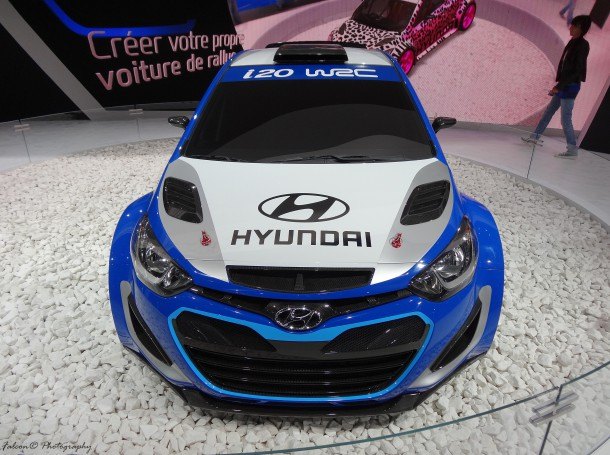
How does one pronounce Hyundai’s name? Does it rhyme with “Sunday,” or with “fungi”? Google’s Android Auto on the 2015 Sonata isn’t so sure, either.
FCA, Ford, Honda Expand Respective Takata Airbag Recalls
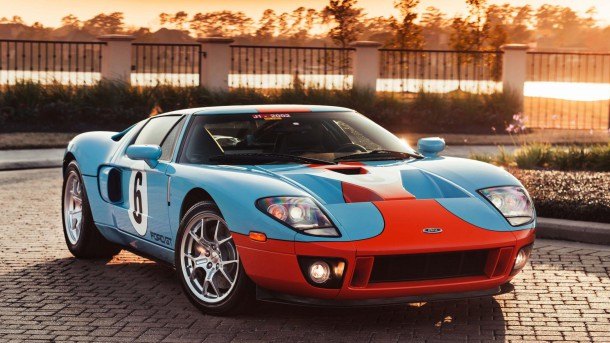
FCA, Ford and Honda are adding more models to their recalls involving Takata’s airbags, the first following the supplier’s admission on the issue last week.
2016 Chevrolet Volt On Sale In California, Google, Apple Systems Coming This Summer

California consumers will be the first to buy the 2016 Chevrolet Volt, which will have Google’s and Apple’s infotainment systems beginning this summer.
FCA US Reducing Powertrain Warranty To 60K Miles For 2016 Models
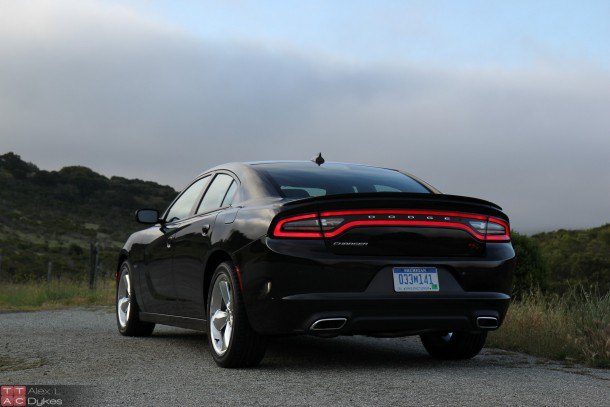
Those shopping for a new Charger, 300, Wrangler or 1500 because of the powertrain warranty may need to pull the trigger soon due to an upcoming mileage cut.
Study: Virtual Drivers Possible Key Toward Autonomous Vehicle Acceptance

Virtual drivers may be the key to developing trust in autonomous vehicles, so long as those drivers are quicker on the draw than Johnny Cab in an emergency.
Honda Continues Shift Toward SUVs, Crossovers With 2016 Pilot Production

With the 2016 Pilot leaving the assembly line starting Thursday, Honda continues its progress toward more SUVs and crossovers over passenger cars.
Canada A Low Priority In Takata Airbag Recalls

As nearly 34 million vehicles in the United States go under recall over Takata’s airbag issues, Canada remains a low priority due to cooler climes.
Renault Kwid Unveiled, Ready To Battle Maruti Suzuki Alto In India

As the Datsun brand stumbles in India, Renault-Nissan unveiled the Kwid Wednesday to take on the challenge of beating the best-selling Maruti Suzuki Alto.
Luxury Automakers Wary Around Growing Female Consumer Base

Those dealing in luxury vehicles and high-performance exotics may need to improve their relations with women soon, as more women seek such wares.
Consumer Reports Declares Tesla Model S P85D 'Undrivable' Due To Glitch

The thrill has gone for Consumer Reports‘ review team over the Tesla Model S, declaring the P85D “undrivable” in a new blog post.
Compact Commercial Vans Booming Despite Challenges
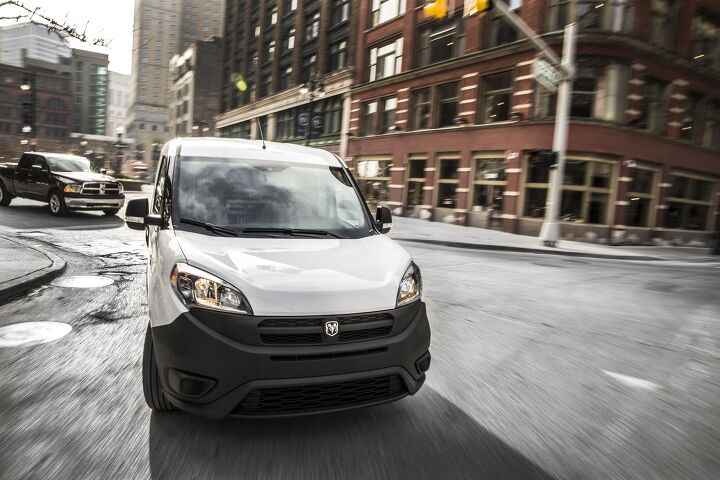
While old-school large vans are still kings in catering and flowers for now, more small business owners are opting instead for compact commercial vans.
Tesla Gains Renewed Support From FTC For Direct Sales Model

In its battles for the right to sell its wares directly to consumers, Tesla has found a valuable ally in the Federal Trade Commission.
US Uber Users Latest Victims In Hacking, Selling Scheme

Uber customers in the United States are the latest victims in a hacking scheme where Uber accounts are sold on the dark web for as little as $1.
Luxury Brands Doing Well On The Back Of Lower-End Models

Want to know why Mercedes, Audi, Lexus and all of the other luxury players are doing so well these days? Because of less-costly, lower-end luxury models.
GM Gives Away 2016 Chevrolet Malibu, Invests $174 Million In Kansas
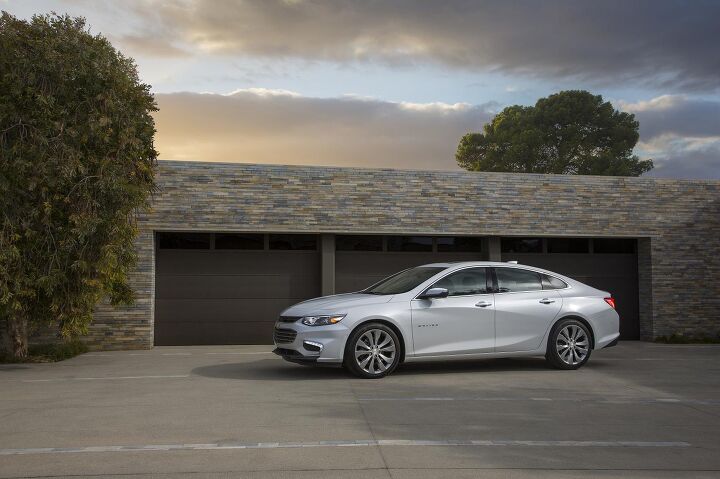
In celebration of a key milestone, General Motors CEO Mary Barra gave away a 2016 Chevrolet Malibu Monday, a feat that could never happen with the old Malibu, even with Oprah’s help.
Aston Martin All-In On SUV, Lamborghini Still On Fence

Aston Martin is entering the high-end luxury SUV/crossover game, while Lamborghini is still debating whether or not the LM002 needs a successor.
Automakers, NHTSA Meet To Discuss Increasing Recall Completion Rates

Despite the numerous recalls over the past year, recall completion rates are not at 100 percent. The NHTSA and automakers hope to change this.
Automakers Consider Octane Increase For Better Fuel Economy, Emissions

Automakers are looking to boost octane in the gasoline consumers use as a possible new tool to cheaply and easily meet ever-tightening standards.
Lincoln Turning To Proper Names For Future Models

Just as Cadillac embraces an all-new set of alphanumeric naming schemes, Lincoln is deciding that proper names may be better after all.
Ford Vignale Mondeo Ready To Deliver Total Package To Europe

It’s brown, it can be had as a wagon with diesel power and a manual, but like the new Taurus in China, the Ford Vignale Mondeo will never come here.
Jeri Ward Appointed To Vacated CCO Role At Audi Of America
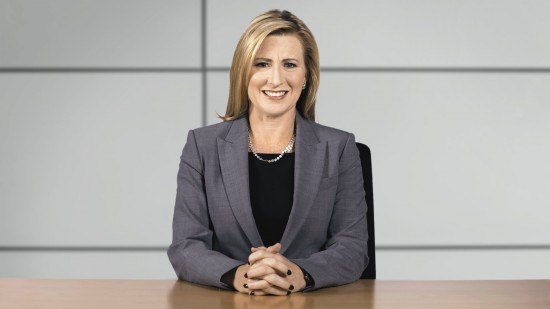
After serving as Audi of America’s customer experience director since 2011, Jeri Ward moves on up to the roles of CCO and vice president for the subsidiary.
Michigan Diesel Shop Refuses To Serve Openly Gay Customers

What does a diesel shop in Michigan have in common with a Washingtonian florist and a Hoosier pizza hut? An owner who refuses to serve openly gay customers.
General Motors Saved From Pre-Bankruptcy Ignition Lawsuits

Per a bankruptcy court ruling Wednesday, General Motors won’t be on the hook for pre-bankruptcy claims linked to the February 2014 ignition recall.
ChargePoint Bringing Charging To Condos, Apartments With New Service

Live in a condo or an apartment and would drive a PHEV or an EV if only you could charge it? Charging-station producer ChargePoint might have the solution.
Chevrolet Spark EV Sees Price Drop, Bonus Cash For Base Model
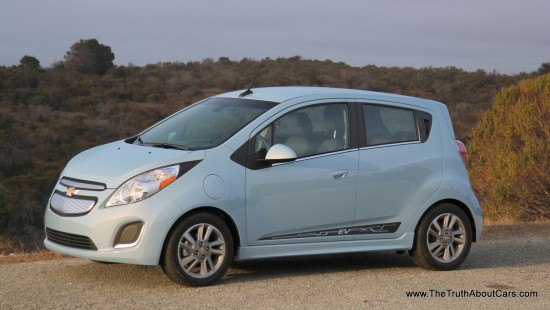
In the market for a 2015 Chevrolet Spark EV? Your wallet will still feel heavy after signing off on the paperwork for the base model.
Orders For Mitsubishi Lancer Evolution Final Edition Now Being Taken In Japan

If you live in Japan, you can now place your order for one of the 1,000 Mitsubishi Lancer Evolution Final Edition models before the Evo fades into history.
IHS: PHEVs To Overtake EVs In Europe Within Two Years
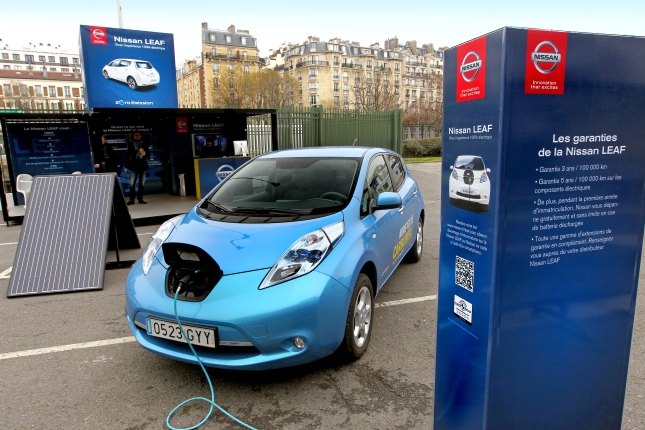
Electric vehicles are doing well in Europe, but their dominance over PHEVs may soon draw to a close.
Uber Safe Helps Drunk Torontonians Make It Home Safely
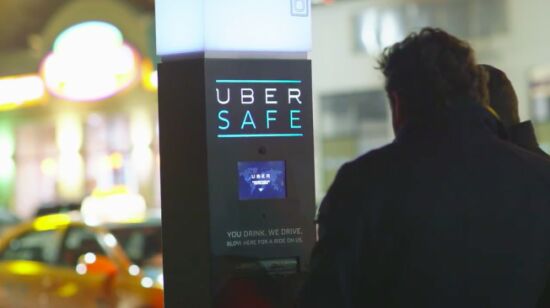
Should you be in Toronto having a few with the TTAC Zaibatsu, and you need a lift home, Uber’s Uber Safe program might be what you need.
Eberhardt: No Separate Brand Above Range Rover For Ultra-Luxury SUVs
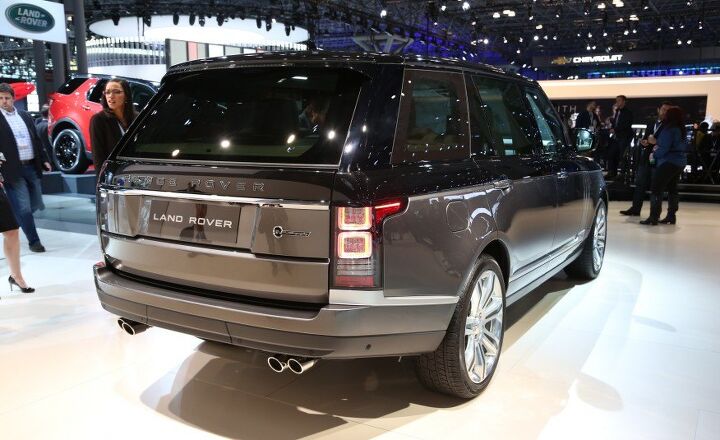
Though Bentley and Rolls-Royce are adding ultra-luxury SUVs to their collections, Jaguar Land Rover has no plans to put one above Range Rover.
AM/FM Radio Still High Among Consumers' List Of Car Features

Though one can now connect their smartphones and iPods to their vehicle’s infotainment systems, consumers still go gaga for AM/FM radio.
Toyota Delivers Increased Incentives For Prius Models In April

Live in California and shopping for a Toyota Prius? Your bank account will love this news.
BMW I3 Models Now Available Through Amazon Japan
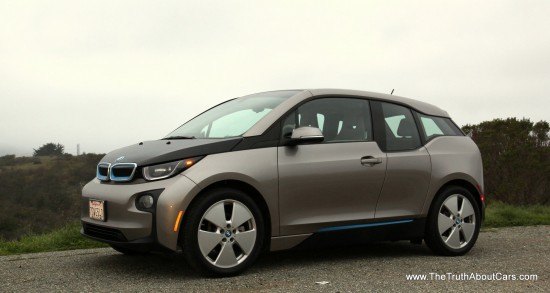
You can order a lot things from Amazon, including books, CDs and giant drums of lubricant. If you’re in Japan, though, you can also order a BMW i3.
Kia GT Concept Closer To Becoming Production-Ready

Over three years ago, the Kia GT concept made its debut at the 2011 Frankfurt Auto Show. Soon, however, the four-door coupe could hit the production line.




Recent Comments