

Hyundai Xcient Fuel Cell HD Truck On Its Way
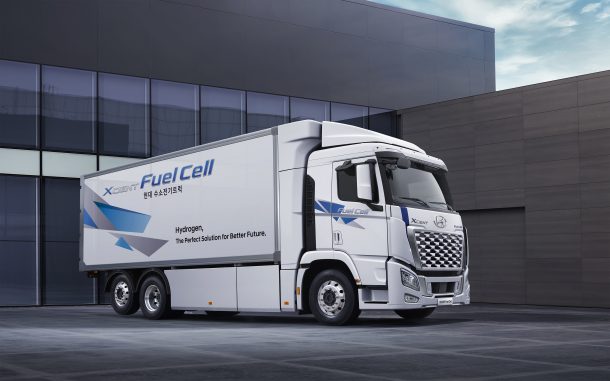
The Hyundai Xcient is on its way to becoming the first mass-produced hydrogen-powered, heavy-duty truck. Design and performance improvements have made it more competitive with those expected from Mercedes-Benz, Toyota-Hino, and Nikola.

QOTD: Has the Global Vehicle Market Recovered?

Is the global vehicle market in recovery following the 2020 downturn? Data analysts GlobalData seem to think the market is firmly in recovery mode, according to their latest report.
2022 Hyundai Ioniq 5 Fast Charging CUV Exposed
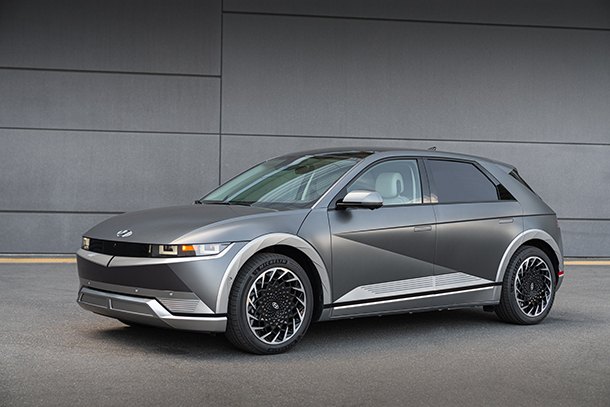
The 2022 Hyundai Ioniq 5 ultra-fast charging crossover utility vehicle was revealed yesterday, highlighting its Electric-Global Modular Platform (E-GMP).
Ioniq 5’s 300-mile range, and 10-to-80 percent ultra-fast charging in 18 minutes showcases E-GMP technology.
QOTD: Will Foxconn Make Fisker's PEARs?
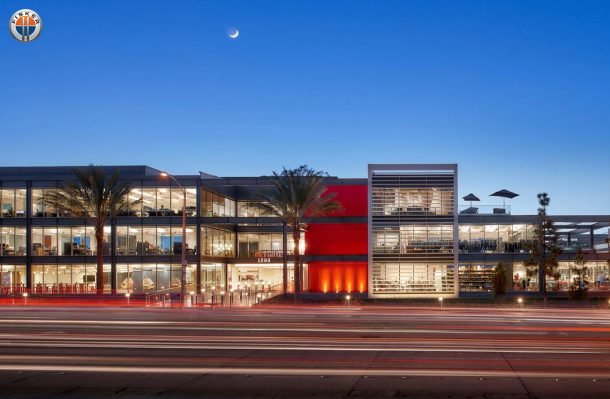
Foxconn, also known as Hon Hai Technology Group, announced that it signed a development and manufacturing agreement with Fisker. Foxconn is one of the world’s largest electronics manufacturers and the producer of Apple’s iPhone.
Torsus Praetorian 4X4 Off-Road Bus Updated

Torsus’ Praetorian, heavy-duty, off-road 4X4 buses, has announced a number of technical advances. These rugged off-road buses are made to cross some of the most inhospitable terrains on earth.
QOTD: Is the 2021 Rolls-Royce-Based Overdose Actually Overkill?

A Rolls-Royce Black Badge Wraith is already a limited production vehicle. German tuner Novitec, and its Spofec division, are modifying three of these cars for worldwide distribution. The question of the day is whether the Spofec Overdose Wraiths are overkill, or not?
2023 Cadillac Lyriq is Almost Here

Today the 2023 Cadillac Lyriq made its production debut. If this is the highlight of a century of innovation, what’s Cadillac been doing the rest of the time? Cadillac’s luxury electric SUV is starting a new era ahead of schedule. You can place your order in September for a 2022 first-half delivery.
Keystone BIG Show Returns This Weekend

The Keystone BIG Show, an automotive aftermarket trade show arguably second only to the SEMA Show in importance, will be held Friday, March 5th, and Saturday, March 6th, at the Gaylord Texan Resort and Convention Center in Grapevine, Texas. The in-person show will be followed March 15-19 by a virtual event.
Tires Made in Southeast Asia Will Be More Expensive
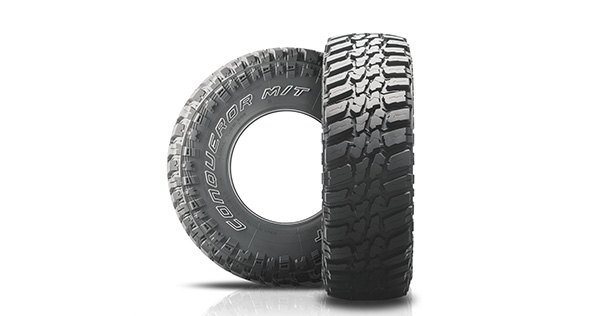
Tires from South Korea, Taiwan, Thailand and Vietnam are about to get more pricey, as the U.S. Department of Commerce (DOC) announced yesterday preliminary duties in the antidumping duty (AD) investigations of passenger vehicle and light truck tires from those countries.
As the Chevrolet Bolt's U.S. Sales Cool Off, GM Readies a Production Boost

As promised by General Motors CEO Mary Barra in March, GM plans to crank out additional Chevrolet Bolts at its Orion Assembly Plant in Michigan later this year. The need for extra output isn’t because of rising sales in the United States, however.
In GM’s second-quarter 2018 sales report, the Bolt’s U.S. tally fell to 3,483 vehicles, down from Q1’s 4,375 deliveries, as well as Q2 2017’s 4,500 units. Last year’s Q2 sales came when the Bolt hadn’t even reached all U.S. markets. No, GM needs more Bolts because other countries want them.

Rare Rides: Behold the 1969 Marcos GT, a Story of Continual Collapse

Struggling for decades, Marcos Engineering produced very few examples of its flagship GT model. This excellent condition restored example recently made its way up onto the eBay auction block, which presents a good opportunity to take a look at this stylish British sports car.

As Chrysler Fades Away on the Global Stage, Right-hand-drive 300s Remain in Production

On the surface, Fiat Chrysler Automobiles’ Jeep brand is everything a modern-day brand should be. SUVs and crossovers, a looming pickup truck, and no cars. This is what the world wants.
On the opposite side of the coin, Chrysler is the brand seemingly no one, save for North American minivan buyers and a shrinking pool of traditional luxury sedan devotees, wants. Year-to-date, sales of the brand’s two-model U.S. lineup is down nearly 10 percent.
Overseas reports claiming FCA has ended production of right-hand-drive models at its Ontario, Canada assembly plants paint an even grimmer picture, even though the core RHD Chrysler model — the rear-drive 300 — is not, apparently, extinct.
Rare Rides: The 1983 DeLorean DMC-12 - a Gold-plated Opportunity?
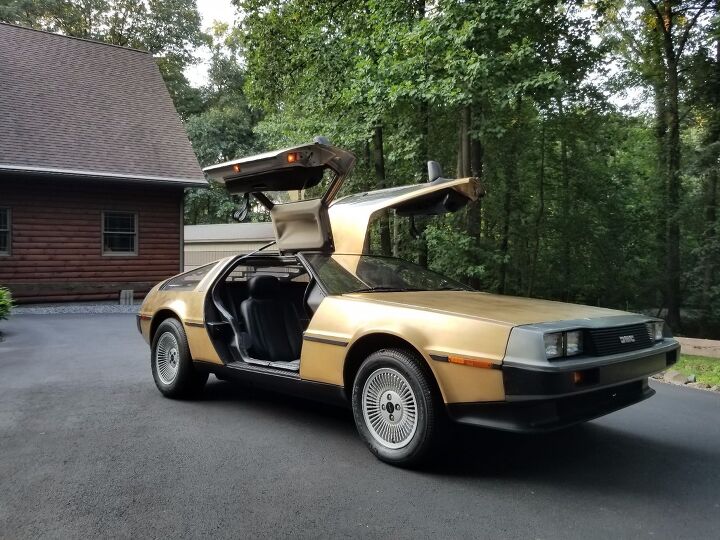
The DeLorean DMC-12 is forever linked to the classic film Back to the Future, where the stainless steel wonder was converted into a conveyance for the purposes of time travel. But the silver screen was not the only place the DMC-12 underwent a transformation. A certain credit card company had a PR stunt in mind that saw the DeLorean plated with 24-carat gold.
Our Rare Ride today is what happens when a private owner attempts the same thing.
Rare Rides: The 1990 BMW Z1, a Little Bimmer Time Forgot
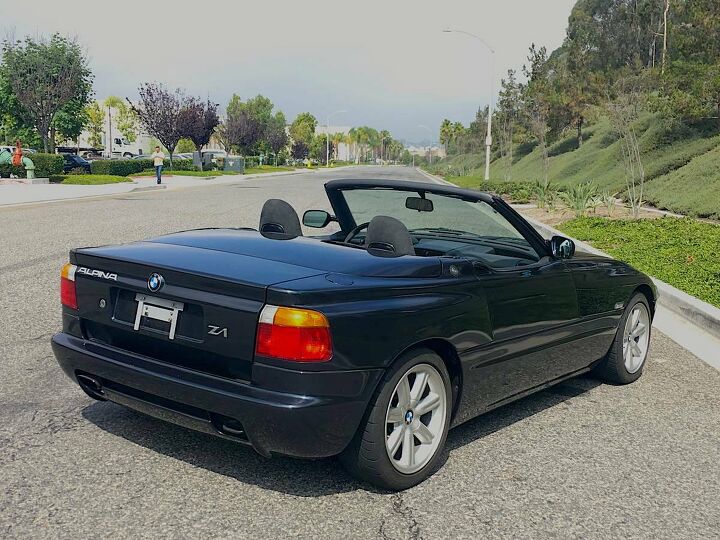
Though not the first BMW-powered vehicle in our Rare Rides series, and not the first with two doors, it is the first BMW convertible we’ve seen here. And the two aforementioned doors on this little convertible have One Simple Trick up their sleeve — disappearing into the body of the car. It’s the kind of detail you’d only expect on some crazy old Citroën.
But that’s not the only unique aspect of the Z1. Want to learn something?
Domestics Abroad, Part III: The Unmentionables

Today marks the third and final entry in our Domestics Abroad miniseries. This is where we take a look at the models proffered around the globe that wear a domestic company’s badge on the grille, but are not offered in the brands’ domestic markets. This is ground zero for “you can’t get that here.” All nameplates you’ll see in this series are current production models.
We kicked off this series with Ford and its 13 qualifying models. Second was Chevrolet, which had 9 models accounted for, and one which I forgot (you can see it below the jump). The Unmentionables will cover the remaining international offerings from Buick, Dodge, and Ram.
Domestics Abroad: Part II - Chevrolet's Foreign Fare
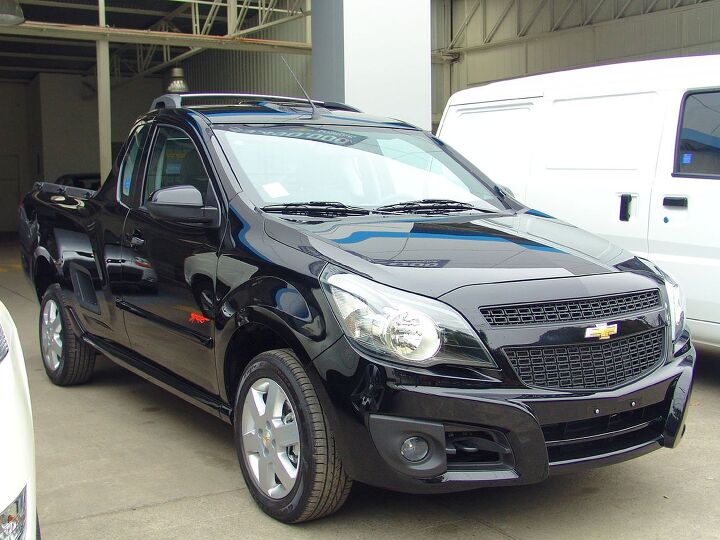
Today we feature the second entry to our Domestics Abroad series. Here’s where we take a look at the international models proffered around the world that wear a domestic company’s badge on the grille, but are not offered in their brands’ domestic markets. This is ground zero for “you can’t get that here.” All nameplates you’ll see in this series are current production models.
We kicked off this series with Ford, and its 13 qualifying models. Our second entry is Chevrolet, which also places second in number of models.
Here are Chevrolet’s nine entries, in alphabetical order:
Rare Rides: The Rolls-Royce Sweptail, a Bespoke Ultra-Luxury Coupe

Sweeping fender flares sculpted by hand, luggage trunks affixed to the rear by the help, and huge headlamps housed in metal spheres. These details come to mind when considering the old era of coachbuilding. Grand vehicles reflected personal touches and design cues requested by the customer, which the coachbuilder was all too happy to include in the vehicle in exchange for large sums of money.
This tradition is alive and well today at Rolls-Royce, which recently debuted a one-off bespoke coupe for an unnamed customer of taste and subtlety in design.
I present to you the Sweptail.
Overseas Demand Boosts Ford Mustang as Domestic Sales Wane

The Ford Mustang, a nameplate actually deserving of the word “iconic,” is no less vulnerable to the whims of the market than any other model. As domestic light vehicle demand in North America cools off, so have Mustang sales.
Fortunately for Ford, the automaker took it upon itself to fling Mustangs to every corner of the world for its most recent generation, and buyers in 140 countries are now able to take delivery of the original pony car. That volume, while not America-like, has bolstered sales.
GM to Pull Out of World's Second Most Populous Country, Sell Off Other Operations in Quest for Cash

In its global push for profitability, General Motors plans to yank the Chevrolet brand out of the hands of Indian consumers.
The automaker announced a wave of restructuring in overseas markets yesterday, a large part of which is the cancellation of nearly $1 billion in investment in India and the pull-out of its only brand. Until recently, GM had hoped to cater to the country’s growing middle class with a new line of region-specific Chevy models.
GM also plans to sell its South African division and cut back on staff in Singapore. The move will help the automaker free up money to funnel towards its biggest markets — North America and China.
As Trade Battle Looms, Mexico Has a Few Tricks up Its Sleeve

In the international poker game of NAFTA re-negotiations, U.S. President Donald Trump should not assume his Mexican opponent will be playing with a losing hand, an auto industry expert says.
“I’m going to be surprised if we see a heck of a lot changed,” said John Holmes, researcher at the Automotive Policy Research Centre at McMaster University in Hamilton, Ont. “The industry now is so highly integrated.”

PSA Wants GM's Chevy Bolt Technology; GM Throws Up Conditions

Apparently, the tidy sale of General Motors’ European division to French automaker PSA Group isn’t so clean-cut after all.
According to German publication Der Spiegel, PSA is looking to secure more than just the Opel and Vauxhall brands. It also wants a key bit of gear — one that would make the new European alliance market leaders in electric vehicle technology.
GM isn’t willing to let it go without a host of conditions.
Canada's Detroit Three Union Boss Seems Pretty Darned Pleased After Trump's Trade News

Reactions are varied following this morning’s announcement that President Donald Trump will renegotiate the North American Free Trade Agreement and pull the country out of the Trans Pacific Partnership.
North of the border, however, the leader of Canada’s Detroit Three autoworkers was apparently dancing a jig. Unifor president Jerry Dias seemed thrilled when he appeared on talk radio to sing the praises of the president’s executive actions. Trump’s moves are “a great opportunity to right the ship,” he said.
Koda in the U.S. Would Be 'Pure Suicide,' Says Volkswagen Brass
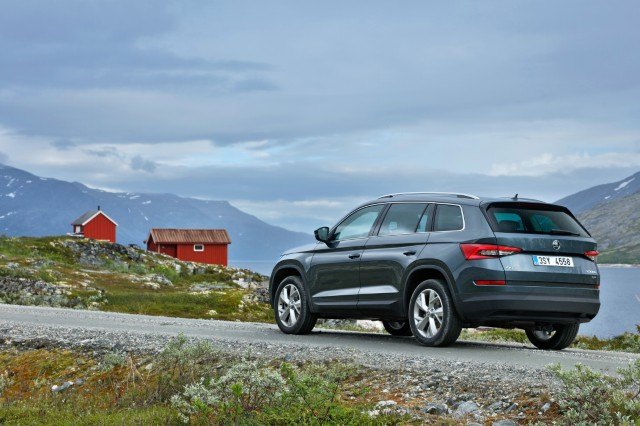
Volkswagen AG’s Škoda subsidiary claims it’s interested in bringing the value-packed Czech brand to the U.S., even going as far as copyrighting model names, but the powers that be in Wolfsburg couldn’t hate the idea more.
According to comments published by Automobile Magazine, Volkswagen execs want nothing to do with the idea of a stateside Škoda. It looks like the surging brand’s parent company is prepared to kill the dream for good.
Honda Frantically Cobbles Together a Plan to Get More SUVs Into Buyers' Hands

The skyrocketing popularity of utility vehicles in the U.S. marketplace has left Honda scrambling to catch up with the rapid change in consumer demand.
Production doesn’t turn on a dime just because more Americans want to option of transporting four kids, their stuff, and their sister’s dog. So, as it trims its sales forecast due to a car-heavy product mix, Honda has rolled out a plan to give buyers more of what they want.
It’s also prepared to use boats, if necessary.
Shadowy Car Brand Launches Next Week, Aims (Eventually) for America

Forget Chevrolet’s cringe-inducing launch of the first-generation Spark — this could be the biggest hipster Millennial marketing/branding effort to date.
Naturally, it’s for an affordable car brand, but with a difference: this brand is completely new and its products have yet to be revealed. Lynk & Co, a new subsidiary of Volvo parent company Geely, launches on October 20, Reuters reports, and it’s clear it wants to be every free-spirited young adult’s first car.
A Retro Mid-Engined Coupe That Could Appear at Nissan Dealers is Almost Ready

A modern take on one of the sexiest four-cylinder cars of the 1960s will officially debut before the end of the year, and there’s a chance it will find its way to these shores.
Alpine, a reborn subsidiary of Renault, is putting the final touches on the production version of its Vision concept, a practical sports car that harkens back to the glory days of the nearly forgotten brand.
Falcon Name Bites the Dust as Ford Pulls Out Down Under

It’s a sad day in Australia as Ford Motor Company closes the door on 91 years of domestic vehicle production.
Some 600 Ford employees are now out of work after the automaker shut down factories in Melbourne and Geelong. This marks not just the end of Australian Ford production, but the death of a long-running nameplate.
2018 Buick Regal to Get V6 Power, Wagon Variant, Q2 2017 Reveal: Source

Update: Added statement from Buick.
As Buick rolls out its Avenir sub-brand, slashes underperforming products, and bolsters its crossover and SUV portfolio, the Regal withers on the vine — but not for long.
Speaking with a well-placed source, TTAC gleaned details on the forthcoming Buick Regal, which will be revealed in the second quarter of 2017, possibly at the New York International Auto Show.

Chevrolet Volt Could Wear a 'Buick Velite' Nametag in China
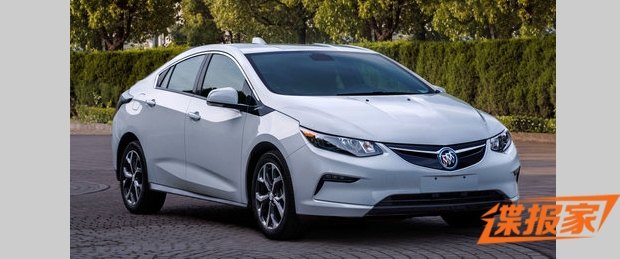
American Chevrolet Volt fans have long discussed how the quasi-upscale extended-range EV might have fared with a Buick badge instead of being branded as a bread-and-butter Chevrolet.
It appears the Chinese have gone beyond the discussion phase.
According to Chinese website Autohome, Shanghai GM gets it, and has pulled the strings to rename the Chevy Volt the Velite for a brand that is more prestigious and sells in higher volume in China.

Americans Will Find Out Next Year If Skoda is Coming: CEO

North American motorists with a hunger for foreign badges will have to wait a little longer for a yes/no answer from Škoda.
The Czech subsidiary of Volkswagen Group will make up its mind on a possible entry into the North American market by next year, CEO Bernhard Maier said to German newspaper Handelsblatt (via Wards Auto).
Ford Files Trademark Applications for 'Transit Courier' and 'Courier' in U.S.
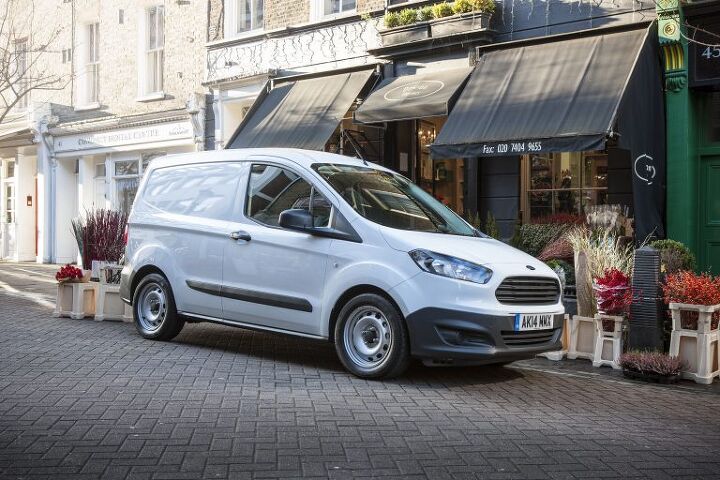
Have you ever sat in a Ford Transit Connect and said to yourself, “Gosh, I like this, but it’s just so darn big!“? Well, if Ford’s latest trademark filings are any indication, the Blue Oval might soon have exactly what you’re looking for.
According to the United States Patent and Trademark Office, Ford filed trademark applications for two names — “Transit Courier” and “Courier” — on July 22, 2016, hinting at possible Fiesta-based, B-segment vans for North America.
General Motors Might Stage Its Own Brexit, Says Report
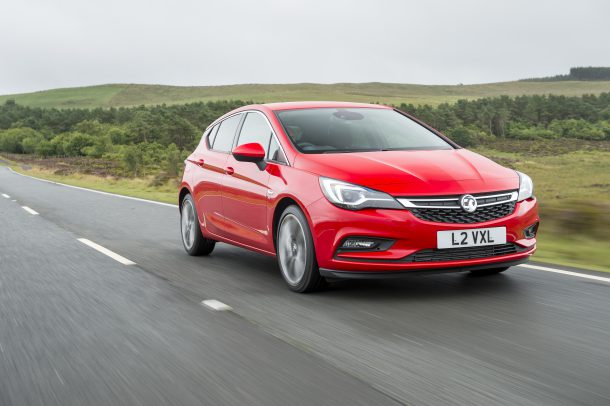
Britain’s recent vote to leave the European Union could cause General Motors to up and leave the country, industry analysts predict.
Production of Vauxhall and Opel vehicles could shift across the Channel if the EU places import tariffs on vehicles bound from Britain, LMC Automotive said in a report, ending GM’s decades-long presence.
After Ford Calls It Quits In Indonesia, Dealers Tell Company to Pay Up
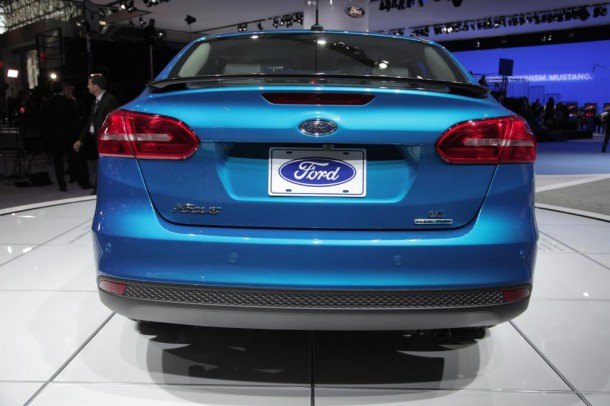
Indonesia is the biggest vehicle market in Southeast Asia, and Ford Motor Company is running away from it.
The automaker’s announcement earlier this year that it plans to stop selling vehicles in the country came as a shock to dealers, who now want Ford to compensate them in a big way, Reuters reports.
Bummed in Belgrade: Fiat Lays Off Serbian Workers Because 500L Sales Are Terrible
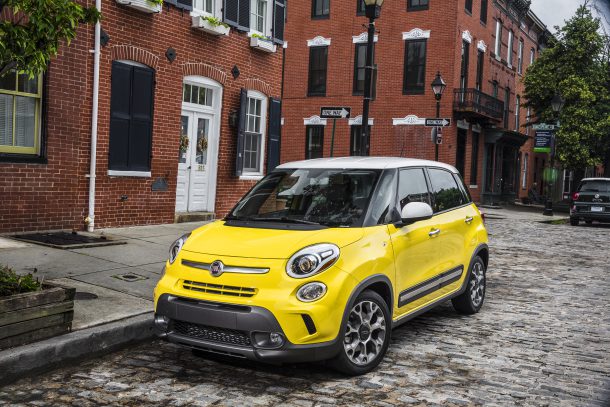
Despite Pope Francis giving the model a thumbs up, sales of the ungainly looking Fiat 500L continue their downward slide, with the automaker announcing it will cut one of three shifts at its Serbian factory.
The cuts made at Fiat Chrysler Automobiles’ assembly plant in Kragujevac, Serbia amount to nearly 30 percent of Fiat Serbia’s workforce, according to Reuters (via Automotive News Europe). When all three lines were running, the plant employed 3,100 people.
Blame the Fiat 500L’s sinking European fortunes and failure to catch on in the U.S.
Koda in America: Does It Make Sense?
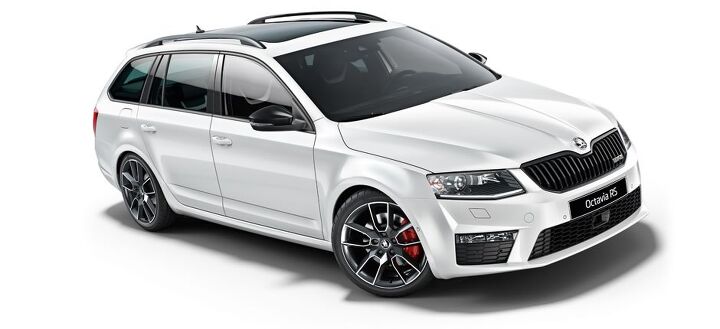
There’s been much talk lately about the possibility of Czech automaker Škoda entering the American market, spurred by news of the brand trademarking some model names in the USA.
The idea is that Škoda could complement or even replace Volkswagen on American soil with its larger, cheaper cars. But can it make sense? Can Škoda offer something that VW can’t? Is it better suited to American tastes? And, is it cheap enough? Let’s look at all these question with the eyes of someone who’s familiar both with Škodas and with American cars and consumer tastes.

Volkswagen Would Have Seen a Sales Gain If Certain Countries Weren't Basket Cases

The diesel emissions scandal can’t be blamed for all of Volkswagen’s sales woes.
Today, the automaker announced first-quarter profits fell 86 percent compared to the same time last year, not surprising given its sidelined diesel models, the hit to its reputation, and a hastily cobbled together $18.2 billion scandal fund.
Worldwide sales of Volkswagen passenger cars fell 1.3 percent (year-over-year) this quarter, but the scandal doesn’t tell the whole story. That number would have been in positive territory if select countries weren’t grab-your-money-and-get-out economic disasters.
British Invasion: Cosworth to Set Up Shop in Detroit
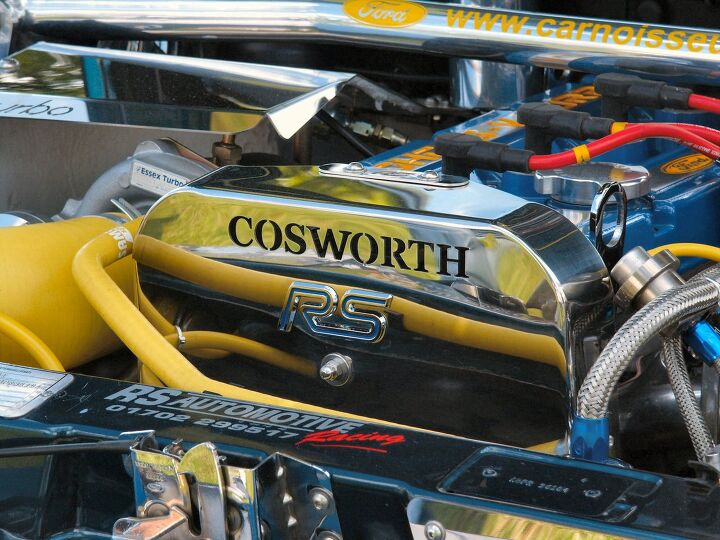
A company whose name is synonymous with performance wants to put down roots in Big Three territory.
Cosworth, the British manufacturer of specialized engine parts and electronics, aims to open a $30 million plant in the northern suburbs of Detroit by 2018, Automotive News reports.
Zero Stars: Watch These Indian-Market Cars Prove What Death Traps They Are
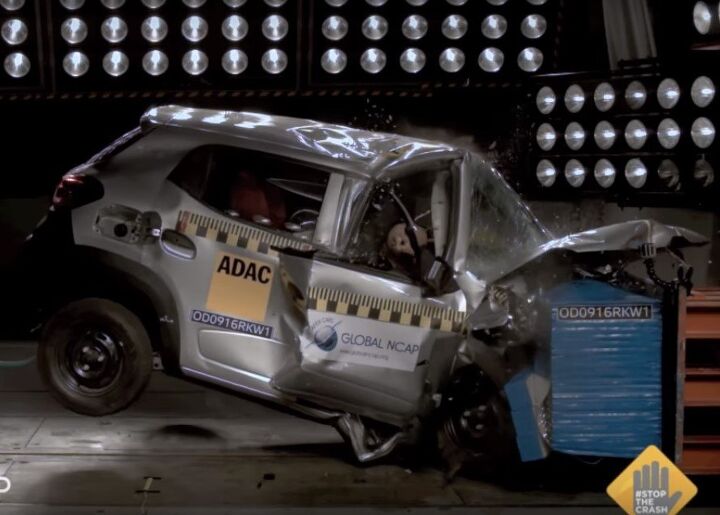
Three versions of a Renault hatchback spectacularly failed their frontal crash tests in India, earning them zero out of five stars, even with an available airbag.
It’s food for thought for the 125,000 Indian buyers who placed orders for the subcompact coffin, but the Renault Kwid isn’t alone in flunking Global NCAP testing in that car-hungry country.
The Maruti Suzuki Celerio, Maruti Suzuki Eeco, Mahindra Scorpio and Hyundai Eon also failed to earn a single star, reports Business Standard.
Nissan Gets a Diesel Emissions Scandal of Its Very Own

It’s nowhere near the scale of the Volkswagen debacle, but Nissan is in hot water with the South Korean government over dodgy emissions from its diesel SUV.
That country’s environment ministry accuses Nissan of using a “defeat device” to disable the emissions controls on its UK-built Qashqai SUV, Automotive News reports.
Ghosn on the March: What Does an Alliance Mean for Nissan and Mitsubishi?
Yesterday’s news that Nissan will buy a 34-percent controlling stake in Mitsubishi for $2.2 billion was the latest win for Carlos Ghosn, the man behind the Renault-Nissan Alliance of 1999 and possessor of many fingers in many pies.
Ghosn, CEO of both Nissan and Renault, inked the agreement with Mitsubishi as the other automaker battles a misleading gas-mileage scandal. At a price of 468.52 yen/share, Ghosn’s purchase of new shares was a smoking deal. Mitsubishi shares traded for 1,100 yen just last December.
What becomes of the two companies now? And how will Ghosn’s world-straddling empire benefit by snapping up beleaguered Mitsubishi?
Musk Admits to Factory Sleepovers as Tesla Gets Real on Production Forecast

There’s probably no s’mores or ghost stories, but Tesla founder Elon Musk is still a fan of camping out at his company’s Fremont, California production facility.
Musk admitted to giving his sleeping bag a regular workout during a recent earnings call, during which he outlined his production goals for the upcoming Model 3. The optimistic deadline of July 1, 2017 is now viewed as impossible (due to supply issues), but Musk is optimistic that significant quantities of the $35,000 EV will be out the door before New Year’s Eve.
Musk might need to splurge on an upgraded sleeping bag next summer.
Marchionne Straddles the World, Shouting 'Jeeps for Everyone!'
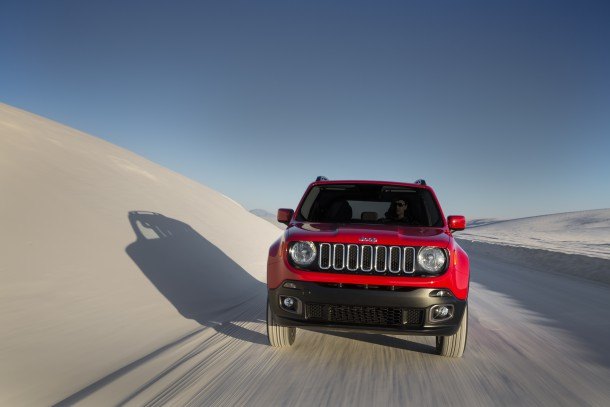
The Jeep brand is Fiat-Chrysler’s biggest money maker, so it’s no wonder that CEO Sergio Marchionne is scattering factories around the world like a sailor’s offspring.
The company’s head honcho outlined his business plan for the brand in an interview published by Automotive News, and it involves no longer having to make a “Sophie’s Choice” decision with Jeep output.
Mitsubishi Mileage Scandal Makes Its Way to the U.S.
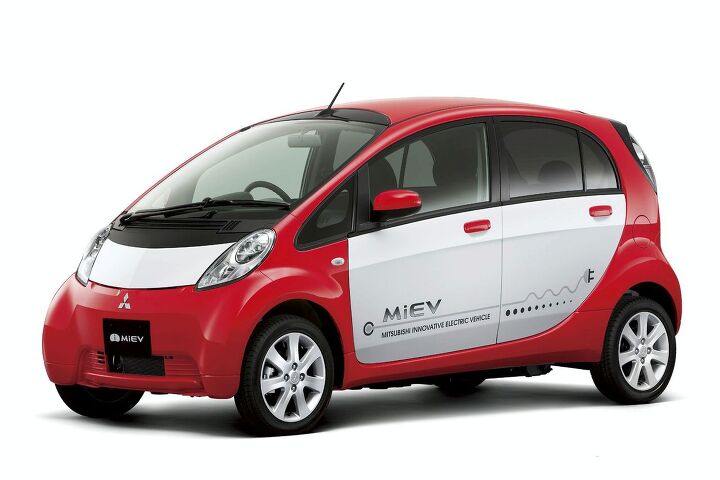
A day after its head office was raided by Japanese Transport Ministry officials, the U.S. is going to put Mitsubishi’s mileage claims under scrutiny.
The scandal began when Mitsubishi admitted it overstated fuel economy numbers on its Japanese market eK mini wagons, but Reuters is now claiming the false data extends to U.S. market vehicles.
Buick Reveals Envision Pricing; Stingy Buyers Will Want to Wait for 2017

Buick’s turbocharged, Chinese-made Envision crossover is landing on American shores in early summer, but the price could cause some buyers to rethink their purchase date.
Holding the title of being the first U.S. model manufactured in China, the Envision is already a two-year veteran of the overseas market. Americans are notoriously SUV-thirsty, so it was inevitable that the Envision would make its way here, loaded with a high level of standard equipment.
The starting MSRP for the 2016 Envision is $42,995 (all charges included), a figure that tops the range-leading Enclave, which starts at $39,065 (minus freight, destination and fees).
Green Giant: Buick LaCrosse Hybrid Has Smoggy China in Its Sights

The Beijing Motor Show begins next week, but Buick couldn’t wait a minute longer.
At yesterday’s 2016 Buick Day event in Shanghai (was there a parade?), the automaker rolled out its LaCrosse Hybrid Electric Vehicle (HEV), a model tailor-made for the Chinese market.
China loves Buicks, and Buick loves them right back, so much so that the U.S. will get a Chinese-made model this fall. The LaCrosse HEV is part of General Motors’ plan to foist as many vehicles on China as possible.
Reinvest in Russia? Ford Motor Company Says "Da!"
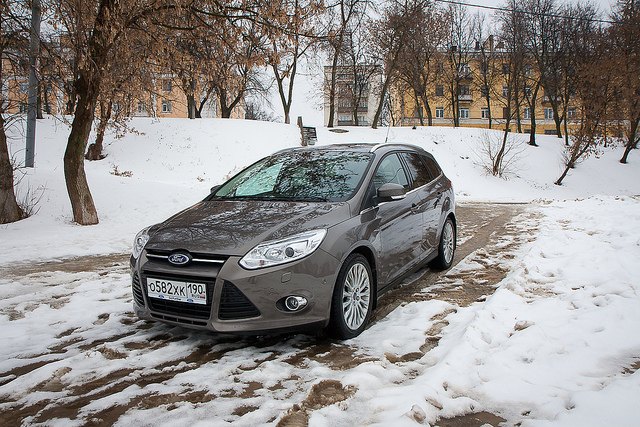
After partnering with the Russian company Sollers for the past five years and investing more than $1 billion into car and engine factories, Ford Motor Company is betting on a Russian rebound and still sees the beleaguered country as a long-term play.
Amid GM’s retreat from Russia, Ford stuck to its game plan by spending cash on new models and plants in that country, presumably to avoid a catch-up situation similar to the one it faced in China. According to Automotive News, the commitment paid off in the first quarter of 2016, sending sales up by 93 percent in a market that saw a 17 percent decline over the same period.

Ford GT Orders Begin at a Cool Mid-$400,000; Hold Your Horses, Russia
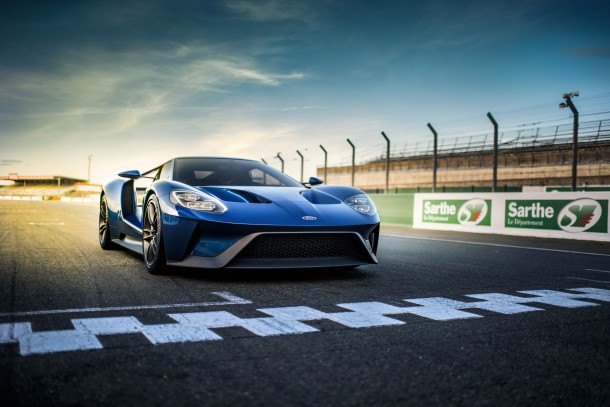
If there’s about $450,000 burning a hole in your pocket, Ford wants you to get in line for the new GT.
The application process for the 2017 and 2018 model years of the carbon fiber supercar kicked off today, and along with it, a very selective customer screening process.
Ford will sell a limited number of GTs each year, produced by Canadian firm Multimatic, so it could be a long wait if you don’t make the cut this time around. Ford anticipates first deliveries will begin late this year, with applications ending on May 12. Oh, and Russia? You can’t order a Ford GT, unless you have a friend buy it for you in an eligible country — like, say, China.
Sorry, No Impala Production For You, GM Tells Korea

There are a lot of unhappy union executives in South Korea today after General Motors announced it won’t green light Chevrolet Impala production in the surging Asian market.
The model will continue to be imported from GM’s Hamtramck assembly plant, despite the popularity it has shown since going on sale in September of last year.
The union representing the bulk of GM Korea’s 17,000 workers isn’t taking the news lying down, saying the move threatens the existence of the company itself. Ko Nam-seok, leader of the GM Korea branch of the Korean Metal Workers Union, is expected to pan the decision in a meeting with GM CEO Mary Barra later this month.
New Name, New Frontiers For PSA Peugeot Citroen

Forget all about PSA Peugeot Citroen. It’s dead. Well, the name, anyway.
As part of its five-year corporate strategy, dubbed “Push to Pass,” the French automaker is rebranding itself as Groupe PSA and dropping hints of a tentative return to the U.S. market.
PSA’s sales and profitability are growing again thanks to a new product strategy and a bailout by the French government, but CEO Carlos Tavares wants to see more gains by branching out into new markets.
For Tesla Model 3 Buyers, the Waiting Could Be the Hardest Part
Tesla Motors is cranking out EVs at its fastest clip yet, but buyers who put money down on the Model 3 should still have serious questions about the timeliness of their delivery date.
In the first quarter of this year, Tesla delivered 12,420 Model S sedans and 2,400 Model X SUVs — nearly 50 percent more volume than the same period last year. The electric automaker said a parts shortage in January and February hampered Model X production, but with the issue resolved, deliveries of 80,000 to 90,000 Teslas can be expected this year.
Craigslist User Wants to Put You in This Yugo Tank
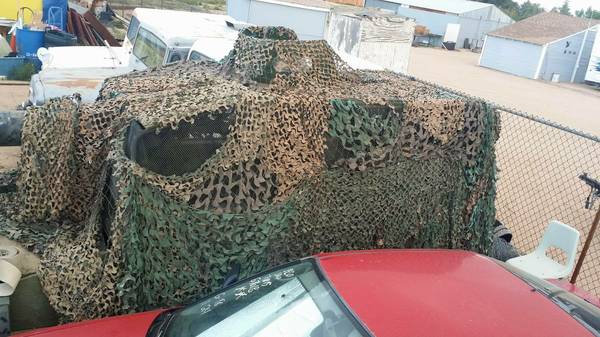
Craigslist can be a great place to waste a few hours browsing oddities or finding your next money pit of a project car. I have a few projects but one of my more nostalgic goals is to find a Yugo to add to my collection.
Most examples of the Yugo that pop up online are usually in a non-running state or resemble Swiss cheese, but the crew over at BangShift found the oddest one of them all.

Polestar Pinnacle: Volvo Launches Its Quickest Models Ever
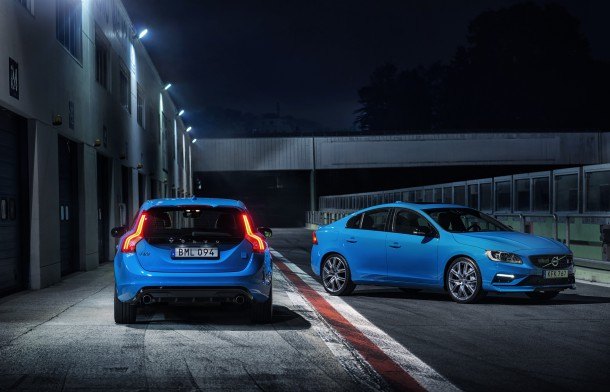
Volvo set a corporate high-water mark for speed today by launching two new Polestar models, each with enough power to make a tenured Vermont professor blush.
Dropping two cylinders while gaining 22 horsepower, the upgraded S60 and V60 Polestars are part of Volvo’s effort to boost the visibility of its performance division.
The 2.0-liter Drive-E four-cylinder in the S60 and V60 Polestar (replacing the previous blown straight six) was worked over by Polestar engineers to make 367 horsepower and 347 pounds-feet of torque. The mill, which makes 240 horsepower in T5 models, gains muscle from a supercharger, larger turbocharger and air intake, and a higher-capacity fuel pump.
TTAC News Round-up: Nissan Needs a Faster Pipe, Creeping Autonomy, and Mercedes Goes Gaga Over AMG

Nissan’s product pipeline has all the flow of a crusted-over faucet, and that’s not good for business.
That, automation is insidiously infiltrating cars all around you, Mercedes-Benz goes all in on AMG, Jaguar teases China with something special, and foreigners flee the Russian automotive landscape … after the break!
Volkswagen Dealers Are Just Getting Started in Reparation Hunt

Volkswagen dealers in the U.S. want to be compensated for financial losses stemming from the diesel emissions scandal, and if the results of a recent meeting with company brass is any indication, the demands will soon grow louder.
Alan Brown, chairman of Volkswagen’s U.S. dealer council, led a small delegation of dealers to Germany last week to talk reparations and get a firm grip on the company’s strategy, Automotive News reports.
The size of the settlement they were seeking is unknown, but the meeting with global brand chief Herbert Diess and new Volkswagen Group of America head Hinrich Woebcken didn’t yield any plan to compensate dealers.
TTAC News Round-up: Wrangler Pipeline Glut, Mark "Ka-Ching!" Fields, and GM's Need for More Speeds
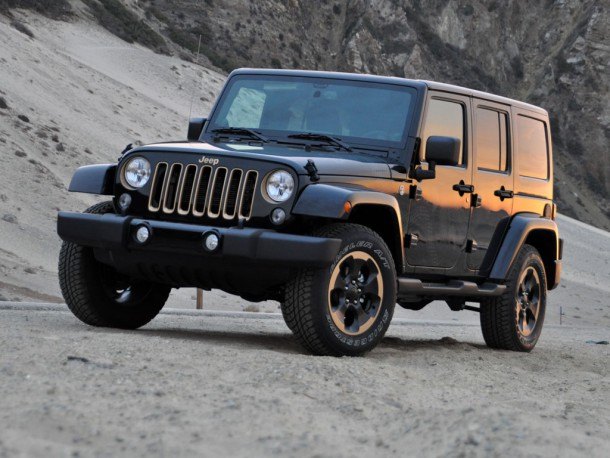
Americans might finally start to see a few of these so-called “Jeeps” roaming around their hometown.
That, Mark Fields can pick up everyone’s tab, eight (speeds) isn’t enough at General Motors, the Phaeton ends its long farewell, and GM Korea wants out of its slump … after the break!
First-Ever Honda N600 Gets Restored in New Video Series

As a relative newcomer to the car-building scene, Honda doesn’t quite have the heritage of classics piling up in a dusty warehouse like most other automakers. They do have a legion of rabid fans, however, including one restorer who specializes in very early Honda cars — and found the very first N600 built for the U.S. market.
Honda partnered with that restorer, Tim Mings, and today released the first of a series of videos and features on the restoration of this very special classic on the website Serial One.

With Peugeot-Citroen Eyeing New Markets, Could There Be a French Car in Your Future?

With the Saab brand now functionally dead, could the next quirky car du jour for individuality-signalling Americans come from France?
All eyes will be on PSA Peugeot Citroen on April 5 as France’s top automaker reveals its new international growth strategy, possibly heralding a return to the long-abandoned U.S. market.
The U.S. and Iran are being looked at as potential export markets, now that PSA’s “Back in the Race” restructuring program has improved the financial fortunes of the once-struggling automaker.
Ford Wants to Be Your War Zone Companion

Sure, most (if not all) cop cars offer protection from boring ol’ pistols and AR-15s. But if you’re looking to drive into a hail of armor-piercing .30-caliber rifle or machine gun fire, Ford’s got your back.
The company announced yesterday that its Police Interceptor vehicles will now offer the highest level of ballistic protection among pursuit-rated vehicles.
Ford says the plates inserted inside the doors of its pursuit vehicles will meet the Department of Justice’s (DoJ) National Institute of Justice standard Type IV. The move is a bonus for police officers and delivers bragging rights to Ford, given that pursuit vehicles from other automakers only meet Type III specifications. Poseurs.
TTAC News Round-up: New Salvo Hits Volkswagen, Korean Competition Looms, and Benz Big on Batteries

After seemingly using up its legal arsenal against Volkswagen, the U.S. is pulling its backup out of an ankle holster and taking another shot.
That, Kia and Hyundai might get a Korean competitor, Mercedes-Benz is feeling charged up, Audi is still a fuel cell fan, and Volvo wants to standardize EV recharging … after the break!
Volkswagen Beetle Lets Out A Cry in the Dark, Killed Off in Australia

Aussies are clearly not in love with the Volkswagen Beetle. The company will scrap sales of the slow-selling vehicle in Mel Gibson’s homeland later this year.
According to Caradvice, Australian sales of the Beetle fell to just 240 units in 2015, a small fraction of what Volkswagen enjoyed when the first-generation New Beetle arrived on its shores in 2000. In contrast, Volkswagen sold 22,667 Beetles in the United States and 2,347 in Canada during 2015, according to GoodCarBadCar.net.





Recent Comments