

Driving Dystopia: Connected Vehicle Data Now Up For Grabs By Intelligence Agencies
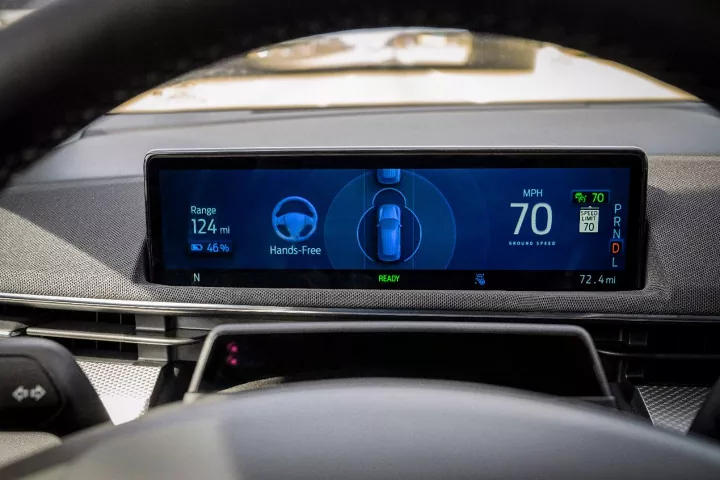
Connected vehicles now appear to be on the table as a new vector for government surveillance. On Saturday, President Joe Biden signed a bill that reauthorizes Section 702 of the Foreign Intelligence Surveillance Act after the Senate passed it late on Friday (60-34).

Cool It: Hyundai Testing Innovative Window Film

Applying tint to window glass is hardly a new way to keep the cabin of one’s car cool in direct sunlight – but Hyundai claims there remains innovations to explore in the field of beating the summer heat.

Abandoned History: The Apple Electric Car Project, Rest in Peace (2014-2024)
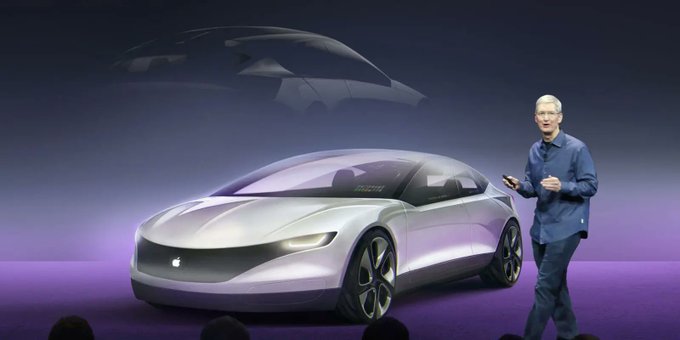
After a decade-long project that saw changes in approach, multiple delays, staff changes, planning and replanning, and conflicting reports, Apple’s Titan autonomous electric car project is dead. The company made an internal announcement on February 27th, 2024 which leaked to the press immediately via several Apple employees. The project’s cancellation created our most recent Abandoned History subject matter to date. Let’s start at the beginning, in 2014.

Stuff We Use: Add-On In-Car Tech
On our never-ending quest to improve this place by listening to feedback from the B&B, we are taking a new tack with these product posts, choosing instead to focus on items we use and have deployed in our travels. After all, if we’re giving you the truth about cars, we ought to give you the truth about car accessories.
Looking critically at that headline, it’s probably the most hyphenated string of words used to date in this series. But there’s a good reason for it. Many of our readers, and most of the staff around here, have numerous old-school hoopties in their fleet – hoopties which can benefit from an injection of modern communication technology.
Stuff We Use: External Speakers
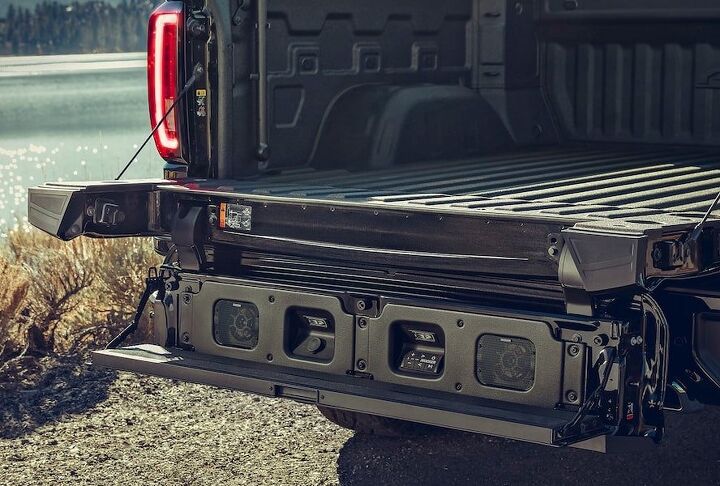
On our never-ending quest to improve this place by listening to feedback from the B&B, we are taking a new tack with these product posts, choosing instead to focus on items we use and have deployed in our travels. After all, if we’re giving you the truth about cars, we ought to give you the truth about car accessories.
We’ll cop that the topic of the one is arguably more car adjacent than some of the other products we’ve featured in this series – but there’s no denying that gearheads generally like their tunes.
Mitsubishi’s S-AWC: The Brand’s AWD Secret Weapon
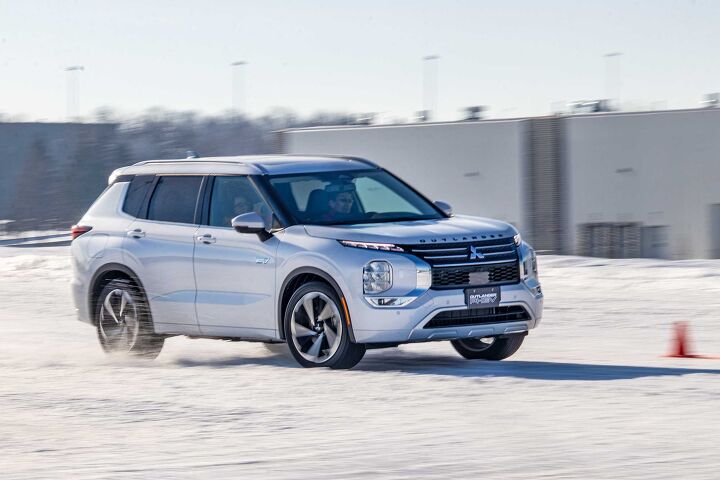
When you think of performance Mitsubishis, the Outlander PHEV is almost certainly not what comes to mind. Each time I drive one I’m surprised at how good it is, specifically its handling. A seven-passenger PHEV crossover shouldn’t handle this well. I’d previously driven it on closed tarmac and dirt courses. Each time I’d leave both the autocross and track and think—why is this so fun? It shouldn’t be this fun.

Ford Rumored to Dump Parking Assist Moving Forward
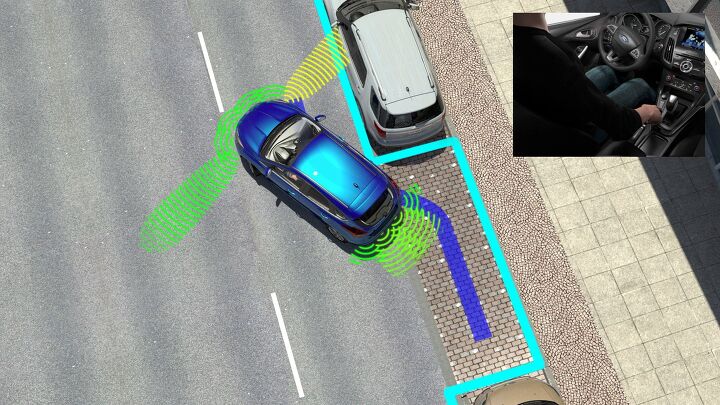
Ford is said to be in early stages of dumping parking assistance features on future models because drivers aren’t using the feature enough. Active Park Assist has been around for over a decade at this point. However, the computer-guided parallel parking feature is supposedly not going to be appearing in future models as a way to help the automaker cut production costs.
Driving Dystopia: Europe’s Low Emission Zones Aren't Going Over Well

With New York City having decided to embrace European-style congestion charging as local residents express their displeasure, it might be wise to take time to look at other roadway initiatives that might soon migrate across the Atlantic to see how they’re fairing. Ultra Low Emission Zones (ULEZ) seem to be the next step, as they’re reliant on the same camera systems and vehicle tracking used for congestion taxes. However, they’re also following a similar trajectory as Britain's speed cameras in Europe. Disgruntled citizens have not only continued destroying the devices, they’re reportedly picking up the pace.
Google Claims Android Auto Will Become Safer and Smarter After Update
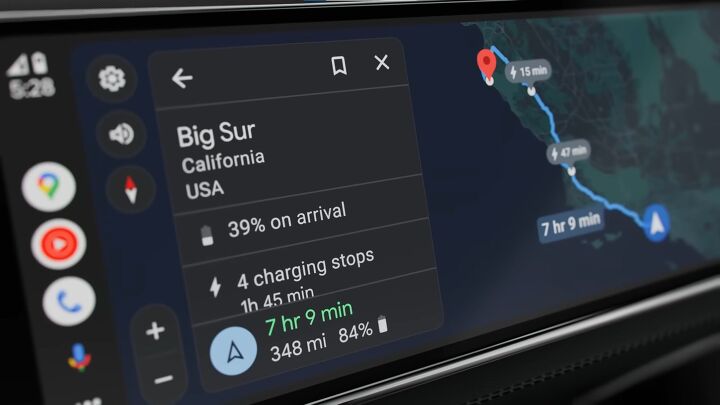
Google has announced plans to update Android Auto to reduce the time drivers are required to look at screens. This includes the obligatory mention of leveraging artificial intelligence. But the phrase has become a blanket term for any advanced computing integrated into other systems, meaning we have to dig a little deeper to understand what AI brings to the table. While Google hasn’t gotten overly specific, it has said it wants to place an emphasis on improving safety.
Abandoned History: The 2014 VIA VTRUX Pickup, a Forgotten Silverado
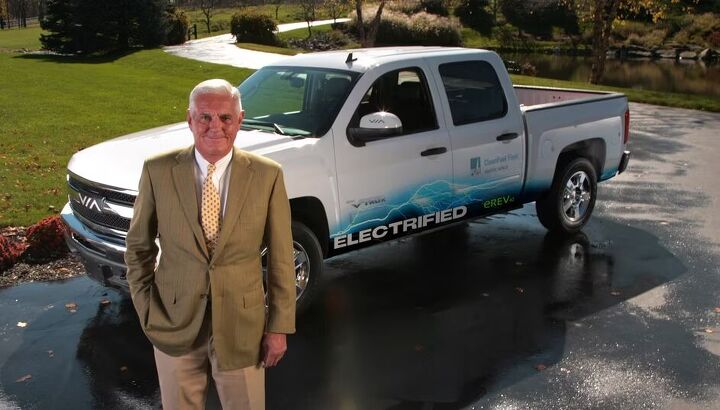
A brief moment in EV history passed us by about a decade ago, when the little-known VIA Motors introduced their lineup of VTRUX hybrid-electric vehicles. You…
Read more
Abandoned History: Oldsmobile's Guidestar Navigation System and Other Cartography (Part VI)
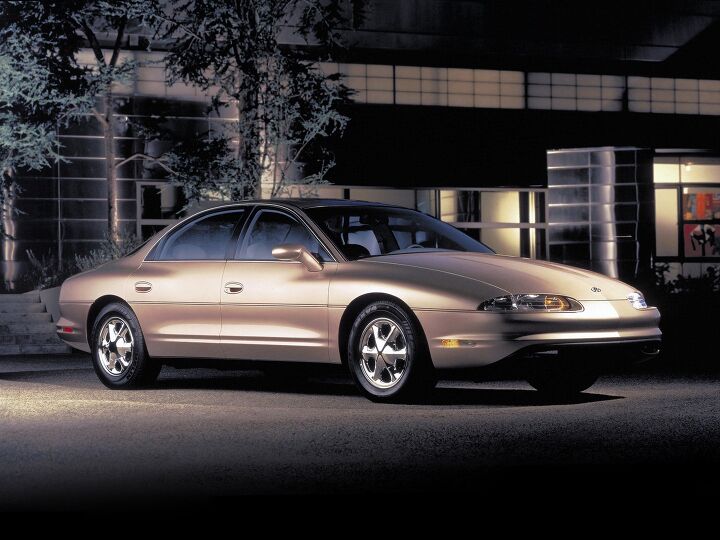
Sacrificing much, GM spent billions and billions of 1980s dollars on technology and engineering entities at the behest of CEO Roger Smith, who wanted to transform The General into a company more resembling a conglomerate like GE. Half a decade later Smith was gone, and the remaining brass began to unwind the costly EDS and Hughes deals and return GM to its standard operating procedure. But behind the layers of finance and paperwork, Guidestar GPS was developed. And the first time the public got to see it was in 1994 in a very exciting debut.
Abandoned History: Oldsmobile's Guidestar Navigation System and Other Cartography (Part V)
As we learned in our last installment in this series, the lowering of the digital and governmental barrier between civilian and military GPS assets in 1996 was a boon to the consumer side of navigation, and (per our comments) land surveying as well. It was a timely turn of events for General Motors after the Orlando area TravTek experiment of 1992 proved either too costly to scale, or alternatively not valuable enough in the eyes of consumers. Before we get to GuideStar, we need to cover much context around why GM was so keen on high-tech things in the Nineties, and the massive amounts of money it spent in its pursuit.
Hyundai Motor Group Previews Integrated Snow Chain Tech
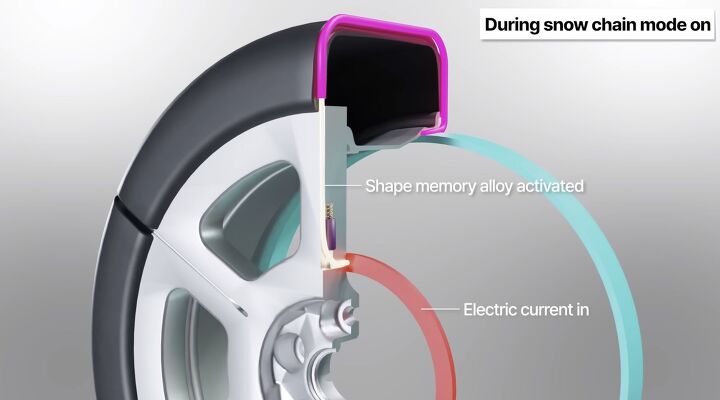
Hyundai Motor Group have introduced a novel snow chain that’s integrated directly into the tire. The design allows drivers to deploy the system at the push of a button, allowing drivers to sidestep some of the disadvantages associated with installing snow chains.
Opinion: GM Shouldn’t Kill Apple CarPlay, Android Auto
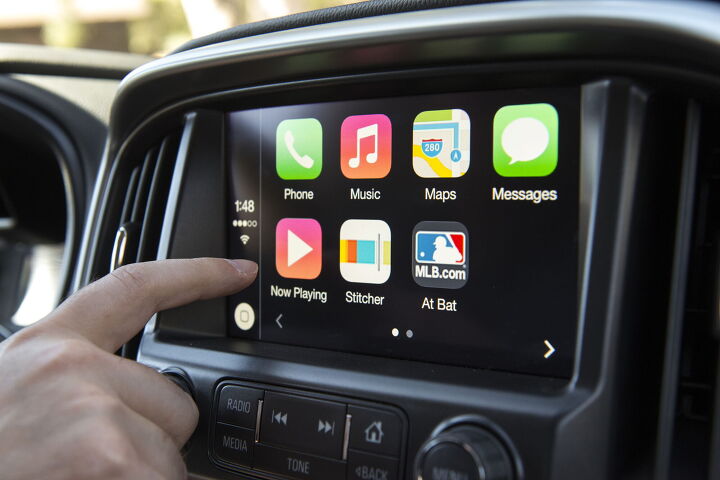
General Motors announced its intention to drop Apple CarPlay and Android Auto on its upcoming EVs earlier this year. Now we have a new piece out in Motor Trend in which the company explains in so many words that the decision is all about driver safety.

Huawei Asks Mercedes, Audi to Collab on Software
Chinese smartphone giant Huawei has apparently broached the topic of software collaboration with a pair of German automotive companies. According to reports, Huawei wants to bust out of the situation in which it finds itself partnered on such projects solely with brands in China.
Detroit’s Inductive EV Charging Roads: Boon or Boondoggle?
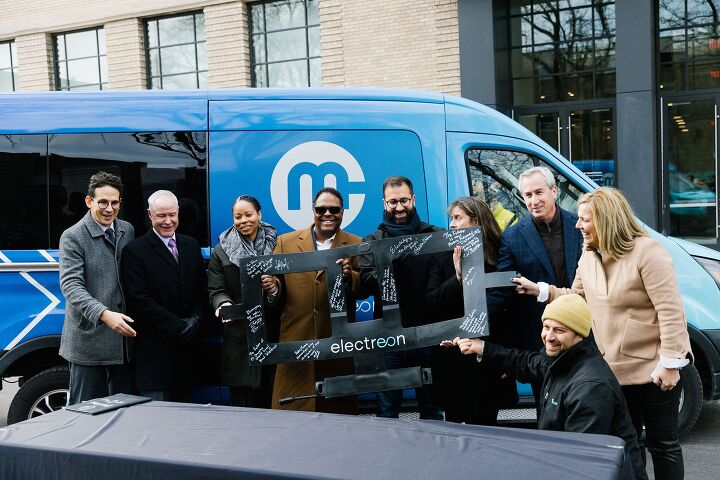
Detroit now has a quarter-mile length of roadway with the ability to charge properly equipped electric vehicles as they drive. While similar programs have been pioneered in Europe, Detroit is the first and only city to do so in the United States. Governor Gretchen Whitmer offered her support when the plan was announced in 2021.
Abandoned History: Oldsmobile's Guidestar Navigation System and Other Cartography (Part IV)

General Motors spent a lot of time and money in the development of TravTek GPS. As we learned in our last installment, the comprehensive (if clunky) navigation system used a touchscreen, had live traffic information, and could even make phone calls. Installed in 100 Toronados used in the greater Orlando area for an entire year, GM, AAA, and various government parties were eager to see just how useful the system was and if it was worthwhile. Narrator: It wasn’t. Let’s find out why.
Abandoned History: Oldsmobile's Guidestar Navigation System and Other Cartography (Part III)
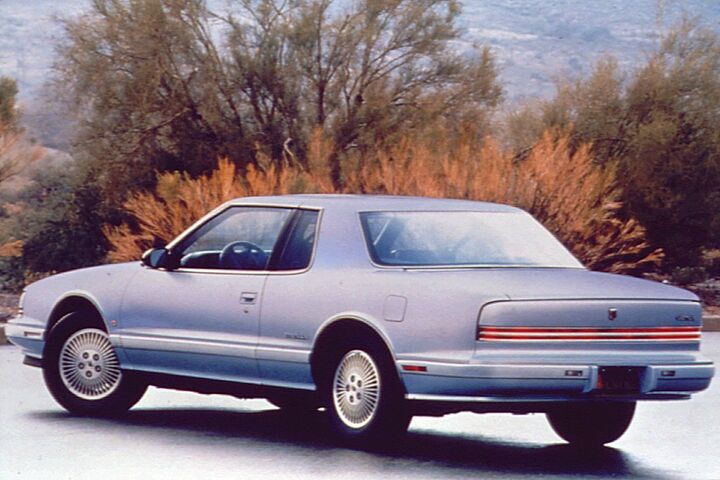
We return to our spicy Oldsmobile content this week, with the introduction of GM’s first publicly tested in-car navigation system, TravTek. Arriving in the early Nineties, TravTek was launched more than two decades after GM’s magnet-based DAIR prototype failed to make production. This time The General was determined to make good on their big investment. Onward, to Orlando!
Automakers' Protests Against AM Radio Have Always Been About Money

The days of crackly AM radio appear to be numbered, despite efforts to keep up with emergency alert systems that depend on the technology. Automakers inaccurately complained that keeping AM radio could interfere with sensitive electronic equipment and EV features, but a new report shows that the arguments were really about their bottom lines.

Abandoned History: Oldsmobile's Guidestar Navigation System and Other Cartography (Part II)
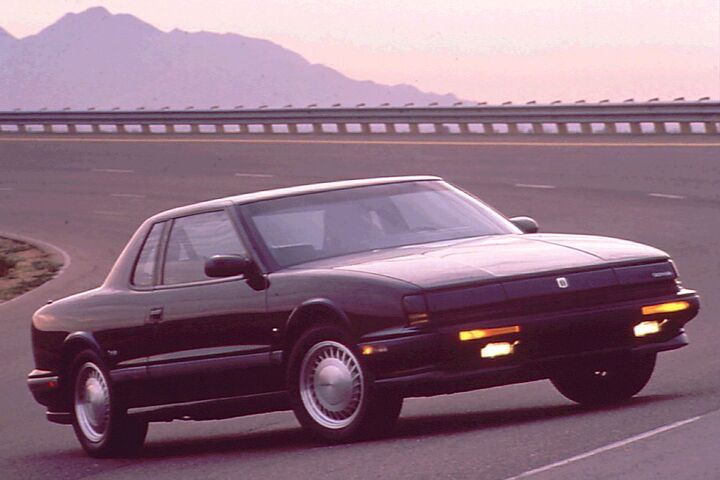
In last week’s installment of Abandoned History, we learned about General Motors’ 1966 magnet-based primitive navigation system, DAIR. The inclusive system featured emergency messages, traffic bulletins played inside the car, and route guidance. DAIR never progressed beyond the concept stage and two total test vehicles, largely because it would have meant buried magnets and accompanying signal relay stations at every major intersection in the country. Some 25 years later The General tried it again, but technology progressed considerably by that point.
Abandoned History: Oldsmobile's Guidestar Navigation System and Other Cartography (Part I)
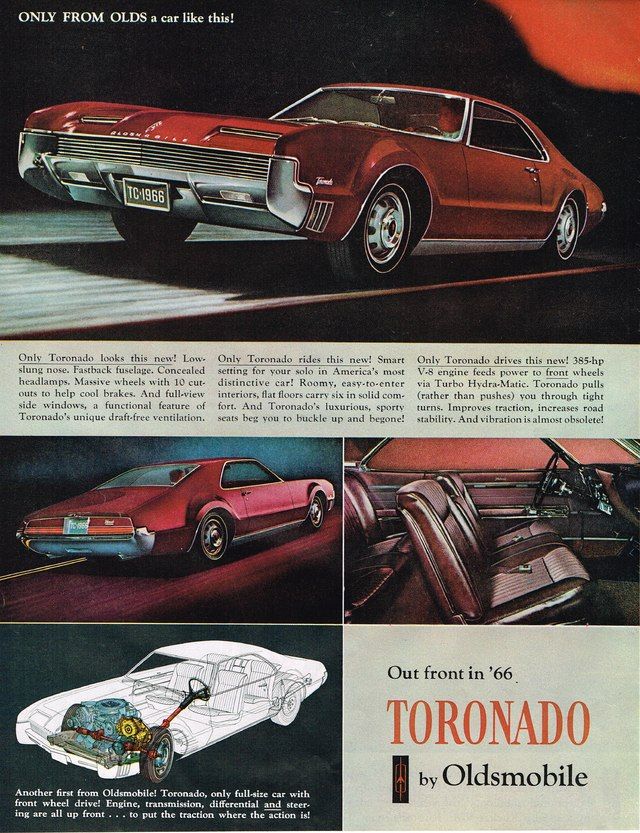
GM’s exclusive Guidestar navigation was available on a select handful of early 90s Oldsmobiles for a very short period of time. Gone as quickly as it arrived, the expensive system was at the forefront of in-car automotive navigation. Believe it or not, it was Oldsmobile that offered the very first navigation system for a passenger vehicle in the North American market. But what happened to Guidestar that led it to be featured here at Abandoned History? The tale begins in 1966, with a genius idea.
Polestar Forum Users Are Not Keen on Buying the Company's Smartphone

Polestar recently announced that it would sell smartphones in China, home of its parent company, Geely. Though odd, the move wasn’t a total surprise, given the automaker’s move to electrification and the often tight integration between owners’ phones and their vehicles. We poked fun at the announcement, but Polestar forum users took things a step further with a survey on whether owners would buy the phone should it be offered here.
How Much Privacy Do You Really Have In Modern Vehicles?

Whenever the issue of vehicular privacy comes up, the discussion almost immediately pivots to individuals either defending or condemning the status quo. But this often happens without either side of the argument having a firm understanding of how much information is actually being obtained inside today’s automobiles.
While we’ve covered the topic frequently, articles have typically focused on specific issues rather than overall scope. But things are different this time, with the Mozilla Foundation recently issuing a study trying to assess just how far-reaching the automotive industry’s quest for data has become.
Android Auto Adds Zoom to UX, Society’s End is Near

In what is surely the final blow to any semblance of work/life balance, Google has added WebEx and Zoom meeting functionality to its Android Auto suite of services.
Next IPhone Update Helps Users Read Dashboard Warning Lights

When Apple's next operating system drops later this year, it’s supposed to include a feature that will help drivers decipher what those little symbols on the dashboard mean. While unlikely to offer the same amount of information as an OBD-II scanner, iOS 17 will come with an improved version of Visual Look Up. The new system offers users help when they can’t figure out what the warning light displaying the little oil can is trying to convey.
U.S. Regulator Proposes Updated Rules for Autonomous Vehicles in Exchange for Data
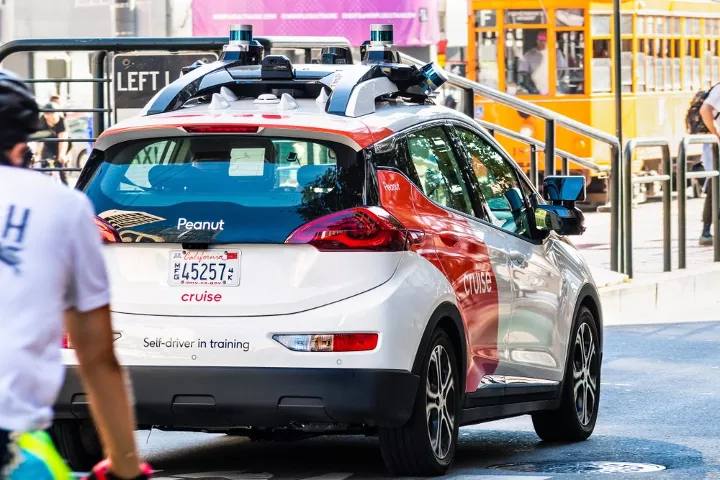
The National Highway Traffic Safety Administration (NHTSA) proposed a new national program to update the regulations surrounding autonomous vehicles this week. Updated rules would presumably allow automakers to field more self-driving test vehicles on public roads than we’ve seen thus far in exchange for those companies sharing the data those cars collect with the government.
Due to the fact that any autonomous vehicle lacking human controls (e.g. steering wheels and pedals) have to be given exceptions from the Federal Motor Vehicle Safety Standards (FMVSS) to legally operate in populated areas, NHTSA leadership believes that having access to the data they’ve collected will be useful in informing decisions on how the rules could be changed. The claim is that the resulting information will help regulators update safety standards to incorporate self-driving vehicles. But it’s also going to be a privacy issue, as citizens have already expressed their dismay with automakers even considering sharing AV data with local authorities.
QOTD: What Else Should Apple CarPlay and Android Auto Add?

Porsche is adding some neat features to its smartphone-mirroring systems -- which has me wondering, what else can be added?
QOTD: Will (and Should) Big Tech Build a Car?

Is the Apple Car Still Coming?

It’s been coming for years and is rumored to turn the automotive world upside down. But the all-electric Apple Car has failed to manifest. We’ve covered the many hardships endured by the code-named Project Titan, which supposedly employed 5,000 people and was rumored to have roped in Volkswagen. But that was in 2018, years after the vehicle’s development cycle had begun and allegedly changed from a pod-like autonomous car built by Magna International to a corporate shuttle based on the VW Transporter.
The story of Apple’s EV has changed so many times over the years that it’s getting hard to believe that we will ever see it. But the latest from the corporate press suggests that it’s still coming.
Congress Pushes Back Against AM Radio's Decline

The elderly folks in Congress don’t often understand new technology, but they perk right up when somebody tries to take away something they are familiar with. That’s the scene playing out in Washington right now, as lawmakers want to pump the brakes on automakers cutting AM radio from new cars.
Opinion: More Automakers Will Dump Apple CarPlay, Android Auto

If you’re someone who follows automotive trends, you’ve undoubtedly noticed just how much effort is going into infotainment screens and features associated with connectivity. This is because auto manufacturers believe leveraging consumer data in a manner similar to tech companies (e.g. Microsoft, Meta, Amazon, Apple, Alphabet) will yield oodles of cash. However, this is also why we’ve started seeing businesses dumping things like Apple CarPlay from their vehicles and some of us have a sneaking suspicion this practice will continue.
Opinion: People Are Waking up to the Perils of Modern Automotive Features
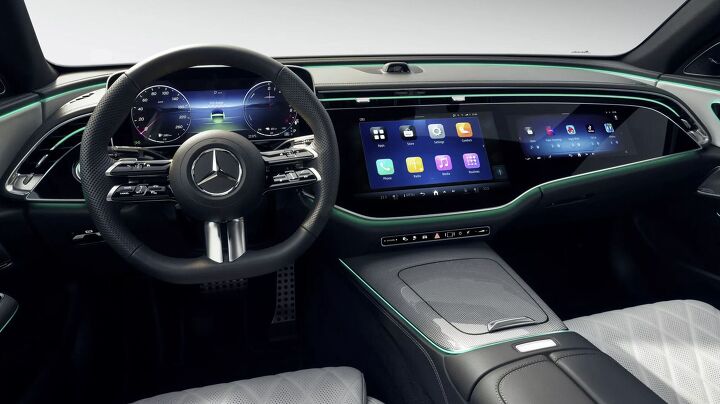
One of the most infuriating things about this job is watching the media scratch its head about why roadway fatalities keep going up when the answer is as plain as the touchscreens on their dashboards. Modern vehicle interfaces are much more cumbersome than their predecessors and yet we’ve seen years' worth of coverage offering all the insight or a shrug. While there are certainly other reasons crashes have spiked (e.g. drug and alcohol abuse), the alluring tablet located next to your steering wheel has been the elephant in the room nobody was talking about — not with the seriousness that is deserved.
But things could be changing.
QOTD: Latest and Greatest Tech
Yesterday, I was part of a panel discussion about the automotive industry, and one of the topics was tech.
German Supplier ZF Announces a Clever New Heated Seatbelt System

Heated seats and heated steering wheels are huge selling points for car buyers living in cold climates, but automotive supplier ZF has another idea. The well-known transmission builder brought a heated seatbelt system to CES that it says will improve cold weather range in EVs.
Several New Nvidia Partnerships Announced at CES

Nvidia is a familiar name to gamers worldwide, but it’s increasingly becoming a common sight in the automotive industry. At this year’s Consumer Electronics Show, the company announced partnerships with significant suppliers and automakers.
TTAC Tech Column: BMW Valve Adjustments

Hi Cary,
I have a question for you about some maintenance on an older BMW I recently bought. The car is an E30 325i and I was told that it needs to have a valve adjustment. I am new to having an older car as everything I have owned prior has been much newer. Any advice on it and what to keep an eye out for?
Thank you for any information.
Ronnie

Renault Launches Built-In Waze App for France, Interested?

Waze has become an incredibly popular navigation tool for drivers, growing from just a few thousand users in 2008 – back when it was still called FreeMap Israel and Linqmap – to a whopping 140 million monthly active users spread across 185 countries by 2022. This surging popularity has been attributed primarily to Waze offering features that allowed drivers to share travel details that would be of use to other drivers, pinning things like the location of speed traps, wrecks, and construction, or simply helping the application estimate route times. But it’s only ever been a mobile app that can be mirrored to your dashboard – until now.
Noting that Waze is the most commonly used driving application in France, Renault has partnered with the company to deliver a dedicated version of the app for its vehicles.
Neat Tool Gives Side-By-Side Dimension Comparison for Almost Any New Car
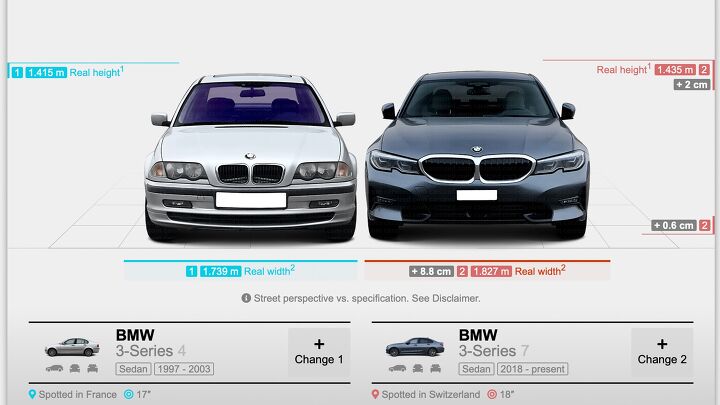
If you spend anywhere near the amount of time we do Googling the interior and exterior dimensions of new vehicles, you’ve probably realized that there isn’t a great solution for comparing two models side-by-side. There’s good news, though, because Carsized.com exists.
Cary's Garage: VW Valve Adjustment

Cary,
I have a 1981 VW Caddy with a 1984 turbo Jetta engine and trans. I rebuilt it 20,000 miles ago. Do I need to adjust the valves? If you could give me some tips, I would appreciate it.
Thanks, Brian
Housekeeping: Tech Column Returns Next Week

You may have noticed our new tech column was missing last week and hasn't been posted yet today. Our writer was out sick.
TTAC Tech Tips: Find That Owner's Manual

This week we received an email from one of our readers, Stephen, asking specifically about owners manuals for weird old cars!

Stay Cool During the Cold With These Tech Tips

Dear TTAC Readers,
Thank you so much for your patience over the past couple of weeks of my absence while I have been dealing with family issues. Unfortunately, time is what it is and family members get old and as much as we try and prepare ourselves, it still happens.
Tech Q&A: Talking TPMS
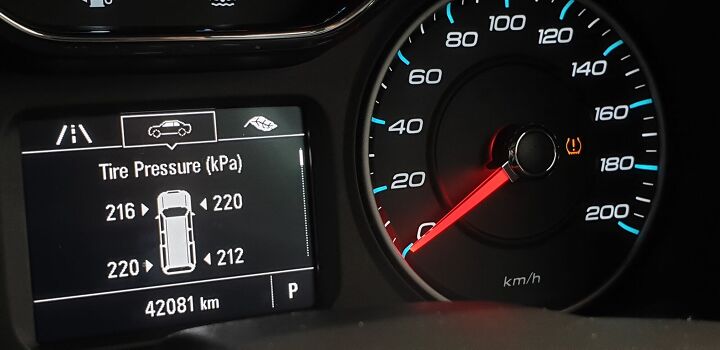
Greetings Readers,Let me start by saying thank you for the kind words I received and for welcoming me aboard! I am looking forward to this first response and…
Read more
Housekeeping: The Next Tech Q&A Column is Here [UPDATED]
![Housekeeping: The Next Tech Q&A Column is Here [UPDATED]](https://cdn-fastly.thetruthaboutcars.com/media/2022/09/01/15581/housekeeping-the-next-tech-q-a-column-is-here-updated.jpg?size=720x845&nocrop=1)
From the Editor: Cary Hubbard is going to be taking your tech questions and trying his best to help you out. Expect his column to run each Friday. Please email him here. UPDATE: I screwed up and forgot to link his email. This is now fixed. Take it away, Cary: Greetings, as I’m new to TTAC I’d like to introduce myself before handing the keys over and letting you, Dear Reader, set the course of this column with your technical questions.
N Day: Hyundai Reveals N Vision 74 And RN22e, Ioniq 5 N Debuts In 2023

The 21st century has been particularly kind to the Hyundai Motor Company, though this was hardly a matter of chance. Originally known in the West for providing bargain automobiles that were surprisingly competent, it wasn’t long before the South Korean brand was giving Japanese mainstays stiff competition. By the early 2000s, Hyundai was working hard to differentiate itself from the recently acquired Kia and opted to make its products more luxurious and saw massive gains in the U.S. market that have more-or-less continued until today.
Report: Some Automakers Abandoning AM Radio
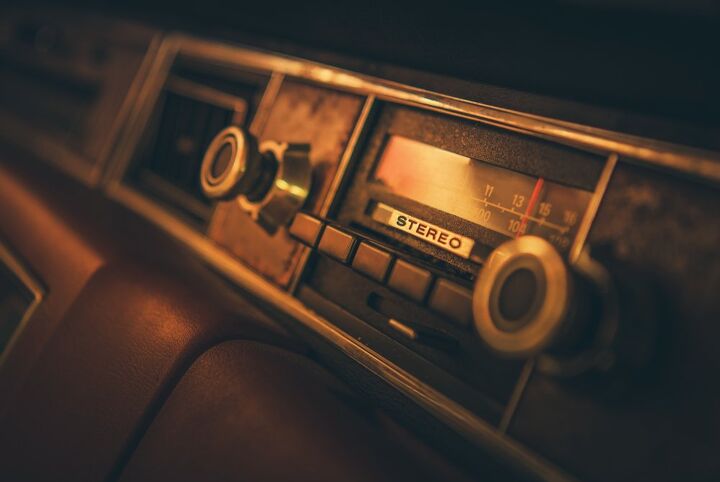
An acquaintance of mine recently said he would never purchase an all-electric vehicle and offered up a reason I never heard before. “They don’t come with AM radio,” he said.
While this surprised me, shifting technological preferences have indeed started to change how automobiles and broadcasters interact. As an example, a gaggle of Mazda owners found their vehicles stuck tuned to National Public Radio this February after a local station transmitted an FM data packet that effectively froze the cars’ infotainment system amid the swap to next-generation broadband services. That transition has already caused some interesting problems for the industry and electromagnetic interference has likewise become the default explanation for automakers limiting your frequency band choice in certain vehicles. But it doesn’t explain why some companies are ditching AM radio outright. In fact, a little research has shown a lot of the explanations given by manufacturers leave a lot to be desired.
Europe Now Requires Speed Regulators for All New Vehicles

On July 6th, the European Union formally introduced laws that require auto manufacturers to install speed-limiting hardware on new vehicles. While speed governors have been around for years (and are becoming increasingly popular among certain manufacturers) the EU’s new rules actually require technology that takes things a step further by allowing cars to actively detect and then regulate the speed for any given road.
Digital License Plates Gaining Traction in U.S.

Michigan has opted to allow digital license plates, making it the third state – after California and Arizona – to give them legal backing. The state’s legislature passed the necessary laws in 2019, making it legal for vehicles registered in Michigan to utilize digital vehicle identification while traveling throughout the rest of the nation. But the company that produces them, Reviver, has only just recently found itself in a position to furnish them.
GM Patents Autonomous Driving Instructor

General Motors has filed a patent for a driver-training system that utilizes a vehicle’s onboard sensing equipment to determine how well a novice motorist is handling themselves behind the wheel.
The objective is to offer driver education without the help of a flesh-and-blood instructor being present. Instead, the autonomous vehicle limits the amount of control offered to the student while constantly monitoring their progress. If they score well enough, additional freedom is awarded to the driver and the process begins again — this time with the vehicle looking to evaluate more advanced maneuvers while still keeping tabs on the basics. It’s quite a bit different than the standard practice of having someone sit beside you to take stock of your budding driving skills. But GM thinks it might have future applications and probably wants to lock it in with the United States Patent and Trademark Office (USPTO) before anybody else does.
Audi Urbansphere: A Trojan Horse
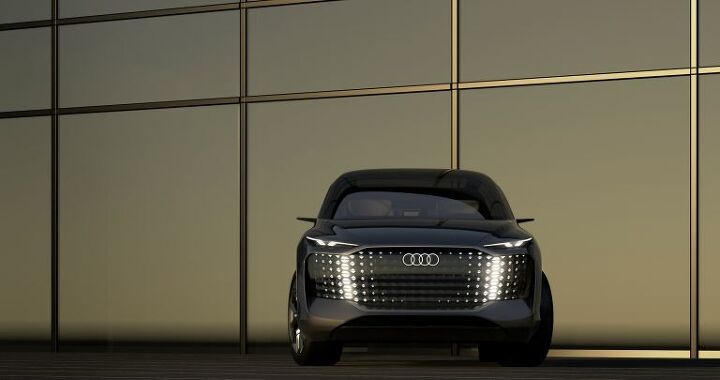
Back when everyone still bought into the hype surrounding self-driving cars, automakers were releasing concept vehicles framed as a “lounge on wheels.” The theory was that once autonomous vehicles hit the mainstream, companies would begin dropping futuristic models with swanky interiors because drivers would no longer be responsible for piloting the car for the duration of its journey. However, the public eventually learned that autonomous driving technologies had failed to progress as promised and would likely come with a host of restrictions plenty of drivers wouldn’t be interested in once the wrinkles had been ironed out.
But there are a whole host of markets to be tapped, the public has a relatively short-term memory, and there’s always a chance that some major headway was made during the last few years of development. So we’ve seen a resurgence of mobility talk from the industry, especially as it relates to all-electric vehicles. Case in point is the Audi Urbansphere — an autonomous concept vehicle designed for “Chinese megacities” but allegedly perfect for a metropolitan area near you.
NHTSA Says Human Controls Now Unnecessary for Autonomous Vehicles
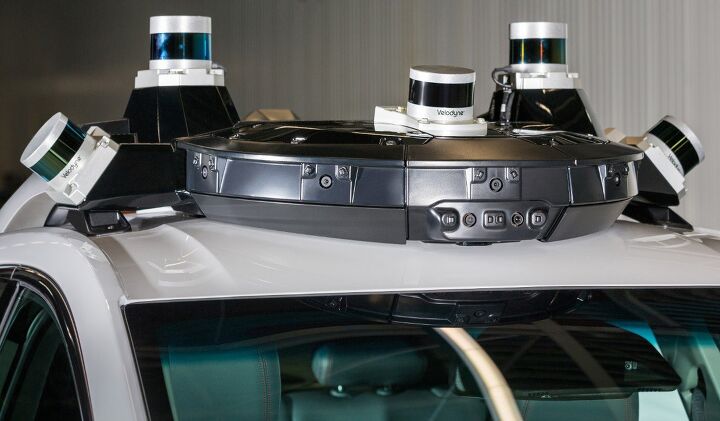
The National Highway Traffic Safety Administration (NHTSA) had decided there’s no need for modern vehicles to possess steering wheels, pedals, or other human controls — provided they’re intended to be fully autonomous.
Considering self-driving cars have become something of an engineering boondoggle after the automotive industry falsely claimed they’d become commercially available by 2019, it’s easy to assume regulators are putting the cart before the horse. But we need to remember that automakers have wanted this for a long time, are used to getting their way, and have well-paid lobbyists at their disposal. For example, General Motors and its autonomous technology unit Cruise has long been petitioning the NHTSA for permission to manufacture and field self-driving vehicles without human controls.
Adaptive Headlights Becoming Legal in United States

On Tuesday, the National Highway Traffic Safety Administration (NHTSA) announced it had finalized a rule permitting automakers to install adaptive driving beam headlights on modern vehicles. Despite having pioneered automatic headlamps in the 1950s, the United States has been hesitant to implement automatic leveling and directional beams. In fact, imported vehicles equipped with adaptive headlights have been modified to adhere to regional safety laws for decades.
But the implementation of light-emitting diodes, high-intensity discharge lamps, and even upgrades to tungsten-halogen bulbs has made forward illumination substantially brighter. If you’ve been driving a while, you’ve probably noticed increased glare from oncoming vehicles (especially if you’re in an automobile that’s situated closer to the pavement). Directional beams are supposed to help alleviate the problem and have been getting more attention from U.S. safety regulators. However, that’s only part of the reason why the NHTSA suddenly feels better about approving them.
Whoops: Some Seattle-Area Mazdas Are Stuck Listening to NPR
There’s a gaggle of Mazda owners in Seattle, Washington, that have reportedly been stuck listening to National Public Radio (NPR) over the last few weeks. The manufacturer has addressed the problem, saying the local affiliate had broadcast images files with no extension causing an issue on some 2014-2017 Mazda vehicles with older HD radio software. This effectively bricked the infotainment system on some vehicles, locking them into listening to NPR and out of literally everything else.
Will Intel's Ohio Chip Plants Fix Automotive Supply Chains?
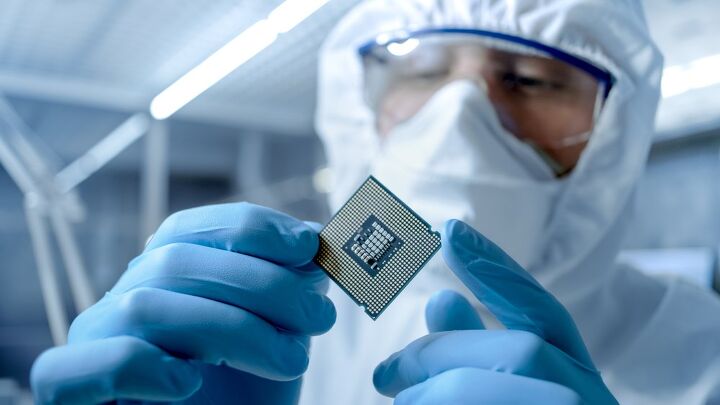
Intel has announced a $20 billion investment to transform a 1,000-acre plot in New Albany, Ohio, into the latest addition to its U.S. chip-manufacturing hub. Construction is scheduled to commence later this year with operations starting in 2025. But everyone’s wondering if it is going to be enough to rectify the pathetic state in which domestic vehicle production currently finds itself.
Report: Toyota to Rollout New Operating Software By 2025

Toyota is allegedly on the cusp of launching a comprehensive driving software that incorporates everything from temperature control to autonomous driving. The Arene operating system (OS) will be proprietary to the automaker and assume duties that exceed multimedia management systems like Mercedes’ MBUX. Toyota’s software is supposed to be all-inclusive, much like the operating system found in Tesla products, and set itself up for hands-free motoring.
However, it would be a lie to claim that really matters, since automakers cannot help but promise that any new line of code is another step closer to driverless vehicles and chock full of artificial-intelligence goodness. For example, Volkswagen’s new software stalled the launch of multiple vehicles and resulted in an unresponsive, buttonless interface that has continued causing problems on its latest products. But VW will be the first ones to tell you it’s the only pathway toward widespread electrification, vehicular connectivity, self-driving, and commercial enlightenment.
U.S. Regulators 'Crack Down' on Tesla for Letting Customers Play Video Games

The National Highway Traffic Safety Administration (NHTSA) has launched a formal investigation into 580,000 Tesla vehicles sold since 2017 that allowed customers to play video games inside the vehicle. The company has allowed users to play a variety of games while vehicles are in park, some of which allowed drivers to use the steering wheels and pedals as part of the controls, for quite some time. But an over-the-air software update permitted a few of them to be launched while the car was in motion by the passenger in the summer of 2021. Called “Passenger Play,” the service was limited to games that only used touchscreen controls.
It’s since been axed, however, regulators have taken an interest following some manufactured outrage. The NHTSA has faulted the feature as part of the ongoing distracted-driving problem in an attempt to link it to its crusade against Autopilot. The agency has launched a preliminary investigation into 580,000 Tesla Model 3, S, X, and Y vehicles to determine if they’re attention-sucking deathtraps.
Apple AirTag Allegedly Hot New Tool for Car Thieves

Over the last few weeks, there has been an influx of news articles linking Apple’s AirTag tracking devices to car theft. Apple released the coin-sized device in April as a way to help people keep tabs on their keys, luggage, any number of other personal possessions. But reports have emerged claiming that thieves are now using them to mark and track vehicles they later want to steal.
The scenario usually begins with a person who has parked their automobile in a public lot when a thief spots a model worth taking. The device is then affixed to the vehicle in an inconspicuous spot and the criminal waits until the owner is fast asleep. However, some version of the story also involves crooks targeting high-end automobiles in the hopes that it resides at a home with similarly high-end goods worth robbing. Since there are similar devices on the market, it’s odd that Apple would be singled out. But the AirTag was updated by the company to reduce the length of time the trackers would need to be away from its owner before it began to alert iPhone users who have been traveling in close proximity to the device as a way to prevent stalking attempts. This resulted in a number of them being found out before cars were stolen.
Report: Every New VW Golf Has Been Recalled in Germany

Volkswagen cannot seem to get away from software issues on its newer vehicles. This problem botched the launch of numerous models, including the Mk8 Golf, and seems to have returned now that every single example of the car is being recalled in Europe.
Drivers have been reporting gauge clusters displaying incorrect data, infotainment systems going offline, keys failing, and advanced driving aids that are perpetually on the fritz. The latter issue has also resulted in Golfs engaging in some erratic behavior, like erroneously triggering their own forward collision-warning sensors. This has left more than a few drivers complaining about cars stopping randomly in traffic as the automatic emergency braking system came alive.
Can Automakers Really Cash In on Connectivity and Subscription Schemes?

A little over a decade ago, it seemed like everyone I knew was abandoning cable packages for online streaming services. They were cheaper, on-demand, and offered more choices with fewer advertisements. But as the years progressed, companies stopped selling their media to a handful of online video platforms and started building their own. Programming became more transient and isolated, forcing consumers to buy into additional subscription services. We’ve since hit a point where the overall consumer experience has diminished and grown more expensive, despite the steady influx of competition.
While automakers have been dabbling with subscription services of their own, their earliest attempts turned out to be such overwhelmingly bad deals that the public refused to play along. But they’re not giving up that easily. Industry players have been trying to figure out ways to charge customers indefinitely for years and are starting to settle upon subscription packages that can unlock hardware that’s already been installed into the vehicle or add software that can be downloaded via over-the-air (OTA) updates. Love or hate it, vehicular connectivity has opened up the door for new sources of revenue and businesses everywhere are eager to take advantage — with most companies projecting exceptionally healthy profits for the years ahead.







Recent Comments