
Lobbyists Give Static to Government About AM Radio

Readers may recall a recent news post in which we mentioned Jim Farley took to Twitter and announced that Ford was heeding requests from policy leaders and rural Americans, electing not to yank AM radio from Ford and Lincoln vehicles. Going a step further, he also said any Ford EVs not currently able to pick up Amplitude Modulation stations would be getting a software update to give them the capability.
Despite this common sense development, a cadre of automaker lobbyists made their way to Washington yesterday to bleat at Congress and stomp their feet. Their message was the opposite of Farley’s, saying lawmakers shouldn’t consider requiring OEMs to include AM radio in their vehicles.

QOTD: Change the World's Climate by 2030 or Just Talk About It?

The world’s climate has been centerstage the last two days. President Biden and other world leaders have vowed to reduce global warming by making drastic changes. Will they follow through?
At the 2015 Paris climate accord, then-President Obama set greenhouse gas reduction at half what Biden has proposed. Former President Trump, Obama’s successor, did little to forward this, but is it realistic for Biden, who served as Obama’s vice president, to double down on Obama’s goal in a relatively short time frame?

Biden to Slash U.S. Fossil Fuel Emissions 52 Percent by 2030
Today President Joe Biden committed to cutting U.S. fossil fuel emissions up to 52 percent by 2030. His statement came during a virtual climate change summit with 40 world leaders.
SEMA Vs. the EPA's Attempt to Outlaw Race Cars

The U.S. Environmental Protection Agency (EPA) is embroiled in a lawsuit with Gear Box Z, Inc., contending that the Clean Air Act (CAA), doesn’t allow you to convert your street car into a competition-only race vehicle.
Transportation Secretary Elaine Chao Resigns Amidst D.C. Chaos

Elaine Chao, the U.S. Secretary of Transportation, has resigned in the wake of the unrest in our nation’s capital yesterday.
Michael Regan Nominated as EPA Head
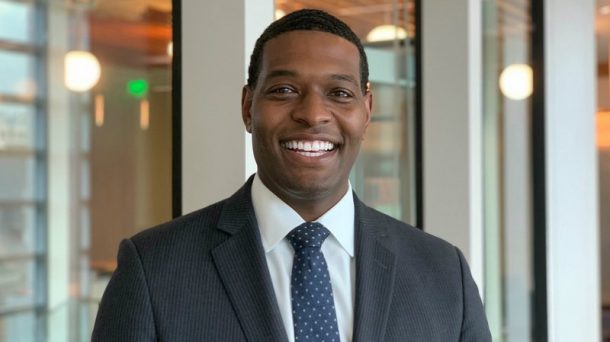
Michael Regan, who heads the North Carolina Department of Environmental Quality, is President-elect Joe Biden’s nominee as the next Environmental Protection Agency administrator.
Auto Industry Has Its Fingers Crossed for Trump's $1 Trillion Infrastructure Plan: Toyota Exec

As automakers dial back sales projections in a year that’s seen a rough start, the industry could be holding out hope for a legislative solution to lagging demand.
Toyota North America CEO Jim Lentz made this claim during the opening of the company’s expanded Ann Arbor research and design center on Thursday, adding that incentivizing new vehicles to draw down bulging inventories can’t continue forever. In his view, automakers are keeping extra vehicles on hand for a reason, not just because production hasn’t adjusted for slow sales.
Lentz, like other auto executives, is hoping for a sales bump in the event the Trump administration green-lights its proposed $1 trillion infrastructure plan.

Volkswagen Fears Pricey Jettas as Thorny Mexico Trade Talk Continues
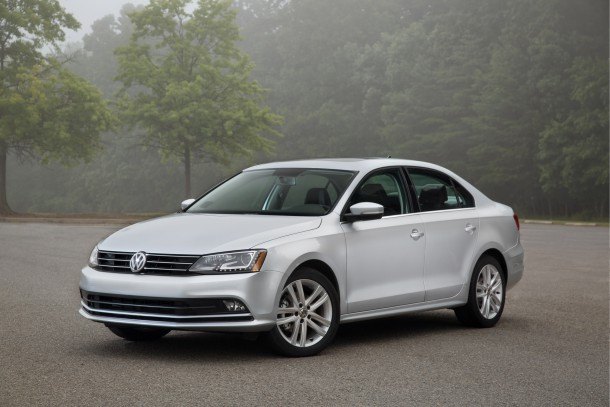
A border tax placed on Mexican goods bound for the United States would be a worst-case scenario for struggling Volkswagen.
The automaker, which already knows a few things about worst-case scenarios, is waiting on pins and needles to see if the proposed tax prices its small cars out of the market.
No Investigation After Senators Demand Probe Into Massive Takata Truck Blast

The company behind the massive recall of potentially explosive airbags won’t face a federal investigation after one of its trucks crashed and exploded on a Texas highway.
A transport truck carrying ammonium nitrate propellant and airbag inflators detonated last week, killing the occupant of a nearby home and leaving the truck in pieces. After two U.S. senators demanded a probe, the National Transportation Safety Board now claims that Takata followed the rules.
Congress, Crash Victims Want Action on Deadly Seat Back Failures

Modern technology helps vehicles avoid collisions and prevents injury, but the potential for a deadly collision inside the vehicle is being overlooked, some say.
Seat back collapses have killed or seriously injured 100 people since 1989, a CBS News investigation found, and lawmakers in Congress are now joining victims in calling for action.
You Can Take My Light-Duty Diesel Truck From My Cold, Dead Hands

You know the world is a bit upside-down when master wordsmith Jack Baruth spins a web so tight in favor of the EPA and CARB that even the Best and Brightest can’t see through it.
Jack makes a valid point today: light-duty trucks, especially those of the diesel variety, are often driven by people who don’t need the capability that those trucks provide. It’s those diesel pickups that spew tons of particulates and NOx into the atmosphere, both of which are harmful to human health. Goodbye, he says to the light-duty diesel truck, before we turn into Europe. Turbo-fed gasoline engines offer just as much torque as their diesel-powered brethren, he exclaims. There’s no need to buy an $80,000 phallus extender. What do you think of this twin-turbo V6 Raptor?
However, Mr. Baruth stopped just short of saying recreational use of light-duty diesel trucks should be outright banned, instead offering up a solution that’s analogous to gun control.

Life in Prison for Car Hacking? Michigan Takes the First Steps

Hoping to access and remotely take charge of a vehicle’s operating system via your laptop? Expect to shower with strange men in a place where the Wi-Fi sucks.Life behind bars is the penalty proposed by two Michigan senators seeking to regulate the state’s connected and autonomous vehicle industry, Automotive News reports.The bills introduced yesterday make it a super-duper felony to intentionally access a vehicle’s electronic system for the purpose of damaging it or gaining control of the vehicle.
Read more
Ontario Controversy Adds More Fuel to the EV Incentive Debate
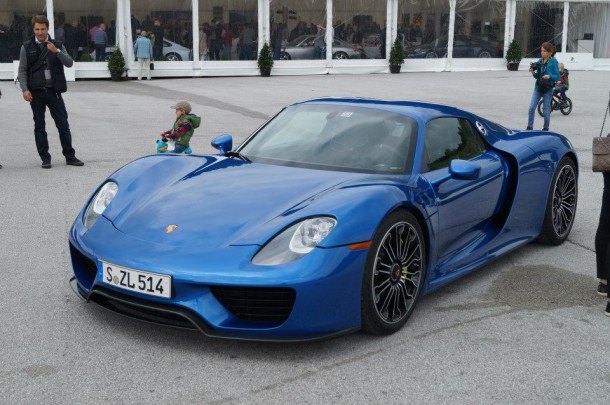
Two sides, two seemingly valid arguments. And in the middle, five $1.1 million cars.
Through the province’s Electric Vehicle Incentive Program, Ontario taxpayers helped lower the price of five Porsche 918 Spyders last year, according to Canada’s national broadcaster, leaving many wondering why their cash helped fund supercars for the ultra wealthy.
The program shaved just over $5,500 off the price of each $1.1 million hybrid Porsche — a limited edition model possessing 887 horsepower, with a top speed of 210 miles per hour.
One of those vehicles has since burned to the ground in a Toronto-area gas pump fire, which, for some, serves as a perfect metaphor for taxpayer-funded EV incentives.
Should 54.5 MPG Stay or Go? CAFE Crams for Midterms

As regulatory bigwigs gear up for a midterm review of corporate average fuel economy (CAFE) requirements, will the 54.5 mpg target for light-duty vehicles get a haircut, or be deemed too unambitious?
Under a 2012 agreement between the federal government and automakers, cars and light trucks will have until 2025 to meet the 54.5 mpg target, which works out to about 40 mpg on the window sticker (for cars) after you ditch the fancy math. That target isn’t set in stone, and the midterm review will take into account the state of the market — and existing technology — when it reviews its goals for the 2022-2025 period.
DOT Goes Wikileaks on Dealers, Puts Your Car's Secrets Online

Your vehicle’s hidden flaws and most shocking (mechanical) secrets will soon be just a click away.
The Department of Transportation is ending the clandestine relationship between your car’s dealer and the manufacturer by posting all Technical Service Bulletins (TSB) online, according to Consumer Reports.
TSBs, which outline the recommended procedure for repairing vehicles, will be posted in PDF form on the safercar.gov website.
Volkswagen Targeted by Federal Trade Commission Lawsuit

It wasn’t so clean, was it?
The Federal Trade Commission filed suit against Volkswagen on March 29, claiming the automaker’s “Clean Diesel” ad campaign was a deception that tricked buyers into purchasing its supposedly eco-friendly vehicles.
By filing the complaint against Volkswagen, the FTC (which can’t levy fines) would be able to seek compensation for buyers via a federal court order.
Volkswagen Gets a New Diesel Deadline, But There Won't Be Another

After missing today’s deadline for a U.S. emissions fix, Volkswagen has been issued a new one, and will now face a summer trial if the date passes without a plan to cure its diesel ills.
The extension of the deadline until April 21 was issued by U.S. District Judge Charles Breyer, who had earlier set the March 24 deadline for the embattled automaker, Reuters is reporting.
The consensus of today’s meeting in California between Volkswagen, the Environmental Protection Agency and the California Air Resources Board was that progress had been made in reaching an agreement on how to deal with 580,000 Volkswagen diesels equipped with pollution-causing defeat devices.
Showdown Over EPA Racecar Regulations Begins in Congress

Is it curtains for modified street cars on the racetrack, or will a compromise save the day?
The first meeting of a congressional committee tasked with deciding the fate of drivers who race modified street vehicles took place on March 15, and a glimmer of hope emerged, according to Jalopnik.
Earlier this month, a bipartisan bill — Recognizing the Protection of Motorsports Act of 2016 — was introduced in the House of Representatives and Senate in a bid to make converted race vehicles exempt from proposed Environmental Protection Agency regulations.
Volkswagen Investors Want an Expensive Pound of Flesh

The numbers are big — 278 investors seeking $3.61 billion — but the latest lawsuit leveled at Volkswagen is merely another drop in the penalty bucket for the embattled automaker.
As has been expected for some time, a group of institutional investors from numerous countries is seeking compensation for financial damage caused by Volkswagen’s diesel emissions scandal, Reuters is reporting.
The lawsuit was filed Monday in a Lower Saxony court — the same jurisdiction as Volkswagen’s headquarters — and alleges the automaker breached its duty under capital markets law between the time the “defeat device” was first installed in diesel models and when the scandal went public last September.
Volkswagen to Slash Office Jobs by Next Year, Says Report

Like ripples in a pool of sulphur-rich oil, the impact from Volkswagen’s diesel emissions scandal keeps spreading.
In a cost-cutting measure designed to mitigate the growing financial damage caused by the scandal, Volkswagen is planning to cut 3,000 administration jobs in Germany, according to Reuters.
BREAKING: Volkswagen Group of America CEO Michael Horn Resigns

Volkswagen’s American operation is looking for a new leader.
Michael Horn, president and CEO of Volkswagen Group of America, stepped down effective immediately on March 9.
The company stated that Horn departed in mutual agreement with the company, and will be pursuing other opportunities.
Bipartisan Bill Aims to Kill EPA Racecar Regulation
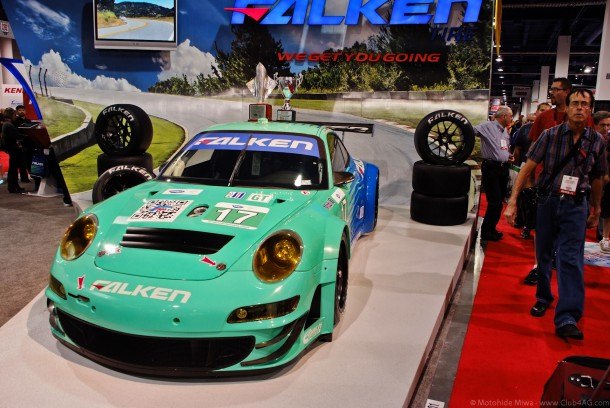
Attention, racecar enthusiasts: Your Congressional representatives are looking out for you!
Normally, this phrase would be met with suspicion and outright fear, but for those fighting the Environmental Protection Agency’s proposed regulation on racecar conversions, it’s the best news they’ve had in weeks.
A bipartisan bill introduced in Congress would protect the track-only use of modified street vehicles for use in competition, a practice the EPA is seeking to prohibit.
Volkswagen 2-Liter Diesel Fix Plan Won't Be Ready by Deadline
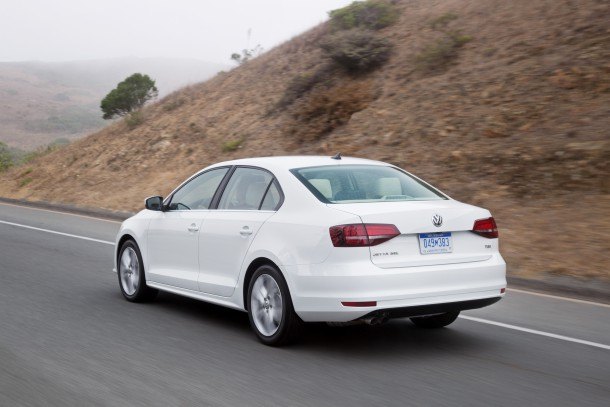
Volkswagen won’t be meeting a March 24 deadline to outline a diesel fix for U.S. regulators, Automotive News reports.
Volkswagen brand chief Herbert Diess made the admission in a German newspaper on March 5, claiming it will take the embattled company months, not weeks, to work out a fix for vehicles affected by the the diesel emissions scandal.
TTAC News Round-up: Volkswagen Sees a Savior, Goodyear Dreams of Spheres, and Toyota Shakes It Up
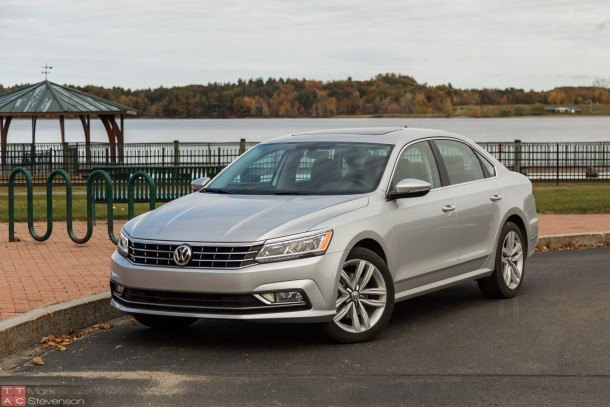
An American man will soon enjoy the task of making people love his controversial company again.
That, Goodyear’s been watching I, Robot, Toyota shatters its corporate structure, sentiment grows for better braking, and the feds say the airbag recall has gone far enough … after the break!
TTAC News Round-up: China Binds Up Holland, BMW Needs New Friends, Young People Dream On
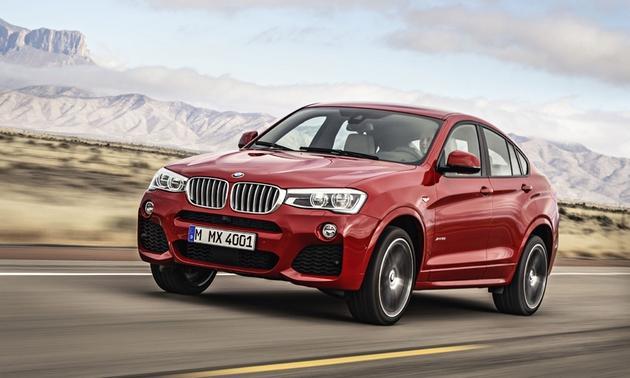
Amsterdam’s port facility is more crowded than a Walmart on Black Friday and it’s all China’s fault.
That, BMW wonders how it all went wrong, Millennials bare their souls to a salesman, Toyota walks down memory lane, and a safety regulator has some explaining to do … after the break!
Ralph Nader: Unsafe at Any Age

The author of the most famous — and controversial — book ever penned about the automotive industry turns 82 today.
Automobile safety crusader Ralph Nader probably wouldn’t have made it to this ripe old age if the industry hadn’t made design changes and undergone cultural reforms in the wake of his scathing 1965 publication “Unsafe at Any Speed.”
That book, which laid bare design flaws and the general lack of regard for safety during the then-Big Three’s heyday, ultimately sunk the innovative ‘swing axle’ Chevrolet Corvair — or as Nader called it, “The One-Car Accident.”
TTAC News Round-up: Infamous GM Engineer Speaks, You Only Get One With Dinner, and Hydrogen's Hedged Bet

The man in the middle of GM’s faulty ignition switch has finally spoken, and the word “mistake” came up at least twice.
That, does anyone have the number for Google, GM and Honda may join forces, and take a cab … after the break!

U.S. Transportation Department Seeks $4B For Future Autonomous Cars
U.S. Department of Transportation Secretary Anthony Foxx on Thursday said his department would seek nearly $4 billion over the next 10 years to standardize rules for self-driving cars and make it easier for carmakers to offer more autonomous vehicles.
The plan was mentioned Tuesday by President Barack Obama during his final State of the Union address and detailed by Foxx at the North American International Auto Show in Detroit.
The plan would create a uniform autonomous vehicle policy for states to adopt and would allow more exemptions from current safety regulations for self-driving technology.
Only a few states currently allow autonomous vehicles on their roads, including California, Nevada and Michigan.
TTAC News Round-Up: Mazda's Crossover Mania, Hyundai Lands a Lambo Man, Toyota is Just The Tops

Newly promoted, high-priced executives at Mazda seem to think there’s something to this crossover fad.
That, Hyundai’s landed a Benjamin Button to lead Genesis and I wish I would have known how cheap I could have purchased an F1 team … after the break.
Feds Pass Low Volume Law, Turn-key Fun for Everyone

For decades, enthusiasts came to dread new motor vehicle laws, as they typically conspire against the use of motor vehicles for fun. Post-Nader safety regulations that made cars heavier and less nimble came first. Emissions laws came a few years later, which strangled the previously-unrestricted engines into submission. The death of leaded fuel helped many of those old dinosaurs meet their untimely end.
For once, however, a massive new bill has actually lifted some restrictions. The Low Volume Motor Vehicle Manufacturers Act of 2015 ( as we covered in June) was passed last week as part of the Surface Transportation Reauthorization and Reform Act of 2015.

Heads of Automakers in US Meet In Washington, Discuss Safety, Recalls
Auto executives from nearly every major U.S. automaker met in Washington D.C. on Tuesday to discuss safety, recalls and technology with Secretary of Transportation Anthony Foxx, Automotive News reported.
Senior executives from 15 automakers, including General Motors’ CEO Mary Barra, Fiat Chrysler Automobiles CEO Sergio Marchionne, Volkswagen of America CEO Michael Horn and Nissan North America boss Jose Munoz, met to address Foxx’s concerns that “the public has lost faith in the auto industry’s commitment to safety,” according to a letter obtained by Automotive News.
The recent snowballing recall crises at GM, FCA and other automakers concerning Takata’s airbag inflators prompted the meeting, according to reports. A spokesman for the Transportation Department said the meeting was “very productive.”
Republicans Willing To Trade Bad Emissions For Better Safety
In its proposal Wednesday, U.S. House Republicans offered a carbon credit plan for automakers to trade tougher emissions standards for more safety technology. ( You know, the safety features that people are already willing to pay for.)
“This is a life-saving endeavor,” Rep. Fred Upton, R-Mich., said according to Reuters (via Automotive News). Trading pollution for safety, “incentivizes automakers to invest in new safety technology that will save more lives.”
The plan would relax future carbon dioxide requirements up to 9 percent in cars with advanced safety systems. An automotive lobby group said reducing crashes would reduce CO2 emissions.
Volkswagen of America CEO Horn: We Need to 'Bloody Learn' to Get Act Together
Volkswagen of America CEO Michael Horn testified to a congressional committee Thursday that he wasn’t aware until last month of the illegal “defeat device” installed on nearly 500,000 cars in the U.S. — approximately 11 million worldwide — and that the car company could take several years to fix its cars.
Horn testified in front of the U.S. House Energy and Commerce’s subcommittee for oversight and investigations for more than two hours.
“I would like to offer a sincere apology for Volkswagen’s use of a software program that served to defeat the regular emissions testing regime,” Horn said in a prepared response before answering questions from representatives.
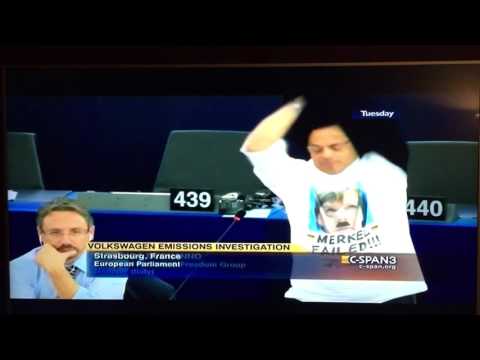
Volkswagen in America CEO Had More Than One Year To Deal With Cheating Diesels
In a prepared statement released ahead of congressional testimony Thursday, Volkswagen of America CEO Michael Horn said the automaker knew of emissions issues last spring when West Virginia University researchers published findings that the automaker’s cars were illegally polluting. (Emphasis mine.)
In the spring of 2014 when the West Virginia University study was published, I was told that there was a possible emissions non-compliance that could be remedied. I was informed that EPA regulations included various penalties for non-compliance with the emissions standards and that the agencies can conduct engineering tests which could include “defeat device” testing or analysis. I was also informed that the company engineers would work with the agencies to resolve the issue.
(Should have followed up a little more on that email, probably.)
GM to Pay $900 Million For Faulty Ignition Switch Cover-up
Two sources have told Reuters that the government will levy a $900 million fine on General Motors for its failure to recall and subsequent attempts to cover-up of faulty ignition switches linked to at least 124 deaths.
Criminal charges will be filed against GM for its role in hiding the defect from regulators, but will defer prosecution while the automaker complies with its penalty. The agreement is expected to be announced Thursday.
The massive fine is smaller than the $1.2 billion Toyota paid in March 2014 for its role in concealing that its cars could accelerate suddenly.
California Roads Bill May Be The Future Of US Road Funding
California electric vehicle drivers may pay $100 more in registration fees each year under a proposed bill that aims to raise $3.6 billion each year through gas taxes and fees that would repair and maintain California’s roads, according to the Associated Press (via Autoblog).
The proposed fees would be a sweeping reform to transportation funding that would increase California’s gas taxes by $0.10 per gallon, add $35 to vehicle registrations and increase vehicle fees by 35 percent over five years.
Already, gas and oil companies are lining up against the proposal.
AutoNation Won't Sell Any Cars Subject To Recalls
AutoNation won’t sell any cars with open recalls, used or new, at its dealerships, according to Automotive News.
AutoNation CEO Mike Jackson said the costly policy would mean that roughly 5 percent to 10 percent of cars on its lots would be unsellable at any one time. The change in policy for AutoNation comes while different bills work their way through Congress that could prohibit used car dealers to sell cars without recall repair work.
“The recall situation for the U.S. auto industry is a black eye. It is a dysfunctional nightmare that the industry should be ashamed of, and customers are right to be angry and confused,” Jackson told Automotive News. “As part of the industry, we have to hold a mirror up and say, ‘What can we do better as a company?'”
The California Air Resources Board, the Automakers, and You
Last week, Bloomberg Business profiled the one woman who may have more influence in the automaking universe for the next decade than any other person on the planet.
California Air Resources Board Chairwoman Mary Nichols’ story about running the nation’s most stringent air quality standards board is compelling, fascinating and terrifying — if you’re an automaker.
The state’s ambitious goal of reducing greenhouse gases 80 percent by 2050 is met by an equally ambitious — and onerous — goal for automakers: don’t sell new cars with internal combustion engines in California by 2030.
FCA Dealers Can't Sell Used Cars Without Recall Repairs
Fiat Chrysler Automobile dealers won’t be able to sell cars without recall repair work or they risk losing their incentive money under a new agreement with the federal government, Automotive News is reporting.
The agreement was part of the sweeping package penalties imposed by the National Highway Traffic Safety Administration, including up to $105 million in fines. According to the consent agreement by the federal bureau and FCA, the company already asks dealers to complete recall work, but the new mandate would reinforce that existing policy.
In the United States, it’s illegal for a dealer to sell a new car without recall repair work, but no such law exists for used cars. A recent proposal in Congress to force used car dealers to complete open recall repair work was met with opposition.
Senate Committee Approves Bill to Help Detroit Make Hybrids
A U.S. Senate committee for transportation passed along a bill Thursday that included provisions to help domestic automakers develop and build cleaner vehicles, the Detroit News is reporting.
The proposal, dubbed the Vehicle Innovation Act, was included in a larger clean energy bill taken up by the committee. The Vehicle Innovation Act would set aside $313.6 million next year for research and development of hybrid technology, battery development and alternative fuels such as natural gas. Funding would increase by 4 percent every year up to 2020.
Nearly all major U.S. automotive lobbies representing manufacturers supported the proposal.
Fiat Chrysler May Have to Take Back 1.5M Defective Jeeps, Rams
In an order detailing the largest civil penalty for an automaker so far, the National Highway Traffic Safety Administration said Monday that Fiat Chrysler Automobiles could have to buy back 500,000 defective trucks and accept trade-in above market value for 1 million defective Jeeps .
The automaker’s record $105 million fine includes a $70 million penalty, $20 million set aside for meeting safety standards dictated by the federal bureau and an additional $15 million in penalties if an independent monitor discovers further safety violations.
Senate Committee Says Rental Cars Must Have Recall Repairs
U.S. rental cars will need to comply with open recalls before being driven off the lots, a U.S. Senate panel decided Wednesday, according to Bloomberg.
The measure was an about-face from an earlier proposal backed by automakers, consumer groups and some rental car companies, which would have allowed rental cars with known defects to continue to be driven, as long as those defects were disclosed to consumers. NHTSA asked lawmakers to consider the proposal on pulling defective cars off the road in February.
The bill’s opponents said the revised amendment could harm consumers by filling dealerships with rental cars waiting to be repaired.
Report: Hummer Recall Only Happened After NHTSA Threatened GM
Jalopnik has an interesting story today about how General Motors negotiated its way into recalling 200,000 Hummers only after the National Highway Traffic Safety Administration threatened to launch a formal investigation.
Last week, Hummer recalled nearly 200,000 SUVs due to an increased fire risk because of a faulty HVAC harness that could melt and catch fire.
GM knew about the problem in 2008, Jalopnik writes, and did nothing until issuing a recall this July.
Obama's New Overtime Rules May Hit Dealers Particularly Hard
Car dealerships may be forced to pay some of their employees more under new overtime rules proposed by President Barack Obama, Automotive News is reporting.
The proposed overhaul for employees who make less than $50,000 a year could impact dealers who make a significant portion of their earnings from salary, rather than commission.
The suggested overtime rules would apply to roughly 40 percent of the American workforce, rather than the 8 percent the current rules apply to now. The Department of Labor estimates more than 5 million workers would be covered by the new rules.
Former NHTSA Boss Blocked From Testifying in Toyota Case
The National Highway Traffic Safety Administration is blocking former chief David Strickland from testifying in a California civil lawsuit for Toyota on issues regarding its push-button start systems in some of its cars.
According to the Detroit News, NHTSA officials told lawyers in a letter that Strickland would be barred from testifying in the case as an expert witness.
“The agency has been roundly criticized for its relationship with Toyota in terms of recent enforcement actions, particularly regarding unintended acceleration,” NHTSA’s lawyer wrote in the letter. “Given this history, Mr. Strickland’s testimony as a former NHTSA administrator describing Toyota’s actions or conduct in this matter with approval, will likely diminish the agency’s ability to pursue a vigorous enforcement review of Toyota moving forward.”
Senate Bill Proposes Recall Warning Light on Your Dash
Two proposals for reforms to how the U.S. handles safety recalls and penalizes automakers are winding through a Senate committee.
A proposal backed by three Senate Democrats would make automakers include a recall warning light in the dashboard of new cars to notify owners of a safety recall and lift the cap on delayed recall fines and more. A less-aggressive proposal put forward by Republicans would require dealers to notify owners if their cars have been recalled, something most automakers already do but aren’t required by law.
The National Highway Traffic Safety Administration estimates that 25 percent of recalls are never completed.
FCA Awaits NHTSA's Wrath After Recall Hearings
Yesterday, the National Highway Traffic Safety Administration took the unusual step of hauling a single automaker to the Capitol to scold Fiat Chrysler for delays in recalls and repairs. The hearing is ahead of anticipated fines NHTSA may deal later this month, possibly as high as $700 million.
Attention was focused on Jeep Liberties and Grand Cherokees with rear-mounted gas tanks that could leak fuel if struck in a high-speed rear collision and potentially catch fire. Also of importance is the rate at which Jeep notified its owners of the recall.
FCA’s Senior Vice President for Vehicle Safety and Regulatory Compliance Scott Kunselman said at the hearing that FCA “could have done better in carrying out the campaigns.”
US House Resolution Would Allow Factory-Direct Turnkey Replica Vehicles
Has the thought of assembling a replica vehicle put you off of buying one? Thanks to Congress, you may soon be able to buy a factory-direct turnkey model.

Rosekind Will Give Prepared Statement Before Congress Over Funding Concerns

Testifying before Congress Tuesday, NHTSA Administrator Mark Rosekind will give a statement on his agency’s need for funding to properly function.
US Senate Approves Industry Whistleblower Bill
Tuesday, the U.S. Senate approved a whistleblower bill that would incentivize those in the auto industry to blow the whistle on potential safety problems.
NHTSA To Gain Broader Powers Upon Transportation Bill Approval
A transportation bill sent to Congress Monday would grant the NHTSA the authority to stop automakers from selling vehicles with dangerous safety problems.
House Republicans Gunning For End Of Auto Technology Loan Program

Should Republicans in the U.S. House have their way, the loan program meant to foster development of advanced automotive technologies would be killed.
Feinstein-Toomey Bill Seeks To Push Other Biofuels Over Corn Ethanol
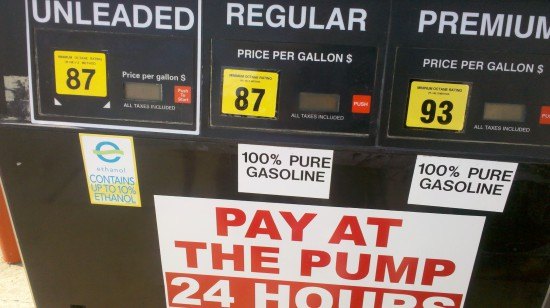
With one attempt shot down thus far, two U.S. senators are issuing a standalone bill to reduce the use of corn-based ethanol at the pump.
Whistleblower Incentive Legislation Passes US Senate Panel
A whistleblower bill that would grant financial incentives to auto industry employees who expose safety defects won backing by a U.S. Senate panel Thursday.
NHTSA To Congress: Pull Recalled Used, Rental Vehicles Off The Road
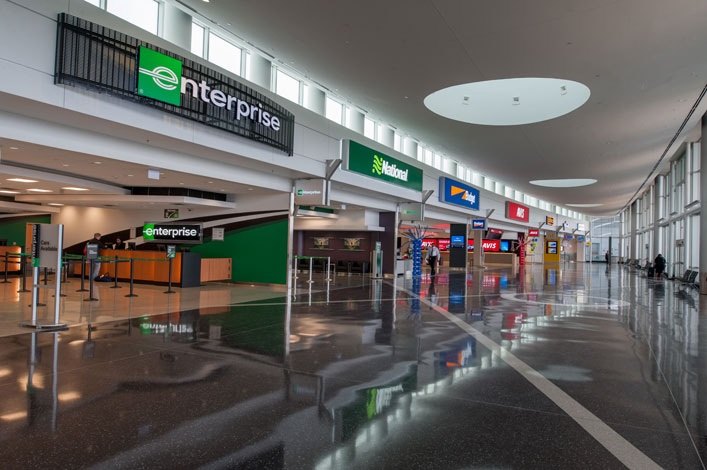
The next vehicle the TTAC Zaibatsu or the B&B rent could be safer if Congress heeds the call of the National Highway Traffic Safety Administration.
Congress Unsure On NHTSA Funding Increase
Though the National Highway Traffic Safety Administration says funding is needed to boost staffing, some in Congress aren’t so sure on the proposal.
Obama Budget Proposes Tax On Corporate Foreign Earnings For Roads
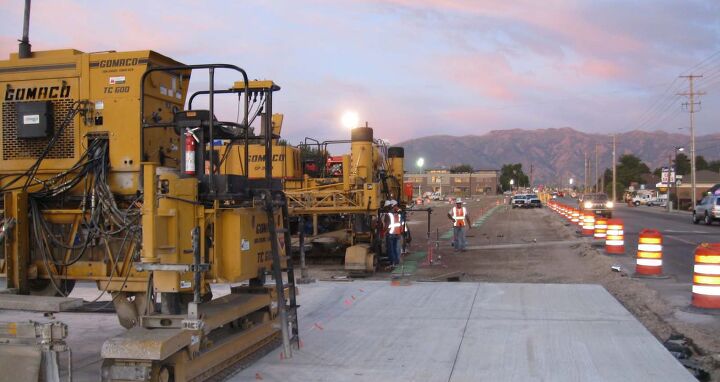
President Barack Obama unveiled his annual budget Monday, which includes a proposition to tax corporate foreign earnings to fund the nation’s roads.
OEMs Delay Vehicle Alert Sounds For Pedestrians On EVs, Hybrids

As quiet as electric vehicles and hybrids are, plans to make them noisy for the benefit of pedestrians et al have been delayed until 2018.
General Motors Sticking To Filing Deadline Despite Calls For Extension
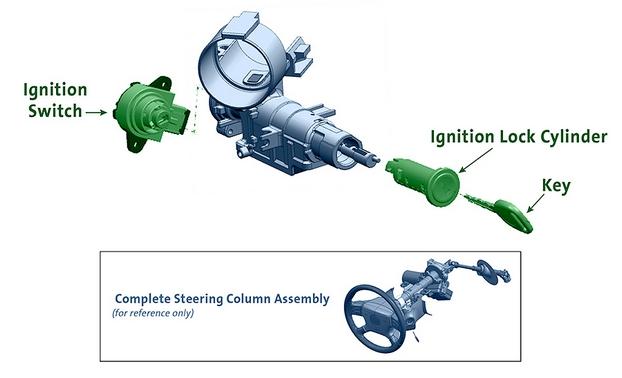
Despite a request from two senators to extend the deadline for its compensation fund, General Motors will still close the filing window this Saturday.





Recent Comments