

UK Study Says EV Charging Costs More When Done in Public Instead of at Home
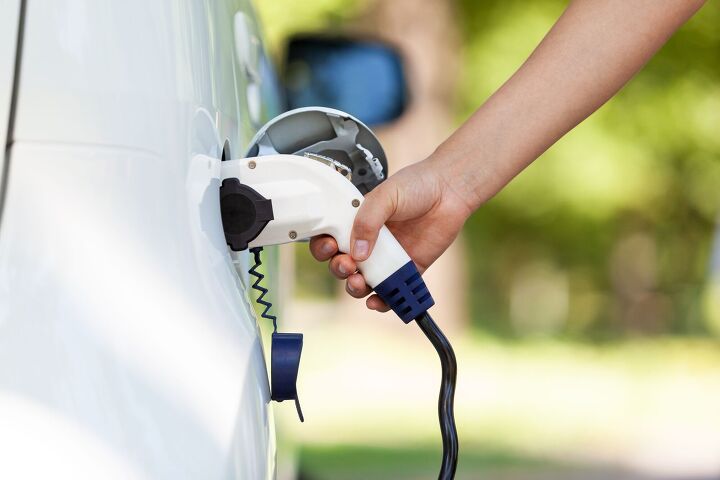
In a shocking -- pun and sarcasm intended -- twist, an analysis performed in the UK suggests that it costs $1,800 USD more a year to charge an EV in public than at one's home.

Editorial: This Isn’t The Time For Biden’s ‘Buy American’
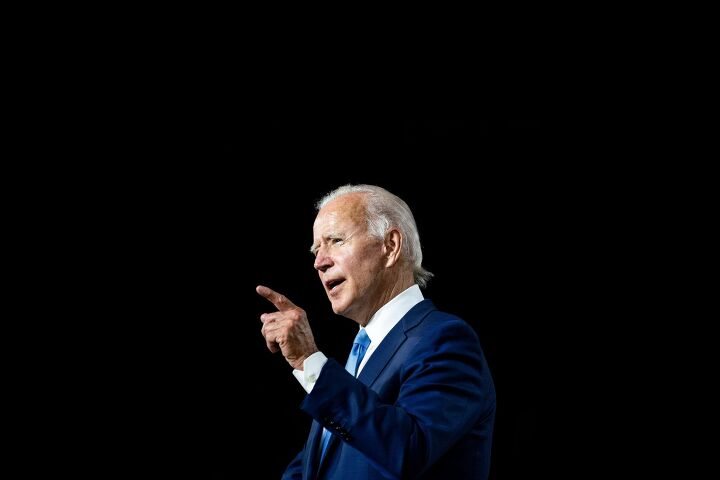
Two weeks ago, President Joe Biden announced during the State of the Union that federal infrastructure projects will, going forward, be required to use all American-made construction materials. Applause resounded throughout the divided chamber.
And why not? Nobody ever wins an election - especially when it’s not an election year - by promising to buy more foreign-made goods.

GM Announces Nationwide EV Charging Network
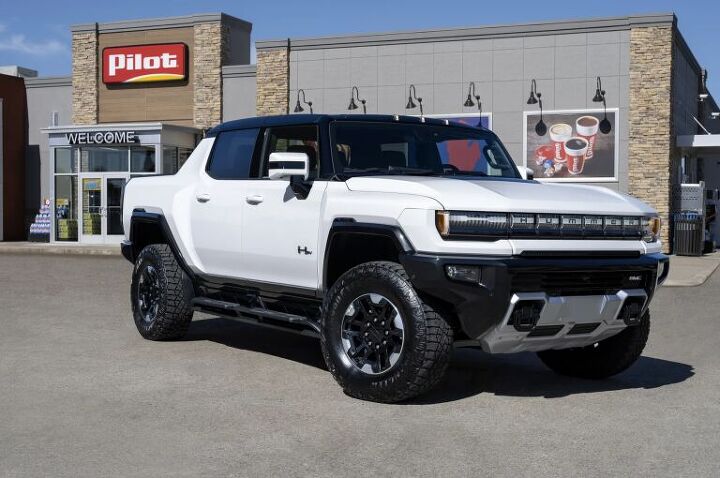
General Motors has announced a national network of quick charging stations for electric vehicles to be installed at Pilot and Flying J truck stops. Managed by EVgo (a subsidiary of the South Korean LS Group), the network may be the final piece of the puzzle for GM to make good on its promise to go all-electric. It’s already spent oodles on development, created partnerships with global battery suppliers, and now has a glut of EVs on the way –a glut of product that GM is hoping will resonate with consumers.

Biden Admin Proposes Minimum Standards for EV Charging

With the Biden administration hoping to transition the United States toward all-electric vehicles, it has set a goal of commissioning the construction of a nationwide network of 500,000 EV charging stations by 2030. But saying you’re going to do something as part of a $1-trillion infrastructure plan is a lot easier than actually doing it because there are a lot of steps that have to be taken before a plan can effectively be put into action. This is called planning and it’s something the government occasionally engages in to ensure a program is successful. As such, the Biden administration is issuing a series of standards and requirements for federally funded electric vehicle charging stations.
“To support the transition to electric vehicles, we must build a national charging network that makes finding a charge as easy as filling up at a gas station,” said U.S. Transportation Secretary Pete Buttigieg. “These new ground rules will help create a network of EV chargers across the country that are convenient, affordable, reliable and accessible for all Americans.”
U.S. Congress Holds Hearing on Increased Traffic Deaths
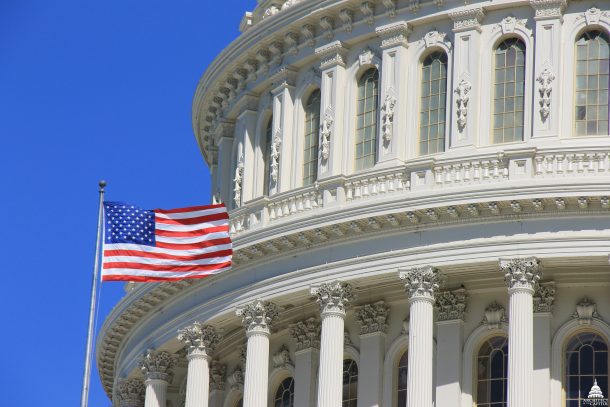
A U.S. House of Representatives subcommittee conducted a hearing to discuss surging traffic deaths on Wednesday. In 2021, traffic deaths surged by over 10 percent over the previous year for a grand total of 42,915 roadway fatalities. But 2020 also represented a sizable 7 percent increase over 2019, despite there being overwhelming evidence that substantially less driving was done during nationwide COVID lockdowns.
Congresswoman Eleanor Holmes Norton (D-D.C.), the Transportation and Infrastructure subcommittee chair holding the hearing, stated that now was the time to hold a meeting on the issue — as last year represented the single highest increase in traffic deaths since the NHTSA started keeping track in 1975.
Study Claims EV Charging Reliability Is a Problem

Researchers with the University of California, Berkeley, are pouring cold water of the premise that electric vehicle charging stations will require less maintenance than traditional fueling solutions. The study, which examined 657 individual connectors between 181 public fast-charging stations in the San Francisco Bay area found that about 23 percent were nonfunctional.
That seems quite a bit higher than the number of fuel pumps that might be down at any given station, though the pertinent question is why those EV charging points were inoperable.
Stellantis CEO Says EV Transition Poses Serious Problems

The automotive sector is currently suffering from ongoing component shortages and supply chain bottlenecks stemming from regional restrictions relating to the pandemic. However, it’s assumed that those problems will gradually abate, only to be supplanted by a global deficit of the raw materials necessary for battery production. Analysts have been warning about the shift toward electric vehicles, spurred on by government regulations, for years. But they’re starting to get some company from within the auto industry.
On Tuesday, Stellantis CEO Carlos Tavares suggested that there was a very real possibility that manufacturers could begin confronting serious issues in terms of battery production by 2025 if the shift toward EVs continues at pace. Though his concerns aren’t limited to there being a new chapter in the already too long saga about parts shortages. Tavares is also worried that Western automakers will become overwhelmingly dependent upon Asian battery suppliers which already dominate the global market.
DOT Readies Billions for National EV Charging Network, Chaos Ensues
The U.S. Department of Transportation (DOT) announced today that it will distribute $5 billion to establish electric-vehicle charging along the interstate highway system. Managed by the newly formed Joint Office of Energy and Transportation formed after the $1.2-trillion Infrastructure Investment and Jobs Act (IIJA) passed in Congress, the federal spend is a joint operation between the DOT and U.S. Department of Energy.
By 2030, the federal government is hoping to have a network of 500,000 charging stations in a bid to reduce range anxiety and spur EV adoption. But it wants individual states to make the necessary investments to connect the highway-based network to cities and towns. As you might have guessed, Democrat lawmakers have broadly supported the imitative while Republicans are calling it too expensive and a distraction from other aspects of U.S. infrastructure in need of maintenance.
Biden EPA Tells USPS More Mail Trucks Should Be EVs

Last spring, the United States Postal Service announced that it would finally be replacing its fleet of Grumman Long Life Vehicles (LLVs) that have more than lived up to their name. Having entered into service in 1987 to replace the Dispatcher Jeep, the LLV is scheduled to be replaced by 150,000 new mail trucks from Oshkosh Defense. While the government originally wanted to use an all-electric platform, it was believed that rural routes probably required an internal combustion vehicle. Preexisting government contracts with Oshkosh likely made it a compelling manufacturer, though it annoyed some of the smaller candidates. Workhorse even sued the USPS last summer for not selecting its hideous entrant, though the official complaint was that the government hadn’t given EVs a fair shake.
That now appears to be changing because the Biden administration and Environmental Protection Agency (EPA) have asked USPS to hold off on the $11.3 billion contract with Oshkosh so electric options can be reevaluated.
Canadian Trucker Protests Continue, Aussies Launch 'Convoy to Canberra'
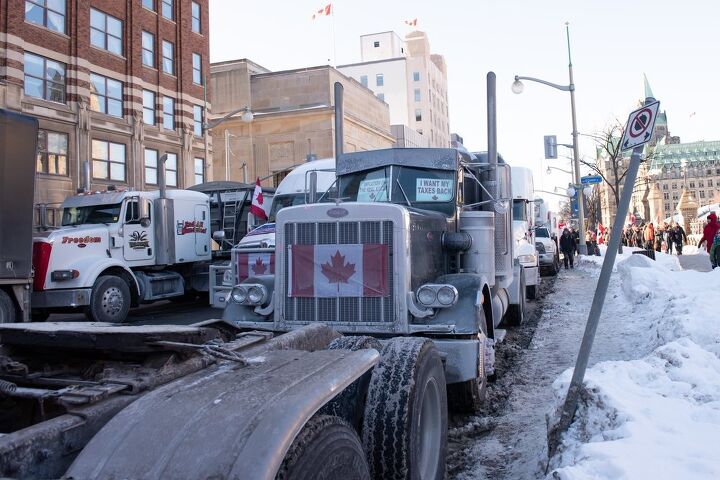
With supply lines being of particular importance these days, truckers are leveraging their role to encourage government to see things their way. Canada’s Freedom Convoy reached Ottawa on Friday to demand officials end pandemic-related restrictions it believes are wreaking havoc on the economy and the protests have yet to stop.
While this all started with U.S. and Canadian truckers urging the government to abandon border restrictions that forced all drivers to be vaccinated and confirmed as COVID free (starting January 15th) or be forced to quarantine for 14 days, activists are now asking Ottawa to abandon all mandates or prepare itself for worsening disruptions to already ailing supply chains. They’ve since been joined by Australian truckers, who have formed the ‘Convoy to Canberra’ for similar reasons. Future demonstrations are also being prepared for the United States.
Rising Fuel Prices Have Upended the Economy
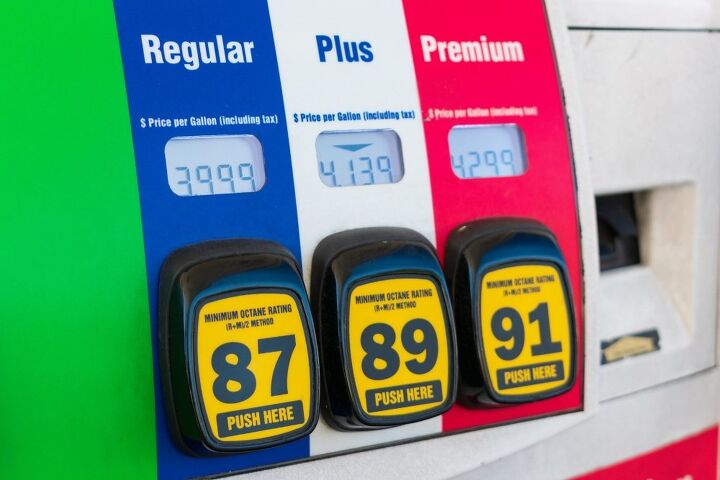
Unless you’ve spent the last twelve months locked inside your home, then you’re probably dreading the next trip to the gas station. The average price for a gallon of 87 octanes has reached $3.40 in the United States. That’s about 50 percent steeper than it was at the start of 2021 and undoubtedly more than you’re wanting to shell out today. Though one cannot ignore the dizzying rates being advertised outside of British “petroleum parlors” or France’s many “un bordel pour voitures.” Canadians are also forced to endure higher gasoline prices, as the government tends to stack the taxes a little higher and the U.S. dollar tends to be more valuable. At least for now.
All you need to know for the purposes of this article is that fuel prices are up and it’s influencing the economy in some pretty dramatic ways.
Report: Biden Admin May Link Semiconductor Subsidies to Unions
Despite the semiconductor shortage having encouraged the automotive sector to repeatedly idle factories, word on the ground is that things are becoming more stable. Companies are seeing less production downtime overall and workers are reporting more reliable working conditions across the board. However, several automakers have continued to express concerns (e.g. Volvo), alleging that chip shortages could stretch deep into 2022, while the U.S. government ponders how to advance chip production in-country and become less dependent on Asian suppliers.
Commerce Secretary Gina Raimondo has been touring Michigan, meeting with union members and industry heads, and plans to urge Congress to move on a $52 billion in funding bill aimed at boosting domestic production. We’ve questioned the efficacy of the CHIPS Act before, primarily in relation to how the subsidies would be allocated. But there are new concerns that the plan will mimic the Biden administration’s EV subsidies by spending heaps of taxpayer money and giving union-backed organizations a larger cut.
Automakers Accused of Chip Hoarding, U.S. Considers Defense Production Act
Despite the occasional media report claiming that the semiconductor shortage is nearly over, reality looks quite a bit different. Some manufacturers have managed to temporarily stabilize supply chains, even though others have continued announcing work stoppages as they run out of chips. Wait times for the electronic components have also increased by about 61 percent since the beginning of 2021. Meanwhile, a recent Kelly Blue Book survey had 48 percent of respondents saying they were going to postpone buying a new automobile until shortages end, prices come down, and they can actually find the vehicles they’re looking for. But even those that were willing to buy now expressed a surprising level of acceptance to abandon brand loyalty or their preferred body style just to get a fairer deal on an automobile.
With the United States fairing worse than other regions in regard to chip availability, the White House has been under pressure to solve the problem all year. Thus far, government strategy has focused on encouraging investments for new semiconductor production. But there’s a new gambit being proposed that would invoke a Cold War-era national security law that would force manufacturers to furnish information pertaining to semiconductor supply lines and chip sales.
Correct: Honda Says Senate Tying EV Subsidies to Unions Discriminatory
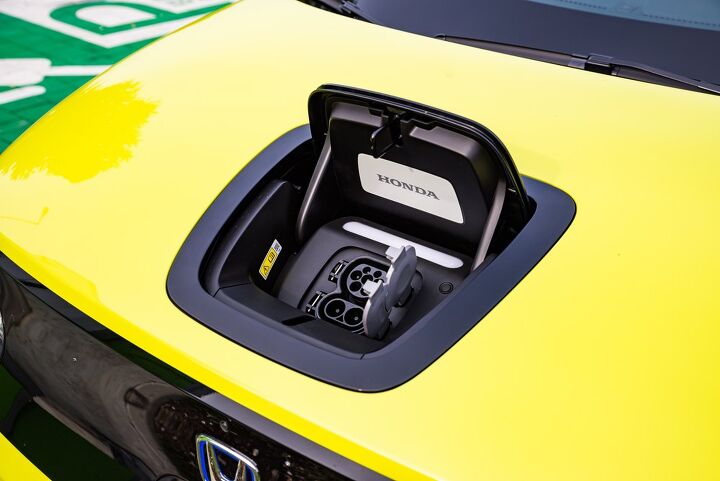
Despite regulatory efforts often being praised as essential for elevating standards and promoting safety, they’re also an excellent way to funnel money and favors between political and corporate entities in plain sight. This dichotomy is particularly glaring in regard to environmental restrictions, which frequently favor businesses that are wealthy enough to afford to adhere to them and subsidies that effectively reroute tax funding to support various industries.
Considering this, it’s fairly rare to see bigger businesses griping about government assistance. But that’s exactly what Honda is doing with a proposal in Congress seeking to provide additional EV subsidies to consumers that buy vehicles manufactured by union-backed plants. The manufacturer has stated it believes the Clean Energy for America Act is discriminatory by favoring specific automakers and will ultimately restrict the choices available to consumers – which is true.
Tesla Opening Charging Network to Other Brands
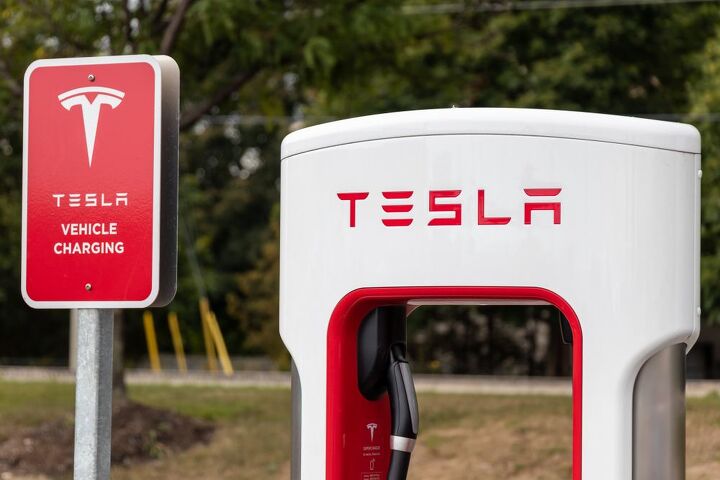
On Tuesday, Tesla CEO Elon Musk said that his company’s proprietary charging network would be opened up to other brands by 2022. It’s something Europe has been pressing the automaker on for years and a topic that’s become increasingly popular in the United States. Tesla announced it had completed over 25,000 charging points this year and most Western governments have committed themselves to advance electrification whether or not consumers or the industry feels ready.
2022 Hyundai Ioniq 5 Fast Charging CUV Exposed
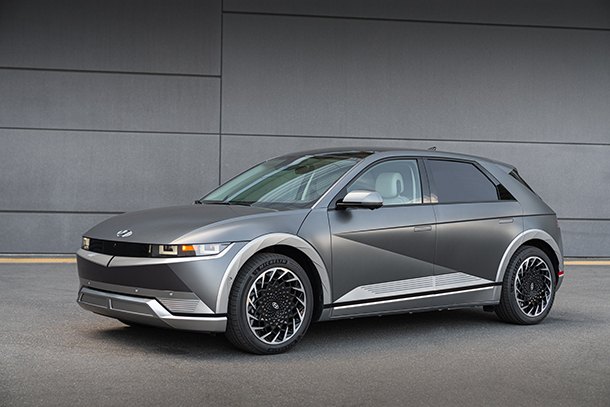
The 2022 Hyundai Ioniq 5 ultra-fast charging crossover utility vehicle was revealed yesterday, highlighting its Electric-Global Modular Platform (E-GMP).
Ioniq 5’s 300-mile range, and 10-to-80 percent ultra-fast charging in 18 minutes showcases E-GMP technology.

Connected Vehicle Sales Grow by 20 Percent in 2021

Connected vehicle sales will grow 20 percent in 2021, with a 10.4 percent compound annual growth rate (CAGR) between 2020-2026 according to ABI Research, a tech market advisory group.
White House Briefly Mentions Fixing Our Horrible Roads
On Thursday, President Joe Biden spent part of his day listening to a group of lawmakers discuss how much the United States might need to spend on fixing its horrible infrastructure. It’s an issue America has neglected through multiple administrations and has frequently been set back by partisan conflict.
Considering the White House is ruminating on how to source trillions of dollars in new infrastructure spending after the U.S. just printed $9 trillion (almost 25 percent all USD currently in circulation) for COVID relief, that’s unlikely to change. Everyone is worried about raising taxes and causing inflation during a period of economic uncertainty, or skeptical that the government will use the new funding responsibly. But our roads (among other infrastructure projects) are reaching a point where they can no longer be ignored, placing the entire country in a particularly sour pickle.
Auto Alliance Pitches Preferred U.S. Strategy: Government Money
The Alliance for Automotive Innovation (AAI) is proposing a national strategy for the United States it claims will help keep the country competitive. However, the AAI represents automakers, parts suppliers, and technology firms around the globe — making this more of a plea to U.S. policymakers and the industry to remain laser-focused on electrification, connectivity, and vehicular automation. It’s pitching its preferred global strategy, not some custom strategy for helping the U.S. achieve dominance because it’s telling the European Union and Asia the exact same story.
Elsewhere, the eight-part plan is being touted as an invaluable tool to help guide America back toward automotive relevance. But here, we remain skeptical.
Progress, Thy Name is ZETA: New Electric Vehicle Lobbying Group Hits the Scene

If you think the political class is interested in what kind of policies citizens would like to see implemented, you’ve clearly never heard of lobbying groups. While we’re stuck at home writing thoughtful letters to congressional interns in the faintest hope that they’ll be dictated to a senator, corporately supported lobbyists are taking legislators out to dinner so they can discuss how best to govern on a single issue. They’re important in determining the trajectory of the nation but many get criticized for placing the needs of the business over that of the individual voter.
Buckle up, because we’re getting another one. On Tuesday, the Zero Emission Transportation Association (ZETA) held its own coming-out party and announced its mission to advocate for “national policies that will enable 100 [percent] electric vehicle sales throughout the light-, medium-, and heavy-duty sectors by 2030.”
We'll Have to Build a Ton of EV Charging Points If Electrification Is Going to Work
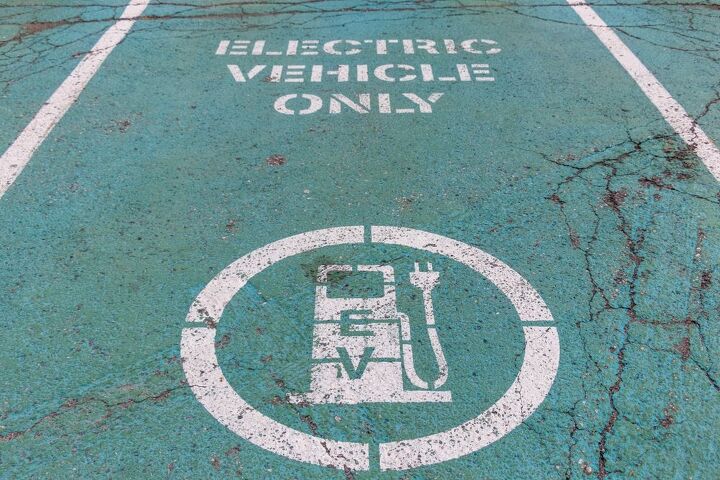
If you hop around this country on a semi-regular basis, you’ve likely noticed that California seems better equipped to endure the onslaught of electric vehicles poised to reshape our society. For all the complaints about the state’s managerial issues and a homelessness situation that’s spinning wildly out of control, it’s one of the few places you can regularly encounter EV charging stations without actively looking.
It’s also an area you see them frequently in use. Many states still harbor large distances between charge points that don’t see a lot of use in the first place. But things are different in California. There are dedicated EV stations along most major highways, increasing in frequency the closer to you get to metropolitan hubs. Once inside the city limits, there are are countless office parks, service stations, and parking structures offering ground-floor charging — many of which will actually have cars plugged into them.
You’ll also notice many are broken and some don’t let you pay via a single swipe of your credit card. Instead, the machine will ask you to make an account with whatever company is offering the service, often trying to push you into using a proprietary app. It’s unfortunate and probably the last thing you want to do after scouting out a particularly well-hidden station because the first three you came across were occupied or out of order.
The Cost of Future-proofing: German Auto Industry to Invest $68 Billion Into EVs, Mobility, Data Over Next Three Years

The German Association of the Automotive Industry, known in its native tongue as Verband der Automobilindustrie (VDA), says its members have formally committed themselves to investing 60 billion euros (roughly $68 billion USD) into electrification and vehicular autonomy over the next three years.
The claim was made as part of a larger announcement serving as a rundown for what German automakers hope to achieve in a period where nothing seems certain.
The European Union, along with China and several other nations, have committed themselves to embracing electrification in a bid to lower emissions and modernize roadways. “In the next three years, we will invest over 40 billion euros in electric mobility, in addition to a further 18 billion euros for digitalization, and the development of networked or automated vehicles” said VDA President Bernhard Mattes, adding that German automakers anticipate 100 EV models on offer to the public by the end of that period.
Volkswagen's Solution to EV Charging Woes: A Charging Station That Requires Recharging
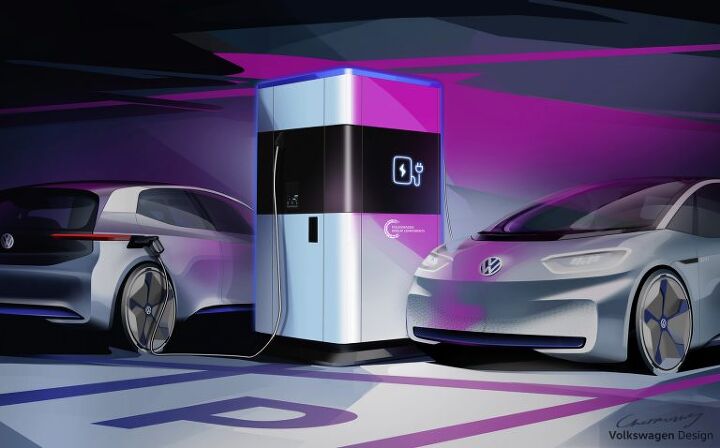
Concerned that customers won’t buy vehicles from its upcoming electric product tsunami for fear of missing their turn at the plug, Volkswagen is offering a fairly novel solution: mobile charging stations that also require recharging, presumably from a much larger charging station. A power station, for example.
The takeaway from Volkswagen’s lesson in energy packaging is “Buy an electric Volkswagen. You’ll be fine.”

Putting a Stop to Stopping: Jaguar Land Rover Testing Green Light Speed Advisory Tech
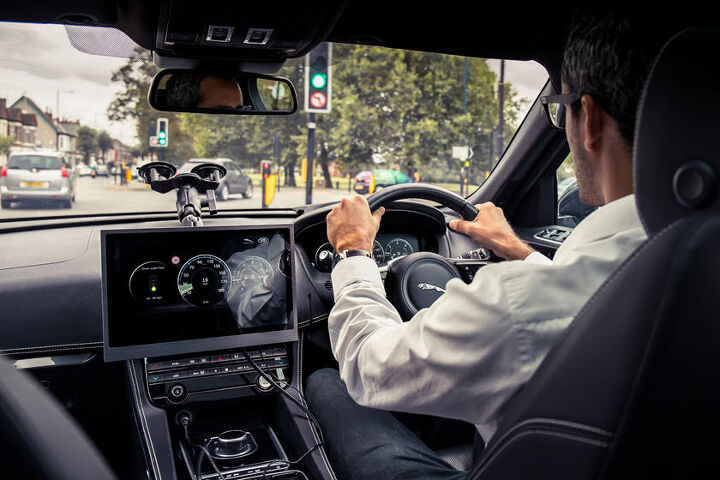
Jaguar Land Rover has announced it will implement Green Light Optimal Speed Advisory (GLOSA) technology on a trial basis. The system utilizes vehicle-to-infrastructure (V2X) connectivity, allowing cars to “talk” to traffic lights while informing drivers of the speed they should travel to avoid having to stop.
GLOSA isn’t a new concept. In fact, it’s been kicked around for years as a potential way to minimize congestion and improve urban traffic flow. The theory involves creating a network of traffic signals that perpetually communicate with connected automobiles and encourage the vehicles to self-regulate their speed. The system works with timed signals, though implementing adaptive signals is believed to further improve the system’s overall benefits.
It's Frustrating Times for Owners of Hydrogen-powered Cars

They’re the rarest breed on the road, drawing their car’s fuel source from the world’s most plentiful element — which just happens to be the hardest to get your hands on in any large quantity. Fuel cell vehicle drivers, of which none exist outside of California, depend on a small network of H2 refueling stations to stay on the road, and the drawbacks to using this rare power source are already well documented.
You’ll be renting a car if your road trip takes you too far from San Francisco or the SoCal area. Supply issues sometimes leaves that one nearby station out of service, as happened earlier this year. It’s almost as if a vehicle you plug into a wall is a better green idea, at least on the downstream side.
Regardless, these Honda Clarity FC, Toyota Mirai, and Hyundai Tucson FC owners made their bed and were prepared to lie in it. Unfortunately for them, the refueling network has once again revealed its fragility.
Electric Vehicles Could Short Governments $92 Billion in Taxes by 2030
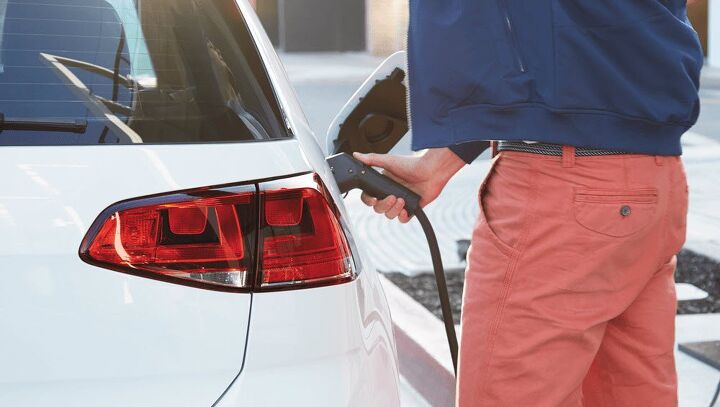
As governments across the globe push for the proliferation of electric vehicles, they’re creating a new problem for themselves. While EVs may be helpful in mitigating pollution in and around city centers, they’re not going to be nearly as friendly on the infrastructure.
A report from the International Energy Agency suggests the ramp-up of battery powered automobiles could result in a $92 billion tax shortfall by 2030, assuming everything goes according to plan. But even if global governments only manage to get halfway to their intended electrification goals, they’re still missing out on an estimated $47 billion in fuel duties.
Ford's Plan to Buy Towering Detroit Pigeon Coop Isn't BS

There’s been much made about Ford’s secret/not-so-secret plan to purchase a major chunk of Detroit’s Corktown neighborhood, including its greatest landmark — the monstrous, long-abandoned Michigan Central Station. Until now, however, the only words we had to go on were whispered by sources who preferred to keep their names out of the media.
Thankfully, Edsel B. Ford II decided to pipe up today.
VW to Continue 'Electrifying America' With Help From Walmart
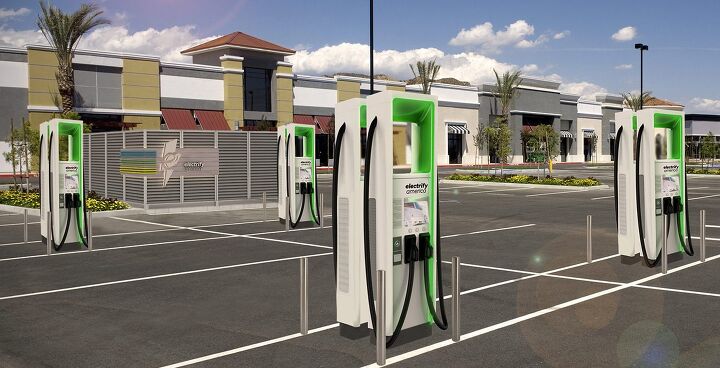
Volkswagen’s ongoing penance for its diesel-emission scandal includes a serious investment in to the United States’ EV charging infrastructure. But critics of the plan have previously suggested it might be a way for VW to capitalize on its corporate wrongdoing. The state of California wanted the German company to focus on disadvantaged communities while automakers worried VW might gain an early advantage in a competitive new market, especially if it could handpick the sites or partner with businesses.
It has been almost 10 months since those concerns were voiced and now Electrify America (a subsidiary of Volkswagen Group) has announced it will be partnering with Walmart to install electric charging stations at 100 stores in 34 states across America. That way you can help save the environment while you’re stocking up on plastic cups and single-serve coffee pods that will end up being dumped into the ocean.
Marching to the Beat of a Different Hum: 'Singing' Highway Turns Into 'Psychological Torture' for Residents

We’ve all been annoyed by an “earworm” in our lives — a catchy song that, even if you don’t like it, refuses to vacate your mind. Starship’s egregious, overplayed sell-out hit “We Built This City” falls firmly in this category. Grace Slick should be ashamed.
For residents living off the N357 highway near the Dutch town of Jelsum, however, this constantly repeating tune was the anthem of the Friesland region — but it wasn’t just in their heads. Blame motorists, a well-meaning but short-sighted local government, and patriotism.
Volkswagen to 'Electrify America' With 2,800 EV Charging Stations
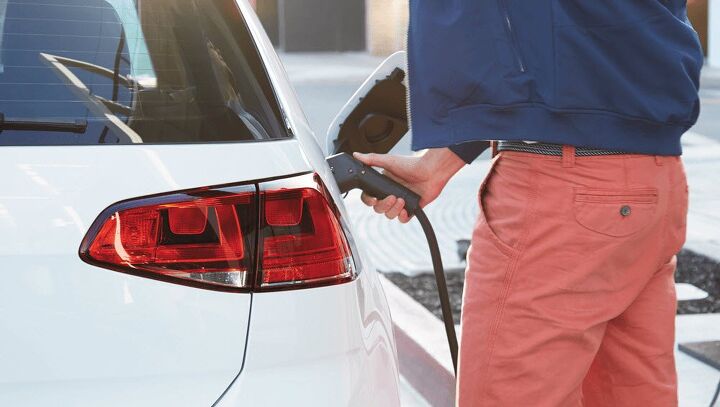
Volkswagen Group has been a quite the busy bee when it comes to bolstering EV charging infrastructure. In addition to breaking ground on Europe’s new fast-charging network before the end of this year (with help from Daimler, BMW, and Ford), the brand’s Electrify America subsidiary is preparing to fulfill a court order that will force it to live up to its name.
A signification portion of VW’s emissions scandal penance involves investment into eco-centric technologies and the beefing up of the United States’ electric vehicle infrastructure. So, on Monday the company announced plans to install 2,800 EV charging stations in 17 of the largest U.S. cities by June of 2019.
Trump Flips Script on Who's Paying to Fix Our Crumbling Infrastructure

Last week, I defended the president’s honor and lamented that I probably wouldn’t have a follow-up opportunity for some time. As it turns out, that claim is in no danger of becoming a falsehood. On Tuesday, President Trump told lawmakers he was ditching a key aspect of his planned $1 trillion infrastructure package — namely, who is going to pay for it.
Spoiler alert: its going to be taxpayers.
The White House previously envisioned a strategy where private investors would be lured into rebuilding roadways, bridges, and rail networks with promises of federal backing and a less-daunting approvals process. But now it’s saying partnerships between the private sector and federal government might not work.
BMW Executive Has Prophetic Vision of a World Without Car Keys
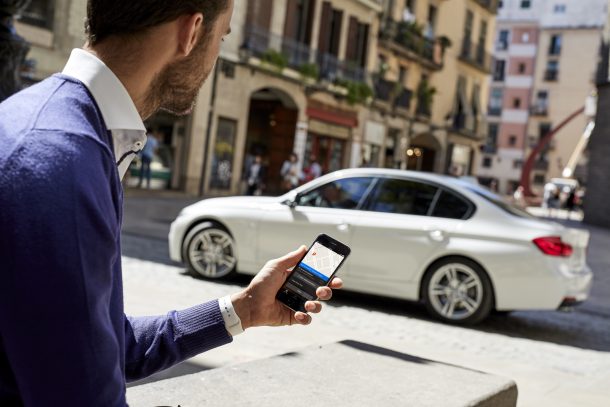
Way back when the sun first rose on the automobile, hand cranking was the preferred way to start an engine. Keys didn’t really come into fashion until magneto and coil-operated ignition systems were mainstreamed. But the car key has evolved since its infancy as a finely shaped lump of metal. Modern keys aren’t even keys in the traditional sense, they’re short-range radio transmitters with a transponder chip that disarms a vehicle immobiliser.
BMW is reassessing the practical value of car keys entirely, according to Ian Robertson, the company’s board member responsible for sales. Robertson, struck with the divine sight, envisions a hypothetical world where your smartphone performs double duty — eliminating the need to lug around the extra nine grams of metal associated with car keys.
Tesla Discovers an Obvious Place for Urban Owners to Fuel Up

Until now, Tesla’s growing network of Supercharger stations was generally aimed at the long-distance crowd. If a (very) premium-priced sedan can’t make the five-hour trip to your sister’s house for Thanksgiving, well, second thoughts might crop up about that purchase.
To accomplish the goal of Tesla proliferation, much of the automaker’s fast-charge network sprouted up in locales convenient for travellers. Places like Holiday Inn Express parking lots, restaurants, visitor centers, and Macadoodles Fine Wine & Spirits in Springfield, Missouri. In the Midwest, hungry travellers can hop off the Interstate and charge up at Meijer while shopping for juice boxes and potato wedges.
However, logic (and infrastructure) states that the majority of Tesla buyers, current and future, live in large cities and don’t leave town all that often. They’re also more likely live in condos with garages free of any plug-in points. Tesla’s latest round of Supercharger construction takes this into account, dropping the fast-charge stations directly where those urbanites inevitably show up once a week.
Trump Changes Regulatory Rules on Infrastructure, U.S. Waiting on Trillion Dollar Roadworks Plan

President Trump announced on Tuesday that he had signed an executive order to eliminate and streamline Obama-era regulations that might hinder the construction of U.S. roads and bridges. Absent, however, was any legislation regarding previous promises of allocating a trillion dollars revitalize the nation’s infrastructure.
While the press conference was mired by the weekend’s violence in Charlottesville, the topic eventually returned to roadworks and the aforementioned funding. “We will end up getting health care, but we’ll get the infrastructure, and actually infrastructure is something that I think we’ll have bipartisan support on,” Trump told reporters. “I actually think Democrats will go along with the infrastructure.”
Backed by Transportation Secretary Elaine L. Chao and Treasury Secretary Steven Mnuchin, Trump presented the media with a flow chart purporting to show the permitting regulations required to construct a highway in an unnamed state he claimed took 17 years under existing regulations.
You'll Never Guess Where Radiohead's OK Computer Highway Interchange Is

Or maybe you will. Someone did.As the 20-year anniversary of the release of UK alternative band Radiohead’s monster OK Computer album approaches, an online sleuth has provided pretty compelling evidence as to the locale of the image seen on the album cover.Radiohead — a band you might have once been really into before worrying it was all a little too pretentious (and back again) — incorporated several automotive references into the album and associated videos. The album cover itself featured a scratchy image of a nondescript highway interchange. Probably a drawing. It’s not like the Blind Faith album cover, so no one thought anything of it.However, music fans are not known for being allergic to geekiness. The same goes for transportation nerds. One such nerd transportation infrastructure aficionado now says it took him just 10 minutes to figure out the very real U.S. setting for the album cover.
Read more
Auto Industry Has Its Fingers Crossed for Trump's $1 Trillion Infrastructure Plan: Toyota Exec

As automakers dial back sales projections in a year that’s seen a rough start, the industry could be holding out hope for a legislative solution to lagging demand.
Toyota North America CEO Jim Lentz made this claim during the opening of the company’s expanded Ann Arbor research and design center on Thursday, adding that incentivizing new vehicles to draw down bulging inventories can’t continue forever. In his view, automakers are keeping extra vehicles on hand for a reason, not just because production hasn’t adjusted for slow sales.
Lentz, like other auto executives, is hoping for a sales bump in the event the Trump administration green-lights its proposed $1 trillion infrastructure plan.
Tesla Planning to Double the Number of Supercharger Stations

With the “affordable” Tesla Model 3 on its way to an anticipated July production date, the company has promised to double the number of fast-charge plug-in points to feed the company’s growing fleet.
The electric automaker has already installed over 5,400 Supercharger outlets and about 9,000 lower-voltage Destination Charging connectors at various locations around the globe. In North America, Tesla promises a 150-percent increase in the number of charging points. However, don’t expect many of those stations to look like the photo above.
Old Man Lutz Weighs in on Donald Trump, Tesla Motors, and the State of the U.S. Auto Industry

If you’re unfamiliar with Bob Lutz, it’s likely that you’re a recent addition to the world of automotive enthusiasm. Allow me to be the first to welcome you. The rest of us have been following Lutz’s career shift from extremely outspoken auto executive to extremely outspoken car blogger for years. Now 85, he hasn’t become any less critical of the industry after entering his “retirement,” nor has his advanced age done much to soften his frank rhetoric.
Love or hate him, Lutz’s time spent jumping between the Big Three has provided him with unique insights — and he always has plenty to say on the current state of the American automotive industry. His most recent revelations circle around the unsustainable nature of Tesla and his growing distaste for president Trump, despite his having voted for him.
Ford Scraps Planned Mexican Plant as CEO Promises U.S. Investment, Jobs
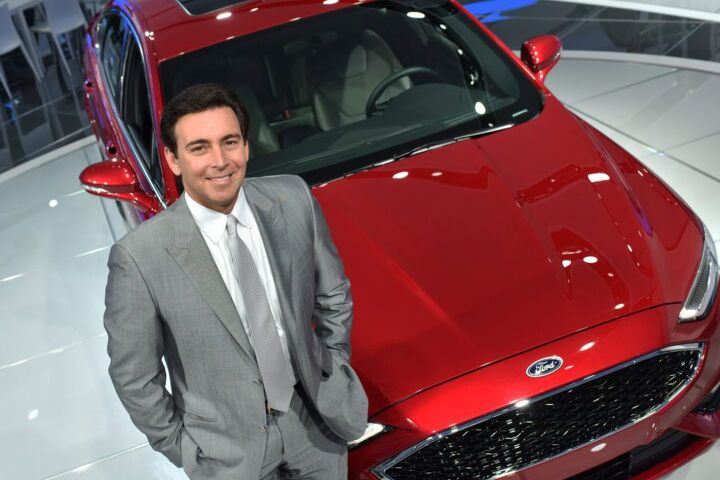
Ford Motor Company CEO Mark Fields didn’t completely walk back the company’s long-range production plans today, but the automaker pull a hard U-turn on one goal.
In a speech at the automaker’s Flat Rock, Michigan assembly plant this morning, Fields said he was “encouraged” by President-elect Donald Trump’s “pro-growth policies.” Because of this, the Blue Oval’s planned $1.6 billion small car plant in Mexico is now off the table. Instead, the automaker will expand and modernize Flat Rock as it brings a slew of promised hybrid and electric vehicles to production.
The Cadillac CT6's Achilles Heel: Collision Repair

Owning a range-topping Cadillac is supposed to be a trouble-free affair, and — barring gremlins — it still can be, so long as your sharp-edged, oddly light CT6 remains unbent and unbroken.
Cadillac’s liberal use of high-strength aluminum in the sedan’s body structure won accolades when the CT6 debuted for the 2016 model year. Body stiffness, curb weight, and fuel economy all benefit from this mingling of metals. However, trouble arises when those carefully bonded metals come apart.
As it turns out, fixing a damaged CT6 could prove difficult for many of the model’s 7,876-plus owners.
Tesla Supercharger Stations Will Be Charging More Than Just Your Car in 2017
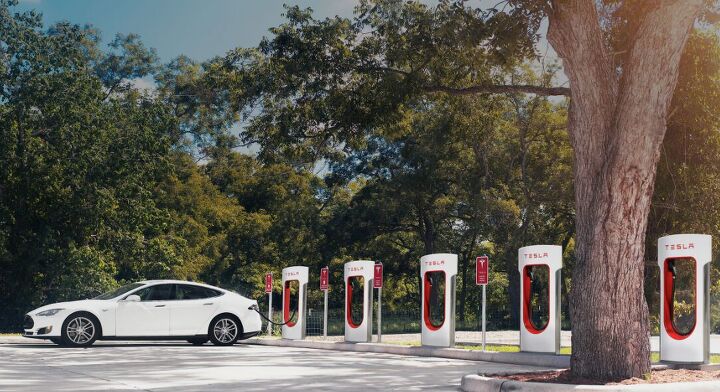
Tesla’s free Supercharger network was one of the best parts of being a Tesla owner. Free electricity and the lofty social status that comes with EV ownership? What’s not to like? Well, the the company just announced it’s about to make a “change to the economics of Supercharging.”
After issuing emails urging customers to stop hogging the network last year, Tesla has decided only to allow certain early adopters to make use of the fast-juicing power grid free of charge. Meanwhile, all customers purchasing vehicles after January 2017 will have to pay up.
Oh, the Places You Won't Go on the Obama Administration's 48 EV Corridors
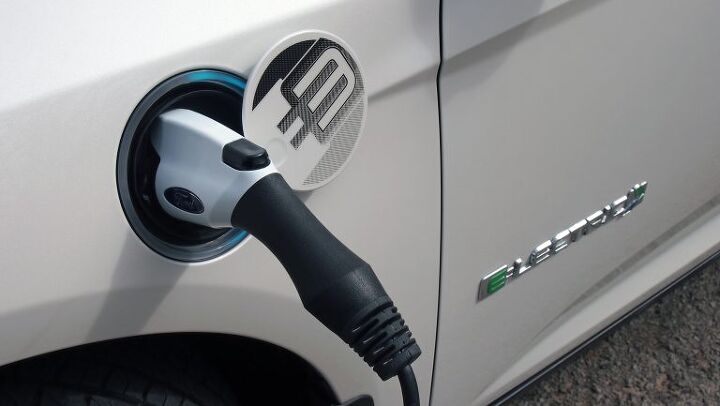
Battery electric vehicles are supposedly the future, but you’ll need an EV with plenty of range if you want to visit some of the areas overlooked by the Obama administration’s new charging corridor plan.
Earlier today, the White House announced 48 electric vehicle charging corridors spanning 25,000 miles of highway in 35 states and the District of Columbia. The electrified routes, established a month before the government was required to do so under federal law, will place a recharging station within reach of even the wimpiest electric vehicles. That means 50 mile intervals at a minimum.
For some areas, nervous EV road trippers would be best served by a gas guzzler or low-cost airline.
Chevrolet Colorado ZH2: Clean, Green, Quiet Warfare Awaits
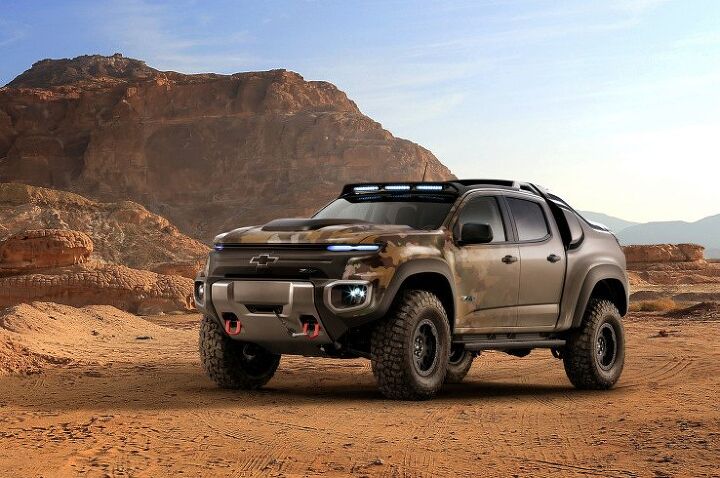
General Motors has rolled out a unique variant of its popular midsize Chevrolet Colorado pickup in advance of U.S. military trials scheduled to begin next year.
The Colorado ZH2, seemingly plucked from the set of a Mad Max sequel, has seen its frame and body stretched, reinforced and modified to within an inch of its life, and draws its power from a hydrogen fuel cell.
If this sounds like eco-nonsense, and you’re wondering when the U.S. Navy will announce a return to sail, hold on — there are tactical advantages to the vehicle’s powertrain.
Sorry, New Jersey - Your Wonderfully Low Gas Prices Are Going Up

After enjoying zero add-ons to their state gas tax since 1988, New Jersey residents are about to get a shock at the pumps.
The Garden State will raise its gas tax by 23 cents a gallon as early as next week in order to fund state infrastructure projects, the New York Times reports. The move raises the tax from the second-lowest in the country (14.5 cents per gallon) to above the national average.
As bad as this may seem to residents used to low, low pump prices, there’s a trade-off.
Drivers Are Now Less Likely to Plummet to Their Deaths From the Ambassador Bridge

The iconic (#iconic?) Ambassador Bridge is an impressive feat of engineering, but the march of time leaves both scars and decay.
No longer occupying the centerfold in plastic-wrapped copies of Bridges Monthly, the critical cross-border link spanning the Detroit River has received a temporary band-aid after officials determined there wasn’t much holding vehicles back from a 152-foot plunge.
Shocker: Study Shows Americans Aren't Interested in Owning EVs, Prefer Better Gas Mileage Instead

The electric vehicle revolution, if you want to call it that, won’t happen in the “I woke up and everything was different” manner envisioned by hard-core EV enthusiasts.
EVs are no longer new to the automotive scene, but there’s still a vast gulf between the opinions of politicians and automakers and that of the buying public. Not surprisingly, the vast majority of Americans polled in a recent study say they aren’t ready or willing to add an electric vehicle to their household.
Hydrogen-Fueled Driving is the Dream That Won't Die, and Ford Wants to Make It Cheaper
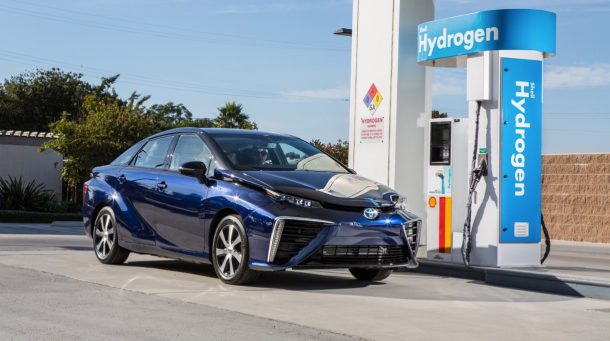
Hydrogen fuel cell vehicles have been in development for as long as hybrids, but while one of those technologies can be found in any Walgreens parking lot, the other still occupies a tiny micro-niche in the marketplace.
Besides the lack of refueling infrastructure, hydrogen-powered driving is hindered by the high cost of fuel cells. After receiving $6 million from the feds, Ford Motor Company and the Los Alamos National Laboratory hope to change that, the Detroit Free Press reports.
White House Announces Up To $4.5B in EV Infrastructure And 'Unprecedented' Public/Private Market Growth Plan

Yesterday the Obama administration announced “an unprecedented set of actions” to grow the U.S. plug-in electrified vehicle market.
The initiative represents a broad collaboration between federal agencies, state governments, major automakers, utilities, and others to aid the ongoing push to make electric cars viable alternatives to the internal combustion variety.
Perhaps chief in a laundry list of public and private sector agreements is up to $4.5 billion in loan guarantees for commercial scale charging — including fast charging — to create a nationwide network.

BI: How Do We Fix the United States of Disrepair? [VIDEO]
![BI: How Do We Fix the United States of Disrepair? [VIDEO]](https://cdn-fastly.thetruthaboutcars.com/media/2022/06/30/8749339/bi-how-do-we-fix-the-united-states-of-disrepair-video.jpg?size=720x845&nocrop=1)
The United States is in a pretty bad spot. Even as the economy recovers from the depressing lows of 2008 and 2009, road, trail, and air travel infrastructure in the United States is failing at an alarming rate. Many underfunded municipalities are even ripping up paved roads and replacing them with gravel as a way to ease budgetary shortfalls.
But is there anything the United States can do to catch up with degrading roads, failing levies, and overflowing airports? Before you pump that cheap dino juice into your Maibatsu Monstrosity today, give this report from Business Insider a watch.

New Jersey Road Projects Shut Down as State Spins Its Wheels on Gas Tax

The Garden State remains the cheapest place to fill up in the Northeast, and you can thank government indecision for it.
Lawmakers in New Jersey can’t decide on what to do about their state’s bone-dry transportation fund, and residents are equally divided on how to pay for future road projects. That means pump prices will stay low for the time being.
Convenience Stores and Fast Food Restaurants Are Tesla's Next Frontier
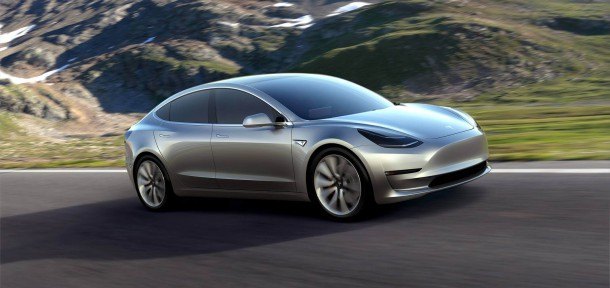
Eager to find locations to expand its U.S. recharging network, Tesla Motors is busy seeking new partners, with fast food, gas stations and convenience stores being top of mind.
One of the chains Tesla is attempting to seduce is the jack-of-all-trades Sheetz, according to the Washington Post. With hundreds of locations in the mid-Atlantic region, Appalachia and Ohio, Sheetz — maker of the Shmuffinz breakfast sandwich — operates a gas bar, convenience store and fast food restaurant at its locations.
It’s the place to be, and Tesla wants a Supercharger on that property.
Gas Tax Hike Could Kill New Jersey's Famously Low Pump Prices
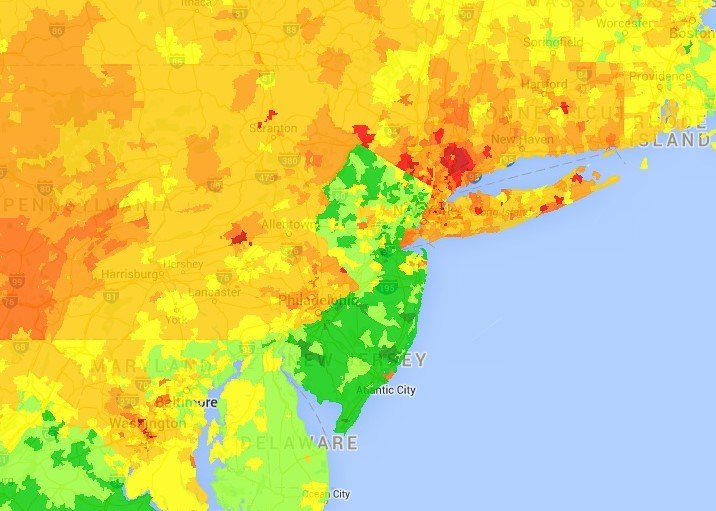
A looming bump in New Jersey’s gas tax would mean fewer drivers from neighboring states crossing the Hudson and Delaware Rivers to take advantage of the state’s famously low pump prices.
The state’s transportation fund is almost empty, roads and bridges need repairs, and Democrat lawmakers and select Republicans are putting pressure on Governor Chris Christie to send the gas tax skyward, according to the New York Times.
How much higher? Try 23 cents/gallon more.
Washington Metro Asks Riders To Find Two Things: An Alternative To Mass Transit, And Some Would-Be Rapists

“Just because you’re paranoid,” my father used to joke, “it doesn’t mean they’re not out to get you.” WMATA, the metro rail system of Washington, DC, has long been infamous for subpar service, indifferent adherence to schedule, and a truly staggering amount of crime that includes over 100 reported felony assaults in a four-year period.
Starting today, however, WMATA added a new nightmare for commuters who have already been brutalized into submission: the “SafeTrack” program that features maintenance “surges” to replace dangerous and degraded sections of railway. The resulting closures and delays have riders looking for alternatives to WMATA — but isn’t WMATA supposed to be an alternative to owning and operating a private automobile? What’s at the end of this “alternative” rabbit hole?
But if you needed another reason to quit WMATA besides WMATA asking you to quit, there’s a very good “alternative” reason out there as well: roving gangs of rapists.

Oregon (Yes, Oregon) Raises Speed Limits on Curves; Motorists Give Thanks to Science
It’s a great reason to ditch the bike and leave downtown Portlandia.
Oregon drivers will soon feel more wind in their hair, all thanks to the Oregon Department of Transportation and a dictate from the federal government.
'Green Cars Only' Laws: Coming to a Debate Near You
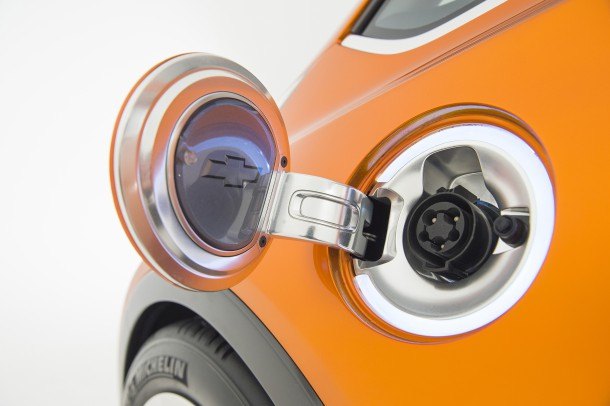
When you’re in conversation with a self-described urbanist, it’s usually impossible to avoid numerous references to Amsterdam, that progressive utopia of bikes, tulips, marijuana-smoking tourists, and more bikes.Well, expect to hear about it even more, now that Dutch parliament has passed a Dutch Labor Party motion to ban the sale of internal combustion vehicles in that country after 2025, according to Auto Express. The bill, which requires senate approval to become the law of the land, would see existing gas and diesel vehicles grandfathered, and the sale of new ones banned.
Read more
Highway Trust Fund: What It Was, and What It Is Now

Somewhere between storming the beaches at Normandy and marching into Berlin, General Dwight D. Eisenhower became enamored with the German Autobahn system of superhighways, and so resolved to create a similar system in the United States — or so goes the legend.
After the war, America began to build out from its crowded urban cores, placing new homes and businesses where before there was farmland and wilderness. At first, these new developments were reachable only by hastily expanded surface streets, and longer distance trips used the U.S. Highway system of two-lane roads first designed in the 1920s.
For a forward thinking superpower, this was not enough. Enter the Interstate Highway System — and the Highway Trust Fund that literally paid to pave its way.

Office Space: Ford Goes Green With Its 10-Year Plan

Referring to one’s corporate buildings as a campus is en vogue, from Apple’s planned Spaceship HQ to the Googleplex in Mountain View, California. Yesterday, Ford Motor Company announced plans to transform its facilities in Dearborn into a green, modern, and high-tech work environment.
The 10-year plan will co-locate over 20,000 employees in the Dearborn area. Ford currently has a hodgepodge of more than 70 disconnected buildings along Oakwood Boulevard, many of which have been around since the Falcon and Galaxie were being sold in showrooms.

Old Man Says to Hell With the Government, He'll Fix Potholes Himself, Dammit

If this catches on, local governments will have to choose between anarchy and saving on infrastructure repair.
An 84-year-old man in rural Nova Scotia, Canada just did what many of us have always fantasized about — he rolled out his own heavy equipment to fix the road in front of his house, according to Global News.
Preston Perry of Upper Nine Mile River was sick to death of the suspension-bending potholes in his gravel roadway, and — like Charles Bronson in any movie starring Charles Bronson — stormed out the door to take matters into his own hands.
Follow the High-speed Rail Money: $8 Billion and 6 Years Later
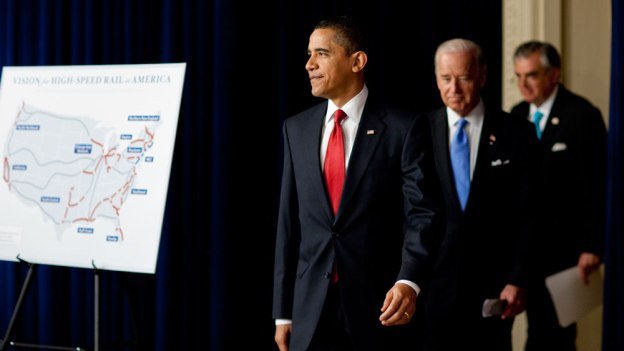
The year is 2010. Hope and Change still lingers in the air. The water in Flint, Michigan is passably safe to drink. And Donald Trump doesn’t have a single pledged delegate to his name.
This year saw $8 billion from the $831 billion American Recovery and Reinvestment Act of 2009 (ARRA) appropriated to dozens of so-called “high speed rail” projects across the country. The projects were said to be “shovel-ready” — and some were — but many are still ongoing, er, creating jobs today.
Electric Cars Aren't So Dirty, Coal Power at 35-year Low

Electric vehicles aren’t rollin’ coal anymore — or, at least, not nearly as much as they used to.
Reuters reports coal-fired electricity generation is now at a 35-year low in the U.S., and November 2015 was the fifth month in a row more natural gas than coal was used to produce electricity.
That’s not all. From Reuters:
With just one month of data missing in 2015, some analysts think power companies may have burned more gas than coal for the full year for the first time in history.
Oh, and guess what’s dirtier than natural gas when burned? You bet: gasoline.








Recent Comments