

Polestar Seats: Virtue Signaling Now Standard

In service of promoting its own sustainability goals, Polestar has opted to offer seating with small print that details the carbon footprint of your chosen upholstery. Though it doesn’t actually matter whether you’ve selected wool, Nappa leather, or faux-leather vinyl (which Polestar calls MicoTech) because the company appears to have labels ready for every option. It’s commercialized virtue signaling at its finest and will become commonplace on every model it sells, starting with the 2024 Polestar 3 SUV.

Study Claims EV Charging Reliability Is a Problem

Researchers with the University of California, Berkeley, are pouring cold water of the premise that electric vehicle charging stations will require less maintenance than traditional fueling solutions. The study, which examined 657 individual connectors between 181 public fast-charging stations in the San Francisco Bay area found that about 23 percent were nonfunctional.
That seems quite a bit higher than the number of fuel pumps that might be down at any given station, though the pertinent question is why those EV charging points were inoperable.
Gas War: Republican States Sue EPA Over Californian Standards

Last week, a group of Republican attorneys general decided to sue the Environmental Protection Agency (EPA) over its decision to reinstate the waiver allowing California to set its own limitations on exhaust gasses and zero-emission vehicle mandates that would exceed federal standards.
The agency approved the waiver after it had been eliminated as part of the Trump administration’s fuel rollback on the grounds that it would create a schism within the industry by forcing automakers to produce vehicles that catered to the Californian market at the expense of products that might be appreciated in other parts of the country. However, Joe Biden’s EPA sees things differently and has aligned itself with the California Air Resources Board (CARB) in giving the state more leeway to govern itself in regard to emissions policing.
U.S. Government Cancels Oil and Gas Leases Amid Record Fuel Prices

Despite the United States confronting some of the highest energy prices in its history, the Biden administration has canceled oil and gas lease sales in the Gulf of Mexico and Alaska’s Cook Inlet.
According to the American Automobile Association (AAA), national fuel prices are averaging out to a whopping $4.43 per gallon of regular gasoline. Diesel is much higher at $5.56 and is speculated to endure mass shortages in the coming months as reports from the Northeast have indicated there are already seeing record-low inventories. Over the past twelve months, fuel prices have risen by nearly $1.50 per gallon and most market analysts expect rates to continue moving upwards through the summer. Though they’re not all in agreement as to who should be blamed for our current predicament.
Stellantis CEO Says EV Transition Poses Serious Problems

The automotive sector is currently suffering from ongoing component shortages and supply chain bottlenecks stemming from regional restrictions relating to the pandemic. However, it’s assumed that those problems will gradually abate, only to be supplanted by a global deficit of the raw materials necessary for battery production. Analysts have been warning about the shift toward electric vehicles, spurred on by government regulations, for years. But they’re starting to get some company from within the auto industry.
On Tuesday, Stellantis CEO Carlos Tavares suggested that there was a very real possibility that manufacturers could begin confronting serious issues in terms of battery production by 2025 if the shift toward EVs continues at pace. Though his concerns aren’t limited to there being a new chapter in the already too long saga about parts shortages. Tavares is also worried that Western automakers will become overwhelmingly dependent upon Asian battery suppliers which already dominate the global market.
UAW & Green Lobby Sue USPS Over Not Prioritizing EVs

On Thursday, The UAW and a group of environmental groups based in the United States filed numerous lawsuits in an effort to block the U.S. Postal Service (USPS) from moving forward with plants to purchase gasoline-powered next-gen delivery vehicles (NGDVs) from Oshkosh Defense. The suits are being launched on the grounds that the USPS failed to comply with environmental regulations and went back on an earlier promise to field all-electric variants.
They’re supported by the White House — which launched an initiative to convert the entire federal fleet into battery electric vehicles last year — and congressional Democrats that were angered after the Postal Service went against the Biden administration’s request to prioritize EVs. The president and the Environmental Protection Agency (EPA) even went so far as to request that the USPS to hold off on the $11.3 billion contract with Oshkosh so electric options can be reevaluated. However, Postmaster General Louis DeJoy has repeatedly stated that it’s not realistic to field a significant number of electric vehicles and that the mail service would need additional funding from the government to consider such a move.
GM Asks Suppliers to Sign Environmental Pledge, ESG Scoring
On Monday, General Motors publicly asked its suppliers to pledge themselves toward adherence to carbon neutrality. But the vow actually goes quite a bit further, incorporating numerous Environmental, Social, and Governance (ESG) scoring aspects we’ve seen being advanced by some of the world’s most powerful corporations, financial institutions, and world leaders.
In fact, the official name for the oath is the “Environmental, Social and Governance Partnership Pledge” and it’s already been associated with metrics defined by EcoVadis — a third-party assessor that focused on evaluating how individual companies integrate its preferred principles of sustainability, corporate responsibility, social cohesion into their business and management systems.
NYC Anti-Idling Bounties Are Making People Rich

In 2019, New York City basically declared war on vehicles left idling — giving citizens the ability to report any automobile they saw running so the city can come and fine them for unnecessary air pollution. As an incentive for snitches, the city said it would be willing to share a quarter of the revenue it accrued via the bust.
With fines starting at $350, this has reportedly allowed citizens to effectively turn the hobby of squealing to the cops a full-time profession. A few are even getting pretty wealthy off the Citizens Air Complaint Program by providing authorities with sufficient documentation to make sure the financial penalties stick. But there are some glaring problems with the overarching scheme.
California Proposal Calls for 68 Percent EV Sales By 2030
Now that the U.S. Environmental Protection Agency (EPA) looks poised to reinstate California’s waiver under the Clean Air Act — allowing the state to establish stricter tailpipe emissions than the federal limits — the coastal region has resumed its quest to abolish gasoline-powered vehicles in earnest. While the California Air Resources Board (CARB) has yet to finalize all the details, the latest proposal calls for strengthened emissions standards for new light-duty vehicles in anticipation of the necessary approvals.
The scheme would require pure electrics and plug-in hybrids (PHEVs) to make up 35 percent of new-vehicle sales for the 2026 model year. By 2030, that number will become 68 percent before hitting 100 percent for MY 2035. CARB said zero-emission vehicles comprised 12.4 percent of the state’s new market in 2021, hinting that the number could have been higher without the Safer Affordable Fuel-Efficient (SAFE) Vehicles Rule Part One having stifled its progress.
Biden Administration Meets With Auto Execs, Including Elon Musk

The Biden administration held another meeting with automotive executives about how to ensure electric vehicles go mainstream. But this time it included Elon Musk, who runs the most successful EV brand in the entire world.
After taking criticism for shunning the Tesla CEO in earlier meetings, senior officials held an event on Wednesday where he and other industry leaders could contribute as to how the United States should handle a national charging infrastructure and spur adoption rates. Despite Musk having often expressed a dissenting opinion in regard to President Biden’s strategy, the White House said that the meeting was productive and resulted in a “broad consensus that charging stations and vehicles need to be interoperable and provide a seamless user experience, no matter what car you drive or where you charge your EV.”
Porsche Investing in Synthetic 'eFuels'
Despite Porsche transitioning to all-electric vehicles with the rest of Volkswagen Group, the brand believes that its customers will still want to drive around vintage gasoline models even after the European Union has banned them into oblivion. This is especially important for the iconic 911, which the company has repeatedly hinted would be one of the last models in its lineup to ditch internal combustion.
With countless racing series already devoted to classic examples of the car, Porsche wants to ensure there’s a solution for motorists who want to do more than pet theirs in a silent garage should the government introduce even stricter standards for automobiles than what’s already coming down the pike. So it’s revisiting alternative fuels — specifically a carbon-neutral alternative to gasoline that would work in traditional engines — from Chilean e-fuel producer Highly Innovative Fuels, with whom it’s already investing.
U.S. Postal Service Decides to Snub Electric Vehicles

The United States Postal Service (USPS) has been under pressure from the White House to replace its aging fleet with all-electric vehicles. But it’s looking like mail carriers will continue doing their jobs in oddly shaped trucks that burn gasoline.
While the Biden administration’s green agenda calls for government fleets to begin transitioning to EVs, the USPS had already decided to purchase 165,000 examples of the Oshkosh Defense NGDV that’s dependent upon liquid fuel. Despite the contractor saying trucks could be converted into battery electric vehicles and/or hybrids, the vast majority will be wholly reliant on internal combustion. The USPS has decided that it’s just not cost-effective or practical to do anything else and no amount of pressure from the White House will be changing its mind.
Money on the other hand…
DOT Readies Billions for National EV Charging Network, Chaos Ensues
The U.S. Department of Transportation (DOT) announced today that it will distribute $5 billion to establish electric-vehicle charging along the interstate highway system. Managed by the newly formed Joint Office of Energy and Transportation formed after the $1.2-trillion Infrastructure Investment and Jobs Act (IIJA) passed in Congress, the federal spend is a joint operation between the DOT and U.S. Department of Energy.
By 2030, the federal government is hoping to have a network of 500,000 charging stations in a bid to reduce range anxiety and spur EV adoption. But it wants individual states to make the necessary investments to connect the highway-based network to cities and towns. As you might have guessed, Democrat lawmakers have broadly supported the imitative while Republicans are calling it too expensive and a distraction from other aspects of U.S. infrastructure in need of maintenance.
Biden EPA Tells USPS More Mail Trucks Should Be EVs

Last spring, the United States Postal Service announced that it would finally be replacing its fleet of Grumman Long Life Vehicles (LLVs) that have more than lived up to their name. Having entered into service in 1987 to replace the Dispatcher Jeep, the LLV is scheduled to be replaced by 150,000 new mail trucks from Oshkosh Defense. While the government originally wanted to use an all-electric platform, it was believed that rural routes probably required an internal combustion vehicle. Preexisting government contracts with Oshkosh likely made it a compelling manufacturer, though it annoyed some of the smaller candidates. Workhorse even sued the USPS last summer for not selecting its hideous entrant, though the official complaint was that the government hadn’t given EVs a fair shake.
That now appears to be changing because the Biden administration and Environmental Protection Agency (EPA) have asked USPS to hold off on the $11.3 billion contract with Oshkosh so electric options can be reevaluated.
White House Invites Auto Execs to Endorse Build Back Better
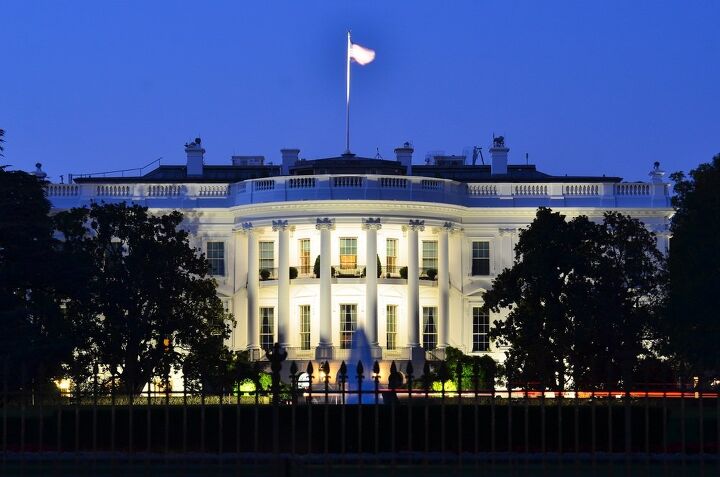
The White House has made plans to host American business executives — including numerous CEOs tied to the automotive sector — in an effort to gain support for the stalled Build Back Better agenda. The meeting is scheduled to take place today, with President Joe Biden and company hoping to convince them to get behind the (revised) $1.75 trillion spending bill after it passed in the House but never made it through the Senate.
Seats have already been reserved for General Motors CEO Mary Barra, Ford CEO Jim Farley, and Cummins CEO Tom Linebarger. The rest are going to heads of manufacturing and technology companies, with a few noteworthy outliers. For example, the Biden administration has also invited the president of the Teachers Insurance and Annuity Association of America and the CEO of Siemens (a multinational entity that’s not based in the United States). Based on earlier statements from White House press secretary Jen Psaki, the meetings will take place in-person, bucking the Biden administration’s trend of hosting virtual events.
Stellantis CEO Says Electrification Advanced by Politicians, Not the Industry

Despite Stellantis making formal announcements that it will be investing 30 billion euros ($34 billion USD) into its novel electrification strategy, CEO Carlos Tavares has been making it sound as if the automaker’s plan was crafted under duress. He’s been telling European media that the widespread adoption of EVs is primarily being pushed by politicians who are ignoring the environmental risks and logistical shortcomings.
“What is clear is that electrification is a technology chosen by politicians, not the industry,” he said told the press this week.
Unfair? Toyota Launches Ad Campaign Opposing EV Tax Credit Scheme
Toyota Motor North America has already voiced its opposition to the proposed EV tax credit scheme tied to the the Democrats’ latest spending bill. This week, it has decided to expand its message by purchasing advertisements in national publications.
Starting Tuesday, Toyota will be launching an ad campaign intended to help bring Americans toward its side of the fence. While the automaker isn’t intrinsically offended by the government-backed incentivizing of electric vehicles, it has taken umbrage with the Biden administration’s insistence that consumers be issued an additional $4,500 incentive for purchasing union-made products. Though the reasoning should be obvious, since the company doesn’t have any unionized facilities in the U.S., the automaker is seeing growing support as the related legislation is stalled on Capitol Hill.
Gas War: California May Ban Gas-Powered Lawn Equipment

The California Air Resources Board (CARB) has decided that residential lawn equipment is a major problem. Claims have been made that the small engines found inside of the average leaf blower emit the same amount of smog-forming pollution in a single hour as a 2016 Toyota Camry could produce over a 1,100-mile drive.
Assertions like these have been used to forward Assembly Bill No. 1346, which requires the board to define and then pull the trigger on new regulations designed “to prohibit engine exhaust and evaporative emissions from new small off-road engines” by 2022. CARB then has to decide whether or not it can outright ban them, so they may be replaced by zero-emission equivalents after 2024. Considering how decent most electrified tools have grown to be, this doesn’t sound infeasible. But it’s another example of California’s obsessive hatred of consumers utilizing liquid fuel and bound to have major ramifications.
Captain Obvious Returns: Studies Say Ride-Hailing Apps Cause Pollution
As luck would have it, hiring thousands of drivers to cruise around a city in search of their next fare has some negative environmental impacts. That’s the word coming from expert researchers at Carnegie Mellon University, who we can only hope are prepared to tackle similarly impossible quandaries — like establishing what happens to an object when it’s dropped or reaching a final determination on the wetness of water.
The study is inextricably linked to one we covered in 2018 asserting that ride-hailing services actually created more traffic congestion because it treads extremely familiar ground and seems like something that we should have already figured out on our own. But it’s also at odds with the years of messaging we’ve gotten from technology firms that have promised on-demand services (like Uber or Lyft) would usher in a new era of urban transportation striving for clearer roads and cleaner air. Based on little more than the conjecture of executives, we’ve generally accepted ride-hailing as “greener” than the alternatives and it’s well past time that we started actually thinking about it.
Junkyard Find: 2017 Toyota Mirai Fuel Cell
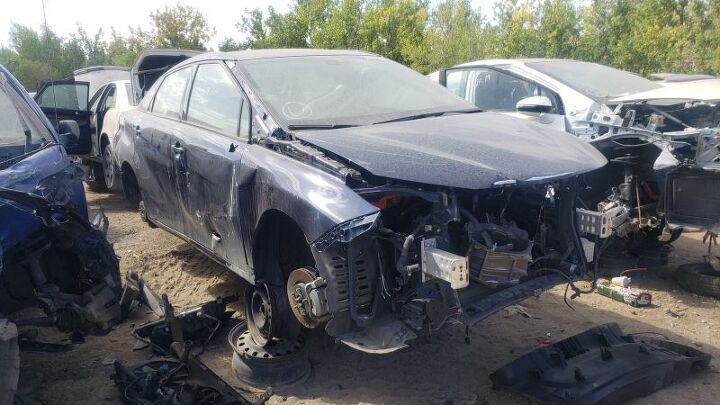
I have become accustomed to running into the unexpected during my junkyard travels, finding everything from a JDM Nissan Fairlady Z to a bullet-riddled Cadillac from a Mythbusters episode to a British tank. That said, I never expected to find a four-year-old hydrogen fuel-cell car, more than a thousand miles from the only state in which they were sold that year. This becomes the newest junkyard car I’ve documented, taking the top spot from the now-second-place 2015 Mitsubishi Mirage.

BMW, Daimler Sued for Not Being Green Enough

While I often criticize manufacturers, I try to remain sympathetic to their collective plight. Despite being multinational corporations that typically lack accountability, they’re still businesses that need to turn a profit to maintain their existence and are constantly coping with fluid regulatory rules or social pressures. That’s one reason why green initiatives are often more about optics and money than achieving any tangible environmental goals.
But not adhering to cultural dogmas can have real ramifications, as BMW and Daimler recently found out. The companies are being sued in their native Germany for allegedly failing to meet carbon reduction targets and not setting an official date to abolish the internal combustion engine.
The End of Leaded Gasoline, Lessons to Remember

Prior to 1970, buying leaded gasoline in the United States was as normal as picking up a carton of eggs or relaxing in your asbestos-laden home. After 1970, the U.S. Congress had officially adopted the Clean Air Act created the Environmental Protection Agency (EPA), and the gradual phasing out of leaded fuel began. While many bemoaned the lackluster performance of the malaise-era automobiles that followed, the rules continued to inform how vehicle manufacturers operated on a global scale.
But leaded gasoline hung in there for longer than you might assume. Most Western nations (including the United States) didn’t totally phase out leaded gasoline intended for passenger vehicles until the 1990s. Central Asia took even longer and parts of the Middle East and Africa continued to offer lead additives well into the 2000s. However, the United Nations Environment Program announced that leaded gasoline had officially become extinct over the summer, with Algeria being the final country to deplete its now-banned supply.
Europe Proposes Banning Internal Combustion Cars By 2035

Last week, the European Union proposed banning the sale of all new internal combustion vehicles starting in 2035. With several member nations proposing restrictions in the coming years, EU leadership feels it can accelerate the timeline to force electric vehicles as the de facto mode of transportation. The European Commission has suggested making it illegal to sell gas or diesel-powered vehicles in 14 years, with aims to reduce CO2 emissions produced by automobiles by 55 percent (vs 2021 levels) by 2030.
But countries that still produce vehicles have expressed reservations about the scheduling. France absolutely agrees with mandating restrictions that would reduce greenhouse emissions. Though President Emmanuel Macron’s office has been pressing that hybrid vehicles would be able to do much of the heavy lifting and fears that an outright ban of internal combustion could hamstring the industry if conducted too early. Germany, which manufacturers more vehicles than other EU member nations, is of a similar mind.
Junkyard Find: 2003 Toyota Prius
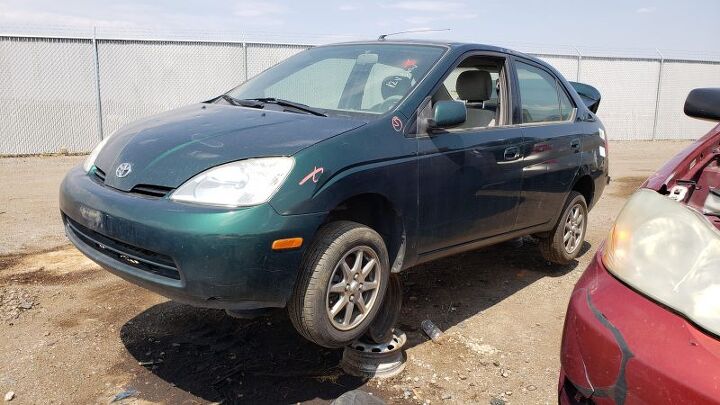
It took many years before the first (non-wrecked) Toyota Priuses began showing up in the big self-service car graveyards I frequent, partly because Toyotas tend to hold together pretty well and partly because buyers of early Priuses seem to be the kind of car owners who obsess over the proper care and feeding of their vehicles. This ’03 Prius in Denver, painted in I Love Gaia Green™ (actually, it’s Electric Green Mica), appears to be one of those well-loved cars that finally just wore out.
Emerald-Colored Glasses: Just How Green Are EVs?

As the resident sourpuss, I make it my business to complain about every industrial hypocrisy that crosses my path and the automotive sector has kept me so busy that there’s hardly any time left to address my own failings. Though I do have to confess that I sometimes feel guilty about how frequently I’m compelled to gripe about electric vehicles. Provided that you’re willing to work with their charging limitations and less-than-impressive ranges, EVs have a lot to offer even in their current state. But the way they’ve been marketed has been so consistently disingenuous that I often end my days on the cusp of a frustration-induced aneurysm.
The winds appear to be changing, however.
After years of watching the industry bang its head against the wall, the media seems prepared to shift its position. Accelerated adoption of pure electrics doesn’t seem to be happening and too many EV startups have ended up being little more than an opportunity for investors to throw away money. Increasingly fewer people ask me about battery-powered cars in a way that suggests true enthusiasm. Excitement has given way to dubiousness as more people have begun to ponder if electrics are really all they’re cracked up to be.
Recycling EV Batteries Might Soon Become Booming Domestic Industry
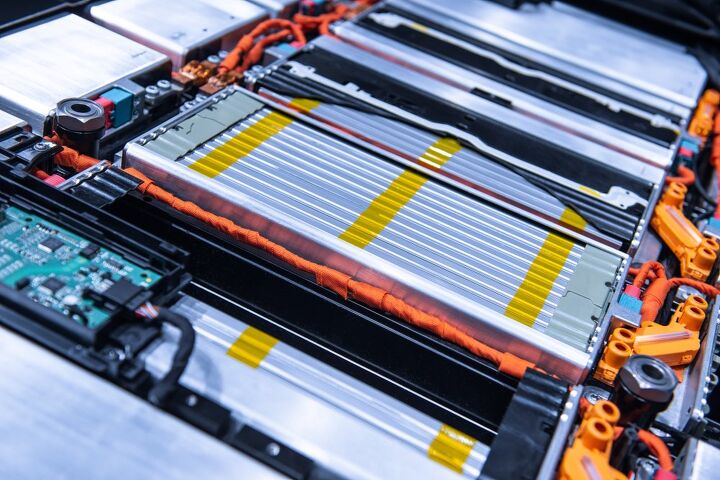
Having covered the White House’s incredibly expansive and costly infrastructure plan, specifically as it pertains to transitioning the entire nation toward alternative energy vehicles, we’ve often found ourselves asking questions. Puzzlers include wondering whether or not consumers actually want this change and how can we possibly expect to pay for this when we’ve already starting conjuring money out of thin air for other government programs. We don’t even know where we’re supposed to get the rare-earth minerals necessary for production when mining them is heavily regulated in the United States and hardly an endeavor that would be considered kind to the natural landscape.
Last week proved that we weren’t entirely alone in pondering how all of this greenification is supposed to work.
Gas War: Biden Suspends Oil Drilling Leases in Alaska

On Tuesday, the Biden administration announced it would be suspending oil and gas leases issued in Alaska’s Arctic National Wildlife Refuge during the last days of the Trump administration. Bent on maintaining the United State’s energy independence, Donald Trump had moved to expand fossil fuel development in ways that would have been at odds with predecessor Barack Obama. But today’s White House represents a return to form, with an interest in supplanting traditional energy concerns with what it believes will be greener alternatives.
It’s bad news for the Alaskan state government, which had hoped to devote a subset of the region to rebuilding its oil industry by taking advantage of its vast reserves. But environmentalists and a subset of tribal representatives have praised the decision to prohibit development on protected lands. We expect consumers will have conflicting opinions, based largely upon how much they’re willing to pay at the pump.
2022 Hyundai Ioniq 5 Fast Charging CUV Exposed
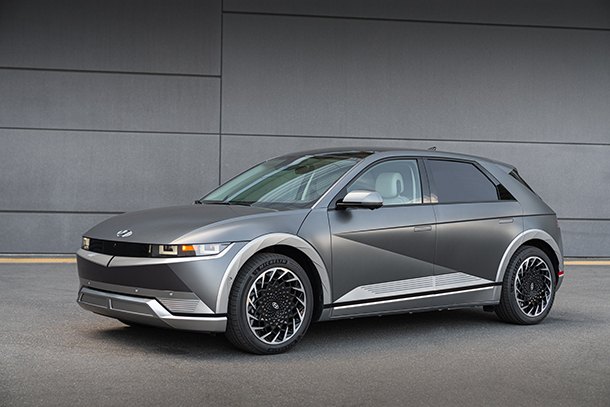
The 2022 Hyundai Ioniq 5 ultra-fast charging crossover utility vehicle was revealed yesterday, highlighting its Electric-Global Modular Platform (E-GMP).
Ioniq 5’s 300-mile range, and 10-to-80 percent ultra-fast charging in 18 minutes showcases E-GMP technology.

VW CEO Suggests Fuel Cell Tech Isn't the Answer, No Duh

Volkswagen Group CEO Herbert Diess was bashing hydrogen-powered vehicles on Twitter this week in an attempt to convince those vying for Germany’s chancellorship not to embrace the technology. With Angela Merkel stating that she’ll not seek a fifth term, the country is open for new leadership and VW wouldn’t want them to take a liking to hydrogen power when it has placed all of its eggs into the electric vehicle basket.
“The hydrogen car has been proven NOT to be the climate solution,” Diess wrote on Twitter in German. “In transportation, electrification has prevailed. Sham debates are a waste of time. Please listen to the science!”
Tesla Autonomously Rams Deputy's SUV

A Tesla autonomously rammed a Snohomish County, Washington sheriff’s deputy’s Ford Explorer SUV. As reported by Nexstar Media Wire, the incident occurred over the weekend.
The parked SUV sustained heavy damage. There were no injuries to the driver or the deputy. There was no word on the extent of the damages to the Tesla.
Hyundai Motor Group Invests a Boatload in the US
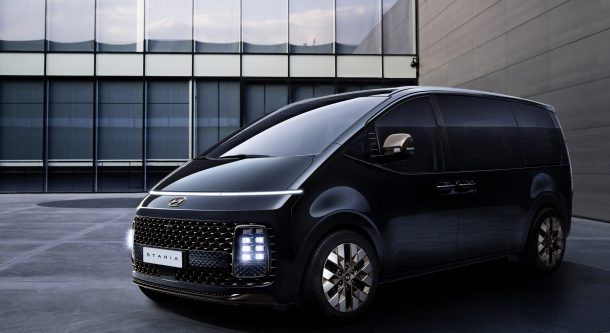
Hyundai Motor Group, makers of Hyundai and Kia autos, announced today their intent to invest $7.4 billion in the US by 2025. Electric vehicles, production facilities, and smart mobility is where the money will go.
2022 Subaru Solterra ESUV Proclaimed
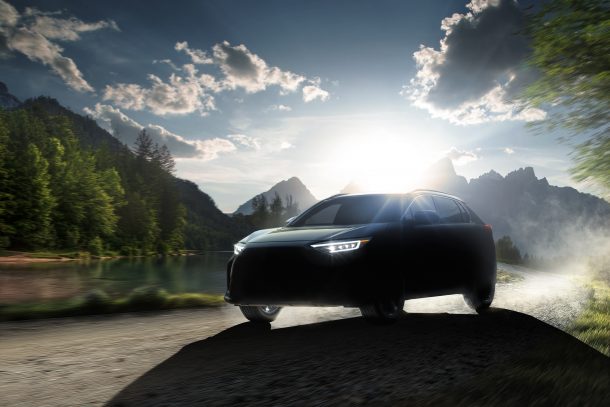
In 2022, the Subaru Solterra electric SUV will go on sale. Another Subaru-Toyota joint venture, it’ll roll on the new e-Subaru global platform.
General Motors Asks Government to Change Rules on EV Tax Credits

General Motors is asking the federal government to reset the federal EV tax credit system, effectively requesting a personal favor. As one of the first manufacturers to get an electric vehicle to market that people actually wanted to buy, GM hit the 200,000 cumulative EV sales cap in 2018. While customers could still get money back through April of 2020, the automaker exhausted its allotment of $7,500 subsidies before most of its rivals.
Now it wants to see the government press the reset button on the program under a pretext of fairness. GM executives are claiming that companies investing in electrification shouldn’t be handicapped by not getting additional money from taxpayers. It seems anything but fair, frankly. Though it should be said that all-electric models have a poor track record in terms of profitability. The Chevrolet Bolt certainly didn’t make any money, however, GM CEO Mary Barra has said new versions of the model will be capable of turning a profit.
QOTD: Is the 1Moto Show the Best in the US?

’60 H-D Bobber 113 CI, rigid frame, 4-speed, suicide shift. Harvey Mushman, owner/builder.
The 1Moto Show, the annual showcase for custom motorcycles held in Portland, Oregon, took place April 30-May 2. Is the 1Moto Show the best bike show in the country?
Tread Lightly! Clears Hey Joe Canyon Trail

Tread Lightly!, with the help of partners and volunteers, cleared 11 miles of tamarisk from Hey Joe Canyon, an off-road trail in Moab, Utah. The Easter Jeep Safari stewardship project was completed during the event.
California PHEV Owners Return to Gas Power
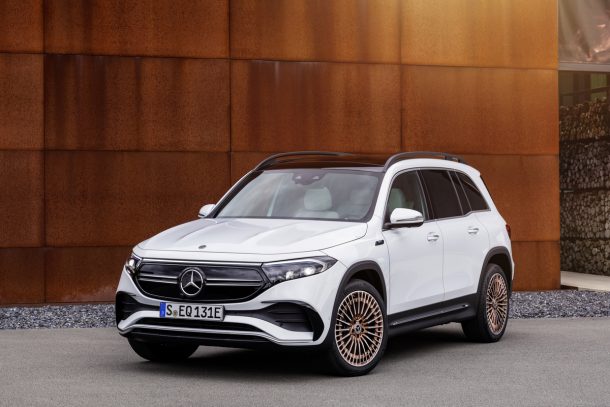
Electric vehicles are one way to carbon neutrality. Yet 20 percent of California PHEV owners have gone back to gas-powered vehicles.
Ermenegildo Zegna Teams With Stellantis
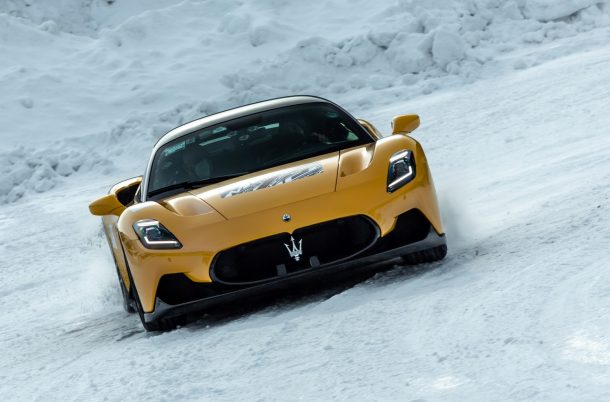
Today, the Ermenegildo Zegna Group announced its affiliation with Stellantis. By 2025, the Zegna Group’s entire fleet of 200 will go green. A new green-car policy has gone into effect at the company, well known for its pricy clothing and accessories.
Elon Musk Takes Center Stage on Saturday Night Live
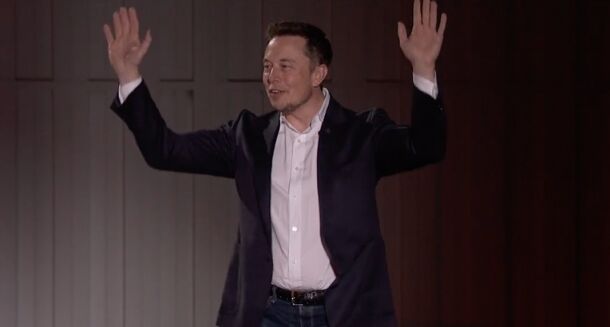
Billionaire Elon Musk will host “Saturday Night Live” on May 8th, the comedy series announced last week. Known for his controversial, biting remarks, the Tesla and SpaceX CEO apparently did not win over any fans among the cast. Cast members were not happy with Musk’s invitation. Social media comments indicated their displeasure.
Honda Solidifies Its Existing Businesses

Honda Motor Company President Toshihiro Mibe’s first press conference, held April 23rd, was where he committed to solidifying Honda’s existing businesses.
A Dozen More States Virtue Signaling Over Vehicle Bans

Having noticed that Washington got a bit of publicity for vowing to ban all vehicles reliant on internal combustion after 2030, a dozen other American states decided it would be a good idea to reaffirm their own religious-like commitment to the environment by saying they too will be restricting your choice of automobiles by 2035.
The coalition of states — most of which don’t have a populace that’s dependent on automotive manufacturing for work — also formally asked the Biden administration to introduce standards that would obligate the United States to ban everything that emits smoke within the next fifteen years. Many activist groups are calling it a heroic act, though it’s difficult to recall any parables where the hero went around banning things and also represented an institutional power structure.
QOTD: Does Hyundai's 2021 Ioniq Hybrid Deserve Awards?
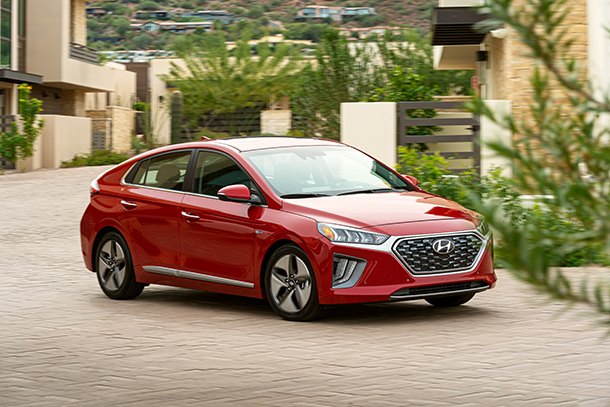
Hyundai’s 2021 Ioniq hybrid and plug-in hybrid received the Best Hybrid Car and Plug-In Hybrid awards from U.S. News & World Report. Our question is, are they the best hybrids or not? Did the right car(s) win?
European Automakers Think Fuel Taxes Will Increase EV Sales

Undoubtedly eager to improve the take rate of electric vehicles, automakers have a myriad of solutions at their disposal. But the majority have something to do with getting the government involved to futz around with taxes.
Normally, this has to do with making special exceptions for EVs or subsidizing them via rebate programs. But governments seem happy to do this, as increasingly more legislation is advanced that would place restrictions on when and where people will be able to drive internal combustion vehicles, and automakers appear to be getting with the program. We’ve already seen manufacturers choosing sides in America’s gas war and now the Europeans are getting in on the action by demanding higher taxes be imposed on vehicles reliant on gasoline or diesel.
Washington Wants to Become First State to Ban Gasoline Powered Cars

Washington has elected to become the first slice of America to ban the internal combustion motor, and we don’t just mean new sales. The Pacific state passed a bill on Thursday that would make the registration of gasoline or diesel-powered vehicles from the 2030 model year onwards illegal — leaving residents with the option to purchase a new electric vehicle, buy a secondhand gas burner, or throw up their hands and move elsewhere.
It’s an interesting concept, especially considering there’s very little evidence to suggest the industry will be at a point where total EV adoption will be remotely plausible by 2030. Even California, which is famous for its heavy-handed environmental regulations didn’t think it could start mandating the death of the internal combustion engine until at least 2035. Though Washington is reportedly not making this a concrete rule and it hinges on the adoption of another bill that would tax vehicles based on the number of miles driven. Think of it like a fuel tax that follows you around, even if you’re not using any.
Matchbox Moves Towards 100% Recycled Materials
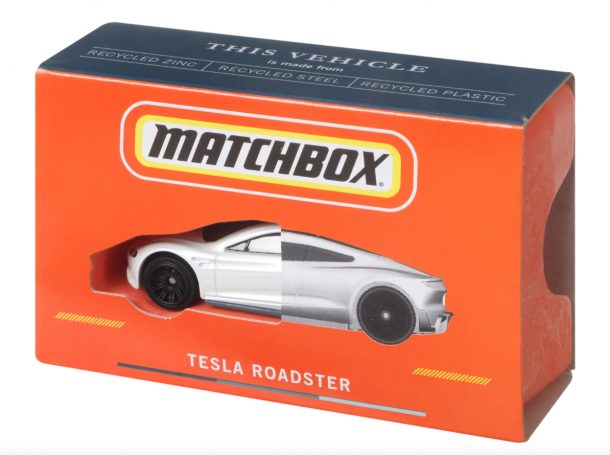
Matchbox is headed towards 100 percent recycled, recyclable, or bio-based materials by 2030. Is this the end of die-cast cars as we know them?
France Offering $3,000 Vouchers for E-Bikes If You Throw Away Your Car
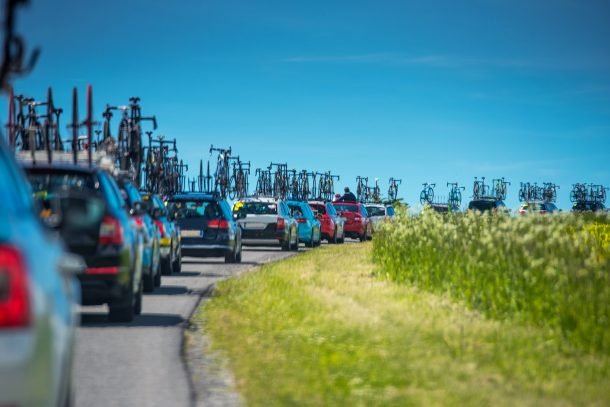
France is offering 2,500 euros (about $2,993 USD) to individuals interested in purchasing electrically driven bicycles. But it’s pursuing the Cash for Clunkers mentality that often leaves us questioning whether the people instituting these environmental plans are familiar with the concept of conservation. Because the current proposal requires participants to throw away their automobiles before they’re granted access to the funds.
Domino's Delivers Pizzas Autonomously in Houston
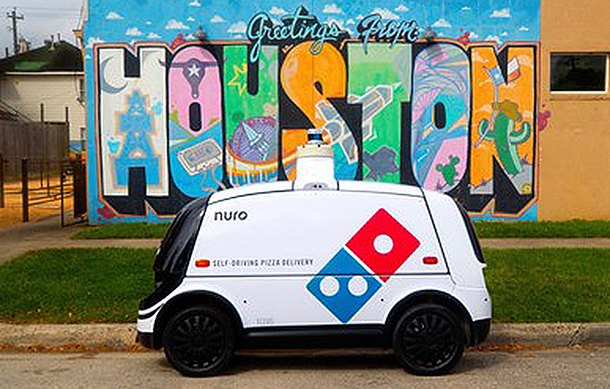
Domino’s has launched autonomous pizza delivery in Houston, Texas this week. Customers can choose to have their meal delivered by Nuro’s R2 robot. Nuro has the first completely autonomous on-road delivery vehicle approved by the U.S. Department of Transportation.
Arcimoto FUVs a NASDAQ Addition
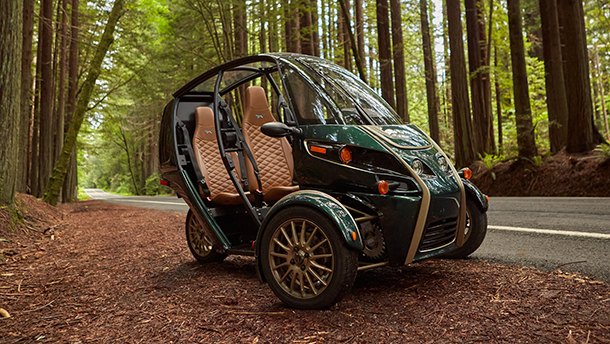
Arcimoto, makers of fun, utility vehicles for commuters and fleets, announced NASDAQ’s approval today. The company can now list its shares of common stock on The NASDAQ Global Market, a positive growth sign.
Biden Planning to Pour $100 Billion Worth Of Rebates Onto EVs
The Biden administration expanded on its $174 billion proposal to boost electric vehicle sales on Thursday, suggesting that the United States government make it rain money on those purchasing EVs.
Technically a part of the $2.3 trillion infrastructure plan, which has been expanded to include jobs and numerous environmental projects, the proposal makes a lot of special exemptions for alternative energy vehicles backed by large financial commitments. $100 billion will be set aside for new consumer rebates, potentially opening up the door for manufacturers that have already exhausted their quota of federal tax credits linked to zero-emission cars.
New EPA Chief Promises Tougher Vehicle Rules by Summer
With environmental regulations being a cornerstone of the Biden-Harris platform, the administration’s newly installed Environmental Protection Agency head has signaled that changes are coming over the summer. However, before that can take place, Administrator Michael Regan said wants to make some big changes within the agency that he believes will bring it back to the way it operated before being restructured by the Trump administration.
In the meantime, the EPA will be actively revising the previous president’s relaxed fuel economy standard designed to give the industry some flexibility in terms of keeping larger vehicles and traditional powertrains on sale — something we’ve covered repeatedly as it ended up being the proverbial football in the highly political American gas war. Considering Mr. Regan’s history of praising California’s climate response and energy protocols, his allegiances in the conflict should be obvious. However, he has also suggested that the EPA needs to make decisions on what’s feasible, indicating he may not push for extreme measures. Though he has not drawn any lines in the sand when it comes to potential bans of internal combustion vehicles or stringent penalties for power plants and oil refineries.
Chevrolet Electric Silverado A ZERO Production
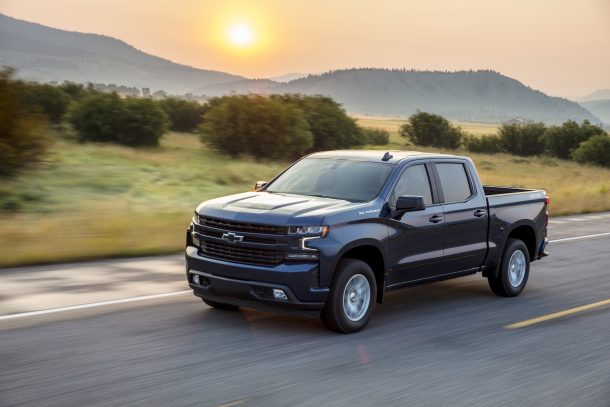
Chevrolet’s Silverado electric pickup will be built at the Factory Zero assembly plant in Detroit-Hamtramck, Michigan, along with GMC’s Hummer EV SUV which will also be produced there, General Motors president Mark Reuss said today.
Watt EV Coupe – Will It Make It to Production or Not?

The Watt Electric Vehicle Company (WEVC) has unveiled the EV Coupe, a classic shape inspired by the 1955 Porsche 356A. WEVC is not connected with Porsche AG. WEVC does not imply that any of their products are a product of Porsche AG, nor are the Porsche or 356 names used or associated with WEVC products. So why would we think WEVC is on a slippery slope?
Chinese Smartphone Titan Xiaomi Entering the EV Race

Xiaomi, a Chinese smartphone colossus, has announced they are building their own branded electric vehicles (EVs), just like Apple, Huawei, Sony, and Foxconn.
If you’re prepared to lose money, starting a car company is easy. Just ask Tesla. Xiaomi has plenty, enough to sink $10 billion into the venture over the next 10 years.
Volkswagen Reportedly Buying Carbon Credits From Tesla China
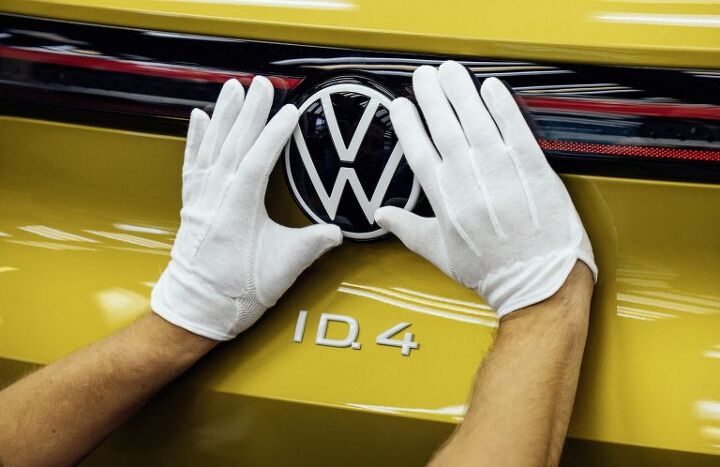
One of Volkswagen’s joint ventures in China has reportedly offered to purchase regulatory credits from Tesla in order to adhere to the regional environmental ascendancy. While VW may be doing everything in its power to swap over to an electric-vehicle manufacturer, it’s apparently falling short of government dictums.
FAW-Volkswagen — which shipped a little over 2 million automobiles in Asia last year — happened to be one of the biggest polluters of 2020 according to China’s Ministry of Industry and Information Technology. As it turns out, selling internal combustion vehicles consumers actually want to purchase in large quantities has some kind of environmental cost. Fortunately, it’s one regulators think can be solved by buying green credits from rivals who do all of their polluting during the initial assembly process and launder any future emissions through the national energy grid.
Lexus LF-Z is Watts New
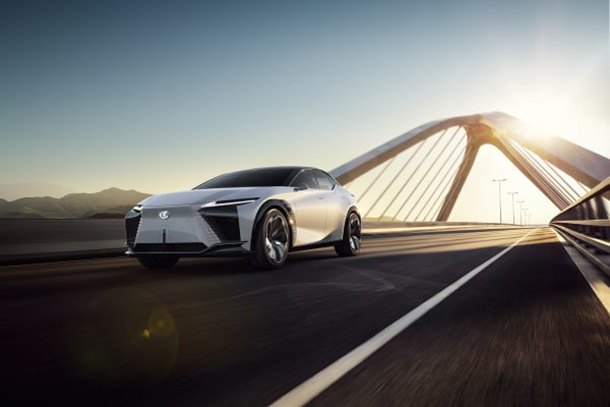
Today, Lexus dropped the LF-Z concept car, stepping on the electric-vehicle (EV) accelerator. By 2025, the company expects to have 20 new PHEV, HEV, and BEV models from which to choose.
Oil 2021 Outlook – Oversupply and Lower Demand
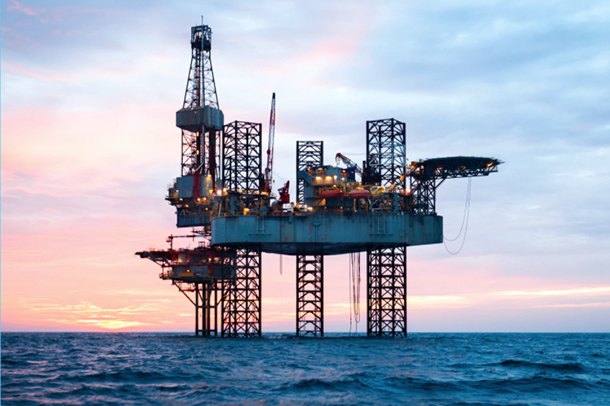
Oil 2021, an analysis by the International Energy Agency (IEA), explains why the pandemic caused the collapse in demand for oil in 2020, and why it may never return to ‘normal’.
2021 Hyundai EVs Get Fast Charging Free
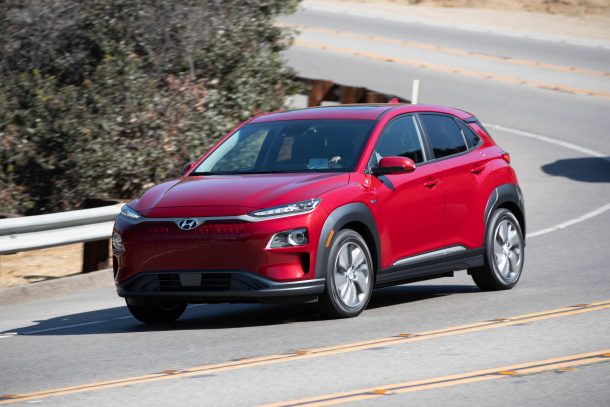
Hyundai’s 2021 Kona Electric and Ioniq Electric now include 250 kWh of complimentary fast charging through Electrify America, with more than 2,400 ultra-fast chargers across the U.S. According to Electrify America, 96 percent of the population lives within a 120-mile radius of one of their chargers.
2021 Hyundai Elantra Chosen Hispanic Motor Press Car of the Year
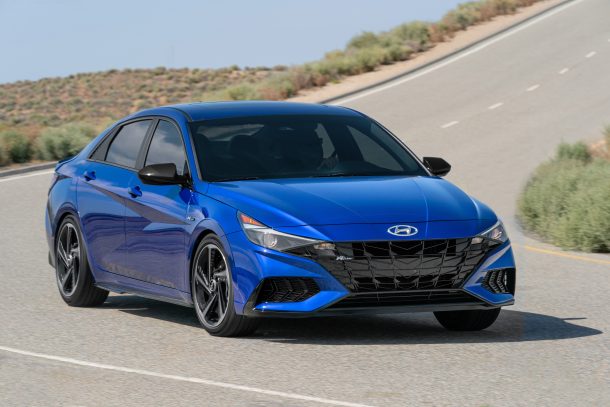
The 2021 Hyundai Elantra has been selected Car of the Year during Automobility LA by the Hispanic Motor Press. The 2021 Hispanic Motor Press Awards (HMPA) jury panel included 24 Hispanic automotive journalists, content creators, and industry influencers, who analyzed more than 100 new 2020 and 2021 vehicles.
Senate Confirms Biden Admin Pick to Head EPA

On Wednesday, the U.S. Senate voted 66-34 to confirm Michael Regan as the next administrator of the Environmental Protection Agency (EPA). The Biden campaign had signaled that it wanted to clean house following appointments from the Trump administration well before the election, noting that the EPA was of particular importance since it needs to be in line with the bold energy strategy. Regan’s role as administrator is essential since he’ll have the ability to encourage the United States to reduce emissions wherever possible.
Whereas the Trump administration sought to undo Obama-era policies it deemed untenable and soften the power of highly influential independent executive agencies, Biden and company are bent on restoring those policies while strengthening some of its own. Regan (44) is presumed to pursue greenhouse gas emissions reductions for automobiles, powerplants, and oil refineries by any means available. He began his career as an environmental regulator for the EPA during the Clinton administration, stayed on through the Bush years, and later joined the Environmental Defense Fund — a nonprofit environmental advocacy group that frequently partners with multinational companies to create “market-driven” solutions to climate change.
Another One: FedEx Vows to Become Carbon Neutral by 2040

FedEx had kneeled before mankind, vowing to become a carbon-neutral business by 2040. That’s roughly eight years longer than it’ll probably take most of the population to forget that the promise was ever made. But this is the way of the world and we wager it won’t be long before it’s just easier to list the companies and governments that have not made informal, often empty commitments about the environment.
But, before we throw FedEx into the camp of blatant placation, let’s see what it actually has planned.
Welcome to Electric Avenue — More Chargers on the Way
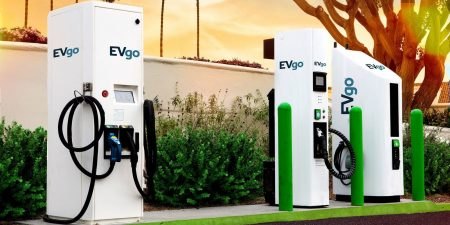
The Electric Highway Coalition, a consortium of six utility companies, will provide a network of 20-30 minute DC fast chargers for EV drivers, as reported by Electrek. Each of the utilities will be responsible for providing EV charging within their service areas, with most sites located along major highways for easy access and adjacency to other amenities.







Recent Comments