


Gas War: Biden Admin Decides Against Refilling Dwindling Oil Reserves, Citing High Prices
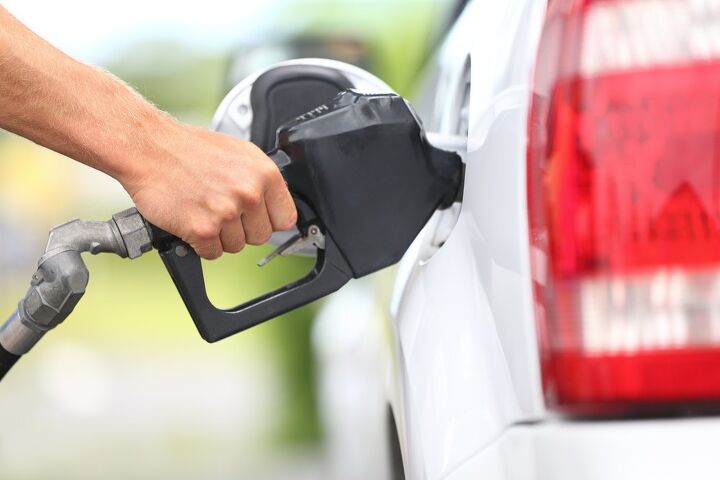
The Biden administration has decided against purchasing oil for the Strategic Petroleum Reserve after promising to refill the nation’s emergency energy supply after it reached a 40-year low. This news does not bode well as we head into the summer months when fuel prices tend to be higher.
America’s oil reserve is currently authorized to hold more than 720 million barrels of emergency crude oil that can be released under certain conditions. While the exacting thresholds are fairly vague, emergency drawdowns have occurred in the past due to oil supply disruptions stemming from trade embargoes, natural disasters, and warfare. The Biden administration argued that both the COVID-19 pandemic and Russo-Ukrainian War qualified.

Gas War: California Brings Stellantis to Heel
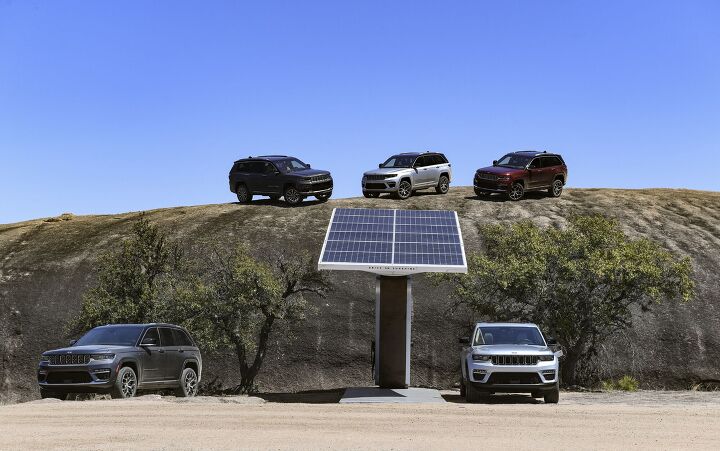
Stellantis has agreed to adhere to California emission policies, including requirements to make two-thirds of new cars to zero-emission or electric by 2030. This means the automaker — which oversees Dodge, Chrysler, Jeep, Ram, Fiat, Maserati, Alfa Romeo, and several brands that are not sold in the United States — will be required to cut emissions through the 2026 model year and adhere to California’s requirement to have a majority electrified fleet within the next several years. There are also provisions for the company to spend millions of dollars on charging stations and community outreach programs designed to encourage EV sales.
Lobbyists Estimate Billions in Fines If New Fuel Economy Rules Adopted
A letter from talking heads at an outfit called the American Automotive Policy Council outlines what it estimates billions of dollars in fines could be levied at companies like General Motors and Stellantis if a government proposal to hike fuel economy standards through 2032 is adopted.

American Fuel Consumption Goes Down, Prices Do Not
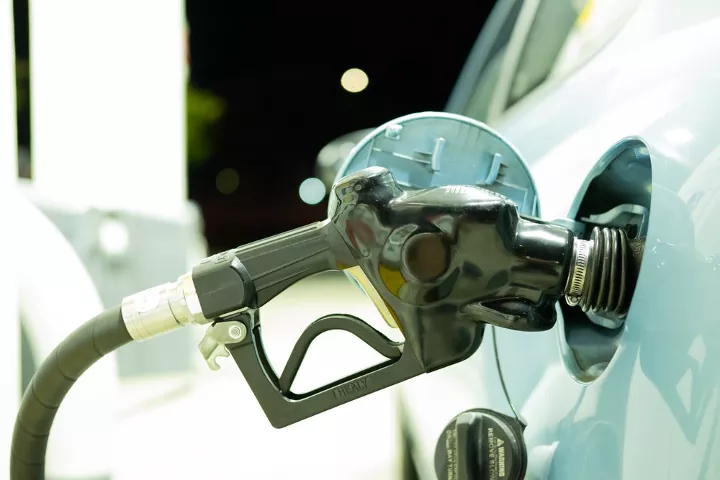
Fuel prices have been climbing this year and continue to do so. However, consumer demand can no longer be blamed as we enter into the autumn months when consumption consistently drops. The Energy Information Administration (EIA) estimates that Americans were burning through a million fewer barrels of oil last week than they were the week before.
What isn’t dropping is oil prices and that seems to be making all the difference.
QOTD: What Gas Prices Are You Seeing?

With Washington State dethroning California as the state with the highest gas prices, I am wondering -- what are you seeing near you?

Hyundai Xcient Fuel Cell HD Truck On Its Way
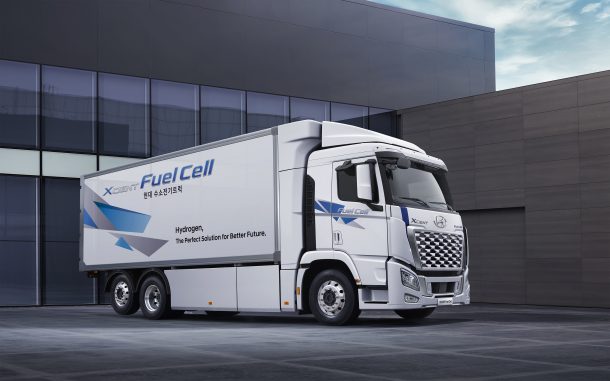
The Hyundai Xcient is on its way to becoming the first mass-produced hydrogen-powered, heavy-duty truck. Design and performance improvements have made it more competitive with those expected from Mercedes-Benz, Toyota-Hino, and Nikola.

QOTD: Is the 1Moto Show the Best in the US?

’60 H-D Bobber 113 CI, rigid frame, 4-speed, suicide shift. Harvey Mushman, owner/builder.
The 1Moto Show, the annual showcase for custom motorcycles held in Portland, Oregon, took place April 30-May 2. Is the 1Moto Show the best bike show in the country?
Summer Gas Shortage Likely for Dumbest Reason
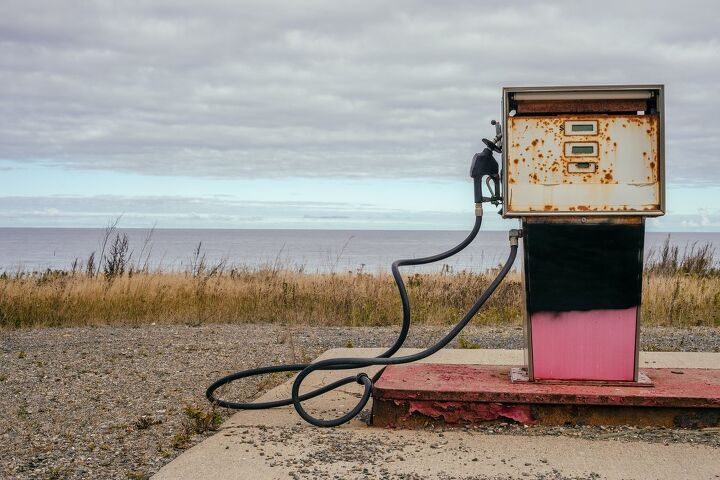
As if you needed more doom and gloom to kick off this week, the National Tank Truck Carriers (NTTC) lobby has confessed that its fleet will go into the next few months operating well below capacity. That means there’s a very good chance that some parts of the country could see gas shortages over the summer. While we’re praying that this doesn’t come with with the deluge of less-than-desirable automobiles that followed the infamous 1973 oil crisis, a similar spike in fuel price is likely as gasoline becomes sporadically difficult to find.
With the United States technically still energy independent, the culprit is not a foreign oil embargo but our own inability to plan ahead. North America was already operating with a deficit of qualified tanker drivers ahead of the pandemic. Lockdowns suppressed demand as everyone was forced to remain immobile, suppressing demand that ultimately encouraged widespread layoffs and early retirement. Now there aren’t enough drivers as demand stabilizes.
Honda Solidifies Its Existing Businesses

Honda Motor Company President Toshihiro Mibe’s first press conference, held April 23rd, was where he committed to solidifying Honda’s existing businesses.
Chevrolet Electric Silverado A ZERO Production
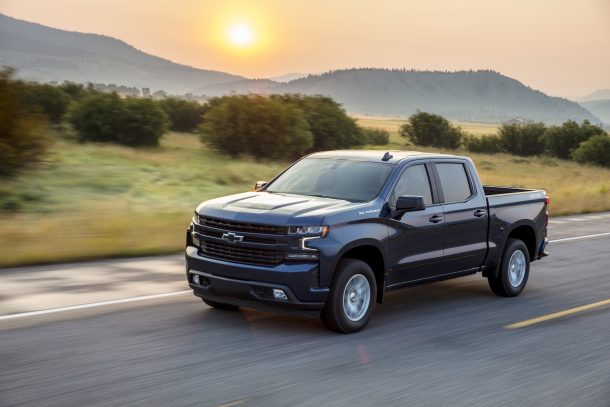
Chevrolet’s Silverado electric pickup will be built at the Factory Zero assembly plant in Detroit-Hamtramck, Michigan, along with GMC’s Hummer EV SUV which will also be produced there, General Motors president Mark Reuss said today.
Hyundai Blue Link Connects Owners and Insurance
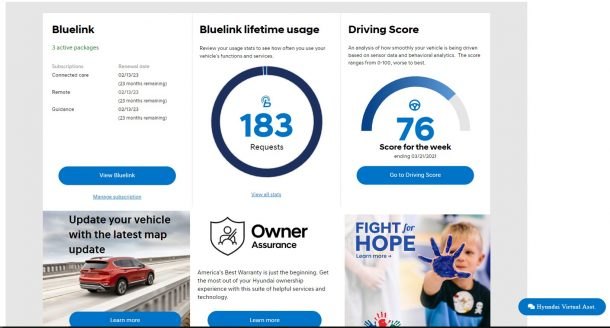
Hyundai Blue Link, a connected-car service first offered in 2018, can now be used to save on auto insurance. Hyundai’s usage-based insurance (UBI) program and Driving Score promotes safe, efficient driving habits. Through Verisk, a global data analytic firm, Hyundai drivers can opt-in to share their driving quirks. Receiving substantially lower insurance rates is the hope of most drivers.
The Week of Driving Autonomously in an Xpeng
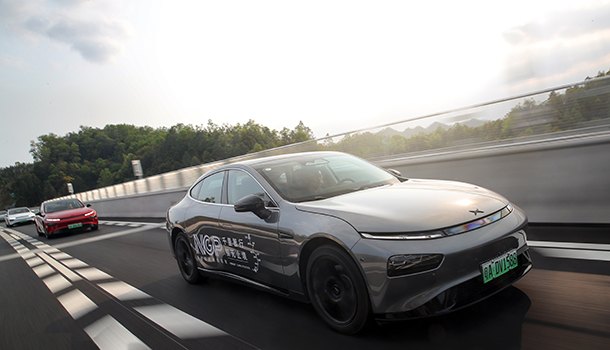
XPeng, a Chinese maker of EVs, sent a fleet of XPeng P7s on a 2,284-mile, weeklong autonomous driving jaunt across six provinces, the longest by any mass-produced vehicles in the country.
2021 Hyundai EVs Get Fast Charging Free
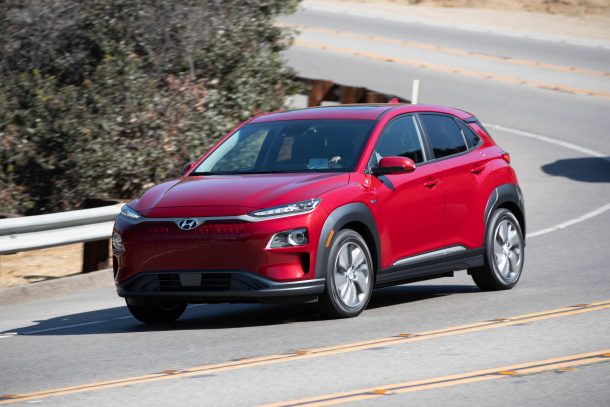
Hyundai’s 2021 Kona Electric and Ioniq Electric now include 250 kWh of complimentary fast charging through Electrify America, with more than 2,400 ultra-fast chargers across the U.S. According to Electrify America, 96 percent of the population lives within a 120-mile radius of one of their chargers.
2021 Honda CB1000R Black Edition – Ride It Like You Stole It
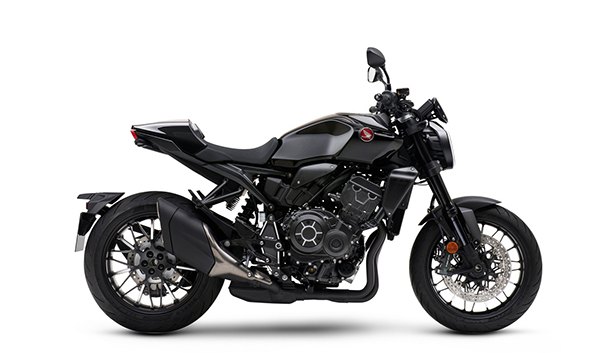
Consider the Honda CB1000R, everything you need and nothing you don’t. Beyond the naked bike school of thought, the CB1000R is unbridled joy, without the race replica look of a sport bike, nor the flash of a cruiser.
QOTD: Hybrid Versus Conventional Drivetrains

Which drivetrain would you prefer: The hybrid two-motor setup that Toyota has paired with their 2.5-liter DOHC four-cylinder that puts out 245 horsepower or Kia’s conventional V6 that produces 294 HP?
100K+ Pre-Orders for Lordstown's Pickup a Shocker
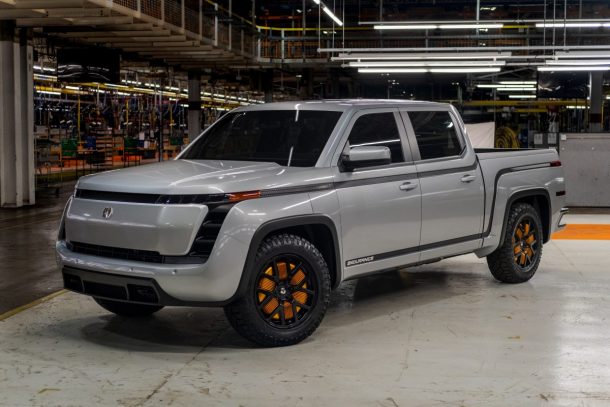
Lordstown Motors announced on Monday that they had exceeded 100,000 pre-orders for their Endurance light-duty, all-electric pickup, slated to begin production in September.
Millennials Really Do Intend to Buy Cars. Thank the Pandemic.

Forget all you’ve heard about Millennials (24-39 years old) and their disdain for automobiles. COVID-19 has changed that, as 31 percent of those without a car intend to buy one in the next six months, and 45 percent of them are Millennials.
EY, a global leader in assurance, tax, strategy, and consulting services, and a member of Ernst & Young Global Limited, issued their 2020 EY Mobility Consumer Index, surveying over 3,300 consumers across nine countries. Thirty-one percent of the respondents who don’t own a car plan to buy one in the next six months, while 20 percent that already own a car say they would be open to buying another vehicle. Both groups said that one of their principal reasons to purchase is the pandemic.
Gas War: Senator Asks EPA Watchdog to Investigate New Fuel Efficiency Rules

Every time we think the United States’ fueling fracas had concluded, something new emerges to remind us that we’re utter morons. Despite the Trump administration finally wrapping up the fuel rollback of Obama-era emission standards on March 31st, Senator Tom Carper (D-DE) has sent another letter asking Environmental Protection Agency Inspector General Sean O’Donnell to look into the new rules.
Carper asked the inspector general last February to conduct an investigation into “potentially unlawful efforts and procedural problems” stemming from their implementation. His assertion is that the EPA was circumventing various procedural requirements and attempted to hide data that would have conflicted with some of the rollback’s claimed benefits.
Did it?
Gas War: EPA and DOT Release Final Draft of Fuel Rollback
The U.S. Department of Transportation’s National Highway Traffic Safety Administration (NHTSA) and the Environmental Protection Agency (EPA) released their final version of the Safer Affordable Fuel-Efficient (SAFE) Vehicles Rules on Tuesday. This will establish new targets for corporate average fuel economy (CAFE) and emissions standards for passenger vehicles from the 2021-2026 model years and just in the nick of time. The document had to be completed by April 1st, in order to leave sufficient time for the coming model year.
If you’ve been following the long and arduous process that brought us here, you’ll notice the document has changed slightly from previous drafts. The rollback still enacts the straightening of emission regulations but reels them back from the lofty goals set by the Obama administration. Annual increases in fuel efficiency standards will be set at 1.5 percent through 2026. Previous drafts had the Trump administration freezing efficiency requirements at 2020 levels.
U.S. Fuel Rollback Earns Pushback From Scientific Advisory Board
The Environmental Protection Agency’s (EPA) Scientific Advisory Board (SAB) is once again applying pressure on the Trump administration’s proposed fuel economy rollback. Similar to the complaints issued by a coalition of scientists back in March of 2018, the board expressed concerns that significant weaknesses exist in the analysis underpinning the plan that should be addressed before any rules are made final. A draft report was circulated earlier in the week, with the SAB scheduling a public meeting meeting on January 17th.
“[The] EPA always appreciates and respects the work and advice of the SAB,” the U.S. regulatory agency said in a statement. “When implemented, the [rollback] will benefit all Americans by improving the U.S. fleet’s fuel economy, reducing air pollution, and making new vehicles more affordable for all Americans.”
Gas War: Efficiency Rollback Would Raise Fuel Costs, Study Claims

The fuel economy rollback posited by the Trump administration remains a hotly debated issue within the automotive community. Unfortunately, it has become mired in political nonsense, making decrypting the real-world impact of embracing or shunning it rather difficult. Consumer Reports recently took a stab at making sense of the matter, coming out in favor of balking at the notion of a rollback on the grounds that it would ultimately raise fueling costs.
Last year, the administration proposed capping fuel economy and emission standards at 2020 levels, instead of allowing them to rise annually as under existing regulations. The opposition, fronted by California, is vying to maintain the existing standards — with the possible compromise of delaying them by one year.
Getting That V6 Chevrolet Silverado Will Cost You At the Pumps

We’re on an MPG kick this morning, so let’s keep it going. The polarizing 2019 Chevrolet Silverado received plenty of press on these digital pages, though not all of it was praise. The revamped model’s face was only surpassed in volume of styling criticism after its big HD brother showed up.
While General Motors talked up the model’s fuel-saving technologies, weight savings, and new four-cylinder turbo in a big way upon the pickup’s launch, lesser trims soldier on with older engines and a transmission bearing fewer cogs. That’s not unusual for entry-level models aimed at contractors and the like, but the new base trucks differ from their forebears in more than just looks. They also “boast” significantly worse fuel economy.

Thriftpower: Ford Touts 2019 Ranger's Stingy Fuel Economy
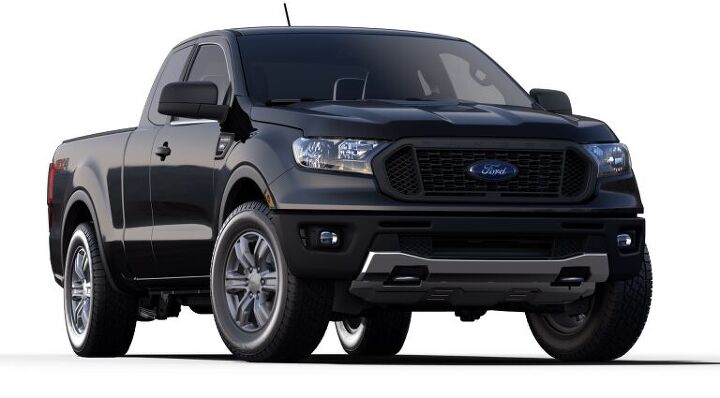
Matthew Guy’s going to be mighty disappointed if this is all the big Ford truck news we receive this week. On the same week Ford rolled out its first drive event for the upcoming Ranger pickup, the Blue Oval revealed official fuel economy numbers for the four-cylinder-only midsizer — though specs already leaked last month.
Yes, it’s true. As you might have anticipated, the 2.3-liter Ecoboost four-banger and 10-speed automatic combo beneath the Ranger’s hood returns class-leading combined fuel economy. For a gasoline engine, that is.
EPA Ratings Reveal the Rest of the GM 2.7-liter Story
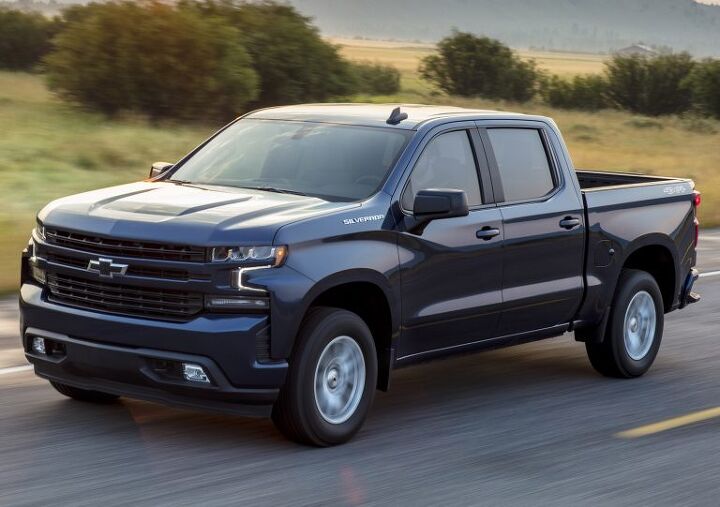
Last month, General Motors released EPA-estimated fuel economy figures for one of the new, turbocharged 2.7-liter inline-four’s applications: the two-wheel drive version of the 2019 Chevrolet Silverado and GMC Sierra pickups.
Despite boasting 310 horsepower and 348 lb-ft of torque, the engine’s combined estimated fuel economy of 21 miles per gallon left many wanting more. Now that we have EPA figures for the rest of the line, it’s no surprise to see that figure serve as an MPG high water mark.
Gas-guzzling Former Roommates Poised to Become Eco Rivals
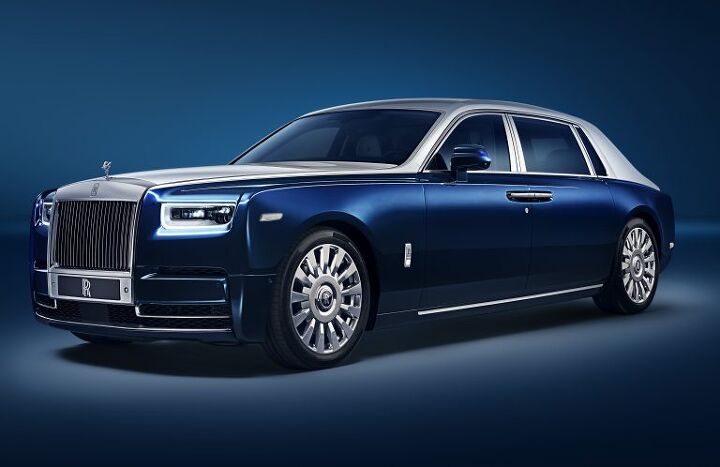
For nearly five decades, Rolls-Royce and Bentley shared the same bed, then lived amicably under the same roof for another 18 years, becoming ever closer to each other due to dwindling shared finances. Then two Germans showed up and they parted ways, forever.
While still representing the richly browned upper crust of British motoring, the two brands have maintained fairly similar development paths, launching sedans, coupes, and now SUVs in quick succession of each other. Now, because green types look down on ornate, porky, roadgoing behemoths powered by gas-swilling eight- and twelve-cylinder engines, both brands have decided to embrace the environmental movement.
Naturally, news of these tentative electric product plans hit the presses almost simultaneously.
Going Coastal: GM Calls for Nationwide Zero-emission Vehicle Strategy

General Motors CEO Mary Barra took to the USA Today op-ed page Friday to advocate for a national zero-emission vehicle strategy — NZEV, for short. The automaker is calling for the ZEV program already in effect in California and nine other states to become law across the United States, thus making it mandatory for OEMs to field a certain number of electric and plug-in hybrid vehicles, or pay a price.
Were the proposal to became the law of the land, you can only imagine the reaction from Ford’s rival in Auburn Hills.
Forget Diesel - Tough Times Now Lie Ahead for the European Plug-in Crowd

The European new car market is in a period of extreme flux. Once-dominant diesels are on the way out thanks to new regulations, looming bans, and cancelled tax incentives, with electrified vehicles poised to take over the high-MPG role.
But not everything’s rosy in the clean, green market on the other side of the Atlantic. A new, more accurate way of measuring fuel economy went into effect last month, and governments — as well as automakers — suddenly realized certain vehicles weren’t as clean as initially thought. Looking to buy a plug-in hybrid in the UK? Say goodbye to that juicy government incentive.
Four on the Floor: EPA Rates Chevy's New 2.7L Turbo

Is the American public ready to accept a full-size pickup truck equipped with a four-cylinder engine under its squared-off hood? GM sure hopes so, as a turbocharged 2.7-liter is set to be the base motor in two of its Silverado trims: the LT and RST.
The EPA has now rated the thirstiness of the new mill, which is set to be one of six (count ‘em) available across all eight trims of the 2019 Silverado.
Getting Out the Corn Vote: Trump Proposes Lifting Summer E15 Gasoline Ban

If you’re like this writer, seeing “may contain up to 10 percent ethanol” at the gas pump leaves you frowning, then reaching for the premium nozzle. It’s not just that 91 octane helps my tiny turbo run better — I don’t like paying through the nose (as I do for all grades) for slightly less energy by volume.
Should President Donald Trump move forward with reported changes to U.S. ethanol laws, you can expect to see more corn alcohol at your local gas station. And I don’t mean Jim Beam.
Leaked Specs Reveal Power, Fuel Economy of GM's Diesel Inline-six
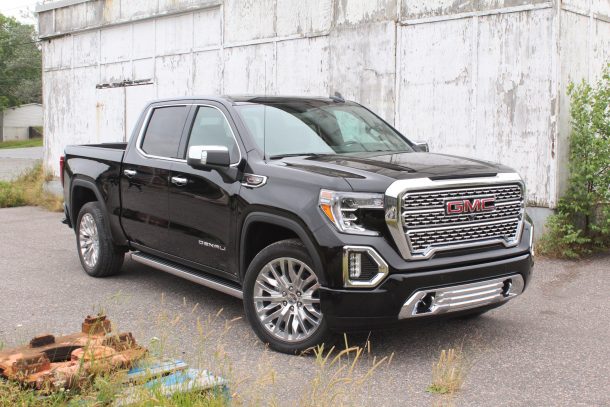
The EPA hasn’t officially rated the 3.0-liter inline-six diesel bound for the 2019 Chevrolet Silverado and GMC Sierra, nor has the automaker released power specs for this Flint-built light truck engine.
Thankfully, someone took photos of GM Canada’s dealer site and flung them to the internet.
2019 Jeep Renegade Downsizes Displacement, Upgrades Power

Jeep’s smallest model has a new uplevel engine for 2019, one that brings to mind the revered and diminutive Suzuki Samurai of the late 1980s. That model also housed a 1.3-liter engine, though the Suzuki’s mill boasted, in a manner of speaking, just 63 horsepower.
The Jeep Renegade’s new 1.3-liter four-cylinder isn’t likely to remind anyone of ’80s featherweight Japanese utes.
Back to Black: Infiniti's New Concept Is All About What's Under the Hood
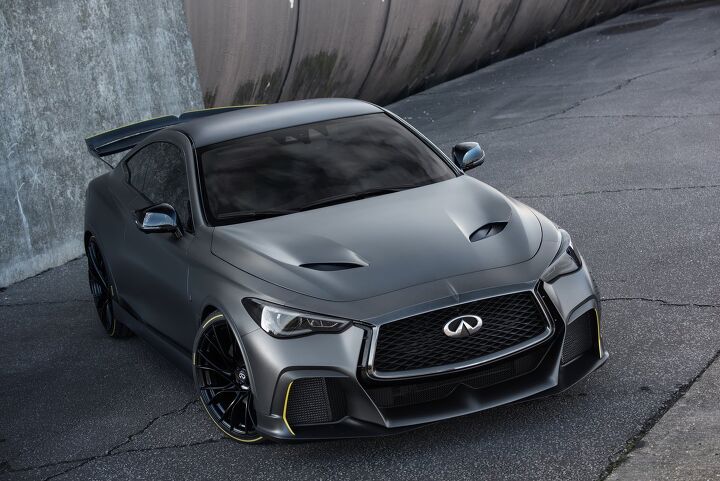
Infiniti doesn’t want you to look at the Project Black S prototype and ooh and ah over its looks. It’s a Q60 with an aero makeover. No, Infiniti created the Project Black S as a technological showpiece, due to be revealed Monday in the periphery of the Paris auto show.
Beneath its hood is what Infiniti’s mulling for the sportier side of its electrified future. The prototype incorporates a hybrid system that finds energy at every turn — not just from regenerative braking, but exhaust gasses, too. While mashing the throttle of an internal combustion vehicle is hardly the greenest way to generate electricity, drivers looking for added boost likely won’t mind.
BMW Dropping Diesel in the U.S., With an Asterisk

If, like most American consumers, there’s a diesel-powered BMW on your Christmas wish list, you’d best tell your loved ones to hurry. The German automaker plans to drop that meager sliver of its U.S. product line for 2019, but there’s a chance the wishes of the oil-burning crowd will force the automaker to hang on to a single model.
EPA Finally Rates the Full 2019 Ram 1500 Lineup

For the majority of this year, Ram fans have been limited to a single choice of powertrain in the new 2019 Ram 1500 pickup truck. The stalwart and sonorous 5.7-liter Hemi V8 was the sole available selection for ages, with the eTorque-assisted V6 and V8 motors scarce on the ground until recently.
The feds have at last doffed their cloak from over the eTorque V6 and officially stamped an EPA mileage rating on it. Buyers satisfied with a two-wheel-drive truck powered by six cylinders will find themselves in command of a pickup rated at 25 mpg.
White House and California Still Discussing Emission Rules, Incredibly

Considering that the Trump administration’s Safer and Affordable Fuel Efficient (SAFE) Vehicles proposal specifically calls for the revocation of California’s power to set its own emissions rules, it’s miraculous that the Golden State is still willing to discuss the issue. But here we are.
Administration officials and members of the California Air Resources Board (CARB) emerged from a meeting on Wednesday, saying they were working toward resolving their differences over vehicle emissions, interested in establishing a single national standard, and — get this — would be happy to meet again.
Don't Expect to See Many 2019 Chevy Cruzes With a CVT

General Motors, inventor of the modern automatic transmission, is only just recently warming up to the idea of shiftless driving. There’s a continuously variable transmission on offer with the 2019 Chevrolet Malibu, which our own Chris Tonn spent some time flogging last week ( in mildly sporty RS guise).
Despite the availability of eight- and nine-speed automatics for transverse GM front-driers, a VIN decoder document and even EPA fuel economy ratings pointed to the existence of a CVT-equipped Cruze for 2019, despite a lack of flouting on the part of GM. Turns out, you’ll have trouble getting your hands on one.
Eye Spy: GM Engineers Hopped on the Ford Tour for Pickup Inspiration
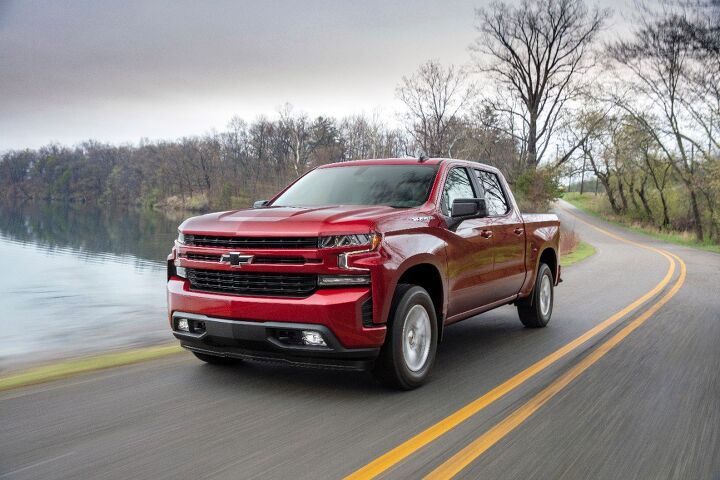
Figuring out how best to shave weight from the next-generation Chevrolet Silverado and GMC Sierra wasn’t an easy task, with some General Motors engineers resorting to taking public tours of Ford’s Dearborn truck assembly plant just to see how their rival handled its all-aluminum body.
Ultimately, GM opted for a hybrid solution of sorts — some aluminum, backed up by varying grades of steel, to slim down its 2019 full-size pickups. But the obsession with Ford didn’t end with the plant tours.
Mazda CX-5 Diesel: Is This Fuel Economy Enough to Get Buyers In Line?

The diesel version of Mazda’s wildly popular CX-5 crossover was originally supposed to land on these shores in late 2017, but the plan hit a snag. As such, we’re still waiting. But the model’s appearance now seems imminent.
Having cleared the Environmental Protection Agency’s stringent testing regimen, we now know exactly what fuel economy to expect from the CX-5 and its compression ignition 2.2-liter Skyactiv-D inline-four. The question is: is the CX-5 diesel thrifty enough?
2019 Chevrolet Camaro: More Speeds, Fewer MPGs

The EPA’s getting quite a few mentions on TTAC today, but it’s not because of the agency’s planned rollback of corporate average fuel economy standards. No, it’s because of odd fuel economy rollbacks seen among 2019 Chevrolet models.
We told you earlier about the yet-unexplained drop in city and combined fuel economy for the 2019 Chevrolet Colorado and GMC Canyon diesels. Now you can add the 2019 Chevrolet Camaro to the list of models with missing MPGs. It seems that in one area of performance, 10 speeds isn’t better.
2019 Chevrolet Colorado Diesel Takes a Mysterious Fuel Economy Hit
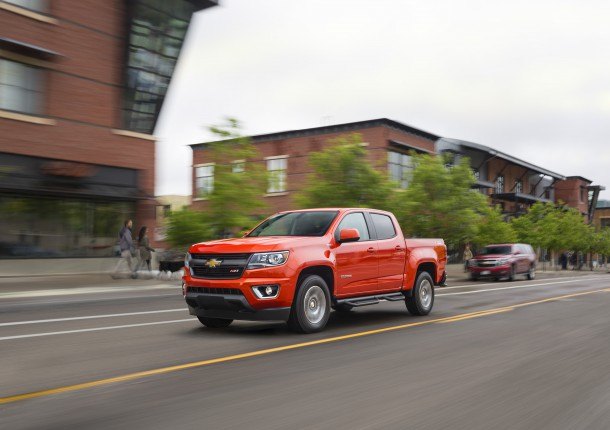
Until an automaker comes along with something better, your cheapest bet for highway fuel economy in a pickup is the Duramax diesel-powered Chevrolet Colorado and its GMC Canyon twin. The full-size Ford F-150 with 3.0-liter diesel V6 matches it in economy, but not price.
Boasting a 30 mpg EPA rating for highway consumption, the oil-burning midsizers command a premium over their lesser siblings, but make up for it with thriftiness and heaps of torque. The 2.8-liter inline-four generates 369 lb-ft of twist — far more grunt than the 275 lb-ft on offer from GM’s 3.6-liter V6.
However, there’s a mystery afoot. The EPA ratings for the newest Colorado and Canyon diesels show a drop in city and combined efficiency for the 2019 model year, despite the powertrains being a carry-over.
EPA and NHTSA Officially Release Fuel Economy Plan, California Decidedly Pissed

After months of discussion, circulating drafts, and arguing with the State of California, the Environmental Protection Agency and National Highway Traffic Safety Administration formally unveiled their plan to rewrite the existing corporate average fuel economy (CAFE) rules and replace them with something far less stringent.
The proposal would freeze the presiding standards in 2020 under the “Safer Affordable Fuel-Efficient (SAFE) Vehicles Rule for Model Years 2021-2026 Passenger Cars and Light Trucks” plan, which is a mouthful.
It also moves to revoke California’s authority to set its own mandates, as predicted. The Golden State made it clear that it wants to maintain the Obama-era limits. However, the proposal includes a section emphasizing the importance of a single national standard, saying it would seek to withdraw the waiver granted to California in 2013.
“Attempting to solve climate change, even in part, through the Section 209 waiver provision is fundamentally different from that section’s original purpose of addressing smog-related air quality problems,” reads the proposal. “When California was merely trying to solve its air quality issues, there was a relatively-straightforward technology solution to the problems, implementation of which did not affect how consumers lived and drove.”
Jaguar Land Rover Mimics European Rivals, Promises an EV Version of Every Model - but Only If You Really Want It

Volvo wanted to bring the sometimes terrifying concept of an electric car out of the shadows and into the mainstream, so it promised fully electric versions of new models launched after 2019. These vehicles will supplement the brand’s hybrid and mild-hybrid offerings.
No longer will the electric car be a standalone model (or model line) with unfamiliar, oddball styling. Mercedes-Benz and BMW agree with this approach, to some degree. Others, like Volkswagen, do not.
Now, Jaguar Land Rover’s joined the fray. The British automaker just announced plans to boost investment by 26 percent over the next three years — an extra $18 billion — to create EV versions of its existing vehicles. That doesn’t mean you’ll get the clean, green vehicle of your dreams, though.
Blue Oval Vs Big Green: Environmental Ad Campaign Lays Into Ford … Again
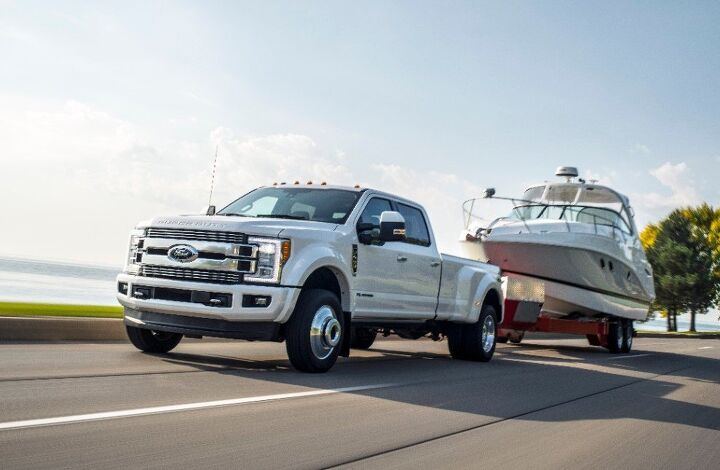
The builder of the world’s best-selling vehicle, which just happens to be a large truck, finds itself in the crosshairs of yet another environmental ad campaign. Like past campaigns against the automaker, the coalition of four leading environmental groups claim Ford’s commitment to the environment pales in comparison to its thirst for profits.
Oh, and Ford Motor Company might as well change the name on its logo to “Trump.”
That’s what readers of The Detroit News and Detroit Free Press read on Saturday morning, after the Sierra Club (which is not a British Ford fan group, to be clear), Greenpeace, Safe Climate Campaign, and Public Citizen ran giant ads in both newspapers slamming the automaker for backing the Trump administration’s planned rollback of fuel economy standards.
Whoa, whoa, whoa, take it easy, Ford responded.
Gabbing on Gas: White House and California Still On Speaking Terms
Despite the growing animosity, both California and the Trump administration are still willing to discuss the country’s changing emission regulations. The state is currently heading a lawsuit against the Environmental Protection Agency, claiming it “acted arbitrarily and capriciously” in overturning the previous administration’s decision to maintain Corporate Average Fuel Economy standards.
While the proposals issued by the current administration will eventually see those targets rolled back, a final decision has not been made. The White House claims it wants to maintain an open dialogue with the Golden State, hoping to reach an agreeable solution, but the California Air Resources Board has argued it doesn’t seem to be acting on those assertions. Meanwhile, EPA head Scott Pruitt maintains that the state will not dictate federal fueling rules as automakers beg the government to do everything in its power to ensure a singular national mandate.
It’s an ugly situation, which makes news of a new round of meetings all the more surprising.
Before E-Power Makes It Here, Nissan First Has to Send It to the Gym

Whether the buying public likes it or not, there’s a tsunami of electrified powertrains headed for U.S. shores. Automakers the world over hope to beat their rivals in the race to a “fully electrified” lineup, which just means there’ll be — at a minimum — a hybrid variant in each model line.
It’s far less sexy than headlines make it sound. Still, if you’re into technology and saving money at the pumps (not necessarily at the dealer), it’s hot stuff. Nissan’s taking an unconventional route in this race, forgoing a conventional hybrid setup for an inexpensive stopgap solution all its own.
The system, called e-Power, is already a hit in Japan. But before it makes its way into high-end Nissan products (read: Infiniti), it first needs to upsize the system for American-sized vehicles travelling at American-sized speeds. That’s not as easy as it sounds.
Night Moves: Ford Unveils 2020 Explorer Under Cover of Darkness
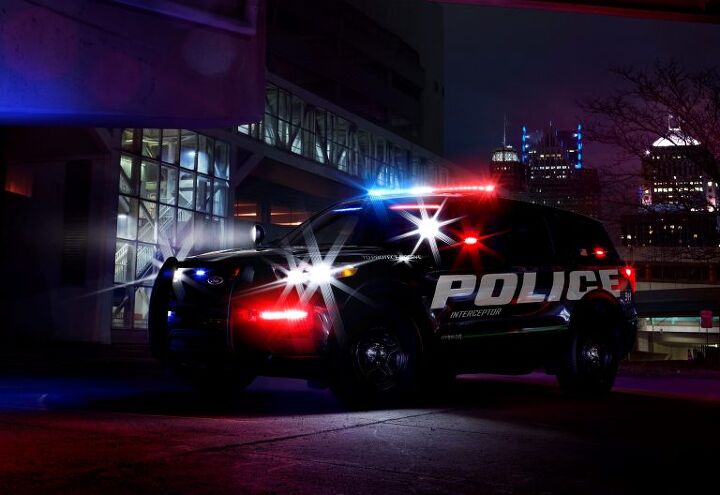
As you learned here, the 2020 Ford Explorer adopts the rear-drive platform found beneath the upcoming Lincoln Aviator, as well as the luxury division’s top-flight engine. A twin-turbo 3.0-liter V6 of unspecified power will appear under its hood and mate to a 10-speed automatic, a source tells us, while the 3.3-liter V6 found in the F-150 replaces the current 3.5-liter unit. The 2.3-liter EcoBoost four-cylinder carries on unchanged for thrifty buyers.
Oh, and there’ll be a hybrid version, too. Ford’s only willing to talk about the electrified Explorer at this point, and on Tuesday it made the unusual choice of debuting the 2020 Explorer in fuel-sipping felon catcher guise.
Enter the Police Interceptor Utility hybrid.
This is a Mess: EPA Begins Quest to End California's Fuel Waiver
The Trump administration has enacted phase two of its plan to revise Obama-era rules designed to cut pollution from vehicle emissions. In a proposal sent to the White House Office of Management and Budget on Thursday, the Environmental Protection Agency announced its intention to rescind the California waiver that separates it from the federal standards the state uses to regulate greenhouse gas emissions from automobiles.
Since allowing California to set its own emission standards would effective split the country’s auto market, the EPA has been clear that its ideal solution would be to cut a deal with the Golden State. Agency head Scott Pruitt previously said California “shouldn’t and can’t dictate [fueling regulations] to the rest of the country,” but acted in a manner that suggested a compromised could be reached.
This was followed by a lawsuit filed by 17 U.S. states, along with the California governor’s office, California attorney general, and the California Air Resources Board (CARB), alleging that the EPA had “acted arbitrarily and capriciously” in its decision to roll back the previous administration’s decision. While the odds are good that the Trump administration wasn’t ever interested in bending to California’s more stringent pollution policies, this was likely the point of no return — squashing any hope for meaningful negotiations.
Electric Vehicles Could Short Governments $92 Billion in Taxes by 2030
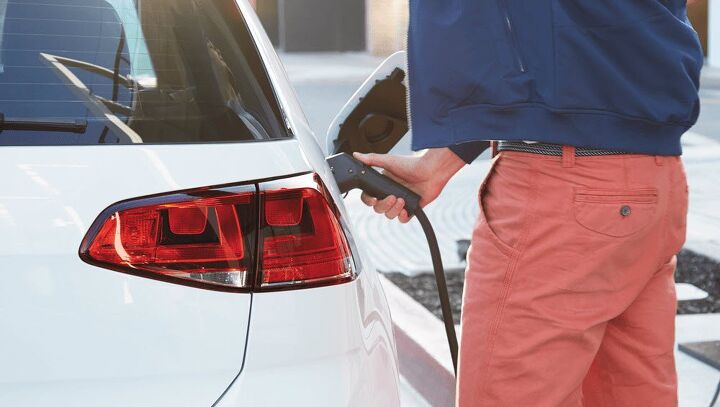
As governments across the globe push for the proliferation of electric vehicles, they’re creating a new problem for themselves. While EVs may be helpful in mitigating pollution in and around city centers, they’re not going to be nearly as friendly on the infrastructure.
A report from the International Energy Agency suggests the ramp-up of battery powered automobiles could result in a $92 billion tax shortfall by 2030, assuming everything goes according to plan. But even if global governments only manage to get halfway to their intended electrification goals, they’re still missing out on an estimated $47 billion in fuel duties.
Rebuking the Rollback: Science Advisors Claim EPA Ignoring Its Own Fuel Economy Research

Several science advisers for the Environmental Protection Agency claim the agency has ignored its own research in order to rationalize the push to relax corporate average fuel economy (CAFE) targets.
A group within the Science Advisory Board has recommended reviewing the EPA’s justifications for the intended rollbacks, including the agency’s conclusion that Obama-era auto efficiency requirements must be changed because they are too stringent. It’s hoping to take the agency to task and force it to show evidence that upholds is proposal.
While EPA head Scott Pruitt sides with the President and automotive industry by indicating the current standards are too strict, very little scientific research has been cited to support the claim. In fact, the revision seems to hinge mainly on the belief that automakers might not be able to adhere to the standards approved by the Obama administration in its final days. “Obama’s EPA cut the midterm evaluation process short with politically charged expediency, made assumptions about the standards that didn’t comport with reality, and set the standards too high,” Pruitt said in April.
2019 Toyota Corolla Hatchback Pricing Announced; Big MPG Gains Await Those Who Hate Shifting
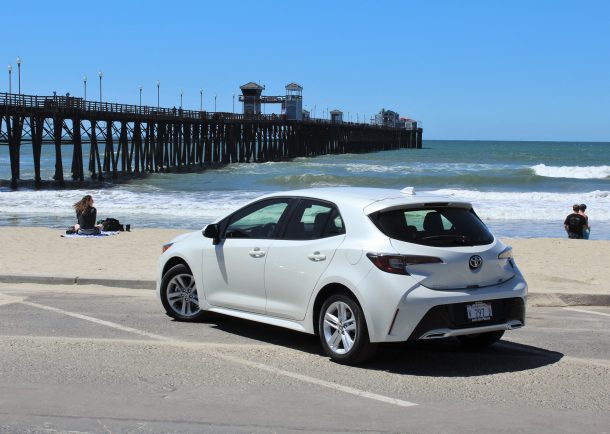
With a new body, platform, wheelbase, engine, and continuously variable transmission, the 2019 Toyota Corolla Hatchback (formerly the Corolla iM) is a very different beast than its predecessor. This was made abundantly clear during our recent test drive. Gone is the weird seating position, the spartan interior, and the so-so ride.
Just as important, the iM’s lackluster power figures give way to decent specs for a car of its class. It seems Toyota actually listened to owner complaints, boosting the vehicle’s output by 31 horsepower and 25 lb-ft while adding a physical launch gear to the new CVT, all in the hopes of wringing a little fun out of the compact liftback.
Here’s what getting into a Corolla Hatch costs:
Study Claims Car Shoppers Don't Care About Swelling Fuel Prices
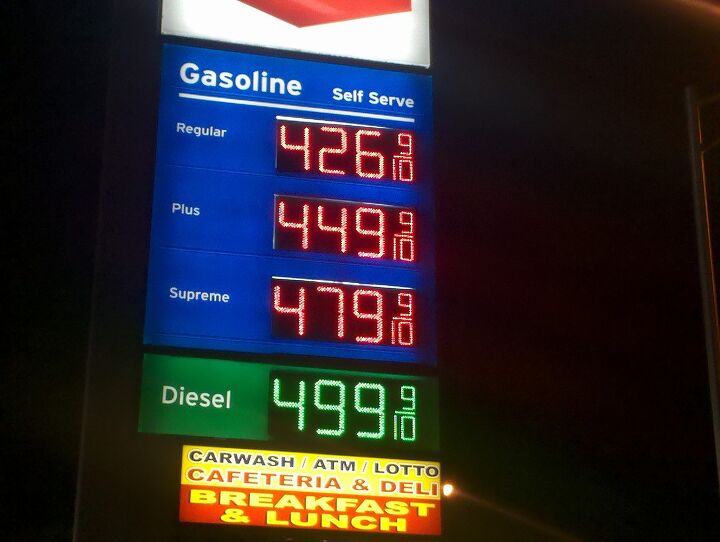
Average fuel prices in the United States managed to triple between the years of 1999 and and 2012. While we’ve been fortunate enough to enjoy relatively low prices at the pump over the last few years, analysts predict the current spike will continue through the summer.
However, a recent study from Kelley Blue Book suggests most new-vehicle buyers don’t give a flip about it, with consumers claiming the price surge won’t influence their vehicle purchasing decisions in the slightest.
The assumption that the cost of gas will stabilize in the fall could play a factor for some, but many respondents say the price per gallon would have to reach $4 before they became rattled enough to consider swapping to a more economical vehicle.
Yes, You Can Get a Four-cylinder in the 2019 Chevrolet Silverado

Chevrolet’s next-generation 2019 Silverado will be available with a turbocharged gasoline four-cylinder, making it the first full-size pickup truck to “go there.”
Displacing the same volume as Ford’s 2.7-liter EcoBoost V6, Chevrolet’s all-new motor ditches two cylinders, though it ditches even more under light loads, thanks to General Motors’ Active Fuel Management (cylinder deactivation) system.
It’s a good thing GM shaved a good deal of weight off the new truck.
Automakers to White House: Make a Deal With California on Fuel Economy

Despite pressuring Donald Trump to lower corporate fuel economy mandates since practically day one of his presidency, automakers are now urging caution. The U.S. Transportation Department has drafted a proposal that would freeze vehicle requirements at 2020 levels through 2026, the Environmental Protection Agency’s lead administrator made a public case for rolling back mileage targets, and the White House seems ready to help car companies lower the bar.
Automakers seem to have won, so why the change of heart?
Four-cylinder Jeep Wrangler Packs on the MPGs

The 2018 Jeep Wrangler JL is not the inline-six-powered, aerodynamic brick it was in years past. For the current generation model — now the only Wrangler built in Toledo — Jeep’s Jeepiest Jeep saw a host of improvements designed to lighten its curb weight, reduce aerodynamic drag, and cover more ground on a gallon of gas.
The model launched with only the 3.6-liter Pentastar V6 under its hood, aided in its fuel-sipping mission by standard stop/start and an eight-speed automatic transmission. Depending on the model and tranny, combined fuel economy rose 2 mpg between the old JK and newer JL models, and highway mileage rose as much as 4 mpg.
Finally, we now have EPA figures for the turbocharged 2.0-liter four-cylinder Wrangler.
Lawmakers Demand MPG Details, States File Lawsuit Against EPA

America’s gas war is heating after 17 states, as well as the District of Columbia, filed a lawsuit against the Environmental Protection Agency’s decision to redefine U.S. vehicle emissions and fuel efficiency rules through 2025.
In April, EPA chief Scott Pruitt said the existing standards for model year 2022 to 2025 vehicles should be revised. The suit, filed in the U.S. Court of Appeals for the District of Columbia, alleges the EPA acted unpredictably, failed to follow its own regulations, and was in direct violation of the Clean Air Act. New York Attorney General Eric Schneiderman claimed the “Trump administration conducted a phony study” to justify altering emission rules to appease automakers and the oil industry.
Meanwhile, U.S. Representatives Doris Matsui of California and Paul Tonko of New York are demanding the EPA hand over all documents related to the study that resulted in the proposed changes to fuel economy standards.
Nissan Finds the 2018 Rogue Hybrid, Gives It a Sticker Price
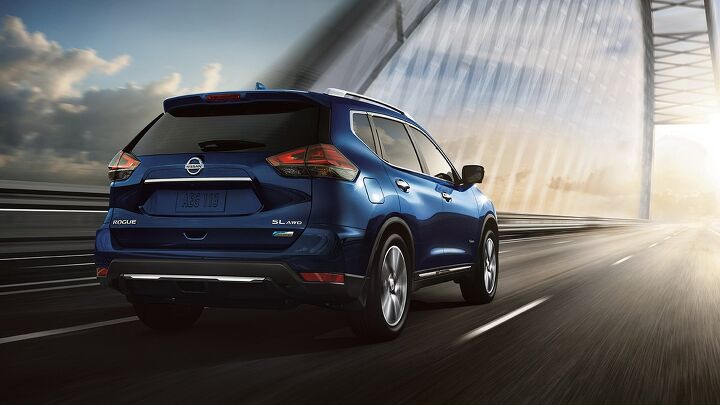
The crossover Rogue Hybrid appeared last year, teaming a 2.0-liter engine and 30kW electric motor that made 176 net horsepower and worked in concert to achieve the magical 35 mpg figure. For what it’s worth, the regular Rogue makes 170 horses out of its 2.5-liter inline-four. We feel confident your day has been enriched with this critical information.
Nissan has now announced pricing for the 2018 model, along with a few tech updates. The sticker jumps northward a few dollars and is similar to its chief rival, the Toyota RAV4 Hybrid — but with one significant difference.
EPA Head Defends Fuel Economy Rules, Industry Ties On Capitol Hill
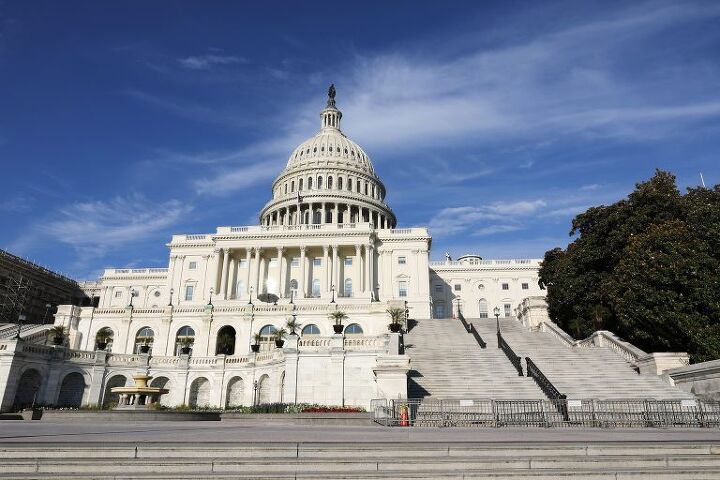
Environmental Protection Agency chief Scott Pruitt spent the majority of his Thursday being raked over the coals by the House Energy and Commerce subcommittee before a second (even uglier) exchange with the House Appropriations subcommittee. The majority of the time was spent addressing concerns surrounding Pruitt’s expenditures — things like unnecessary first-class travel, a $43,000 soundproof phone booth, and his 24-hour security team. There were also discussions about alleged death threats against Pruitt and EPA staff, his overall conduct, and even a little bit on environmental policy.
Those discussions, however, saw some subcommittee members accuse Pruitt of championing the profits of oil companies and automakers over the wellbeing of the planet. The EPA head spent the duration of Thursday defending his actions, including planned regulatory rollbacks on fuel economy. He also supported the automotive industry’s proposal to abolish 87 octane and replace it with 95.
As ugly as the day was for Pruitt, Republicans occasionally hopped on the mic to gently support him. Rep. Kevin Cramer of North Dakota said, “I think the greatest sin you’ve done is, you’ve actually done what President Trump ran on.”
Next-generation Volkswagen Golf to Offer Electric Assist, but Just a Tad

Audi is bullish on 48-volt mild hybrids, and its Volkswagen sister division is no different in wanting to see larger batteries take some of the load off of its internal combustion powerplants.
The automaker announced Thursday that its upcoming eighth-generation Golf will offer a low-cost alternative to purely gas- or diesel-powered motoring. The mild hybrid system appearing on that vehicle, due next year as a 2020 model, will soon spread throughout the VW lineup, the automaker claims.
Can It Be? Mazda's Long-awaited CX-5 Diesel Gets California Green Light

We’ve been talking about the Mazda CX-5 diesel for a long time, and with good reason. It’s been a long time coming. Originally promised for a U.S. introduction in the second half of 2017, a quick scan of of Mazda’s consumer website reveals no mention of a popular compact crossover with a 2.2-liter Skyactiv-D four-cylinder under the hood.
This could soon change. The California Air Resources Board has certified the engine for sale in that ecologically sensitive state, making a similar thumbs up from the Environmental Protection Agency a near certainty.
Appeals Court Says Trump Cannot Delay CAFE Penalties

During the Trump administration’s year-long quest to roll back Corporate Average Fuel Economy (CAFE) targets, it attempted to give automakers in violation of the current standards a break by delaying the scheduled increase of penalties. The logic here is that the federal government is reassessing the Obama era standards, so it lumped in the new fines that were supposed to go into effect last July.
Those penalties represent an increase of $8.50 for every tenth of a mile per gallon a new car consumes above the minimum fuel standard. But with the new targets in quasi limbo, the updated fines were not being applied.
On Monday, a federal appeals court ruled the Department of Transportation cannot do that. Since the old rules are technically still in effect, the court ruled that automakers are still subject to the fine.







Recent Comments