


Chevrolet Has a New Slogan: ‘Together Let’s Drive'
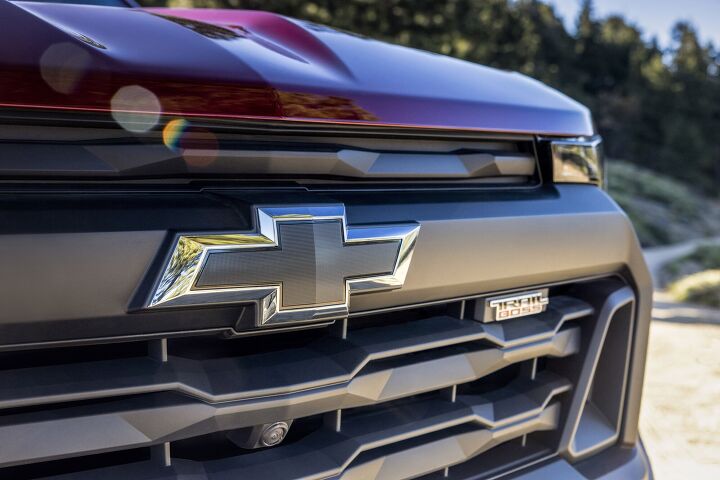
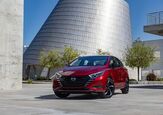
Chevrolet will be debuting a new corporate slogan during the first game of Major League Baseball's World Series. The decade-old "Find New Roads" will be supplanted with “Together Let’s Drive” during a commercial for the Chevy Trax that’s focused on promoting the vehicle’s affordability.
The brand has had loads of slogans and some are definitely better than others. While we’re prone toward remembering whatever jingles were playing during our formative years, the true value of specific taglines can probably be measured by how long they stuck around.

American Auto Sales Continue to Rebound in Q3 2023
With massive improvements in available inventory – and a strong demand despite gonzo interest rates – vehicle sales were very robust last quarter and indeed for the entire year to date. In fact, if it weren’t for Stellantis, our chart would be green across the board.

Opinion: Subbrands Are A Marketing Failure

Automakers seem to love the idea of subbrands.
The most recent one to make this sort of shift -- Land Rover.
What I can't figure out is: Why?

TTAC Rewind: How Has the Pandemic Changed Car Shopping?
Bark opined back in May of 2020 about how the pandemic would change car buying. Now that we're approaching three years on and we're living something resembling normalcy, was he right?
Ford Dealers Fight Model E Sales Plans
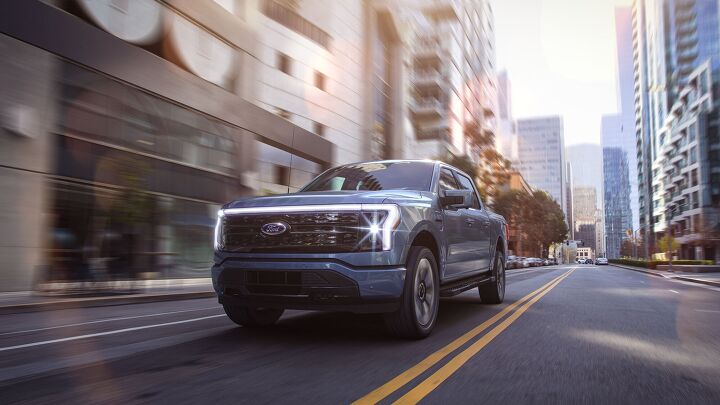
Ford's plan to divide its dealers by type of combustion system -- Ford Blue for internal-combustion vehicles, Ford Pro for commercial, and Ford Model E for battery-electric vehicles -- has hit a snag.
Hyundai Announces Future Roadmap: Subscriptions, Software Defined Vehicles, and OTA Updates

Hyundai Motor Group – which includes Hyundai, Kia, and Genesis – has announced a comprehensive plan for its products from 2025 onward with the key components being perpetual connectivity, subscriptions, and software-defined automobiles. It sounds benign but actually represents a major shift in the way the company operates by calling for widespread platform standardization and leaning into novel revenue streams reliant on vehicles existing on its corporate network.
Could Minivans Become Popular Again?
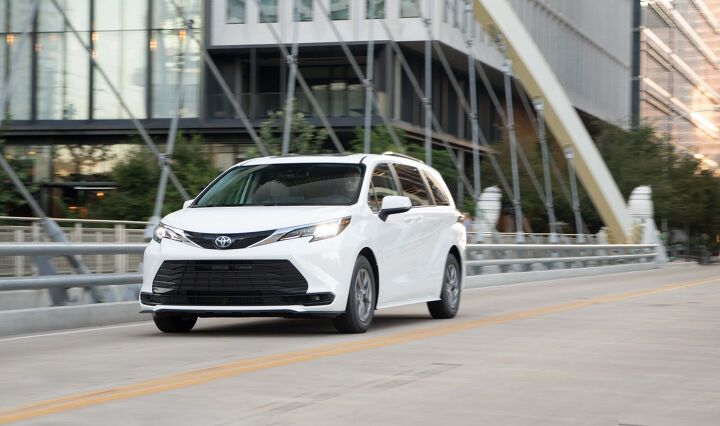
While often derided as highly unfashionable, minivans really are the Swiss Army knife of vehicles. They’re people haulers, cargo carriers, mobile campsites, and can even improvise as work vehicles for when a utility van (the Leatherman of vehicles) is unavailable. Minivans also drive more like cars than the brutes occupying the SUV and pickup segment, making them easier for some drivers to live with.
With vans having enjoyed a cultural renaissance during the 1970s, minivans hit the ground running in the mid-1980s and continued to swell in popularity until the millennium. By then, North Americans were buying an estimated 1.5 million minivans a year. But that’s also where society decided to apply the brakes. Sport utility vehicles and crossovers have effectively supplanted the van as the default family conveyance — though recent sales figures have suggested those dying flames are now being rekindled.
Um, What? Survey Claims People Happier With Modern Car Buying Experience
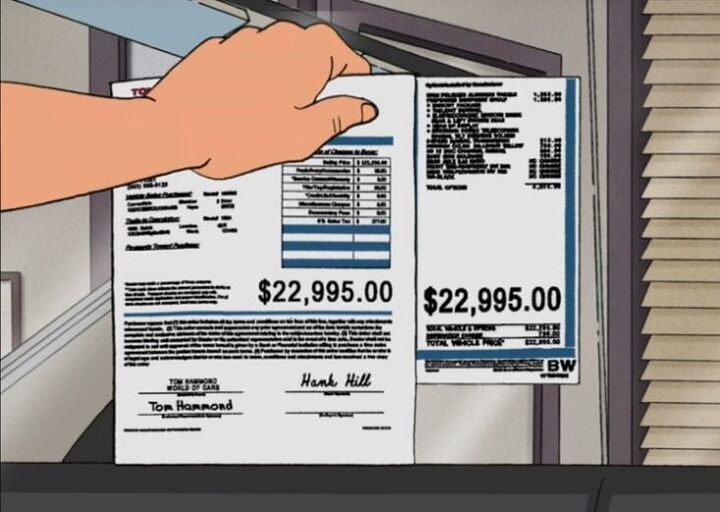
A new survey from Cox Automotive is suggesting that people are relatively pleased with their trips to the dealership these days — at least compared to the last few years. According to the team that’s been crunching the numbers over at Automotive News, “Buyer satisfaction with the shopping experience from the research stage through delivery dipped to 66 percent in 2021.” Back in 2020, respondents claimed they were happy 72 percent of the time. But in 2019 Cox was only getting 60 percent of shoppers to say they had an okay time buying a vehicle.
The uptick in 2020 is obvious. Showrooms were devoid of customers, production shortfalls hadn’t yet become the norm, and dealers were selling just about everything at a discount — keeping prices low until 2021 sent them into the stratosphere. However, the outlet still framed it as a win against 2019, suggesting that consumers are more satisfied with their shopping experience than before the pandemic. It also claimed that people who purchased vehicles online, the no-haggle alternative to going to a dealership to argue in a small room, tended to be happier overall.
Early 2022 Auto Sales Forecasts Are Disheartening

After a tough couple of years, consumers went into 2022 hopeful that unhinged automotive pricing and lean dealer lots would be a thing of the past. However, analysts and industry groups have gone from being cautiously optimistic just a few weeks ago to fairly sullen about the prospects of North American shoppers locating anything that could be considered a square deal.
Goldman Sachs recently issued a report that attempted to encapsulate the whole picture, citing sustained congestion at the ports, pandemic-related factory closures, market inflation, millions of people just dropping out of the workforce, and continued complications stemming from the semiconductor shortage. It estimated that vehicle pricing would fail to go down — and may even pitch up in the first half of 2022 — until all of the above issues have been addressed. But it was hardly the only group chiming in or suggesting that the hard times could last through 2023, as the goalpost for what should be deemed acceptable is moved yet again.
Toyota Is Now America's Best-Selling Automaker
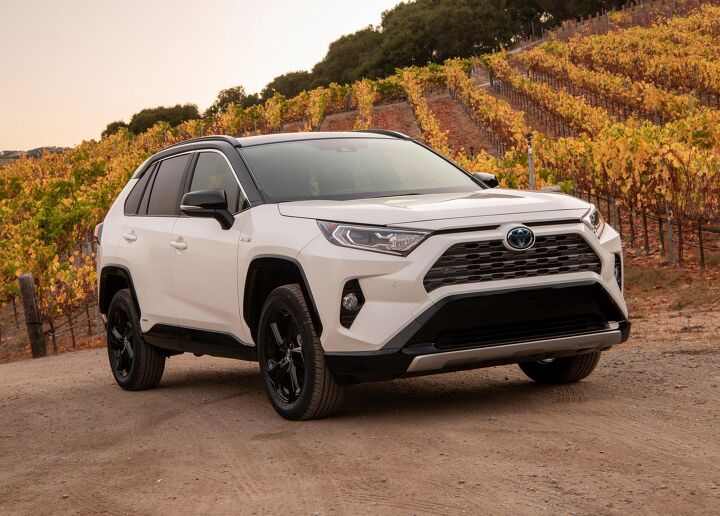
Japanese automaker Toyota Motor Corp looks set to embarrass American automakers on their home turf by ending the year as the U.S. market’s top-selling brand for 2021.
Toyota had previously reported it moved 688,813 vehicles in the United States from April to June, outperforming General Motors and setting the stage for the rest of the year. At the time, the domestic manufacturer claimed its numbers were down due to the global semiconductor shortage that continues to disproportionally impact American automakers. While there are a few sound logistical reasons for that, the chip deficit also becomes a convenient excuse for brands that cannot seem to get their general supply chains under control. No matter how you slice it, GM looks to have screwed up managing inventory and Toyota is picking up the slack.
Used Vehicle Prices Are Still Totally Insane

If you’re in the market for a new vehicle, you’ve likely noticed that some of the models you were interested in aren’t available in your preferred format and happen to be accompanied by sizable dealer markups. Well the used market, formerly a refuge for those seeking a bargain and a shrewd way of dodging the steepest period of deprecation, isn’t doing much better.
According to Black Book, the typical transaction price for used vehicles has gone up by over $500 in less than a month. Pegged at $27,000 in November, the average secondhand car now trades for over $27,500. As we’ve recently covered just how wild secondhand vehicle prices have become in 2021, we’ll keep this one relatively brief. But it must be said that automotive values are starting to seem totally disconnected from anything that could be considered rational as cars now have MSRPs a third higher than they were at the start of 2021.
Study Shows Auto Dealer Sentiment Still Ridiculously Positive
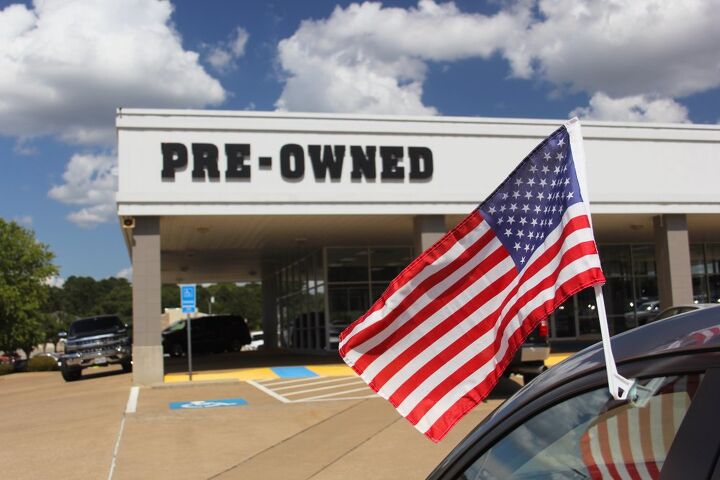
Car dealers have been polled for the fourth-quarter Cox Automotive Dealer Sentiment Index (CADSI) and they’re still incredibly optimistic, despite losing some of their earlier confidence that new-vehicle sales would be relatively healthy.
The dealer optimism – especially among franchised entities – seems to be wholly tied to profitability here. New vehicle sales dropped in 2019 and absolutely cratered in 2020 due to the nation’s response to the pandemic. In spite of there being plenty of talking heads in the news media telling you not to stress about the economy, inflation has created pricing increases across the board and automobiles are at the tippy top of that list. With inventories remaining relatively lean due to production slowdowns, staggering dealer markups have become the norm. Basically, stores just seem happy that they can charge more per car while they’re in short supply. But they’re also starting to have concerns about the long-term viability of the market and are are feeling the pinch of rising operating costs.
Used Vehicle Pricing Sets Another Record High
Used-vehicle prices set another record last month thanks to elevated demand and suppressed production of new cars. Depending on who you ask, the typical transaction fee for a secondhand automobile rose nearly 50 percent in November vs the same period in 2020. While the pandemic had meaningfully suppressed demand during that time, that’s still a staggering increase over any 12-month period.
Sharing Cox Automotive’s Manheim Used Vehicle Value Index, Automotive News nailed down the annual difference to a 44-percent increase. This also represents the November pricing index swelling by 3.9 percent against October, which is noteworthy in itself. But what does that look like in dollars?
Opinion: 'Nissan Ambition 2030' Was an Hour of Wishful Thinking
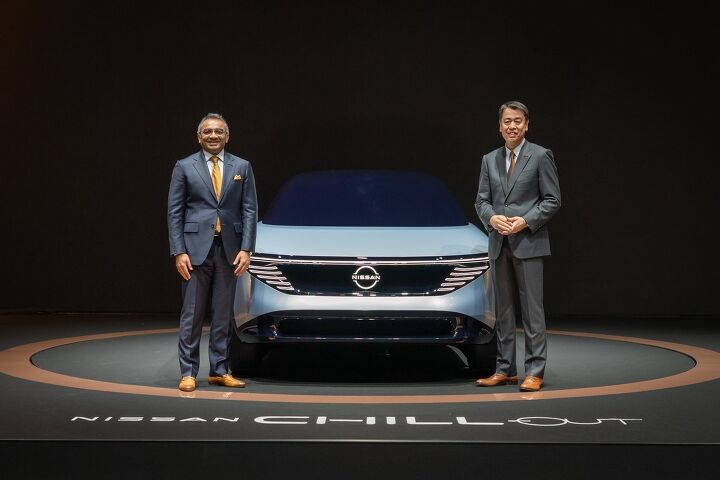
Nissan Motor Co. has confirmed plans to invest 2 trillion yen ($17.65 billion USD) over the next five years to accelerate its electric vehicle development program. Like most major manufacturers, the automaker wants to launch a bevy of electrified products over the next decade and derive a relevant portion of its income from EVs.
As explained by CEO Makoto Uchida on Monday as part of the “Nissan Ambition 2030,” the plan is to launch 23 new vehicles with some amount of electrification while it attempts to implement solid-state batteries into three concept vehicles that supposedly foreshadow future lineups. These include the battery-electric “Surf-Out” lifestyle pickup, “Max-Out” sports convertible, “Chill-Out” regular car, and “Hang-Out” adventure crossover. Though all three appear to be little more than drafts of vehicles Nissan would eventually like to build, boasting technologies that we’re not sure are feasible. For example, the Hang-Out is featured with a polygonal purple awning that oozes impossibly out of the vehicle’s roof. It lacks realism, which ended up being a central theme of the Nissan Ambition 2030 presentation that was broadcast on Monday.
BMW Revives Historic Logo for M Division Vehicles
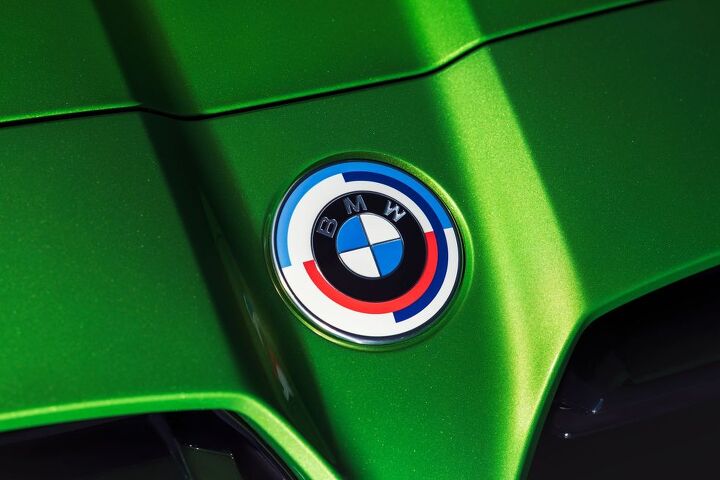
BMW is dusting off one of its older logos for select vehicles and a bevy of vintage colors to celebrate the M Division’s 50th anniversary. Those with a functional memory will recall that the brand streamlined its corporate iconography in 2020, making its already basic logo flatter and less colorful than ever before. It was a monumental achievement focused on helping the image come across better electronic screens that have been in existence since 1927, began supplanting printed office memos in the 1980s, and have evolved to support the kind of graphical clarity that now rivals your own eyes. The automaker also claimed the bare-bones logo stood for “openness and clarity” and would be used primarily for marketing and official communications — rather than occupying valuable hood real estate.
The new celebratory emblem — used during the 1970s and 80s on the occasional BMW Motorsport product — will be permitted to adorn the sheet metal, however. You simply have to purchase an M vehicle, ask for it to be adorned with the retro iconography, and then pay some extra money.
Elon Musk Says Tesla-Hertz Deal Has No Contract
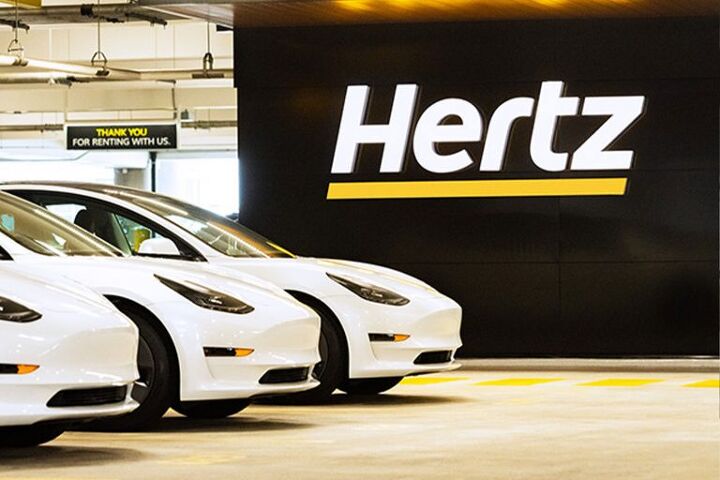
Tesla shares took a dip on Tuesday after Tesla CEO Elon Musk tweeted that its deal to provide Hertz with 100,000 electric vehicles had not been ratified with the signing of a contract. While this normally means the deal had not been finalized, the language used by Musk almost makes it sound like whatever Hertz had been claiming previously didn’t even matter.
“You’re welcome! If any of this is based on Hertz, I’d like to emphasize that no contract has been signed yet,” the CEO said in reference to Tesla’s share price pitching upwards by over 8 percent. “Tesla has far more demand than production, therefore we will only sell cars to Hertz for the same margin as to consumers. Hertz deal has zero effect on our economics.”
Average Automotive Pricing Window Continues Shifting Upwards
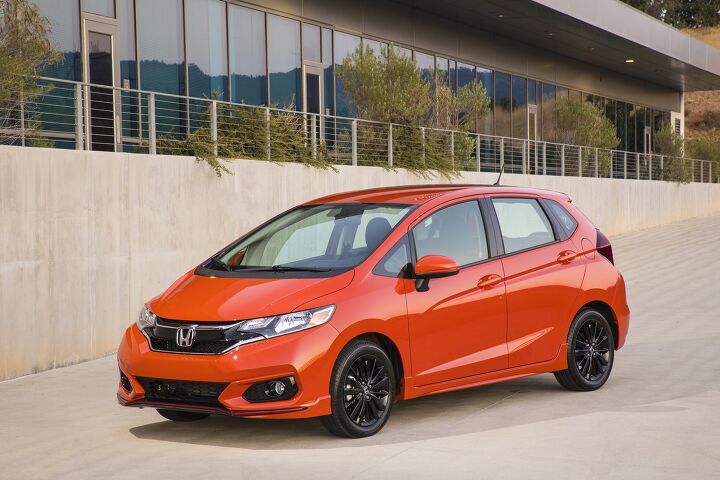
Now that fuel prices are popping off and it’s becoming glaringly obvious that we’re falling into another recession, one would hope that automakers would be prioritizing their more economical models. Unfortunately, most manufacturers operating in North America spent the last decade culling the smallest models from their lineup. Domestic brands took the practice so far that several no longer offer traditional cars, opting instead for compact crossover vehicles yielding higher price tags and broader profit margins. Foreign brands were only marginally more reserved with the ax.
This has helped move the average vehicle transaction price beyond $42,000 in the United States, according to Edmunds, with used rates sitting somewhere around $28,000. Though the cause isn’t entirely down to there being a complete lack of econoboxes on the market. Increased regulations and the industry’s newfound obsession with connectivity/tech have also increased pricing. But it doesn’t change the fact that we’re now confronting a situation where almost nobody is selling the kind of small, affordable vehicles that cater to shoppers needing to be thrifty right when they really need them.
Hertz Buying 100,000 Tesla Vehicles for Rental Fleet, Brady Endorsement
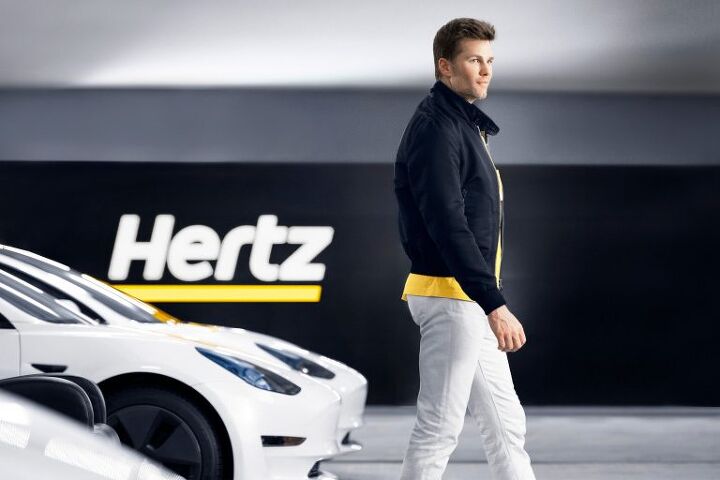
After managing to avoid what appeared to be certain death, Hertz has decided to purchase 100,000 Tesla vehicles before the end of 2022. Considering the firm was filling out Chapter 11 bankruptcy forms this time last year, the estimated $4.2 billion expenditure designed to ensure that 20 percent of its global fleet is electric does feel slightly frivolous. But Hertz says it’s getting out ahead of the curve and is interested in becoming a “mobility company,” rather than a business that just rents people automobiles.
Could Ford's Electric Fleet Sales Be Slower Than Expected?

Despite most automakers proudly proclaiming their intention to shift toward EV-dominant portfolios, customers haven’t been sharing their enthusiasm. While there’s a subset of loyal early adopters that are eager to see electrification become the norm, the relative infancy of the technology and prevalent gaps in the charging infrastructure has kept them from becoming a majority. But manufacturers seem to think it’s just a matter of time and that they’ll be able to make up the difference through fleet sales.
Advertised with lower than average operating costs and juicy subsidies being offered throughout the developed world, automakers have convinced themselves that EVs will soon become the de facto rides for various entities needing to round out their stables. Meanwhile, we’re hearing inklings that Ford is seeing pushback from fleet customers over its s new F-150 Lightning pickup and E-Transit van.
Car Loans Get Longer, Rental Vehicles Get Older

While nobody needs to tell you that the economy isn’t in good health, we should at least hip you to the latest automotive trends relating to the financial purgatory we’re currently living through. Ford sent a memo to dealers last week indicating that it would be removing the minimum FICO requirement for 84-month financing, indicating that the industry may soon normalize auto loans that are even longer than the 72-month whoppers that have grown in popularity over the last several years.
Meanwhile, those needing a vehicle intermittently will find that rental rates have not been declining as hoped. Despite analysts previously suggesting that auto pricing may stabilize through the fall, we now look to be going into the holidays facing familiar high-priced troubles — and there’s really no reason to think that’s going to change after 2022 gets here.
Confusing Choices: Chevrolet Silverado EV to Debut at CES 2022

All-electric pickup trucks are easily one of the strangest new vehicle segments of the day. Designed to appeal to a demographic of American motorists that normally wouldn’t give EVs a second glance, they’ve probably managed to get more tech nerds interested in pickups than anything else. Leathery dudes who have labored outdoors their entire lives remain dubious that fuel-deprived products will make ideal working vehicles. But there are outliers and their younger (or wealthier) counterparts seem much more willing to entertain the marketing push behind the sudden onslaught of bedded electrics. And one wonders where these trucks are supposed to belong.
On Thursday, General Motors announced that the Chevrolet Silverado EV will be making its official debut at CES 2022 — a venue that has become synonymous with highfalutin electrics both real and imagined. With traditional automotive trade shows being canceled left-and-right over pandemic fears, the event formerly known as the Consumer Electronics Show may have been Chevy’s best option. But it also opens up questions about what kind of customer is being targeted by the manufacturer.
Cadillac Launching New Corporate Logo With Lyriq

There’s a new automotive trend afoot, one where industry giants alter their iconic corporate logos so they’ll play better in a digital environment. Shadows and color gradients designed to give an image depth don’t always pop on a cheap screen the way they might on the glossy piece of paper and have encouraged manufacturers to transmission to flat, monochromatic icons that look bad everywhere.
But consistency isn’t the only reason to change logos. It’s also an opportunity to signal to customers that you’re evolving as a brand, which is why so many companies have associated their new iconography with the pivot toward electric vehicles. General Motors, recently ditched the logo it’s been using (more or less) unchanged since 1964 for a Bizarro World alternative that swaps the color pallet and makes the letters lowercase. Now it’s modernizing the emblem to be used for Cadillac’s electrified products until they gradually supplant the entire lineup.
Will Chip Shortage Dethrone GM's Sales Dominance?
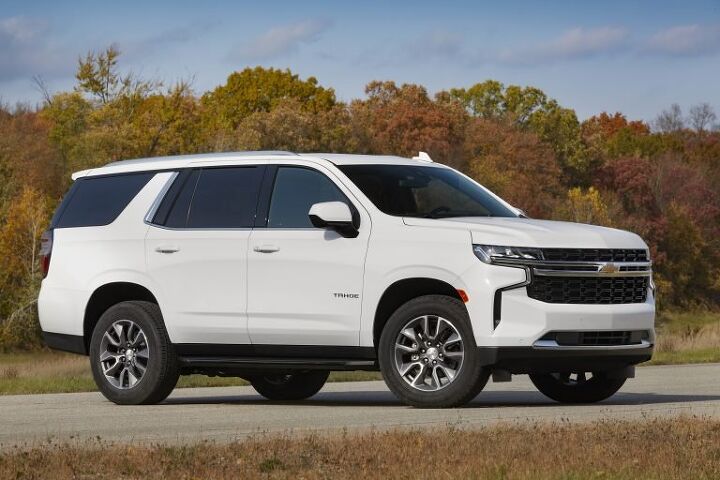
Ninety years. That’s the amount of time that General Motors has led the sales charts in the U.S.
That may change this year, according to industry bible Automotive News, because of the ongoing microchip shortage.
Ford Ranger Makes a Splash in U.S., Comes Out As Gay In Europe
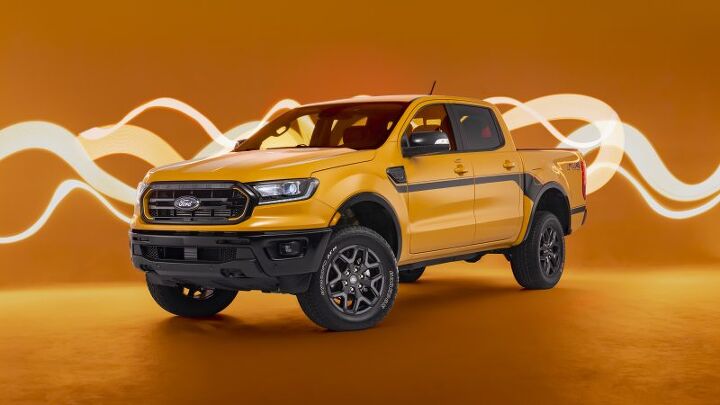
Ford has decided to revive the Ranger Splash appearance package that was a common sight in the 1990s. However, the current version has just about as much to do with the original graphics as the trucks do with each other. Rather than adding a splash of color along the side of the pickup (like on the original) Ford has elected to go with black vinyl and a little bit of orange. Though it does help the truck stand out a bit more, especially when combined with the remaining accouterments, it’s not all that reminiscent of the original look.
Meanwhile, an ocean away, Europeans are getting the “Very Gay Raptor Ranger” in the most pathetic example of corporate pandering in recent memory. But let’s start with the Splash.
Penske & Cox Premiere AI Based Auto Sales Platform With Confusing Name
Years ago, waiting for a haircut, dental appointment, or psychological evaluation meant thumbing through a paperback filled with local listings of automobiles you had convinced yourself you might be in the market for. While primarily an exercise for wasting one’s time, there was always a chance you’d run to a payphone or whip our your Nextel to contact the seller so you could begin the delicate dance of commerce.
Ford Introduces Gasoline Scented Perfume to Help Sell EVs

Ford’s marketing for the Mach-E is getting truly bizarre. Rather than stick to the traditional method of buying up advertising space and bombarding consumers with commercials, the Blue Oval has been branching out by introducing automotive-themed fragrances. However, the gasoline-scented toilet water the company has cheekily named “Mach-Eau GT” and designed to remind customers of what they’ll be missing when they transition over to electric vehicles.
Introduced at England’s Goodwood Festival of Speed, the perfume carries notes of gasoline, rubber, and the pleasantly noxious off-gassing of interior adhesives that’s responsible for the new-car smell. But it’s exceptionally difficult to determine if this is a gag to highlight the olfactory superiority of electric vehicles or an earnest attempt to preserve the sensory experience of the traditional automobile. This is made worse by Ford’s Mach-E coming with synthetized exhaust notes designed to con the driver into thinking they’re driving something that’s burns gasoline. Are we fetishizing the past as we attempt to kill it or just mocking it?
How Long Are Vehicle Prices Going To Remain Insane?
With just about every resource trading at unappealing premiums, now may not be the time to make any major purchases unless you’re a financial masochist or so wealthy that the normal rules of living no longer apply. But it remains a seller’s market for just about everyone, including the plebian masses. Giant, unaccountable financial institutions will happily purchase your home and there’s a sea of disenfranchised people who will give you their last dollar if you can help them make sense of an increasingly hectic world. In the automotive sphere, we’ve seen dealerships and rental agencies hungrily scooping up secondhand automobiles for unheard-of prices just so they’ll have something on the lot.
The end result is a lot of overpriced merchandise that larger businesses are desperate to buy so they can pass on their elevated expenses to the customer. We’ve already covered the stupidly high prices surveyed consumers claimed they’d be willing to spend on a new vehicle. But there have been numerous reports claiming those days are coming to an end, with just as many suggesting we’re still in the thick of it. Yours truly has been wondering just how close to reality those assertions happen to be.
The Great Used Car Buyup of 2021
With automakers having a difficult time keeping production schedules thanks to COVID restrictions nuking demand and upending supply chains, 2021 arrived with plenty of problems. Desperate to replenish fleets they had sold off while everyone was locked indoors, rental agencies went on a used car buying spree. But it wasn’t just rental fleets that needed to be restocked, dealerships are also finding themselves with fewer models on the lot than they’re accustomed to — which is a bad position to be in when surveys have revealed consumers are now willing to pay stupidly high prices for automobiles.
They’re reportedly going to great lengths to acquire used cars as the great buyup of 2021 continues.
Guyton New Mazda North American Ops President

Appointed Mazda North American Operations (NAO) president and CEO, Jeff Guyton replaces Masahiro Moro effective June 24th. Recalled to Hiroshima, Moro becomes the newly-minted Chief Communications Officer.
Guyton’s oversight includes North America, Canada, Columbia, and Mexico, along with US and Mexican vehicle production.

Report: People Willing to Pay Stupid Prices for New Cars
While we’d like to get away from stories about everything becoming more expensive, everything actually is becoming more expensive and it looks like a healthy slice of the population is allegedly willing to go along with it. According to the latest data coming from Cox Automotive, roughly 40 percent of the U.S. population would purchase a vehicle at 12 percent above sticker. There’s always been a subset of shoppers who don’t know when they’re being taken but this represents a healthy share of the country.
It makes one wonder where these surveys were being conducted until Cox summarized the situation as the direct result of a populace beaten down by their environment. Apparently, people no longer expect to find good deals and have not yet reached the point where they’ll feel comfortable driving around in the same busted crate that’s seen them through the last decade as a way to save money.
BMW Art Cars Exhibited
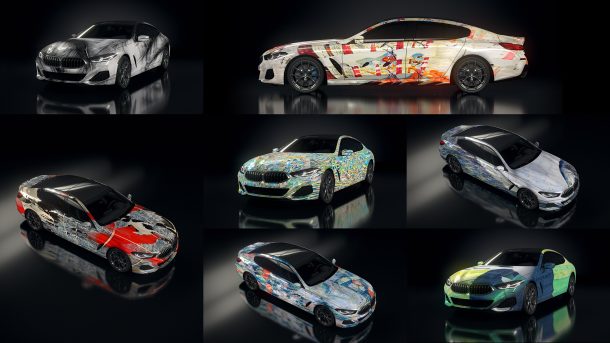
BMW art cars debuted today, using artificial intelligence (AI) software to generate new works of art. In conjunction with Frieze New York, the fair takes place in Manhattan from May 5 – 9, 2021.
Frieze New York has works of art from over 60 galleries, mainly located in New York. A viewing room with over 160 exhibitors runs through May 14, bringing together galleries worldwide, and audiences who can’t travel.
2021 Hyundai LGBTQ Partnership Announced
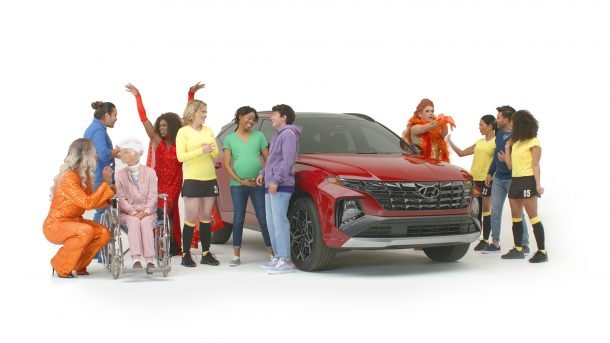
Hyundai’s support for the LGBTQ community continues. Announced today, it includes a new commercial, and sponsorships of the 32nd Annual GLAAD Media Awards and 2021 Outfest Fusion QTBIPOC Film Festival.
2022 Nissan NISMO GT-R Special Edition Flaunts Exclusivity

The 2022 Nissan NISMO GT-R Special Edition was unveiled today in Japan. How much more exclusive can a limited-edition sports car be? It turns out this GT-R is pretty distinctive. It’s not just a badge and some decals that sets it apart.
CarMax Invites Customers to 'Do Donuts'

CarMax has invited customers to ‘do donuts’ during their test drives, a promotion with Dunkin’ Donuts. For shoppers who take part in CarMax’s 24-hour test drives today through May 16th, they’ll receive a $10 Dunkin’ Donuts gift card.
Chinese Auto Sales Reportedly Rebounding Robustly
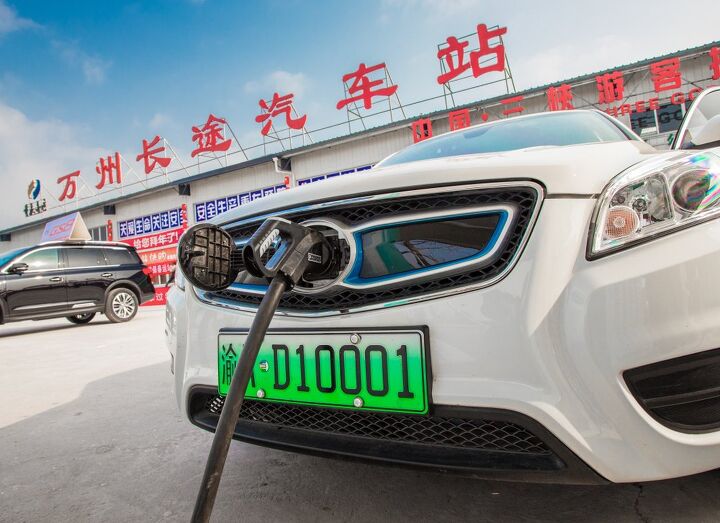
The China Association of Automobile Manufacturers (CAAM) is reporting its home market grew 74.9 percent in March, resulting in nearly 2.53 million new-vehicle deliveries. While we’re often skeptical of the organization’s rosy predictions and tallies, it’s claiming the recent sales surge is the direct result of how bad things had been in the previous year. China instituted some of the most aggressive lockdown protocols of any nation in the initial stages of the pandemic and had already been struggling with a declining vehicle market in 2019.
CAAM is making no illusions about the gains being based on anything other than how horrible March of 2020 was and doesn’t want to overpromise moving ahead. It’s a warning that the semiconductor shortage will likely worsen as the year continues, dampening Q2 projections. But the organization has not yet revised its forecast for next year’s overall sales. Last December, CAMM predicted roughly 26.3 million vehicles would be delivered by the end of 2021 and appears to be running with that target.
Rich People Are Finally Back On Top, Mercedes Takes U.S. Quarterly Sales Honors
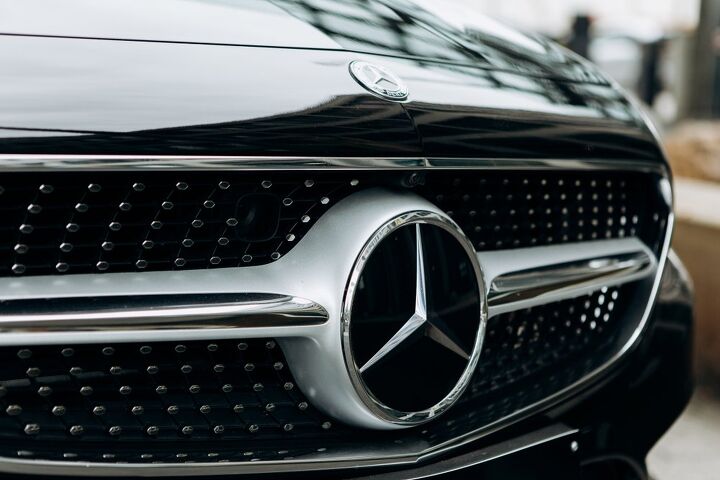
Mercedes-Benz had an enviable first-quarter and managed to find itself back on top of U.S. luxury sales, icing out its chief rival BMW after two years of living in its shadow. Mercedes reportedly sold 78,256 vehicles within the first three months of 2021, thanks largely to its crossover vehicles.
It’s a year-over-year increase of 16 percent and helps to explain why the brand is relegating the CLS to a single trim while expanding its options for heavy hitters like the GLC Class. But Mercedes’ recent success may have more to do with the way the luxury segment is rebounding as a whole. As pedestrian models are finding themselves coming out of the pandemic with fewer customers, especially of the subprime variety, high-end luxury brands are enjoying clearer skies.
2021 Ford Explorer Enthusiast ST – More For Less
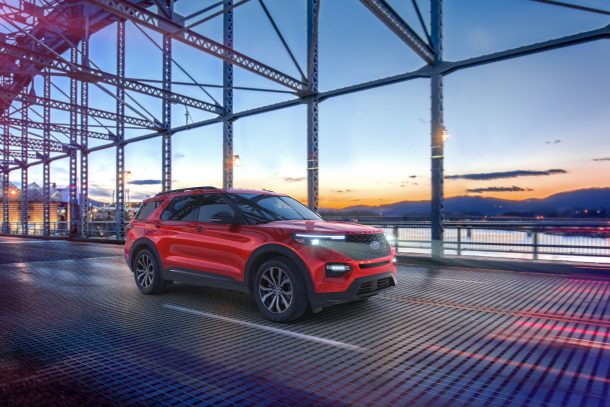
The 2021 Ford Explorer Enthusiast ST has the same 3.0-liter, 400 horsepower EcoBoost engine, with 415 lb-ft of torque, just like the Explorer ST. What it also has is a lower starting price, $49,995.
Jeep Is Thrilled With 15,000 Japanese Customers
American automotive brands have never really caught on with the typical Japanese consumer. While we’ve done numerous dives trying to understand why the gist is that our tastes don’t typically overlap and they generally prefer to buy domestic. Foreign marques are comparatively rare, frequently German, and are generally owned by those looking to flex their status with an imported luxury vehicle.
U.S. brands that were on the market began retreating as they began pulling smaller automobiles from their lineup. But Jeep has stuck it in there and things are reportedly beginning to pay off. The automaker’s distinctive styling seems to be resonating with people in Asia and it’s really the only historically American nameplate that’s managed to find an audience in the Land of the Rising Sun.
Barrett-Jackson VIN 001s Boost Auction Results
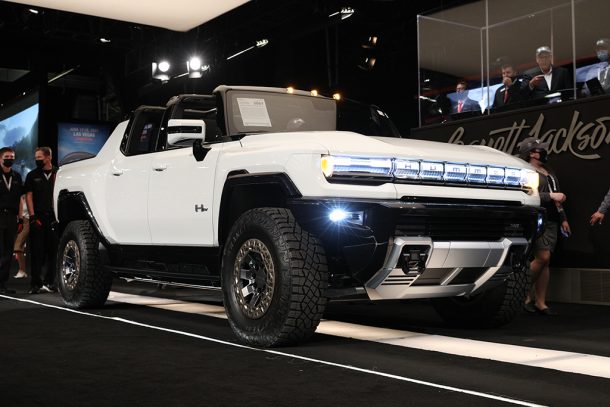
VIN 001s are a rarity few can appreciate, let alone afford. Barrett-Jackson, auctioneers with aplomb, moved a handful of them last weekend at their auction in Scottsdale, Arizona.
Hyundai Santa Cruz Readies to Kick Some Sand
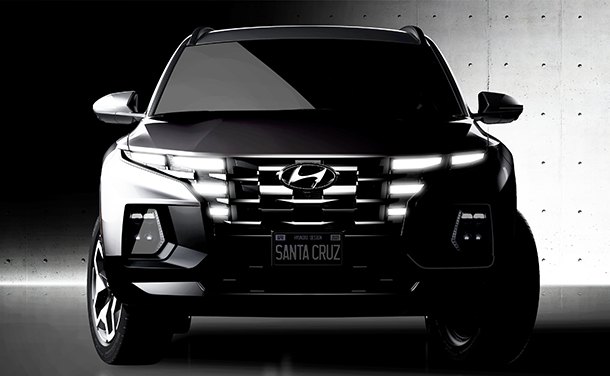
Gearing up for its debut on April 15th, Hyundai has released renderings of the Santa Cruz, its ground-breaking pickup named for a sleepy Northern California beach city.
BMW X6 by AC Schnitzer – Is It Worth the Effort?
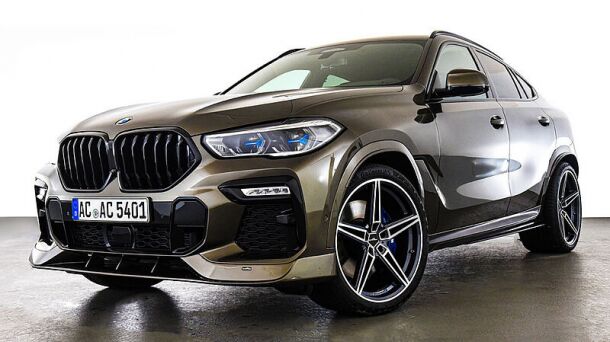
German tuning specialist AC Schnitzer has heralded the introduction of their version the BMW X6 Sports Activity Coupe (SAV), itself neither a coupe nor a proper sporting vehicle.
2022 Mini Countryman Boardwalk Edition – Past Park Place?
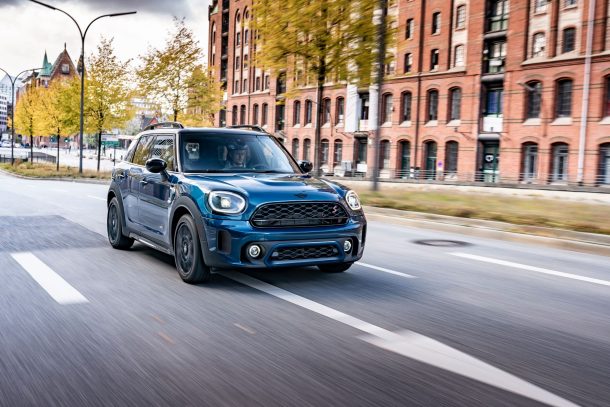
Mini USA today proclaimed the pricing and availability of the 2022 Countryman Boardwalk Edition, a variant for those who don’t mind drawing attention to themselves with its unique, eye-catching coloration.
Rivian Plans Showroom for Trendiest Part of Brooklyn

Electric-truck startup Rivian has signed the lease for its first showroom in New York City and has selected one of the trendiest spots in Brooklyn. Once known for its high crime rate, Williamsburg has undergone three decades of gentrification and is now awash with luxury retailers normally reserved for the swankiest parts of Manhattan. In the 1990s, the neighborhood was still rough around the edges but had started to become ground zero for the East Coast hipsters, starving artists, and young musicians who gradually influenced its trajectory. The next three decades saw Williamsburg moving steadily upward with rental prices keeping pace. Riverside warehouses were replaced with high-rise hotels, the average household income closed on six figures, and dog parks are situated conveniently near designer ice cream shops.
It’s now the perfect place for a showroom dedicated entirely to electric vehicles, especially one that seems like a merger between Tesla Motors and REI.
2021 Maybach S 580 Tips the Scales at $184,900
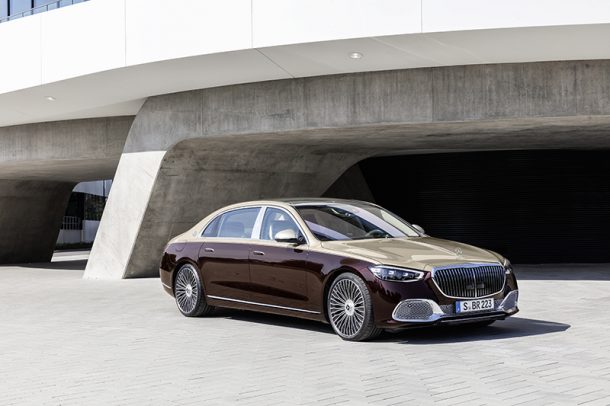
Yesterday, Maybach heralded the arrival of the S 580, with the type of announcement you’d expect if you started at $184,900, or roughly 69 percent of the $269,039 median home price nationwide, according to Zillow.com.
Hertz Offers Custom Vehicle Wraps on Rentals
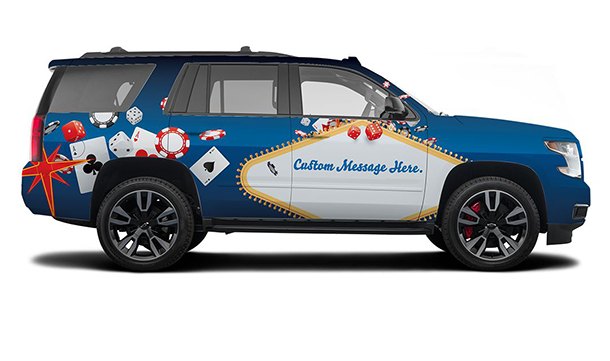
Hertz will custom wrap a rental vehicle to mark an occasion or celebration, a program that appears to be available throughout their system in locations across the U.S.
Honda SENSES Hands-Off Driving in Japan
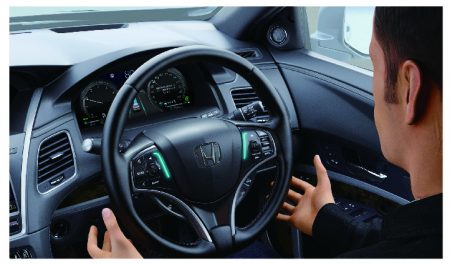
Honda has begun leasing Legend EX sedans with the Honda SENSING Elite safety system in Japan today. The first Level 3 automated technology to be approved in that country, the system includes Traffic Jam Pilot, Hands-Off, and Emergency Stop Assist functions.
What part of autonomous driving is this, being unveiled under the guise of advancing safety and an overarching theme of creating a collision-free society? Honda says Elite is the next generation of Honda SENSING, safety, and driver-assistive tech already available on Hondas worldwide.
GM Launching Digital Retail Tool for EV Sales

General Motors intends to launch a digital retail tool aimed at facilitating electric vehicle sales. However, this does not appear to represent a total shift away from the traditional dealer model — even if it technically furthers that cause.
While EVs have grown in popularity, they’re still a niche segment and perhaps not suited to the needs of all customers. That makes it risky to stock your showroom with them, depending on the geography. So we’ve seen multiple manufacturers embrace online sales and the flexibility that offers the manufacturer as a way to get around this. Some companies, like Tesla, even prioritize direct sales models above the alternative — and we’re seeing brands like Volvo beginning to do the same. GM said it would be using Tekion (founded by Tesla and Oracle bigwig Jay Vijayan) to help it sell EVs over the internet.
Keystone BIG Show Returns This Weekend

The Keystone BIG Show, an automotive aftermarket trade show arguably second only to the SEMA Show in importance, will be held Friday, March 5th, and Saturday, March 6th, at the Gaylord Texan Resort and Convention Center in Grapevine, Texas. The in-person show will be followed March 15-19 by a virtual event.
Buell Motorcycles is Back From the Dead

EBR Motorcycles of Grand Rapids, Michigan, in 2020 acquired Buell and is bringing the storied brand back to life. Models are currently in production, based on the 1190 platform renown for its horsepower and handling.
Mini Takes The States Tour Goes Flat Again

In a YouTube video announcement yesterday, Mike Peyton, vice-president of Mini of the Americas, let the air out of Mini Takes The States for 2021, postponing the bi-yearly event which was canceled in 2020.
Too-Sexy BMW on the Catwalk at NY Fashion Week
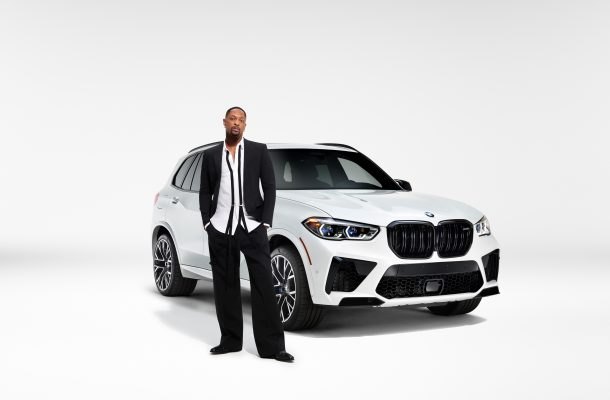
New York Fashion Week 2021, which oddly enough begins today and ends tomorrow, marks the return of BMW of North America to the catwalk. BMW rejoins Fashion Week, a celebration of fashion, culture, design, and economic development.
Jaguar Land Rover Sales Falling Down
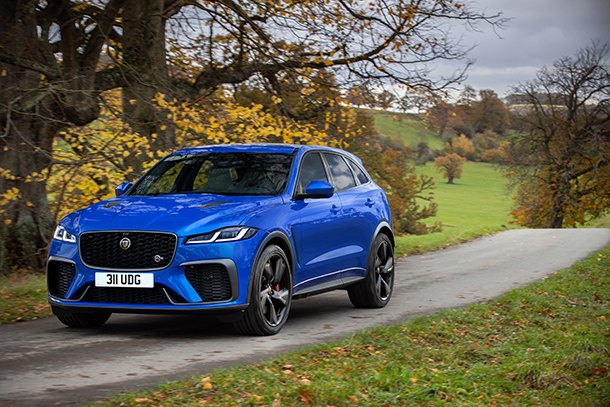
Jaguar Land Rover marked the end of 2020 in a quagmire, a sales slump of more than 20 percent worldwide.
Kia Hotseat Reopens When COO Exits the Building

Kia Motors America is looking for a new number two behind Sean Yoon, president and CEO of Kia Motors America, because as reported by Automotive News, COO Bill Peffer quit one week into the job.
Mini Sales Shrinking, BMW Slumps As Well
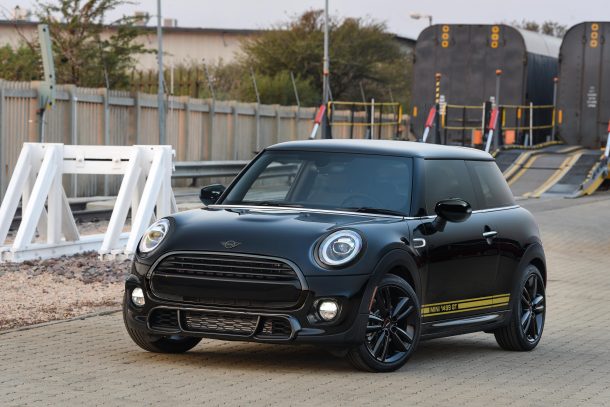
BMW of North America today reported falling BMW and Mini U.S. fourth quarter and full-year 2020 sales.
Mark LaNeve Exits Ford
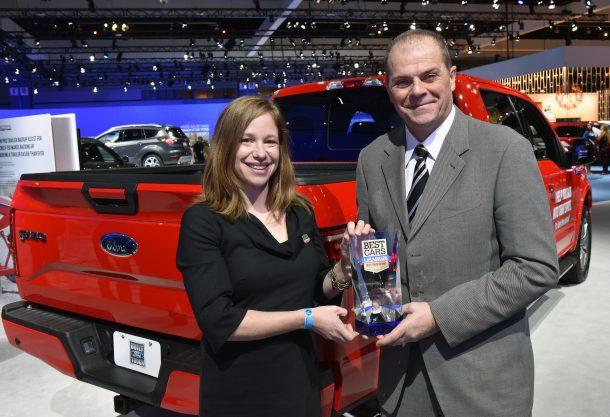
Mark LaNeve is departing Ford after nearly four decades of sales and marketing in the auto industry, having held a number of leadership roles at General Motors and Volvo Cars in North America.
Toyota's Land Cruiser Grounded After 2021
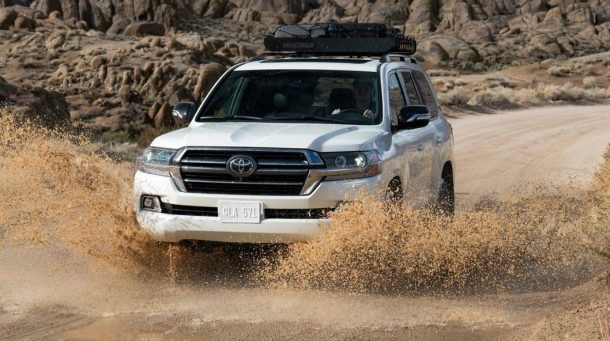
Toyota’s Land Cruiser is soon to be a casualty of technological advancement, after rumors of the venerable SUV being dropped were confirmed by Car and Driver when they spoke with a partner in a large dealer franchise who said that 2021 would be the end of the road for this premium SUV. This seems to confirm some earlier reporting we shared from Motor Authority.
Toyota's 2021 GR Supra Sport Top Unveiled
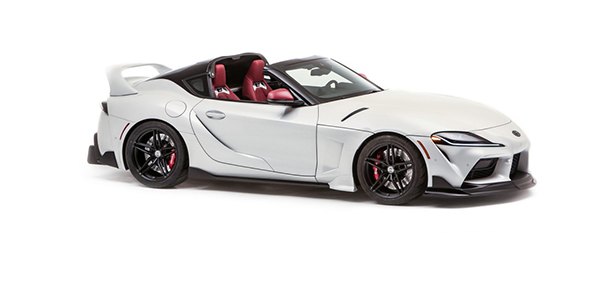
Toyota’s 2021 GR Supra Sport Top unveiling, a part of their SEMA custom vehicle builds, ensures that Toyota’s performance concepts continue to catch the attention of fans of the brand, along with the automotive aftermarket.
Overland Expo West Postponed Again
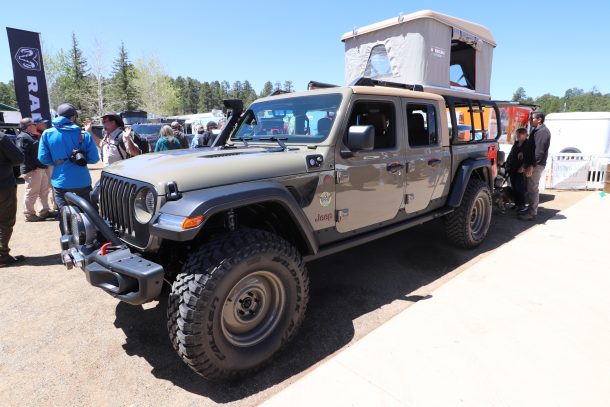
Overland Expo West has been postponed again, this time to September 24-26, 2021. The largest adventure travel event in the country, held in mid-May in Flagstaff, Arizona, has been pushed back to ensure the health and safety of participants, exhibitors, staff, attendees, and the community. Lodestone Events, producers of the Overland Expo event series, made the announcement last week.
Volkswagen Experiences Dej Vu in the European Court of Justice
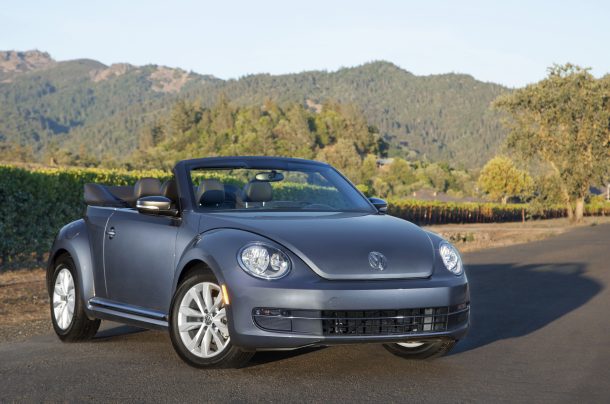
Volkswagen had another day in court, and it wasn’t a good outcome for the company this time, either. The European Court of Justice ruled that the software VW used to override emissions tests was illegal under European law.
CarStory a Good Buy for Vroom?
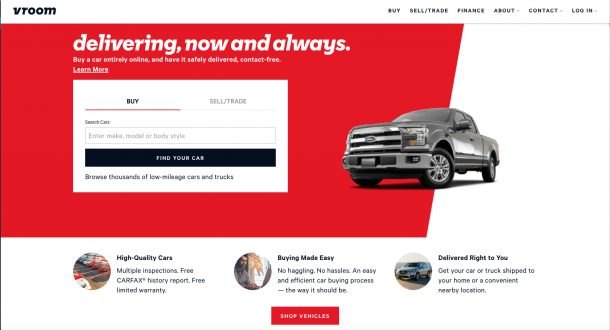
Vroom, an emerging e-commerce player in buying and selling used cars, has announced the acquisition of CarStory, itself another used car platform. CarStory’s AI-powered analytics and digital services are what attracted Vroom, through the purchase of Vast Holdings, Inc., CarStory’s parent company.








Recent Comments