
There’s a New Problem With Electric Cars That No One Saw Coming
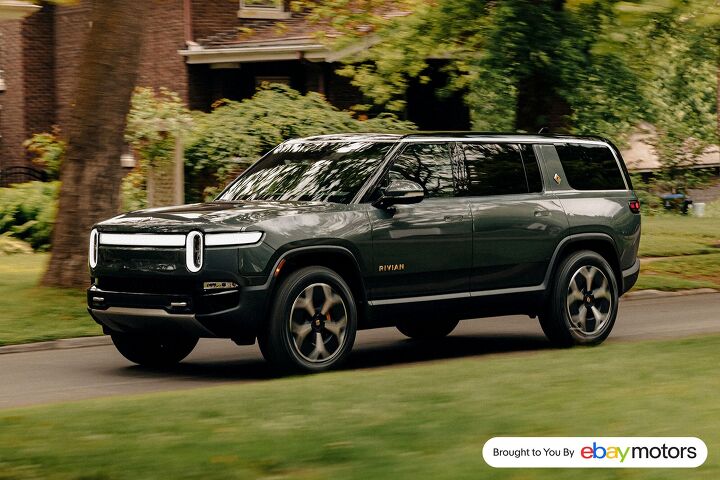
This week we sit down with Cody Stolle, research assistant professor at the University of Nebraska Lincoln and the assistant director at the Midwest Roadside Safety Facility, to discuss a lesser-known problem with EVs and road safety.

Audi Sees More Battery Recalls, Porsche Likewise Impacted
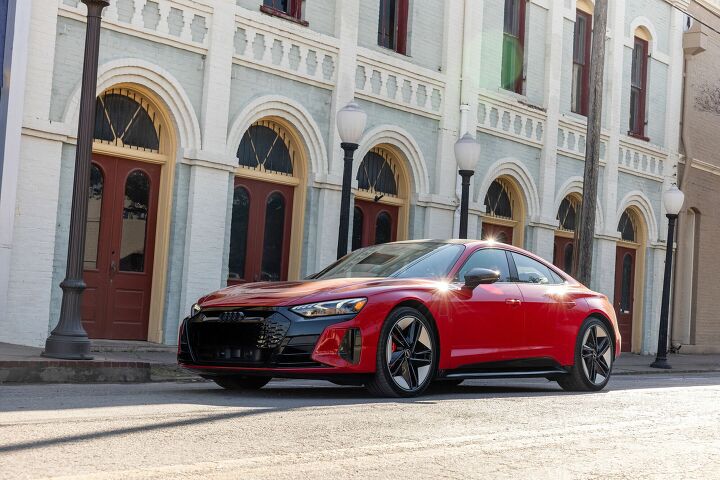
Audi’s all-electric e-tron subbrand continues suffering from battery issues, with the company recently issuing a recall for the GT sedan and its zestier RS variant. The issue is that the high-voltage batteries equipped to the models might short circuit, posing a fire risk to owners and whatever they’ve parked their EV next to. The recall report stipulates that Porsche warned Audi of the possibility of “thermal events” after realizing that some Taycan models were suffering from battery defects.

U.S. Traffic Deaths Declined in 2023 But Remain Historically High
The National Highway Traffic Safety Administration (NHTSA) has announced that traffic deaths declined by 3.6 percent in 2023. While this is good news, the United States continues seeing per capita vehicle fatalities at the highest rate witnessed since the mid 2000s.
In 2023, the NHTSA reported 40,990. This is in contrast with the 42,514 on-road deaths cited for 2022. However, the U.S. witnessed a fairly staggering decline in vehicular safety starting around 2015 and we’re still seeing metrics that would be considered high from before that period.
IIHS: Here's Why We Don't Crash Test at More Than 40 MPH
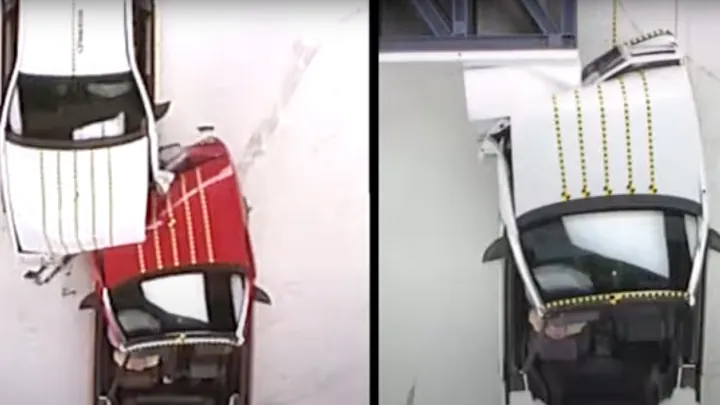
The Insurance Institute for Highway Safety occasionally updates its testing methods to keep pace with a rapidly evolving automotive industry, but there’s one thing that hasn’t changed with the new tests: Crash speeds. In a recent YouTube video, the IIHS detailed why it hasn’t increased crash-test speeds above 40 mph despite the fact that most highway drivers routinely hit much higher speeds.

QOTD: Which Car Horns Sound the Most Out of Place?
I’ve been on a bender of buying and selling cars lately, which, in combination with my regular testing, has put me behind the wheel of a great number of new vehicles in a shorter time than usual. And, because of the seasonal influx of drivers from New York, New Jersey, and several southern states here in Maine, I’ve had the opportunity to use the horn in several of them. That has led me to an interesting question: Which car horns sound the most out of place?
QOTD: Did You Used to Carry One of These Around?
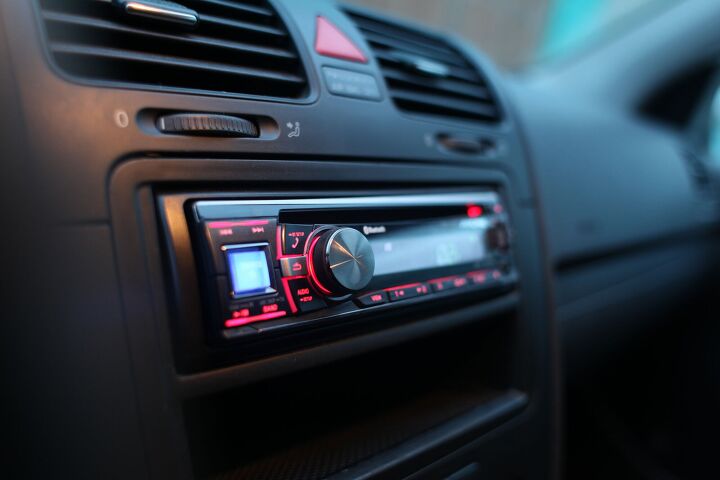
Did you, like myself, once carry a stereo faceplate around because you felt like you had to remove it each time you parked or risk theft?
Driving Dystopia: IIHS Suggests Driver Monitoring Systems Need Improvement
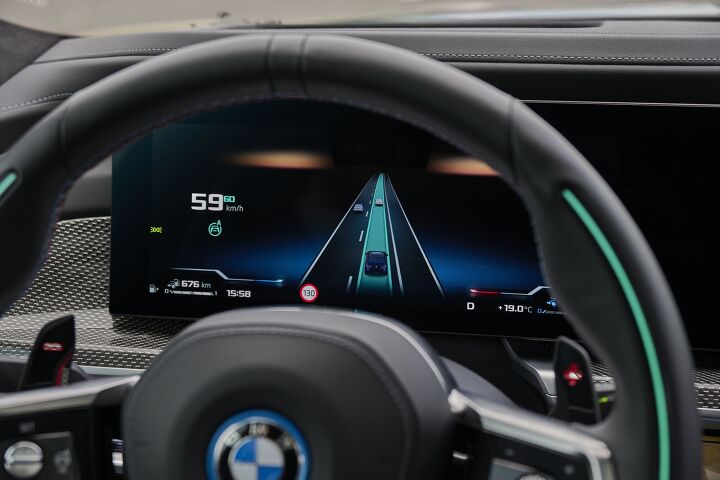
The Insurance Institute for Highway Safety (IIHS) has cooked up a new ratings program to encourage automakers to implement even more electronic nannies, including the kind that watch your every move behind the wheel, because the current batch have been deemed inadequate.
“We evaluated partial automation systems from BMW, Ford, General Motors, Genesis, Lexus, Mercedes-Benz, Nissan, Tesla and Volvo,” IIHS President David Harkey said. “Most of them don’t include adequate measures to prevent misuse and keep drivers from losing focus on what’s happening on the road.”
Homeland Security Now Combating Street Takeovers
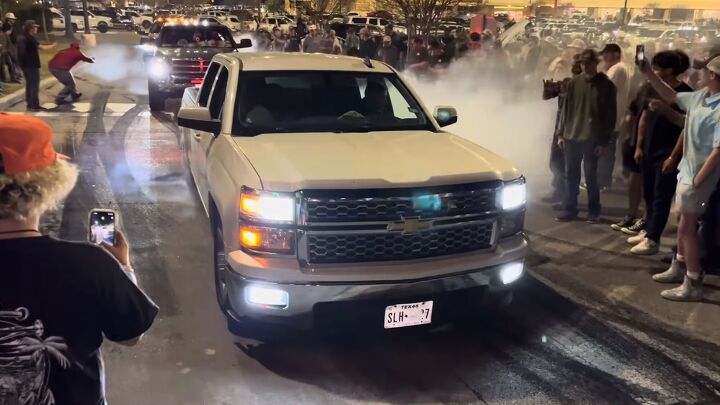
Homeland Security was reportedly involved in stopping a street takeover in Conroe, Texas, after a prior event became violent when the police arrived. The takeover occurred in the wake of the Lone Star Throwdown, a truck-focused automotive meetup, with organizers complaining about the trend in the aftermath.
Automakers Sticking with Screens Are Going to Receive Bad Safety Ratings in Europe
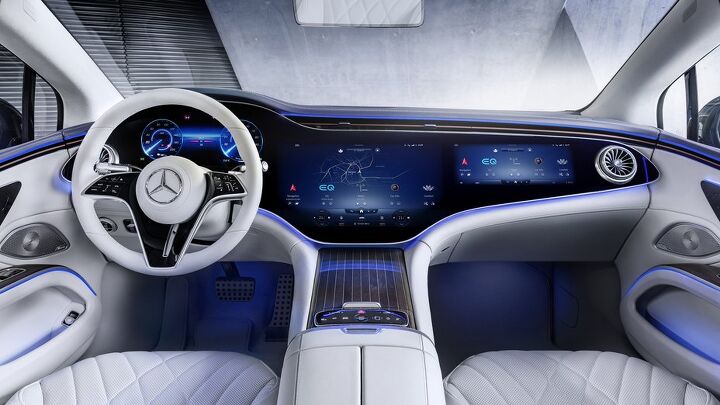
Updated European safety certifications may discourage global automakers from leaning so heavily upon touch controls in the future. While not a formal government regulator, the European New Car Assessment Programme (NCAP) is extremely influential in a manner similar to the United States’ Insurance Institute for Highway Safety (IIHS). These are the entities testing the crash worthiness of modern automobiles, or bench-marking industry safety standards, and Euro NCAP has elected to make distracted driving a major issue moving forward. By 2026, any vehicles sold within the European market will need to include physical controls to be deemed truly safe.
Feeling the Pinch: Jeep Recalls 338k SUVs
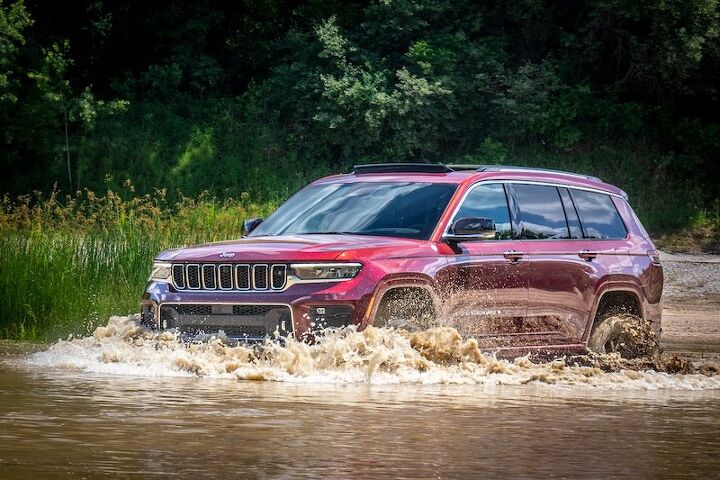
In a new recall, some members of the Grand Cherokee family will require a dealership visit to sort out a problem with upper control arm pinch bolts which may have been damaged during vehicle assembly.

Deez Nuts: Toyota Recalls 381,000 Tacoma Trucks
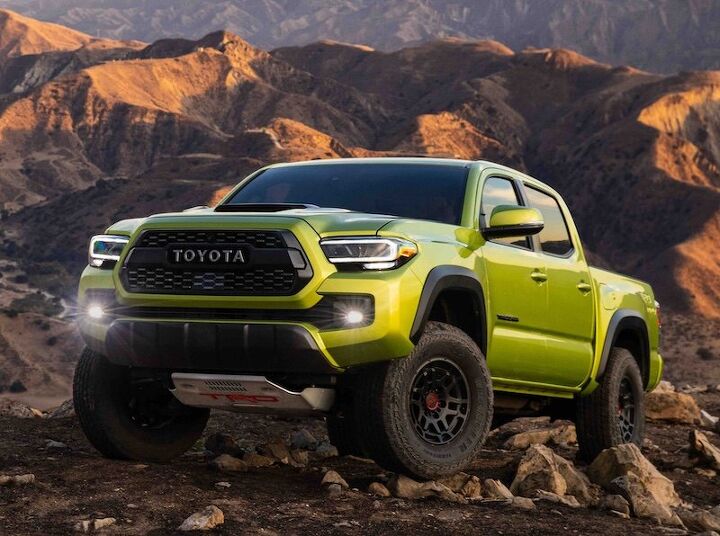
The hackneyed old joke of a ‘loose nut behind the wheel’ causing a crash may be even more worn out than your author’s favorite Cole Haan loafers, but a manufacturing issue involving potential loose nuts on the axles of certain Toyota Tacoma pickup trucks is a very real problem which has led to a large recall.
Hyundai is the IIHS Most Awarded Automaker So Far in 2024
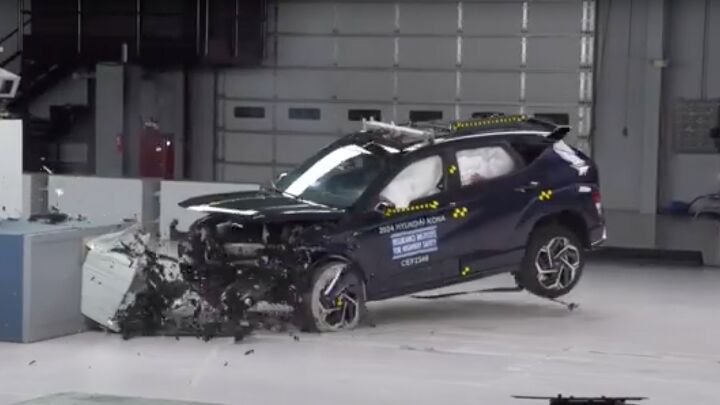
Automotive designs and engineering are rapidly evolving, and new cars today look and perform differently than models from just a few years ago. That’s especially true for heavier, much quicker electric vehicles. The Insurance Institute for Highway Safety updates its crash-testing criteria to account for the changes, which can often result in poorer scores in some categories.
Hyundai Motor Group bucked that trend in early testing this year, earning six Top Safety Pick + designations, the IIHS’ highest award, making it the most awarded automaker so far.
Genesis Recalls 90K Vehicles for Fire Risk
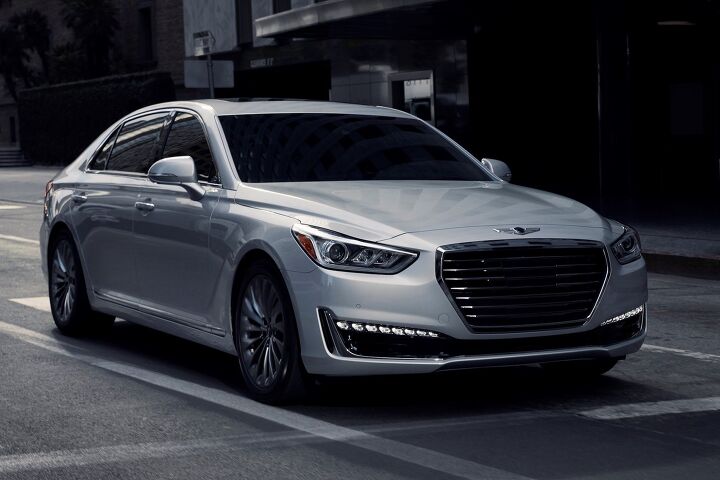
A new recall has been issued for numerous models in the Genesis family of vehicles, stretching all the way back to 2015 when about half of the vehicles in this safety alert were still named the Hyundai Genesis.
AAA: Reverse Automatic Emergency Braking Systems Don't Work Well Enough
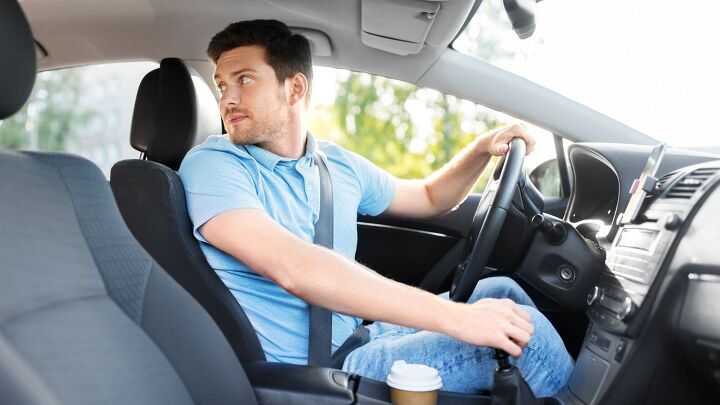
Of all the advanced driver assistance systems in the world, reverse automatic emergency braking (AEB) is my least favorite. Something about an alarm blaring and the vehicle violently braking for an unseen danger, which often does not exist, is not my idea of a fun day out. AAA doesn’t love the feature, either, and a recent study from the organization found that reverse AEB is only successful in preventing a tiny number of potential crashes.
Ford Rumored to Dump Parking Assist Moving Forward
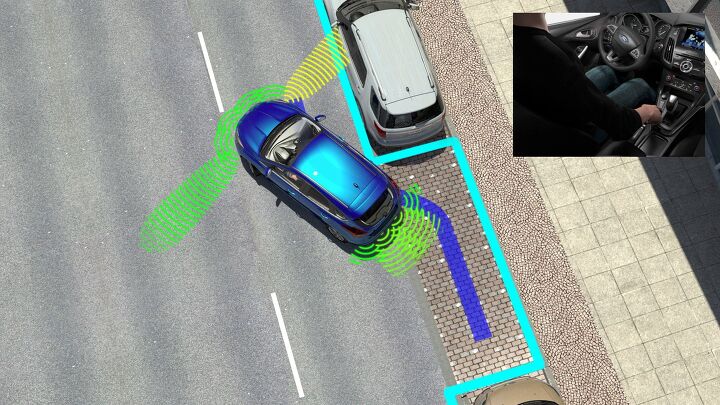
Ford is said to be in early stages of dumping parking assistance features on future models because drivers aren’t using the feature enough. Active Park Assist has been around for over a decade at this point. However, the computer-guided parallel parking feature is supposedly not going to be appearing in future models as a way to help the automaker cut production costs.
NTSB Denies Involvement with The Dawn Project's Super Bowl Ad
Super Bowl commercials are lots of fun, but they sometimes spur controversy instead of lighthearted giggles. The Dawn Project, founded and helmed by billionaire CEO Dan O’Dowd, sponsored an anti-Tesla ad during the Super Bowl last weekend, but the group’s claims were almost immediately called out by the National Transportation Safety Board (NTSB), whose logo The Dawn Project used without permission.
Driving Dystopia: Europe’s Low Emission Zones Aren't Going Over Well
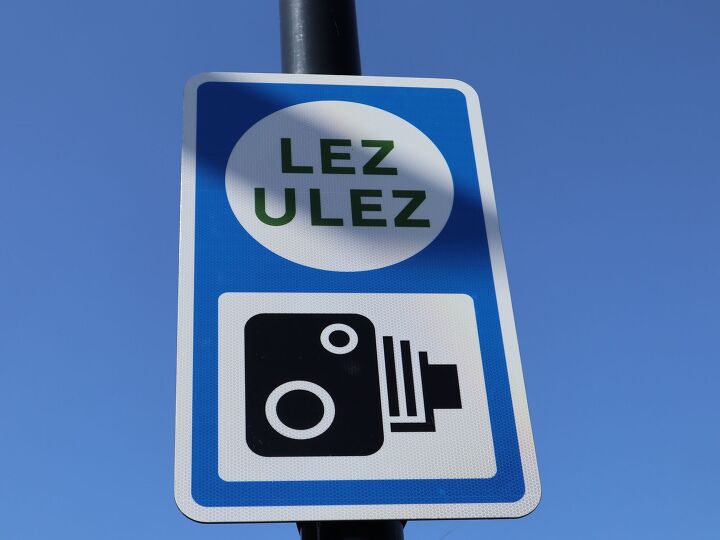
With New York City having decided to embrace European-style congestion charging as local residents express their displeasure, it might be wise to take time to look at other roadway initiatives that might soon migrate across the Atlantic to see how they’re fairing. Ultra Low Emission Zones (ULEZ) seem to be the next step, as they’re reliant on the same camera systems and vehicle tracking used for congestion taxes. However, they’re also following a similar trajectory as Britain's speed cameras in Europe. Disgruntled citizens have not only continued destroying the devices, they’re reportedly picking up the pace.
Parc Fermé: Paris Triples Parking Rates for SUVs
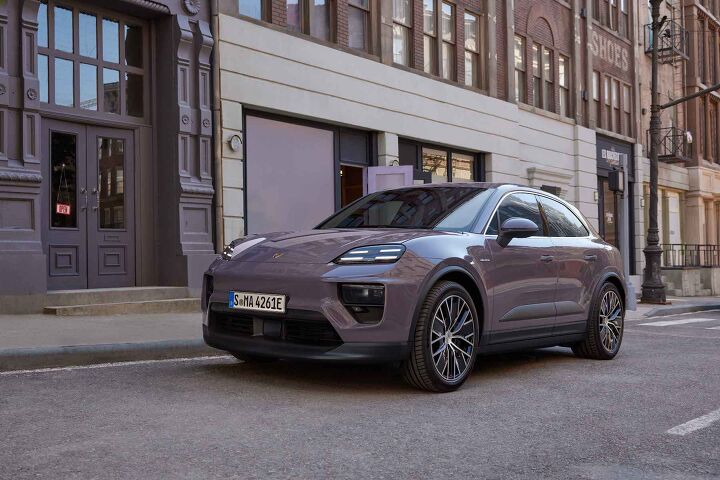
Don’t expect to see many SUVs in the background of future photos of the Eiffel Tower. Results of a weekend referendum have tripled parking rates for some types of vehicles in Paris, France. Based on weight, the new rules target out-of-towners who bring SUVs into the City of Light.
Federal Investigators End Seven-Year Scrutiny of Shifters in Ram, Durango
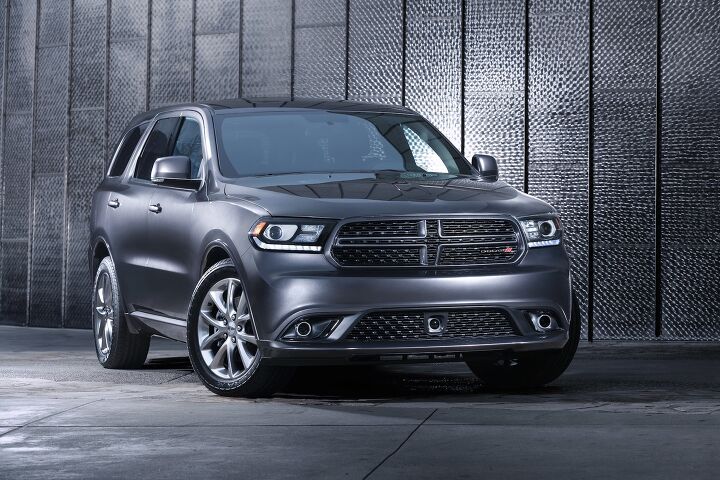
Tall hats at the National Highway Traffic Safety Administration have indicated they have wrapped an investigation into the gear selector design found in some Durango SUVs and Ram pickup trucks.
QOTD: Snow Foolin'
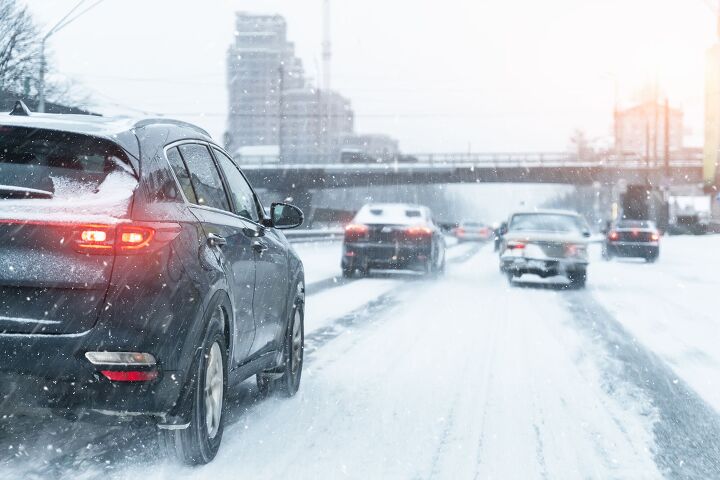
There's been a lot of snow all over the country, including where I live, today. Which leads me to one of the most timeless of all QOTDs -- how do you handle the white stuff?
Feds Ask States to Drop Funny Roadside Sign Messages
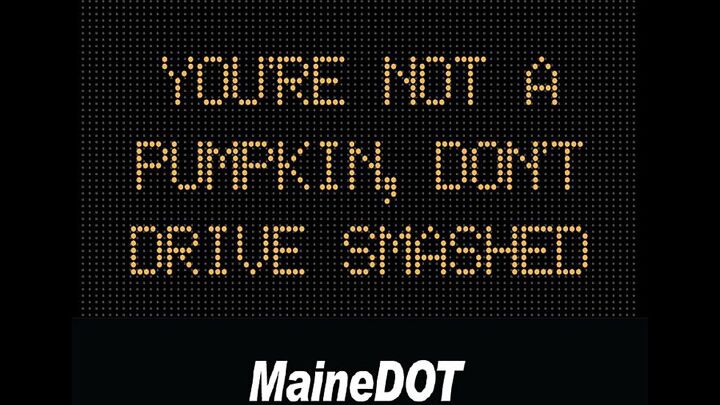
Many states’ highway departments post funny messages on roadside signs that warn drivers to buckle up, slow down, or watch for emergency vehicles. Despite the fact that they’re entertaining and get the message across, the federal government isn’t in on the joke and has released new guidance on the signs, asking state agencies to cut out the funny business.
Ford Recalls Cars They Don’t Make Anymore
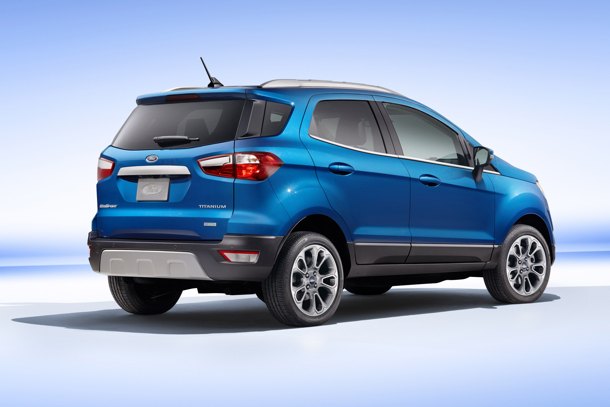
We’ve often said that building cars is hard – and those difficulties don’t always end even after a company stops making them. It’s like bad news coming in even after one has turned off their phone.
Study: Johns Hopkins Says Shrinking Streets Could Improve Safety

A Johns Hopkins School of Public Health’s Bloomberg American Health Initiative study, published late last year, has suggested that narrow streets are safer than wider ones.
It sounds counterintuitive. But let us dig in to see how the report came together.
QOTD: 10 and 2 or 9 and 3?
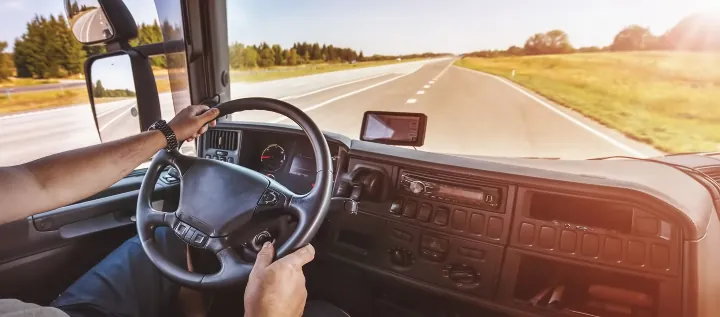
Over the holiday break I saw some sort of minor Twitter/X spat between automotive journalists -- apparently one posted a picture of themselves driving and another took issue with hand placement -- and I got to wondering: Where on the steering wheel do you put your hands?
Stop-Sale Issued for 2024 Chevy Blazer EV
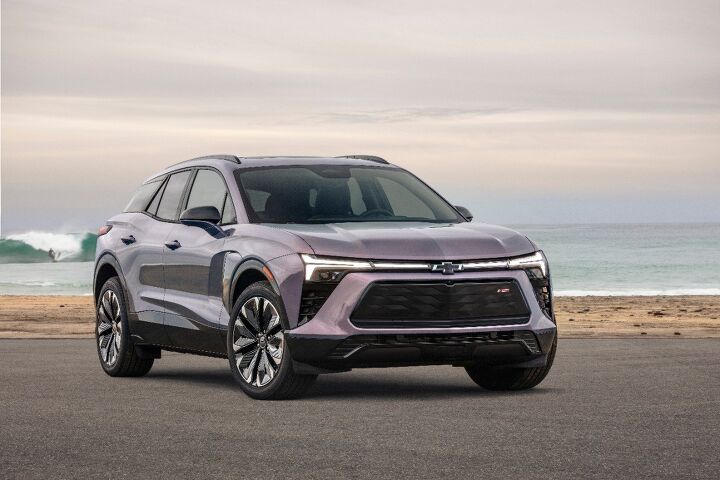
General Motors has issued a stop-sale order for the all-electric Chevrolet Blazer. As previously reported, the model has been criticized for presenting reviewers with electrical problems. That’s not what you want to see from any vehicle and absolutely intolerable on an EV. Even worse is the fact that the Blazer EV uses the Ultium platform GM claims is about to underpin its future lineup.
Study: Collision Avoidance Technology Continues to Struggle
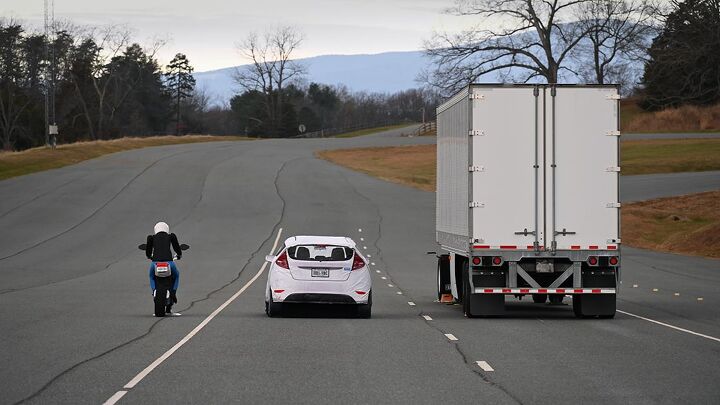
New research from the Insurance Institute for Highway Safety (IIHS) is claiming that forward-collision warning and automatic emergency braking are less successful at identifying trucks and motorcycles. In a study that comprised more than 160,000 accidents, the IIHS asserted that these systems prevented accidents with regular passenger vehicles 53 percent of the time. However, motorcycles only benefited 41 percent of the time and trucks 38 percent.
Tesla Recalling Two Million Vehicles Over Autopilot Not Being Sufficiently Annoying
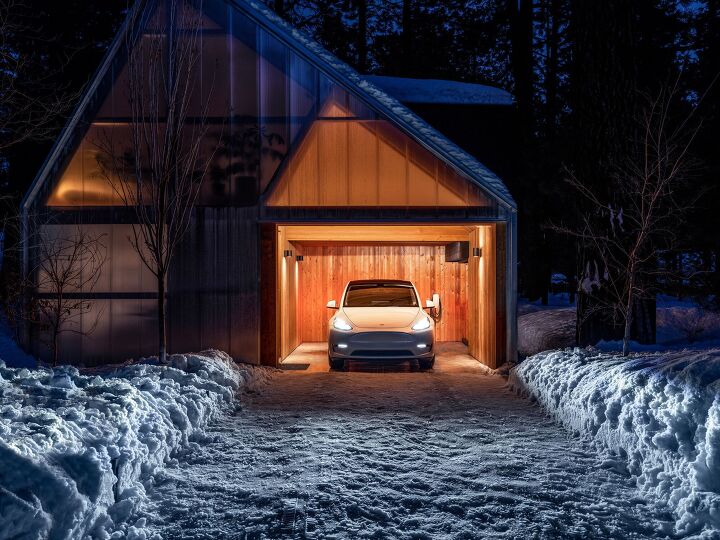
Tesla is recalling over 2 million vehicles in the United States that have been equipped with its Autopilot advanced driver-assistance system. Efforts come after years of media attention and federal safety regulators suggesting that the system posed safety concerns. The automaker is reportedly issuing an over-the-air update that will add new safeguards against distracted driving.
The National Highway Traffic Safety Administration (NHTSA) has been formally investigating the EV manufacturer for the last two years and believes Autopilot poses enough of a safety risk in its current format to push for the recall. That makes this the largest example in the company’s history, encompassing just about every Tesla model ever produced.
NHTSA Expands Investigation Into Honda Steering Issue
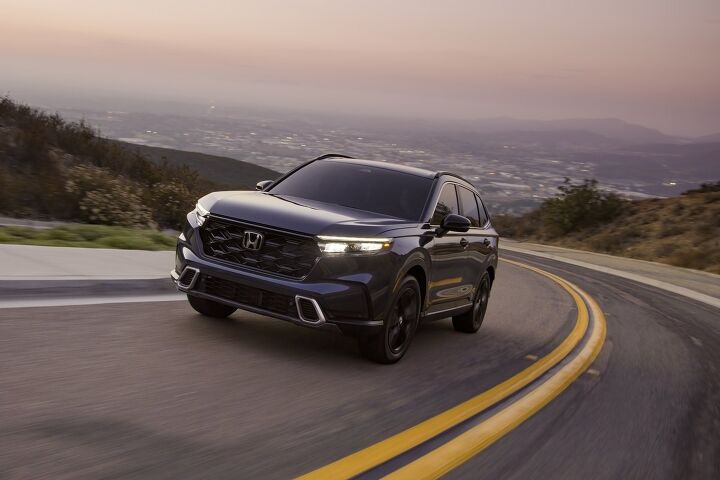
The National Highway Traffic Safety Administration (NHTSA) is expanding a probe into over 500,000 late-model Hondas that could be suffering from a steering defect. Reports indicate that 2023 Honda CR-Vs, 2023 Acura Integras, and 2022-2023 Honda Civics could be affected. However, no formal recall announcement has been made and likely won’t be until the investigation has concluded.
Ford Recalling Thousands of Cars for Doors That Could Open While Driving
Ford doesn’t sell the Fiesta, Fusion, or Lincoln MKZ in the United States anymore, but the automaker recently recalled all three for an interesting problem. High temperatures can crack part of the rear door latch, causing the door to open while driving.
Jeep Recalls 45,000 Electrified Wranglers Over Fire Risk
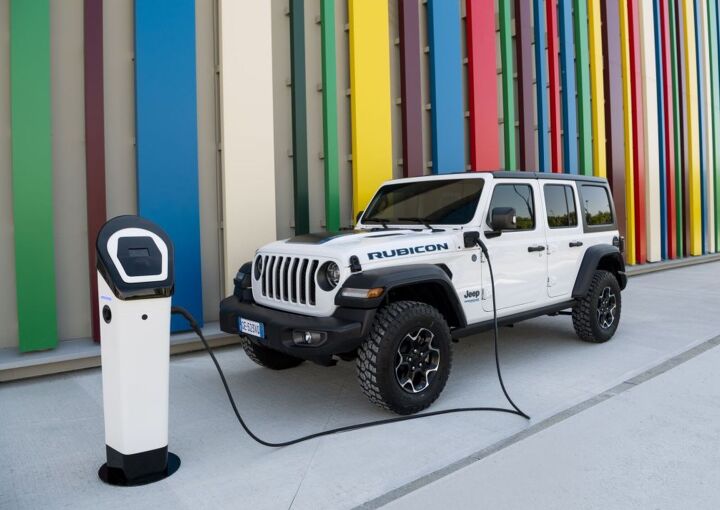
Following eight reports of vehicle fires, Jeep has decided to recall 32,125 examples of the Wrangler 4xe PHEV in the United States. The vehicles come from the 2021-2024 model year, with roughly 13,000 being situated outside the U.S. While parent company Stellantis has said the vehicles can continue being driven, it's advising customers against charging them and has likewise recommended parking them outdoors away from anything you might not want burned.
Opinion: The Bentley Crash in New York is Scrambling Brains
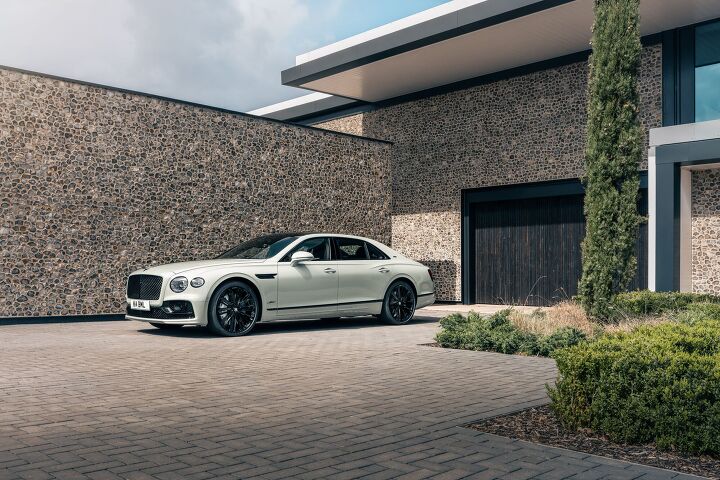
Last week, on the day before Thanksgiving, a middle-aged couple in a Bentley met a fiery end under mysterious circumstances near the U.S.-Canada border outside of Buffalo, New York.
Study: Giant Pickups and SUVs More Dangerous to Pedestrians, Obviously

A recent study by the Insurance Institute for Highway Safety (IIHS) has claimed that large, blunt-nosed pickups and SUVs pose a greater risk to pedestrians than other vehicle types. It’s quite possibly the most obvious outcome to any study we’ve ever seen and it seems to crop up every few years even though the vehicles in question just keep getting bigger and squarer.
The NTSB Wants More Speed-Limiting Tech in New Vehicles

New cars have all sorts of driver monitoring tech on board that can tell when a person is paying attention or has their hands on the wheel, but the National Transportation Safety Board feels there’s a need for more. The NTSB asked 17 automakers to add anti-speeding tech to new vehicles going forward, following an extremely deadly crash in Las Vegas last year that left nine people dead.
NHTSA: Don't Bedazzle Your Steering Wheel

It turns out that bejeweling your car's interior isn’t just in bad taste – it can hurt you in a crash. The National Highway Traffic Safety Administration recently released a consumer alert, warning people about “aftermarket steering wheel decals that could potentially cause significant injury or death.”
NHTSA Launches Safety Investigation Into GM's Cruise
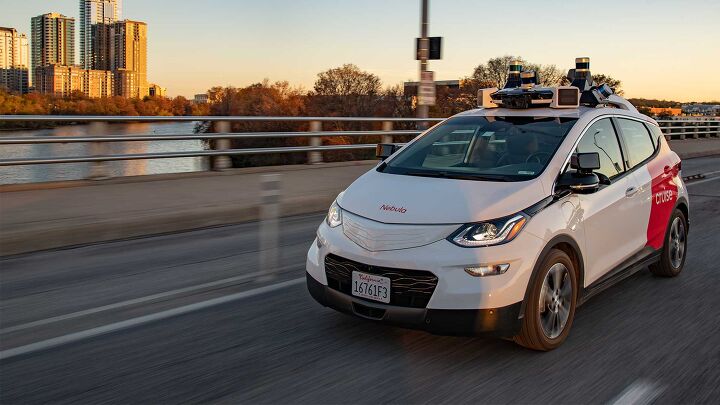
General Motors’ Cruise may be one of the first companies in the world to field driverless vehicles as part of a commercial endeavor. But this doesn’t appear to have endeared the brand to everyday people. The business appears to be loathed by San Franciscan residents and emergency response crews, who have only gotten angrier since state regulators allowed the business to expand operations.
Sustained reports of mishaps and injuries involving the vehicles has encouraged the National Highway Traffic Safety Administration (NHTSA) to launch a preliminary investigation into the company — which may also explain why Cruise just issued a press release explaining how it’s going to remedy all of the above.
2020-2022 Ford Explorer Being Recalled Over Rollaway Risk

Ford is recalling 238,364 Explorer SUVs over a defect that could result in a loss of motive power or possible rollaway risk. The issue stems from an issue with the subframe bushing and a rear axle bolt. Based on documents filed with the National Highway Traffic Safety Administration (NHTSA), Ford is worried that the rear axle horizontal mounting bolt may fracture under heavy torque loads.
Another Massive Airbag Recall Peers Over the Horizon
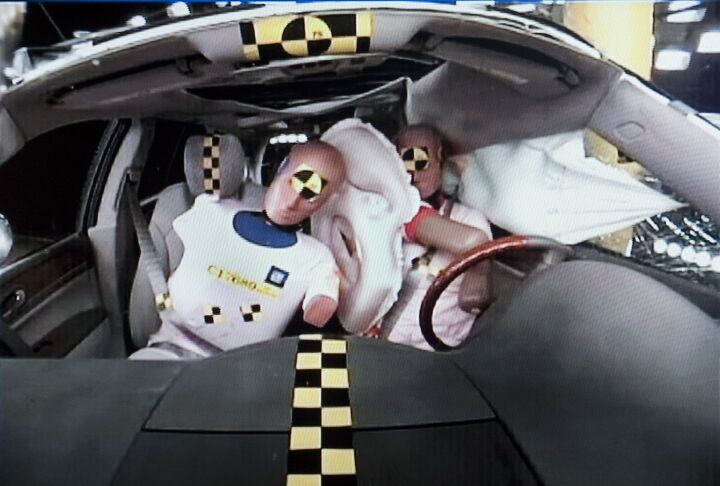
Just when it looked like the Takata airbag inflator recall was finally wrapping up, U.S. safety regulators have indicated that 52 million inflators made by ARC have likewise been placed under consideration for recall. The circumstances are unpleasantly familiar. Like the Takata units that ran the risk of spraying cabin occupants with deadly shrapnel during a crash, the ARC inflators may also pose a serious risk to those they’re supposed to save.
Pedestrian Trapped Under Cruise Vehicle in San Francisco
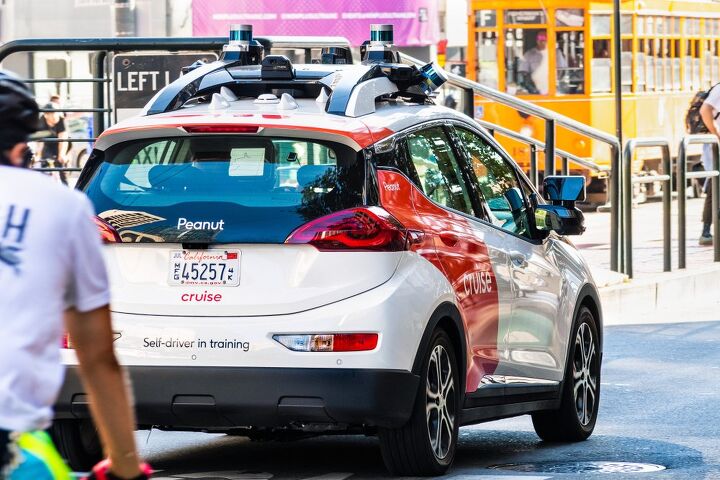
On Monday, a pedestrian ended up being trapped beneath an autonomous test vehicle owned by Cruise. The incident took place in San Francisco (Fifth Avenue just south of Market Street) and has already become the subject of some rampant speculation as the company hopes to avoid another public relations nightmare.
Cruise quickly put out a series of statements via Twitter (now X) claiming the pedestrian was actually tossed in front of their robotaxi after being struck by a hit-and-run vehicle that was traveling in the accompanying lane. While the investigation is technically ongoing, numerous media outlets have run with the premise after having seen the on-board footage.
Hyundai/Kia Lock Solution Panned by Security Pro
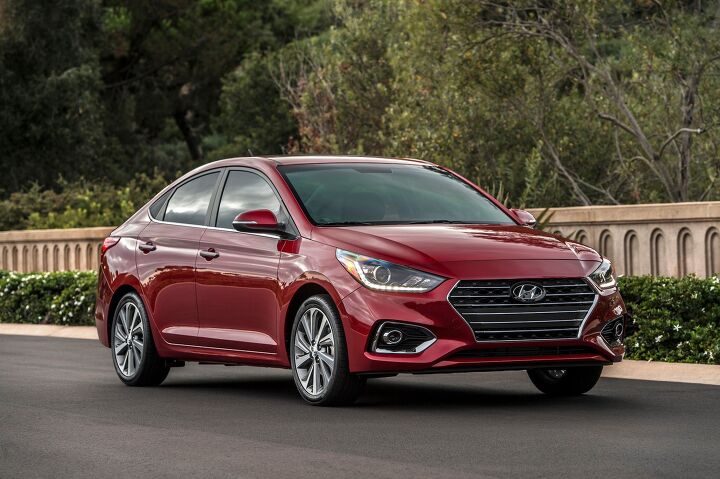
It’s a rare day this author gets to combine his interests of the automotive industry and the YouTube channel for security expert LockPickingLawyer. A video uploaded earlier this week provides opportunity for such a crossover.
IIHS: Minivans Don't Do Enough to Protect Rear Passengers
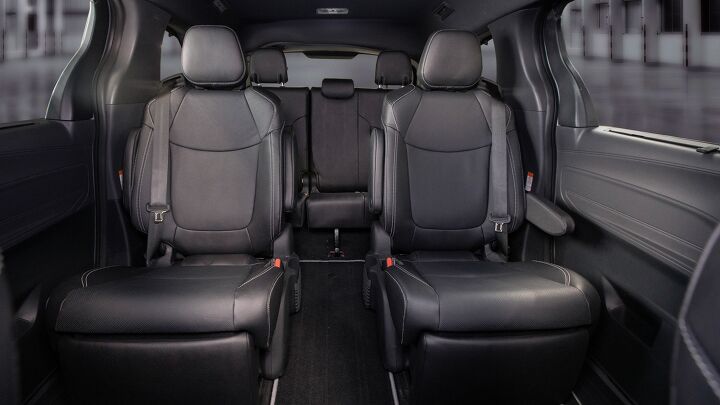
Minivans are undefeated as family haulers, but a recent announcement from the Insurance Institute for Highway Safety (IIHS) casts doubt on their ability to protect the precious cargo in their back seats. The crash-testing organization gave all four American minivans below-acceptable ratings in its new moderate front overlap test, which was recently updated with a stronger focus on back-seat protection and safety.
Best and Worst Drivers by City

With crash statistics having taken a turn for the worse in recent years, analysts have been pouring over the relevant data to determine why. Though the resulting statistics can tell a lot of different stories, including which U.S. cities tend to boast the best and worst drivers.
Nissan Sentra Under Recall for Steering Issues
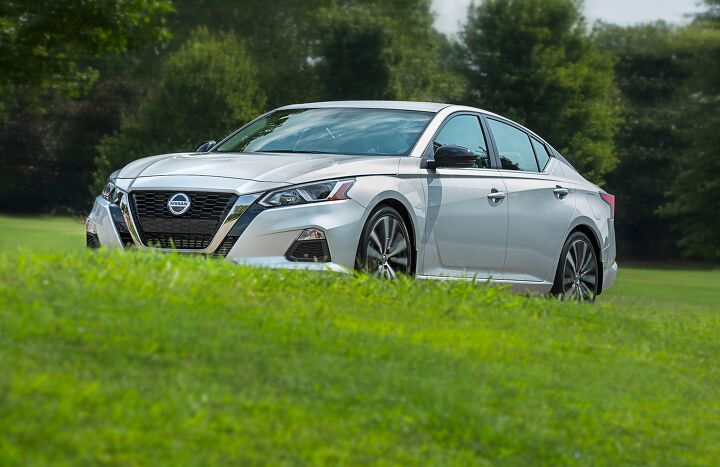
Late last week, the National Highway Traffic Safety Administration issued a letter to Nissan requesting they recall a batch of Sentra sedans thanks to tie rods that may bend and cause steering issues. A total of 236,238 units may be affected, ranging from the 2020 – 2022 model year.
Oh Crap: Sewage Leak Causes Chaos on Connecticut Interstate
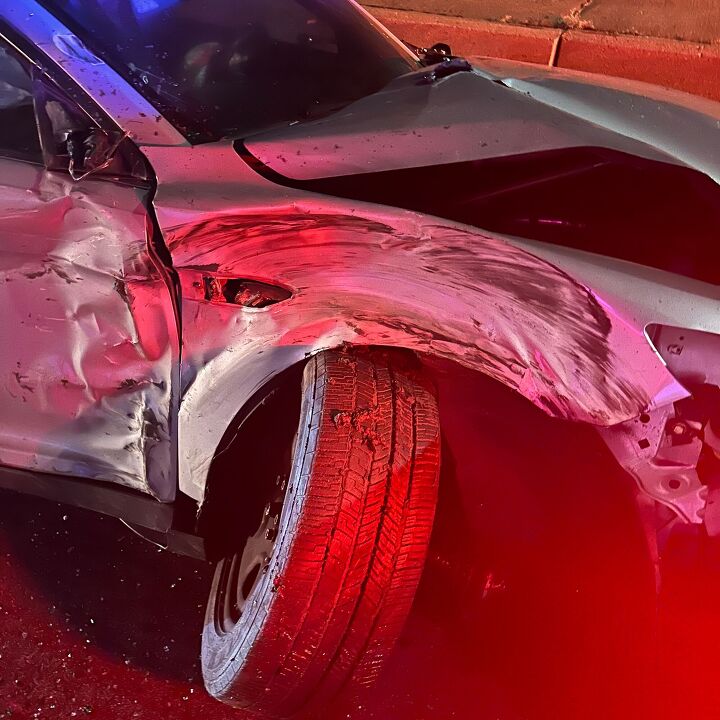
A tractor-trailer leaking sewage onto a portion of I-95 in Connecticut resulted in numerous crashes and some impromptu off-roading this week. Vehicular casualties included a couple of totaled police vehicles that found themselves at the mercy of a truck sliding through human waste.
While the situation certainly stinks for those involved, it’s okay to laugh. No injuries were reported and the fact that the suspect was charged with having an “unsecured load” is pretty funny.
Cruise Ad Insults Human Drivers, Gets Criticized
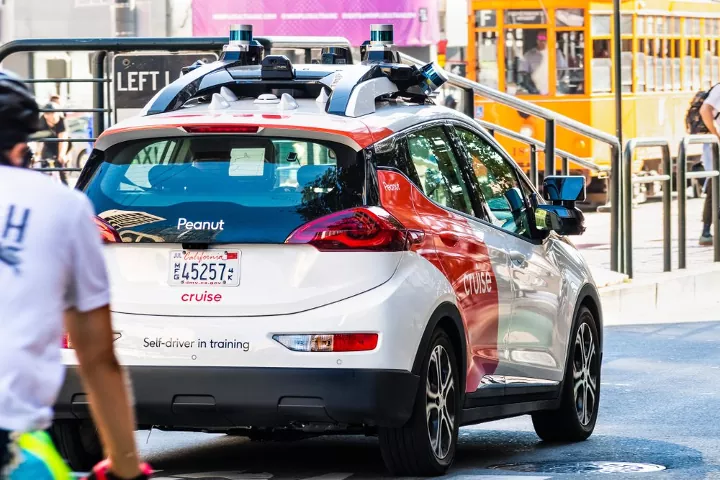
Last week, General Motors published an advertisement for its Cruise autonomous vehicle company in The New York Times. The marketing effort makes the claim that “humans are terrible drivers” and has subsequently been chided by former NHTSA administrator and safety advocate Joan Claybrook.
The ad in question states that human drivers cause millions of accidents each year and asserts that “Cruise driverless cars are designed to save lives.” But Claybrook and the Advocates for Highway and Auto Safety are accusing GM of being overzealous with an untested product in addition to exercising some bad taste with its marketing materials.
Size or Speed? IIHS Study Examines Safety Between Models

With the rate of fatal automotive accidents having spiked dramatically in recent years, just about everyone has been theorizing why. While there still seems to be a level of willful ignorance surrounding how modern infotainment systems and driving aids create more opportunities to be distracted behind the wheel, most outlets tracking safety seem to have come to the realization that size disparities between vehicles play an important factor in crash survivability.
The Insurance Institute for Highway Safety (IIHS) recently published a list of the models with the highest death rate per million vehicles registered. Its takeaway seems to be that the uptick in fatalities could be attributed to smaller vehicles and powerful models that encourage aggressive driving.
Tesla Driver Receives Felony For Fatal Autopilot Collision

Tesla drivers abusing Autopilot and the company’s “full self-driving” tech have almost become a meme at this point, but there are very real consequences when things go wrong. A California man was behind the wheel of a Tesla Model S in 2019 when it collided with another car, killing the two people inside. The Tesla was using Autopilot at the time, and the driver recently pleaded no contest to two counts of vehicular manslaughter.
QOTD: Close Encounters With the Animal Kingdom

I had to come to a complete stop in the middle of a two-lane highway in upstate New York last week because a deer decided to cross the road in front of me.
Nissan to Recall 1.4 Million Vehicles Globally
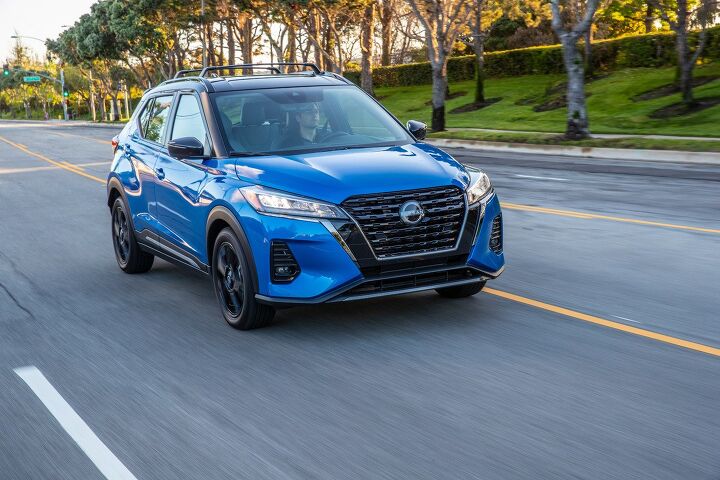
Nissan is issuing a global recall on roughly 1.4 million vehicles over a handful of reasons pertaining to acceleration. Based on early reports, owners are either getting a sudden increase in throttle after shutting off cruise control or a short that kills the motor while driving. The cars in question include models like the Note, Kicks, Leaf, and Serena.
AAA Study Examines the Impact of Changing Speed Limits
A new study from the American Automobile Association (AAA) has suggested that raising vehicle speed limits offers negligible benefits to drivers while decreasing overall safety for all travelers.
“Our study analyzed before-and-after data on a dozen roadways that raised or lowered posted speed limits and found no one-size-fits-all answer regarding the impact of these changes,” said Dr. David Yang, president and executive director of the AAA Foundation. “However, it is critical to consider the safety implications when local transportation authorities contemplate making changes with posted speed limits.”
Brake Recall Impacts 124,000 Honda and Acura Vehicles
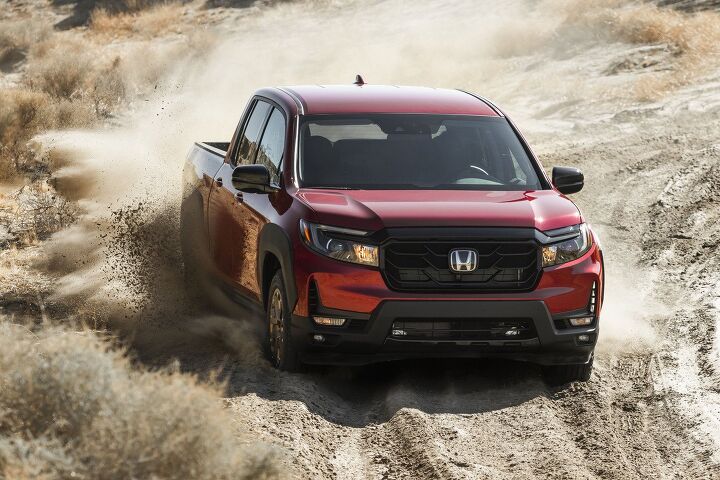
A handful of Honda models, and one from Acura, are under recall over a defect that could limit braking functionality. Impacted vehicles include the 2020-2021 Honda Civic, 2021-2023 Honda Passport, 2021-2022 Honda Pilot, 2020-2023 Honda Ridgeline, and 2020 Acura MDX.
NHTSA to Probe Kia EV6 After Claimed Power Loss

The National Highway Traffic Safety Administration (NHTSA) is launching an investigation into the Kia EV6 after 11 complaints were filed regarding sudden power losses.
IIHS Says Midsize Pickups Need More Passenger Protection
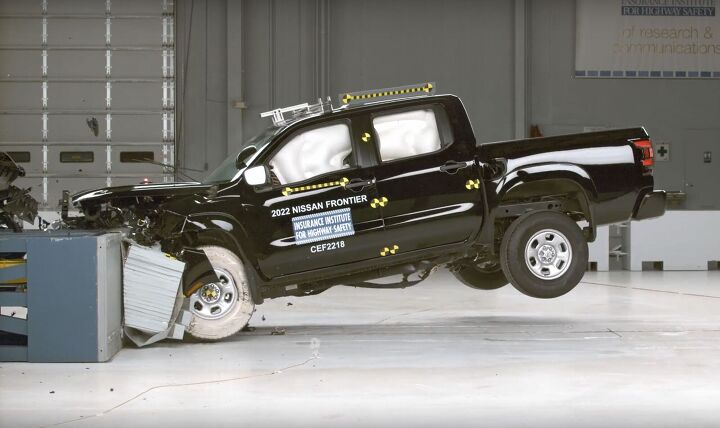
The Insurance Institute for Highway Safety (IIHS) believes that the rear-seat passengers of modestly sized pickups could be better protected after running a few through its updated moderate overlap frontal crash test.
While the group rated the Nissan Frontier as “acceptable,” crew-cabbed versions of the Ford Ranger only garnered a “marginal” classification. That left four-door versions of the Chevrolet Colorado, Jeep Gladiator, and Toyota Tacoma with “poor” ratings. No pickup managed to receive a “good” safety score, with the IIHS highlighting concerns about the possibility of chest, head, and neck injuries.
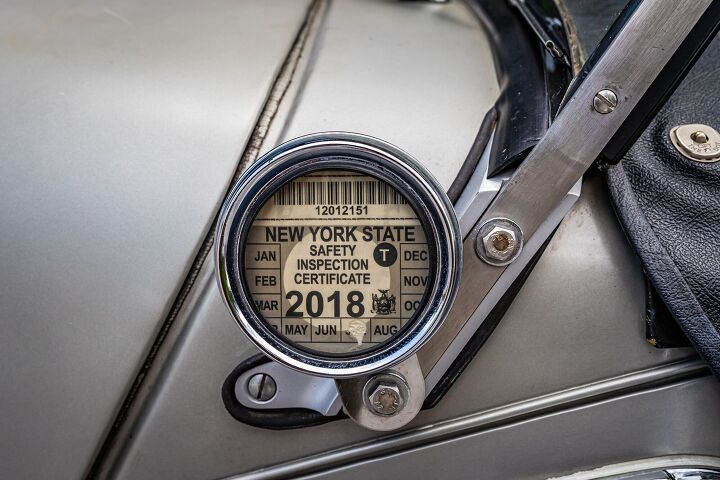
QOTD: Are State Vehicle Inspections Necessary?
Shrewd or Crude? NHTSA Proposes Automatic Emergency Braking Requirements

Last week, the National Highway Traffic Safety Administration (NHTSA) floated the notion that every new passenger vehicle should come with automatic emergency braking (AEB) systems. It would seem that the stage is being set for another mandatory safety inclusion, with the NHTSA targeting universal implementation by the end of the decade. But adding another safety net would come with a few complications, as AEB doesn’t really qualify as a passive system.
NHTSA Wants Stricter Pedestrian Safety Requirements

The National Highway Traffic Safety Administration and Insurance Institute for Highway Safety occasionally update their safety testing protocols to keep up with changes in technology and the auto industry. The IIHS recently updated its side-crash tests with greater impact forces, and now, the NHTSA is considering a toughening of its pedestrian crash testing.
IIHS Worried About Rear Seat Passengers After Lackluster Small Car Testing
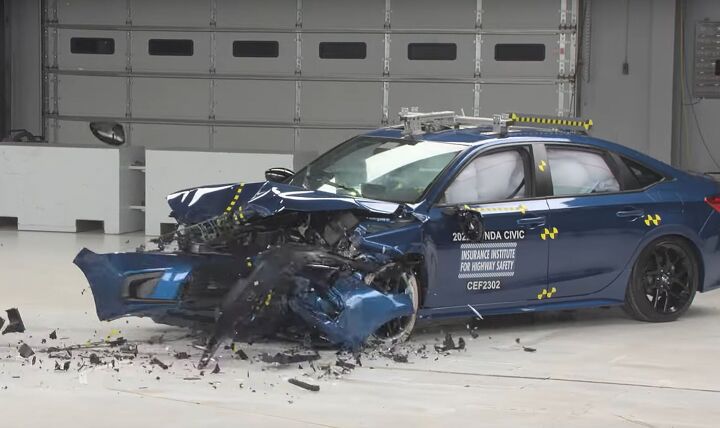
Following the introduction of an updated version of its moderate overlap crash test, the Insurance Institute for Highway Safety (IIHS) has reported that five of the most popular small cars sold in the United States had failed to receive a “Good” rating due to simulated injuries sustained among rear passengers.
These Vehicles Just Lost Their Top Safety Pick Rating
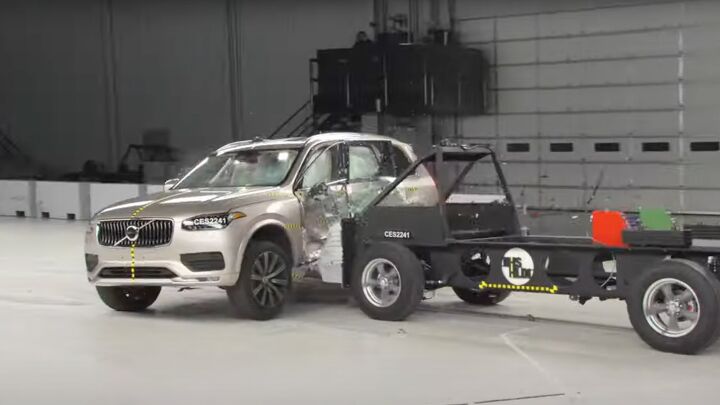
The Insurance Institute for Highway Safety (IIHS) has updated its crash testing processes and hardware in recent years to account for new safety technologies, as well as the fact that people can walk in and buy new EVs that can weigh as much as two or three comparable gas vehicles combined. The most significant update for 2023 relates to the IIHS’ side crash test, but there are several other changes that have drastically reduced the number of vehicles that qualify for a Top Safety Pick award.
QOTD: Is It Time for Federal Intervention on AV Testing?

Earlier today I wrote about how Tesla seems to be pushing for fewer safety guards on its so-called "Full-Self Driving" system even as it opens the program up to more "beta testers" and even as accidents involving the system and Tesla's Autopilot pile up. What I didn't mention, probably because I suspect it's common knowledge among our readership, is that there aren't federal rules governing these sorts of beta tests on public roads.
NHTSA: Traffic Deaths Fell Slightly in 2022, but Are Still Elevated

When the pandemic shut down the world, some people took the opportunity to start driving like lunatics. With fewer people on the road, many of the few brave souls behind the wheel began speeding more, which ultimately led to a significant jump in speed-related deaths in 2020. Things appear to be cooling off, as recent data from National Highway Traffic Safety Administration (NHTSA) show a slight decline in traffic deaths during the first nine months of last year.
Truckers Suggest Electronic Data Logging Hasn’t Made for Safer Roads

The Owner-Operator Independent Drivers Association (OOIDA) is claiming that the electronic logging device (ELD) mandates instituted by Congress in 2018 have failed to improve roadway safety in the United States – noting that fatalities involving large trucks have actually increased since its implementation. The group representing the truckers is asserting that the tracking devices provide no tangible safety advantages for drivers and is hoping to use the relevant data to oppose proposals seeking to expand the use of ELDs.



Recent Comments