


Porsche Stops Selling the 718 Boxster and Cayman in Europe
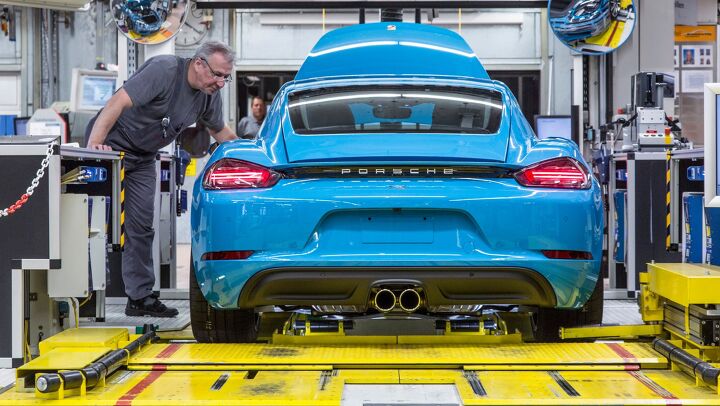
The Porsche 718 is now dead in Europe after it failed to meet the European Union’s so-called “cybersecurity” regulations. The Cayman and Boxster be joining the gasoline-powered Macan SUV in the afterlife, which encountered its own regional demise for similar reasons. While all models will reportedly return as electric vehicles, we know things will never be the same.

European Emissions Regulations Drive the Toyota GR Yaris' Price Up By Almost 100 Percent
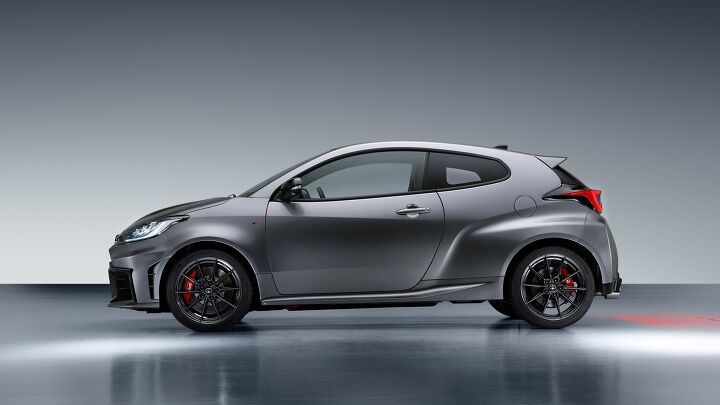
Europe has, and will likely remain, far more aggressive with emissions-cutting measures than we are here in the United States. Strict climate-related regulations on the Old Continent mean that gas vehicles – even those that we consider relatively efficient here – are extremely expensive and difficult to find. That’s how the 2024 Toyota GR Yaris, a car powered by an (admittedly powerful and turbocharged) three-cylinder engine, costs nearly double its sticker price in France.

Honda E Ending Sales in Europe
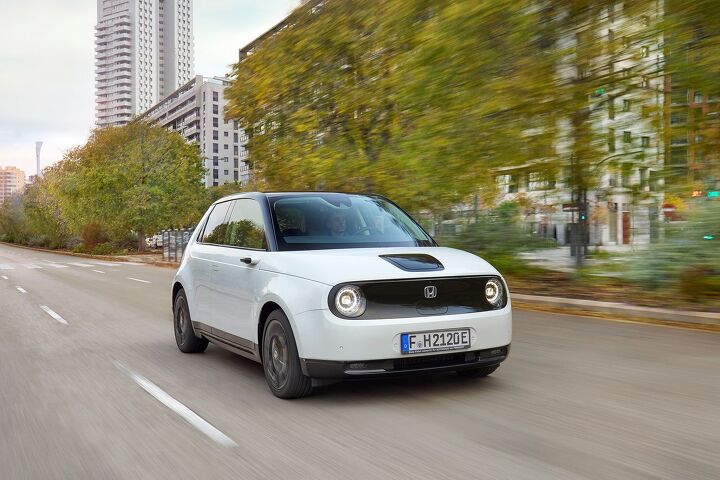
It may have been cuter than a first-generation Civic but Honda’s entirely electric supermini didn’t last very long. Introduced in 2020, the Honda e is being pulled from the European market just one year after it was discontinued in its native Japan.
EU Postpones Vote on Combustion-Engine Ban, Germany Asks for Favors

The European Union is reportedly finding itself in a difficult position ahead of prospective bans on vehicles utilizing internal combustion engines. Germany has threatened to block the agreement, pulling what can only be described as the classic switcheroo in exchange for favorable conditions.
German manufacturers are attempting to market synthetic fuels as a viable and environmentally sound alternative to standard gasoline or diesel. Regulators influenced by the automotive sector are now pressing for the EU to make special exceptions for so-called “electrofuels” before the combustion ban can be finalized – with Italy likewise suggesting it would reject the emission rules everyone agreed to last year.
No Subscriptions for You: Europe Halts Mercedes' EV Performance Upgrade Subscriptions

Automakers have stumbled on a new goldmine, but their path to extracting all of the potential value is fraught with angry customers and bad PR. Connected cars have led to an increase in subscription-based features that are almost universally despised, yet companies continue trying to make them stick. Mercedes is the latest automaker to offer subscription-based upgrades, but legal issues in Europe could stop the program before it spreads outside the United States.
Gas War: Europe Reaches Agreement On 2035 Combustion Ban

The Czech Republic, which currently holds the European Union presidency, has announced that negotiators from member states, the European Parliament, and the European Commission have finally come together to agree upon the often-mentioned combustion ban. By 2035, every automaker operating within the continent will be required to cut emissions by 100 percent – effectively mandating what type of vehicles can be sold there.
Europe Now Requires Speed Regulators for All New Vehicles

On July 6th, the European Union formally introduced laws that require auto manufacturers to install speed-limiting hardware on new vehicles. While speed governors have been around for years (and are becoming increasingly popular among certain manufacturers) the EU’s new rules actually require technology that takes things a step further by allowing cars to actively detect and then regulate the speed for any given road.
Cadillac EVs May Be Bound for Europe

In 2017, General Motors bowed out of the European market. The tactical retreat came after nearly two decades of struggling to make the region profitable and freed up cash the company could use to expand more profitable endeavors located elsewhere. This basically entailed widening its footprint in China, eliminating modestly sized passenger vehicles from its North American lineup, and setting aside any extra money for electric vehicle development. However, the automaker’s Western clientele has been slower to embrace EVs than hoped, even with gas prices becoming astonishingly high, and market analysts expect the United States to be the very last developed nation to see alternative powertrains go mainstream.
One possible solution for this conundrum is to sell those all-electric vehicles elsewhere — namely Europe.
BMW & Mercedes Offload Car Sharing Business
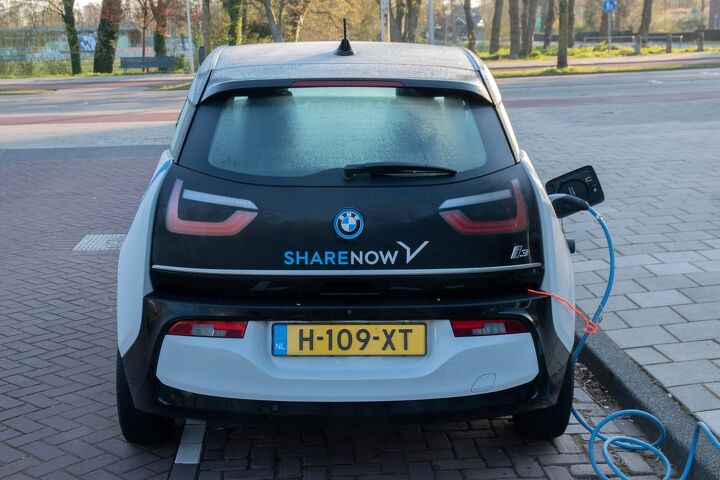
BMW and Mercedes-Benz are dumping ShareNow — their jointly managed car-sharing businesses — and Stellantis will reportedly become the recipient. Effectively a merger of BMW’s DriveNow and Mercedes’ (technically Daimler AG’s) slurry of similar services that were rolled into car2go, ShareNow’s individual components have spent the last decade trying to figure out which markets would embrace app-based, roadside rentals charging by the minute and which would reject it.
Europe Developing 'Battery Passport' for EVs

A group of German automakers, chemical concerns, and battery producers have announced the joint development of a “battery passport” designed to help government regulators trace the history of the cells. The consortium is funded by the German government and is supposed to work in tandem with new battery regulations that are being prepared by the European Union.
According to the German economic ministry, officially the Federal Ministry for Economic Affairs and Climate Action, the overarching plan is for the EU to mandate traceable hardware be installed in all batteries used in the continent by 2026. Those intended for use in electric vehicles are up first, with the passport scheme also serving to chronicle everything from the vehicle’s repair history to where the power cell’s raw materials were sourced.
Ford Tourneo Custom EV Teased Ahead of Reveal
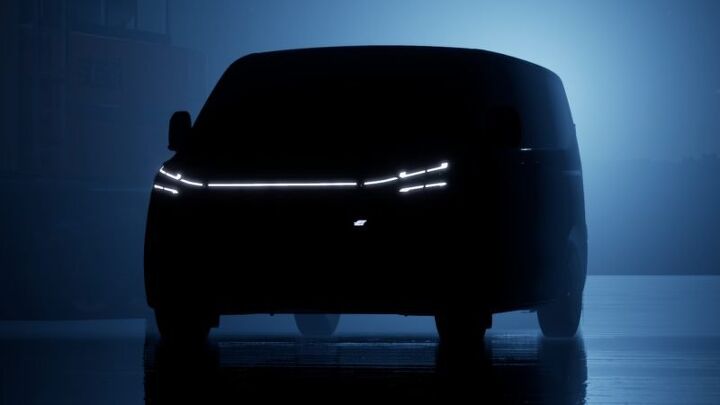
Ford’s commercial vehicle arm has been teasing the upcoming Tourneo Custom EV ahead of its formal debut on May 9th, 2022. Ford Pro is eager to expand its lineup of all-electric light commercial vehicles and has already started production of the E-Transit, making the Euro-focused Tourneo the next model queued to be juiced up.
French Government Claims Stellantis CEO's Pay Is Suspect

France has grown suspicious of Stellantis CEO Carlos Tavares’ compensation, which the government has dubbed irregular and indicative of a need for further financial regulations in Europe. The issue doesn’t appear to have much to do with where the money is coming from, but rather the size of his current payment package.
Tavares oversaw the merger between PSA Group and Fiat Chrysler Automobiles in 2021 while he was still CEO of the former company. Having previously climbed the ranks at Renault, the executive has served as chairman of PSA’s management board since 2014. Now heading Stellantis, Tavares is positioned to receive roughly $20.5 million in compensation for 2021. In addition to that, he’s reportedly eligible for a stock package worth an extra $34.7 million and long-term compensation of about $27.2 million — which the French government believes is too much.
Chip Shortage Lambasts Europe, Supply Chains Confront New Problems
Even though the global semiconductor shortage has been going strong for about two years now, the world has failed to successfully manage the situation. Production stoppages remain relatively common within the automotive sector, with manufacturers continuing to attribute factory stalls to an inability to procure a sufficient number of chips. But the excuse seems to have evolved into a catch-all explanation for supply chain issues that continue that go beyond a single missing component.
That makes it a little hard to determine precisely how much of the ongoing production shortfalls can be pinned on semiconductors. But AutoForecast Solutions (AFS) was keen to take a whack at it and determined roughly 1.4 million vehicles have been removed from the automotive industry’s targeted output for 2022 — that’s on top of the 10.5 million units we lost in 2021. While the issue is indeed global, AFS stated that the last batch of vehicles to get the ax was predominantly from Europe.
Report: Renault Considering Separate EV Business, IPO for Assets
Renault SA is reportedly mulling over the possibility of undergoing extensive restructuring, followed by an initial public offering for its electric vehicle assets. While the company had hinted that splitting itself into separate EV and combustion brands was a possibility in February, it wasn’t taken all that seriously. At the time, numerous automakers had suggested dividing themselves along similar lines.
But Ford Motor Co. announced it would actually be going ahead with the plan in March and Renault appears to be similarly warming to the idea, based on a meeting held last week between upper-level management and analysts. This included CEO Luca de Meo and CFO Thierry Pieton, both of whom allegedly acknowledged the real possibility of a split at the French automaker and the subsequent IPO.
Ford Outlines EV Production Strategy for Europe

Ford Motor Co. has shared its intent to launch seven fully electric vehicles in Europe, including a battery-electric variant of the Puma subcompact crossover, its best-selling (and looking) passenger car for the market. Though the first EV in its new product offensive will be a midsize crossover helping Blue Oval deliver on a previous promise to manufacture electric vehicles in Cologne, Germany.
The unit is said to capitalize on Ford’s partnership with Volkswagen Group by leaning on the latter entity’s MEB platform that already underpins VW’s ID products and Audi’s e-tron vehicles. Driving range is estimated at 311 miles per charge, with the company anticipating a formal debut later this year.
Stellantis CEO Says Electrification Advanced by Politicians, Not the Industry

Despite Stellantis making formal announcements that it will be investing 30 billion euros ($34 billion USD) into its novel electrification strategy, CEO Carlos Tavares has been making it sound as if the automaker’s plan was crafted under duress. He’s been telling European media that the widespread adoption of EVs is primarily being pushed by politicians who are ignoring the environmental risks and logistical shortcomings.
“What is clear is that electrification is a technology chosen by politicians, not the industry,” he said told the press this week.
UK Vehicle Registrations Fall Into Bottomless Pit

Despite manufacturers still managing to turn a profit, the automotive sector hasn’t been in the best of health these last few years. Growth appears to have plateaued in most Western nations, encouraging companies to cater this business toward other markets, supply chains have also been negatively impacted by the pandemic — with semiconductor shortages hindering production schedules on a scale we’ve not seen since the Great Recession.
It’s a bad situation and rumored to get worse if the warning cries of economists are to be believed. But there’s also mounting evidence to support their claims. The Society of Motor Manufacturers and Traders (SMMT) recently reported that vehicle registrations in the United Kingdom fell by roughly 35 percent in September vs the same timeframe in 2020. This is relevant because the month typically represents the second-busiest period for the country and numbers were already low due to production stops created by coronavirus lockdowns.
Jeep Reportedly Working On Small BEV
Since Groupe PSA expressed an interest in buying up Fiat Chrysler Automobiles, the Jeep brand has ramped up talk about the merits of electrification – particularly in places like Europe. The off-road-focused brand even has a plan to offer zero-emissions compliant vehicles in every segment by 2025. However, the only vehicle Jeep’s currently producing that seems to support those claims is the Wrangler 4XE PHEV and it’s still dependent on gasoline for journeys beyond 21 miles.
But that’s supposed to be changing now that the rumor mill is flush with new suggestions that Jeep is working on a small SUV that will be wholly dependent upon electrical propulsion. Those claims have been confirmed by Jeep’s leadership, with hints that it might be getting a few friends.
Audi Abandoning Subcompact Cars Over Regulatory Pressure
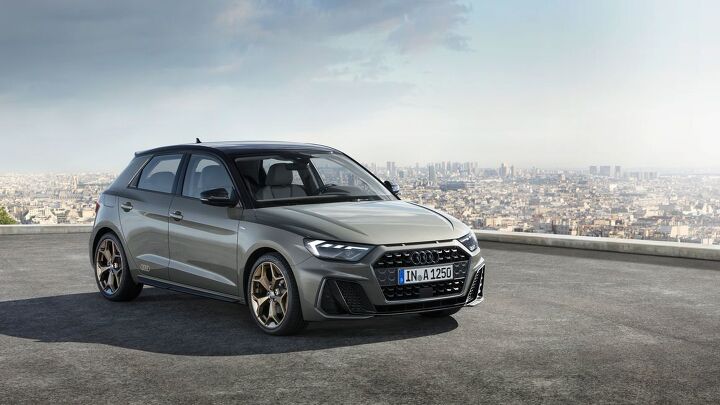
Audi is discontinuing the A1, citing Europe’s regulatory landscape as the main cause. Eager to limit the amount of CO2 coming out of tailpipes, the European Union has placed strict limits on petroleum-powered passenger vehicles. For Audi, the price of manufacturing a subcompact automobile-dependent upon internal combustion is getting too high. Installing a smaller motor would negatively impact drivability while slotting in a hybrid powertrain means more R&D costs and jacking up the MSRP to a point where consumers might lose interest.
There’s just not much incentive to build small, efficient vehicles when the profit margins have been made razor thin and people aren’t buying them in great numbers. And this is a lesson that’s being learned by all automakers, not just those associated to Volkswagen Group.
Europe Proposes Banning Internal Combustion Cars By 2035

Last week, the European Union proposed banning the sale of all new internal combustion vehicles starting in 2035. With several member nations proposing restrictions in the coming years, EU leadership feels it can accelerate the timeline to force electric vehicles as the de facto mode of transportation. The European Commission has suggested making it illegal to sell gas or diesel-powered vehicles in 14 years, with aims to reduce CO2 emissions produced by automobiles by 55 percent (vs 2021 levels) by 2030.
But countries that still produce vehicles have expressed reservations about the scheduling. France absolutely agrees with mandating restrictions that would reduce greenhouse emissions. Though President Emmanuel Macron’s office has been pressing that hybrid vehicles would be able to do much of the heavy lifting and fears that an outright ban of internal combustion could hamstring the industry if conducted too early. Germany, which manufacturers more vehicles than other EU member nations, is of a similar mind.
Ford Introduces Gasoline Scented Perfume to Help Sell EVs

Ford’s marketing for the Mach-E is getting truly bizarre. Rather than stick to the traditional method of buying up advertising space and bombarding consumers with commercials, the Blue Oval has been branching out by introducing automotive-themed fragrances. However, the gasoline-scented toilet water the company has cheekily named “Mach-Eau GT” and designed to remind customers of what they’ll be missing when they transition over to electric vehicles.
Introduced at England’s Goodwood Festival of Speed, the perfume carries notes of gasoline, rubber, and the pleasantly noxious off-gassing of interior adhesives that’s responsible for the new-car smell. But it’s exceptionally difficult to determine if this is a gag to highlight the olfactory superiority of electric vehicles or an earnest attempt to preserve the sensory experience of the traditional automobile. This is made worse by Ford’s Mach-E coming with synthetized exhaust notes designed to con the driver into thinking they’re driving something that’s burns gasoline. Are we fetishizing the past as we attempt to kill it or just mocking it?
2022 BMW 2 Series Coupes Coming Soon
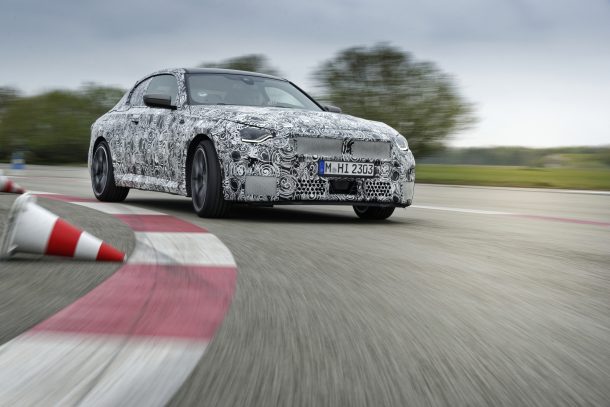
The 2022 BMW 2 Series coupes are on their way. Dynamic testing, drivetrain, and suspension tuning on the two-door compact are nearing conclusion. Production begins in the late summer of 2021.

QOTD: Has the Global Vehicle Market Recovered?

Is the global vehicle market in recovery following the 2020 downturn? Data analysts GlobalData seem to think the market is firmly in recovery mode, according to their latest report.
Torsus Praetorian 4X4 Off-Road Bus Updated

Torsus’ Praetorian, heavy-duty, off-road 4X4 buses, has announced a number of technical advances. These rugged off-road buses are made to cross some of the most inhospitable terrains on earth.
Ermenegildo Zegna Teams With Stellantis
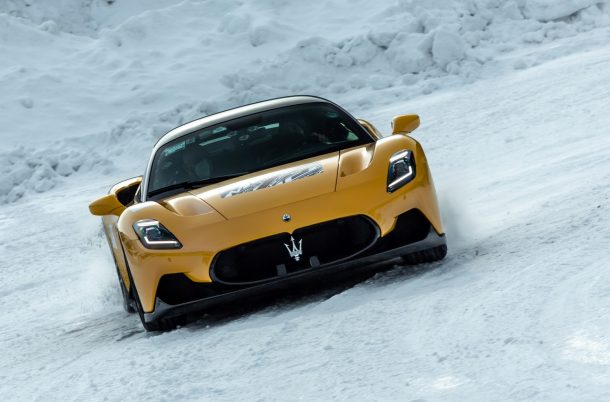
Today, the Ermenegildo Zegna Group announced its affiliation with Stellantis. By 2025, the Zegna Group’s entire fleet of 200 will go green. A new green-car policy has gone into effect at the company, well known for its pricy clothing and accessories.
Stellantis to Test Citron Ami on U.S. Customers?

Stellantis appears interested in testing America’s appetite for extremely small and highly European EVs. The formerly PSA-owned rental company Free2Move recently posted the silhouette of the Citroën Ami accompanied by text hinting that the vehicle would be imported for use in Washington, D.C.
Launched in 1961, the Ami (French for “friend”) started life as a petite four-door, front-wheel-drive economy car that came in numerous body styles. While it has the honor of being one of the first vehicles in history to adopt rectangular headlamps was, and widely known as the “premium” alternative to the triumph of minimalism that was the Citroën 2CV, it was by no means a swift or lavish automobile. Its ability to reach 60 mph was highly dependent upon the incline of the road and how much cargo it was hauling.
2022 Mercedes-Benz AMG GLC 63S: Ready to Rock
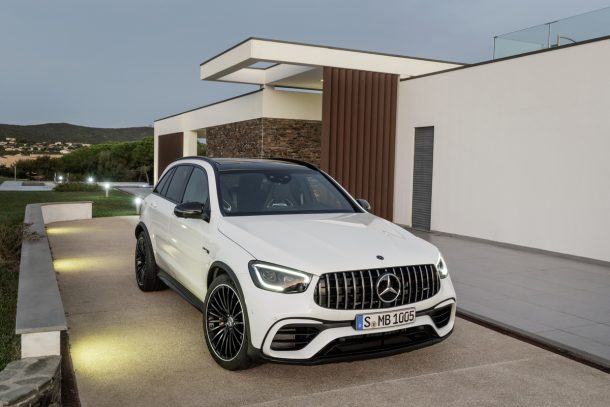
The 2022 Mercedes-Benz AMG GLC 63 S SUV is the only V8, biturbo-powered, compact SUV. According to Mercedes, it’ll do 0–60 mph in 3.6 seconds, which makes for a quick dash to the mini-mart.
QOTD: Is the 2021 Rolls-Royce-Based Overdose Actually Overkill?

A Rolls-Royce Black Badge Wraith is already a limited production vehicle. German tuner Novitec, and its Spofec division, are modifying three of these cars for worldwide distribution. The question of the day is whether the Spofec Overdose Wraiths are overkill, or not?
Biden to Slash U.S. Fossil Fuel Emissions 52 Percent by 2030
Today President Joe Biden committed to cutting U.S. fossil fuel emissions up to 52 percent by 2030. His statement came during a virtual climate change summit with 40 world leaders.
2021 Mercedes-Benz EQB – Electricity Flows
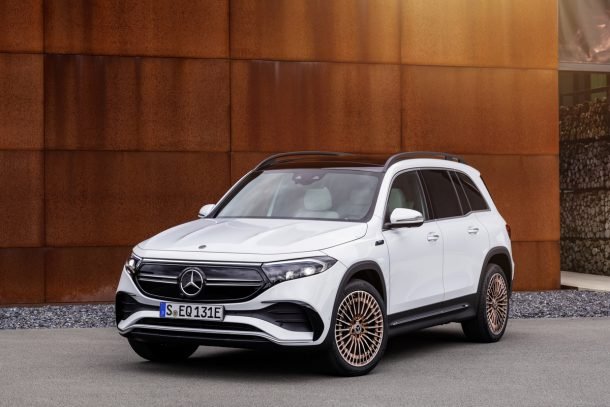
Mercedes-Benz’s 2021 EQB is its third all-electric launch this year, along with the EQA 250 and EQS. The EQB will be produced for the local market in Beijing. The rest of the world will get their EQBs from Kecskemét, Hungary. The EQB will be the first pure EV made in Hungary.
European Automakers Think Fuel Taxes Will Increase EV Sales

Undoubtedly eager to improve the take rate of electric vehicles, automakers have a myriad of solutions at their disposal. But the majority have something to do with getting the government involved to futz around with taxes.
Normally, this has to do with making special exceptions for EVs or subsidizing them via rebate programs. But governments seem happy to do this, as increasingly more legislation is advanced that would place restrictions on when and where people will be able to drive internal combustion vehicles, and automakers appear to be getting with the program. We’ve already seen manufacturers choosing sides in America’s gas war and now the Europeans are getting in on the action by demanding higher taxes be imposed on vehicles reliant on gasoline or diesel.
2021 BMW M3 and M4 Competition XDrives Arrive Soon
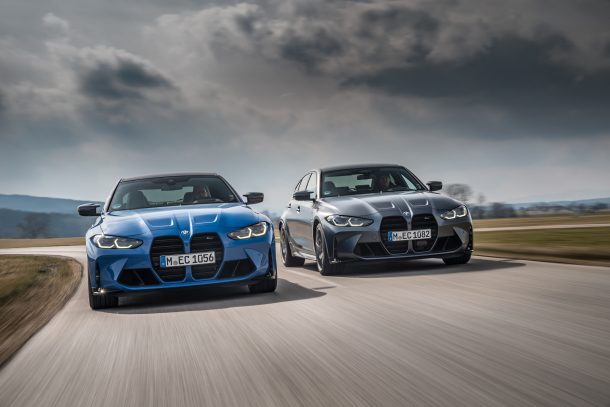
BMW’s 2021 M3 and M4 Competition cars, both endowed with xDrive all-wheel-drive, will arrive in August. Four hundred and seventy-nine lb-ft of torque is on tap.
BMW X6 by AC Schnitzer – Is It Worth the Effort?
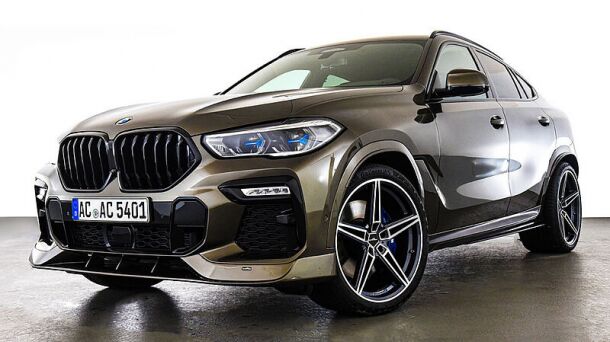
German tuning specialist AC Schnitzer has heralded the introduction of their version the BMW X6 Sports Activity Coupe (SAV), itself neither a coupe nor a proper sporting vehicle.
2022 Mini Countryman Boardwalk Edition – Past Park Place?
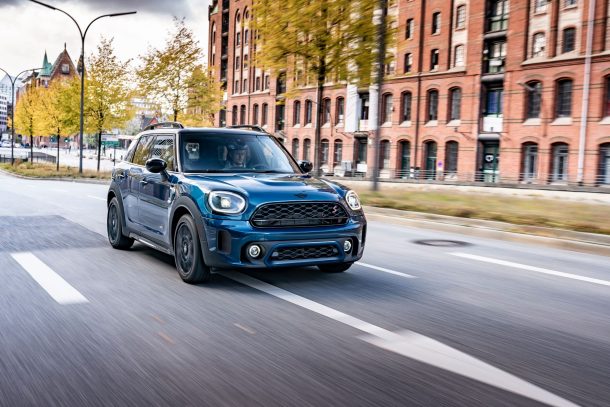
Mini USA today proclaimed the pricing and availability of the 2022 Countryman Boardwalk Edition, a variant for those who don’t mind drawing attention to themselves with its unique, eye-catching coloration.
2022 Bentley Continental GT Speed – Loaded Like a Freight Train
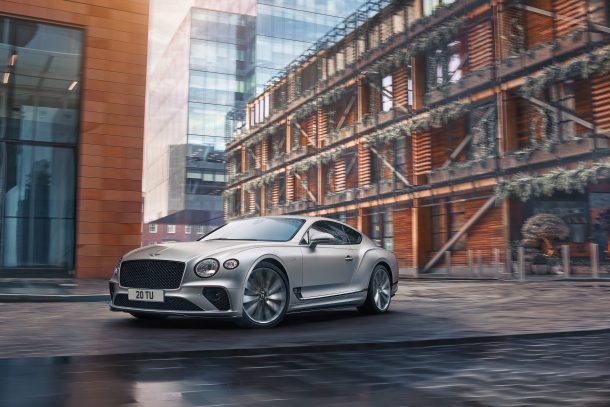
The Bentley Continental GT Speed is 650 HP and 664 ft.-lb. of torque, with an eight-speed, dual-clutch transmission, and all-wheel drive. It’ll do 0-60 in 3.5-seconds, with a top speed of 208 MPH, the third generation of Speed models, details of which were released today.
8th Gen Mercedes-AMG SL Unveiled
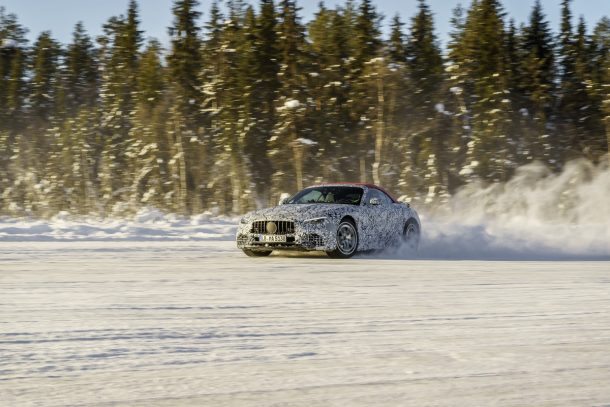
Mercedes-AMG wanted to show you its new SL Roadster, a 2+2 seater, testing its 4Matic+ all-wheel-drive system at a private proving ground in Sweden near the Arctic Circle. In typical Mercedes fashion, they said it was as much a test of the Roadster’s convertible top as it was the all-wheel-drive system under these harsh conditions.
2021 Maybach S 580 Tips the Scales at $184,900
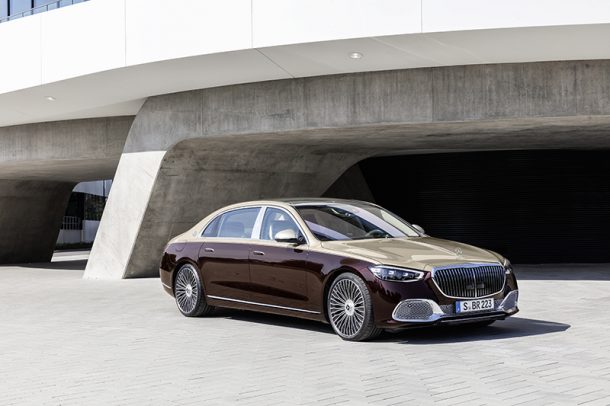
Yesterday, Maybach heralded the arrival of the S 580, with the type of announcement you’d expect if you started at $184,900, or roughly 69 percent of the $269,039 median home price nationwide, according to Zillow.com.
Ford Says All European Sales Will Be Battery Only by 2030
Another day, another automaker making promises about electric vehicles. Today’s company is Ford, which has vowed to make all European automotive sales electric-only by 2030.
This comes with the footnote of having the ability to soften that promise with plug-in hybrids. But, since this is all about corporate virtue signaling, that’s not what automakers tend to lead with. The industry wants to focus upon net-zero carbon emissions, sustainability, and other buzz terms that allow something to sound environmentally friendly without our needing to check if that’s actually the case. By the time 2030 comes around, only a few dozen people are even going to remember these promises if they’re not kept anyway — giving companies another opportunity to move the goalpost.
European Auto Lobby Demands More EV Charging Stations for Hundredth Time
The European Automobile Manufacturers’ Association (ACEA) is demanding the EU install more electric vehicle charging stations in a letter co-signed with Transport & Environment (T&E) and the European Consumer Organization (BEUC). This marks the hundredth time (rough estimate) an auto lobbying entity has tried to pressure the government into spending a fortune to drastically alter the European infrastructure to support the planned glut of EVs.
But it might be a fair request. Regulatory actions have effectively forced the industry into a corner and it now seems giddy at the prospect of an electrified world. The only real downside is that the charging infrastructure and power grids aren’t ready. ACEA estimates that the EU will need to build one million public charging points by 2024, with hopes of seeing three million installed before 2030.
Let’s see how feasible that is before it’s tried in our neck of the woods.
GM Hypes Norway's EV Leadership
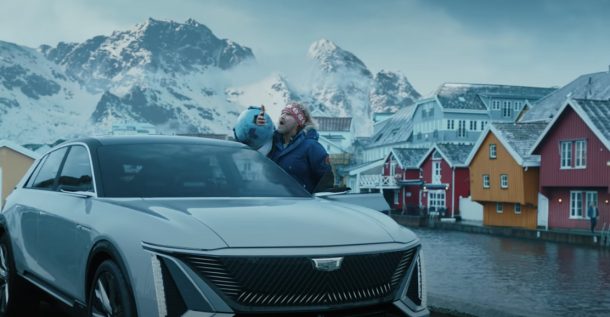
Actor Will Farrell describes Norway’s EV leadership in one of the more amusing Super Bowl commercials, and how General Motors is looking to change all that here at home.
A Difference in Color or Colour?
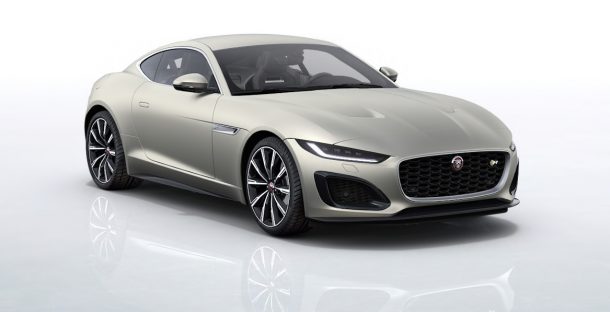
Car color preferences differ by nation or regions of the world, as we found in comparing our previous post on Axalta’s study, and BASF’s Color Report 2020, issued in the UK.
Novitec Presents Over-The-Top Ferrari F8 Tributo

Ferrari F8 Tributos are a rather exclusive ride already, and at $277,000 or thereabouts, it stands to reason. German tuning specialist Novitec ups the ante on the F8 Tributo, both in performance and appearance.
QOTD: VW Golf – Gonna Miss Me When I'm Gone? [UPDATED]
![QOTD: VW Golf – Gonna Miss Me When I'm Gone? [UPDATED]](https://cdn-fastly.thetruthaboutcars.com/media/2022/07/19/9161408/qotd-vw-golf-gonna-miss-me-when-i-m-gone-updated.jpg?size=720x845&nocrop=1)
VW today announced the end of the road for the base Golf for North America. The question is, will you miss the base Golf when it’s gone?
Stellantis Merger Now Playing at a Dealer Near You

Stellantis, the merger between Peugeot and Fiat Chrysler Automobiles, became effective on Saturday, January 16th. The world’s fourth-largest carmaker has emerged, a surprise to no one.
Jaguar Land Rover Sales Falling Down
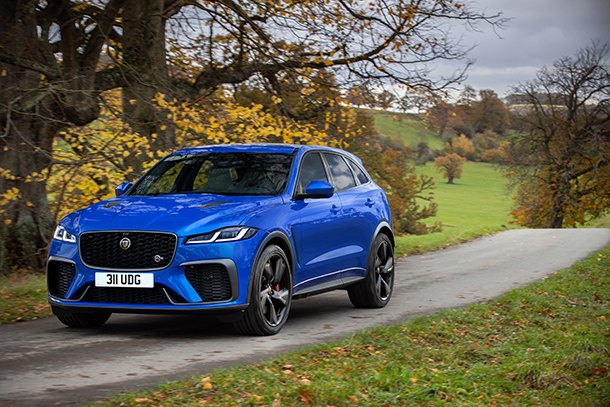
Jaguar Land Rover marked the end of 2020 in a quagmire, a sales slump of more than 20 percent worldwide.
Carlos Ghosn to Be Flambed by the French

Carlos Ghosn, Renault-Nissan’s former head honcho, will be questioned by investigators in Beirut next month, according to a report from Reuters that appeared in Autoblog. This time it’s not the Japanese applying the pressure, it’s the French.
Volkswagen Experiences Dej Vu in the European Court of Justice
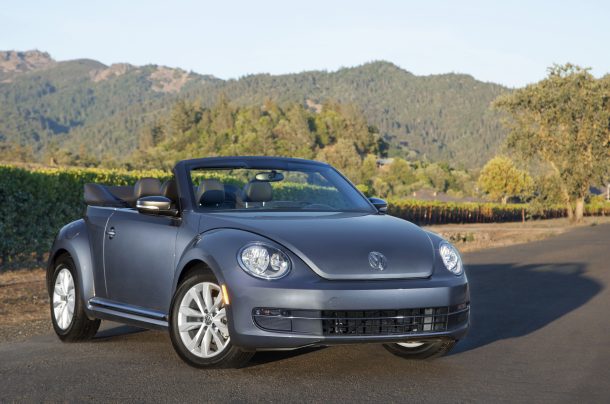
Volkswagen had another day in court, and it wasn’t a good outcome for the company this time, either. The European Court of Justice ruled that the software VW used to override emissions tests was illegal under European law.
First Audi ABT RS7-R in North America

The first new ABT RS7-R Limited Edition version of the 2021 Audi RS 7 has been completed by GMP Performance in Mooresville, North Carolina, at their facility in Lake Norman.
European Truck Manufacturers Ending ICE Production in 2040

An alliance of European truck manufacturers have pledged to stop selling vehicles that produce any emissions by 2040 — pushing up its previous target date by a full decade.
The group, which includes Daimler, Scania, Man, Volvo, Daf, Iveco, and Ford, have all signed a pledge to focus on developing hydrogen and battery technologies so that petroleum-derived propulsion can be phased out of the trucking industry.
European Car Sales Plummet as Continent Revisits Lockdown Protocols

If you hadn’t already heard, Europe began taking actions to prepare itself for another pandemic-related lockdown. Last month, leadership in Germany and France noted that existing restrictions were “not enough anymore” and began issuing specific citizens “certificates” allowing them to move freely within the country. As you might have imagined, this didn’t exactly bolster automotive sales.
While most of the new restrictions were implemented at the tail end of October, they’ve foreshadowed additional measures introduced as more countries climbed aboard ( like the UK’s second banning of sex with people from outside of the household) and began signaling that automotive sales were about to be routed. Gains made in September look to be completely undone, with Germany’s Federal Motor Transport Authority stating new-car registrations fell by 3.6 percent in October (vs 2019) on Wednesday. But that’s only the beginning of the bad news.
Honda Pooling With Tesla for EU Emissions Compliance

Honda Motor Co. will be accompanying Fiat Chrysler Automobiles in pooling its emissions with electric vehicle manufacturer Tesla in an attempt to adhere to CO2 limits mandated by the European Union. For 2020, the average emissions of all vehicles sold within the region must not exceed 95 grams of CO2 per kilometer. Companies failing to comply will be forced to pay the government sizable fines as it readies even higher targets for next year.
Over half of automakers planning to move product inside Europe next year are already assumed to fail however, resulting in a series of rushed hybrid/EV products, the obliteration of the diesel-powered passenger vehicles, and companies desperate to team up with the manufacturers that came in under the regulatory limits.
European Regulators Finally Approve PSA/FCA Becoming Stellantis

Fiat Chrysler and PSA Group are reportedly in the homestretch of their $38 billion merger deal and on the cusp of becoming Stellantis — the planet’s fourth largest automaker by volume. The plan is to join forces to help absorb the monumental cost of developing alternative energy vehicles (like EVs) without losing any brands or shuttering any facilities that weren’t previously marked for death. We’re inclined to believe it when we see it, however, as the duo are also targeting an annual cost reduction of 5 billion euros (about $5.91 billion USD).
It also hasn’t been a smoothest of regulatory rides. After spending years hunting for the perfect partner, FCA and PSA had to adjust the terms of their existing deal to contend with losses incurred as a result of the pandemic response. But it all seems to be fine now and the European Commission has given approval and that’s what matters in finally getting this deal done.
Europe Wants to Compete With China's Battery Production, Eventually
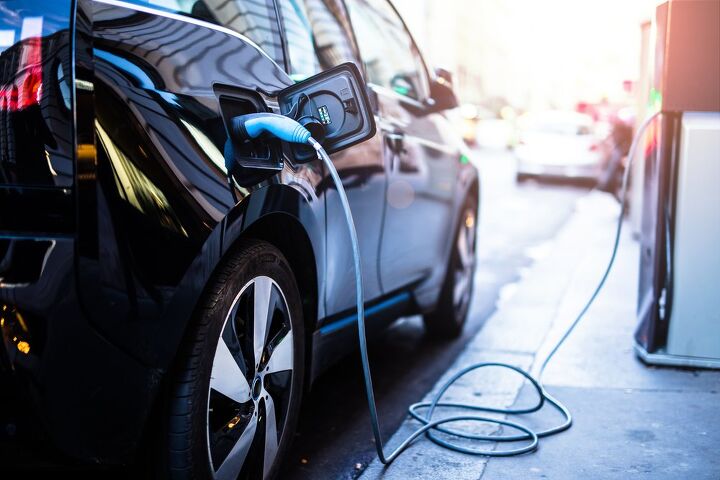
Wary that China might have the battery market totally cornered by the time electric vehicles become mainstream, the European Union is trying to jumpstart the industry at home. This year, the EU has started working with manufacturers and financial institutions to develop a reliable supply chain of the lithium-ion packs that have been difficult to come by.
European Commission Vice President Maros Sefcovic is targeting 100 billion euros ($113 billion) for the program, which Bloomberg said would help the EU “act like China.”
Ford Trimming 12,000 European Jobs Before 2021
Back in January, Ford provided the preliminary details for its European restructuring plan. The company had been losing money there for years and didn’t want it to be remain a liability as it dumped cash into autonomous research and electric vehicle development. With aims to achieve a 6-percent operating margin within the region, the automaker’s plan to tidy up the business was put into motion.
Thus far, Ford has ceased production at three plants in Russia, cut shifts in Germany and Span (rest in peace, C-Max), and has earmarked additional facilities in France and the United Kingdom for closure. By the end of next year, the automaker expects to have cut 12,000 jobs related to its European operations.
BMW and Mercedes-Benz: The Next Automakers to Buddy Up?
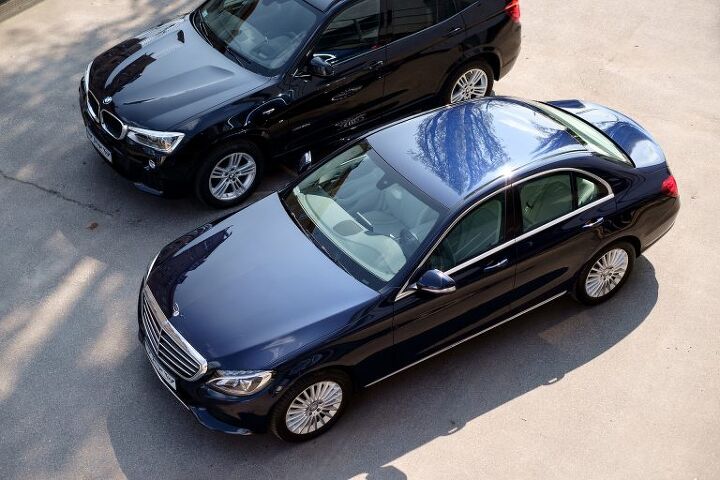
Cooperation is commonplace among automakers. Chrysler has worked with, or been purchased by, just about everyone at this point, but it’s far from the only manufacturer to get chummy with a rival company. Ford and Volkswagen are busy discussing their future together and Toyota tapped other brands to help it co-develop performance models like the 86 and Supra.
Despite their longstanding and occasionally bitter rivalry, Mercedes-Benz and BMW could be the next duo to cozy up to one another. According to German outlet Handelsblatt, BMW chairman Harald Krüger and Daimler management board member Ola Källenius are currently examining the possibility of an automotive alliance.
Automakers Understandably Freaking Out Over 'No Deal' Brexit

With Britain’s parliament rejecting Prime Minister Theresa May’s latest Brexit deal, European automakers stand to face some strong headwinds in the near future. As of now, no clear path lies ahead. Many believe the European Union will continue playing hardball, punishing Britain for leaving. But, even if it doesn’t, loads of regulatory and trade issues must be resolved in short order to avoid problems.
There’s also no shortage of hyperbole surrounding the issue. Just this morning I heard cable news call it “the largest crisis in Britain’s history,” as if World War II never happened. A channel away, another outlet proclaimed how splendid it would be for trade between the United Kingdom and United States.
Regardless of which side of the fence you fall, there’s more at stake here than Theresa May’s job. Automakers, who like consistency above all else, worry a no deal plan for “British independence” could be tantamount to flipping the industry table. They don’t like being caught up in the uncertainty surrounding Brexit, and there appears to be an endless list of issues to contend with.
Here Come Ford's Layoffs: Automaker Outlines Its Euro Restructuring Plan
On Thursday, Ford announced preliminary details of a plan that will ultimately erase thousands of European jobs in an attempt to return the business to profitability. The decision comes after several reports indicated the automaker’s restructuring program will be particularly hard on the region.
The plan now officially includes a slimmer product lineup, which is likely to result in the shuttering of several facilities. The manufacturer also announced a “leveraging” of existing relationships — specifically referencing a potential alliance with Volkswagen Group that would help support Ford in that market.
“We are taking decisive action to transform the Ford business in Europe,” explained Steven Armstrong, group vice president and president of Europe, Middle East and Africa. “We will invest in the vehicles, services, segments and markets that best support a long-term sustainably profitable business, creating value for all our stakeholders and delivering emotive vehicles to our customers.”
What does Ford think it needs to do to achieve a 6 percent operating margin in Europe? Read on.
Rapide Attempts To Vanquish Brexit: Aston Martin Stockpiling Cars in Germany

Brits have now been grappling with their Brexit situation for what now seems like an interminable amount of time, with no shortage of digital ink and political hot air spilled about the subject.
Looking past all the posturing, however, a disorderly departure from the EU could contain serious ramifications for companies making products in Britain, and fancy-pants Aston Martin has initiated a contingency plan to handle a “no deal” Brexit. Prepping for a worst-case scenario, the company is stockpiling cars in … Germany.

It Begins: Ford Restructuring Ends Production at Blanquefort Plant in France

As part of Ford’s massive restructuring plan, which is said to focus primarily on its European assets, the automaker will end assembly at its Blanquefort transmission plant in France next year. Its 850 employees will now have to find gainful employment elsewhere by August.
However, there was a brief glimmer of hope after transmission supplier Punch Powerglide (encouraged by the French government) launched a bid to purchase the facility and rescue it from being shuttered.
“Despite thorough and rigorous talks over the past nine months, and the best efforts of both sides, the plan put forward by the potential buyer presents significant risks,” Ford said in a statement. “We do not believe that the prospective buyer’s plans offer the level of security or protection, or limit the risk of possible future job losses, that we would like for the employees.”
Hyundai's EV Range Reign to Prove Short-lived in Europe
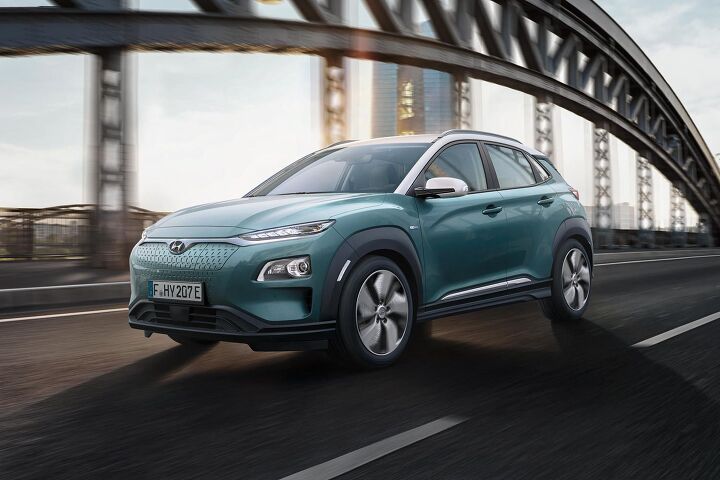
Hyundai’s front-drive Kona Electric began appearing on Norwegian streets back in August, slowly proliferating to other European countries ever since. Backing up the model was its enviable status as the longest-range EV on the market.
Using the new Worldwide Harmonised Light Vehicle Test Procedure (WLTP), testers rated the Kona EV’s range at 292 miles, more than enough to travel between tightly spaced European cities. Now, the vehicle faces a double blow of bad news. First, the testers got the test wrong, and second, a new Tesla his poised to arrive on the east side of the Atlantic.










Recent Comments