
#engines
Porsche: Someone May Have Tampered With Our Engines

Officially, the word is “manipulated.”
That’s what Porsche suspects, and the ominous presence in this plot is apparently calling from inside the house. According to a German newspaper, the automaker has launched an internal investigation into possible manipulation of its gasoline engines.

Predator for Raptor? Ford's Performance F-150 Reportedly Tapped for Hottest Engine
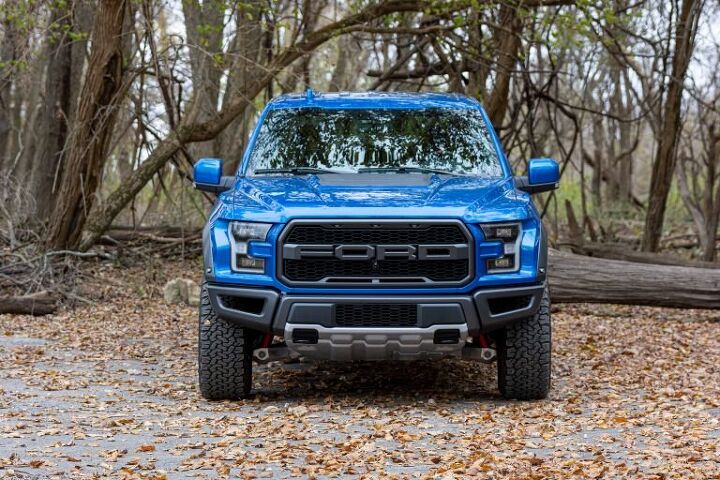
You’ll recall that, last week, a video surfaced of a camouflaged 2021 Ford F-150 Raptor prototype with an interesting exhaust note, leading to speculation that the next version of the brand’s dedicated off-road performance pickup would ditch V6 power for something more potent.
Well, today a new report cites sources claiming exactly that. It seems the next Raptor might make use of a Predator.
At Least One Chevrolet Blazer Ekes Out Better Mileage for 2021

The mild content changes coming to Chevrolet’s midsize Blazer for 2021 were the talk of the town last month, though it’s entirely possible people were talking about Blazer for a very different reason…
Regardless, one of the changes not talked about by either the public or General Motors is something first aired by the EPA.
QOTD: Biggest You Ever Had?

Let’s keep our minds far away from the gutter, folks. We may be talking inches today, but they’re cubic inches.
Yes, displacement, a unit of measurement that spans the gamut in today’s new vehicle lineups. Thanks to the advent of the subcompact crossover segment and the proliferation of big boy HD pickups, the breadth of displacement choice has only grown in recent years. General Motors can now sell you Chevrolets ranging from 1.2 to 6.6 liters, but Ford has them beat: 1.0 to 7.3 liters.
There’s plenty to choose from out there, but today we’re looking only in one direction.
2021 Ford F-150 Spills More Secrets
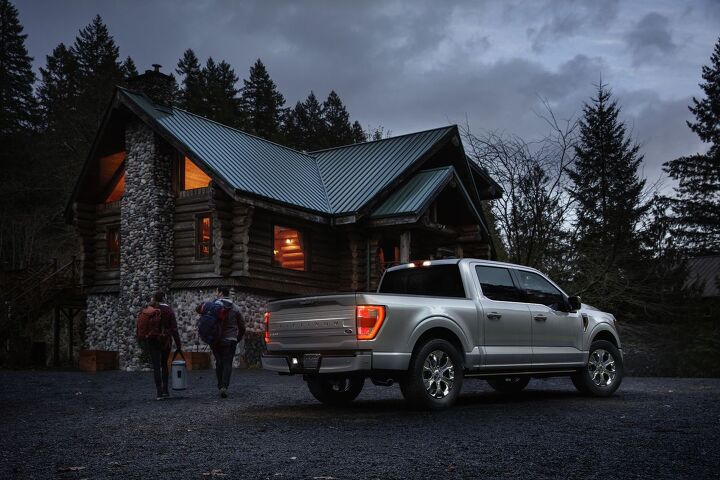
“Do everything better, and don’t be afraid of gimmicks” seems to be the mantra the 2021 Ford F-150‘s development team toiled under. Given the company’s track record with the model, it’s likely a strategy that will pay off.
Optional hybrid power (pricing of which came to light yesterday) and lie-flat front seats are things the F-150’s rivals can’t claim; same goes for on-board factory generators for both hybrid and gas-powered models. As more time passes following the model’s June debut, more secrets are being spilled.
For example, some of the niceties offered on the revamped model won’t arrive until later on, nor will they be an across-the-board option.
Power Loss on the Way for GM's Best-selling CUV
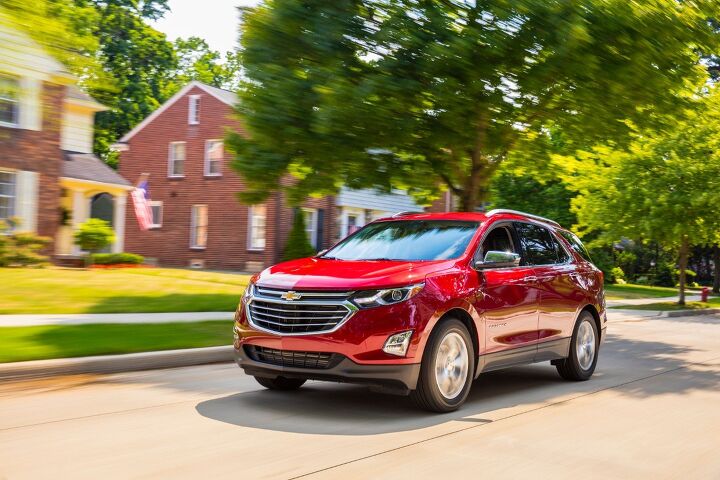
Sure, we joke about the Blazer and question the need for tweeners like the Trailblazer (while lamenting what both names have become), but there’s no denying that General Motors’ Chevrolet Equinox is a sales juggernaut, topping all other GM CUVs in sales by a mile. And there’s a lot of CUVs to top.
Customers seem to like what they see in the current-generation Equinox, though one option stands to disappear for 2021. We can now confirm a recent report that Chevy plans to drop the model’s optional turbocharged 2.0-liter engine.
'Nice Little Bronco You Got There…' - Jeep Fights Newfound Competition With Muscle

Having watched The Hunt for Red October last night, your author knows all too well what can happen when two superpowers engage in a game of brinkmanship. He’d also like to see Montana.
Having enjoyed years of nearly complete dominance in the true off-road SUV market in America, Jeep now finds itself in a battle against a vehicle no consumer has yet laid eyes on: the Ford Bronco, due for a public unveiling on Monday. On Saturday morning, Jeep decided to crank that newfound rivalry up to “11”, teasing a future product with a monster engine.
Diesel Power Predictably Lands in the Jeep Gladiator

There’s plenty of things Americans can’t get their hands on these days — hand sanitizer, inexpensive front-drive coupes, and a predictable future, to name a few — but those dreaming of the chance to drive a four-door convertible pickup powered by a compression-ignition engine haven’t long to wait before seeing their wish granted.
As many assumed Jeep would, the off-road brand is adding the 3.0-liter diesel V6 to its Gladiator engine roster for 2021.
2021 Mazda 3: More Power If You Want It, Even Less If You Can't Afford It
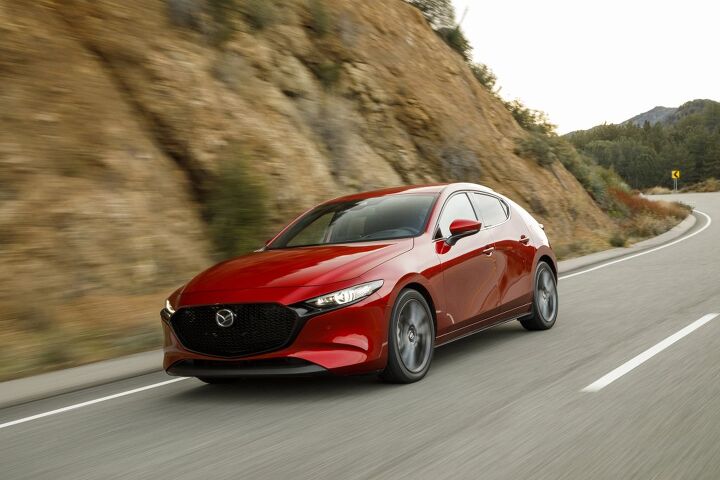
Mazda appears to have embraced a two-pronged strategy to generate interest in its redesigned-for-2019 3 hatchback and sedan. For the coming model year, the automaker plans to add two engines to the lineup — one a potent, uplevel offering designed to give enthusiasts the oomph they so desire; the other, a returning cast member that never went away north of the border.
After this latest move, Mazda may well be out of options for luring eyes and wallets.
Newly Potent Mazda 3's Power Specs Revealed
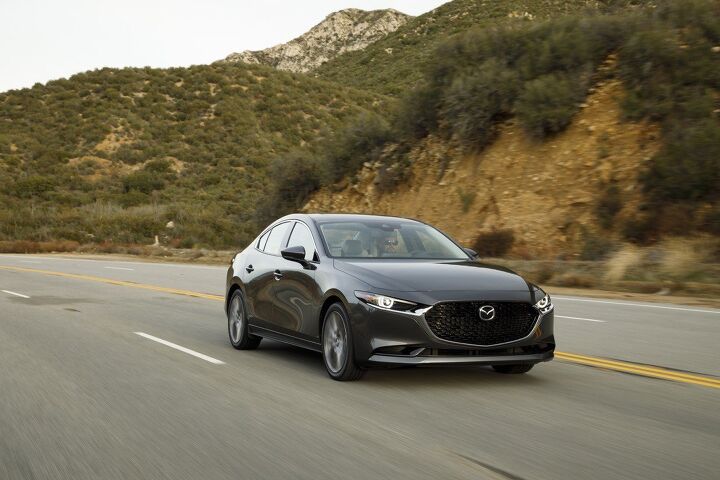
Mazda fans wanted more power, and that wish will soon be granted. As we learned via dealership codes last month, the 2021 Mazda 3 will give buyers the option of boosting their car’s output via a new turbocharged engine.
As this month is all about vehicle debuts, there isn’t long to wait before the newly potent 3 gets its own public unveiling. And thanks to a Mexican ad, the model’s power levels are already no longer a mystery.
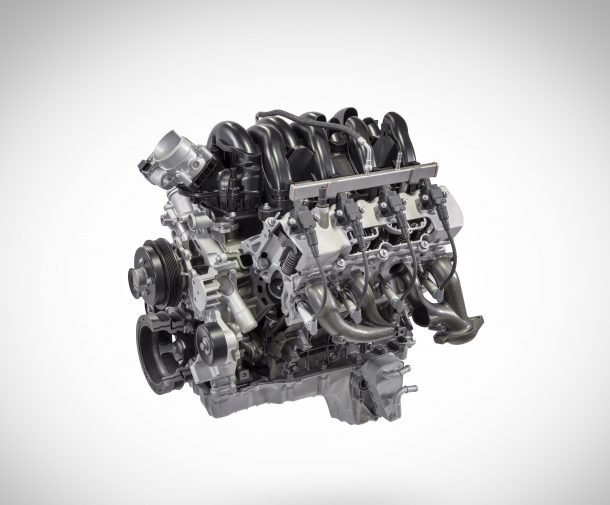
From Canada, With Displacement: Ford's Largest Gas V8 Arrives As a Crate Engine
North of the border, Wednesday dawned on a country celebrating a significantly less festive, no-touch national holiday. No fireworks and crowds on this COVID-y Canada Day, just locals lighting them off from the roofs of walk-ups in your author’s humble neighborhood. The “crowd” outside the Burger King hasn’t grown or shrunk in size (and remains just as clandestine as before).
This year, however, Americans have good reason to join in the celebration.
2021 Kia K5: Pour One Out for the Optima, Then Forget

The name Americans have come to associate with Kia’s midsize family sedan is dead, but you probably knew that already. Hopefully you’ve recovered.
On Tuesday, Kia pulled the wraps off the U.S.-market K5, the automaker’s replacement for the long-running Optima (which carried the Magentis name in Canada until 2010). Riding atop a third-generation N3 platform, the midsizer grows in length, wheelbase, and width, while slouching closer to the road.
For the coming model year, Kia also saw fit to equip the newly renamed model with a more potent uplevel engine and all-wheel drive, but the liftback you might think exists behind the backseat is all in your head.
Ford Ranger Packages Aim for Off-Roadability, but There's Power to Be Had, Too
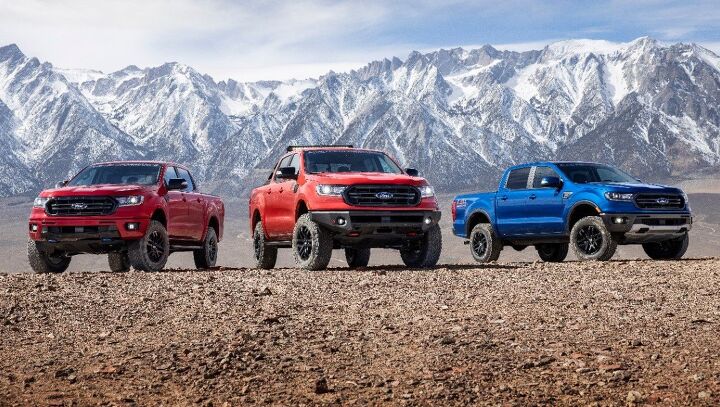
If you’re in the market for a midsize pickup and possess an irresistible urge to tackle the worst terrain you can find, chances are the most rugged variants of Chevy’s Colorado and Toyota’s Tacoma top your list of maybes. Ford would like a word.
The Ranger didn’t enter the segment with the brawniest hardware in tow, but the passage of time has a way of correcting mistakes (if you want to look at it that way). On Tuesday, the Blue Oval debuted a trio of packages designed to deliver more off-road capability — and even power. Raptor Lite?
Dig That Diesel? GMC Claims New Oil-burner Gets 'em In the Door

Compared to the clattery, soot-spewing 350 diesel that helped sink General Motors’ reputation in the 1980s, the 3.0-liter Duramax inline-six introduced in the automaker’s full-size pickups late last year is a refined affair. It’s also making something of a reputation for itself, drawing buyers to the company’s truck-only brand who might otherwise have looked elsewhere in the industry for a pickup.
GMC now says it’s targeting a surprising take rate for the Flint-built engine.
Brand Boost: Mazda 3 Gearing Up to Suck Air

A report earlier this year may have been what many longtime Mazda fans yearned to hear: that the company stands prepared to dump extra horses on its compact 3 sedan and hatch. Floundering since its launch, the little 3 could use a boost — in a number of ways.
Model codes ripped from a dealer’s computer system seemed to indicate a greater level of performance was on the way, and on Thursday Mazda confirmed just that.









Recent Comments