


Magna's New Seating Material is 100 Percent Recyclable

Automakers have increasingly moved toward sustainable and recycled materials to bolster the “green factor” of the latest models, and now suppliers are getting on board. Magna, one of the world’s largest automotive suppliers, recently announced a new line of seats made with 100 percent recyclable materials.

EVs Are Becoming More Expensive, Not Less

A few years ago, the industry narrative was that all-electric vehicles would reach financial parity with their combustion-driven counterparts in 2025. The assumption was that this would gradually occur by way of ramping up battery production and leveraging economies of scale. However, reality had a different take, as the world is now confronting record-setting prices across the board. Manufacturer and dealer hikes have resulted in the average invoice of EVs rising to $54,000 — roughly 10 grand higher than the typical transaction price of gasoline-powered vehicles, according to J.D. Power.
With economic pressures spiking the value of all automobiles, hardly anything is leaving the lot for less than it could have been had for in 2020. But the increases seen on all-electric models are actually outpacing the models we’ve been told they’re supposed to replace.

Gas War: Automakers Continue Begging Government for EV Incentives

On Monday, General Motors, Ford, Stellantis, and Toyota Motor North America reportedly asked the United States Congress to lift the existing cap on the $7,500 federal tax credit for electric vehicles. Though automakers petitioning the government for free money is hardly new business.
Tesla Pauses Production in Shanghai

Tesla Inc. is briefly suspending production at its Shanghai factory for two days, starting today, as China upgrades restrictions pertaining to a new COVID outbreak. While the rest of the world has been scaling back pandemic-related restrictions, the Chinese Communist Party has begun issuing new mandates after locking down 51 million people at the start of the week. The government has said its part of its no-tolerance approach to the virus after citing roughly 1,700 infections spread across a dozen cities.
This has already started impacting supply chains that have been beleaguered by two years of restrictions already, apparently catching Tesla in the process. Despite Shanghai not having been issued any official orders, there’s been mounting pressure for businesses to temporarily shut down or reinstate protocols to have people work from home.
Russia-Ukraine War Adding to Supply Problems, Auto Industry Reinventing Itself

Volkswagen Group has stalled production in Germany, citing an inability to obtain sufficient parts from Ukraine. The automaker reportedly is lacking sufficient electrical components for its Zwickau-Mosel plant and the Dresden-based “Transparent Factory” — both of which are responsible for manufacturing VW and Audi-branded electric vehicles.
While the automaker declined to identify any specific suppliers, it said that Zwickau-Mosel will be down for at least four days as the Dresden facility will only need three days of downtime. That should put them both back online by the end of the week. But that’s hardly a guarantee and problems abound elsewhere, some of which are starting to feel borderline ordinary, as the industry continues reinventing itself.
Despite Automaker Profits, It Was Another Rough Year for Suppliers

When the pandemic convinced practically every industry to press pause in 2020, supply chains became so crippled that just getting sectors of commerce rebooted became a challenge in itself. It was the business equivalent of a twenty-car pileup, with the automotive industry being hit particularly hard due to the complexity of its own supply lines. While the following year represented an improvement, production failed to stabilize to pre-pandemic levels.
The solution for automakers and dealerships was to begin demanding more money for cars. With vehicles in short supply, the value of new and used models blew through the roof. This move kept automakers largely in the black for 2021, despite a general inability (or unwillingness) to manufacture products at the normal pace. However, it didn’t help suppliers, who are haven’t been able to tack on the same premiums to individual components while still having to cope with rising economic hurdles.
Opinion: Governors Begging Congress for Semiconductor Cash Won't Fix Anything
There’s an initiative to convince Congress to pass legislation that would pour billions of dollars onto chip manufacturers at play that’s being led by Michigan Governor Gretchen Whitmer. A letter, signed by nine other governors, was issued asking like-minded lawmakers to send $52 billion in economic aid so that the chip shortage so that the supply issues that have been plaguing various industries (including the automotive sector) can finally be resolved.
Backed by the U.S. Semiconductor Industry Association (SIA), the “CHIPS for America Act” is just one of several programs designed to use the National Defense Authorization Act to create federal funding for chip suppliers. The governors (all of which are from states manufacturing automobiles) say they want a cash injection by the end of 2021 so that domestic chip manufacturing can build new factories right away. But SIA lobbyists are pressing for numerous plans that would result in extensive tax breaks and annual investments from the government that is all focused around the proposed CHIPS legislation and piggybacks on the recently passed U.S. Innovation and Competition Act (USICA).
Alright, let’s break this down.
GM Prioritizing Pickup Production Over Crossovers, Sedans
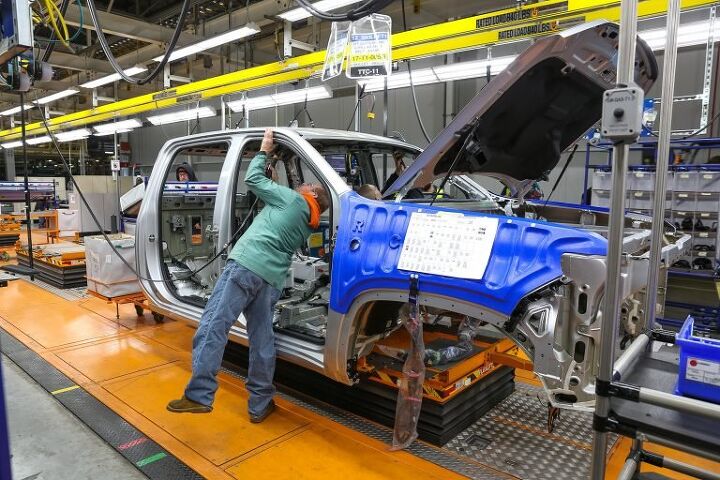
General Motors will resume full-size pickup assembly next week, leaving its crossovers will have to continue enduring production hang-ups related to the semiconductor shortage. American manufacturers have been absolutely creamed by supply shortages this year and a lack of chips really hurt pickup volumes. We’ve seen a lot of creative solutions, including automakers putting unfinished vehicles on the lot in hopes that they can install the missing hardware later.
But GM’s latest solution involves prioritizing Michigan’s Flint Assembly, Indiana’s Fort Wayne Assembly, Silao Assembly in Mexico — all of which were previously idled or operating on reduced schedules. Unfortunately, that means giving other North American facilities more downtime and, sadly, plenty of it.
Subaru Getting Super Screwed By Semiconductor Shortage
The global semiconductor shortage has been particularly hard on Western automakers, though it’s not been peaches and cream for Asian brands. Following news that Nissan had run into issues resulting in additional downtime this summer, we’ve learned that Subaru is currently operating with a scant, nine-day supply of product and will be required to conduct more plant closures due to a lack of chips.
Having already stalled its Yajima plant on multiple occasions, as well enacting work stoppages at Subaru of Indiana Automotive (its U.S. facility), this is hardly where the brand wanted to find itself going into the warmer months. On Friday, Subaru announced it would be idling two plants in Japan’s Gunma prefecture this July.
Senate Approves Bill Injecting Cash Into Semiconductor Industry

Apologies for all the semiconductor news. But it’s the topic of the day, with the United States Senate recently approving $52 billion in emergency spending to help bolster domestic chip production and another $190 billion for R&D programs.
Passing the vote (68-32) under the premise that boosting localized chip production would help prevent domestic automakers from having to cut corners, the Senate is also suggesting the funding could give the U.S. a competitive advantage against China. The Communist Party of China (CCP) has opposed the U.S. Innovation and Competition Act (formerly the Endless Frontier Act), with statements released from the National People’s Congress (NPC) demanding the legislation be halted immediately.
Chip Shortage: GM to Remove Stop-Start Tech From Trucks
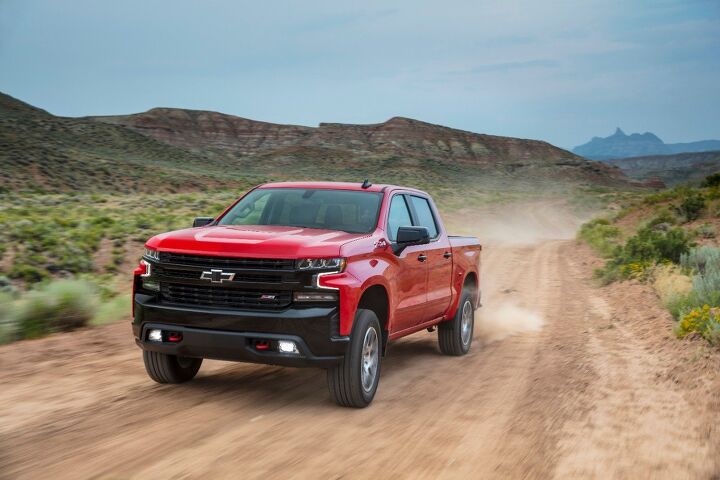
Despite hearing murmurings that the semiconductor shortage is about to turn a corner, General Motors has recently decided to begin manufacturing full-size pickups without the sometimes obnoxious automatic stop-start feature (intended to improve fuel economy) as a way to cut back on chip usage.
While this saves many the trouble of having to manually deactivate the system each time they return to the vehicle, some will undoubtedly miss having it. Those traversing the countryside or racking up highway miles during their daily commute have little to gain from the feature. But testing has revealed that city dwellers constantly exposed to stop-and-go traffic actually have an excellent shot at lowering their fuel bill. The vehicles GM has selected can do without start-stop technologies reflects this, though the compensation it’s offering remains laughable.
Analog Revenge: Chip Shortage Forcing Automakers to Ditch Tech
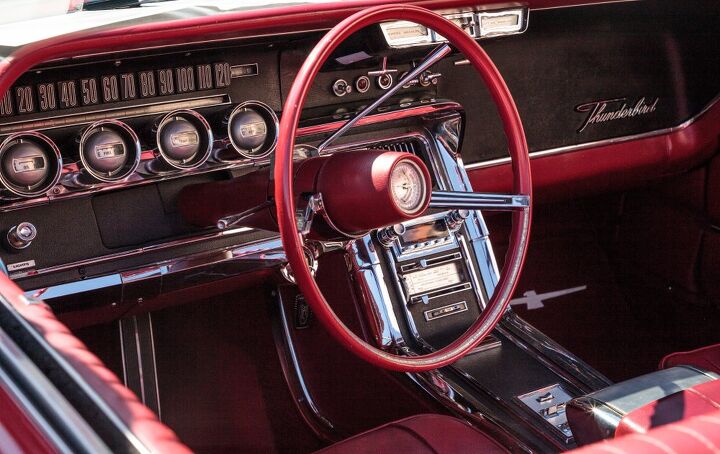
After months of seeing factories idled, it seems that the global semiconductor shortage has encouraged the automotive sector to rethink some production strategies. Numerous brands have opted to strip vehicles of specific features to help offset the ever-worsening chip problem, occasionally supplanting them with older hardware.
Well, well, well. It looks like the push into electromobility hasn’t gone quite as planned and the industry has come crawling back to analog in some cases. Though it would be premature to break out the campaign and declare the old ways superior for all time. The resurgence of analog hardware is likely to be short-lived, ending the second the semiconductor shortage lets up. As much as your author wants to believe the industry will learn a lesson about not putting all your eggs in one basket, it didn’t seem to in the last century and is unlikely to come around during this one.
Chip Shortage Forcing Daimler to Stall Production

In today’s update on the semiconductor shortage, we learn that Daimler has elected to place over 18,000 Mercedes-Benz employees on reduced schedules. With an insufficient number of chips, the manufacturer cannot produce vehicles with sufficient reliability and has decided to ease off until resupplies are more predictable. Unfortunately, that’s unlikely to happen for at least a few months — forcing Mercedes to roll with the punches much like Subaru, General Motors, and Ford. Though this is a problem that’s impacting the entirety of the automotive industry.
Daimler made its announcement on Wednesday, stating that facilities in Bremen and Rastatt will be the first (and hopefully only) plants affected by the stall.
Chip Shortage: Subaru Shutting Down SIA Through April
Today’s update on the global semiconductor shortage involves Subaru, which recently announced that it would be suspending production at its plant in Indiana. Lafayette’s Subaru of Indiana Automotive (SIA) will be idled through the end of April while the automaker waits for suppliers to catch up. It’s a situation we’ve seen numerous manufacturers forced into this year, with Ford arguably being the most relevant for the North American market.
Rental Car Companies Reeling From Uptick in Travelers
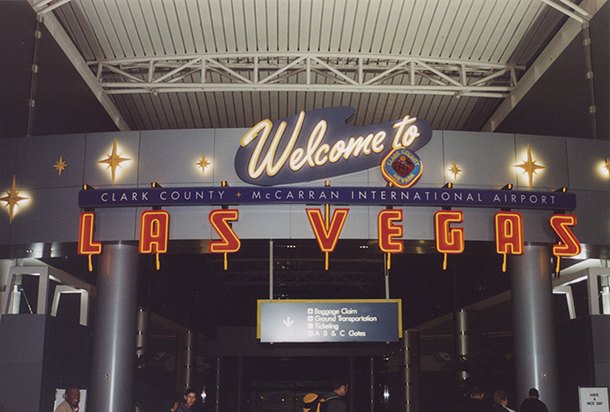
Rental car companies are their own worst enemies, having sold off much of their fleets during the pandemic’s height. With travel restrictions easing in many places they find themselves with no inventory.

Rubber Shortages Become Latest Problem for Auto Industry

Those of you tracking the semiconductor shortage can probably take it easy for a while, as practically every industry group on the planet has tentatively agreed we’ll be seeing a chip deficit for a few years. Meanwhile, market analysts are trying to predict the next material we won’t have enough of and rubber is looking like an ideal candidate.
Rubber supplies are drying up and price increases are reportedly beginning to climb at an untenable pace. Despite several years of relatively stable availability and low prices, supply chain disruptions created by lockdowns have left latex harvesters in a bad position. Low prices encouraged many to over harvest their existing crop, rather than invest in farmland. But with shortages looking probable as countries began responding to the pandemic, China went on a buying spree to maintain a robust national stockpile in 2020. The United States was late to the party and now finds itself in a position where scarcity is driving rubber prices through the roof just when it needs to buy more.
Supreme Court Allows Auto Aftermarket to Access APIs

The Supreme Court ruled on April 5th in the Google v. Oracle case, a copyright dispute over software. Their decision was that application program interfaces (API) are fair use in building compatible components.
Auto Industry Requests U.S. Government Help With Chip Shortage

The Alliance for Auto Innovation (AAI) is hard at work begging the federal government for help while the world continues coping with the semiconductor chip shortage, though it’s hardly the first time the industry has asked for or received administrative assistance. With pandemic lockdowns throwing global supply chains into a tailspin, U.S President Joe Biden said his administration would be seeking $37 billion and new legislation to address the chip shortage while federal agencies were directed to see what could be done in the interim.
But there’s little to be done with the brunt of the relevant manufacturing taking place in Asia, hence the AAI lobby requesting U.S. Commerce Department set aside some cash for domestic chip production in a new bill.
Semiconductor Shortage Delays More Automobiles
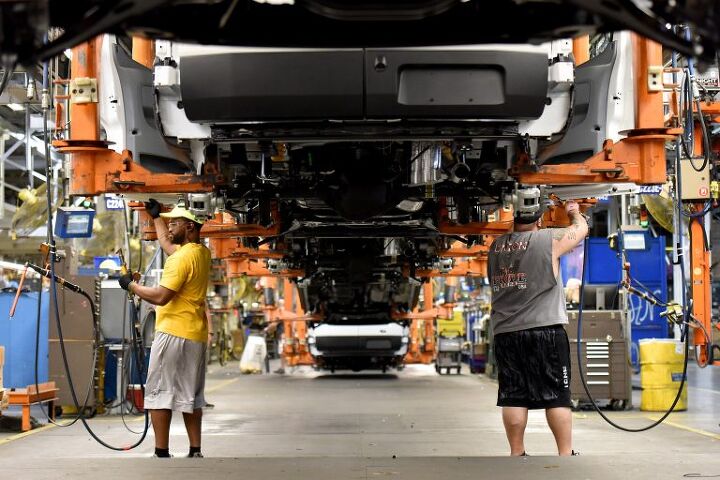
The industry is having to stall more plants to contend with the semiconductor shortage that’s currently making it more difficult for you to get everything from a smartphone on up to your next vehicle. Ford Motor Co. recently informed employees that its Dearborn truck plant (easily one of its most profitable facilities) would need to be idled through the weekend to create a buffer for semiconductor chips. Worse yet, it’s not the first time the automaker has had to stall output of the F-150 this year. Ford has also started manufacturing trucks without all the necessary components, stating it would hold vehicles for a few weeks to account for supply chain delays.
Meanwhile, Chrysler has made a similar announcement about its minivan output as Windsor Assembly faces another chip deficit. Unifor Local 444 recently stated that the facility would be staring down the barrel of a four-week shutdown starting next week. Considering Chrysler’s minivans literally just dealt with a three-week stall over the chip shortage, union workers are understandably upset. Days earlier, General Motors Canada also announced that its CAMI plant in Ingersoll, Ontario, will likely remain idle until the middle of April.
Sit on It: Foam Shortage Concerning Suppliers
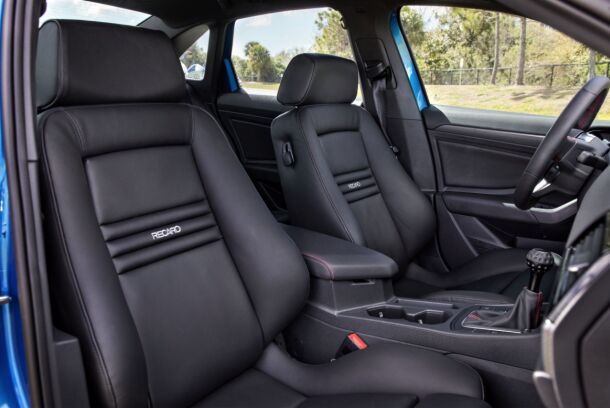
You’ve no doubt heard about the chip shortage sweeping the automotive industry. But have you heard of the foam shortage? That’s right, there’s a dazzling new deficit of supplies in the manufacturing sector and it’s affecting your seats. The semiconductor crisis is so winter. Next season’s hottest supply trend involves those lovely little petrochemicals necessary for foam production.
Texas storms that left millions without power last month, during one of the coldest winters in the region, could have reportedly shorted oil refinery output to a worrying degree. There is now an underabundance of refinery byproducts used to make propylene oxide, which is required to produce polyurethane foam, which is used to manufacture car seats.
Keystone BIG Show Returns This Weekend

The Keystone BIG Show, an automotive aftermarket trade show arguably second only to the SEMA Show in importance, will be held Friday, March 5th, and Saturday, March 6th, at the Gaylord Texan Resort and Convention Center in Grapevine, Texas. The in-person show will be followed March 15-19 by a virtual event.
Pass the Chips: VW Group Demands More Semiconductors for Europe

Residual complications from COVID-19 lockdowns and overdependency on Central Asian suppliers have left most of the automotive industry fretting over where they’ll be sourcing their semiconductor chips in 2021. What started as an issue forcing a handful of manufacturers to rejigger their assembly schedules has evolved into a worldwide problem. This week, practically every automaker with a global footprint announced that it would be suspending production at key facilities to contend with the shortage or issued warnings that their Q1 earnings might be negatively impacted if supply failed to stabilize.On Thursday, Volkswagen Group decided this was unacceptable and demanded that something be done about it in Europe — which is the region that has arguably been hit the hardest.
Read more
Chip Shortage Expands, GM Forced to Idle Factories
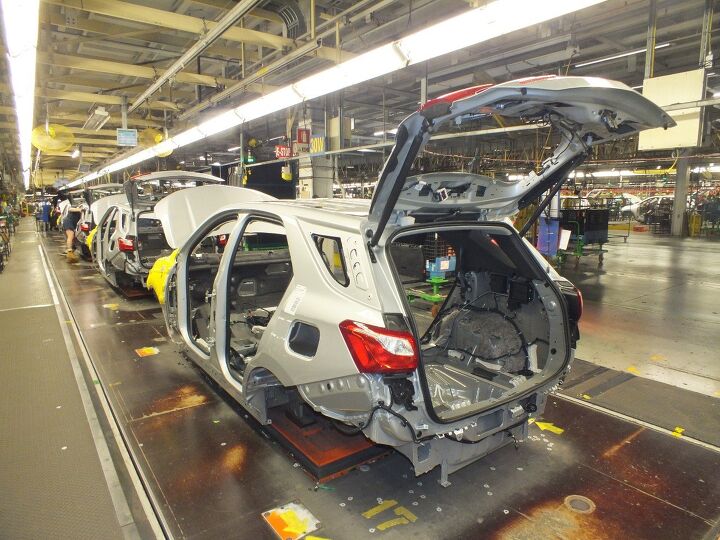
While the Great Semiconductor Shortage of 2021 probably isn’t going to the defining historical topic of the modern era, it’s presently doing a number on the automotive industry. Volkswagen Group, Ford, Mazda, Nissan, Subaru Corp., Toyota, and Stellantis have all reported the need to scale back production this year.
On Wednesday, General Motors said that it would also have to handle the issue by closing down four plants next week. Affected sites include Kansas’ Fairfax Assembly, Ontario’s CAMI Assembly, and Mexico’s San Luis Potosí Assembly. GM Korea will likewise be operating Bupyeong 2 at half capacity, according to Reuters.
Hyundai Reassures Dealers as Battery Shortage Adds Dark Clouds to Kona Electric Launch

By all accounts, the Hyundai Kona Electric is a zippy little crossover endowed with surprising range and the same basic utility as its gas-powered sibling, minus the whole all-wheel drive thing. However, a battery shortage afflicting the Korean automaker has added uncertainty to a model arriving on American shores this year.
Will it actually show up when a customer wants one?
Don’t worry about that, Hyundai’s telling dealers. There’s a plan to get Kona Electrics to America.

Fiat Chrysler Offloads Magneti Marelli Parts Unit for $7.1 Billion

A key goal of Fiat Chrysler Automobiles’ financial fitness regimen, started under former CEO Sergio Marchionne, has come to pass under his successor, Mike Manley.
On Monday morning, FCA announced the sale of its Italian parts unit, Magneti Marelli, to Japan’s Calsonic Kansei, itself owned by KKR & Co. The deal, worth $7.1 billion, sees the parts unit don the name Magneti Marelli CK Holdings. It’s likely very good news if you’re an FCA shareholder.
Tesla to Suppliers: Take a Hit to Make Us Great
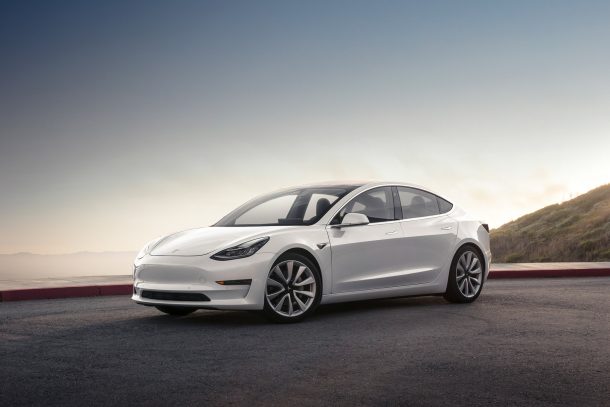
Agreements forged between automakers and suppliers aren’t etched in stone, and shaky financial ground has a way of altering how and when those suppliers are paid. Look back to the recession for prime examples of that.
However, a memo sent from Tesla to a supplier shows the electric automaker wants to recoup a portion of its previously spent cash — a request designed to help Tesla finally turn a profit.
Battle on the Border: We'll Fire Back If You Pull the Trigger, Canada Tells U.S.

The thought of the U.S. imposing an import tax on Canadian vehicles and auto parts was once unthinkable, but the possibility now exists. Unable to ignore it any longer, Canada now says it will impose tariffs on American-built vehicles should the U.S. act first.
Canada’s contribution to the continent’s automotive landscape isn’t what it once was, but it’s still formidable when viewed in isolation. The Great White North, which continued building Studebakers for two models years after South Bend went dark, houses assembly plants operated by the Detroit Three, Honda, and Toyota.
With the glaring exception of pickup trucks, Canada would find itself with a (limited) crop of remarkably practical tariff-free vehicles if the taxes went into effect.
Maybe Autonomous Vehicles Don't Have to Look Like Steaming Sacks of Garbage

Thank God we don’t have to look at that Google self-driving car anymore. You know the one — shaped like an unhappy egg wearing a little hat? That one. The one that inspired visions of a future where life is so sterile and miserable that it wouldn’t be hard to imagine masses of people throwing themselves on the road in front of these pod-like commuting appliances.
Still, even as self-driving technology advances, we’re treated to concept vehicles that don’t exactly stir the soul. Some recent designs deserve kudos, but many still resemble motor pool rejects from A Clockwork Orange, terrifying gearheads and libertarians alike.
It doesn’t have to be that way, claims one automotive supplier. You can have your sexy car and still tell it to drive you around.
Volvo Puts Pedal Down to Bring Next-generation, All-American Volvo XC90 to Market

The Chinese-owned Swedish brand’s first U.S. assembly plant, which is about to launch into production of the next-generation S60 sedan, will gain a second exclusive product in the form of the next-gen XC90.
As the priciest vehicle bearing a Volvo Cars badge, the XC90 remains a huge part of the brand’s — presence and profits — in the United States. And, when sole production of the model comes to the Southeast factory in just three years, workers will be tasked with building a model capable of Level 4 autonomy and all-electric driving. It’ll be a challenge, Volvo’s CEO says, but it’s necessary.
Your Future Honda EV Might Have a General Motors Battery

Not if you’re planning on leasing a Clarity Electric, of course, though future iterations of Honda’s greenest model could use what General Motors is pushing. Which is: a far more energy dense battery.
On Thursday, the two automakers announced a partnership to develop smaller, longer-ranged batteries for use in electric vehicles, primarily those sold in North America. Once the two achieve a breakthrough, GM will become Honda’s supplier.
Steel of a Deal: BMW Looking at Sourcing More Carbonized Iron From U.S.

As nations continue plotting how to best stab each other in the back in the wake the United States’ decision to impose steeper tariffs on aluminum and steel, manufacturers have to find a way to roll with the punches. Domestic BMW dealers have begun crapping their designer britches over fears that 3 Series models will suddenly host MSRPs in excess of $60,000 if the Trump administration follows through with a threat to impose high import duties on cars.
While we don’t know if the 25 percent import tariff on cars will come to pass, we do know the very real steel tariffs will shrink the profit margin of many vehicles. However, BMW is one of the first automakers we’ve heard discussing the purchase of more U.S. steel to mitigate costs.
Freeing Up Factories: Toyota to Consolidate Electronics Operations Within Denso

Toyota Motor Corp. says it had reached an agreement to consolidate all of its core electronics component operations within Denso. The move should allow Toyota to free up resources to compete more effectively in the new vehicle technology field.
Japan’s largest automaker noted it still has to discuss the logistics of transferring production of parts produced at its Hirose plant, near Toyota’s global headquarters, before the end of next year. But Denso, the company’s largest supplier, has already agreed to the core concept of the deal. By 2022, Denso will have taken over the mass production of all electronics components used in Toyota’s vehicles.
Camera-guided Ford Fusion Sails Through Red Light; Supplier Blames … Other Cameras
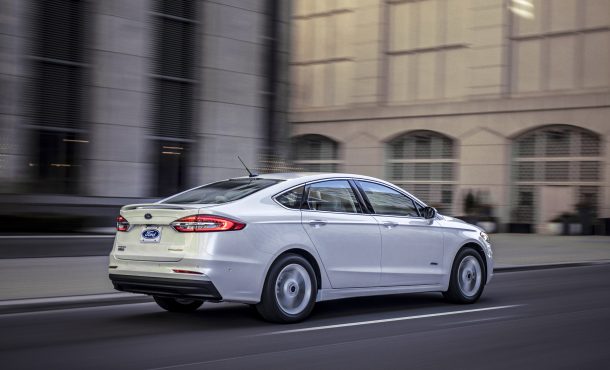
Mobileye, the Israeli company that supplies camera-based driver assist technology to a host of automakers, just received a black eye.
While one of its Ford Fusion Hybrid testbeds cruised through the streets of Jerusalem to show off its autonomous driving abilities, the sedan, equipped with 12 cameras (three of them forward facing), four advanced EyeQ4 chips, and a television audience, drove merrily through a red light.
It’s technically not the car’s fault, Mobileye said. It’s the TV crew’s.
Ford Suspending F-Series Production After Supplier Fire, Other Automakers Affected
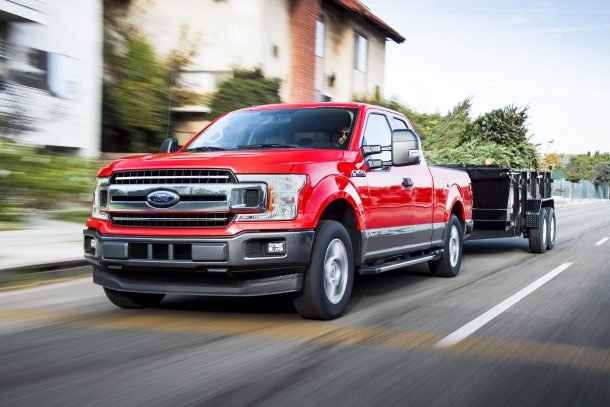
As we told you yesterday, Ford announced it will temporarily halt production of the F-150 and Super Duty after a fire at Meridian Magnesium Products of America knocked out a key supplier. While the Blue Oval isn’t the only automaker affected by the supply shortage, as General Motors, Fiat Chrysler, BMW, and Mercedes-Benz also report the likelihood of production interruptions, Ford has the most to lose.
Taking the company’s most profitable vehicle out of the mix for a few weeks is a big deal. During a bad month, Ford might sell around 50,000 F-Series trucks in the United States. But a good month can see around 90,000 deliveries, so an unplanned idle probably has the automaker tugging at its collar a little. Fortunately, Ford currently has a 84-day supply of F-series pickups. That doesn’t mean it won’t feel the pinch if the wait on parts takes longer than expected.
The factory shutdown affects F-150 production at the Ford Kansas City Assembly Plant, which Ford said will last until at least May 14th. Super Duty lines at Kentucky Truck and Ohio Assembly have also shut down. Ford’s Dearborn Plant is expected to go down temporarily in the near future.
So, how far have the ripples spread?
Supplier Shortage Causes F-150 Production Hiccup

Ford has paused production of the F-150 at its Kansas City Assembly Plant after a fire at one of the facilities belonging a Michigan-based supplier created a parts shortage. Meridian Lightweight Technologies makes instrument panel components for the pickup.
Roughly 3,600 unionized plant workers at the Kansas City facility have been told to cool their heels at home from May 7th to 14th, according to an Automotive News report.

FCA's Large Cars to Ride on As Supplier Strike Ends

Car building will soon fire up again at Fiat Chrysler’s Brampton, Ontario assembly plant after employees at a just-in-time seat supplier called of their week-long strike. Late Friday, workers at Lear Ajax ratified a four-year wage contract with their employer.
Brampton Assembly, which builds the Chrysler 300, Dodge Charger, and Dodge Challenger, cancelled both shifts on Thursday after exhausting its limited seat supply. The new agreement between Lear and its Ajax workforce not only keeps seats flowing to FCA, it also keeps Lear from closing its doors for good.
Brampton FCA Plant Shuts Down as Supplier Strike Continues

Fiat Chrysler Automobiles cancelled both shifts at its Brampton, Ontario assembly plant Thursday, stemming the flow of Chrysler 300, Dodge Charger, and Dodge Challenger models.
Blame the work stoppage on a lack of seats. Brampton’s just-in-time supplier, Lear, saw its workforce go on strike last weekend after failing to reach a collective-bargaining agreement. However, a new wrinkle in this relatively commonplace labor action is that Lear plans to close its plant.
Large Fiat Chrysler Cars Suffer Production Setback as Supplier Goes on Strike

If every full-size car built by Fiat Chrysler was a Dodge Demon, the automaker’s limited supply of seats wouldn’t be as big an issue.
Well, the Demon’s dead, and all of the Chrysler 300s, Dodge Chargers, and Dodge Challengers built at FCA’s Brampton, Ontario assembly plant need a place for five occupants to plant their asses. As of a minute after midnight on Saturday morning, those seats are no longer rolling out of supplier Lear Ajax. A production slowdown in Brampton ensues.
It's Decision Time for Ford's Carbon Fiber Subframe
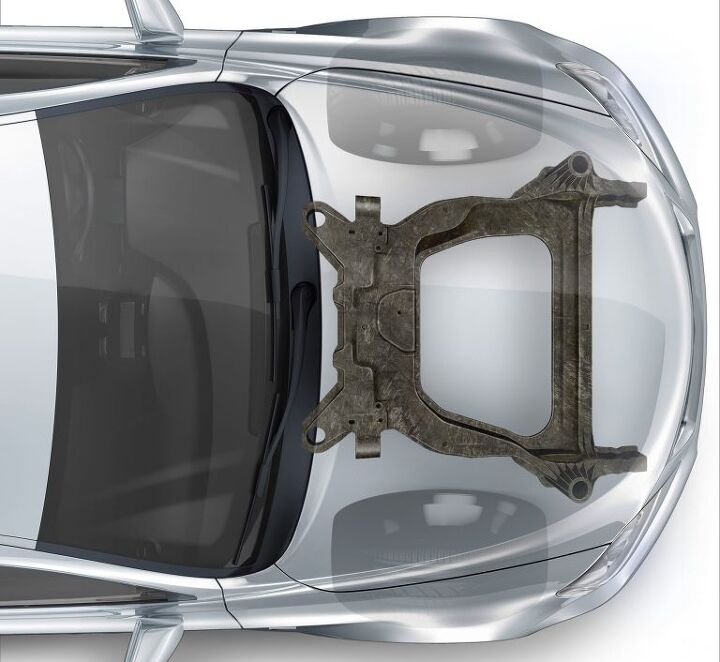
By the end of the year, you’ll know whether your next front-drive, non-supercar Ford might contain a carbon fiber cradle for its engine. As promised, supplier Magna has delivered a carbon fiber composite subframe prototype to Dearborn, destined for a rigorous life in a Fusion testbed.
There’ll be calculators working overtime as Ford engineers and bean counters figure out whether the lightweight, parts-saving component has a place in the brand’s stable.
Tesla Model Y Starts Production in November 2019, Report Claims

In June 2017, Tesla CEO Elon Musk told shareholders that the company’s upcoming Model Y crossover, built on its own dedicated platform, would appear in 2019. That plan soon changed, with Musk deciding (under pressure) that the new vehicle would share much of its architecture with the Model 3 sedan. The timeline remained hazy, as Tesla timelines are wont to do.
Now, sources close to the company’s supply chain say the Model Y is headed for a November 2019 production start — a timeline one of the sources describes as “aggressive, but possible.”
Breaking Up Isn't Hard to Do: Fiat Chrysler Announces Parts Division Spin-off

As Magneti Marelli prepares for its 100th birthday next year, the Italian parts supplier can expect to mark the occasion while newly single.
In a bid to streamline its operations, Fiat Chrysler Automobiles has announced it is moving forward with a plan to spin off the weighty subsidiary. The split should be complete by the end of this year or early next.
Amid Stock Slide, Tesla Issues Largest Recall to Date

Tesla’s once sky-high share price has taken a serious hit in recent days, so news of the electric automaker’s recall of 123,000 Model S vehicles couldn’t have come at a worse time.
Describing the recall as voluntary, Tesla sent emails to owners of all Model S electric cars built before April 2016 to warn of an issue affecting the car’s power steering system. The issue involves corrosion impacting the bolts holding the power steering motor to the rack, which can then shear off — leading to a loss of power steering.
NHTSA Investigates Why Kia, Hyundai Airbags Didn't Deploy in Fatal Crashes

The National Highway Traffic Safety Administration has opened a probe into two older-model Kia and Hyundai vehicles in the wake of six head-on collisions, hoping to discover why the vehicles’ airbags failed to deploy.
Included in the investigation is the 2011 Hyundai Sonata and Kia Fortes from the 2012 and 2013 model years. The collisions reported by the safety agency resulted in four deaths and six injuries.
Noted Diesel Lover Promises 'Practically' One New EV Per Month
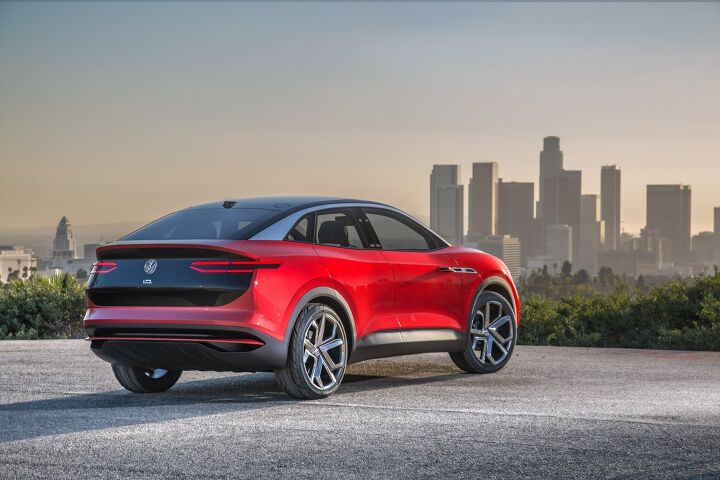
Just a week after claiming diesel technology will “ see a renaissance in the not-too-distant future,” Volkswagen Group CEO Matthias Müller said his company is prepared to bestow “practically one new electric model per month” on a world that’s apparently fallen out of love with diesel.
It’s a jarring change of tone from comments made at the Geneva Motor Show, but Müller’s not talking about next month or next year. Once the company’s MEB platform electric vehicles hit full production, he claims, expect the product floodgates to open. We’ve grown properly cynical about lofty EV promises, as well as the public’s supposed unquenchable desire for said vehicles, but Müller insists it’s the real deal.
Backing up the CEO’s claim, Volkswagen apparently has suppliers lined up to make it happen.
Steel, Aluminum Tariffs Might Not Happen, Trump Says
As the U.S., Mexico, and Canada enter into the final day of the seventh round of NAFTA renegotiation talks, President Trump is offering his neighbors an incentive for signing a favorable deal.
“Tariffs on Steel and Aluminum will only come off if new & fair NAFTA agreement is signed,” Trump tweeted on Monday morning.
The president’s surprise announcement of tariffs on imported aluminum and steel late last week — 10 percent on the lighter metal, 25 percent on the heavier one — sent automaker stocks tumbling. Hoping to quell fears of new vehicle price increases, General Motors and Toyota released statements claiming the bulk of their aluminum and steel flies a red, white, and blue flag.
Sheer Magnetism: Toyota's Plan for a Cheaper EV Involves Hard-to-pronounce Words

If buyers really do plan to line up to buy electric vehicles, even before the government forces them to, automakers had best figure out a way to make them affordable not just to buy, but to build.
We all know battery packs are expensive (with ingredients clouded by child labor and environmental issues), but batteries are only part of the equation. While simple in operation, electric motors are nothing like the aluminum or iron affairs under the hood of your dad’s Buick Enclave. There’s a lot of metals you’ve never heard of in a permanent magnet AC motor.
Toyota, which wants to be an electric car bigshot, just figured out a way to make a cheaper motor.
Nothing Lasts Forever, but Your Saab Might (if You Sign on to a New Parts Warranty)

One day, if we’re lucky, we’ll see a documentary showcasing old Saabs in their natural habitat. The slinky 9-3 plying the interstate between Burlington, Vermont and the Connecticut coast, a valiant 9000 prowling between a Denver lawyer’s office and home, and a black 900 convertible sneaking up on a rural farmers’ market.
David Attenborough will handle narration duties.
Until that time, we can draw comfort that a conservation program exists to keep this extinct brand on the road. Started last fall by the defunct automaker’s official parts supplier, the warranty program means Saab owners in the United States, Britain, and the brand’s Swedish homeland can look forward to smaller maintenance bills in the future.
Visteon CEO Bets Company's Future on Autonomous Vehicles
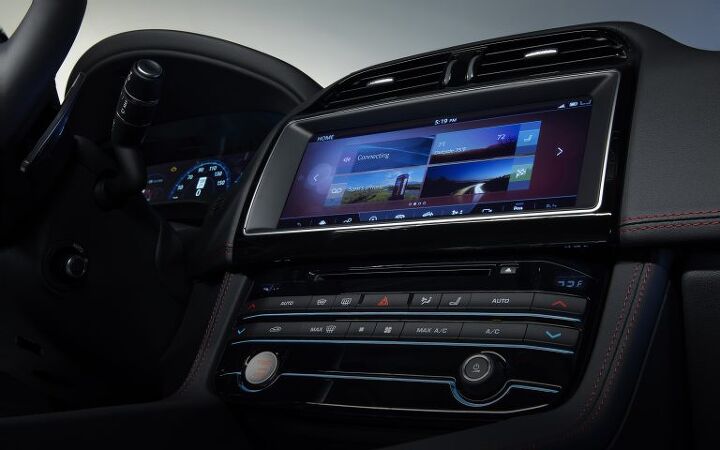
After spinning off from Ford in 2000, Visteon has set a corporate goal of expanding its supplier business to other companies. However, it hasn’t been smooth sailing. Granted Chapter 11 bankruptcy protection in 2009, Visteon emerged intact from its reorganization the following year. By 2013, the automotive supplier announced it would pare down its operations to focus primarily on vehicle electronics and HVAC systems.
Now, CEO Sachin Lawande says the company’s future hinges on autonomous vehicles. At this week’s Consumer Electronics Show in Las Vegas, Visteon will unveil its new DriveCore platform, a central control unit for electronics and software in autonomous cars known as a “domain controller.”
Takata Problems Force Recall of Ford Ranger (No, Not That One - the Old One)

Ford is recalling the Ranger. No, not the one they’re likely to show on stage at Detroit in about a month’s time. Rather, they’re calling back nearly 400,000 of the old Rangers. You know, the ones they stopped producing way back in the, uh, wow, 2012 model year.
In fact, the recalled units stem from much further back than that, with the company saying it will replace the airbags in 391,394 units of the 2004 through 2006 model-year Ford Ranger. Yes, Virginia, this is another problem related to Takata airbags.
Plus, we just wanted an excuse to run a photo of the old Ford Ranger.
Positives and Negatives: Honda Weighing Benefits of Solid-state Batteries
Tightening global emission regulations are pushing the world’s automakers to put all fuel-saving options on the table. Electric cars are an obvious answer, but range anxiety and consumer concerns about battery life continue to dog vehicles powered solely by electrons.
With a finite amount of space in their vehicles, manufacturers are constantly looking for efficiencies when laying out plans for EVs. According to a report from Reuters, Honda is considering developing solid-state batteries for use in their future EVs.
Eternal Life: NISMO Heritage Program Building New Spare Parts for the GT-R
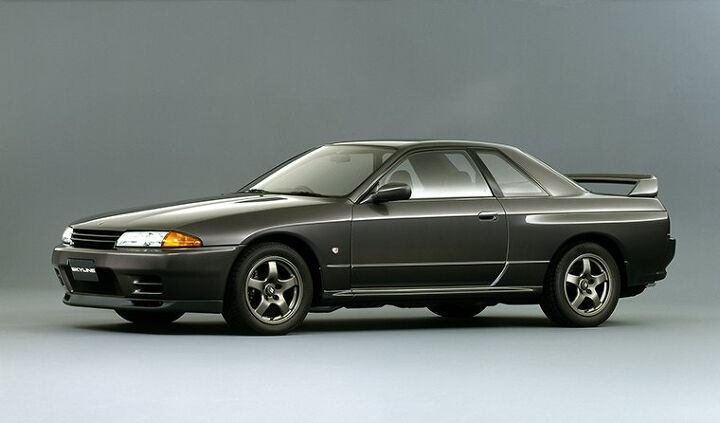
Nissan R32 GT-R owners in Japan will be able to enjoy wheeling their treasured rides around a lot longer, thanks to a program making new replacement parts available.
The parts will go on sale in Japan the first week of December as part of the new NISMO Heritage program, meaning that poorly modified R32 Godzillas hacked together in the wake of each Fast & Furious movie can now be properly restored.
Car, Tell: Quintet of Safety Suppliers Fined for Price Fixing

It appears the fictional JR Ewing isn’t the only one having to deal with cartels. Antitrust regulators in the EU have fined five safety equipment suppliers a combined 34 million euros ($40 million) for taking part in a scheme to fix prices for seat belts and airbags sold to Japanese automakers.
The cartels were allegedly supplying the safety equipment to Toyota, Suzuki, and Honda at inflated prices between calendar years 2004 and 2010.
Despite Falsified Supplier Data, Japanese Automakers Claim Cars Are Safe

Kobe Steel, the disgraced Japanese metal supplier, apparently falsified quality data for its products for over 10 years, the company now admits. Some of those products were sheetmetal and aluminum components used by a slew of automakers, among them American, Japanese, French, German, and Swedish manufacturers.
Makers of trains and airliners also made use of the metals, the strength and durability of which is now in doubt. This week, the European Aviation Safety Agency warned against components made by Kobe Steel.
While Boeing and Airbus inspect their aircraft, automakers are doing the same. Ford has said there’s no reason to be concerned, as Kobe product only went into the hood of a Chinese-market sedan. Now, four other automakers have given their vehicles a clean bill of health.
Automakers Take Stock After Major Metal Supplier Admits Selling Shoddy Aluminum

It’s often hard to remove an ingredient after the cake’s emerged from the oven. Because of this, news of Kobe Steel’s falsified inspection reports no doubt came with a fair bit of nervous collar tugging for executives at several automakers.
The Japanese company, which has subsidiaries in numerous countries, is a go-to supplier for the automotive and aircraft industries, providing steel, copper and aluminum components to companies as diverse as Ford and Boeing. Last week, Kobe admitted to selling substandard (or suspected substandard) materials to 500 companies, among them Ford, Volvo, Toyota, Honda, Nissan, Mitsubishi, and possibly Mazda.
Oh, and Mercedes-Benz, Tesla, General Motors, Hyundai, and Renault.
Maybe you’ve heard of them.
General Motors Going Back Into the Defense Business
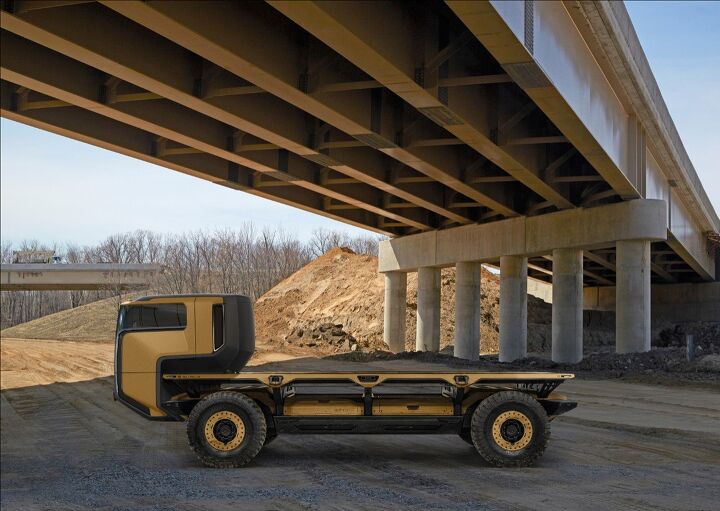
“Old soldiers never die,” the saying goes, “they just fade away.”
And that’s exactly what General Motors, no stranger to U.S. military products, did following the Cold War. The company that once produced the Cadillac-built M5 Stuart tank and Buick-built M18 Hellcat tank destroyer in World War Two sold its military products division — GM Defense — to General Dynamics in 2003.
However, just because Stryker and LAV III light armored vehicle production is now someone else’s responsibility doesn’t mean GM isn’t interested in fulfilling the military’s needs. The company still ships engines and transmissions to the Army, but according to a new report, the automaker is once again planning an official military division.
Ripples From Chevrolet Equinox Strike Force Slowdowns, Layoffs
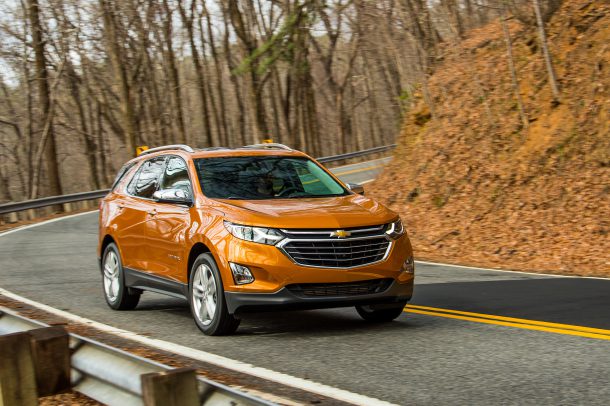
The Chevrolet Equinox assembly line at General Motors’ CAMI plant in Ingersoll, Ontario, remains shuttered, and the impact from the dried-up flow of crossovers now extends across the border.
Unionized workers at the plant walked off the job Sunday night after their Unifor Local 88 bargaining team failed to reach a contract agreement with GM. Though the week began with marching and signs in Ingersoll, it ended with layoffs at an Ontario transmission plant and the promise of more in Michigan and Tennessee.
This North Korea Thing Has Major Implications for Hyundai

Hyundai Motor Co. is squabbling with its Chinese partner, BAIC Motor, over efforts to reduce supplier costs. The automaker has already faced a myriad of problems with its Korean workforce and witnessed reduced volume in both China and North America this year.
However, its newest problem in the Far East isn’t simply a matter of tweaking its lineup. The issue also has political undertones as the North Korean missile crisis has pitted Beijing and Seoul at odds with each other.
Saying What's Popular: Suppliers Claim Automakers Are Overselling the Future of 'Mobility'

Suppliers have begun putting automotive companies on blast for overly ambitious mobility claims. While self-driving cars are definitely en route, manufacturers have ramped up their arrival time and omitted the necessary pit stops to win favor with investors or the general public. Meanwhile, parts suppliers have been frank on the matter — explaining they know when autonomous cars are really coming because they’ll be the ones providing the tidbits that make them work.
Don Walker, CEO of Magna International, one of the world’s largest OEM parts suppliers, suggests automakers may even be misleading their customers. “A full autonomous vehicle is a long way off for lots of reasons, because of legislation, class-action lawsuits, all the complexities and the costs associated with it,” the executive said.
Speaking Wednesday at the 2017 Center for Automotive Research Management Briefing Seminars, Walker also took umbrage with the popular claim that electric vehicles could comprise around 25 percent of the new market by 2025. Instead, he claims EVs will only account for 3 to 6 percent of the global market within that timeframe — a figure predominantly dependent on how swiftly the highly regulated Chinese market grows.
Honda Charges Up Its Electric Game With Joint Motor Company

Following early technological success in the electric car field, Honda entered the 21st century with a newfound aim to place hybrid vehicles in the driveways of global carbuyers. While rival Toyota’s hybrids have garnered the most headlines and sales, no one can criticize Honda (CR-Z notwithstanding) for the continued refinement of its electrified powertrains. Just look at the most recent Accord Hybrid or Acura’s growing list of performance-oriented multi-motor products.
Still, as fully electric vehicles began emerging on the scene, Honda found itself lagging behind. The Clarity EV, an electric version of its second-generation fuel cell vehicle, arrives this summer with a paltry 80-mile range. However, we’re promised much more in the year ahead.
As it moves forward with its EV plans, Honda also wants to have a stake in the supply of EV components to automakers — namely, electric motors. As of today, Honda and partner Hitachi have a name for their joint venture: Hitachi Automotive Motor Systems Limited.
Future-proofing: Cummins Wants to Sell You More Than Just Diesels
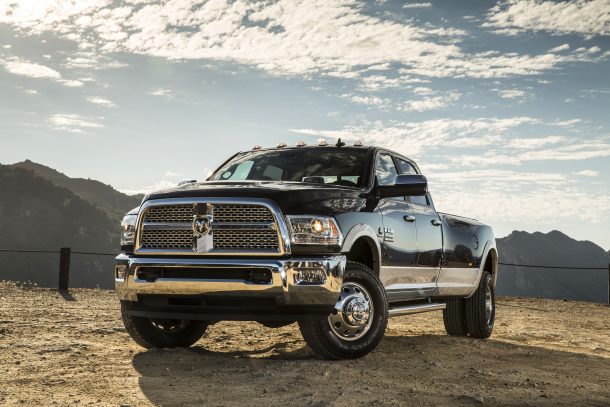
It’s hard to hear the name Cummins and not immediately think of a Ram pickup struggling valiantly to pull a gnarled tree stump out of the unyielding earth. Certainly, the company’s diesel inline-six and V8 engines are to the truck world what Nike is to professional sports.
While Cummins’ fossil fuel-powered engines and power systems show no signs of becoming passé, a company ignores the future at its own peril. The green revolution is afoot, we’re told, and internal combustion power will one day occupy the niche currently inhabited by electric propulsion. With this in mind, Cummins has a plan.









Recent Comments