


Counterfeit Valve Body Scandal Surfaces in the Aftermarket Parts World
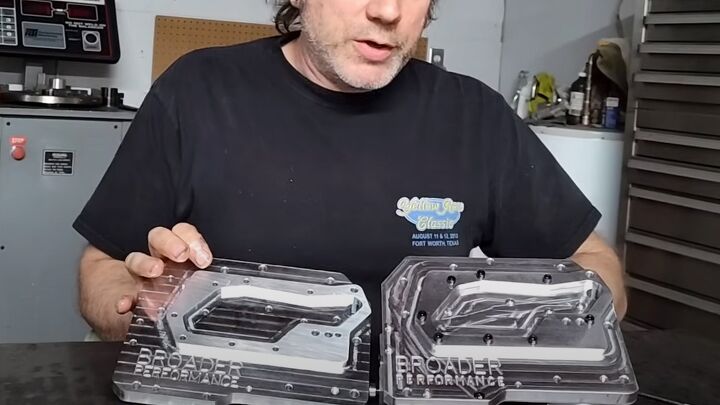
Aftermarket car parts are a huge business, with hundreds of niche companies selling vehicle- and application- specific upgrades and merchandise. They can be pricey, though, and like anything expensive, there can be a dark side to the business. Broader Performance, a company manufacturing Ford transmission parts, recently found itself on the wrong end of that cycle, as it discovered a counterfeit of one of its products being sold on Summit Racing.

Seattle-Area Hellcat Driver Banned from Driving His Car Over Idiotic and Dangerous Behavior

There are so many well-documented accounts of people doing dumb things in high-powered cars that it’s become satisfying to see some of them suffering the legal consequences of their actions. That’s exactly what happened to a Seattle-area Dodge Charger Hellcat SRT driver, who was recently charged with reckless driving and banned from driving the car.
The DOJ Thinks Apple CarPlay is Bad for Consumers and the Industry

A significant percentage of new car buyers want Apple CarPlay in their next vehicle, but that popularity has the government on high alert. As part of its recent antitrust lawsuit against the tech giant, the U.S. Department of Justice listed CarPlay, saying that it stifled the development of technologies that could work with a phone while residing in the vehicle’s interface.
Toronto Police Recommend Letting Thieves Steal Your Car

While car crime has been up generally in recent years, some North American cities have seen staggering increases in automotive theft. Toronto estimates that it has endured a nearly 150-percent in automotive crime over the past six years and local authorities are rolling out a new tactic to cope with the situation — police have advised the public to just let thieves take their vehicle.

Parc Fermé: Paris Triples Parking Rates for SUVs

Don’t expect to see many SUVs in the background of future photos of the Eiffel Tower. Results of a weekend referendum have tripled parking rates for some types of vehicles in Paris, France. Based on weight, the new rules target out-of-towners who bring SUVs into the City of Light.

California Lawmaker Wants to Limit Vehicle Speeds to 10 MPH Above the Limit
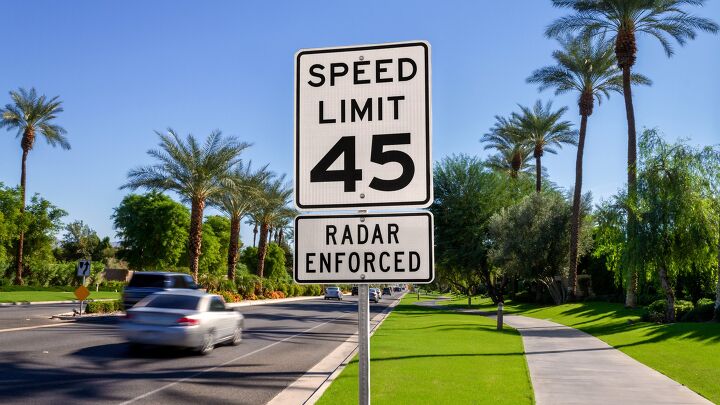
Every new car has a limited top speed programmed in at the factory, but for most, it’s usually deep into triple-digit numbers that most people never see. A proposed bill in California could drastically change the way automakers limit vehicle speeds, as one state senator wants to keep vehicles traveling within 10 mph of the speed limit.
Dealers' Associations Ask Courts to Block FTC's Ban On Hidden Fees

While most car dealerships are honest, legitimate businesses, some don’t hold their customers in such high regard, charging more than they should without the right disclosures about what the fees are for. Hidden fees aren’t just annoying and shady, though, they can be very expensive, and last year, a Federal Trade Commission ruling aimed to shut the practice down.
The National Automobile Dealers Association protested the decision, joining the Texas Auto Dealers Association in filing a petition in the Fifth Circuit Court of Appeals, leading to a pause on the FTC's rule.
Stolen GMC Syclone Returned to Owner By Unknowing Buyer
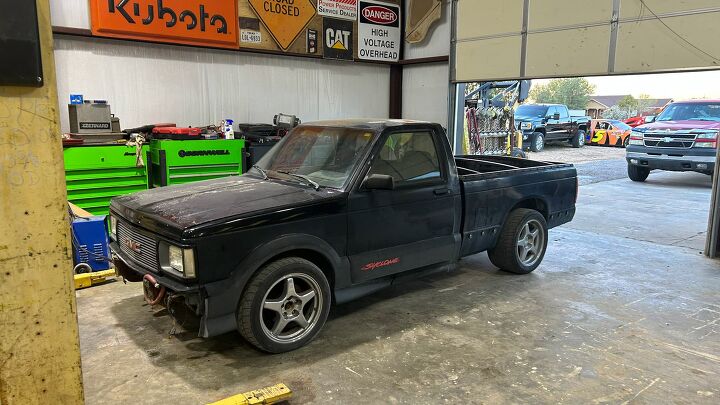
Buying things from private parties can be risky. Even if you’re sure that you’re purchasing a legitimate, genuine product, exchanging any amount of money with a stranger is no fun. One Texas man recently had a terrible experience buying what he thought would become his dream car, only to discover his new purchase was a stolen vehicle.
Colorado Switching to Screen-Printed License Plates for Better Visibility
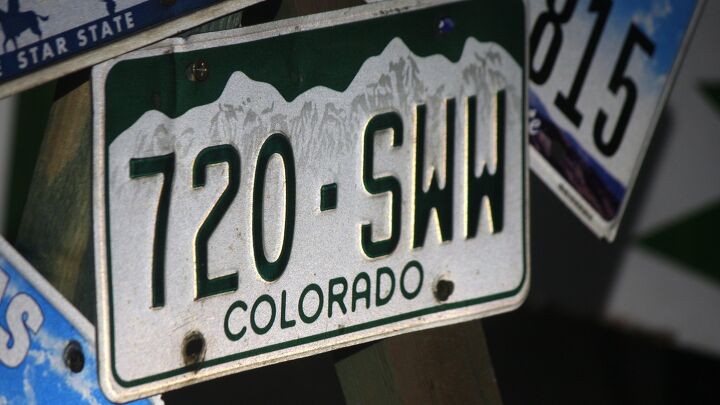
Having a visible license plate is a big deal in most places, but the paint and coatings on the plate can wear and become hard to see over time. Here in Maine, it’s a common sight, as the road salt and sand can quickly shave off the more visible parts of a license plate. Colorado receives similar winter weather, and lawmakers in the state want to change the type of plates allowed to be more durable and visible over time.
Former Ford Employee's Lawsuit for Disturbing Sexual Harassment is Finally Heading to Trial
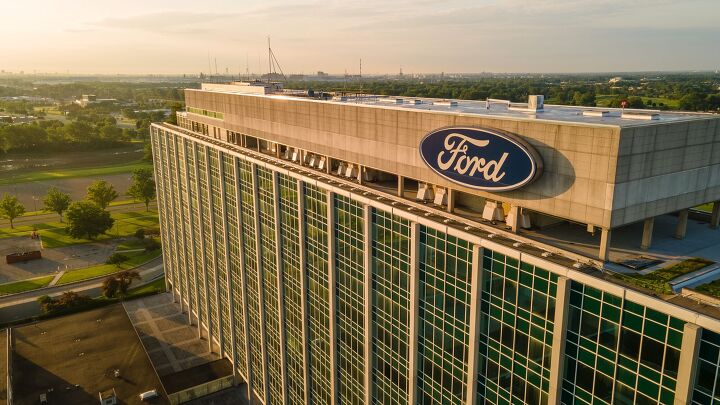
Ford is now four years deep into an alarming lawsuit that highlights alleged sexual harassment and what the plaintiff described as a very hostile workplace. The Detroit News reported that DeAnna Johnson filed the suit over her experience working at Ford’s Dearborn Truck plant, and the details are disturbing, to say the least.
Quota Time: Connecticut Troopers May Have Faked 1000s of Citations

As if tagging drivers in a questionable speed trap wasn’t enough, it is being alleged troopers in the Nutmeg State have falsified thousands of traffic tickets.
AAA Study Examines the Impact of Changing Speed Limits

A new study from the American Automobile Association (AAA) has suggested that raising vehicle speed limits offers negligible benefits to drivers while decreasing overall safety for all travelers.
“Our study analyzed before-and-after data on a dozen roadways that raised or lowered posted speed limits and found no one-size-fits-all answer regarding the impact of these changes,” said Dr. David Yang, president and executive director of the AAA Foundation. “However, it is critical to consider the safety implications when local transportation authorities contemplate making changes with posted speed limits.”
Florida Governor Ron DeSantis Signs Bill Blocking Most Direct-to-Consumer Auto Sales

Dealer franchise laws are controversial at best and downright divisive in most cases, but they remain a significant force in the automotive industry despite the political noise surrounding them. Florida governor and GOP presidential candidate Ron DeSantis recently joined the fray when he signed House Bill 637, legislation that blocks direct auto sales for most brands but not all.
QOTD: Should Speeding Fines Be Based on Income?

Here's a weird one -- a wealthy Finnish man is paying an almost $130,000 fine for speeding 20 mph over the limit. That's because that country bases its speeding fines based on the offender's income.

Good Riddance: LA Suburb May Permanently Confiscate Street Takeover Cars

Let’s be clear: Street takeovers, sideshows, or whatever you want to call them are not held or attended by legitimate car enthusiasts. They often feature stolen vehicles and frequently end with crashes and injuries – many times to the people on the sidelines watching. One Los Angeles suburb has had enough, and its city council recently passed an ordinance directing police to permanently confiscate vehicles seized during the events.
Woman Sues Avis for Mistaken Stolen Vehicle Report That Ended With Her In Handcuffs
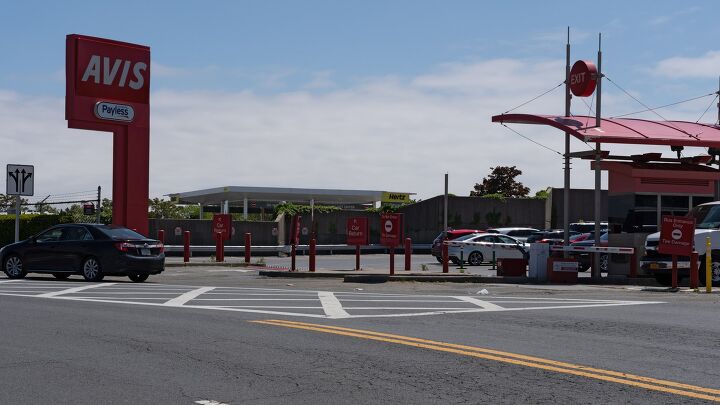
Most car rentals are uneventful, save for the stray gas or cleaning charge. Even so, we’ve heard a few disturbing stories of falsely reported rental car thefts in recent years, in which rental companies can wreak havoc on their customers’ lives without much stopping them. One California woman is suing Avis for such an incident, which ended with her handcuffed at gunpoint.
Pennsylvania Wants to Let 15-Year-Olds Drive to Work

I remember my first job and spending my early driving days slowly putzing there with a parent in the front of our 1971 Cutlass. It was frustrating to be almost 16, have a learner’s permit, and still have to drive grandma speed, especially with a Rocket 350 under the hood, but it probably saved me (and local law enforcement) a lot of hassle and trouble. Pennsylvania lawmakers want to change the licensing age to let more teens drive themselves to work.
California Law Bans OEMs From False Self-Driving Claims

There are no fully self-driving cars on the market. That's a simple truth. The Society of Automotive Engineers has determined that there are five levels of autonomous driving, with level five being fully autonomous. As of last year, there were no cars that went beyond Level 2 -- a few potential Level 3 systems were awaiting regulatory approval.
EBay Bans Sale of Aftermarket Emissions Defeat Components
The tuning world has always had to adapt to changing laws and regulations, but the industry is grappling with tightening emissions regulations that have changed almost everything about how they can do business. Iconic Miata tuner Flyin’ Miata announced it would no longer sell completely converted cars or conversion kits because of the changes, and now eBay has banned the sale of emissions defeat devices.
Will New Laws Prevent Catalytic Converter Thefts?

With catalytic converter theft having risen by 300 percent across the United States through the summer of 2021, regions of the country that have seen crime rates dwarfing the already brutal national average have started to introduce laws designed to prevent the issue from getting any worse.
QOTD: Are Speed Cameras Worth It or Worthless?
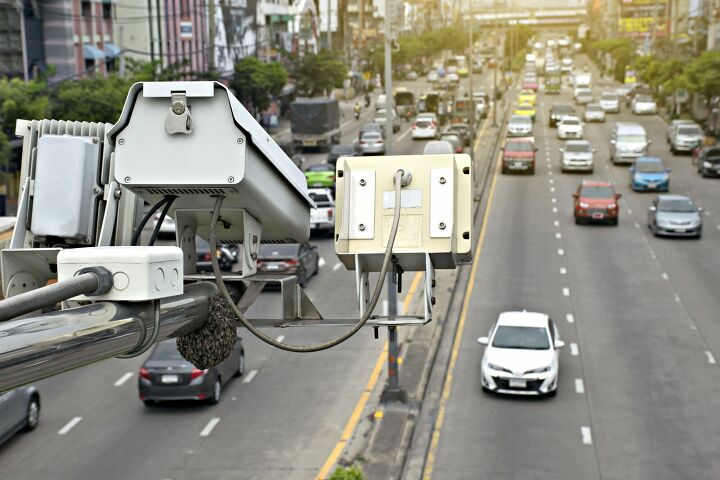
Last night, I was driving down one of Chicago's main North Side thoroughfares when I passed through a notorious stretch of street that sits between two cemeteries.
Europe Now Requires Speed Regulators for All New Vehicles

On July 6th, the European Union formally introduced laws that require auto manufacturers to install speed-limiting hardware on new vehicles. While speed governors have been around for years (and are becoming increasingly popular among certain manufacturers) the EU’s new rules actually require technology that takes things a step further by allowing cars to actively detect and then regulate the speed for any given road.
Black Market Gasoline Now Available On West Coast

Now that fuel prices are approaching levels you probably never thought you’d see in your lifetime, black-market gasoline has become a thing. Local reports coming out of Nevada are claiming that thieves have begun loading up trucks with stolen gas so they can sell it at a discount. Considering the average price per gallon now exceeds $5.50 for the region, it’s easy to see why some people might be willing to roll the dice and buy discounted fuel of an unknown origin.
But the most lucrative scheme is to transport stolen gas into California, where the prices exceed $6.30 across the state. Here, thieves can sell their ill-gotten petroleum at broader margins. But it takes a special kind of vehicle and a little planning not to blow the additional profit on the trip itself. Tankers aren’t exactly easy to come by and are hardly the least-suspicious way to haul around stolen fuel, so thieves are modifying trucks and vans that can pass as light-duty vehicles.
Stellantis Paying $300 Million in Emission Fines, Seeking Plea Deal
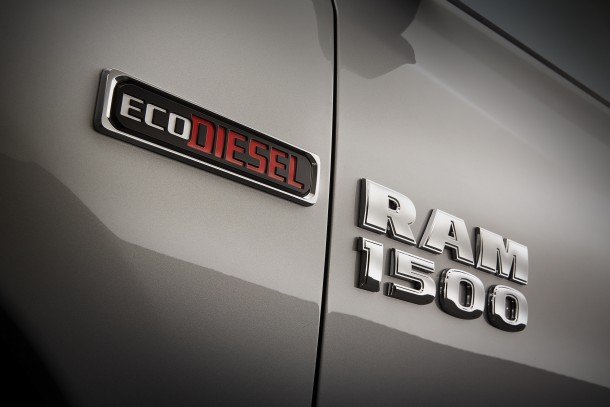
Stellantis has reportedly agreed to plead guilty to criminal conspiracy charges relating to emissions requirements on over 100,000 diesel-powered Ram and Jeep products sold in the United States. Fiat Chrysler Automobiles (FCA) was previously on the hook for $800 million in civil penalties over a so-called “defeat device” equipped to the automaker’s 3.0-liter turbo-diesel engine. Allegations began in 2017 as regulators were hunting for compliance violations in the wake of Volkswagen’s massive emissions scandal from a couple of years earlier.
NADA Wants to Stop Catalytic Converter Theft
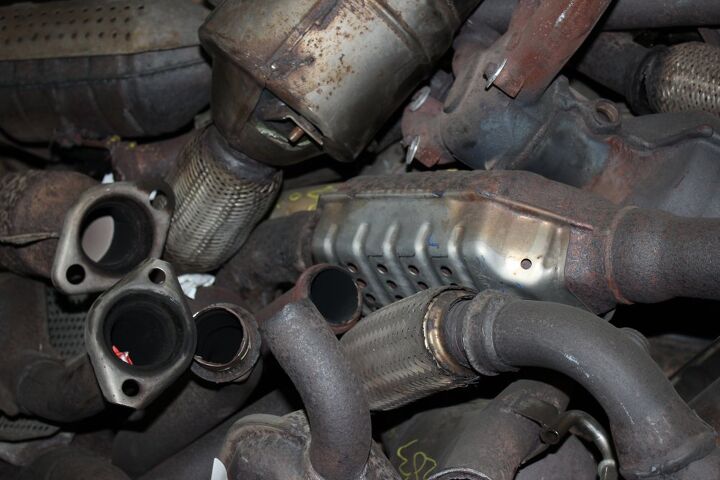
The National Automobile Dealers Association (NADA) and a dozen related trade groups are petitioning Congress to crack down on stolen catalytic converters. The emission control devices are loaded up with valuable metals and are relatively easy to steal if you’re slim enough to get beneath a parked car and happen to have a reciprocating saw handy — making them prime targets for cash strapped criminals, especially now that material prices are on the rise.
Cities across the country have reported an increase in catalytic converter theft this year. While a majority of police departments are estimating a year-over-year increase of under 40 percent, some have said their figures are substantially larger. In March, Las Vegas Police Department estimated there were 87 percent more vehicles with hacked apart exhaust pipes in 2022. Philadelphia was even higher, reporting a staggering 172 percent increase in dismantled exhaust systems.
NYC Anti-Idling Bounties Are Making People Rich

In 2019, New York City basically declared war on vehicles left idling — giving citizens the ability to report any automobile they saw running so the city can come and fine them for unnecessary air pollution. As an incentive for snitches, the city said it would be willing to share a quarter of the revenue it accrued via the bust.
With fines starting at $350, this has reportedly allowed citizens to effectively turn the hobby of squealing to the cops a full-time profession. A few are even getting pretty wealthy off the Citizens Air Complaint Program by providing authorities with sufficient documentation to make sure the financial penalties stick. But there are some glaring problems with the overarching scheme.
Report: Elon Musk and Brother Face Insider Trading Probe

The Securities and Exchange Commission (SEC) is reportedly investigating whether stock sales by Tesla CEO Elon Musk and his brother, Kimbal Musk, violated insider-trading rules.
Launched in 2021, the probe is looking into shares sold by Kimbal valued at $108 million one day before Elon polled Twitter to see whether or not he should offload 10 percent of his stake in the company, suggesting he would run with the results. Though the tweet itself was a snide way of discussing proposals from Democrat legislators that would have imposed new taxes on unrealized capital gains, effectively money that doesn’t yet (and may never) exist.
Nikola to Pay $125 Million to Settle Fraud Charges, Founder in Dutch

Nikola Corp. has agreed to pay $125 million to settle charges levied by The Securities and Exchange Commission (SEC) that the company actively defrauded investors by providing misleading information about its technical prowess, production capabilities, and general prospects.
The settlement comes after a salvo of civil and criminal charges were launched against Nikola’s founder Trevor Milton, who got in trouble for convincing investors that the prospective automaker had fully functional prototypes boasting technologies other companies would have envied when that wasn’t actually the case. Milton was chided for using social media to promote false claims about the business, with his pleading not guilty to fraud charges brought up by the Department of Justice in July.
Nikola Founder Continues Dumping Stock Following Criminal Indictment

Nikola Corp. founder, Trevor Milton, has been offloading stock ever since he was indicted for making misleading and/or blatantly false statements about the company. The formal charges were issued in July, piggybacking off a critically damning report from 2020 that alleged Nikola had grotesquely misrepresented its production capabilities and falsified a video where it showed an inoperable prototype vehicle working as if it was fully functional. The paper caught the attention of both the Securities and Exchange Commission (SEC) as well as the Department of Justice (DOJ) — resulting in Milton stepping down as CEO and twelve months of investigative probes.
Gas War: California May Ban Gas-Powered Lawn Equipment

The California Air Resources Board (CARB) has decided that residential lawn equipment is a major problem. Claims have been made that the small engines found inside of the average leaf blower emit the same amount of smog-forming pollution in a single hour as a 2016 Toyota Camry could produce over a 1,100-mile drive.
Assertions like these have been used to forward Assembly Bill No. 1346, which requires the board to define and then pull the trigger on new regulations designed “to prohibit engine exhaust and evaporative emissions from new small off-road engines” by 2022. CARB then has to decide whether or not it can outright ban them, so they may be replaced by zero-emission equivalents after 2024. Considering how decent most electrified tools have grown to be, this doesn’t sound infeasible. But it’s another example of California’s obsessive hatred of consumers utilizing liquid fuel and bound to have major ramifications.
Ford and GM Feuding Over Names
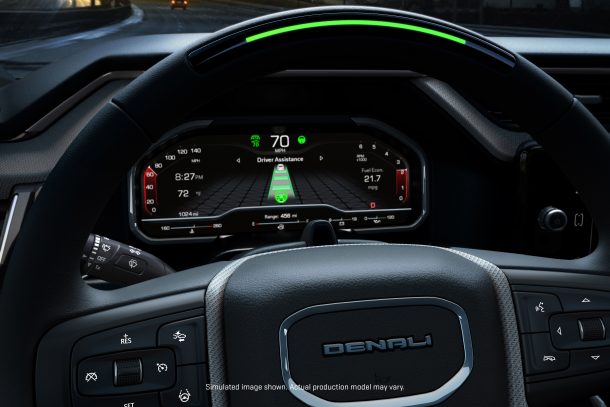
Last month, General Motors filed a trademark infringement lawsuit against Ford’s use of the term BlueCruise for its SAE Level 2 advanced driving assistance suite. GM has argued the phrase is too close to its own SuperCruise system and wants Blue Oval to ditch the name for something else. Ford recently filed a motion asking the US District Court in San Francisco to throw out the case, as it believes the term cruise is common enough to qualify as ubiquitous.
This is the industrial equivalent of two of your friends screeching at each other because one of them wanted to name their youngest son Landon while the other already named their kid Langston. Though the manufacturer’s feud may be dumber because it’s not exactly like we’ve recently started affixing the word cruise to the systems found inside automobiles.
Judge Approves Class Action Suit Against Ford Mustang

Ford has been getting into trouble over “track-ready” Mustangs after a few customers formally accused the company of erroneous marketing in 2017. A class-action lawsuit was even filed in March of that year, stating that the Ford Mustang Shelby GT350 suffered from overheating problems that precluded it from being fully functional on a racetrack — specifically early examples of the car equipped with either the Technology Package or left in the base configuration.
Earlier this month, Federal Judge Federico A. Moreno certified statutory and common law fraud classes pertaining to the model in California, Florida, Illinois, New York, and Washington State. Additional approvals relating specifically to statutory fraud and/or implied warranty claims were made for Oregon, Missouri, Tennessee, and Texas.
Tesla Sued Over Supercharging Fees, Broken Promises

Tesla is being sued in California by an owner that’s claiming the automaker broke its promise of a lifetime of free charging after it started imposing fees upon people who allowed their cars to sit at stations for too long. For those of you that don’t recall, Tesla began rolling out its Supercharger network in 2012 and promised unlimited free charging as a way to entice early adopters. While it doesn’t pertain to all vehicles and has existed in various incarnations, gratis electricity was available on most properly equipped Model S and Model X purchased by 2016. But the deal has existed in various incarnations through 2020 and has been confusing customers almost as much as the apparently bogus self-driving suite.
As the brand became more popular, you’d start seeing Tesla owners populating Supercharging stations in greater numbers and chattering about their interests. Unfortunately, those extended diatribes on the merits of TEDx and spending a fortune on minimalist interior home design resulted in stations being occupied but going unused. To discourage this Tesla began imposing fines in 2016, noting that it hoped never to make money on the updated arrangement.
FTC Exploring Consumer Repair Rights Expansion
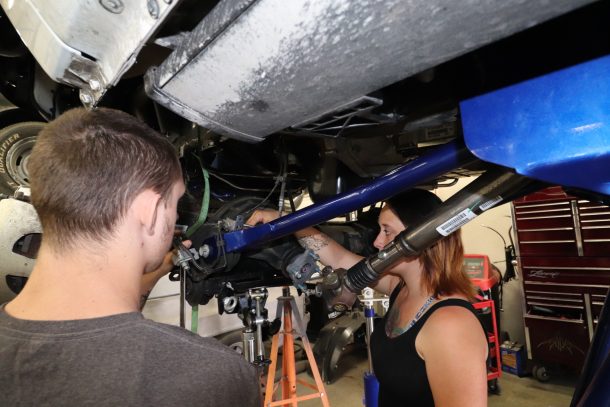
The Federal Trade Commission (FTC) has identified numerous repair restrictions in a new report to Congress. Parts replacement difficulty and parts availability limitations were among the restrictions.
Assisting in expanding repair options available to consumers is within the agency’s power. The Commission works with lawmakers on the state or federal level to provide choices when consumers repairs.

South Korean Battery Firms Reach Settlement, Georgia Factory Approved
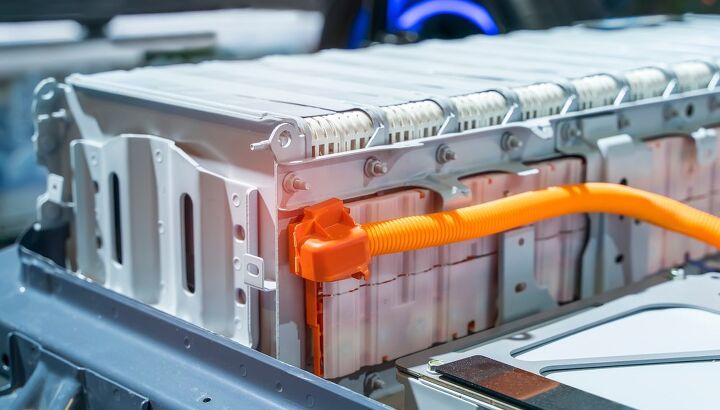
It looks like the White House won’t be needing to take any action in response to the International Trade Commission’s decision on how to handle the feud between South Korea’s LG Chem and SK Innovation. The duo has reached a settlement that would allow the former battery manufacturer to complete assembly on its $2.6-billion plant located in Georgia.
LG alleged that SK had stolen intellectual property and the ITC was backing punitive measures that would have forbade the latter company from importing certain lithium-ion batteries into the United States under a 10-year exclusion order. While exemptions were made for the components necessary to manufacturer them in the country, the arrangement was tied to SK’s existing orders and limited to just 4 years. The settlement gives SK additional leeway and prevents Joe Biden from having to consider the possibility of blocking the ITC decision as a way of maintaining American jobs.
Supreme Court Allows Auto Aftermarket to Access APIs

The Supreme Court ruled on April 5th in the Google v. Oracle case, a copyright dispute over software. Their decision was that application program interfaces (API) are fair use in building compatible components.
SEMA Vs. the EPA's Attempt to Outlaw Race Cars

The U.S. Environmental Protection Agency (EPA) is embroiled in a lawsuit with Gear Box Z, Inc., contending that the Clean Air Act (CAA), doesn’t allow you to convert your street car into a competition-only race vehicle.
Super Bowl Aftermath — Boss Bust Leads to Ad Pull

Post Super Bowl sickness wasn’t limited to Kansas City Chiefs fans or those tired of seeing Brady and Gronk going to Disney World.
Carlos Ghosn to Be Flambed by the French

Carlos Ghosn, Renault-Nissan’s former head honcho, will be questioned by investigators in Beirut next month, according to a report from Reuters that appeared in Autoblog. This time it’s not the Japanese applying the pressure, it’s the French.
IRS Rolls Back Standard Mileage Rates for 2021

The IRS has issued the 2021 standard mileage rates used to calculate the deductible costs of operating an automobile for business, charitable, medical, or moving purposes.
NHTSA Requires Odometer Statements Up to 20 Years

NHTSA, the U.S. Department of Transportation’s National Highway Traffic Safety Administration, issued a reminder that starting January 1, 2021, every vehicle ownership transfer will require an odometer statement for the first 20 years.
Driving Dystopia: License Plate Readers Are Becoming Increasingly Common

Policing a population is expensive. Law enforcement departments around the globe have long sought a way to tamp down costs or, more often, find better forms of supplemental revenue. Unfortunately, sending the SWAT team on a raid or hiring additional officers to patrol the highway for speeders costs money. But the price of surveillance technology continues to go down, encouraging agencies to tap into their rather robust capabilities — potentially at our expense.
China, the world leader in mass government surveillance, already has the ability to use its vast network of cameras to take over all manner of on-the-street policing. Electronic eyes are everywhere, often networked to facial recognition or plate identification technologies that enable authorities to mail you a ticket for speeding, jaywalking, or whatever else the patrolman failed to see you do in person. While some of the penalties stop at being publicly shamed via a national database or having your social credit score dropped (potentially barring you from some goods and services), these systems have also increased the number of finable offenses that make departments money.
While similar systems have been available in the United States, it seems the country’s penchant for liberty has drastically slowed their implementation. Yet it’s still happening, and there’s reason to suggest items like license plate readers and facial recognition software will soon become standard equipment for many (if not most) North American police departments.
Corvette Engineers Arrested for Street Racing, Apparently Fired From GM

Earlier this month, two GM engineers were arrested in Bowling Green, Kentucky for illegally street racing the new 2020 Chevrolet Corvette. Three Stingrays were present, but only two of the men were caught breaking the law. Kentucky State Police stopped Alexander Thim and Mark Derkatz on January 8th, on Lovers Lane in Bowling Green, for exceeding the road’s 45-mph speed limit.
Thim was busted doing 120 mph while Derkatz settled on a nice, round 100 mph, according to local outlet WNKY. However, even 26 mph over the limit would be enough to haul them into custody and set court dates that could end in a suspended license. It seems the two men were also fired from General Motors for hooning the mid-engined C8 before the general public was provided the opportunity.
Court Finds GM Not Liable for Punitive Damages In Ignition Cases

The 2nd U.S. Circuit Court of Appeals in Manhattan has decided to give General Motors a pass on the punitive damages associated with its faulty ignition switches. If you don’t recall the issue, it’s hardly your fault. The cars were manufactured prior to GM’s 2009 bankruptcy declaration and encompassed models from brands that no longer exist.
That timing was everything, too. Apparently the affected Saturn, Pontiac, and Chevrolet vehicles are part of the “Old GM” that died during the Great Recession. Most of the automaker’s former assets and liabilities were transferred to the “ Motors Liquidation Company,” so that the General could be reborn fresh and untainted, like a baby phoenix.
Wells Fargo Settles for $386 Million in Auto Insurance Suit
Wells Fargo will reportedly pay customers a minimum of $386 million to settle class-action claims that the bank covertly signed customers up for auto insurance they did not want or need.
Back in the summer of 2017, the bank found itself implicated in widespread auto insurance and mortgage lending abuses. Over a year later, Wells Fargo was slapped with a $1 billion fine from the Consumer Financial Protection Bureau and Office of the Comptroller of the Currency to settle U.S. investigations into the company’s insurance and mortgage practices.
While the auto insurance plan ended in 2016, roughly 800,000 customers (or 600k by Wells Fargo’s estimates) were believed to be affected by the auto insurance issue over roughly a four-year period. For most, that meant being overcharged for insurance they didn’t need., but some customers ended up with their vehicles repossessed and their credit rating demolished, promoting the class-action suit.
U.S. Indicts Four Audi Managers for Diesel Deception

Four men tasked with developing a very dirty diesel engine for use in Audi vehicles have been indicted by a U.S. grand jury. The four, including the head of Audi’s Diesel Engine Development department, face charges of wire fraud, violation of the Clean Air Act, and conspiracy, all stemming from the development of an engine that didn’t have a chance of being certified in the U.S.
And, because they’re believed to be living in Germany, they’d best leave the U.S. off their list of vacation destinations.

Ghosn Investigation Leads Top Nissan Exec to Bolt

Nissan’s chief performance officer, José Muñoz, has resigned from the company amid an broadened investigation into former chairman Carlos Ghosn’s alleged financial misconduct. Muñoz, 54, who also headed up Nissan’s Chinese business, previous had his hand on the tiller of the company’s North American operations.
Muñoz’s sudden departure, which comes just days after the exec took a leave of absence, points to turmoil in the upper ranks of the Japanese automaker, with one insider calling it a “purge.”
'A Serious Erosion of Civil Liberties': Backlash Grows Over Canada's New Impaired Driving Laws

Can you be pulled over and ordered to blow into a breathalyzer, under threat of arrest, for the simple act of returning empty liquor bottles in the middle of the day? Sure can, at least if you’re living north of the border. It happened to a 70-year-old man in Mississauga, Ontario last weekend.
As part of a massive package of laws enacted in mid-December, Canadian drivers are waking up to the knowledge that the legal standard of “reasonable suspicion” no longer exists when it comes to interactions with the police — at least when pertaining to the combination of alcohol and motor vehicles.
This week, they’re learning it’s possible to face a drunk driving charge, even if you only started drinking after you got home.
Ram and Jeep EcoDiesel Owners Stand to Earn a Nice Little Bonus in Fiat Chrysler Settlement: Report
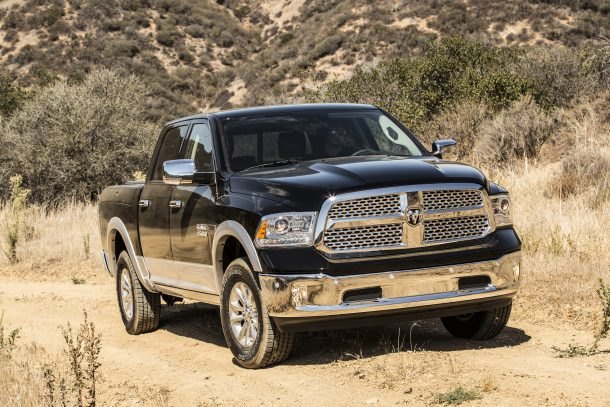
As we told you yesterday, a settlement in Fiat Chrysler’s diesel quandary could come any day. Today, we’re telling you it could come, well, today.
According to sources who spoke to the New York Times, FCA plans to settle a 2017 Justice Department lawsuit by making a collection of 104,000 trucks and SUVs greener, while adding an average of $2,500 to owners’ wallets.
Ghosn Professes Innocence in Court Hearing

Ghosn, with the help of his team of lawyers, earned the right to speak in a packed Tokyo courtroom on Tuesday, and he used his time efficiently.
Described as looking gaunt, the jailed Renault CEO and ex-Nissan chairman claimed he was “wrongly accused” at the Tokyo district court hearing, adding that there’s nothing improper about the way he managed his finances.
Class-action Lug Nut Lawsuit Falls Apart, Gets Tossed

A group of Ford owners hoping to cash in on bad nuts did not get their day in court. Instead, their proposed class-action lawsuit was tossed out.
We told you about the 120-count complaint against Ford back in 2017, when the well-known firm Hagens Berman — a veteran of auto litigation — announced the lawsuit. Owners complained about swollen, delaminating lug nuts, stating that this led to out-of-pocket costs, safety concerns, and a reduction in their vehicle’s value. After looking at the case, the judge saw no reason to proceed.
Ghosn's Lawyers Have a Big Day Planned Tomorrow

Renault CEO and ex-Nissan Chairman Carlos Ghosn is apparently very eager to tell his story, and tomorrow he’ll get his chance. The industry titan, who has resided in a Tokyo jail since his Nov. 19 arrest, is scheduled to appear at a Tokyo court hearing Tuesday — a hearing his team of lawyers fought hard to get.
Following Ghosn’s appearance, those lawyers plan to go before the media.
You Can Fight Oregon and Win: Five-year Battle Sparked by Red Light Ticket Ends

We’ve told you before about the legal saga of Mats Järlström, a Swedish-born man living in the green and uber progressive state of Oregon. A few years ago, Järlström found himself in the crosshairs of the Oregon Board of Examiners for Engineering and Land Surveying after performing and submitting an analysis of his town’s traffic light timing — specifically, the duration of the amber light cycle.
What ensued was a constitutional legal battle over over the ability to refer to one’s self as an expert in the field of their expertise; in this case, engineering.
This all came about after Järlström’s wife received a red light camera ticket.
Tesla Board Gains Two Watchdogs As Musk Seeks a Way Out of His Cave Mess

Tesla’s nine-member board now numbers eleven, with many shareholders hoping that the addition of two independent directors — a key directive of Tesla’s SEC settlement — helps keep a lid on CEO Elon Musk’s stock-rocking shenanigans.
Whether or not the two new members can actually do this remains to be seen. Musk continued antagonizing the Securities and Exchange Commission even after agreeing to the settlement that saw him removed as chairman, and he insists no one’s vetting his tweets. Speaking of ill-considered tweets, Musk’s lawyers claim the British cave diver suing Musk for defamation should just let it go.
Details Emerge of Latest Ghosn Allegation

Ousted Nissan Chairman Carlos Ghosn didn’t have the kind of Christmas he’d have liked, cooling his heels in a Tokyo jail after new allegations led to his third arrest on Friday. This served to lengthen the already six-week-long internment of the industry titan.
Now, details have emerged of the alleged crime that’s keeping Ghosn behind bars.
Carlos Ghosn Re-arrested Following New Allegation

Just yesterday, it looked as if Renault CEO and former Nissan chairman Carlos Ghosn might make it out of jail by the weekend. Japanese prosecutors had another idea, however. The industry titan was re-arrested Friday morning on suspicion of aggravated breach of trust, pushing the possibility of bail and a hotel Christmas further from the realm of possibility.
Detained since his initial Nov. 19 arrest, Ghosn is now accused of covering losses incurred through derivatives trading with Nisan funds. Those losses — totalling $16.6 million — took place in 2008.
With Ghosn's Release Seemingly Imminent, Nissan Tries to Keep Him From Going Home
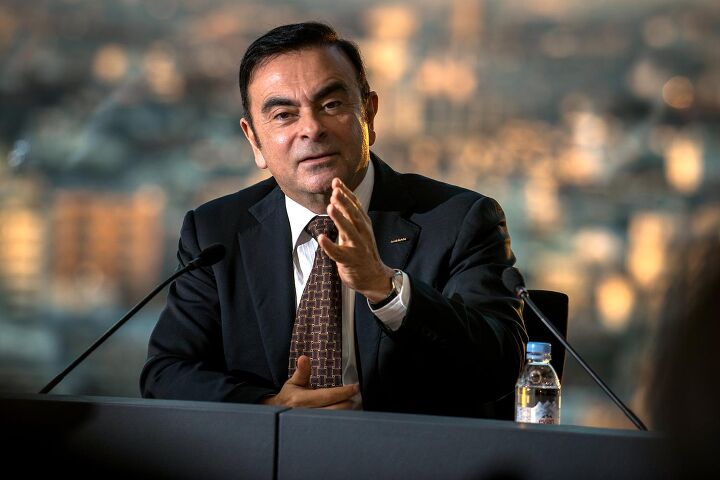
Detained in a Tokyo jail since his Nov. 19 arrest, Renault CEO and former Nissan chairman Carlos Ghosn could soon find himself out on bail. A Tokyo district court has rejected an appeal aimed at keeping Ghosn in detention, meaning Christmas might be brighter for the auto industry titan than previously thought.
Meanwhile, Nissan’s scrambling to ensure that, if Ghosn does walk free, he won’t return to a number of glitzy homes.
Guns, Drunks, and Rage: Waymo Self-driving Vans Targeted by Angry Arizonians

Waymo began testing its self-driving Chrysler Pacifica minivans in the Phoenix-area city of Chandler, Arizona two years ago, and the local populace hasn’t left them alone since.
A report in the Arizona Republic describes a multitude of incidents where citizens, apparently enraged by the sight of the Waymo vans, decided to threaten and attack their autonomous invaders. Unbeknownst to many of them, the vans were recording their every move.
Renault Keeps Ghosn as Chairman and CEO As Probe Reveals No Wrongdoing

Two automakers, two investigations, and two very different outcomes for one man.
Renault’s board of directors met in France today, deciding that CEO and chairman Carlos Ghosn should stay on in his current role in the wake of an internal investigation that members say showed no signs of criminality. Meanwhile, Ghosn sits in a Tokyo jail, indicted on charges of financial misconduct at Renault’s alliance partner, Nissan.
Away from the Paris streets, it seems everything’s hunky dory in France.
Amid Strained Relationship, Nissan Hands Renault the Straight Dope on Ghosn
Nissan’s board didn’t wait long to oust Carlos Ghosn as chairman following his Nov. 19 arrest, but alliance partner Renault’s board stood firm, awaiting more information. The waiting continued as Mitsubishi voted to drop Ghosn as chairman.
The disgraced executive, indicted this week by Japanese authorities on charges of underreporting his income by tens of millions of dollars, remains in a Tokyo lockup but still holds the title of Renault CEO. If the French automaker’s board finds the contents of a dossier delivered by Nissan compelling, that status could soon change.












Recent Comments