
Hyundai Xcient Fuel Cell HD Truck On Its Way
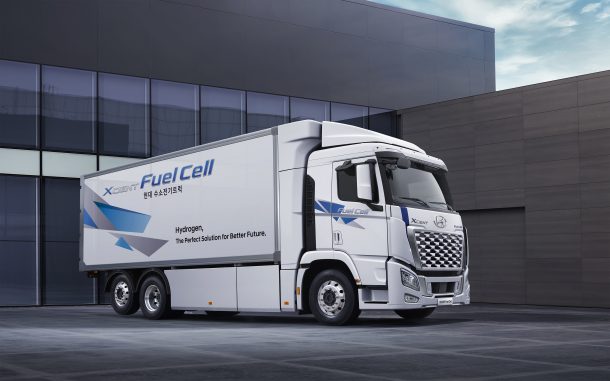
The Hyundai Xcient is on its way to becoming the first mass-produced hydrogen-powered, heavy-duty truck. Design and performance improvements have made it more competitive with those expected from Mercedes-Benz, Toyota-Hino, and Nikola.

QOTD: Has the Global Vehicle Market Recovered?

Is the global vehicle market in recovery following the 2020 downturn? Data analysts GlobalData seem to think the market is firmly in recovery mode, according to their latest report.
2022 Hyundai Ioniq 5 Fast Charging CUV Exposed
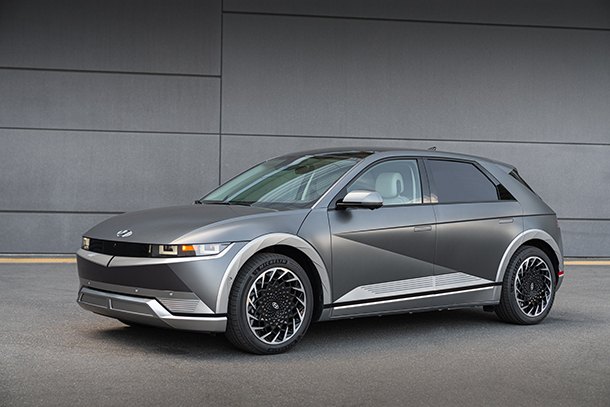
The 2022 Hyundai Ioniq 5 ultra-fast charging crossover utility vehicle was revealed yesterday, highlighting its Electric-Global Modular Platform (E-GMP).
Ioniq 5’s 300-mile range, and 10-to-80 percent ultra-fast charging in 18 minutes showcases E-GMP technology.
Hyundai Motor Group Invests a Boatload in the US
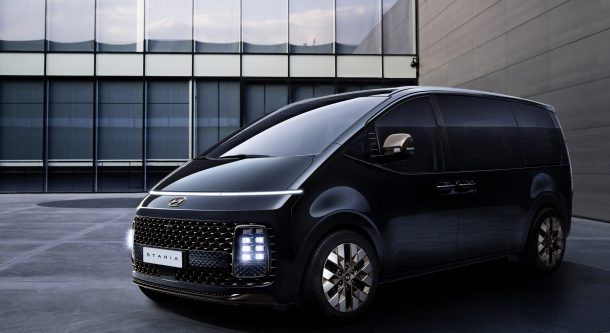
Hyundai Motor Group, makers of Hyundai and Kia autos, announced today their intent to invest $7.4 billion in the US by 2025. Electric vehicles, production facilities, and smart mobility is where the money will go.
QOTD: Is the 1Moto Show the Best in the US?

’60 H-D Bobber 113 CI, rigid frame, 4-speed, suicide shift. Harvey Mushman, owner/builder.
The 1Moto Show, the annual showcase for custom motorcycles held in Portland, Oregon, took place April 30-May 2. Is the 1Moto Show the best bike show in the country?
Connected Vehicle Sales Grow by 20 Percent in 2021

Connected vehicle sales will grow 20 percent in 2021, with a 10.4 percent compound annual growth rate (CAGR) between 2020-2026 according to ABI Research, a tech market advisory group.
Toyota Subsidiary Woven Acquires Lyft Autonomous Division

Toyota’s Woven Planet Holdings has acquired Level 5, Lyft’s self-driving unit. Woven Planet’s deal brings scientists, software engineers, and researchers together as one.
Torsus Praetorian 4X4 Off-Road Bus Updated

Torsus’ Praetorian, heavy-duty, off-road 4X4 buses, has announced a number of technical advances. These rugged off-road buses are made to cross some of the most inhospitable terrains on earth.
California PHEV Owners Return to Gas Power
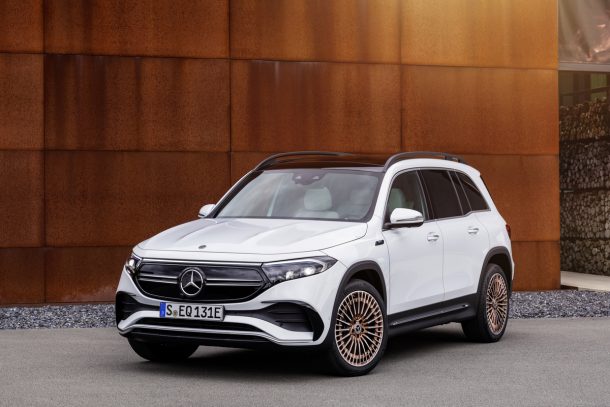
Electric vehicles are one way to carbon neutrality. Yet 20 percent of California PHEV owners have gone back to gas-powered vehicles.
Ermenegildo Zegna Teams With Stellantis
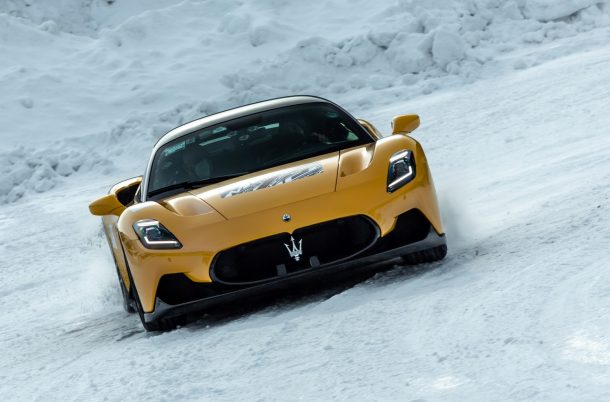
Today, the Ermenegildo Zegna Group announced its affiliation with Stellantis. By 2025, the Zegna Group’s entire fleet of 200 will go green. A new green-car policy has gone into effect at the company, well known for its pricy clothing and accessories.
2022 Mercedes-Benz AMG GLC 63S: Ready to Rock
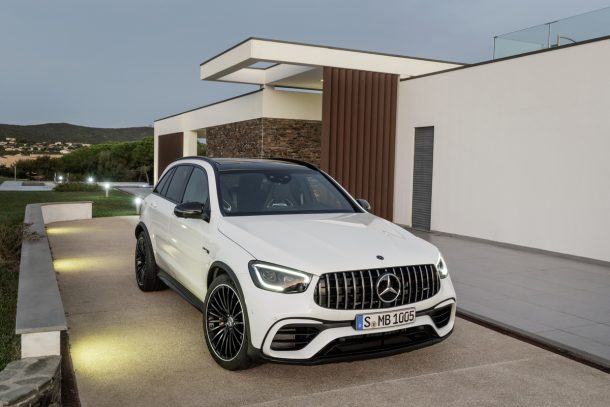
The 2022 Mercedes-Benz AMG GLC 63 S SUV is the only V8, biturbo-powered, compact SUV. According to Mercedes, it’ll do 0–60 mph in 3.6 seconds, which makes for a quick dash to the mini-mart.
Honda Solidifies Its Existing Businesses

Honda Motor Company President Toshihiro Mibe’s first press conference, held April 23rd, was where he committed to solidifying Honda’s existing businesses.
Another Takata Airbag Tragedy

American Honda and the National Highway Traffic Safety Administration (NHTSA) confirmed that a defective Takata airbag inflator ruptured in the crash of a 2002 Honda Accord on January 9th in Lancaster County, South Carolina. The ruptured inflator led to the driver’s death.
2023 Vantas VX SUV and T-Go Coming to the U.S.

The Vantas VX SUV will go on sale in the U.S. in late 2022. HAAH Automotive Holdings and Sicar announced yesterday that they will import Vantas and T-Go vehicles. This is a prelude to HAAH and Shanghai Sicar Automotive Technology manufacturing vehicles stateside. The COVID-19 pandemic delayed their U.S. manufacturing startup.
QOTD: Does Hyundai's 2021 Ioniq Hybrid Deserve Awards?
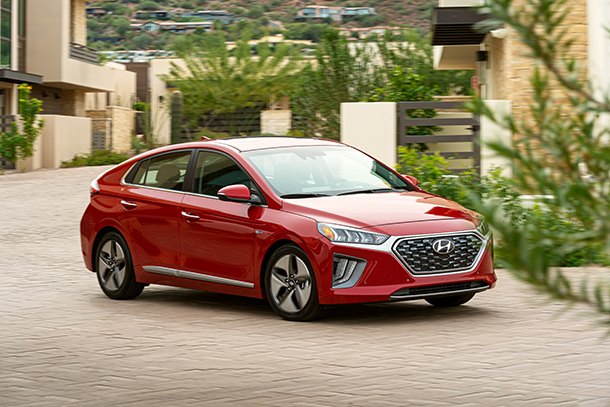
Hyundai’s 2021 Ioniq hybrid and plug-in hybrid received the Best Hybrid Car and Plug-In Hybrid awards from U.S. News & World Report. Our question is, are they the best hybrids or not? Did the right car(s) win?
2022 Nissan NISMO GT-R Special Edition Flaunts Exclusivity

The 2022 Nissan NISMO GT-R Special Edition was unveiled today in Japan. How much more exclusive can a limited-edition sports car be? It turns out this GT-R is pretty distinctive. It’s not just a badge and some decals that sets it apart.
Arcimoto FUVs a NASDAQ Addition
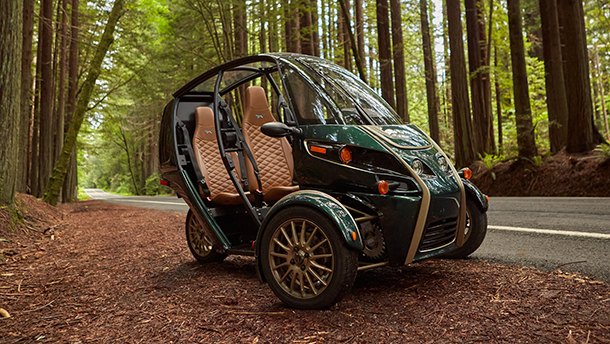
Arcimoto, makers of fun, utility vehicles for commuters and fleets, announced NASDAQ’s approval today. The company can now list its shares of common stock on The NASDAQ Global Market, a positive growth sign.
Toyota's Akio Toyoda Chosen 2021 World Car Person of the Year
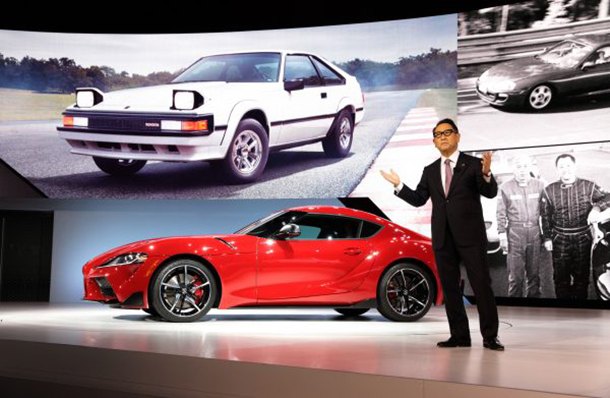
Selected 2021 World Car Awards Person of the Year was Akio Toyoda, Toyota Motor Corporation (TMC) president and CEO.
Chevrolet Electric Silverado A ZERO Production
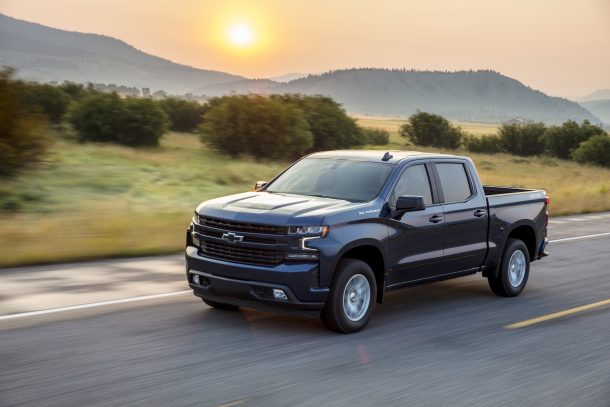
Chevrolet’s Silverado electric pickup will be built at the Factory Zero assembly plant in Detroit-Hamtramck, Michigan, along with GMC’s Hummer EV SUV which will also be produced there, General Motors president Mark Reuss said today.
Chinese Smartphone Titan Xiaomi Entering the EV Race

Xiaomi, a Chinese smartphone colossus, has announced they are building their own branded electric vehicles (EVs), just like Apple, Huawei, Sony, and Foxconn.
If you’re prepared to lose money, starting a car company is easy. Just ask Tesla. Xiaomi has plenty, enough to sink $10 billion into the venture over the next 10 years.
Lexus LF-Z is Watts New
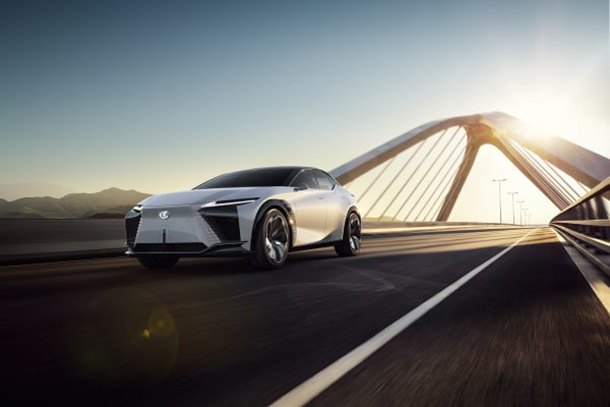
Today, Lexus dropped the LF-Z concept car, stepping on the electric-vehicle (EV) accelerator. By 2025, the company expects to have 20 new PHEV, HEV, and BEV models from which to choose.
Great Wall Motor's Haval H6 Hybrid – Another Brick in the Wall?
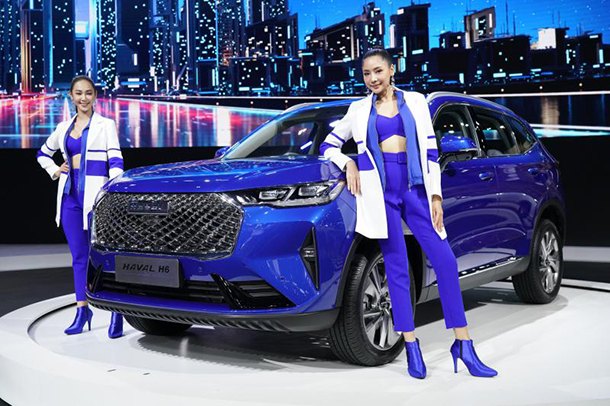
Great Wall Motor (GWM) premiered the new Haval H6 Hybrid SUV at the 42nd Bangkok International Motor Show this week, a reaffirmation of the company’s xEV commitment to Asian if not world domination.
Oil 2021 Outlook – Oversupply and Lower Demand

Oil 2021, an analysis by the International Energy Agency (IEA), explains why the pandemic caused the collapse in demand for oil in 2020, and why it may never return to ‘normal’.
Ginetta Sports Cars Coming to America
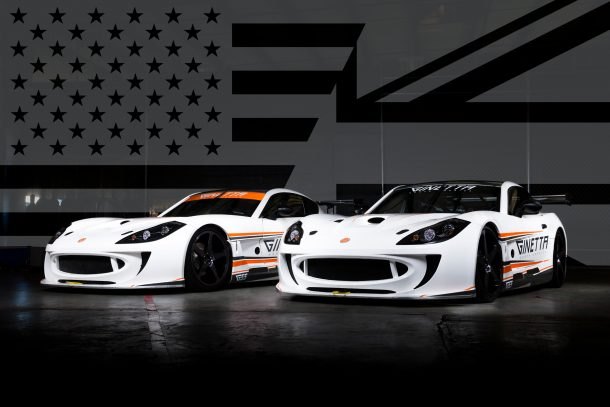
Ginetta, a British race car manufacturer for more than 60 years, has opened Ginetta North America in South Boston, Virginia, to provide support for their motorsports customers across North America.
From their U.S. base, Ginetta will be able to not only market, distribute, and sell their sports cars, but grow their presence and the brand. Part of the expansion into North America included the acquisition of TMI AutoTech, a leader in low-volume sports car manufacturing in the U.S.
BMW IDriving Machines Tout Connectivity

BMW has announced that the upcoming iX and i4 electric vehicles will be equipped with iDrive 8, their latest interactive buddy to keep you busy while you motor about.
2021 Hyundai Elantra Chosen Hispanic Motor Press Car of the Year
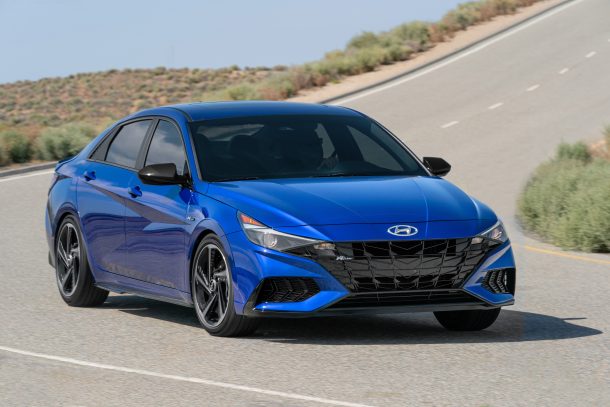
The 2021 Hyundai Elantra has been selected Car of the Year during Automobility LA by the Hispanic Motor Press. The 2021 Hispanic Motor Press Awards (HMPA) jury panel included 24 Hispanic automotive journalists, content creators, and industry influencers, who analyzed more than 100 new 2020 and 2021 vehicles.
Infiniti QX80 Goes Glamping in Russia
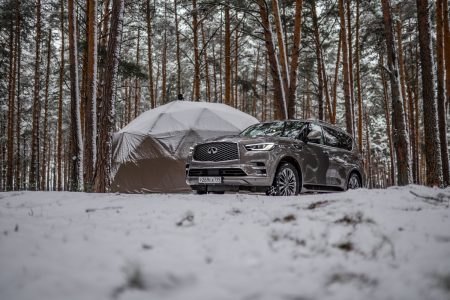
Infiniti’s wanderlust has taken the QX80 to other faraway locations, but none quite as exotic as Privolzhskoe, Tver Oblast, Russia, to go glamping in Villi Ulei’s geodesic domes.
In what’s termed a comfort zone for climatic conditions in Russia, temperatures range from 9-degrees Fahrenheit in the winter, to a high of 66-degrees in the summer. As you can see, snowfall is abundant in the region, from a low of about 16 inches, to almost 32 inches, and it spans anywhere from four to five months of the year. Home to 1.35 million Russians, 30% of whom are Russian Orthodox, it might seem like a great place to go if it were summer at the Boishoe Zavidovo, when Nashestvie, the largest Russian rock festival, is being held.
Amazon's Bezos Transitions to Exec Chair and Names New CEO

Amazon’s founder and CEO Jeff Bezos announced today that he will transition to Executive Chair in the 3rd quarter of 2021, with Andy Jassy to replace him as CEO at that time.
A Difference in Color or Colour?
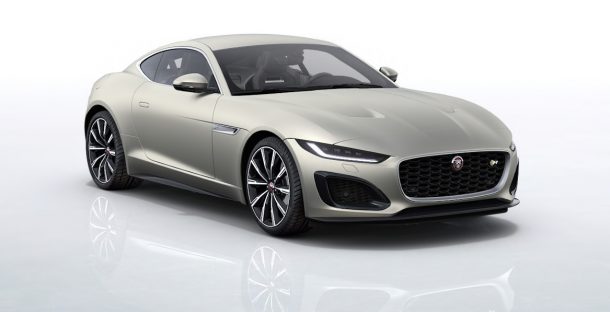
Car color preferences differ by nation or regions of the world, as we found in comparing our previous post on Axalta’s study, and BASF’s Color Report 2020, issued in the UK.

Ford Bagged Again by NHTSA
In a fight with NHTSA regulators, Ford came out on the short end again, as more Takata airbags were at issue. This time, it will cost the automaker $610 million, of which they will have to carry the cost in its entirety.
Read more
QOTD: VW Golf – Gonna Miss Me When I'm Gone? [UPDATED]
![QOTD: VW Golf – Gonna Miss Me When I'm Gone? [UPDATED]](https://cdn-fastly.thetruthaboutcars.com/media/2022/07/19/9161408/qotd-vw-golf-gonna-miss-me-when-i-m-gone-updated.jpg?size=720x845&nocrop=1)
VW today announced the end of the road for the base Golf for North America. The question is, will you miss the base Golf when it’s gone?
Stellantis Merger Now Playing at a Dealer Near You

Stellantis, the merger between Peugeot and Fiat Chrysler Automobiles, became effective on Saturday, January 16th. The world’s fourth-largest carmaker has emerged, a surprise to no one.
Kia Seeks World Domination

Kia, no longer content to occupy the second tier among carmakers, yesterday held a virtual press conference to announce their plans for world domination.
GM to Build EV Crossovers for Honda, Acura
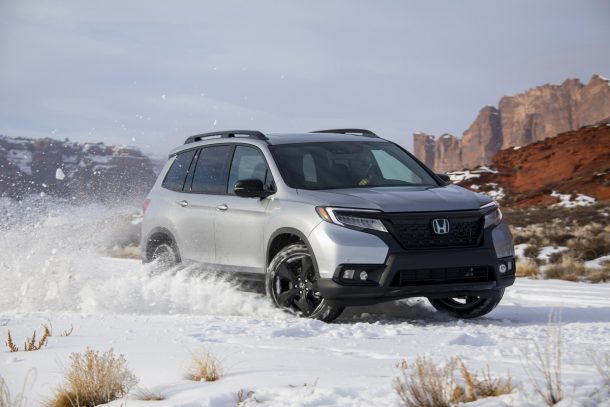
Two Honda battery-electric crossovers will be built by General Motors in the next four years. A Honda will be built at a GM plant in Mexico, and an Acura alongside the Cadillac Lyriq in Tennessee.
Kia Reveals Its New Logo
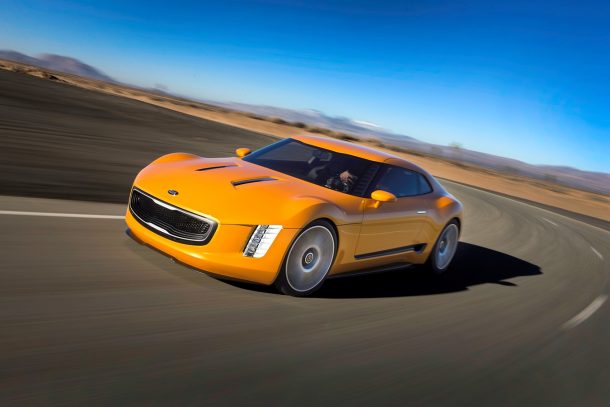
Kia revealed its new logo and brand slogan while you were asleep last night, signifying the Korean automaker’s ambitions to become a leader in the industry by revamping nearly all facets of its business.
Mini Sales Shrinking, BMW Slumps As Well
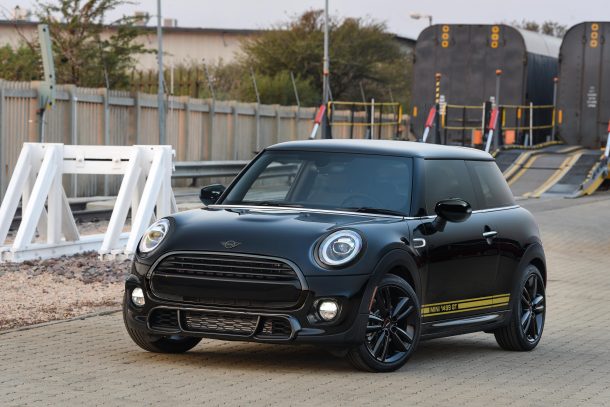
BMW of North America today reported falling BMW and Mini U.S. fourth quarter and full-year 2020 sales.
The Dakar Rally's Twelve Days and Nights in Saudi Arabia

The Dakar Rally is being contested for the 43rd time, yet it’s only the second year that it is being staged in Saudi Arabia. Last year, the rally demonstrated to the world the Saudis’ ability to organize a global sporting event, bringing the Kingdom to prominence as a regional and international motorsports hub.
Tokyo Auto Salon 2021 Cancelled
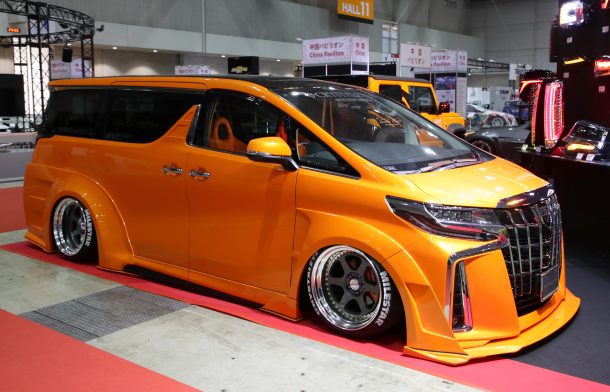
The Tokyo Auto Salon, one of the world’s top shows for modified vehicles, has been canceled. Scheduled to take place January 15-17, 2021, the event was canceled due to concerns over the outbreak of COVID-19.
Do Cabin Air Filters Combat COVID-19?

Cabin air filters in your car have been around for awhile, but recently companies promoting their ability to filter out the coronavirus have appeared. Is this even remotely possible?
Tires Made in Southeast Asia Will Be More Expensive
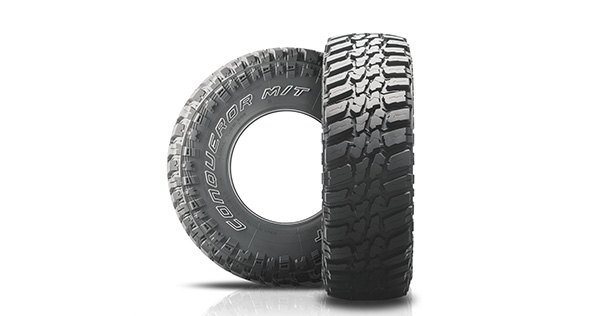
Tires from South Korea, Taiwan, Thailand and Vietnam are about to get more pricey, as the U.S. Department of Commerce (DOC) announced yesterday preliminary duties in the antidumping duty (AD) investigations of passenger vehicle and light truck tires from those countries.
Carlos Ghosn to Be Flambed by the French

Carlos Ghosn, Renault-Nissan’s former head honcho, will be questioned by investigators in Beirut next month, according to a report from Reuters that appeared in Autoblog. This time it’s not the Japanese applying the pressure, it’s the French.
In the Market for a New Russian SUV? You May Be In Luck

Russian SUV maker UAZ, and Bremach, Inc., an American automotive manufacturer in Southern California, are introducing the Bremach 2022 Taos 4X4 mid-sized SUV. It matters little that you’ve not heard of UAZ or Bremach, they are collaborating to bring the Russian SUV and other vehicles to the U.S.
Apple ICar: The Next Big Thing?

Mike Manley FCA CEO to Head Americas for Stellantis

Mike Manley will head Americas operations for Stellantis, as FCA chairman John Elkann said in a letter to employees today.
Michael Regan Nominated as EPA Head

Michael Regan, who heads the North Carolina Department of Environmental Quality, is President-elect Joe Biden’s nominee as the next Environmental Protection Agency administrator.
Volkswagen Experiences Dej Vu in the European Court of Justice
Volkswagen had another day in court, and it wasn’t a good outcome for the company this time, either. The European Court of Justice ruled that the software VW used to override emissions tests was illegal under European law.
Plug Power Expands ECommerce Use of Hydrogen and Fuel Cells at Walmart

Plug Power, a provider of hydrogen engines and fueling solutions, is expanding its support of Walmart’s eCommerce network. Plug Power currently supports more than 9,500 GenDrive fuel cell-powered vehicles used by 37 Walmart distribution centers across North America.
Are EV Batteries an Environmental Hot Mess?

Are EV batteries an environmental hazard? The European Commission (EC) is proposing stricter regulations on EV battery sustainability. A 2006 Battery Directive dealt with safe recycling and disposal of Pb-acid and Ni-Cd batteries when Li-ion batteries used in electric vehicles (EVs) and hybrids were still in their infancy. These new rules will supposedly improve Li-ion batteries by reducing their carbon footprint, hazardous material use, and increasing responsibly-sourced material usage.
White Remains Top Vehicle Color Globally According to Axalta
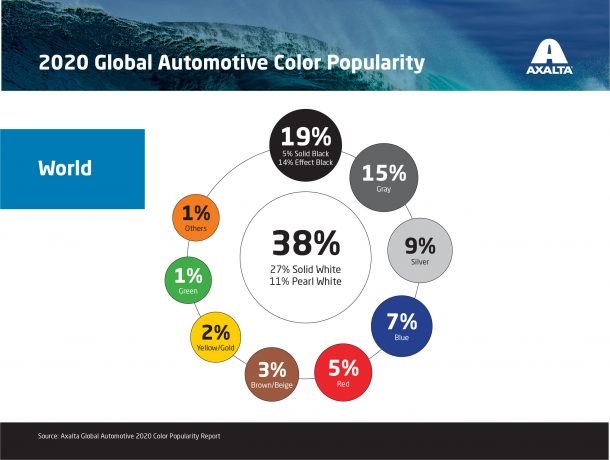
Axalta released its 68th Global Automotive Color Popularity Report today, and it said 81 percent of vehicles are white, black, gray or silver. White at 38 percent is the most frequently purchased automotive color worldwide and has been for 10 years consecutively. Black remains at 19 percent year-over-year and is a luxury vehicle favorite. Gray, at 15 percent, is up two percent and is at a 10-year high. Meanwhile, silver is in decline in all regions, now at just nine percent. This shift from silver to gray in many markets is its perception as a more modern and luxurious color.
Are Consumers as Resilient Amid the Pandemic as Ford Says?

The ninth annual Looking Further with Ford Trends Report has us asking if consumers are as resilient amid the pandemic as Ford claims. The study expresses how COVID-19 has wrought economic, political, and emotional woes, testing the limits of individuals, families, healthcare systems, and society. Focusing on global trends to understand shifting consumer behaviors, it measures how far we’ve come, and where we’re going. This year, the OEM also examined how resilient people are.
“COVID-19 has changed us – but to what degree?” said Sheryl Connelly, Ford’s global consumer trends and futuring manager.
Less Than ZeroLabs Aims to Turn Old Broncos Into EVs

ZeroLabs Automotive is re-engineering 1965-77 Ford Broncos as electric vehicles, with the mantra of “the past we love” and “the future we need”. Net-zero emissions aside, Hawthorne, California’s latest tech start-up, ZeroLabs envisions themselves as the savior of tens of thousands of classic cars that would otherwise be rendered obsolete and left behind.
South African Crash Test for Dummies

The Steed 5 pickup, Haval H1 five-door SUV, and the Renault Kwid five-door compact, all achieved poor levels of adult and child protection in crash tests conducted by Global NCAP and AA South Africa yesterday.
Millennials Really Do Intend to Buy Cars. Thank the Pandemic.

Forget all you’ve heard about Millennials (24-39 years old) and their disdain for automobiles. COVID-19 has changed that, as 31 percent of those without a car intend to buy one in the next six months, and 45 percent of them are Millennials.
EY, a global leader in assurance, tax, strategy, and consulting services, and a member of Ernst & Young Global Limited, issued their 2020 EY Mobility Consumer Index, surveying over 3,300 consumers across nine countries. Thirty-one percent of the respondents who don’t own a car plan to buy one in the next six months, while 20 percent that already own a car say they would be open to buying another vehicle. Both groups said that one of their principal reasons to purchase is the pandemic.
Ford Snatches Away the Focus Active, Leaving Future Low-end Buyers With the EcoSport and What Else?

U.S. Ford Focus production ended in May, but the automaker planned to import the next-generation Focus Active, a slightly lifted, mildly cladded five-door, in order to have something to sell to entry-level buyers. With the subcompact Fiesta ceasing production early next spring and the Fusion following it a couple of years later, that left very little low-end product for new or returning customers.
Well, scratch a crossoverized Focus off your shopping list. The automaker now says the Focus Active will not arrive on these shores in the latter part of 2019, or any date after that.
After learning this, how many of you are now pricing a three-cylinder, FWD EcoSport? Anyone? Hello?

U.S. to Hit Chinese-built Vehicles With 25 Percent Tariff; China Fires Back

Just in time for the weekend, an escalation in the ongoing trade wars has seen the Trump administration announce a 25 percent tariff on $50 billion worth of goods imported from China. These tariffs include automobiles. For its part, China retaliated by applying a further 25 percent tariff on a similar amount of American goods, including automobiles.
The move comes less than a month after China announced a plan that would lower import duties and eventually allow foreign automakers to set up shop without a joint Chinese partner. Of course, that was then, and this is now.
Japanese Automakers: Trump's Steel Tariff Will Cost You More at the Dealership
Earlier this month, President Trump signed an executive order imposing a 25 percent tariff on foreign steel and a 10 percent tariff on foreign aluminum. Hoping to receive an exception, the Japanese auto lobby warned that the U.S. import tax would definitely inflate the price of models built by the companies it represents. That’s bad news.
However, the White House has already omitted its NAFTA partners from the tariffs, adding that it would consider further exceptions based on countries’ contributions to U.S. national security, military alliances, trading history, and how much they pay into strategic alliances like NATO.
While Japan is a longtime trading partner with the U.S., there currently exists a $69 billion deficit between the two countries. Trump also bemoaned Japan’s unwillingness to accept American imports. Still, the two have shared military alliances throughout the 20th century, with one ugly exception during World War II. They currently operate under the Treaty of Mutual Cooperation and Security and the U.S. currently considers the Japan one of its closest allies, despite it not being a NATO member — placing it in reasonably positive standing for tariff exceptions.

Chinese Automaker Geely Snapping Up a Near 10-percent Stake in Daimler: Report

Is a seemingly unstoppable Chinese automaker slowly amassing a significant ownership stake in Germany’s Daimler AG? That’s what sources tell Bloomberg.
According to the news outlet, sources claim Geely Auto Group, which owns the Volvo, Lotus, and the mysterious Lynk & Co. car brands, is steadily acquiring a $9.2 billion stake in the German giant. That would give the Chinese a near 10-percent stake in the maker of Mercedes-Benz vehicles.
Are we witnessing the birth of a new alliance?
Seeking Global Domination, Nissan Hunts New Markets for the Leaf
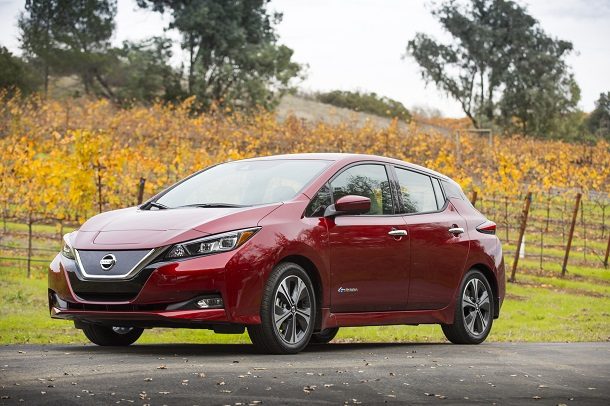
After becoming something close to a joke over the past couple of years, the once-groundbreaking Nissan Leaf enters 2018 with a new skin, larger battery, and enhanced range. Next year brings an optional battery upgrade, finally giving the five-door EV a range capable of challenging Tesla and General Motors.
Now that it has a competitive vehicle positioned as a value pick in a growing segment, Nissan wants everyone to get a chance to buy one, no matter where they live. It may have shied away from sales targets in the U.S., but Nissan’s not dialing back its global ambitions.
Up Close With the Workhorse W-15, an EV Truck Headed to U.S. Driveways
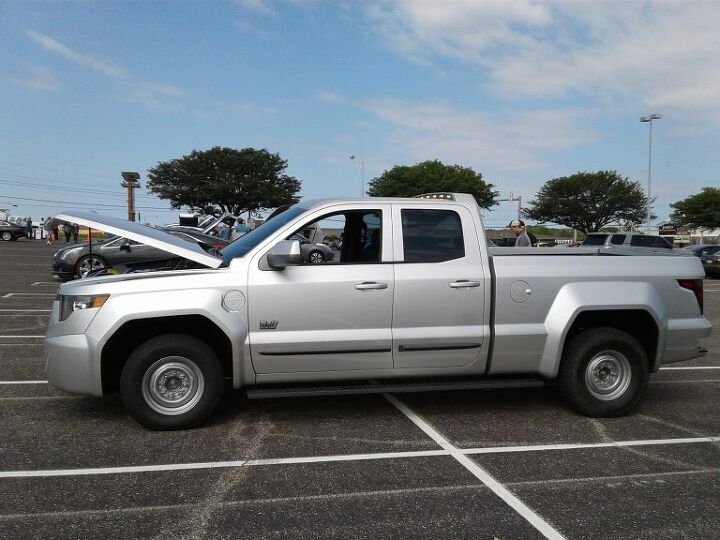
As part of National Drive Electric Week, the Cincinnati-based Workhorse Group displayed their prototype W-15 EV pickup truck at the local Cincinnati event. TTAC got some more information on the future of this pickup, as well as a turn behind the wheel.
Come have a look.





Recent Comments