


Can It Be? Mazda's Long-awaited CX-5 Diesel Gets California Green Light

We’ve been talking about the Mazda CX-5 diesel for a long time, and with good reason. It’s been a long time coming. Originally promised for a U.S. introduction in the second half of 2017, a quick scan of of Mazda’s consumer website reveals no mention of a popular compact crossover with a 2.2-liter Skyactiv-D four-cylinder under the hood.
This could soon change. The California Air Resources Board has certified the engine for sale in that ecologically sensitive state, making a similar thumbs up from the Environmental Protection Agency a near certainty.

Appeals Court Says Trump Cannot Delay CAFE Penalties

During the Trump administration’s year-long quest to roll back Corporate Average Fuel Economy (CAFE) targets, it attempted to give automakers in violation of the current standards a break by delaying the scheduled increase of penalties. The logic here is that the federal government is reassessing the Obama era standards, so it lumped in the new fines that were supposed to go into effect last July.
Those penalties represent an increase of $8.50 for every tenth of a mile per gallon a new car consumes above the minimum fuel standard. But with the new targets in quasi limbo, the updated fines were not being applied.
On Monday, a federal appeals court ruled the Department of Transportation cannot do that. Since the old rules are technically still in effect, the court ruled that automakers are still subject to the fine.

Now, About Ford's Upcoming F-150 Diesel…

Ford was all but gloating… okay, it was gloating when it unveiled the coveted “30 mpg highway” figure for the upcoming 3.0-liter Power Stroke diesel V6 earlier this week. A full-size pickup with a 30 mpg rating? That sets it apart from all others, including the 27 mpg (highway) Ram 1500 EcoDiesel.
What the automaker didn’t mention was how much green you’ll need to shell out for a Power Stroke-powered F-150. Well, the beans are now spilled, but the product positioning seems a little odd.
Green Oval? Ford Claims Top MPG Marks for Upcoming F-150 Diesel
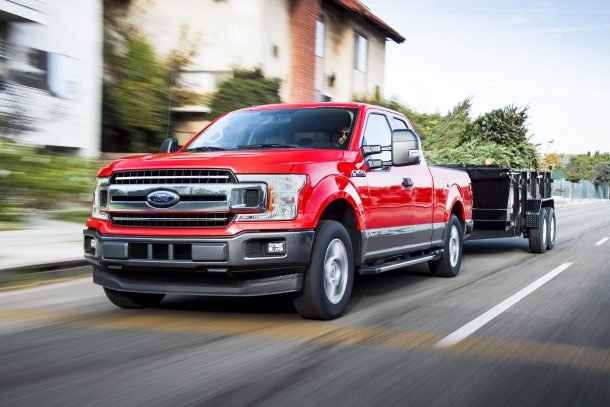
Ford Motor Company claims its 3.0-liter Power Stroke diesel V6, due to appear under the hood of the F-150 starting in May, blows the competition out of the water in terms of fuel economy. The automaker now cites an EPA-estimated 30 mpg highway figure for its light-duty diesel pickup, beating Ram’s 3.0-liter EcoDiesel in pump-passing power.
The real test, however, comes later this year, when General Motors debuts its own light-duty Duramax mill — a Flint-built diesel inline-six of unannounced power and efficiency.
Tiny Engines Have a Home in Chevrolet Vehicles, Regardless of What the EPA Decides

As it stands, the only Chevrolet vehicles not offered with available four-cylinder power are the Suburban, Tahoe, and Silverado lines of full-size trucks. Everywhere else, from the diminutive Spark hatch to the Camaro sports coupe and the full-size Impala sedan, and from the Equinox and Traverse crossovers to the Colorado pickup, you’ll find at least the option of a gasoline four-banger displacing no more than 2.5 liters.
Even if you choose a V6 or V8, there’s a good chance it’ll also run on four cylinders under light loads.
Now that the legislation that expedited the engine downsizing trend is poised to disappear, the brand says it’s not changing course. Chevrolet will pretend there’s still an Obama in the Oval Office and that its hide depends on making steady fuel economy gains.
America's Gas War Begins
Now that the Environmental Protection Agency has officially confirmed its intent to roll back Corporate Average Fuel Economy (CAFE) standards, the opposition has kicked things into high gear, mobilizing for the coming battle.
In one corner you have the White House and EPA Administrator Scott Pruitt seeking lowered emission mandates. They claim the Obama administration created unfeasible fueling regulations, noting that the public regularly opts for less-efficient trucks and SUVs and largely ignores the purchase of electric vehicles. In the other corner you have a handful of Senate Democrats, environmental groups, and a bunch of blue states led by California lawmakers. They all say the preexisting rules are not only feasible, but essential for the good of the nation.
If you’re wondering which side of the highly partisan issue is correct, we’d argue it has almost everything to do with your point of view. Both sides can make a fairly strong case, and will do just that as the battle heats up. Fortunately, this may not end up being a legitimate civil war — if the California Air Resources Board (CARB) is to be believed.
Triumph or Tragedy? EPA Officially Sides With Automakers on Fuel Economy Rollback
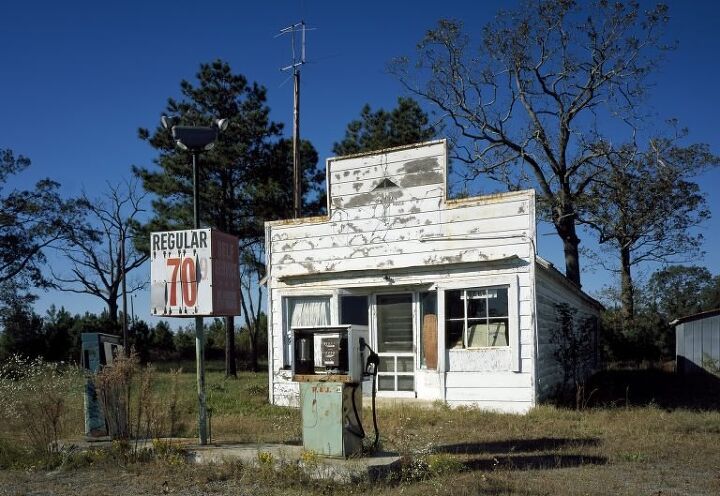
It looks as if the United States will find out if softened fuel economy targets will transform the domestic market into a haven for automobiles with exquisite powertrains or an antiquated dinosaur with garbage cars making use of old, pollution-friendly tech.
As predicted, the Environmental Protection Agency officially announced its intent to roll back Corporate Average Fuel Economy (CAFE) standards this week. On Monday, EPA head Scott Pruitt indicated his agency would begin the formal regulatory process with the Department of Transportation’s National Highway Traffic Safety Administration (NHTSA) to lower the existing MPG rules.
For the most part, Pruitt avoided diving deep into the NHTSA’s past claims of larger vehicles being safer and the manufacturing pitfalls associated with rushing cutting-edge technology to market — two issues we expected to be addressed. Instead, he left the announcement rather basic by stating the Obama-era rules were “not appropriate and should be revised.” The cornerstone of the EPA’s argument is that Americans simply aren’t buying more efficient automobiles, despite their current availability, and automakers have grown concerned with meeting CAFE standards after 2022.
“The Obama administration’s determination was wrong,” Pruitt said in a statement. “Obama’s EPA cut the midterm evaluation process short with politically charged expediency, made assumptions about the standards that didn’t comport with reality, and set the standards too high.”
EPA Readies Rollback of Fuel Efficiency Regulations

Rumors are flooding in that U.S. Environmental Protection Agency Administrator Scott Pruitt will sign a declaration upending the Obama-era fuel economy regulations any day now. New details have emerged claiming Pruitt plans to visit a Chevrolet dealership in Virginia to publicly condemn the existing 2025 targets as unrealistic. Reportedly scheduled for next Tuesday, the EPA head will be accompanied by groups representing both automakers and car dealers.
California is going to be furious.
Volkswagen Atlas Tanoak: A Concept Pickup to Chew On

We told you the other day that Volkswagen planned to dangle a carrot in front of American consumers. Well, here it is. Like what you see? If you do, Volkswagen wants to know about it, as this Atlas Tanoak concept truck could become a reality — provided enough people feel the same as you.
Eager to gain a stronger foothold in the U.S. light truck market, VW would love to market a unibody pickup built off a lengthened version of its Atlas platform. Unlike the crossover market, however, truck buyers can be fickle. Tribal, even. Does the midsize Tanoak have what it takes to mix it up with the likes of Ford, Chevrolet, Nissan, and Toyota?
It's Gonna Be a Showdown: EPA Head Says California Won't Drive U.S. Fuel Regulations

The Trump administration’s chief environmental regulator claims the Environmental Protection Agency will not pursue stricter fuel economy mandates after 2025. EPA Administrator Scott Pruitt also said California won’t call the shots for the rest of the country just because it can set its own rules on emissions.
“California is not the arbiter of these issues,” he said. Currently, California and 16 other states have pledged to maintain Obama-era emission when federal regulators decide to roll them back “but that shouldn’t and can’t dictate to the rest of the country what these levels are going to be,” according to Pruitt.
Stick that in your tailpipe, one-third of America.
McLaren Promises BP23 Will Be the Fastest Car in Brand's History
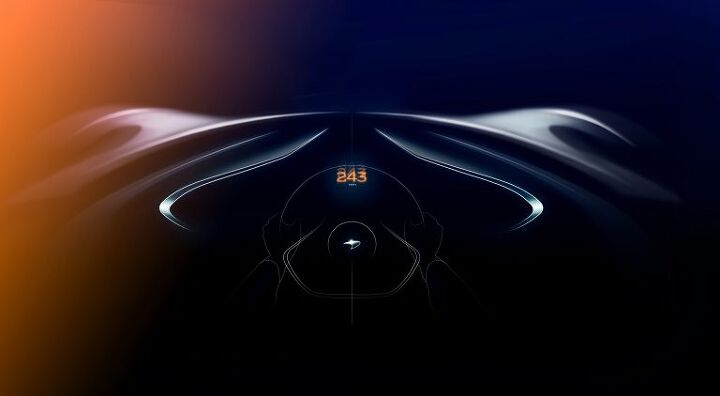
It wasn’t long after the invention of the automobile that people became obsessed with acquiring more speed. For manufacturers, having the world’s fastest production car was a major honor, though it took a few decades before objectively minded trade publications made it possible to compete on a level playing field.
Most production vehicles only manage to hold the record for a few years. There are, of course, exceptions. Lamborghini’s Miura P400 maintained its title as world’s fastest production car from 1970 to 1982, when the LP500 S version of the Countach debuted. The next decade would see the record change hands almost yearly until McLaren’s carbon-bodied F1 achieved 240 mph — destroying the previous benchmark by a wide margin.
While there is some contention that the F1’s maximum speed was only achievable via the elimination of its rev limiter, it still set the record at Volkswagen’s Ehra-Lessien proving ground in 1993 under accepted guidelines and held that record until 2005. With the limiter intact, many argue the Jaguar XJ220 or RUF CTR2 would have been king of the hill until the Bugatti Veyron’s debut. Regardless, McLaren still built a production vehicle that was physically capable of reaching 240 mph and never bothered to reach any higher.
That’s expected to change once the company’s love song to the F1, the BP23 Hyper-GT, comes out.
Moving From Mitsubishi's Outlander Sport to the Smaller-engined Eclipse Cross Won't Pay Off At the Pumps

One’s an ancient model that continues to sell in significant numbers; the other’s a fairly radically styled new model in the same compact crossover segment. Together, the Outlander Sport (RVR in Canada) and Eclipse Cross make up two-thirds of Mitsubishi’s utility vehicle lineup.
It seems these two rivalrous siblings — separated by $2,900 and a host of powertrain differences — will share the same segment for some time to come, as there currently isn’t a next-generation Outlander Sport in the pipe. We might wait nearly three years before one appears. In the meantime, anyone willing to shell out less dough for a two-row Outlander Sport can expect to save cash on gasoline, as well.
It may have the smaller engine of the two, the Eclipse Cross has the greatest thirst.
2019 Mitsubishi Outlander PHEV: Stealthy Plug-in Due for a Power Boost

Unlike the ad campaign you’ve no doubt seen for the new Eclipse Cross crossover, Mitsubishi’s long-awaited Outlander PHEV plug-in arrived on North American shores with little fanfare. Outlander PHEV sales quietly kicked off in January, years after its overseas debut.
Even though it’s just arrived, news from the Geneva Motor Show tells us there’s changes afoot for Mitsubishi’s sole green model. More grunt is on the way.
Volkswagen CEO Really Wants the Good Old Days Back, Predicts Diesel Resurgence

Despite a multi-billion-dollar emissions scandal, a massive corporate black eye, and all signs pointing towards a future devoid of diesel passenger cars, Volkswagen Group CEO Matthias Müller isn’t willing to let go of the past.
While addressing media at the the Geneva Motor Show, the VW boss — perhaps angered by all the newfangled electric cars in attendance, one of which is a Volkswagen — predicted the public would soon realize the error of its ways and return to the comforting arms of diesel propulsion. There’s a renaissance on the way, he said.
However, the fly in Müller’s soothing ointment appears in the form the The Government and the industry’s (and public’s) inclination to go where the incentives are.
Nice Prius - Now Pay Up: Maine to Green Car Owners

Here at TTAC, we sometimes tap sister publications when a story arouses our interest. This piece, published by Hybrid Cars, details a battle brewing in the rustic state of Maine — one that pits hybrid and electric car owners against a government that says their cars, while good for the environment, aren’t good for road upkeep. As cars become greener and gas tax revenues dwindle, this won’t be the last battle.
A proposed new fee for hybrids and EVs in Maine could be the highest in the country, reducing clean vehicle adoption.
The Maine Department of Transportation wants to add an annual registration fee for hybrids and electric vehicles. $150 for hybrids, and $250 for electric models. The DOT is looking to impose the fee because it says drivers of the more energy efficient vehicles aren’t paying their fair share toward road maintenance.
“The owners of these types of vehicles are paying far less in the gas tax than other vehicle owners and they are using the highway system just like any others,” MDOT Manager of Legislated Services Megan Russo told the Portland Press-Herald. “There has got to be a way to try and capture revenue from those drivers who are using our road system.”

Infiniti Wasn't Fibbing When It Estimated the Revolutionary QX50 Engine's Thirst

One thing is clear — with variable compression comes a newfound lack of thirst.
Infiniti’s previous midsize QX50 crossover didn’t astound in its thrift, garnering 20 miles per gallon on the EPA combined cycle. The move to a new, front-drive platform and addition of a years-in-the-making gasoline engine for 2019 has done wonders for the model’s drinking habit, however, and Infiniti engineers pegged the MPG figures right on the nose.
With the 2019 QX50‘s fuel economy now confirmed by the EPA, it begs the question: just how much of the model’s thriftiness can the variable compression engine take credit for?
Here's Trump's Ace in the Hole for Dialing Back MPG Rules

It’s no secret that the Trump administration will eventually come forward with a relaxed version of existing automotive fuel economy targets. Despite previously agreeing to them, most automakers have decided Obama-era goals are less than ideal and have reached out to the current president to take it easy on them — something he appears willing to do.
However, the White House is going to have to sell the decrease to numerous states that claim they won’t accept such a proposal, as well as a driving public that likely doesn’t want to spend more money on fuel than it has to. Fortunately, the administration has a strategy for this, and has tapped the National Highway Traffic Safety Administration for backup. It’s trying to prove that cutting fuel economy would actually make vehicles safer.
Already a Gas Sipper, the 2019 Volkswagen Jetta's Fuel Economy Nears the Head of the Class
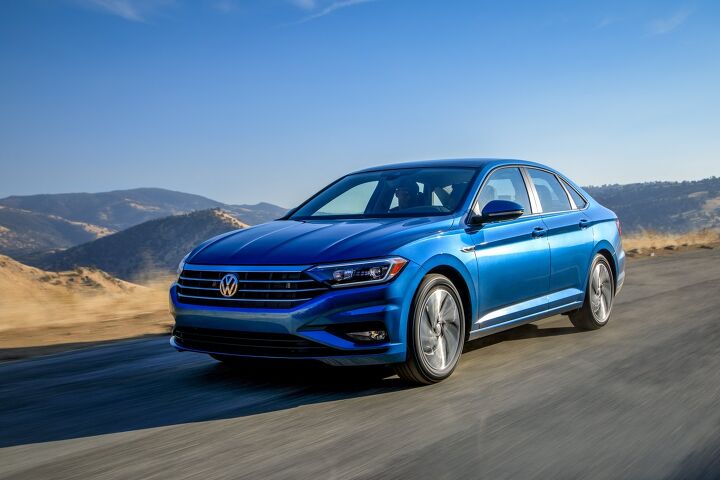
The next-generation Jetta, now virtually indistinguishable from other cars when viewed from the side (but unmistakably Volkswagen in its front and rear styling), has plenty of newness on offer, having switched to the company’s MQB platform for the 2019 model year.
Along with a stretch in wheelbase, the new Jetta gains expanded passenger volume and updated features, though not an updated engine. The well-regarded 1.4-liter TSI turbocharged four-cylinder carries over to the seventh-generation model, making 147 horsepower and 184 lb-ft of torque, but a brace of new transmissions arrive to bump the compact sedan’s fuel economy to new (gas-powered) heights.
Spied: 2020 Ford Explorer, Possibly in ST Guise

As you hopefully read on TTAC earlier this week (if not, read it here), there’s some significant changes in store for the next-generation Ford Explorer. Expected to debut next year as a 2020 model, the upcoming Explorer ditches its front-drive-biased platform for a rear-wheel-drive setup, our sources say.
The change is made possible by the switch to Ford’s modular CD6 platform, which accommodates front-, rear-, and all-wheel-drive configurations. The engine lineup sees a similar shakeup, with a new variant spawned by the addition of a motor currently found only in the Lincoln stable. Yes, the ST badge is coming to the Explorer line.
Think of it as a high-riding, three-row Fiesta — a model Ford doesn’t want us to have anymore.
EPA Says the 2018 Nissan Leaf Goes the Extra Mile - Literally
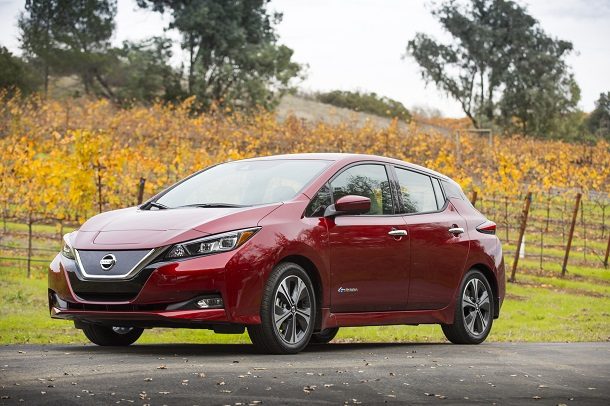
What a difference a mile makes. Or does it? In the case of the 2018 Nissan Leaf, the second-generation model’s newly enlarged driving range might not sway a single buyer or suddenly place the model ahead of a close challenger, but any improvement in an EV’s travel radius is worthy of a celebration at the company’s HQ.
If you haven’t heard the news, the 2018 Leaf’s range now stands at 151 miles, according to the Environmental Protection Agency’s just-released official rating. What was it before? Well, Nissan estimated 150 miles. Hardly shocking, but it’s nonetheless good news as the automaker waits for next year’s arrival of a longer-ranged, more competitive model.
Electricity Won't Kill the Fun, Porsche Promises
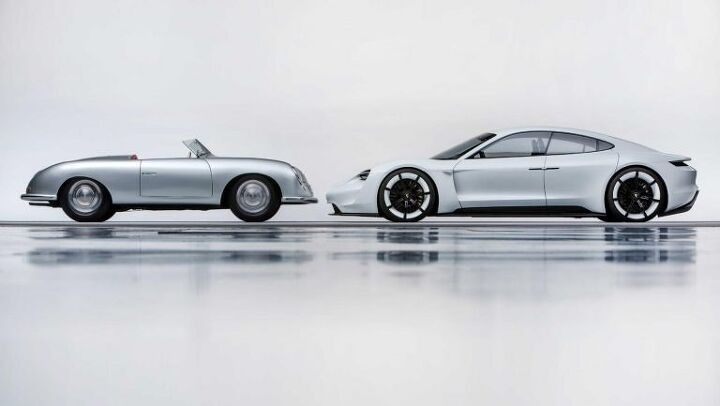
Porsche threw a party at its museum on Thursday, marking and celebrating 70 years of sports cars. The first vehicle to bear the Porsche name was registered on June 8, 1948 – a 356 “No.1” Roadster. With it, Ferry Porsche’s dream of a sports car turned into a reality.
Mixed in with the event’s nostalgia was a look to the future, as CEO Oliver Blume outlined a three-pronged strategy to diversify its lineup. The three pillars? Plug-in hybrids, combustion-engined sports cars, and sporty electric vehicles.

6 Appeal: Mazda's Newly Turbocharged Midsize Reveals Its MPGs As Automaker Hopes Upscale Push Pays Off

This is the sixth model year for the third-generation Mazda 6 which, despite its age, remains arguably the best-looking midsize sedan on the market. Mazda belatedly answered long-standing cries for more power by offering a turbocharged 2.5-liter inline-four for 2018, giving the model the grunt it needs to back up its sporting pretentions.
We now know what drivers can expect at the pumps from this engine, borrowed from the CX-9 parts bin. However, can the emergence of a true Mazda 6 sports sedan rekindle waning interest in the model?
New Vehicles Are More Powerful and Efficient Than Ever, but the Greenest Automaker Only Sells Gas Models: Study

Every year, the Environmental Protection Agency tabulates all available data for new vehicles sold in the United States and prints colorful graphs showing the country’s progress — or in some cases, regression — in key areas of autodom. Areas like average fuel economy, vehicle weight, horsepower, and emissions.
It’s a tradition dating back to the heady, wide-lapelled days of 1975.
The most recent report on light-duty vehicles in the U.S. shows definite, albeit incremental, progress towards many environmental goals. While the auto landscape may not be advancing at the rate preferred by many environmentalists, urbanists, and the Tesla fan base, there’s cause for celebration within the report’s pages. There’s also a special prize in there reserved just for Mazda.
Fuel Economy Figures Released for Hyundai's Littlest Crossover

Hyundai’s smallest utility vehicle arrives as the automaker tries to put a troubling year behind it. Sales fell significantly in both the U.S. and Canada in 2017, the first annual drop since the recession. The blame for the 13.4 percent U.S. drop and 6.1 percent Canadian decline lies in our growing aversion to small, fuel-efficient cars, of which Hyundai has many, and our insatiable lust for large utility vehicles, of which Hyundai does not have enough.
There’s nothing large about the Hyundai Kona, but it’s still an important player in the raft of new or revamped crossovers bound for Hyundai’s stable. And, just like in the small car segment it’s slowly replacing, economy matters in the small crossover segment. So, now that the Environmental Protection Agency has seen fit to test the Kona, how does its thirst stack up against its rivals?
Trump's Updated Fuel Economy Targets Are Coming This March
After what feels like an eternity, the Trump Administration finally feels confident in releasing its alternative to efficiency rules created under former President Barack Obama. The National Highway Traffic Safety Administration will provide the details on the new fuel economy standards for cars and light trucks sometime before the end of March.
This will be followed by partisan arguments as to why it’s the best and worst idea in the world.
Achates Power Brings an Efficiency Revolution To Detroit
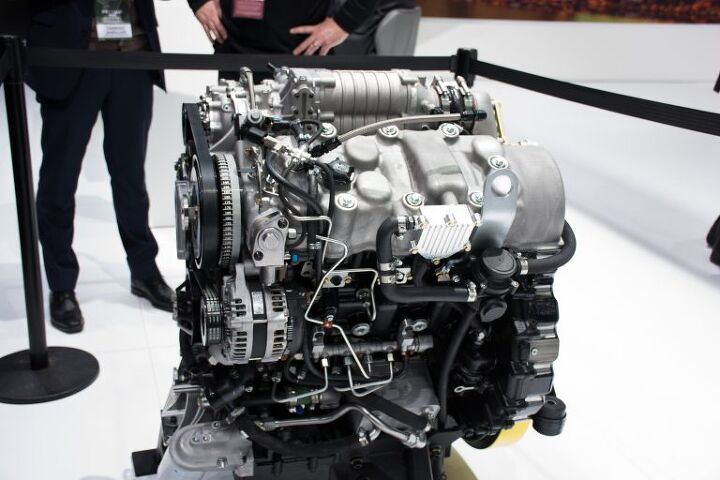
Thus far, the North American International Auto Show has been a truck festival – more specifically, a green-truck fest. Ram showed a hybrid 1500. Ford revealed their V6 diesel. Chevrolet surprised with an inline-six diesel. Clearly the Big Three are looking at the calendar, with a big red circle over the 2025 CAFE standards looming like a dark cloud.
Achates Power, a fourteen-year-old startup from San Diego, has a different idea. By combining a variety of existing technologies – some of which date from before World War Two – they have developed an engine that they expect to meet 2025 fuel economy standards, emissions standards, and most importantly, the performance standards of light-truck buyers.
How does 37 mpg sound in a half-ton truck? That’s on gasoline. The Achates engine can also manage 42 mpg in the same truck running on diesel.

2019 Toyota Avalon: Open Wide for a Modern, and More Aggressive Boulevard Cruiser

As we told you not too long ago, Toyota’s sticking with its traditional car lineup in the face of declining sales — clinging to it, really. How else could you explain not only the continued existence of the full-size Avalon sedan, but a wholly new generation of it?
That’s what we have here this morning in Detroit. The 2019 Avalon, the fifth-generation of a lineage dating back to the 1995 model year, is here. It’s longer, lower, wider, faster, thriftier, and plusher than before, while boasting enough technology to impress or confuse just about anyone who might find themselves behind the wheel.
2019 Ram 1500: All the Details You're Dying For

This year at the North American International Auto will surely be known as the “Year of the Pickup,” with Ford introducing it PowerStroke F-150, Chevy hauling the wraps off a new Silverado, and Ram rolling out a new truck for the first time since 2009.
After months of speculation and hundreds of spy photos, the 2019 Ram 1500 has finally arrived. Here’s what you need to know before the jump: weight is down 225 pounds, the ram’s head logo is back, and both V6 and V8 Rams will be available as a mild hybrid. Wait, what?
Europe's Growing Distaste for Diesel Is Great News for Hybrids - and an Opportunity for Toyota
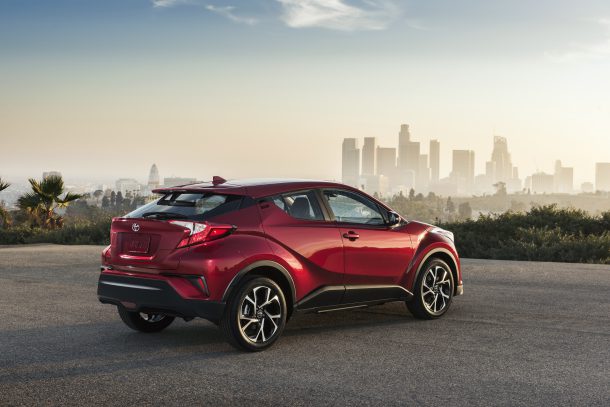
In the first half of last year, the number of new vehicles sold in Europe with a diesel engine under the hood (or bonnet, depending on your port of call) fell below that of gasoline-powered vehicles.
Spurred on by various tax incentives aimed at boosting national fuel economy, diesel’s popularity hit a high water mark in 2011, with 55.7 percent of all passenger cars sold in Western Europe that year leaving the lot with a compression ignition powerplant. However, since Volkswagen’s debacle, automakers, governments, and consumers are having second thoughts about the fuel.
After seeing the diesel take rate fall 17 percent in 2017, Britain anticipates the overall market share for oil burners could hit 15 percent in 2025. Germany, birthplace of diesel fandom, saw sales sink 7 percent last year, now standing at 38.8 percent of new vehicles. The French take rate is now below 50 percent, as well.
Replacing the incentivized high-torque engines isn’t a job that can be handled by gasoline alone, not in that market, anyway, which is where hybrid vehicles come in. For Toyota, this as much a problem as an opportunity — one that could have an impact on North America.
No Fixed Abode: Fear of a $160 Planet

It sounds like a sci-fi novel, or maybe even a Fredrick Forsyth knockoff written during the Seventies heyday of Cold War action/adventure books: Six Months of the Equinox. You can imagine the plot, right? Something happens to freeze the planet’s orbit at a certain point. The seasons stop. Mayhem ensues. There’s a machine that might be able to restart the orbit, but a cabal of Russian oligarchs makes a plan to seize it. Only one man — let’s call him Chest Rockwell — can save us.
The reality behind the title is nearly as frightening: It’s the half-year that my current wife, known to all and sundry as Danger Girl even though (SPOILER ALERT) she is actually old enough to vote, traded in one of her Tahoes for a Chevrolet crossover in an attempt to balance her budget. This is the kind of thing that I typically associate with bubbleheads who can’t do math, but Danger Girl is a CPA with extensive financial training. Was she right to do it? It’s a relevant question, because — as you’ll see below — it’s one that we could all be asking ourselves three years from now.

Can an Electric Car Really Save You Money? It Depends on Where You Live
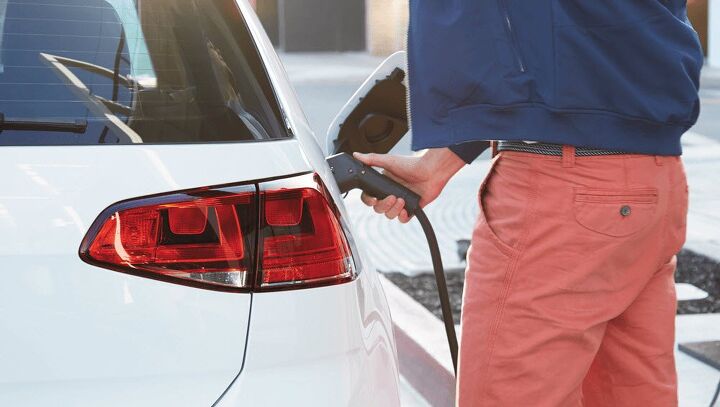
The automotive industry’s gradual shift toward electric vehicles is primarily influenced by global fuel economy mandates. A happy side effect is that consumers benefit from having access to vehicles offering better overall efficiency. This translates into lower running costs and some real savings — once EVs come down in price.
However, there are instances where it might still be cheaper to run a plain Jane internal combustion unit. A new study from the University of Michigan’s Sustainable Worldwide Transportation group explores exactly how cost-effective electric vehicles are and how fuel efficient an internal combustion model would need to be to become the cheaper alternative. The answer, as it turns out, has a lot to do with where you live.
2019 Honda Insight: America's Oldest Hybrid Climbs the Social Ladder
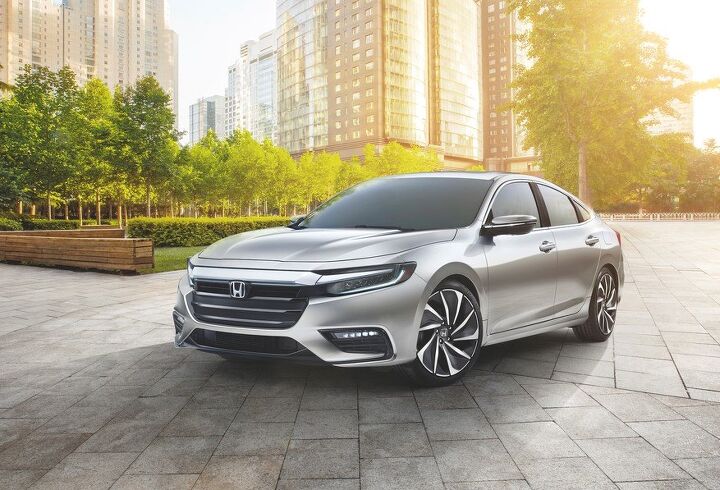
Third time’s a charm, they say, and Honda surely hopes it’s true. As the third iteration of the on-again, off-again dedicated hybrid model, the newly enlarged 2019 Honda Insight is putting on airs and climbing up from the bottom of the automaker’s model lineup.
For the coming model year, the reintroduced Insight will occupy the third rung of the brand’s car portfolio, above the Fit and Civic, but below Accord. Thanks to a pre-Detroit auto show release, we now have a better idea of what’s going on inside the new Insight, as well as under the hood.
Ford Dishes Specs on New 3.0-liter Diesel F-150

Not willing to cede any pickup ground to its rivals, Ford Motor Company will soon open orders for a light-duty diesel pickup. Under the hood of its F-150, the Blue Oval’s new 3.0-liter Power Stroke diesel V6 promises class-leading fuel economy (in a very small class) and greater towing capacity than its Fiat Chrysler competitor.
The model’s trailer-yanking potential is the result of the latest battle in the great, ongoing Torque War.
QOTD: Tesla's Pickup Truck - Where Do You Start?
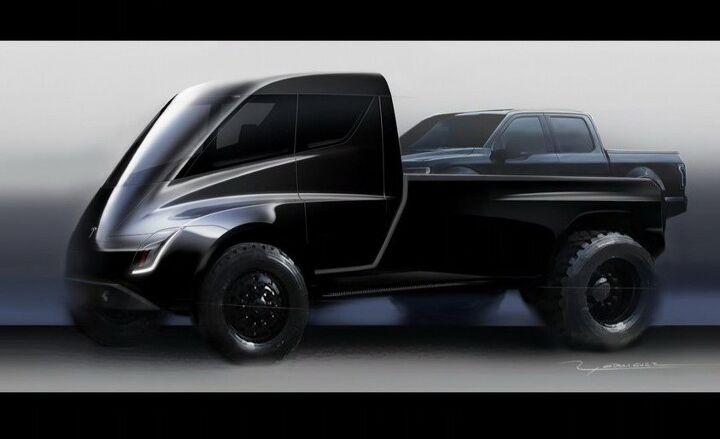
It’s sometimes hard keeping up with the specific engineering feats Tesla actually plans to pull off and the forward-thinking visions uttered just to keep the tech press salivating (and its readers buying up shares). Is CEO Elon Musk actually sending a tunnel with an elevator in it to Jupiter? Wait a minute — it’s possible that promise fell victim to the purple-monkey-dishwasher chain of distortion before it reached this author’s ears.
One thing we’re more or less assured of now, following Musk’s stint at the Twitter pulpit Tuesday, is that Tesla will build an electric pickup truck. Yes, just as soon as the compact Model Y’s out the door. This means Tesla fan club members and curious buyers will have to wait until after the Model Y crossover finishes development and finds a place in which it can be built — not an overnight process by any means.
What we’re left with is a pickup that’s a blank slate in terms of size and design. Grab your pencils.
Bigger, Classier Honda Insight to Bow in Prototype Form in Detroit
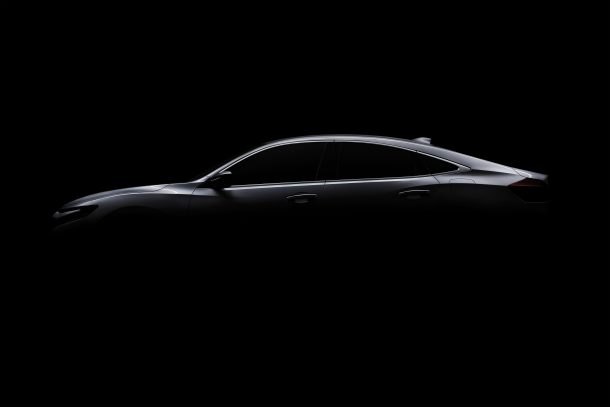
Sitting at the summit of the Honda vehicle range is the Acura NSX — a complex, advanced hybrid two-seater that goes like stink but can’t seem to find many takers. At the bottom, at least until 2014 models dried up sometime in 2015, was the Insight.
Ah, the Insight. The model best remembered as the teardrop-shaped two-seater that gave North America its first taste of hybrid motoring in December 1999 was soon eclipsed in sales by the Toyota Prius. Its main rival never looked back.
After a four-year gap, a second-generation Insight powered back onto the hybrid scene for the 2010 model year. Boasting room for five passengers and a significantly lower fuel economy rating, the follow-up Insight didn’t sent Honda’s sales charts aflame. Volume in 2010 was one-seventh that of the Prius, dropping quickly thereafter.
With a third-generation 2019 model on the way, Honda seems determined to mimic The Little Engine That Could. It’s a bigger and better Insight, the company claims, but will the third time be a charm?
Say It Ain't So! Docs Suggest Chevrolet Cruze Losing Manual Transmission

After a year of good news (McDonald’s all-day breakfast came to Canada), it seems only fitting that 2017 will end in tears.
The Chevrolet Cruze, one of a shrinking number of models in which one can easily find a manual transmission, appears set to lose that option after the 2018 model year. As the owner of a manual-shift Cruze, no words can ease the pain.
Won't Get Fueled Again: AAA Testing Suggests Premium Gas, for the Most Part, Isn't Worth Your Cash
Most readers of this site know exactly what an octane rating is and how it relates to the bang it provides in an engine. Hauling up to the pumps and being presented with a choice of everything from 87 to race gas is one of the benefits of living in America.
Higher octane fuel is more expensive than other grades and the gulf between regular and super-duper-extra premium is steadily increasing. Is it worth “treating” your car to a tank of high octane every now and then? The American Automobile Association says absolutely not — and they have the testing to back it up.
Spied: 2019 Ford Ranger FX4 in Production Clothes

We’ve told you already that Ford isn’t letting off-road-focused variants of the Toyota Tacoma and Chevrolet Colorado have all the fun when the midsized Ranger comes to market next year. The long-awaited pickup, Americanized for its 2019 model-year debut, will arrive with a brawnier FX4 model in tow.
Thanks to these spy shots, we can now take a look at a Ranger FX4 that’s not a test mule.
The 2018 E-Pace Drinks More Than Its Bigger Brother

Just to clear things up right off the bat, Jaguar’s newest model, the E-Pace, is not the brand’s upcoming electric sport crossover. That’s the I-Pace. Because “I” stands for … ions, we presume.
No, the E-pace is the smaller answer to Jag customers looking for something less than an F-Pace, but not too much less. Riding on the Range Rover Evoque platform, the E-Pace boasts less overhang and a shorter overall length, while retaining the styling cues and handling of its popular larger sibling. However, despite being smaller in most dimensions, there’s one area where it actually tops the F-Pace: in consumption of fuel.
How Many Gas Pumps Can a Stinger Pass? Kia Releases EPA Info
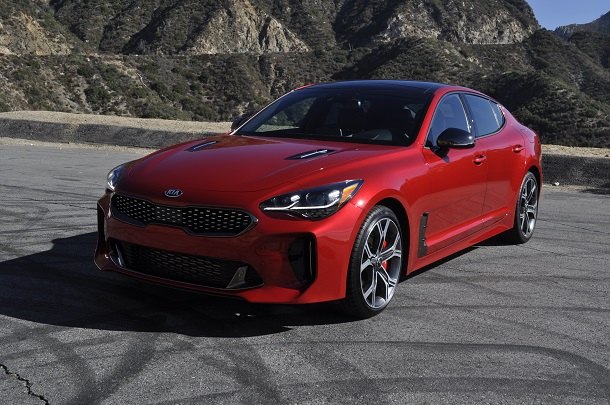
When I was in California this week to drive the all-new Kia Stinger, there was one key specification question that went unanswered – fuel economy. That’s because the numbers were being finalized as we sat in the press briefing.
Now we know the numbers, at least by the American standard.

Smart, or Sacrilege? Porsche Considering Production of an Electrified 911

Porsche is considering an electrified variant of the iconic 911, which isn’t all that surprising, considering Volkswagen Group wants a battery-enhanced version of every model it builds. But changing the 911 is tantamount to sacrilege among some circles and is likely to receive some mixed responses.
That said, it’s not as if the model remained unchanged since 1963. Porsche has implemented loads of electronic aids over the last decade and even chucked in a turbocharger. Besides, Ruf Automobile already built an all-electric 911 — which it called the eRuf Model A — way back in 2008. The foundation has been set. But we’re not convinced Porsche will walk that path.
Much more likely is that the company will use electric motors to supplement a semi-traditional internal combustion unit, or perhaps utilize a 48-volt mild hybrid system.
Compression Test: Infiniti Set to Unveil a Variable Compression Engine
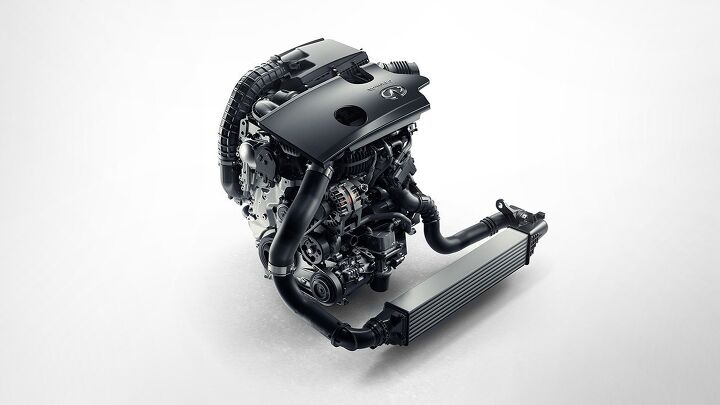
We’ve mused on Infiniti’s Variable Compression Engine in the past, calling it everything from a chameleon to the holy grail. Its killer app? The ability to changes the distance the pistons travel in their cylinders by as much as 6 mm, or about a quarter of an inch.
Why is this important? Because it is, arguably, the first major change to the workings of a internal combustion engine in more than a century.
Nissan Looks Ready to Bring E-Power to Its American Fleet

There’s no confirmation just yet, but all signs are pointing to the eventual introduction of Nissan’s novel e-Power hybrid system in its U.S. lineup.
We say “novel” because the system isn’t like any gas-electric setup currently on the road. Think of it as a way to cheaply reduce emissions without the worries of limited electric range or the expense of bulky battery packs. Instead, think of the car as a little ship.
Low Energi: Production Ends on Ford's C-Max Plug-in, With Hybrid to Follow
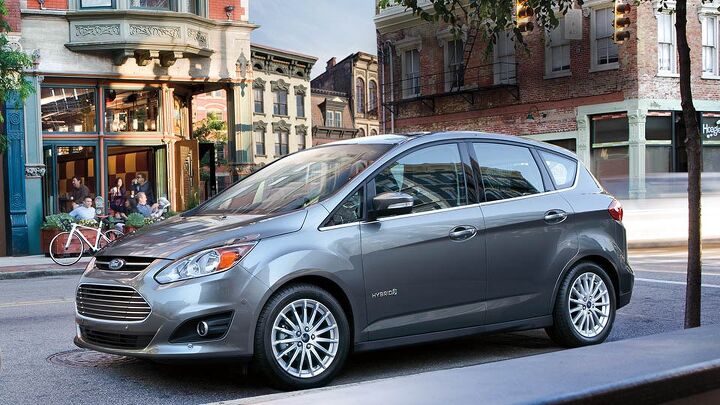
It’s a near-silent swan song for a duo of electrified Ford models. The Ford C-Max, which debuted in late 2012 in both hybrid and plug-in hybrid form, hit its sales peak during its first full year on the market, declining every year since.
As Ford Motor Company shakes up its U.S. production landscape — ironically, to bolster production of trucks and SUVs — the ungainly-looking C-Max is on its way to the cemetery. The automaker has confirmed the ceasing of production of the C-Max Plug-in, with the Hybrid variant to follow in the middle of next year.
The New Thriftpower? EPA Says Less-thirsty 2018 Ford Expedition Tops Its Class
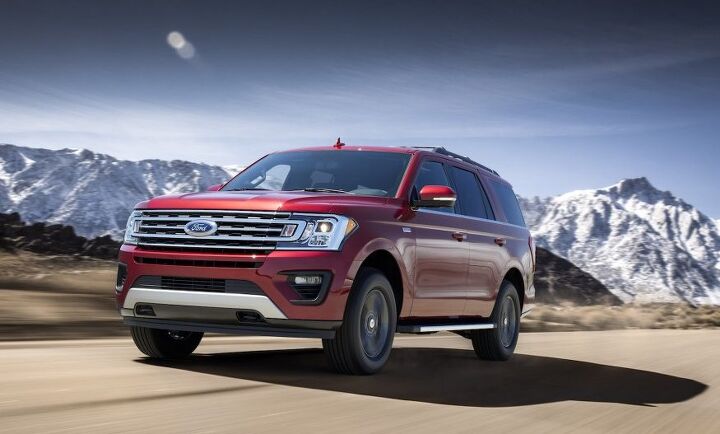
There’s nothing quite as uncertain as that little number staring at you from the window sticker of a new vehicle. It’s two digits long (unless you’re fabulously rich), followed by the word “combined.” We’re talking, of course, about the Environmental Protection Agency’s fuel economy rating, which often turns out to be an impossible-to-reach goal or — if you’re lucky — a lowballed figure.
Back in the days of lapels and flares, the hot gas mileage action was found in the compact and subcompact class. Economy cars, after all. Well, people these days prefer driving a vehicle that seats at least five adults in comfort while towing a boat and hauling 65 pounds of kid’s toys and a dog in the rear cargo area. With the heyday of the cheap little car long gone, the (fuel) economy battle rages anew among the largest, and most lucrative, vehicles on the road.
So, do you believe the EPA when it says the massive 2018 Ford Expedition gets 20 miles per gallon combined?
Despite Technology Boost, Ford F-150's New Base Engine Still Guzzles More Gas Than the Upgrade
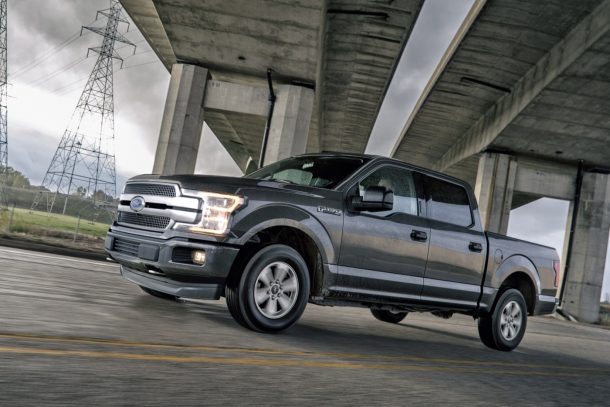
Think of the Ford F-150 pickup and one’s mind immediately turns to an excellent pair of EcoBoost V6 engines with 2.7 and 3.5 liters of displacement. And why wouldn’t you? Together, Ford’s twin-turbocharged V6 twins make up three-quarters of the model’s engine share. These beauties are the last word in full-size pickup torque, though the 2.7-liter is a wanderer that finds deserving homes in such models as the Ford Edge, Lincoln MKX, and Ford Fusion Sport.
For 2018, both EcoBoost engines see some refinements, but buyers of F-150 XL and XLT pickups won’t see either if they leave those option boxes unchecked. In a bid to increase fuel efficiency across the lineup, 2018 sees the introduction of a naturally aspirated 3.3-liter V6 in low-rung trims, replacing the previous 3.5-liter unit.
There’s no shortage of technology at work with the new 3.3, but it can’t match the fuel economy of the closest available engine upgrade.
Honda Sports EV Concept: A Retro-futuristic Fastback
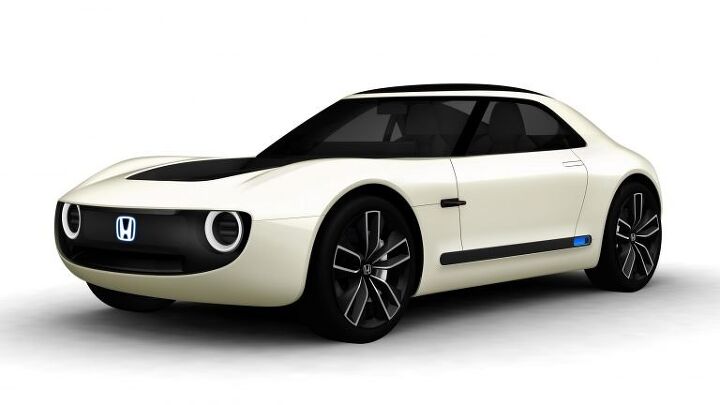
While I can’t say much for Honda’s concept-naming strategy, the company certainly knows how to make a retro-future-inspired dream machine. When the Urban EV Concept was unveiled at the Geneva Motor Show, everyone wondered, “Why don’t we have more cars that look like this?'”
The two-tone hatchback was the perfect balance of new tech and vintage charm, yielding something semi-fantastical that still felt totally grounded.
Using that design language once again, Honda has brought the Sports EV Concept to the Tokyo Motor Show. Possessing an equally uninventive name, the Sports EV harkens back to a different automotive era. Similar to the Urban concept, which seemed to be a modernized interpretation of the first-generation Civic or S600, the bodywork of the sporting model is pure Toyota 2000GT — although not so much as to get anyone into legal trouble.
Scientists Reveal What We Already Knew: Economy Cars and Gas Guzzlers Love Each Other
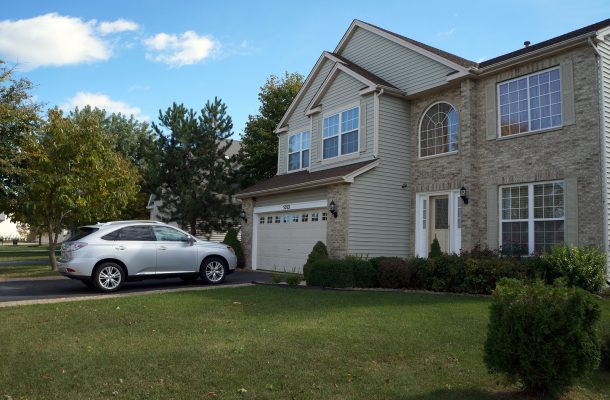
Picture a suburban street in an average middle class neighborhood. In each driveway sits two vehicles, as tradition states no modern American suburban family can make do with just one. Think about those two vehicles for a minute now.
Are they evenly matched? In other words, are they the same size? Do they fulfill the same requirements laid out by a single segment? Doubtful, and your mind’s eye already made this clear. One’s a Safari or Caprice wagon, the other’s a Datsun 210. One’s a Corolla, the other, a Suburban. A Focus and an F-150, and so on.
Does owning an economy car compel new car buyers to splurge when new-car buying time rolls around? Logic, and now science, says yes.
While Not Yet Official, Fuel Economy's on the Rise in the Ford Mustang Stable
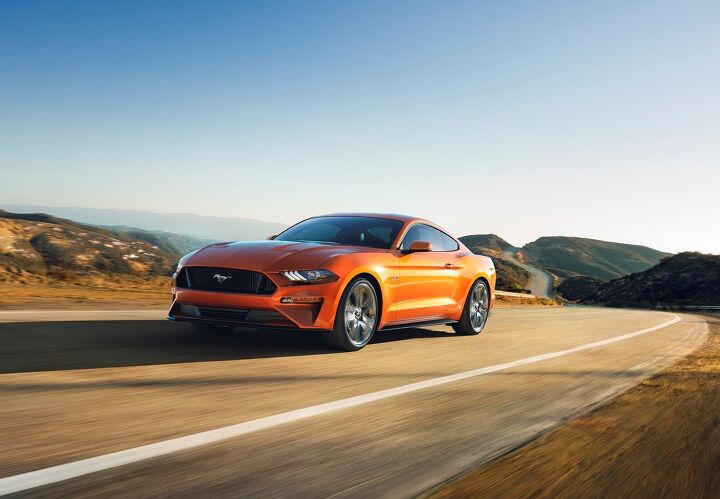
Those Ford Mustang owners. Obsessed with just one thing — a feverish, burning desire to consume as little gasoline as possible.
No, that can’t be right. Mustang buyers know what they want when purchasing the original pony car, and it usually involves the velocity of wind through one’s hair. Ford Motor Company, however, doesn’t have the luxury of such simple-mindedness. For a number of reasons, the largest of them being regulatory, the automaker requires its newest vehicles to burn less fuel than the previous generation.
The 2018 Mustang is no different. For the coming model year, the massaged and freshened Mustang promises owners less time spent at the gas pump.
Now Legal for Sale, 2017 Ram EcoDiesels Remain Thin on the Ground
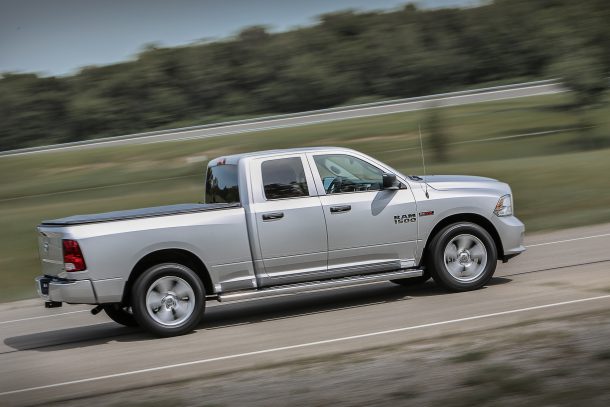
Looking for a full-size pickup with class-leading fuel economy? Can’t lick that diesel addiction, but not willing to go heavy duty? Since 2014, the Ram 1500 HFE has been your full-size, light-duty diesel go-to, at least until the Environmental Protection Agency yanked the model’s certification for the 2017 model year.
Following this year’s minor disagreement (the EPA wanted to know what those undeclared auxiliary emission control devices were all about, Fiat Chrysler said it was no big deal), as well as the federal investigations and lawsuits that followed, the thriftiest Ram is back on the market. In late July, environmental regulators finally gave the model a clean bill of health, certifying it for sale in the U.S.
However, Ram EcoDiesels are only now finding their way onto dealer lots.
GMC Expands Fuel-saving Sierra 1500 Option to the Rest of the USA

As Fiat Chrysler’s Ram division enjoys wearing the full-size pickup fuel economy crown with its now-legal-again 1500 EcoDiesel, and as Ford throws turbo V6s and 10-speed automatics at everything, what’s General Motors supposed to do to greenwash its truck fleet?
Easy. Simply offer customers in all 50 states a rare option previously available only in California.
Honda Wanted 2018 Accord to Top Midsize Class in Fuel Economy - It Does No Such Thing
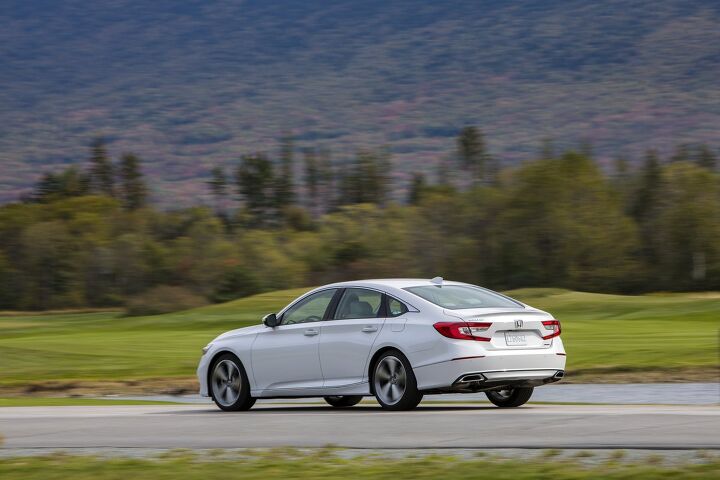
From a historical midsize perspective, the all-new 2018 Honda Accord is rather thrifty with the Earth’s decreasing supply of oil.
It’s fuel efficient, in other words. Over the span of 10,000 highway miles, the basic 2018 Honda Accord is expected to consume 263 gallons of regular octane gasoline. That’s only 13 more gallons than you’ll consume in a 2018 Honda Civic Hatchback with the same 1.5-liter turbocharged four-cylinder. It’s 15 fewer gallons than you’d have used in the most efficient non-hybrid 2017 Honda Accord.
The city improvement is more meaningful. The 2017 Honda Accord four-cylinder topped out at 27 mpg in the city, equal to $944 for 10,000 miles at the current fuel price of $2.55/gallon. The new 30-mpg Accord reduces city consumption in the same scenario to $850, a 10-percent decrease.
The 2018 Honda Accord is not, however, the most fuel-efficient car in America’s midsize sedan category. Honda thought it would be. Honda was wrong.

Mournful Glances: Carryover 2018 Ford Fiesta Loses the $995 Three-cylinder EcoBoost Engine Option
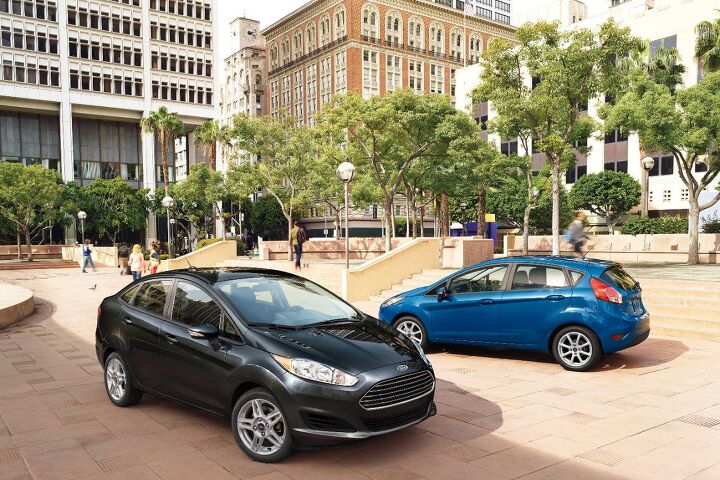
At TTAC, we’re big fans of Ford’s 1.0-liter three-cylinder EcoBoost engine. In the right application — the sixth-generation Ford Fiesta — the EcoBoost triple is a happy revver, a fuel miser, a torque manufacturer, a smooth operator.
In fact, we’re such big fans of the EcoBoost three-cylinder that our editor-at-large bought and paid for a Fiesta 1.0 EB long-termer with his own money. That’s a strong recommendation. Recommendations don’t come any stronger than that.
With the existing, aged, increasingly antiquated Mexico-built Ford Fiesta continuing as a 2018 model year subcompact whilst much of the world benefits from the launch of a new generation of Fiestas, Ford is trimming the Fiesta lineup. The standard 1.6-liter four-cylinder persists; the Fiesta ST forges on.
But the Ford Fiesta’s 1.0-liter EcoBoost three-cylinder is signing off.
Consumers Union Wants Heavy-duty Truck Buyers to Know Their Vehicle's Fuel Economy
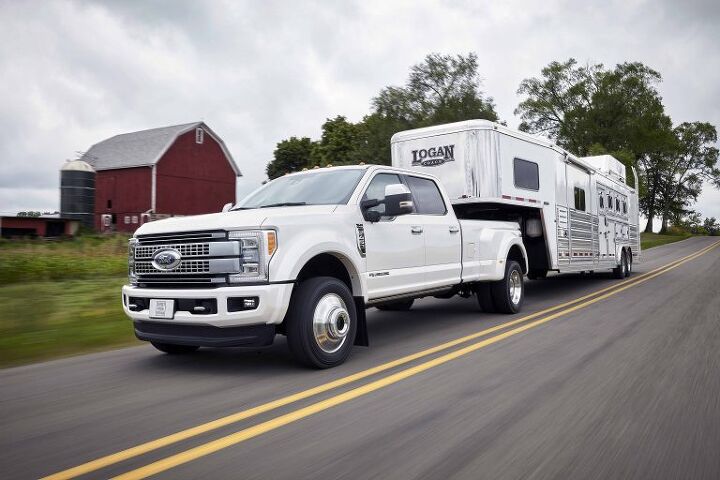
Say you’re on the Ram website, perusing a new 2500 heavy-duty pickup. On the specifications page, you scroll down to the fuel efficiency table to see how many Andrew Jacksons you’ll be forking over at the pumps. The verdict? The Ram 2500 has a 32-gallon fuel tank. Thank you for visiting.
Unlike passenger cars and light duty trucks, heavy-duty trucks with a gross vehicle weight above 8,500 pounds aren’t required to flash fuel economy data on a window sticker. Searching the fueleconomy.gov database turns up nothing in the way of information. Now, Consumers Union wants Congress to change that. The consumer advocacy group is calling on the federal government to place fuel economy information on window stickers for the benefit of large truck buyers.
As it awaits a response, the group’s Consumer Reports publication went ahead and tested some heavy-duty pickups.
$31,425 2018 Volkswagen Atlas 2.0T's Fuel Economy Basically Matches Smaller VW Tiguan
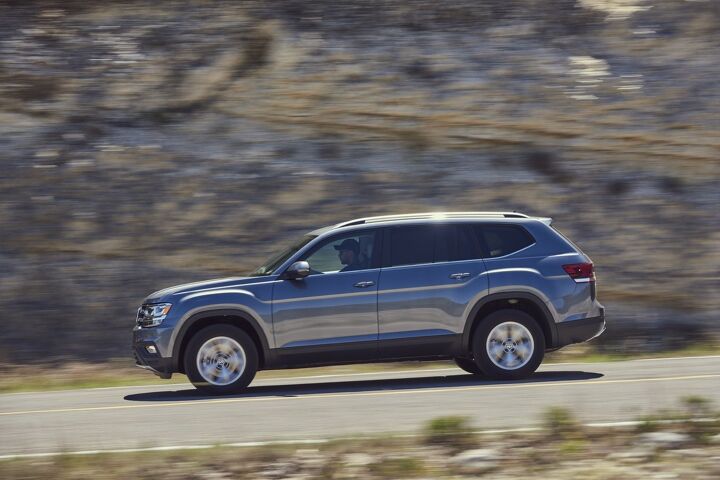
At launch, the lone Volkswagen Atlas available in the United States was the more powerful 3.6-liter V6, a Tennessee-built $34,425 three-row crossover with 276 horsepower and 266 lb-ft of torque. All-wheel drive is an $1,800 option. The Atlas was rated at 18 miles per gallon in the city; 25 on the highway. City fuel economy for AWD models dropped by a single mpg; highway mpg fell to 23.
Now we know how much money you can save by purchasing the front-wheel-drive-only Volkswagen Atlas 2.0T, which suffers a loss of 41 horsepower but generates very nearly as much torque as the V6 (258 lb-ft) and does so 1,150-rpm closer to idle.
Not surprisingly, a small, modern, turbocharged engine is barely more efficient than the larger, naturally aspirated V6.
Money-hungry States Lining Up to Tax Self-driving Cars (Just Like EVs)

There’s few things people living in the U.S. can agree on, but one of those things is the state of American road infrastructure. For the most part, it sucks. Eisenhower’s long gone, but his network of interstate highways, plus the spiderweb of two-lane roadways cross-crossing every corner of America haven’t grown better with age.
Meanwhile, the U.S. federal gas tax remains unchanged since its last hike in 1993. Still locked at 18.4 cents per gallon, the infrastructure funding shortfall created by the static federal tax is spurring states to pass their own gas tax increases. Michigan, California, and — controversially — New Jersey are among the most recent examples.
Still, boosting prices at the pumps only works if drivers still visit those pumps. What of the coming self-driving car wave, the vanguard of which are high-tech electric vehicles piloted by mere humans? Enter the taxman and his slim book of ideas.
Official 2018 Chevrolet Equinox Diesel Fuel Economy Numbers Don't Quite Get to the 40-MPG Mark

General Motors’ expectation that the 2018 Chevrolet Equinox Diesel would climb to the arbitrarily important 40 miles per gallon marker will not be fulfilled by the production Equinox.
In accordance with Environmental Protection Agency procedures, the Equinox 1.6TD comes up short of the 40-mpg highway marker by a single mpg.
Toyota's New Patent Screams 'Regulate the Manuals!'
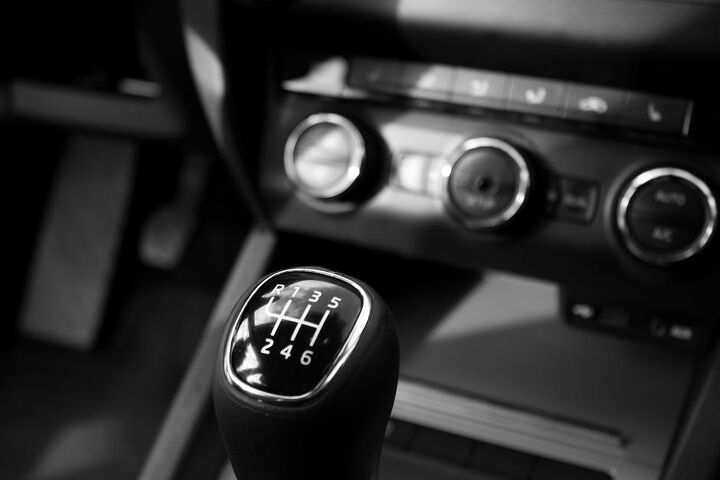
In this day and age, when a “coupe” often means a four-door SUV and automatics, DCTs, and CVTs perform almost all gear-shifting duties, it’s nice to see a patent from a major mainstream automaker concerning a manual transmission.
However, Toyota’s recent patent for an electronic tranny nanny might spark worry that the three-pedal experience, as endangered as it is, could become watered down by technology. A manual transmission that doesn’t let you make mistakes? Who’s in charge here?
Give the U.S. Government a Piece of Your Mind About Fuel Economy Rules
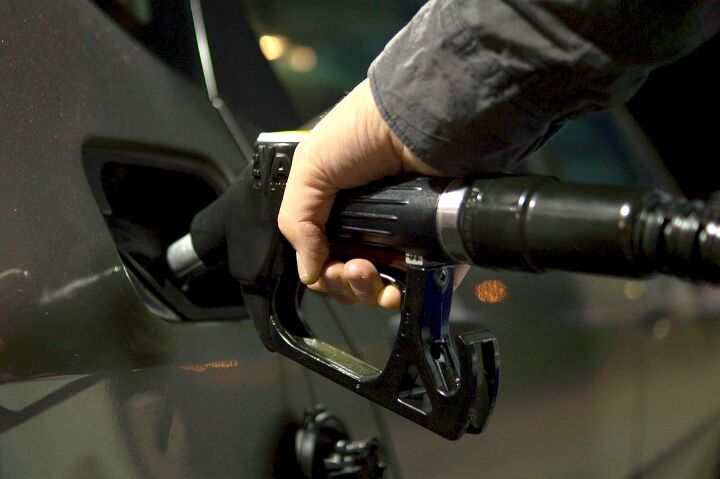
While the Trump administration continues gearing itself up to loosen fuel standards for automakers, much to the chagrin of environmentalists and other countries, the agencies that set those benchmarks want to pick your brain a little before making a final decision. You’ve got an opportunity to be part of the process — the painfully boring, yet incredibly important, process.
On Thursday, the U.S. Environmental Protection Agency and the Department of Transportation opened a public comment period on the reconsideration of the standards for greenhouse gas emissions for light vehicles built for the 2022-2025 model years. Additionally, the EPA wants comments on the appropriateness of the existing 2021 standards. The agencies are inviting the public to submit any relevant (i.e. factual) data and information that can inform a final decision of the standards.
This Is What Mazda EPA MPG Results Will Look Like With Skyactiv-X HCCI Engines (Asterisk, Fine Print, Subject To Change)

Mazda announced on August 8th what had long been rumored. The small Japanese automaker has successfully overcome the remaining issues which held at bay mass production of gasoline compression ignition.
Essentially, Mazda’s Skyactiv-X engines, due first in the next-generation 2019 Mazda 3, is intended to bring diesel-like ignition to small, supercharged four-cylinder engines, along with diesel-like fuel economy. However, the gas-fired Skyactiv-X engines will be wildly cleaner than diesel powerplants. Mazda has said in the past that these HCCI engines will likely limit the need for continuously variable transmissions. We also learned, with Mazda’s latest pronouncement, that the company’s Skyactiv-X engines will be significantly torquier than their Skyactiv-G predecessors.
If Mazda can live up to its pronouncements — the company says the engines are “still under development and figures are subject to change” — it’ll be a win for both the environment and driving enthusiasts. And because Mazda also claims a 20-30-percent improvement in fuel efficiency, it’ll be a win for your bank account, as well.
We wanted to see exactly where Mazda’s alleged fuel savings will put Mazda’s current products on the EPA’s miles per gallon scale, so here are the results of some quick math.








Recent Comments