

Cummins Agrees to Pay $1.6 Billion in U.S. Emissions Fines

The United States Department of Justice has accused Cummins of installing emissions defeating devices on diesel motors and decided to fine the company $1.67 billion for violating the Clean Air Act. Cummins has agreed to pay the fine in principle, which Attorney General Merrick Garland said would resolve any allegations that the "company unlawfully altered hundreds of thousands of engines” to circumvent emissions regulations.

Toyota Financial Ordered to Pay $60M Penalty

In yet another chapter of dealers (and their financial arms) behaving badly, Toyota Motor Credit has been levied $12 million civil fine and also order to fork over $48 million in restitution after a court found the organization played fast and loose with some rules.

Study: Catalytic Converter Thefts Are Slowly Declining

Catalytic converter theft has become a popular pastime for criminals looking to make a quick buck in the United States. Instances of stolen units have absolutely exploded in recent years, reaching a point where some law enforcement departments have gone out of their way to specifically target organized groups bent on stealing the devices.
State Farm is reporting that the situation is finally getting better in America. While technically true, theft rates remain staggeringly high across the country.


Report: California Prius Drivers Stuck Waiting Months for New Catalytic Converters After Theft
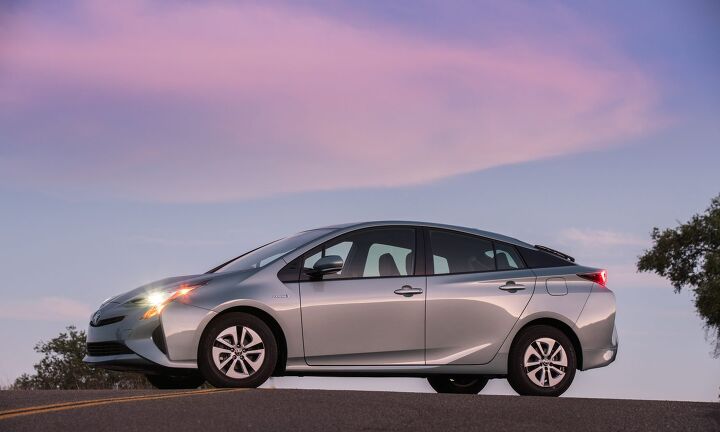
We know catalytic converter theft is a problem and that thefts have risen since the beginning of the Covid-19 pandemic.
A report out of Los Angeles shows just how much of a pain it can be to have your converter swiped, especially if you drive a Toyota Prius.
Dieselgate Resurgence: Ex-Audi CEO Faces Conviction in German Regulation Scandal

Reports have emerged in Germany that former Audi CEO Rupert Stadler is about to become the upper-echelon automotive executive convicted in the diesel emissions fiasco perpetrated by Volkswagen Group. A Munich court issued a preliminary assessment on Tuesday, stating that an accusation of fraud had been substantiated.
Fake Out: Woman Uses False ID to Steal Car From Dealership
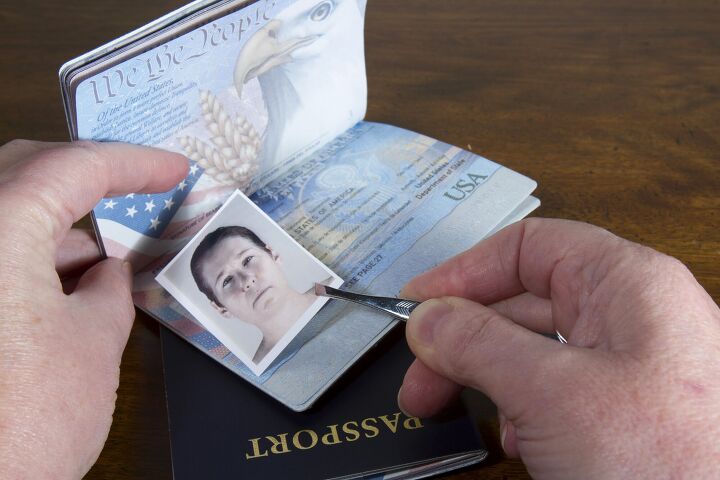
Here's a story involving shady behavior and dealerships that is a flip of what we've covered lately. In this case, it's a would-be customer screwing the dealership.
Revenge of the Nerds: OEMs Pay Hackers Less Than Most Other Industries

Most readers will remember Dennis Nedry from the first Jurassic Park movie, a computer subcontractor who brought down the entire park for numerous reasons – most of which had to do with money. In other words, John Hammond seemed to have “spared no expense” except for Nedry's services, and therefore Nedry ruined the entire project.
A new report suggests that some car companies may be acting in a similar manner – at least when it comes to the amount of cash they’re paying computer experts to find bugs in their code.
Cocaine Cowboys: Texas UPS Workers Charged With Running Drugs

Five people in Texas, two of whom work for UPS, have been charged with trafficking cocaine via shipping packages.
North Carolina VW Dealer Apologizes for Racist Stickers Created by Cleaning Crew
The way things are going, we could probably just have every story we cover be one about dealerships and bad behavior.
This time it's not financial scams or unsanitary behavior -- it's racism. And the dealership itself isn't actually at fault -- though arguably it missed the opportunity to squash the incident before customers found out.
Violated: Wisconsin Car Dealer Crosses an Unsanitary Line
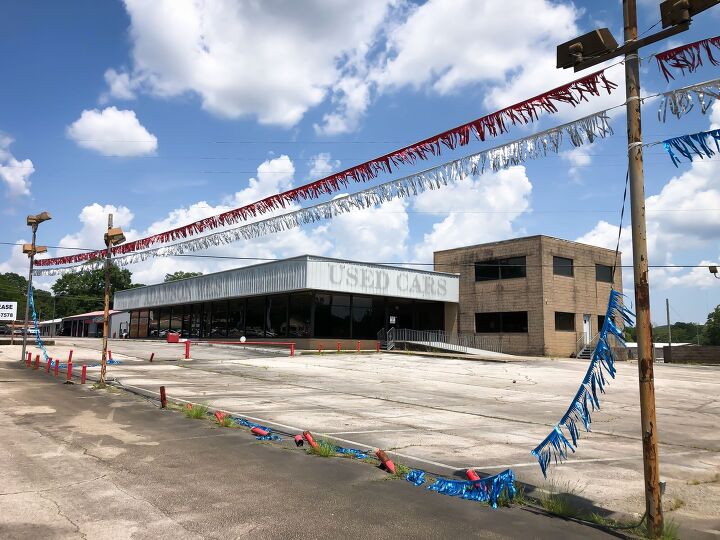
This is a weird one. It's another "shady dealer" story, but unlike the alleged scam we covered yesterday, this one is just plain gross.
Dawgged: Idaho Dealership Customers Scream Scam
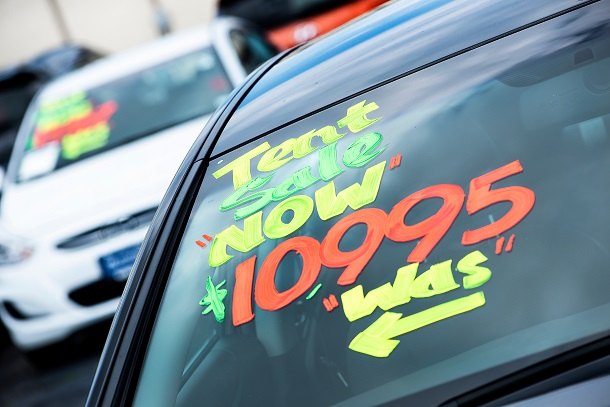
ByrdDawg Motors in Idaho is at the center of accusations that it has scammed customers.
One car buyer claims he was out $20,000.
Gubbmint Introduces Bill to Curb Catalytic Converter Theft
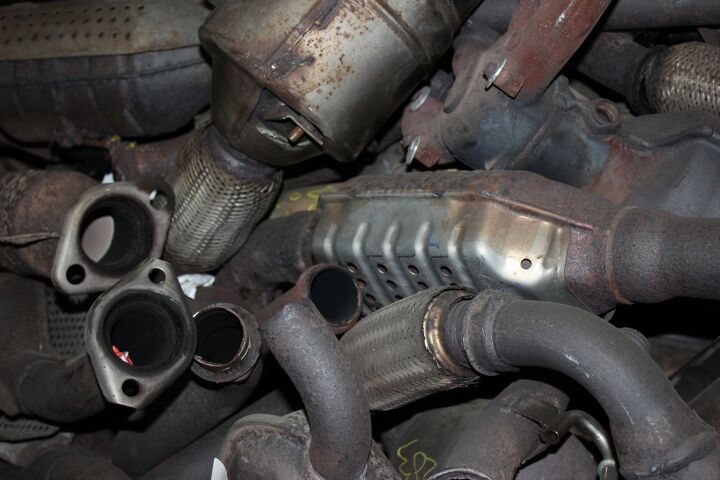
Hands up if you or someone you know has had a brush with catalytic converter theft. Packed with valuable metals, unsavory sorts have been helping themselves to this easily accessible part of a car’s exhaust system, often attacking it with a reciprocating saw and making away with the item in just a few seconds. Now, the government is (re)introducing a bill that may help curtail thefts.
California Cops Apparently Used to Settle Batmobile Business Dispute

This is a weird one. And a bit confusing. Stay with us as we try to explain.
ABC7 in the San Francisco area has quite the story.
It involves a Batmobile replica, law enforcement, and cross-country travel. Oh, and taxpayer dollars.
New York City Tragically Continues Crushing Motorcycles
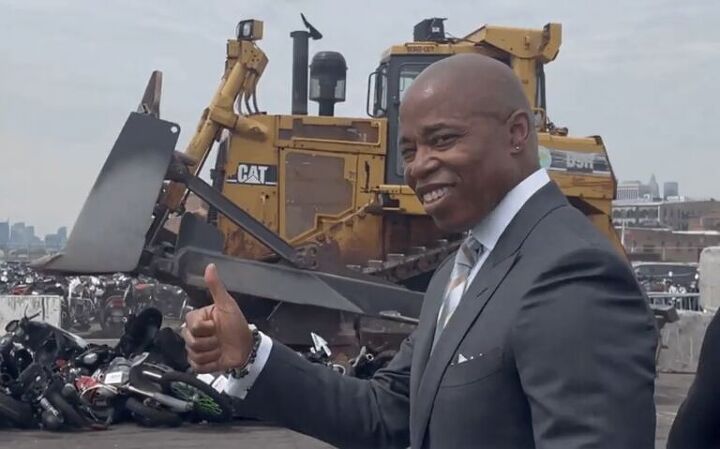
Despite a change in leadership, New York City has continued to confiscate and destroy motorcycles officials have deemed illegal. Pioneered by ex-Mayor Bill de Blasio (formerly Warren Wilhelm Jr.), the practice has been continued by Eric Adams. In fact, the new mayor was so enthusiastic about the trend that the city held a press event where a bulldozer crushed over one-hundred bikes as he waved a checkered flag — effectively turning them all into garbage in a matter of seconds.
As a motorcycle enthusiast and recovering New Yorker myself, this story has been one your author has followed since the beginning as an excuse to professionally gripe about something personal. The city set out to confiscate dirt bikes and ATVs that are relatively common to see (and hear) zipping through traffic or cluttering sidewalks. De Blasio even made it one of his biggest traffic-enforcement initiatives in 2021, adding a bit of spectacle to the new vehicle bans. However, a cursory examination of the vehicles involved has shown a significant number of vehicles being destroyed are regular motorcycles that would have been legal under NYC law and all-electric scooters used by low-income commuters and restaurant delivery services.
Black Market Gasoline Now Available On West Coast

Now that fuel prices are approaching levels you probably never thought you’d see in your lifetime, black-market gasoline has become a thing. Local reports coming out of Nevada are claiming that thieves have begun loading up trucks with stolen gas so they can sell it at a discount. Considering the average price per gallon now exceeds $5.50 for the region, it’s easy to see why some people might be willing to roll the dice and buy discounted fuel of an unknown origin.
But the most lucrative scheme is to transport stolen gas into California, where the prices exceed $6.30 across the state. Here, thieves can sell their ill-gotten petroleum at broader margins. But it takes a special kind of vehicle and a little planning not to blow the additional profit on the trip itself. Tankers aren’t exactly easy to come by and are hardly the least-suspicious way to haul around stolen fuel, so thieves are modifying trucks and vans that can pass as light-duty vehicles.
NADA Wants to Stop Catalytic Converter Theft
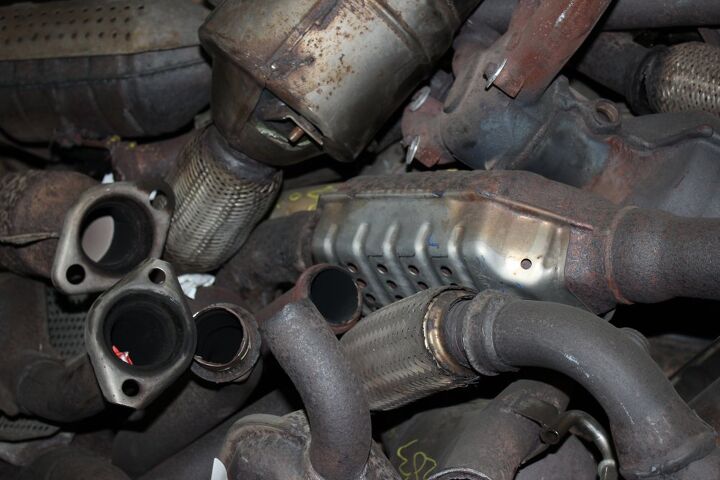
The National Automobile Dealers Association (NADA) and a dozen related trade groups are petitioning Congress to crack down on stolen catalytic converters. The emission control devices are loaded up with valuable metals and are relatively easy to steal if you’re slim enough to get beneath a parked car and happen to have a reciprocating saw handy — making them prime targets for cash strapped criminals, especially now that material prices are on the rise.
Cities across the country have reported an increase in catalytic converter theft this year. While a majority of police departments are estimating a year-over-year increase of under 40 percent, some have said their figures are substantially larger. In March, Las Vegas Police Department estimated there were 87 percent more vehicles with hacked apart exhaust pipes in 2022. Philadelphia was even higher, reporting a staggering 172 percent increase in dismantled exhaust systems.
Apple AirTag Allegedly Hot New Tool for Car Thieves

Over the last few weeks, there has been an influx of news articles linking Apple’s AirTag tracking devices to car theft. Apple released the coin-sized device in April as a way to help people keep tabs on their keys, luggage, any number of other personal possessions. But reports have emerged claiming that thieves are now using them to mark and track vehicles they later want to steal.
The scenario usually begins with a person who has parked their automobile in a public lot when a thief spots a model worth taking. The device is then affixed to the vehicle in an inconspicuous spot and the criminal waits until the owner is fast asleep. However, some version of the story also involves crooks targeting high-end automobiles in the hopes that it resides at a home with similarly high-end goods worth robbing. Since there are similar devices on the market, it’s odd that Apple would be singled out. But the AirTag was updated by the company to reduce the length of time the trackers would need to be away from its owner before it began to alert iPhone users who have been traveling in close proximity to the device as a way to prevent stalking attempts. This resulted in a number of them being found out before cars were stolen.
Mexico Gives Amnesty to Illegal American Cars
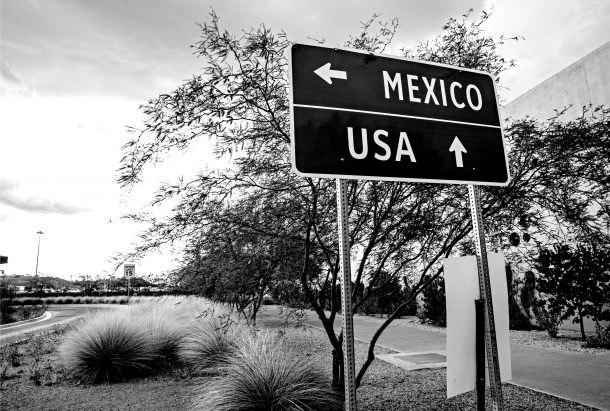
Last week, Mexican President Andrés Manuel López Obrador made a pledge to legalize millions of vehicles being illegally imported from the United States. While it sounds like a phenomenal way to help the nation to contend with product shortages that are driving up vehicle prices around the globe, all of the cars had been smuggled previously and many were presumed to have been stolen.
This has created a lot of tension. Despite there being evidence that these vehicles frequently end up becoming workhorses for criminal cartels, illegally imported beaters also provide a cheap alternative to poorer residents right when automotive prices (new and used) have started to disconnect from reality. Times are tough and destitute families aren’t going to care where a car comes from when it’s the only one they can afford. So López Obrador has officially launched a new regularization program designed to bring these automobiles into the fold.
Auto Theft Becomes Fashionable Again, Most Stolen Vehicles of 2020
Car theft has been trending downward over the last couple of years. According to data from the Insurance Information Institute, 2019 represented a 4-percent decline in thefts across the United States vs the previous annum. But things look even better when you zoom out. The Federal Bureau of Investigation estimates that automotive transgressions have fallen by 64 percent since 1993, mimicking the general trajectory of property and violent crimes within that timeframe.
Unfortunately, crime is back on the rise and vehicle theft is coming along for the ride. Let’s explore the how and why before determining if your personal ride happens to be a preferred target. Then we’ll get into what you can do about it because the latest statistics are pretty disheartening.
FTC Exploring Consumer Repair Rights Expansion
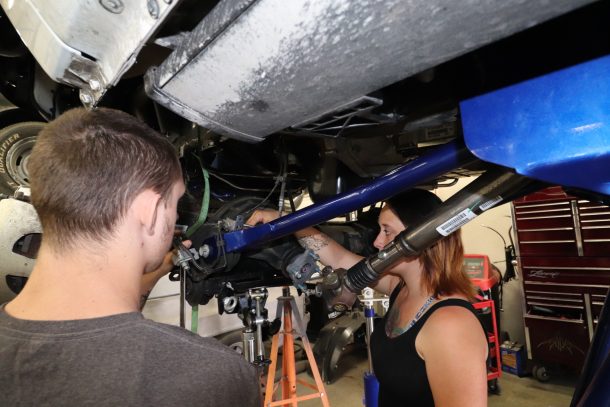
The Federal Trade Commission (FTC) has identified numerous repair restrictions in a new report to Congress. Parts replacement difficulty and parts availability limitations were among the restrictions.
Assisting in expanding repair options available to consumers is within the agency’s power. The Commission works with lawmakers on the state or federal level to provide choices when consumers repairs.

Tesla Autonomously Rams Deputy's SUV

A Tesla autonomously rammed a Snohomish County, Washington sheriff’s deputy’s Ford Explorer SUV. As reported by Nexstar Media Wire, the incident occurred over the weekend.
The parked SUV sustained heavy damage. There were no injuries to the driver or the deputy. There was no word on the extent of the damages to the Tesla.
Stellantis Staffers Charged With Conspiracy to Cheat Emissions Tests, Defraud Customers
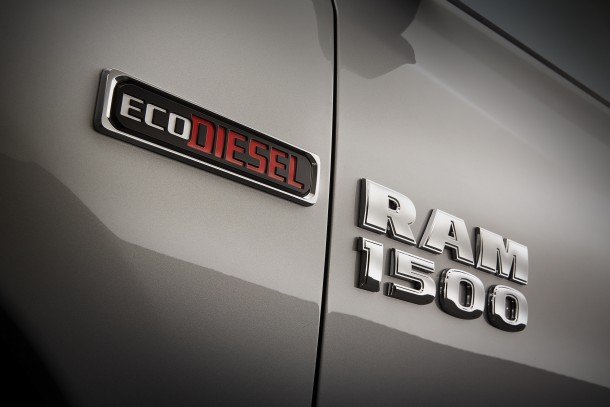
Federal prosecutors Tuesday unsealed new criminal charges that named several Stellantis (formerly Fiat Chrysler Automobiles) officials accused of conspiring to cheat U.S. emissions tests and defraud customers buying their diesel-powered products. The indictment was opened in the Eastern District of Michigan, identifying FCA diesel senior manager Emanuele Palma (42) and two Italian nationals employed by FCA Italy SpA — Sergio Pasini (43) of Ferrera and Gianluca Sabbioni (55) of Sala Bolognese.
Palma had been charged previously and becomes a co-conspirator in the alleged plot to develop a 3.0-liter diesel engine used in FCA vehicles that could flummox emissions tests allowing the automaker to sell vehicles that did not adhere to government regulations. The motor started appearing inside engine bays in 2014, including popular models like the Ram 1500 and Jeep Grand Cherokee.
QOTD: What Cars Are Driven Badly in Unpleasant Conditions?

Drivers of certain cars are prone to drive badly in foul weather. Over four million applicants for insurance are a pretty good indicator. Is it the type of car, or a more aggressive driver? You be the judge.
Super Bowl Aftermath — Boss Bust Leads to Ad Pull
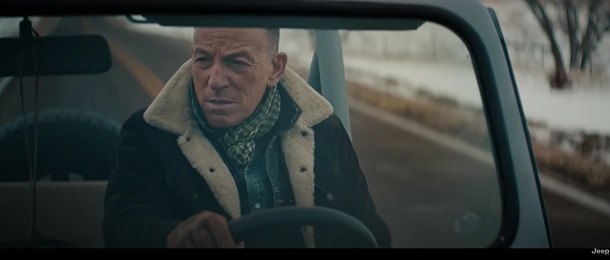
Post Super Bowl sickness wasn’t limited to Kansas City Chiefs fans or those tired of seeing Brady and Gronk going to Disney World.
NHTSA Requires Odometer Statements Up to 20 Years

NHTSA, the U.S. Department of Transportation’s National Highway Traffic Safety Administration, issued a reminder that starting January 1, 2021, every vehicle ownership transfer will require an odometer statement for the first 20 years.
Driving Dystopia: Mumbai Introduces Signals That Punish Everyone for Honking

India is famous for having some of the most lawless roadways on the planet. While the primary culprit is likely the country’s lax licensing requirements — showing a basic understanding of a vehicle’s controls and the ability to park is about all it takes — the bar has been set similarly low for what’s deemed acceptable outside the classroom. It’s not uncommon to see occupancy limits surpassed, often with excess passengers riding on the outside of a vehicle. Roads and automobiles are also often poorly maintained, encouraging accidents that jam up traffic.
Honking is a problem too, with India’s Central Pollution Control Board banning the practice in several cities for 2017. The group worked off data from 2011 that alleged Delhi’s busiest areas averaged 100-108 decibels of ambient background sound (with some spots going up to 125db). That’s enough to cause physical harm to someone subjected to the noise for just 15 minutes — and most of the sound is believed to stem from persistent honking.
Motoring Journalist Prosecuted for Speeding in Video
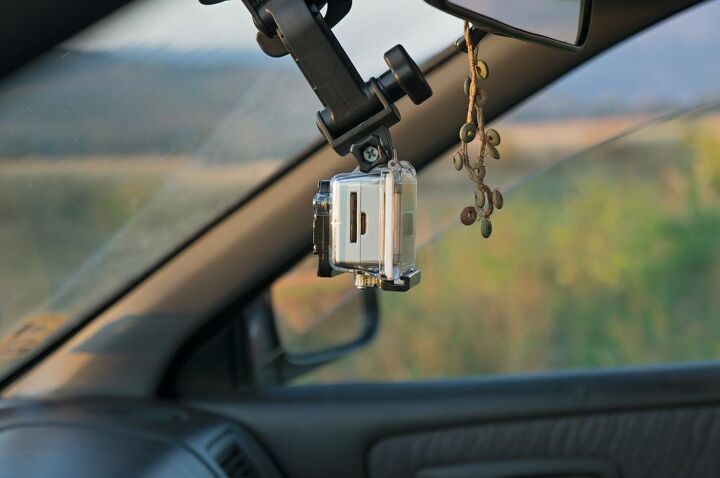
The UK’s Derbyshire Constabulary celebrated a major victory this week. The triumph of justice was even given its own official announcement. Did the department finally tamp down the area’s rising violent crime rate?
Nope. They caught an automotive journalist speeding — one year after he did it.
Joe Achilles was testing an Audi R8 RSW on the A57 Snake Pass last November, later posting footage on his Facebook wall. Derbyshire Constabulary’s Roads Policing Unit noticed the video while “investigating an entirely different matter,” according to its release, and set out to prove just how fast he was going.
Car2Go Thieves Test Car-sharing Vulnerabilities

After suspending manual background checks to encourage fresh users in April, Daimler subsidiary Car2Go found itself with a problem in Chicago — its new customers were stealing cars by the gross.
On the April 15th, the ride-sharing service notice an uptick in usage that was well above the norm. However, as the day progressed, the company found that a lot of its higher-end vehicles weren’t coming back. Instead, they were convening on Chicago’s West Side. Two days later, the Chicago Police Department announced that it had been notified by Car2Go that some of the company’s vehicles may have been rented by deceptive or fraudulent means and was officially on the prowl for justice.
Canadian Man Arrested for Corvette Squatting
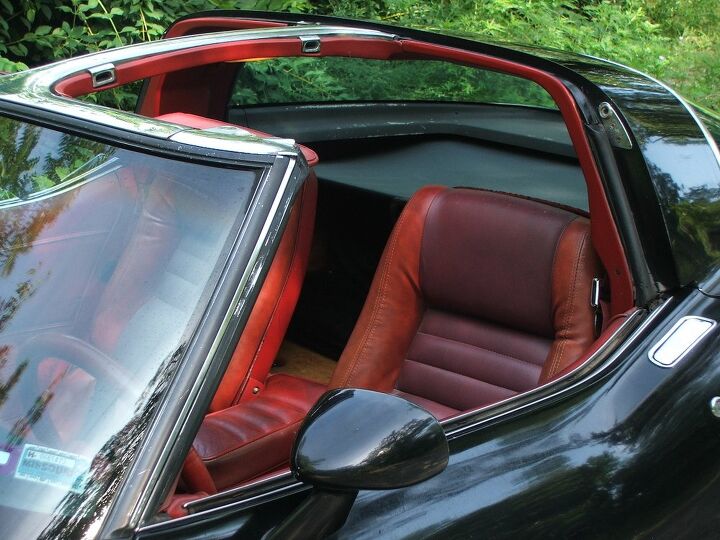
A Canadian man was arrested in Vancouver’s West End over the weekend after trying to usurp someone else’s Corvette. The owner had reportedly left the vehicle’s top off in a public lot and a passerby, assuming the car was a free agent, climbed inside. By the time the Vette’s owner returned, the man had settled in and was refusing to leave.
This wasn’t officially a theft, mind you, just a case of some weirdo declining to get out of a Corvette on the grounds that simply occupying the driver’s seat magically made it his. As you have correctly assumed, the situation escalated once authorities arrived.
Wells Fargo Settles for $386 Million in Auto Insurance Suit

Wells Fargo will reportedly pay customers a minimum of $386 million to settle class-action claims that the bank covertly signed customers up for auto insurance they did not want or need.
Back in the summer of 2017, the bank found itself implicated in widespread auto insurance and mortgage lending abuses. Over a year later, Wells Fargo was slapped with a $1 billion fine from the Consumer Financial Protection Bureau and Office of the Comptroller of the Currency to settle U.S. investigations into the company’s insurance and mortgage practices.
While the auto insurance plan ended in 2016, roughly 800,000 customers (or 600k by Wells Fargo’s estimates) were believed to be affected by the auto insurance issue over roughly a four-year period. For most, that meant being overcharged for insurance they didn’t need., but some customers ended up with their vehicles repossessed and their credit rating demolished, promoting the class-action suit.
California City Passes Law Making It Illegal to Even Be Near a Street Race

Last week, San Jose became subject to borderline draconian street-racing laws after city council (unanimously) voted to pass legislation effectively making it illegal to even watch impromptu automotive exhibitions. However, “spectating” is loosely defined in the new law, as parties don’t have to know a race is going on to get into trouble.
Even milling around a car show before shenanigans break out is enough to earn someone a $1,000 fine and six months in jail.
The new laws give police plenty of power to break up late-night car events, plus the ability to arrest whomever they want — creating a pretty good incentive to just stay home, rather than risk getting into trouble. It also feels like overkill, and it sets an ugly precedent for punishing Californians who aren’t actively contributing to a crime.
Juveniles Cause $800,000 in Damage With Dealership Demo Derby

On January 6th, local law enforcement reported that four kids enjoyed a night of destructive mayhem at a Houston-area CarMax dealership located in the 16100 block of the North Freeway. According to local reports, police were responding to a call where four young males were caught on video surveillance breaking into multiple vehicles. However, things got really interesting after officials learned the cars weren’t being stolen, but rather used to intentionally mangle other vehicles on the lot just for the thrill.
Police claim approximately $800,000 in damages after the group managed to intentionally wreck nearly two dozen automobiles. While none of the suspects’ names have been released, it’s probably safe to assume rowdy teens — mankind’s greatest foe — are to blame.
Honda Airbags Are Reportedly Huge on the Black Market
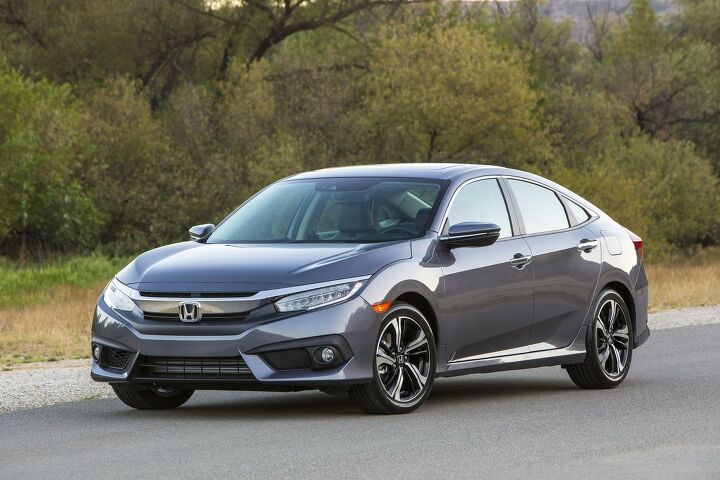
Airbag crime is on the rise around the country, according to the National Insurance Crime Bureau (NICB) and a recent report from USA Today. However, the latter of the two sources claims the issue is exponentially worse for Honda owners and nobody has any idea why.
“There’s no way for us to really know because owners don’t report to us when parts have been stolen,” Honda spokesman Chris Martin told the news outlet. “But we are certainly not unaware of the fact that Hondas have been a target of parts theft for many years simply based on the popularity of models in this market.”
Woman Refuses to Pull Over Because She's a Prius Driver

A Washington State Patrol trooper was confronted with occupational difficulties earlier this month while attempting to pull over a woman driving a Toyota Prius with expired tags. The woman, 42-year old Jamie Petrozzi, was headed southbound on I-5 through Marysville two Wednesdays ago when the trooper turned on his lights and attempted a traffic stop.
The driver made no attempt to stop on the highway and, instead, exited a mile later before finally stopping at an intersection. From here, the highway patrolman ordered her to pull over using his loudspeaker. Petrozzi declined to cooperate, forcing the trooper to approach the side of the car and instruct her to pull off the road. “I will not,” she said, according to the arrest report. “I drive a Prius. I am not pulling over there.”
Former Fiat Chrysler Official Gets 66 Months for Role in UAW Conspiracy

On Monday, former Fiat Chrysler Automobiles labor relations chief Alphons Iacobelli was sentenced to 66 months in federal prison for tax evasion and his key role in the corporate conspiracy to win favorable treatment from the UAW. Apparently, his plea agreement didn’t help him avoid jail time, but it was enough to shave a few years off his sentence.
Iacobelli pleaded guilty to federal charges of conspiring to violate the Labor Management Relations Act and for subscribing a false tax return in January. At the time, he was facing a maximum sentence that included eight years in prison. However, his $835,000 tax-restitution case is yet to be resolved and will be decided upon at a future date. Iacobelli will continue assisting with the investigation in the interim and, likely, beyond.
VW's Diess Met With Department of Justice and FBI Last Week

Volkswagen’s new chief executive officer, Herbert Diess, is believed to have met with the United States’ Department of Justice and Federal Bureau of Investigation last week to discuss the manufacturer’s emissions scandal. Details on the matter are scare at present, but the meeting would explain why the U.S. was willing to provide the CEO with a safe-passage guarantee.
While VW has previously stated its cooperation in various investigations, it declined to comment on Diess’ alleged visit to federal authorities.
Oklahoma's New 'Left Lane' Law Yields 60 Citations Since November, Some Complaints

Back in November, Oklahoma passed a law making it extra illegal to use the left lane on all divided highways for any purpose other than passing. This law is already in effect throughout most of the U.S., but enforcement is tricky and highly dependent on traffic flow. Plenty of overtaking occurs above the posted limit, meaning drivers maintaining that speed often feel justified in staying in the left-most lane.
To clarify, Oklahoma already had a law forbidding motorists from hogging lanes on multi-lane highways. The November edict simply tacked on a fine (typically around $230) and a notice from the highway patrol that it wouldn’t tolerate the behavior anymore. “Basically, in simplest terms is, if you’re not passing a vehicle or overtaking a vehicle and you’re in the left lane, you’re in the wrong lane to drive,” State Trooper Clayton Fredrickson explained last year.
Angry Dallas Dude Goes Ham on 12 Cop Cars With Sledgehammer

Earlier this week a man wielding a sledgehammer walked into the Dallas Police Department’s motorpool and started swinging. The city’s Police Association claims the man wailed on 12 cars at the Central Division station on South Hall Street in Deep Ellum at roughly 5:20 in the morning on February 4th.
The man, 58-year-old Gregory Simpson, apparently entered the police station parking lot through an unsecured gate and started hitting the first police car in sight. By the time he was stopped, he’d caused an estimated $4,900 in damage. Had he not focused primarily on windshields, that figure probably could have come up a bit. But, as breaking glass is one of life’s simple pleasures, his focus was understandable. Why he chose to vent his frustrations on parked squad cars is not, however.
Lotus CEO Busted at 102 MPH, Lawyer Claims He Was Just Testing the Car

Most of us have been caught speeding at one time or another. As enthusiasts, it’s often difficult not to try and squeeze out every last ounce of joy from a fun-to-drive automobile when the path ahead is open. While we may think of corporate executives as soulless monsters, singularly focused on satisfying shareholders and lining their pockets, some of them are also people who enjoy driving cars.
Lotus CEO Jean-Marc Gales is definitely such a man, and his love of driving ended up getting him into trouble when he was nailed for traveling 102 mph in a 70 mph zone on England’s A11 expressway. While the offense occurred roughly a year ago, his court date was yesterday. With eight points already on his license (most of which also came from speeding violations), things looked bleak for Gales, at least until his lawyer managed the most brilliant defense in traffic court history — claiming that it was vital the CEO not lose the ability to test drive new models.
It worked.
Feds Allege FCA Executives Bribed UAW Officials to Play Nice

Former Fiat Chrysler labor relations chief Alphons Iacobelli pleaded guilty to two of seven charges relating to his role in a plan to divert more than $4.5 million in training center funds to union and company officials on Monday. As part of a plea deal with federal authorities, Iacobelli provided information regarding confidential retirement offers and a former union vice president being groomed to support company initiatives.
In an admission that he and other FCA employees paid various senior UAW officials over $1.5 million in an effort to “obtain benefits, concessions, and advantages for FCA in the negotiation, implementation, and administration,” Iacobelli is now helping map the deepening mire that is the FCA-UAW training center scandal.
This New Florida Bill Would Make It Illegal to Have Your Car Stolen

Florida lawmakers are pushing a new bill that would make it illegal to have your car stolen if you haven’t bothered to take the keys out of the ignition. While accidentally prepping a car for prospective thieves is easily one of the dumbest things you can do, making it illegal to leave it running while you pop in to buy a pack of gum sets us up for a nice slippery slope argument.
Last week, State Representative Wengay Newton and Senator Perry Thurston introduced matching proposals (House Bill 927 and Senate Bill 1112) that would make leaving your car unattended without stopping the engine, locking the ignition, and removing the key a second-degree misdemeanor. Under the Florida statute, the crime would be punishable with a $500 fine and up to 60 days in jail.
Four Arrested in Tesla Theft: Dirty Crooks or the Ultimate EV Fans?

A quartet of suspected baddies were arrested on Friday after being caught with four vehicles believed to be stolen from a Tesla dealership in Salt Lake City. While an automotive theft ring isn’t anything special, the way in which this particular incident unfolded is beyond strange.
According to South Salt Lake police detective Gary Keller, the incident began around 1 a.m. when a Highway Patrol trooper conducting a traffic stop near the dealership noticed a sparkly new Tesla vehicle stop behind his squad car. Smelling something fishy, the patrol trooper assumed the driver wasn’t the owner of the car and called for local backup as he conducted another stop.
Keller said the man had a bag of keys on his person and told police he had come to return the vehicle to the dealership. “I don’t know if he had a guilt complex or whatever, but he claimed his name was Tesla and once [police] started talking to him, he didn’t want to talk to police; he wanted an attorney,” Keller explained.
Recalled Diesel Volkswagens and Audis Stolen From Silverdome Storage

Dozens of recalled Volkswagen diesels have vanished from the Silverdome parking lot in Pontiac, Michigan, over past last week. The stadium was once home to the Detroit Lions and monster truck rallies. Now defunct, it has been converted into a makeshift purgatory for thousands of emission-cheating VW and Audi-branded autos waiting to be fixed and resold.
Michigan authorities are working with out-of-state police to track down over 60 stolen vehicles. Roughly a dozen of the missing cars were located at an auction lot in Clarksville, Indiana, last Friday. Those recovered units have laid the groundwork for how the police are handling the investigation.
No, It's Not Okay to Vandalize a Jerk's Cars, Even If the Jerk Is a 'Greedy' Car Dealer With Insurance
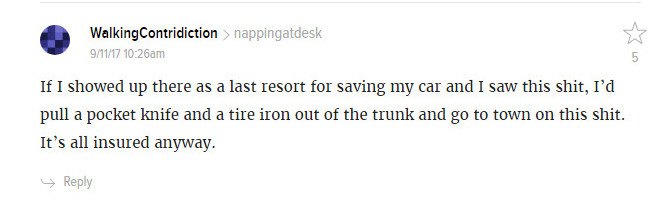
We live in polarized times, when acknowledging the existence of one group of evil people is considered to be a defense of a second group of evil people that the first group of bad actors consider their enemies. Some folks have trouble holding the concept that it is possible to despise both sides of a controversy, without having to identify with this or that tribe. I dislike having to use caveats in my writing but let me say at the outset that I think that people and businesses should not unduly take advantage of situations during natural disasters and other catastrophes.
We’ve seen a lot of inspirational stories out of Texas and Florida in the literal wake of two mammoth storms. We’ve also seen some price gouging and looting. Catastrophes bring out the worst and best in both those that are directly affected, and in those who observe from afar.
A couple of Florida car dealers, in Hollywood and further north in Tallahassee, decided to shelter their inventories from Hurricane Irma in public parking structures made available to residents trying to keep their personal vehicles above flood waters (and somewhat protected from flying debris). The dealers may have protected their vehicles from Irma, but that didn’t protect them from a storm of bad publicity. Every car those dealers parked in those structures meant someone’s daily driver couldn’t be saved from the maelstrom.

QOTD: Would You Fight a Carjacker for Your Car?
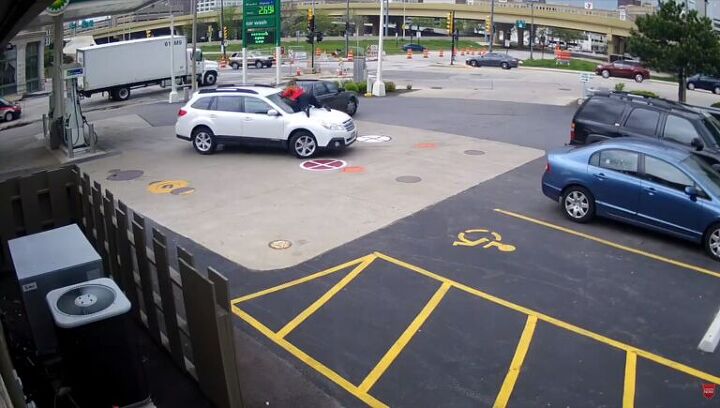
In a classic case of fight-or-flight response, a Milwaukee woman named Melissa Smith has just filled up her Subaru Outback and realizes there’s a man on the driver’s side about to steal her off-roading vehicle. Rather than let the thief drive off with her ride, she takes action. Immediately jumping up onto the hood, Melissa stares the criminal right in the eyes. According to an interview the victim provided to various news outlets, the thief laughed in her face and turned the wipers on, in an attempt to brush her off like mere precipitation. That didn’t work. She grabs onto the wipers for dear life. Then in two successive attempts, the would-be thief accelerates quickly and brakes, trying to shake Ms. Smith from the hood.

Volkswagen of America Launches Zero Emissions Investment Group as Part of Its Punishment

Volkswagen AG has announced a new U.S. unit that will manage its hefty court-mandated investments in zero-emission vehicle infrastructure and green awareness programs.
Electrify America LLC, located in Reston, Virginia, is supposed to be entirely separate from Volkswagen Group’s automotive brands and owned as a subsidiary of VW of America. It will oversee $2 billion in initiatives to promote the use of zero emissions vehicles in the U.S. over the next ten years as part of VW’s diesel emissions settlement.
Faraday Future's Latest Lawsuit Involves Its Domain Name

Faraday Future’s preeminence in bad publicity has been unsurpassed as of late. It has amassed legal disputes almost as fast as I can report them, so another lawsuit might seem par for the course — until you realize it’s for an almost trifling amount over a mismanaged squabble surrounding the company’s domain name.
A complaint was filed against the automotive startup in San Francisco County Superior Court on November 18th of last year by a business acting as a broker for obtaining the company’s current domain name. The document outlines a $210,000 claim against Faraday for neglecting to remunerate Domains Cable for services that resulted in the acquisition of FF.com.
Ex-Volkswagen CEO Reappears, Claims He Didn't Know Nuthin'

As far as anyone knows, former Volkswagen CEO Martin Winterkorn spent the last 16 months on a desert island.
After resigning his post in the turbulent days after the diesel emissions scandal went public, Winterkorn stayed out of the spotlight, shying from any public appearances. That is, until now. As indictments land in executives’ laps and top brass grow wary of leaving the country, Winterkorn showed his face to a parliamentary committee in Berlin.

EU Threatenes to Sue Countries That Went Easy on VW; Porsche Hit With Fuel Economy Probe

European Union officials are threatening to sue four countries, including Germany and Britain, for permitting Volkswagen AG to sell vehicles that were designed to cheat on emissions tests. The union has faced growing criticism for taking a more laissez-faire approach to handling the issue while the United States forced the company to settle $15 billion in legal claims.
Meanwhile, German regulators are looking into whether Porsche intentionally manipulated fuel economy data on its vehicles — creating a potential subplot in Volkswagen’s never-ending emissions-cheating scandal.
Volkswagen Execs Hiring Defense Lawyers En Masse as U.S. Authorities Snoop in Germany

Volkswagen appears to be suiting up for an impending battle. The road has been a long and difficult, but the diesel emissions scandal seems as if it’s about to begin its third and final act.
Dozens of German Volkswagen AG officials have hired criminal defense lawyers as the United States Department of Justice elevates its investigation into the company. U.S. authorities have traveled across the Atlantic to conduct additional interviews with managers and gather further evidence on VW’s plot to elude America’s emission regulations.
Here's What California Wants Volkswagen to Do With Its Penalty Cash

The California regulator that played an important part in uncovering Volkswagen Group’s emissions cheating plot detailed a list of options on how the automaker will be required to spend the $800 million penance by advancing green tech and nonpolluting cars.
Some of the choices the California Air Resources Board came up with are truly terrible.
TTAC News Round-Up: Teenage Bandits Steal, and Instantly Wreck, a Pair of Dodge Hellcats

Three Kansas City teenagers took a dream road trip last Friday, only to crash a stolen Dodge Challenger Hellcat and two Charger Hellcat sedans less than a mile down the road.
That, Toyota is finally considering a long-range electric vehicle, Jaguar’s deal with Silverstone goes off-track, and AutoNation is staying put where it is.
To Serve and Accelerate: Police Cruiser Performance Has Come a Long Way Since 2009

Every automotive enthusiast goes through a period in their teens where they wonder just how fast a police car would be against their entirely hypothetical sports car of choice.
Well, had they known the police were just giving this information away, they wouldn’t have needed to.
Don't Leave Your Gun in the Car If You Live in One of These Cities

Not all car owners carry a gun, but most gun owners still use cars to get around. If you happen to have both, you may want to reconsider what you do with one when you park the other — especially depending on where you live.
Compared to your home, cars are much easier for thieves to gain access and they are infinitely easier to steal. When your car is stolen, everything inside goes with it. The Trace, a nonprofit news organization dedicated to expanding coverage of gun violence in the United States, recently reported on a study showing the number of firearms stolen from vehicles and what cities have it the worst.
Owners Beware: Halloween Is a Terrifying Time for Cars
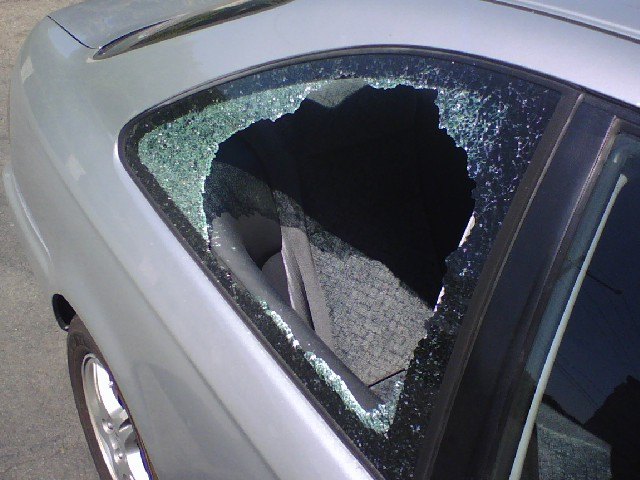
As fun as it is to overhype the dangers of Halloween to frighten adults, we all know that poisoned candy and razor blade-filled apples are bunk. The odds of you finding an anthrax-laden piece of taffy are so improbable that they aren’t worth mentioning. You are statistically more likely to harm yourself by drinking a glow stick out of curiosity.That doesn’t mean there aren’t spooky things going on. Plenty of sinister automotive stuff happens on October 31, making Halloween a scary time for cars.
Read more
BREAKING: U.S. Volkswagen Engineer Charged in Diesel Probe

A criminal charge has been laid in the U.S. Justice Department’s probe into the Volkswagen diesel emissions scandal.
A Volkswagen engineer pleaded guilty to conspiracy charges in a U.S. District Court in Detroit today, Reuters reports.
Cracked, Welded Land Rover Transmission Case Comes to a Close
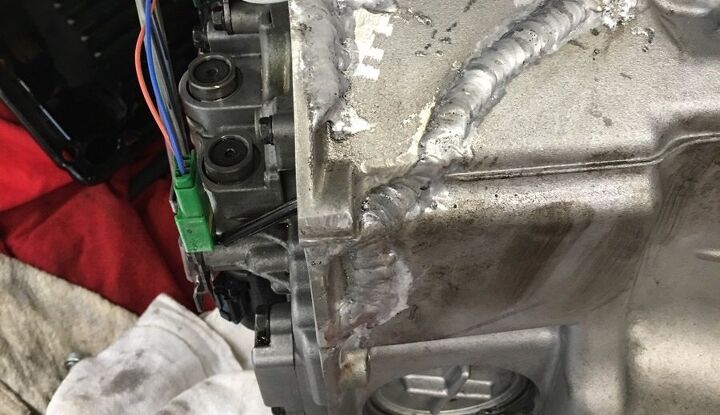
The saga of a welded transmission seems to have come to a somewhat happy ending.
The Reddit whistleblower at the center of this story, who is an employee of the dealership in question, provided TTAC the details on how the repair came to be. A representative from Jaguar Land Rover was also able to confirm that the incident was resolved, resulting in a satisfied Land Rover owner.

Cruising Under The Radar: Rise of the Fuzzbuster
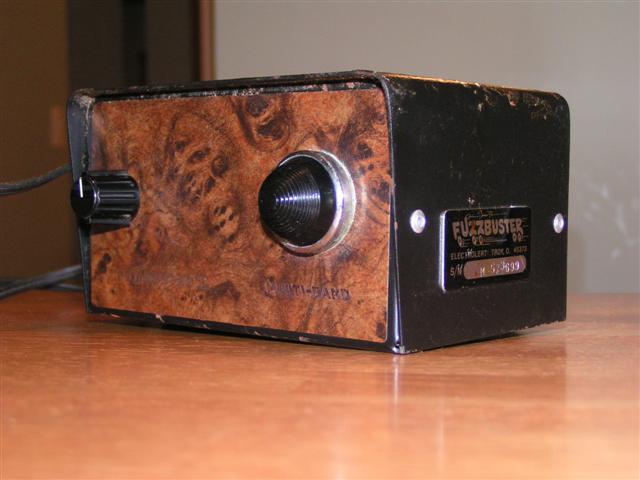
by Richard A. Ratay
In 1974, Congress passed legislation establishing the national highway speed limit of 55 mph. The original goal of the law was to conserve gas during the first OPEC Oil Crisis. Later, proponents of the lower limit argued it reduced highway fatalities. (Remember “55 Saves Lives”?) In time, studies showed the lower limit accomplished neither objective. It did, however, irk just about every driver across America.
Truckers were already equipped with their own means of skirting the new limit. Using their CB radios, long haul truck drivers kept each other informed about the whereabouts of “bear traps” and “Smokeys” lurking along the highways.
But drivers of automobiles sought their own weapon for combatting enforcement of the new lower speed limit. They found it in a device called “The Fuzzbuster.” Released a year before passage of the 55 mph National Maximum Speed Limit, the Fuzzbuster was the creation of Dale Smith, an Ohio driver who had earlier found himself seething at the side of the road after being nabbed in a police speed trap.

Volkswagen's Buyback Might Be Worse (Environmentally) Than the Crime

Update: I made a decimal flub. The math is corrected. Thanks to commenter ChemEng for pointing it out. We’ll post a new piece on Monday.
There’s no denying it: Volkswagen cheated. It confessed to the crime of emitting up to 40 times over the legal limit allowed for NOx. We learned yesterday (and the day before, to some degree), that Volkswagen will fix the vehicles that can be fixed, if owners so choose.
But what happens to all those diesel cars, which are perfectly good aside from emitting more NOx than they should, if owners decide to cut and run? And what happens to all those vehicles that can’t be fixed? Volkswagen has vowed to buy them back from customers — to which I ask, what then?
There are few options Volkswagen can employ to unload the massive windfall of cars coming its way, and none of them are particularly environmentally friendly.










Recent Comments