
VW Confirms U.S. Debut of 2025 ID.Buzz
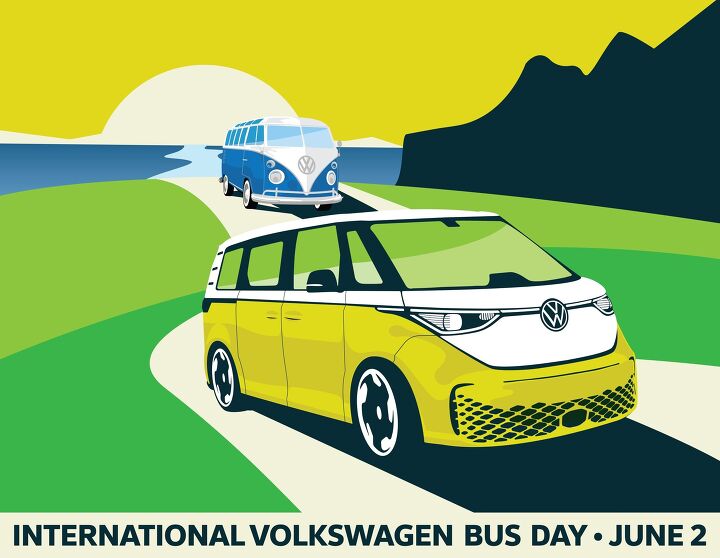
Volkswagen has confirmed the debut of the U.S.-spec ID.Buzz for June 2nd — naming it “the first ever International Volkswagen Bus Day.”

Cake Served at Volkswagen Annual Meeting

Cake is often served as a dessert at business meetings, but not like this.
Activists crashed Volkswagen's annual meeting in Berlin to throw cake at executives.

Used Car of the Day: 2003 Volkswagen GTI 20th Anniversary
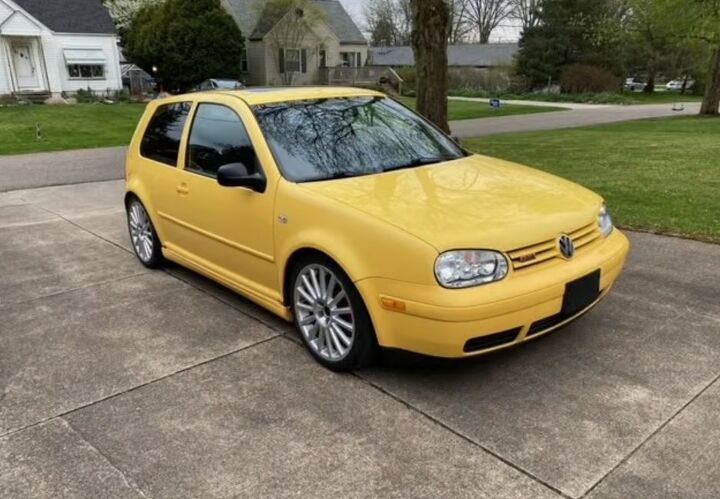
Today's UCOTD is an Imola Yellow 2003 Volkswagen GTI 20th Anniversary asking $6,750.
Used Car of the Day: 1982 Volkswagen Rabbit Pickup
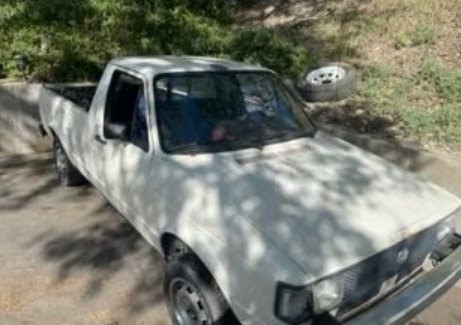
Our run of project vehicles continues. Today we feature a 1982 Volkswagen Rabbit pickup that needs its engine to be put back in.
Volkswagen ID.7: This is It
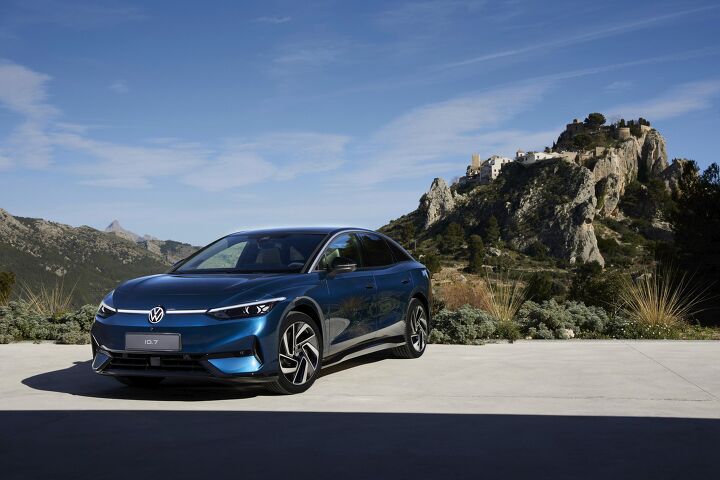
We've been covering the Volkswagen ID.7 in the lead-up to today's unveiling, and now we have the official deets.
VW Debuts New Electric Motor, Likely ID.7 Candidate
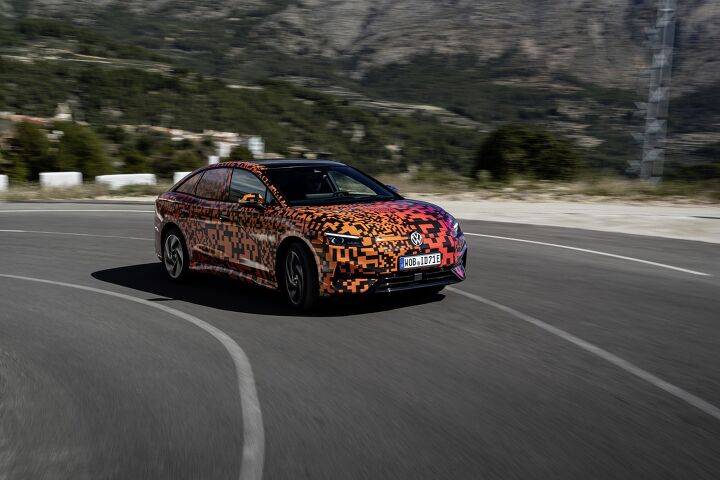
Volkswagen has introduced their new APP550 drive unit that’s assumed to be powering the ID.7 we reported on earlier in the week. Though the Chinese specs seem a little modest. We're thinking the electric motor will be reserved for higher-trimmed EVs and/or Western markets.
Volkswagen ID.7 Images Preview Imminent Announcement in China
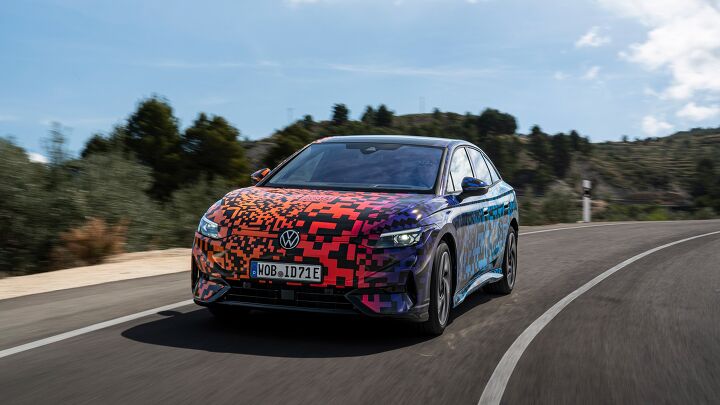
Volkswagen has been teasing the upcoming ID.7 electric sedan for a while now, but it’s finally out in the open. The automaker isn’t planning to reveal the car until next week at the Shanghai Auto Show, but un-camouflaged images surfaced on China’s National Intellectual Property Administration website ahead of the announcement.

Russia's GAZ Group Suing Volkswagen for $348 Million
Russia’s Gorky Automobile Plant (Gorkovsky Avtomobilny Zavod or GAZ) is suing Volkswagen Group over vehicles it was contracted to assemble but never had the opportunity to after the German automaker pulled out of the market at the start of the Russo-Ukrainian War.
VW Recalls and Stops Sales of Some ID.4s With Doors That May Open Without Warning
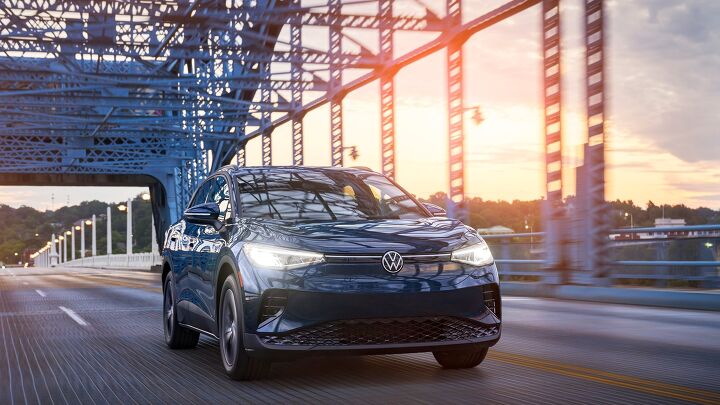
Volkswagen recently recalled the Atlas for a potentially dangerous airbag sensor issue, but the serious-sounding announcements from the National Highway Traffic Safety Administration aren’t over. The automaker issued a stop-sale order and a recall for the ID.4 over an issue with the door handles that could cause the door to open unexpectedly.
Atlas Peaked: 2024 Volkswagen Atlas Peak Edition Debuts in New York
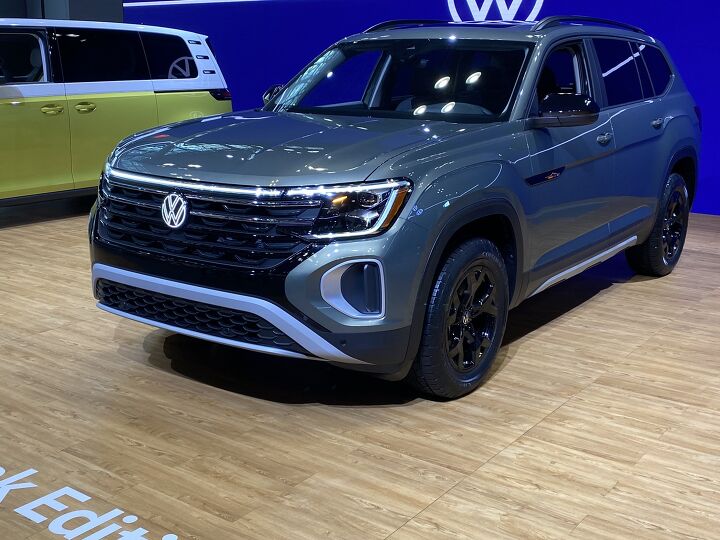
Every crossover/SUV needs to have a rugged "outdoorsy" edition, it seems. That includes Volkswagen's Atlas. Meet the 2024 Volkswagen Atlas Peak Edition.
VW CEO: No Gas Powertrain for Next-Gen Golf
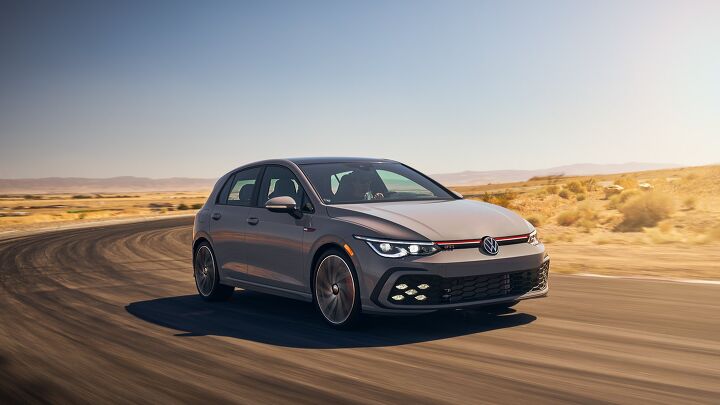
Volkswagen hasn’t been secretive about its plans to go all-electric, but many held out hope that we’d get at least one more generation of Golf with internal combustion. Company CEO Thomas Schäfer told Automobilwoche that the cars wouldn’t get a new gas powertrain in future generations.
Used Car of the Day: 2001 Volkswagen Passat GLS Wagon
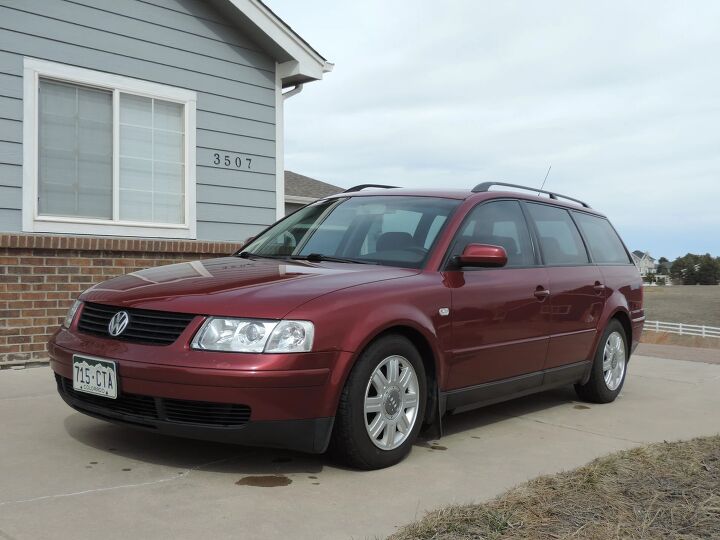
Manual-transmission wagons are usually going to get our attention when it's time to pick a used car of the day.
Today we give you a 2001 Volkswagen Passat GLS wagon with a five-speed stick.
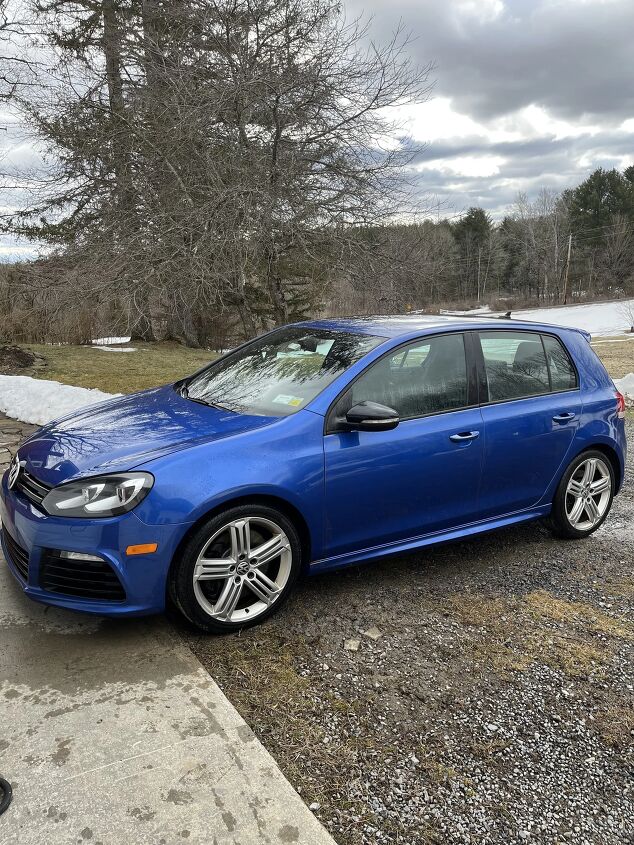
Used Car of the Day: 2003 Volkswagen GTI 20th Anniversary
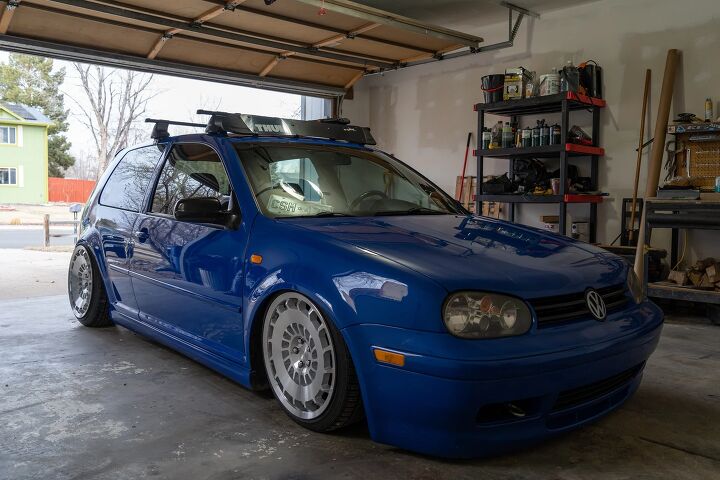
I use a corporate database that shows what's for sale on our forums to highlight each UCOTD, and the pickings were a bit slim today. So this modified 2003 Volkswagen GTI 20th Anniversary car stood out to me.
Especially since the seller wants just $9,000.
Volkswagen’s First North American Battery Plant Will Be Canadian
Following news that Volkswagen was far more enthusiastic about establishing battery plants in North America than in Europe, we have confirmation on the location of the automaker’s next cell manufacturing facility. It will be located in St. Thomas, Ontario. Despite scattered assumptions that VW’s recent praise of the Biden administration’s EV incentive scheme would signal another factory based in the United States, setting up shop in Ontario should still satisfy regional supply chain needs to manufacture electric cars under the provisions outlined in the USMCA.
Report: Volkswagen Attempts to Create Subsidy Bidding War

Volkswagen is reportedly pausing plans to build a battery plant in Eastern Europe so it can prioritize construction in the United States. Though the situation could be more accurately described as VW notifying EU officials that the U.S. is offering an estimated €10 billion in US incentives as part of the Biden administration’s Inflation Reduction Act (IRA).
It’s not the first time something like this has happened. Volkswagen similarly delayed decisions on where to build a battery plant in December of 2022, telling EU leadership that the Czech Republic, Hungary, Poland, and Slovakia all looked good – but that it wanted to consider its options. This time around, it’s being a little clearer by stating that the U.S. is offering sweeter subsidies and tax incentives than what’s available to Europe.
Volkswagen "Scouts" South Carolina for New EV Factory

International Harvester has been defunct for nearly 40 years, but one of its most iconic products continues to draw significant interest today. The Scout was a line of pickup trucks and SUVs that remain desirable today, thanks to growing interest in vintage off-roaders. Volkswagen purchased the rights to the Scout name and hopes to capitalize on that nostalgia with a line of electric vehicles. The automaker recently shared some teaser images and updates on the production of the highly anticipated EVs.
Used Car of the Day: 1983 Volkswagen Rabbit GTI

Today we're featuring a car entering its fourth decade of life -- and apparently, it's still in decent shape. Not everyone who is in their 40s can say that.
VW ID Buzz Wait Times Can Be Cut By Toning Down the Paint Selection
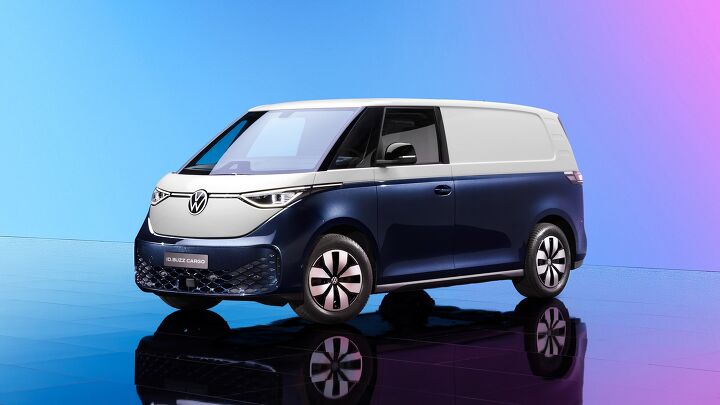
We’re several months away from the launch of the retro-inspired Volkswagen ID. Buzz, and there’s already talk of delays and extreme demand. Autocar reported that VW has more than 26,000 orders for the van, with wait times that extend to 18 months for European buyers. The situation may be the same when it lands here, but the automaker has some tips on beating the extreme wait.
Used Car of the Day: 2013 Volkswagen CC
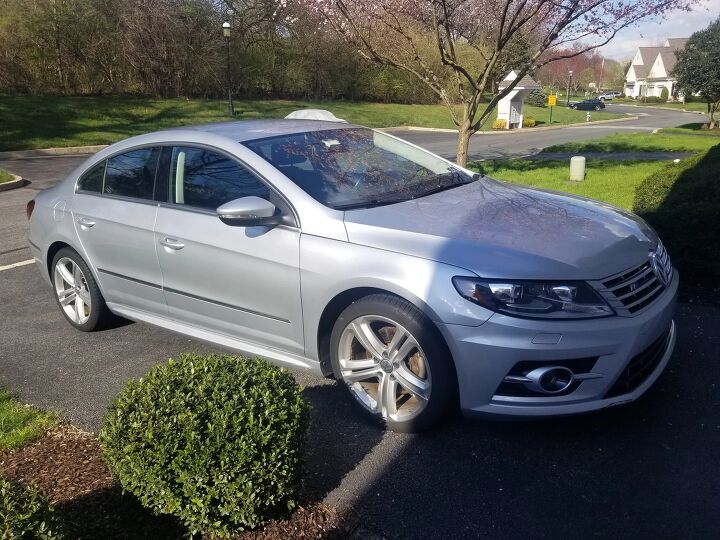
The Volkswagen CC is one of those cars that always gets forgotten, it seems. Personally, I liked the manual transmission version. And what do we have here? A manual-transmission R-Line trim. For $12,500.
Used Car of the Day: Live the Van Life With This 2002 Volkswagen Eurovan

For $7,000 and a little bit of work, you can live out your camping fantasies with this 2002 Volkswagen Eurovan.
QOTD: Star of the Show

Today's QOTD is pretty self-explanatory. What vehicle that debuted here in Chicago caused you to sit up and take notice?
Volkswagen Revamps Atlas and Atlas Cross Sport
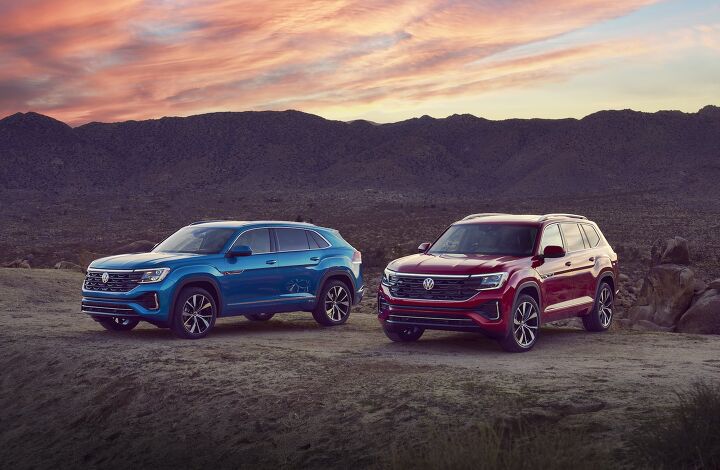
For the 2024 model year, Volkswagen is rolling out a raft of changes for its two largest crossovers. In addition to revised looks, there are a number of material and tech improvements inside its cabin.
Oh yeah – and it packs an entirely new engine.

VW is Recalling the ID.4 for a Potential Loss of Power
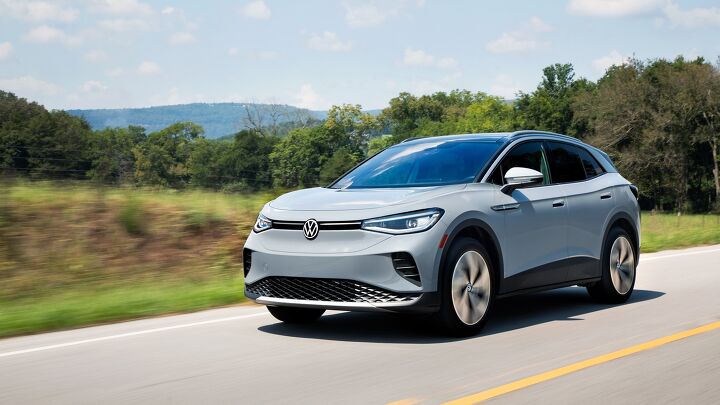
The ID.4 is Volkswagen’s first mass-market EV in the United States, but it will soon be joined by many others as the automaker shifts to electrification. VW saw strong demand for the ID.4 in its first year on the market in 2021, but now it appears that many of them need a software update to prevent a dangerous potential loss of power while driving.
Used Car of the Day: 2017 Volkswagen Golf Alltrack SE
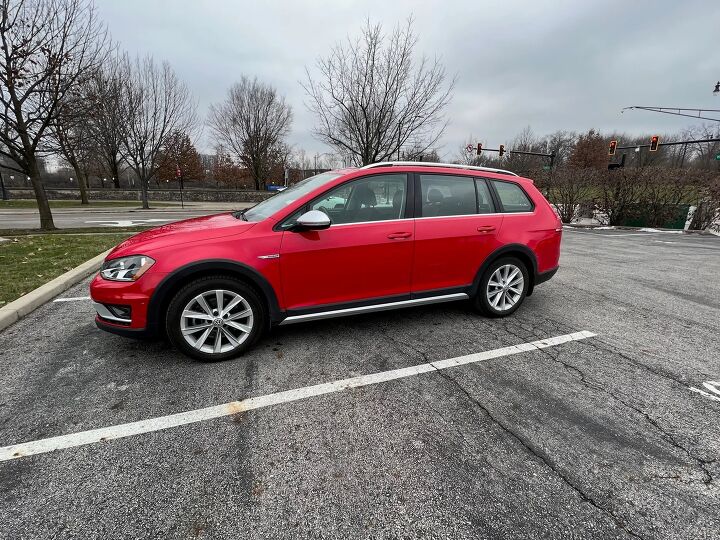
Another day, another wagon. Today's car-enthusiast catnip comes courtesy of Columbus, Ohio (home to many a TTAC'er) and this 2017 Volkswagen Alltrack has three pedals. Yay!
VW Has No Plans to Cut EV Prices in Response to Tesla and Ford
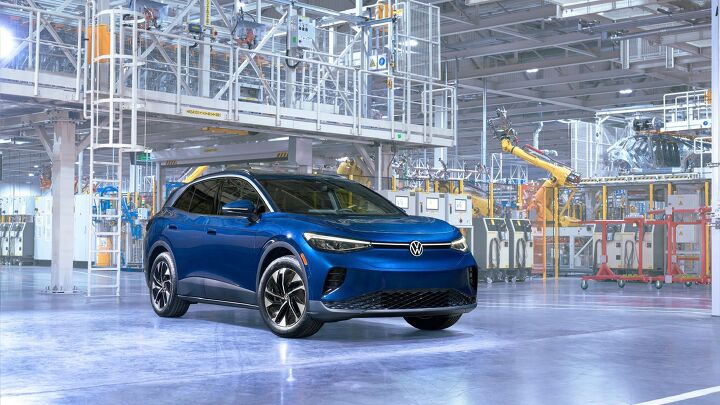
Automakers would love to have you believe that they all march to their own drummers, but the reality is that the market is tied together in ways both obvious and less so. Yesterday, Ford announced it would cut prices and bump production for the Mustang Mach-E, a likely response to Tesla’s massive recent price cuts. Most other automakers are yet to respond, but Volkswagen wasted no time announcing that it would not follow Tesla and Ford with price cuts on its EVs.
Used Car of the Day: 2003 Volkswagen GTI
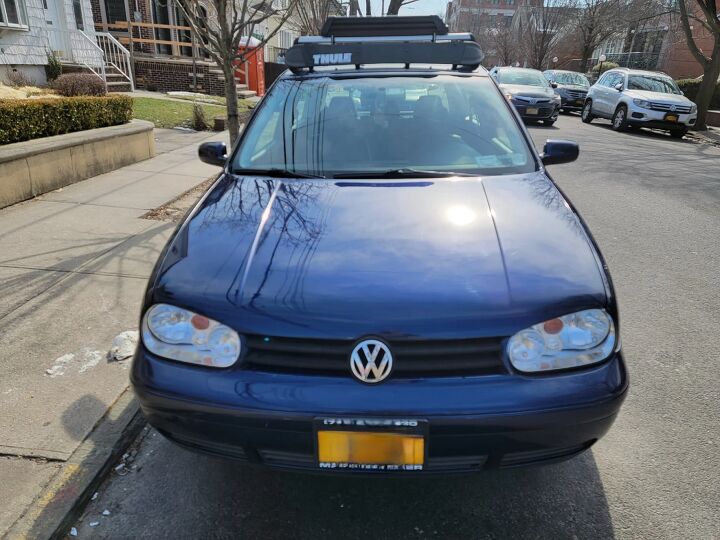
Today's UCOTD is a 20-year-old sporty hatchback at a reasonable price. This 2003 Volkswagen GTI isn't expensive, but it is showing its age, as the seller admits.
Used Car of the Day: 1976 Volkswagen Scirocco Track Car
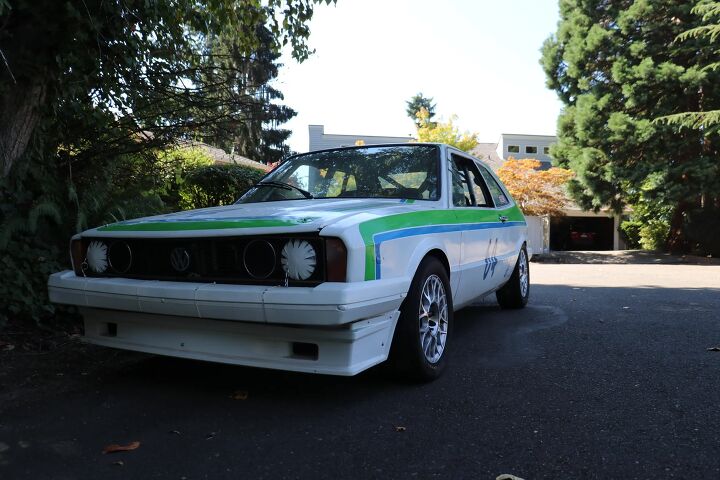
Want to go racing for relatively cheap? This very much NOT street-legal 1976 Volkswagen Scirocco racecar could be your ticket to weekend fun.
Volkswagen Debuts Camo'd ID.7 Sedan at CES
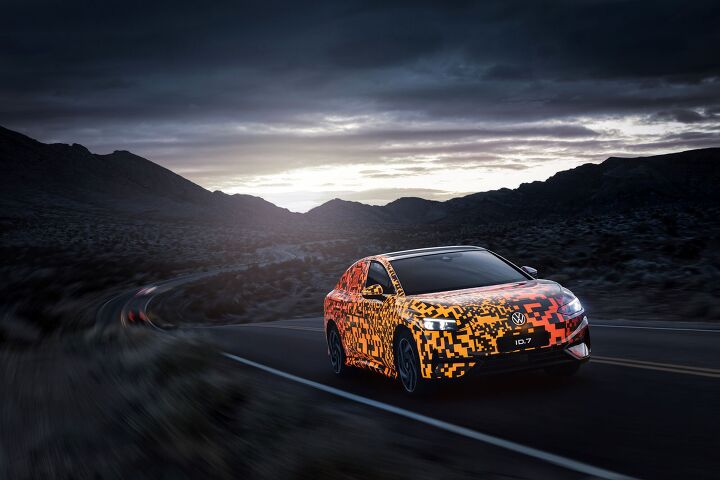
Volkswagen is using the 2023 Consumer Electronics Show (CES) in Las Vegas to take the wraps off the ID.7 sedan.
Well, kind of.
VW Recalls Certain Beetle Models With Takata Airbags

The original Takata airbag recall took place years ago, but the list of affected models continues to grow. Volkswagen recently recalled 37,558 2015 and 2016 Beetles for issues with the driver’s side airbag. Volkswagen reviewed production records and found the affected vehicles, though it’s baffling that it took so long to discover.
Volkswagen to Debut New EV Next Month at CES 2023

The Consumer Electronics Show (CES) was once reserved for products like video game consoles and home stereo equipment, but it’s increasingly becoming the go-to hotspot for automakers looking to promote a new EV. Volkswagen is the latest to jump on the CES train, as today the automaker announced that it would reveal a new EV at the 2023 show.
Used Car of the Day: 2004 Volkswagen Golf R32
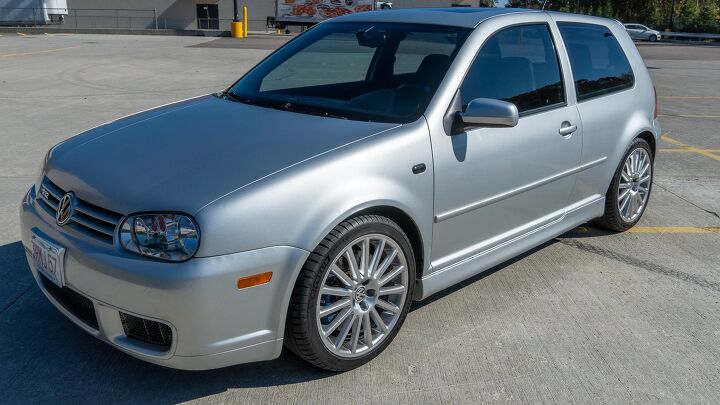
The Volkswagen Golf R often gets a lot of well-deserved love.
That applies to older generations, as well.
QOTD: Can the Mid-Size, Mid-Lux Sports Sedan Be Saved?

The Kia Stinger is dead. The Nissan Maxima is going to die after 2023. The Volkswagen Arteon oft seems to be forgotten. Is there hope for mid-size sport sedans (and four-door coupes) with front-wheel or all-wheel drive and priced between $45,000 and $60,000?
Used Car of the Day: 2019 Volkswagen Alltrack SEL
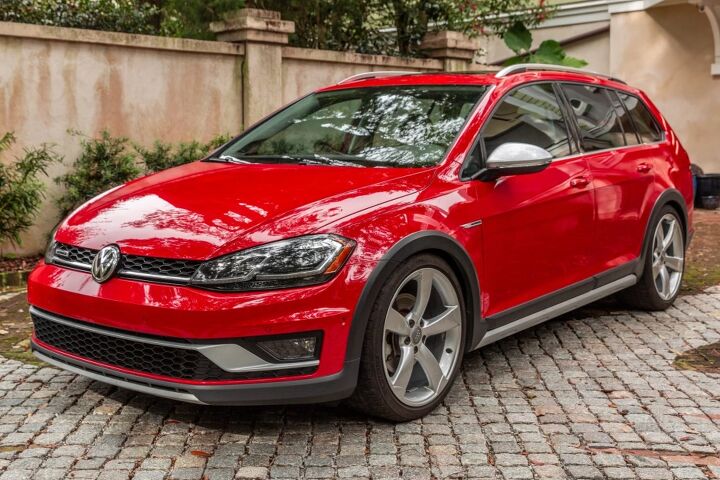
Yes, it's wagon time. Oh, and it's a manual!
This probably explains why it's likely to fetch a pretty penny on Bring a Trailer.
VW Group Snags Porsche Design Boss

While we don’t generally rush to mindlessly parrot news about executive changes at major car companies, this one is worth noting. After all, with this shakeup in Germany, it means VW Group and Porsche are about to share a design chief – but one with a familiar face.
Range Extended: Volkswagen Auto Group Announces MEB+ Platform

Volkswagen Auto Group has plans to extend the range of its Modular Electric Drive System (MEB) platforms for electric vehicles.
The plan is not only to increase the range but also cut charging times -- and the platform will be renamed to MEB+.
Report: Foxconn Could Work With VW to Bring Scout Back

Foxconn, the company known for building iPhones (and putting workers through grueling conditions), could help Volkswagen bring Scout back to the States.
QOTD: Who Has the Worst Infotainment System?

Today's Volkswagen news has me wondering: Does VW have the worst infotainment system? Or is it someone else?
Volkswagen Finally Admits Its Infotainment Is Terrible

Car reviewers, myself included, have spent the past year or two ripping Volkswagen infotainment systems. Even when the vehicles have otherwise been positively received, the infotainment systems have gotten poor grades.
Used Car of the Day: 2001 Volkswagen Eurovan

Let's go camping! This 21-year-old Eurovan has the 2.8-liter VR6 engine, and it's all yours for $39,900.
Scouting Party: Revived Scout Brand Launches Website, Teases Front End

As a follow-up to our news on the same earlier this summer, Volkswagen has its sights on reviving the Scout brand name as its moniker for off-road EVs. Today we get a kinda-sorta look at the first model’s front end, along with a few other tidbits from their freshly launched website.
Volkswagen Group Pulls Twitter Advertising

Earlier this week, General Motors pulled its Twitter advertising. Now Volkswagen Auto Group is following suit. The company is recommending that its brands pause advertising on Twitter for the time being.
No Performance EVs Coming With MEB Platform: Report
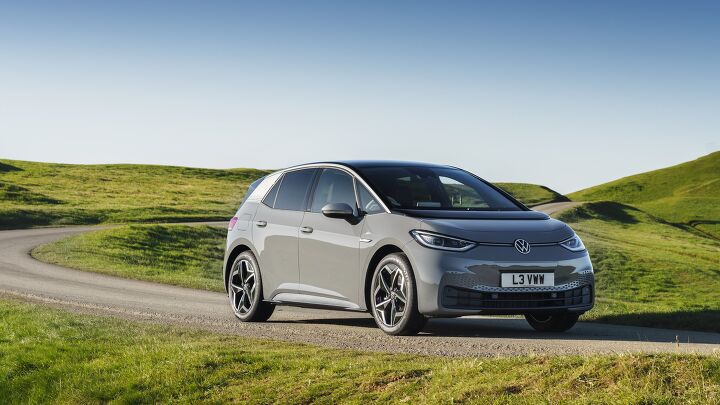
Volkswagen is one of the few automakers that have consistently offered at least one “fun” car here in the United States. The Golf GTI has remained on sale at times when other companies were killing cars altogether, and VW steadfastly offers vehicles with manual transmissions. Volkswagen is going electric, though, and rumors have floated that it had plans for hot versions of its ID EVs. Unfortunately for enthusiasts, the person overseeing VW’s R vehicle lines told Top Gear not to expect any R-branded EVs in the near future.
VW Brings Jetta GLI Performance Concept to SEMA

The Volkswagen Jetta GLI has long been the middle ground in performance for people who wanted a Golf GTI but needed sedan legroom. At this year’s SEMA Show, however, VW is giving the car its due with a motorsport-inspired concept car. Given its stated goal of going electric, it's unlikely we'll ever see this car in production, but it would be a great day for enthusiasts if it did.
Used Car of the Day: 2003 Volkswagen GTI 20th Anniversary
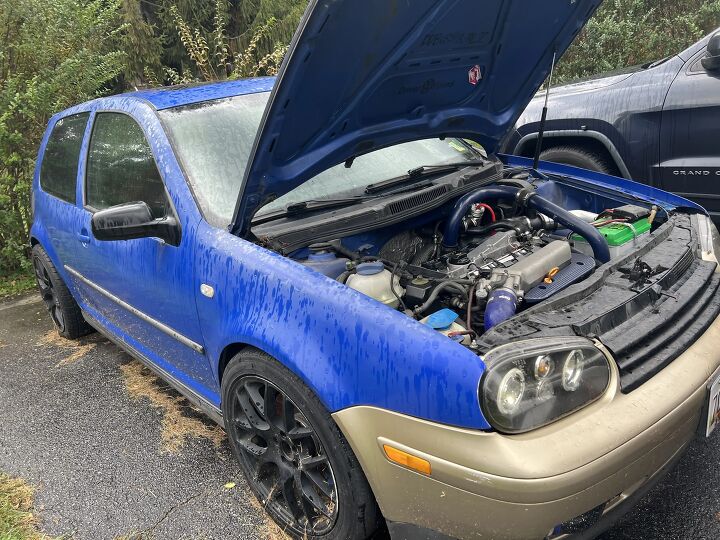
Our first used car of the day comes from Maryland -- a 20th Anniversary 2003 Volkswagen GTI 1.8T.
Automakers Are Drastically Underreporting Average Emissions: Report

Dieselgate slashed a gaping hole in the assumption that automakers were genuinely invested in building more efficient cars, but it’s hardly the only flimflammery going on behind the scenes. A recent report from Transport and Environment, a European NGO pushing for cleaner transport, found that many automakers are underreporting global emissions by as much as 115 percent.
2022 Volkswagen Golf R Review – Greatness Comes at a Price
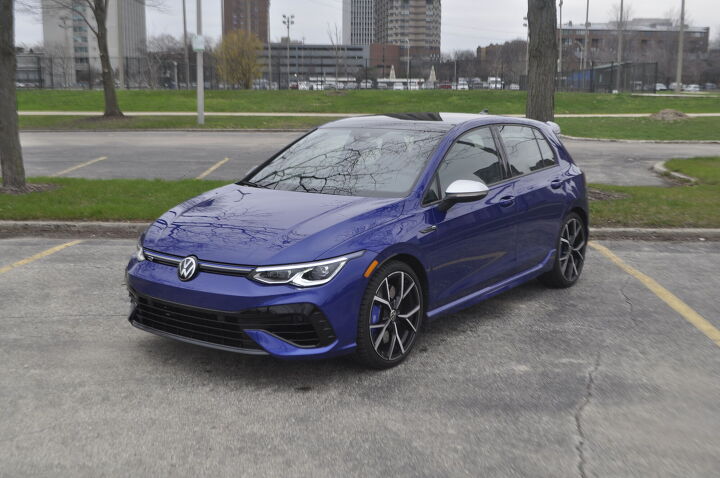
It’s hard to come up with a better hot hatch than the 2022 Volkswagen Golf R. Unfortunately, it’s also hard to build such a sublime vehicle and also make it a bargain.
If you’re on a budget, VW will happily sell you a GTI and you’ll get about 80 percent of the Golf R’s performance. On the other hand, if you have the scratch, the Golf R is worth it.
2022 Volkswagen Passat Review - An Early Preview of The Heritage Collection

Most automakers have some stuff in their past of which they’re rightfully proud. Certain landmark models are fondly recalled long after they’ve been relegated. Pristine examples of those beauties will often be rolled out and dusted off either during launches of new, tangentially-related models or during serious lulls in the product cycle where everything on lots is dull. Sometimes, these heritage cars will even be loaned to us journalists for a brief time.
Volkswagen has done this in the past - I’ve seen my colleagues joyously cruising in stunning Beetles and Microbuses. What’s remarkable is this 2022 Volkswagen Passat is nominally a new car, but it doesn’t appear on the Build-And-Price tool at vw.com. It seems to be a curious case where a brand new car has been prematurely shuffled off to the heritage fleet.

Volkswagen Stops ID. Buzz Production Over Battery Issues

Volkswagen has suspended production of the all-electric ID. Buzz model in Hanover, Germany, with local media citing problems with the battery system.
Volkswagen Board Displeased With Current Software Situation

Last week, Volkswagen’s supervisory board reportedly told management that it needed to work on improving the company’s software division. Though that should hardly be surprising considering how often digital glitches have delayed product launches and forced the automaker to issue sweeping recalls.
Software gremlins stymied the launch of numerous ID-badged EVs, the Mk8 Golf, and a handful of other vehicles from VW Group’s many subsidiaries. But the issues have persisted, with customers citing electrical troubles and noting that the automaker’s novel touchscreen interfaces are brutally unresponsive. Some of the problems were deemed so heinous that the company eventually recalled literally every current-generation Golf sold within its native Germany. But it’s going to have to do a lot more if it’s serious about leveraging computer code as the cornerstone of an evolving business model and the board of directors seems keenly aware of that fact.
VW Rumored to Revive Scout Nameplate
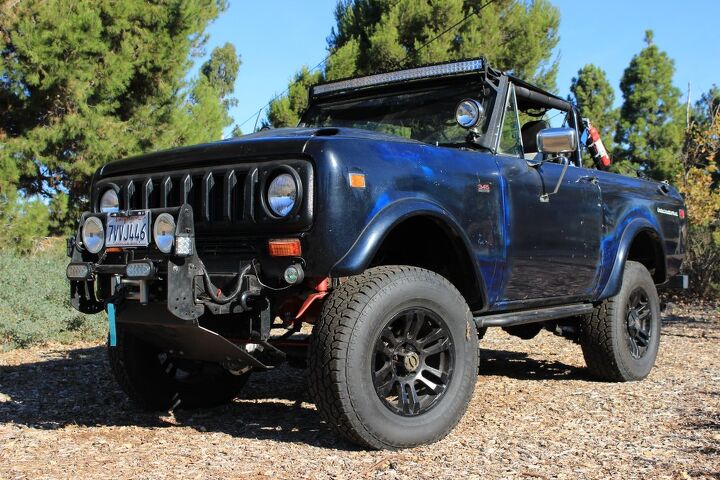
Volkswagen Group is reportedly considering reviving the Scout name for North America. Following the merger of trucking subsidiary Traton and Navistar in 2020, VW found itself in possession of the farm-focused International Harvester. While the brand technically hasn’t existed since 1985, the German company effectively owns its intellectual property — including the Scout name — and is keen to leverage some of its nostalgia for an alleged sub-brand specializing in sport utility vehicles.
VW CEO: 'We Have to Become Relevant in the U.S'
Volkswagen CEO Herbert Diess has explained that the automaker would very much like to get back in to the United States’ good graces now that it has cut ties with Russia. With the future of Europe looking shaky, VW is hoping to maintain its position as the best-selling brand in China and start making inroads in America after burning a few bridges there.
Despite the Dieselgate scandal being seven years in the rearview mirror, the automaker is still coping with the resulting financial penalties and the resulting decision to scale back its U.S. aspirations a tad until its electric models hit the road. But the company has always had an issue understanding what American drivers wanted, resulting in boom and bust phases for the company until it manages to solve the puzzle. The most common issue was an inability to adhere to ever-changing emissions standards. But there are also periods where the manufacturer was snubbed for offering subpar electrical equipment or simply having a lineup that was out of sync with American tastes. But Volkswagen has historically enjoyed a resurgence after making the necessary changes and Diess is hoping for another comeback.
2022 Volkswagen Jetta GLI Review – Window Shopping On Company Time
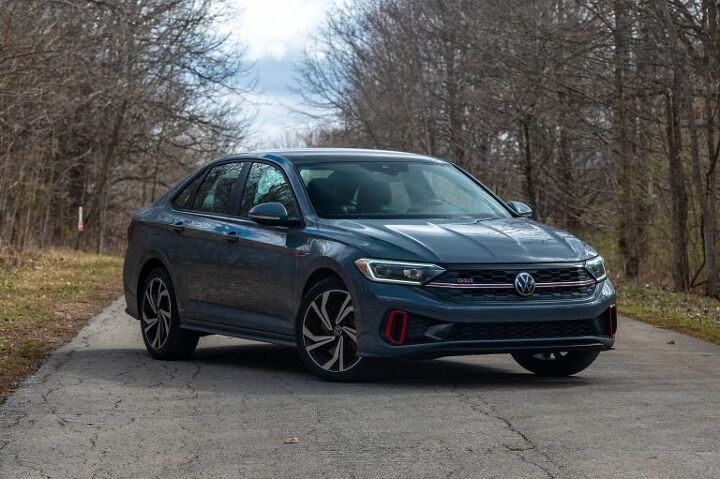
I’m well aware that I’m remarkably privileged to do what I do here at TTAC. I’m a car enthusiast, getting paid to go play with cars. Friends often will ask what I’m driving this week, rather than the usual small talk about the weather. A touch of envy seeps into the conversation when I reveal that I’m driving a high-end luxury car or some powerful sportscar.
When it comes down to it, however, I’m using whatever car arrives in my driveway that week as my primary driver: First, to properly evaluate it for you, dear reader, and secondly, to keep miles off the cars in my driveway. But I’ll always need my own cars, as I need to get to my office for the day job and I don’t always have media loaners upon which I can rely. One of my own cars, however, will be reappropriated soon as my eldest turns sixteen in about a week – and my other car – a vintage Miata – isn’t particularly suitable for year-round driving.
So, this is where my privilege comes in – I’ve been using this second career as an extended test drive to find my next daily driver. While those high-end luxury cars would be a lovely addition to the fleet, quite frankly they don’t pay me enough here. So, I’m looking toward more reasonably-priced ways to get where I’m going – and something that provides cheap thrills like this 2022 Volkswagen Jetta GLI might very well be the ideal choice.
VW Plans Mass Culling of Combustion Cars, Loftier Margins
Practically every automaker on the planet has begun signaling a desire to change with the times by collectively revising their business strategies. The new hotness involves lower volumes, higher margins, and electric vehicles with the ability to push connected services allowing manufacturers to charge you piecemeal for just about every feature imaginable.
While Volkswagen Group has been at the forefront of those trends since the 2015 Dieselgate scandal helped force its hand, it often suggested that the shift to EVs would be a boon to low-income families. It was hardly the only automaker to make such promises, nor has it been the first to break them after deciding that perhaps there’s more money to be made with premium vehicles. VW has decided that its ideal strategy involves culling internal combustion vehicles by 60 percent over the next eight years and focusing on higher-margin products yielding superior profitability.
2022 Volkswagen GTI Review - Generation Revelation?

In some cases where a product is offered in a series, each successive generation is improved and is greater than the last. In other cases, the maker hits upon relative perfection early and later generations can never quite live up to the legend. In the arts, for example, while Indiana Jones fans can argue the merits of Raiders of the Lost Ark versus The Last Crusade¸ you won’t find any sane person suggesting that Kingdom of the Crystal Skull is anything but a dank shadow of the past glories. Similarly, my fanatic daughter tells me that the third book (Prisoner of Azkaban) in the Harry Potter series is the best, and all other editions pale.
We are now looking at the eighth generation of hot hatches from Wolfsburg with this, the 2022 Volkswagen GTI. Is it the greatest GTI ever, or has Indy jumped into a lead-lined refrigerator with this latest redesign?
Volkswagen Shifting Production Out of Europe, Into U.S. and China
Volkswagen Group will be moving some of its European production out of the continent and into facilities located in China and the United States, citing the war in Ukraine as the largest contributing factor. Though if you’ve been following the company, it had already signaled a desire to raise its capacity in China ever since the region shifted into becoming its largest market.
In fact, Chief Executive Herbert Diess said during Tuesday’s press call that China will be taking precedence as the automaker reorganizes its manufacturing.
Volkswagen Passat Passes Away
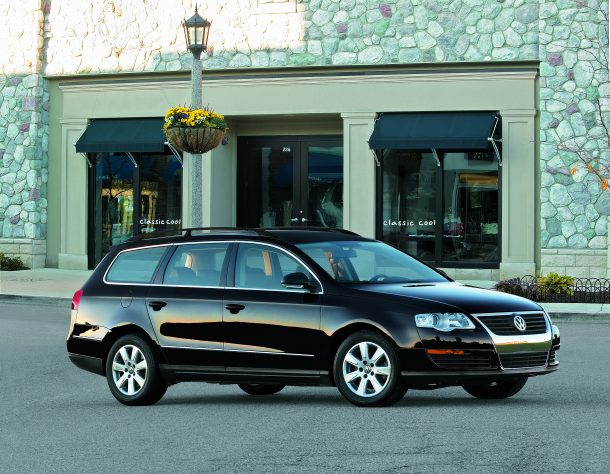
The final Volkswagen Passat has rolled off the assembly line in Chattanooga, Tennessee, ending the model’s extended run on the North American market.
Designed by Giorgetto Giugiaro and introduced in 1973 using the VW/Audi B1 platform, the Passat arrived in the United States as the Dasher and was sold as a midsized luxury vehicle to people in the market for an imported economy car. The model carried different names in other parts of the world and even saw a few unique monikers used in the U.S. (e.g. Quantum) to help differentiate between the hatchback, sedan, and wagon variants sold throughout the 1980s. But it was officially known as the (B2) Passat by 1990, regardless of format.
Honda Civic is NACTOY Car of the Year, Ford Takes Other Two Categories
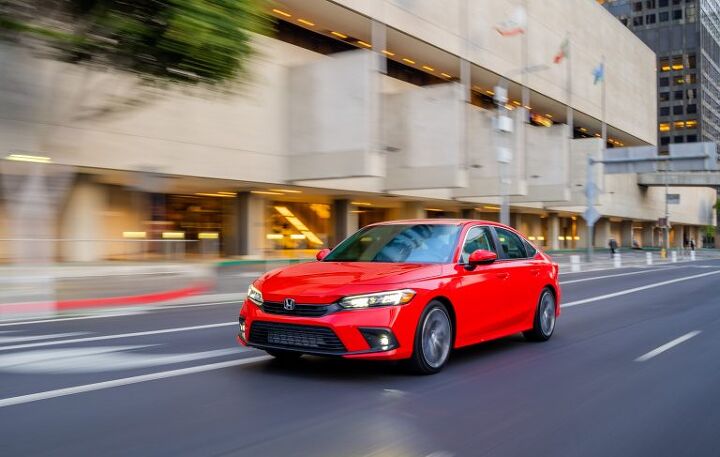
The North American International Auto Show, aka the Detroit Auto Show, isn’t taking place in January anymore. It’s set for a move to September.
But that didn’t stop the traditional North American Car and Truck of the Year award ceremony from taking place at Cobo Center Huntington Place this morning.
2022 Volkswagen Golf R Review: Two Steps Forward, One Step Back

Let me start this by saying that I considered the previous Golf R to be the all-around best enthusiast vehicle available in its price range during its time on sale. That’s particularly high praise coming from someone whose performance tastes generally gravitate toward V8-powered, rear-wheel-drive coupes, but I think Volkswagen had achieved something remarkable with the Mk7. It was a car that had the dynamic chops to hang with some very serious hardware out in the canyons but didn’t need to shout about it from an aesthetic standpoint, and it also sacrificed very little in terms of daily drivability and practicality to get there.
Beyond the fundamentals, the Mk7 Golf R had other important elements sorted out too – solid interior materials in a well laid out and comfortable cabin, a class-leading infotainment system with a nice-sounding stereo – that sort of thing. Automakers can get away with phoning in some of that stuff when it comes to their top-tier performance cars because enthusiasts tend to have different priorities than mainstream buyers do, but Volkswagen didn’t half-ass it. This is all to say that the Mk7 Golf R set the bar pretty high.







Recent Comments