
Why Do Japanese Automakers Like Hydrogen Power?
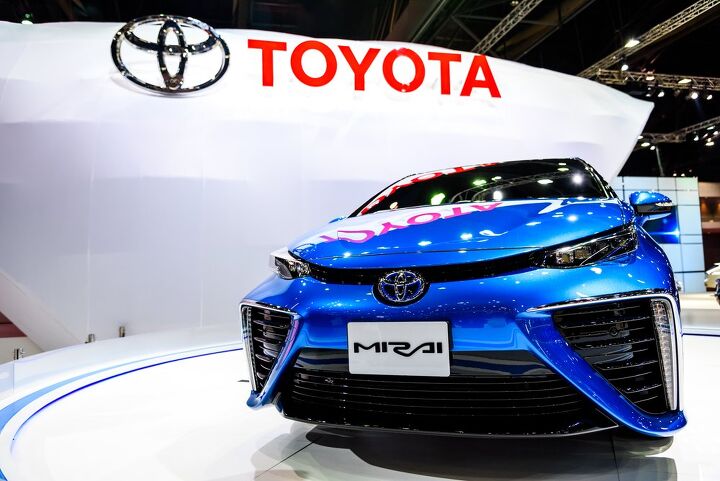
Honda, Suzuki, Kawasaki, and Yamaha have just collectively promised to develop a slew of hydrogen-reliant engines designed to power small vehicles. While this is supposed to encompass construction equipment, small boats, airborne drones, and even motorcycles, the scheme doesn’t seem to focus on automobiles. However, Japanese automakers have already been working on hydrogen fuel cell vehicles for years and Toyota Chairman Akio Toyoda has even been championing the development of hydrogen-burning motors for some of the brand's racing applications.
It’s largely counter to what the rest of the world is doing and begs the question of why Japan seems so intent on making hydrogen power work. What exactly makes the scheme so appealing to the island nation?

Junkyard Find: 2017 Toyota Mirai Fuel Cell
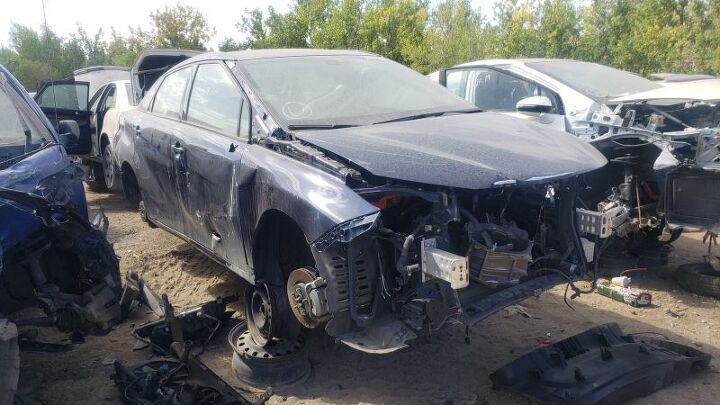
I have become accustomed to running into the unexpected during my junkyard travels, finding everything from a JDM Nissan Fairlady Z to a bullet-riddled Cadillac from a Mythbusters episode to a British tank. That said, I never expected to find a four-year-old hydrogen fuel-cell car, more than a thousand miles from the only state in which they were sold that year. This becomes the newest junkyard car I’ve documented, taking the top spot from the now-second-place 2015 Mitsubishi Mirage.

VW CEO Suggests Fuel Cell Tech Isn't the Answer, No Duh

Volkswagen Group CEO Herbert Diess was bashing hydrogen-powered vehicles on Twitter this week in an attempt to convince those vying for Germany’s chancellorship not to embrace the technology. With Angela Merkel stating that she’ll not seek a fifth term, the country is open for new leadership and VW wouldn’t want them to take a liking to hydrogen power when it has placed all of its eggs into the electric vehicle basket.
“The hydrogen car has been proven NOT to be the climate solution,” Diess wrote on Twitter in German. “In transportation, electrification has prevailed. Sham debates are a waste of time. Please listen to the science!”
Plug Power Expands ECommerce Use of Hydrogen and Fuel Cells at Walmart

Plug Power, a provider of hydrogen engines and fueling solutions, is expanding its support of Walmart’s eCommerce network. Plug Power currently supports more than 9,500 GenDrive fuel cell-powered vehicles used by 37 Walmart distribution centers across North America.

Greenwashed: UK Plug-in Fleets Enjoy the Taxpayer Perks, Never Plug In

In Europe, diesel now holds a reputation as favorable as that of the dark lord of the underworld, while electric propulsion may as well have descended from Heaven. It wasn’t this way just a few years ago.
That said, in the UK, government incentives towards green vehicle purchases have, like the U.S., been ongoing since 2011. A recent study of corporate plug-in hybrid fleet vehicles purchased with the assistance of government grants reveals many buyers were just looking to dodge diesel taxes while bilking the taxpayer for a cheaper ride. Plugging in these plug-ins was not a priority.

Invisible Markets: Mercedes-Benz Launches Hydrogen-powered GLC F-Cell

Mercedes-Benz says it has begun deliveries of the GLC F-Cell, a battery-electric vehicle that can run on hydrogen or a stored electrical charge. That would make it the most sensible hydrogen vehicle currently in existence, which isn’t saying much.
At any rate, it doesn’t really matter because you’ll probably never see one.
GM Defense Wants You to Wage War With a Green, Off-road Silverado HD

When Canada’s Minister of Environment and Climate Change, Catherine McKenna, infamously tweeted her country’s congratulations to Syria’s despotic leadership for its commitment to fighting climate change (a tweet reviewed and approved by 31 civil servants), it became clear that, for some, the environment ranks higher than anything else.
In the military world, it’s true that armies and their suppliers are often not nearly as concerned about the environment as their country’s leaders, but green vehicles are making tentative baby steps into this arena. At GM Defense LLC, zero-emission vehicles are a top field of focus, but the lakes and the frogs and the trees aren’t exactly top of mind. Rather, there’s practical military attributes to be found in green vehicles, and that’s why there’s a second zero-emission Chevrolet concept rolling out of the automaker’s defense arm.
It's Frustrating Times for Owners of Hydrogen-powered Cars

They’re the rarest breed on the road, drawing their car’s fuel source from the world’s most plentiful element — which just happens to be the hardest to get your hands on in any large quantity. Fuel cell vehicle drivers, of which none exist outside of California, depend on a small network of H2 refueling stations to stay on the road, and the drawbacks to using this rare power source are already well documented.
You’ll be renting a car if your road trip takes you too far from San Francisco or the SoCal area. Supply issues sometimes leaves that one nearby station out of service, as happened earlier this year. It’s almost as if a vehicle you plug into a wall is a better green idea, at least on the downstream side.
Regardless, these Honda Clarity FC, Toyota Mirai, and Hyundai Tucson FC owners made their bed and were prepared to lie in it. Unfortunately for them, the refueling network has once again revealed its fragility.
Not Giving Up: Toyota Wants Mass-produced Mirai FCVs, Longer Range

Despite it being the most abundant element in the world — but one of the hardest fuels to source — automakers aren’t giving up on hydrogen. That group includes Toyota, which launched the world’s best-selling hydrogen fuel cell vehicle, the Mirai, in 2015.
Early this year, the 3,000th U.S. Mirai found its way to the driveway of a California customer. Cali remains the only American jurisdiction where FCV vehicles, and refueling infrastructure, are offered (though a hydrogen shortage last week saw SoCal stations dry up).
In the hopes of boosting the fuel’s prevalence and stimulating demand, Toyota plans to enter mass production with its second-generation Mirai, expected early in the coming decade.
War Draws Nearer to General Motors
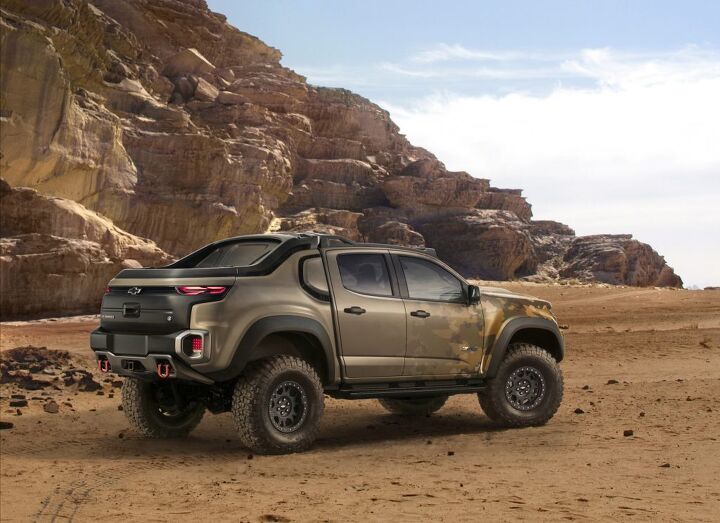
After forming last year, GM Defense LLC, the resurrected military arm of General Motors, is well on its way to outfitting operational personnel in the U.S. Armed Forces.
The most promising product to emerge from the potentially lucrative division is the Colorado ZH2, a hydrogen fuel cell-powered variant of the automaker’s ZR2 off-road midsize pickup. GM debuted the vehicle a year before the creation of GM Defence, then handed it over to the military.
Apparently, the Army thinks quite highly of it, having field-tested the quiet truck during battalion-sized war games. But that’s just the start of GM’s plan to dominate land, sea, and maybe air.
Hyundai Plans New Fuel Cell Vehicle for CES, But What's This About Powering Your Home?

Despite the inherent challenges with using hydrogen as a fuel source, Hyundai is plowing ahead with a new generation of fuel cell vehicle as a follow up to the Tucson Fuel Cell it currently offers in limited markets.
Difference is, the current hydrogen-powered Tucson shares a lot of sheetmetal with the traditionally fuelled Tucson. The new, as yet unnamed, hydrogen crossover doesn’t look like anything in Hyundai’s portfolio … at least not yet.

Further Proof That Hydrogen Cars Are Stupid
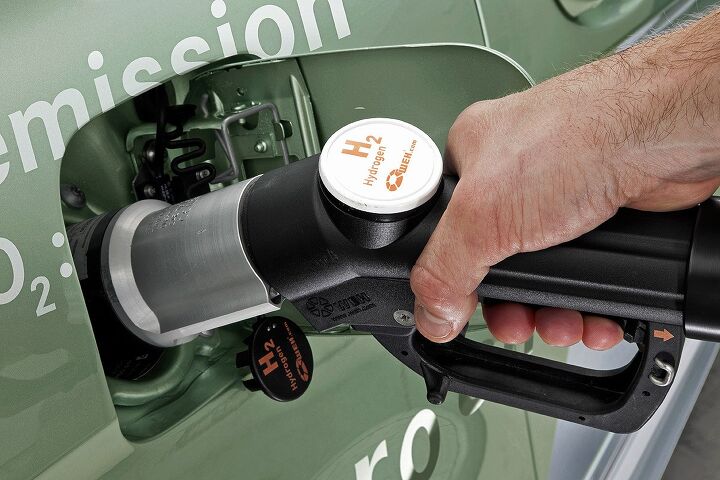
Hydrogen is the most abundant element in our universe and hydrogen-powered vehicles produce only a single emission: water. It’s no wonder a handful automakers have touted it as the next-step in “sustainable” transportation, because it looks great upon a cursory examination. But it hasn’t held up under increased scrutiny and numerous manufacturers have been highly critical of fuel cell cars.
Earlier this year, Jaguar Land Rover’s technical design director called hydrogen-powered vehicles a disaster in practical efficiency. Tesla Motors’ Elon Musk went even further, calling the technology “incredibly dumb.” More recently, VW Group also hinted that it thought there wasn’t going to be much of a future for fuel cells. Matthias Mueller’s address at the Frankfurt Auto Show was heavy on electrification and light on hydrogen, with Audi spearheading the technology.
Although, if president of Audi of America Scott Keogh is to be believed, it looks to be a rather dull spear they are using.
Here's Why Japanese Automakers Keep Sending Hydrogen-powered Cars to North America

The United States and Canada don’t have much of a hydrogen fueling infrastructure to speak of, but Japanese automakers continue sending fuel cell vehicles across the ocean anyway. Vehicles like the Honda Clarity and Toyota Mirai have been touted as the environmental saviors of tomorrow but, with the exception of California, there really isn’t a place for them in the North America of today. So why do Japanese manufactures continue to bother with hydrogen?
The main reason is because Japan has bought into a future that America doesn’t seem interested in. With three of its automakers already producing fuel cell cars, the government as adopted a fairly aggressive plan to adopt hydrogen for homes, business, and cars by 2030 — meaning the U.S. probably won’t see these vehicles vanish anytime soon.
2017 NYIAS: Genesis GV80 Hydrogen Fuel Cell Concept
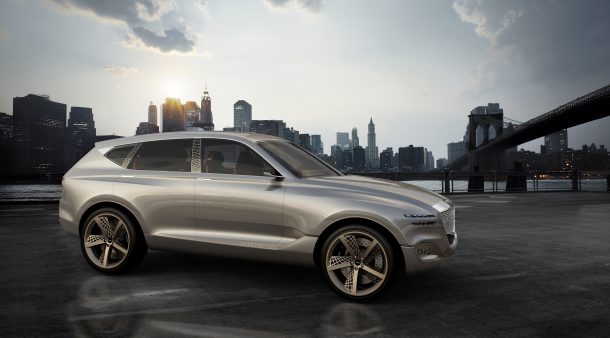
Genesis Motors doesn’t exactly have the most diverse lineup in the industry. Hyundai may have only cut it loose as a standalone brand a couple of years ago, but its current showroom offerings amount to a full-sized luxury sedan and its little (midsized) brother. Genesis is working on fleshing itself out, though. The brand has plans to bring six new models to market before 2021 — including two all-important sport utility vehicles.
Providing us with a “subtle glimpses into the bold future,” Genesis has brought its GV80 Concept SUV to the New York International Auto Show. But if this is supposed to be a taste of what’s to come from Hyundai Motor Group’s premium luxury brand, there is reason to worry about its future. It isn’t because the concept is a plug-in hydrogen fuel cell electric — although a case could be made — but because the path its styling has taken is more than a little perplexing.
2017 Honda Clarity Fuel Cell First Drive Review - Breaking Dawn, Part Three

It’s never easy trying to whip up an air of exclusivity through your daily driver, and nowhere in the U.S. is this truer than in southern California. Whether it’s ultra exotics driven by the Beautiful People or rust-free rarities carefully maintained with end-of-week savings, chances are your neighbor, friend or coworker’s ride makes your commuter car — premium or not — look as banal as dry toast.
How does a car buyer turn heads, ideally while projecting an all-caps message about their chosen lifestyle, without breaking the bank or A-Teaming a tired sedan into some sort of grotesque absurdity? Honda has the answer.
For now — and Honda accountants would prefer that the “rarity” period remains a short one — driving a leased Clarity Fuel Cell sedan puts you in a very exclusive club. By month’s end, Honda expects the number of next-generation, hydrogen-powered five-seaters plying the roadways of the Golden State to top the three-figure mark. Huge numbers, for sure.
Next thing you know, the person you hired to walk your dogs might pull up in one.
Geneva 2017: Hyundai's Water-inspired FE Fuel Cell Concept
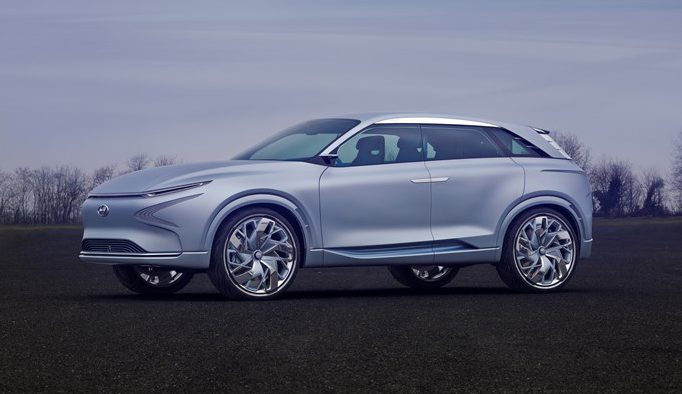
For reasons unbeknownst to me, Hyundai Motors revealed its next-generation hydrogen fuel cell concept at the Geneva Motor Show this week — showing continued commitment to the technology, despite the lack of infrastructure needed to make it truly viable. Dubbed the FE, or “Future Eco,” the company says the SUV alludes to its next phase of zero emission vehicles.
Sporting similar dimensions, the FE will likely replace the $50,000 Tucson Fuel Cell once it assumes its final form, because it cannot possibly go to market looking like this. Low profile whitewalls and oversized drug dealer rims rarely end up as from-the-factory hardware. However, there are some interesting off-kilter features that might stick around.
Honda Attempts to Sell Hydrogen Power With Vastly Unsettling Ad Campaign

Telling someone that you can run a car on hydrogen — a greenhouse gas — and emit clean water as the singular byproduct is already an extremely novel concept. You don’t need a laser light display or sideshow antics to make that fact more interesting or palatable. In the case of Honda, you absolutely do not need to include the disembodied heads of singing children bathed in light. In fact, the actual message might even become partially lost in the abyss of confusion you’ve created as people furrow their brows and wonder if someone has snuck a psychoactive drug into their beverage.
For reasons clearer to hired visual artist Adam Pesapane than myself, the 2017 Clarity Fuel Cell ad campaign uses a central theme of floating heads — frequently representing chemical compounds and molecular structures. The end result is as informative as it is unsettling, though it heavily favors the latter.
Not Giving up on Hydrogen, GM and Honda Announce Joint Venture in Michigan

A quick look at the automotive landscape of 2017 tells us that electricity, long relegated to golf courses and RC cars, is the chosen successor to gasoline and diesel propulsion. However, automakers are hedging their bets on the best way to create those electrons.
Despite a critically meager refueling infrastructure, hydrogen lives on as a potential source for that energy, and select automakers continue a quest to equip our future vehicles with containers of lighter-than-air gas. To this end, General Motors and Honda partnered up back in 2013.
Now, we know the next step in the two automotive rivals’ plan.
Jaguar Design Director: Hydrogen Power is a 'Disaster'
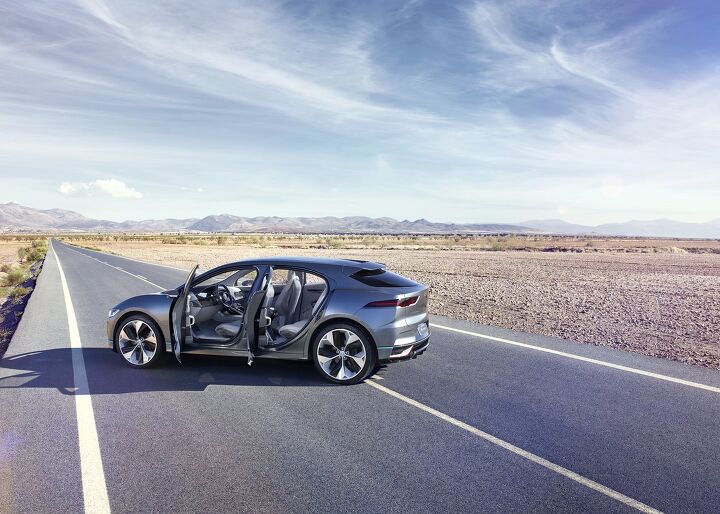
Jaguar Land Rover’s technical design director Wolfgang Ziebart is decidedly not a proponent of hydrogen-fueled vehicles.
Due to the amount of energy required to produce, cool, and then compress hydrogen for transportation and subsequent usage within a fuel cell vehicle, Ziebart is highly critical of its role as a practical automotive energy source.
Still, a minority of automakers disagree.
Chevrolet Colorado ZH2: Clean, Green, Quiet Warfare Awaits
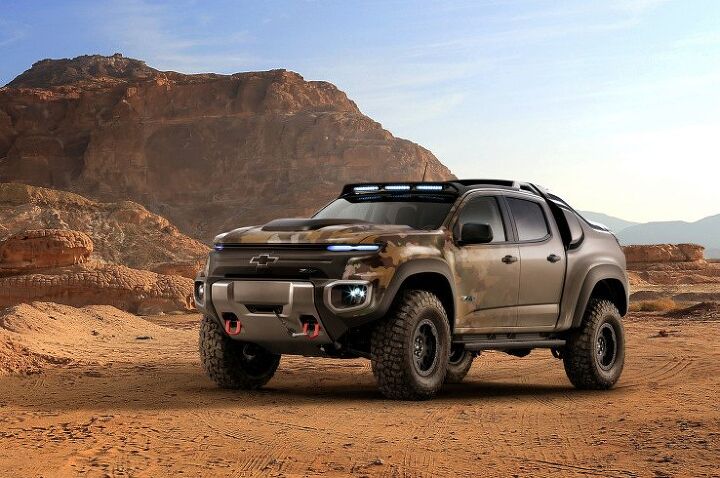
General Motors has rolled out a unique variant of its popular midsize Chevrolet Colorado pickup in advance of U.S. military trials scheduled to begin next year.
The Colorado ZH2, seemingly plucked from the set of a Mad Max sequel, has seen its frame and body stretched, reinforced and modified to within an inch of its life, and draws its power from a hydrogen fuel cell.
If this sounds like eco-nonsense, and you’re wondering when the U.S. Navy will announce a return to sail, hold on — there are tactical advantages to the vehicle’s powertrain.
Hydrogen-Fueled Driving is the Dream That Won't Die, and Ford Wants to Make It Cheaper
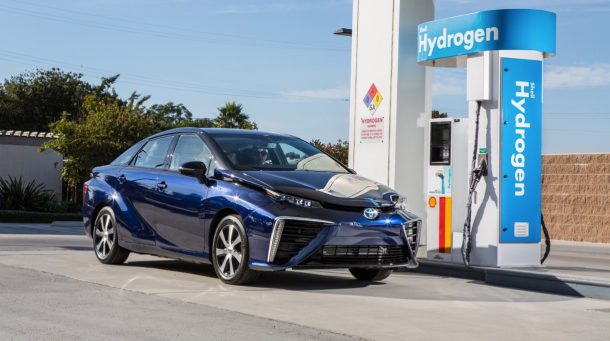
Hydrogen fuel cell vehicles have been in development for as long as hybrids, but while one of those technologies can be found in any Walgreens parking lot, the other still occupies a tiny micro-niche in the marketplace.
Besides the lack of refueling infrastructure, hydrogen-powered driving is hindered by the high cost of fuel cells. After receiving $6 million from the feds, Ford Motor Company and the Los Alamos National Laboratory hope to change that, the Detroit Free Press reports.
Sergio's Crystal Ball: FCA Boss Doesn't Think EVs Are the Future

Fiat Chrysler Automobiles CEO Sergio Marchionne likes to keep people guessing, which is no surprise to those following the rapid-fire product changes at his company.
With his company’s fortunes buoyed by sales of thirsty Ram and Jeep vehicles, Marchionne remains fascinated and distrustful of electric automaker Tesla, telling Britain’s Car Magazine that the future of propulsion likely lies somewhere else.
The question is, what’s Marchionne doing about it?
BMW's Game Plan: Connectivity, Autonomous Technology and a Whole Lot of Plug-ins

BMW Group is laying out its game plan for the future, and it includes a lot of new electric vehicles.
Beyond the marketing buzzwords, there’s much similarity between BMW’s plan, released yesterday, and those of so many other automakers: building high-tech convenience and connectivity into their vehicles, diversifying their electric offerings, developing autonomous driving technology, and making the customer feel extra special.
The immediate effect on BMW’s rolling stock will be an expanded “i” range of all-electric or plug-in hybrid models, starting with a convertible version of the i8 and a longer-ranged version of the i3 by the end of this year.
TTAC News Round-up: Honda Wants a Cheaper Future, Cash for Airbag Woes, and Tesla Races Itself

The world needs to be saved, but who wants to spend more money doing it?
That, cash lands on Takata-plagued dealers, Tesla takes to the track, BMW wants you in and out fast, and Volkswagen dreams of slaying the Prius … after the break!
Tokyo Motor Show 2015: The Full-size Lexus LS-FC Is A Helluva Boat For A Flagship

Lexus took the wraps off its LS Concept in Tokyo on Tuesday to showcase the automaker’s big plans for its flagship sedan.
The car — which is about as long as a 1995 Cadillac DeVille Concours — boasts a hydrogen power plant to drive all of its wheels, an “advanced human interface” to recognize hand gestures, and a spindle grille the size of Rhode Island.
The concept shows the direction Lexus designers may take for its future full-size sedan, including floating L-shaped lights in front and back.

Toyota Banks on Hydrogen - Not EV - For Future Power

Toyota officials insisted Wednesday that its hydrogen-powered cars, such as the Mirai, will comprise up to 30,000 sales by 2020, and will help the automaker eventually reduce emissions from cars it produces by 90 percent by 2050.
The Associated Press ( via Detroit News) reported that the automaker said it would work with investors and governments to deliver on its promise of producing only a small number of gasoline-powered cars for small countries in 35 years.
“You may think 35 years is a long time. But for an automaker to envision all combustion engines as gone is pretty extraordinary,” Senior Managing Officer Kiyotaka Ise said, according to the AP.
Lexus 'Progressive Luxury' Concept, GS F on Display in Tokyo

Lexus announced Friday that it would show a concept for “progressive luxury” at its Tokyo Motor Show stand when the show starts later this month.
The car, which Automotive News reported could be a concept for its flagship LS sedan, may be powered by a hydrogen fuel cell, hybrid or Bernie Sanders.
Lexus may also need to update its CT 200h, which is based on the Prius. Toyota is rolling out its new 2016 Prius, which will be the first car based on Toyota’s new global architecture. The CT 200h went on sale in 2011 and hasn’t changed much since.
Honda Has Another Hydrogen Car It Wants To Talk To You About

Honda took the wraps off its hydrogen-powered FCV sedan Wednesday. It that will pick up from where the FCX Clarity left off last year.
The FCV will be shown Oct. 28 at the Tokyo Motor Show this year, alongside the automaker’s NSX and Civic Type R. (Any bets on what goes on sale first?) However, it probably won’t be called the FCV when it goes on sale next March in Japan in sometime after in the U.S. Like the FCX Clarity, the FCV may not have much of a life outside California — that’s really the only state with a semblance of hydrogen fuel infrastructure.
Senate Committee Approves Bill to Help Detroit Make Hybrids
A U.S. Senate committee for transportation passed along a bill Thursday that included provisions to help domestic automakers develop and build cleaner vehicles, the Detroit News is reporting.
The proposal, dubbed the Vehicle Innovation Act, was included in a larger clean energy bill taken up by the committee. The Vehicle Innovation Act would set aside $313.6 million next year for research and development of hybrid technology, battery development and alternative fuels such as natural gas. Funding would increase by 4 percent every year up to 2020.
Nearly all major U.S. automotive lobbies representing manufacturers supported the proposal.
Toyota Taking Reservations for Mirais in California Next Week

Californians itching to claim one of the first of Toyota’s hydrogen-powered Mirai can raise their hands starting next week, the automaker announced.
Toyota announced today it would begin accepting reservations for the Mirai starting July 20. The sedan will cost $57,500, according to the manufacturer, and will be available only at eight California dealerships. Only California residents can buy the car.
Nissan, Toyota, Honda Team to Build Fuel-Cell Infrastructure in Japan
According to Toyota, three Japanese automakers — Honda, Toyota and Nissan — are working together to build hydrogen fuel stations around for future fuel-cell cars.
The program, which will subsidize fueling stations up to 11 million yen ($89,500) per year for each station, is meant to boost the nation’s infrastructure for hydrogen-powered cars.
Hyundai Struggles Against Infrastructure Issues To Meet Global FCV Sales Target

Global sales of Hyundai’s Tucson Fuel Cell haven’t been able to match sales targets since the FCV’s launch in 2013, though not for a lack of trying.

Japan Hydrogen Ambitions Fall Short Of March 2016 Target
Japan’s ambition to have 100 hydrogen fueling stations by next March may fall short of reality now that the deadline to apply for subsidies has passed.
Virginia Tech Transforms Corn Stover Into Hydrogen

Just as corn kernels have found their way into gas tanks, corn stover could soon end up in fuel cells.
DeltaWing Entering GT, Eyeing Future Showroom Debut

Coming soon to a track near you, DeltaWing will bring its signature design to the GT class, and eyes set on the showroom down the road.
Hyundai, South Korean Government Opening Fuel-Cell Innovation Hub
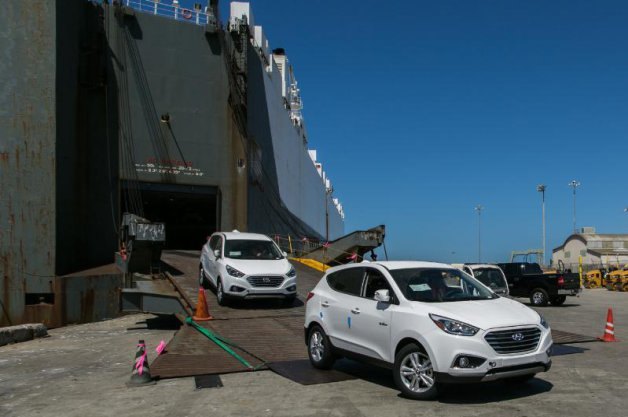
Hyundai Motor and the South Korean government are coming together to open a hydrogen innovation center to help spur a creative economy.
Toyota Unveils Silicon Carbide Semiconductor Trial

Toyota unveiled its plans Wednesday to trial a new hybrid system using silicon carbide power semiconductors that could find its way into hybrids and EVs.
Toyota Marketing Mirai With $8K Hydrogen Credit Despite Expiration

Despite the recent expiration of the $8,000 federal credit for hydrogen vehicles, Toyota is still marketing its Mirai as if it never happened.
Carter To Musk: Hydrogen Just One Basket For Toyota's Eggs
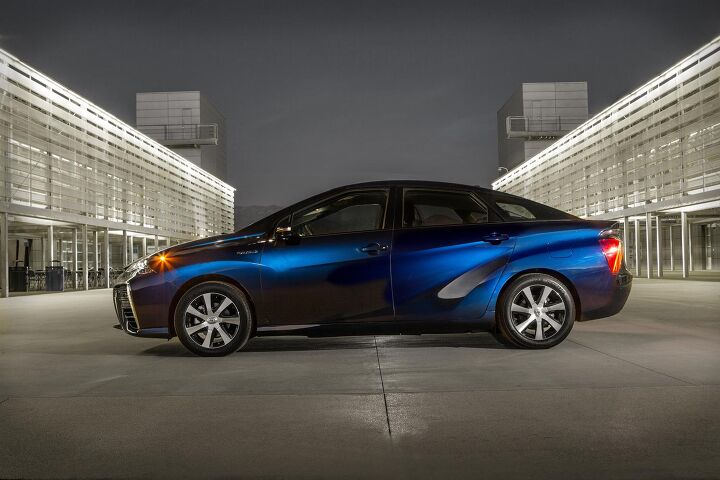
Remember when Tesla CEO Elon Musk declared that Toyota was a fool to invest in hydrogen? Twice? Toyota had a few words to say in return last week.
California University First In State Certified To Sell Hydrogen

Cal State L.A. now has the first hydrogen fueling station in California certified to sell the fuel by the kilogram.
Redesigned 2016 Honda Pilot Arriving In US Showrooms After HR-V
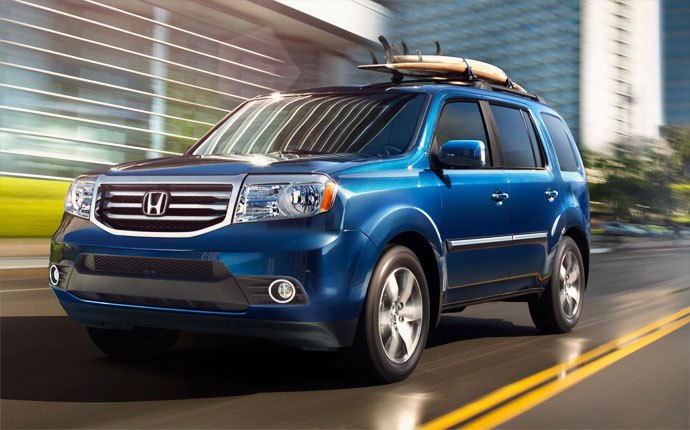
Soon after the 2016 Honda HR-V hits the showroom this spring, the redesigned 2016 Pilot will follow.
Toyota Receives Over 1,500 Orders For Mirai FCV In Home Market
One month after Toyota began sales of its Mirai FCV in Japan, around 1,500 have been ordered thus far, well over the 400 the automaker thought it would sell for the entirety of 2015.
NAIAS 2015: Honda Debuts FCV Concept In North America
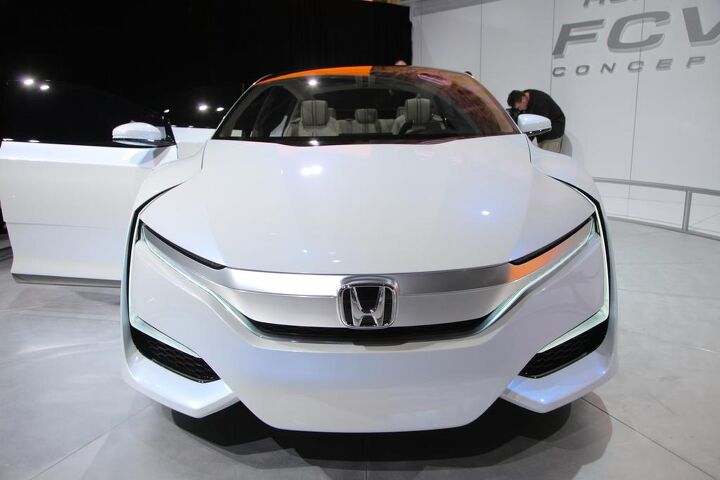
After making its global debut in Tokyo last year, the Honda FCV Concept bowed in Detroit for its North American unveiling.
Toyota Grants Royalty-Free Use Of Over 5K Hydrogen Patents

Toyota Planning Lexus FCEV For 2017
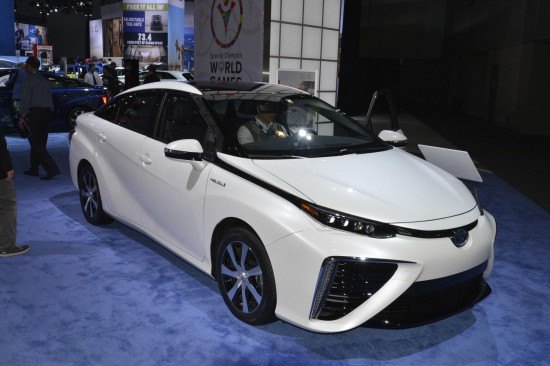
Love the idea of hydrogen, but can’t fathom paying nearly $60,000 for a Toyota? What if it were a Lexus?
113th US Congress Leaves $8K Hydrogen Credit On The Table
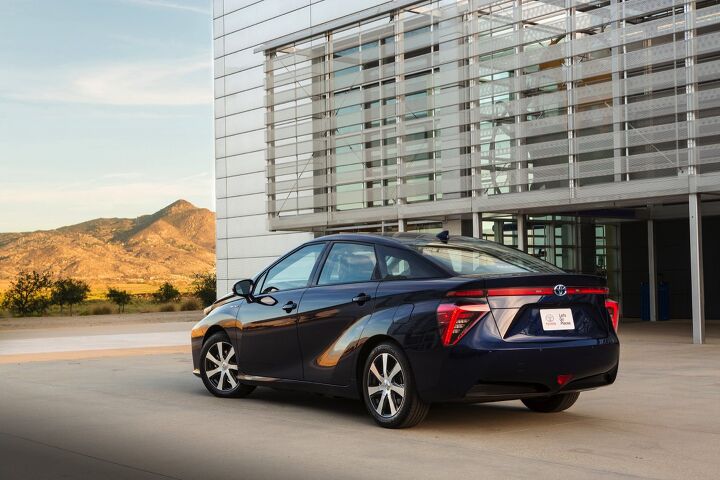
For the few who will be purchasing a Toyota Mirai in 2015, you may be out of luck as far as tax savings are concerned. For now, anyway.
Detroit 2015: Honda FCV Concept Ready For North American Debut
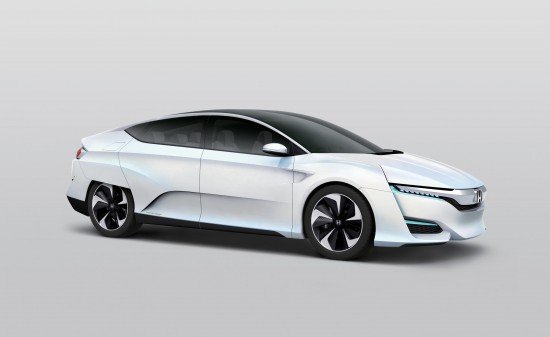
With the FCX Clarity now out of the picture, Honda is looking forward to the FCV’s replacement, a preview of which is set to bow at the 2015 Detroit Auto Show.
Sandia Labs: Underground Geologic Formations Hold Future Of Hydrogen Storage

Part of hydrogen becoming a viable energy option in the United States is infrastructure, which isn’t much at present. Should business pick up, however, hydrogen would need to be stored as cheaply as possible to facilitate greater adoption.
Toyota Increasing Mirai Production To Meet Strengthening Demand

Its looks leave the B&B cold, and is powered by a fuel whose infrastructure leaves a lot to be desired. So, how popular could the Toyota Mirai possibly be? Better than you’d expect.
Toyota: Don't Drink The (Mirai's) Water

Want to literally taste the future? Toyota would like for you to reconsider that notion.
Toyota's LFA Works Now Home To Mirai FCV Production

Remember when Herr Schmitt took us for a TTAC exclusive into the workshop that made the Lexus LFA? It’s now the home of the Toyota Mirai.
Accuracy Issues Real Reason For Free Hydrogen For FCV Owners

Toyota Mirai and Hyundai Tucson Fuel Cell owners will be able to refuel their new FCVs for free for three years, but only because it’s hard to put a price on hydrogen.
Honda UK Launches First Commercial Solar Hydrogen Facility
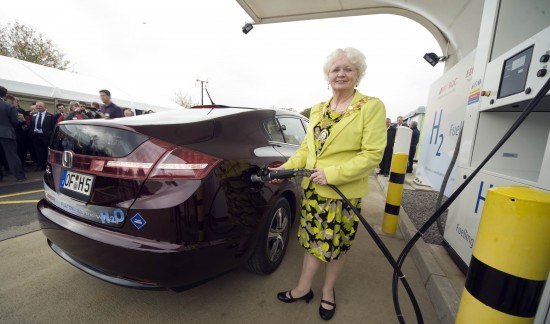
In a partnership with various organizations, including Briggs Equipment UK, BOC and the Swindon Borough Council, Honda UK has launched its first commercial-scale hydrogen production and refueling facility in its hometown of Swindon, England.
Mercedes Vision G-Code Study Shows Off Possible Future For SUV/CUV Lineup

Earlier this week, Mercedes-Benz opened its Product Engineering Centre in Beijing. To celebrate the occasion, the luxury brand unveiled a new design study: the Vision G-Code sporty utility coupe.
EU Withdraws 2020 Electric, Hydrogen Infrastructure Quota

The European Union is withdrawing a mandated quota of EV and hydrogen refueling stations that are to be installed in member states by 2020. Instead, the governing body is asking each member install an “appropriate number” of publically accessible EV stations by the start of the new decade, with hydrogen due by 2025 for those who choose to develop the resource.
Toyota Raffling First US-Bound Mirai FCV

If you’d like to be one of the first in the United States to hop aboard the silver future of FCVs, but would also like to keep as much money in your wallet as possible, then Toyota has a Mirai for you.
German Government Unveils Bill To Spur ZEV Adoption
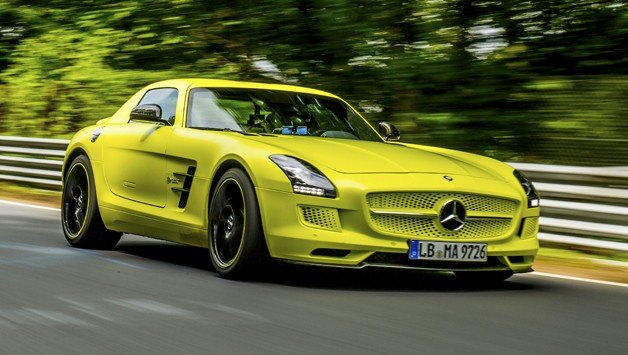
Should you happen to call Germany home and are shopping for a car, the government would like to offer you free parking, tax exemptions for 10 years, and bus-lane privileges if you purchase an EV, FCV or PHEV.
Volkswagen: Hydrogen Will Struggle Outside of Japan
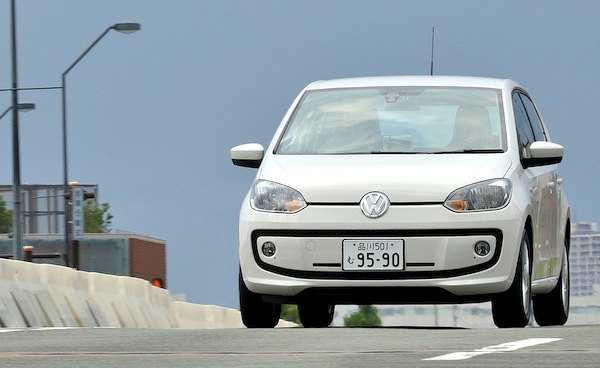
While Toyota and the administration of Japan Prime Minister Shinzo Abe are going all in on hydrogen, Volkswagen Group Japan President Shigeru Shoji proclaims FCVs will struggle to make headway elsewhere.
Tesla, Toyota May Develop New Project Within Three Years

Though Toyota and Tesla have, to paraphrase Fleetwood Mac, gone their own way while their RAV4 EV project draws to a close, Tesla CEO Elon Musk says he sees his company working with Toyota in two to three years’ time.
California ZEV Democratization Initiative Passes State Assembly

Remember when we reported on an initiative to bring ZEV credits and incentives to low-income residents in California? The initiative is two steps away from becoming law.







Recent Comments