


Used Car of the Day: 2011 Mitsubishi Evo MR
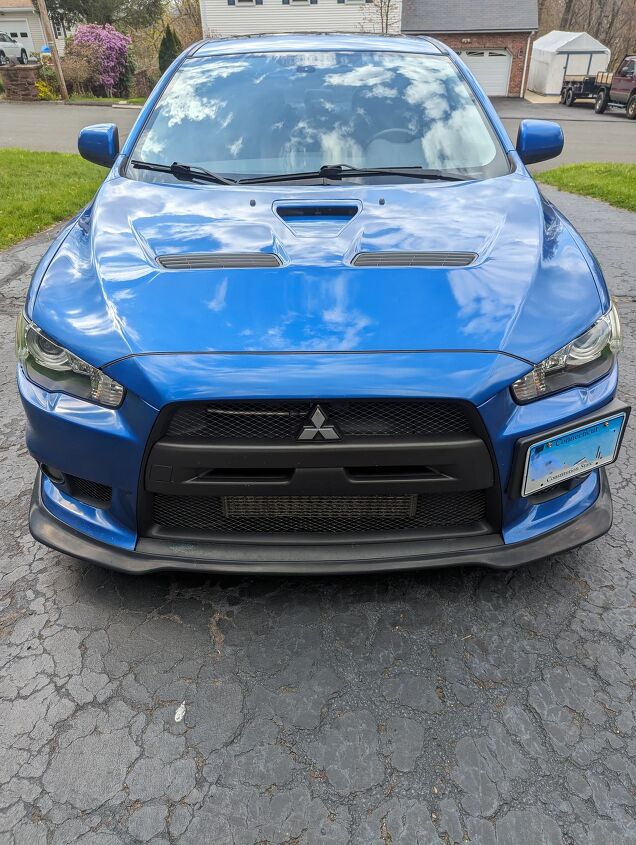
Today we're bringing you a 2011 Mitsubishi Evo MR that might need a bit of work.


Used Car of the Day: 2010 Audi A3 Wagon
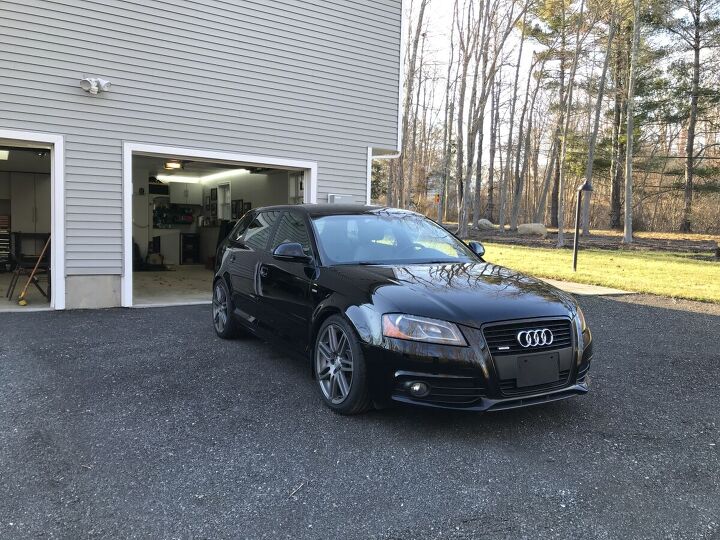
We love wagons around here, and the recent trend continues with this 2010 Audi A3 wagon.
Used Car of the Day: 2006 Volvo V70R
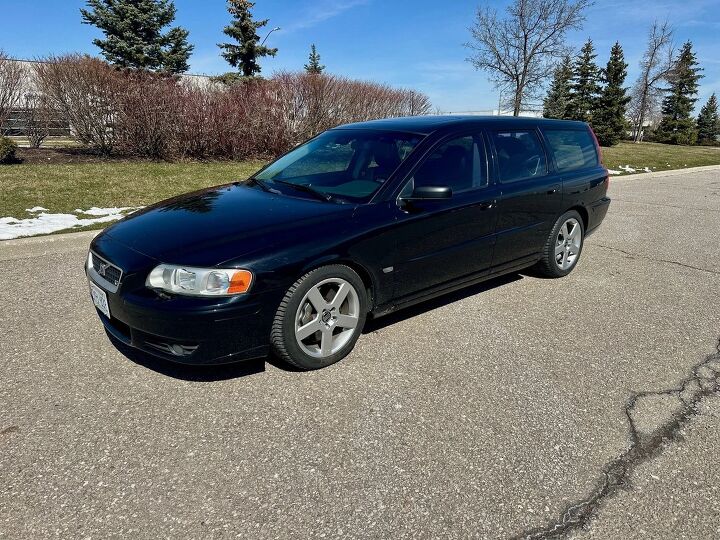
Today we bring you a manual-transmission wagon. Got the vapors yet? It's also Swedish. It's a 2006 Volvo V70R.
Used Car of the Day: 1994 Mercedes-Benz E320 Wagon
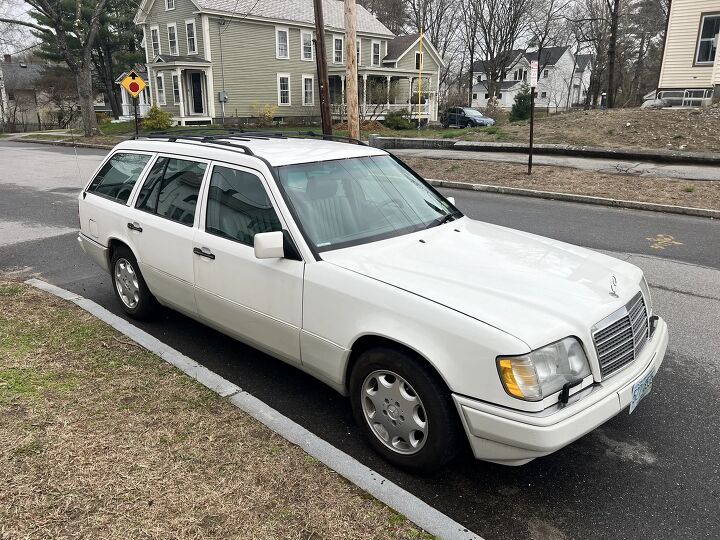
Once again, our UCOTD is a wagon. What can we say, we love wagons. In this case, it's a 1994 Mercedes-Benz E320 wagon.

Used Car of the Day: 1996 Volkswagen Derby

Today we bring you a car that wasn't, to my knowledge, sold new in the United States. It's a Mexican-spec Volkswagen Derby. Which was basically a rebadged SEAT Cordoba.
UCOTD: 2004 Volkswagen Passat GLS Wagon
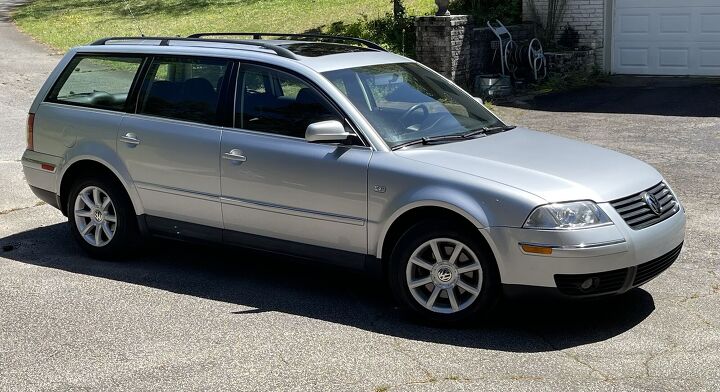
Today we bring you some wagon goodness -- a 2004 Volkswagen Passat GLS wagon.
Used Car of the Day: 2009 Scion xB
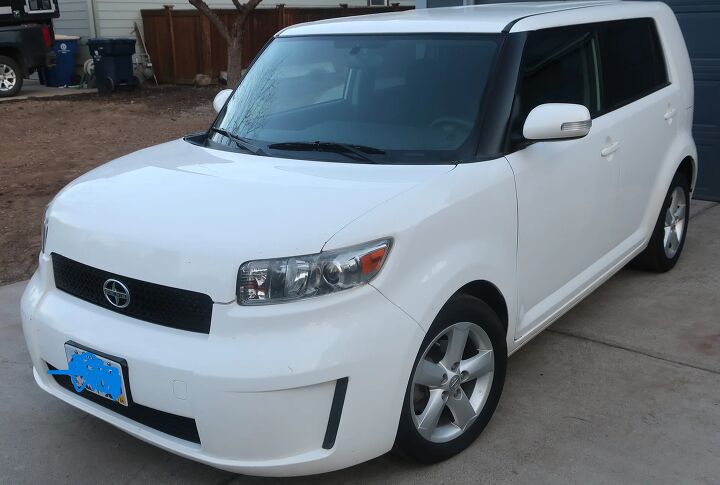
This might be the first Scion ever featured in this series. Certainly, it's probably not the last Scion (hey hey!). Anyway, this 2009 Scion xB has a five-speed manual and 123,000 miles.
Used Car of the Day: 2001 Ford Mustang Bullitt
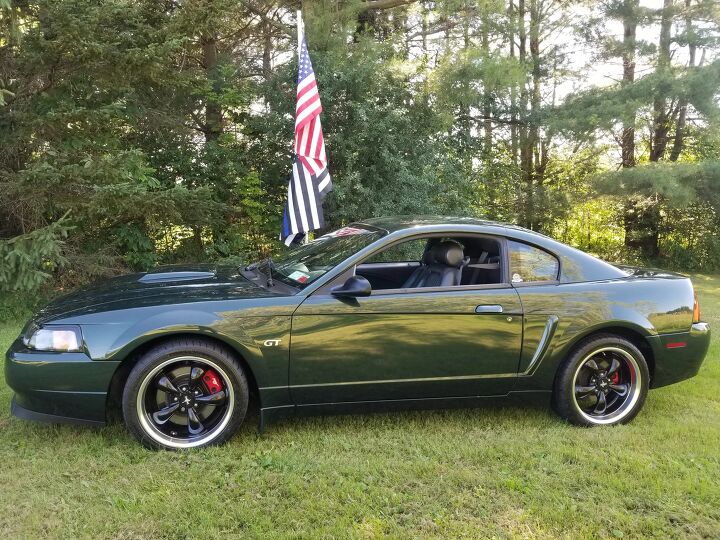
Today's UCOTD is a 2001 Ford Mustang Bullitt with 95,000 miles on the clock and plenty of mods.
Used Car of the Day: 2008 Porsche Cayman S

Today we give you a used 2008 Porsche Cayman S that costs more than many new cars.
Used Car of the Day: 1983 Volkswagen Rabbit Pickup
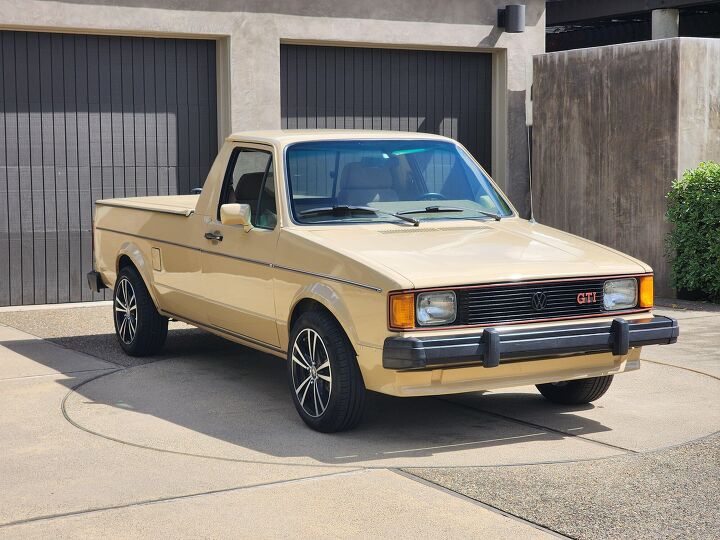
Today we bring you an old-but-clean trucklet.
This 1983 Volkswagen Rabbit pickup has GTI badging and our interest.
Used Car of the Day: 2008 Jeep Grand Cherokee SRT8
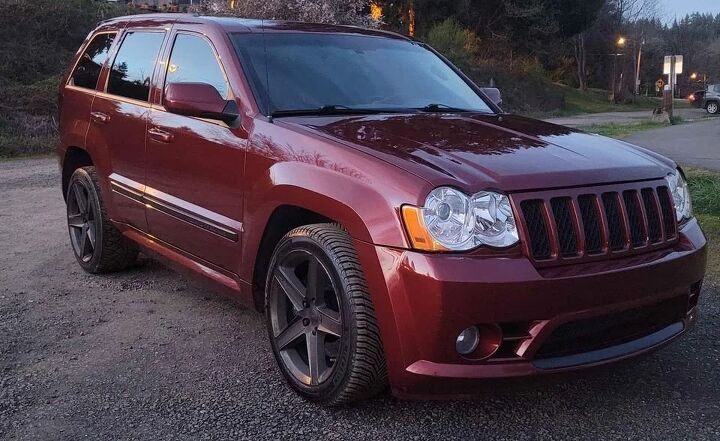
Today we bring you a hot-rod 2008 Jeep Grand Cherokee SRT8 with under 60K miles on the clock.
Used Car of the Day: 2002 Honda Accord Coupe
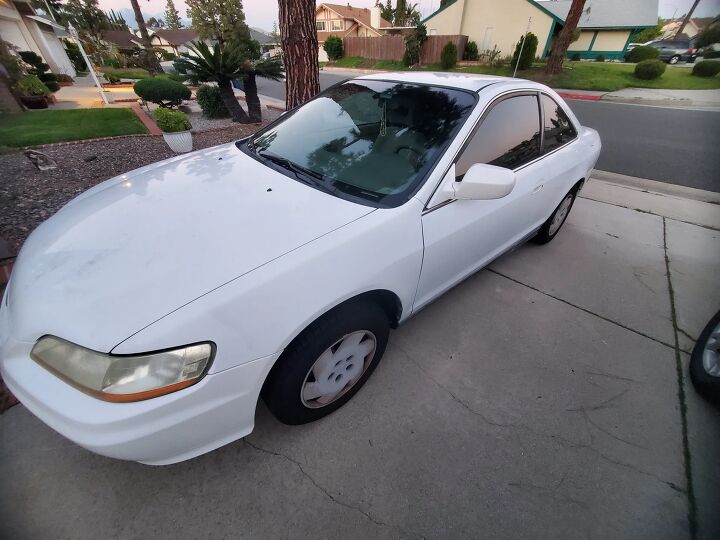
I'm a sucker for a good Honda Accord coupe -- even owned a '97 for a while -- and this 2002 Honda Accord Coupe reminds me of how cool these cars could be.
Used Car of the Day: 1991 Dodge Ramcharger
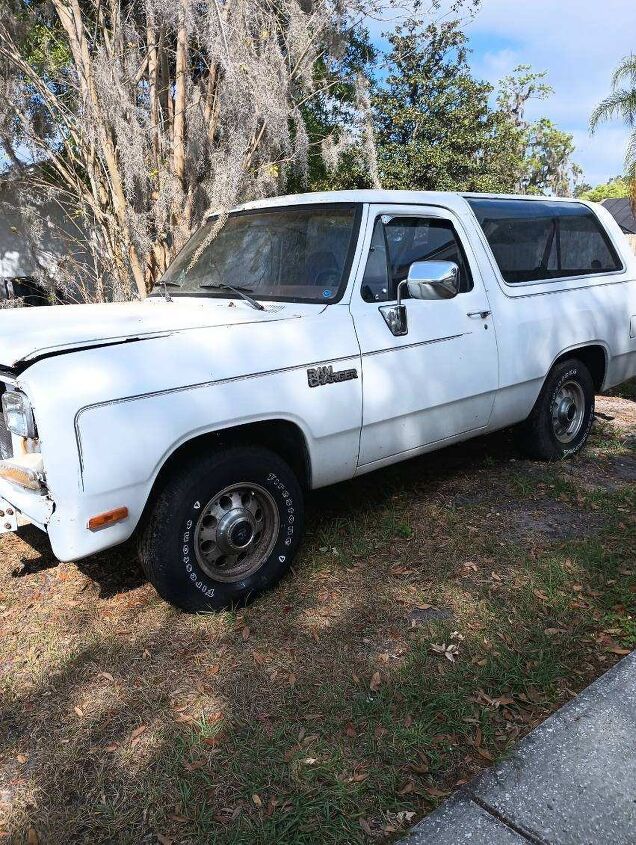
Today we're going back to the "doesn't run but could be restored" well with this 1991 Dodge Ramcharger.
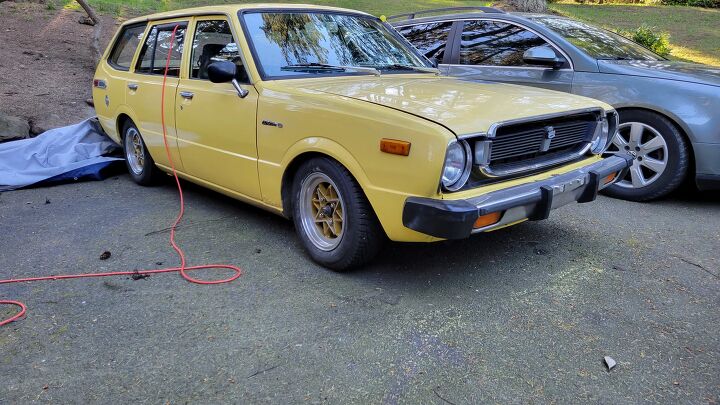
Used Car of the Day: 2002 Nissan R34
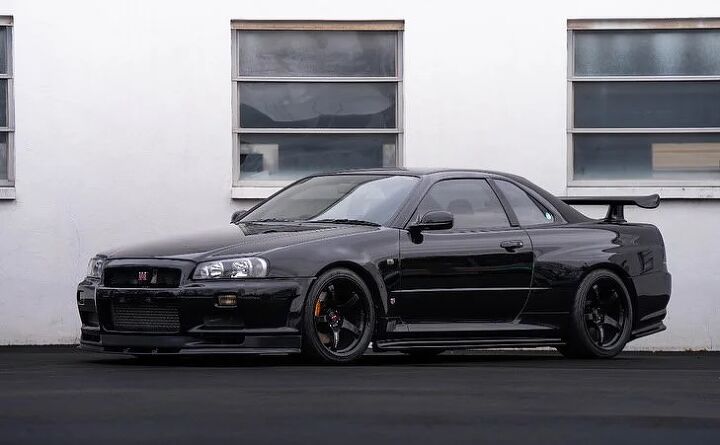
Today we bring you an insanely expensive used car -- it's so expensive because it's so rare.
It's 2002 Nissan R34.
Used Car of the Day: 2008 Saab 9-3 Aero
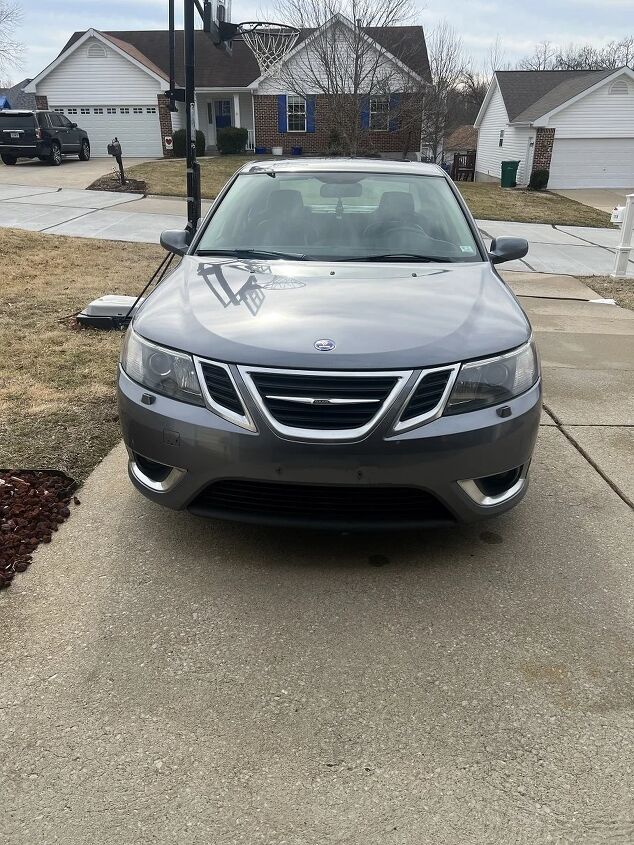
It's been a minute since I've seen a Saab in our forums. This 2008 Saab 9-3 Aero caught my eye, though.
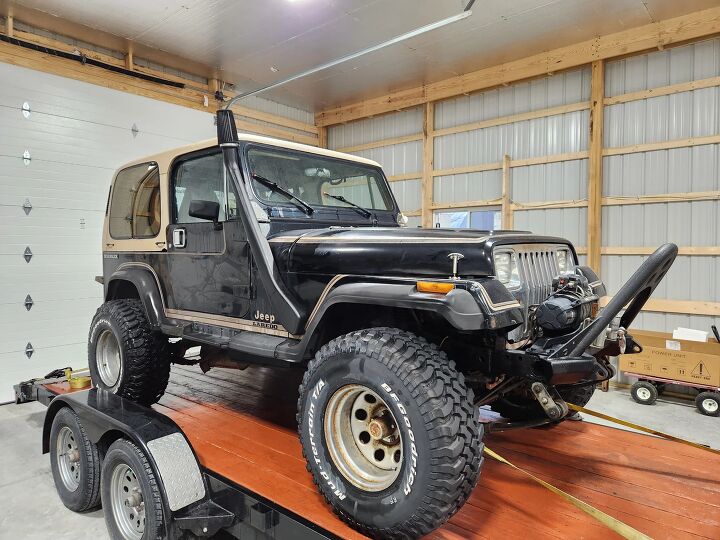
Used Car of the Day: 1999 Jeep Grand Cherokee
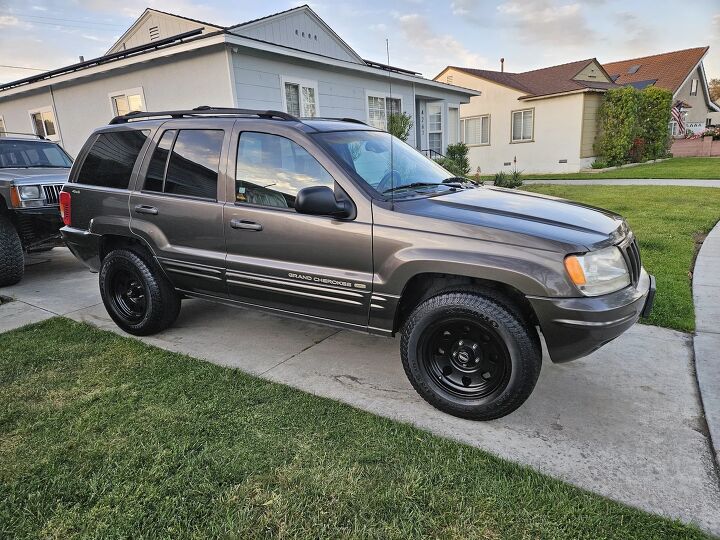
Today we bring you some cheap wheels. The ask for this 1999 Jeep Grand Cherokee is just $3,800.
Used Car of the Day: 2006 Mercedes-Benz S-Class
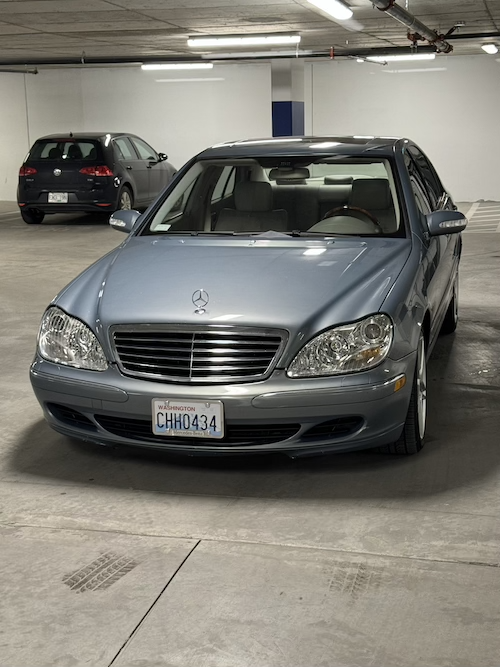
If you want a flagship luxury sedan at an affordable price, today's your lucky day.
There is a catch, though -- this one is a 2006 Mercedes-Benz S-Class, not a brand new one.
Used Car of the Day: 1997 Land Rover Defender 110
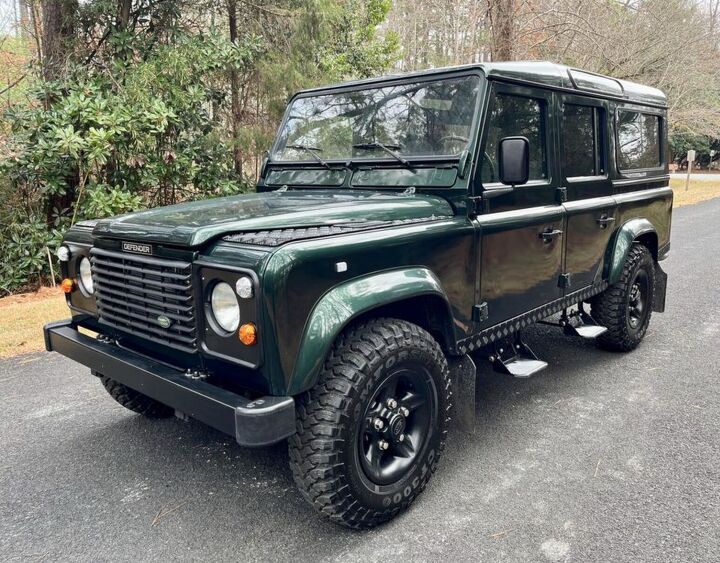
I've said it before, but I have a weak spot for 1990s Land Rover Defenders.
So this one has me considering lottery tickets. It's a pricey 1997 Land Rover Defender 110.
Used Car of the Day: 2016 Ford Focus RS
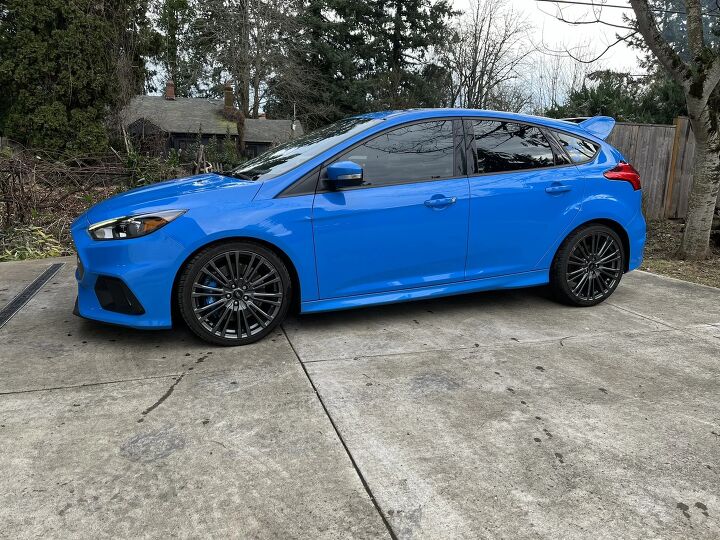
The 2016 Ford Focus RS has been beloved around these parts for being fun to drive. Today we feature a low-mileage example out of the Pacific Northwest.
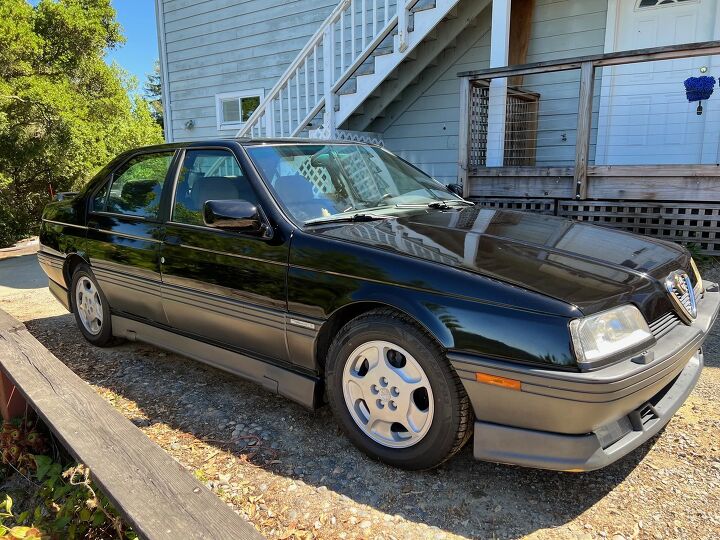
Used Car of the Day: 2000 Jeep Wrangler
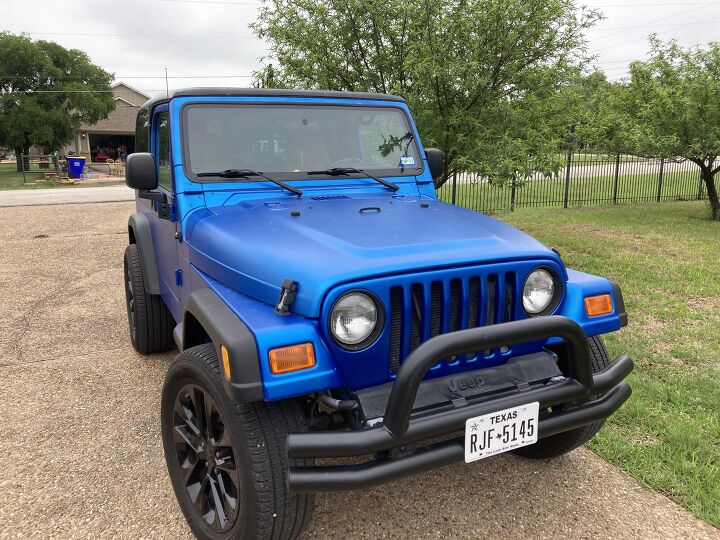
Hey there, want a 24-year-old off-roader? This 2000 Jeep Wrangler might be the ticket.
Used Car of the Day: 2007 Volkswagen EOS
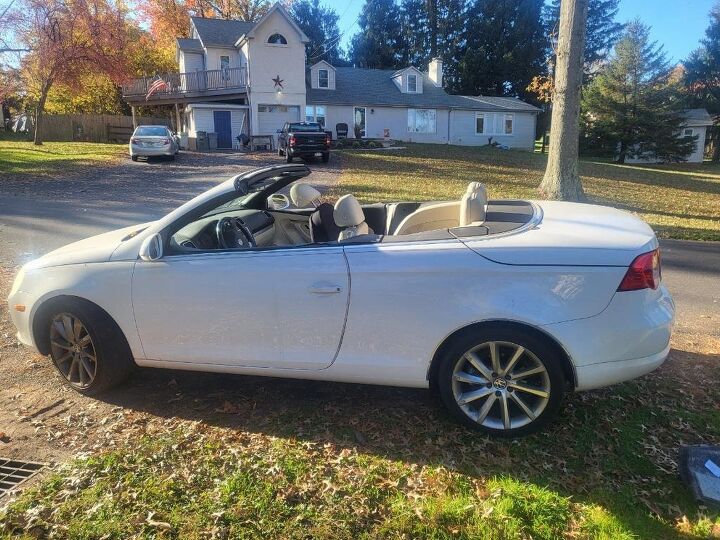
With spring around the corner, we bring you a drop-top. It's a 2007 Volkswagen EOS.
Used Car of the Day: 1965 Volvo 122S
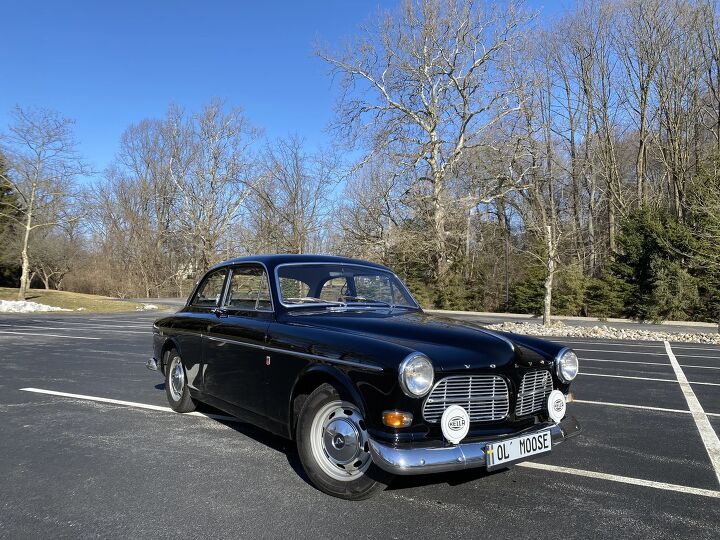
Unofficial Volvo week continues. I wanted to move on from Sweden but this 1965 Volvo 122S is too unique to pass up.
Where Your Author Owns a Used BMW Convertible for a Year

It seems only a couple of months ago I reported on my experience traveling from Cincinnati to Nashville to purchase the 2010 BMW Z4, thus satisfying a used convertible car search that lasted for a year and a half. Though that search was much more lengthy than I’d have preferred, I was convinced at this time last year that I selected the right car for my usage case. But does that still ring true, do I still think an old German car was the right choice?

Used Car of the Day: 2012 Volvo C30 R-Design
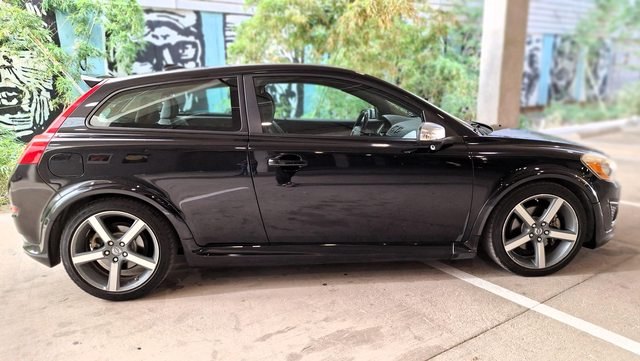
I know, I know, we've been Volvo heavy the past week or so. Sorry about that, but our forums keep filling up with cool Volvos.
Like this 2012 Volvo C30 R-Design.
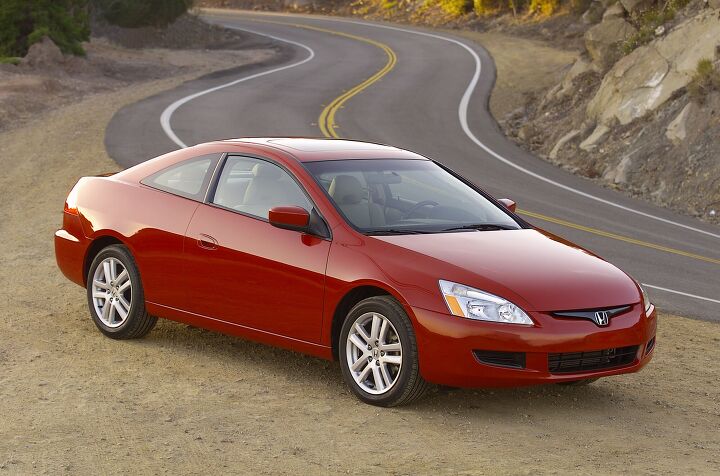
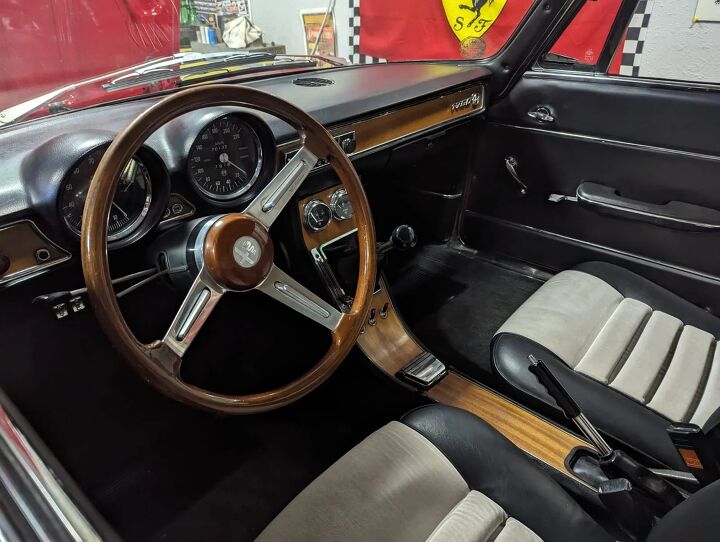
Used Car of the Day: 1998 Volvo V70 GLT
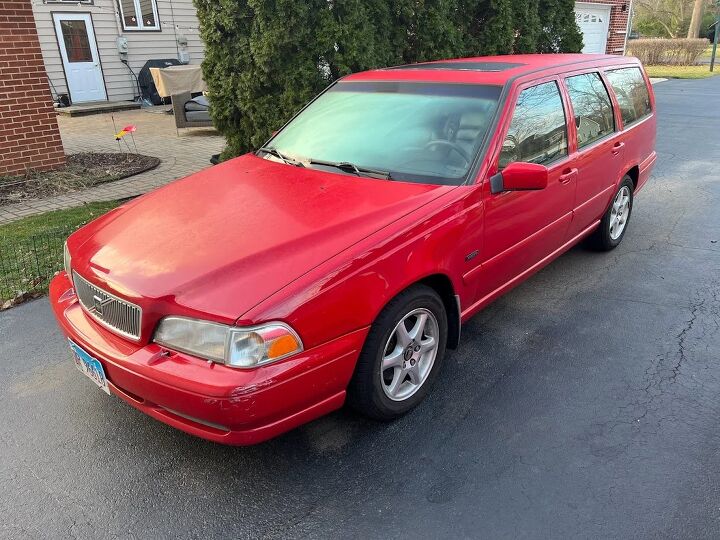
Yes, we're back on the Volvo kick. There's no real reason for this beyond the fact that the forum I pull from has been Volvo-heavy recently. And well, this one's a wagon. We all know wagons are cool again.
So, hit the jump to read about this 1998 Volvo V70 GLT.
Used Car of the Day: 1991 Toyota Supra
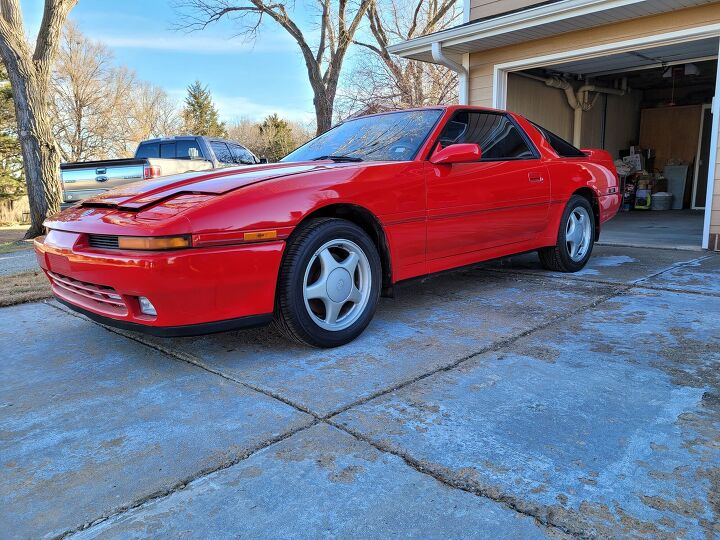
Our team is busy grinding away in the blog mines, so we've been quiet this morning. We'll start your afternoon off with a treat: A clean-looking 1991 Toyota Supra.
Used Car of the Day: 1971 Volvo 142s
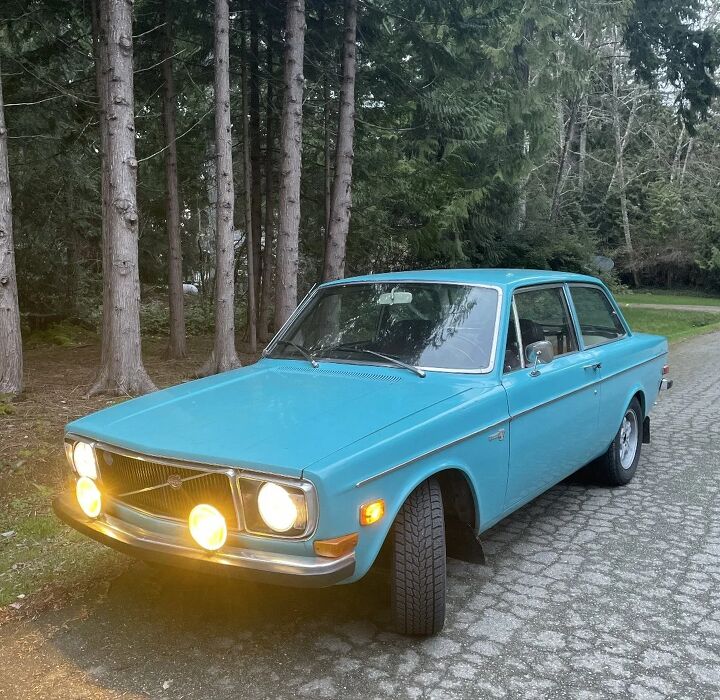
We're going back-to-back Volvo this week.
Today, it's a manual-transmission 1971 Volvo 142s.
Used Car of the Day: 1992 Volvo 940 GL Sedan
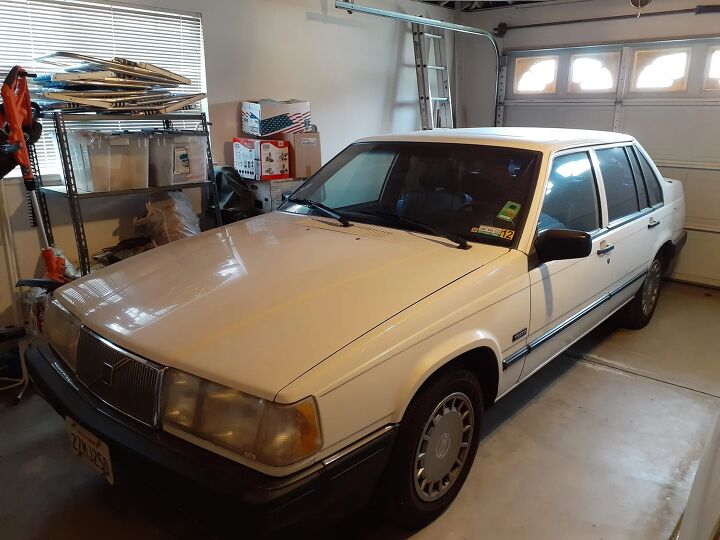
Today we bring you a '90s Swede. Hit the jump to see this 1992 Volvo 940 GL sedan.
Used Car of the Day: 1971 Volkswagen Transporter
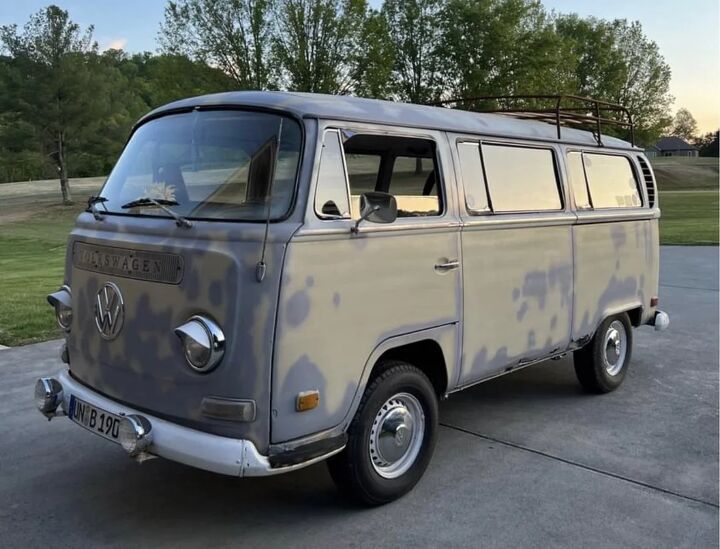
As I've mentioned a few times when writing this feature, I try to pick interesting stuff, even if the vehicle needs to be restored.
That is the case with this 1971 Volkswagen Transporter.
Used Car of the Day: 1988 Land Rover 110 300TDi
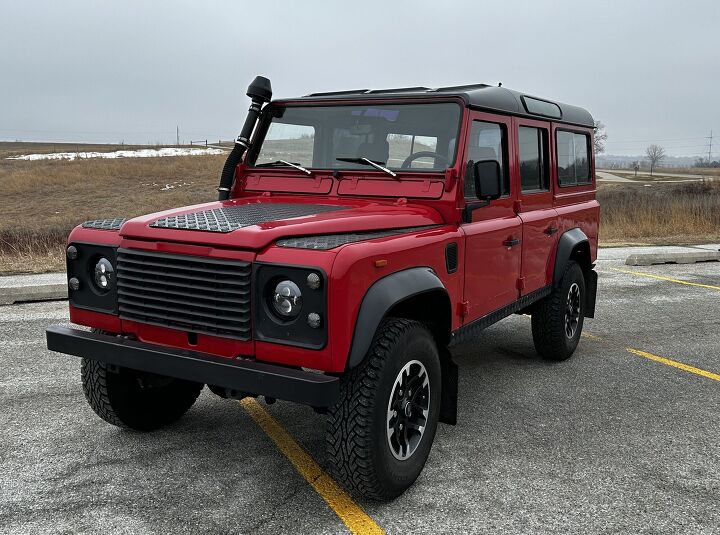
Only about 10 to 20 percent of the time do I want to actually buy what we post in this feature. I don't post vehicles I like -- I post stuff that I think you guys will find interesting (and yes, that includes half-dead vehicles in need of serious restoration). That said, this 1988 Land Rover 110 300TDi makes me feel things.
Used Car of the Day: 1998 Ford Mustang GT Convertible
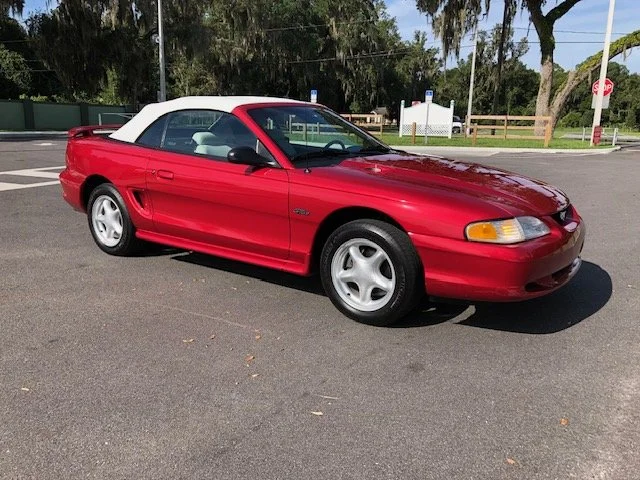
Today we're back after a brief hiatus. We haven't had a Mustang in this spot in a while, so we're featuring a 1998 Ford Mustang GT convertible on this fine Friday.
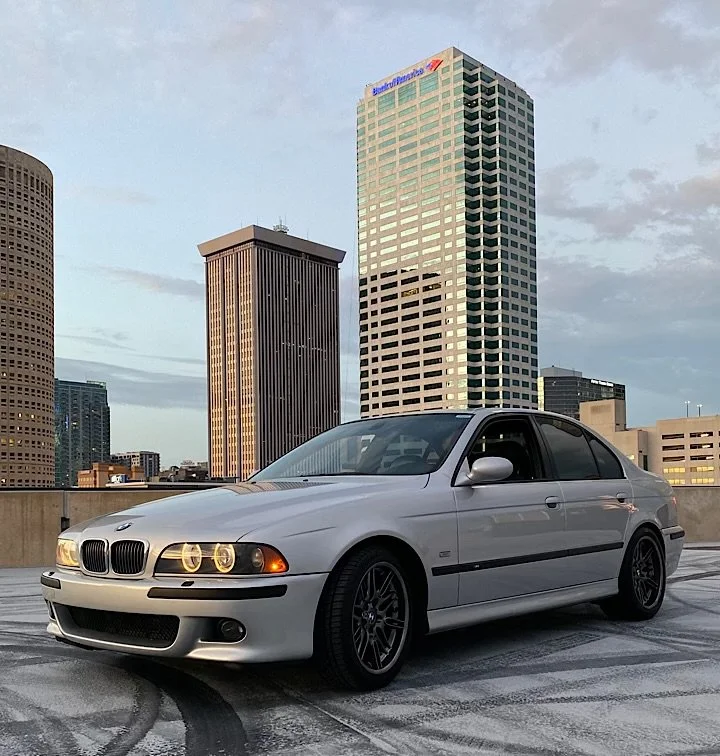
Used Car of the Day: 1988 Volvo 780 Bertone
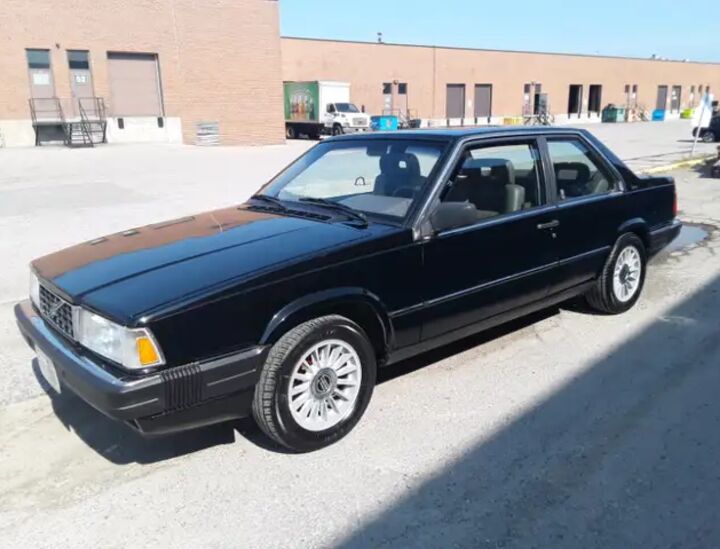
Today we're going north of the border to the home of our parent company to bring you this 1988 Volvo 780 Bertone.
Used Car of the Day: 2016 Volkswagen GTI
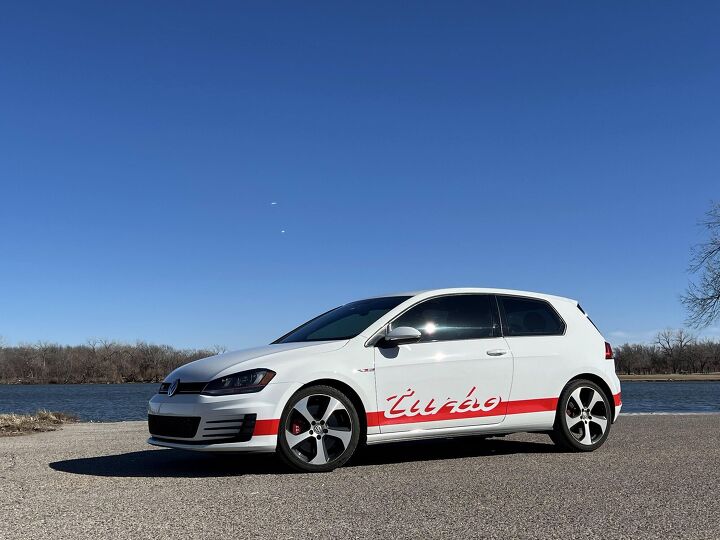
We're going back to the VW well today with this two-door 2016 Volkswagen GTI.
Yes, it's a manual.
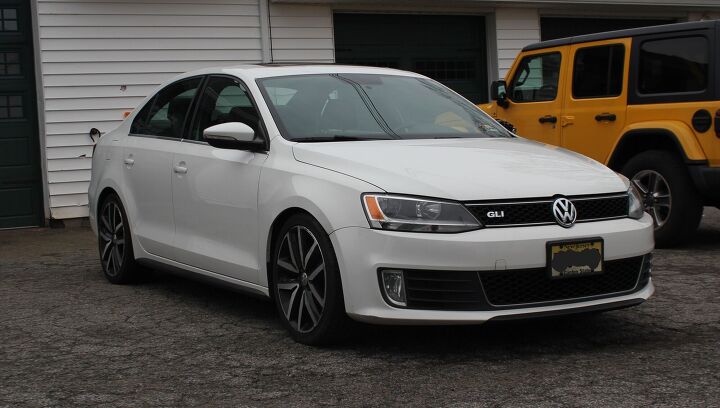
Used Car of the Day: 1987 Honda CRX Si
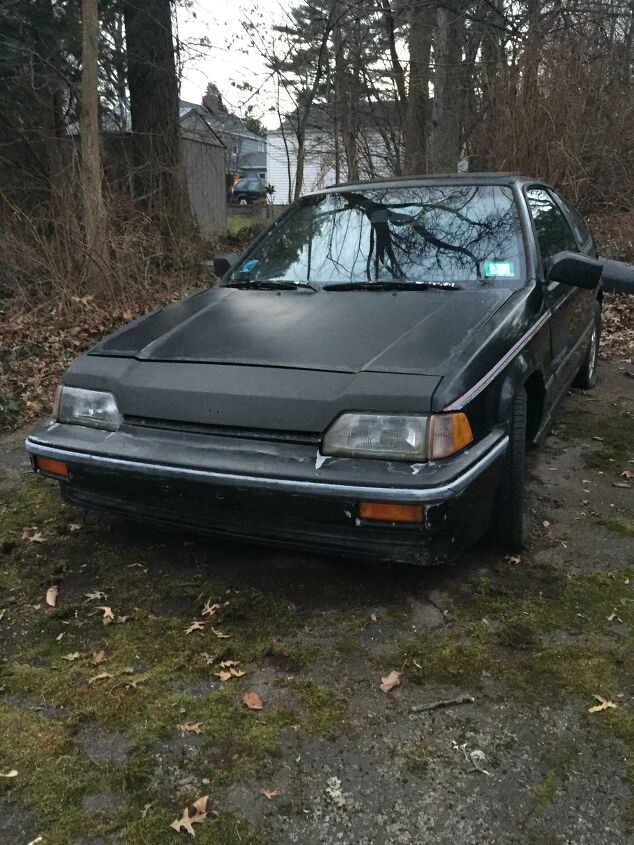
Today's UCOTD is clearly a project car. I just want to make that clear from jump. Remember, we run the gamut here -- we're not just looking for trailer queens or clean used cars that present a value.
So, today, we bring you a 1987 Honda CRX Si.
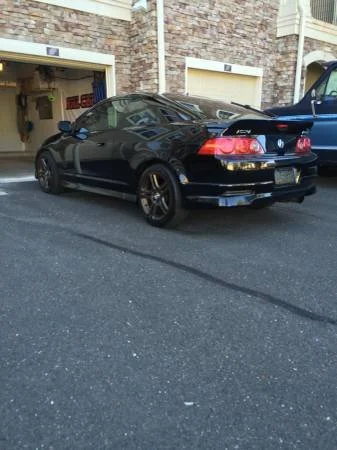
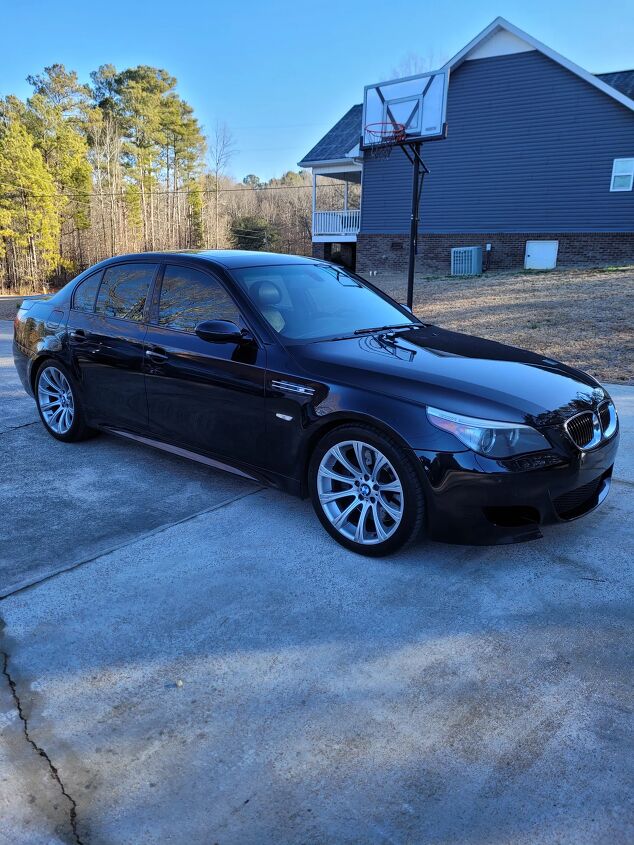
Used Car of the Day: Land Rover 109 Pickup
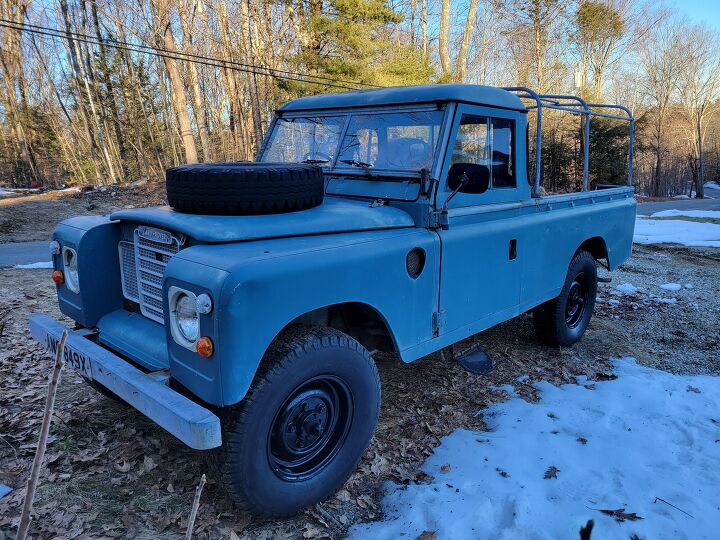
Do you like rare old trucks? I like rare old trucks. This Land Rover 109 of indeterminate year and mileage is definitely a rare old truck.
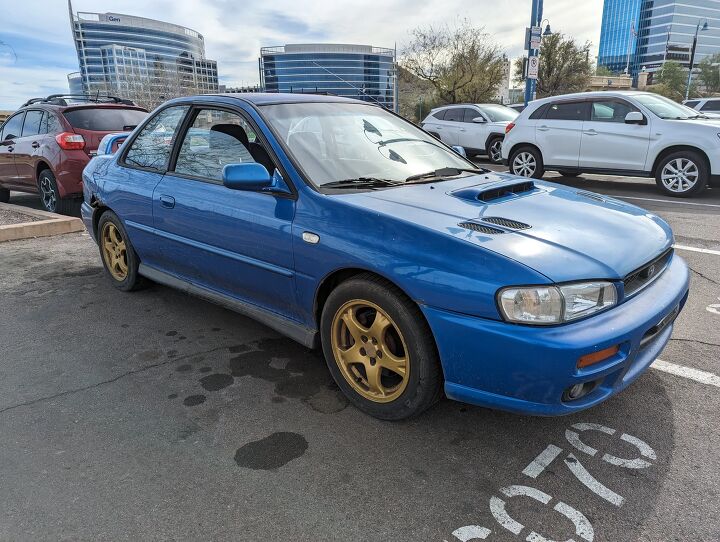
Used Car of the Day: 2002 Audi A6
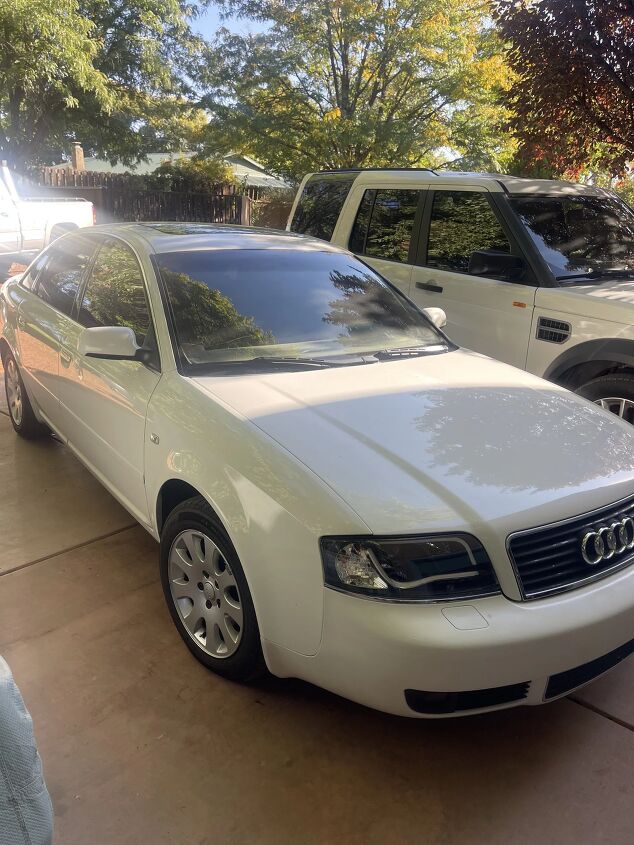
Today we bring another UCOTD with concise ad copy. This one is a 2002 Audi A6.
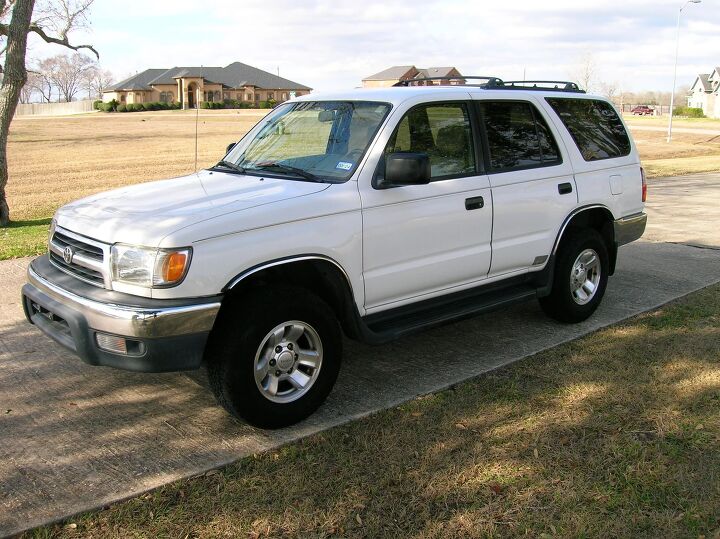
Used Car of the Day: 2005 Nissan 350Z 35th Anniversary Barn Find
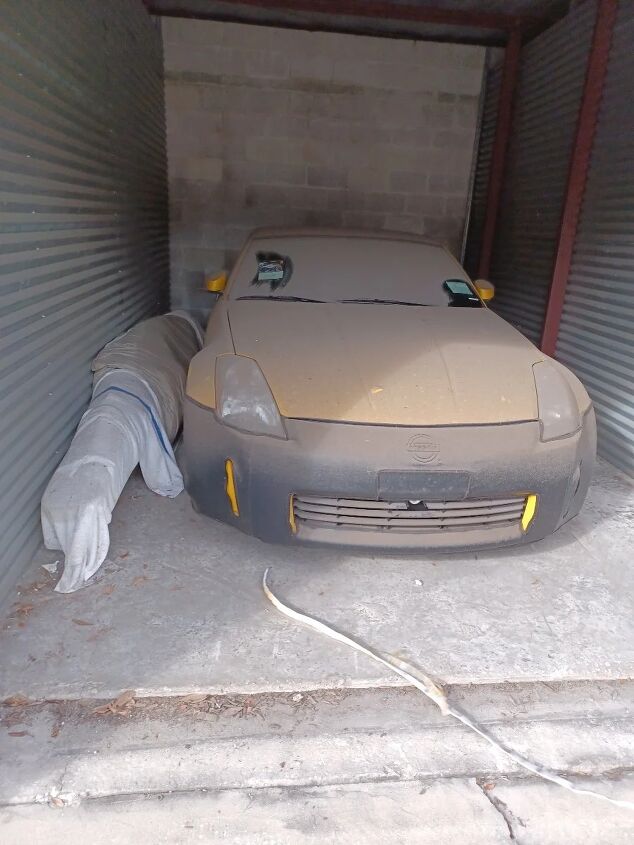
Today we bring you a literal barn find: A 2005 Nissan 350Z Anniversary Barn Find.
Used Car of the Day: 2005 Volkswagen Passat TDI
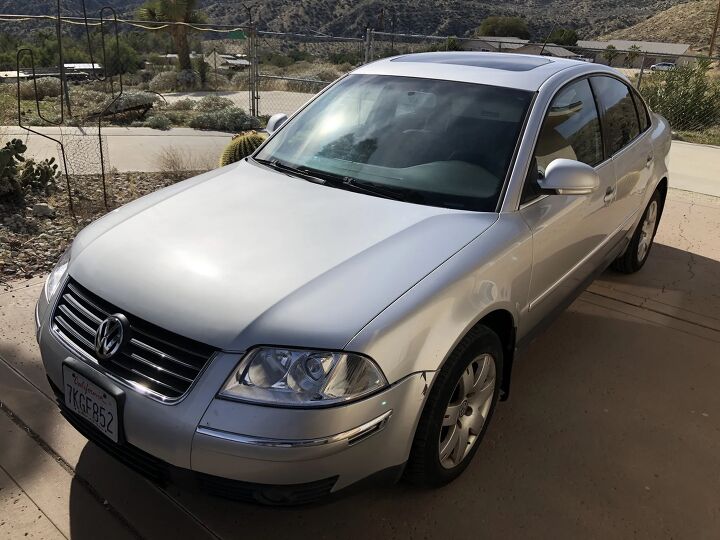
The year 2005 seems like yesterday but it's darn near two decades ago. Yikes. Let's put aside our existential angst to check out a car from that model year that's still rolling -- a 2005 Volkswagen Passat TDI.
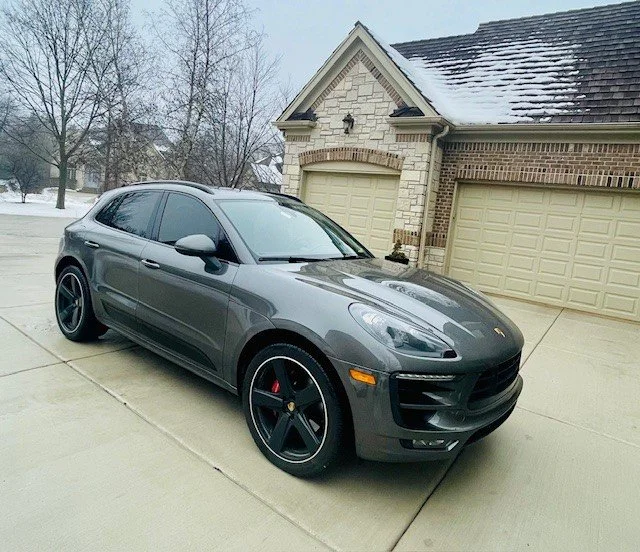
Used Car of the Day: 2006 Mitsubishi Eclipse GT
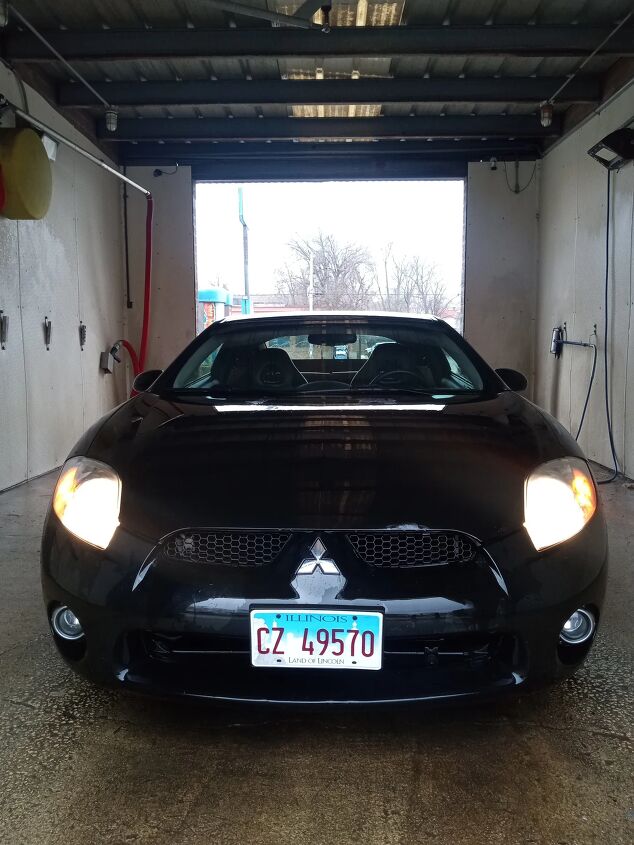
Today we dig deep and bring you a Mitsubishi. A 2006 Mitsubishi Eclipse GT, to be precise.
Housekeeping: A Reminder About Used Car of the Day

I keep seeing comments -- and not just from one particular individual -- that suggest that not everyone fully understands the Used Car of the Day format, its purpose, and how I select the cars I do.
So let's do some learning.
Used Car of the Day: 2004 Land Rover Discovery
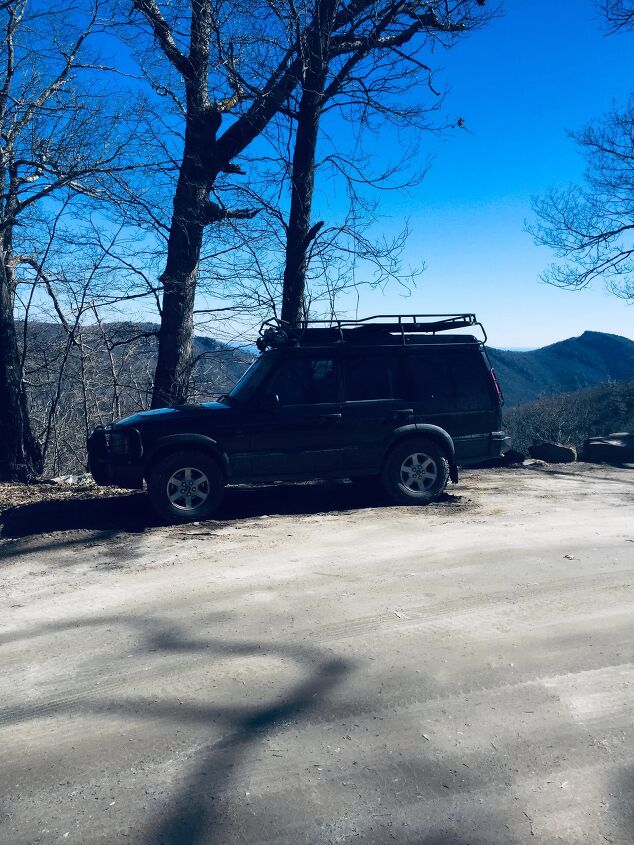
We send you into the weekend with a weird one today. It's a 2004 Land Rover Discovery with a brand-new engine.









Recent Comments