

QOTD: Will Honda's EV Strategy Pay Off?
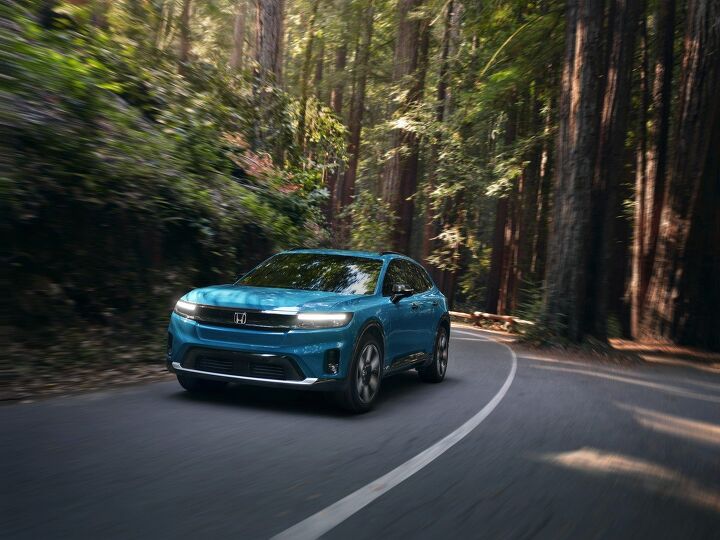
Earlier today we reported on Honda's plan to invest in EV manufacturing in Canada.
Will it pay off?

QOTD: Will An Affordable EV Help You Go Electric?
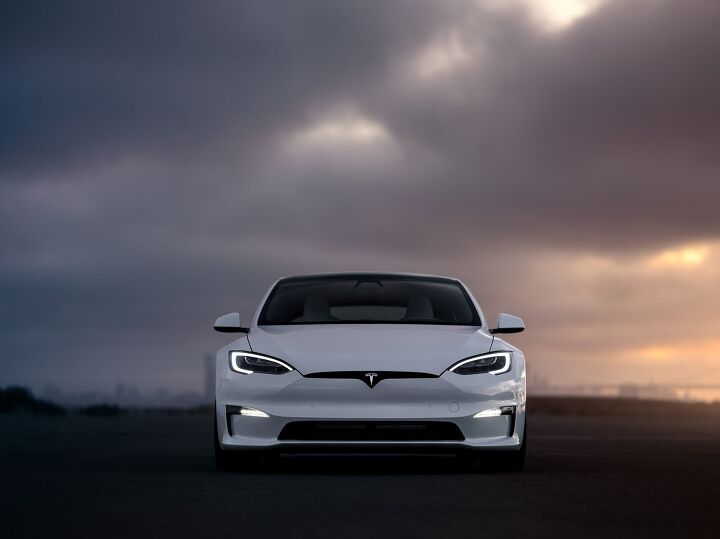
Today we covered Tesla's back-and-forth on whether it will or won't build an affordable EV.
Opinion: EV Range Does Matter
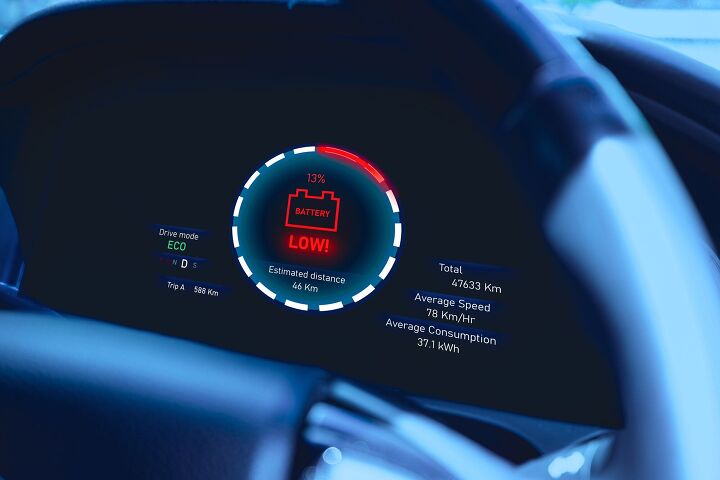
Last month, I was chatting with Dave Thomas from CDK Global on the TTAC podcast. We were discussing electric vehicles, and Dave suggested that for many EV buyers, range isn’t that much of an issue.
Poll: Americans Are Less Interested in Buying an EV Than in 2023
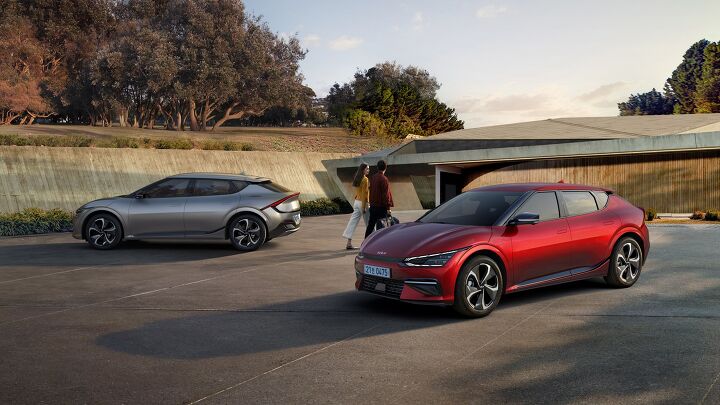
While the future of electric vehicles in the United States is likely nowhere near as dire as many have portrayed, the current state of things hasn’t done much to inspire confidence. Flagging demand has led to cutbacks on new EV projects and investments in manufacturing facilities, and a recent Gallup poll shows that people who don’t already own an EV aren’t as interested in buying one as they were a year ago.

There’s a New Problem With Electric Cars That No One Saw Coming
This week we sit down with Cody Stolle, research assistant professor at the University of Nebraska Lincoln and the assistant director at the Midwest Roadside Safety Facility, to discuss a lesser-known problem with EVs and road safety.
New Mexico EV Mandate Stands After Opposition from Car Dealers
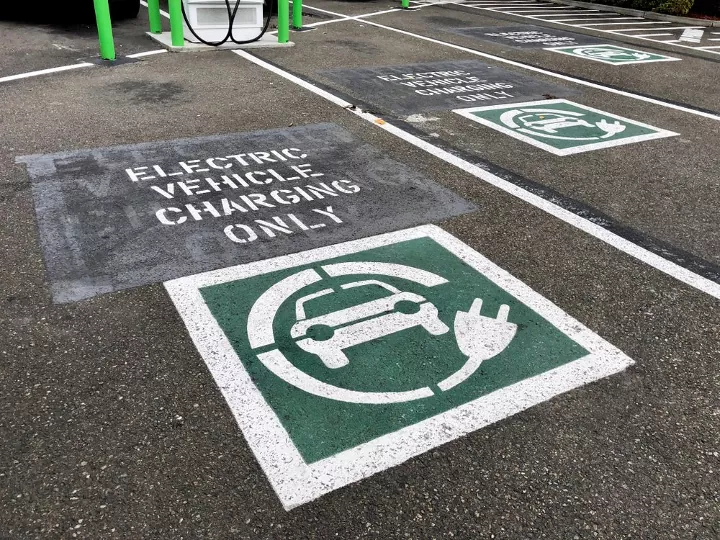
The State of New Mexico has denied a petition put forward by automotive dealers to ease off on planned electric vehicle mandates. The groups had claimed that forcing electrification would hamper commerce by encouraging residents to purchase more vehicles from neighboring territories and were limiting residents freedom of choice. However, a governor-appointed state Environmental Improvement Board reportedly voted to deny the challenges late last week.

Amped Up: Installing an EV Charger at Home
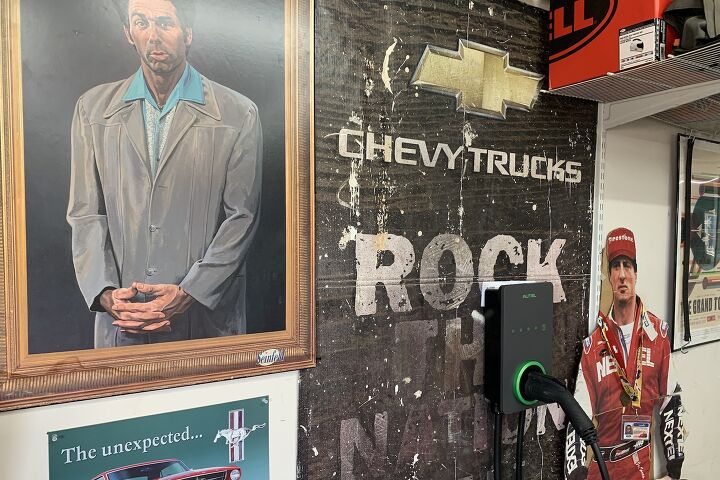
There’s no shortage of debate in this country about electric vehicles – and for good reason. For some, the technology just isn’t quite there yet to fulfil the daily duties they require of their primary vehicle. For others, existing levels of range being offered in the marketplace suits their needs just fine. Other considerations like affordability and performance are as much case-by-case as an individual’s dinner order at a restaurant.
One thing almost everyone can agree on? The appalling state of public charging infrastructure. Faced with broken chargers or a simple lack thereof, your decided to make the leap and install a Level 2 charger in the garage space attached to his home.

The Fisker Ocean is Under Investigation for Doors that Won't Open
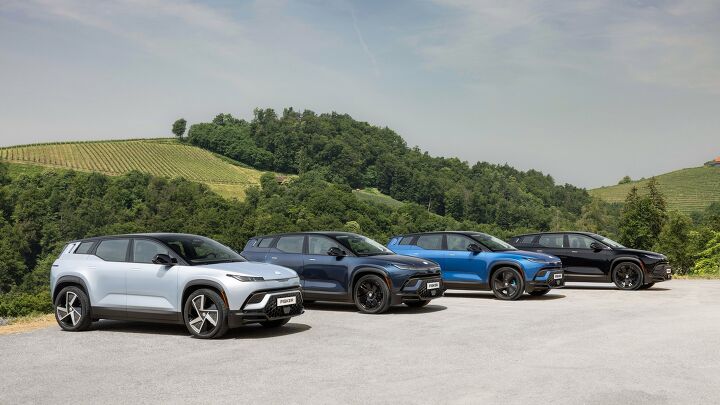
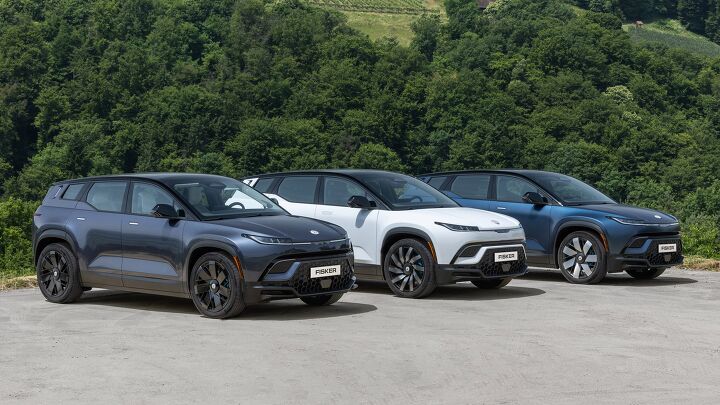
Oh, to be a fly on the wall at Fisker’s headquarters right about now. The struggling electric automaker is facing bankruptcy, accounting issues, and shaky reviews, but its troubles are far from over. The National Highway Traffic Safety Administration recently said it opened a preliminary investigation into the company’s Ocean SUV after receiving reports that the latch handles prevented opening the EV’s doors.
New Jersey Approves Additional EV Road Use Taxes

As more electric vehicles hit the roads, states are grappling with the change in tax revenues they’re seeing as a result. EV buyers don’t pay gas taxes, slashing millions out of state highway budgets and making it hard to afford planned improvements. New Jersey is taking action on the issue with a controversial measure to charge EV owners an annual road tax, which will increase over the next four years to $290 in 2028.
Audi Sees More Battery Recalls, Porsche Likewise Impacted
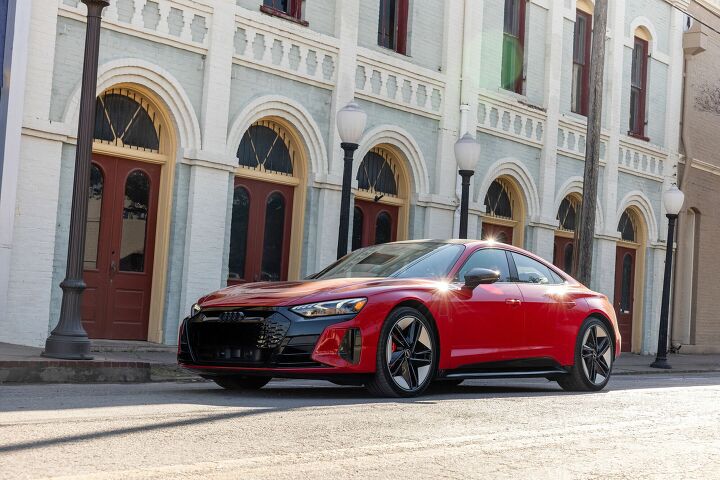
Audi’s all-electric e-tron subbrand continues suffering from battery issues, with the company recently issuing a recall for the GT sedan and its zestier RS variant. The issue is that the high-voltage batteries equipped to the models might short circuit, posing a fire risk to owners and whatever they’ve parked their EV next to. The recall report stipulates that Porsche warned Audi of the possibility of “thermal events” after realizing that some Taycan models were suffering from battery defects.
China is Unhappy with the Inflation Reduction Act and Has Complained to the WTO
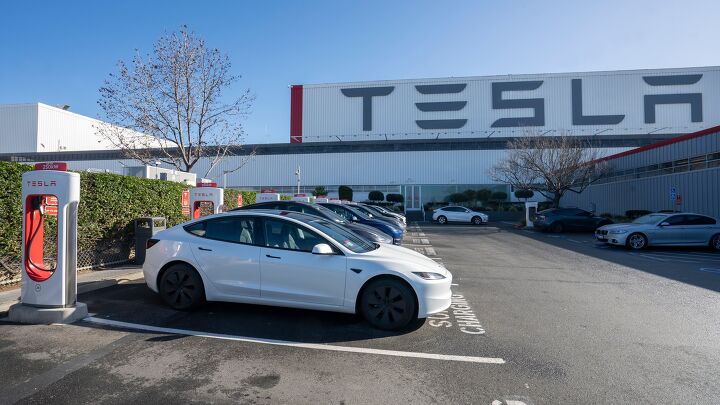
Among many other things, the Inflation Reduction Act changed the way EV tax credits work in the United States. With an eye on reducing America’s dependence on Chinese batteries and materials, the Act incentivizes automakers to source materials from free-trade-compliant countries and build EVs in North America. Now, China is expressing its unhappiness with the legislation by raising a dispute with the World Trade Organization.
The Fisker-Nissan Deal is Reportedly Dead
J.D. Power: EV Owners Not As Satisfied as Gas Owners On Tire Wear
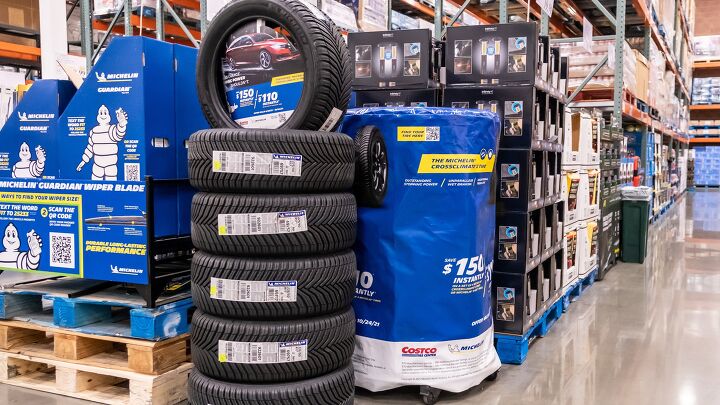
While it’s true that electric vehicles don’t require the same level of routine maintenance that gas vehicles do, EVs have some downsides. A main point of complaint for owners has been tires, as a new J.D. Power study showed that many are surprised that their heavy, torque-rich EV burns through rubber faster than when they had a gas vehicle.
Opinion: Politicians Are Lying About Biden's EPA Rule

The Biden Administration dropped a new rule limiting tailpipe emissions from passenger vehicles yesterday, and you know what that means.
Yes, it's lying season!
Study Suggests Automakers Lose $6,000 On Each EV Sold
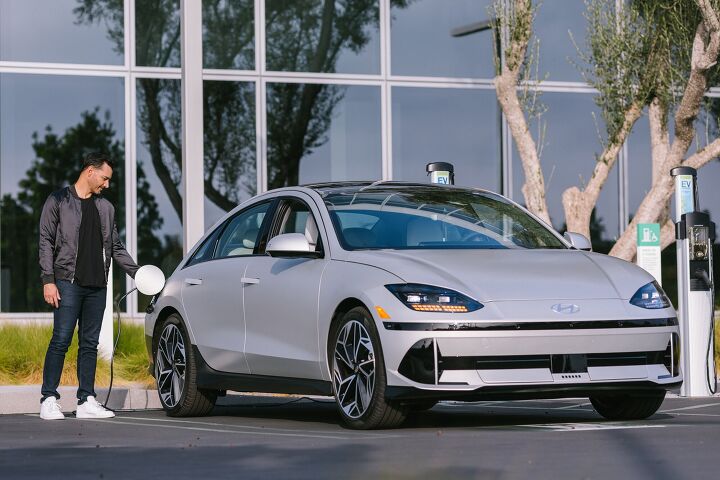
A new study is claiming that automakers lose an average of $6,000 for every $50,000 electric vehicle they sell. Boston Consulting Group, an American-based global management consulting firm that issued the report, said the figure accounts for customer tax credits — painting a rather bleak picture for the future of EVs.
New Rules Includes Hybrids and PHEVs to Cut Tailpipe Emissions
New standards are coming for tailpipe emissions in the next few years. An announcement from the Biden administration this week unveiled the rules, which look to remove more than seven billion tons of carbon and other pollutants from our air.
Hertz CEO Leaves After Buying 100,000 Teslas
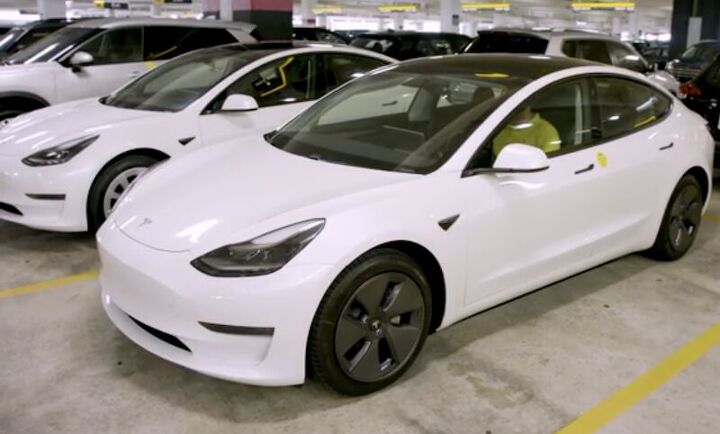
Almost all of us have made a boneheaded purchase or three in our lives. But few are notable as the debacle at Hertz, a company which most gearheads know decided to buy tens of thousands of electric vehicles only to bin them at severely subvented prices. Now, the CEO is stepping down from his role.
Report: Lithium Americas Breaks Ground in Nevada Mining Operation

Lithium Americas has broken ground on its Thacker Pass mining operations, potentially opening the door to what some are calling the largest lithium deposit in the entire world. However, it’s estimated to be another three years before refinement takes place and the materials can be adapted for use in battery powered products — including all-electric vehicles.

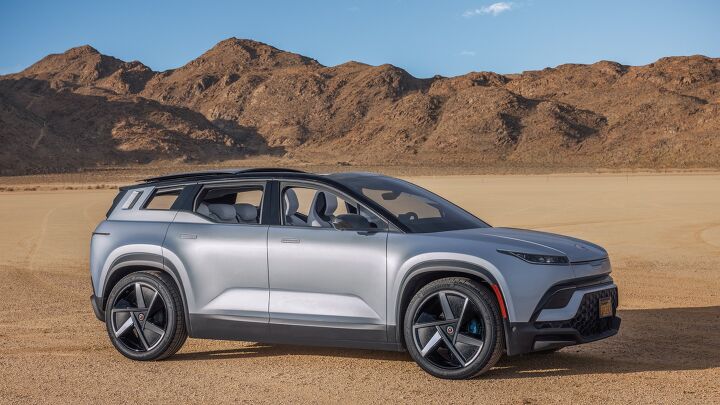
QOTD: Which EV Startup Will Fail?
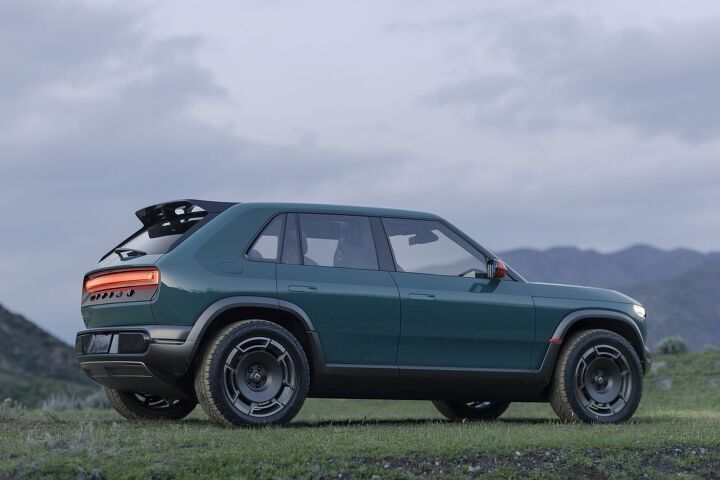
I've been in the automotive media since late in 2007, and over the course of all that time, I've seen EV-focused startups come and go. Some went and came back, even.
Study Claims EVs Will Not Save the Environment, All Cars Are Bad

A recent study published in the Journal of Transport Geography has alleged that “car harm” cannot be undone by the world pivoting to all-electric vehicles.
However, the paper doesn’t favor everyone running out to buy the largest diesel pickup they can afford. Instead, it adopts the same anti-driving nonsense we’ve seen from the Vision Zero Network and government regulators that have been caught up in its activism web. The issue, as framed in the study, isn’t that EVs still pose a problem. The complaint is that all vehicles are problematic and the paper recommends sweeping policy changes pertaining to how roads are managed to deal with the matter.
More EV Price Cuts in 2024, This Time From Nissan
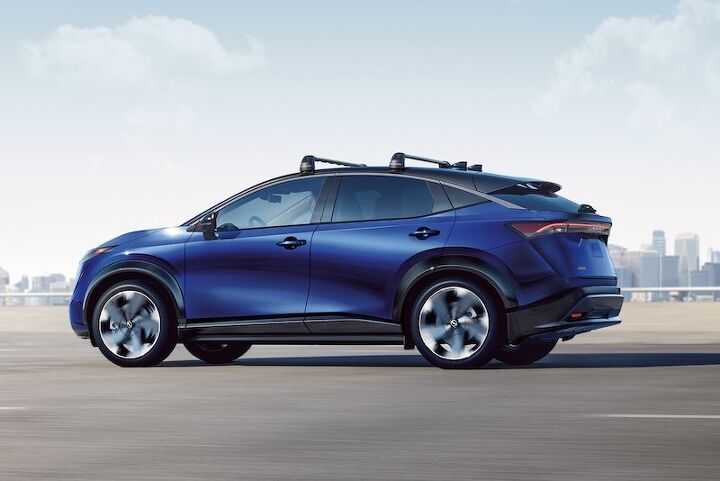
A thesis will surely be written in the future about the yo-yo behavior of EV prices which are seeming to coincide with early adopters getting their fill while everyone else needs to be talked into the things. The latest? A round of cuts at Nissan on the tongue-twisting Ariya.
Charged Up: The 2024 Dodge Charger is Finally Here
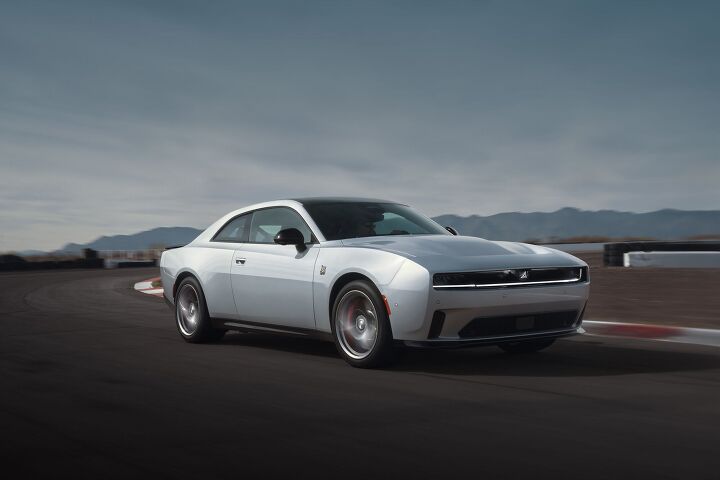
Muscle cars are going electric.
Well, maybe not across the board. The internal-combustion engine Mustang seems safe, at least in the short term. That said, there will be at least one muscle-car EV on the market soon: The 2024 Dodge Charger.
Have We Reached Peak EV? (Part 1)
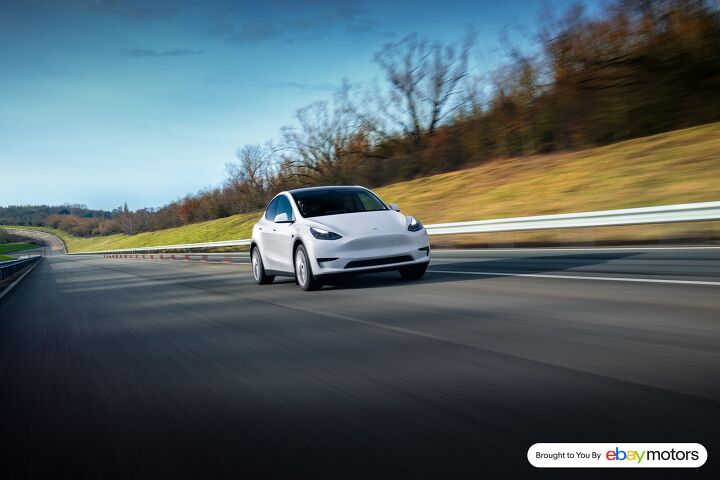
Electric vehicles are dominating the industry conversation, so we had a chat with someone who is a bit of an EV evangelist...as well as with a journalist who noted that his outlet elected seven electrified vehicles to its latest Top 10 list.
Abandoned History: The Apple Electric Car Project, Rest in Peace (2014-2024)
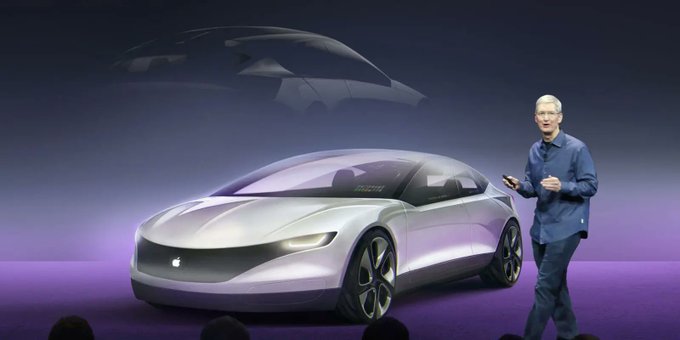
After a decade-long project that saw changes in approach, multiple delays, staff changes, planning and replanning, and conflicting reports, Apple’s Titan autonomous electric car project is dead. The company made an internal announcement on February 27th, 2024 which leaked to the press immediately via several Apple employees. The project’s cancellation created our most recent Abandoned History subject matter to date. Let’s start at the beginning, in 2014.

New Jersey Program Will Electrify School Buses Across the State
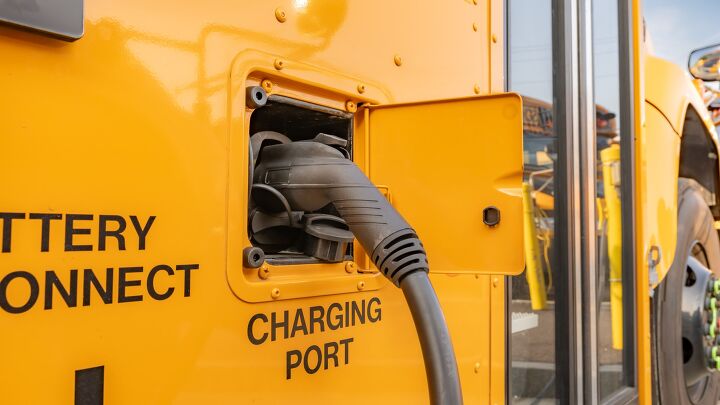
Love them or hate them, there are quite a few use cases in which an EV is the ideal vehicle. Public transportation, route deliveries, and school buses are great examples of vehicle types that would benefit from electrification, and New Jersey is putting money behind that thought to send electric school buses to 18 school districts.
U.S. Rumored to Soften Emission Targets, Slow EV Adoption Push
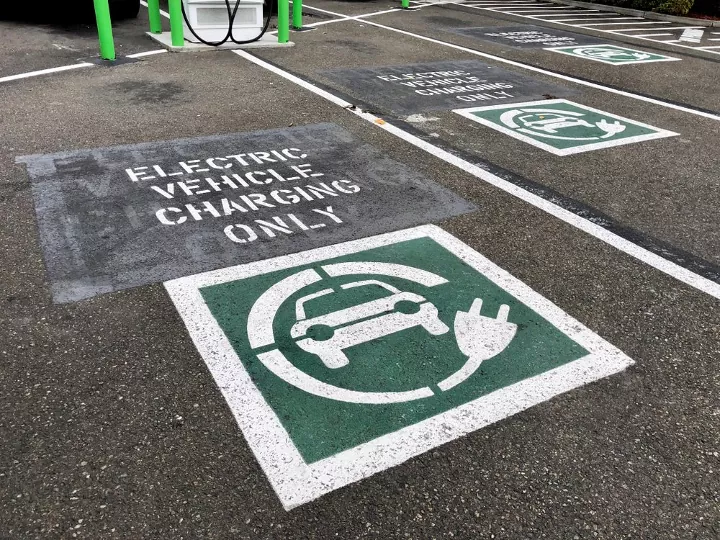
Reports are circulating that the United States Environmental Protection Agency (EPA) will soften vehicle emissions targets against the stringent metrics proposed by the group in 2023. This follows lackluster EV adoption rates that run counter to the plan and pushback from dealer organizations, automakers, and consumer groups. But we need to take a closer look at the story, because things are rarely as simple as initially presented.
This State Might Ban Gasoline Cars. Here’s Who’s Fighting Back
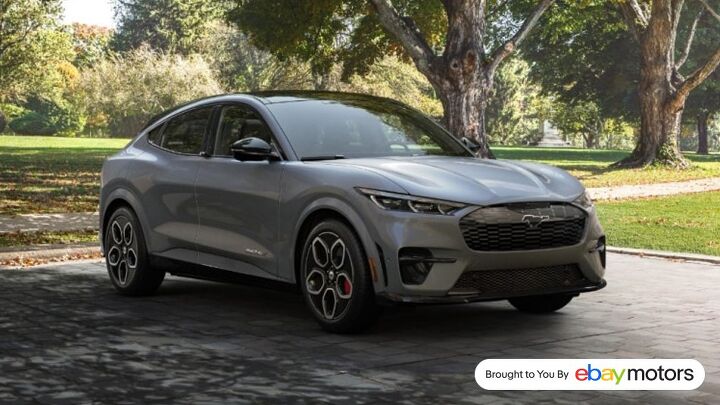
This week we speak with Mike Spagnola, president and CEO of the Specialty Equipment Market Association (SEMA), about a proposed ban on internal-combustion engine (ICE) vehicles in Connecticut.
Range Finder: Rivian Offers Smaller Battery on R1S and R1T
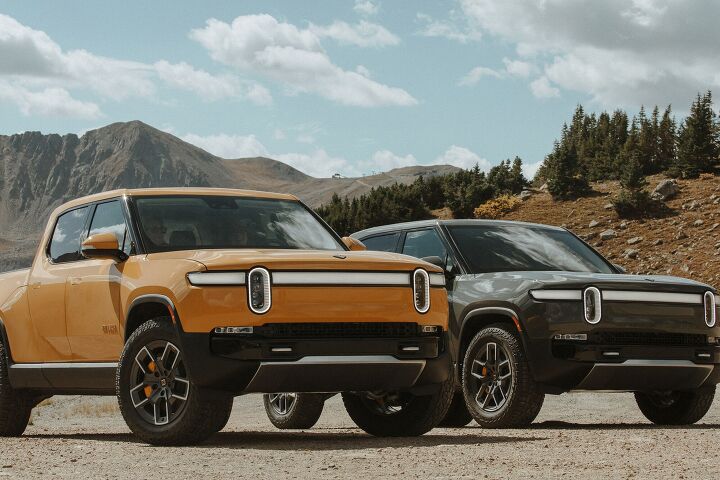
Hitting the powertrain of its pickup truck and SUV with a shrink ray has permitted Rivian to offer a new battery option – and a new price point – for its pair of all-electric models.
BMW i3 Owner Quoted Over $70,000 for New Battery
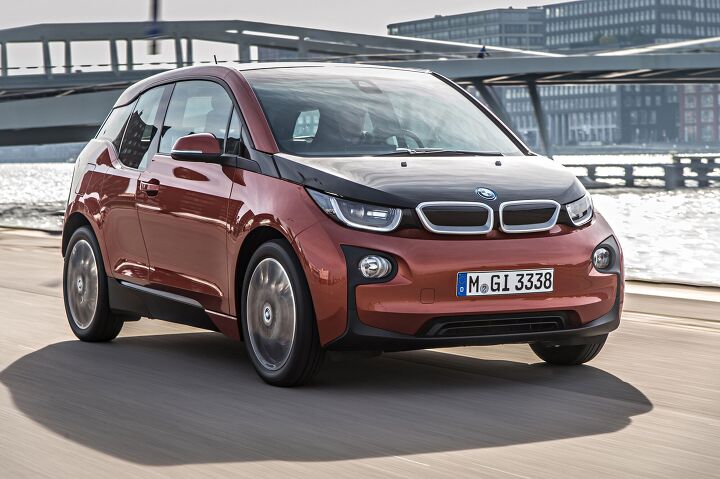
Last year, the owner of a 2015 BMW i3 REx was reportedly quoted over $71,000 to have a new battery pack installed. For reference, that particular model would have retailed somewhere around $50,000 brand new. While we’ve seen some staggering high prices being entertained for EVs in need of a new battery pack this has to be one of more egregious examples on record.
EV Pricing Could Go The Way Of Gasoline Pricing. In Other News, Sky is Blue
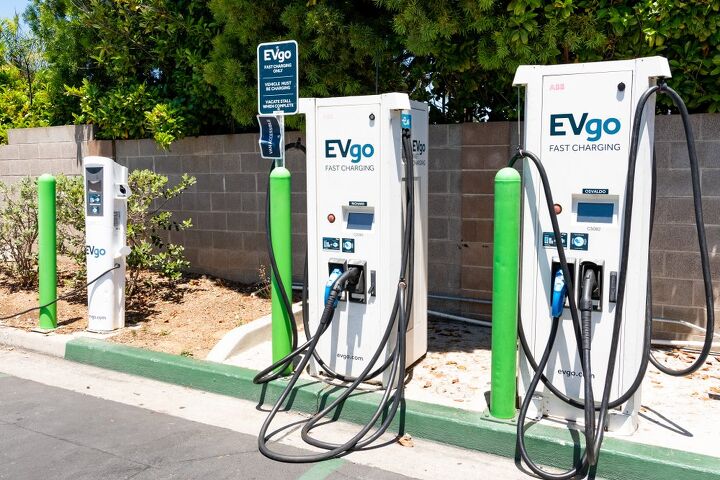
Many so-called “analysts” in this industry more than live up to the first four letters in their name, either crying foul over something obvious or failing to recognize the trainwreck of a situation until it’s far too late. The latest? A specter of EV charging prices eventually going the way of gasoline prices, complete with dynamic pricing and unpredictable costs.
You know – things with which drivers of ICE-powered vehicles have been dealing with for decades.
Parc Fermé: Paris Triples Parking Rates for SUVs
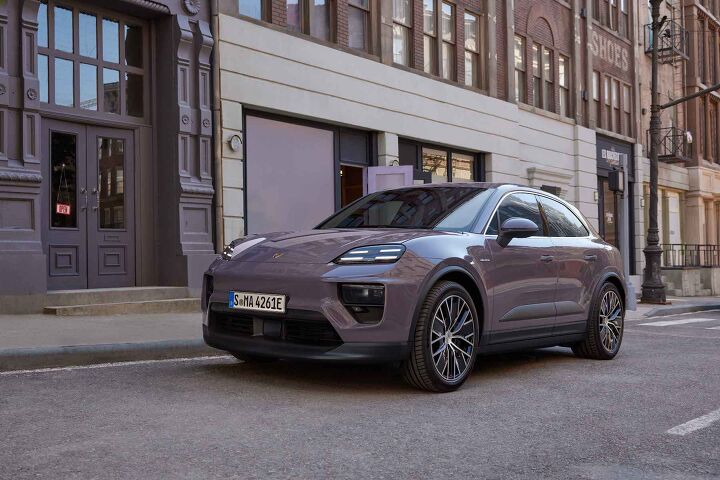
Don’t expect to see many SUVs in the background of future photos of the Eiffel Tower. Results of a weekend referendum have tripled parking rates for some types of vehicles in Paris, France. Based on weight, the new rules target out-of-towners who bring SUVs into the City of Light.
Survey Shows Auto Dealers Still Annoyed With Biden EV Strategy
A recent survey, conducted by Automotive News, has indicated that automotive dealerships are still broadly dissatisfied with the Biden administration’s strategy to force the United States to pivot toward all-electric vehicles. According to the 2024 Dealer Outlook Survey, 83 percent of respondents said the government was pushing the transition toward EVs too quickly and mucking up the auto market.
Investigation Faults Ford Battery Supply Over National Security Issues
Following fears that Ford’s electric vehicle supply chain may represent a national security issue, concerned legislators are doubling down by outlining the path battery components are required to take in order to get here. On Monday, Rep. Mike Gallagher (R-WI) and Cathy McMorris Rodgers (R-WA) accused the automaker of having plans that required contracting technology and software firms with close ties to both the Chinese and North Korean governments.
Porsche Casts Doubt Upon Combustion Ban Timeline
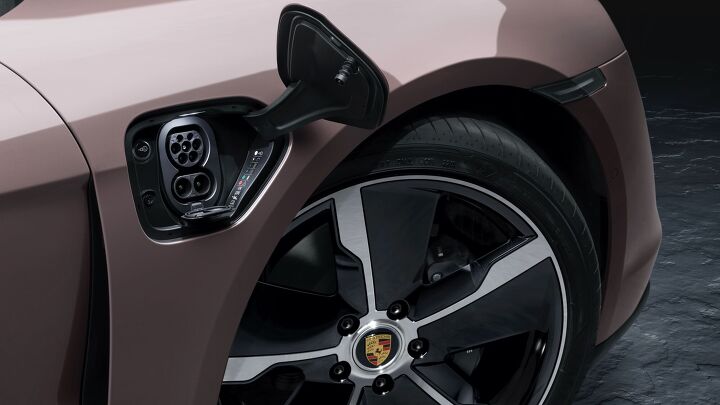
While we’re constantly hearing about tightening emissions regulations, the relevant timelines issued by government actors are rarely adhered to. Electric vehicle subsidies went from temporary to indefinite and combustion bans have gone from right around the corner to anyone’s guess. This is also true of the industry itself, which often makes bold promises designed to appease a subset of the public only to repeatedly move the target date back a few years.
With this in mind, Porsche’s CFO was recently quoted as saying European combustion bans will probably need to be delayed and there’s good reason to believe him.
Opinion: Stop Subsidizing Electric Vehicle Programs
Hoping to increase the United States’ electric vehicle charging infrastructure, the White House has announced $623 million in grants to build more charging stations. This plays into the Biden administration's goal of having 500,000 public chargers in the U.S., and see 50 percent of all new vehicle sales become electric, by 2030. However, the federal government has already poured billions into the cause and it’s looking like an incredible waste of money during a period where citizens are growing increasingly concerned about the economy.
Rivian Shines as Ford Slashes Production: A 2023 EV Industry Snapshot
A leading electric vehicle manufacturer, recently shared its production and delivery figures for the fourth quarter and the entire year of 2023, reflecting a noteworthy accomplishment in the electric vehicle industry. The company, based in Normal, Illinois, reported producing 17,541 vehicles in the last quarter, culminating in a total of 57,232 vehicles for the year, thus surpassing the company's forecast of 54,000 vehicles for 2023.

Novel Sodium-Ion Battery-Powered EVs To Hit Chinese Streets in January
Today, most EVs use lithium-ion batteries, just like the phone in your pocket. While the battery chemistry is well-known and thoroughly tested at this point in time, the setup has weaknesses that could be addressed by alternative designs. A Volkswagen-funded Chinese automaker has a new type of battery that offers some benefits over lithium-ion batteries, namely cost and cold weather performance, but it’s unclear if we’ll see them in the United States.
EV Supply Chains May Be Dirtier Than You Think
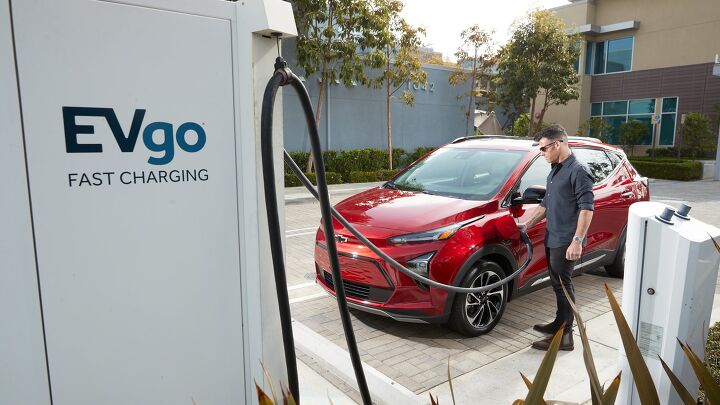
Most of us know that even the most efficient, long-range EVs generate emissions during the raw materials extraction and production phases, and that’s before we count the logistics required to move everything around the world a few times in the process. The Washington Post recently reported on some of the “dirty parts” of EV manufacturing, and it paints a picture of challenges ahead as more people look to make the shift to electrics.
Stop-Sale Issued for 2024 Chevy Blazer EV
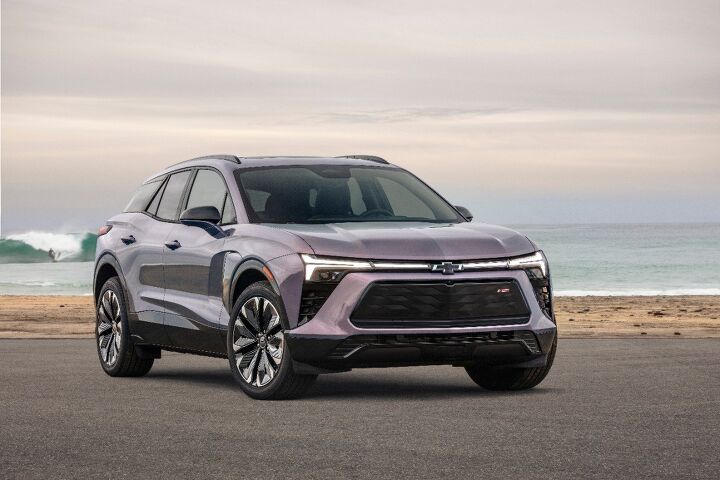
General Motors has issued a stop-sale order for the all-electric Chevrolet Blazer. As previously reported, the model has been criticized for presenting reviewers with electrical problems. That’s not what you want to see from any vehicle and absolutely intolerable on an EV. Even worse is the fact that the Blazer EV uses the Ultium platform GM claims is about to underpin its future lineup.
Q-Tip: Cadillac Introduces 2026 Vistiq
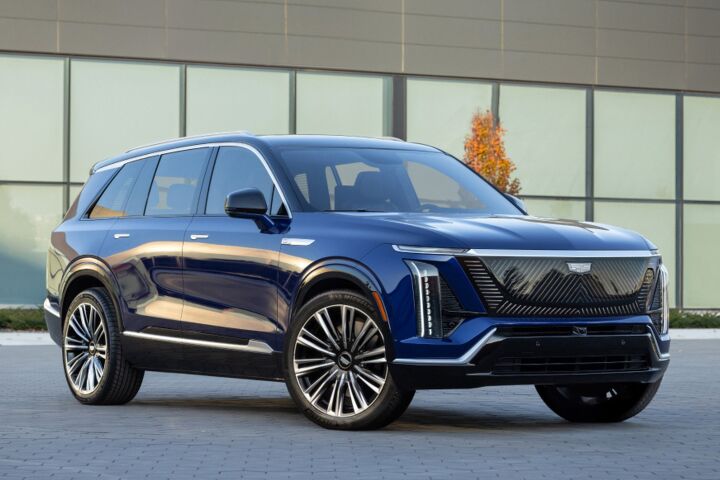
The onslaught of all-electric vehicles into the Cadillac lineup continues unabated with the introduction of this, the three-row Vistiq.
Honda E Ending Sales in Europe
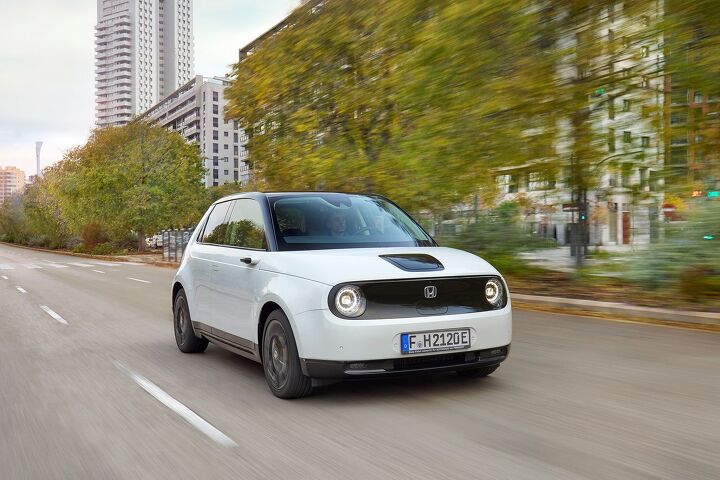
It may have been cuter than a first-generation Civic but Honda’s entirely electric supermini didn’t last very long. Introduced in 2020, the Honda e is being pulled from the European market just one year after it was discontinued in its native Japan.
Report: Rural California Doesn't Want Electric Buses
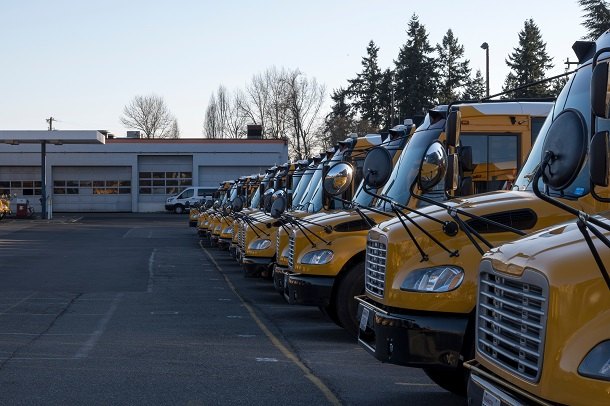
California Governor Gavin Newsom has frequently mentioned his desire to see the region pivot to all-electric buses as quickly as possible. The Golden State already has a couple thousand on hand and leadership has issued a mandate that all newly purchased school buses need to be zero-emission vehicles by 2035. However, the plan hasn’t gone over well with rural communities and some are starting to make a lot of noise.
Report: Chinese Export Rule Changes Could Impact EV Battery Production
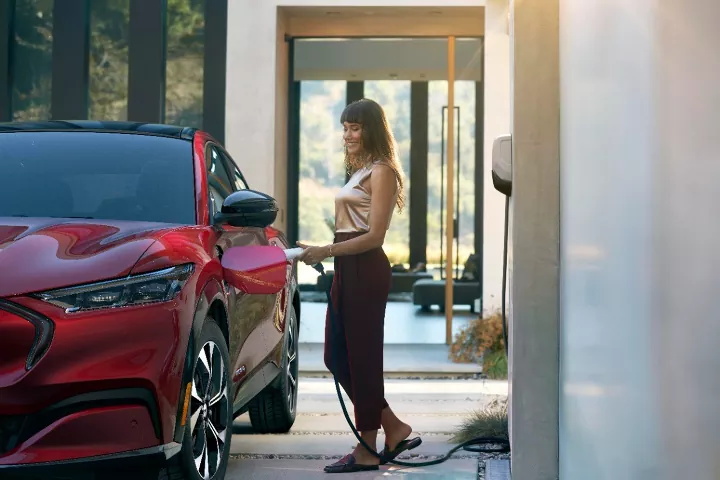
China has reportedly decided to place restrictions on exports of graphite, which could spell trouble for American EV manufacturers. Starting this month, the Chinese government requires permits for certain graphite products being exported. This includes synthetic and natural graphite meeting the necessary thresholds to be used on electric vehicle batteries.
Consumer Reports: Many EVs Fall Short of Range Estimates
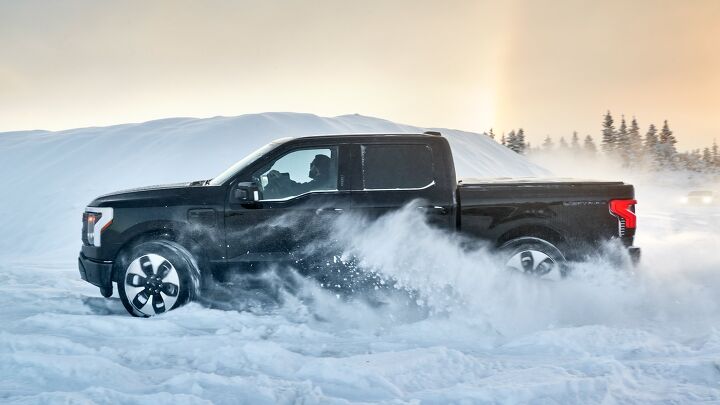
EV battery technology has progressed to the point that range anxiety is becoming a thing of the past – at least on paper. A new study from Consumer Reports found that real-world driving ranges often fall way short of automakers’ advertised range estimates, but some exceed their on-paper numbers.
Detroit’s Inductive EV Charging Roads: Boon or Boondoggle?
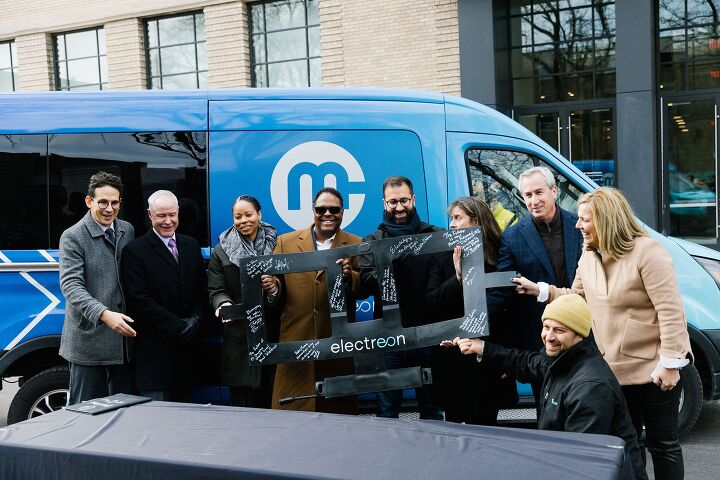
Detroit now has a quarter-mile length of roadway with the ability to charge properly equipped electric vehicles as they drive. While similar programs have been pioneered in Europe, Detroit is the first and only city to do so in the United States. Governor Gretchen Whitmer offered her support when the plan was announced in 2021.
Report: Auto Dealers Ask Biden Admin to Slow Down EV Mandates
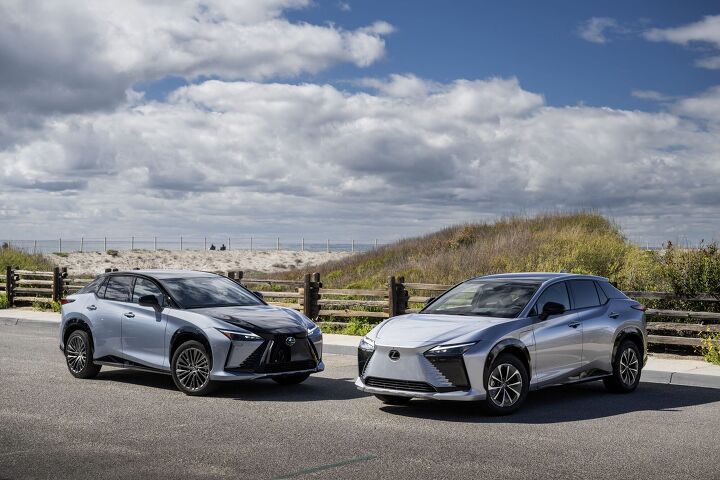
Roughly 4,000 U.S. dealerships are asking President Joe Biden to reconsider proposed federal regulations they’ve alleged would mandate an unrealistic national shift toward battery-electric vehicles consumers simply aren’t buying.
Consumer Reports Says EVs Less Reliable Than Traditional Automobiles
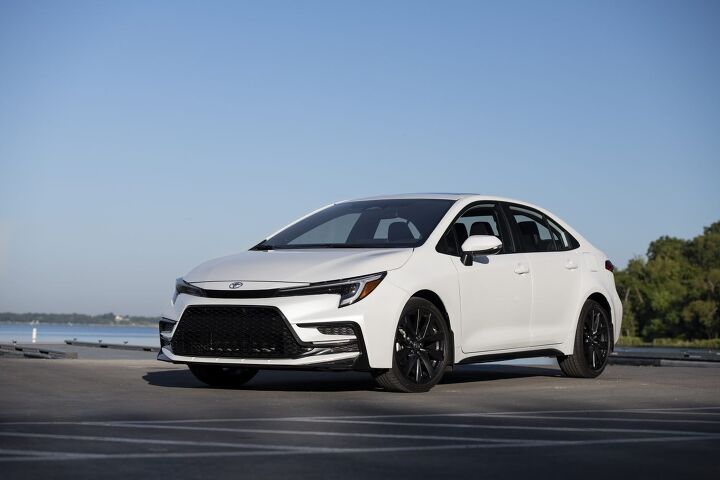
Consumer Reports has concluded its annual car reliability survey and the resulting data for 2023 has not been kind to all-electric vehicles. For 2023, CR reported that EVs had 79 percent more problems than automobiles that use internal combustion. Plug-in hybrids were even worse with 146 percent more issues. However, standard hybrids actually outperformed every other group with 26 percent fewer problems than vehicles wholly reliant on gasoline.
Ford Scales Back Michigan Battery Plant Investments
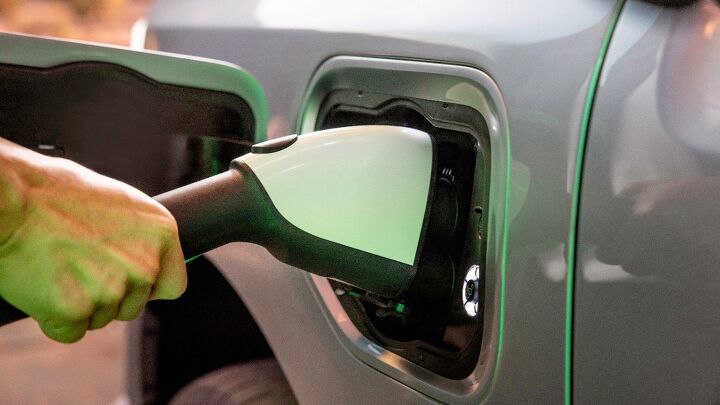
Ford has said it will restart construction on the electric vehicle battery facility it’s building in Marshall, Michigan, after pausing work when the UAW strike kicked off a couple months ago. But the company has also announced that it would be “re-timing and resizing some investments.”
Ford Revises Dealer EV Requirements
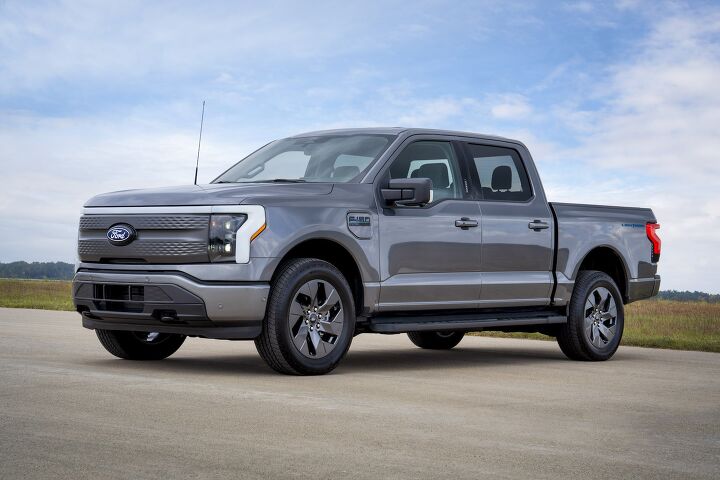
In what could be a tacit admission the transition to electric vehicles is going approximately as smoothly as a Michigan secondary road, it is being reported that suits at the Blue Oval are rolling back some of the requirements demanded of dealers in order to shill EVs to customers.
Chinese Smartphone Company Previews First EV

Despite years of talk that Apple would eventually start building all-electric vehicles, China’s Xiaomi looks to have beaten the American brand to the punch by previewing the first production EV designed by an established consumer technology company. Though designed might be the wrong word to use as the front of the SU7 sedan appears to have been lifted off the McLaren 750 S while the back is pure Porsche Panamera.
Survey Breaks Down EV Preferences By Politics and Ethnicity

A recent opinion survey has attempted to break down the public interest in all-electric vehicles based on key demographics. While the results were largely predictable, there were some novel takeaways that could be of interest to automakers hoping to market the vehicles. The data also shows how trends may be shifting, with the prognosis being less than ideal for EVs.
Report: Future BMW I3 Will Be Less Weird Than Original
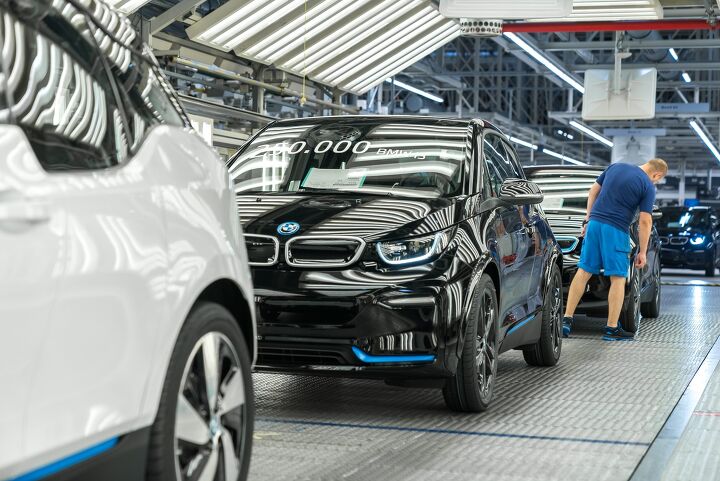
As BMW’s first mass-produced “zero emissions” vehicle, the i3 boasted a predictably quirky design that seemed to underpin most manufacturers early attempts at fielding an electric car. But the model fell short in terms of range and luxury, especially in relation to MSRP, resulting in a de facto city car for those who liked the idea of owning a BMW-badged EV.
While the vehicle implemented some novel features, the model has aged rather poorly due to advancements in battery technology. It could be argued that the i3 ended up a failure due to the fact that BMW never figured out how to produce them cheaply enough to be a volume vehicle. However, it may have also been too odd to garner true mainstream appeal — something the brand says it doesn’t want to happen for the i3’s successor.
Report: Mercedes Having Tough Time Selling EVs
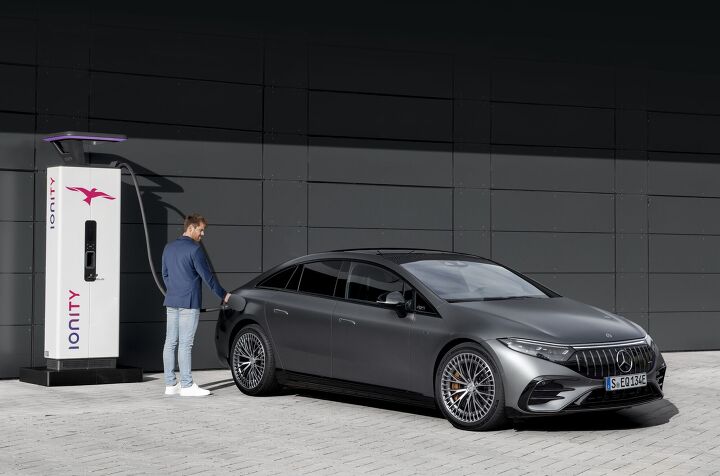
Like most government agencies, NGOs, and publicly traded companies, Mercedes-Benz has made a promise to be all-electric by 2030. The automaker intends to have every newly launched vehicle architecture be electric-only after 2024 and to gradually wean itself off combustion engines.
Unfortunately, the brand’s sales trajectory doesn’t appear to be cooperating. Despite seeing a surge of interest in its electrified EQ products initially, Mercedes has started having trouble moving EVs.
Former Lordstown CEO Given Permission to Buy Back Company Assets for $10 Million
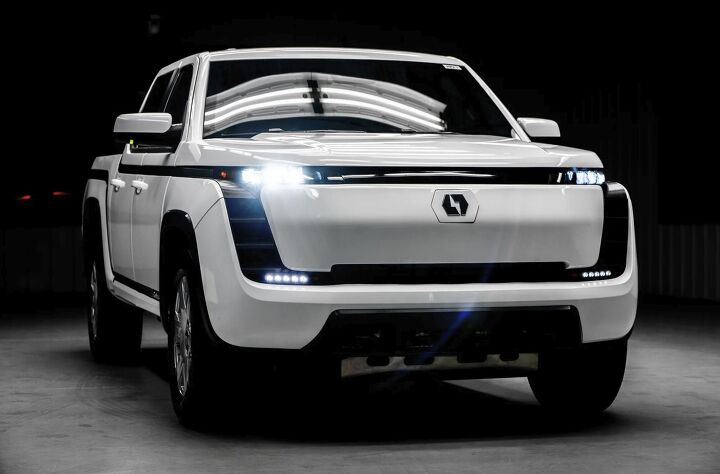
Ohio-based Lordstown Motors has received approval from the U.S. Bankruptcy Court to sell its remaining manufacturing assets to a company owned by its founder and former CEO Stephen Burns for roughly $10 million.
LAS Capital, owned by Stephen Burns, will reportedly receive Lordstown's intellectual property, business data, and any machinery used for manufacturing. However, Taiwan’s Foxconn will retain the factory itself after a financial dispute which ultimately left Lordstown filing for bankruptcy last June.
Is Rivian Still Spending Billions Now to Make Billions Later?
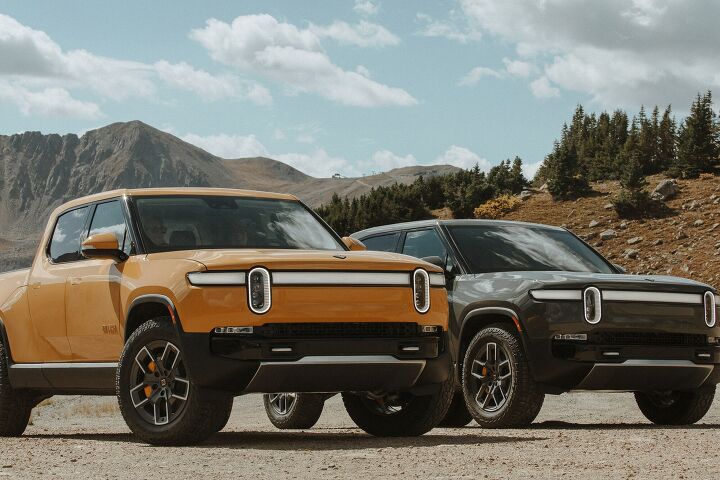
Rivian lost an estimated $33,000 on every pickup it sold in the second quarter of this year, which is kind of impressive considering the cheapest model it sells still goes for a sizable $73,000. Considering its lofty initial public offering (IPO) and enviable product specifications, some are wondering why the company isn’t in better shape.
Though Rivian is hardly alone in selling cash-hemorrhaging electric pickups and SUVs. Ford is on track to lose $4.5 billion on EVs by year's end and is supposed to be underwater by more than $32,000 per average all-electric transaction. Frankly, it doesn’t look like any brand other than Tesla has managed to find a way to make volume electrification work in its favor.
GM Returns to Europe With Electric Crossovers
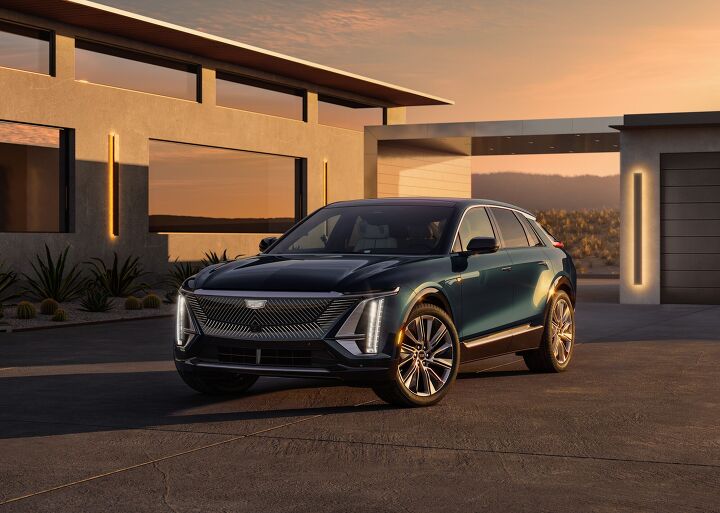
In 2017, General Motors sold Opel and Vauxhall to Frances PSA Group — which later merged with Fiat Chrysler to form Stellantis — basically ending its involvement with the European market. However, the company vowed a return in 2023 and that’s now taking place in Switzerland.
Hyundai Latest to Jump on NACS Bandwagon
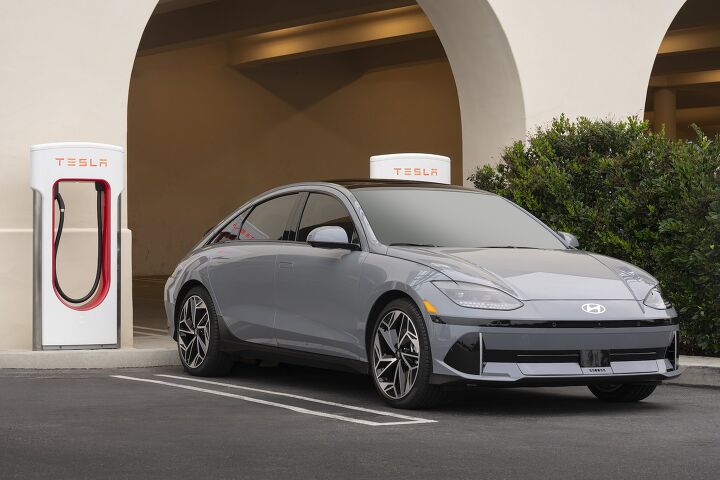
In what must surely be some of the least surprising automotive news you’ll read today, the corporate duo of Hyundai and Genesis have announced they will be adopting the North American Charging Standard for its EVs. This change will debut in the final quarter of next year.
Volkswagen Temporarily Cutting Production of European EVs
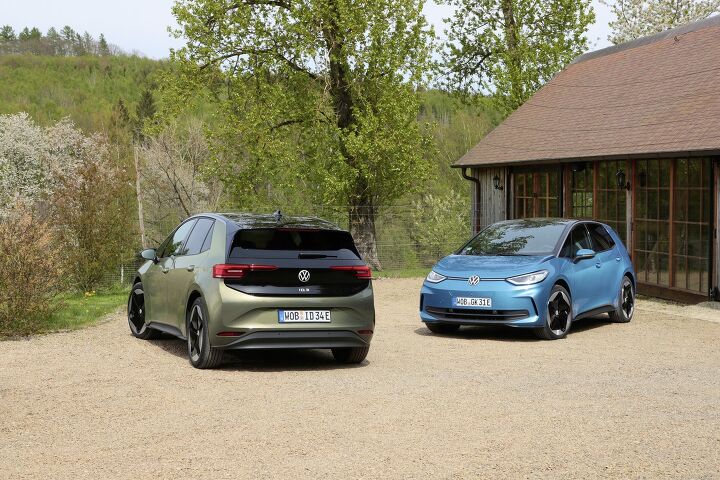
Volkswagen intends to temporarily limit production of the SEAT Cupra Born and its very own ID.3 EV in October. The company has cited market forces as the cause, noting that its Zwickau and Dresden plants in Germany would be throttled down for a couple of weeks.






Recent Comments