#nhtsa
NHTSA Expands Investigation Into Honda Steering Issue
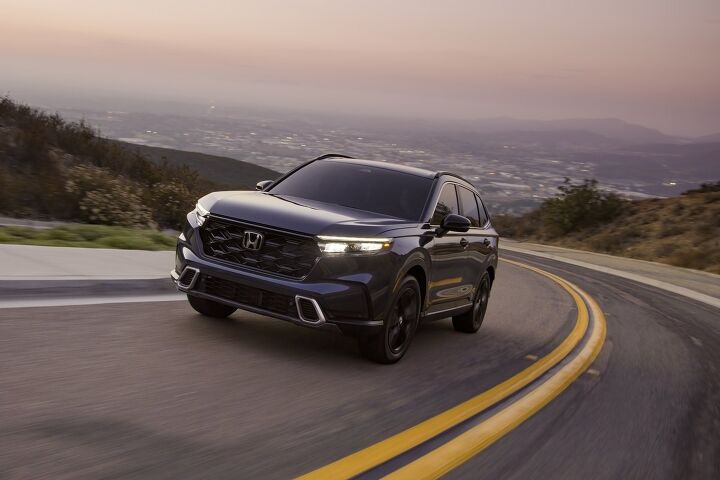
The National Highway Traffic Safety Administration (NHTSA) is expanding a probe into over 500,000 late-model Hondas that could be suffering from a steering defect. Reports indicate that 2023 Honda CR-Vs, 2023 Acura Integras, and 2022-2023 Honda Civics could be affected. However, no formal recall announcement has been made and likely won’t be until the investigation has concluded.

Jeep Recalls 45,000 Electrified Wranglers Over Fire Risk
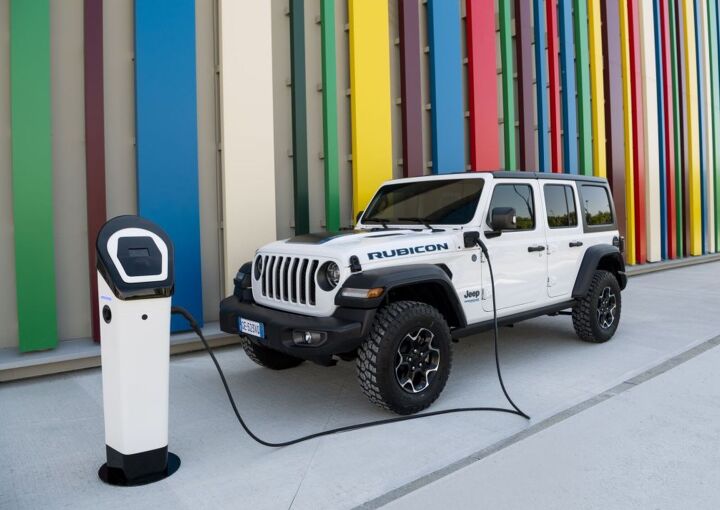
Following eight reports of vehicle fires, Jeep has decided to recall 32,125 examples of the Wrangler 4xe PHEV in the United States. The vehicles come from the 2021-2024 model year, with roughly 13,000 being situated outside the U.S. While parent company Stellantis has said the vehicles can continue being driven, it's advising customers against charging them and has likewise recommended parking them outdoors away from anything you might not want burned.
The NTSB Wants More Speed-Limiting Tech in New Vehicles

New cars have all sorts of driver monitoring tech on board that can tell when a person is paying attention or has their hands on the wheel, but the National Transportation Safety Board feels there’s a need for more. The NTSB asked 17 automakers to add anti-speeding tech to new vehicles going forward, following an extremely deadly crash in Las Vegas last year that left nine people dead.

Editorial: Why Are People Worried About Automotive 'Kill Switch' Mandates?

This year has seen a surge of panicked reports discussing how the U.S. government has mandated vehicle hardware that would allow authorities to wrestle control away from the driver. Usually referenced as a “kill switch,” the device is supposed to be required on every new automobile manufactured after 2025.
The claim hangs responsibility on the extremely broad Infrastructure Investment and Jobs Act that was passed in November of 2021. But the pertinent legislation actually focuses on combating impaired motorists by mandating “advanced drunk and impaired driving prevention technology” as standard equipment. Though it doesn’t get all that specific in terms of what that entails and gives an incredible amount of leeway to federal regulators.
NHTSA: Don't Bedazzle Your Steering Wheel

It turns out that bejeweling your car's interior isn’t just in bad taste – it can hurt you in a crash. The National Highway Traffic Safety Administration recently released a consumer alert, warning people about “aftermarket steering wheel decals that could potentially cause significant injury or death.”
Toyota Recalling Over 750,000 Highlander SUVs in the United States

On Thursday, Toyota Motor Corp. confirmed plans to recall the Highlander SUVs over an issue that could cause the front bumper to loosen. The vast majority of the impacted models are parked inside the United States with additional recalls planned for Canada and Mexico.
NHTSA Launches Safety Investigation Into GM's Cruise
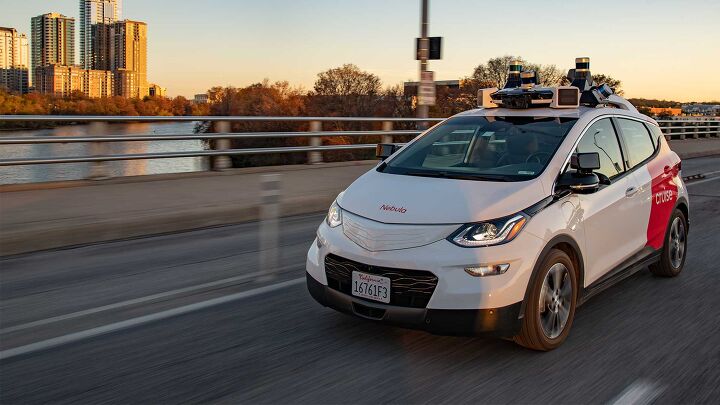
General Motors’ Cruise may be one of the first companies in the world to field driverless vehicles as part of a commercial endeavor. But this doesn’t appear to have endeared the brand to everyday people. The business appears to be loathed by San Franciscan residents and emergency response crews, who have only gotten angrier since state regulators allowed the business to expand operations.
Sustained reports of mishaps and injuries involving the vehicles has encouraged the National Highway Traffic Safety Administration (NHTSA) to launch a preliminary investigation into the company — which may also explain why Cruise just issued a press release explaining how it’s going to remedy all of the above.
2020-2022 Ford Explorer Being Recalled Over Rollaway Risk

Ford is recalling 238,364 Explorer SUVs over a defect that could result in a loss of motive power or possible rollaway risk. The issue stems from an issue with the subframe bushing and a rear axle bolt. Based on documents filed with the National Highway Traffic Safety Administration (NHTSA), Ford is worried that the rear axle horizontal mounting bolt may fracture under heavy torque loads.
Nissan Recalls Almost 10,000 Ariyas for Unexpected Loss of Power
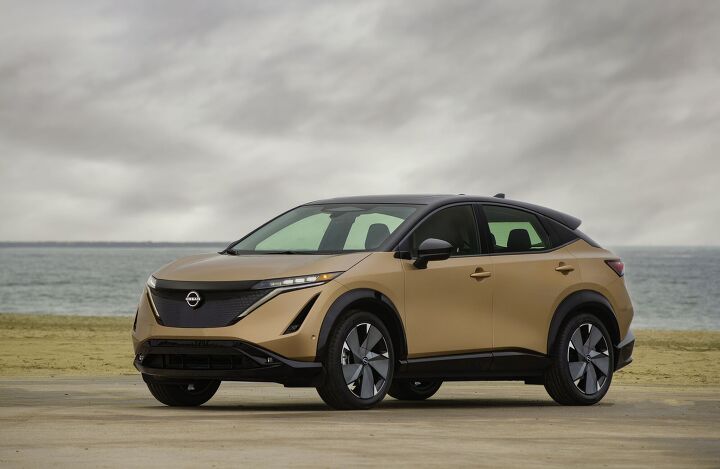
The Nissan Ariya had early delays that softened what could have been a significant EV release for the automaker, but the reviews are generally positive, as most are impressed with its cabin quality and comfort. Despite that, the SUV is facing a recall of almost 10,000 units for an issue with its software that could cause an unexpected shutdown.
NHTSA Expanding Investigation Into Ford EcoBoost Engines

On Monday, the National Highway Traffic Safety Administration (NHTSA) announced that it would be expanding its investigation into late-model Fords equipped with EcoBoost engines. What initially started as a probe into 2021 model-year Broncos equipped with 2.7-liter turbocharged engines has evolved into a much broader look into several other models and the larger 3.0-liter EcoBoost motor.
Last summer, the NHTSA was prompted to launch an investigation into 2021 Ford Broncos after nearly 30 complaints were issued about the 2.7-liter motor cutting out at highway speeds. This was accompanied by a few petitions demanding the agency take action, prompting the NHTSA to launch a formal investigation. At the time, regulators were fretting over the possibility of “catastrophic engine failure” due to a presumed defect with the intake valves.
Fire Risk: Hyundai and Kia Recall More Than Three Million Vehicles
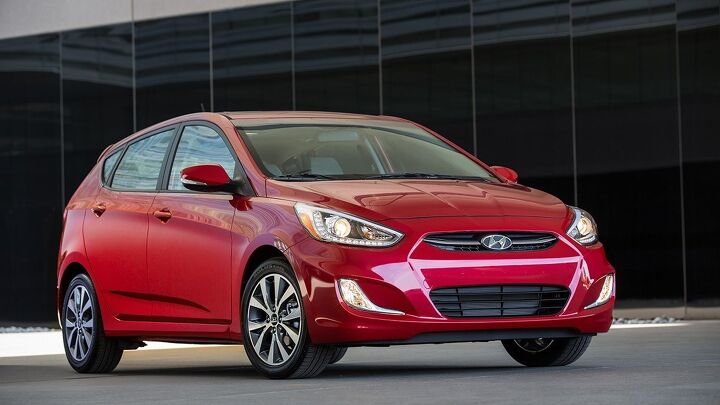
Though EV fires receive a tremendous amount of attention in the news, they are far less common proportionally than gas vehicle fires. Sure, we’ve seen a few massive recalls for EV fires in recent years, including a massive campaign involving every Chevy Bolt and Bolt EUV made between 2017 and 2023, but gas vehicles are still more likely to catch fire. Hyundai and Kia are the latest manufacturers to issue a fire-related recall, this time for millions of gas vehicles with faulty hydraulic electronic control units (HECU) and antilock brake modules.
Fire Risk Prompts Kia Niro Hybrid and PHEV Recall

The Kia Niro Hybrid and Plug-in Hybrid are being recalled for an issue that could cause fires in the engine compartment. A total of 121,411 vehicles are involved in the recall, which relates to the printed circuit board in the hydraulic clutch actuator.
Driving Dystopia: Companies Are Getting Serious About Vehicle-to-Infrastructure Connectivity
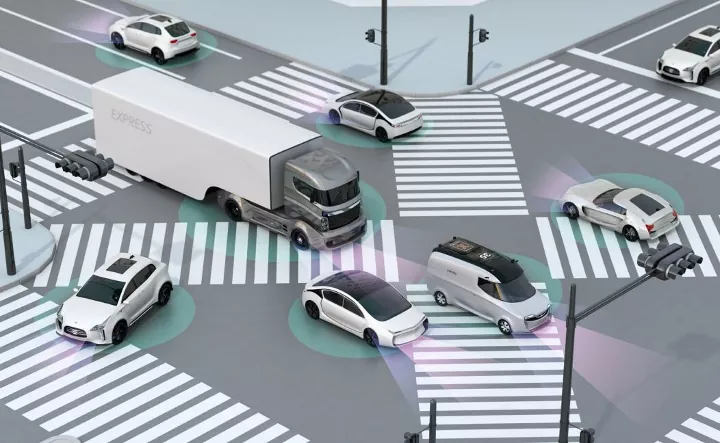
Before connected vehicles had become ubiquitous, numerous companies suggested that they would be networked into roadway infrastructure to improve safety and decrease traffic congestion. The concept even became a keystone issue for lobbyists trying to convince lawmakers to create regulations favorable to autonomous cars.
But it never manifested due to just how ambitious the overarching concept happened to be. The relevant technologies were still in their infancy and would require years of collaboration between multiple industries and various government agencies before anything got off the ground. However, things are reportedly starting to change. Pilot programs are being implemented on public streets, companies are working on the necessary hardware, and the U.S. government is asking for more with cash in hand.
NHTSA Investigating 1.1 Million Ram 1500 Pickups Over Steering Complaints
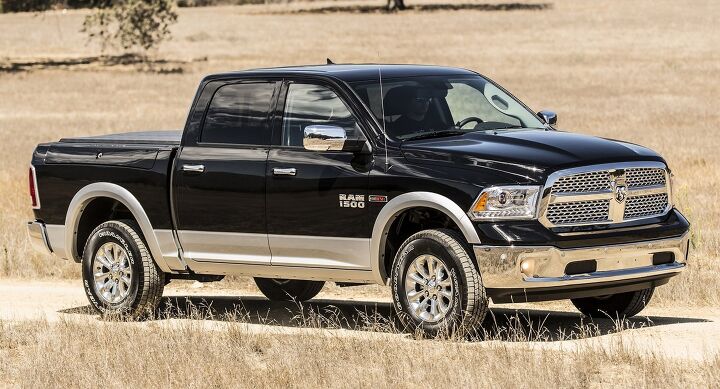
On Tuesday, the National Highway Traffic Safety Administration (NHTSA) confirmed that it would be investigating over one million Ram 1500 pickup trucks over complaints about power steering issues.
While the conditions for a regulator-enforced recall have not yet been satisfied, Stellantis may institute a voluntary recall of its own before regulators have completed their probe. In 2016, the automaker recalled a batch of 1500 pickups when it was still Fiat Chrysler Automobiles (FCA) over contaminated power steering units. Debris has apparently entered the system, creating a possibility of an electrical short.
Hyundai and Kia Recalled More Than 90,000 Vehicles for Fire Risk
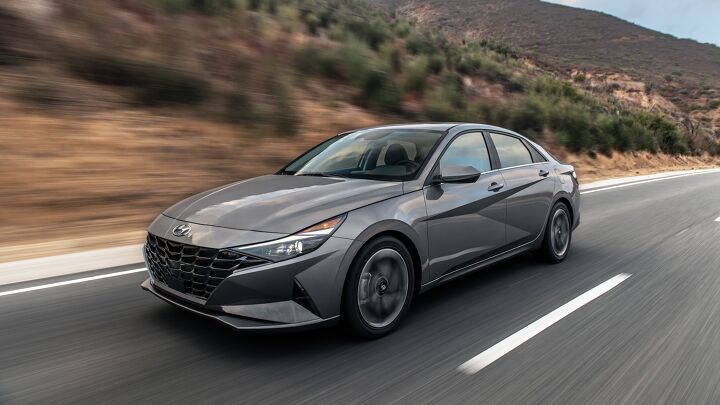
Hyundai and Kia are among the most talked-about automakers on the planet. The duo’s new electric models are exciting and feature styling that makes them look ripped straight from a sci-fi film. Their growth has been impressive, but the news isn’t always positive. The automakers recently recalled more than 91,000 vehicles for an issue that could cause an oil pump fire.




Recent Comments