


Stellantis Merger Now Playing at a Dealer Near You

Stellantis, the merger between Peugeot and Fiat Chrysler Automobiles, became effective on Saturday, January 16th. The world’s fourth-largest carmaker has emerged, a surprise to no one.

Mike Manley FCA CEO to Head Americas for Stellantis

Mike Manley will head Americas operations for Stellantis, as FCA chairman John Elkann said in a letter to employees today.
What's to Become of Chrysler?

Chrysler has certainly changed since emerging from the ashes of the Maxwell Motor Company in 1925, spending the better part of the 20th century purveying all manner of car to the American public. The current century has seen the company merge with Daimler, followed by Fiat. Now it’s cozying up to PSA Group, leaving many to wonder what purpose Chrysler serves beyond being the corporate namesake.
Officially, the merger isn’t supposed to impact any FCA or PSA brands. But the Chrysler brand isn’t exactly a model of industrial health. Its current lineup consists of four vehicles, one of which (Voyager) is just the lower-trim version of the non-hybrid Pacifica. The minivan sales are enviable, comprising over half of all vehicles sold within the segment for the United States last year — if you incorporate the Dodge Caravan — but Chrysler’s overall trajectory leaves much to be desired.

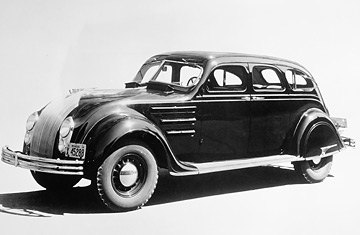

Chrysler Zombie Watch 1: Fiatsco!
Well, the fat lady done sung. Only it was a thin president who ended TTAC’s Chrysler Suicide Watch. Lucky for us (if no one else), the Prez also promis…
Read more

Chrysler Suicide Watch 49: Official Statement
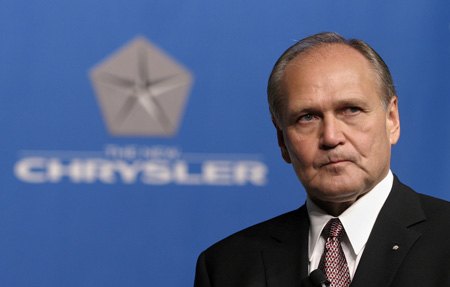
Auburn Hills, Mich., Apr 30, 2009 – Chrysler LLC today announced that, as a result of the comprehensive restructuring plan agreed to by many of its sta…
Read more
Editorial: Chrysler Suicide Watch 48: Die Another Day
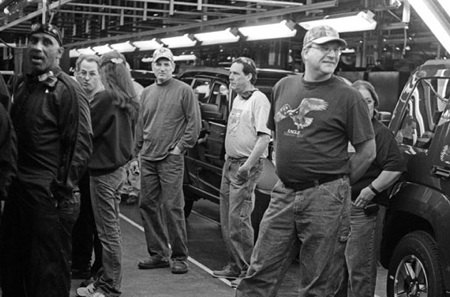
Barack Obama is set to address the nation tomorrow, announcing Chrysler’s death and rebirth. The president will frame the government’s interventi…
Read more
Editorial: Chrysler Suicide Watch 47: Chrysler Financial Flames Out

GMAC is a bank. It used to be a lender to both the car and mortgage industries. And not a particularly good one. Or, maybe, too good. Or just right if you we…
Read more
Editorial: Chrysler Suicide Watch 46: Private Capital Vs. Uncle Sam

Chrysler bondholders have officially rejected the Presidential Task Force on Automobiles’ (PTFOA) “offer” to exchange 85 percent of their s…
Read more
Editorial: Chrysler Suicide Watch 45: By Executive Fiat
C’mon. This whole Fiat and Chrysler hook-up is a joke, right? I mean, what could possibly motivate an Italian car company that got its ass kicked seven…
Read more
Editorial: Chrysler Suicide Watch 44: Will the Last One Out of the Building…

A TTAC reader writes: “Did you read the Wards AutoWorld article about how full Chrysler’s product pipeline is? So inaccurate. I had to throw away…
Read more

Editorial: Chrysler Suicide Watch 42: La Grande Bugia

Breaking news: Fiat has just signed a “non-binding term sheet” with ChryCo. The Italian automaker will acquire a 35 percent interest in Chrysler…
Read more


Editorial: Chrysler Suicide Watch 40: GM Merger A Done Deal. Or A Breakup. Or Something.
The auto news biz is abuzz with rumors of Chrysler’s endgame. Even a quick scan reveals that there are more potential scenarios and pitfalls than Opera…
Read more
Chrysler Suicide Watch 39: "Partnership for Technology Transformation"

The following Q&A was published on Chrysler's Firehouse media blog. TTAC republishes it here in its entirety, without editing, to provide insight into Chrysl…
Read more

Chrysler Suicide Watch 38: Nissan Comes A-Courtin'

Chrysler doesn't do well outside it own backyard, or play well with others. The American automaker's attempts to expand globally in the early ‘60s ende…
Read more
Chrysler Suicide Watch 36: Ghosn Fishing

The breakup of Chrysler has begun. It’s been done quietly, in the open, but under obnubilating nomenclature. That last phrase says it all. Why lie when…
Read more

Chrysler Suicide Watch 35: Reason to Be Cheerful

(The following email was sent to Chrysler employees today. It was released to the media with a note which read "'This information should help you cover Chrys…
Read more
Chrysler Suicide Watch 34: End Game
Back when Cerberus bought Chrysler from Daimler, the new owner’s spinmeisters were highly animated. “We’re quicker than quick,” they…
Read more
Chrysler Suicide Watch 32: Slumlords
It’s getting close to the first anniversary of Chrysler going to the dog. While there’ve been job cuts and “market adjustments,” the…
Read more

Chrysler Suicide Watch 31: False Dawn

“It’s a New Day.” Unless you’re terminally ill or the guest of a terrorist cell, this observation won’t come as much of a surprise or, in itself, cause much delight. And yet that’s the tagline for the [now] combined Chrysler, Dodge and Jeep brands. In an explanatory TV ad, an animated child tells viewers that the American automaker will [now] listen to YOU and build cars the cars YOU want. The ad is an excellent example of what Adolph Hitler called The Big Lie: a falsehood so “colossal” that no one would believe that someone “could have the impudence to distort the truth so infamously”. To wit: if any single automaker ISN’T building the cars YOU want, it’s Chrysler.
Ipso facto. Chrysler’s U.S. market share is swirling around the toilet bowl. Although they’re now a privately-held company exempt from full public financial disclosure, analysts reckon Auburn Hills accounts for just 14 percent of the America’s new car sales pie– and falling. Not to mention the bulk sales propping-up that share. And no wonder: Chrysler’s three brands are suffused with poorly-built, hugely discounted, high-depreciation product that YOU would be crazy to buy.
The timing of Chrysler’s new day new tagline adds to the cognitive dissonance. Why would Chrysler announce its newfound desire to build cars customers want (sounds crazy but it just might work) just as it’s about to decimate its entire model lineup? This forthcoming execution of ten or more Chrysler losers makes perfect sense: the first part of making the cars YOU want is shit-canning the cars YOU don’t want. But it’s a PR nightmare. Customers will [rightly] see the bloodletting as an abject admission that Chrysler isn’t clued-in to its customers’ need.
Don’t worry! It’s a New Day! (How Mein Kampf is that?) Yes, well, what about all those customers who helped keep Chrysler alive by buying all the models that the company is now killing? Unless these owners plan to take their lame duck car or truck to the grave (via their very own personal lifetime warranty), Chrysler’s producticide will add depreciation insult to depreciation injury. Should old acquaintance be forgot, and never brought to mind? Guess so.
The discrepancy between Chrysler’s New Day sloganeering and its past and current predicament isn’t the only reason that their new tagline is a Big Lie. The automaker’s inability to implement this consumer-centric philosophy in the future also puts paid to their Napoleonic declaration that history begins… now.
Let’s set aside the fact that Chrysler’s new owners’ intention to sell the company to someone else (talk about commitment: we’re going to build the cars YOU want until we can get SOMEONE ELSE TO DO IT). To bring meaning to Chrysler’s New Day promise to listen and respond to customers’ needs, they’ve got to change they way they do business.
Hence the tagline’s tagline: “you talk, we listen.” The evidence for this communications revolution is weak. The official website proclaims the New Day and invites customers to “see the difference” on 12 models. The majority of the enhancements are options (i.e. extra expense), rather than new “you asked for it, you got it” standard features. Are we really to believe that Charger customers clamored for “Cool Vanilla” paint? At best, these changes result from the same old focus group filtration. At worst, Chrysler’s spinning to create a false sense of consumer “empowerment.”
For evidence of Chrysler’s supposed desire to “get close to the customer,” we turn to their official blog. Not only is Chrysler leaving this electronic forum to rot on the [not Jason] vine, but even a cursory glance reveals that it’s nothing more than corporate propaganda written by insiders, hacks and Spinmeisters. “Yes a truck can be a family vehicle;” “A new day dawns at our dealerships;” “Unleashed.” In a web swimming with millions of car buyers and enthusiasts, most blog posts get single digit (including 0) responses. ‘Nuff said?
It’s too bad that Chrysler’s New Day is a Big Lie. They’ve missed a huge opportunity to make an enormous competitive leap. If Chrysler really wanted to revolutionize its business, to create a genuine new dawn, they could do so by throwing open the company to its customers, dealers and workers. They could use the net to destroy the walls separating “us” and “them,” and establish a sophisticated feedback loop where the company COULD listen to its customers— and act upon that information in a timely way.
Yeah right. Chrysler is owned by Cerberus, a private equity company known for its obsessive, Kremlin-like secrecy. Of all the automakers in the world, Chrysler is the LEAST likely to let its guard down. There will be no Glasnost in Auburn Hills. Chrysler’s New Day is nothing more than a false dawn for those gullible– or desperate– enough to believe that the sun will come out tomorrow for the product-challenged, financially troubled American automaker.
Chrysler Suicide Watch 30: The Early Attempts, Pt. 2

Chrysler’s near-death experience in 1980 had a salutary effect on the company’s culture. Headcount was slashed by over 50 percent. By necessity,…
Read more


Chrysler Suicide Watch 27: What's Next
How in the world did the United Auto Workers (UAW) boss Ron Gettelfinger think he could get his Chrysler members to ratify their proposed contract without pr…
Read more
Chrysler Suicide Watch 26: Connect the Dots

Kids love to play connect the dots. When the dots are numbered sequentially (with a few outlining details thrown in to keep 'em focused), it's easy to do. Wh…
Read more
Chrysler Suicide Watch 25: Dickless Porn
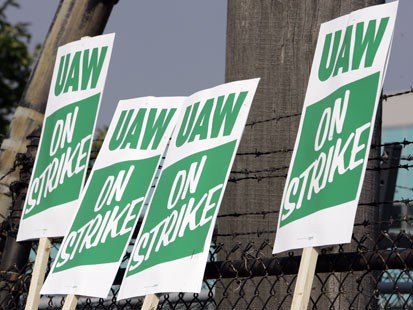
It’s true. The United Auto Workers (UAW) six hour strike against Chrysler was nothing more than a bit of empty posturing, some meaningless moaning and…
Read more
Chrysler Suicide Watch 24: Now What?

Since Cerberus removed Chrysler from German control, the crisis corporation’s modus operandi appears to remain unchanged. Other than some relatively mi…
Read more
Chrysler Suicide Watch 23: Dealer's Choice?
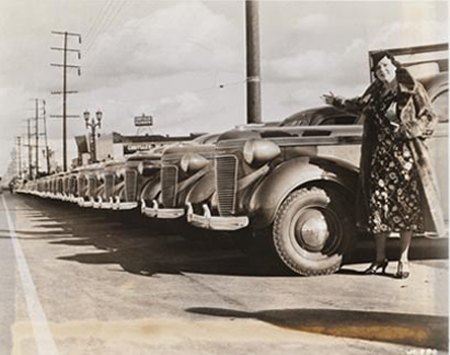
Poor-quality car dealers. You know the score: dodgy facilities, salesmen you wouldn't trust with your pet rock, F&I guys who nickel and dime your paycheck in…
Read more
Chrysler Suicide Watch 22: A Tangled Web

Aside from select Jeeps, Chrysler's sales suck. Given this inescapable fact, you'd think that the hard-pressed born-again domestic automaker would do everyth…
Read more
Chrysler Suicide Watch 21: Slash and Burn for Strip and Flip

As top executive for a large manufacturing enterprise, Bob Nardelli was a tremendous success. As the man in charge of a gigantic retail business, not so much…
Read more
Chrysler Suicide Watch 20: Cerberus Bares Its Teeth
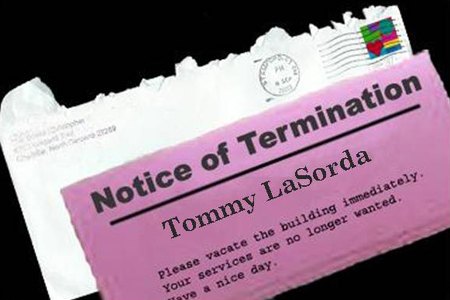
When Daimler gave sold Chrysler to Cerberus, it seemed as if things were looking up for the beleaguered automaker. With a return to American ownership, the…
Read more
Chrysler Suicide Watch 19: Imperial Remnant
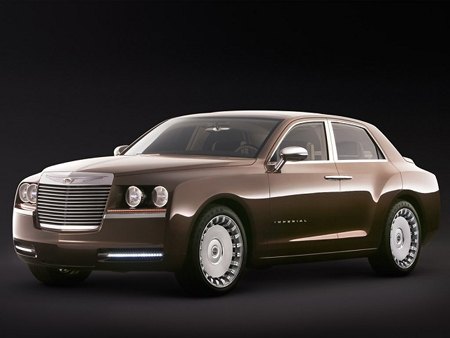
Last week, Chrysler announced they’d cancelled plans to build their super-sized 300, the Imperial sedan. Company Spinmeister David Elshoff cited new, m…
Read more
Chrysler Suicide Watch 18: Chrysler Pops Its Chery
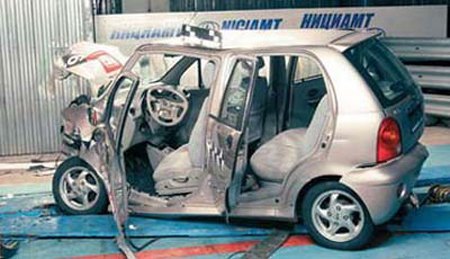
Do ya have a hankerin’ for a cheap small car that can’t be satisfied by an offering from Korea, Japan, Europe or the good ‘ole US of A? Me…
Read more

Chrysler Suicide Watch 17: Party 'Til They Drop

Earlier this week, the European Union rubber-stamped the DaimlerChrysler divorce. So that's it. Later this financial quarter, prefix and suffix will go their…
Read more
Chrysler Suicide Watch 16: Cerberus' Master Plan?
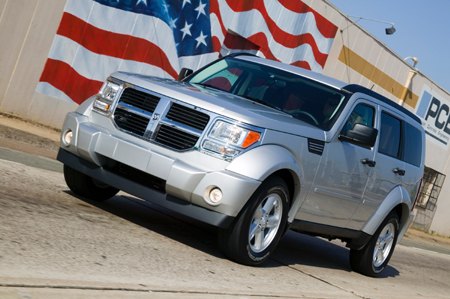
So that's it: deal done. Yesterday, federal regulators cleared DaimlerChrysler's suffix sale to Cerberus Capital Management. In the absence of any immediate…
Read more
Chrysler Suicide Watch 15: Does Cerberus' Chrysler Purchase Portend a New Paradigm?

In Greek mythology, Cerberus guarded the gates of Hades. Anyone who challenged the three-headed dog was ripped to shreds. In American business, the Cerberus…
Read more
Chrysler Suicide Watch 14: Tom LaSorda: From Zero to Hero and Back

In Greek mythology, Heracles performed twelve tasks set by King Eurystheus. Any one of these tasks would have finished off a mere mortal, but the dynamic dem…
Read more
Chrysler Suicide Watch 13: Inappropriate Force

In the Phantom Menace, Anakin Skywalker stands in front of the Jedi Council. Master Yoda senses that Skywalker’s fear of losing his mother is clouding…
Read more

Chrysler Suicide Watch 12: Give Me Liberty Or…
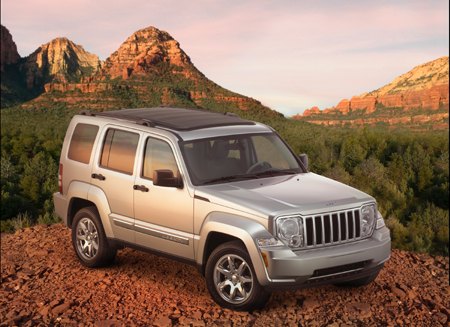
Once upon a time, a loafer-wearing businessman buried the front end of his rented Oldsmobile in a dune on the barren southwestern point of Galveston Island.…
Read more
Chrysler Suicide Watch 11: Captain Kirk Beams Down

At last week's DaimlerChrysler stockholder meeting, a man named Ekkehard Wenger stepped up to the microphone and said his piece. "For nine years you have bee…
Read more
Chrysler Suicide Watch 10: Mopar Melodrama

Welcome to this week’s installment of “That’s the Way the Daimler Benz!” When we last we left our hapless heroine, little Chrissie…
Read more
Chrysler Suicide Watch 9: Bad Carma?
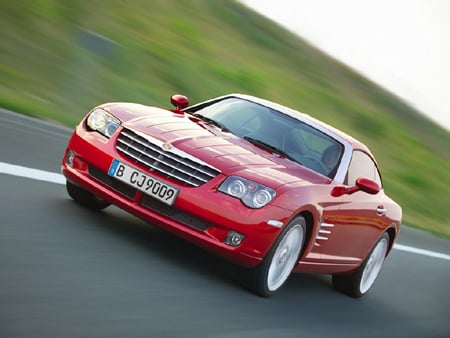
When DaimlerChrysler unveiled Project X, the media was abuzz. Chrysler’s turnaround strategy included eliminating thousands of jobs, slashing vehicle p…
Read more
Chrysler Suicide Watch 8: Plan X From Outer Space

According to the Consumer Federation of America, most large insurance companies rely on computer programs like "Colossus" and "Claims Outcome Advisor." These…
Read more
Chrysler Suicide Watch 7: Be My Valentine… Or Else

Valentine’s Day. The day that keeps jewelers, greeting card companies, florists and candy makers afloat from the one Christmas to the next. The day whe…
Read more
Chrysler Suicide Watch 6: Dance With Me

When Daimler-Benz began its Apache dance with Chrysler in 1998, everyone wondered who was leading and where the Hell they were going. At first, the “me…
Read more
Chrysler Suicide Watch 5: Necessity is the Mother of Intervention

In the late ‘70’s, Chrysler and Mark Knopfler had a lot in common. The automaker and the guitarist were both in dire straits. Unlike the British…
Read more
Review: 2007 Chrysler Sebring
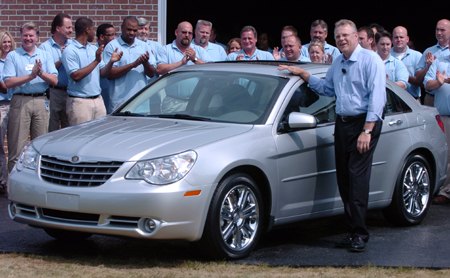
TTAC recently placed Chrysler on suicide watch for the easily correctable fact that vast empty spaces and dealers’ lots are stuffed with Chrysler/Dodge…
Read more
Chrysler Suicide Watch 3: Deja Vu All Over Again, Again

With cars and trucks piling up, it’s looking like the Daimler/Chrysler merger/takeover is on the skids. Mergers are always tricky in the auto business.…
Read more
Chrysler Suicide Watch 2: Say It Ain't So Joe

Germans don’t like the phrase “assisted suicide.” The preferred term is aktive Sterbehilfe (active assistance in dying). Apparently, it's n…
Read more
Chrysler Suicide Watch 1: Jump?

Just a few years ago, Walter Chrysler’s namesake was riding high. The “partnership of equals” between America’s Chrysler Corporation…
Read more











Recent Comments