


When A Nissan Won The Daytona 24 Hours
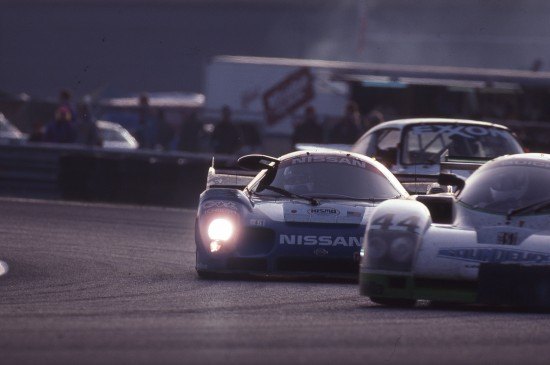
The early 90s were tough times. Stock markets had crashed, real estate bubbles had popped, budgets were slashed. The fabled Daytona 24 hours endurance race survived (barely) with Rolex as a sponsor.
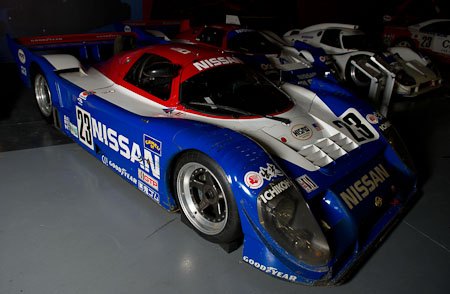
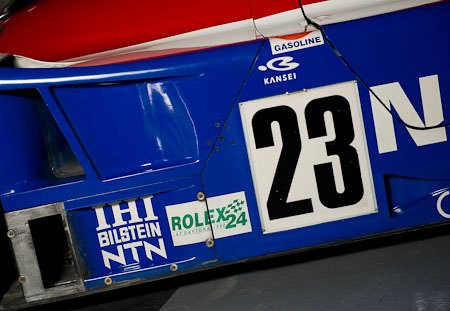
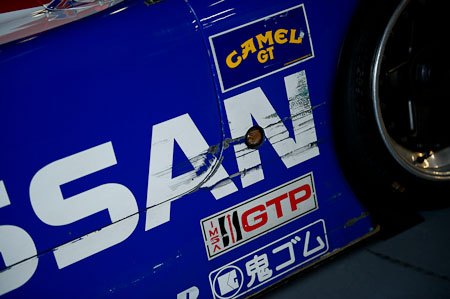
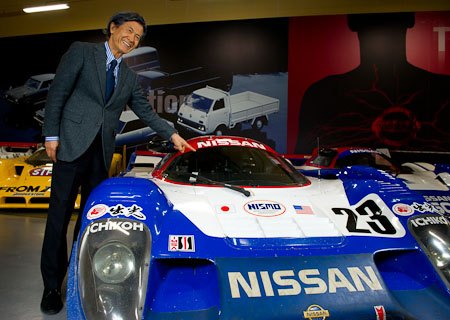
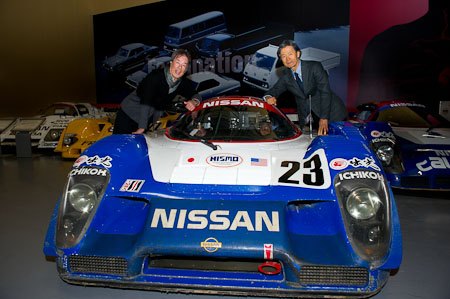
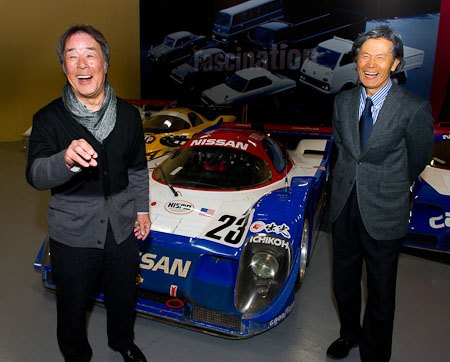
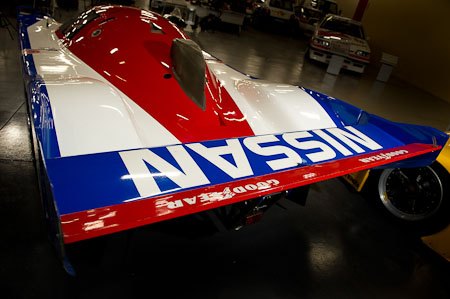
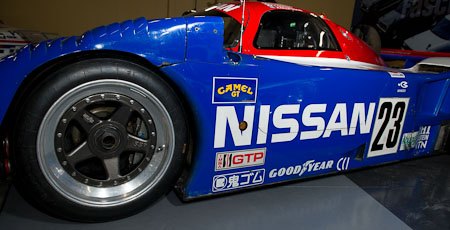
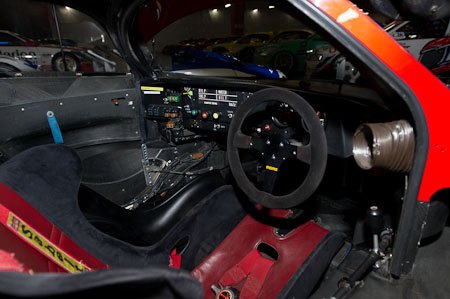
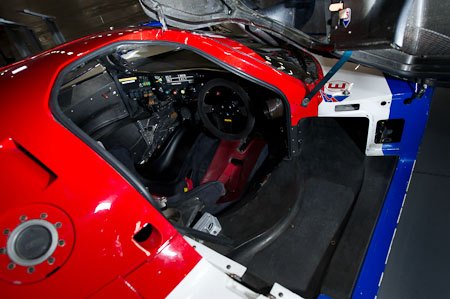
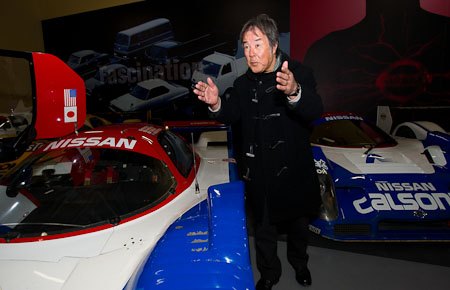
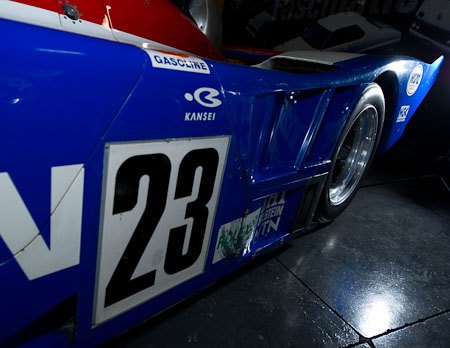
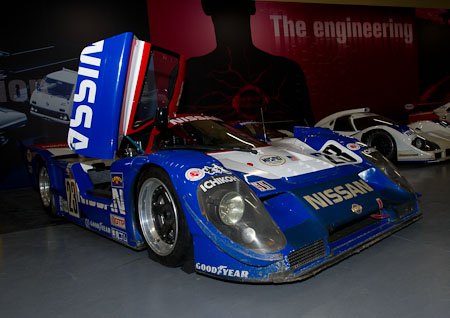
In 1992, the field was down to 49 cars, one of them a newcomer from Japan, Number 23, fielded by Nissan’s Nismo (Nissan Motorsports International) factory team.
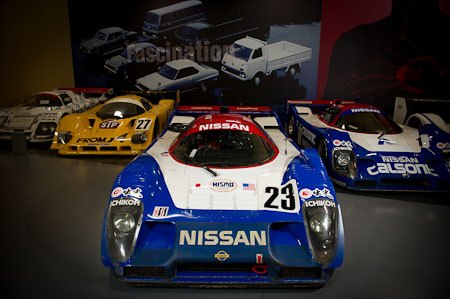
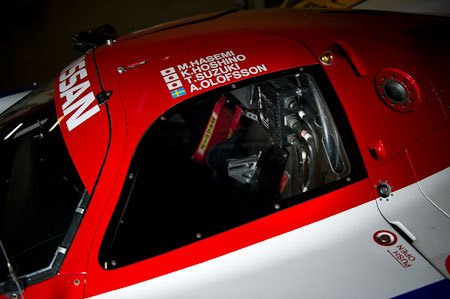
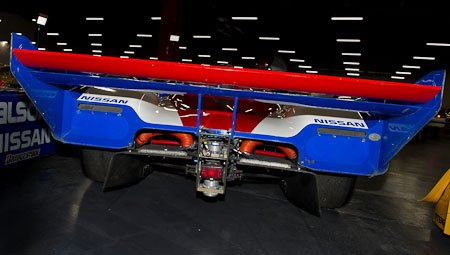
Nismo brought its prototype R91CP car, with Masahiro Hasemi, Kazuyoshi Hoshino, and Toshio Suzuki as drivers. Only Hasemi had U.S. driving experience.
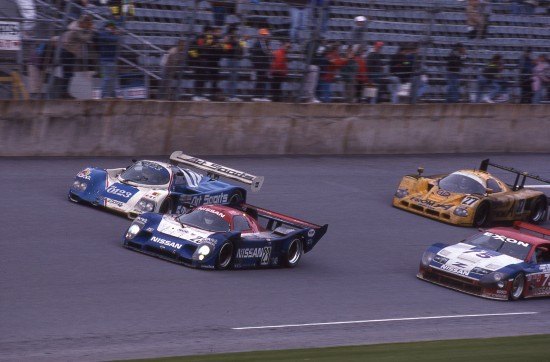
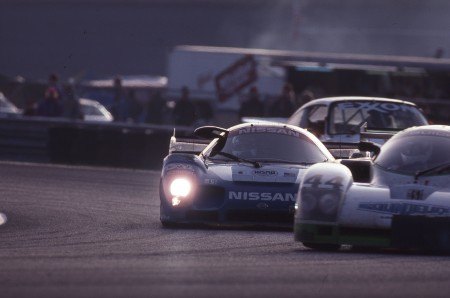
After the second lap, number 23 took the lead, and never surrendered it. The only car that came close to being a challenge, the Porsche, broke down in the morning of the second day.
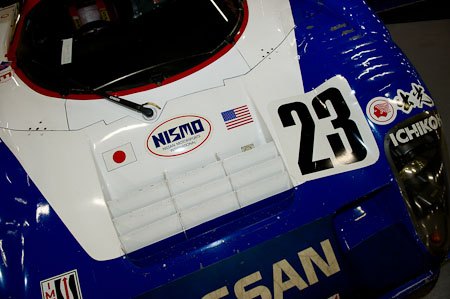
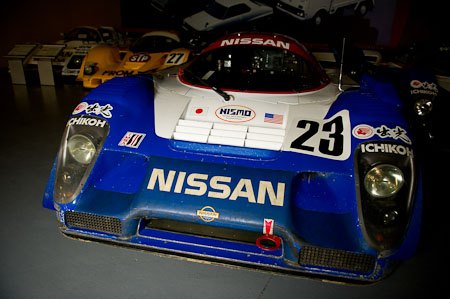
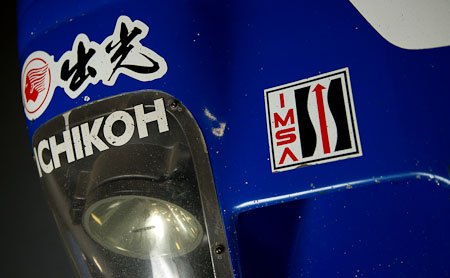
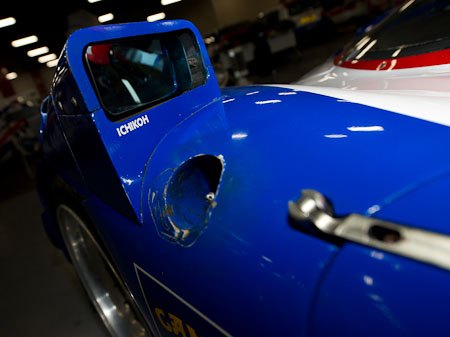
The team credited most of its wins not to engine or driving, but to its headlights. Technical Chief Kunihiko Kakimoto remembers:
“These HID headlights contributed greatly to the victory. We co-developed these with our supplier Ichikoh, which had very good technology. There were many competitors and other suppliers developing HID headlights, but Ichikoh had one of the best in terms of performance and reliability.”
After the race, Nissan was approached by second-placed Jaguar. They wanted to buy the HID headlights, and were ready to pay as much as Nissan wanted.
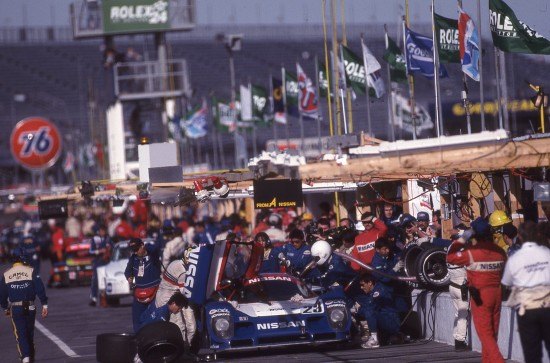
The Daytona beach nearly did cost Nissan the victory. Sand had clogged up the radiator and the engine was overheating. Washing off the sand did not do it. Nissan had so much of a lead time that someone could be dispatched to the store, detergent was bought, and the sand was removed.
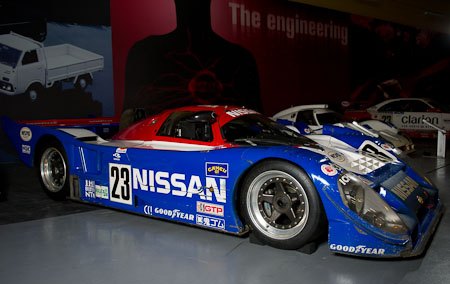
When the checkered flag came down, Nissan No.23 was nine laps ahead of the Jaguar XJR-12, it had done a record 762 laps at an average speed of nearly 113 miles per hour and over 2,700 miles. Never again in the history of the Rolex 24 had a winning team completed as many laps.
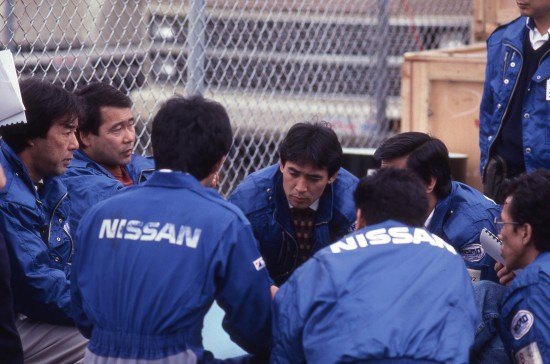
R91CP Specifications
Overall length / width / height: 4,800/1,990/1,100mm
Wheelbase: 2,795mm
Tread (front/rear): 1,600/1,560mm
Curb weight: Over 930kg
Engine: VRH35Z (V8, DOHC), 3,496cc
Engine Max. power: Over 500kW (680PS)/7,200rpm
Engine Max. torque: Over 784Nm (80.0kgm)/5,200rpm
Engine Turbocharger: IHI twin turbo
Transmission: VGC (5-speed)
Suspension: Double wishbone (front & rear)
Brakes: 14in. carbon (front & rear)
Tires (wheels)(front): 25.5×12.0x17 (13Jx17)
Tires(wheels)(rear): 28.5×14.5×18 (15Jx18)
Tires by Goodyear

Bertel Schmitt comes back to journalism after taking a 35 year break in advertising and marketing. He ran and owned advertising agencies in Duesseldorf, Germany, and New York City. Volkswagen A.G. was Bertel's most important corporate account. Schmitt's advertising and marketing career touched many corners of the industry with a special focus on automotive products and services. Since 2004, he lives in Japan and China with his wife <a href="http://www.tomokoandbertel.com"> Tomoko </a>. Bertel Schmitt is a founding board member of the <a href="http://www.offshoresuperseries.com"> Offshore Super Series </a>, an American offshore powerboat racing organization. He is co-owner of the racing team Typhoon.
More by Bertel Schmitt


Comments
Join the conversation
Meh, Nissan only won after Mazda started to implode financially and pulled out. Mazda OWNED the 24 Hours of Daytona.
Meh, Nissan only won after Mazda started to implode financially and pulled out. Mazda OWNED the 24 Hours of Daytona in the 1980s with the RX-7.