


Turns Out Automakers Have No Clue How Much American Content Is Actually In Their Imported Cars

Automakers building vehicles in Canada and Mexico are being squeezed by new U.S. trade enforcement, facing higher import costs due to insufficient documentation of American-made content.

Japanese Automakers Considering Reverse Imports Of American Built Vehicles
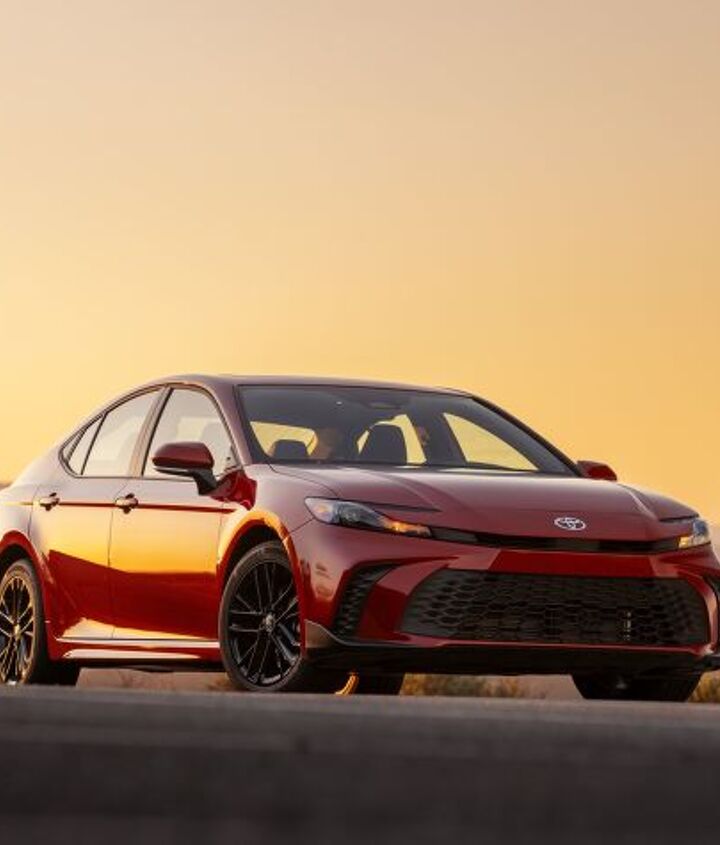
Japanese automakers are considering importing U.S.-built vehicles back into Japan in a politically motivated play aimed at easing trade tensions with the Trump administration. Executives from Toyota and Nissan confirmed this week that they are looking at so-called “reverse imports,” an expensive idea that would see a small number of American-assembled vehicles sold in Japan.
Nexperia Chip Shortage Contagion Hits Japanese Automakers
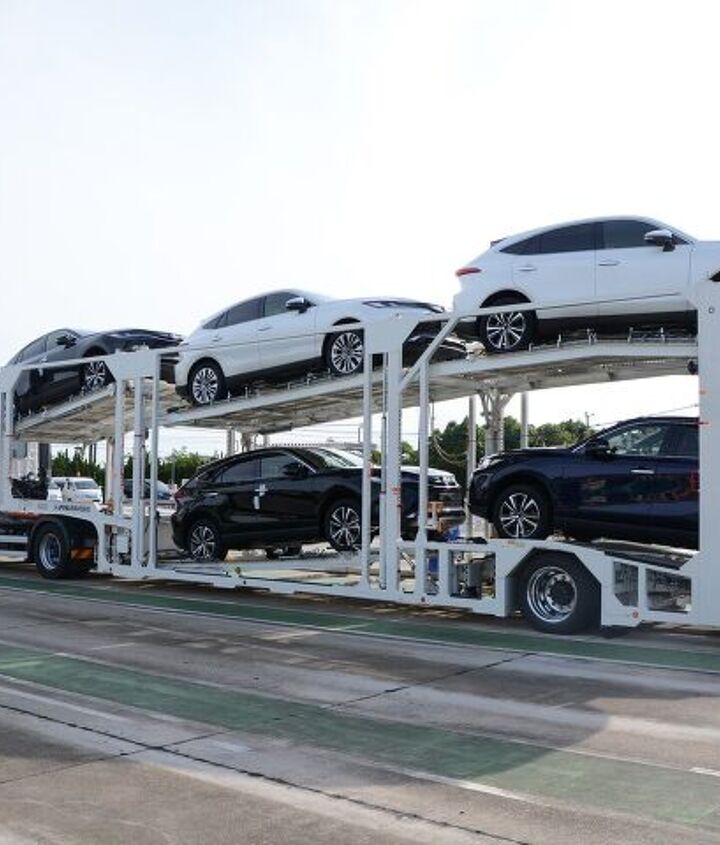
First Europe, now Japan. Automakers are getting ready for potential chip shortages after Dutch semiconductor manufacturer Nexperia warned that it may no longer be able to guarantee supply to its customers.
More Bad News For Volkswagen
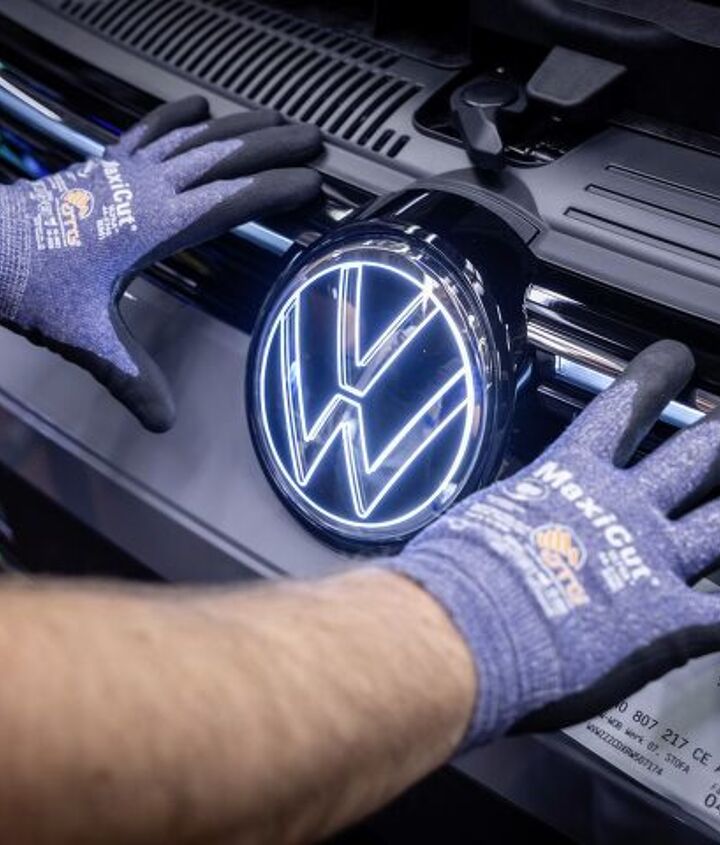
Volkswagen is preparing to idle production of the Golf at its Wolfsburg, Germany, plant beginning October 29, as the auto industry faces yet another chip shortage—this time triggered by escalating trade tensions between the United States, the Netherlands, and China.
European Automakers Are Catching Collateral Damage From Washington and Beijing
The Dutch government’s decision to seize control of chipmaker Nexperia has roiled Europe’s auto industry. On September 30, The Hague invoked the rarely used Goods Availability Act to take oversight of Nexperia, citing “serious governance shortcomings” and the risk of technology transfer to its Chinese owner, Wingtech.
The Auto Industry’s Attempts To Hit The Moving Tariff Target
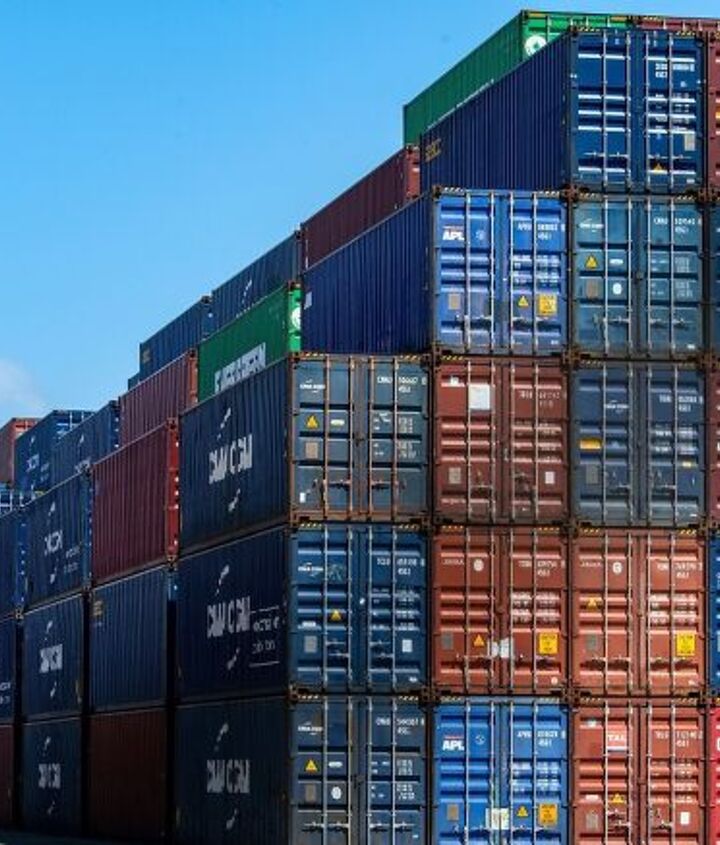
This story has been updated with new data and commentary from Cox Automotive.
It’s tough to score a bullseye on a moving target, but that’s what manufacturers are attempting to do as Pres. Donald Trump continues to toy with the rate of tariffs on imported goods since first announcing them last spring.

Lucid is Having Trouble Getting Up to Speed with Production of the New Gravity SUV
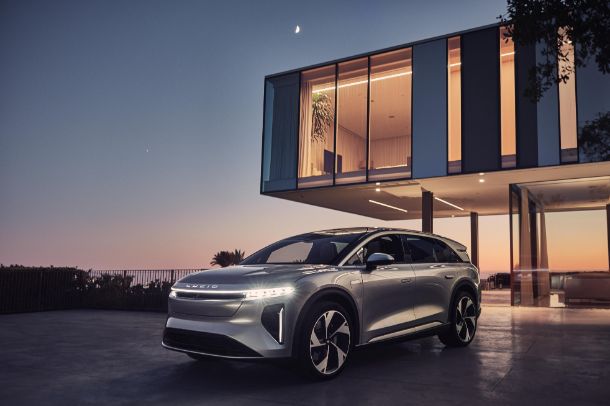
Lucid Motors was never going to be a super high-volume automaker, but it’s struggling to meet modest production goals. During a recent earnings call, the company said its ramp-up of the new Gravity SUV has been slower than it planned.

Trump Approves New Trade Deal With China
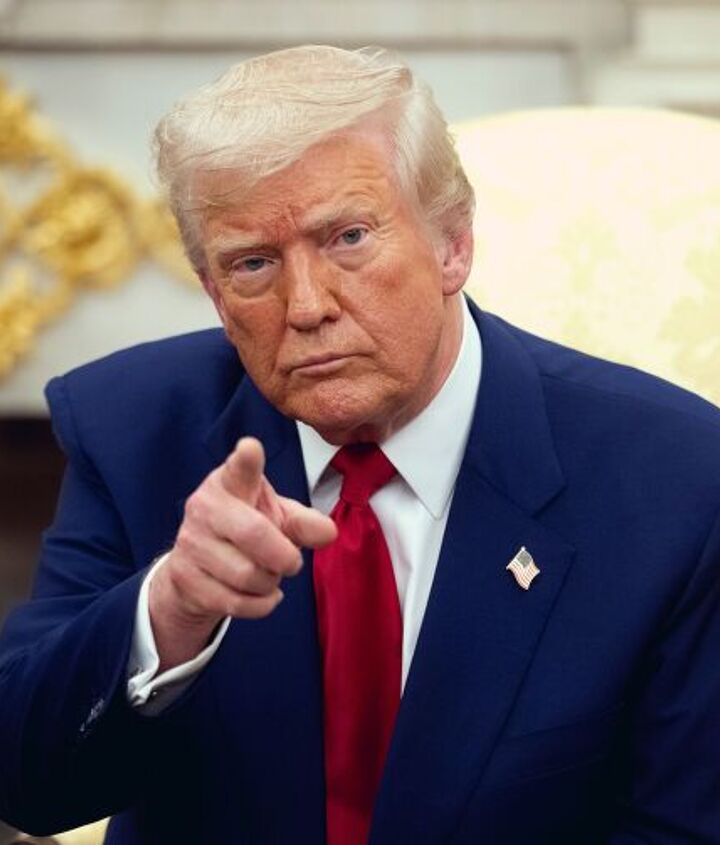
On Wednesday, Donald Trump announced his endorsement of a US-China trade deal negotiated in London. The arrangement would reportedly allow the United States access to rare earth minerals and magnets necessary for automotive production while still raising tariffs on Beijing to 55 percent.

No Mitsu for You: Brand Holds American Imports – for now
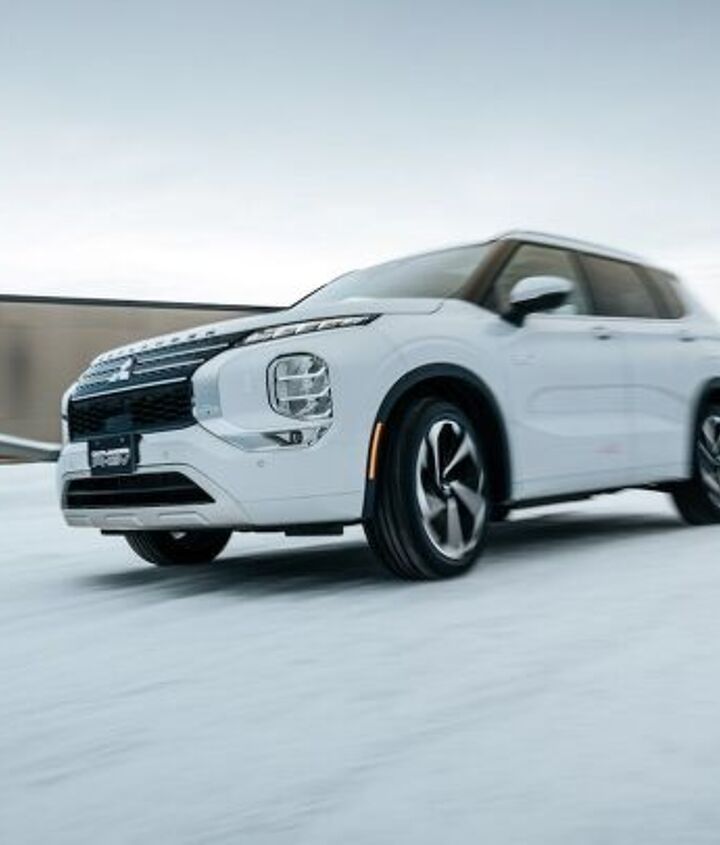
Responding to the ever-changing tariff tax landscape in America, the crew at Mitsubishi has – for the moment – halted the shipping of additional inventory to dealers in this country.

China Pumps Brakes On Critical Exports Related to U.S. Autos and Defense Industries

China is one of the world’s most prolific exporters of rare earth metals and raw materials needed to build everything from electric vehicles to fighter jets. The U.S. relies heavily on those components, including in the automotive industry, which is why China’s recent decision to halt exports could be extremely disruptive.
QOTD: What Other Car Models Could Tariffs Kill?
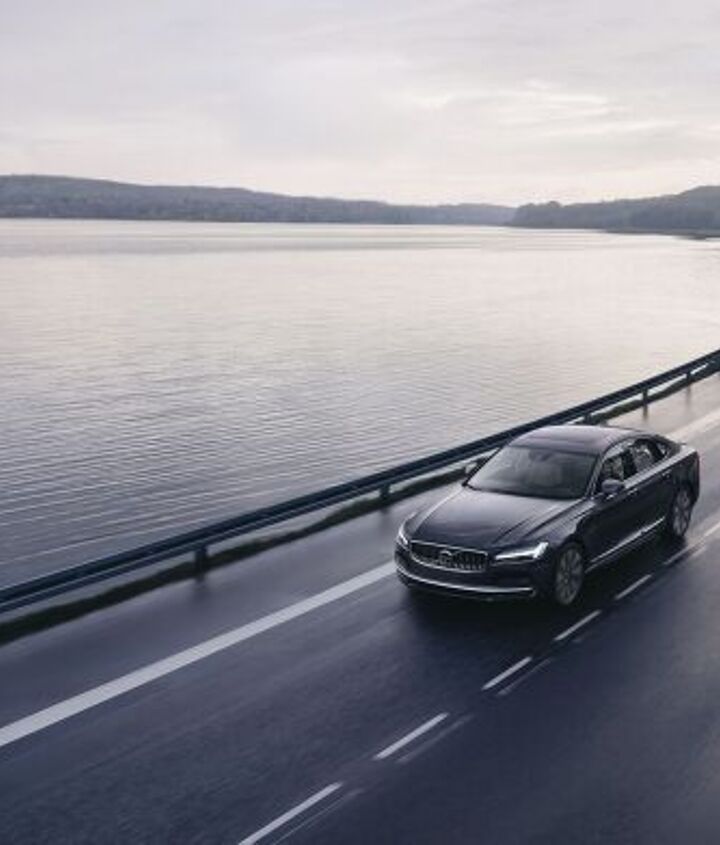
Volvo is killing the China-built S90 because of tariffs.
So, what other car models could die due to Trump's tariffs?

Trump Lowers Tariffs To 10 Percent For 90 Days
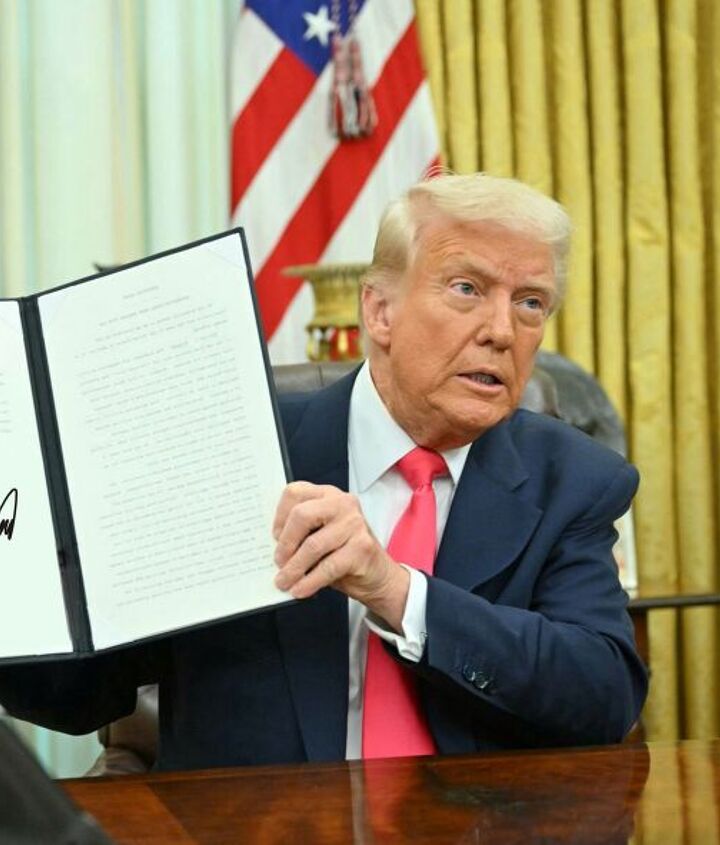
The White House has announced that it will temporarily lower the new tariff rates on imports on most of the United States’ largest trade partners to 10 percent for 90 days to help facilitate trade negotiations. This comes after numerous retaliatory tariffs were launched, including the 25 percent Canada has placed on automobiles built in the U.S. that went into effect earlier today.
Jaguar Land Rover Halting U.S. Shipments As It Assesses Tariff Impacts

Jaguar Land Rover was already in one of the more precarious positions in its history before Donald Trump took office as president, but the recent tariff announcements could throw a wrench in the gears of its recovery plans. The automaker, which moved just 430,000 vehicles globally last year, said it would pause shipments to the U.S. while it works through the impacts on its business operations.
QOTD: Who's Handling Tariffs The Best So Far?
The Trump tariffs are here, and the automakers are doing what they can to deal.
Who's dealing with the best so far?
Volkswagen Adds Surcharge To Imported Vehicles
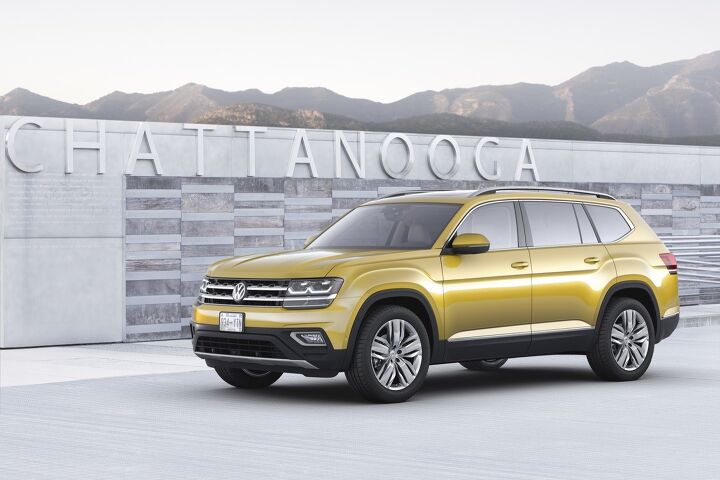
Volkswagen has a plan to deal with increased tariff costs, and it includes charging more for the vehicles it imports. The automaker recently told its dealers that it would tack an import fee to vehicles entering the country starting later this month.
Canada Retaliates Against Trump's Automotive Tariffs

Canadian Prime Minister Mark Carney has announced that all American vehicles not compliant with the U.S.-Mexico-Canada Agreement will be hit with a 25 percent tariff.
This is in response to U.S. President Donald Trump's tariffs.
QOTD: Will Trump Exempt Some Parts From Tariffs?

Earlier today, we brought you Bloomberg's report that automakers are looking to exempt some low-cost parts from President Trump's proposed tariffs.
Automakers Scramble to Persuade Trump To Reduce Certain Tariffs

Automakers are now trying to convince the Trump Administration to reduce or eliminate proposed tariffs on car parts sourced from overseas.
Trump Says He "Couldn't Care Less" If Car Prices Rise Due to Tariffs

President Donald Trump told NBC News that he "couldn't care less" if his proposed 25 percent tariffs, set to take effect this week, cause automakers to raise prices on new cars.
Here's Another Look At How Tariffs Could Affect New-Car Pricing

We've already done this once, but that was for a different set of tariffs. Now President Donald Trump has new tariffs on foreign cars and parts set to go into effect next week.
Let's take another peek at some data, thanks to Cox Automotive.
Report: President Trump Warned Automakers Not to Raise Prices

The Wall Street Journal has a new report out suggesting that President Donald Trump warned automakers not to raise prices, presumably so that increased costs by the tariffs aren't passed on to the consumer.
In other words, it appears he was asking automakers to take a hit so that tariffs wouldn't be unpopular with consumers.
Is Tesla Going To Be A Tariff Winner?
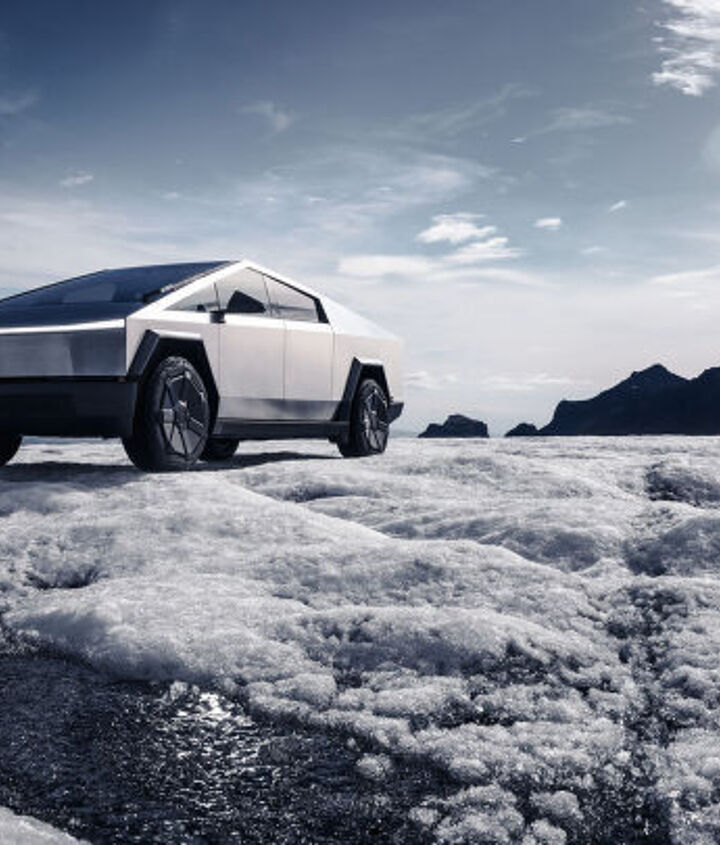
According to CNBC, Wall Street analysts have Tesla pegged as a car company that will benefit from President Donald Trump's tariffs.
President Donald Trump Announces 25 Percent Tariffs on Imported Cars UPDATED
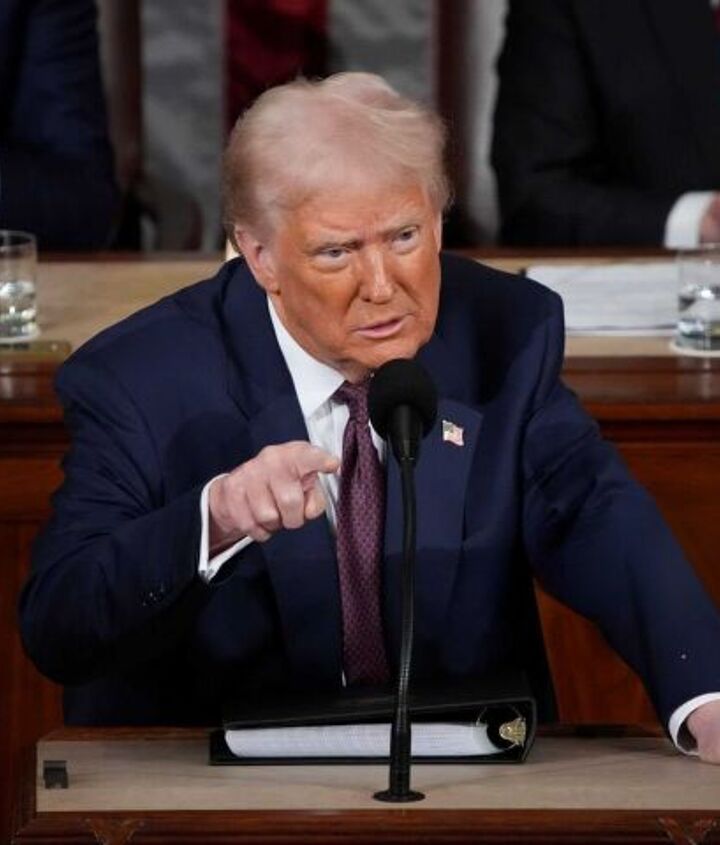
President Donald Trump announced 25 percent tariffs on imported cars on Wednesday afternoon.
Exactly How Much Will A New Car Cost Due to Tariffs?
We've spent time covering President Donald Trump's tariffs, both enacted and proposed. Throughout our coverage we've seen various numbers bandied about when it comes to how much more a new car might cost because of tariffs.
Now The New York Times is trying to pin it down.
Report: Tariffs Could Lead To Halt In Auto Production

Automotive intelligence firm S&P Global Mobility is predicting that if President Donald Trump's proposed tariffs lead to a trade war, there's a 50 percent chance that the auto industry could enter a long period of disruption.
A Brief Explainer on How Tariffs Might Affect the Automotive Industry

You've probably heard a lot of talk about tariffs the past few days.
You might also wonder how tariffs pushed by President Donald Trump will affect the automotive industry -- including the price of cars, both new and used.
Stellantis Pledges to Build More Cars in the U.S.

In response to President Donald Trump's proposed 25 percent tariffs on products built in Canada and Mexico, Stellantis is promising to build more cars in the United States of America.
QOTD: What Is Going to Happen With Tariffs?
President Donald Trump and his administration keep making adjustments to planned tariffs due to pushback from businesses and other countries.
So, what will ultimately happen?
President Trump Gives Automakers One-Month Reprieve From Tariffs

The tariff rollercoaster continues. You might remember that a month or so ago, U.S. President Donald Trump planned to enact tariffs on Mexico and Canada -- tariffs that could've had a negative impact on the auto industry. He then backed off after working with Mexico and Canada. There would be a one-month pause.
Trump then said he'd enact tariffs anyway, at 25 percent, with the plan starting earlier this week. Now the administration is doing a one-month pause. Again.
QOTD: Are Tariffs The Right Move?
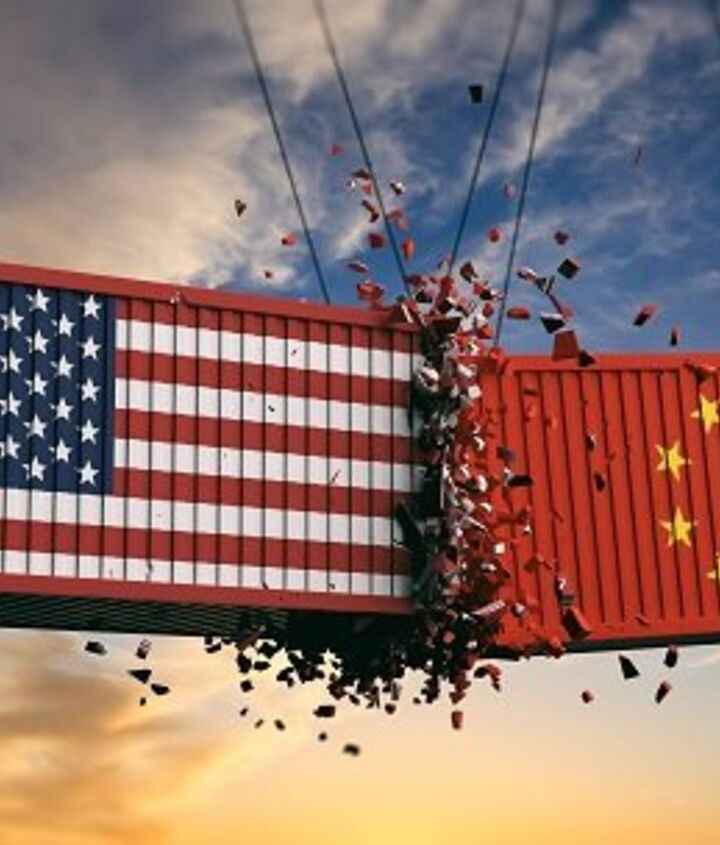
Two days ago President Biden announced heavy tariff increases on China that will push tariffs on Chinese-built electric vehicles past 100 percent.
Canada Joins Mexico in Trade Dispute Against United States
Mexican and Canadian officials have been dropping hints that they’re not all that enthusiastic about the United States-Mexico-Canada Agreement (USMCA) since before Enrique Peña Nieto, Donald Trump, and Justin Trudeau all sat down to sign it in 2018. But just getting to that point required months of formal negotiations that rarely looked to be all that productive.
Sadly, things don’t seem to have changed now that the USMCA is in full effect. Last week, Mexico requested a dispute settlement panel under the terms of the trade pact to help resolve disagreements about the surprisingly contentious automotive content stipulations that determine whether or not vehicles and parts will be slapped with tariffs. Under the previous North American Free Trade Agreement (NAFTA), 62.5 percent of the vehicle’s components had to be sourced from member nations to be considered tax-exempt. In an effort to spur localized production, USMCA increased that number to 75 and not everyone is thrilled with the updated content requirements with Mexico claiming it’s not even sure how to apply them. Canada now intends to formally sign onto Mexico’s complaint against the U.S. over their divergent interpretation of rules.
Rubber Shortages Become Latest Problem for Auto Industry

Those of you tracking the semiconductor shortage can probably take it easy for a while, as practically every industry group on the planet has tentatively agreed we’ll be seeing a chip deficit for a few years. Meanwhile, market analysts are trying to predict the next material we won’t have enough of and rubber is looking like an ideal candidate.
Rubber supplies are drying up and price increases are reportedly beginning to climb at an untenable pace. Despite several years of relatively stable availability and low prices, supply chain disruptions created by lockdowns have left latex harvesters in a bad position. Low prices encouraged many to over harvest their existing crop, rather than invest in farmland. But with shortages looking probable as countries began responding to the pandemic, China went on a buying spree to maintain a robust national stockpile in 2020. The United States was late to the party and now finds itself in a position where scarcity is driving rubber prices through the roof just when it needs to buy more.
White House Presses Taiwan On Semiconductor Shortage

Automakers around the globe have been issuing warnings for weeks that the semiconductor shortage will eventually result in fewer cars and leaner profitability reports. But the absent chips are affecting just about every industry producing modern connected devices, creating fears that electronic prices could skyrocket as availability dwindles. Lockdowns effectively crippled semiconductor supply lines right as demand peaked and everyone is starting to get a little worried about how it’s going to impact production in other industries.
The White House is reportedly taking steps to mitigate the issue by tasking Brian Deese (Director of the National Economic Council) and Jake Sullivan (National Security Adviser) with coming up with a solution. It’s also asking embassies to assist chip suppliers around the world however possible and hopefully suss out a way to stop the global shortage. Meanwhile, Deese and Sullivan will be focusing the brunt of their efforts on Taiwan.
Tires Made in Southeast Asia Will Be More Expensive
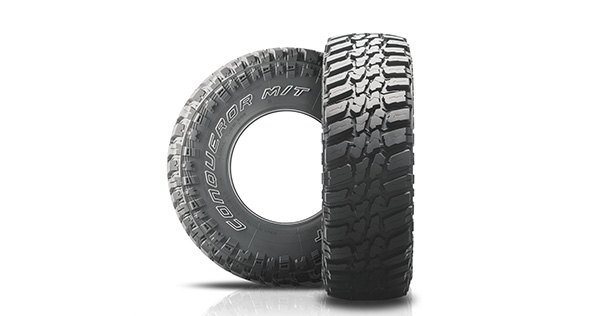
Tires from South Korea, Taiwan, Thailand and Vietnam are about to get more pricey, as the U.S. Department of Commerce (DOC) announced yesterday preliminary duties in the antidumping duty (AD) investigations of passenger vehicle and light truck tires from those countries.

Trade War Watch: Report Claims White House Wants to Dictate Where Cars Are Manufactured
The Trump administration has reportedly expressed an interest in deciding where and how automotive manufacturers do their business if they want to secure duty-free deals under the United States–Mexico–Canada Agreement (USMCA) that’s positioned to replace NAFTA. According to Bloomberg, there’s currently a discussion taking place between administration officials, congressional staff, and domestic and foreign automakers regarding the context of the legislation that lawmakers will ultimately have to vote on. The White House is said to want highly specific language that would allow it to select production rules unilaterally.
Considering how messy things have gotten with China, it could be useful to have extremely clear trade language and some direct oversight of businesses with global interests. But critics are worried the strategy could bring U.S. trade policy closer to the rigid policies already in place in the People’s Republic — a country America has attempted to distance itself from due to its ludicrous levels of government intervention.
The real fear is that the government could use this to give one manufacturer better treatment than another — cutting it a sweet deal for building in a politically advantageous area, for example. While plausible, we can’t confirm something that’s largely speculative.
Trade War Watch: Automotive Tariffs and the European Union
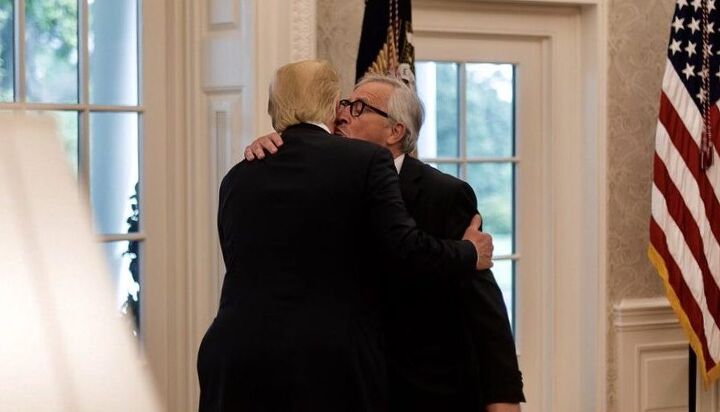
It’s been nearly a year since President Donald Trump and European Commission President Jean-Claude Juncker kissed and negotiated a temporary truce aimed at buying the United States and the EU time to renegotiate their positions without fear of new tariffs.
Unfortunately, it seems everyone had better things to do following the smooch.
Trump to EU: Expect Auto Tariffs Without Trade Deal
Earlier this week, the European Union warned that if the United States imposes any new tariffs on European-built vehicles, it can expect similar levies on American products. However, armed with the Commerce Department’s confidential report on automotive imports, President Donald Trump doesn’t appear remotely interested in backing down.
While Trump previously agreed not to impose additional duties on European cars, the arrangement hinged upon the two coming together on trade. Unfortunately, while both sides seem eager to work out a deal, they can’t quite manage to keep the constant threats down to a dull roar.
Trade War Watch: Congress Tries a New Tactic to Block Auto Tariffs

With the United States’ government shutdown now over, lawmakers have an opportunity to work together as promised. Interestingly, one of the first pieces of bipartisan legislation to emerge after the federal bureaucracy resumed operations involves a plan to severely limit presidential authority to impose tariffs for national security reasons.
The Bicameral Congressional Trade Authority Act, introduced by Senators Patrick Toomey (R-PA) and Mark Warner (D-VA), along with House Representatives Mike Gallagher (R-WI) and Ron Kind (D-WI), would require the president to get approval from Congress before taking any trade actions based on national security threats. If passed into law, the bill would let the Legislative Branch effectively block the tariffs being proposed by the Trump administration on automobiles and automotive parts.
Trade War Watch: China to Temporarily Suspend U.S. Auto Tariffs

China announced Friday its intent to reduce tariffs on imports of American-made cars as it tries to negotiate a trade deal with the United States. As you’ll recall, the People’s Republic imposed additional punitive tariffs on U.S. cars and auto parts earlier this year after promising it would lower the trade barriers on a global scale.
Things look to be different this time around. China has already taken steps to scale back the trade war and appears ready to continue down that path. Earlier this month, President Donald Trump and Chinese President Xi Jinping agreed to a truce in the trade war at their meeting in Argentina. This was followed by an announcement, via Trump’s Twitter account, claiming China had agreed to scale back auto tariffs against the United States.
Trade War Watch: Trump Says China Will Remove Car Tariffs, China Claims Nothing
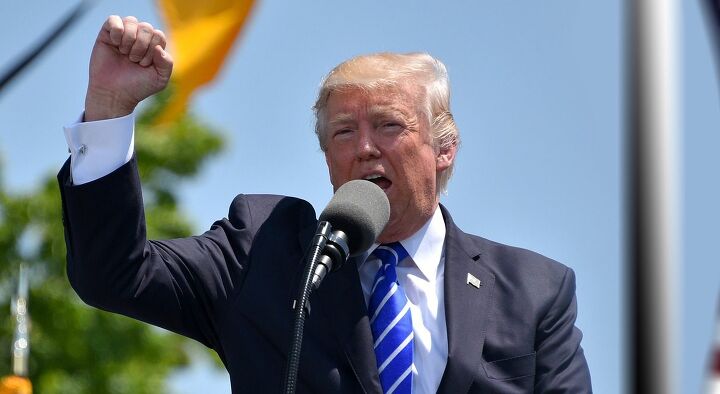
Last night President Donald Trump tweeted that China had agreed to reduce tariffs. While The People’s Republic already lowered tariffs over the summer, it chose to cut the United States out of that deal as trade relations worsened. In fact, America found itself subject to an increased, 40-percent fine on imported autos while the rest of the world saw their tariffs (partially) eased. But the president seems optimistic.
“My meeting in Argentina with President Xi of China was an extraordinary one,” Trump explained in a follow-up post. “Relations with China have taken a BIG leap forward! Very good things will happen. We are dealing from great strength, but China likewise has much to gain if and when a deal is completed. Level the field!”
Meanwhile, China remains silent on the matter.
Europe Will Punch Back Against Any U.S. Car Tariff: EU Trade Commissioner

It’s been a trade-heavy week. Earlier, the White House decided to postpone any major tariff decisions following a discussion with the Commerce Department over a draft report on the impact of auto imports, giving trade representatives from the United States and European Union room to talk.
Unfortunately, things don’t appear to have gone swimmingly. European Trade Commissioner Cecilia Malmström left her Wednesday meeting with U.S. Trade Representative Robert Lighthizer promising that the EU would have retaliatory tariffs at the ready if America pulls the trigger on auto import duties. However, she also said some progress was made during her talk with Lighthizer, but had nothing conclusive to announce
Negotiating with the EU has grown difficult and, frankly, the automotive aspects have become less important of late. The European Union is now discussing the possibility of creating its own army, leaving president Trump to tweet angrily about historical precedents.
Trade War Watch: Trump Reportedly Delaying Auto Tariffs, Clock Still Ticking
The Trump administration was supposed to make an announcement Tuesday as to whether or not imported automobiles pose a national security risk, following discussions with trade representatives. While it wasn’t presumed that the White House would say anything truly definitive or hold a formal press conference on the issue, it was assumed that the president would take a stronger public stance either for or against an earlier proposal to raise foreign auto import tariffs to 25 percent. And it has, in a way.
According to those familiar with the matter, the White House decided to postpone any major decisions after discussing a draft Commerce Department report on the impact of auto imports with trade reps. However, the administration doesn’t have forever to make up its mind. Nor does its trading partners, which could be the point.
Trade War Watch: Were the Auto Tariffs Ever Supposed to Be More Than a Threat?

The U.S. Commerce Department has submitted draft recommendations to the White House on its investigation into whether it’s prudent to impose tariffs of up to 25 percent on imported automobiles and parts, based on the premise that they’re a threat to national security. The possibility has the industry in a tizzy, with both foreign and domestic brands lobbying against it.
Truth be told, we half assumed the entire concept was a ruse to bring other nations to the bargaining table with something to lose — a scenario where the United States could be viewed as a favorable alternative to tariff-crazy China. However, China has begun opening its market to foreign automakers while also placing a massive 40 percent duty on American autos, leaving the U.S. at a disadvantage. Now it looks as if the Trump administration may go through with everything.
Trade War Watch: Ford Blames Trump for Sky-high Steel Prices

Ford Motor Co. is blaming Donald Trump’s commodity tariffs for elevating U.S. steel prices higher than any other market on the planet. Regardless of your opinion on the president’s policies (the economy is reportedly booming), it’s a little hard to rebuff Ford’s criticisms on this one. The automaker’s now going straight to the source in an attempt to remedy the situation.
Trump hasn’t gone easy on Ford. He spent a large portion of his presidential campaign coming down on the automaker over its plan to move small-car production to Mexico. However, the company’s about-face proved a short-lived victory — it ultimately decided to stop selling cars altogether. This was followed by Ford’s cull of the upcoming Focus Active in North America after Trump’s 25 percent levy on Chinese-built vehicle made the introduction impossible (and unprofitable).
Trade War Watch: Canada Says It'll Take Its Time Reaching a Deal; Japan's Up for Talks
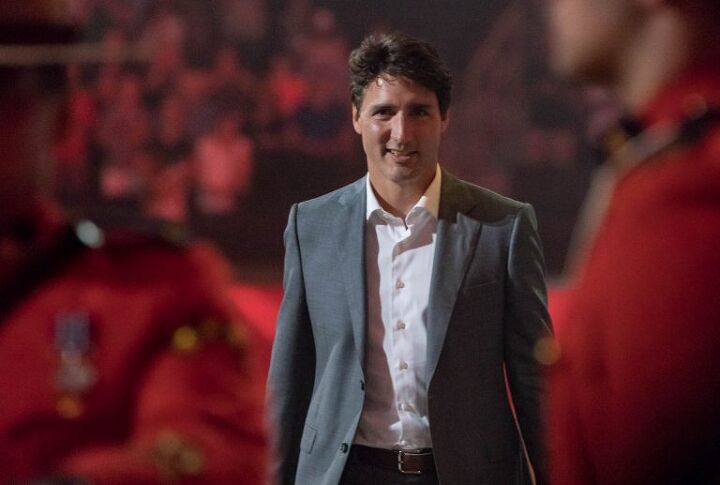
Canadian Prime Minister Justin Trudeau ignored mounting pressure from the United States to quickly agree to a new NAFTA deal on Wednesday. Trudeau indicated it was possible for the three nations to maintain a trilateral agreement, but noted his priorities would always align with what’s best for Canada. The nation now seems fine with ditching the agreement altogether.
Meanwhile, U.S. President Donald Trump announced that an agreement reached with Japanese Prime Minister Shinzo Abe allows the two countries to begin trade negotiations. The focus of these talks will likely be automotive in nature. Trump has remained oddly fixated with convincing Japan to sell more American-made models ever since taking office, and the Land of the Rising Sun doesn’t want itself saddled with import tariffs.
Trade War Watch: NAFTA Window Almost Closed, Canada Still Isn't Interested
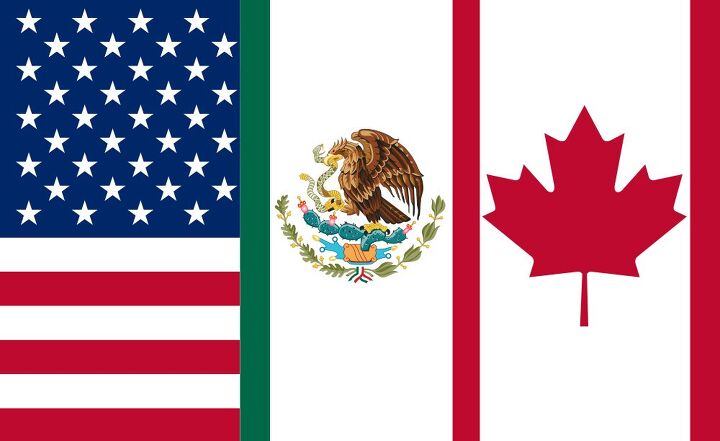
The United States is getting extremely close to having to move forward on its NAFTA deal with Mexico without Canada, according to White House economic adviser Kevin Hassett.
“I’m a little surprised that the Canadians haven’t signed up yet,” Hassett said in an interview with Fox News. “I worry that politics in Canada is trumping common sense because there’s a very good deal that was designed by Mexico and the U.S. to appeal to Canada. And they’re not signing up and it’s got everybody over here a little bit puzzled.”
On Thursday, Canadian Foreign Minister Chrystia Freeland and U.S. Trade Representative Robert Lighthizer met in Washington to discuss terms. However, no agreement was reached.
Trade War Watch: Trump Rejects Auto Tariff Deal With Europe
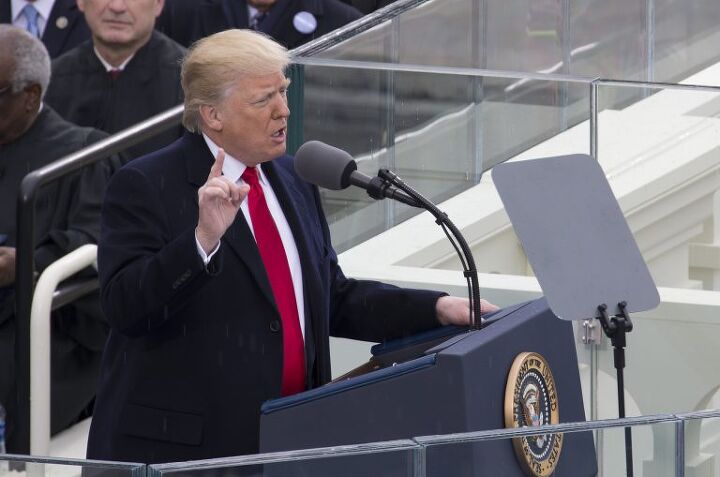
Earlier this year, President Donald Trump took a renewed interest in European tariffs after deciding he didn’t like what he saw. He argued it was time for the United States to consider a fresh tax on vehicles manufactured in the European Union to level the playing field. “If the EU wants to further increase their already massive tariffs and barriers on U.S. companies doing business there, we will simply apply a tax on their cars which freely pour into the U.S.,” he wrote in March.
A few months later, America floated the ridiculous-sounding proposal of abolishing all automotive tariffs between the U.S. and EU. Surprisingly, Europe was highly receptive. German Chancellor Angela Merkel even directly addressed the issue by saying she would support lowering EU tariffs on U.S. car imports. The European Union now seems willing to pursue a zero-tariff solution on automobiles.
However, Trump has since changed his tune. The new rhetoric coming from the White House is that the deal, which was originally pitched by the U.S., is no longer good enough.
Trade War Watch: American-Made Mercedes-Benz SUVs Held Up at Chinese Ports Over 'Safety Risk'

Mercedes-Benz sport-utility vehicles assembled in Tuscaloosa, Alabama, are being checked for potential problems by Chinese customs authorities in Shanghai, according to the nation’s media. The situation was later confirmed by Daimler AG on Thursday.
Officially, custom agents discovered the imported GLE and GLS models possess “insufficient” rear brakes and pose a safety risk. However, this isn’t China’s first time holding up product from the Tuscaloosa factory. Daimler confirmed that its American-made SUVs, along with vehicles from Ford, were held up for several weeks in late April.
Trade War Watch: Trump's Not Letting Up on Europe's 10 Percent Solution
The past week has seen a flurry of trade trade announcements — none of them particularly promising for the United States. After a brief moment where President Donald Trump’s tariff threats seemed to have a positive impact on the European Union, Germany threw new support behind China as the People’s Republic issued a stunningly large 40-percent retaliatory tax on vehicles imported from America.
While Europe and the U.S. still might work out a zero tariff deal on automobiles, the recent activity has led Trump to respond with another warning. He now claims if the region cannot engage in fair trading practices with the United States, he’ll further restrict imported cars.
Trade War Watch: Germany and China Now Best Friends

China and Germany signed a collection of commercial accords valued at $23.5 billion this week. Meanwhile, the nations’ leaders publicly affirmed their commitment to a multilateral global trade order, while the United States adopts a more protectionist policy.
“We both want to sustain the system of World Trade Organization rules,” German Chancellor Angela Merkel said during a press conference. Chinese Premier Li Keqiang, also present, agreed and stated protectionism must be prevented for the good of the global economy.
Chinese President Xi Jinping has already pleaded for governments to maintain an open trading policy. “We reject selfish, shortsighted, closed, narrow policies, [we] uphold World Trade Organisation rules, support a multi-lateral trade system, and building an open world economy,” Xi said in an incredibly hypocritical speech from last month.
Trade War Watch: Mazda Joins Toyota in Condemning U.S. Tariff Proposals

Automakers are not thrilled with the White House’s current interest in automotive tariffs. With factories scattered across the globe, no major manufacturer would go untouched by the proposed increases in import duties or the retaliatory tariffs foreign governments may issue in response.
There’s a lot to lose from a financial perspective. According to a recent analysis from Evercore ISI, Fiat Chrysler would take an annual hit of $866 million if the United States placed a 25-percent import tariff on cars. Considering that other automakers stand to lose at least that much, it’s unsurprising they’ve begun raising their corporate voices over the matter.
Granted, the FCA example is a worst-case scenario for that particular brand, but even a lesser tariff would see a profit loss of hundreds of millions. For an automaker like Mazda, the loss would be far worse.
Ailing Motorcycle Industry Could Be Canary in Coal Mine for Automakers - Part Two
Last week, we discussed how the motorcycle industry’s total failure to entice new riders for over a decade has come back to bite it in the ass. Two-wheeled ownership declined drastically in the United States after the Great Recession and never really bounced back. Blame a disinterested population of youngsters with less discretionary funds and few entry-level options to consider.
I speculated that automakers could be on a similar path, despite the passenger car segment being more of a necessity for average commuters and less apt to collapse outright. But that isn’t to presume they might not be subject to similar pitfalls, and we’ve a new one to consider. Harley-Davidson, which serves as the poster child for the motorcycle industry’s current crisis, recently announced it will end all U.S. production of motorcycles sold in Europe.
Those bikes will now be manufactured overseas. The company said in a regulatory filing with the U.S. Securities and Exchange Commission that retaliatory tariffs levied by the European Union on motorcycles exported from the U.S. jumped from 6 percent to 31 percent. Harley-Davidson’s already expensive products come at an additional premium in Europe, and the the company estimates the new fines will add another $2,200 per motorcycle, on average.
Trade War Watch: U.S. Preparing to Limit Chinese Investment
The Trump administration is planning to impose incredibly restrictive investment limits against China. While the barriers could be argued as fair, considering China has some pretty serious restrictions of its own, the timing isn’t great. Treasury Secretary Steven Mnuchin pursued a less confrontational approach toward China after the nation showed some lenience in earlier promises to open its automotive and tech sectors through reduced tariffs, eventually eliminating state-mandated joint partnerships.
This move will no doubt make his job a lot more complicated.
It seems that the limits would restrict certain Chinese companies from investing in U.S. technology firms and block additional tech-related exports to Beijing. Among the industries most affect are robotics, aerospace, and automobiles — which have been labelled by the administration as a threat to economic and national security.
Trade War Watch: Volvo Worried About New U.S. Factory, Germans Want Tariffs Killed Entirely

The ground beneath the factory Volvo Cars opened Wednesday in South Carolina grew shakier after company executives warned that the U.S.-China trade dispute could undo plans to create up to 4,000 auto jobs in the state.
As you probably know, Volvo is currently owned by Chinese automaker Geely — which has a lot to lose if trade relations break down. Geely intends to export Volvo’s American-built cars to markets outside the United States. The situation’s a problematic one, as Volvo also imports the bulk of its U.S. market vehicles and any economic hurdles would surely gum up the works.
Looks Like NAFTA Renegotiations Aren't Happening This Year
Governance is one hell of a slippery fish. While you want your elected officials to assist in helping the nation evolve with an ever-changing society, you don’t want a deluge of contradictory and ill-planned laws mucking things up. That’s why the best progress is carefully measured and negotiated. But something has to happen eventually or you begin wondering what we (and the various lobbies) are paying these dingbats the big bucks for.
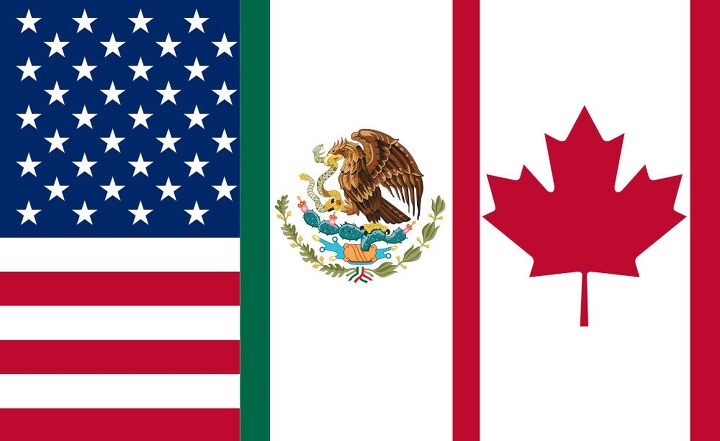
For example, the North American Free Trade Agreement looks like it’s about to be abandoned until sometime after 2019. After negotiations missed numerous self-imposed deadlines, U.S. House Speaker Paul Ryan said Congress needed a notice of intent to sign by roughly May 17th if anything was to be finalized for 2018. That date came and went. Now, everyone appears to have thrown their hands up, with practically every country on the planet currently considering retaliatory tariffs against the United States.
French President Convinced Trump Wants to Kill German Cars; Steel Tariffs Strike U.S. Allies
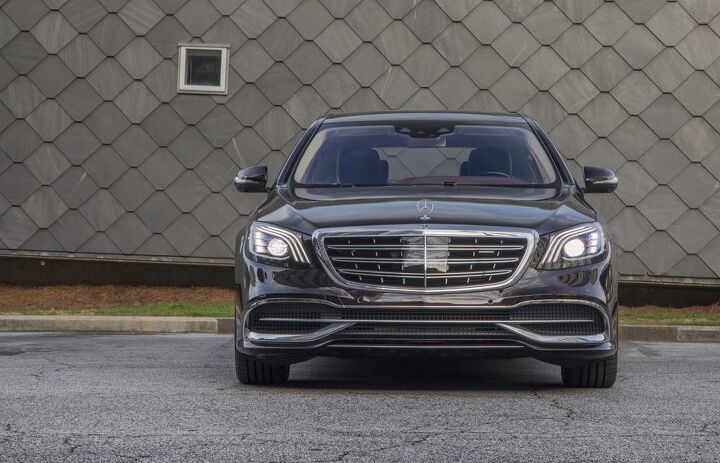
There’s been quite a bit of the old “he said, she said” as the global trade war between developed nations coalesces. Germany has not covered U.S. President Donald Trump’s trade policy favorably, not that it has much reason to. His new tariffs on imported steel and aluminum has tested relationships with numerous countries and, while it isn’t the biggest exporter of metal to the United States, Germany has something to lose. Likewise, proposed duties on passenger vehicles have sincerely rubbed Deutschland the wrong way.
However, the issue was further complicated this week after a gossipy report surfaced claiming Trump told French President Emmanuel Macron in April that he would continue hampering the European auto manufacturers until there are no Mercedes-Benz vehicles driving in America.
Trade War Watch: U.S. Public to Have a Say on Auto Import Threat

There was a mighty blowback against the Trump administration’s suggestion to elevate tariffs to as much as 25 percent on all foreign-built passenger vehicles.
Already reeling from fresh import fees on aluminum and steel, Europe expressed its collective distaste on new taxes while Japan vowed to plead a strong case for itself. Meanwhile, prominent politicians and two of the largest automotive trade groups in the country came forward to condemn the plan, stating it was “confident that vehicle imports do not pose a national security risk” to the United States.
While the administration has already launched its investigation to determine whether vehicle and auto part importers threaten the industry’s health and ability to develop advanced technologies, the government noted that a second opinion wouldn’t hurt. Announced on Tuesday in the Federal Register, the the Commerce Department will allot two days in July for public comments on the matter.
Trade War Watch: Automakers Respond to U.S. Import Investigation, Japan Keeps the Faith

President Trump announced a security investigation into auto imports last week, tasking Commerce Secretary Wilbur Ross with the job. His goal will be to determine what effects imported vehicles have on the national security of the United States under Section 232 of the Trade Expansion Act of 1962 — which sounds like a monumental and rather complex task.
Basically, Ross will examine whether or not the U.S. can get away with escalating automotive tariffs. That’s a touchy subject, considering how contentious global trade has become in recent months. Worse yet, the 80-year-old commerce secretary will have to continue promoting American businesses and industries outside its borders while deciding on an issue few trade partners will be happy with.
Automakers aren’t thrilled either. After Trump announced the investigation, the Association of Global Automakers and Alliance of Automobile Manufacturers both said they didn’t believe vehicle imports posed a national security risk. “To our knowledge, no one is asking for this protection. If these tariffs are imposed, consumers are going to take a big hit,” said John Bozella, President of Global Automakers, in a statement. “This course of action will undermine the health and competitiveness of the U.S. auto industry.”
Trade War Watch: China to Reduce Import Tariffs for Cars and Components

China has announced plans to slash import fees on automobiles to 15 percent starting this July. While the tariff currently rides high at 25 percent, the country’s Ministry of Finance said reducing it was part of an intentional effort to open up China’s markets and spur development within the local automotive sector.
It may also have been part of a peace offering. President Donald Trump has been pretty clear on China’s trade policies with the United States, frequently referring to them as unfair. The U.S. imposes a svelte 2.5 percent fee on imported vehicles — unless we’re talking about trucks. “Does that sound like free or fair trade?” Trump tweeted last month. “No, it sounds like STUPID TRADE — going on for years!”
Here's How Trade Negotiations Are Looking for the Month of May; Steel Tariffs Stalled Through June
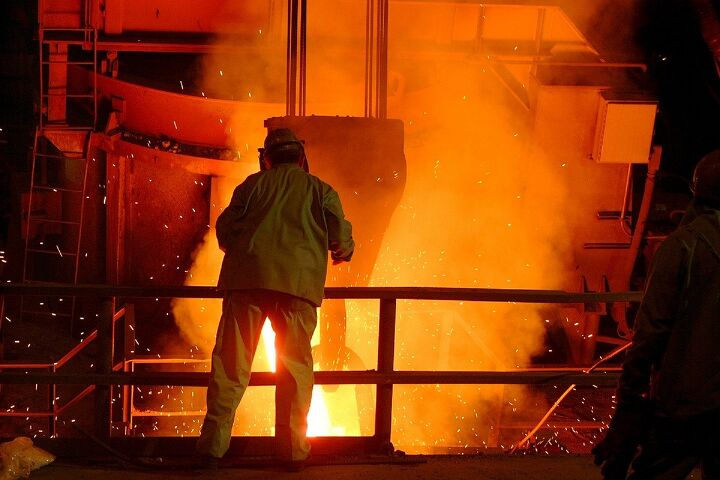
May kicked off with a bundle of trade deals going into hibernation mode. After some legitimate — albeit quaint — progress, NAFTA decided to take a break this week. Currently, U.S. Trade Representative Robert Lighthizer is in China to circumvent that brewing trade war and is unable to commit himself to the North American Free Trade Agreement’s renegotiation.
That’s probably fine, because Mexico’s auto reps need time to cool off.
The United States’ most recent proposal for increasing NAFTA’s regional automotive content includes a four-year evolvement to meet a 75-percent regional value threshold. It also suggests new labor rules requiring “substantial work” to be set at wages of $16 an hour or more. The move is intended to help the U.S. and Canada bolster production and force Mexico to raise its own wages.
A significant portion of Mexican trade officials aren’t keen on either aspect, resulting in a mixed response overall.







Recent Comments