


Junkyard Find: 1996 Plymouth Neon Expresso

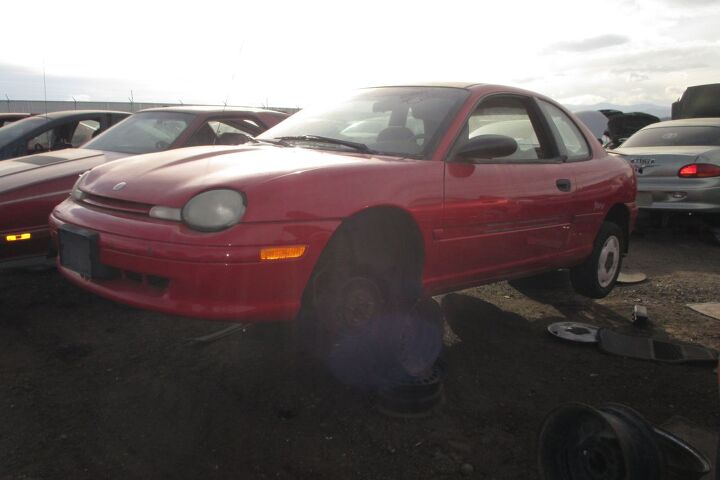
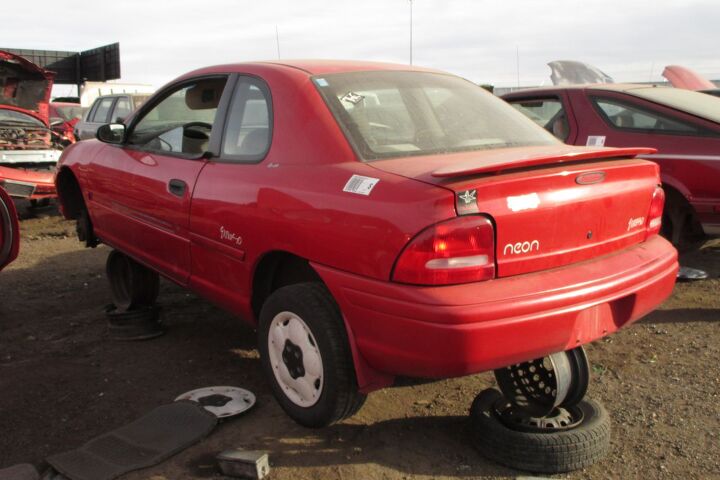
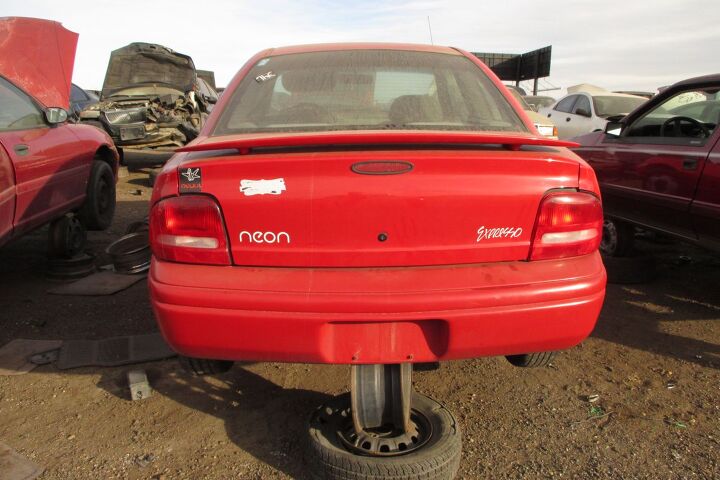
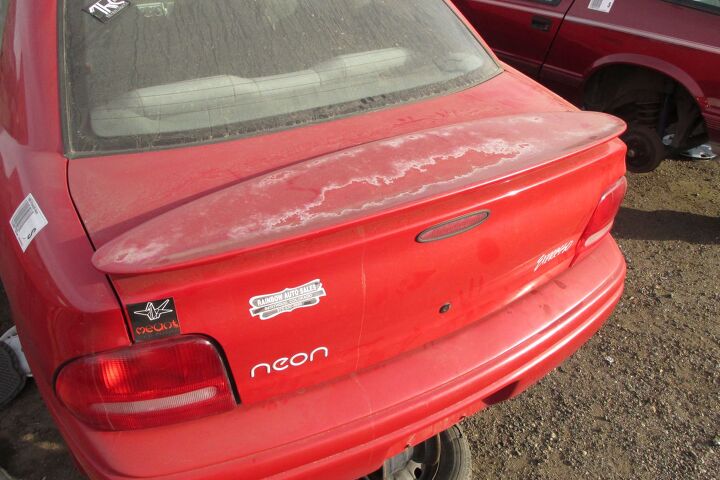
The Neon sold in respectable numbers during its 1995-2005 production run, most Detroit cars in high-turnover self-serve wrecking yards are 12-15 years old, and so you’ll see many, many Neons in such yards these days. Most of the time, Neons are just junkyard background noise to me as I look for interesting cars to photograph for this series; I’ll shoot a rare Neon R/T, but that’s about it. Still, something about the dot-com-boom optimism of the Expresso trim level catches my attention, so I paused to document this ’96 in its final parking spot.
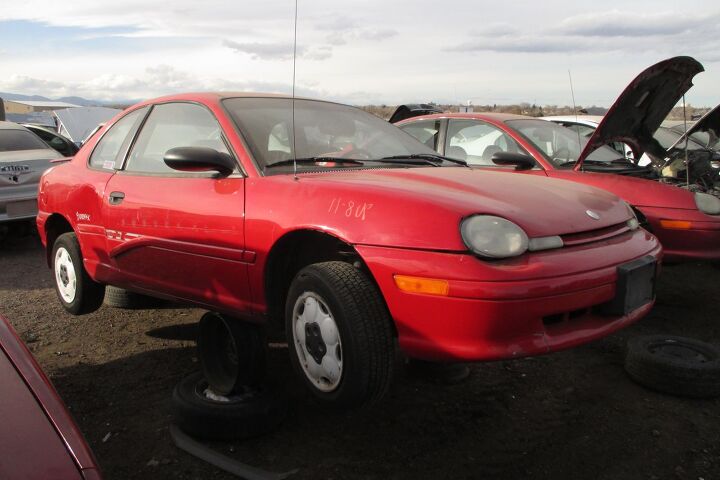
These cars were cheap and had a bit more power than their similarly priced imported competitors, but they never built up much of a popular reputation for longevity.
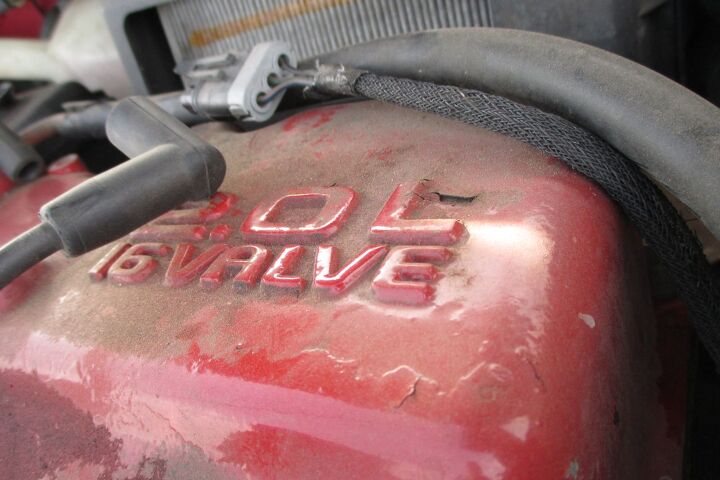
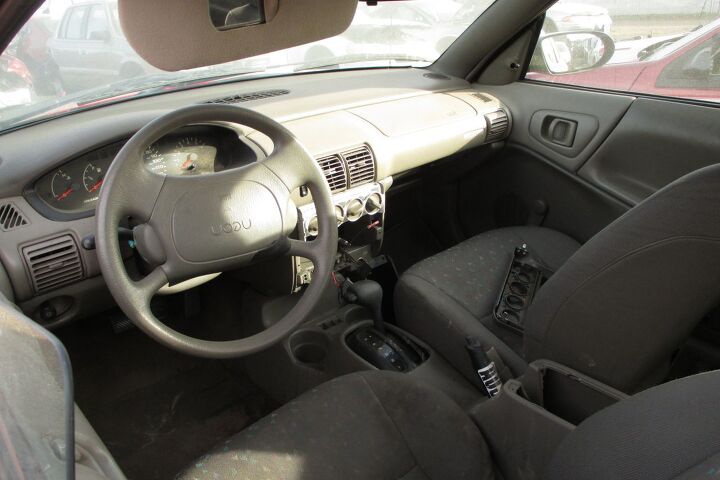
There was a time when 16-valve four-cylinder engines were exotic, as were 5-speeds and fuel injection.
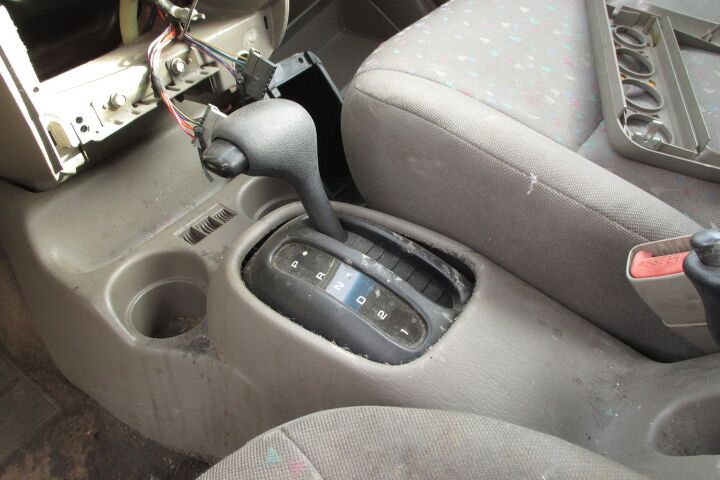
This car has the automatic, though. Note the cheerful party-style seat fabric.
Because I spend a lot of time watching low-budget race cars clank around road courses, I think of the Neon as a very good cheap racer— quicker and more reliable than most Japanese LeMons cars, and of course there’s that incredible junkyard parts selection. Here’s in-car video from one of those Neons in action.
It’s a pretty hot little number!

Neon-style cuteness was definitely out in the minds of car marketers of the 21st century, and so the Neon’s successor got ads like this. Stupid little fairy!





Murilee Martin is the pen name of Phil Greden, a writer who has lived in Minnesota, California, Georgia and (now) Colorado. He has toiled at copywriting, technical writing, junkmail writing, fiction writing and now automotive writing. He has owned many terrible vehicles and some good ones. He spends a great deal of time in self-service junkyards. These days, he writes for publications including Autoweek, Hagerty and The Truth About Cars.
More by Murilee Martin










Comments
Join the conversation
Murilee, I've been frequenting this blog for years and this series has consistently been one of my very favorite not only on TTAC but on any blog I read. Thanks for producing such a compelling, consistently interesting series. Love the types of cars you pick for this. Oftentimes it is your more 'odd' choices that really fascinate me; in particular the econoboxes and other mainstream cars which are not necessarily what enthusiasts would gravitate towards. The main reason I love this series is because oftentimes, through both your own writing, as well as the comments, I gain access to how these cars were perceived of when they first debuted, rather than through the lens of the present. I do occasionally wish you would expand on things just a bit more. Like this line: "Still, something about the dot-com-boom optimism of the Expresso trim level catches my attention, so I paused to document this ’96 in its final parking spot." I am fascinated by this line, but so badly want to know more! Was the Expresso trim the top- or bottom-level trim? In what WAY does it seem optimistic? Do you mean that a car this "cute" could only come about when the country as a whole is feeling very happy/optimistic, a la the dot com boom? None of this stuff is totally clear, but its exactly the kind of info I love getting from TTAC--understanding cars in their own contemporary context rather than my own looking back on them in relation to the cars I see on the road today. In any case, I don't mean to be overly critical. Just a fan of your series that can't get enough of what you've got to say about all these long-forgotten, rolling works of art. Thanks again, Murilee, and keep up the great work.
I LOVE the junkyard finds. Hopefully, one day, you'll post one and i'll be harassing you with email's on where I can buy it :)