


Junkyard Find: 1982 Plymouth Sapporo
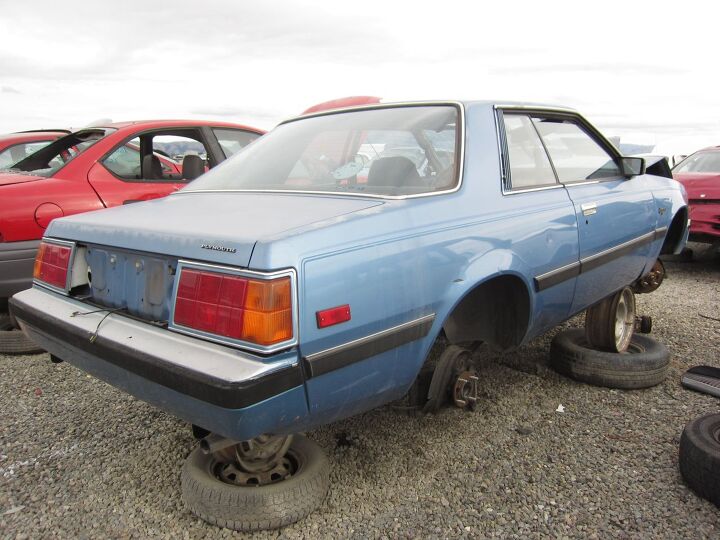
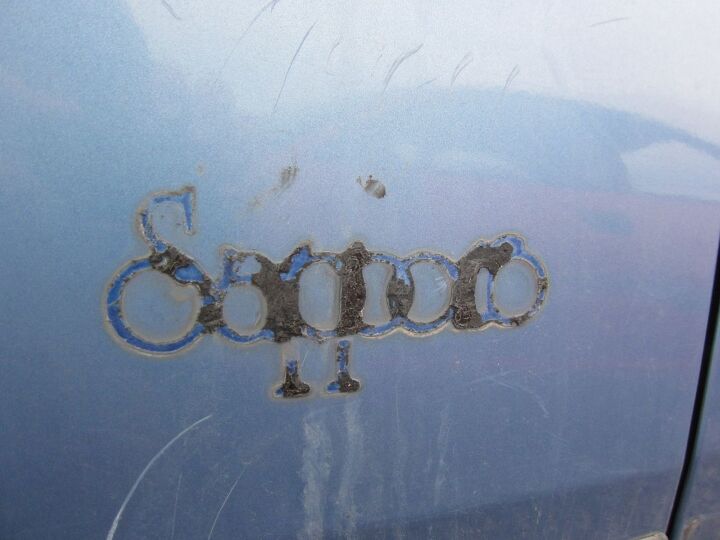
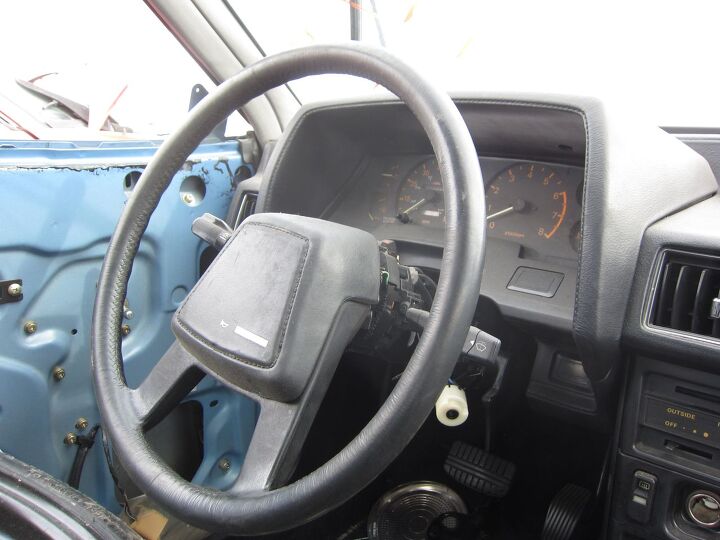
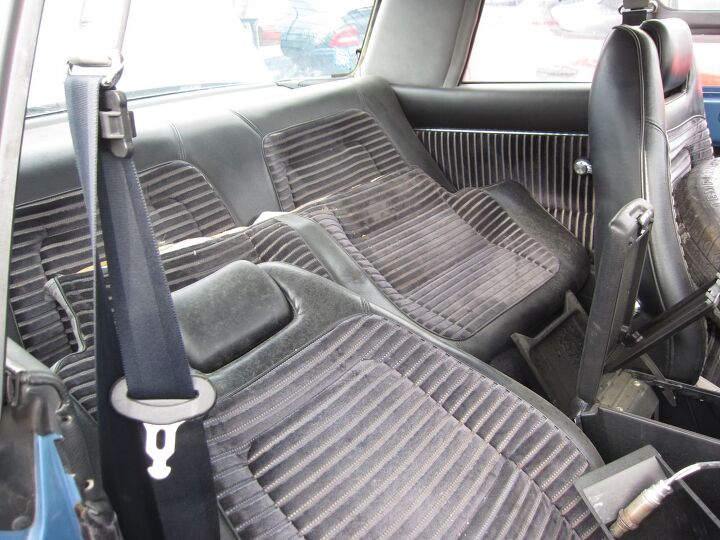
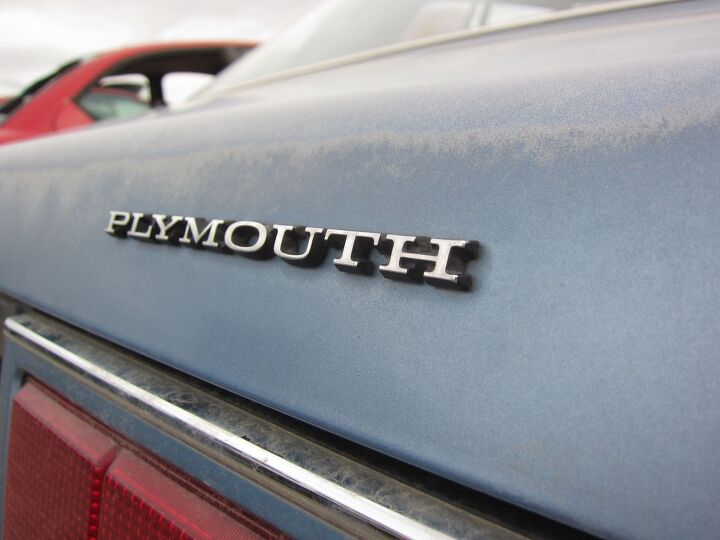
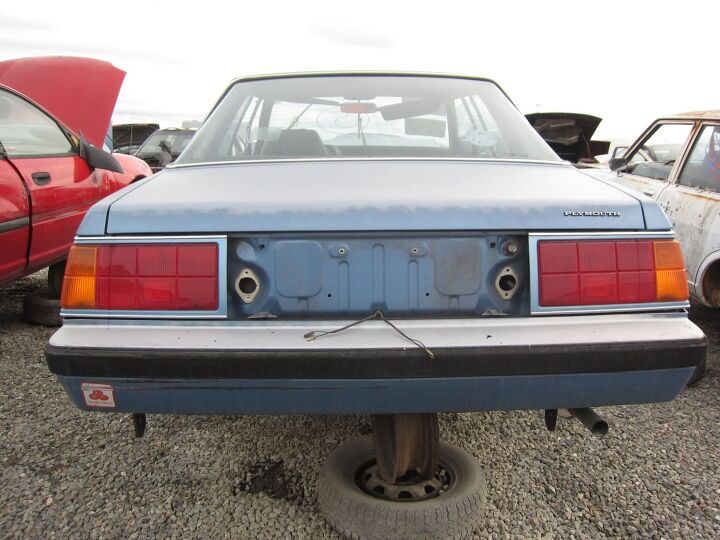
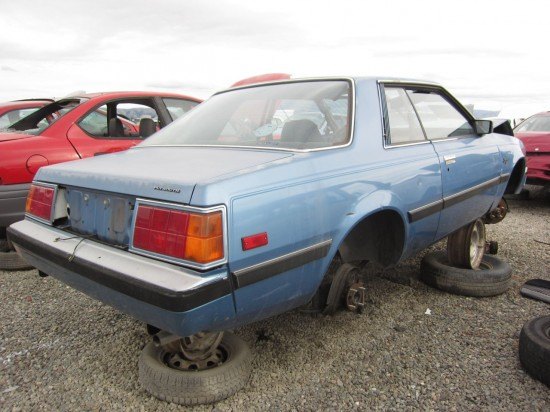
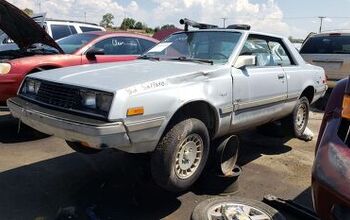
When you find a ’72 Dodge Colt wagon and an ’83 Mitsubishi Cordia within 15 feet of one another in a self-service junkyard, what more could you ask for? Why, you could go for the Mitsubishi Trifecta and ask for a Plymouth Sapporo right next to both of them!
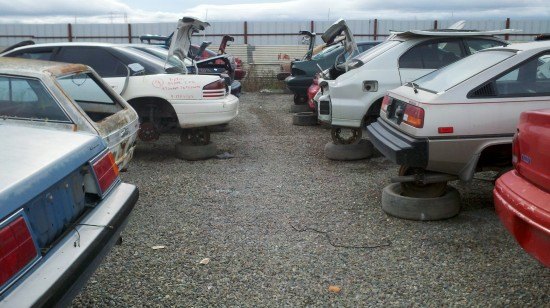
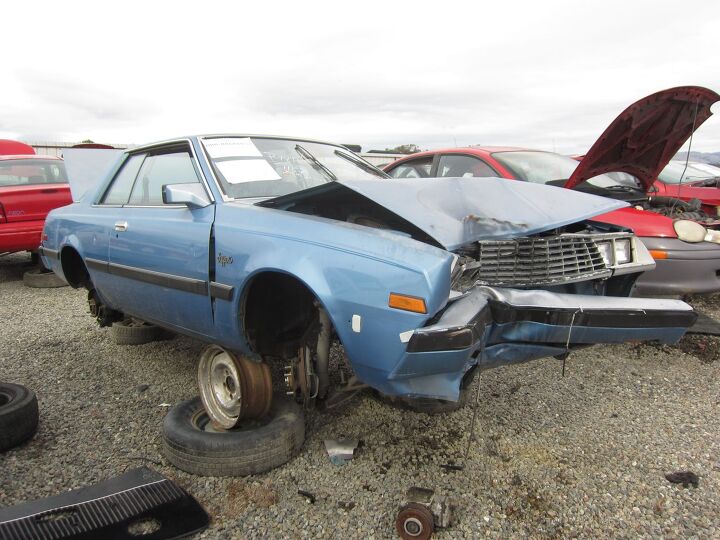
During my recent trip to California, I dropped by one of my old junkyard haunts and found this scene: Sapporo and Colt on the left, Cordia on the right (the remainder of the Chrysler/Mitsubishi section is mostly LH s and Neons, and it will remain so for the next decade or so).
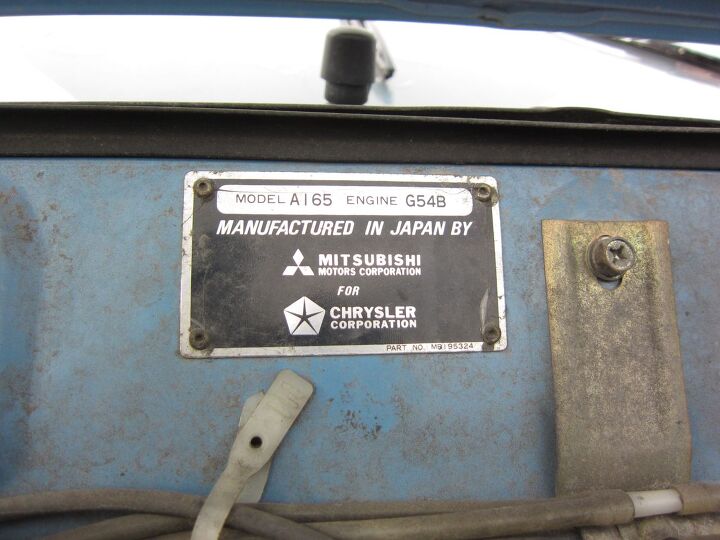
The Sapporo was a Mitsubishi Galant Lambda; its Dodge sibling was badged as a Challenger.
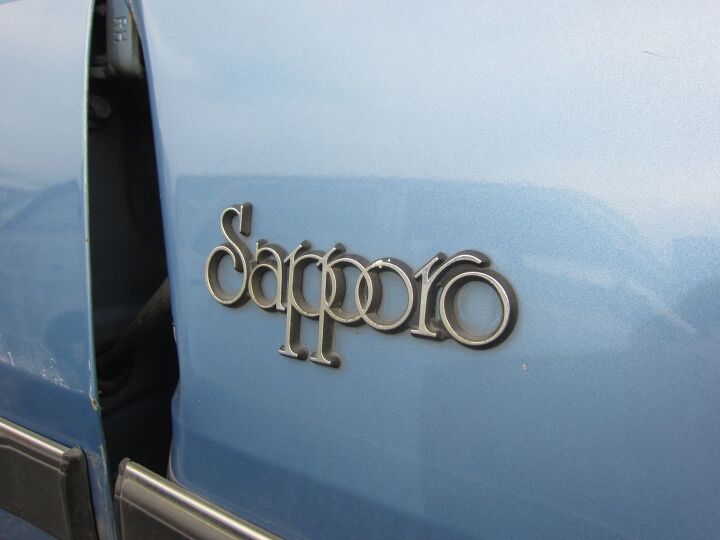
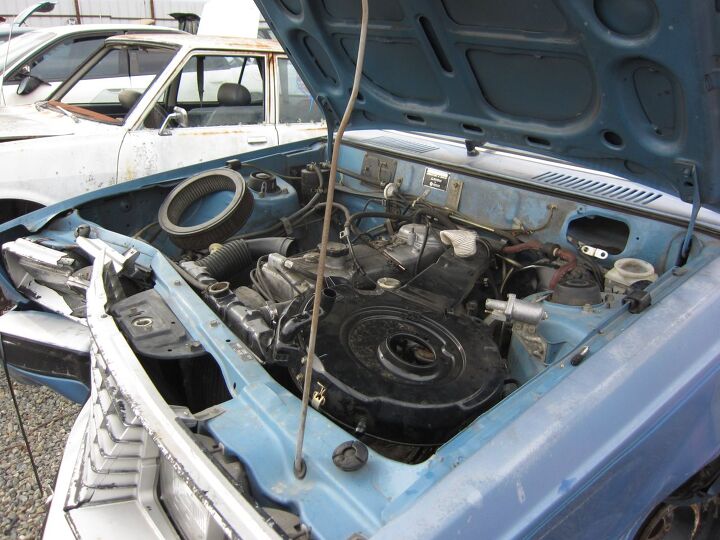
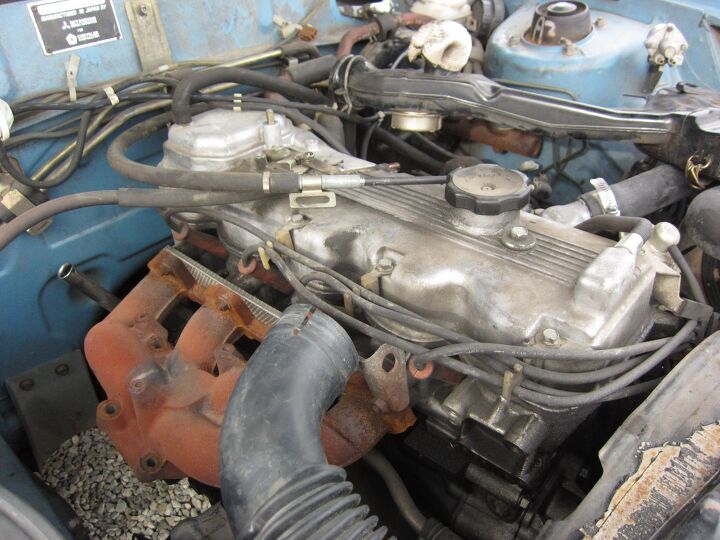
It was a rear-wheel-drive machine with a big four-cylinder making a not-too-bad-for-Late- Malaise 100 horses. Not a bad car, but nothing about it really stood out from the pack.
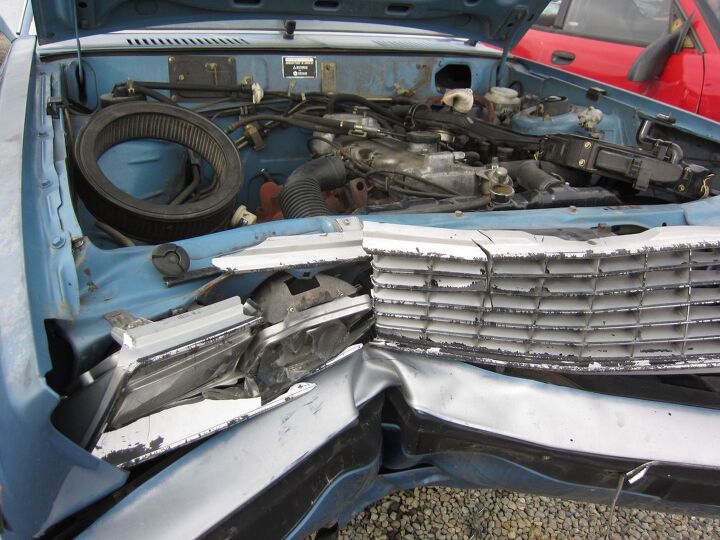
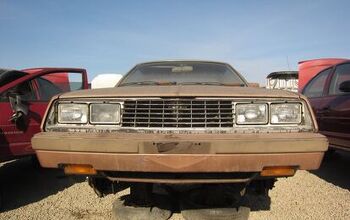
Thanks to the car-versus-pole damage on the front, this example managed to avoid the handful of Northern California vintage-Mitsubishi fans that might have restored it. Next stop: Chinese container ship at the Port of Oakland.


Murilee Martin is the pen name of Phil Greden, a writer who has lived in Minnesota, California, Georgia and (now) Colorado. He has toiled at copywriting, technical writing, junkmail writing, fiction writing and now automotive writing. He has owned many terrible vehicles and some good ones. He spends a great deal of time in self-service junkyards. These days, he writes for publications including Autoweek, Hagerty and The Truth About Cars.
More by Murilee Martin






Comments
Join the conversation
I'd like to find out, where this junkyard is. Can any one help?
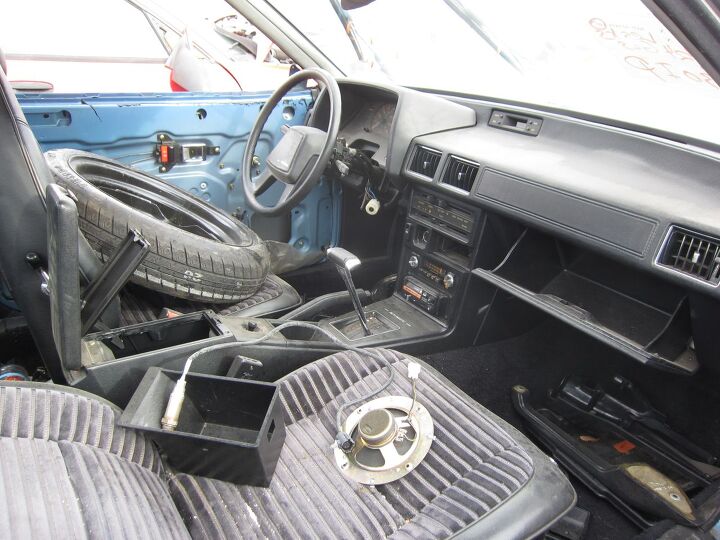
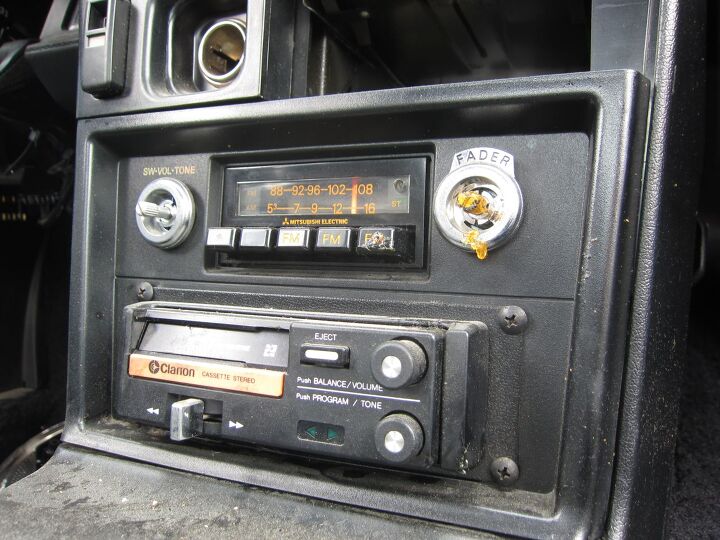
Mine was an 82 that same color. Loved it. Chrysler was nice enough to sell for $8000, before a $1000 rebate. By comparison with the Horizon or whatever domestic subcompact Chrysler was selling it was just another whole level of quality. Engine did go through a lot of heads; you did not dare overheat it even a touch. What with the scarcity of the car and the frequency of them cracking, you couldn't get a rebuilt head to save your life, so it was new ones; $800 for the bare head from Chrysler, no valves or anything. Maybe that was why they could sell it for $8000; the razor/razor blade concept. Just before the end I found a speed shop that claimed to have good luck welding cracked heads, didn't ever get to find out. That carb was the real stinker. Very lean mixture (religiously following the tech bulletins discovered a "driveability kit" offered after a couple of years that included some richer jets and changes in various air bleeds, etc. as well as a vacuum delay valve that stopped it from stumbling when the vacuum secondary got opened, closed, opened rapidly.) After ten years or so the diaphragm in the carb would open up and you'd have a vacuum leak, whenever the secondary tried to open it would just stall. No rebuild kits or rebuilt carbs available. (I see the car in the pics here has the carb missing). Luckily, you could get an adapter to fit a Weber downdraft two barrel (one of their OEM carbs for European Fords people were marketing as universal replacements in the US) and that made it really get up and go. Presumably a richer mixture, right out of the box. And a glorious sound. The timing chain needed replacement after 100k or so, just because the timing got jittery, wasn't near breaking yet, but compared to the timing belt replacement frequency these days, no biggie. Slightly above normal highway speed stability was good, but improved by the addition of a front air dam (who remembers Kamei?). The general styling reminded me enormously of the Mustangs of the era, except for the bubble-butt rear window. Mitsubishi Consolidated Industries went all out on the electrics of the thing, courtesy lights everywhere. They didn't import the Mitsubishi cassette player that would have plugged into the back of the Mitsubishi radio and filled that space below it that the car in the pics has some other player installed; but they were tricky enough to insulate the entire trunk lid with the rubber gasket and rubber bushings on the hinge mounting bolts, and use it for the radio antenna. I got hold of the brochure for the Japanese domestic version, the Galant Lambda; had a bunch of different engines available from a 70 horse diesel up to a turbo 2 liter, no 2.6 available. I guess chrysler figured americans wouldn't like the turbo. The turbo version also had IRS. The next version of the car became the Dodge Conquest/Mitsubishi Starion, with the same basic chassis with the IRS, and a turbo version of the 2.6