


Emphasis on Safety: Uber, Volvo Launch Next Generation of Autonomous SUVs


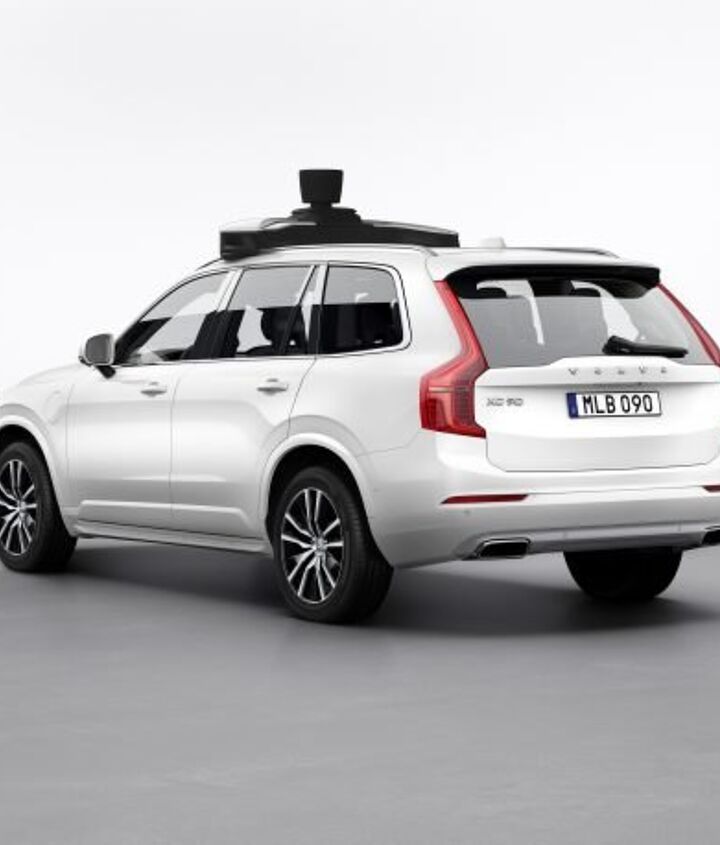
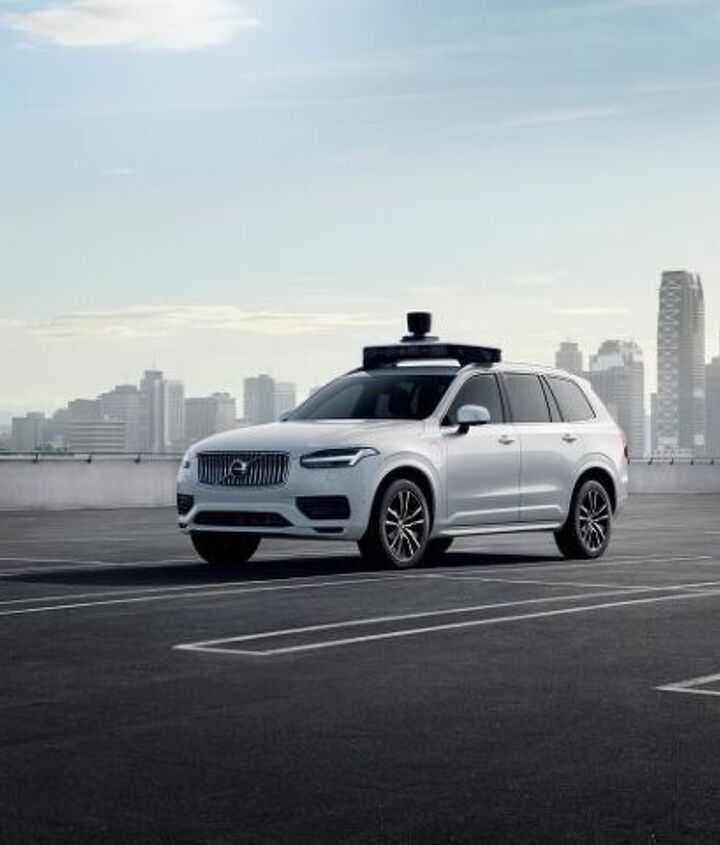
Uber Advanced Technologies unveiled the next generation of its self-driving SUV on Wednesday. Sticking with the Volvo XC90 as a platform, Uber stated that the latest prototypes should be capable of operating autonomously, adding that previous versions were not necessarily built with full autonomy in mind and required the presence of a safety driver behind the wheel.
While past versions of Uber’s test platform essentially retrofitted vehicles purchased from Volvo Cars, this new batch was co-developed with the automaker. Volvo said the project represents the “next step in the strategic collaboration between both companies.”
Volvo previously claimed that the cyclist killed by one of Uber’s autonomous test vehicles in 2018 might still be alive had the firm not tampered with the automatic emergency braking system all XC90s come equipped with. Uber’s latest SUVs utilize all of Volvo’s existing safety features, building on top of them with its own systems and creating as much redundancy as possible.
From Volvo:
The most important features of Volvo Cars’ autonomous drive-ready production vehicle include several back-up systems for both steering and braking functions as well as battery back-up power. If any of the primary systems should fail for some reason, the back-up systems are designed to immediately act to bring the car to a stop.
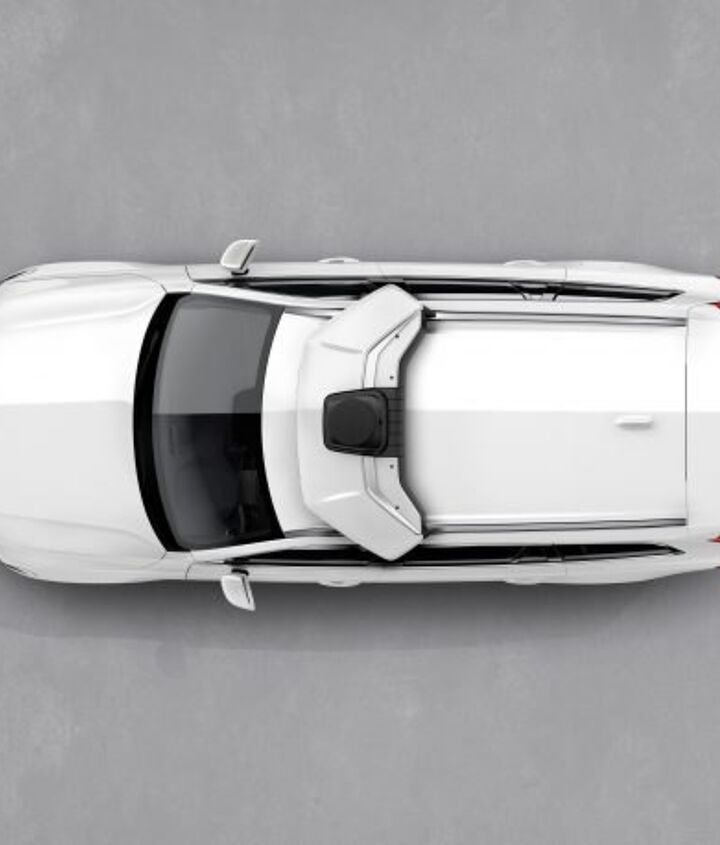
In addition to Volvo’s built-in back-up systems, an array of sensors atop and built into the vehicle are designed for Uber’s self-driving system to safely operate and maneuver in an urban environment.
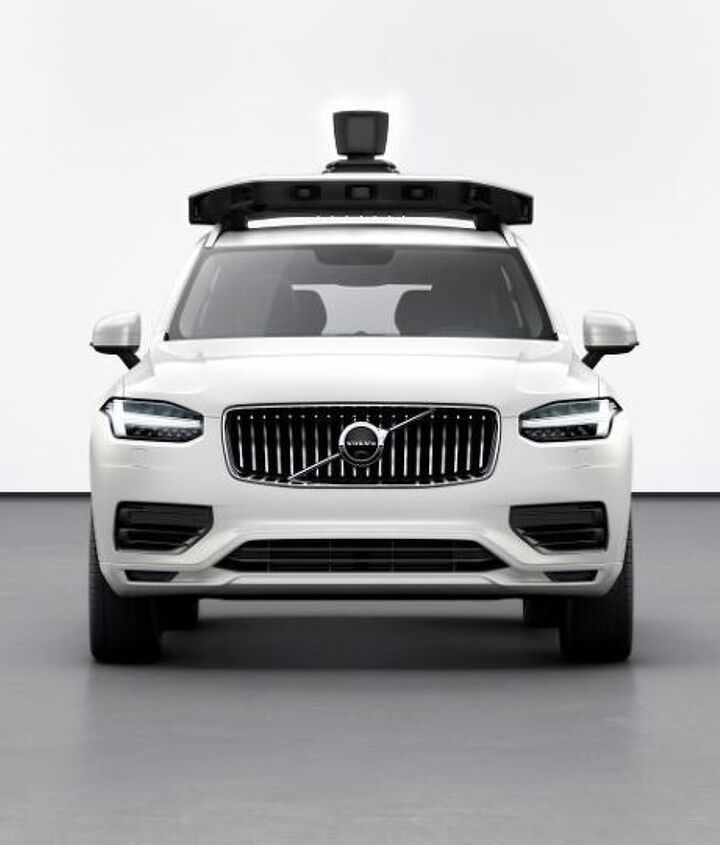
The added emphasis on safety appears to be the main focus of this new generation of SUVs. While the self-driving software is presumably improved as well, details are scant. Yet the vehicles still don’t appear to be capable of true autonomy, as Volvo said “Uber’s self-driving system may one day allow for safe, reliable autonomous ridesharing without the need for a Mission Specialist, the specially trained Uber employees operating and overseeing the car in areas designated and suitable for autonomous drive.”
Like most modern-day autonomous vehicles, a safety driver will remain present at all times — existing as the car’s last line of defense as testing continues. That may make it sound like not much progress is being made over at Uber, but companies like Waymo (which runs what is arguably the most-advanced self-driving test fleet in North America) still makes use of safety drivers.
Volvo’s involvement also doesn’t hurt. While the automaker isn’t seen as a global leader in terms of self-driving, it does boast an impressive away of advanced driving aids and is currently using Nvidia’s Drive AGX Xavier kit to develop its next generation of assisted-driving vehicles. It also has the manufacturing might that Uber lacks entirely.
“Working in close cooperation with companies like Volvo is a key ingredient to effectively building a safe, scalable, self-driving fleet,” Eric Meyhofer, CEO of Uber Advanced Technologies Group, said in a statement. “Volvo has long been known for their commitment to safety, which is the cornerstone of their newest production-ready self-driving base vehicle. When paired with our self-driving technology, this vehicle will be a key ingredient in Uber’s autonomous product suite.”
Meanwhile, Volvo has aspirations of its own. The aforementioned Nvidia-kissed vehicles are supposed to begin arriving in 2020, serving as the framework for subsequent products with legitimate self-driving credentials. At the very least, we know the company wants to launch something akin to Cadillac’s Super Cruise as soon as possible. It previously claimed it would produce a genuine self-driving car by 2021.
“By the middle of the next decade we expect one-third of all cars we sell to be fully autonomous. Our agreement with Uber underlines our ambition to be the supplier of choice to the world’s leading ride-hailing companies,” explained Volvo CEO Håkan Samuelsson.
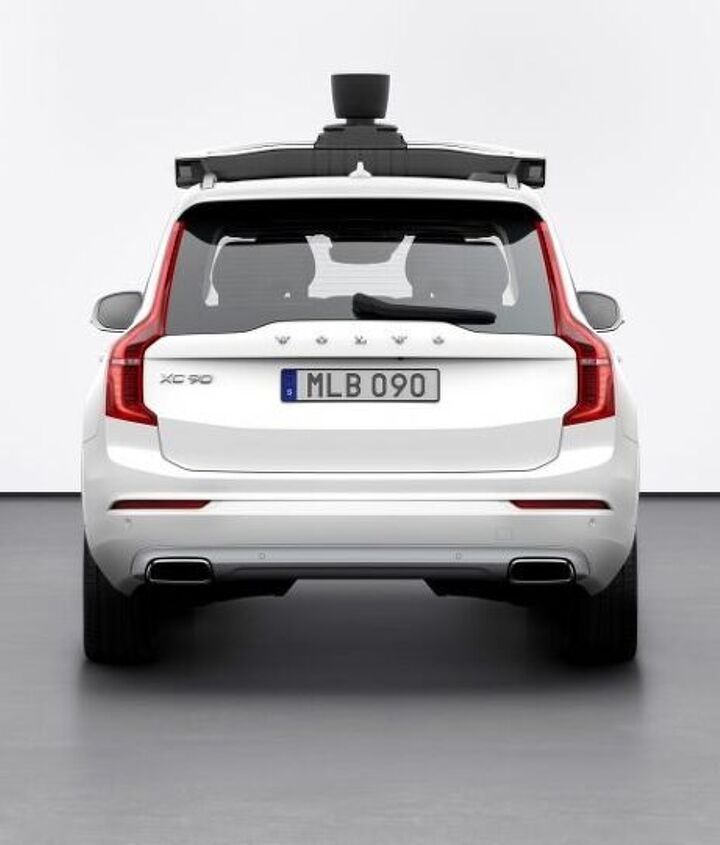
[Images: Volvo Cars]
Consumer advocate tracking industry trends and regulations. Before joining TTAC, Matt spent a decade working for marketing and research firms in NYC. Clients included several of the world’s largest automakers, global tire brands, and aftermarket part suppliers. Since adding automotive writing to his repertoire, he has become an ardent supporter of the right-to-repair movement, discussed the status of the automotive sector on national broadcasts, participated in a few amateur rallying events, and driven more rental cars than anyone should ever have to. Handy with a wrench, Matt grew up surrounded by Detroit auto workers and learned to drive by twelve. Alleged to be contrarian, Matt claims to prefer understeer and motorcycles.
More by Matt Posky










Comments
Join the conversation
Unsafe at Any Speed
Do you see this one maneuver flawlessly in dense city traffic?... Me neither. Will the robo Volvo know the difference between someone who is waving 'hello' to a friend on the other side of the road, or who is indicating "watch out, I'm about to cross" or... who is out to pester the Volvo, make it continue its journey staccato-style?