


2019 Hyundai Kona Electric Pricing Very Obviously Targets the Chevy Bolt

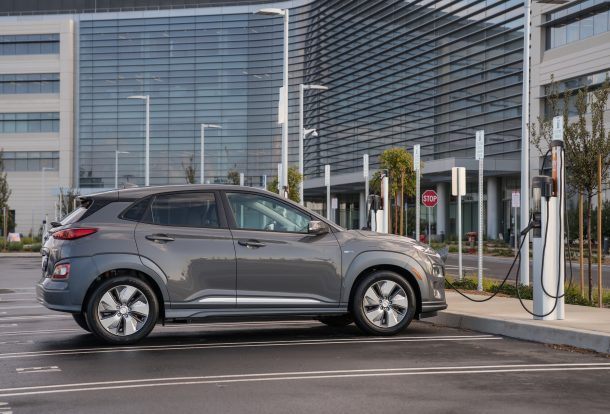
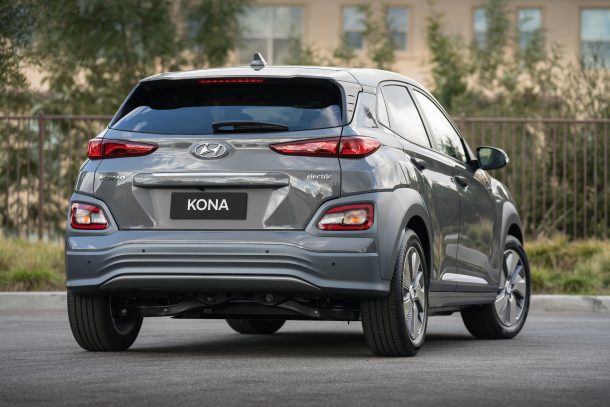
Hyundai’s Kona Electric is gradually seeping into select dealerships across the United States, requiring the company to (finally) make a definitive statement about its price. While our time spent with the model was brief, it left a positive initial impression. Clearly targeting the likes of Chevrolet’s Bolt and Tesla’s Model 3, the Kona EV did a fine job standing its ground and injecting a fun persona into alternative-energy vehicles.
While good, we held off on declaring it a modern masterpiece until we knew how much Hyundai planned to sell it for. Too expensive and people will tune out because, despite its unique charms, it’s technically still a subcompact crossover from a budget-friendly automaker — slick electric powertrain notwithstanding. Too cheap and the company is basically throwing money out the window, as the model is unlikely to be manufactured in high volumes and the brand can fall back on the federal government’s EV tax credits to absorb some of the cost.
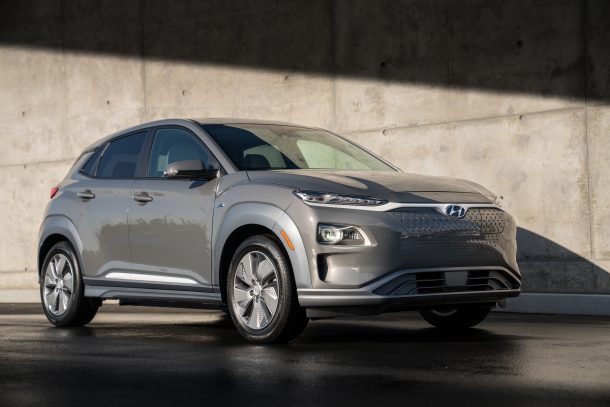
In the end, Hyundai decided to split the difference. The Kona Electric starts at $37,495 (after destination) for the base SEL trim — matching the Chevy Bolt’s MSRP near enough not to seriously influence any purchasing decisions.
That nets you the Kona’s electric motor, which produces 201 hp and 290 lb-ft of torque, and the 64-kilowatt-hour lithium-ion battery from which it feeds. Estimated range is excellent at 258 miles, and standard features abound. The Kona Electric comes with keyless entry, push-button start, heated front seats, LED taillights, and a 7.0-inch center screen with Apple CarPlay and Android Auto. Hyundai also incorporated forward collision-avoidance assist, lane keeping assist, blind-spot collision with alerts, and rear cross-traffic collision warning at no additional expense.
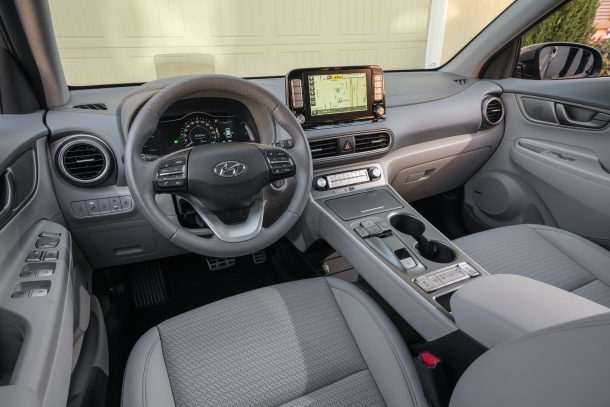
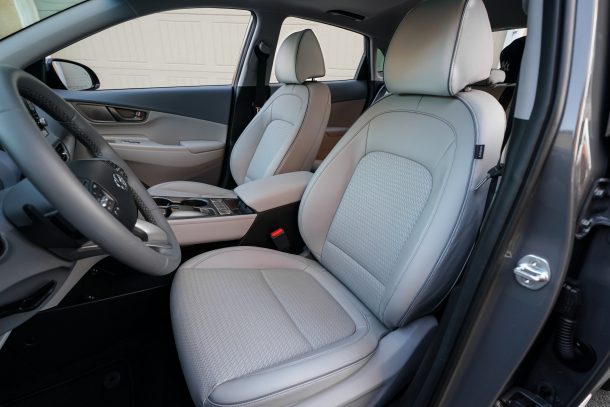
Stepping up into the Limited model nets you a $42,195 price tag and more equipment — including LED headlamps with high-beam assist, leather seats, a sunroof, a power adjustable front seat, wireless device charging, and an upgraded rearview mirror with HomeLink.
However, for $45,695, you can have the Ultimate trim and some pretty nice equipment. The touch screen is upsized to 8.0 inches and incorporates an Infinity Premium audio system and navigation. Front seats are now ventilated, and Hyundai chucked in a heated steering wheel, rain-sensing wipers, and a head-up display for the driver. The Ultimate also benefits from a more robust safety suite that adds pedestrian detection, adaptive cruise control with stop-and-go, and more parking assistance.
While we would have liked to see Hyundai bake in a little more standard equipment in a car that costs $37,495 before the federal tax credit, we know EVs don’t play by the same rules as their internal combustion counterparts. You can’t compare the base Kona Electric with a well-equipped Ford Fusion Hybrid because almost no one cross-shops the pair. The fact that they can cross prices is largely irrelevant to interested parties.
If you want a trendy EV, you have to pay more. But, when compared to its rivals, the Kona still stands out as a pretty good value — offering decent equipment, superior range, and a little character to boot. For EV shoppers who aren’t made of money, this would absolutely be one to consider.
The 2019 Kona Electric is only available in California right now, though Hyundai said it will start sending product to “ZEV-focused states in the western and northeastern regions of the U.S. market” later this year.
[Images: Hyundai]
Consumer advocate tracking industry trends and regulations. Before joining TTAC, Matt spent a decade working for marketing and research firms based in NYC. Clients included several of the world’s largest automakers, global tire brands, and aftermarket part suppliers. Dissatisfied, he pivoted to writing about cars. Since then, he has become an ardent supporter of the right-to-repair movement, been interviewed about the automotive sector by national broadcasts, participated in a few amateur rallying events, and driven more rental cars than anyone ever should. Handy with a wrench, Matt grew up surrounded by Detroit auto workers and learned to drive by twelve. A contrarian, Matt claims to prefer understeer and motorcycles.
More by Matt Posky







Comments
Join the conversation
I find the Nexo to be more compelling, but even more impractical in the real world.
Nowhere near as atractive as the Bolt. The Bolt i losing its tax credits - down to $3750 and then halved again June 1 and then gone Dec 31.The Kia and Hyundai have their full $7500 tax credit. They are selling first to state's that extract ZEV credits.