


Review: 1982 VAZ 21033 - Lada 1300 for the Soviets
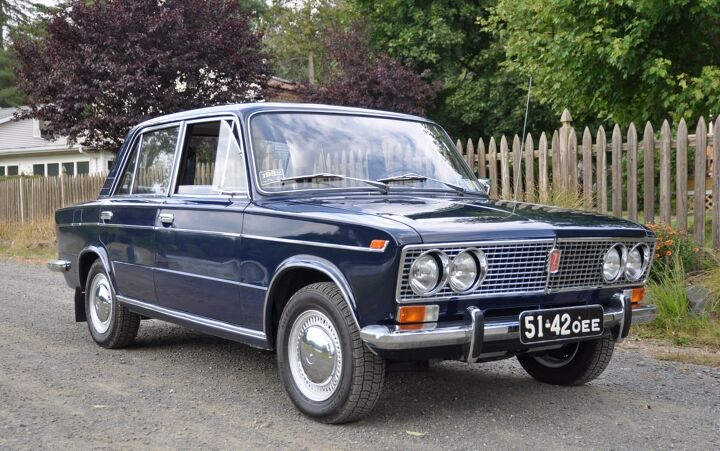
Everyone knows it by its export name, Lada, but its real name was VAZ and that is how it was commonly known in Soviet Union. Like all other Soviet automakers, VAZ is an acronym and it stands for Volzhsky Avtomobilny Zavod, or Volga Automobile Plant. This is not to be confused with Volga cars which were made by GAZ, Gorkovsky Avtomobilny Zavod or Gorky Automobile Plant, some 600 kilometers southeast.
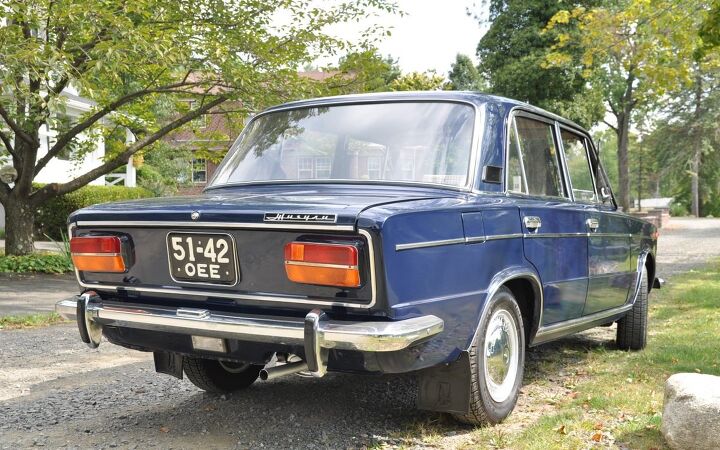
The 2103 model, like all Ladas in this series, 2101 through 2107, is based off the 1966–1974 Fiat 124 Special. Designed to be the car of the people, in its transformation from Fiat to VAZ, the vehicle lost most things that could have been described as a luxurious. Furthermore, the body and chassis were modified to withstand the harsh Soviet climates; thicker steel, better heater, increased ride height, and a newer Fiat-designed engine. The 2100-series VAZs and Ladas, also known as Classic, Riva, Signet, Laika, or Kalinka depending on the market, were produced from 1970 until 2012 in Russia, and the 2107 is still in production in Egypt!
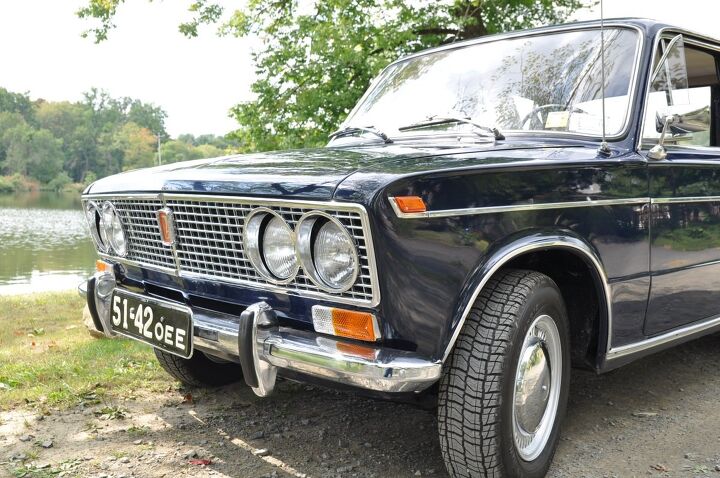
The VAZ 21033 pictured here is one of the more rare models. The 21033 was a less expensive version of the basic VAZ 2103. The differences between the two are limited to the 21033 having a 70hp 1.3-liter engine, versus a 75hp 1.5-liter engine. The 2103 also had a radio with a single speaker, whereas the 21033 did not. Those lucky enough to be able to purchase a new VAZ may have been given the options of some models which included engine size or a wagon body. The price for the 21033 was 8617 Rubles, whereas the price for the more powerful 2103 was 8667 Rubels in 1982. Needless to say anyone who could choose, chose the 2103.
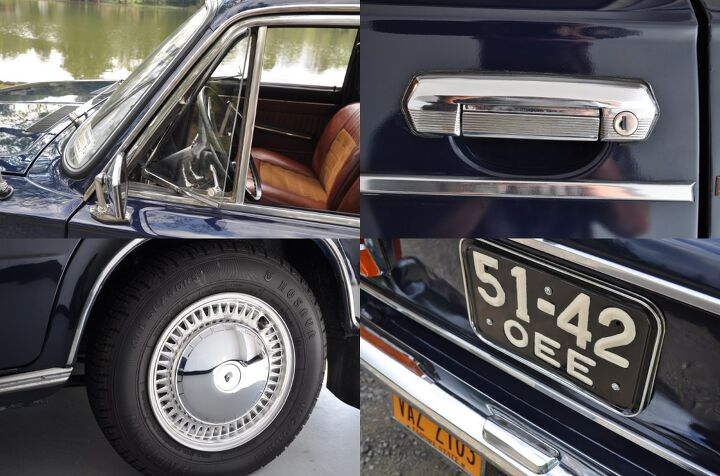
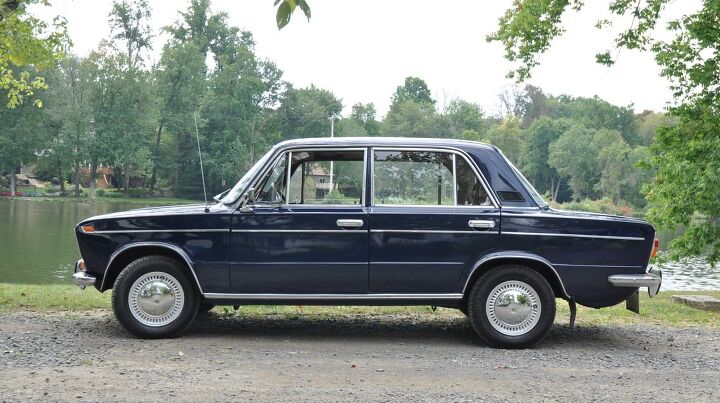
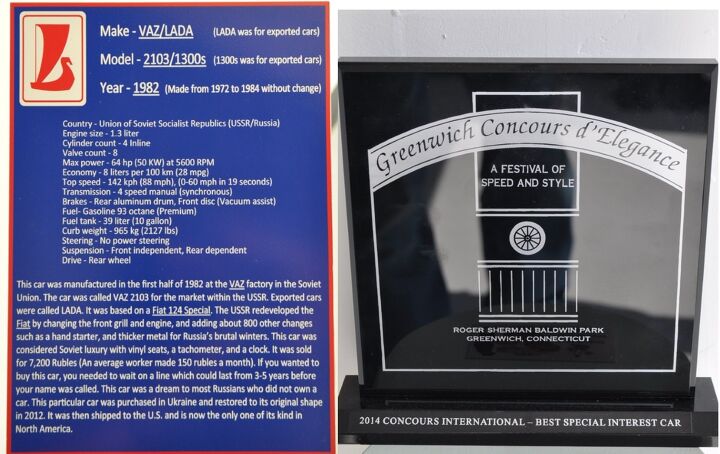
The story of the pictured 21033 is that it was won in a state lottery by some lady in 1982. Because she was not buying a car, she was not given a choice of model, so she got what no one else wanted. After thirty years of use and abuse, the VAZ was purchased by a young Russian-American enthusiast of Soviet vehicles named Roman. With the exception of paint, he restored mostly by himself in Ukraine and then shipped the car to New York two years ago. After proper federal and state paperwork was completed, the car was issued New York state license plates.
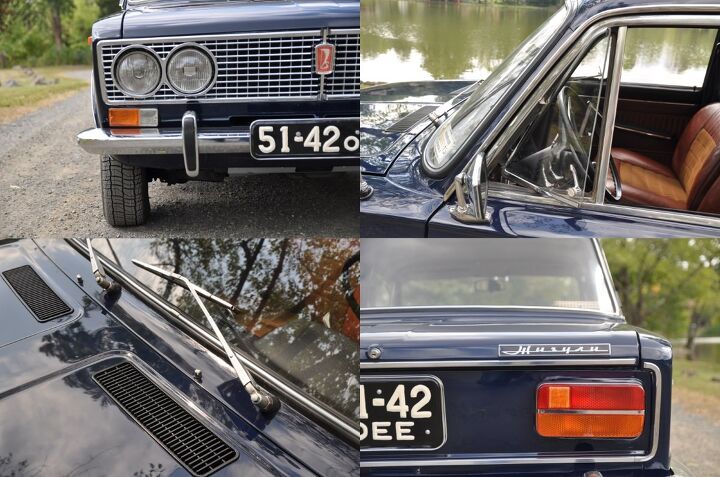
Vehicle restorations can vary in forms and qualities; for instance I have a personal distain for cars that have been supposedly restored to factory level, but are in reality over-restored and therefore superior to what they were brand new. Over-restoring any Eastern Bloc car would be a rather simple task given their original built quality, and that is where Roman was extra careful. The car was improved where it seemed practical, so factory issues such as poor panel gaps and overs-pray were avoided.
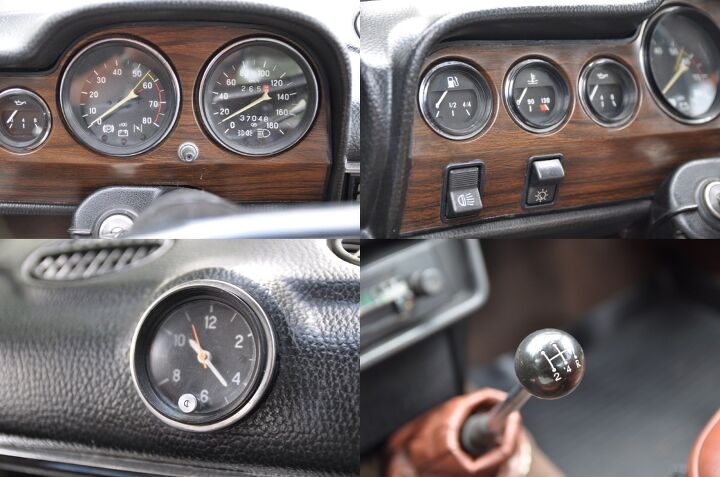
Each part used was an original factory part, many of which proudly display a CCCP logo, otherwise known as “made in USSR”. Brand new parts were used on few rare occasions but most were old, restored to original condition. Since these vehicles have been in production for such a long time, finding the original model year part was not always easy for Roman. One such instance were the front fenders, which varied in style but not in fitment. The replacements for the rusted out original fenders were no longer available, so fenders from a newer model had to be adopted for proper side-marker and trim fitment. Steel wheels with chrome covers are also original, down to what looks like a missing center cap.
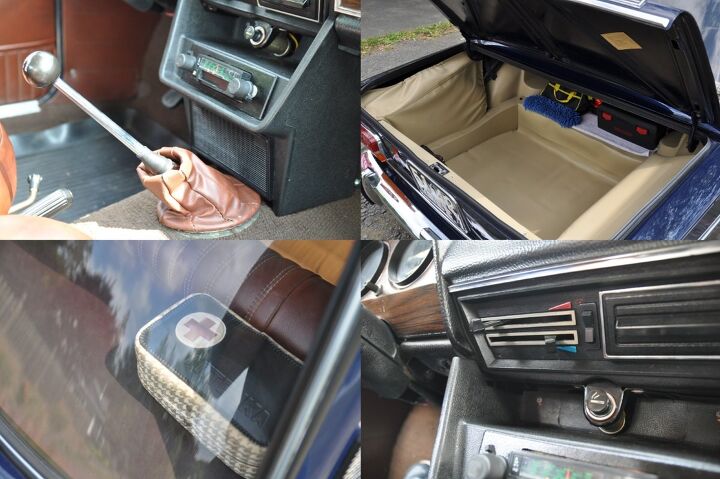
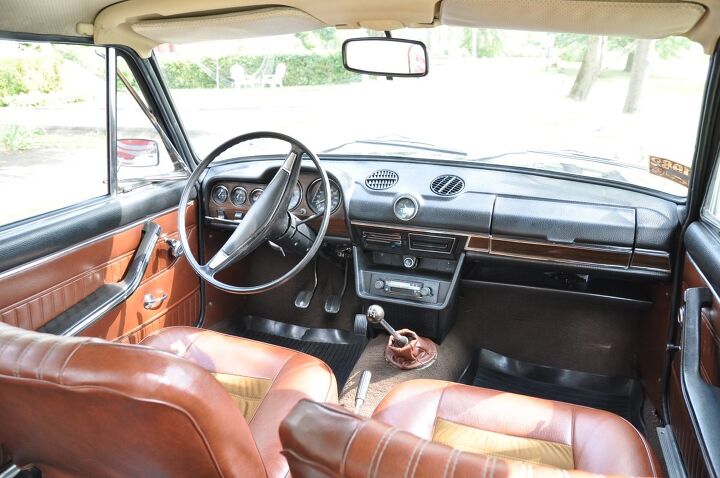
All interior parts are original, including seat covering. Shockingly, such luxury item as the rear center armrest was standard but headrests were not added until later in production. Manual seat-belts provide world class insecurity and a lot of the interior had a very familiar Fiat feel. Where he could, Roman added factory accessories, such as the factory radio and with a mono-speaker mounted below it; at the right frequency, the ignition system is very audible. Other interesting features are designed with security in mind, such as quick disconnect wiper blades and side mirror, both of which were frequently stolen in communist Russia.
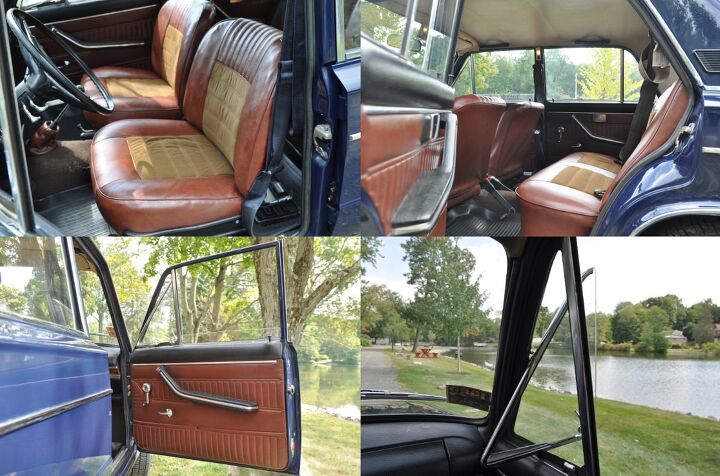
The front seats offer little support yet are comfortable, feeling springy like older Mercedes-Benz seats. They give an impression on being seated on, rather than seated in. The rear bench has the same springy feel to it. I was really impressed with the amount of leg and headroom for such a small car; a modern 3-series would not be any more spacious, with the exception of the VAZ being a lot narrower, having smaller doors, and much smaller overall exterior dimensions. This is a small car by modern standards, one can almost hug it!
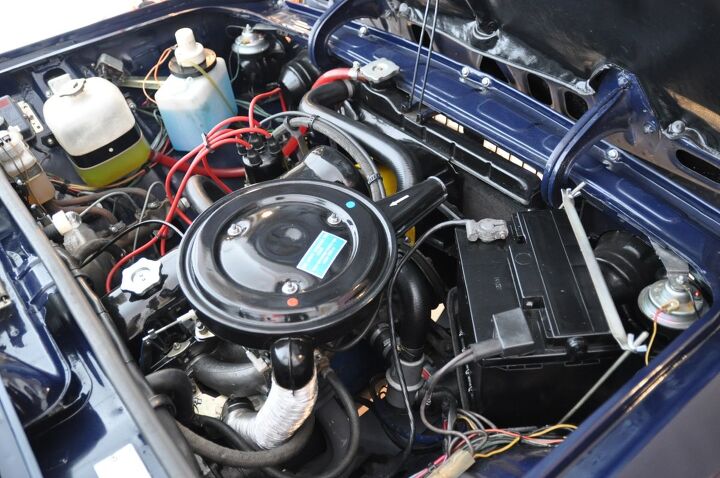
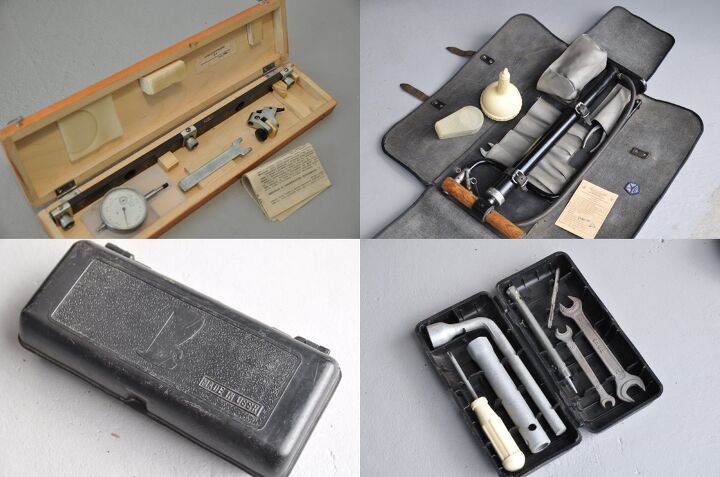
The trunk is lined with a factory-like vinyl cover which I have never seen before as it was something that was likely easily ripped and therefore quickly discarded. The full-size spare tire fits snugly on the left side and is complimented by two tool kits and a foot air pump, all factory parts. Yes, it may seem mind-boggling by today’s standards, but VAZ owners were expected to perform minor service and repairs by themselves. On the right side of the trunk is the gas tank, which in some other Fiat models was relocated under the rear seat.
Around town, the little VAZ keeps up with traffic just fine, but it does struggle a bit at highway speeds. The peak of 70hp and square shape simply does not allow it to cruise like an S-class, or even a new Hyundai Accent. Nor should it, as it was designed in time and place where freeways just did not exist, speeds over 60mph were rarely reached and considered fast. The engine has a narrow power-band and does not like to be spun at speeds that approach the redline. The clutch, the shifter, and the steering feel like they have an organic, unobstructed, mechanical connection to the engine and the chassis; it can be felt and heard. From personal experience of driving similar cars over longer distances, this is amazingly unique these days but it does get tiresome.
Once the iron curtain fell, one of the first things people in Eastern Europe did was ditch their crappy commie cars. They wanted something, anything, with more power, better reliability, and improved fuel economy. They wanted to be able to hear the radio while driving and have enough power to safely pass a tractor on a narrow two-lane road. With time they developed taste for status which is best shown by the automobile one drives. In recent years, however, the Eastern Blok cars have developed a cult and patriotic following. People want to restore and preserve them. To many of those people those once hated but now charming cars represent an important era in history, one that shows perseverance and victory against communist tyranny.
If you want to learn more about Eastern Bloc cars, I suggest this Facebook page. Additionally, in the past I have reviewed an FSO Polonez and a Lada Niva. On semi-regular basis I do write-ups on Hooniverse about weird and obscure cars and trucks that are living and dying on the streets of Poland; see the many links within that post.
Kamil Kaluski is the East Coast Editor for Hooniverse.com. His ramblings on Eastern European cars, $500 racers, and other miscellaneous automotive stuff can be found there.

More by Kamil Kaluski






Comments
Join the conversation
Great review! Brings back memories of riding in Lada taxis in Bulgaria in the 1990s. I remember it being underpowered, with skinny tires and skimpy interiors. Those Bulgarian taxi drivers thought they were in Formula 1, going around the streets of Sofia. My brother still drives one that is so ancient it has a fine covering of moss/lichen over parts of its exterior. The Lada also reminds me of the Sahin (pronounced Shaheen) I used to own in Turkey. The Shaheen was the Turkish version of the Fiat 131, produced until at least 2002. I couldn't believe they were still making a 1970s car in 2002, but then the Indians are still making a car from 1955 - the Ambassador. Similarly underpowered, spartan interior, RWD, etc. It was slightly dangerous and challenging to get it up to highway speeds because of the Turkish roads. You felt as though you were on the ragged edge. Coming back to the US and driving a Grand AM GT felt like geting into a rocket ship.
Great article, thanks for posting. Just one request, with the exception of the photos of the toolkit where it really makes sense, I'd prefer it if the photos weren't combined/composited. Since this is about as close as I'll ever come to seeing this car in person I'd prefer them to be larger individual pics.