


Tips for Wintertime Off-Road Travel: How to be Best Prepared
My husband (and fellow TTAC contributor), Andy Lilienthal, and I are avid off-road enthusiasts and have been for over 15 years. We love exploring remote areas to see what there is in the back 40. When the snow flies, we don’t let it stop us. However, wintertime off-road travel, especially in secluded areas in the winter, requires extra preparation and special gear. Anyone who’s lived in the Upper Midwest, Alaska, or other frigid winter climates knows you need to be prepared for winter’s worst if you’re headed out. We’ve logged tens of thousands of miles in Canada and Alaska, and experienced temps of down to -50° F and blinding whiteouts on numerous occasions, including during the Alcan 5000 Rally winter competition.
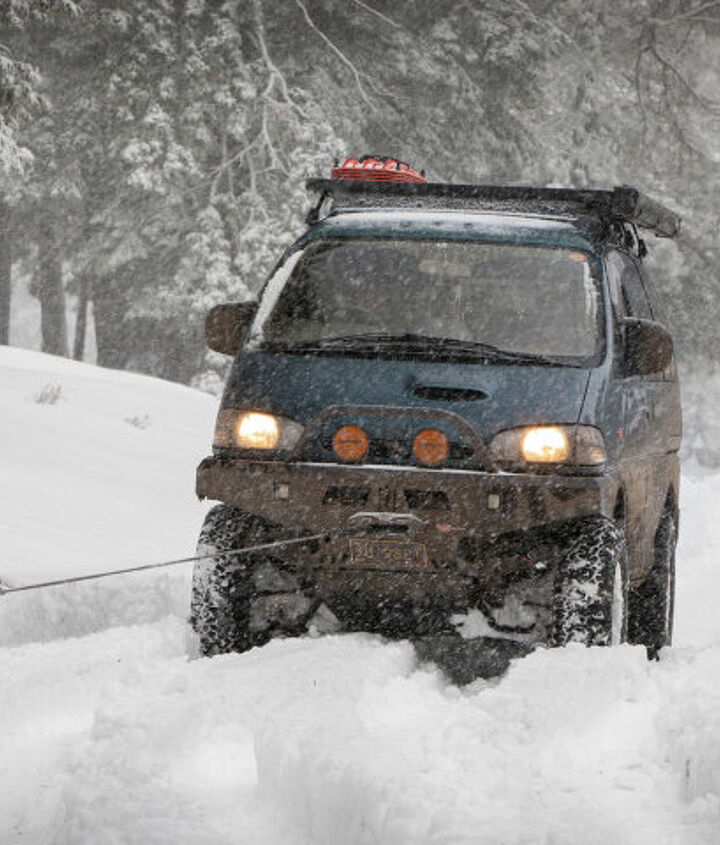
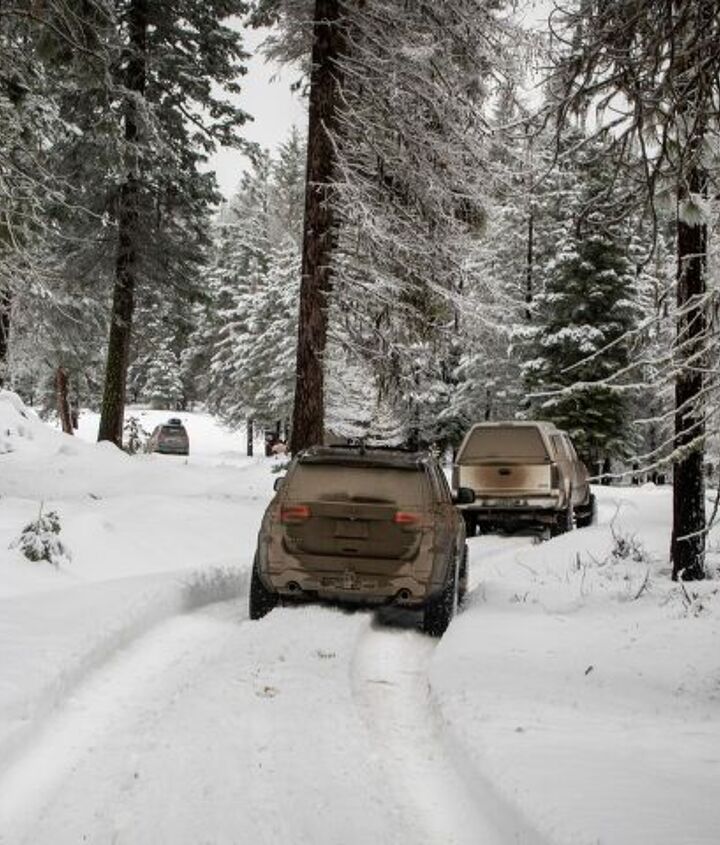
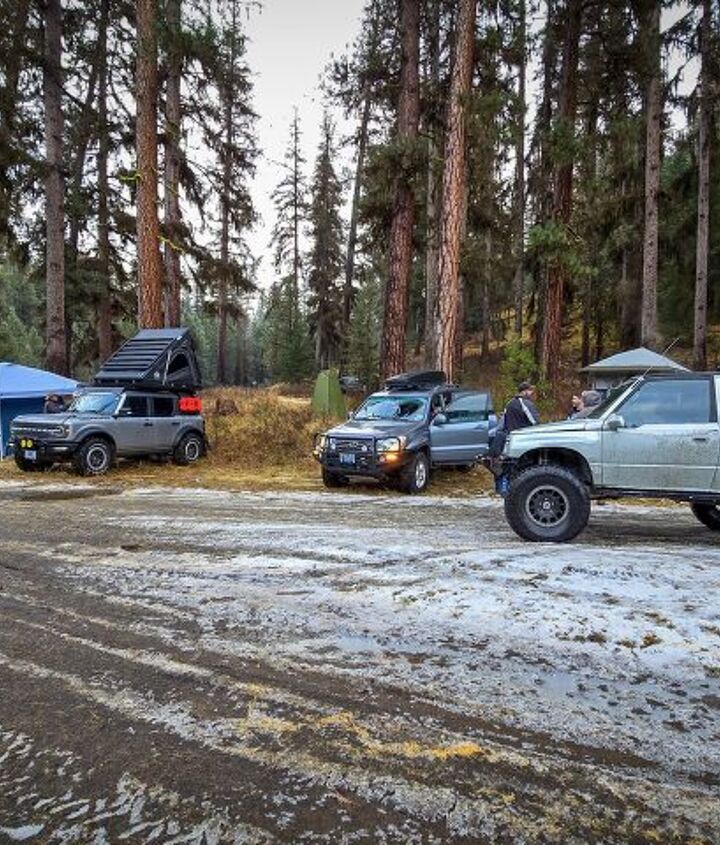
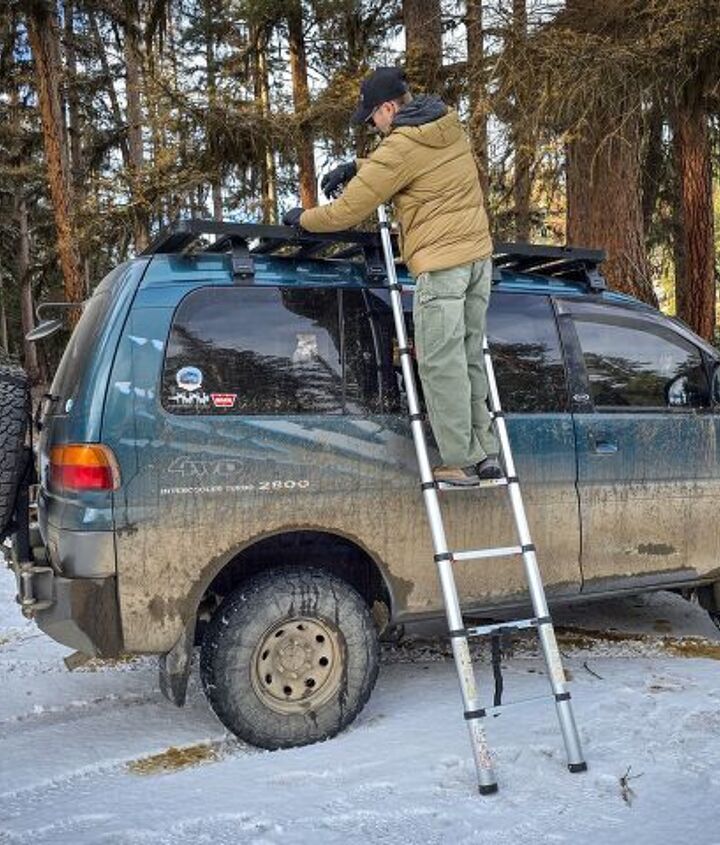
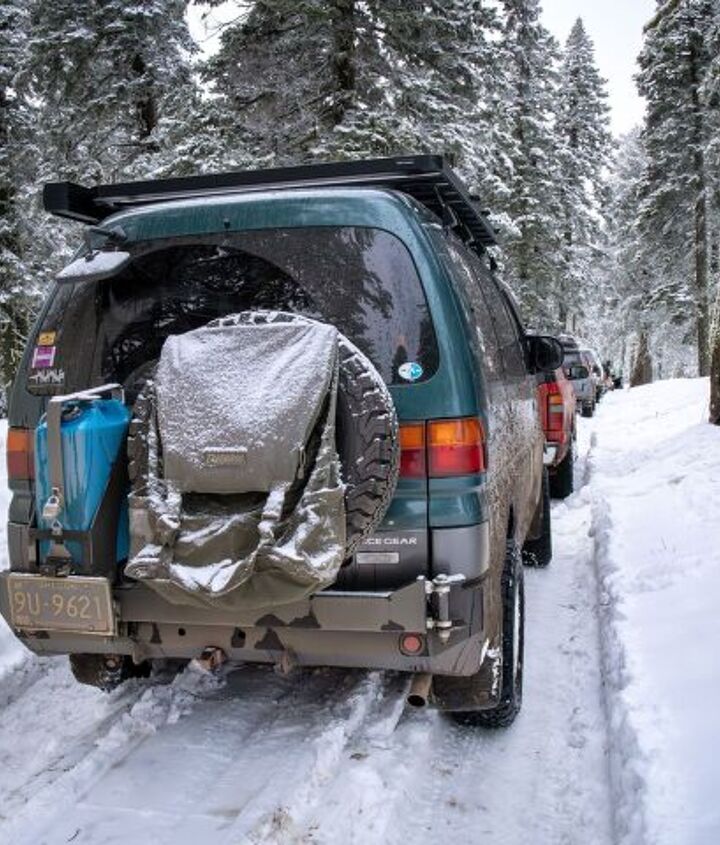
One of our latest wintertime off-road travels was in the high-desert Ochoco National Forest region of central Oregon. We drove our 1994 Mitsubishi Delica Space Gear 4x4 van and were one of 12 vehicles. The trip gave us good reminders about how to prepare for winter travel, especially if you’re venturing off the beaten path. So here are some tips to be prepared for when the winter weather gets nasty, especially if you’re in the boonies.
Getting Your Off-Road Vehicle Winter Ready
Having a reliable rig is paramount when traveling in frigid and unforgiving climates. A good first step is to make sure your vehicle’s battery is in great shape and fully charged. Now’s not the time for a battery failure.
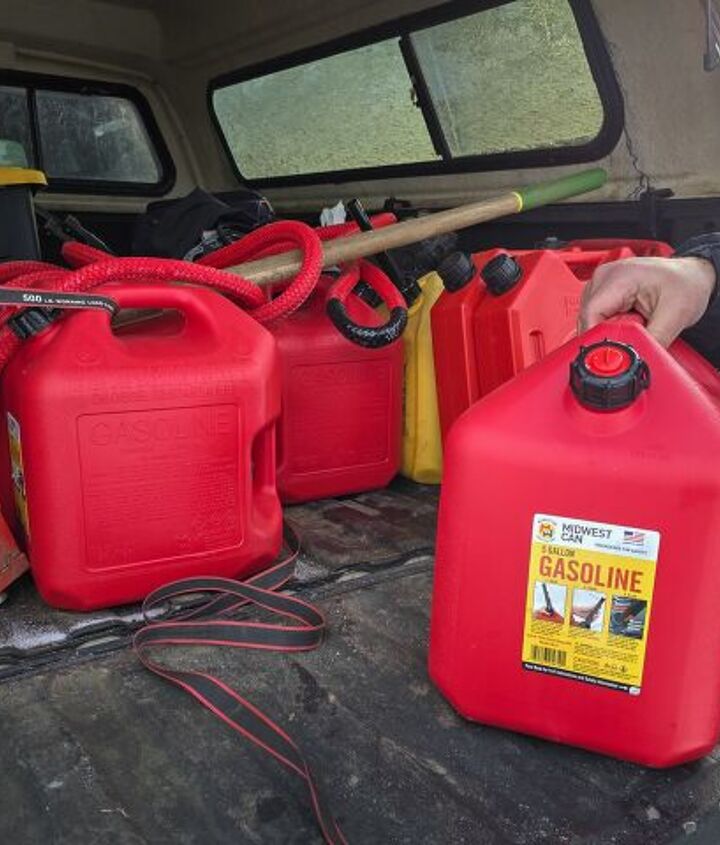
If you’re traveling in remote areas that are far from the highway, bring extra fuel, as wintertime off-roading may use more of it than you realize. We recently had to do an overnight 11-hour, and a 42-minute fuel run in the dead of winter to grab extra fuel for others who ran out. Don’t be those people. A fuel can is cheap, and you don’t want to get stranded.
Top off your fluids and check your antifreeze and wiper fluid to ensure they’re rated for low temps otherwise they can freeze. Replace regular wiper blades for winter ones. These are basic things, but they can make a big difference.
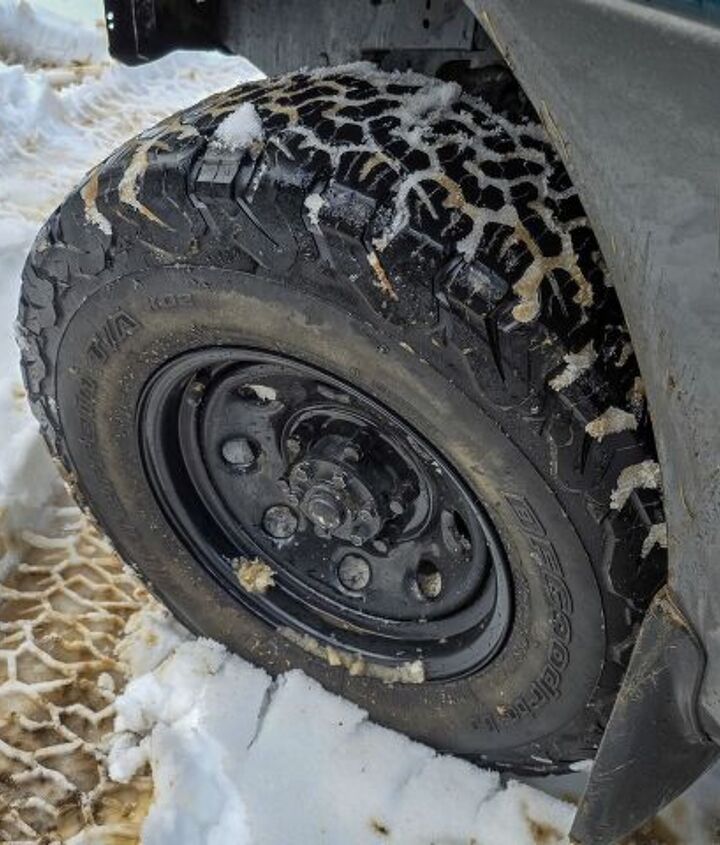
When temps dip below 45° F or lower, all-season tires, most mud-terrains, and some all-terrains won’t work as well in winter conditions. They can get hard and grip less due to their rubber compounds and tread designs. Instead, opt for winter-dedicated tires, or 3 Peak Mountain Snowflake (3PMS) rubber. Our snow-going vehicles – the Delica van and 2022 Subaru Crosstrek, both wear 3PMS-rated BFGoodrich KO2 all-terrains. That 3PMS rating specifies improved wintertime traction for better handling in snow and icy conditions. A full-on dedicated snow tire, however, like the Michelin X-Ice SNOW tires that were on our 2024 Alcan 5000 Rally INEOS Grenadier rally rig, will offer the most capable winter driving experience.
Again, a basic thing: Check your head- and taillights and bring a durable ice scraper along in case they get caked with the elements. Many people don’t bother with this, but it’s a good thing to do this before wintertime. If you have auxiliary lights, LEDs have the tendency to ice over quicker than hot halogens. Many manufacturers sell colored lenses for aftermarket lights. Blue and yellow-hued covers work well in low visibility or snow. They also help protect aux lights from gravel chips and cracks.
Automotive Upgrades
If you see yourself adventuring in winter more often, key automotive upgrades can help start your vehicle. These include an oil pan heater, a block heater, or even an engine coolant heater. We used a Webasto Thermo Top Evo engine coolant heater during the 2020 Alcan 5000 Rally. This allowed us to start our diesel-powered 1991 Mitsubishi Pajero 4x4 even at -43° F.
Arctic nights challenged us over that 10-day Alcan 5000 trek when temps dipped near -50° F. We drove deep north above two Arctic Circles, to one of the northernmost points on land in North America in the dead of winter: Tuktoyaktuk, Northwest Territories. Tip: If using a plug-in block heater in extreme cold conditions, buy a properly winter-rated extension cord. Standard-duty versions may crack during cold-weather usage. Ours was bright green with an orange light that turned on when plugged into an outdoor socket. It was rated at -30° F and purchased from Amazon. Note: Though functional during severe cold temps, a cold-weather extension cord may freeze. It could be hard to roll back up for stowage until it thaws. We tossed ours into the back of the Pajero and once it thawed, we re-rolled it for future use.
Vehicle Recovery Gear
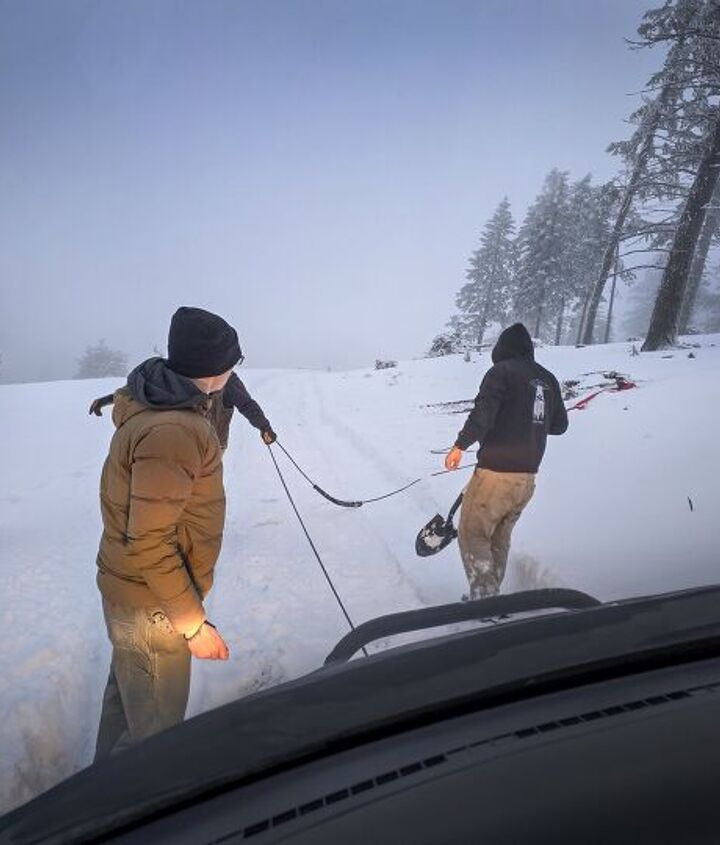
Having a basic vehicle recovery kit while off-roading is a must, especially when traversing through snow or ice. During our Ochoco forest adventure, several 4x4 rigs got stuck in deep snow, some more than once. However, since people had shovels, tow straps, a few shackles, and some like us with that and a winch, helped each other get unstuck.
Additional Recovery Items:
- Recovery boards—we happen to use MAXTRAX. They offer a variety of sizes and styles depending on your vehicle type.
- Tree trunk protectors for anchor points if you have a winch. Place them low on a tree trunk (or another anchor). It offers a great place to attach your winch’s hook and won’t kill trees during recovery.
- A vehicle winch and winch line extension. Make sure you get the appropriately sized winch for your vehicle as well as the right mounting kit.
- Heavy-duty gloves for winching and vehicle recovery.
- At least one snatch block (to redirect a winch line pull or to double its overall capacity). Note: Using a snatch block will half the speed of a winch.
Prepare Yourself for Cold Temps
While it might sound rudimentary, many layers of winter clothing as well as hand and foot warmers can help keep you warm. We’ve been surprised more than once by people off-roading in the snow in Nike running shoes and no socks. Dress like you might get stuck out there, not like you’re going to a track meet.
It’s also important to stay hydrated, especially when temperatures drop drastically. Your body shivers when it’s cold, using extra energy. Plus, you may not realize when you’re sweating because of frigid temps. Tip: Small sips work well during long treks. Make sure smaller water containers are double walled, so they don’t freeze. They could be used to boil water and thaw other containers if pour nozzles are frozen. Also, bring more food than you think is needed. Plus, eating a high-carb snack before sleeping can help keep you warmer as your body works to metabolize it.
Know the signs of hypothermia. Symptoms often begin gradually so be on the lookout.
The earliest stages are:
- Shivering
- Confusion or disorientation
- Slower movements or being unsteady
- Slurred speech or mumbling
- Body weakness
- In infants, bright red, cold skin
Moderate signs:
- Constant shivering
- Sleepiness and slower breathing
- Pale or blue-like skin
- Loss of coordination
- Low blood pressure
Severe stages:
- Loss of consciousness
- Tight muscles
- Slow or irregular heartbeat
- No shivering
- Possible frostbite
Off-Grid Communications and GPS
Bring extra communication devices when going off-grid. You may not have cell service on your off-road trip. These can range from on-board or handheld CB, VHF, FRS, or GMRS radios (note, some require a license to operate). Other communication devices are satellite based, like inReach products from Garmin or a satellite phone. Note: Satellite-based comms may have small delays when trying to call or text someone. We’ve waited anywhere from less than one minute to several minutes for connectivity. Keep this in mind when using them. I used satellite phones in remote areas multiple times. Each time there were varying times to reach someone. Bring spare batteries for anything chargeable, too.
Bring at least one GPS navigation device, preferably one that can track where you’re driving in case you get lost. Also, bring paper maps of the area. If you get turned around, these things can be lifesavers to help get you out.
More Tips for Wintertime Off-Road Travel
As my husband’s dad Jim always said about surviving Midwest winter storms: “You got to act like you need to walk out of it.” He was referring to winter survival should your vehicle break down. You may need to trudge a long distance for help or stay put until help arrives. Create a wintertime gear list and check it twice. Pack more water, food, and fuel than you think you’ll need. Bring a robust medical kit, headlamps, and a vehicle jump-starter. Check your rig inside and out before leaving for wintertime off-road travel. These tips can help you prepare for any kind of winter weather Old Man Winter throws your way.
[Images © 2025 Mercedes-Lilienthal/TTAC.com]
Become a TTAC insider. Get the latest news, features, TTAC takes, and everything else that gets to the truth about cars first by subscribing to our newsletter.

Mercedes Lilienthal is an Oregon-based automotive journalist and photographer who contributes to The New York Times and several automotive outlets like Car and Driver, Forbes, Autoblog, and more. Additionally, she is a Features Editor of OVR Magazine. Mercedes creates content involving vehicular adventure travel, the automotive industry, and inspiring women within it. She and her husband own two customized right-hand-drive turbo diesel 4x4 Mitsubishis: A Delica Space Gear van and a Gen 2 Pajero SUV. They also own a modified 4WD Suzuki Jimny and Subaru daily driver.
More by Mercedes Lilienthal







Comments
Join the conversation
''Gas man'' is a thing ... we have the 2500hd in our group carry the diesel and all the 5 gallon gas cans that will fit flat in the bed. we carry his gear and feed him.
"We’ve logged tens of thousands of miles in Canada and Alaska" ...... Ummm.... okay.
In Canada, if you are a neophyte, stay off of industrial roads. A 9 axle 146,000 pound logging truck will ruin your day rather quickly.................. Radio controlled roads require some knowledge, a VHF radio with the correct Resourse Road "RR" frequencies and a RR radio licence. You can wait and follow a truck in or out if you have to be out there. ...... .......
MaxTraxs are awesome. I have used them multiple times...... ....... Air down..... it makes a big difference....... ....... Yes, Block heater, and make sure antifreeze in coolant system good for extremes. Diesel gels around -40C. Chevy DEF systems will fail if -20C or colder for extended periods. ........ If you run locking hubs, make sure they are freshly serviced since they can freeze up. Kinda bad if in 4x2 mode. Electronic/vacuum 4x4 engagement systems can freeze up. Chevy AWD T-cases can disengage out of 4x4 under extreme use, especially if using 2 pedal technique.