


Abandoned History: Tariffs, Toyota, and the 1984 Motor Industry Development Plan (Part II)

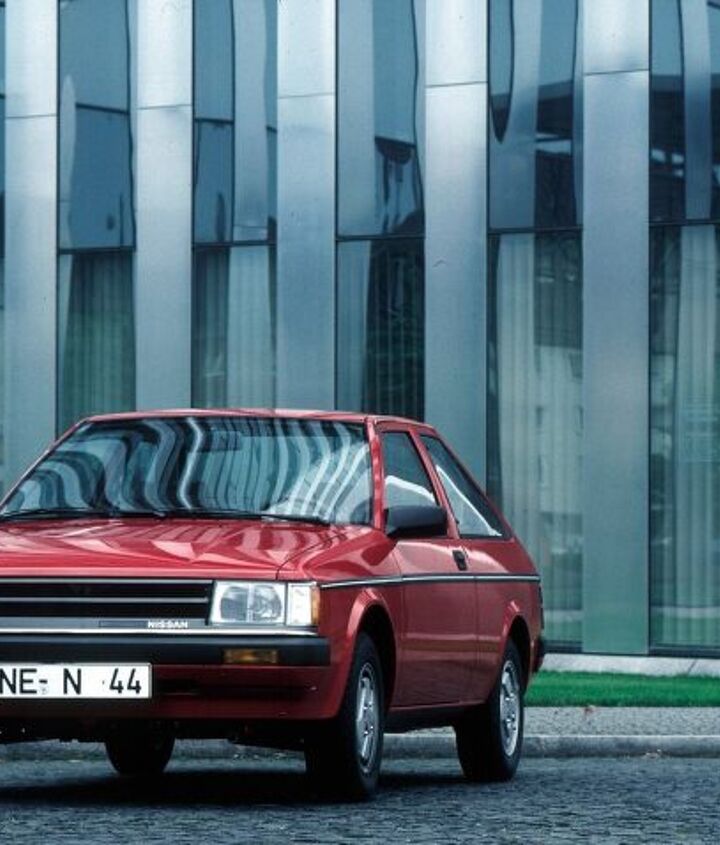
When the Australian government debuted its Motor Industry Development Plan in mid-1984, it believed the solution for the nation's automotive industry woes was at hand. Through streamlining and becoming more cost effective, the plan intended to cut the number of domestically produced vehicles in half, close down underutilized production facilities, and reduce import caps and tariffs on foreign vehicles. The plan also forced domestic Australian and Japanese automakers to work together to create badge engineered vehicles. Ford, Holden, Nissan, and Toyota were all victims of the plan as the manufacturers with the largest footprint on Australian soil. The very same year, Nissan and Holden were the first pairing to debut an exciting new badge engineered vehicle!
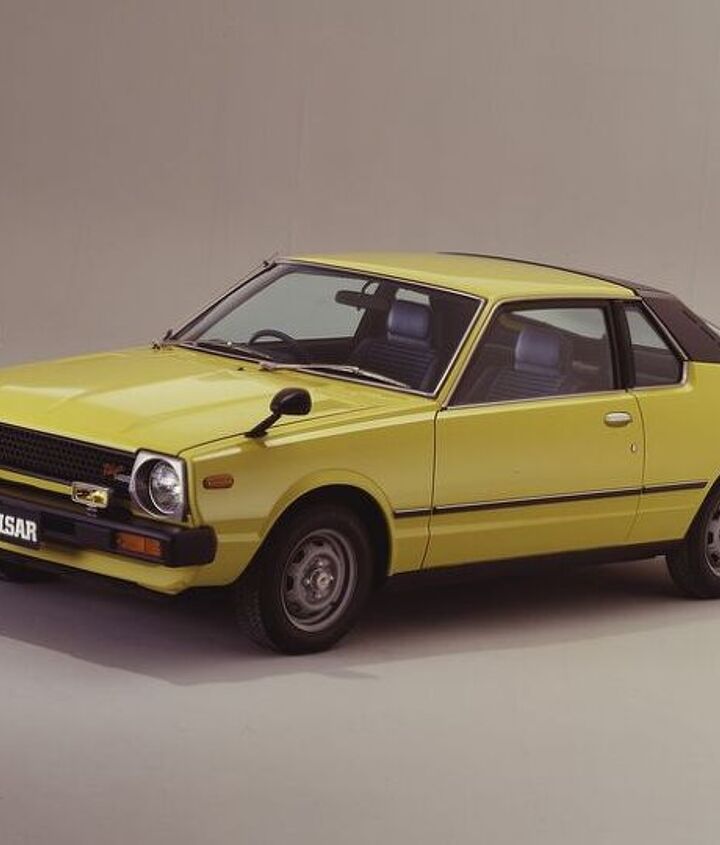
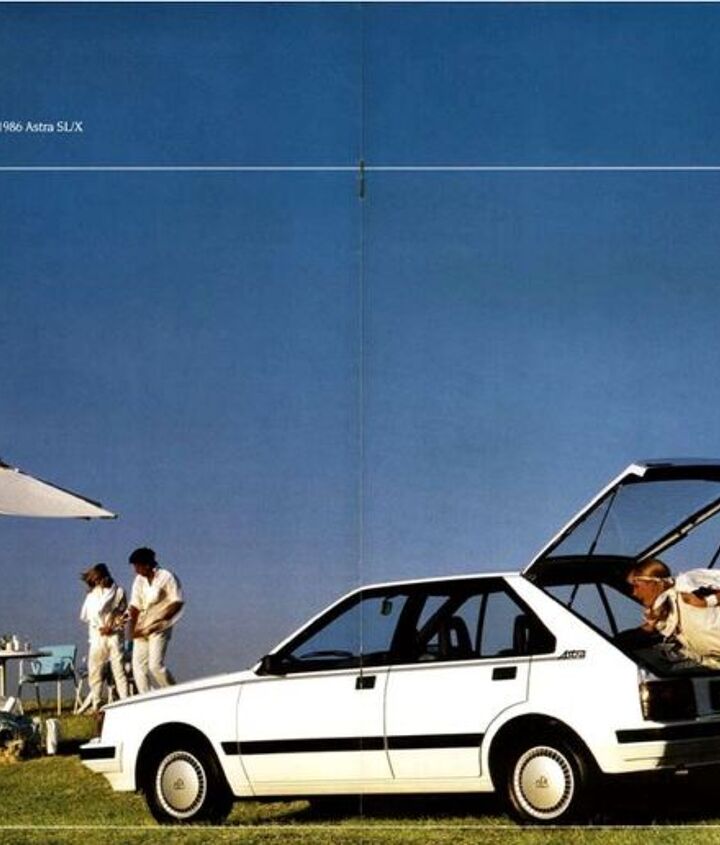
The new vehicle in question was the Holden Astra, a lightly reworked Nissan Pulsar. The Pulsar started its life in late 1978 as a Datsun, and the N10 and N11 versions were sold under various names like 100, 120A, 150A, 310, Cherry, and Langley when paired with a Nissan badge. Available in a variety of shapes of three-, four-, and five-door configuration, the first Pulsar was assembled in several locations including Wiri, New Zealand.
After a strong five-year run, the N10 and N11 were replaced by the N12 Pulsar in 1982. Datsun badging was gone, but Nissan picked up Alfa Romeo branding (as Arna) in addition to its shiny new Holden suit. Supplementing existing Cherry branding in Europe, the Pulsar was sometimes called Liberta Villa. Body styles decreased, and it was sold as a two-door coupe (Pulsar NX/EXA), as a hatchback with three or five doors, and as a four-door sedan. The N12 was produced from 1982 to 1986 for world markets, but Australian-built examples of the Pulsar and Astra were made from 1983 to 1987.

Despite the effort at streamlining and the fact the product was nearly identical, the Pulsar and Astra were built at different factories. Nissan models were made at Clayton, Victoria, but the Astra was made at Holden’s Elizabeth, South Australia factory. Holden didn’t want to sell the Astra, and Nissan didn’t want to give it to them. So Nissan did the bare minimum, and allowed Holden access to only the five-door hatchback version.

If customers wanted a three-door hatchback or a sedan, they’d have to travel over to the Nissan showroom and buy a Pulsar. For its part, Holden would encourage sedan buyers to check out the similarly sized Isuzu-based Gemini, which you might know as the Geo and Chevrolet Spectrum or Isuzu I-Mark. The Astra was also limited on engine choices, as Nissan provided only one: a 1.5-liter inline-four that produced a whopping 70 horsepower. In Nissan showrooms Pulsar customers had a range of six engines from which to choose.
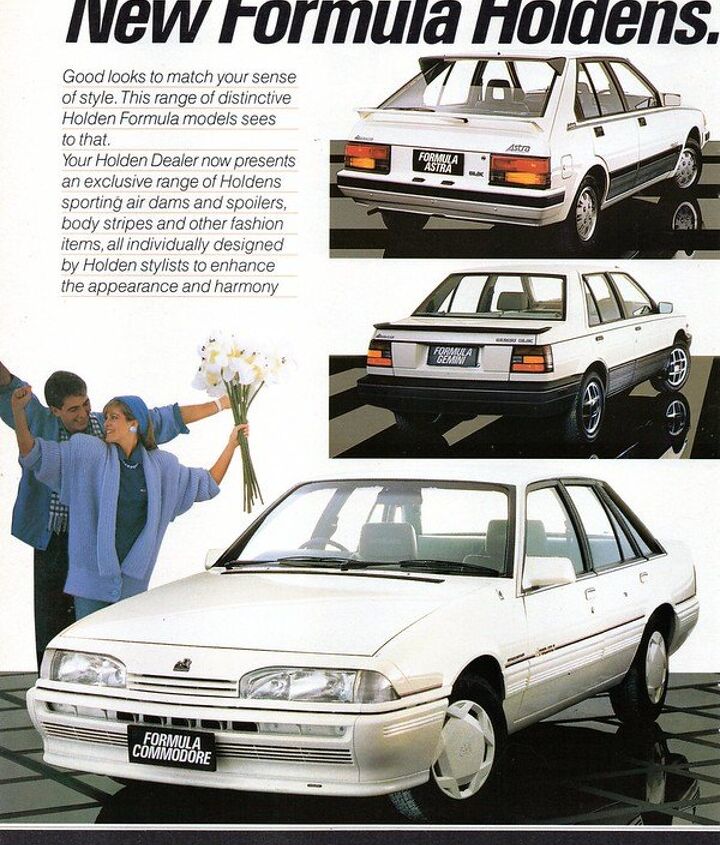
Holden stylists spent about 15 minutes reworking the Pulsar into the Astra, and changes were limited to a different grille and the requisite badges around the body exterior. The Holden grille had more slats than the Nissan version, and wore a Holden badge. On occasion in Australia the Pulsar would wear PULSAR lettering in the center of the grille, instead of reading Nissan in the corner.
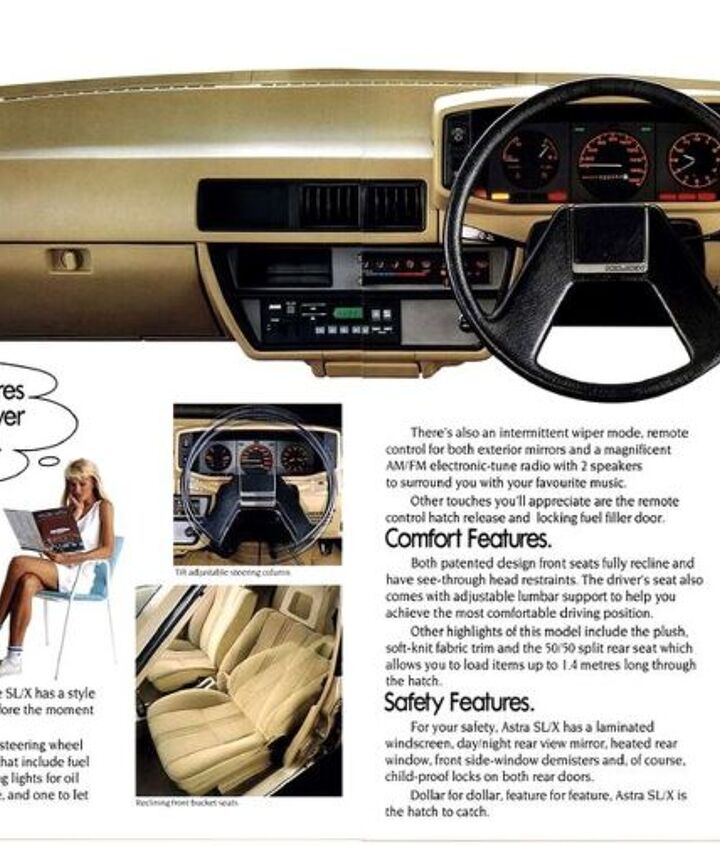
The Astra was updated alongside the new Pulsar (N13) when Australian production switched over a full year after the rest of the world. New names for the N13 Pulsar in other markets included Sunny, and Sentra. The Cherry name was used only in the Greek market for the N13.
The second generation Astra was available as a four-door sedan or five-door hatchback, which meant Nissan kept only the three-door hatch as a Pulsar exclusive shape in Australia. Other markets also received the cool Pulsar EXA Canopy. Engine choices expanded, and included a 1.6-liter good for 74 horses or a 1.8 that managed 106 horsepower. Both of these engines were Holden designs, and part of the Family II engine lineup. Nissan buyers would be surprised in 1987 to find their new Pulsar was powered by Holden, too.
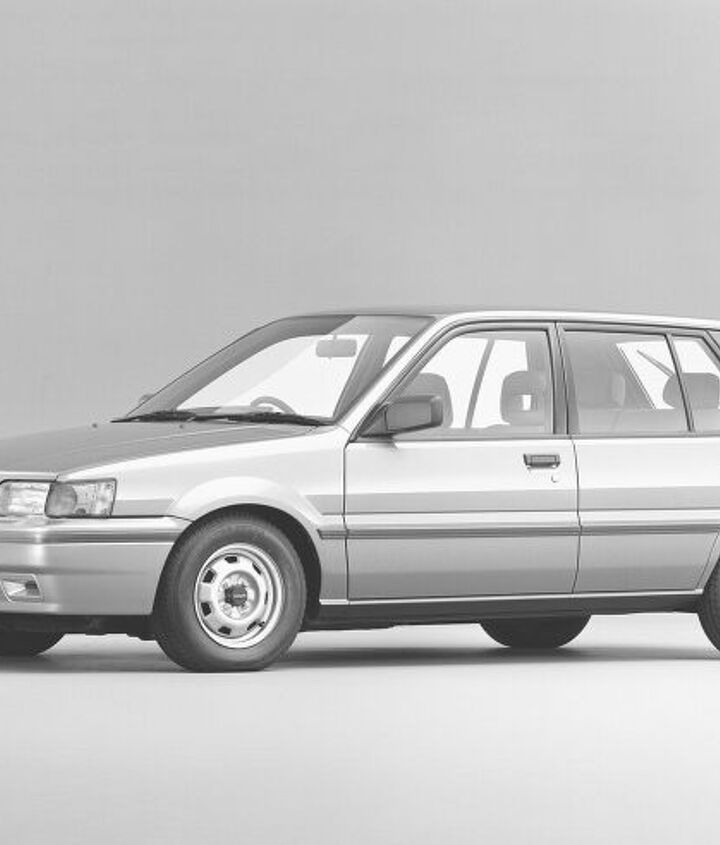
Visual differentiation was a bit stronger in the N13 Pulsar/Astra, likely because both companies had more time to prepare for the required badge engineering. Pulsar examples wore an egg crate grille and clear corner markers at their front ends. The Astra had a horizontal slat grille again, and corner markers that had an amber insert.
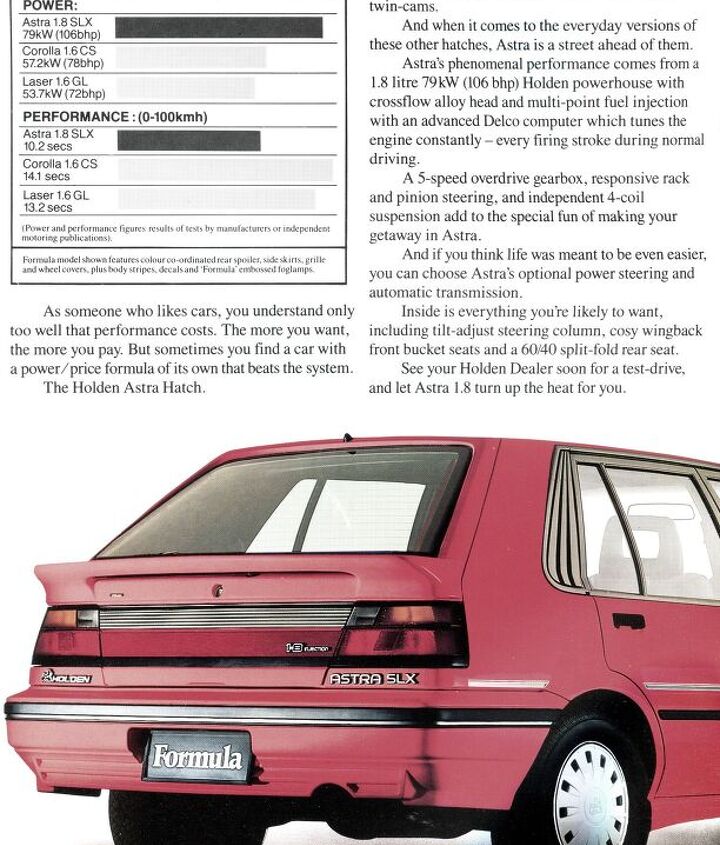
At the back, both cars wore a new smoke and red heckblende design between the rear lamps. The Holden versions went for a simpler tail lamp design that had less detailing overall. Though the lenses were the same colors as on Nissans, the Pulsar rear clip had some vertical or angled texture to the lenses.

The N12 and N13 Pulsar/Astra agreement ended up the only pairing between Nissan and Holden. The unhappy marriage dissolved in July of 1989, just two years into local N13 production. Toyota had come knocking at General Motors’ door about an Australian collaboration, and the two companies were much more familiar with one another.

In America, the joint venture GM-Toyota NUMMI plant in California (now the Tesla Fremont factory) was nothing new. The factory had been cranking out the Corollo-Nova since 1985, and by 1989 had completed the E80 Corolla FX16, and advanced to the E90 Geo Prizm and Toyota Corolla. General Motors cut ties with Holden immediately, and embarked on a new venture with Toyota called the United Australian Automobile Industries (UAAI).
But Nissan was not left high and dry, as while the company shared its Pulsar with Holden it worked up additional product swaps with Ford. And those were just getting started. In our next installment we’ll review the Nissan-Ford product portfolio, which produced an SUV, a ute, and a goofy looking five-door liftback.
[Images: GM, Nissan]
Become a TTAC insider. the latest news, features, TTAC takes, and everything else that gets to the truth about cars first by subscribing to our newsletter.
Interested in lots of cars and their various historical contexts. Started writing articles for TTAC in late 2016, when my first posts were QOTDs. From there I started a few new series like Rare Rides, Buy/Drive/Burn, Abandoned History, and most recently Rare Rides Icons. Operating from a home base in Cincinnati, Ohio, a relative auto journalist dead zone. Many of my articles are prompted by something I'll see on social media that sparks my interest and causes me to research. Finding articles and information from the early days of the internet and beyond that covers the little details lost to time: trim packages, color and wheel choices, interior fabrics. Beyond those, I'm fascinated by automotive industry experiments, both failures and successes. Lately I've taken an interest in AI, and generating "what if" type images for car models long dead. Reincarnating a modern Toyota Paseo, Lincoln Mark IX, or Isuzu Trooper through a text prompt is fun. Fun to post them on Twitter too, and watch people overreact. To that end, the social media I use most is Twitter, @CoreyLewis86. I also contribute pieces for Forbes Wheels and Forbes Home.
More by Corey Lewis


Comments
Join the conversation
Most of those cars are ugly. It appears Australia had a malaise era too.
Car Swapping Between Cars Companies? Nah, And Why. Because Even When when you See GM’s Camaro and Chrysler Charger Are Supposed to Be Two Different Design Styles Of A Sport Car But Get Up Close And look At The Body Creases Running Along The Side Of The Rear Roof Of The Car And It was on the Camaro But You would Think The Charger Would Look Different In Styling But NO It Looks More Like Chrysler Borrowed The Design From GM. Same Body Lines Except The rear Top Of The Roof Of The Car Is A little Angle rather sharper end while The Rest Of The body Speaks Camaro Where Other Companies like Nissan Tries To Manufacture A Different Car For The Other Company To Call Their Own.