


Tesla Model S Pricing Strategy Remains Unfathomable With Discounted 15 KWh Upgrade

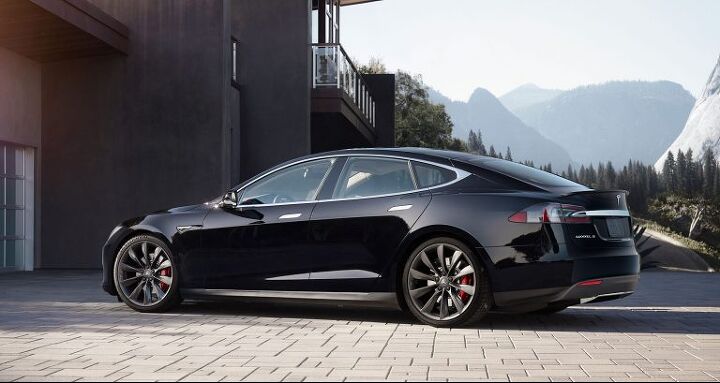
Tesla pricing is about as predictable as the winning lottery numbers. This year it added numerous surprise fees onto its supercharging network and rearranged the pricing structure for its Model S sedan more times than I can remember. Most recently, the company increased the price of its base Model S 60 from $66,000 to $68,000 with an $8,500 software update that unlocks the battery’s full potential — since the 60 is just a 75 that has been digitally neutered and rebadged.
In some instances, almost 30 percent of the value of the vehicle can be unlocked through in-car purchases. There are all manner of software-upgradable items but keeping up with their pricing is nearly impossible, especially when Tesla doesn’t actively announce those changes.
Model S owners have reported to Electrek that the cost to upgrade to the 60’s battery into a 75 kWh has been quietly reduced by $2,000 — the exact same price they increased the 60 by in November. While “enhancing” the battery was previously a $9,000 option, the cost of the upgrade on some owners’ “My Tesla” account dropped to just $7,000 on Friday night.
Anyone who purchased a Model S 60 after November and upgraded their battery software before the price cut, has to be kicking themselves right now. While it isn’t clear if the discounted upgrade is available to all owners, it is still $500 cheaper to simply purchase a Model S 75 outright and avoid as much of this nonsense as possible.
Teslas claims that selling the 60 at a reduced price — despite it really being a 75 — remains profitable. However, the EV manufacturer did use in-car messages to semi-desperately advertise the 75 kilowatt-hour upgrade to 60 owners last year. Buying the more-expensive vehicle would have circumvented that little annoyance entirely while Tesla continued to fiddle with its clumsy pricing structure.
[Image: Tesla]
Consumer advocate tracking industry trends and regulations. Before joining TTAC, Matt spent a decade working for marketing and research firms based in NYC. Clients included several of the world’s largest automakers, global tire brands, and aftermarket part suppliers. Dissatisfied, he pivoted to writing about cars. Since then, he has become an ardent supporter of the right-to-repair movement, been interviewed about the automotive sector by national broadcasts, participated in a few amateur rallying events, and driven more rental cars than anyone ever should. Handy with a wrench, Matt grew up surrounded by Detroit auto workers and learned to drive by twelve. A contrarian, Matt claims to prefer understeer and motorcycles.
More by Matt Posky







Comments
Join the conversation
Blithe acceptance of unfathomability is central to any religious adherence. Insanely great inshallah um Gottes willen MAGA.
Tesla should take the IBM approach. Build every car with the same large battery and just restrict access based on price point/range. Allow people to purchase temporary access for trips and such, or pay later to unlock(upgrade) to the full range. It would cut down on production costs associated with supporting different size batteries, and provide better battery use since you'll have more cells to help spread the load out over the life of the car.