


With a Week to Go in Obama Administration, EPA Sets 2025 Fuel Economy Targets in Stone

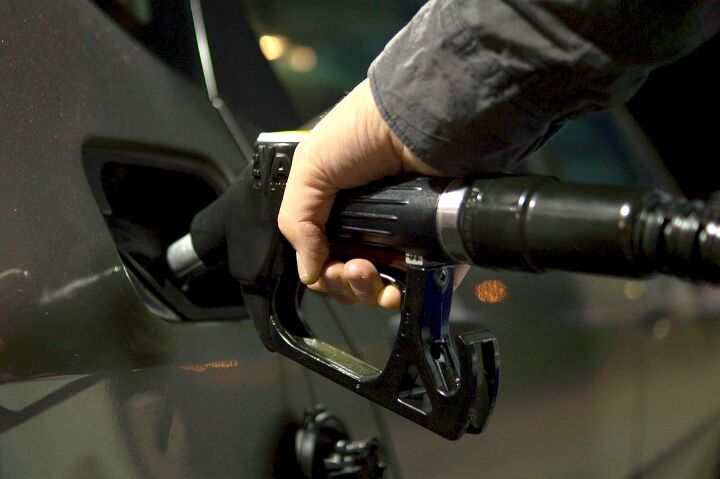
Environmental Protection Agency administrator Gina McCarthy has decided to maintain current emissions and fuel economy standards through 2025, cementing a central pillar of the Obama administration’s green legacy.
Many automakers have been critical of Obama’s rather strict climate policies and were hopeful that President-elect Donald Trump might roll back some of the more stringent regulations. Of the policies, none is more controversial than the corporate average fuel economy (CAFE) mandate, which began a midterm review earlier this year.
While the EPA’s ultimate determination wasn’t due until April of 2018, choosing not to alter 2025 vehicle emission and CAFE rules effectively locks in the standard before Trump can take office.
McCarthy explained that her decision, which institutes a legal means to maintain the fuel efficiency rules, rests entirely on the facts.
“My decision today rests on the technical record created by over eight years of research, hundreds of published reports including an independent review by the National Academy of Sciences, hundreds of stakeholder meetings, and multiple opportunities for the public and the industry to provide input,” said McCarthy in her official statement.
“At every step in the process the analysis has shown that the greenhouse gas emissions standards for cars and light trucks remain affordable and effective through 2025, and will save American drivers billions of dollars at the pump while protecting our health and the environment.”
The agency believes that the standards, which requires an average fleet-wide light vehicle fuel efficiency of 54.5 miles per gallon by 2025, will result in consumer EPA window stickers surpassing 36 mpg for passenger cars and light-trucks. That’s more than 10 mpg higher than the fleet averages of today. The mandatory improvement in economy is also estimated to diminish U.S. oil consumption by around 2.4 million barrels a day — a 10 percent reduction of America’s total petroleum consumption.
While environmentalist groups are chuffed to hear that the adjudication won’t be undone by the next POTUS, those in the automotive industry are less pleased to see the inflexible standards remain.
“The EPA decision is disappointing,” said Gloria Bergquist, a spokeswoman for the Alliance of Automobile Manufacturers, which had been urging the agency to reconsider. “Our fundamental priority remains striking the right balance to continue fuel economy gains and carbon reduction without compromising consumer affordability and vital auto-sector jobs.”
Consumer advocate tracking industry trends and regulations. Before joining TTAC, Matt spent a decade working for marketing and research firms based in NYC. Clients included several of the world’s largest automakers, global tire brands, and aftermarket part suppliers. Dissatisfied, he pivoted to writing about cars. Since then, he has become an ardent supporter of the right-to-repair movement, been interviewed about the automotive sector by national broadcasts, participated in a few amateur rallying events, and driven more rental cars than anyone ever should. Handy with a wrench, Matt grew up surrounded by Detroit auto workers and learned to drive by twelve. A contrarian, Matt claims to prefer understeer and motorcycles.
More by Matt Posky







Comments
Join the conversation
The regulations can be reversed through the same process as they were enacted. The new administration at the EPA has to publish the new regulations (or the reversal of the old regs) in the Federal Register, giving a specified time for comments. Once that period is up, they then can make the new regs final, while responding to comments (pound sand, etc).
Obama's 2025 EPA fuel economy targets are set in stone just like his Syrian red line. More than 400,000 people have been slaughtered in Syria many of them women and children. Thanks Obama. You won't be missed. Only 4 More Days!!!!