
Stellantis and Factorial Plan a "Quasi-Solid" Electrolyte Battery By 2027


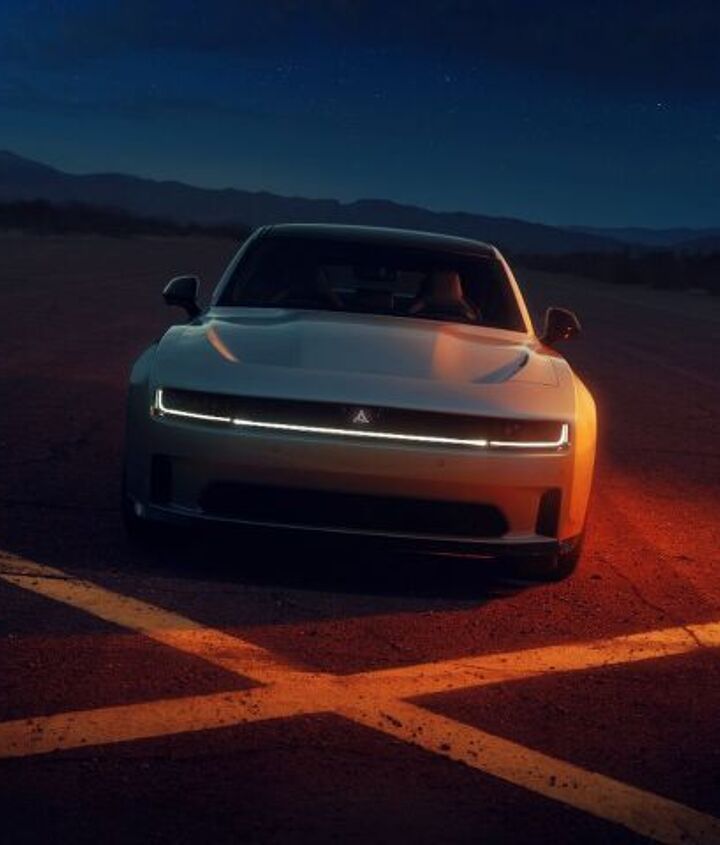
Dodge’s electric Charger Daytona hasn’t been the immediate sales success the automaker needed, but the car is scheduled to get an innovative new battery system that could change its fortunes. Dodge’s parent company, Stellantis, recently announced a new partnership with Factorial that will bring solid-state batteries to the car as early as 2027.
Solid-state EV batteries promise better energy density, a lighter weight, and a safer design, but manufacturers haven’t yet figured out how to produce them on a commercial scale. That said, Factorial’s battery isn’t fully solid-state. It uses the Factorial Electrolyte System Technology (FEST), which it considers a “quasi-solid” electrolyte.
Factorial hasn’t given any details on the FEST technology, but said that it had begun shipping test batteries to Stellantis, Mercedes-Benz, and Hyundai. Stellantis’ testing apparently yielded strong enough results for Dodge to use the battery system in a refreshed Charger in 2027. Factorial claims an energy density of 177 watt-hours per pound, which ranges from double to quadruple the densities found in today’s packs.

The FEST batteries also promise fast charging and discharge, with the company estimating 18 minutes for the system to charge from 15 to 90 percent. Stellantis will be able to use fewer battery cells to store the same amount of energy that today’s batteries hold, making the car lighter, though significant questions remain about the batteries’ scalability and widespread rollout. Those questions grow even louder when you consider the difficulties Stellantis has faced with the quality and reliability of its existing electrified vehicles.
[Images: Stellantis]
Become a TTAC insider. Get the latest news, features, TTAC takes, and everything else that gets to the truth about cars first by subscribing to our newsletter.
Chris grew up in, under, and around cars, but took the long way around to becoming an automotive writer. After a career in technology consulting and a trip through business school, Chris began writing about the automotive industry as a way to reconnect with his passion and get behind the wheel of a new car every week. He focuses on taking complex industry stories and making them digestible by any reader. Just don’t expect him to stay away from high-mileage Porsches.
More by Chris Teague








Comments
Join the conversation
This shows to go you that EV tech is still in its infancy. They may have gotten past Henry Ford’s recommendation that you tear down and rebuild the engine after 10,000 miles, but there is a lot of development left to do. Meanwhile, there is money to be made with roving ICE vehicles with gasoline-powered generators to relieve range anxiety.
The new electric Charger Daytona is not a success because no one wants it. The people that buy muscle cars want the Hemi Motors.